What is the Easiest Robot Vacuum to Use? A 2025 Guide

What is the Easiest Robot Vacuum to Use? A 2025 Guide

Dreame Editorial Team |
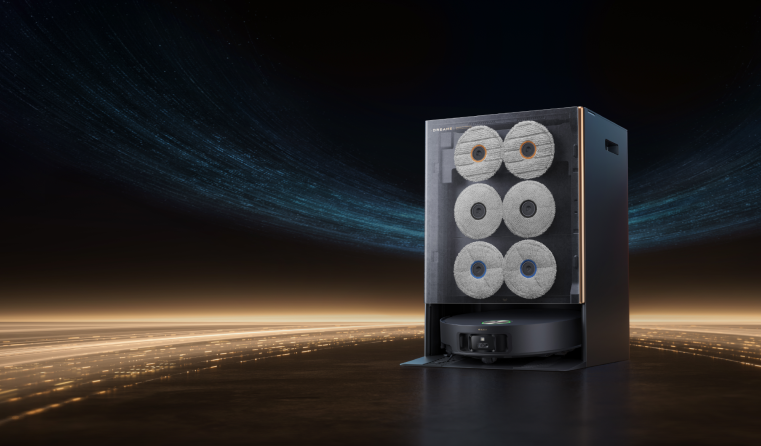
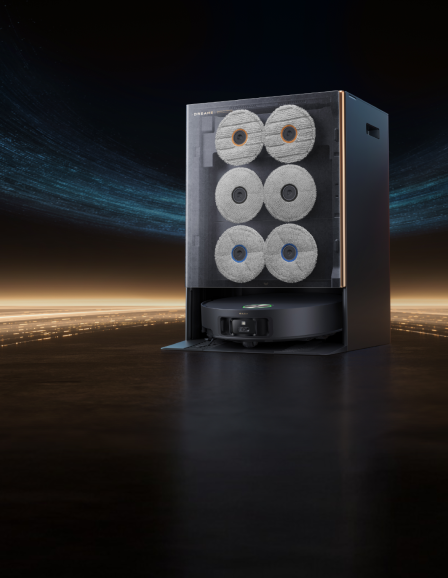
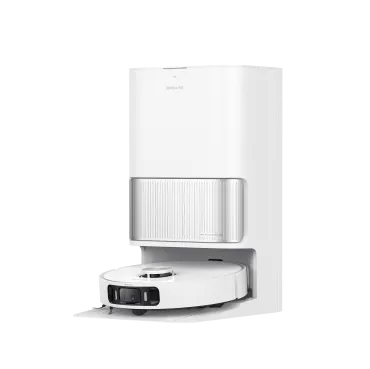
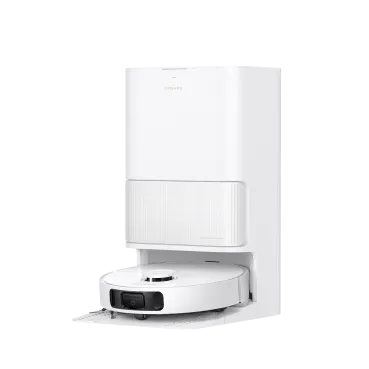
Robot vacuums promise a future of clean floors with minimal effort. But for many, the reality involves frustrating Wi-Fi pairing, confusing apps, and daily maintenance that feels like a new chore. If you’ve ever wondered if there’s a robot vacuum that actually makes life easier, you’re in the right place. In this guide, we’ll explain what makes a robot vacuum truly easy to use, outline the features that matter most, and highlight our top models designed for convenience. By the end, you’ll know which option fits your lifestyle, home size, and cleaning needs. What Makes a Robot Vacuum "Easy to Use"? Ease of use isn't just about pressing a button. It's about a seamless experience from unboxing to everyday cleaning. Based on common user experiences, the easiest robot vacuums excel in these key areas. Effortless Setup There’s nothing worse than a gadget that takes hours to set up. An easy-to-use robot vacuum gets you cleaning quickly. Clear Instructions & Guided App Onboarding: Look for models with intuitive buttons and an app that walks you through setup. Most connect over 2.4 GHz Wi-Fi for smoother pairing. Benefit: You spend minutes, not hours, getting started. No more trial and error with complicated manuals.   Dreame Take The Dreamehome app is designed for this. You can add a new device in minutes, even if you’ve never used a smart appliance before.   Simple Daily Operation The best robot vacuum fits into your life without demanding attention. One-Touch Start & Voice Control: Physical buttons on the vacuum or its dock allow for instant cleaning without your phone. Integration with voice assistants like Alexa or Google Assistant means you can start a cycle while your hands are full. Benefit: Launch a cleaning session without bending down or searching for your phone. It’s cleaning at the sound of your voice. Vacuum and Mop Mixed Floors For homes with a mix of hardwoods, tile, and low-pile rugs, a versatile cleaner is essential. All-in-One Cleaning: The easiest models switch between vacuuming dry debris and mopping up spills automatically. They intelligently adjust suction and water flow based on the floor type. Benefit: One device handles all your floor cleaning, saving you the time and storage space of multiple tools. Low-Maintenance Dock (The Real Time-Saver)  This is where the true "easy" experience shines. The less you touch the vacuum, the better. Self-Emptying Docks: Instead of emptying the small dustbin every day or two, a self-emptying dock sucks the debris into a larger bag that you might only need to change every month or two. Automatic Mopping Maintenance: Some advanced docks automatically wash and dry the mopping pads after each run, preventing mildew and smelly odors. Anti-Tangle Brushes: Specialized brushrolls resist hair wrap, reducing the need to cut out tangled strands manually. Benefit: You reclaim valuable time. The vacuum cleans your home, and its dock takes care of the vacuum. For a deeper dive into how these features add up, our blog on “Are Smart Vacuums Worth It?” breaks down the long-term value. Intuitive App Experience A powerful app shouldn’t be a complicated one. Ease of use means clarity and control. Clear Maps & Easy Zones: After its first run, the vacuum maps your home. The best apps let you easily set no-go zones or specific cleaning areas. Simple Scheduling: Setting a daily or weekly schedule should be straightforward. Benefit: You spend less time figuring out the "how" and more time enjoying a consistently clean home. Smart Navigation & Obstacle Avoidance A vacuum that’s always stuck isn’t an easy vacuum. Smart navigation is key to peace of mind. LiDAR (LDS) Navigation: This laser-based technology creates a precise map of your home, allowing for efficient, methodical cleaning without bumping into furniture. AI Obstacle Avoidance: Using a camera and artificial intelligence, the vacuum can see and avoid common hazards like shoes, cords, and pet waste. Benefit: Your vacuum works independently, navigating room-to-room and under furniture without getting confused or stuck. Easy to Move and Store Finally, an easy robot vacuum shouldn’t be a burden when you need to move it. Lightweight Build & Compact Dock: A lighter vacuum is easier to carry upstairs. A dock with a small footprint fits neatly against a wall without being an eyesore. Benefit: Flexibility for multi-story homes and a tidy-looking living space. Easy Robot Vacuum vs. Manual Cleaning How much easier is it, really? This table compares the key features of an advanced robot vacuum against traditional manual cleaning. Feature Easy Robot Vacuum Manual Cleaning Daily Effort Scheduled auto-clean or voice command Hauling out a vacuum, plugging it in, pushing it around Emptying Self-emptying dock (every 30–60 days) Emptying bin/canister after every use Mopping Automatic pad washing and drying Filling a bucket, wringing a mop, dealing with dirty water The initial investment is higher, but an easy-to-use robot vacuum saves hours each month and keeps floors consistently clean with far less effort. For more on this comparison, see our blog on “Can Robot Vacuums Replace Traditional Vacuum Cleaners?” Who Needs the Easiest Robot Vacuums? Almost anyone can benefit, but these groups will find particular value in a truly hands-off model. Pet Owners: Choose a model with a self-emptying base and anti-tangle brushes. Pet hair fills bins fast, so automation here is a game-changer. Explore our specific guide to robot vacuums for pet hair for more details. Seniors & Elderly Users: Look for features that reduce physical strain. Voice control and large, visible buttons in the app mean less bending and simpler operation. A lightweight vacuum with reliable obstacle avoidance adds safety and peace of mind. New to Robot Vacuums? Tips for True "Set-and-Forget" If you're new to robot vacuums, a few simple habits will maximize your "easy" experience. Set Auto-Runs: Use the scheduling feature! A daily clean while you’re at work means you always come home to clean floors without thinking about it. Declutter First: A quick pick-up of cords, toys, and clothing from the floor helps the vacuum run uninterrupted. Invest in Key Features: For the ultimate hands-off experience, prioritize a model with a self-emptying dock and automatic mop washing/drying. These features save you the most frequent maintenance tasks.   Pro-tip If you're buying your first robot vacuum, prioritize self-emptying and mop drying. These save you the most time day to day.   Our Top Dreame Models That Keep It Simple At Dreame, we engineer our robot vacuums around the principle of powerful, intelligent cleaning that simplifies your life. Here are our top models that embody "easy to use." Dreame L40s Ultra: The hero of low maintenance, the L40s Ultra features a self-emptying dock and automatic mop wash/dry for a true “set-and-forget” experience. Dreame X50 Ultra: For homes that need the ultimate in intelligence, the X50 Ultra offers premium AI Obstacle Avoidance to confidently navigate around obstacles. Its full-service dock combines self-emptying, mopping, and drying for a completely automated clean. Dreame Aqua10 Ultra Roller: This model features a unique roller mop that scrubs floors more effectively. With its fresh-water system and upgraded climbing ability, it delivers a superior mopping performance and can easily transition between different floor types for whole-home coverage. All Dreame models pair with the intuitive Dreamehome app that makes mapping and scheduling simple, sending you helpful updates so you’re always in the know. How to Choose the Right Easy Robot Vacuum for You Let’s summarize this guide into actionable steps to find your perfect match. Decide How Hands-Off You Want to Be: Are you okay with emptying a bin every few days, or do you want the full autonomy of a self-emptying dock that works for weeks? Match Features to Your Floors & Lifestyle: Do you have pets that shed? Prioritize anti-tangle brushes. Hardwood and tile throughout? A vacuum-and-mop combo is essential. Consider Your Comfort with Tech: If you love smart home control, choose a model with a feature-rich app. If you prefer simplicity, ensure it has reliable physical buttons. Balance Budget with Convenience: Easy-use features scale with price. Self-emptying and AI navigation are premium features, but they offer the highest level of daily convenience. FAQs What is the best price for an easy robotic vacuum? Prices vary by features and regions. True hands-off models with self-emptying start around $800, while basic models begin near $300. What is the easiest robot vacuum to use for the elderly? Look for voice control, clear on-device buttons, dependable navigation (LiDAR), and a dock that empties and maintains the robot automatically. What are the negatives of simpler robot vacuums? Entry-level robots often require more manual maintenance and lack smart navigation, leading to less efficient cleaning. For a balanced view, read about the advantages and disadvantages of robot vacuums. What is the easiest vacuum to maneuver? Robot vacuums with LiDAR (LDS) navigation for precise mapping and AI obstacle avoidance for everyday hazards. Final Thoughts The easiest robot vacuum to use in 2025 is one that saves you time, effort, and second-guessing. For compact living, the Dreame L40s Ultra is hard to beat. For families, the X50 Ultra combines smarts with convenience. And if you want a mop system that nearly eliminates manual work, the Aqua10 Ultra Roller delivers. Ready to make cleaning one less thing to think about? Whatever you choose, Dreame makes sure your robot vacuum fits your life—not the other way around.
Continue reading
Electric Floor Scrubbers Explained: Types, Uses, and the Best Choice for Homes

Electric Floor Scrubbers Explained: Types, Uses, and the Best Choice for...

Dreame Editorial Team |
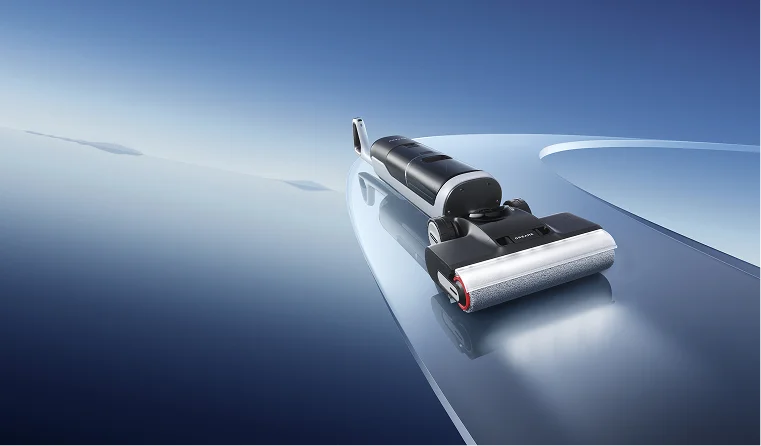
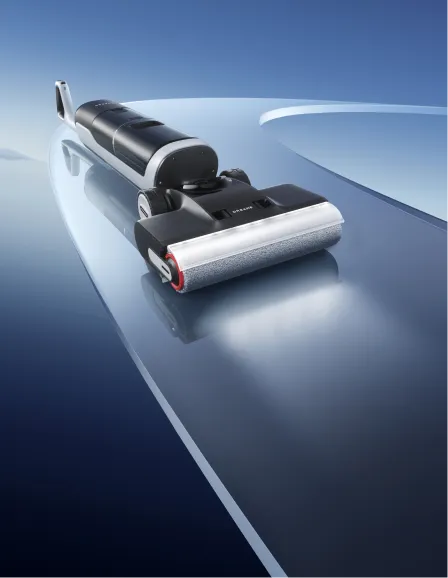
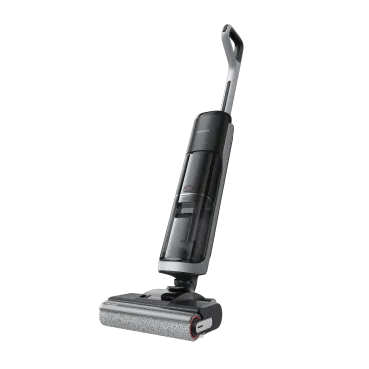
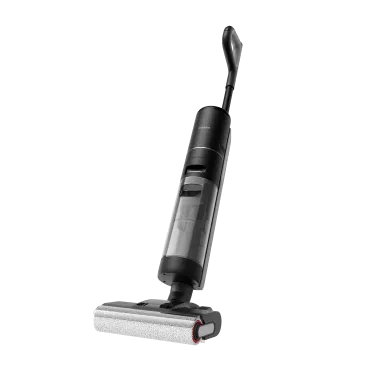
If you search for “electric floor scrubber” online, the results can be confusing. You might see a 58-lb industrial machine, a small handheld spin brush for bathrooms, and a sleek cordless cleaner designed for washing floors.wet They all claim to “scrub,” but they serve completely different purposes. In practice, when most people search for an electric floor scrubber for home use, they are actually looking for a cordless wet/dry floor washer—not an industrial scrubber or a handheld spin brush. To help you make the right investment, we’ve broken down the market into the three main categories that consistently appear in search results. By comparing extraction technology, weight, and surface capability, this guide will help you identify the machine that’s actually designed for residential cleaning. What Counts as an "Electric Floor Scrubber"? (The 3 Main Types) While "electric floor scrubber" is the broad term, the machines differ heavily in how they handle dirt and water. In our previous guide, we explained how a floor scrubber works. Now, let’s take a closer look at the different types you might have seen. Type 1: Industrial Walk-Behind Scrubbers (Commercial Use) These are heavy-duty machines designed for warehouses, gyms, and wide-open spaces. They are built to strip wax and clean thousands of square feet in a single session, often using massive rotating pads and industrial-grade suction. Weight: Heavy (often 50-60+ lbs or 22-28+ kg). Tank Capacity: Massive (starts from 1.5 Gallons or 6 Litres). Extraction: Powerful vacuum suction. Overkill for Homes. While they clean well, they are too wide (18" paths) to fit between furniture and too heavy to carry up stairs. They are built for square footage, not precision. Type 2: Electric Spin Scrubbers (Detail Cleaning) These tools consist of a motorized rotating brush mounted on a telescoping stick. They rely on mechanical friction to scrub surfaces but lack an internal vacuum system. Weight: Ultra-light (~4-5lbs or 1.5-2.5kg). Extraction: None. (This is the critical difference). Water Resistance: protected against temporary water immersion (IPX7 rating). Good for Grout, Bad for Floors. Because they lack suction, they loosen dirt but don't pick it up. You strictly use these for scrubbing shower walls, grout lines, or outdoor furniture. If you use this on a living room floor, you still have to mop up the dirty water manually. Type 3: Wet/Dry Floor Washers (Household Standard) This is the "All-in-One" solution designed specifically for residential flooring. They combine the extraction power of a walk-behind bulky scrubbers with the agility of the spin scrubbers. Unlike the other types, they dispense fresh water, scrub the floor, and vacuum the dirty water into a sealed tank in one continuous pass. You can learn more about the mechanics in our guide on what is a wet dry vacuum. Weight: Lightweight (10-12 lbs or 4.5-5.5kg). Extraction: Active vacuum suction (Active Water Separation). Heating Tech: Often included (unlike Type 1 or 2). The Best All-Rounder. This is what most homeowners actually need. It scrubs the floor and vacuums the dirty water into a sealed tank instantly. Electric Floor Scrubber Comparison Matrix When you compare the specifications side by side, the differences in utility become clear. While industrial machines offer raw power and spin scrubbers offer portability, they both lack the balance required for daily home cleaning. The wet/dry floor washer is positioned in the optimal zone—powerful enough to remove dirty water yet agile enough to maneuver around furniture. Feature Spin Scrubber Industrial Scrubber Wet/Dry Floor Washer Technology Type Rotating Brush Only Heavy Duty Scrubbing Scrubbing + Vacuuming Extraction ❌ None (manual wipe-up required) ✅ High Suction ✅ Smart Suction Avg. Weight ~3 lbs / 1.4 kg (handheld) ~60 lbs / 27 kg (heavy) ~10–12 lbs / 5 kg (agile) Heating Tech No No Yes (on premium models) Best Surface Grout, tile walls, tubs Concrete, large halls Hardwood, tile, laminate Cleanup Manual brush wash Manual tank flush Self-cleaning base 4 Key Features to Look for in an Electric Floor Scrubber for Home Whether you are looking at a heavy-duty industrial rental or a sleek home device, there are four universal specs you must evaluate. These features determine if the machine will actually save you time or just add another step to your chore list. 1. Water Recovery System (Suction) Look for a scrubber that actively vacuums dirty water back up as it cleans. This is the single most important factor for home use because it determines whether floors are left nearly dry and safe after each pass. Active Suction (Industrial & Wet/Dry): These machines vacuum up the dirty water immediately. For home use, look for high Pa (Pascal) ratings to ensure the floor is left dry and safe. Learn more about what is a good suction power for a vacuum cleaner. No Suction (Spin Scrubbers): These machines scrub well but leave a muddy puddle behind. You still need a towel or mop to finish the job. 2. Brush Agitation Speed Look for high-speed brush/roller agitation if you want real stain removal. High Speed: Look for 500+ RPM (Rotations Per Minute). This mimics the action of scrubbing a spot by hand hundreds of times a second. Low Speed: Good for gentle polishing but struggles with dried food. 3. Weight vs. Tank Capacity Look for a balance between usable tank size and maneuverability. Bigger tanks reduce refills, but they also add weight. The Sweet Spot: Look for a Dual-Tank System that separates clean and dirty water while keeping the total weight under 15lbs (7kg) for easy maneuvering. Industrial: Massive tanks (1.5+ gallons/ 5.6+ litres) mean less refilling, but the machine weighs 60lbs. You cannot carry this upstairs. Residential: Smaller tanks (~0.24 gallons / 900 ml) keep the machine light (10–12 lbs / 4.5–5.4 kg). 4. Maintenance (Self-Cleaning) Your best pick should be a self-cleaning base that washes and, ideally, dries the brush. Any tool that cleans dirt will eventually get dirty itself. Self-Cleaning: Premium household scrubbers include a base station that washes and dries the brush for you. Models like the Dreame H15 Pro Heat use 185°F (85°C) hot water to dissolve grease from the brush during self-cleaning, ensuring it doesn't harbor odors. For more tips, see how to clean your vacuum. Manual Clean: Spin scrubbers and industrial pads must be removed and washed by hand. [product handle="h15-pro-heat-wet-dry-vacuum" rating="4.5"] Why Wet/Dry Electric Scrubbers Are the Top Choice for Households After evaluating these features, the wet/dry floor washer emerges as the clear winner for residential use. It is the only category that scores high on all four metrics: it has active suction, high agitation, lightweight design, and automated maintenance. Hygiene: Unlike spin scrubbers, it physically separates sewage into a dirty water tank. Versatility: It handles spilled milk (liquid) and dropped cereal (solid) in the same motion. Floor Safety: Because it extracts water immediately, it is safe for sealed wood and laminate. See our guide on how to clean hardwood floors for safety tips. Corded vs. Cordless: Which Power Source is Better? Regardless of which machine type you choose, you will face the "Power Source" decision. While corded units historically offered more power, modern technology has shifted the advantage to cordless. Feature Corded Electric Scrubbers Cordless Electric Scrubbers Runtime Unlimited Optimized for 35–40 minutes (residential use) Agility Limited by cord length High (no cord to trip over) Safety Safety hazard (high-voltage risk near water) High (low-voltage, water-safe design) Weight 8–12 lbs / 3.6–5.4 kg(feels heavier due to cord drag) 10–14 lbs / 4.5–6.3 kg(feels lighter due to self-propulsion) Best For Commercial / industrial halls & large areas General residential cleaning Safety: Mixing buckets of water with 110V/220V power cords creates a hazard. A corded machine introduces a high-voltage tripping risk into a wet environment. Agility: You cannot unwind a 25ft (7m) cord for a quick milk spill. Cordless means "grab-and-go" convenience. Battery Reality: Modern lithium-ion batteries now offer ample runtime (35-40 minutes) for large homes, removing the need for infinite corded power. For most of homes, Cordless is the only logical choice. For a detailed breakdown, you can read our guide on choose vacuum cordless vs corded. Electric Floor Scrubber vs. Alternatives (When to Use What) While the Wet/Dry Electric Floor Scrubber is the most versatile tool for liquid spills and deep cleaning, it isn't the only option on the market. Many homeowners compare them against Steam Mops and Robot Vacuums. Here is how they stack up against a floor scrubber. 1. Electric Floor Scrubber vs. Steam Mop A steam mop uses superheated steam to sanitize floors, whereas a floor scrubber uses water flow, mechanical agitation, and suction. Read our full comparison on wet dry vacuum vs steam mop. Pros: It offers chemical-free sanitization using high heat, operates silently, and is extremely lightweight to carry. Cons: It lacks suction. It cannot pick up crumbs, hair, or liquid spills, which means if the floor isn't perfectly swept first, you are simply pushing hot mud around. The intense heat also poses a warping risk to sealed wood. Best For: Sanitizing bathroom or kitchen tiles after you have already vacuumed and spot-cleaned. 2. Electric Floor Scrubber vs. Robot Vacuum & Mop A robot automates the cleaning process, while a floor scrubber is a manual power tool you control. If you are debating features, check out our guide on robot vacuum no mop vs combo. Pros: It requires zero effort from you. It cleans daily while you are at work, maintains a consistent baseline of cleanliness, and easily reaches under low-profile furniture like beds. Cons: It cannot handle "disaster" messes. Most robots cannot suction up a glass of spilled milk or a bowl of cereal without smearing it, and they lack the heavy downward pressure needed for dried-on kitchen grease. Best For: Daily maintenance to keep dust and hair under control. The ideal setup is to use a Robot for daily sweeping and an Electric Floor Scrubber for the deep weekly wash or sudden spills. Final Verdict: Is an Electric Floor Washer Worth It? If you are still on the fence, consider the value of your time and hygiene. The "50% Rule": By combining vacuuming and mopping into one pass, an electric floor washer literally cuts your floor cleaning chore in half. The "Clean Water" Guarantee: Unlike mops (which spread dirty water) or spin scrubbers (which lack suction), only a floor washer ensures you are cleaning with fresh water every second. Stop spreading dirt with a mop or a spin brush. Remove it completely with a Cordless, Wet/Dry Electric Scrubber. FAQ on Electric Floor Scrubbers Do electric scrubbers work on tile grout? Spin scrubbers are excellent for deep cleaning grout lines physically. However, Wet/Dry Washers are better for maintaining grout because they suck the dirty water out of the crevices rather than letting it settle back in. For specific grout tips, see how to clean floor tile grout. Are electric floor scrubbers loud? Industrial models can be very loud. However, modern home Wet/Dry washers are designed for residential use. Look for brushless motors and noise reduction specs below 76dB. To understand what this sounds like, check how many decibels is a vacuum cleaner. Do I need to vacuum before using a floor scrubber? If you buy a Spin Scrubber or Electric Mop: Yes, you must sweep first. If you buy a Wet/Dry Washer (like the Dreame H Series): No. These machines vacuum debris and wash the floor simultaneously, saving you an entire step. Read more on the vacuum first mop cleaning rule. Are electric spin scrubbers worth it? Electric spin scrubbers are worth it for specific detail work, such as cleaning bathroom grout or shower tiles. However, for general floor cleaning, they are often insufficient because they lack suction and require you to wipe up the dirty water manually. How long do cordless scrubbers last? You can generally expect the battery in a high-quality cordless scrubber to last 3-4 years before needing replacement. The brushless motor itself typically lasts much longer with proper maintenance. Is an electric scrubber safe on wood? Yes, specifically Wet/Dry Floor Washers. Because they use active suction to extract the water immediately, they leave wood floors nearly dry, preventing the moisture damage risks associated with steam mops. See our guide on how to clean hardwood floors. Can I use a floor scrubber on carpets? Standard hard floor scrubbers should not be used on carpets. However, versatile models like the Dreame H15 Pro CarpetFlex have specific carpet modes and brush attachments designed to refresh rugs without soaking them. Read more in our guide on wet vacuum for carpets. Do electric floor scrubbers break easily? Durability often comes down to maintenance and drying. Machines that don't dry themselves properly can suffer from moisture corrosion or mold buildup. High-end models with Hot Air Drying (like the Dreame H Series) prevent this by ensuring the brush and internal pipes are completely dry after every use. For longevity tips, see our guide on tips to improve robot vacuum cleaner lifespan.
Continue reading
How Dreame Tests Robot Vacuums for Your Real-World Home

How Dreame Tests Robot Vacuums for Your Real-World Home

Dreame Editorial Team |
Every robot vacuum comes with a spec sheet. It lists suction power in Pascals (Pa) and battery size in milliamp-hours (mAh). But a spec sheet can't answer the questions you really care about: Will it get hopelessly tangled in hair? Will it get stuck under the couch? And will this expensive new appliance even last more than a year? At Dreame, we know there's a huge gap between a "sterile lab" and a real living room. The "industry standard" test is often a simple dust pickup test in an empty, square room. But your home isn't an empty lab. It has furniture, high-pile rugs, charging cables, and chaotic, everyday messes. That's why our testing starts where the standard test ends. We test for the real world, and it's how we ensure our products deliver trustworthy performance and are reliable for long-term use. Solving the #1 Frustration: Our Real-World Hair Pick Up Test A robot vacuum that can't handle the worst messes isn't a solution; it's just a different kind of chore. Our number one performance challenge? Hair. While many tests might use a simple, easy-to-collect sample, we've engineered a test designed to make an inferior vacuum fail. On a standard tile test floor, we meticulously arrange a complex mixture of: 0.2 g (approx. 0.007 oz) Of pet hair 0.6 g (approx. 0.02 oz) Of human hair (Mixed lengths) The human hair is the real challenge. It is a specific blend of 3 cm (1.2 in), 10 cm (4 in), and 30 cm (12 in) lengths—a mix specifically designed to clog and tangle a poorly-designed roller brush. After the robot vacuum completes its run, our engineers don't just look at the floor. They carefully collect and weigh the hair from three separate places: the dust box, the roller brush, and the side brush. This allows us to calculate not just "cleaning efficiency," but the "hair tangling rate." This process ensures our robot vacuums can handle the most frustrating, tangle-prone messes without creating a new chore for you. Building a Robot Vacuum That Lasts: The Dreame Quality Assurance Once we've proven the vacuum's performance, we ensure it's reliable enough to perform in any home. This is the Dreame QA—a comprehensive series of reliability tests. 1. Navigation Testing Will it Get Stuck? We don't just use an empty room. We run "Household Scenario Simulation" with large homes, low-clearance spaces, and typical furniture setups. We run "Obstacle-Crossing Capability Testing" on thresholds and steps, and we test with real furniture to prove our navigation can achieve coverage that is consistently above 90%—proving it can actually clean your entire home [1]. 2. Durability Testing Will it Survive Shipping & Daily Use? We perform Compression, Drop, and Vibration tests on the packaging to ensure your investment arrives safely. We also use "Environmental Simulation," testing the robot vacuum in extreme High Temperature / High Humidity and "Rain / Salt Spray" chambers to ensure it operates reliably, no matter your climate. 3. Lifespan Testing Will it Last for Years? This is where our testing is most extreme. We test every part that could possibly fail, running the robot vacuum continuously for thousands of hours. This single test simulates years of real-world use and includes endless cycles of vacuuming, mopping, returning to the base, cleaning the mop, and recharging. Beyond that, we run countless cycles on the water system to prevent leaks and test core components like motors and fans under long-term high loads. What Dreame's Extreme Testing Means for Your Robot Vacuum's Longevity What do "thousands of hours" and "countless cycles" of testing really mean for you? It means we test our products to simulate years of heavy, real-world operation. Where a basic standard might only require a simple lifespan test, our standard is to push our machines to their absolute limit. We test drive wheels over thresholds tens of thousands of times. We test bumpers thousands of times. This rigorous process ensures the product you receive is not a disposable gadget; it's a long-term appliance, built and verified to last. Our Testing Standards vs. The Industry Approach To see exactly how our process differs from the basics, here is a breakdown of how Dreame goes further. Testing Category U.S. / North America Standards Typical Industry Test How Dreame Goes Further Performance / Suction IEC/ASTM 62885-7 (Method for measuring performance). 1–2 short dust pickup runs on hard floor; 5–10 minutes of max-suction testing. Multi-surface pickup tests (tile, wood, marble, carpet); testing scenarios for corner areas, carpet edges, and gap cleaning. Navigation No U.S. performance standard. Simple square-room tests ≈15–20 m² (160–215 sq ft) with minimal obstacles. Large home simulations >80–100 m² (860–1,075 sq ft); simulating room layout styles from different countries; coverage consistently >90% [1]. Hair Handling No standardized test. Light pet-hair or fiber strips ≈0.1–0.2 g (0.004–0.007 oz) total; usually only floor inspection after a single pass. Real-World Hair Test with 0.8 g (0.028 oz) blended hair (mixed lengths); precise measurement of hair in dustbox, roller, and side brush. Obstacle Avoidance No U.S. standard. Basic bump-sensor checks with a few fixed obstacles. AI datasets with tens of thousands of obstacle images (cables, socks, toys); repeated obstacle-crossing scenarios. Battery & Charging UL 62133 (Safety Only - prevents fire). Compliance testing plus ≈200–300 charge/discharge cycles. Testing accuracy of return-to-base navigation; hundreds of recharge cycles to ensure durability of charging contact pins. Water & Mop System No requirement (IEC 62885-6 excludes robots). Basic leak check and short pump test (often a few dozen cycles). Thousands of water-flow cycles; mop pad self-cleaning tests; long-term seal and hose integrity checks. Environmental General electronics standards. Limited temperature/humidity checks (e.g., brief exposure). High-temperature / high-humidity chambers; cold-start tests; rain / salt-spray simulations. Noise Level IEC 60704-1 (Method only, no fixed limit). Single dB reading on hard floor. Acoustic testing across Quiet, Standard, and Turbo modes on both hard floors and carpets. Lifespan Testing No U.S. standard. Basic motor runtime tests (tens to low hundreds of hours). Full robot "life simulation" covering the product's warranty period: thousands of hours of vacuuming, mopping, docking, and self-cleaning. Trusted Results: Performance You Can Trust This entire process—from the Real-World Hair Pick Up Test to the multi-year lifespan simulation—is our promise to you. "Rigorously verified" isn't just a slogan; it's our core engineering philosophy. But you don't have to take our word for it. This obsessive focus on real-world testing is why our products are recognized by independent experts. We are proud that Vacuum Wars, a leading independent reviewer, has ranked the Dreame L50 Ultra as the "#1 Best Robot Vacuum" on their Top 20 Robot Vacuums list [2025] [2]. This is the result of testing for your home, not just a lab. References: 1. Dreame Lab Data 2. https://vacuumwars.com/vacuum-wars-best-robot-vacuums/
Continue reading
How Many Calories Does Vacuuming Burn? Turn a Daily Chore into Real Movement

How Many Calories Does Vacuuming Burn? Turn a Daily Chore into Real Move...

Dreame Editorial Team |
Vacuuming is easy to dismiss as just another household chore, but it’s also a form of physical activity that many people overlook. Pushing, pulling, bending, and walking while vacuuming engages your arms, core, and legs, all while keeping your heart rate slightly elevated. Over time, those movements add up. Understanding how many calories vacuuming burns can help you see everyday cleaning in a new light. For people with busy schedules, it’s a simple way to stay active without carving out extra time for the gym. With the right technique and the right tools, you can make vacuuming safer, more effective, and even more rewarding. Vacuuming as Exercise? An Overlooked Calorie Burner From a fitness standpoint, vacuuming is considered a moderate-intensity physical activity. According to the Compendium of Physical Activities (used by the CDC and wearable fitness trackers), household vacuuming typically falls between 3.0–3.5 METs, similar to brisk walking or light calisthenics. That means vacuuming: Raises your heart rate Activates large muscle groups (arms, shoulders, legs, core) Contributes meaningfully to daily movement goals It’s not a replacement for structured exercise, but it does count. How Many Calories Can You Burn Vacuuming? Calorie burn varies by body weight, time, and intensity. On average, based on Harvard Health Publishing: 125 lb (57 kg): ~70–80 calories in 30 minutes 150 lb (68 kg): ~90–110 calories in 30 minutes 200 lb (91 kg): ~120–140 calories in 30 minutes Factors that increase calorie burn include: Vacuuming thick carpet instead of hard floors Faster pace and wider arm movements Adding squats, lunges, or side steps What Affects Calorie Burn While Vacuuming? Several variables influence how much effort vacuuming requires: Floor type: High-pile carpets require more resistance than hardwood. Vacuum design: Heavier or less maneuverable vacuums demand more effort. Movement style: Incorporating full-body motion burns more calories. Duration: Longer or more frequent sessions naturally increase total burn. This is where ergonomics and equipment design start to matter—not just for fitness, but for injury prevention. How to Vacuum with Better Posture (and Less Strain) To turn vacuuming into healthy movement rather than back pain, posture matters: Keep your spine neutral: Avoid hunching. Engage your core lightly. Use your legs, not your back: Step forward and backward instead of bending at the waist. Alternate sides: Switch arms or directions to avoid overuse. Add controlled squats or lunges: Especially when cleaning under furniture. Let the machine do the work: Avoid forcing the vacuum forward. Doctors of chiropractic recommend keeping movements smooth and avoiding twisting motions when doing household tasks. Make Vacuuming Part of Your Fitness Routine Different people enjoy different levels of physical involvement. The right vacuum can support how you want to move. For independent fitness enthusiasts A robot vacuum and mop handles daily cleaning automatically, freeing up time and energy for intentional workouts. It’s ideal if you prefer your exercise structured, and your cleaning hands-free. [product handle="x50-ultra-robot-vacuum" rating="4.8"] For active movers who want assistance A wet-dry vacuum offers powered movement that reduces push resistance, while still encouraging natural bending, squatting, and walking. Its ability to lie flat makes it especially friendly for lower-body engagement. [product handle="h15-pro-heat-wet-dry-vacuum" rating="4.6"] For lightweight, all-around movement A cordless stick vacuum supports quick, full-body motion without heavy lifting. It’s easy to maneuver, ideal for stairs and spot cleaning, and encourages natural pacing. [product handle="z30-cordless-stick-vacuum" rating="4.5"] Each option supports movement differently—without forcing you into awkward or unsafe positions. Vacuuming Vs Other Chores Vacuuming sits in a sweet spot: more effective than light chores, less demanding than heavy yard work, and far easier to fit into daily life. Activity Intensity Calorie Burn (30 min) Dusting Low ~40–60 Vacuuming Moderate ~75–120 Mopping Moderate ~90–130 Gardening Moderate–High ~130–200 Pro tip: Track Calories While Cleaning Wearable devices like Apple Watch, Fitbit, and Garmin estimate calories using heart rate and motion data. While not perfectly precise, they’re useful for: Building awareness Staying motivated Seeing household activity reflected in daily goals Many users are surprised by how much “movement” comes from cleaning alone. Small Movements, Real Impact Vacuuming won’t replace a gym session, but it doesn’t have to. As a moderate-intensity activity, it contributes to daily movement, supports cardiovascular health, and keeps your home clean at the same time. With good posture, intentional movement, and ergonomically designed vacuums, vacuuming becomes less of a chore and more of a functional habit. Fitness doesn’t always start with a workout plan. Sometimes, it starts with the way you clean your floors.
Continue reading
How Many Decibels is a Vacuum Cleaner?

How Many Decibels is a Vacuum Cleaner?

Dreame Editorial Team |
Vacuum cleaner noise is one of the most common frustrations in home cleaning. You turn it on, and suddenly it sounds like a mini jet engine in your living room. But have you ever wondered how many decibels a vacuum cleaner is supposed to make? Or what does that number actually mean for your ears, your pets, or your peace at home? Today, we’ll break down what those sound levels mean, how they affect you, and what to look for if you want a quieter, calmer cleaning routine. What is the Average Vacuum Cleaner Noise Level? Most household vacuums range from 65 to 80 dB, but what does that actually mean in everyday life? To answer that, we need to understand how decibels work and what the average vacuum cleaner's sound level looks like in context. Vacuum Decibels vs. Real-World Sounds The dB scale is logarithmic, not linear: every 10 dB increase means roughly 10× more sound energy and about twice the perceived loudness to our ears. That’s why a jump from 70 dB to 80 dB can feel so massive. As you’ll see in the table below, vacuum cleaners are typically louder than normal conversation but quieter than heavy city traffic. Noise Source Approx. Decibel Level Impact Whisper 30 dB Extremely Quiet Normal Conversation 60 dB Typical Background Average Vacuum Cleaner 65 - 80 dB Sustained exposure causes irritation Heavy City Traffic 85 dB Hearing protection threshold (OSHA) Lawnmower 90 - 100 dB Protection is needed for sustained exposure The noise level is not static, however, it varies significantly depending on the vacuum's type and things like cleaning mode (Eco vs. Turbo), motor type, airflow design, brush system, and even the type of flooring under the vacuum,, which we'll explore next. Noise Comparison: Cordless, Upright, and Robot Vacuums Vacuum Type Typical Noise Range (dBA) Noise Characteristic Robot Vacuums 55 - 65 Quietest, suited for background and frequent cleaning. Short lound spike (~75db) when self-emptying at the dock. Cordless Stick Vacuums 65 - 75 Mid-range, motor noise often reduced; spikes in 'Max' mode. Wet Dry Vacuums 63 - 76 Mix of motor airflow "whoosh," brush hum, and water-pickup gurgle, typically low in Quiet/Auto mode. Traditional Upright/Corded 75 + Loudest overall, driven by motor size and lack of insulation. How Floor Type Affects Vacuum Cleaner Noise Flooring makes a bigger difference than most people expect. On hard floors (wood, tile, laminate), vacuums tend to sound louder, up to 80 dB, because the surface reflects noise instead of absorbing it. Brush heads may also “chatter” slightly on rigid surfaces, adding to the perceived volume. On carpet, the opposite happens. Fibers absorb vibration and airflow noise, making the vacuum noticeably quieter (60-72 dB), but the suction motor often works harder, which may raise the underlying pitch. Thick carpets can even muffle the sound so much that higher suction levels feel more comfortable than they do on bare floors. If your vacuum seems louder in one room than another, it’s often the flooring, not the machine. Why Vacuum Cleaner Decibels Matter to Your Home and Health Noise isn’t just some boring tech spec. It’s a real part of your living comfort. A loud vacuum can do more than just annoy you; it can affect your hearing health, elevate stress, and even cause tension in your household. You might laugh, but vacuum noise is one of those hidden stressors that creep into everyday life. Think about it. You’re trying to relax after dinner, and someone fires up a 78 dB vacuum in the hallway. Or your toddler is napping, and the robot vacuum decides it’s go time. It’s not just inconvenient, it’s disruptive. The Health Impact of Loud Noise Prolonged exposure to high-decibel sounds, anything over 85 dBA, can harm your hearing. It doesn’t happen all at once, but it builds up quietly (pun intended). That ringing in your ears after cleaning? A warning sign. And it’s not just your ears. Loud sounds mess with your stress hormones, too. They make it harder to focus, sleep, or even enjoy silence afterwards.   Important Remember that even short bursts of high-intensity noise can damage the tiny hair cells in your cochlea. Hearing, especially for kids and pets, is extra sensitive. So yes, those few minutes of roaring vacuum noise matter more than you might think.   Common Frustrations: When is a Vacuum Too Loud? If you’ve ever tried vacuuming late at night, you probably already know. Thin apartment walls, echoing floors, it’s a recipe for neighbor complaints. Vacuum noise carries, and it doesn’t fade easily. Pets are another story. Many dogs and cats panic at the first sound of a vacuum turning on. That’s because their hearing range is way higher than ours. What sounds like a hum to you might feel like a roar to them. What Are the Noise Regulations for Vacuum Cleaners in the US? Here’s something surprising: there’s no single federal law in the U.S. that limits how loud your vacuum can be. Occupational Safety and Health Administration (OSHA) Rules: OSHA sets workplace rules: 90 dBA for 8 hours is the maximum before hearing protection becomes mandatory. At 85 dBA, employers must start a hearing conservation program. But those apply to factories and commercial vacuums, not your home. State and Local Noise Ordinances: Local noise ordinances matter more for home use. Many cities restrict loud activities during “quiet hours,” usually between 10 p.m. and 7 a.m. Homeowners’ associations or apartment leases can even go stricter than city laws. Contrast with the European Union: Over in the European Union, it’s a different story. The EU caps consumer vacuum sound power at 80 dB(A) under eco-design rules. That’s a nice benchmark, one the U.S. hasn’t officially matched yet. Industry Standards and Guidance from Other Bodies: The EPA once suggested keeping environmental noise below 70 dBA for long-term hearing safety. And manufacturers often test noise levels under ANSI/ASTM F1334-18, a voluntary U.S. standard. What Makes a Vacuum Cleaner Quiet (or Loud)? So what’s actually making all that noise? It mostly comes from three things: the motor, the airflow, and the structure of the vacuum. Motor Speed and Vibration: Faster motors are the primary sound source, generating high-frequency noise from internal component movement. Air Turbulence: Air whistling through narrow pipes or vents makes a surprising amount of noise. Sealing and Structure: Poor sealing allows air to leak and vibrate against plastic walls, like a mini drum inside your vacuum. How to Find a Quiet Vacuum Cleaner You don’t need to give up suction for silence. The latest technology balances both. Key Features for Low-Noise Engineering Noise-Optimized Motors: Look specifically for brushless digital motors (BLDC). By eliminating the physical contact of carbon brushes, BLDC motors drastically reduce mechanical noise and vibration. This design also features precise airflow structures to isolate high-frequency noise. Multi-Layer Sound Dampening: Quality vacuums use sound-absorbing materials (foam, acoustic rubber, or layered structures) strategically placed around the motor to absorb sound waves and trap vibration before they can escape the casing. Optimized Airflow Path: Smooth, wide internal channels and optimized fan designs minimize the air turbulence that creates whistling and roaring sounds, ensuring quiet air movement. Softer Brush Rolls: Robot Vacuums like the Dreame X50 Ultra use soft bristles & raised rubber in the brush rolls, minimizing floor friction noise while maintaining effective cleaning. [product handle="x50-ultra-robot-vacuum" rating="4.7"]   Dreame Take Dreame’s vacuum cleaners use high-speed brushless digital motors that balance suction and silence beautifully. In quiet mode, they hover around 60 dB, roughly the sound of a calm conversation. That means you can clean while the baby naps, your pet snoozes, or your favorite show plays in the background.   How to Make Your Existing Vacuum Quieter Even the best vacuum gets louder with age or neglect. A few quick habits can cut the noise dramatically. Empty the Dust Cup Often: A full dust bin forces the motor to push harder. Clean or Replace Filters: Clogged filters restrict airflow and cause a louder, strained sound. Check the Brush Roll: Hair tangles increase friction, which leads to rattling and vibration. These minor fixes often restore the “new vacuum” quietness. Conclusion So, how many decibels does a vacuum cleaner make? Most fall between 65 and 80 dB, but the lower, the better for your ears and your peace. A quiet vacuum isn’t just a luxury; it’s a more intelligent, healthier choice. If you value calm cleaning, we recommend you read our complete Robot Vacuum Buying Guide to find the best model for your home. Brands like Dreame show that power and quiet can coexist. Ready to upgrade to a peaceful cleaning routine? Explore Dreame's quiet vacuum line today! Frequently Asked Questions (FAQ) Is 70 dB loud for a vacuum cleaner? Not really. It’s about average. Louder than a chat, softer than traffic. Safe for short use, fine during the day. What are the quietest vacuum cleaner decibels I can expect? Some robot or handheld vacuums can go as low as 55-60 dB, which is similar to the hum of a quiet dishwasher. Does a powerful vacuum cleaner have to be loud? It used to, but not anymore. With digital motors and better sound insulation, brands like Dreame deliver both deep cleaning power with surprisingly soft vacuum sound.
Continue reading
How Many Vacuums Do You Need? Building the Perfect Cleaning Setup for Your Home

How Many Vacuums Do You Need? Building the Perfect Cleaning Setup for Yo...

Dreame Editorial Team |
Let's be honest: not everyone likes to clean. But using the wrong tool for the job makes it a million times harder. We've all been there: dragging a hefty upright vacuum up the stairs to get a few dust bunnies or trying to move a huge machine around the legs of a dining chair. It's tiring, and to be honest, it makes you want to forgo cleaning entirely. So, how many vacuums do you need to keep your home really clean without going crazy? The short answer is that a single multifunctional gadget works for tiny studios, but most modern households need a "cleaning setup"—usually a mix of two devices—to really save time. It's not about having more gadgets; it's about making a system where each instrument can clean up a certain type of mess quickly. The 3 Best Multi-Vacuum Setups for Today's Homes The "Grab-and-Go" Setup: One-Device Plan If you live in a studio apartment, condo, or are a minimalist, you only need one high-performance device that can accomplish a lot of things. If you choose modern equipment that can change shape to meet the job, you don't need a separate handheld dustbuster and floor vacuum. Option A: The Cordless Stick Vacuum for Mixed Floors A strong cordless stick vacuum is the best "one-and-done" solution for homes with both carpets and hard floors. These new models are lighter than older corded ones, so they can clean curtains yet are still strong enough to deep-clean rugs. Read our advice on how to pick a stick vacuum to find out which qualities are most important for cleaning a variety of surfaces. Option B: The Wet/Dry Vacuum (Hard Floors Only) A wet/dry vacuum is the best single device for houses with only hard flooring (tile, wood, or laminate). It picks up dirt and mops up spills at the same time, so it can clean up everything from dust to spilled eggs in one go.   Pros Affordable and space-saving Included accessories that can be used in many ways Cons Needs to be done by hand every time Battery limits on big houses   The "Autopilot" Setup: Robot Vacuum & Stick Vacuum Combo This combination is the best for busy professionals, families with pets, and people who want to keep their homes clean because it differentiates "maintenance" from "spot cleaning." If you use a smart robot vacuum and a cordless stick vacuum together, you can do 80% of your housekeeping without having to think about it. The robot does the daily chores of picking up dust, pet hair, and crumbs—and even mopping your floors—while you sleep or work. You only need the stick vacuum for the last 20% of things, like stairs, furniture, and the occasional spill. When you think of a robot vacuum vs stick vacuum, keep in mind that they are not rivals; they are partners. One keeps the big picture in mind, while the other takes care of the little things. Read our full robot vacuum buying guide to learn more about automation.   Dreame Take You should be in charge of technology, not the other way around. The point of setting up a cleaning system isn't to fill your closet with gadgets; it's to give you more time and free up your hands.   The "Deep Clean" Setup: Robot and Wet Dry Vacuum Together Standard vacuums aren't adequate if you have a big house, kids who are always on the go, or hard flooring that gets dirty easily (like when you spill something in the kitchen). You need washing powder. This arrangement includes a robot vacuum for daily cleaning and a wet/dry vacuum for extensive cleaning. The robot keeps the dust bunnies away, but the wet/dry vacuum is necessary for cleaning hard surfaces and dealing with sticky, wet problems that a standard vacuum can't handle. With this setup, you can make sure your home is as clean as a hospital without having to crawl on your hands and knees. Before you buy, read these tips for choosing a wet-dry vacuum cleaner to make sure it will work on your type of floor.   Pros Hospital-grade cleanliness Cleans up moist spills like cereal and milk Cons More money up front Requires water tank maintenance   How to Pick the Right Vacuum Combo for Your Home Your "magic number" shouldn't just be determined by your budget. It should also be based on the layout and people who live in your home. Think about these three things to help you choose the best setup from the list above: Square Footage and Layout: A "zone defense" plan works well for multi-story homes. For example, you may have a lightweight stick vacuum upstairs and a robot vacuum downstairs to avoid having to move devices up and down. Flooring Type: Carpets need powerful suction (Stick or Robot), but hardwoods really benefit from mopping (Wet/Dry). Occupants (Pets and Kids): Pet owners frequently need a robot vacuum to keep their hair under control all the time. Parents with toddlers typically need a wet/dry unit to clean up food spillage. Not sure which combination is best for you? Use our Perfect Product Finder to help you pick the best arrangement. Multi-Vacuum Setup Comparison: Cost vs. Time Saved Type of Setup Best For Estimated Time Saved Level of Effort Price Solo (Stick Vacuum) Apartments Low High (by hand) $150–$400 Autopilot (Robot + Stick) Families and pets High (5+ hours/week) Not very high $500–$2,000 Deep Clean (Robot + W/D) Big Houses / Kids Most Low to Medium $1,500–$2,500 The End of the "One-Vacuum" Era When we say the "One-Vacuum" era is coming to an end, we mean people are no longer using bulky, corded upright vacuums that do only one thing. In the past, people bought a single large piece of equipment and assumed it could handle everything. The truth is that this method makes people "cleaning tired." It doesn't make sense to get out a 15-pound machine merely to wipe up a bowl of cereal that spilled. Specialization is the way home care will go in the future. With a modern multi-vacuum configuration, you can assign the robot tedious, repetitive tasks and the human detailed, rapid tasks. When determining how many times a week to vacuum, this is quite important. With a robot, you can vacuum every day without having to do anything. If you want to learn more about different types of vacuums, knowing how each one works can help you understand why one machine can rarely do everything correctly. Build Your Setup with Dreame Now that you know which vacuum setup works best for you, here's how to put it together using the best technologies available. Dreame has all the parts you need, whether you're starting with just one device or upgrading to a whole ecosystem. The Dreame Z30 Essential Cordless Stick Vacuum is the best choice for the "Grab-and-Go" strategy. It delivers 210 AW of robust suction power and intelligent particle detection, making it the ideal single-device solution for apartments. For the "Autopilot" Strategy: The Dreame Matrix10 Ultra Robot Vacuum and the Z30 Essential are the ideal choices. The Matrix10 Ultra maps your home and does the everyday work perfectly, while the Z30 is always ready to check up on things. [product handle="matrix10-ultra-robot-vacuum" rating="4.7"] For the "Deep Clean" Strategy: The best way to do this is to use a robot with the Dreame H15 Pro CarpetFlex Wet/Dry Vacuum. The H15 Pro is special because it can wash hard floors and lay flat to clean under furniture. This makes it the perfect tool for deep cleaning and flexible vacuuming. [product handle="h15-pro-heat-wet-dry-vacuum" rating="4.5"]   Pro-tip Don't buy two at once if you're not ready. Start with the robot vacuum and mop for everyday cleaning, and then add a specialist stick or wet/dry vacuum when you find that you need it.   Just keep an eye on how well your vacuum works over time. Knowing when to replace it will make sure your setup always functions at its best. Final Thoughts There isn't one "right number" of vacuums that works for everyone, but there is a setup that works best for you. You stop cleaning harder and start cleaning smarter when you stop thinking that "one tool does it all" and start using a specialized range of tools. Explore our collections today to find the ideal items for your house. Questions and Answers If I live alone, how often should I vacuum? A thorough vacuum once a week is usually enough for people who live alone in homes with little traffic. Using a lightweight stick vacuum, on the other hand, lets you conduct quick 5-minute passes during the week to keep dust levels down without having to complete a full "cleaning session." What does the 80/20 guideline for cleaning your house mean? This rule states that, for vacuuming, 20% of your work (setting up a robot vacuum) will deliver 80% of the results (floors that appear clean every day). The last 20% of the mess (corners, staircases, and upholstery) needs a stick vacuum to clean it up by hand. Is it possible for a robot vacuum to take the place of a regular vacuum? Almost, but not quite. Robot vacuums are great for cleaning floors, but they can't go up stairs or clean sofa cushions. That's why the "Autopilot Setup" (Robot + Stick) is the best way to take care of your whole home. Do I need two vacuums, one for hardwood floors and one for carpets? No, usually. A good multi-surface stick vacuum, like the Dreame Z30, automatically changes its suction for both. A regular vacuum is not as good as a wet/dry vacuum or a robot mop for cleaning hardwood floors.
Continue reading