










 Robot Lawn Mowers

















 Humidifiers


 Smart Door Lock


 Australia
 中国大陆
中国大陆 日本
日本


 Türkiye


 Ireland
 Portugal
 Italia
 Netherlands
 Belgium
 Greece
 Polska
 Norway
 Sweden
 Finland
 Denmark
 Hungary
 Czechia
 Slovenia
 Croatia
 Switzerland
 United
Kingdom
United
Kingdom
 Canada


 Colombia

In this article
Let's be honest: not everyone likes to clean. But using the wrong tool for the job makes it a million times harder.
We've all been there: dragging a hefty upright vacuum up the stairs to get a few dust bunnies or trying to move a huge machine around the legs of a dining chair. It's tiring, and to be honest, it makes you want to forgo cleaning entirely.
So, how many vacuums do you need to keep your home really clean without going crazy?
The short answer is that a single multifunctional gadget works for tiny studios, but most modern households need a "cleaning setup"—usually a mix of two devices—to really save time. It's not about having more gadgets; it's about making a system where each instrument can clean up a certain type of mess quickly.

The 3 Best Multi-Vacuum Setups for Today's Homes
The "Grab-and-Go" Setup: One-Device Plan
If you live in a studio apartment, condo, or are a minimalist, you only need one high-performance device that can accomplish a lot of things. If you choose modern equipment that can change shape to meet the job, you don't need a separate handheld dustbuster and floor vacuum.
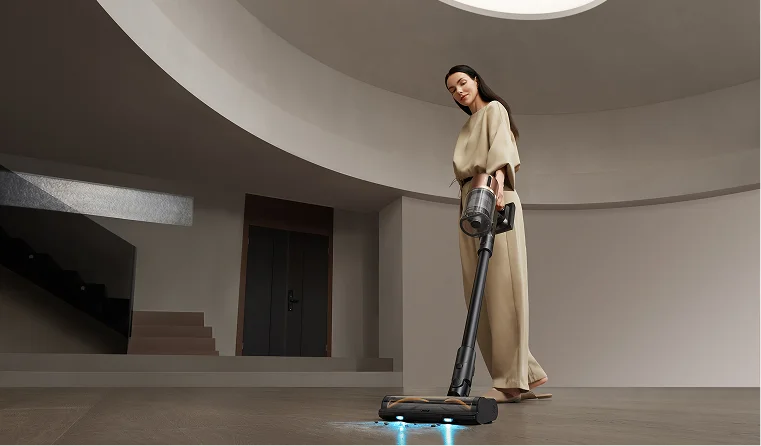
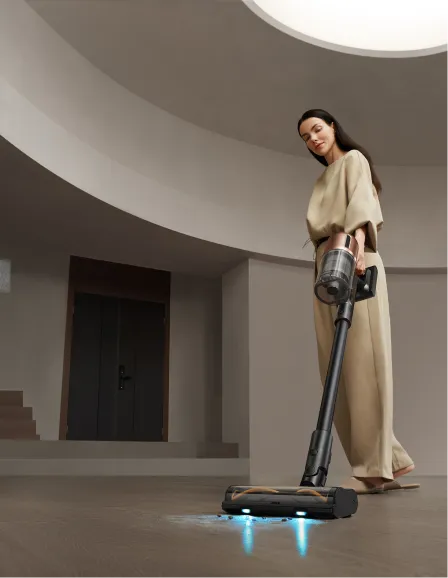
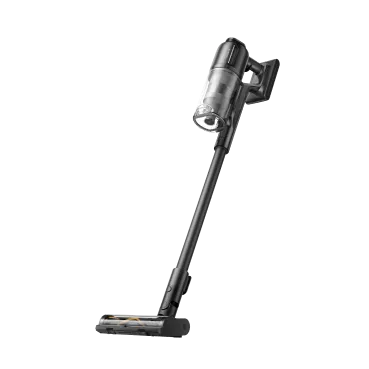
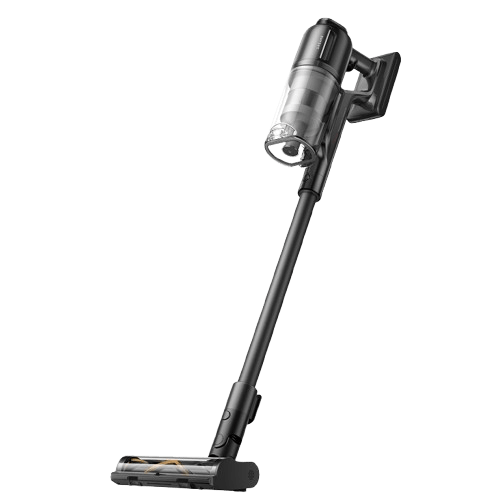
- Option A: The Cordless Stick Vacuum for Mixed Floors A strong cordless stick vacuum is the best "one-and-done" solution for homes with both carpets and hard floors. These new models are lighter than older corded ones, so they can clean curtains yet are still strong enough to deep-clean rugs. Read our advice on how to pick a stick vacuum to find out which qualities are most important for cleaning a variety of surfaces.
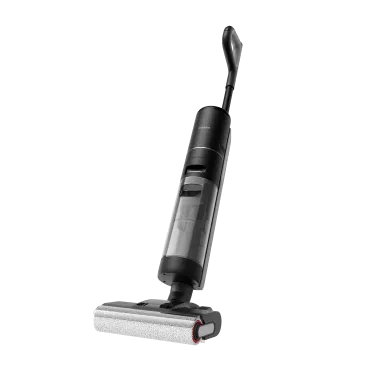
- Option B: The Wet/Dry Vacuum (Hard Floors Only) A wet/dry vacuum is the best single device for houses with only hard flooring (tile, wood, or laminate). It picks up dirt and mops up spills at the same time, so it can clean up everything from dust to spilled eggs in one go.
- Affordable and space-saving
- Included accessories that can be used in many ways
- Needs to be done by hand every time
- Battery limits on big houses
The "Autopilot" Setup: Robot Vacuum & Stick Vacuum Combo
This combination is the best for busy professionals, families with pets, and people who want to keep their homes clean because it differentiates "maintenance" from "spot cleaning."
If you use a smart robot vacuum and a cordless stick vacuum together, you can do 80% of your housekeeping without having to think about it. The robot does the daily chores of picking up dust, pet hair, and crumbs—and even mopping your floors—while you sleep or work. You only need the stick vacuum for the last 20% of things, like stairs, furniture, and the occasional spill.

When you think of a robot vacuum vs stick vacuum, keep in mind that they are not rivals; they are partners. One keeps the big picture in mind, while the other takes care of the little things. Read our full robot vacuum buying guide to learn more about automation.
The "Deep Clean" Setup: Robot and Wet Dry Vacuum Together
Standard vacuums aren't adequate if you have a big house, kids who are always on the go, or hard flooring that gets dirty easily (like when you spill something in the kitchen). You need washing powder.
This arrangement includes a robot vacuum for daily cleaning and a wet/dry vacuum for extensive cleaning. The robot keeps the dust bunnies away, but the wet/dry vacuum is necessary for cleaning hard surfaces and dealing with sticky, wet problems that a standard vacuum can't handle. With this setup, you can make sure your home is as clean as a hospital without having to crawl on your hands and knees.
Before you buy, read these tips for choosing a wet-dry vacuum cleaner to make sure it will work on your type of floor.
- Hospital-grade cleanliness
- Cleans up moist spills like cereal and milk
- More money up front
- Requires water tank maintenance
How to Pick the Right Vacuum Combo for Your Home
Your "magic number" shouldn't just be determined by your budget. It should also be based on the layout and people who live in your home. Think about these three things to help you choose the best setup from the list above:

- Square Footage and Layout: A "zone defense" plan works well for multi-story homes. For example, you may have a lightweight stick vacuum upstairs and a robot vacuum downstairs to avoid having to move devices up and down.
- Flooring Type: Carpets need powerful suction (Stick or Robot), but hardwoods really benefit from mopping (Wet/Dry).
- Occupants (Pets and Kids): Pet owners frequently need a robot vacuum to keep their hair under control all the time. Parents with toddlers typically need a wet/dry unit to clean up food spillage.
Not sure which combination is best for you? Use our Perfect Product Finder to help you pick the best arrangement.
Multi-Vacuum Setup Comparison: Cost vs. Time Saved
| Type of Setup | Best For | Estimated Time Saved | Level of Effort | Price |
|---|---|---|---|---|
| Solo (Stick Vacuum) | Apartments | Low | High (by hand) | $150–$400 |
| Autopilot (Robot + Stick) | Families and pets | High (5+ hours/week) | Not very high | $500–$2,000 |
| Deep Clean (Robot + W/D) | Big Houses / Kids | Most | Low to Medium | $1,500–$2,500 |
The End of the "One-Vacuum" Era
When we say the "One-Vacuum" era is coming to an end, we mean people are no longer using bulky, corded upright vacuums that do only one thing.
In the past, people bought a single large piece of equipment and assumed it could handle everything. The truth is that this method makes people "cleaning tired." It doesn't make sense to get out a 15-pound machine merely to wipe up a bowl of cereal that spilled.
Specialization is the way home care will go in the future. With a modern multi-vacuum configuration, you can assign the robot tedious, repetitive tasks and the human detailed, rapid tasks. When determining how many times a week to vacuum, this is quite important. With a robot, you can vacuum every day without having to do anything.
If you want to learn more about different types of vacuums, knowing how each one works can help you understand why one machine can rarely do everything correctly.

Build Your Setup with Dreame
Now that you know which vacuum setup works best for you, here's how to put it together using the best technologies available. Dreame has all the parts you need, whether you're starting with just one device or upgrading to a whole ecosystem.
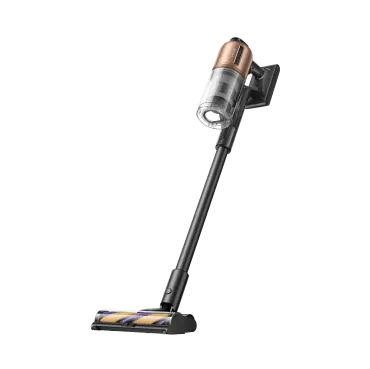
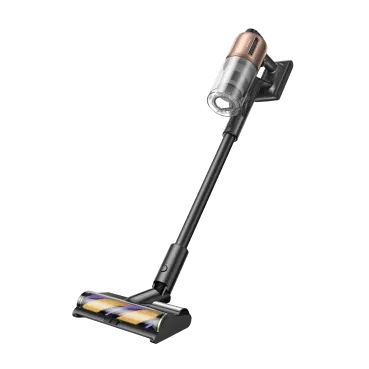
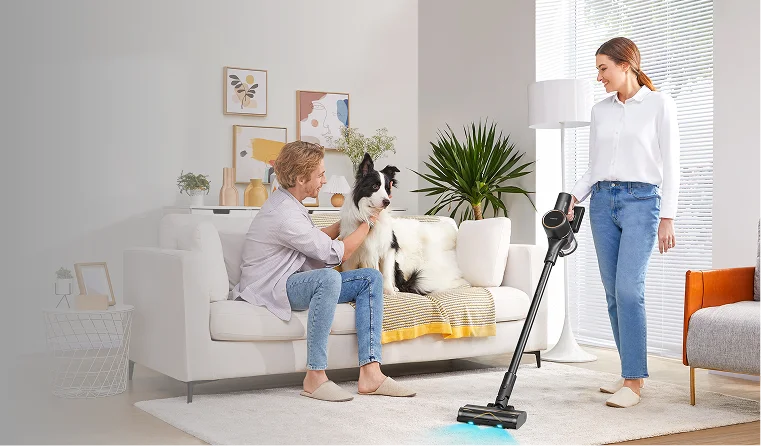
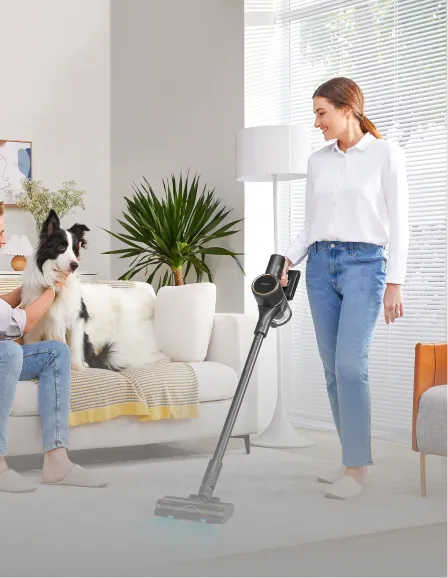
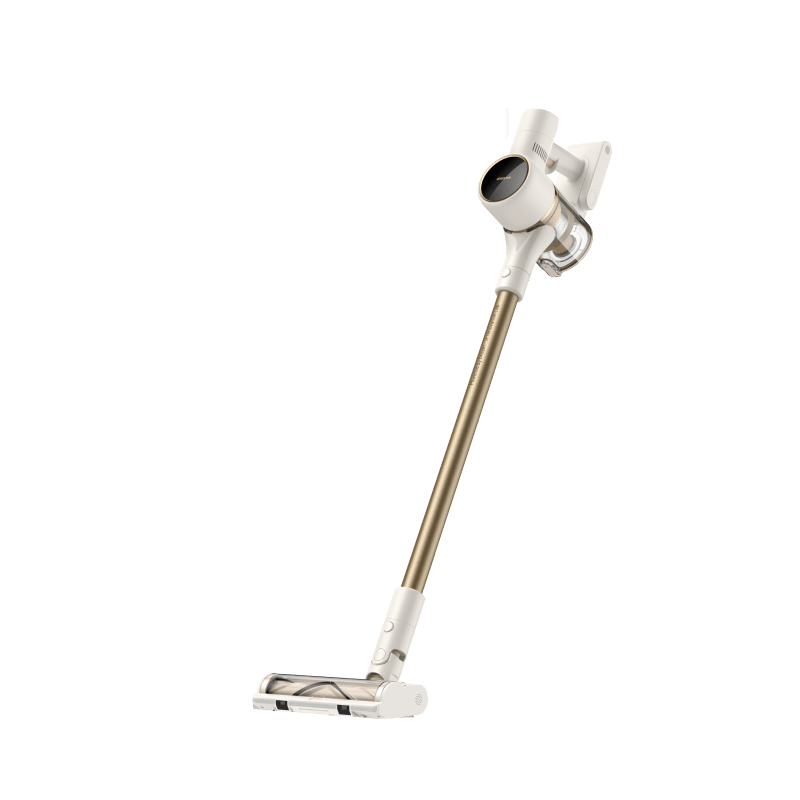
- The Dreame Z30 Essential Cordless Stick Vacuum is the best choice for the "Grab-and-Go" strategy. It delivers 210 AW of robust suction power and intelligent particle detection, making it the ideal single-device solution for apartments.
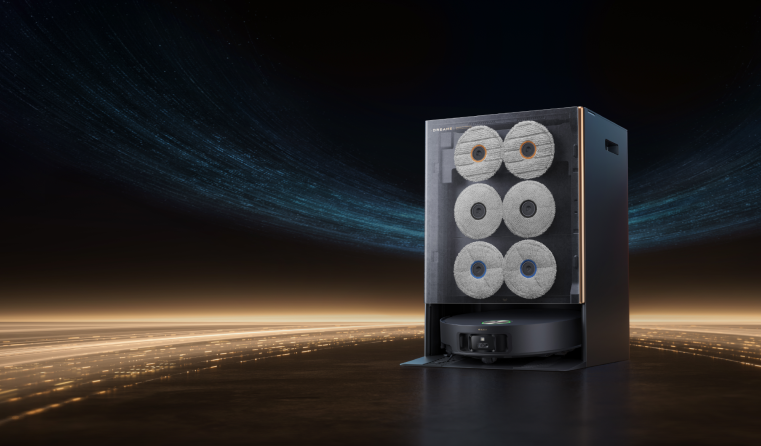
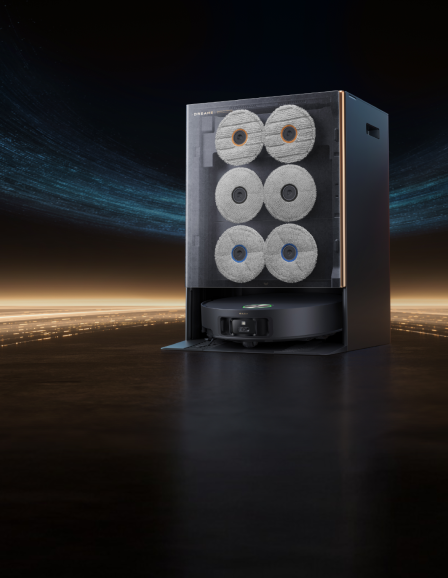
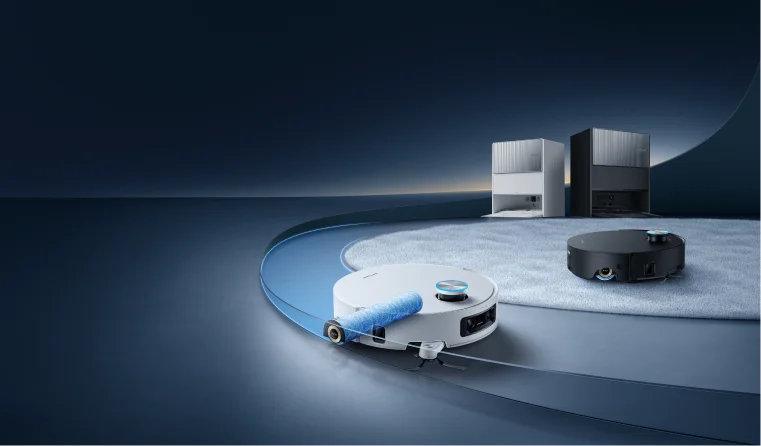
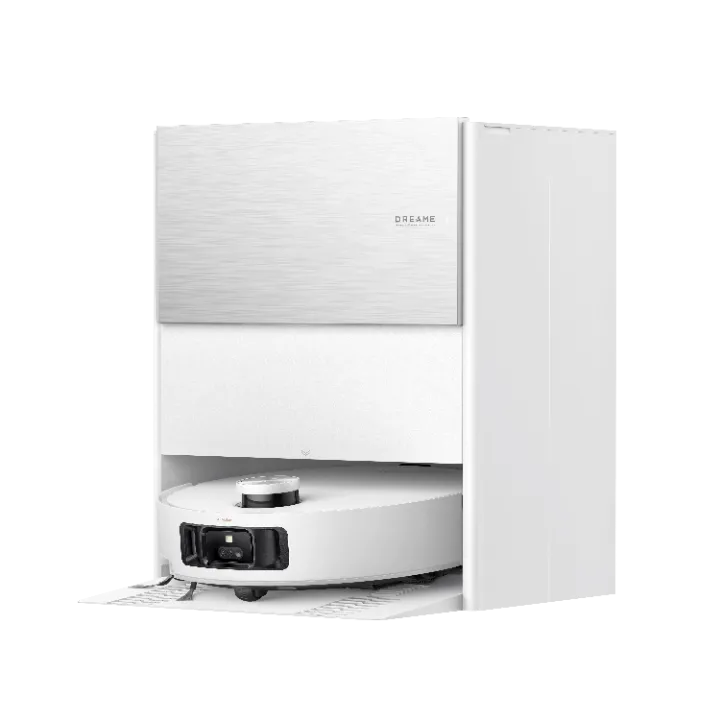
- For the "Autopilot" Strategy: The Dreame Matrix10 Ultra Robot Vacuum and the Z30 Essential are the ideal choices. The Matrix10 Ultra maps your home and does the everyday work perfectly, while the Z30 is always ready to check up on things.
[product handle="matrix10-ultra-robot-vacuum" rating="4.7"]
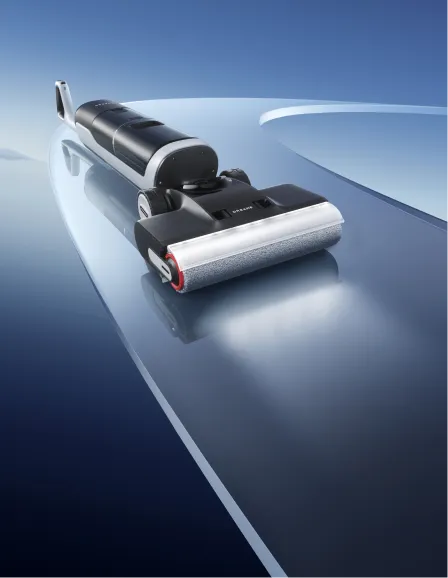
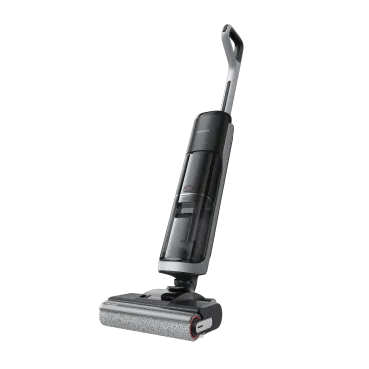
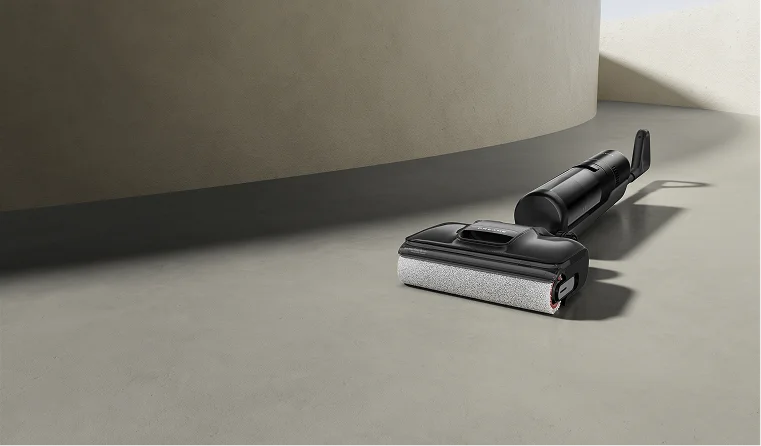
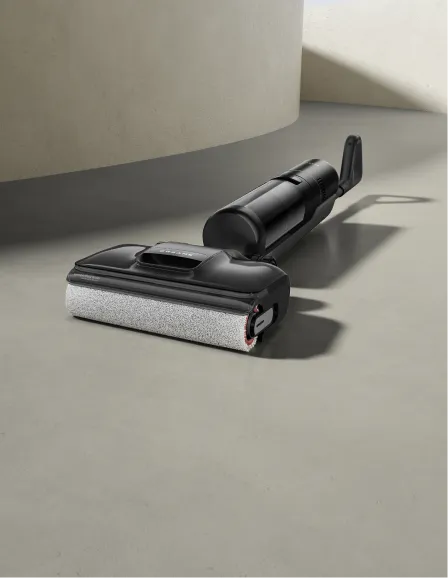
- For the "Deep Clean" Strategy: The best way to do this is to use a robot with the Dreame H15 Pro CarpetFlex Wet/Dry Vacuum. The H15 Pro is special because it can wash hard floors and lay flat to clean under furniture. This makes it the perfect tool for deep cleaning and flexible vacuuming.
[product handle="h15-pro-heat-wet-dry-vacuum" rating="4.5"]
Just keep an eye on how well your vacuum works over time. Knowing when to replace it will make sure your setup always functions at its best.
Final Thoughts
There isn't one "right number" of vacuums that works for everyone, but there is a setup that works best for you. You stop cleaning harder and start cleaning smarter when you stop thinking that "one tool does it all" and start using a specialized range of tools.
Explore our collections today to find the ideal items for your house.
Questions and Answers
If I live alone, how often should I vacuum?
A thorough vacuum once a week is usually enough for people who live alone in homes with little traffic. Using a lightweight stick vacuum, on the other hand, lets you conduct quick 5-minute passes during the week to keep dust levels down without having to complete a full "cleaning session."
What does the 80/20 guideline for cleaning your house mean?
This rule states that, for vacuuming, 20% of your work (setting up a robot vacuum) will deliver 80% of the results (floors that appear clean every day). The last 20% of the mess (corners, staircases, and upholstery) needs a stick vacuum to clean it up by hand.
Is it possible for a robot vacuum to take the place of a regular vacuum?
Almost, but not quite. Robot vacuums are great for cleaning floors, but they can't go up stairs or clean sofa cushions. That's why the "Autopilot Setup" (Robot + Stick) is the best way to take care of your whole home.
Do I need two vacuums, one for hardwood floors and one for carpets?
No, usually. A good multi-surface stick vacuum, like the Dreame Z30, automatically changes its suction for both. A regular vacuum is not as good as a wet/dry vacuum or a robot mop for cleaning hardwood floors.

