














 Robot Lawn Mowers



















 Humidifiers















 Smart Door Lock


 Australia
 中国大陆
中国大陆 日本
日本


 Türkiye


 Italia
 Netherlands
 Belgium
 Greece
 Polska
 Norway
 Sweden
 Finland
 Denmark
 Hungary
 Czechia
 Slovenia
 Croatia
 Switzerland
 United
Kingdom
United
Kingdom
 Canada


 Colombia


How to Make a Cleaning Schedule for Your Home
Lester D
|
A cleaning schedule works best when it's split by frequency and matched to your own home, not copied from a plan built for someone else's. Here's how to make a cleaning schedule that fits the household you actually have.
Start with the five-step method below, then see how it looks for a few common home setups, then how it plays out across a realistic week, including the one spot where a little automation can take a task off your hands for good.
How to Make a Cleaning Schedule That Works for Your Home
A good cleaning schedule should revolve around what actually needs cleaning around your home, breaking it down into everyday tasks and weekly chores. Tasks that don't need to be part of your regular routine can go on your monthly or seasonal list. Keep those in mind when working out how to make a cleaning schedule that fits your week.
Assess your home, routines, and available time
The size of your home and your availability during the week will shape your cleaning routine. A larger home with shedding pets and mostly hard flooring may need more frequent cleaning than a small apartment with wall-to-wall carpet.
Here's a list of questions you can ask yourself, and what to change if the answer is yes.
Ask yourself
What changes
Is your home large?
Clean by zone instead of whole-house sessions
Do you have shedding pets?
Vacuum high-traffic areas daily
Do you have kids?
Add kitchen and dining floor cleanup daily
Are your floors mostly hard surfaces?
Plan regular vacuum and mop sessions
Is your home mostly carpet?
Prioritize vacuuming, and mop only the hard-floor zones
Do you have two or more bathrooms?
Split bathroom cleaning across days
Is your weekday time limited?
Use 10 to 20 minute task blocks
List the cleaning tasks that need daily attention
Keep this list short. Dishes, counters, high-traffic floors, litter boxes, and pet zones are the tasks that actually stop mess from piling up overnight. If a task can wait a week without anyone noticing, it belongs somewhere else on the schedule, not here.
Divide weekly chores across the week
Assign bathrooms, dusting, bed linens, and full-floor cleaning to specific days instead of leaving them for whenever you think you'll have time. Naming the day makes it easier to stay on top of each chore. Spread the heavier jobs across the week so you don't end up with too much to do in one day.
Add monthly and seasonal cleaning tasks
Some jobs, such as cleaning appliances, windows, baseboards, vents, and filters, don't need to be done every week. Add them to your calendar so they don't get forgotten or pile up over time. Not sure what needs a regular clean and what calls for a deeper one? Our guide to deep cleaning versus regular cleaning explains the difference and covers how often common household tasks should be done.
Build in a catch-up day and adjust as needed
Reserve one flexible slot in the week to absorb whatever got skipped. Don't use it to add new tasks. After two weeks of running the schedule, look at what worked and change what didn't.
Pro-tip: If the same task keeps landing on your catch-up day two weeks in a row, give it its own weekly slot instead of leaving it to chance.
Sample Cleaning Schedule by Frequency
Once you've worked through the five steps, your own plan starts to take shape. Here's how it looks broken down by area, with what each one needs daily, weekly, and by season. If splitting it by day is easier, take one area per weekday, and you'll cover the whole home across the week.
Area
Daily / As Needed
Weekly
Monthly / Seasonal
Kitchen
Dishes, counters, spills
Cabinet fronts, mop
Oven/fridge interior
Bathroom
Sink wipe, towels
Toilet, shower, floor
Grout, exhaust fan
Bedroom
Tidy surfaces
Bedding, vacuum
Under bed, mattress
Living room
Clutter, visible crumbs
Dust, vacuum/mop
Under furniture
Floors
High-traffic areas
Whole-home clean
Baseboards/edges
Adjust a Cleaning Schedule Based on Your Home
The right cleaning schedule depends on the home it's built around, not on one universal list. Here's how the daily-to-monthly split can look across a few common setups.
Small apartment or living alone
With less floor to cover, a light daily touch keeps most of it in hand.
Daily: wash dishes and wipe down kitchen counters
Weekly: vacuum, clean the bathroom, dust, and mop
Monthly: clean appliances and wipe baseboards
Home with pets
Pet hair and paw prints run the routine, so the daily floor work matters most.
Daily: vacuum pet zones and high-traffic floors
Weekly: vacuum bedrooms and living areas, mop, and clean pet hair off upholstery
Monthly: clean under furniture and vents, and wash pet bedding
Family home with kids
More hands means more mess in shared spaces, so daily resets keep it from piling up.
Daily: wipe down kitchen and dining surfaces and floors, and clear clutter
Weekly: vacuum common areas, clean bathrooms and bedrooms, and mop
Monthly: clean appliances and sort toys and storage areas
Closets, garages, and windows get a once-a-season pass. Gutters are worth checking in fall, when leaves pile up, and after any bad winter storms if you have them. This part of the schedule stays the same no matter which home type you're working from. Putting these on your cleaning checklist can help prevent them from getting skipped for a season or longer. This cleaning supplies checklist covers what you'll need for different rooms around the home.
How Do You Make a Weekly Cleaning Schedule?
A weekly cleaning schedule works by assigning one main chore to each day and keeping daily upkeep separate from it.
Example of a realistic weekly cleaning schedule
A busy household with pets and mixed flooring might spread its weekly items like this.
Monday: the most used bathroom gets its weekly clean in around 20 minutes.
Tuesday: dusting and wiping down surfaces runs close to 15 minutes.
Wednesday: the full-floor vacuum and mop is the longest job, close to 30 minutes.
Thursday: the bed linens only need about 10 minutes to change.
Friday: the kitchen deep wipe-down takes roughly 20 minutes.
Saturday: the catch-up day takes as long as it needs to.
Sunday: the light reset for the week ahead wraps up in about 15 minutes.
Daily upkeep, dishes, counters, and pet zones still happen every day regardless of which main task is scheduled.
How to avoid putting too much on one day?
Cap each day at one main task plus the usual daily upkeep. Pair a heavier chore, like bathrooms, with a lighter one, like dusting, rather than stacking two demanding jobs on the same day. That balance is what keeps the schedule realistic, rather than something you dread and end up skipping.
How Do You Start a Cleaning Routine and Stick to It?
A cleaning routine sticks when you build the habit around a few non-negotiable tasks first, then add structure around them, not by piling on more tasks.
Clean as you go
The easiest habit to build is cleaning right after you make the mess. Wash the dishes after a meal, and wipe the counter after cooking. None of that takes planning, and it keeps your daily list from growing before the rest of the schedule even kicks in.
Start with the tasks that make the biggest difference
Floors, kitchen surfaces, and bathrooms are usually the areas you'll clean most often. Make these part of your regular routine before adding more to your schedule. Once they become part of your week, you can gradually add monthly and seasonal tasks.
Have your cleaning schedule within reach
Put your cleaning schedule somewhere you'll actually check, whether that's on your phone or somewhere visible at home. You won't have to rely on memory when the week gets busy. For a more detailed cleaning plan, our guide on how to clean your house like a pro includes a checklist of what to tackle in each space.
Reset your routine after a busy week
Restart with daily tasks only for a few days, then layer the weekly and monthly items back in instead of catching up all at once. A missed week doesn't mean starting over, just starting smaller.
Important: If you keep abandoning the schedule after a busy week, you may end up with too many weekly tasks crammed into too few days. Spread them out across the week before you try again.
How Do You Make a Cleaning Schedule When You're Busy?
When your week gets busy, plan shorter cleaning sessions instead of changing the whole schedule.
Use short cleaning sessions
Two or three focused sessions of 15 to 20 minutes across the week can be easier to manage than one long cleaning session you keep putting off. Shorter blocks are easier to actually start, and starting is usually the hardest part of any chore. A short session also leaves less room to get derailed by everything else you notice along the way.
Adapt your schedule to fit your week
Anchor tasks to your own days off instead of the standard Monday-to-Sunday week, and split chores between everyone in the household. Keep a stripped-back version ready too, for the weeks when even that feels like too much.
The goal is to adjust your schedule when things get busy, rather than giving up on it altogether. On a genuinely low-energy day, doing only the daily list and skipping everything else still counts as keeping the schedule going.
Automate Part of Your Cleaning Schedule
A robot vacuum fits into a cleaning schedule by taking over the daily floor pass, freeing up the time and energy that job usually takes so the rest of the routine has room to breathe.
Use automated floor care as a daily cleaning reset
Schedule a run so floors are handled before your day even starts. That takes the most repetitive job off your list after the initial setup. Have it run each morning, and pet hair and everyday dust never get the chance to build up between your weekly cleans.
Keep manual cleaning for tasks a robot vacuum can't do
Surfaces, bathrooms, laundry, and clutter still need a person. Think of automated floor care as one layer of the routine, not a replacement for the rest of it. It removes a task, not the whole schedule.
Dreame Take: We think cleaning should work around your routine. That's why you can schedule cleans in the app and have your floors taken care of, even on a busy day.
Recommendations for an Easier Cleaning Routine
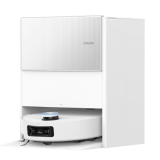
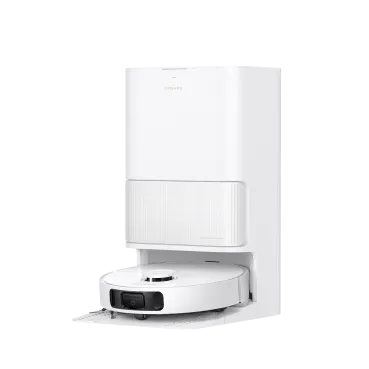
X60 Ultra, the everyday pick. Lowers itself to reach under furniture and empties at its own dock, so the daily floor pass runs without you.
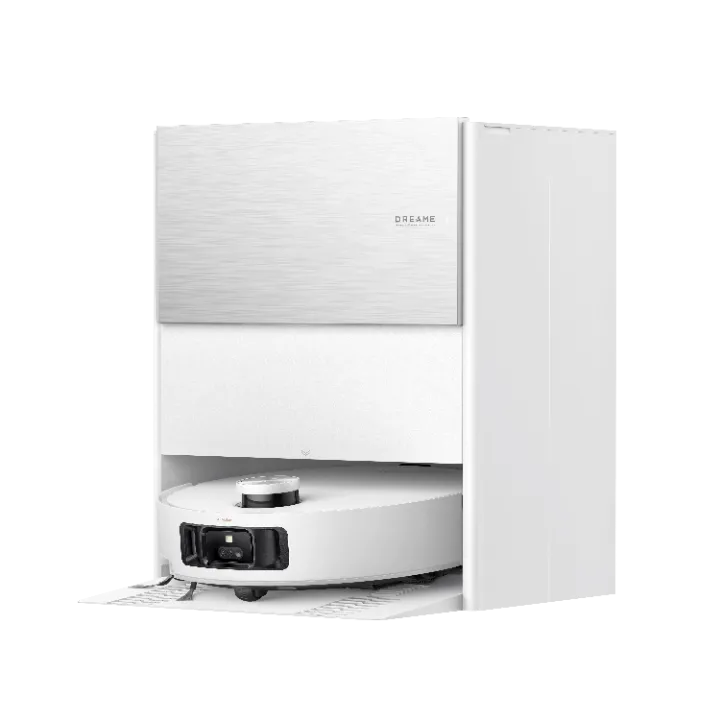
Matrix10 Ultra, the mixed-home pick. Attaches and drops its own mop pads as it moves between rooms, so it mops the tile without dragging a wet pad across your rugs.
L60 Pro Ultra, the balanced pick. Everyday mopping and a hands-off dock in a simpler package, a solid middle ground when the flagship is more than you need.
[product handle="x60-ultra-robot-vacuum" slogan="Editor's Pick"]
Find a Cleaning Schedule that Works for You
A cleaning schedule should make looking after your home easier, not add one more thing to keep track of. Build it around how you already live, and adjust it when the week gets busy.
As for the repetitive jobs like the daily floor pass, the right tools can take some of that off your plate, so browse our robot vacuums to make everyday cleaning that bit easier.
Frequently Asked Questions
How can I create my own cleaning schedule?
List your daily habits, split chores by day each week, then add monthly deep-cleaning tasks on top. Match the plan to your own energy levels so it doesn't turn into a second job.
What is the 80/20 rule in housekeeping?
The 80/20 rule is about spending your time on the cleaning tasks that make the biggest difference. This could be as simple as cleaning the floors or giving the kitchen and bathroom some attention.
What is the 5-5-5 rule for decluttering?
Choose 5 small areas in your home, spend 5 minutes in each one, and remove 5 items from each space. You can throw them away, donate them, or put them back where they belong. It's a quick way to stop clutter from building up between deeper cleans.
What is the 20/10 rule for cleaning?
You clean in a focused 20-minute burst, then take a 10-minute break. It fits a busy day better than committing to one long cleaning session.


