
How to Clean a Robot Vacuum Properly in 2026

How to Clean a Robot Vacuum Properly in 2026

Dreame Editorial Team |
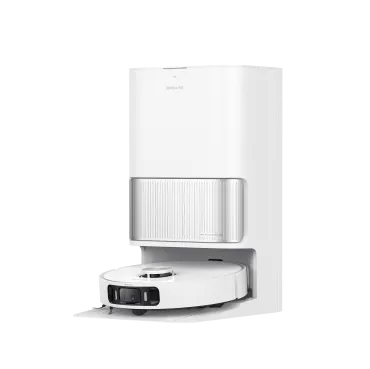
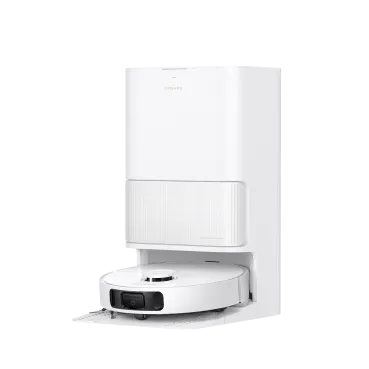
You tap Start, grab a coffee, and your robot vacuum hums to life. It cruises under chairs, then hiccups. The bin is full, hair hugs the brushes, and a smudge on the sensors throws off its aim. The good news? It isn’t broken, it just needs a little attention. A few minutes of care keep suction strong, maps accurate, and your warranty and vacuum cleaner happy for the long run. This guide covers what to prepare, how to clean each component, and how to care for the dock. You will also get a maintenance schedule, quick troubleshooting, and answers to common questions.  Before You Start Tools: Dry microfiber cloths, a soft brush, tweezers or scissors, a small Phillips screwdriver, and disposable gloves.  Prep: Power off the robot and undock it.  Water rules: Identify which parts can be rinsed, like filters, bins, and mop pads, and which must stay dry, like sensors and electronics.    Important Rinse only with clean water, avoid detergents and abrasives, and never scrub filters with brushes or fingers. Keep liquids away from sensor windows, charging contacts, and seams where water could seep inside.   Dry time: Plan your timing so the robot is free for a full day. Rinsed parts must air dry completely for 24 hours before reinstallation. Reinstall only when parts are fully dry. Moisture in filters, bins, or wheel wells can reduce airflow, create odors, and risk electronic damage.  Clean Your Robot Vacuum: Step by Step Dust Box and Filter Open the cover, press the clip, and remove the dust box.  Take out the filter, empty the bin over a trash bag. Tap the filter frame gently to release fine dust.  Rinse the dust box and filter with clean water, then air dry. Do not use soap, abrasives, or sharp tools, and never reinstall a damp filter. Main Brushes or Dual Brushes Release the brush guard and lift the brushes straight out.  Cut away tangles at the ends and along the bristles using scissors or the included comb.  Check bearings and end caps; remove wrapped strands. Reseat the brushes fully, close the guard, and spin to confirm smooth movement. Side Brush Use a screwdriver to remove the side brush and clear hair at the hub.  Wipe the arm with a dry cloth, check for warping. Reinstall and hand spin to confirm free movement. A quick monthly clean here stabilizes edge work on hard floors and along baseboards. Wheels  Separate the wheel from its axle, rinse, dry completely, and reinstall.  Rotate auxiliary or climbing wheels to release if your model allows, then clear hair from the main wheels as well.  Align arrows or tabs to reseat parts until they click, and wipe wheel wells to remove grit that can affect traction. Why it matters: cleaner wheels = better traction, fewer “stuck” alerts. Sensors and Optics Wipe cliff sensors, LiDAR or laser windows, carpet sensors, and charging contacts with a dry microfiber cloth only.  Clean optics reduce mapping errors and improve docking, while clean contacts support faster charging.  Pro move: If maps look off, start with a sensor wipe before remapping. Mop Pads and Mop Pad Holders Remove mop pads and rinse or machine wash only if permitted. Clean holders separately and let all parts dry fully.  Replace pads every 1-3 months based on home size and floor type.    Dreame Take Systems like Dreame L40s Ultra and Aqua10 Ultra Roller pair powerful suction with auto mop washing, so you never need to rinse pads or rollers by hand. Every cycle ends with a hot-water wash and drying process that keeps the mop fresh, the system unclogged, and cleaning power at full strength for your next run.   If you're curious about whether a mopping robot vacuum can replace or complement your regular cleaning routine, check out Are Mopping Robot Vacuums Worth It? for an insightful comparison. Robot Body and Battery Wipe the shell with a dry cloth and clear vents so air moves freely.  If your model has a removable battery, top up charge at least every 3 months during storage.  Keep the robot and dock in a cool, dry spot with a clear approach lane. If you'd like to help your robot vacuum last even longer between deep cleans, check out Dreame’s expert tips in 10 Expert Tips to Extend Your Robot Vacuum’s Lifespan.  How to Clean the Robot Vacuum Dock The dock charges the battery, empties dust, and refreshes mop pads. A clean dock prevents clogs, odors, and long empty cycles. Don’t forget to unplug before you begin. Washboard and Filter Remove the washboard filter after mop cleaning cycles. Rinse with clean water, air dry, and reinstall. A clear filter shortens maintenance cycles and keeps water paths open. Dust Intake and Auto Empty Vents Wipe the dust intake and vent openings with a dry cloth to maintain airflow. If auto empty runs longer than usual, check this area first. Clear vents also reduce fan strain and help keep noise consistent. Dust Collection Bag Open the dust chamber, pull the handle, and remove the bag.  Dispose of the sealed bag, wipe the cavity, and install a new bag firmly.  If you run daily or have pets, expect more frequent changes since fur and hair increase fill rates. Water Tanks, Clean and Used Empty the used water tank after each mop session, then rinse it with clean water, wipe the interior, and let it dry.  Some robot vacuum models, like the Dreame X40 Master, take this process a step further with its Auto Water Refilling and Draining system. When connected to a water line, the dock automatically refills the clean tank and empties the dirty one, removing the need for manual handling altogether. This setup maintains a continuous supply of clean water while safely disposing of wastewater, keeping the system hygienic and ready for daily use with almost zero upkeep. Keeping tanks clean and properly connected ensures optimal performance, prevents clogging in water lines, and guarantees your mop pads always start each run with fresh water. Charging Contacts and Signaling Area Wipe the metal charging contacts on the dock and the robot with a dry cloth.  Keep the space in front of the base flat and clutter-free so the robot can line up. Think of that space as a short runway: no thick rugs, shoes, or cords in the way.  Clean contacts plus a clear runway fix most docking hiccups fast. Maintenance Schedule at a Glance Use this table to tailor upkeep for your home type. Short cells keep it scannable while you work. Task Light Homes (low traffic, no pets) Pet / Long-Hair Homes Notes Used water tank Empty after each cycle Empty after each cycle Odor control and hygiene Clean water tank Rinse every 2 weeks Rinse weekly Clean water only Dust box, filter Empty after 2–3 runs, rinse 3–6 mo Empty every run, rinse monthly Replace filter 3–6 mo Main brushes Clean monthly Clean weekly Replace 6–12 mo Side brush Clean every 2 months Clean monthly Replace 3–6 mo Mop pads Wash every 2–3 uses Wash after each use Replace 1–3 mo Washboard filter Rinse every 2 months Rinse monthly Prevent dock clogs Dust bag Replace every 3 months Replace every 2 months Seal before disposal Sensors, contacts Wipe every 2 months Wipe monthly Dry cloth only Scale inhibitor Check 24–36 months Check 18–24 months Replace as needed   Pro-tip Add these to your calendar so maintenance happens on time, even during busy weeks.   How to Clean a Robot Vacuum That Encountered Pet Mess If your robot vacuum runs into pet waste, don’t panic, but act fast to avoid permanent damage or odors. Take these steps:  Stop the cleaning cycle, block off the affected area, and wear disposable gloves. Move the robot to a well-ventilated space or outdoors to clean. Lift solids with disposable towels first to avoid smearing into seams and wheels.  Wipe hard parts dry, then disinfect. Keep liquids away from sensors and electronics. Wash or toss mop pads and any porous parts that soaked up residue.  Clean the floor separately with a suitable cleaner, as the robot mop doesn’t sanitize. Once everything is dry, reassemble, check wheels and sensors, and run a short supervised test.   Dreame Take We aim to minimize both the risk and the cleanup that follow pet mishaps. Our latest robot vacuums use AI-powered object recognition and 3D structured-light sensing to identify up to 200 common household obstacles, including pet waste. Instead of rolling through a mess, it detects and navigates around it in real time, keeping your floors, wheels, and mop pads clean.    Troubleshooting After Cleaning Still low suction? Check the air duct, confirm the filter is seated, and make sure the bag or bin seal is tight. Replace clogged parts, then test a small area. Poor docking? Clean the charging contacts and clear the base area. If alignment is off, place the base on a level surface and try again. Uneven mopping? Refill the clean tank and seal the used tank. Clear the tank vent or air hole, confirm pad installation, and replace worn pads. Mapping issues? Clean cliff and LiDAR optics and restart the robot. If problems remain, scan rooms again with floors clear and keep the dock in the same spot. While you map and label rooms, give the robot a name. It turns reminders into habits. You can wake it up only by calling it "Dreame", whatever name you give it. See our fun robot vacuum names for ideas. Frequently Asked Questions How often should I clean my robot vacuum? Empty after each run, wipe sensors monthly, and deep clean every 1–3 months. Pet or large homes should service filters and pads more often. Can I wash the filter instead of replacing it? Yes. Rinse with clean water and air-dry 24 hours, then reinstall. Replace every 3–6 months and keep a spare so drying doesn’t pause cleaning. Can I reuse the dust bag? No. Bags are single use. Replace when full to keep suction and trap fine dust. Daily runs or lots of hair mean more frequent changes. What parts must stay dry? Keep sensors, charging contacts, and signaling windows dry. Use a dry cloth only and never spray cleaner on the robot or dock. Do I need to clean the dock? Yes. Empty used water, replace bags on schedule, wipe contacts, and clear vents. A clean dock keeps cycles quick and odor free. Wrapping Up and Next Steps A consistent cleaning routine turns a good robot vacuum into a dependable system. Keep the dust path clear, remove hair from brushes, wipe optics so maps stay accurate, and give the dock a few minutes of care each month.  If you want to lower routine chores while keeping performance high, compare models in the robot vacuum collection to match features to your home and schedule.


Continue reading
How to Clean Spilled Milk on the Floor: A Complete Guide

How to Clean Spilled Milk on the Floor: A Complete Guide

Dreame Editorial Team |
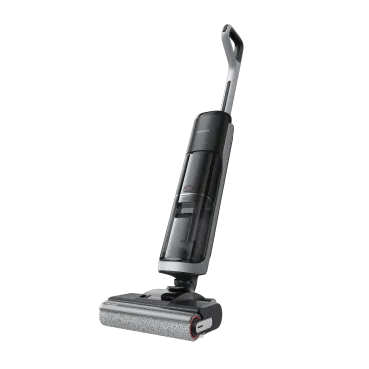
That sinking feeling as you watch a glass of milk topple over is universal. Spilled milk on the floor isn't just a simple liquid mess, it’s a race against the clock before it sours. The proteins and sugars in milk create a perfect breeding ground for bacteria, leading to that infamously stubborn sour smell. The right way to clean it—and prevent the smell—depends entirely on your floor type. This guide will show you how to clean spilled milk on the floor, focusing on hard floors like wood and tile, and also covering what to do for carpet. Why Does Spilled Milk Smell So Bad? (And Why You Must Act Fast) Before we clean, it helps to know what you're up against. The Smell Happens Fast: Milk contains a sugar called lactose and proteins. When left at room temperature, bacteria (which are everywhere) begin to feed on the lactose, producing lactic acid. This fermentation process is what causes the unmistakable sour odor. The "Sticky Floor" Problem: Milk also leaves behind a thin, unseen film of fat and protein residue. This is why you may find your floor sticky after mopping if you don't clean it correctly. This residue attracts more dirt and continues to smell. Important No matter your floor type, never use hot water or a steam cleaner on a fresh milk spill. The heat can bind the proteins to the floor fibers permanently, setting the stain and smell. Always use cold or cool water for rinsing. How to Clean Spilled Milk on Hard Floors (Wood, Tile, Vinyl) Whether you have paper towels or a high-tech appliance, the goal is the same: remove the liquid and the sticky residue. For more tips on keeping these surfaces pristine, check out our guide on how to clean hardwood floors. Method 1: The Manual Clean-up (Towels & Mop) This is the go-to method when you need to act fast with the tools you have on hand. Blot, Don't Wipe. Grab paper towels or a dry, absorbent cloth. Blot the spill to soak up as much liquid as possible. Wiping will only spread the sticky milk further. Rinse the Area. Using a new damp cloth (with cool water), gently wipe the area to dilute and remove the remaining milk residue. Mop with a Floor Cleaner. This is the crucial step. Mop the area with a floor cleaner that is safe for your specific floor type (e.g., hardwood, vinyl). This breaks down the fats and sugars you can't see. Dry the Floor. Don't let the water sit, especially on wood floors. Dry the area completely with a clean towel. Pros No special equipment needed. Good for small spills. Cons High effort, multi-step process. Often smears sticky residue. Leaves you with a sour-smelling mop head. Method 2: The All-in-One Clean-up (Wet & Dry Vacuum) This method is for those who want a faster, more hygienic clean that removes all the guesswork. If you're new to these appliances, learn more about what a wet and dry vacuum is. Grab your Wet & Dry Vacuum. Turn it on and pass it over the spill. Let the Machine Do the Work. The appliance vacuums up the spilled milk while its brush roller actively washes the floor with clean water and a cleaning solution. Make sure you know how to use a vacuum cleaning solution correctly for the best, streak-free results. Empty the Tank. The milk and dirty water are collected in a separate tank, so you're not spreading the mess. The floor is left clean, streak-free, and almost instantly dry. Pros Vacuums and mops in one pass. Hygienic: Removes all residue. Extremely fast and low-effort. Cons Requires the appliance. For a greasy, sticky mess like milk, the Dreame H15 Pro Heat Wet Dry Vacuum is a hard floor specialist. It uses 185°F (85°C) hot-water floor washing to dissolve and cut through the milk fats easily. Plus, its ThermoTub™ 212°F (100°C) self-cleaning cycle flushes the roller with hot water, which also helps prevent the machine from developing odors (a common issue if you're wondering why does my vacuum smell). [product handle="h15-pro-heat-wet-dry-vacuum" rating="4.7"] What About Spilled Milk on Carpet? Cleaning milk from carpet is more challenging because the liquid soaks deep into the fibers and padding. As our guide on can you vacuum wet carpet explains, you should never use a regular vacuum on a wet spill. For this, you must use a manual, multi-step process. Blot, Blot, Blot! Use dry clothes to blot and absorb as much milk as possible. Do not rub. Dilute and Rinse. Lightly mist the area with cold water (a tiny drop of dish soap is okay). Blot again with new, dry clothes to "rinse" the fibers. Deodorize with Baking Soda. This is the most critical step for how to get milk smell out of the carpet. Generously sprinkle baking soda over the entire damp area. Let it Dry Completely. The baking soda must sit for at least 4-6 hours (overnight is better). It will absorb the remaining moisture and neutralize the odors. Vacuum All the Residue. Once completely dry, you must vacuum up all the fine baking soda powder. You'll need a vacuum with strong suction for this.  Dreame Take This is a perfect job for the "Dry Mode" on your Dreame H15 Pro CarpetFlex Wet Dry Vacuum, which acts as a powerful stick vacuum to pull all the powder from deep in the carpet fibers. Be sure you know how to clean carpet with a vacuum cleaner properly for the best results. Final Thoughts: The Best Tool for Any Spill Spilled milk is a panic-inducing mess, but it's completely manageable when you have the right method. On hard floors, the key is to ensure you remove not just the liquid, but the sticky, odor-causing residue. While the manual method works, an all-in-one tool makes the job faster and more hygienic. If you're considering an upgrade, our how to choose a wet dry vacuum cleaner guide can help. Explore Dreame's Wet and Dry Vacuums to find the versatile solution for every spill on your hard floors. FAQ: Cleaning Spilled Milk How long do I have before the milk starts to smell? The souring process can begin in just a few hours. By 24-48 hours, the smell is typically very noticeable. Act as fast as you can. Can I use a regular (dry-only) vacuum on a wet milk spill? No! Never use a vacuum that is not rated for liquids on a wet spill. You will permanently damage the motor and electronic components, creating a serious safety hazard. Our guide on how vacuum cleaners work explains why the motor is so vulnerable to water. How do I clean dried milk from the floor? On hard floors, you'll need to spray it with a floor cleaner and let it sit for a minute to dissolve the hardened residue, then scrub it away. On carpet, gently scrape off the dry flakes (and vacuum them up), then re-hydrate the stain with a cold-water mist and follow the manual carpet-cleaning steps. (If you're curious about vacuum products, see our H15 Pro Heat vs. CarpetFlex comparison).
Continue reading
How to Clean Up After a House Party (Even When You’re Exhausted)

How to Clean Up After a House Party (Even When You’re Exhausted)

Dreame Editorial Team |
Waking up after a house party usually comes with two things: a tired body and a messy home. The air feels heavy, the floors are sticky, and you’re not even sure where to start. If this sounds familiar, this guide will show you exactly how to clean up after a house party without wasting energy. The secret is following the right order so you don’t clean the same area twice. This step-by-step system is simple, effective, and perfect for mornings when you’d rather nap than scrub. Quick View: Your Morning-After Checklist Too tired to read the details? Just follow this order to get the maximum results with minimum brain power. Open windows (immediate fresh air). Bag all trash and recycling (clear the floor). Stack dishes near the sink (clear the tables). Wipe surfaces (knock crumbs to the floor). Treat carpet stains (give solution time to work). Run the robot or wet dry vacuum (the final step). Step 1: Clear Clutter and Gather Trash Safety First: Handle Broken Glass Did a wine glass shatter last night? Before you unleash any vacuums, you need to handle this manually. Never run a robot vacuum or wet/dry vacuum over glass shards. The sharp edges can puncture the internal hoses and ruin the motor. The Cleanup Hack: Big Pieces: Pick up carefully with gloved hands. Tiny Shards: Don't just sweep (which leaves invisible splinters). Press a slice of soft bread or a halved raw potato over the area. The glass will stick to it safely. Tape It: Use duct tape to lift the final dust from the floor. All Clear? Only once the glass is 100% gone should you proceed to the next step. Clear the Obstacles  Before you spray or scrub anything, you need to clear the path. Do not try to clean "around" the mess. Open the Windows: Let the stale air out and fresh air in. It immediately makes the room feel 50% cleaner. Bag the Garbage: Grab a large heavy-duty trash bag. Walk through every room and throw away paper plates, napkins, and food scraps. Sort the Recycling: Grab a separate bag/bin for cans and bottles. Don't worry about taking the bags out to the curb yet—just get the trash off your floors and tables. If you have a massive amount of glass or plastic and aren't sure what goes where, consult a recycling guide to ensure you sort everything correctly before disposal. Step 2: Gather and Soak the Dishes Dishes are the next source of chaos. Once the trash is out, switch your focus to the kitchen and follow this workflow: Round Up Glassware: Walk through the house and collect every plate, cup, and glass from the living room, hallway, patio, and bathroom counter. Bring everything to the kitchen. Soak the Stuck-on Food: Don't wash them yet. Stack any dishes with dried-on food in the sink and fill it with hot, soapy water. Letting them soak for 20 minutes saves you scrubbing effort later. Run the Dishwasher: Load the dishwasher with glassware first and start the first cycle immediately. Starting the machine creates momentum and signals that the hardest part is already underway. Step 3: Wipe Down Sticky Surfaces Now that the clutter and dishes are handled, shift your attention to surfaces. The Golden Rule: Always clean from high to low. Sanitize coffee tables and dining tables with a microfiber cloth first. Check the sofa for crumbs or spills and brush everything onto the floor. Why? Because you are going to clean the floors last anyway, so let gravity do the work for you. If you find stubborn rings on your counters or tables, check our guide on keeping your kitchen clean daily to remove stains without damaging the finish. Step 4: Vacuum and Wash the Floors Floors always show the worst of last night’s party. Between sticky drink spills and crushed chips, this step might look intimidating, but the right tools make it simple. Vacuum Dry Debris  If you have a robot vacuum, now is the time to use it. Release it from its dock and let it handle crumbs under the sofa, snack spills, or dust trails. Clean Sticky Messes You might think this calls for a mop, but traditional mops often push dirty water around, especially when dealing with sticky alcohol residue. This is where technology can help you. Dreame Take Don't scrub if you don't have to. A wet and dry vacuum (like the Dreame H15 Pro Heat) handles liquids and solids simultaneously. It uses hot water up to 185°F (85°C) to melt away sugary drink spills instantly. Using a wet dry vacuum means you aren't dipping a mop back into a bucket of gray water. You get continuously clean water on the floor, extracting moisture immediately. This is crucial for hardwood floors, which can warp if left soaking wet. For more tips on handling difficult messes, read our specific guide on how to clean sticky floors. Step 5: Refresh the Guest Bathroom The guest bathroom is a small space, but it likely saw a lot of traffic. You don't need a deep clean right now—just a reset. Throw the used hand towel into the laundry. Wipe the sink and faucet handles to remove water spots. Empty the overflowing trash can. If you notice the bathroom needs a deeper scrub later in the week, bookmark our complete bathroom surface cleaning guide for when you have more energy. Relax, You Did It The morning-after mess is gone. Your air is fresh, surfaces are clean, and the floors are restored. Cleaning up after a house party is always easier when you follow the right sequence instead of randomly tackling tasks. Next time, simplify your prep by following our guide on how to clean your home before a party. And if you want to retire the mop and bucket forever, consider wet and dry vacuums that handle the dirty work for you. Frequently Asked Questions How to clean up a house after a party quickly?  Work in this order: trash first, dishes second, surfaces third, floors last. This prevents repeat cleaning (like wiping crumbs onto a floor you just mopped) and saves energy. What is the 3-minute rule in cleaning?  Any task that takes under three minutes (like taking out the trash or wiping a mirror) should be done immediately. This prevents small tasks from piling up into a mountain of work. How do I get sticky alcohol off the floor?  Do not rely on cold water alone. Use a floor cleaning solution or a wet dry vacuum with hot water capabilities to dissolve the sugar. More Cleaning Tips Want to master the art of deep cleaning? Learn how to clean your house like a pro. Heading out of town soon? Check our essential house cleaning tips before, during, and after your vacation.
Continue reading
How to Clean a Vacuum Cleaner Hose (and Why It Might Be Time to Upgrade)

How to Clean a Vacuum Cleaner Hose (and Why It Might Be Time to Upgrade)

Dreame Editorial Team |
Let's be honest: there is nothing more annoying than dragging a vacuum around only to realize it's just pushing dirt around instead of picking it up. You've checked the bag, you've shaken out the filters, but the crumbs are still there. The likely culprit? A clogged hose. It happens to the best of us. Over time, hair, dust bunnies, and random debris get stuck in the ridges of those traditional vacuum hoses. This chokes off the airflow and, worse, starts to smell. But don't call a repairman just yet. Learning how to clean a vacuum cleaner hose is actually a quick fix that can bring your machine back to life instantly. Here is the no-nonsense guide to unclogging, washing, and deodorizing your vacuum hose—plus a reality check on why modern vacuums don't have this headache. Signs Your Vacuum Hose Needs Cleaning Before you start taking things apart, look for these dead giveaways: Zero Suction: The motor is roaring, but the dirt isn't moving. Weird Whistling: If your vacuum sounds like it's straining or whistling, air is trying to squeeze past a blockage. The "Old Dust" Smell: That musty, stale odor coming from the exhaust usually indicates rotting grime or mold inside the tube. Visual Clumps: Sometimes you can actually see a hairball or a wrapper stuck right near the opening. Step-by-Step: How to Clean a Vacuum Cleaner Hose Ready to get your hands dirty? Follow this routine to clear the airway and sanitize the hose. Step 1: Detach and Inspect First, turn off the power. Unplug the vacuum and immediately detach the hose. You need to be safe and have leverage. Lay the hose flat on the floor and shine a light through one end. No light coming out the other side? You've got a solid blockage that needs to go. Step 2: Remove Physical Blockages Grab a broom handle or a long wooden dowel and gently slide it through. Gravity rarely works on sticky messes, so you need to mechanically push that clump of pet hair or stuck sock out of the tube. Mistake to Avoid: Don't get aggressive with wire hangers. Those plastic hoses are flimsier than they look. If you poke too hard with a sharp metal wire, you'll puncture the airtight seal and permanently lose suction. Step 3: Soak and Wash Dunk the whole hose in a bathtub filled with warm water and dish soap. A broomstick can't clean the sidewalls. Soaking allows the soapy water to reach every ridge, breaking down the fine dust and sticky residue that's been building up for months. Swirl it to ensure the water reaches every inch. Mistake to Avoid: Skip the boiling water and bleach. Super hot water can warp the plastic connectors, and bleach is way too harsh for the rubber seals. Stick to mild soap. Step 4: Dry Completely Hang it up and walk away. Drape the hose vertically over a shower rod or a door in an airy room. Gravity is your best friend here—it pulls the water out while the air dries the rest. Mistake to Avoid: Put the hair dryer away. It's tempting to speed things up, but focused heat can melt or warp the plastic.   Important Never reattach a wet hose. We mean it. Even a few drops of trapped moisture can ruin the vacuum's motor or turn your machine into a mold factory. Give it a full 24 hours to be bone dry.   Why Your Vacuum Hoses Get Clogged It really comes down to bad design. Traditional vacuum hoses use a classic ribbed, accordion-style design that allows them to bend and stretch. The problem? Those ridges are dirt magnets. Friction and static electricity cause dust to adhere to the uneven surface rather than fly into the bin. Layer by layer, grime builds up until one day a stray wrapper or a coin gets stuck, and airflow drops to zero. The reason you are dealing with this mess is that your cleaning tool is outdated. How to Avoid the Vacuum Hose from Getting Clogged You can't prevent every clog, but you can lower the odds. Pick up the big stuff: Don't be lazy—pick up socks, large paper scraps, or coins by hand. Don't force your vacuum to eat them. Empty the bin often: A full dust cup reduces airflow, making it easier for dirt to settle in the hose. Ditch the hose entirely: Since ribbed hoses are designed to clog over time, the only permanent fix is to switch to a modern robot vacuum, wet/dry vacuum cleaner, or cordless stick vacuum that doesn't use them.   Dreame Take Traditional canister and upright vacuums rely on long, ribbed, flexible hoses that naturally trap dirt and require messy manual maintenance. Dreame’s straight air duct and self-cleaning technologies permanently eliminate these traps.   Upgrade to Smart Vacuum Cleaners If you are tired of the mess, the soaking, and the drying times, maybe it's time to let technology handle it. For Complete Automation: The Dreame X60 Max Ultra Complete takes you out of the equation. This robot vacuum's fully automated base station does it all: automatically empties the dustbin, washes the mop pads with hot water, and refills the solution. You literally never touch the dirt. For Odor Elimination: The Dreame H15 Pro Heat is the cure for smelly vacuums. Unlike manual washing, this vacuum and mop uses 212°F (100°C) hot water to scrub its own internals and 194°F (90°C) hot air to dry them instantly. Bacteria and odors don't stand a chance. For Deep Carpet Cleaning: Traditional uprights are notorious for hose clogs. The Dreame H15 Pro CarpetFlex changes the game. It deep-cleans carpets with 212°F (100°C) hot-water self-cleaning technology and lies flat (180°) to slide under furniture—no corrugated tubes required. Maintenance Tips for a Clog-Free Home A little attention goes a long way. Eyeball it monthly: Take a peek inside the hose once a month. Catching a small hairball now is way easier than fighting a solid clog later. Don't ignore filters: Wash your HEPA filters on schedule. A dirty filter chokes the airflow just as badly as a clogged hose, putting unnecessary strain on your motor. Listen to the engine: If your vacuum starts whining (high-pitched sound), stop immediately. That's the machine screaming for air before it loses suction completely. FAQs About Vacuum Hose Cleaning How often should I clean my vacuum cleaner hose? Aim for once a month. A regular rinse keeps odors away and suction high. But don't wait if you smell something funky or lose power—clean it right away. Can I use bleach to clean a vacuum hose? Definitely not. Bleach is too harsh and can crack the plastic or ruin the rubber seals over time. Stick to dish soap or vinegar—they are safe and effective. How do I quickly dry a vacuum hose? Patience and gravity. Hang it vertically to allow the water to drain. Do not use a hair dryer or put it on a radiator—high heat will warp the plastic faster than you think. Do all vacuums have hoses that clog easily? Nope. Modern stick vacuums use straight metal tubes instead of those flimsy ribbed hoses. Debris flies straight through, so clogs are rare. How to deodorize a vacuum hose? Baking soda and vinegar are your best friends. Fill the hose with warm water, dump in half a cup of baking soda and a cup of white vinegar, and let it fizz for 20 minutes. The chemical reaction lifts the stuck-on grime, while the soda neutralizes the smell and the vinegar kills the bacteria. Conclusion Let's face it: cleaning a vacuum hose is a gross job. But for traditional vacuums, it's the price you pay for suction power. By following these steps—detach, unclog, wash, and dry—you can get things running smoothly again. But if you're done with the hassle? Take it as a sign. Modern vacuum technology has advanced, and you can too. Get a machine that cleans itself so you don't have to.
Continue reading
How to Clean Your Home Before a Party (Without the Stress)

How to Clean Your Home Before a Party (Without the Stress)

Dreame Editorial Team |
Getting your home ready before guests arrive can feel like a mini panic every single time. You look around, see ten things that need cleaning, and suddenly the clock is moving faster than you are. Good news, though. Pre-party cleaning doesn’t have to feel like a sprint. With a smart plan and a few shortcuts, you can get your place looking great without losing your energy before the event even starts. The 80/20 Rule: What to Clean Before Guests Arrive Before you start, think strategically. Not every room deserves your attention. Most guests only move through a small part of your home, so focus your energy where it actually matters. Focus On: Entryway, guest bathroom, kitchen, main living or social area. Ignore for now: Bedrooms (just close the doors), home offices, storage rooms, laundry room. The 30-Minute Party Prep Checklist In a hurry or feeling last-minute anxiety. Here’s your quick, high-impact list. Floors: Vacuum first, then mop if time allows (or use your vacuum mop to hit both tasks at once). Entryway: Sweep the front porch, clear clutter like shoes and mail, and set up a spot for coats. Living Area: Wipe coffee tables, remove dust from visible shelves, and clear extra throw pillows to open up seating. Kitchen: Wipe counters, polish stainless steel appliances, and run the dishwasher so it is empty for the party. Guest Bathroom: Wipe the mirror and sink, empty the trash, and put out a fresh hand towel.  The Party Prep Cleaning: A Step-by-Step Guide This flow keeps things simple. Start with the tasks you can automate, then tackle the areas guests will use most. Step 1: Automate Your Floors Cleaning ("Set It & Forget It") This is the biggest stress saver. Instead of pushing a vacuum for half an hour, let a robot vacuum handle it while you do the fun or necessary parts. Dreame Take Party prep should shrink your to-do list, not expand it. We believe your tools should work for you—scrubbing the floors while you arrange the appetizers. Deploy your robot vacuum right away. A modern flagship model does more than just sweep; it vacuums and mops simultaneously, scrubbing away sticky spots so your hard floors are gleaming for guests. If your vacuum has self-emptying and auto-mop washing capabilities - even better. It handles the entire mess, including emptying its own dustbin and washing its own mop pads, so you never have to touch dirt or dirty water right before putting on your party clothes. Have pets? Make this your must-do step. Pet hair always finds its way back to rugs and corners. Vacuuming ensures your home is allergen-free and your guests don’t leave covered in fur. If you are battling constant shedding, check our guide on how to effectively remove pet hair from your home before high-traffic events.  Step 2: The 15-Minute "High-Impact Zone" Clean Now that your floors are handled, grab a basket and a microfiber cloth. Time to touch the areas guests actually notice. The Entryway is your home's first impression Move stray items into your basket: shoes, mail, and keys. Don’t organize. Just hide. Make sure you have a clean and obvious spot for coats and bags. A clear bench or a few empty hangers can do the job. The Main Living/Social Area Wipe surfaces like coffee tables and side tables. Check from a different height. A tall guest may see dust on top of shelves or picture frames that you might never spot. Remove the mountain of throw pillows so guests don’t have to juggle them while sitting down. The Kitchen Nothing kills a party vibe faster than a stack of dirty dishes. Load the dishwasher and run it immediately. For sticky cooking spills, a wet dry vacuum is a lifesaver. It handles liquids and crumbs in one easy go and keeps you from scrubbing. Move appliances like toasters or blenders into cabinets if possible. The more empty counter space you have, the cleaner the room feels. For more detailed maintenance, check our guide on cleaning kitchen surfaces effectively. Step 3: The 5-Minute Bathroom Refresh Guests always visit the bathroom, so this space needs to feel clean even if the rest of the house is chaos behind shut doors. The "Splash Zone" Check: Water spots on the mirror and faucet are the first things to catch the eye under bright bathroom lights. A quick buff with a dry microfiber cloth makes the chrome sparkle instantly without needing chemical sprays. The Courtesy Wipe: Don't just look at the toilet; wipe the seat, the rim, and importantly, the base where dust collects. It takes 30 seconds but signals to guests that the space is sanitary. The "Hotel" Touch: Empty the trash bin completely—nobody wants to see your used tissues. Then, replace the hand towel with a fresh, fluffy one. Restock Generously: The worst fear for a guest is running out of supplies. Place two extra rolls of toilet paper in plain sight (on the tank or in a visible basket), so they never have to search through your cabinets. This quick refresh handles the essentials. If you have more time later for a deep scrub, you can read our full guide on how to clean bathroom surfaces effectively. Pro-tip The Guest Comfort Kit. A small basket with helpful items shows real thoughtfulness. Include Band Aids, stain remover pen, feminine hygiene items, mints, contact lens solution, or a mini first aid kit. Step 4: Set the Mood (The Final Touches) You’ve cleaned enough. Time to set the vibe. Dim the bright lights and use lamps for a softer glow Light a candle or diffuser with something light, like citrus or fresh linen If you have flowers, even tiny ones, put some in the entry and bathroom Open Spotify or YouTube and start a playlist like "Dinner Party Jazz" or "Upbeat Lounge." Keep the volume low enough to encourage conversation but loud enough to fill the room. And take a breath. You’re ready. Should You Mop Before or After a Party? We hear this question constantly. It feels like double the work to clean floors that are about to get trampled by shoes. The answer is both, but the intent is completely different. Before the Party (Presentation): Mopping before guests arrive isn't about deep hygiene; it's about ambiance. A freshly mopped floor makes the entire house smell clean and look polished. Keep it Light: Don't soak the floors. Use a damp mop or your robot vacuum's maintenance mode. Focus on Shine: You want to remove visible dust or paw prints so the home looks welcoming when the lights are dimmed. After the Party (Recovery): This is where the real work happens. Once the last guest leaves, you aren't just cleaning dust—you are dealing with sanitation. Tackle the Sticky Spots: Spilled wine, soda, and appetizers leave residue that can damage wood or attract pests if left too long. This is the time to use hot water and a proper cleaning solution. Sanitize High-Traffic Paths: Guests track in dirt from outside. A deep mop the next morning resets your home's hygiene levels. If you wake up to a particularly messy aftermath of dried drinks and shoe marks, check our specific guide on how to clean sticky floors to safely restore your hardwood or tile without damaging the finish. Hosting Without the Hassle Pre-party cleaning shouldn’t wipe you out. With a smart plan, guest-friendly touches, and automated floor cleaning, your home can look great without the stress. If you find that floor cleaning is always your biggest pre-party headache, explore automated cleaning robot vacuum solutions. Frequently Asked Questions on Party Cleaning How to prep your house for a party? Start with floors, then declutter and clean the entry, kitchen, living room, and bathroom. Finish with lights, scent, and music. Should you clean before a party? Yes, but focus on speed and impact, not perfection. What is the 80/20 rule for house cleaning? Eighty percent of mess sits in twenty percent of your space. For party prep, focus on the areas where guests actually spend time. More From Our Home Cleaning Guides: Ready to tackle every corner of your home? Continue with our expert cleaning guides: Learn the secrets to cleaning your house like a pro for a truly spotless finish. Master the art of tidying with our step-by-step guide on how to clean your room efficiently. Discover essential house cleaning tips for before, during, and after your vacation to keep stress at bay. Keep reading how to clean a house after a party.
Continue reading
How to Dry a Floor After Mopping Fast: No More Waiting

How to Dry a Floor After Mopping Fast: No More Waiting

Dreame Editorial Team |
We have all been there. You just finished mopping the kitchen, the floor is finally gleaming, and you are ready to relax. But then you realize you are trapped. You are stuck on the couch or in the hallway, unable to cross the room because the floor is still soaking wet. Waiting for floors to dry is one of the most frustrating parts of home cleaning. It holds your household hostage, creates a "wet sock" hazard for anyone who forgets, and can even damage sensitive surfaces if the water sits too long. Beyond the annoyance, slow drying breeds bacteria and creates slip hazards for pets and kids. If you are tired of watching floors dry, this guide is for you. We will cover how long drying should actually take, five manual hacks to speed up the process, and how new heat-based technology can solve the problem instantly. How Long Does It Take for a Floor to Dry After Mopping? Under normal conditions, a freshly mopped floor should be dry to the touch within 15 to 30 minutes. If your floors are still wet after 30 minutes, it is usually a sign that something is wrong with your technique or environment. Several variables affect this timing: Humidity: High humidity keeps moisture trapped on the floor surface, preventing evaporation. Airflow: Stagnant air slows down drying significantly. Floor Type: Porous surfaces like unsealed tile or grout absorb water and dry slower, while sealed hardwood or vinyl tends to dry faster—but is also more susceptible to water damage. Pro-tip If your floor takes longer than 45 minutes to dry, you are likely using too much water. Excess moisture can seep into the seams of laminate or hardwood, causing warping or swelling over time. 5 Quick Techniques to Dry Your Floors Faster If you are mopping manually and need to get the room back in service quickly, these five techniques will cut your wait time in half. 1. Increase Airflow Evaporation relies on air movement. As soon as you finish mopping, open windows and doors to create a cross-breeze. If it is too cold outside or you don't have good ventilation, set up a box fan or switch on your ceiling fans. Moving air disrupts the boundary layer of humidity right above the floor, allowing water to evaporate much faster. 2. Use a Dry Mop or Cloth The "Two-Step" method is the most effective manual way to dry floors. After your wet pass, immediately go over the area with a clean, dry microfiber cloth. This absorbs the bulk of the moisture that evaporation leaves behind. It also helps prevent water spots and buffs the floor to a shine. 3. Floor Squeegee For waterproof surfaces like garage floors, laundry rooms, or fully tiled bathrooms, a long-handled floor squeegee is your best friend. Push the excess water toward a drain or out a door. This physically removes the water rather than waiting for air to do the work. 4. Dehumidifier In basements or during humid summer months, opening a window might actually make things worse. In these cases, a dehumidifier is essential. By actively pulling moisture out of the air, you lower the room's relative humidity, forcing the water on the floor to evaporate more quickly. 5. Work in Sections Don't mop the entire house and then wait for it to dry. Work in small 5x5 foot sections. Mop the area, then dry it immediately with your towel or dry mop before moving to the next section. This prevents water from settling into grout lines where it is hardest to remove. Why Manual Mopping Leaves Your Floors Soaking Wet for So Long Why is this such a struggle in the first place? The issue often lies with the tools we use. The Wringing Problem: Traditional mop buckets rely on manual force to wring out the mop head. Even with a good squeeze, the mop remains saturated. When you place it on the floor, you are essentially flooding the surface rather than cleaning it. Dirty Water Reuse: As you dip your mop back into the bucket, the water gets dirtier and soapier. Spreading this soapy, grey water leaves a residue or "film" on the floor. This film increases surface tension, trapping moisture and making the floor feel sticky even after it finally dries. Dreame Take Manual wringing requires serious grip strength, and often, the result is still a sopping wet mop. Why wrestle with a bucket? You deserve a simpler, more enjoyable experience. Upgrade to an automatic cleaner that handles the water control for you, leaving your floors drier and your hands clean How Smart Mopping Dries Floors Instantly While You Clean While fans and towels help, the ultimate solution is to stop flooding your floors in the first place. Modern robot vacuums use advanced physics—heat, pressure, and suction—to leave floors virtually dry as they clean. Whether you choose a vacuum and mop combo or a wet dry vacuum cleaner, automated precision ensures you never have to wait. If you are unsure which tool fits your needs, understanding the difference between a wet dry vacuum vs steam mop can help you prioritize safety and speed. Break Down Grease Without the Puddle To remove sticky grease or dried footprints manually, you usually have to soak the floor with hot water and scrub hard. This leaves significant moisture behind that takes ages to evaporate. The Dreame X60 Max Ultra Complete Robot Vacuum uses concentrated heat and mechanical friction to clean without the flood. Thermal Mop Pads: Utilizing phase change materials, these pads store heat to keep the temperature above 104°F (40°C) for over 4 minutes. This hot moisture naturally evaporates much faster than cold water. 230RPM Dual Omni-Scrub & 15N Downforce: Instead of soaking stains, the robot scrubs them away with high speed (230RPM) and heavy pressure (15N). All-Direction Adaptability: With a 12° tilt, the pads maintain perfect contact even on uneven surfaces. This ensures the robot leaves a thin, consistent film that dries in seconds, rather than pooling water in dips. Remove Dirty Water Before It Settles Traditional mops often just push dirty water around. If you don't physically remove that liquid, your floor stays wet, streaky, and sticky. The Dreame H15 Pro Heat Wet Dry Vacuum acts as a mop and vacuum in one, physically extracting the moisture instantly. Fresh Water Cleaning System: A constant flow of hot water rinses the floor, while a 480RPM brush scrubs deep. Unlike manual mopping, you are never pushing dirty water back onto your floor. TangleCut™ Scraper & Active Suction: The system actively wrings out the brush and uses powerful suction to immediately draw dirty water away from the floor. 0 Water Stains: A specialized robotic arm and rear water scraper work in tandem to leave virtually 0 water stains behind. This means the floor is dry to the touch almost as soon as you pass over it. [product handle="h15-pro-heat-wet-dry-vacuum" rating="4.6"] Conclusion You don't have to spend your evening guarding the kitchen entrance, watching the floor dry. By using proper manual techniques like cross-ventilation and working in sections, you can cut drying time significantly. However, for a truly seamless experience, consider upgrading to a system that manages the water for you. Whether it’s the X60 Max Ultra Complete or the H15 Pro Heat, smart technology ensures your floors are clean, dry, and safe—instantly. Ready to stop waiting? Upgrade to a Dreame smart vacuum and experience the power of hot-water cleaning today. FAQ About Floor Drying Do you have to dry the floor after mopping? Yes. Leaving floors wet creates a slip hazard and promotes bacteria growth. It also helps prevent water spots on tiles and warping on wood. Do you have to dry hardwood floors after mopping them? Absolutely. Wood is porous and sensitive to moisture. You should never leave standing water on hardwood. Ideally, use a damp mop (not wet) and dry it immediately. If you are unsure about the safety of your tools, check our guide on can you vacuum hardwood floors safely. What should I do to dry the floor after mopping in the winter? In winter, cold air holds less moisture, but opening windows might freeze your home. Instead, turn on your heat or HVAC system to circulate warm, dry air, and use a dehumidifier if available. What is the longest you'll leave a floor to dry? If a floor isn't dry after 30–45 minutes, you should intervene with a towel. Leaving water longer than this risks damage to the floor finish and grout. How do I prevent streaky, sticky floors? Sticky floors are usually caused by using too much cleaning solution or not rinsing dirty water off the floor. If this happens, you may need to rinse the floor with plain water. For a deeper dive, read our guide on why is my floor sticky after mopping. How to dry a wet mop? Never leave a wet mop in a bucket. Rinse it thoroughly and hang it in a well-ventilated area, or ideally outside in the sun. For a complete guide on mop maintenance, check out how to clean your mop head. A robot vacuum and mop with a self-drying dock can automate this entirely.
Continue reading