🛠️ Labor Day Sale is Live — Up to $800 Off
How to Clean Your Room Like a Pro in Just 1 Hour

How to Clean Your Room Like a Pro in Just 1 Hour

Editorial TeamDreame |
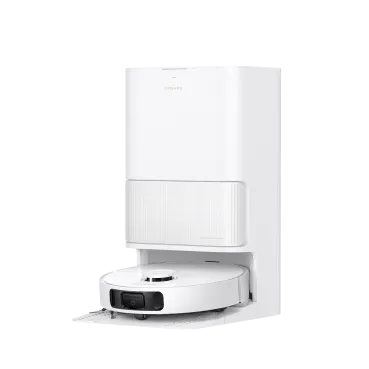
A clean room isn’t just about aesthetics—it can provide mental clarity, help you focus, and even improve your sleep. But who wants to spend half the day scrubbing and sorting? The good news: with a smart plan (and some help from tools like robot vacuums, you can clean your bedroom from top to bottom in just one hour. Whether you’re expecting guests or need a refresh after a long week, this step-by-step guide breaks down exactly how to clean your room efficiently and keep it that way. What Does a “Clean Room” Really Mean? A clean room goes beyond making the bed or hiding clutter. It means: Clear surfaces (no dishes, wrappers, or mystery piles) Fresh sheets and fabric Dust-free floors and furniture Fresh air and no musty smells This kind of space helps you sleep better, breathe easier, and feel more at ease. In fact, a National Sleep Foundation study found that people with tidy bedrooms were 19% more likely to enjoy restful sleep. Step-by-Step Room Cleaning Routine: How to Clean Your Room in 60 Minutes Cleaning doesn’t need to feel like a chore. Follow this 7-step plan, and you’ll have a clean, organized room in just one hour: Step 1: Gather Your Supplies (5 Minutes) Having everything on hand before you start saves time and frustration. You’ll need: Microfiber cloths or dusters All-purpose cleaner Glass cleaner Trash bag Laundry basket Vacuum (cordless stick or robot vacuum like the Dreame L20 Ultra) Optional (but helpful): Storage baskets for organizing Scent diffuser or room spray Air purifier Pro-tip Start your robot vacuum in your room before you begin Step 2. That way, the vacuum handles the floors while you tidy surfaces. With Dreame vacuums, you can choose specific areas for cleaning within a mapped area.  Step 2: Declutter Surfaces (10 Minutes) Clear off anything that doesn’t belong—old mail, dirty mugs, or tangled cords. Toss trash. Put dishes in the kitchen. Drop random items in a “sort later” basket. Try the 1-minute rule: If it takes less than 60 seconds to put away, just do it! Step 3: Organize and Put Away Items (10 Minutes) Time to reset your space: Hang up clothes Fold and store clean laundry  Group like items, i.e., books, beauty products, and gadgets Organize tech and chargers in a designated drawer Tuck seasonal or unused items into storage bins If your drawers are overflowing, set aside a section for deeper organizing later. Dreame TakeOrganized rooms are easier to keep clean. Consider storage solutions that make tidying effortless, like under-bed storage, drawer dividers, or open bins. Step 4: Dust and Wipe Surfaces (10 Minutes) Start high—ceiling fans, high shelves, and headboards—then work your way down to dressers, desks, and nightstands. Use a damp cloth and all-purpose cleaner to wipe sticky spots. Don’t forget often-missed areas like fan blades and behind lamps. For electronics, use a lightly damp cloth or screen-safe spray. Step 5: Clean Windows and Mirrors (5 Minutes) Use a glass cleaner (or a vinegar-water mix) and a lint-free cloth to clean mirrors and windows. Spray the cleaner directly onto the glass and wipe with the cloth or newspaper for a streak-free shine. This instantly brightens your room and makes everything feel fresher. Step 6: Vacuum the Floor (10–20 Minutes) You’ve handled the surfaces; now let’s deal with the dust and debris below. This is where Dreame vacuums shine. Depending on your preference, choose manual or automated vacuuming. Option 1: Manual Vacuuming Use a cordless vacuum like the Dreame Z30 or H14 for cleaning: Under the bed Around furniture legs Edges and baseboards Go for vacuum models with powerful suction and edge-detection features. Option 2: Robot Vacuuming Use the Dreame app to select “Clean Room” mode. The vacuum maps the space, avoids cords and socks, and finishes while you wrap up other tasks. How long will it take? Most bedrooms are cleaned in 20–45 minutes, depending on size and layout. Have pets? Dreame models like the L20 Ultra come with self-cleaning, hair-cutting brushes that prevent tangles and clogs. Check out this buying guide on Robot Vacuums for Pet Hair in 2025 to help you pick the best one. Step 7: Refresh Your Bed (5 Minutes) Smooth the sheets, fluff your pillows, and refold any blankets. If needed, change your linen and spritz a little room spray or open the windows. These simple steps can give your room an instant upgrade. How to Clean Your Room Fast (in 15 Minutes) Sometimes you need to clean quickly. Maybe there’s someone stopping by, or you just need to reset after a busy week. Here’s a quick guide: Toss dirty laundry in the basket Clear off surfaces into a bin Run your Dreame robot vacuum Wipe visible surfaces with a cleaning wipe Straighten your bed and open a window It won’t be a deep clean, but it will instantly refresh your space. Room Cleaning Checklist Use this printable checklist for weekly cleanups: Task Tools Needed Done? Declutter surfaces Trash bag, catch-all bin ☐ Organize belongings Storage bins, hangers ☐ Dust furniture Microfiber cloth ☐ Wipe down surfaces All-purpose cleaner ☐ Clean windows/mirrors Glass cleaner, lint-free cloth ☐ Vacuum floors Robot or cordless vacuum ☐ Make bed Clean sheets, pillows ☐ Freshen air Open window, diffuser ☐ Get Your Room Cleaning Checklist Tips to Keep Your Room Clean Keeping your room clean isn’t a one-time job. Try these habits to maintain a clean bedroom consistently: Daily: Run your Dreame robot vacuum while you're out Make your bed in the morning Put things back in place after use Weekly: Dust furniture and wipe surfaces Change your sheets Vacuum corners and under furniture Monthly: Clean baseboards Wash curtains or wipe blinds Switch out seasonal clothes Important Regular vacuuming improves air quality. Dreame vacuums trap allergens and pet dander before they spread. Make Cleaning Smarter, Not Harder At Dreame, we build vacuums that don’t just clean—they give you time back. Our robot vacuums offer: Powerful suction Zoned cleaning Tangle-free brushes App control and smart mapping If you’re cleaning a single room or your entire home, Dreame devices adapt to your lifestyle. Our vacuums are designed to help you tackle pet hair and hectic mornings, ensuring a clean space with minimal effort. FAQs Q: How long does it take to clean a bedroom manually? A: Around 30–60 minutes, depending on how cluttered it is and the room size. Q: Can a robot vacuum clean just one room? A: Yes. Dreame robot vacuums allow you to map specific rooms and activate targeted cleaning zones. Check out this robot vacuum buying guide for more insight. Q: Why use a robot vacuum instead of  a manual one? A: Robot vacuums save time, reduce effort, and can clean while you do other tasks. Many Dreame models automatically empty their dustbins and cut tangled hair. Q: What Dreame vacuum is best for bedrooms? A: The Dreame L20 Ultra robot vacuum is perfect for low-maintenance daily cleaning. It’s powerful, quiet, and smart, and it works great for pet owners and allergy-sensitive users. Final Note With the right strategy and the right tools, cleaning your room doesn’t have to feel like a chore. In just one hour, you can transform both your space and your mindset. Stick to the checklist. Build small habits. And let Dreame’s smart vacuums make your cleaning routine easier, faster, and more consistent.
Continue reading
Are Wet and Dry Vacuum Cleaners Worth It? Key Advantages and Disadvantages

Are Wet and Dry Vacuum Cleaners Worth It? Key Advantages and Disadvantages

Editorial TeamDreame |
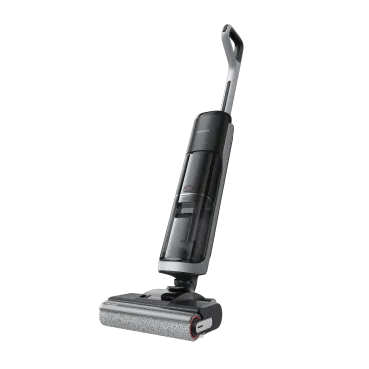
Vacuum cleaners have come a long way. Today, many people are switching to wet and dry vacuum cleaners for faster and deeper cleaning. These machines can handle both dust and spills, which sounds pretty useful. But are they really better than a regular mop and vacuum combo? Let's look into it and find out. What Are Wet and Dry Vacuum Cleaners? A wet and dry vacuum cleaner can suck up both solid dirt and liquid messes. It works like a regular vacuum for dust, crumbs, and pet hair. But it also handles wet spills, like juice on the floor or water from a leaking pipe. These vacuums use separate tanks. One store cleans water for washing the floor. The other collects dirty water and solid waste. Some also have filters to keep dust from blowing back into the air. 5 Types of Wet and Dry Vacuums There are several kinds of wet and dry vacuum cleaners. Each one fits different homes and cleaning needs: Vacuum Type Description Canister Vacuums Barrel-shaped units with a separate hose and nozzle. High power and large tanks. Ideal for home or shop use. Upright / Stick Vacuums Vertical design with the motor and suction head combined. Often lightweight and easy to store. Handheld Vacuums Small, portable models for spot cleaning. Great for cars, upholstery, or stairs. Backpack Vacuums Worn on the back for commercial or large-area cleaning. Offers mobility and strong suction. Central Vacuums Built into the walls of a home. Uses hidden piping and a central motor. Quiet and powerful. 6 Advantages of Wet and Dry Vacuums If you've ever spilled soup on the kitchen floor right after vacuuming the hallway, you know how annoying it is to switch between tools. That's why wet and dry vacuums are gaining popularity. They do both jobs at once: vacuuming and mopping without extra steps. Here are six reasons people are making the switch: One Tool for Every Kind of Mess. Whether it's pet hair, cookie crumbs, muddy footprints, or spilled juice, one machine can clean it all. You don't need to grab a mop after vacuuming or stop to wipe up liquids with paper towels. Fastest Way to Clean the Floor. These vacuums scrub and collect dirt at the same time. You no longer need to carry a bucket, wring out a mop, or wait for wet floors to dry. Cleaning becomes faster, especially in busy kitchens or entryways. Smart Cleaning with Dirt Detection. Some wet and dry vacuums can detect dirtiness on the floor and automatically adjust cleaning power. Lights may even show the level of dirt, so you can tell where the mess is without guessing. Cleans Corners and Edges Better. Corners and along baseboards are often the hardest places to reach. Unlike traditional mops that miss these areas, newer vacuums are designed to reach tight spots more effectively and provide better edge coverage. Easy to Move Around. Many modern designs are lightweight and glide smoothly. Some models can even lie flat to clean under beds or sofas. This makes them easier to use for people of all ages. Helpful for People with Allergies. Dust, fur, and dirty water are all sealed in separate tanks. Some vacuums also automatically wash and dry the brush, which helps keep floors cleaner and reduces the chance of indoor smells or allergens. What People Really Think: Positive Wet Dry Vacuum Reviews Many people are switching to smarter vacuums that combine mopping and suction. Let's take a look at what real users are saying. For example, here are the reviews on one of Dreame wet dry vacuums (H14), known for being compact, powerful, and easy to use at home: "I was shocked at how dirty the water was the first time I used the Dreame. The battery lasts long enough to easily clean a 2500–3000 sq ft house." — Scotttheman, Verified Purchase "Saves me so much time! My floors are so clean, I even bought one for my mom." — EdOrtz, Verified Purchase "Overall, cleans messily great. I love it, as I have children and they make many wet messes. Suction is powerful. Easy to move and clean around furniture." — Melissa C., Verified Purchase These reviews show a common theme: users enjoy how easy it is to clean large areas, especially when dealing with kids, pets, or everyday dust. Many mention the strong suction, long battery life, and how it cuts their cleaning time in half. 4 Disadvantages of Wet and Dry Vacuums Wet and dry vacuums do a lot, but they aren't perfect. It's good to know what to expect before you bring one home. 1. Some Models Are Bulky and Heavy Wet and dry vacuums are often bigger than standard vacuums. Some are harder to lift or carry, especially when the water tank is full. This might be a problem in homes with stairs or limited storage space. Dreame's Solution: The Dreame H14 weighs only 5.1 kg (11.2 lb), and its 180° lie-flat body fits under furniture as low as 14 cm (5.5 in). It also uses an omnidirectional wheel to glide smoothly without scratching floors. For users who want more control and balance, the H15 Pro adds GlideWheel™ support that makes pushing and pulling easier, even during long sessions. [product handle="h14-wet-and-dry-vacuum" rating="4.7"] 2. Noise Levels Can Be Noticeable Though quieter than older machines, wet and dry vacuums can still be loud when working at high suction. This is most common in smaller rooms or late at night. Dreame's Solution: The H15 Pro Heat operates at just 63 dBA, about the sound of a normal conversation. It also offers Quiet Mode, which runs up to 72 minutes. This setting is suitable for light messes in the early morning or when others are resting. [product handle="h15-pro-heat-wet-dry-vacuum" rating="4.7"] 3. You'll Need to Clean the Machine After Use After every session, the tanks must be emptied. Hair and dirt may also get stuck inside the brush. Without regular maintenance, odors or bacteria can build up. Dreame's Solution: The H15 Pro Heat includes a 100°C (212°F) ThermoTub™ Immersive Brush Wash that simulates hand-washing. It uses AI to adjust water flow based on the brush's dirtiness. It also features dual-rotation self-cleaning and AI-drying at 90°C (194°F), reducing the risk of mold or odors. 4. Battery Life Has Limits Cordless models rely on battery power. Some users may find the runtime too short for large homes or for deep cleaning. Dreame's Solution: The H15 Pro Heat runs for 72 minutes in Quiet Mode, covering up to 520 m² (5,600 sq. ft.). Even in Hot Water Mode, it cleans up to 150 m² (1,615 sq. ft.) in 20 minutes, plenty for kitchens or bathrooms. Its 6×5000mAh battery supports fast cleaning without needing frequent recharges. How to Use a Wet and Dry Vacuum Effectively Using a wet and dry vacuum is much easier than it sounds. If you've never used one before, don't worry. You won't need to study a manual for hours or watch endless tutorials. With just a few steps, you'll be ready to clean like a pro. Let's take the Dreame H15 Pro Heat as an example. Add Clean Water. Open the clean water tank and fill it. The Dreame H15 Pro Heat has an 800 mL (27 fl oz) tank. You can add water up to 85°C (185°F) for floor cleaning using the ThermoRinse™ system. Pick a Cleaning Mode. Choose from Smart, Suction, Hot Water, or Custom. For example, Hot Water mode works well on greasy kitchen floors. Smart mode adjusts based on the amount of dirt. Start with Easy Areas. Begin cleaning in cleaner spots first. This helps reduce the risk of spreading mess to other parts of your floor. Let the H15 Pro Do the Work. Push gently and move at a steady pace. The 22,000 Pa suction and 480 RPM brush speed lift dirt and pull liquid fast. The RGB dirt sensor shows red, orange, or green based on how dirty the area is. Empty the Used Water Tank. When you're done, remove and empty the 650 mL (22 fl oz) used-water tank, or 400 mL (13.5 fl oz) in lie-flat mode. The vacuum also separates solids and liquids using its built-in filter container. Start Self-Cleaning. Press the button to begin ThermoTub™ immersive brush washing at 100°C (212°F). It simulates hand-washing to scrub off dirt and prevent blockages. Use AI Drying. Choose between quick 5-minute drying at 90°C (194°F) or quiet 30-minute drying at 85°C (185°F), depending on how wet the brush is. [product handle="h15-pro-heat-wet-dry-vacuum" rating="4.7"] Tips for Optimal Performance Always clean the dirty water tank after each use to avoid odors. Use warm water if your vacuum supports it, as it loosens dirt faster. Don't rush. Let the machine move at its own pace for better results. If your vacuum has lights or sensors, check them to spot where the floor needs extra care. Keep the machine stored upright in a dry place to protect the motor and brush. Our Top Picks of Wet and Dry Vacuums Wet and dry vacuums come in many types, but only a few deliver top results across both wet and dry cleaning. Here, you can find our top recommendations based on cleaning power, features, and ease of use. Overall Pick: Dreame H15 Pro Heat Wet and Dry Vacuum The Dreame H15 Pro Heat is one of the most advanced wet and dry vacuums available. It uses real 85°C (185°F) hot water with ThermoRinse™ to remove sticky dirt and oil. For deep brush cleaning, it includes a 100°C (212°F) ThermoTub™ with full brush soaking. The AI Drying system uses 90°C (194°F) hot air to automatically dry the brush. It's built for precision with GapFree™ AI DescendReach, which reduces the front cleaning gap to 0 mm. The triple-edge brush also makes it ideal for cleaning along baseboards and corners. With 22,000 Pa suction, a runtime of up to 72 minutes, and smart RGB dirt detection, it's a great fit for large homes that need strong cleaning with less effort. Recommended for Small Apartments: Dreame H14 Wet and Dry Vacuum The Dreame H14 is compact and powerful. Its 180° lie-flat design fits under beds, sofas, and cabinets as low as 14 cm (5.5 in). The omnidirectional wheel ensures smooth movement, and the resilient scraper effectively lifts hair, dirt, and liquid messes in one pass. It uses 60°C (140°F) hot water for mopping and includes 5-minute hot air brush drying. With 18,000 Pa suction, 520 RPM brush rotation, and dual-edge cleaning, it delivers strong results without taking up much space. Runtime is up to 35 minutes, enough for most apartments or single-floor homes. Recommended for Pet Owners: Dreame H14 Pro Wet and Dry Vacuum Pet fur and muddy paw prints can be hard to clean, but the H14 Pro handles both well. Its brush with a resilient scraper captures fur while separating it from dirty water. The brush also cleans itself using dual rotation self-cleaning and dries with sealed hot air to stop odors. At 5.7 kg (12.5 lb), it's light enough to move around and can lie flat for under-table cleaning. The clean water tank holds 880 mL (29.7 fl oz), so you won't need to refill often. Are Wet and Dry Vacuum Cleaners Worth It? Yes, especially if you want to save time and deal with all kinds of messes in one go. What Wet and Dry Vacuum Cleaners can bring to your daily routine is like: Less switching between tools Faster floor cleaning Great for busy homes with pets or kids Real hot water removes sticky dirt Brush cleans itself after use Takes up less space than separate tools Good for people with allergies Easy for anyone to use Admittedly, the price is higher than that of a regular vacuum. But when you add up the saved time, fewer tools, and better hygiene, the cost becomes easier to justify.
Continue reading
How to Choose the Right Pet Hair Vacuum for Your Home

How to Choose the Right Pet Hair Vacuum for Your Home

Editorial TeamDreame |
One minute, your dog's napping in the corner. Next, there's fur stuck to the TV stand, floating down the hallway, and hiding in your socks. Pet hair doesn't just shed; it spreads. That's why choosing the right vacuum matters more than you think. The Importance of a Good Pet Hair Vacuum Pet hair spreads fast. It sticks to floors, hides in corners, and floats into the air. Even short hair from a small dog can cover your sofa, clothes, or carpet within hours. A pet hair vacuum is designed to clean up this mess. It comes with stronger suction, anti-tangle brushes, and filters that catch small allergens. Unlike regular vacuums, it picks up loose fur without clogging. Some also clean well on both hard floors and thick rugs. Sweeping is not enough. Hair moves around or gets stuck in cracks. Vacuuming pulls it out of carpets and stops it from flying back into the air. That helps cut down odors, dust, and sneezing. If you live with a pet, a good vacuum is one of the most helpful tools you can own. Pet Hair Vacuums vs Regular Vacuums: Is There a Difference? At first glance, all vacuums look similar. But when you deal with pet hair every day, the differences become clear fast. Pet hair vacuums are built with stronger motors and better airflow. This helps them pull up hair stuck deep in rugs or woven into furniture. Most regular vacuums lose suction when the brush gets clogged. Pet models are designed to resist that. Brush design matters, too. Regular vacuums often have soft rollers or smooth heads. Pet vacuums use rubber blades, V-shaped combs, or anti-wrap rollers. These tools lift fur without twisting it around the brush. There's also the matter of filters. Pet vacuums often include HEPA systems. These traps fine dust, which helps if someone in the house has allergies. Regular vacuums may let that dust blow right back out. Both types clean dirt. But only a pet hair vacuum is made to handle fur, dander, and the high volume of shedding pets leave behind. Feature Pet Hair Vacuums Regular Vacuums Motor Power & Airflow Stronger suction, built to lift embedded hair May lose suction when clogged Brush Design Anti-wrap, rubber blades, or V-shaped combs Basic rollers, prone to tangling Filter System Often includes HEPA filters (great for allergies) Standard filters may release fine dust Hair Handling Specifically designed for fur and high shedding Not optimized for pet hair volume Furniture & Upholstery Better at pulling hair from soft surfaces Less effective without pet tools Removing Pet Hair at Home Fur shows up everywhere: on your couch, under the bed, and stuck deep inside the carpet. Getting rid of pet hair is not just about looking clean. It also helps people breathe better, especially if someone in the home has allergies. Let's walk through the most common problem spots and how to clean them. During Shedding Season: Shedding happens in cycles, often in spring and fall. Hair can cover large areas fast. Use a vacuum with a strong motor and a wide brush head. Clean floors daily if your pet sheds a lot. For deep-shedding breeds, some vacuums come with special grooming tools that collect hair straight from the pet. Getting Hair Off the Couch: Couches are magnets for fur. A handheld vacuum works best here. Choose one with a motorized brush to lift hair from fabric fibers. Upholstery tools and pet hair nozzles also help pull out what a lint roller can't catch. Cleaning Hardwood Floors: Fur floats on smooth floors and gathers near walls. Use a vacuum with soft bristles or rubber rollers to avoid scratching the surface. Strong edge suction pulls in loose hairs. Some stick vacuums and robot vacuums are designed for this. Lifting Hair from Carpet: Hair sticks deep inside the carpet. You need stiff brush rolls and strong suction to pull them out. Pet vacuums with anti-tangle rollers help avoid wrap-arounds, so you don't stop mid-clean to cut out stuck fur. Furniture and Small Spots: Hair can settle in corners, cushions, and fabric seams. Use crevice tools or smaller brush heads to reach tight areas. Some robot vacuums come with side brushes that sweep dirt out of edges and into their suction path. Key Features to Look For in a Pet Hair Vacuum Pet hair is not like regular dust; it clings, floats, and gets deep into fabric. A good vacuum needs more than just suction. Here's what to look for when choosing one that handles fur well. Suction Power Pet hair needs a strong pull to lift it from carpets, rugs, and upholstery. Look for vacuums with at least 15,000 Pa of suction for deeper cleaning. On hard floors, even 8,000 Pa can do the job if the brush roll is well designed. Filtration System and HEPA Filters Pets bring dander, allergens, and dust. A vacuum with a high-efficiency filter, like a HEPA filter, traps tiny particles down to 0.3 microns. This keeps them out of the air you breathe. Some models use multi-layer filtration to keep both the motor and your home cleaner. Brush Roll Design Hair can wrap around poorly made brushes and stop the vacuum. Pet vacuums often use V-shaped bristles or rubber blades that push fur into the suction path. Anti-tangle or self-cleaning rollers save time and effort. Pet-Friendly Modes Some vacuums offer quiet modes for sensitive pets. Others detect heavy dirt loads and adjust suction automatically. These features help keep pets calm while keeping your floors clean. Corded vs. Cordless Options Corded vacuums offer long run times and steady power. They're good for large homes or deep cleaning. Cordless ones are lighter and easier to move around. If battery life lasts 60 minutes or more, cordless vacuums can clean an average home in one go. Noise Level Pets can get scared by loud noises. Look for vacuums that run under 70 decibels (dB). Some robot vacuums have modes with reduced sound for quiet operation. Types of Pet Hair Vacuums You Can Choose From Every home is different, and so is every pet. The right vacuum depends on your cleaning habits, space size, and where your pet spends time. Here's a clear look at the most common vacuum types for pet hair, each with its own strengths. Robot Vacuum for Pet Hair These are perfect for busy owners. Once set, they clean on their own. Many return to base, recharge, and some even empty the dust automatically. Look for models that also mop floors, detect hair-heavy zones, and clean multiple surfaces. Some advanced bases even clean and dry mop pads using hot water and air. Best for daily cleanup in large, open areas Consider carefully if you need deep carpet cleaning or have many stairs Stick Vacuums for Pet Hair Stick vacuums are typically lightweight and powerful, though not all models are equally light; corded versions may be heavier. They come in cordless and corded varieties, with cordless offering greater maneuverability. Some models switch between upright and handheld mode, making them versatile for cleaning couches, rugs, and pet beds. Others feature LED lights to spot hidden fur. For homes needing multipurpose cleaning, wet-dry vacuums (a separate category) handle both spills and pet hair effectively. Best for small to medium homes with mixed surfaces Consider carefully if you need heavy-duty deep cleaning across large carpeted areas. Let's have a closer look at cordless stick vacuums and wet and dry vacuums. Cordless Vacuum for Pet Hair Cordless vacuums offer strong suction without cord limitations, reaching high corners or tricky spots. Newer models last up to 90 minutes and include flexible heads, anti-tangle brushes, and HEPA filtration. Best for: Multi-surface homes and fast cleanups Consider carefully if: Your house is very large or has thick carpet Wet Dry Vacuum for Pet Hair These machines vacuum and mop simultaneously, ideal for muddy paw prints, hair, or spills. They spray clean water, scrub surfaces, and suck up dirty water, leaving floors cleaner than standard vacuums. Many include tangle-free rollers, self-cleaning systems, and separate tanks. Best for: Hard floors in homes with pets and kids Consider carefully if: You have mostly carpets or prefer dry-only vacuuming Lightweight Vacuum for Pet Hair These vacuums are easy to carry and store. They're ideal for senior people or anyone who wants a break from heavy machines. Some still offer strong suction and decent battery life, often under 6 lbs (2.7 kg). Best for quick daily touch-ups Consider carefully if you have several pets or lots of thick rugs Pet Hair Vacuum Types Overview Vacuum Type Best For Consider Carefully If Key Features Robot Vacuums Daily cleanup in large, open areas You need deep carpet cleaning, or have many stairs Auto-cleaning, scheduled runs, mop support Stick Vacuums Small to medium homes with mixed surfaces You need deep cleaning for the wall-to-wall carpet Switchable modes, LED lights, portable design Cordless Vacuums Multi-surface homes and fast cleanups The home is very large or filled with thick carpet Long battery life, HEPA filters, tangle-free brush Wet Dry Vacuums Hard floors in homes with pets and kids You have mostly carpets or prefer dry-only vacuuming Quick vacuum and mop clean-ups Lightweight Vacuums Quick daily touch-ups or use by older adults You have multiple pets or thick rugs everywhere Under 6 lbs (2.7 kg), compact, easy to maneuver Our 3 Top Recommendations for 2025 Many of us at Dreame live with pets, too. We've dealt with fur-covered couches, messy paw prints, and carpets that seem to grow fluff overnight. For 2025, here are the three models we actually use, each of which is built to handle a different kind of mess in a real home with pets. For Daily Sweeping and Mopping: Dreame X50 Ultra When it comes to keeping up with the constant mess that pets create, the X50 Ultra is our go-to. It's a fully automated robot vacuum that vacuums and mops in one go, covering your floors without you lifting a finger. Equipped with hot water mop cleaning, self-cleaning, and up to 100-day auto dust emptying, it stays on top of the daily dirt and grime. It even has smart pet detection, automatically avoiding food and water bowls while picking up pet hair, litter, and dander. For homes with pets that need constant upkeep, this robot makes it effortless. For Couches, Corners, and Carpet Stairs: Dreame Z30 Not everything can be cleaned by a robot, especially those hard-to-reach areas like under the couch cushions, between stairs, or in corners where pet hair accumulates. For those areas, the Z30 is perfect. Its Clean-to-Edge™ soft roller brush works close to baseboards and in corners, and the CelesTect™ technology helps reveal hidden dust and hair. The pet deshedding tool and lightweight design make it ideal for tackling pet hair on couches, in tight spaces, and on stairs without the hassle. For Wet Paws, Food Spills, and Furballs Near Bowls: Dreame H12 Pro Pets can make a mess not just with hair, but with spills and wet paws. The H12 Pro shines in these situations. This wet and dry vacuum cleans wet paw prints, food spills, and pet messes without missing a spot. Its high suction power and edge-to-edge cleaning make it perfect for floors, while the self-cleaning brush ensures it's always ready for the next mess. Plus, it's designed to dry the brush with hot air, preventing mold and odor buildup, a must for pet owners. Are Pet Hair Vacuums Worth It? If your home has pets, a regular vacuum may not keep up. Pet hair tends to collect under furniture, cling to fabric, and float into corners. A good pet vacuum helps reduce that buildup before it spreads too far. More than just suction, pet vacuums offer smart tools made for the job. Some have anti-tangle brushes to stop hair from wrapping. Others come with grooming attachments that lift loose fur straight off your pet. Features like HEPA filters also help trap allergens like dander and dust mites, keeping the air cleaner too. For busy households, robot vacuums handle daily shedding without needing you to lift a finger. Cordless and stick models give more control, especially for couches, beds, and stairs. Wet and dry vacuums are great in kitchens and hallways, anywhere paws might drag in dirt or water. So, are they worth it? If you want to spend less time chasing fur and more time enjoying your pet, the answer is yes. The right vacuum will fit your home and routine, and once you find it, you'll likely wonder how you managed without it. Keep Your Home (and Pets) Comfortable A clean space helps pets and people feel more at ease. With the right vacuum, you don't just remove hair. You also remove stress. From shedding season to muddy paw prints, the right tools make cleanup fast, simple, and part of your everyday flow.
Continue reading
How to Choose a Vacuum for Cat Hair and Litter Without Losing Your Mind

How to Choose a Vacuum for Cat Hair and Litter Without Losing Your Mind

Editorial TeamDreame |
Living with a cat is wonderful until your home starts to feel like a sandbox wrapped in fur. Cat hair hides in corners. Litter sticks to everything. And even after cleaning, it somehow reappears like magic. If you've ever sighed while dragging out a vacuum that just can't keep up, move on to the tips below, each of which can help you clean faster, smarter, and without wrecking your vacuum (or your sanity). 1. Not All Vacuums Handle Cat Litter the Same Way Some vacuums work well with dust. Others fall apart when they meet cat litter. Gritty particles like clay or silica can scratch the inside of a vacuum. They can also block small tubes or jam the brush roller. So yes, cat litter can be bad for vacuums, especially if the machine isn't designed for it. What to Look for in a Vacuum for Cat Litter If you're choosing a vacuum for cat litter, pick one that: Has strong suction and wide airflow paths Uses hard, debris-resistant brush rollers Comes with a high-capacity dustbin The Dreame Z30 Cordless Stick Vacuum is one strong example. With 310AW of suction power and smart dust detection, it handles hard debris like litter without clogging. Its removable dust cup and one-press dirt dumping also help reduce contact with fine particles. Avoid These Mistakes Don't vacuum up the entire litter box. Skip any clumps or wet spots, for those should go straight into the trash. If you have a wet and dry vacuum cleaner, you can use it to clean small messes. But after cleaning, empty the containers right away. And don't use it to clean a large amount of wet cat litter. Soft brush rollers may wear down fast or collect sharp litter. Use rollers meant for multi-surface or edge cleaning. Maintenance Tip: Always empty the dustbin after picking up litter. Wash filters often. This keeps the airflow strong and reduces bad smells. 2. Cat Hair Needs a Different Suction Game Cat hair is light, floaty, and stubborn. It wraps around furniture legs. It clings to soft blankets. It floats under the sofa just out of reach. And once it enters a brush roll, it often tangles like thread. That's why a good vacuum for cat hair needs more than just decent airflow. What to Look for in a Vacuum for Cat Hair To clean cat hair well, choose a vacuum with: Strong suction (over 150AW or 10,000 Pa is a good starting point) Anti-tangle design A high-efficiency filter system like HEPA For example, the Dreame Z30 delivers 310AW suction power. It is also enhanced with an anti-tangle design for hair and fur removal efficiency. Its HEPA filter captures particles as small as 0.1 microns, quite useful if your cat sheds dander or you're sensitive to allergens. Pro-tip Vacuum heads with multi-surface capability clean both hard floors and rugs better. Look for switchable brush modes to avoid scattering hair or missing embedded clumps in carpets. 3. Robot Vacuums Can Be a Game-Changer If you're tired of daily sweeping, a robot vacuum might be your best helper. Some clean while you sleep. Others patrol while you're at work. But not all models work well with cat litter or fur. Many cheaper bots just push messes around. So, how do you choose the best robot vacuum for cat litter? Look for These Must-Haves Strong suction power (over 5,000Pa is ideal for hard litter) Edge cleaning tools to pick up mess along walls or under cabinets Auto-empty bins so you don't have to handle hair or debris every day Mop-lift or mop-extend features to avoid carpets when mopping Our Favourite for Homes with Pets The Dreame X50 Ultra robot vacuum and mop is a high-level option for homes with pets. It offers 20,000Pa suction, which easily picks up cat litter, food crumbs, and fur. Its MopExtend™ RoboSwing system lets it reach deep into corners. A self-cleaning hot water mop (176°F / 80°C) and HyperStream™ Detangling DuoBrush help with both loose hair and sticky litter dust. The X50 Ultra also comes with an auto-empty station, that holds up to 100 days of dust, and includes multi-spectrum dirt detection, so it adapts its cleaning speed based on the mess level. [product handle="x50-ultra-robot-vacuum" rating="4.7"] Want quiet cleanup while you're asleep? The X50 Ultra's built-in LED and obstacle detection help it avoid cables, toys, and pet bowls even in dim rooms. 4. Are Robot Vacuums Safe for Cats? Most cats don't love sudden noise or movement. A robot that bumps into them or makes loud grinding sounds might cause stress, especially in kittens or older cats. So the short answer is: yes, robot vacuums are safe for cats, but only if you pick the right kind. What Helps Reduce Stress Low noise levels: Quiet vacuums are less scary for pets. Obstacle detection: Helps the robot avoid bumping into cats, bowls, or beds. LED lighting: Good visibility means fewer surprises in dark corners. The Dreame X50 Ultra checks all of these boxes. Its sensors recognize up to 200 types of obstacles. The built-in LED gives it night vision-like precision. This helps it move gently around pets without loud thumps or wrong turns. It also allows you to create pet-safe zones in the app. You can block off spots like food stations, litter boxes, or favorite nap areas. That way, your cat can stay calm and your floors can still stay clean. 5. Are Handheld Vacuums Better for Litter Control on the Go? Some messes need a fast response. Litter gets kicked out of the box. Hair clings to the stairs. Your cat decides the couch is a great place to shed. For moments like these, a handheld vacuum for cat litter can be the quickest fix. But not all handhelds are equal. Some barely suck up loose fluff. Others lose power fast. What to Look for in a Good Handheld Suction over 10,000Pa Strong battery life (at least 20 minutes of solid runtime) Narrow nozzle or crevice tool to get between cushions and in corners Most of today's best handhelds are part of cordless stick vacuum systems. Models like the Dreame Z30 and R20 give you flexible attachments, including a crevice tool for edge cleanup and a mini-brush for pet fur. They come with a long battery life of up to 90 minutes in eco mode and have no cords to limit your reach. The Z30 also includes a removable dust cup and soft roller brush that can get as close as 0.3in (7mm) to the wall. That means fewer missed spots near litter mats and baseboards. Pro Tip: Use the crevice tool for hardwood floor cracks and around litter box edges. Hair and granules love to hide there. Top Vacuum Cleaner Picks for Pet Owners Finding a good vacuum for cat litter or fur depends on your lifestyle, home layout, and cat habits. Some people need a full-time robot. Others want a stick vacuum they can grab fast. There's no single perfect pick, but there is a right fit for every mess. Here's a clear breakdown to help you match your needs to the right Dreame model: Need Best Dreame Model Why It Works Heavy litter and daily fur Dreame X50 Ultra Robot Vacuum 20,000Pa suction, MopExtend™, auto-empty base, smart pet-safe zones Hair on couches and floors Dreame Z30 Cordless Stick Vacuum 310AW suction, HEPA filter, Clean-to-Edge brush, light-assisted dust tracking All-around cleaning on a budget Dreame R20 Cordless Stick Vacuum 190AW suction, mini motorized brush for dander, LED dust detection Wet spills, tracked litter mess Dreame H14 Wet and Dry Vacuum 18,000Pa suction, hot water cleaning, dual-edge brush, comb-toothed resilient scraper Choose Based on What You Clean Most Litter everywhere? Go for high suction and a design that keeps hard particles from clogging. Fur on fabric? Choose models with smart brushes and HEPA filters. Robot helper? Make sure it handles both mess and pets without trouble. Need to clean up wet messes, too? The wet and dry vacuum covers both wet and dry spills. Choose Smart, Clean Better Living with cats means living in a mess. But that mess doesn't have to take over your day or damage your vacuum. Once you understand the different types of mess (fine litter, clingy fur, wet spots), it's easier to pick the right tool for the job. Robot vacuums like the Dreame X50 Ultra handle daily fur and scattered litter while you sleep or work. Cordless stick vacuums like the Z30 or R20 help you clean deeper when fur settles into rugs or climbs onto your couch. And if your cat tracks wet litter or food, the H14 Wet and Dry Vacuum takes care of it fast, with hot water power and strong suction. FAQs about Vacuums for Cat Owners Q1. Can I vacuum my cat? No, you should not vacuum your cat directly. Most cats hate the sound and feel of a vacuum. It can cause stress or panic. If your goal is to reduce shedding, use a grooming tool or a soft pet brush instead. Q2. Can I vacuum my cat for fleas? You can vacuum areas where your cat sleeps, plays, or eats to help reduce fleas. Use a strong vacuum with HEPA filtration to trap eggs and larvae. But do not try to vacuum the cat itself. Instead, talk to a vet about flea treatment options. Q3. What's better: corded or cordless for cat owners? Cordless models give more flexibility, especially around litter boxes and under furniture. Corded vacuums may offer longer runtime, but modern cordless ones like the Dreame Z30 and R20 already provide up to 90 minutes, enough for most homes. Q4. Should I avoid vacuuming cat litter? You can vacuum litter, but never pick up clumps or wet spots. These clog filters and create odors. Stick to dry, scattered litter, and always empty the dustbin afterward. Q5. How often should I clean my vacuum filter if I have cats? At least once a week, or more, if your cat sheds heavily. A dirty filter reduces suction and spreads odors. Models like the Dreame Z30 have washable parts that make this process easier.
Continue reading
What Is a Central Vacuum System: Better Than Upright and Robot Vacuums?

What Is a Central Vacuum System: Better Than Upright and Robot Vacuums?

Editorial TeamDreame |
Vacuuming is something we all do, but not every vacuum is the same. Some people roll a heavy upright across the floor. Others let a robot do the work. And some use a system built into the walls: quiet, powerful, and hidden. That's a central vacuum. But is it better than the ones you can buy off the shelf? What Is a Central Vacuum System and How Does It Work? A central vacuum is built into the home. The main motor stays far from the living room. Usually, it sits in the garage, basement, or another quiet place. The dirt it collects also stays there, far from your family's breathing space. This system cleans the whole house using: Power Unit. This is the heart of the system. It pulls dirt through pipes. The unit is large and powerful. Pipes. These go inside the walls, floors, or ceiling. They connect each room to the motor. Low Voltage Wiring. This small wire follows the pipes. It sends the signal to turn the motor on. Wall Inlets. These are installed in each area you want to clean. They are about the size of a light switch. Hose and Attachments. You plug the hose into the wall inlet. The system turns on, and suction begins. You can choose different hoses. Some are regular and stored in a closet. Others slide back into the wall after use (called Hide-A-Hose). No motor is in your hands. Only a hose and cleaning head. Some homes add special floor-level inlets. You sweep dust toward them with a broom. A quick tap, and the dust vanishes into the system. That's the idea behind central vacuums: strong cleaning power, low noise, and no need to drag a full vacuum around. How Much Does a Central Vacuum Cost? A central vacuum costs more than most portable vacuums. But it can also last much longer. A full system usually costs between $1,000 and $3,000. This price covers the power unit, pipes, inlets, hose, and basic tools. It does not include extras like a retractable hose or a dustpan built into the wall. You can hire a professional to install it. That adds about $500 to $1,000 to the cost. A pro knows where to place pipes and inlets. They drill fewer holes and finish the job faster. Or you might install the system by yourself. A do-it-yourself kit often starts at $1,000 or less. You will need tools and a plan. You must cut wall openings and run pipes through the attic or basement. Central vacuums cost less to maintain over time. Most homes need to empty the dust container only once every three months. Filters may need changing once or twice a year. Motors can last ten years or more with normal use. Over time, the system becomes part of the home. It adds value if you decide to sell. A clean, built-in system is something many home buyers look for. What Are the Advantages and Disadvantages of a Centralized Vacuum System? A central vacuum does more than just clean. It changes how you clean. But like any system, it has both good and bad sides. Advantages Strong Suction. Central vacuum systems typically feature motors that provide over 22,000 Pa (600 air watts, measured under typical airflow conditions of around 50–60 CFM, where air watt values roughly correspond to the suction pressure in pascals) of suction power, significantly more powerful than most portable units (which generally offer 7,000–11,000 Pa). Less Noise. The motor is far from the living area. You only hear the air moving through the hose. Cleaner Air. The system moves dust out of the room and into a sealed container. Nothing blows back into the air you breathe. No Heavy Machine to Push. You only carry a hose. There are no wheels, no cords, and no heavy body to roll over carpets. Fewer Emptying Times. Most homes only empty the canister every two or three months. That means less mess and less time spent dealing with it. Long Life. Central vacuums last longer than most upright or robot models. Some run for over ten years without major repairs. Adds Home Value. Many buyers see built-in systems as a bonus. Some are willing to pay more for homes that include them. Easy Use in Large Homes. You can clean one floor, then go to the next without dragging a full unit. Just carry the hose from inlet to inlet. Disadvantages High Starting Cost. The system costs more than most vacuums. Even a basic setup is above $1,000. Needs Installation. The system must be built into the walls. That means time, planning, and sometimes holes in the drywall. Not Mobile. You cannot take it with you when you move. Once installed, it stays in the home. Risk of Blocked Pipes. If large items go in by mistake, the pipes can clog. Clearing them may take tools or a service visit. Less Useful in Small Apartments. If you live in a small unit, a central vacuum may be too much. A smaller upright or robot vacuum may do the job just fine. Repairs Can Be Hard. If the system breaks inside the wall, fixing it may not be simple. You may need to open part of the wall. A central vacuum is quiet, powerful, and clean. But it costs more, and it fits best in larger homes or new builds. Central Vacuum System vs. Upright vs. Robot Vacuums A central vacuum system offers strong power and long-term value. But it's not the only choice. Upright and robot vacuums are getting smarter and faster every year. They now offer features like AI mapping, auto-mop washing, and real-time dirt detection, which a central system can't do. So, how do these options compare? Below is a full look at what each type does best, where they fall short, and what kind of home each one fits. Performance Comparison Central Vacuum (CV): Very strong suction. Most systems offer over 22,000 Pa. Suction holds steady across long pipe runs. Upright Vacuum (UV): Moderate suction. Most models range from 5,000 to 11,000 Pa. Performance can drop as the dust bin fills. Robot Vacuum (RV): Lower suction overall, normally falling behind CV and UV systems. But some high-end models, such as Dreame X50 Ultra, can reach 20,000 Pa. Performance by Surface Type Carpets: CV handles thick carpets well. UV also performs well, especially with powered brush heads. RV is better on low to medium pile. Some units may struggle with long fibers or high-pile rugs. Hard Floors: All three types do a good job here. RVs are particularly effective along edges. Some even use special mop extensions to clean into corners. Corners and Edges: CV tools can clean right up against baseboards. High-end RVs use side brushes or extending arms to sweep out debris near walls. Mop Capabilities: Central vacuum systems do not support any mopping functions. They are built for dry suction only. Upright vacuums sometimes support wet-dry cleaning, but users must fill and empty water tanks manually. Robot vacuums are the most advanced in mopping. Some high-end models clean with heated water, detect dirty zones, re-mop stained areas, and dry mop pads with hot air after use. How Dirt Is Collected and Stored Central Vacuum: Debris moves through wall tubing into a remote canister. You usually empty it every two to three months. Upright Vacuum: Dust goes into a small cup or bag. It usually needs emptying every couple of uses. Robot Vacuum: The dust bin is inside the robot body. Some models connect to auto-empty stations with bags that hold dirt for up to 3 months. Smart Features Central Vacuum: Very few. May include a filter indicator or a bag-full light. Upright Vacuum: Some models include auto-adjusting heads, dust sensors, dirt detection, and automatic suction adjustment. Robot Vacuum: Most advanced. Top models offer AI cleaning paths, obstacle avoidance, multi-floor mapping, APP control, and nighttime cleaning with LED lights. Convenience (Daily Clean-up vs. Deep Clean) Daily Clean-up: Robot vacuums are the easiest to run every day. Some can clean over 300 square meters (3229 square feet) per charge. Deep Clean: While central vacuums offer powerful suction and wide-area coverage, they can be less convenient for tight corners, stairs, or detailed cleaning tasks, where cordless or robotic models often excel due to their maneuverability and compact design. Some high-end robotic vacuums now reach up to 20,000 Pa in suction power. With smart path planning and mop re-cleaning features, they can rival central vacuums in specific high-difficulty cleaning tasks, especially on hard floors and in tight spots Allergy Reduction Potential Central Vacuum: Excellent. Dust is pulled completely out of living spaces and stored far away. Nothing blows back into the room. Upright Vacuum: Good. HEPA filters help, but opening the dust bin can release particles back into the air. Robot Vacuum: Good, especially in sealed systems with auto-disposal. Reduces hand contact with dust. Cost Comparison (Over 10 Years) Type Initial Cost Lifespan Consumables Total Cost Central Vacuum $1,500–$4,000 (with installation) 10–20 years Low ~$4,000 Upright Vacuum $300–$600 5–8 years Medium ~$700–$1,200 Robot Vacuum $700–$1,200 5–7 years Medium–High ~$1,600–$2,700 Maintenance and Longevity Central Vacuum: Lasts the longest. The motor rarely breaks. It just needs a filter change and canister emptying every few months. Upright Vacuum: Brushes and filters wear down. May clog or break. Often replaced within 7 years. Robot Vacuum: Potentially shorter lifespan. Needs updates, brush care, and battery checks. High-end models include self-cleaning and drying systems to reduce daily upkeep. A quick look at how central vs. upright vs. robot vacuums differ: Feature Central Vacuum Upright Vacuum Robot Vacuum Suction Power Very High (over 22,000 Pa) Lower (7,000–11,000 Pa) Moderate (up to ~20,000 Pa) Surface Range All surfaces All surfaces Best on hard floors, short carpets Smart Features Very Few Some manual aids Most Advanced Mopping Not supported Includes warm water cleaning and auto brush wash. Supports heated mop wash, hot air drying, and smart re-mopping. Edge/Corner Reach Manual tools reach corners Manual, less flexible Up to 99% with side brushes Daily Use Less convenient Some effort required Easiest and most automatic Deep Clean Power Strongest Good with powered heads Fair to Good (depends on model) Dust Storage Remote canister (large) Small onboard bin/bag Small bin or auto-empty station Allergy Performance Excellent (dust removed fully) Moderate Good (if a sealed system is used) Total Cost (10 Years) ~$4,000 ~$700–$1,200 ~$1,600–$2,700 Lifespan 10–20 years 5–8 years 5–7 years What Are Modern Alternatives to Centralized Vacuuming? Central vacuum systems are strong and last for years. But smart cleaning tech is moving ahead fast. Many homes now use robot vacuums with advanced base stations that do much more than just charge. The Dreame X40 Master is one of the most advanced models today. It doesn't just clean floors; it takes care of itself. Its base station can be installed discreetly inside a cabinet or recessed into your wall, blending effortlessly into your home aesthetic. With direct connections to a water supply pipe and floor drain, it enables fully automated mop washing and self-emptying, meaning no refilling, no dumping, no mess. It's smarter, sleeker, and more hygienic than a central vacuum system, without the bulky tubing or renovation hassle. Compared to a central vacuum, the X40 Master does both vacuuming and mopping. And it doesn't need any wall piping, big motor units, or manual dumping. It takes care of daily and deep cleaning on its own. You won't need to lift a finger, not even to refill the tank. That's a level of ease and smart control that traditional systems can't match. Are Central Vacuums Worth It? Central vacuum systems cover more ground than most other options. One wall inlet can serve up to 600 square feet. A whole-home system can reach every floor, hallway, and corner without moving a heavy unit. The suction stays steady, even across long pipe runs. For large homes, that's a major strength. But power and coverage are not everything. Central vacuums don't adapt. They follow where you go but never lead. They can't sense dirt levels, adjust suction, or avoid toys on the floor. There's no real-time mapping, no app control, no voice commands. You still need to plug in a long hose and clean each space yourself. They also handle only dry messes. No mopping. No pad washing. No stain re-cleaning. For sticky floors, wet spills, or bathroom tiles, you'll need other tools. Robot vacuums, especially advanced ones with auto mop cleaning and heated drying, now manage tasks that central systems can't reach. If you live in a big house and want raw cleaning power and long-term value, central vacuums are a solid choice. But if your needs include smart scheduling, auto-mopping, or flexible cleaning while you work or sleep, a robot vacuum may be a better fit. Which Vacuum System Is Right for Your Home? Central vacuums provide excellent cleaning performance, low maintenance, and a quieter experience, especially for larger homes. But they come with a higher initial cost and installation work. Robot and upright vacuums offer convenience and lower costs for smaller spaces. Whether a central vacuum is right for you depends on your home size and personal preferences.
Continue reading
Why Your Robot Vacuum's Map Moved, Warped, or Broke - And What You Can Do About It

Why Your Robot Vacuum's Map Moved, Warped, or Broke - And What You Can D...

Editorial TeamDreame |
It’s extremely rare, but every now and then, you might notice your robot vacuum suddenly misreading, warping, or even completely breaking its carefully mapped layout of your home. Why does this happen, and what can you do? Source: smarthomeassistent.de Common Causes and Fixes for Robot Vacuum Map Issues Here’s a breakdown of the most common reasons your carefully created mapping might go haywire, plus the solutions that can help reset things. 1. The Charging Dock Was Placed Incorrectly What’s happening: One of the most overlooked causes is improper dock placement. If the dock is squeezed into a narrow niche or sits at an angle, the robot may misinterpret surrounding objects and walls from the very beginning, which can lead to a slanted or distorted map. Placing the dock in the middle of a room or against a slanted wall can also create issues. What to do: Always position the dock flush against a straight wall, with at least 20 inches (50 cm) of clearance on either side and 40 inches (1 m) in front. The robot vacuum needs some room to dock and undock reliably. 2. The Sensors Are Dirty What’s happening: Over time, fine dust can settle into the robot’s sensors, affecting navigation. A confused vacuum cleaner tech can easily throw off your map. What to do: Clean your robot vacuum regularly, especially in homes with pets or heavy dust. Wipe down all sensors and clear away any buildup. In high-traffic homes, you may need to clean every 3-5 days. 3. The Robot Vacuum Got Stuck During Cleaning What’s happening: If the vacuum gets trapped on thick rugs, under curtains, or on thresholds, it may struggle to free itself. In the process, it could distort the map or shift its internal location tracking. What to do: Observe the cleaning process, especially during the first few runs. Use ramps for high thresholds, trim low-hanging fabrics, or consider raising your sofa with taller legs if it constantly snags the vacuum. 4. It’s Confused by Floor-to-Ceiling Mirrors or Windows What’s happening: Floor-length mirrors and large reflective windows can confuse the robot’s LiDAR system. The laser thinks there's another room beyond the glass and maps it as such. What to do: Apply a frosted film or decorative vinyl to the bottom part of the mirror or window to block the beam. These films are available in subtle, stylish designs and help prevent mapping errors. 5. Shiny or Chrome Surfaces Are Deflecting the Laser What’s happening: Shiny objects like chrome laundry baskets or reflective furniture legs can bounce the robot’s laser signal, preventing it from recognizing the space accurately. What to do: Temporarily remove reflective items during the mapping process, or cover furniture legs with matte tape if needed. 6. The Robot Was Lifted Mid-Clean What’s happening: Lifting the robot while it’s actively cleaning can interrupt its route and confuse its internal navigation, causing a warped or overlapping map. What to do: Never lift your robotic vacuum during cleaning. If you need to move it, pause or power it off first to avoid scrambling the map. Final Tips If your robot vacuum's map still seems off, try deleting the current map and letting it remap your home from scratch. Always make sure your home is robot-friendly: clear of clutter, reflective surfaces, and random obstacles. If you have any questions about Dreame robot vacuum cleaners or their mapping features, please reach out to our support team. 
Continue reading