









 Robot Lawn Mowers










 Humidifiers









 Smart Door Lock


 Australia
 中国大陆
中国大陆 日本
日本


 Türkiye


 Italia
 Netherlands
 Belgium
 Greece
 Polska
 Norway
 Sweden
 Finland
 Denmark
 Hungary
 Czechia
 Slovenia
 Croatia
 Switzerland
 United
Kingdom
United
Kingdom
 Canada


 Colombia


What is a HEPA Filter: Everything You Need to Know
Editorial TeamDreame
|
Have you ever thought about the air you breathe at home or at work? Tiny particles float around that you cannot see. These include dust, pollen, smoke, and even viruses. To get cleaner air, you need a special tool. HEPA filter.
What Is a HEPA Filter?
A HEPA filter is an air filter that captures very small particles. It stands for High-Efficiency Particulate Air filter. It can trap at least 99.97% of dust, pollen, mold, bacteria, and any airborne particles with a size of 0.3 microns (µm).
HEPA filters are made from a mat of fibers arranged randomly. These fibers can be made from glass or synthetic material, like polyester. The filter has many layers that form a maze for the air to pass through.
Unlike a simple filter that only catches big dust particles, a HEPA filter is tested for its ability to catch the smallest and hardest-to-capture particles. It is tested using the most penetrating particle size (MPPS), usually around 0.3 microns. These tiny particles are tricky to catch, so a HEPA filter needs to be very good to pass the test.
Types of HEPA Filters
When looking for a HEPA filter, it is easy to get confused by the types. Each one has different levels of filtration. Knowing these types helps you choose the right one for your needs.
Type of Filter
Filtration Level
Description
True HEPA Filter
99.97% of particles ≥ 0.3 microns
Certified to meet HEPA standards. Used in medical and cleanroom settings.
HEPA-Type Filter
Typically 85%–95% (does not meet HEPA standard)
Looks like a HEPA filter, but does not meet full standards. Traps fewer particles.
ULPA Filter
99.999% of particles
Stands for Ultra-Low Penetration Air filter. Even better than True HEPA. Used in labs and sensitive environments.
HEPA Filter Alternatives
Varies
Includes filters like electrostatic, ionic, and carbon filters. Some target gases and odors instead of particles.
How Does a HEPA Filter Work?
A HEPA filter cleans air differently from most filters. Instead of a simple screen, it uses a mat of fibers to catch particles in several ways. These methods are: interception, impaction, and diffusion.
First, for larger particles, like dust and pollen, the fibers act like a trap. As air passes through, these particles hit the fibers directly and stay there. Scientists call this method impaction.
Next, medium-sized particles move along with the air. As they pass near the fibers, they can get caught. This is called interception. It works because these particles cannot avoid the fibers and get stuck.
For the smallest particles, something different happens. Tiny particles like viruses and smoke move in random paths as they pass through the filter. This random movement is caused by air molecules bumping into them. This process is called diffusion. Because these particles change direction so often, they have a high chance of hitting the fibers and staying there.
Other filters, like carbon filters or ionic filters, work differently. Carbon filters trap gases and smells instead of particles. Ionic filters charge particles so they stick to surfaces instead of floating in the air. These filters are good for some uses, but do not replace HEPA filters for particle capture.
What Do HEPA Filters Filter?
HEPA filters are designed to catch a wide range of tiny things floating in the air. These include:
Dust from homes, workplaces, and outdoors.
Pollen from flowers and trees causes allergies.
Pet hair and dander that animals leave behind.
Smoke particles from cigarettes, cooking, and fires.
Mold spores can grow in damp places.
Bacteria and viruses that are too small to see but can spread sickness.
PM2.5 particles which are tiny bits of pollution smaller than 2.5 microns.
Each can harm health or make the air uncomfortable to breathe. HEPA filters can catch most of these particles, cleaning the air effectively.
HEPA Filter Efficiency and Standards
To make sense of filter performance, different countries use different rating systems. The most widely recognized HEPA Filter standards come from Europe (EN 1822), international bodies (ISO 29463), and the United States (MIL-STD and IEST standards).
1. European Standard: EN 1822
EN 1822 classifies filters based on how much they capture at MPPS. It defines three major groups:
Filter Class
Type
Minimum Efficiency at MPPS
E10–E12
EPA
85% to 99.5%
H13–H14
HEPA
99.95% to 99.995%
U15–U17
ULPA
99.9995% and above
This standard is widely used across Europe for cleanrooms, medical devices, and industrial environments.
2. International Standard: ISO 29463
ISO 29463 was introduced to harmonize global filter classifications. It builds on EN 1822 and introduces more detailed filter classes:
ISO Class Range
Group
Equivalent Efficiency
ISO 15 E–ISO 30 E
EPA
Similar to E11–E12
ISO 35 H–ISO 45 H
HEPA
Similar to H13–H14
ISO 50 U–ISO 75 U
ULPA
Similar to U15–U17
Like EN 1822, ISO 29463 tests filters using MPPS. However, it allows more flexible test methods and defines stricter leak detection protocols for high-performance filters.
3. U.S. Standards: MIL-STD and IEST
In the U.S., HEPA filter testing follows different standards, originally developed for military and industrial use:
MIL-STD-282 (1956): This military standard defines HEPA as a filter that removes at least 99.97% of 0.3 micron particles using DOP aerosol testing.
IEST-RP-CC001 & CC007: These are industry standards used to test HEPA and ULPA filters in cleanroom and pharmaceutical settings.
In the U.S., filters are generally labeled simply as "HEPA" if they meet the 99.97% at 0.3μm requirement. However, this single-point efficiency test is less precise than the MPPS-based classifications used in EN and ISO systems.
Comparison
Region
Standard
Test Basis
Minimum HEPA Efficiency
Europe
EN 1822
MPPS
99.95% (H13)
International
ISO 29463
MPPS
99.95% (ISO 35 H)
United States
MIL-STD-282 / IEST
0.3 μm (fixed)
99.97%
Factors Affecting HEPA Filter Efficiency
Several factors can change how well a HEPA filter works:
Airflow speed: If air moves too fast, the filter may not catch everything.
Filter quality: High-quality filters made with good materials perform better.
Sealing: If the filter is not sealed well in the machine, unfiltered air may leak past it.
Use over time: Dust buildup on the filter can lower its efficiency, so regular maintenance is important.
Where is the HEPA Filter Used?
HEPA filters are used in different types of devices that clean the air. Each device helps remove particles and improve air quality in its own way.
Device Type
Purpose
Air Purifiers
Clean air by removing particles such as dust, pollen, and allergens
Vacuums
Trap fine particles like dust and pet dander, preventing them from returning to the air
HVAC Systems
Filter air moving through heating, ventilation, and air conditioning systems
Medical Equipment
Clean air in devices such as ventilators and biosafety cabinets
Laboratory Equipment
Maintain clean air for experiments in devices like clean benches and fume hoods
Automotive Air Systems
Filter cabin air in cars and trucks to reduce outside pollution
Dreame Take
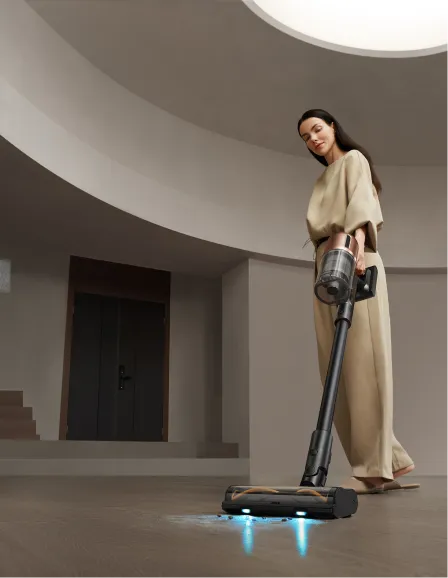
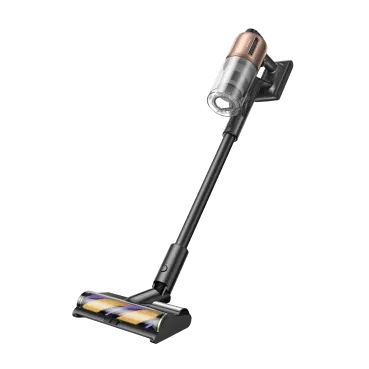
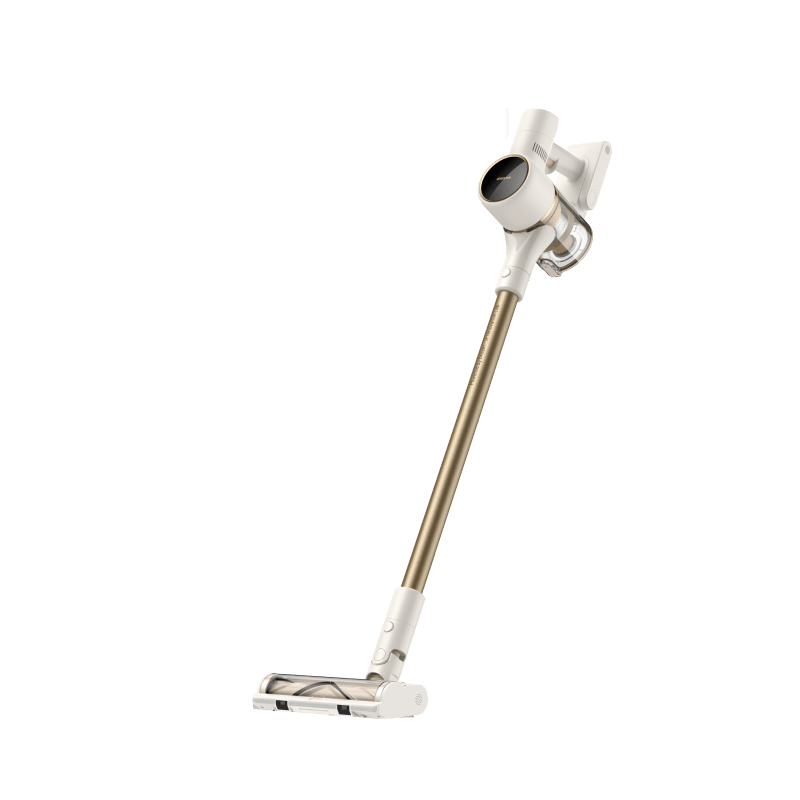
If you are in the market for the devices as mentioned above, never overlook HEPA filtration, a big role in your health. For instance, the Dreame Z20 Cordless Stick Vacuum uses a whole-machine HEPA filtration system with 99.99% efficiency for particles ≥0.3µm, including bacteria and viruses. It also has 250AW suction power and CelesTect Light Technology to reveal hidden dust.
HEPA Filter Replacement and Maintenance
HEPA filters need proper care to keep working well. Over time, they can fill with dust and lose efficiency. Here's how to keep them in good shape.
How Often to Replace HEPA Filters
Most HEPA filters last between 6 and 12 months, but this depends on how often they are used and the type of device. Check the manufacturer's instructions for the best replacement schedule.
Signs You Need a Replacement
Weak airflow from your device
A noticeable smell of dust or musty air
More visible dust or particles in the air
An indicator light (if the device has one) signaling it's time
How to Properly Replace a HEPA Filter
Turn off the device and unplug it.
Open the filter compartment.
Take out the old filter carefully.
Put in the new filter, matching the arrows or guides.
Close the compartment and turn the device back on.
How to Clean a HEPA Filter
Some HEPA filters in vacuums are washable, but many are not. Washing the wrong type may damage the fibers that trap particles.
For washable HEPA filters:
Take the vacuum outside.
Open the vacuum and remove the filter.
Wash the filter in water with mild detergent.
Rinse it until it is completely clean.
Leave the filter to air-dry fully. A damp filter cannot trap particles properly.
For non-washable HEPA filters:
Take the vacuum outside or to a well-ventilated space.
Open the vacuum and remove the filter.
Use a soft brush to gently remove dust and debris from the filter surface.
Look carefully to make sure it is clean. Avoid cleaning the inside part as it is usually clean.
If you're unsure how to clean your vacuum's filter or whether it's even safe to wash, read our HEPA filter cleaning instructions.
Why Choose a HEPA Filter
A HEPA filter provides clean, particle-free air in many settings. Its structure traps particles as small as bacteria and allergens, improving air quality for better health. Whether used in vacuums, air purifiers, or other devices, it is an effective tool for maintaining cleaner spaces.
With regular replacement and maintenance, a HEPA filter remains a reliable choice for air filtration. Its ability to catch small particles without releasing harmful byproducts makes it a safer, smarter option for anyone who wants cleaner air.


![How to Choose a Handheld Vacuum [2025 Guide]](http://ca.dreametech.com/cdn/shop/articles/20250512-154904_2048x2048.jpg?v=1762829402)
![How to Choose a Handheld Vacuum [2025 Guide]](http://ca.dreametech.com/cdn/shop/articles/20250512-154904_{width}x.jpg?v=1762829402)
