Bamboo floors are warm and durable, but they don't handle standing water well. The key to cleaning them is to use as little moisture as possible, just enough so your cloth or mop is barely moist, not dripping.
You want the bamboo to dry quickly after wiping. Follow this rule and your bamboo floors will stay smooth and bright. If you let water pool, it can seep into the planks, causing the finish to lift and the boards to warp or swell.
This guide walks you through the safe method and the common mistakes that shorten a bamboo floor's life.
What Makes Bamboo Floors Different
Bamboo may look and feel like hardwood, but it's actually a grass, which means it reacts to water in its own way. While most wood floor cleaning tips work well, moisture is the key factor to watch with bamboo floors.
Most modern bamboo comes sealed with a polyurethane finish, which tolerates a barely-damp mop. Older or oil-finished bamboo is more open and needs drier methods. Before you settle on a routine, find out which one you have.
Put a few drops of water on an out-of-the-way spot. If it beads, the seal is intact and light damp cleaning is fine. If it soaks in, treat the floor as unsealed and keep it dry. Getting this right shapes how to clean bamboo flooring for the rest of its life.
The Right Tools for Bamboo Floor Care
The safest way to clean bamboo floors is to start with a dry method, then follow up with a barely damp pass. Use a microfiber dust mop or a vacuum to pick up dust and grit that could scratch the finish. Our hardwood floor vacuuming tips work just as well for bamboo. For the damp step, use a microfiber mop that you can wring out almost completely.
When it comes to the best cleaner for bamboo floors, stick with a pH-neutral formula labeled safe for bamboo or hardwood. This type of cleaner is ideal for most homes because it removes dirt without damaging the floor's protective seal.
Here's a list of what not to use on bamboo floors:
Stiff bristles scratch the surface.
Oil soaps leave a film on sealed bamboo.
Vinegar is acidic and dulls the finish over time.
Steam mops are the quickest way to damage a bamboo floor, so keep them off it entirely.
Important: Never use a steam mop on bamboo, even one labeled "safe for hardwood." The high-temperature moisture from steam can penetrate bamboo's surface in ways that cause swelling or damage, unlike traditional hardwoods such as oak or maple.
Cleaning Routine for Bamboo Floors: Daily, Weekly, Monthly
Bamboo floors are easy to maintain with a simple schedule. Dry clean often, damp clean only when needed. Since grit is what wears down the finish, most of your regular cleaning should focus on removing dust and dirt with dry methods.
Daily: dry-vacuum or run a microfiber dust mop to clear grit and pet hair before it scratches.
Weekly: a barely-damp microfiber pass with a pH-neutral cleaner.
Monthly: a slightly more thorough damp clean, with extra attention to high-traffic paths.
Never: steam, vinegar, flood-mopping, or hot water.
This cleaning routine also explains how to mop bamboo floors without overdoing it. Always use a damp mop, never a wet one. A little moisture goes a long way.
How to Clean Bamboo Floors Safely: Step-by-Step
Cleaning bamboo floors safely involves a six-step process that starts with dry methods and uses as little water as possible. Follow these steps in order to remove grit before any moisture touches the surface.
Clear the floor. Lift rugs and floor mats, move any light furniture you can shift easily, and pick up cords, toys, and larger bits of debris so the surface is fully clear.
Dry-vacuum or dust-mop the whole floor to remove loose grit.
Spot-test your cleaner in a hidden corner before using it everywhere.
Apply the cleaner to the mop pad, not straight onto the floor.
Mop with the grain of the bamboo, working backward toward the door.
Dry the floor right away with a clean microfiber cloth, and do not let water sit.
Pro-tip: Put the cleaner on the mop pad, not the floor. Spraying or pouring straight onto bamboo creates little pools the surface cannot handle, even for a moment.
So, can bamboo floors be mopped? Yes, with a damp pad and quick drying. Those are the by-hand steps. If you would rather not repeat them every time, there is a faster way to cover the same ground in one pass.
Wet/Dry Vacuums and Bamboo: The Honest Answer
You can use a wet/dry vacuum on bamboo, but the honest answer is to keep it in dry mode for everyday cleaning. Wet mode on these machines is built for sealed hard floors like tile and vinyl, and the default settings push out more water than bamboo can safely take.
If you would rather vacuum and mop in fewer passes, a slim cordless model like the Dreame Aero Pro handles daily bamboo care in dry mode. Its 25,000 Pa suction lifts the grit that scratches the finish and TangleCut™ 2.0 lifts pet fur and long hair instantly, so your roller stays clear without clogs or residues. Its 3.88in (9.9cm) slim design slides under furniture for seamless reach.
What Damages Bamboo Floors (And What Most People Get Wrong)
Bamboo floors are damaged mostly from trapped moisture and acidic cleaners. The worst of it comes from cleaning advice that sounds safe. Three myths do the most harm.
Steam mops are not gentler than wet mopping
Steam forces hot moisture down into the planks, and that mix of heat and water swells the bamboo and breaks down the finish faster than a quick damp pass ever would. A wrung-out microfiber pad cleans just as well without soaking the wood.
Vinegar is not a safe cleaner for bamboo floors
The acid wears down the polyurethane seal over time and leaves the surface looking cloudy and dull. This is the clearest example of what not to use on bamboo floors. A pH-neutral hardwood cleaner lifts the same dirt without stripping the protective layer.
"Water-resistant" bamboo is not fully waterproof
Standing water still seeps into the seams and settles under the finish, no matter what the label promises. Wipe up spills the moment they happen.
There's a quieter culprit too. Everyday grit, the fine sand and dust that rides in on shoes and paws, grinds against the finish and scratches it a little more with every step. Keeping that grit off the floor matters as much as picking the right cleaner, and it's the easiest part to let slide on a busy week.
Keep Your Bamboo Floors Looking New
For homes that mix bamboo with carpet or tile, a robot vacuum clears the loose grit that wears down the finish, and it does the daily work without you thinking about it.
The Dreame L60 Pro Ultra fits these homes well. Its 35,000 Pa Vormax™ suction pulls grit off the surface before it can scratch, and its Extendable Mop & Side Brush reaches the edges and corners along your baseboards where dust builds up. Lean on its dry passes over bamboo and keep any damp work light.
[product handle="l60-pro-ultra-robot-vacuum" rating="4.8"]
Frequently Asked Questions
Can bamboo floors be mopped?
Yes, but only with damp methods. Sealed bamboo handles a barely-damp microfiber mop with a pH-neutral cleaner. Keep it damp, never wet, and skip steam entirely. Unsealed bamboo should stick to dry methods only.
What cleaner can you use on bamboo floors?
A pH-neutral cleaner labeled safe for bamboo or hardwood is your safest pick. Skip vinegar, which dulls the finish, and oil soaps, which can leave residue on sealed bamboo. When in doubt, plain warm water on a barely-damp microfiber mop beats the wrong cleaner.
What should you avoid using on bamboo floors?
Steam mops, vinegar, oil soaps on sealed floors, wax products, and abrasive pads all cause problems, along with any cleaner made for tile or stone. Hot water mopping is also off the table.
How do I make my bamboo floors shine again?
Dust the floor well, run a damp pass with a pH-neutral cleaner, then dry it right away with a microfiber cloth. The shine lives in the seal, so treat the seal gently and it comes back. If the floor still looks flat, it may be due for a refinishing pass, usually every 5 to 10 years.
How often should I clean bamboo floors?
Dust-mop or vacuum daily, since grit causes most of the scratching. Damp-clean weekly with a pH-neutral cleaner, and do a more thorough damp clean monthly. Wipe up spills the moment they happen, since standing water is the top cause of bamboo damage.
Finding carpet beetles in your home is an unsettling experience. One day your wool rug looks fine; the next you're spotting larvae in the fibers and wondering how long they've been there.
The frustrating part is that a quick spray or a once-over with the vacuum won't remove the carpet beetle problem. These beetles survive because of their life cycle, and until you break that cycle from egg through larva, they will keep coming back.
This guide covers how to confirm what you're dealing with and which cleaning methods work. We'll also explain some cleaning habits that keep carpet beetles away for good.
How to Distinguish Carpet Beetles from Other Bugs
There are two distinguishing traits that you'll see with carpet beetles. These beetles shed skins and small dark pellets in low-traffic areas like baseboards and closet corners, or even under your furniture. Those are the clearest signs of an active carpet beetle infestation, and they come from the larvae, not the adults.
Adult carpet beetles are tiny (about 1.5 to 3 mm) and mostly harmless on their own. You'll usually spot them drawn to light on the windowsill before you notice any fabric damage. It's the adult carpet beetle that eats through your wool, silk, and stored clothing. They're slightly larger (up to 5 mm) than adult beetles. They are bristled, and usually brown or tan.
Below are a few quick checks to rule out carpet beetle lookalikes:
Bed bugs: These bugs are flat and reddish-brown. They also bite, which carpet beetles don't.
Ladybugs: They look round and are brightly colored. These bugs don't damage your fabric.
Carpet moths leave silken tubes and visible webbing. Their larvae leave behind shed skins and pellets with no webbing.
If you need to confirm the species, the UC ANR Integrated Pest Management Program has detailed profiles for each.
How Carpet Beetles Get In and What Draws Them to Stay
Carpet beetles get in through open windows or screen gaps. They also hitch on cut flowers brought inside. Once in, they stay because your home has what their larvae need to feed on: natural fibers, pet hair, and undisturbed corners.
As long as you stay on top of removing pet hair from carpet, your home becomes a lot less appealing to these beetles.
The 5-Step Plan to Break the Carpet Beetle Life Cycle
Here's the full sequence before we go deeper into each step. Try to follow the order; you'll find that each one sets up the next step, and jumping ahead usually means you'll have to come back to redo it.
Deep vacuum every room, making sure you get the edges and under furniture
Wash all fabrics and pet beds in hot water, or steam-clean what can't go in the machine
Treat the hidden spots you don't normally check: Carpet beetles may stay in your closet corners, attic vents, storage bins
Apply targeted treatments where you found the most activity; natural options work well for mild cases, but you'll have to apply chemical ones for heavier infestations
Make sure to seal entry points and make a habit of checking cut flowers and window screens going forward
Important: If you find carpet beetles in stored woolens or silk, seal those items in plastic bags before cleaning the rest of the house. Carrying contaminated items from room to room is one of the most common ways an infestation spreads during clean-up.
The Right Way to Vacuum When You Have Carpet Beetles
Vacuuming works, but only if you're doing it with the right vacuum specifications and cleaning frequency. Here's what helps to eliminate carpet beetles from your property.
High vacuum suction pulls eggs out of the fiber base
Carpet beetle eggs and young larvae sit at the base of the carpet, not on the surface, so the vacuum's suction strength decides whether you actually remove them. A weaker vacuum clears the surface but leaves the eggs behind, which is why you can vacuum every day and still see new larvae.
Reaching that fiber base takes strong suction, roughly 15,000 Pa to 35,000 Pa on more powerful vacuums. If yours lands in that range, it can lift embedded eggs in a single pass.
A HEPA filter keeps the debris from going back into the air
Make sure that your vacuum comes with a HEPA filter. Larval skin sheds are a known asthma and skin-irritation trigger, and a vacuum without proper filtration can release those particles back into the room as you clean. A HEPA filter traps what gets captured and keeps it there.
Dreame Take: Most vacuums are tested on what they pick up, but they are not tested on what they release. Dreame builds HEPA-grade filtration into its collection because clean air and clean floors are part of the same job.
Slow, overlapping passes cover more than a quick run
Run your vacuum at about half your normal speed and go over each area twice: once in one direction, then again at a 90-degree angle. You'll want to pay close attention to edges and under furniture, as well as where your carpet meets the wall. These spots are where carpet beetle larvae tend to settle in.
Weekly vacuuming for a month is what breaks the cycle
Carpet beetle eggs hatch in about two weeks, so vacuuming once and stopping gives the next generation time to mature. Try to vacuum at least once a week over three to four weeks to clear new hatches before they cause more damage.
You can use a robot vacuum for daily maintenance between deep cleans to keep things from building up. Dreame's guide on how to clean carpet with a vacuum cleaner covers this in more detail.
Pro-tip: Empty the vacuum bin or bag outside immediately after every pass. If you leave it in the house, even briefly, larvae can crawl back into your living space from the bin. This single step protects all the work you just did.
How to Get Rid of Carpet Beetles Permanently
Heat is the only thing that kills carpet beetles at every life stage. Anything above 120°F (49°C) kills eggs, larvae, and adults on contact, which is why hot water and steam are your most reliable tools once vacuuming has cleared the surface debris.
Wash all fabrics in the hottest water they can handle
You can start by washing everything fabric-based in the affected area: bedding, pet beds, curtains, and throw blankets. Run them through the hottest wash cycle, but only as far as the material allows. As for items that can't go in the machine, such as wool rugs or upholstered furniture, steam cleaning at 200°F (93°C) or higher will kill eggs and larvae embedded deep in the fibers.
Hot-water mop your hard floors
Your hard floors need attention as well even if the infestation is centered on carpets. Carpet beetle larvae that drop off during cleaning can survive on tile or hardwood if the floor isn't treated.
The Dreame H15 Pro Heat washes floors with 185°F (85°C) water, well above the threshold needed to end the life cycle on contact. It vacuums and mops in a single pass, so you're not pushing debris around while you clean.
[product handle="h15-pro-heat-wet-dry-vacuum" rating="4.7"]
Steam closets, corners, and storage edges
Closet floors and storage areas are where eggs tend to settle undisturbed. You can run a steam cleaner along baseboards and corners to be as thorough as possible in the cleaning process. You'll also want to pay close attention to the edges where the floor meets the wall. Most dry cleaning treatments miss the edges, so heat is a more reliable option for these areas.
Natural vs. Chemical Treatments: What Works for Your Carpet Beetle Infestation
Natural treatment options are usually enough for mild carpet beetle infestation cases. However, if an infestation has spread across multiple rooms, you'll want to step up to chemical treatments.
Your choice of treatment depends on how bad the carpet beetle infestation is. Natural options work well for mild cases; chemical treatments might be a better choice when the infestation is heavier or has spread across multiple rooms.
Natural treatments for mild carpet beetle infestations
Food-grade diatomaceous earth is the most reliable natural option you can use at home. It works by damaging the larvae's exoskeleton, which dehydrates and kills them within a few days. All you have to do is to sprinkle a thin layer along baseboards and in closet corners, and then leave it down for at least a week. You can vacuum it up afterwards.
Boric acid works in a similar way and you can dust it into cracks and behind appliances. However, you'll have to keep both treatments here away from pets and children.
If you're just looking for a repellent, you can consider peppermint oil and vinegar. They discourage adult carpet beetles from laying eggs in treated areas, but they won't clear an established infestation. You'll get more out of them as a preventive layer on top of vacuuming and heat treatment.
Chemical treatments for heavier carpet beetle infestations
Residual insecticide sprays formulated for carpet beetles are your best option when the infestation has spread or natural treatments haven't cleared the pests. Try looking for products containing pyrethroids and follow the label instructions carefully.
If you have pets or young children at home, you might want to consider calling a pest professional instead. They can apply targeted treatments in the cracks and voids where carpet beetles hide, which is something household sprays might miss.
How to Prevent Carpet Beetles From Coming Back
Good prevention comes down to a few consistent habits that cut off the two main ways carpet beetles get in and settle: entry points and food sources for their larvae.
Seal off entry points and food sources
The most common ways carpet beetles find their way in are through gaps in screens and cut flowers. They may also enter through bird nests near vents. Here's what you can do to prevent the carpet beetles from entering here:
Store woolens and silks in sealed containers or vacuum bags during the off-season. Loose storage in cardboard boxes is an open invitation for carpet beetles to enter your property.
Inspect cut flowers before bringing them inside, especially during spring and summer when adult carpet beetles are most active.
Check window screens for tears and replace damaged ones.
Clear old bird nests from attic vents and eaves every fall, since these are a common source of new arrivals.
Cedar blocks and lavender sachets can help repel adults, but treat them as a supporting measure rather than a standalone fix.
Keep up a regular cleaning cadence
A consistent cleaning routine stops larvae from building up between deep cleans. These are the habits that make the biggest difference:
Vacuum at least once a week during peak season. You'll want to pay close attention to closet floors and under beds, as well as anywhere your pet rests.
Check your windowsills weekly during warm months. Adult carpet beetles tend to gather there before moving deeper into the house, so catching them early stops the next cycle before it starts.
Running a robot vacuum daily between deep cleans keeps things from building up. You can look deeper into carpet care tips which cover a full maintenance routine for more details.
You Can Get Rid of Carpet Beetles for Good
If you've made it this far, you already know more about carpet beetles than most people do when they first spot them. The good news is that you don't need specialist equipment or a professional visit to clear them.
What you do need is consistency; the treatments in this guide work, but only when you follow through across a few weeks rather than stopping after one clean. Make sure to stay patient with the process, and don't get discouraged if you see a few larvae after your first round. That's normal. Stay the course and your home will be clear before long.
Browse the Dreame collection of robot vacuums to find a model that fits your home's flooring and weekly cleaning routine.
Frequently Asked Questions
What kills carpet beetles instantly?
Heat is your most reliable option. Steam cleaning at 200°F (93°C) or hot-water washing above 120°F (49°C) kills carpet beetles at every life stage on contact, including eggs that vacuuming won't reach.
How long does it take to get rid of carpet beetles?
You can expect to clear a typical infestation in two to six weeks, as long as you vacuum consistently. The egg cycle runs about two weeks, so aim for at least three to four weekly cleans without skipping.
Can carpet beetles bite humans?
Carpet beetles don't bite, but you might develop itchy welts from contact with the bristly larvae. Their shed skins are also a known skin and respiratory irritant, so you should still keep up with HEPA-filtered vacuuming even after the infestation clears.
How do exterminators get rid of carpet beetles?
A professional pest exterminator will identify the source, then apply residual insecticide in cracks and voids where household sprays can't reach. They'll usually recommend that you keep up vacuuming and heat treatment at home alongside their treatment.
Will vacuuming alone get rid of carpet beetles?
Vacuuming can be enough if you're consistent with technique and frequency for a mild carpet beetle infestation. As for a heavier infestation, you'll want to combine it with steam or hot-water treatment to make sure the eggs don't survive. The technique in the vacuuming section above makes the biggest difference for light infestations.
You walk into the living room and smell it before you see it. Or you see it first, that wet patch in the carpet, and you already know what the next hour looks like. We've all been there. Maybe it's the new puppy who hasn't figured out the back door yet. Maybe it's your senior dog who can't hold it like she used to.
The good news is you can get dog pee smell out of carpet if you do it right. However, most people get it wrong, which is why the smell remains.
TL;DR: Get Dog Pee Smell Out of Carpet in 5 Steps
Blot fresh urine with white paper towels. Do not rub.
Apply an enzymatic cleaner (Nature's Miracle or similar) generously.
Wait at least 15 minutes for the enzymes to break down the uric acid.
Blot dry with clean towels and let the area air-dry.
Sprinkle baking soda over the area, leave overnight, and vacuum up in the morning.
How to Get Dog Pee Smell Out of Carpet (Quick Method)
The quick method works because it tackles dog urine in the right order. Skipping a step or doing them out of sequence is the most common reason the smell comes back a week later.
Step 1: Blot, don't rub. Press white paper towels into the wet spot and apply your body weight. Stand on it if you have to. The goal is to pull liquid up and out of the carpet fibers before it soaks into the padding underneath. Rubbing does the opposite. It pushes urine deeper and spreads the stain wider.
Step 2: Apply enzymatic cleaner. This is the single most important step. Enzymatic cleaners contain bacteria that produce enzymes which break down the uric acid crystals in dog urine. Standard cleaners (vinegar, soap, ammonia-based products) mask the smell but leave the crystals intact, which is why the smell returns the next humid day. Pour the cleaner generously. Saturate the same area the urine soaked.
Step 3: Wait 15 minutes. The enzymes need time to work. Some products recommend longer dwell times for severe stains. Read the bottle. Cover the spot with a damp towel during the wait so the area stays moist.
Step 4: Blot dry. Use a fresh stack of clean white towels. Press, don't scrub.
Step 5: Baking soda overnight. Sprinkle a generous layer of baking soda over the cleaned area. Let it sit overnight to absorb residual moisture and lingering odor. Vacuum it up in the morning.
That's the basic playbook. The rest of this guide covers the situations where the basic playbook isn't enough.
Pro-tip: Keep an enzymatic cleaner on hand at all times if you have pets. The 30-minute window after a fresh accident is the difference between a 15-minute fix and a multi-day padding-replacement project. Nature's Miracle is widely available at PetSmart and Amazon. There's no excuse not to have a bottle in the closet.
Why Dog Urine Smell Comes Back Even After Cleaning
Dog urine contains uric acid, which crystallizes as the urine dries. These crystals lock the odor compounds in place and reactivate every time the area gets damp. Humid weather, mopping nearby, even normal foot traffic on a sticky summer day will trigger the smell.
Standard cleaners can dissolve the surface-level urine but cannot break down the crystals themselves. Breaking those crystals down is the entire reason enzymatic cleaners exist. The enzymes eat the crystals, leaving nothing for moisture to reactivate.
Pheromones are the second factor. Dog urine contains them, and PetMD explains they encourage your dog to urinate in the same spot again. Standard cleaners don't break down those compounds, which is why veterinarians recommend enzymatic cleaners specifically for pet accidents.
If you used an ammonia-based cleaner, you made the problem worse. To a dog's nose, ammonia smells almost exactly like another dog's urine. You're not removing the marker. You're refreshing it.
The third reason is depth. If the urine soaked through the carpet into the padding, surface cleaning will not fix the problem. The smell is coming from underneath the visible surface. We'll cover that scenario in detail below.
Vinegar masks the smell. Baking soda absorbs it. Only enzymatic cleaners actually remove the compounds responsible for it. Learning how to get dog urine smell out of carpet means using the right cleaning product, not just more product.
Important: Never use ammonia-based cleaners on dog urine. Dogs smell the ammonia as another dog's territorial mark and will return to re-mark the same spot. This is the single most common reason pet urine smell keeps coming back even after thorough cleaning.
Step-by-Step: How to Remove Fresh Dog Urine from Carpet
For fresh accidents (within the first 30 minutes), speed is the difference between a 15-minute clean and a weekend project. Every minute the urine sits, more soaks down through the carpet fibers and into the padding. This is the full protocol on how to clean dog pee from carpet before it becomes a bigger problem.
Move fast, but don't panic
Drop everything and grab paper towels. Lots of them. White ones only. Colored towels can transfer dye into wet carpet.
Blot with full body weight
Place a thick stack of paper towels over the wet area. Stand on them. Shift your weight from one foot to the other to maximize contact. The goal is to physically pull liquid out of the carpet. A weak blot leaves most of the urine in the fibers. Replace the towels and repeat until they come up nearly dry.
Spot-vacuum heavy soaks (optional)
For a heavy soak, especially if the urine has had a few minutes to spread, a carpet extractor pulls liquid deeper than manual blotting can. These machines, the kind you can rent from a hardware store or buy for home use, spray cleaning solution into the carpet and immediately suction the dirty liquid back out, which keeps the urine from migrating further down while you work.
A wet/dry vacuum is not the tool for this, since the wet pickup is built for hard floors, not carpet. To be clear, an extractor catches the soak. It is not a urine deodorizer. Enzymatic cleaners are what break down the uric acid crystals, so follow up with one either way.
Apply enzymatic cleaner generously
Saturate the same area the urine soaked, not just the visible stain. The actual soak zone is usually about 30% wider than the visible wet patch. Pour generously enough that the cleaner covers the entire urine spot.
Cover with a damp towel for 15 minutes
The enzymes need moisture to stay active. A dry surface kills the reaction halfway through.
Blot dry, then air dry
After the dwell time, blot the area with fresh towels and let it air-dry completely. Don't walk on it until it's bone dry. Walking on damp enzymatic-treated carpet can grind cleaner residue into the fibers.
Avoid heat
Don't use a hair dryer or steam cleaner during the cleanup. Heat can set the proteins in urine and make the smell permanent. This is how you should remove dog urine from carpet without accidentally making it worse.
How to Get Old or Dried Dog Urine Out of Carpet
Fresh urine is one problem. Old, set-in urine is a different problem entirely. If you just moved into a rental and discovered old pet stains, or your dog has been hitting the same spot for months and you only now realized why the corner of the room smells, the standard quick method won't be enough.
Here's what you can do for old stains.
Step 1: Find the actual extent of the damage
Old urine doesn't always show as a visible stain. Get a UV blacklight flashlight. They're inexpensive on Amazon. Turn off the lights at night and shine the blacklight across the carpet. Dried urine fluoresces yellow-green. Most people find more spots than they realized.
Step 2: Re-wet the urine
This sounds counterintuitive but it's necessary. Old uric acid crystals need moisture to reactivate before enzymes can break them down. Pour warm (not hot) water on each spot until the area is damp. Yes, the smell will get worse temporarily. The crystals are reactivating, which means the enzymes can now reach them.
Step 3: Apply enzymatic cleaner with extended dwell time
For old stains, regular 15-minute dwell isn't enough. Saturate the spot, then cover with plastic wrap and a damp towel on top. Let it sit for 30 minutes, sometimes overnight for severe cases. The plastic wrap keeps the enzymes from drying out.
Step 4: Expect multiple treatments
One application of enzymatic cleaner will not remove months-old urine. Plan for at least two or three rounds, with the carpet drying fully between rounds. If round one doesn't get it, round two usually finishes the job.
Step 5: Document everything if you're living in a rental
If you're treating old pet stains in a rental, document everything. Photograph the original stains under blacklight and your treatment progress. At some point, the cost of professional carpet cleaning becomes lower than the risk of losing your security deposit.
Important: Know when to stop DIY and call a pro. This is how you can get rid of the dog pee smell on your carpet when the stain has been sitting for months.
Best Enzymatic Cleaners for Pet Urine
The wrong enzymatic cleaner will under-perform, especially on chronic or set-in stains. Below are the four enzymatic options worth knowing, plus a DIY recipe for when you're in an emergency with no bottle on hand.
Cleaner
Best For
Why It Works
Nature's Miracle Advanced Stain & Odor Eliminator
Fresh accidents, mild-to-moderate older stains, single-pet households
The widely-recommended default across pet-owner forums. Bio-enzymatic formula breaks down uric acid crystals. Wide retail availability (PetSmart, Amazon, Target). The Advanced formula is stronger than the standard one and is the version you want for carpet.
Rocco & Roxie Stain & Odor Eliminator
Stains that came back after enzymatic treatment, multi-pet households, chronic problems
Higher-concentration enzymatic formula. The next step up if Nature's Miracle didn't get the smell out on the first try. Particularly strong on returning smells. The price per ounce is higher, but you use less per application.
Angry Orange Pet Odor Eliminator
The "I cleaned the carpet but the room still smells" phase. Ambient lingering odor after enzymatic treatment
Citrus-based deodorizer, not an enzymatic urine remover. Useful for finishing a room after enzymatic cleaning has done its work on the carpet itself. Do not use it as your primary urine remover. It won't break down uric acid crystals.
Anti-Icky-Poo (AIP)
Padding-saturated urine, rental move-in mystery stains, multi-pet chronic problems
Professional-strength enzymatic cleaner used by carpet cleaning companies and animal shelters. Not the first thing to try, but the thing that often works when nothing else has.
DIY (warm water + Dawn + 3% hydrogen peroxide + baking soda)
Acute emergencies with no enzymatic cleaner on hand
Mix 1 cup warm water + 1 tbsp dish soap + 1/4 cup 3% hydrogen peroxide. Apply, blot, then sprinkle baking soda. Test on a hidden carpet area first (peroxide can lighten some dyes). Works for surface-level fresh urine but does NOT break down uric acid crystals. The smell will likely return. Follow up with a real enzymatic cleaner within 24 hours.
What to avoid
Ammonia-based cleaners (dogs re-mark the same spot), bleach (damages carpet and doesn't touch uric acid), vinegar alone (masks but doesn't dissolve crystals). Vinegar can work as a rinsing aid before enzymatic application, but it's not a urine remover on its own. Knowing how to remove dog urine smell from carpet means picking the right product first, not just applying more of the wrong one.
For a deeper breakdown of products and a longer comparison by stain type, our complete pet carpet cleaner guide goes into the specifics.
What If the Urine Soaked Through to the Carpet Padding?
If your smell returns within hours of a thorough cleaning, you might have padding saturation. At that point, knowing how to get pet urine smell out of carpet means treating the layer underneath, not the carpet fibers themselves.
Signs that the urine has soaked through to the padding:
The smell returns within hours of a thorough cleaning
A blacklight shows fluorescence below the visible carpet level
The wet area is significantly larger than the visible stain
The smell intensifies during humid weather even after multiple treatments
The padding cleaning method:
Pull back the carpet at the nearest seam. Most wall-to-wall carpet is held down with tack strips at the edges of the room. With work gloves and pliers, you can carefully lift a corner section. You don't need to remove it entirely. You just need access to the padding under the affected area.
Flood-treat the padding directly. Pour enzymatic cleaner onto the padding itself, not just the carpet backing. Use significantly more cleaner than you'd use on a surface stain.
Weighted dwell overnight. Place a damp towel over the treated padding and weigh it down with books. Leave it overnight. The enzymes need long contact to penetrate the dense padding foam.
Air-dry completely before reattaching. Damp padding under carpet grows mold. Use fans, open windows, run a dehumidifier. The padding needs to be fully dry before the carpet goes back down.
Know when the padding can't be saved. Sometimes urine has been sitting in padding for months and even professional treatment can't remove the smell. In those cases, replacing the padding (and possibly the carpet) is the only fix. Padding replacement is cheaper than full carpet replacement, and you don't always need to redo the whole floor.
How to Get Cat Urine Out of Carpet
Cat urine is a different challenge from dog urine. The chemistry is more concentrated, the smell is sharper, and cleaning takes longer.
Cats have more efficient kidneys than dogs, which is why their urine is more concentrated. Cat urine has higher uric acid content and stronger odor compounds per drop. The same enzymatic cleaners work, but they need to work harder.
Longer dwell time. For cat urine, plan for 30 minutes minimum, often overnight for set-in stains. Cover with plastic wrap to keep the enzymes active.
Multiple treatment cycles. A single application of enzymatic cleaner rarely finishes cat urine. Expect to treat the same spot two or three times, with full drying between treatments.
Padding replacement is more common. With dog urine, padding can often be saved with aggressive treatment. With cat urine, especially if the cat has been re-marking the same spot for months, the padding sometimes can't be saved. Pulling back the carpet to check the padding underneath is more often the right call with cats.
Pro-tip: If your cat is suddenly urinating outside the litter box, it's almost always either a medical issue (urinary tract infection, kidney problems, or another underlying condition) or a stress response (new pet, moved furniture, change in routine, dirty litter box). Talk to your vet before deciding it's a training problem. A cat that pees on the carpet usually has a reason.
Preventing Future Dog Pee Accidents on Carpets
Once the smell is gone, the goal is to keep it gone. Most pet urine carpet issues are about repeated accidents in the same spot over time. Here's how you can prevent the next accident.
Training and behavior
If you have a puppy or a recently adopted adult dog, consistent housetraining is the foundation. Take your dog out at predictable times, reward outside elimination immediately, and clean any indoor accident thoroughly with enzymatic cleaner so they don't return to the same spot. If a previously housetrained dog suddenly starts having accidents indoors, get them checked by a vet. Behavior changes often signal medical issues.
Carpet protection
Pet-safe carpet protector sprays add a thin invisible barrier that gives you more time to respond to accidents before urine soaks in. They aren't a substitute for cleanup, but they buy you the 30-minute window that matters most.
Daily cleaning frequency
For pet households, the right cleaning schedule prevents baseline odor buildup that masks fresh accidents. A daily robot vacuum run keeps pet hair and dander from accumulating in the carpet. A weekly enzymatic spot-check on known accident-prone areas catches small problems before they escalate. A monthly full-carpet treatment with carpet cleaner keeps the overall odor profile neutral.
Best Vacuums and Cleaners for Pet Households
A pet household needs a different vacuum setup than a non-pet household. You're dealing with more hair, more dander, more frequent accidents, and more variety in what gets cleaned. Here are the picks by use case.
Best wet/dry vacuum for pet accidents
The Dreame H15 Pro Heat is the best pick for fast accident response on hard floors like tile, sealed wood, vinyl, and laminate. It dispenses controlled 185°F hot water and immediately suctions the mess and cleaning solution back, so a fresh accident on a hard surface gets cleaned up in one pass instead of spreading or sitting.
Use it as your quick-response tool the moment you catch an accident on hard flooring, then follow up with an enzymatic cleaner for the smell itself. For accidents on carpet, blotting and an enzymatic cleaner are the right method, since wet pickup on a wet/dry vacuum is built for hard floors only.
Dreame's full range of wet and dry vacuums covers different models and price points for your household needs.
[product handle="h15-pro-heat-wet-dry-vacuum" rating="4.7"]
Best robot vacuum for pet households
The Dreame X60 Max Ultra Complete uses Binocular Vision enhanced by proactive lighting to detect and avoid pet waste among the 280+ object types it recognizes during cleaning runs. This matters because most robot vacuums will roll straight through a fresh accident and smear it across the floor, which turns a small spot into a much bigger one. At the time of writing, the X60 Max Ultra Complete holds the top spot in Vacuum Wars' "Top 20 Best Robot Vacuums in 2026" list.
The Dreame L60 Pro Ultra is the newest L-series model and a strong fit for a pet household. It runs 35,000 Pa Vormax™ suction, the same as the X-series flagship, so it pulls embedded hair and dander out of low-pile carpet instead of skimming the surface. Its DuoBrush system handles up to 11.8in (30cm) of pet hair with zero tangling, and ProLeap robotic legs clear thresholds up to 3.47in (8.8cm), so it moves room to room without getting stuck at carpet-to-tile transitions.
The Dreame L50 Ultra is the more accessible pick if the L60 Pro Ultra is more than you need. Its HyperStream™ Detangling DuoBrush also prevents the daily tangling that turns a robot vacuum into a maintenance job, though at 19,500 Pa it has less pull on deep carpet than the L60 Pro Ultra. The dock's AceClean™ DryBoard system washes the mop pads at 167°F to reduce residual ambient odor on hard floors. Brush type and dustbin maintenance are also the two biggest factors in how long a robot vacuum lasts.
This guide on how robot vacuums clean carpets covers what to consider for pet households. You can also browse the full range of robot vacuums for pet hair and the robot vacuum for carpet collection.
Best cordless vacuum for cleaning pet hair from furniture and vehicles
A robot vacuum and a wet/dry handle the main cleaning, while a cordless stick vacuum handles everything else. The Dreame Z30 delivers 310 AW of suction and up to 90 minutes of runtime in eco mode per charge, with a 150,000 RPM TurboMotor™ and auto-adjusting suction that ramps up when it detects more debris.
HEPA 14 filtration captures 99.99% of particles down to 0.1µm, which matters in pet households where dander and allergens build up faster. The included Pet Deshedding Tool combs out fur from furniture, stairs, and car upholstery, and the CelesTect™ celeste light on the multi-surface brush reveals dust you'd otherwise miss.
The Z20 handles the same tasks for cleaning pet hair with a bit less power. It features 250 AW of suction, a built-in pet brush head, and Blue Light Dust Detection that reveals fur and dander across carpet and hard floors, with up to 90 minutes of runtime covering up to 3,229 sq ft (300 m²) on a charge.
Check out Dreame's full range of cordless stick vacuums to find the right model.
Dreame Take: We're constantly developing pet-friendly solutions for everyday cleaning. The Dreame Robot Vacuums Pet Odor Solution is a plant-based and pet-safe formula that goes into a compatible robot vacuum's mopping tank and breaks down pet-accident odors on hard floors as the robot cleans.
When to Call Professional Carpet Cleaners
Sometimes DIY isn't the answer. Knowing when to call a professional is part of solving the problem.
Severe stain age
If you have discovered urine stains that have been sitting for months, like a rental move-in or a senior dog you didn't notice was having accidents, professional carpet extraction reaches depths that home equipment can't. Truck-mounted extraction units pull urine from padding without removing the carpet.
Multi-room chronic issues
If the smell is in multiple rooms and keeps coming back across all of them, you're probably dealing with an ongoing pet behavioral issue (talk to a vet) plus deep-seated urine buildup that one-room-at-a-time DIY treatment can't keep up with.
Health considerations
Urine ammonia exposure can be a real concern for households with young children, elderly residents, or anyone with respiratory conditions. If the smell is significant enough to be a daily air quality concern, professional remediation is worth the cost.
The Bottom Line on Getting Dog Pee Smell Out of Carpet
Getting dog pee smell out of carpet means breaking down the uric acid crystals, which only works with enzymatic cleaners. Blot fast, saturate the full soak area, give the enzymes time to work, and finish with baking soda. Old stains and padding-deep soaks take the same approach with longer dwell times and repeat treatments. Vinegar only masks the smell and ammonia makes it worse, so skip the shortcuts and reach for the product that actually removes it.
A wet/dry vacuum catches a fresh accident before it soaks into the padding, and a robot vacuum keeps pet hair and dander from building into the baseline odor that makes a pet home smell like one. Neither removes the smell of urine.
Browse Dreame robot vacuums for pet hair to find a model that fits your home to keep everyday pet hair and dander from adding to the problem.
Frequently Asked Questions
Does dog urine smell ever go away on its own?
No. Dog urine contains uric acid that crystallizes as it dries, and the crystals will reactivate with humidity for years if they're not broken down. The smell may seem to fade temporarily in dry weather, but it'll come back the next humid day. Enzymatic treatment is the only way to actually remove it.
What kills the smell of dog urine permanently?
Enzymatic cleaners. The enzymes eat the uric acid crystals in dog urine, which is what locks the smell in place. Standard cleaners mask the surface odor but leave the crystals intact. Look for a product labeled "enzymatic" or "bio-enzymatic" and apply it generously enough to reach the full soak area, not just the visible stain.
Can baking soda remove dog urine smell?
Partially. Baking soda absorbs surface-level odor and moisture, which is why it's a useful finishing step after enzymatic cleaning. By itself, it can't break down uric acid crystals, so it won't fix the underlying problem. Use it as a deodorizing layer on top of enzymatic treatment, not as a replacement.
Will a carpet cleaner remove dog urine smell?
A carpet extraction cleaner (the rental kind from a hardware store, or a wet/dry vacuum like the H15 Pro Heat) pulls surface-level urine and moisture out, which helps. It won't break down uric acid crystals on its own. The full protocol is: extract first, then apply enzymatic cleaner. Extraction alone gets you maybe 60% of the way.
How long does dog urine smell last on the carpet?
Untreated, dog urine smell in carpet can last for years. The uric acid crystals don't break down naturally and continue reactivating with humidity indefinitely. With proper enzymatic treatment within the first 30 minutes of an accident, the smell can be completely gone in a day. Old stains take longer, often multiple treatment cycles.
Can I use vinegar on dog urine?
Vinegar is a partial solution. It can neutralize fresh urine acids and works as a rinsing aid before enzymatic treatment, but it doesn't break down uric acid crystals on its own. Used by itself, vinegar usually means the smell returns. Used as a step before enzymatic application, it can help slightly.
What is the best enzyme cleaner for dog urine?
Nature's Miracle Advanced is the most-recommended starting point and is widely available at PetSmart and Amazon. For chronic returning smells or multi-pet households, Rocco & Roxie is a stronger option. For severe cases like padding saturation or rental move-in stains, Anti-Icky-Poo is the professional-grade option.
A robot vacuum that wraps itself in dog hair after a week, or gets stuck in a doorway, is not saving you time. So are robot vacuums worth it? For most people, yes, but the honest answer depends on your home.
This guide covers what they do well and where they still fall short, as well as which households benefit the most from owning one.
Is It Worth It for Your Household?
Yes, robot vacuums are worth it for most households, though a few things make a bigger difference than others. A robot vacuum helps most when floors get dirty daily and you are short on time.
Here's how you can decide if it's worth it based on your household:
Pet owners: Yes, especially with breeds that shed every day. A daily pass with a robot vacuum keeps pet hair from settling into rugs and corners.
Hard floors throughout: Yes. A model that mops as it vacuums handles both jobs in one pass.
Mixed flooring (carpet and hard floor): Depends on the suction and brush design. Low-pile carpet is fine, but thick carpet requires more suction power.
Small apartments and studios: Yes, though a budget model can usually cover the entire space without trouble.
Large homes with several floors: Depends on your setup. A robot vacuum cleans one floor at a time, so a big multi-level home means either one unit per floor or carrying a single one up and down the stairs.
Allergy-prone households: Yes, especially models with a sealed HEPA filter that traps fine dust instead of blowing it back into the air.
If any of the above scenarios sound like your home, the L60 Pro Ultra is a solid robot vacuum to start with. It has 35,000 Pa suction to pull hair out of carpet and a HyperStream™ Detangling DuoBrush that handles strands up to 11.8in (30 cm) long, so shedding pets and mixed floors are both covered. It mops while it vacuums too, which takes care of hard floors in the same run.
What Robot Vacuums Do Well
The biggest payoff is consistency. A robot vacuum runs on a schedule every day, so crumbs and dust never pile up the way they do between weekend cleans. After the first run maps your home, it is genuinely set-and-forget. You press start once, set a schedule, and the daily floor care simply happens.
For pet hair, the brush is what makes the difference. Detangling brushes are one of the bigger innovations here, designed to pull long hair straight through instead of letting it wrap around the roller, so you skip the weekly job of cutting fur off a tangled brush.
Navigation has come a long way. There is a lot of technology behind it now. A robot vacuum can have laser mapping, cameras, AI object recognition, sensors of all kinds. But it all adds up to one thing: the vacuum learns the layout of your home and cleans it in an orderly way instead of bumping around at random.
The robot vacuum knows where it has been, steers around clutter like cables and shoes, and you stay in control from an app, where you can set a schedule, block off no-go zones around a pet's water bowl or a high-pile rug, and send it to clean a single room on demand.
Hard floors stay cleaner between deep cleans too. A daily pass picks up the gritty dust that scratches hardwood over time and settles into tile grout.
If you have a shedding pet, a good place to start looking is the Dreame collection of robot vacuums for pet hair, then pick the brush and suction that match how much your dog or cat sheds.
Pro-tip: Set your robot vacuum to run 30 minutes after you head out to work, so the cleaning is done by the time you're back.
Key Considerations You Should Know
No robot vacuum cleans every square inch
Most cover around 95% of open floor, leaving tight corners and the edges behind furniture for you to touch up by hand.
Thick carpet is where the differences show up
Cheaper robot vacuums tend to skim over deep pile carpets and leave debris behind, while the ones built for carpet sense it, boost suction, and lift or detach the mop so it stays dry. If your home is mostly thick carpet, it is worth choosing a model made for it rather than an entry-level one.
Stairs are the current limit
Most robot vacuums today clean one floor at a time and cannot climb between levels, so a multi-story home needs one per floor or you can move it by yourself. Raised thresholds are another story. Models like the L60 Pro Ultra use ProLeap™ retractable legs to lift over door tracks and single steps up to 3.47in (8.8 cm), so it gets over the bumps that trip up other robot vacuums.
A big liquid spill is also more than the onboard mop should handle
These robot vacuums mop well for everyday dust and light messes, but a knocked-over glass is a job for a paper towel or a mop.
Upfront cost is real
However, you don't need to spend four figures to get started. The Dreame D30 Ultra sits at the entry end of the collection with 25,000 Pa suction and an auto-empty base, and there are other budget robot vacuum options if cost is the main consideration holding you back. The dock takes up space too, about the size of a small trash can, so it is worth having a spot in mind before you buy.
Important: Most robot vacuums struggle with shag carpet over 1 inch (2.5 cm) thick and wet spills larger than a few tablespoons. Neither is a deal-breaker for most homes, but both are worth knowing before you buy.
When a Robot Vacuum Is Worth It (And When It Isn't)
Is a robot vacuum worth it for your home? The clearest yes goes to busy homes with mixed flooring, at least one pet, and more than 1,000 sq ft (93 m²) to keep up with.
Clearly worth it
If you juggle work, kids, and a shedding dog across a house with both carpet and hard floor, a robot vacuum takes the daily maintenance off your plate. The more floor you have and the more hair lands on it, the more you get out of it.
A tougher call
Thick carpet throughout, a small studio you can sweep in ten minutes, or a stairs-heavy layout might mean a robot vacuum isn't the right call. If you have no pets and plenty of time, a good corded vacuum may suit you just as well.
If you're still torn, it's worth reading up on the advantages and disadvantages of robot vacuums before you decide.
Are Robot Vacuum Mops Worth It?
For hard-floor homes, yes, with one catch: water temperature decides whether the mop lifts grease or just pushes it around. A cold-water pad smears the thin layer of kitchen grease and pet residue instead of dissolving it, which is why people say robot mops only move dirt around.
Hot water changes that. The Dreame Matrix10 Ultra washes its mop pads with 212°F (100°C) water and swaps between pad types on its own for different rooms, so the pad used in your kitchen is not the same one that cleaned the bathroom. On the floor, that heat is what breaks down greasy films and dried spills, so you're left with a clean surface instead of a faint sticky residue.
[product handle="matrix10-ultra-robot-vacuum" rating="4.7"]
A daily mop will not replace the occasional scrub on your hands and knees, but it keeps floors from getting to that point. For a closer look at which floors suit a robot mop and when hot water is worth it, see the guide to mopping robot vacuums.
Is the Self-Emptying Dock Worth the Extra Cost?
If you have pets, allergies, or run the robot vacuum daily, the self-emptying dock pays for itself in convenience. Instead of emptying a small onboard bin every couple of runs, the dock collects debris for weeks at a time, so you handle dust far less often.
It helps most in homes with a lot of dust and hair, or where someone is sensitive to it getting kicked back into the air. At the flagship end, the Dreame X60 Max Ultra Complete empties itself for up to 100 days and washes its mop pads in 212°F (100°C) water between runs.
[product handle="x60-max-ultra-complete-robot-vacuum" rating="5"]
You can skip it in a small apartment or with light use, where emptying the onboard bin by hand is no real chore. This breakdown of self-emptying robot vacuums covers when it's worth it.
Pro-tip: Empty the dock bag before a long trip. A full bag left sitting for weeks can hold odors, especially in a pet home.
Do Robot Vacuums Pay Off Over Time?
Over a couple of years, the time a robot vacuum saves you usually outweighs what it costs. Picture two hours a week pushing a corded stick vacuum around the house. Across two and a half years, that is more than 250 hours, or roughly six full work weeks handed back to you.
Then there is the upkeep, which is lighter than people expect. Dreame's features cut it down further. The self-emptying dock collects debris for weeks, the mop pads wash themselves between runs, and the DuoBrush keeps hair from wrapping the roller, so the messiest job mostly disappears. What is left is simple: swap brushes, filters, and mop pads a few times a year. A model that rarely jams or leaves streaks keeps that cost low, which is where the long-run value sits.
This is also why a mid-priced model often gives you more than the cheapest one. For the full picture, see the budget vs high-end robot vacuum comparison, and if you are wondering about lifespan, the guide on how long a robot vacuum lasts breaks down what to expect.
Dreame Take: The features that reduce daily upkeep also help the machine last longer. A brush that does not jam and a self-washing mop put less strain on the motor over time, so a mid-priced model often outlasts a cheaper one. The extra cost usually buys more years, not just more features.
How to Know If It's Right for Your Home
Run through these five quick questions to decide if a robot vacuum is right for your home:
Do you have pets? The more they shed, the more a daily clean helps.
Do you have mixed flooring or mostly hard? Both suit a vacuum-and-mop combo.
How big is your home? Over 1,000 sq ft (93 m²), it saves you more time.
What is your budget? Entry models start low; flagships add hot-water mopping and stronger suction.
How many levels? Each floor needs its own setup, since the robot vacuum cannot climb stairs.
If you said yes to three or more, a robot vacuum is very likely worth it for you. From there, you can match the features to your home. Browse the full range of Dreame robot vacuum collection to compare models.
Ready To Own a Robot Vacuum?
For most homes, a robot vacuum is worth it, especially with pets, a mix of floors, and not much time to clean. It will not reach every corner or climb your stairs, but for the daily upkeep that takes up your evenings and weekends, it handles the job.
If you have decided one is worth trying, the next question is what to look for. The complete robot vacuum buying guide covers the features that matter most. You can also explore the robot vacuum collection to find the model that fits your needs.
Frequently Asked Questions
Do robot vacuums really work?
Yes, for everyday cleaning they work well. One with LiDAR mapping follows a planned route and picks up dust and pet hair on most floors. It will not deep-clean thick carpet, so let it handle the everyday cleaning, not the occasional deep clean.
What are the negatives of robot vacuums?
The main ones are the corners it misses, trouble on thick carpet, and not being able to climb stairs. A big liquid spill is also too much for the onboard mop. None are deal-breakers for hard-floor or mixed-floor homes, but they do affect which model to get.
How long do robot vacuums last?
Around four to six years with regular upkeep, and the battery is usually the first thing to wear out. Cleaning the brush, emptying the dock, and changing filters on time all add to its lifespan. The guide on how long a robot vacuum lasts covers the habits that help it last longer.
Can a robot vacuum replace a regular vacuum?
For daily cleaning, yes, but keep one around for the bigger jobs. It handles routine floors well, while thick carpet, stairs, and furniture still need a handheld or upright now and then. Most homes use both: the robot vacuum daily, a regular vacuum for a deep clean.
Is a robot vacuum worth it if I have mostly carpet?
It depends on the type. Low-pile carpet cleans up well, especially with strong suction to pull dust from the fibers. Thick or shag carpet is harder, and the mop adds little there. If your home is all thick carpet, a robot vacuum still helps day to day, just less than in a home with some hard floors.
Dogs that don't shed don't fully exist. Every dog drops dander and skin cells, and most have a seasonal coat blow (when double-coated dogs swap their winter and summer coats), even the breeds marketed as hypoallergenic.
What you actually get with a low-shed breed is less visible hair on your couch and your floors. The dander load is still there. The 30 breeds in this guide are the most low-maintenance for cleaner homes, and each entry includes what cleaning actually looks like for each breed.
The Truth About Low-Shed Dogs
All dogs shed something. Skin cells and dander come off every coat type, even the ones marketed as hypoallergenic. The American Kennel Club is clear that no breed is truly allergen-free.
Low-shed actually means less visible hair on your floors and furniture. A dog with a curly or wiry coat holds loose hair in the coat until grooming pulls it out, rather than dropping it around the house the way a heavy shedder does.
A low-shed breed might reduce how much you need to clean, but pairing it with the right routine makes the real difference. This guide on building a smarter cleaning system for pet homes makes maintaining your home a little easier, so you can focus on making memories instead of messes.
Important: Hypoallergenic doesn't mean allergen-free. Allergy severity varies by person, not just by breed, so if anyone in your household is sensitive, spend time with the specific dog before bringing one home.
Small Dogs That Don't Shed
If you're searching for small dogs that don't shed, these ten breeds are the closest thing to it. They combine compact size with coats that trap hair instead of releasing it, which means less on your floors, not zero. Read each entry's cleaning reality note carefully, because coat type matters more than size when it comes to actual maintenance.
1. Bichon Frise
The Bichon is cheerful and perfect for indoor company. Its curly white coat traps loose hair against the body rather than dropping it. However, trapped hair mats if grooming slips, and a matted Bichon will shed a lot when finally brushed out.
Tip: Plan to vacuum weekly even when the dog avoids bedrooms. After a grooming backlog, expect a temporary spike in floor hair.
2. Miniature Poodle
Bright and athletic, the Mini Poodle is one of the most allergy-friendly small breeds. The curly single coat sheds minimally but grows continuously, so it needs trimming every 4-6 weeks.
Tip: Try not to skip a grooming cycle since on a regular schedule, floor hair is close to zero.
3. Maltese
The Maltese has a single coat of fine, silky hair that rarely sheds. The trade-off is daily brushing. Without it, the coat tangles within days, and matted Maltese hair pulls out in clumps.
Tip: Owners who keep up with brushing see almost no hair on floors. Let the routine slip and a single brushing session deposits what looks like a month's worth of shedding.
4. Shih Tzu
Shih Tzus have a flowing double coat that, despite the length, sheds far less than most double-coated breeds. Hair tends to fall back into the coat rather than onto the floor. Most owners clip it short for easier upkeep.
Tip: Short-clipped Shih Tzus leave very little floor hair. Full-coat owners find single strands rather than clumps, manageable with grooming every 6-8 weeks.
5. Yorkshire Terrier
The Yorkie's coat is silky and hair-like, closer to human hair than typical dog fur. Shedding is minimal but constant, the way human hair sheds.
Tip: You'll find single strands on dark clothing and light floors rather than visible clumps. Owners who keep the coat long need daily brushing to prevent strands from becoming tangles that shed all at once.
6. Havanese
The Havanese has a long silky double coat that sheds inside the coat rather than onto your floors. Loose hairs collect until brushing releases them.
Tip: Consistent weekly brushing keeps visible shed close to zero. Skip a week and the brushing session itself deposits more hair than usual, most of it in the brush rather than on the floor.
7. Coton de Tulear
The Coton has a cotton-soft coat that releases very little hair. Loose hair stays trapped until brushing or bathing removes it. The coat mats easily without weekly grooming.
Tip: A well-maintained Coton is one of the lowest-shedding small breeds you can bring home. Matted coats release hair in clumps, so the grooming routine is what keeps your floors clean.
8. Affenpinscher
The Affenpinscher has a wiry coat that sheds minimally and rarely needs more than weekly brushing. They're confident, with a distinct personality that suits owners who want a small dog with attitude.
Tip: When hair does drop, individual strands are coarser and more visible on light flooring than the fine hair of a Maltese. Vacuum bi-weekly to stay ahead.
9. Brussels Griffon
Brussels Griffons come in rough and smooth coat varieties. The rough-coated version sheds very little and needs hand-stripping a few times a year. The smooth-coated version sheds modestly, more like a typical short-haired breed.
Tip: Choose the rough variety if low-shed floors are the priority. Rough-coated Griffons leave almost nothing between grooming sessions; smooth-coated ones shed noticeably more.
10. Miniature Schnauzer
The Mini Schnauzer's double coat is wiry outside and soft underneath. The wiry topcoat barely sheds; the undercoat releases slowly and gets caught before it falls.
Tip: Brushed twice a week, most owners see less floor hair than they did with a previous short-haired breed. The wiry topcoat does most of the work by catching loose undercoat before it reaches your floors.
Important: Schedule professional grooming every 4-6 weeks for curly-coated breeds and brush weekly between visits. A matted coat releases far more hair when you finally work through it than a well-maintained one ever would.
Medium Dogs That Don't Shed
Medium dogs that don't shed is a popular search for a reason, and this size works for most family homes. These breeds fall in the 20-50 pound range and bring more presence than small breeds without leaving hair across every surface the way a large dog does. Several are water dogs by origin, which is part of why their coats handle hair so differently from typical sporting breeds.
1. Standard Schnauzer
The Standard Schnauzer has the same wiry double coat as the other Schnauzer sizes. Shedding is minimal on a regular hand-strip or clip schedule. They're alert and need daily exercise.
Tip: A clipped coat releases slightly more hair than a stripped one, but still less than most short-haired breeds. Skip grooming and the undercoat builds before shedding gradually.
2. Portuguese Water Dog
Bred to work alongside fishermen, the Portuguese Water Dog has a curly or wavy single coat that sheds little and grows continuously. They need a clip every 6-8 weeks and substantial daily activity.
Tip: Low-shed, but not no-shed. Grooming lapses produce noticeable floor hair quickly. On a consistent trim schedule, you'll find close to none.
3. Soft Coated Wheaten Terrier
The Wheaten's silky single coat is soft and wavy with no undercoat. It sheds very little but mats easily without daily brushing. They have an enthusiastic habit of jumping to greet you, which transfers hair if grooming is overdue.
Tip: A well-groomed Wheaten leaves almost nothing on hard floors. Fall behind on brushing and you'll find more hair on clothing than on the floor.
4. Bedlington Terrier
Bedlingtons have a lamb-like appearance from their curly, non-shedding single coat. They need clipping every 6-8 weeks and are faster and more energetic than their soft look suggests.
Tip: Virtually no loose hair on floors or furniture on a regular grooming schedule. Neglected coats mat and develop odor, and the correction session deposits what looks like weeks of shedding all at once.
5. Lagotto Romagnolo
The Lagotto is an Italian water retriever and one of the lowest-shedding medium breeds. Its wooly curls release almost no hair when properly groomed every 6-8 weeks.
Tip: Among the lowest floor-hair breeds at this size on a regular grooming schedule. Neglected coats felt up and trap dander, which sounds convenient but creates a hygiene problem of its own.
6. Tibetan Terrier
The Tibetan Terrier is a companion breed with a long double coat that sheds inside the coat rather than onto floors. Heavy weekly brushing is non-negotiable.
Tip: Most owners use a short clip, which keeps the floor hair close to zero. Miss a week on a full coat and the correction session releases more hair at once than most breeds shed in a month.
7. Basenji
Basenjis have a short coat, shed very lightly, and groom themselves like a cat. The breed is known for being barkless, with a unique vocal yodel instead.
Tip: Shedding follows a regular pattern but in much smaller quantities than typical short-haired breeds. You'll notice a fine film of hair on dark furniture rather than visible clumps on the floor.
8. Welsh Terrier
The Welsh Terrier looks like a smaller Airedale and shares the same wiry, low-shed coat. Hand-stripping a few times a year keeps shedding at a minimum. They're spirited and need real daily exercise.
Tip: A clipped coat releases slightly more hair than a stripped one. The wiry texture makes individual strands coarser and more visible on light flooring, worth knowing before choosing white tile.
9. Lhasa Apso
The Lhasa Apso has a long, heavy double coat that sheds inside the coat rather than onto your floor. Without daily brushing it mats heavily. Many owners keep them in a short clip.
Tip: Short-clipped Lhasas leave almost nothing on the floor. Full-coat owners see very little on a daily brushing routine, but correction sessions deposit significant hair all at once.
10. Xoloitzcuintli
The Xolo is one of the world's oldest breeds and comes in hairless and coated varieties. The hairless version sheds no hair. The coated version has a short, flat coat that sheds lightly.
Tip: Hairless Xolos don't shed, but their skin oils still transfer to bedding and furniture, which need regular washing. Coated Xolos shed lightly and uniformly, manageable with weekly vacuuming.
Large Dogs That Don't Shed
Large dogs that don't shed are harder to find, and your options are narrower here. The breeds below all weigh 50 pounds or more and have coats that trap or contain hair. At this size, dander load is proportionally higher regardless of coat type.
1. Standard Poodle
The Standard Poodle has a curly single coat that grows continuously and traps loose hair until brushing. They're highly intelligent and trainable. Most owners keep them in a working clip every 4-6 weeks.
Tip: On a regular grooming schedule, floor hair is minimal. Miss a clipping and the coat mats, then releases hair all at once when you work it out.
2. Giant Schnauzer
The Giant Schnauzer is the largest of the three Schnauzer sizes, with the same wiry double coat and low-shed profile. They need a confident handler and lots of exercise.
Tip: Their size means even minor grooming lapses produce visible hair. Hand-stripping or clipping every 6-8 weeks keeps floor hair low.
3. Afghan Hound
Afghans have a long, silky single coat that sheds far less than it appears to. It releases very little hair but tangles within hours without daily brushing.
Tip: A fully groomed Afghan leaves almost no hair on your floors, but skip the brushing and you'll find it everywhere. The commitment is grooming time, not vacuuming time, and the two are directly proportional.
4. Barbet
The Barbet is a French water dog with a curly single coat that sheds very little and needs a clip every 6-8 weeks. Sociable and active, they bond closely with their household.
Tip: One of the cleanest large breeds for floor hair. The single curly coat traps loose hair and there's no seasonal shed to deal with, so you won't see much on the floor even if grooming slips.
5. Puli
The Hungarian Puli has a corded coat that traps nearly all loose hair and dander. Pulis are energetic herding dogs that need active daily engagement.
Tip: Floor hair is close to zero once cords fully form, typically by age 2-3. During the transition from puppy coat, expect some loose hair. Maintenance shifts between vacuuming and cord separation to prevent mat buildup and odor.
6. Spanish Water Dog
The Spanish Water Dog has a single coat that develops natural cords if left to grow. It sheds very little and was bred for water work and herding. They're high-energy and need daily exercise.
Tip: Once the coat is established, shedding is minimal and grooming requirements are low. As long as the coat doesn't become matted, loose hair tends to stay close to the floor rather than spreading throughout the home.
7. Irish Water Spaniel
The Irish Water Spaniel has a curly single coat that traps loose hair until brushed out. They have a distinctive smooth rat tail that sets them apart from other spaniels.
Tip: One of the lowest-shedding sporting breeds on a regular grooming schedule. The coat needs clipping every 6-8 weeks. Let the schedule slip, and it begins to mat and release hair.
8. Bouvier des Flandres
The Bouvier is a powerful Belgian herding dog with a wiry outer coat and soft undercoat that shed very little when groomed regularly. They have strong protective instincts and need confident handling.
Tip: Their size means even minimal grooming lapses produce visible hair. On schedule, floor hair stays low. Dander output is proportional to body size, so filtration matters in Bouvier households.
9. Black Russian Terrier
The Black Russian Terrier is one of the largest breeds in this guide, often topping 100 pounds. The wiry double coat sheds minimally with proper grooming every 6-8 weeks.
Tip: Floor hair stays low on a grooming schedule, but dander output is high simply due to body size. Filtration matters more here than it does for smaller low-shed breeds.
10. Airedale Terrier
The Airedale is the largest terrier and has a classic wiry double coat. Hand-stripping or clipping every few months keeps shedding minimal. They're energetic, so exercise is essential.
Tip: A clipped Airedale releases slightly more hair than a stripped one. The wiry texture makes strands coarser and easier to spot before they spread, so you catch them early. Vacuum weekly on a clipped coat.
What Low-Shed Means for Your Cleaning Routine
Now that you have the breed list, here is what low-shed actually means for the floors in your home.
Dander, not hair, is the main allergen
Most dog allergies are triggered by dander and proteins in saliva and urine, not visible hair. All dogs produce these, including hairless breeds. A low-shed breed reduces what you see on the couch and the floor, but not the allergen load in the air or carpet fiber.
Even low-shed breeds have shedding seasons
Most double-coated breeds in this guide shed their undercoat twice a year, usually in spring and fall. During those weeks, your cleaning frequency needs to ramp up. A "low-shed" Bichon during a coat blow will shed like a moderate-shedding short-haired breed.
Less cleaning, but how much less depends on your dog and your floors
Most people find they vacuum noticeably less often with a low-shed breed, though how much less depends on the dog and your floor type. Fine particles still settle into carpet fiber and gather in places vacuum heads can't reach.
For households that picked a low-shed breed and still want their floors and air to feel clean year-round, the Dreame L60 Pro Ultra is built for exactly this. Its HyperStreamâ„¢ Detangling DuoBrush handles up to 11.8in (30cm) of hair without tangling, useful for when your low-shed dog sheds its undercoat. 35,000 Pa of suction pulls embedded dander out of carpet fiber, where allergens actually settle. High-efficiency filtration captures airborne dander that low-shed homes still produce.
Browse the Dreame robot vacuums for pet hair collection to see the full range of options designed for shedding households. For a deeper look, this guide to robot vacuum features for pet homes breaks down what actually matters for shedding dogs.
[product handle="l60-pro-ultra-robot-vacuum" rating="4.8"]
Dreame Take: Choosing a low-shed breed doesn't eliminate cleaning, but it does reduce it. Less time tidying means more time with the dog you love.
Choosing the Right Low-Shed Breed for Your Home
Choosing a low-shed breed doesn't replace cleaning, but it does change what cleaning looks like in your home. Every breed on this list comes with an honest note on what cleaning actually looks like, so you can choose the right fit for your home and lifestyle.
With the right cleaning tool, such as a robot vacuum, you'll spend less time cleaning and more time with your furry friend. Our guide on how to choose a pet hair vacuum covers what to prioritize.
Browse the Dreame robot vacuum collection to find a model that fits your home.
Frequently Asked Questions
Are any dogs truly hypoallergenic?
No dog is truly hypoallergenic. Some breeds produce less dander or shed less, which reduces allergen exposure. Allergy severity varies by individual, not just by breed. If allergies are a serious concern, spend time with a dog of that specific breed before committing.
Are short-haired dogs always low-shed?
No. Many short-haired breeds shed more than long-haired low-shed breeds. Beagles and Pugs drop their coats constantly despite having short hair. Coat texture as well as single-coat vs double-coat structure matter more than length.
Do hairless dogs need less cleaning?
Less floor vacuuming, yes. But hairless dogs still produce dander and skin oils, so surface cleaning around bedding stays about the same. They also need regular skincare like sunscreen and moisturizer, and the oils that come from that can transfer to furniture and upholstery over time.
What's the lowest-shedding small breed?
The Bichon Frise and Miniature Poodle are the lowest-shedding small breeds, with the Maltese close behind. All three breeds still require regular grooming. A neglected coat will eventually release a lot of hair when it's worked through, which can undo the low-shed advantage during one grooming session. Consistent grooming helps.
Will a robot vacuum still help with a low-shed dog?
Yes. Low-shed dogs still produce dander and skin oils, and most have a seasonal undercoat blow. Daily robot vacuum runs maintain the floor between deep cleans, and the filtration captures airborne dander that low-shed households still generate.
The best Prime Day robot vacuum deals of 2026 are already here, with Dreame discounts up to 55% off spread across most of June. During Prime Day, robot vacuums are usually among the hottest tech items on sale. Whether you're upgrading from your old model or diving into smart home cleaning for the first time, Prime Day is the perfect moment to buy. From budget-friendly picks to premium all-in-one cleaning stations, the right robot vacuum can save you time and energy while keeping your floors spotless.
But before you click "Add to Cart," let's walk through everything you should know: what to look for, which models stand out, and how to get the most value from your purchase.
What's Different About Prime Day Robot Vacuum Deals This Year
This year Prime Day runs in two stretches, not one rushed weekend. Discounts run up to 55% off in Canada across the whole event. The Pre-Heating period (June 2–22) opens with member perks, early access, and full stock, then the Official Period (June 23–30) adds double member points and limited-time gifts. The highlight lands on June 25 at 4 PM with a LIVE event, where surprise drops and exclusive bundles go live only during the broadcast. If you're new to the calendar, here's a quick rundown of when is Prime Day 2026.
Where to Buy Prime Day Robot Vacuum Deals
You can shop these deals in two places: on Amazon or direct at Dreame's Main site. Both carry Prime Day pricing, but the exclusive perks live on the direct site.
Amazon is the familiar one-click option if you already have a Prime account. Dreame's own store runs its Prime Day promotions for everyone, no Prime membership required, and stacks on member perks you won't find on the marketplace. We break down exactly how much that adds up further down.
When to Buy: Pre-Heating vs Official Period
Buy during Pre-Heating if you want the richer member perks, early access, and first dibs on stock.
Shop the Official Period for the biggest activities and the LIVE event, knowing flagships sell out faster. The headline discount, up to 55% off, is the same in both stretches; what changes is the perks and the stock.
During Pre-Heating (June 2–22), signing up as a member unlocks an extra 8% discount, 800 points the moment you register, and a free accessory gift on your first purchase of a designated main unit. Stock is full and flagships are easy to find.
The Official Period (June 23–30) keeps the same up to 55% off and adds double member points and a premium gift for the first 1,000 orders. The trade-off is faster sell-outs on flagships. The June 25 LIVE event at 4 PM is the wildcard worth bookmarking.
Dreame Take: The headline discount is the same in both stretches, so it comes down to perks versus timing. Pre-Heating buyers get richer member perks, early access, and full stock. Official Period buyers get double points, limited gifts, and the LIVE event, but face quicker sell-outs on flagships. Bookmark June 25 if you can be online.
What to Look for in a Robot Vacuum on Prime Day
Before grabbing a deal, consider these key factors:
Consider your home's flooring and pet situation: Some vacuums are better for carpets, others for hardwood or tile. See how well they handle hair.
Prioritize these features to reduce hands-on maintenance:
Mopping: Wet/dry combo models handle vacuuming and mopping in one run. (Not sure mopping's worth it? See are mopping robot vacuums worth it.)
Obstacle Avoidance: Look for advanced LiDAR or AI-powered object recognition.
Self-Emptying: Larger bins and auto-empty docks save you hassle.
Solid Battery Life & Return-to-Base: For larger homes, go with models that recharge and resume.
Read The Complete Robot Vacuum Buying Guide to know what features are a must have, and what mistakes to avoid, or compare a budget vs high-end robot vacuum if you're weighing how much to spend.
Pro-tip: The biggest mistake at Prime Day is buying suction first. For pet households, brush design matters more than another 5,000 Pa.
Our Top Robot Vacuum Picks for Prime Day 2026
Dreame, known for combining innovation with elegant design, is offering appealing deals this Prime Day. Here's a quick look at standout picks for 2026:
Best overall, and best for pet households on mixed flooring: the X60 Ultra. Its 35,000 Pa Vormax™ suction lifts embedded pet hair out of low-pile carpet, the slim 3.13in body slides under low furniture, and it climbs thresholds up to 3.47in (8.8cm). Hot-water mopping at 104°F with a 212°F self-cleaning wash keeps the pads fresh.
Best mid-range all-rounder: the L60 Pro Ultra. Capable everyday cleaning and mopping without the flagship price.
Best easy entry: the L60 Ultra PE. A friendly first robot vacuum for smaller homes.
Best on a tighter budget: the or D30 Ultra.
Every pick is part of the Prime Day robot vacuum deals, 55% off. The earlier you jump in, the more member perks you can stack.
[product handle="x60-max-ultra-complete-robot-vacuum" rating="4.8"]
Why Buying Direct From Dreame Beats Amazon on Prime Day
Buying at Dreame stacks perks you won't find buying the same vacuum elsewhere. On top of the Prime Day discount, becoming a member adds an extra 8% off, 800 points the moment you sign up, and a free accessory gift on your first purchase of a designated main unit.
During the Official Period, those perks grow: double member points on every order, plus a premium accessory gift for the first 1,000 orders. There are cross-category bundles and 20% off accessories too, so a single checkout can unlock more value than the sticker discount alone.
Most shoppers default to the marketplace out of habit. The Dreame membership page lays out the full stack, and for a flagship purchase, stacking those perks adds noticeably more value than the marketplace, worth the two-minute signup.
Important: The free gift goes to the first 1,000 orders. After that, it's a $20 reward, so shop early.
Frequently Asked Questions About Prime Day Robot Vacuum Deals
Are Prime Day robot vacuum deals actually worth it?
Yes, if you've been considering a robot vacuum, Prime Day is one of the best times to buy. Robot vacuums see some of the deepest discounts of any home category, up to 55% off this year. Just make sure to compare features, suction power, and floor compatibility to get the best value.
What's the difference between Pre-Heating and the Official Period?
The headline discount, up to 55% off, is the same in both. Pre-Heating (June 2–22) is about perks and early access: member discounts, signup points, and full stock. The Official Period (June 23–30) adds double points, limited gifts, and the June 25 LIVE event, with more sell-out risk on flagships. Buy early for perks and selection; shop the Official Period for the activities and LIVE drops.
Do I need an Amazon Prime membership to get these deals?
Yes, for Amazon deals. Dreame's own deals at the official Dreame store are open to everyone, no Prime account required.
Are robot vacuums really worth the hype?
If you value your time, yes. With powerful suction and intelligent navigation, modern models handle 90% of routine cleaning.
The Bottom Line on Prime Day Robot Vacuum Deals
The best Prime Day robot vacuum deals come down to three calls: when to buy, what to prioritize, and where to check out. Shop Pre-Heating for perks, early access, and stock or the Official Period for the activities and LIVE drops, put brush design and suction ahead of the headline number, and check out at the official Dreame store to stack the member perks. Take a look at the Prime Day robot vacuum deals to find the model that fits your home.

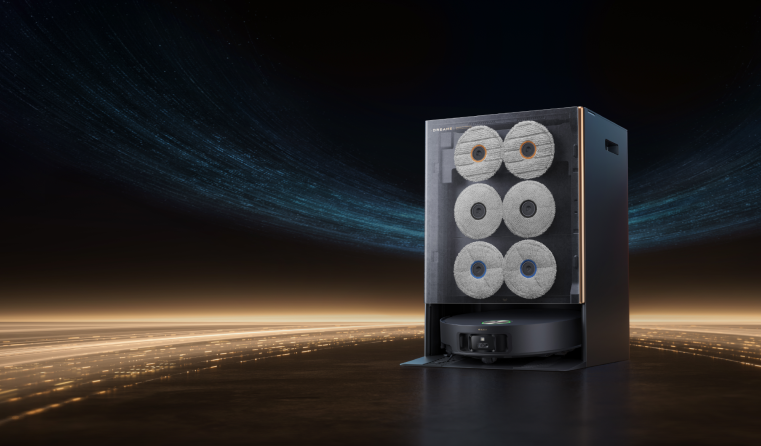
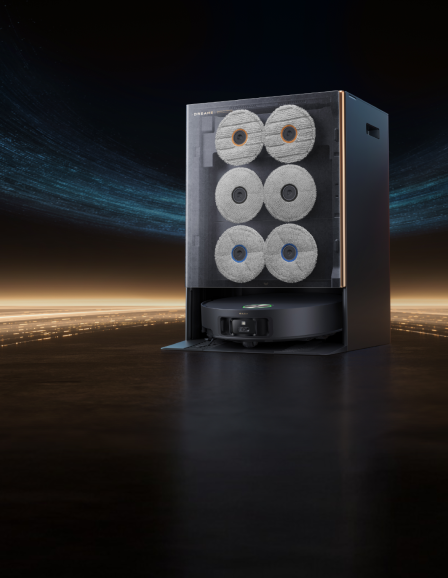

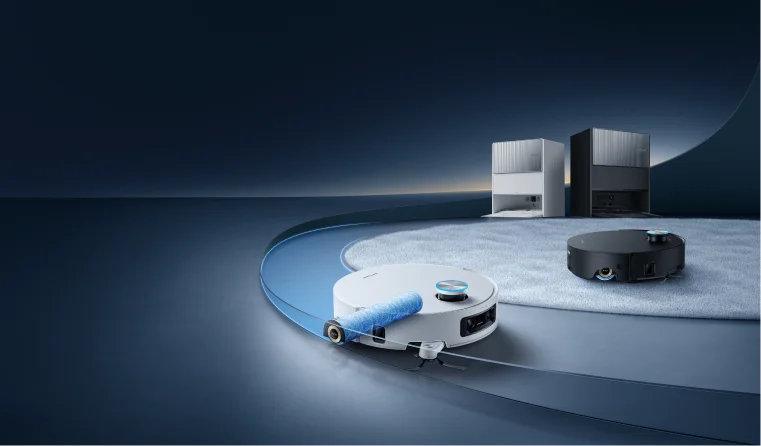


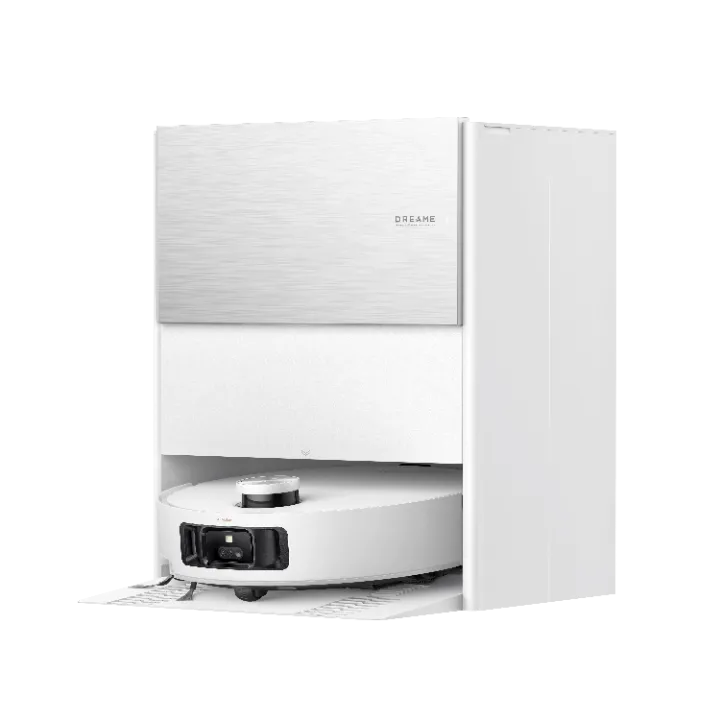




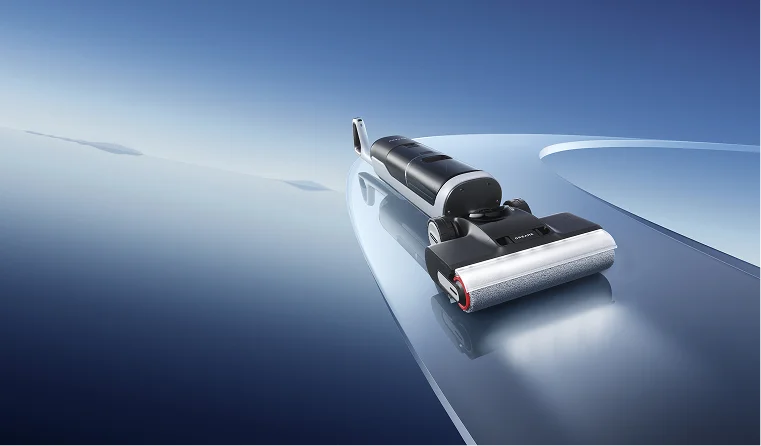
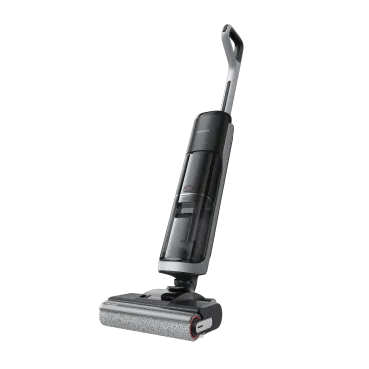

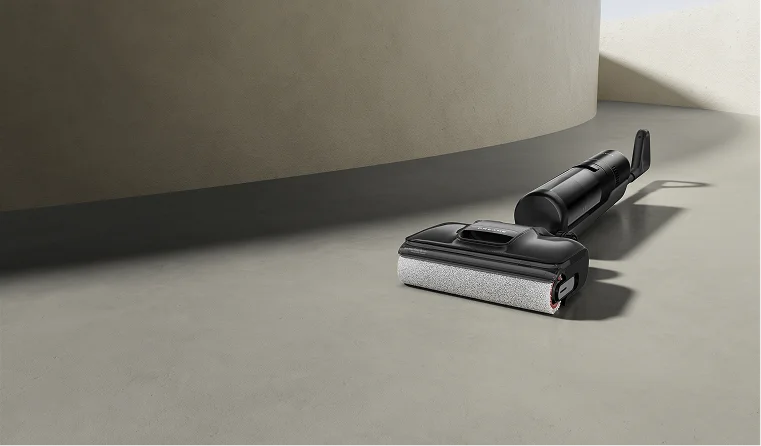
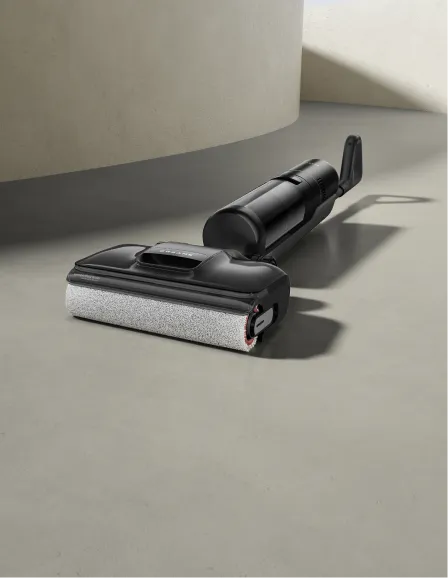
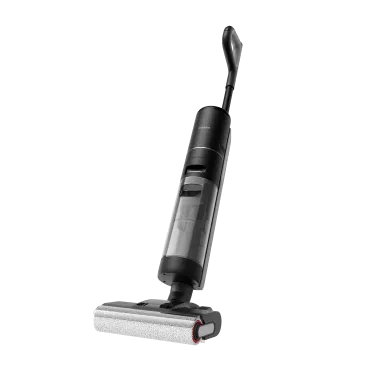


 Robot Lawn Mowers



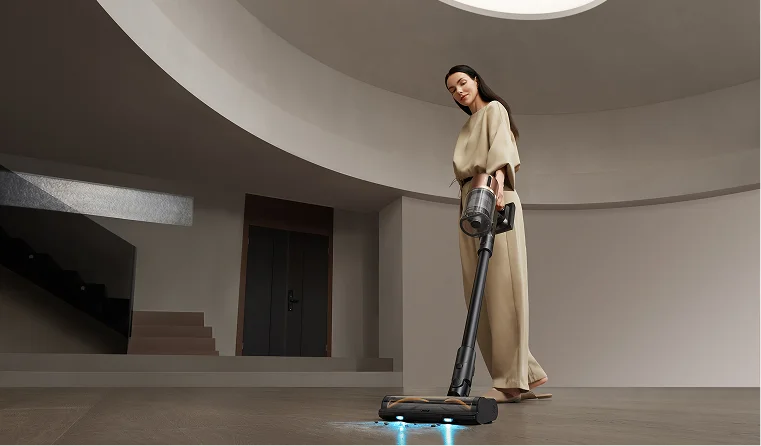
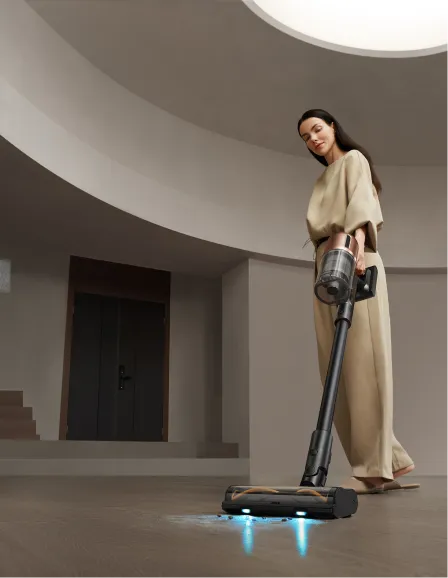
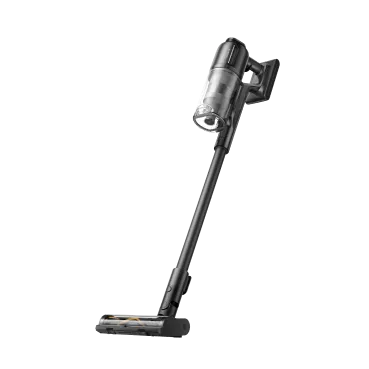
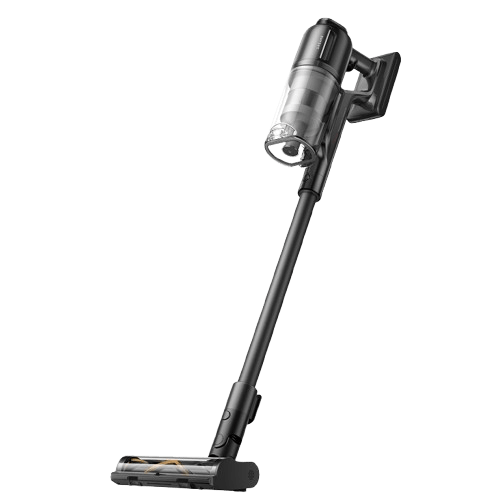
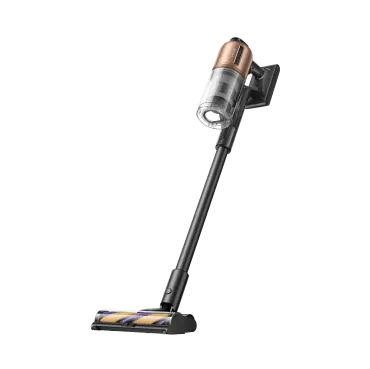
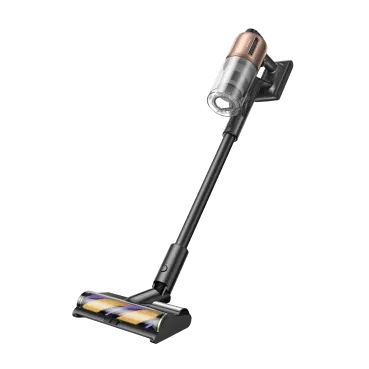

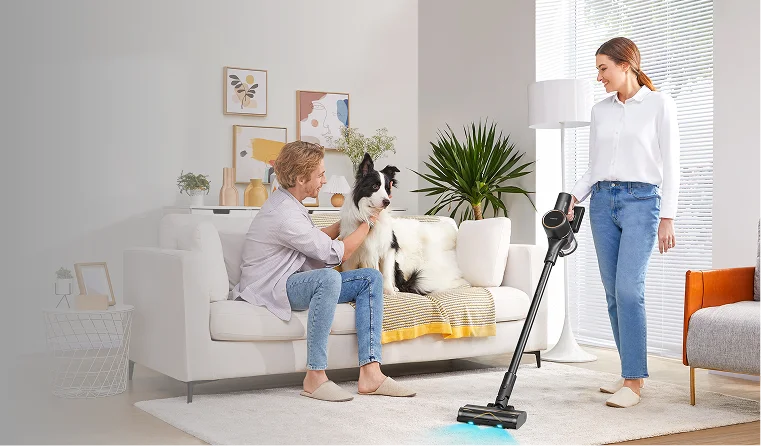

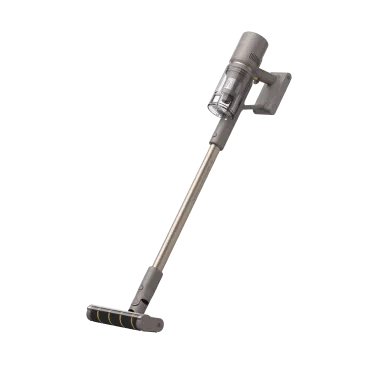
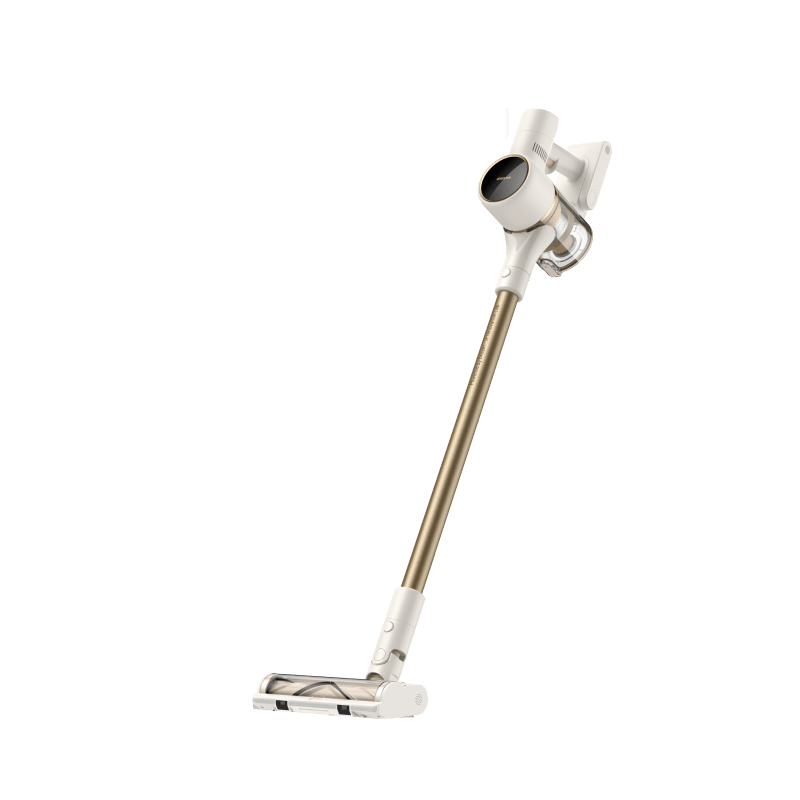


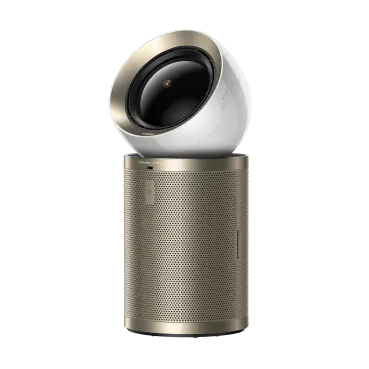









 Smart Door Lock


 Australia
 中国大陆
中国大陆 日本
日本


 Türkiye


 Italia
 Netherlands
 Belgium
 Greece
 Polska
 Norway
 Sweden
 Finland
 Denmark
 Hungary
 Czechia
 Slovenia
 Croatia
 Switzerland
 United
Kingdom
United
Kingdom
 Canada

 Colombia


