
Black Friday Prices Early + Bundle Deals — Shop Now>

Pay in 6, Interest-Free with Affirm, Klarna & Shop Pay

Buy 3 Accessories, Get 1 Free — Learn More>

New Members: Get $50 Off Your Order — Join Now>

What Is a Good Suction Power for a Vacuum Cleaner?

What Is a Good Suction Power for a Vacuum Cleaner?

Editorial TeamDreame |
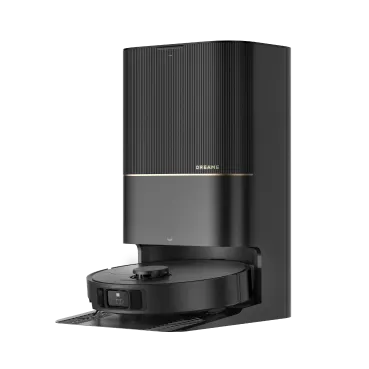
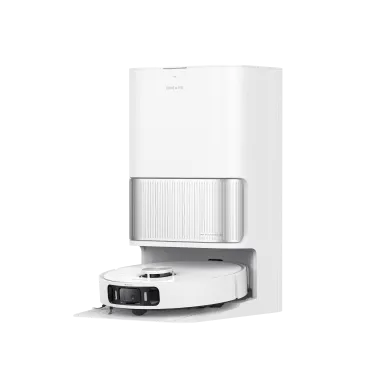
Whether you’re deep-cleaning carpets or trying to remove stubborn pet hair from upholstery, suction power is one of the most important features to consider in a vacuum cleaner. But what exactly is vacuum suction power, and how do you know if a vacuum is powerful enough for your cleaning needs? In this guide, we’ll break down how suction power works, how it’s measured, what’s considered “good” for different vacuum types, and how to choose the right option for your floors and lifestyle. Why Suction Power Matters in a Vacuum Suction power determines how effectively your vacuum picks up debris from surfaces. Higher suction power means more ability to lift dirt, especially from deeper within carpet fibers, cracks in tiles, or textured upholstery. It’s not the only factor (filters, brush rolls, and airflow design matter too), but it’s a key indicator of cleaning performance. Suction Power vs. Airflow—What’s the Difference? These terms are often confused.  Suction power is the force that pulls air into the vacuum.  Airflow, measured in CFM (cubic feet per minute), is how much air moves through the system.  Think of suction as the strength and airflow as the volume. Both are essential for optimal cleaning. Learn more about must-have vacuum features in our guide: “Choose the Right Dust-Busting Vacuum.” How Is Vacuum Suction Power Measured? Vacuum manufacturers use several technical units to quantify suction power. Understanding these can help you compare models more confidently. 1. Watts (W) Watts are often used on corded vacuums to describe motor power. While not a direct measure of suction, it offers a rough idea of performance. Most household vacuums range between 500W and 1,500W. A high-watt motor doesn’t always mean better performance, as efficiency matters more. 2. Air Watts (AW) This is a more accurate measure of suction for cordless vacuums. It tells you how efficiently a vacuum turns electric power into suction, combining airflow and vacuum pressure. Here’s what to look for: 160–180 AW: Powerful for cordless stick vacuums; ideal for quick cleanups. Over 200 AW: Excellent for deep cleaning and heavy-duty carpets. Under 100 AW: Better suited for light cleaning or hard floors. Pro-tip Dreame’s Z30 Cordless Stick Vacuum delivers up to 310 AW, making it ideal for homes with pets or thick carpeting. 3. Pascals (Pa) Pascals measure static pressure. This is commonly used for robot vacuums and wet and dry models, measuring the pressure difference the vacuum can generate. 2,000–3,000 Pa: Standard for basic robot vacuums 4,000–6,000 Pa: Good for pet hair and mixed flooring 7,000+ Pa: Excellent for carpets and deep cleaning Pro-tip For example, the Dreame L50 Ultra Robot Vacuum delivers up to 19,500 Pa, making it one of the most powerful RVs in its class. 4. Water Lift (Inches or mm) Also known as sealed suction, this metric is common for wet and dry vacuums. It measures how high the vacuum can lift water in a tube, indicating how well it handles liquids or dense debris. Higher numbers (e.g., 100+ inches) indicate strong suction for thick carpets. What Is a Good Suction Power for Each Type of Vacuum? Suction needs vary by vacuum type. Here’s a breakdown of what to look for across common categories: Upright Vacuums Typically the most powerful, upright vacuums work well for homes with a lot of carpeting. Good suction: 180–300 AW (approx. 18,000–27,000 Pa) Ideal use: High-pile carpet, area rugs, and pet-heavy homes Considering an upright model? Don’t miss our breakdown: "The Pros and Cons of Upright Vacuum Cleaners."  Canister Vacuums More flexible with higher airflow, canisters are great for multi-surface homes. Good suction: 200–400 AW (approx. 20,000–36,000 Pa) Ideal use: Stairs, hardwood, tile, and mixed floors Cordless Stick Vacuums Lightweight and portable, but suction depends heavily on the motor and battery. Good suction: 150–210 AW (approx. 20,000–30,000 Pa) Ideal use: Everyday messes, light to moderate dirt, hard floors, and light carpets Dreame Take Try the Dreame R10 Pure Cordless Stick Vacuum for 120 AW of suction power. It’s lightweight, easy to maneuver, and perfect for hard floors and small spaces where quick, efficient cleaning matters. Handheld Vacuums Compact and convenient for spot-cleaning. Good suction: 30–50 AW (approx. 3,000–6,000 Pa) Ideal use: Car interiors, upholstery, and quick cleanups Considering an upright model? Don’t miss our breakdown:  "How to Choose a Handheld Vcuum" Robot Vacuums These self-driving helpers have improved drastically. They use Pascal ratings to indicate suction strength. Good suction: 3,000–5,000 Pa High suction: 6,000–8,000 Pa Ideal use: Automated daily cleaning and mixed floor types Dreame Take With an exceptional 20,000 Pa, the Dreame X50 Ultra Robot Vacuum far exceeds typical robot vacuum suction levels, offering true deep-cleaning performance. Wet and Dry Vacuums Best for liquid spills, garage messes, or whole-floor care. Good suction: 100+ AW or 80+ inch water lift (approx. 20,000+ Pa) Ideal use: Kitchen spills, garage messes, and tile cleaning Vacuum Suction Power Chart Below is a quick-reference vacuum suction power chart to help you understand what’s ideal by type and environment. Vacuum Type Suction Power Range Ideal For Upright 180–300 AW / 18,000–27,000 Pa High-pile carpet and pet hair Canister 200–400 AW / 20,000–36,000 Pa Mixed flooring and large homes Cordless Stick 150–310 AW / 20,000–30,000 Pa Daily cleaning and hard floors Handheld 30–50 AW / 3,000–6,000 Pa Car interiors and furniture Robot 3,000–8,000+ Pa Autonomous cleaning, light debris Wet and Dry 100+ AW / 20,000+ Pa or 80+ in WL Liquid spills, tile, garages, deep dirt, and whole-home cleaning Real-World Performance: Vacuum Cleaner Models Compared Specs are one thing, but how do Dreame vacuums perform in real homes? Model Category Suction Power Run Time Standout Feature Best For Z30 Cordless Stick Vacuum 310 AW Up to 90 mins* Intelligent suction adjustment with LED display Deep carpet and pet messes R10 Pure Cordless Stick Vacuum 120 AW Up to 60 mins* Lightweight design for daily spot cleaning Quick cleanups, hardwood floors, compact spaces L50 Ultra Robot Vacuum 19,500 Pa Up to 200 mins* Auto-empty base, smart mopping, and 3D navigation Whole-home hands-free cleaning X50 Ultra Robot Vacuum 20,000 Pa Up to 220 mins* Powerful 20,000 Pa suction and AI obstacle avoidance Deep cleaning for carpets and hard floors H12 Dual Wet & Dry Vacuum 16,000 Pa Up to 35 mins* Self-cleaning brush and edge-to-edge mopping Multi-surface vacuuming and mopping Important Run times vary based on mode and usage environment. Recommended Suction Power by Surface Type Different surfaces need different levels of suction. Here's a helpful breakdown: Surface Type Recommended Suction Power Hardwood Floors 100–150 AW / 3,000–5,000 Pa Low-Pile Carpet 150–200 AW / 5,000–6,000 Pa High-Pile Carpet 200+ AW / 7,000+ Pa Tile Flooring 100–150 AW Upholstery/Furniture 50–100 AW Pet Hair Removal 180–210 AW / 6,000+ Pa Dreame Take If you have pets, kids, and a mix of floor types, we recommend a vacuum with adjustable suction, like the Dreame Z30 or X50 Ultra, for total control and better battery life. FAQs: Common Questions About Suction Power Q: What is a good suction power for a vacuum cleaner in air watts? A: For cordless models: 160–210 AW. For uprights or canisters: 180–300 AW. Q: What is a good suction power for a vacuum cleaner in Pascals? A: 3,000–5,000 Pa is decent; 7,000+ Pa is excellent for deep cleaning. Q: How do I know if my vacuum has strong suction? A: If it lifts debris in one pass, holds strong on upholstery, or lifts a rug slightly during cleaning, it’s got strong suction. Q: Does suction power degrade over time? A: Yes. Clogged filters, worn motors, and full dustbins reduce performance. Clean filters and empty the bin regularly. Q: Is high suction bad for hardwood floors? A: Not necessarily. But too much suction with the wrong brush head can scatter debris or damage finishes. Use adjustable power settings. Q: Is low suction always bad? A: Not at all. Low suction is ideal for delicate surfaces like curtains or lightweight rugs. Still unsure what’s best for your floor type? Check out: “Are Robot Floor Cleaners Worth It in 2025?” Final Thoughts: Choose the Suction Power That Matches Your Lifestyle There’s no one-size-fits-all number for vacuum suction power. The “right” choice depends on your home’s size, floor types, and cleaning habits. Live with pets or capets? Go for 200+ AW or 7,000+ Pa. Mainly hardwood and tile? 150 AW or 4,000–5,000 Pa will do. Want tech-savvy convenience? Check out Dreame’s robot vacuum collection. If you’re ready to power up your cleaning game, browse Dreame’s full range of vacuum cleaners to find the perfect match for your home.m  
Continue reading
Does a Robot Vacuum Cleaner Work for Long Hair? Our Expert Insights

Does a Robot Vacuum Cleaner Work for Long Hair? Our Expert Insights

Editorial TeamDreame |
A few strands of long hair on the floor may not seem like a big deal. But for robot vacuums, long human hair is one of the hardest things to clean. It wraps tightly around the brush and wheels, clogs suction pathways, and clings to corners. Compared to pet hair, which is usually shorter, finer, and breaks apart more easily, human hair is longer, stronger, and heavier. It stretches across carpets, twists into knots, and does not move easily with airflow. This is why some robot vacuums struggle. Especially older models or entry-level ones. But some newer designs have solved the problem. If you pick the right model, long hair cleanup becomes much easier. Can Robot Vacuums Clean Long Hair? Yes, but not all of them. Some robot vacuums are built to handle long hair better than others. You just need to look for the right features, like detangling brushes (or better go for brushless designs?), high suction power, and easy-to-clean brush compartments. Next, let's look at these features in more detail. What Makes a Robot Vacuum Great for Long Hair? Not all robot vacuums are ready to handle long hair. Some just push their hair around or get stuck halfway through. But certain features can help a lot. If you're tired of pulling hair out of brushes, here is what you should look for: Anti-Tangle Brushes or Detangling Tech Long hair often wraps around traditional bristle brushes and forms knots that are hard to remove. A better design uses rubber blades or special air paths to lift and separate strands before they twist. One example is the Dreame X50 Ultra, which features the HyperStream™ Detangling DuoBrush system. It uses two rotating brushes and an airflow channel to lift hair to 30cm without tangling. High Suction Power At least 4,000Pa suction is helpful. Suction strength affects how quickly and how clean hair is picked up, especially from carpet. The stronger the suction, the more likely it is to lift long hair before it wraps around anything. Weak suction lets hair sink deeper into fabric or wrap around moving parts. The Dreame X40 Master offers 12,000Pa suction to lift both loose strands and heavier clumps from various surfaces, including cat litter and dust. Large Dust Bin Hair takes up more space than dust, especially when it clumps. A larger dust bin means you don't have to empty it every day. This is useful for homes with long hair on the floor regularly. The Dreame X50 Ultra comes with a 0.85 gal (3.2L) bag inside the base station. It empties automatically after each cleaning and can hold up to 100 days of debris. Self-Cleaning or Easy-Cleaning Design Hair buildup on mops or rollers can lead to smells, poor cleaning, or performance loss. A vacuum with self-cleaning features can reduce manual work and keep the device fresh between runs. The Dreame X40 Master includes a self-cleaning washboard that scrubs the mop using 158°F(70°C) hot water, followed by hot air drying to prevent odors. HEPA Filtration When vacuums collect hair, they also pick up dander and small dust particles. A HEPA filter can trap these particles instead of blowing them back into the room, which helps with allergies or asthma. Many high-end vacuums, including models in the Dreame line, feature multi-stage filtration with HEPA layers to support better indoor air quality. Smart Mapping to Avoid Cords and Clumps Long hair tends to collect near cables, corners, or furniture edges. A vacuum with precise navigation can avoid these areas or clean them without dragging extra mess around. The Dreame X50 Ultra uses VersaLift DToF Navigation, which maps rooms in 360 degrees and lowers its body to reach under furniture as low as 3.5in (89mm). This helps it avoid common hair traps like wires and tight corners. Dreame Take: If you often deal with long hair on your floors, choosing a vacuum with the right tools really matters. Dreame vacuums go further with special anti-tangle systems that actively separate and remove hair. Does Hair Get Stuck in Robot Vacuums? No matter how advanced a robot vacuum is, long hair can still cause trouble. Some models handle it better, but even the best ones are not perfect. If the vacuum picks up a lot of hair at once, some of it can still get tangled. So, where does the hair usually get stuck? Main Roller Brush: This is where most tangles happen. Hair wraps around the brush and builds up over time. Side Brushes: These small arms sweep hair into the center. Long strands can twist tightly around them. Wheels: Hair can wrap around the wheel axles. This slows the vacuum and puts extra strain on the motor. Suction Inlets: If the vacuum pulls in too much hair at once, it may clog the intake area. Over time, these tangles can lower performance. The vacuum may stop picking up dirt. It may move more slowly or stop in the middle of a job. If the motor gets too hot, it may shut off to protect itself. This is why regular maintenance is important. Removing hair from brushes and wheels once a week keeps the vacuum running smoothly. It also helps avoid bigger problems later. Some Dreame robot vacuums come with self-cleaning systems to help reduce manual upkeep. But even then, a quick check can go a long way. Robot Vacuums Picks for Long Hair in 2025 A long list of features can sound good on paper. But real floors are not always clean, flat, or easy to reach. Hair builds up in busy corners. It hides under beds. It mixes with crumbs and dust in places you pass through every day. That's why it helps to look at how a robot vacuum performs in real-life spaces, not just in a showroom. Below are three home settings where long hair causes daily problems. And two machines built to deal with them. A Multi-Purpose Living Room with Mixed Floors and Light Daily Use Some homes have open-plan living areas that serve as a lounge, dining space, and walkway all in one. The floors may include hardwood, area rugs, and tile. Hair from daily activity doesn't pile up in clumps, but it spreads across the floor and collects near furniture legs. In these spaces, a vacuum needs strong performance and steady consistency—without overcomplicating daily routines. The Dreame L10s Pro Ultra fits well here. It's 7,000Pa Vormax™ Suction easily lifts loose hair and fine dust from both hard floors and low-pile rugs. The Dual Rotary Mops scrub away dirt while the MopExtend™ system reaches close to edges and into tight spaces. When moving over carpets, the mops lift to 0.41 in (10.5 mm) to keep fabrics dry. After cleaning, the station washes the mops with 136°F (58°C) hot water and dries them automatically to reduce odor. The 0.85 gal (3.2L) dust bag supports up to 75 days of hands-free use, making it a reliable choice for low-maintenance homes. If your space is mixed-use and you need a balance of strong cleaning and easy setup, this model is a practical match. A Busy Kitchen and Laundry Area with Pets and People In homes where people and pets move through the same rooms all day, hair builds up fast. The floor might switch between tile, wood, and low rugs. Cords and clutter sometimes get left out. These areas need smart navigation and a brush system that can stay tangle-free. The Dreame X40 Master is designed for spaces like this. Its TriCut Brush system cuts and moves both pet and human hair into the dustbin without jamming. It uses Smart Pathfinder™ Technology to build a 3D map of each room and avoid cords, mats, and obstacles. The side brush lifts when needed, helping prevent hair from wrapping during transitions. With hot water mop cleaning at 158°F (70°C), auto solution refilling, and hot air drying, the X40 Master keeps high-traffic areas fresh and low effort. Its 100-day auto-emptying station handles dust and hair quietly in the background. A Carpeted Bedroom with Long Hair Everywhere For this kind of space, the Dreame X50 Ultra is a strong fit. It delivers 20,000Pa Vormax Suction, which helps pull long hair straight out of thick carpet before it gets tangled. Its HyperStream™ Detangling DuoBrush can lift hair up to 11.8in (30cm) long without wrapping. The mop arms can also slide under low beds or cabinets, cleaning where loose hair often collects. Plus, the 100-day hands-free dust bin means no daily cleanup. The station dries and scrubs the mop with hot water, so nothing gets left behind. If long hair is part of your everyday life, this vacuum keeps the routine simple. Feature Dreame L10s Pro Ultra Dreame X40 Master Dreame X50 Ultra Brush Type Floating Rubber Brush TriCut Brush + Rubber Main Brush HyperStream™ Detangling DuoBrush Hair Management Strong suction with dual rotary mops; Cuts and channels pet/human hair directly into the dust bin; adjustable side brush Lifts hair up to 11.8 in (30 cm) without tangling; mop arms clean under furniture Price $499.99 $1,099.99 $1,299.99 Pros Solid performance at a lower cost; ideal for open-plan homes; 75-day dust management; 136.4°F (58°C) mop cleaning Smart 3D mapping for complex layouts; effective for mixed pet and human hair; hot water mop system Best for long, thick hair and high-pile carpets; 20,000Pa suction; hands-free cleaning for 100 days How to Prevent Hair from Getting Stuck in Robot Vacuums Long hair can quietly cause trouble for robot vacuums. Before it jams the brush or overheats the motor, you may notice small changes in how the vacuum behaves. Here are the early signs: It moves more slowly than usual It stops often, even on flat floors It leaves hair or dust behind You hear clicking or scraping sounds You see an error message about the brush or wheel These usually mean that hair has wrapped around the brush, wheels, or suction area. If left alone, it can lead to more serious problems, like overheating or brush failure. So what can you do to prevent? Clean Brushes Weekly. Pull out any tangled hair from the main brush, side brushes, and wheels. This keeps the vacuum running smoothly and helps avoid breakdowns. Use No-Go Zones in the App. Some spots in the home collect more hair. You can block these areas using the app. For example, the Dreame X40 Master supports smart zoning. You can create no-mop zones or skip tricky corners. Clean Up Visible Hair Before Runs. If you just brushed your hair or cleaned up a pet, pick up what you see before the vacuum starts. This lowers the chance of overload. With just a few small habits, you can stop most hair-related issues before they start. FAQs Q1: Can robot vacuums help with hair in bathrooms? Yes, they can, but only if the vacuum is designed to handle hard flooring and moisture-prone spaces. A robot vacuum with strong edge-cleaning features and a moisture-resistant design will be more effective. The Dreame X50 Ultra, for example, uses SideReach™ & Dual Flex Arm Technology to clean close to walls and reach under fixtures. Q2: Can robot vacuums clean hair clumps, not just loose strands? Some can. Hair clumps usually form near corners, furniture legs, or after brushing. A vacuum with high suction power and strong brush systems can break apart and pick up these clusters. If the vacuum includes smart dirt detection, like the system in the Dreame X40 Master, it can also adjust how it cleans based on the type and amount of hair it detects. Q3: Do robot vacuums work well in bedrooms with carpeted floors and long hair? Yes, but only with the right setup. Bedrooms often combine carpets, hair, and tight spaces. The vacuum needs powerful suction for carpet and a way to lift or detangle hair. It also helps if it can avoid curtains or wires. A vacuum with smart mapping and a carpet-friendly brush system can handle this environment with fewer jams. Q4: What if hair keeps getting stuck in the side brush? First, remove the brush and clean it by hand once a week. If hair builds up often, consider a model with a liftable or detachable side brush, which reduces hair tangles. Replacing the brush every few months also helps maintain its shape and performance.
Continue reading
Brushed vs. Brushless Vacuums: Which One Should You Choose?

Brushed vs. Brushless Vacuums: Which One Should You Choose?

Editorial TeamDreame |
When shopping for a vacuum cleaner, you'll often encounter terms like "brushed motor" and "brushless motor". These two represent two fundamentally different technologies that can significantly impact your vacuum's performance, durability, and energy efficiency. Brushed motors have been the traditional choice for decades, while brushless motors represent newer, more advanced technology. But what exactly makes them different? And more importantly, how do you choose the best one for your needs? If you are considering buying a good vacuum cleaner, let's explore the key differences between brushed and brushless motors, and help you decide which technology is right for your cleaning needs! What Is a Brushed Vacuum? When we refer to a "brushed vacuum," we're talking about vacuum cleaners that use brushed motors for their operation. Brushed motors are the traditional, tried-and-true technology that has powered vacuum cleaners for decades. These motors use physical brushes and commutators to create the electrical connection needed to power the motor. While this technology has been around for decades and is still widely used, it does come with both advantages and limitations. Let's explore how brushed motors work and why they might still be a good choice for certain users. How Brushed Motors Work: The Basics of Brushes and Commutators In a brushed motor, copper brushes make contact with the commutator, which allows electricity to flow through the motor's windings, creating motion. However, this interaction causes friction, which generates heat and leads to wear over time. As the brushes wear down, the motor performs less effectively, and you need to perform regular maintenance to keep things running smoothly. Common Applications: Where You'll Find Brushed Motors You'll commonly find brushed motors in lower-cost vacuums or corded ones. They handle light cleaning tasks well. Advantages of Brushed Motors Lower Cost (under $100-$200): Brushed motors are more affordable to manufacture, making them a budget-friendly option. Simplicity: Their design is straightforward, which makes it easy to repair and maintain. What Is a Brushless Vacuum? When we refer to a "brushless vacuum," we're talking about vacuum cleaners that use brushless motors for their operation. Unlike brushed motors that rely on physical brushes making contact with the rotor, brushless motors use permanent magnets and electronic controllers to operate. This advanced design eliminates the physical contact between parts, resulting in better efficiency, longer life, and quieter operation compared to traditional brushed motors. How Brushless Motors Work: Magnets and Electronics Brushless motors don't have brushes, as they don't need them to clean. The cleaning function in a brushless motor vacuum is powered by strong suction and precise motor control. The motor uses magnetic force and electronic control to generate rotation, which drives the suction power to pick up dirt, dust, and debris from surfaces. The lack of friction, which is common in brushless motors, prevents heat and wear that could shorten your vacuum's lifespan, and at the same time protect your floor. This design lets your motor run smoother, last longer, and work more efficiently. Why This Technology is Ideal for Modern Vacuums Brushless motors are ideal for cordless vacuums because they use less battery power. And because of this, they extend battery life and give you more cleaning time per charge. They're also lighter and more durable, making them ideal for handheld or robotic vacuums that need high efficiency and minimal maintenance. Advantages of Brushless Motors Higher Efficiency: Less energy is wasted as heat, meaning more power goes directly into the suction. Longer Lifespan: With no brushes to wear out, brushless motors last far longer than brushed motors. Minimal Maintenance: The fewer moving parts mean these vacuums require less maintenance and have fewer parts that could break down. Brushless vs. Brushed Vacuums: A Head-to-Head Comparison Now, let's compare the two types of motors across some key features: Feature Brushless Motor Brushed Motor Suction Power High efficiency due to electronic control Medium efficiency, decreases as brushes wear Durability & Lifespan Long lifespan (no brushes to wear out) Short lifespan (brushes require periodic replacement) Battery Life Higher efficiency extends runtime Standard runtime, less efficient power usage Noise Level Quiet operation (no brush friction) Noisy due to brush arcing and mechanical friction Cost Medium cost (added electronics required) Lowest initial cost but higher maintenance Key Technical Differences: Brushless motors use electronic commutation with no physical contact between moving parts, eliminating mechanical wear. Brushed motors rely on carbon brushes that create electrical contact with the commutator, causing gradual wear and requiring maintenance. Brushless technology offers better speed control and acceleration capabilities. Electronic noise is significantly reduced in brushless designs compared to the electrical arcing in brushed motors. Real-World Examples: Which Vacuum Should You Choose? Choosing between a brushed motor and a brushless motor depends on your specific cleaning needs and your budget. Here's a breakdown of when to pick each: For Carpet & Rugs: Brushless Vacuum If you have thick carpets or live in a home with pets, you know how challenging it can be to clean the carpet fibers thoroughly. And that's when you'll need a brushless motor vacuum. Imagine tackling those pesky pet hairs stuck deep in the fibers of your rug or the hair wedged in the tight seams, where a brush just can't reach. Sometimes, even using your hands to clean these spots can feel impossible. But with the powerful suction of a brushless motor, all that dirt, hair, and crumbs, whether it's pet fur, food scraps, or dust, get sucked up effortlessly, leaving your floors spotless. For Budget-Friendly Cleaning: Brushed Motor Imagine you're temporarily renting a small apartment, where the floors aren't delicate and you don't want to spend too much on cleaning. You just need a reliable helper to reduce the effort of cleaning. Whether it's picking up crumbs after a quick snack or tidying up your entryway, this vacuum is simple, easy to use, and doesn't require complicated maintenance. It's perfect for cleaning smaller spaces without the need for high-end features. For Cordless Convenience: Brushless Vacuum For those who need a vacuum that's lightweight, easy to move, and won't get tangled in cords, choose a brushless motor vacuum. Imagine making the task of keeping your kitchen clean daily effortless, moving from one corner to the next without the hassle of plugging and unplugging. The cordless, minimalist design not only complements your home's aesthetic but also makes it safer, without cords to trip over. You can clean with peace of mind. Plus, with no cords to manage, it's simple and efficient, fitting seamlessly into your home and lifestyle. For Automated Daily Cleaning: Brushless Vacuums Imagine waking up to a clean floor every day without lifting a finger. That's the beauty of a brushless motor robot vacuum, especially when integrated into your smart home system. These vacuums silently glide around your home, cleaning up dust and debris while you're at work or relaxing. The brushless motor ensures long-lasting power and quiet operation, making it perfect for automated cleaning, whether it's in your living room or under furniture. With smart features, you can schedule cleaning sessions, monitor progress, or even control the vacuum from your phone, all with minimal effort. Plus, they require minimal maintenance, so you can enjoy a spotless home without constantly having to manage it. Cleaning Scenario Recommended Motor Key Features Why This Choice Carpet & Rugs with Pet Hair Brushless Powerful suction, deep cleaning capability Handles thick carpets and embedded pet hair effectively Budget-Friendly Small Spaces Brushed Simple design, lower cost (under $100-$200) Perfect for light cleaning tasks and temporary living situations Cordless Convenience Brushless Lightweight, extended battery life, no cord management Ideal for quick cleaning sessions without plugging/unplugging Automated Daily Cleaning (Robot Vacuums) Brushless Quiet operation, minimal maintenance, smart integration Essential for unattended operation and long-term reliability Which Vacuum Motor Is Right for You? You now understand what separates brushed and brushless motors, and how each performs in real cleaning situations. We've covered the technical differences, costs, and practical applications. The bottom line: there's no universal "best" motor. Your choice depends on your specific needs. Pet hair and thick carpets call for brushless power. Budget-conscious cleaning works fine with brushed motors. Cordless convenience requires brushless efficiency. Brushless technology continues advancing while costs drop, while brushed motors remain a solid, economical option. The smart approach is to match the motor to your actual cleaning requirements. With this knowledge, you can make an informed decision that fits both your home and budget.
Continue reading
Upright vs. Canister Vacuum: Which One Is Right for You?

Upright vs. Canister Vacuum: Which One Is Right for You?

Editorial TeamDreame |
Choosing a new vacuum isn't just about specs and features; it's about finding the right tool to make keeping your home clean feel less like a chore. For decades, the two main choices have been the powerful upright and the versatile canister. Both get the job done, but they work in very different ways. So, how do you know which one is right for you? Every vacuum works on a simple principle: suction pulls up dirt, and a brush loosens it. But the real difference is how each design applies basic engineering principles—like pressure, airflow, and ergonomics—to solve cleaning challenges. This guide will help you figure it out. The Upright Vacuum: The All-in-One Powerhouse You know an upright vacuum when you see one. It's a single, tall unit where the motor, dustbin, and cleaning head are all combined into one body. You simply push the whole machine in front of you, making it a straightforward choice for cleaning large, open spaces. What makes it an upright: A powerful, motorized brush roll is built right into the base. It has a wide cleaning path so that you can cover more ground with each pass. It stands up on its own, making it simple to use and store. The Engineering Inside: Its design uses the machine's entire weight to create downward pressure, providing the physical agitation needed for deep cleaning carpets. Best for: Homes with a lot of carpet. The Canister Vacuum: The Versatile Specialist A canister vacuum is a two-part system. The motor and dustbin are in a small, wheeled body (the canister) that you pull behind you. A long, flexible hose connects that canister to a lightweight wand, giving you a great mix of power and easy handling. What makes it a canister: It's built for strong, consistent suction from the main unit. The cleaning wand you hold is incredibly light. It's the king of versatility, thanks to a whole suite of attachments. The Engineering Inside: It separates the power source from the cleaning tool. This allows for a larger motor focused on pure suction power (often measured in Air Watts) while keeping the wand you hold light and easy to handle. Best for: Homes with a mix of hard floors and carpets, or anyone who needs to clean more than just the floor. By the Numbers: A Quick Comparison Note: These are typical specifications and vary by model, but they illustrate the core design differences. Metric Upright Vacuum Canister Vacuum In-Hand Weight ~16.5 lbs (~7.5 kg) (Full unit) ~2.6 lbs (~1.2 kg) (Wand only) Suction Power ~180 Air Watts ~250 Air Watts Cleaning Path Width ~13 inches (~33 cm) ~11 inches (~28 cm) Standard Attachments 2-3 tools 5-6 tools Storage Footprint ~1.1 sq ft (~0.1 m²) ~2.2 sq ft (~0.2 m²) Head-to-Head: Which Is Better for Your Home? Okay, with those numbers in mind, let's get practical. Here's how these two styles stack up in the real-world situations you deal with every day. For Deep Carpets… When it comes to thick, plush carpet, the upright usually has the edge. Its design puts weight and power directly over the brush, helping it use both physical force and suction to lift stubborn dirt. Canisters can do a good job with the right motorized attachment, but uprights are practically born for this. For Hard Floors… This is where canisters really shine. A good canister vacuum relies on high-efficiency suction power and a dedicated soft-bristle tool. This setup is great at picking up fine dust and debris without scratching your floors or just scattering the mess around. For Stairs and Under Furniture… Think about hauling a vacuum up a flight of stairs. It's no contest—carrying a lightweight wand is ergonomically easier than maneuvering the entire weight of an upright. That slim wand is also much better at sliding deep under beds and couches where bulky uprights can't fit. For Pet Hair… If you have pets, you know the struggle is real. The best choice here really depends on where the fur lands. For pet hair woven into carpets, an upright's aggressive brush is fantastic. But for cleaning fur off the couch, pet beds, or car seats, the canister is the clear winner, thanks to its hose and specialized tools. Understanding how to choose a pet hair vacuum can help you make the most informed decision based on your specific needs. For Everything Else (Versatility)... Your home has more than just floors. Canisters are the masters of versatility. The long hose and attachments let you easily clean curtains, ceiling corners, bookshelves, and even the inside of your car. These are all jobs that are awkward or impossible for a standard upright. For Storage… Finally, where will you keep it? An upright is simple: it stands up on its own in a closet. A canister takes up a bit more room and can be clumsy to store, since you have to find a place for the body, the hose, and the wand. Pros and Cons: A Quick Summary Still on the fence? Here's a simple breakdown. Upright Vacuum: Pros: Amazing on carpet, covers large areas fast, and easy to store. Cons: Heavy to push, not as good for above-floor cleaning, tough to use on stairs. Canister Vacuum: Pros: Extremely versatile, excellent on hard floors and stairs, the wand is light and easy to handle. Cons: It can be awkward to pull behind you, takes up more storage space. Comparison Table: At a Glance Feature / Cleaning Task Upright Vacuum Canister Vacuum The Winner Is... Deep-Cleaning Carpets ⭐⭐⭐⭐⭐ ⭐⭐⭐ Upright Hardwood & Tile Floors ⭐⭐⭐ ⭐⭐⭐⭐⭐ Canister Cleaning Stairs ⭐⭐ ⭐⭐⭐⭐⭐ Canister Under Furniture Reach ⭐⭐ ⭐⭐⭐⭐ Canister Tackling Pet Hair Excellent on carpets Excellent on upholstery Tie Versatility (Attachments) ⭐⭐ ⭐⭐⭐⭐⭐ Canister Ease of Use (Open Floors) ⭐⭐⭐⭐ ⭐⭐⭐ Upright Storage Footprint ⭐⭐⭐⭐ ⭐⭐ Upright Portability (In-Hand) Heavy (entire unit) Lightweight (wand only) Canister As the chart shows, it all comes down to a trade-off: Upright: Trades operational flexibility for the deep-cleaning force created by its direct downward pressure and mechanical agitation on carpets. Canister: Focuses on high-efficiency suction and an ergonomic, lightweight feel, making it an all-rounder for complex homes. So, Which One Should You Get? The best vacuum isn't the one with the most features, it's the one that fits your home and life. Now that you know the key strengths of each, you can choose with confidence. Go for an Upright Vacuum if... Your home is mostly carpeted. You mostly clean large, open rooms. You want something simple that stands up in a closet. Your biggest problem is dirt and pet hair ground into rugs. Go for a Canister Vacuum if... You have hard floors, low-pile rugs, or a mix of surfaces. You have stairs or lots of furniture to clean around. You want the flexibility to clean drapes, car interiors, and more. You prefer a lightweight wand and don't mind bulkier storage. Beyond the Conventional Choice The truth is, today's best vacuums have started to move beyond these traditional labels. True innovation blends the best of both worlds: the deep-cleaning power of an upright with the lightweight freedom of a canister. When advanced engineering gets rid of these old compromises, cleaning is no longer a chore you just have to put up with. It's worth seeing how modern cleaning technology is making that happen.
Continue reading
How to Eliminate Dust from Home: A  Simple Step-by-Step Guide

How to Eliminate Dust from Home: A Simple Step-by-Step Guide

Dreame Editorial Team |
Reducing the dust in your house starts with a cleaning routine that traps dust instead of pushing it around. From there, the air in your home needs its own set of steps to keep it dust-free, and if you find the dust just keeps coming back, consider stopping it at the source, which this guide covers as well. Below are 15 strategies to reduce dust in your house, grouped into three categories, from the cloth in your hand to the air in the room. Why Is Your House So Dusty? Your house feels dusty because dust never stops making its way in. Some is made indoors, and a lot is carried in from outside, so it builds up faster than a normal cleaning routine can clear it. That is why the shelf you wiped on Monday needs cleaning again by Thursday. What it is made of might surprise you, because as Live Science reports, household dust is not mostly dead skin. It is really a blend of many things. The University of Georgia estimates that 30 to 40 percent of household dust is tracked in from outdoors as soil, pollen, and soot. The rest comes from indoor sources like fabric fibers, pet dander, and only a modest share of shed skin, and the mix changes from one home to the next. Dust tends to settle in predictable locations. It gathers most heavily in areas where the air is still, such as under beds and furniture, along baseboards, and around vents that push dust back into the room. Soft surfaces, like rugs, upholstery, and bedding, hold the most dust and release it into the air whenever they are disturbed. Eliminating dust from your home requires a two-pronged approach. First, remove the dust that has already settled, and second, prevent new dust from accumulating. Strategy 1–4: Reduce Dust With an Effective Cleaning Routine Most of what reduces dust is already in your weekly clean. You just need to do it a little differently. Ways 1-4 sharpen the routine you already have, swapping a dry cloth for a damp one and fixing the order you work in, which changes the result more than adding another cleaning day would. 1. Dust with a damp microfiber cloth, top down A damp microfiber cloth is the single most effective way to get rid of dust on surfaces because it traps particles instead of scattering them the way a feather duster does. Start with a dry microfiber cloth to lift loose particles, then follow with a slightly damp one to grab the fine dust that clings. Work top down every time, from ceiling fans and shelves down to baseboards, so anything you dislodge falls onto surfaces you have not cleaned yet. For blinds, run a damp microfiber cloth along each slat, top and bottom. Do not skip door frames, vents, and the tops of picture frames, which are the spots most people forget about. How often depends on your home. Once a week keeps most homes in check, but make it two or three times a week if you have pets, young kids, or anyone with allergies or asthma, since dust and dander build much faster in those households. Pro-tip: Wipe baseboards with a used dryer sheet. The anti-static layer repels dust, so it builds back up more slowly. 2. Dust before you vacuum Always dust before you vacuum, never after. Dusting knocks specks of dust off shelves and furniture down onto the floor, so if you have already vacuumed, this means you'll have to do one more run. Dust first and your vacuum picks up everything you knocked loose in the same go. Give it five to ten minutes between the two steps. Let the fine dust settle out of the air and onto the floor first, then vacuum it up in one pass. This one small change to the order does more than you would expect, and it costs you nothing. Our guide on whether to dust or vacuum first lays out the full reasoning and the exceptions worth knowing. 3. Vacuum frequently using the right filter Vacuuming often only reduces dust if your vacuum holds onto it instead of blowing it back out. The fix is a sealed system paired with a HEPA-grade filter, which locks in the fine particles that make up most household dust rather than recirculating them through the exhaust. Cheaper vacuums without that seal can leave the air dustier than when you started. Run it at least twice a week, more in homes with pets or heavy foot traffic. If you would rather not think about it at all, a robot vacuum on a daily schedule takes the job off your list while reaching the spots that usually get missed, under furniture, along baseboards, and into corners where dust collects first. Not sure what to look for? Our guide on how to choose the right dust-busting machine covers filtration, mopping, and what fits your floors. 4. Mop hard floors weekly Mopping your hard floors weekly removes the sticky film of fine dust that dry vacuuming and sweeping leave behind. Dry methods lift the loose stuff, but a thin layer of dust clings to hard flooring with everyday moisture and oils, and only a damp pass pulls it up. That film may be stuck to the floor, but it still keeps shedding dust back into the air until you wipe it off. Use a well-wrung mop or a vacuum-mop that dispenses just enough water, and stick to sealed hard surfaces like tile, vinyl, and sealed wood. Leave the carpet out of this one, since water sinks into the fibers instead of lifting dust off them. Weekly is the sweet spot in most homes, twice weekly with shedding pets. Dreame Take: The key to effective dust control is consistency rather than intensity or effort. Many households are familiar with a cleaning routine but often neglect it for weeks at a time. It's why we designed robot vacuums that manage their own schedules and maintenance. They automatically empty the dust bin and wash the mop between cleaning sessions. The robot vacuum helps maintain a low-dust home so you spend less time worrying about cleaning. Strategy 5–9: Cut Down the Dust in Your Air A lot of dust doesn't just settle on flat surfaces. It hangs in the air or cycles through your ventilation, which is why wiping alone never quite finishes the job. The next five ways clean the air itself, from air purifiers and HVAC filters to humidity and ventilation. 5. Run an air purifier An air purifier goes after the dust still floating in the air, before it has a chance to land on anything. A model with a true HEPA filter captures fine airborne dust, pollen, and dander, which cuts down on what eventually lands on your surfaces. Put it in the room where you spend the most time, usually a bedroom or living room, so it is cleaning the air you actually breathe most of the day. A purifier won't touch the dust already sitting on your shelves or floors, so it works alongside regular cleaning, it doesn't replace it. Run it continuously on a low setting rather than blasting it now and then, and keep the room's doors shut so it keeps cleaning the same air instead of trying to cover the whole house at once. 6. Change HVAC filters Change your HVAC filter every 1 to 3 months, since a clogged one stops catching dust and starts pushing it back through every room. Your heating and cooling system moves a huge volume of air, and the filter is the one thing standing between that air and your vents. Once it fills up, dust rides right past it. It's better to change it monthly if you have pets or run the system hard through summer and winter. A fresh filter is one of the cheapest, lowest-effort ways to reduce the dust that reappears on surfaces days after you clean. 7. Get air ducts inspected and cleaned Have your air ducts inspected every few years, since ducts collect dust and then pump it straight back into your rooms every time the system runs. Debris builds up inside the ductwork where no cloth or vacuum reaches, and a system blowing air through dusty ducts puts a fresh layer of dust right back on the surfaces you just cleaned. An inspection every three to five years handles most homes, sooner if you have just renovated or you notice dust puffing out of the vents when the system kicks on. 8. Keep indoor humidity at 40 to 50 percent Keeping indoor humidity between 40 and 50 percent stops dust from clinging to every surface. When the air drops below 40 percent, static electricity builds up and makes dust stick to screens, furniture, and walls instead of staying loose enough to wipe or vacuum away. Go too far the other way and the extra moisture causes its own trouble, so somewhere in that 40 to 50 range is the sweet spot. A small humidifier in dry winter months or a dehumidifier through humid summers keeps you in that range. It is one of the least obvious dust fixes and one of the most effective. 9. Ventilate and close up during pollen season Open your windows when the air outside is clean, and keep them shut when pollen counts run high. Fresh airflow clears out stale indoor air along with the dust floating in it, but opening up on a day when pollen or outdoor pollution is high just adds to the problem. What matters is timing it right. Check your local pollen and air quality forecast before you open up, the same place you would check the weather. Pollen tends to peak from late winter through spring, so through those weeks you are better off keeping the windows closed and letting your filters do the work. Strategy 10–15: Prevent Dust and Eliminate at the Source Some dust you can stop before it forms or gets inside. Your cleaning routine handles what is already here. The last six ways cut how much dust turns up in the first place, from sealing leaks to grooming pets. 10. Seal window and door leaks Sealing the gaps around your windows and doors keeps outdoor dust from drifting in. Fine dust and pollen ride the air through the smallest cracks, and leaky frames let a steady trickle in even with everything shut. Closing those gaps is one of the most reliable ways to keep dust out of your house at the source. These cheap fixes cover most of it: Add foam or rubber sealing strips around drafty windows. Run a line of caulk along the edges of frames that do not open. Fit a draft guard along the bottom of exterior doors to block the gap underneath. Your heating and cooling bills will thank you too. 11. Wash bedding weekly in hot water Washing your bedding weekly in hot water is the fastest way to reduce dust in your bedroom, since that is where dead skin collects fastest. Every night in bed, you shed the skin cells that make up a big share of household dust, and your sheets, pillowcases, and duvet covers collect it all. A weekly hot wash clears it out before it builds up. Add allergen-proof covers on your mattress and pillows to block buildup between washes. Your bed is also where dust mites gather, so if allergies flare at night, our guide on how to get rid of dust mites walks through the full routine, the right wash temperature, the covers that work, and how humidity keeps them in check. 12. Declutter the dust magnets Clearing clutter removes the surfaces dust needs to land on. Every stack of magazines and pile of clothes is another ledge collecting dust, and one more thing that gets in the way when you clean. Start with the flat surfaces that gather the most, like countertops and open shelving. Store what you can behind cabinet doors or in bins, and the room gets easier to keep clean with every item you put away. 13. Rethink rugs and wall-to-wall carpet Rugs and wall-to-wall carpet trap dust deep in their fibers, then release it back into the air with every footstep. Carpet holds far more dust than hard flooring, and no amount of vacuuming pulls all of it out of the padding underneath. If dust keeps coming back no matter how often you clean, your flooring may be part of the problem. You do not have to rip everything out. Swapping wall-to-wall carpet for hard flooring in busy rooms makes the biggest difference, and washable area rugs are a solid middle ground, since you can toss them in the machine once they get dusty. 14. Use doormats and a shoes-off zone Doormats and a shoes-off rule stop a surprising amount of dust at the door. A large share of household dust and grit gets tracked in on the bottom of shoes, so catching it at the entry keeps it from spreading across every floor inside. Place a coarse mat outside each entrance and a second one just inside to catch what the first one misses. Setting a shoe rack or basket by the door makes it easy for everyone to slip their shoes off on the way in, so it becomes a habit faster. 15. Groom pets regularly Grooming your pets regularly can really help reduce dust in your home since pet dander and shed fur are major contributors to household dust. Brushing your pets outside lets you get rid of loose hair and dander before it settles on your floors and furniture, which is way easier than cleaning it up later. Brush pets that shed heavily two to three times a week, and daily during seasonal coat changes, since that is when loose fur and dander spike. Washing their bedding weekly on a hot cycle helps too, because it clears the dander that settles where they sleep. If you're still choosing a dog, our guide to 30 dog breeds that don't shed walks through the low-maintenance breeds that leave far less hair around your home, with a home cleaning tip for each, though note that every breed still gives off dander. Is There a Trick to Eliminate Dust? The answer is no. There is no single trick that can totally eliminate dust from your home, especially since it comes from several sources at once. The real trick is finding a routine that keeps it to a minimum. The 15 strategies above are effective at reducing dust, and you can tailor them to fit your home and routine. Keeping a home clean can feel like a lot to stay on top of, but there is one thing that helps immensely: automation. A robot vacuum like the Dreame X60 Max Ultra Complete handles the most repetitive job for you, mapping your home, cleaning on the schedule you set, and emptying itself afterward, so dust never gets the chance to pile up between your deeper cleans. [product handle="x60-max-ultra-complete-robot-vacuum"] A Realistic Take on Taking Care of Dust You will never get rid of dust completely, but you can absolutely keep it from taking over. Work through the steps that make the most sense for your home, and keep them in your routine. The key to an (almost) dust-free home is staying consistent. A robot vacuum takes care of the everyday maintenance for you, which is one of the biggest parts of keeping dust down. If pets are your main source of dust and dander, our guide to the best robot vacuum for pet hair breaks down the top picks by home type, from light shedders on hard floors to multi-pet homes with wall-to-wall carpet. Browse Dreame's robot vacuums to find one that can handle the everyday dust of your home. Frequently Asked Questions Do air purifiers really reduce dust? Yes, they can help with dust that is still floating in the air. A HEPA filter effectively captures fine particles before they settle, but it does not remove dust that is already on your shelves and floors. Therefore, it's best to use an air purifier in conjunction with regular vacuuming rather than relying on it as a substitute. What pulls dust out of a house? Your HVAC system is the primary solution, as it cycles indoor air through a filter that captures dust each time it operates. Opening windows when the outdoor air is clean can help eliminate dust particles that are circulating. Using a sealed vacuum equipped with a HEPA filter effectively lifts settled dust without releasing it back into the air. How can I reduce dust in my house naturally? Focus on some simple, effective practices that don't require special products. Wipe surfaces with a damp microfiber cloth. Wash your bedding weekly in hot water. Use doormats and enforce a no-shoes policy indoors. Ventilate your home on days when pollen levels are low. Follow these steps consistently to decrease dust from multiple sources, which is more effective than relying on a single product. How often should you dust your house? For most homes, dusting once a week is sufficient. However, if you have pets, experience heavy foot traffic, or if it's pollen season, you may want to increase that to two or three times a week. Always remember to dust before you vacuum to ensure you catch any dust that has settled. References Pappas, S. (2022) Is House Dust Mostly Dead Skin? Available at: https://www.livescience.com/32337-is-house-dust-mostly-dead-skin.html University of Georgia Cooperative Extension (2025) Reduce Indoor Contaminants: Leave Your Shoes at the Door (Publication C1070). Available at: https://fieldreport.caes.uga.edu/publications/C1070/reduce-indoor-contaminants/
Continue reading
Should You Be Vacuuming or Sweeping? Here’s What You Need to Know

Should You Be Vacuuming or Sweeping? Here’s What You Need to Know

Editorial TeamDreame |
Sweeping has been around for centuries. Vacuuming is newer, smarter, and more powerful. But which one should you use to clean your floors, improve air quality, and save time? That answer is no longer so simple. Today's cleaning tools go beyond basic brooms and standard vacuums. There are robot sweepers, stick vacuums, and wet-dry machines that can mop, scrub, and suction. These modern tools blur the line between sweeping and vacuuming. So, how do you know what's best for your home? The Pros and Cons of Each Method Brooms and vacuums are both common tools in the home. They serve the same goal: getting floors clean. But they do it in very different ways. What works well in one situation might not in another. That's why it helps to weigh the strengths and drawbacks of each method. Benefits of Sweeping No electricity needed: You can sweep anywhere, even in cabins, garages, or patios where there's no power. Lightweight and silent: Brooms are easy to carry, simple to store, and don't disturb sleeping babies or pets. Great for quick cleanups: Dropped a glass? Spilled dry cereal? A broom and dustpan will handle it fast. Low cost: A good broom costs very little and lasts a long time. Drawbacks of Sweeping Fine dust stays behind: Sweeping often stirs dust into the air instead of removing it, especially in dry indoor areas. No filtration: Allergens, pet dander, and pollen can linger or float around during sweeping. Physically demanding: Repetitive bending and twisting can cause back or wrist pain. Less effective on soft surfaces: Brooms don't work well on rugs or textured floors. Benefits of Vacuuming Strong suction: Vacuums can pull up deep dirt, fine dust, and pet hair from rugs, tiles, or hardwood. Air improvement: Many vacuums include HEPA filters that trap allergens and tiny particles. Multi-surface tools: With the right attachment, you can clean sofas, stairs, curtains, and even car seats. Less physical effort: No bending or sweeping motions—just glide and go. Drawbacks of Vacuuming Needs power: You can't use a vacuum where there's no electricity or during power cuts. Noisy operation: Most vacuums generate 65–80 decibels of noise, similar to a shower or blender. Higher cost: Stick vacuums, robot models, or wet-dry types are more expensive than a broom. Maintenance needed: Filters, dust bins, and brush rolls all need regular cleaning or replacement. Still, some vacuums are designed to make these problems easier to live with. For example, the Dreame Z20 Cordless Stick Vacuum offers up to 90 minutes of runtime and includes washable components, so you don't have to buy new filters often. It's also lighter than many other vacuums, with smart suction control that adjusts automatically. If you're worried about constant upkeep, it takes care of most of it for you. And if noise or storage space is a concern, the Dreame H14 Wet and Dry Vacuum runs efficiently without sounding overwhelming. It even features auto dirt separation and self-cleaning with hot air drying, so you spend less time dealing with the mess after each clean. What Is the Difference Between a Sweeper and a Vacuum? A sweeper usually uses brushes to push debris into a container. Some models are manual. Others are powered and use rotating brushes. You'll often find electric sweepers in restaurants, stores, or places that need quick, quiet floor cleaning. They're good for light dirt, crumbs, or hair on hard floors. A vacuum, on the other hand, pulls dirt in with suction. It captures dust, pollen, and small particles, not just what's easy to see. You'll find several types of vacuums with different features: Robot Vacuums (RV): Smart, automated, and hands-free. Cordless Vacuums (CV): Lightweight and portable, easy to use. Wet-Dry Vacuums (WD): Tackle both wet spills and dry messes in one go. While sweepers work well for fast cleanups on hard floors, vacuums go deeper. They're better for homes with pets, carpets, or people who have allergies. Robot Sweeper and Vacuum: The Next Generation of Cleaning Is Already Here Let's face it: most people don't enjoy daily cleaning. That's where robot sweepers and vacuums step in. These compact machines do the job while you relax, work, or sleep. Robot sweepers usually use rotating side brushes to pull debris into a dustbin. They're great for basic maintenance between deeper cleans. Most models are quiet and gentle, making them good for small homes with mainly hard floors. Robot vacuums go a step further—with strong suction, smart mapping, and scheduled cleaning. Some even return to their dock to charge and resume where they left off. And with wet-dry models, you can also mop, sometimes even with hot water. Take the Dreame X40 Master Robot Vacuum as an example. It features 12,000Pa Suction Power: Effectively lifts dust, hair, debris, and even pet fur from hard floors and low-pile carpets. Dual Rotary Mops: Provides deep cleaning with customizable mop settings, from dry to wet, ensuring a clean floor every time. MopExtend™ RoboSwing Technology: Expands the mop for better edge and corner cleaning, reaching under furniture and tight spaces. Smart Dirt Detection: Adjusts cleaning power based on detected floor grime for a more thorough clean. Pet-Safe Zone Creation: Let's set no-go zones to protect your pets or avoid specific areas. 3D Mapping: Maps multi-level homes with Smart Pathfinder™ Technology and visualizes the route via the app. If you want daily cleaning with very little effort, a robot vacuum might be a smart upgrade. Choose the Right Tool for Your Floors: Every Surface Has Its Match Whether you have plush carpets or glossy tiles, the right tool makes a big difference in both effort and results. Carpeted Floors Carpets trap dust, crumbs, and pet hair deep in the fibers. Sweeping isn't very helpful here. The bristles stay on the surface and often push debris around instead of removing it. A vacuum is much better for carpets. Choose one with strong suction and a rotating brush roll. Cordless vacuums are good for light messes. For deep cleaning, a wet-dry or high-suction stick vacuum works better. The Dreame Z20 Cordless Stick Vacuum offers 250AW suction, a HEPA filtration system, and up to 90 minutes of runtime, perfect for whole-home vacuuming, even on carpet. Its anti-tangle roller helps lift pet hair without getting clogged. Hard Floors (Wood, Laminate, Vinyl) Sweeping does okay on smooth floors. It picks up dry debris like cereal or dust bunnies. But it often leaves fine dust behind, especially along baseboards. Vacuums give a deeper clean. You'll want one with a soft roller brush to avoid scratching. Models with edge detection or LED lights also help spot hidden messes. The Dreame H14 Wet and Dry Vacuum is a good option here. It has 18,000Pa suction, dual-edge brushes, and a 60°C (140°F) hot water mopping system. It even self-cleans and dries the brush in just 5 minutes. Tile or Stone Floors Grout lines collect dirt and water easily. Sweeping might move debris over the surface, but it won't reach into tiny gaps. A wet-dry vacuum is a better choice. These use rollers, suction, and water to clean deep into grooves. The Dreame H14 includes a resilient scraper and a dual-rotation self-cleaning brush that spins at 520RPM, helping remove stuck-on grime from tile and stone. Expert Tips: Sweeping and Vacuuming Effectively Good tools are helpful. But knowing how to use them well makes cleaning faster, easier, and more complete. Whether you sweep or vacuum, the right habits can boost your results. 1. Sweep with a Plan Start in one corner and move in small, even strokes. Push dust and debris toward the center, not the edges. Use a dustpan with a rubber edge to catch fine particles. Try sweeping daily in high-traffic areas like kitchens or entryways. On wood floors, use a soft-bristle broom to avoid scratches. 2. Vacuum in Rows, Not Circles Move slowly to let the suction pull up dirt. Overlap each pass by a few inches to avoid missed spots. Begin with low-power mode on rugs, then increase suction if needed. For corners and edges, use a crevice tool or side-brush attachment. Don't forget to vacuum under furniture if your model can reach. 3. Use Smart Modes Models like the Dreame H14 Wet and Dry Vacuum adjust suction power based on what's on the floor. It even shows color-coded lights: red for heavy dirt, orange for medium, and green for light. 4. Maintain Your Equipment Empty the dustbins after each use. Don't let them get overfilled. Wash filters and dust cups weekly if they're reusable. Replace HEPA filters every 3–6 months, depending on use. Clean hair from rollers, especially if you have pets. 5. Don't Rely on One Tool Alone Even the best vacuum might miss large debris, and even a good broom won't catch fine dust. Use both tools where they work best: Sweep first in garages or outdoor areas, then vacuum corners or mats. Vacuum weekly in bedrooms or living rooms with carpets. Use robot models for daily dust control while you focus on deeper tasks once a week. 7 FAQs about Floor Cleaning Q1. Should I sweep or vacuum first? A: If your floor has large debris, like broken glass, dry leaves, or cereal, sweep first. After that, vacuum to remove fine dust and dirt. For normal cleaning, vacuuming alone is usually enough. Q2. Can I vacuum without sweeping? A: Yes. Most modern vacuums can handle both small and large messes. But for heavy debris like sand, it's safer to sweep first to protect the vacuum's motor and filter. Q3. Sweeping or vacuuming: Which is better for pet hair A: Vacuuming is better. Pet hair sticks to rugs, furniture, and cracks. Vacuums with anti-tangle brushes or dedicated pet tools remove fur more easily. Q4. Can sweeping remove allergens? A: Not very good. Sweeping stirs them up. Vacuums with HEPA filters trap allergens like pollen and dander, which helps reduce allergy symptoms indoors. Q5. Is it okay to vacuum wet floors? A: Only use a wet-dry vacuum on wet messes. Standard vacuums can get damaged if they pull in water. The Dreame H14 is made for both wet and dry cleaning and even separates liquids from solids for easier disposal. Q6. Can I use a vacuum on hardwood floors? A: Yes, but choose one with a soft roller or adjustable suction. Wet-dry vacuums with mopping functions are ideal for deep cleaning without scratches. Q7. How often should I clean my floors? A: For busy homes or households with pets, aim to vacuum 2–3 times a week. Sweep or spot-clean daily in kitchens or entryways. Use a robot vacuum for daily dust pickup if you prefer hands-off cleaning.  
Continue reading