












 Robot Lawn Mowers


















 Humidifiers


 Smart Door Lock


 Australia
 中国大陆
中国大陆 日本
日本


 Türkiye


 Ireland
 Portugal
 Italia
 Netherlands
 Belgium
 Greece
 Polska
 Norway
 Sweden
 Finland
 Denmark
 Hungary
 Czechia
 Slovenia
 Croatia
 Switzerland
 United
Kingdom
United
Kingdom
 Canada


 Colombia

In this article
Reducing the dust in your house starts with a cleaning routine that traps dust instead of pushing it around. From there, the air in your home needs its own set of steps to keep it dust-free, and if you find the dust just keeps coming back, consider stopping it at the source, which this guide covers as well.
Below are 15 strategies to reduce dust in your house, grouped into three categories, from the cloth in your hand to the air in the room.
Why Is Your House So Dusty?
Your house feels dusty because dust never stops making its way in. Some is made indoors, and a lot is carried in from outside, so it builds up faster than a normal cleaning routine can clear it. That is why the shelf you wiped on Monday needs cleaning again by Thursday. What it is made of might surprise you, because as Live Science reports, household dust is not mostly dead skin.
It is really a blend of many things. The University of Georgia estimates that 30 to 40 percent of household dust is tracked in from outdoors as soil, pollen, and soot. The rest comes from indoor sources like fabric fibers, pet dander, and only a modest share of shed skin, and the mix changes from one home to the next.
Dust tends to settle in predictable locations. It gathers most heavily in areas where the air is still, such as under beds and furniture, along baseboards, and around vents that push dust back into the room. Soft surfaces, like rugs, upholstery, and bedding, hold the most dust and release it into the air whenever they are disturbed.
Eliminating dust from your home requires a two-pronged approach. First, remove the dust that has already settled, and second, prevent new dust from accumulating.
Strategy 1–4: Reduce Dust With an Effective Cleaning Routine
Most of what reduces dust is already in your weekly clean. You just need to do it a little differently. Ways 1-4 sharpen the routine you already have, swapping a dry cloth for a damp one and fixing the order you work in, which changes the result more than adding another cleaning day would.
1. Dust with a damp microfiber cloth, top down
A damp microfiber cloth is the single most effective way to get rid of dust on surfaces because it traps particles instead of scattering them the way a feather duster does.
- Start with a dry microfiber cloth to lift loose particles, then follow with a slightly damp one to grab the fine dust that clings.
- Work top down every time, from ceiling fans and shelves down to baseboards, so anything you dislodge falls onto surfaces you have not cleaned yet.
- For blinds, run a damp microfiber cloth along each slat, top and bottom.
- Do not skip door frames, vents, and the tops of picture frames, which are the spots most people forget about.
How often depends on your home. Once a week keeps most homes in check, but make it two or three times a week if you have pets, young kids, or anyone with allergies or asthma, since dust and dander build much faster in those households.
2. Dust before you vacuum
Always dust before you vacuum, never after. Dusting knocks specks of dust off shelves and furniture down onto the floor, so if you have already vacuumed, this means you'll have to do one more run.
- Dust first and your vacuum picks up everything you knocked loose in the same go.
- Give it five to ten minutes between the two steps.
- Let the fine dust settle out of the air and onto the floor first, then vacuum it up in one pass. This one small change to the order does more than you would expect, and it costs you nothing.
Our guide on whether to dust or vacuum first lays out the full reasoning and the exceptions worth knowing.
3. Vacuum frequently using the right filter
Vacuuming often only reduces dust if your vacuum holds onto it instead of blowing it back out. The fix is a sealed system paired with a HEPA-grade filter, which locks in the fine particles that make up most household dust rather than recirculating them through the exhaust. Cheaper vacuums without that seal can leave the air dustier than when you started.
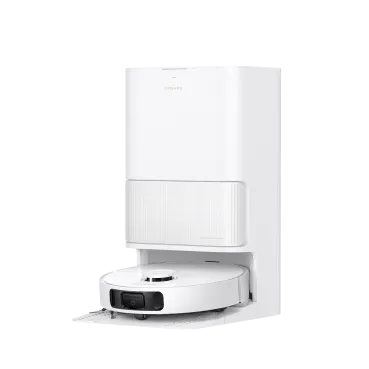
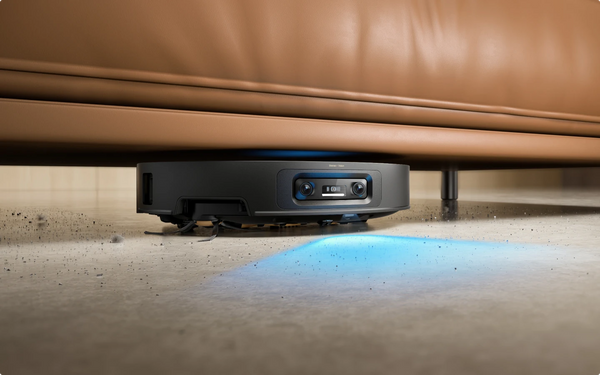
Run it at least twice a week, more in homes with pets or heavy foot traffic. If you would rather not think about it at all, a robot vacuum on a daily schedule takes the job off your list while reaching the spots that usually get missed, under furniture, along baseboards, and into corners where dust collects first.
Not sure what to look for? Our guide on how to choose the right dust-busting machine covers filtration, mopping, and what fits your floors.
4. Mop hard floors weekly
Mopping your hard floors weekly removes the sticky film of fine dust that dry vacuuming and sweeping leave behind. Dry methods lift the loose stuff, but a thin layer of dust clings to hard flooring with everyday moisture and oils, and only a damp pass pulls it up.
That film may be stuck to the floor, but it still keeps shedding dust back into the air until you wipe it off.
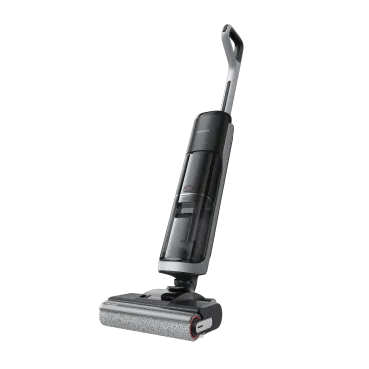
- Use a well-wrung mop or a vacuum-mop that dispenses just enough water, and stick to sealed hard surfaces like tile, vinyl, and sealed wood.
- Leave the carpet out of this one, since water sinks into the fibers instead of lifting dust off them.
- Weekly is the sweet spot in most homes, twice weekly with shedding pets.
Strategy 5–9: Cut Down the Dust in Your Air
A lot of dust doesn't just settle on flat surfaces. It hangs in the air or cycles through your ventilation, which is why wiping alone never quite finishes the job. The next five ways clean the air itself, from air purifiers and HVAC filters to humidity and ventilation.
5. Run an air purifier
An air purifier goes after the dust still floating in the air, before it has a chance to land on anything. A model with a true HEPA filter captures fine airborne dust, pollen, and dander, which cuts down on what eventually lands on your surfaces.
- Put it in the room where you spend the most time, usually a bedroom or living room, so it is cleaning the air you actually breathe most of the day.
- A purifier won't touch the dust already sitting on your shelves or floors, so it works alongside regular cleaning, it doesn't replace it.
- Run it continuously on a low setting rather than blasting it now and then, and keep the room's doors shut so it keeps cleaning the same air instead of trying to cover the whole house at once.
6. Change HVAC filters
Change your HVAC filter every 1 to 3 months, since a clogged one stops catching dust and starts pushing it back through every room. Your heating and cooling system moves a huge volume of air, and the filter is the one thing standing between that air and your vents. Once it fills up, dust rides right past it.
It's better to change it monthly if you have pets or run the system hard through summer and winter. A fresh filter is one of the cheapest, lowest-effort ways to reduce the dust that reappears on surfaces days after you clean.
7. Get air ducts inspected and cleaned
Have your air ducts inspected every few years, since ducts collect dust and then pump it straight back into your rooms every time the system runs.
Debris builds up inside the ductwork where no cloth or vacuum reaches, and a system blowing air through dusty ducts puts a fresh layer of dust right back on the surfaces you just cleaned.
An inspection every three to five years handles most homes, sooner if you have just renovated or you notice dust puffing out of the vents when the system kicks on.
8. Keep indoor humidity at 40 to 50 percent
Keeping indoor humidity between 40 and 50 percent stops dust from clinging to every surface. When the air drops below 40 percent, static electricity builds up and makes dust stick to screens, furniture, and walls instead of staying loose enough to wipe or vacuum away.
Go too far the other way and the extra moisture causes its own trouble, so somewhere in that 40 to 50 range is the sweet spot.
A small humidifier in dry winter months or a dehumidifier through humid summers keeps you in that range. It is one of the least obvious dust fixes and one of the most effective.
9. Ventilate and close up during pollen season
Open your windows when the air outside is clean, and keep them shut when pollen counts run high. Fresh airflow clears out stale indoor air along with the dust floating in it, but opening up on a day when pollen or outdoor pollution is high just adds to the problem. What matters is timing it right.
Check your local pollen and air quality forecast before you open up, the same place you would check the weather. Pollen tends to peak from late winter through spring, so through those weeks you are better off keeping the windows closed and letting your filters do the work.
Strategy 10–15: Prevent Dust and Eliminate at the Source
Some dust you can stop before it forms or gets inside. Your cleaning routine handles what is already here. The last six ways cut how much dust turns up in the first place, from sealing leaks to grooming pets.
10. Seal window and door leaks
Sealing the gaps around your windows and doors keeps outdoor dust from drifting in. Fine dust and pollen ride the air through the smallest cracks, and leaky frames let a steady trickle in even with everything shut.
Closing those gaps is one of the most reliable ways to keep dust out of your house at the source.
These cheap fixes cover most of it:
- Add foam or rubber sealing strips around drafty windows.
- Run a line of caulk along the edges of frames that do not open.
- Fit a draft guard along the bottom of exterior doors to block the gap underneath. Your heating and cooling bills will thank you too.
11. Wash bedding weekly in hot water
Washing your bedding weekly in hot water is the fastest way to reduce dust in your bedroom, since that is where dead skin collects fastest.
Every night in bed, you shed the skin cells that make up a big share of household dust, and your sheets, pillowcases, and duvet covers collect it all. A weekly hot wash clears it out before it builds up. Add allergen-proof covers on your mattress and pillows to block buildup between washes.
Your bed is also where dust mites gather, so if allergies flare at night, our guide on how to get rid of dust mites walks through the full routine, the right wash temperature, the covers that work, and how humidity keeps them in check.
12. Declutter the dust magnets
Clearing clutter removes the surfaces dust needs to land on. Every stack of magazines and pile of clothes is another ledge collecting dust, and one more thing that gets in the way when you clean.
Start with the flat surfaces that gather the most, like countertops and open shelving. Store what you can behind cabinet doors or in bins, and the room gets easier to keep clean with every item you put away.
13. Rethink rugs and wall-to-wall carpet
Rugs and wall-to-wall carpet trap dust deep in their fibers, then release it back into the air with every footstep. Carpet holds far more dust than hard flooring, and no amount of vacuuming pulls all of it out of the padding underneath. If dust keeps coming back no matter how often you clean, your flooring may be part of the problem.
You do not have to rip everything out. Swapping wall-to-wall carpet for hard flooring in busy rooms makes the biggest difference, and washable area rugs are a solid middle ground, since you can toss them in the machine once they get dusty.
14. Use doormats and a shoes-off zone
Doormats and a shoes-off rule stop a surprising amount of dust at the door. A large share of household dust and grit gets tracked in on the bottom of shoes, so catching it at the entry keeps it from spreading across every floor inside.
Place a coarse mat outside each entrance and a second one just inside to catch what the first one misses. Setting a shoe rack or basket by the door makes it easy for everyone to slip their shoes off on the way in, so it becomes a habit faster.
15. Groom pets regularly
Grooming your pets regularly can really help reduce dust in your home since pet dander and shed fur are major contributors to household dust. Brushing your pets outside lets you get rid of loose hair and dander before it settles on your floors and furniture, which is way easier than cleaning it up later.
Brush pets that shed heavily two to three times a week, and daily during seasonal coat changes, since that is when loose fur and dander spike. Washing their bedding weekly on a hot cycle helps too, because it clears the dander that settles where they sleep.
If you're still choosing a dog, our guide to 30 dog breeds that don't shed walks through the low-maintenance breeds that leave far less hair around your home, with a home cleaning tip for each, though note that every breed still gives off dander.
Is There a Trick to Eliminate Dust?
The answer is no. There is no single trick that can totally eliminate dust from your home, especially since it comes from several sources at once. The real trick is finding a routine that keeps it to a minimum. The 15 strategies above are effective at reducing dust, and you can tailor them to fit your home and routine.
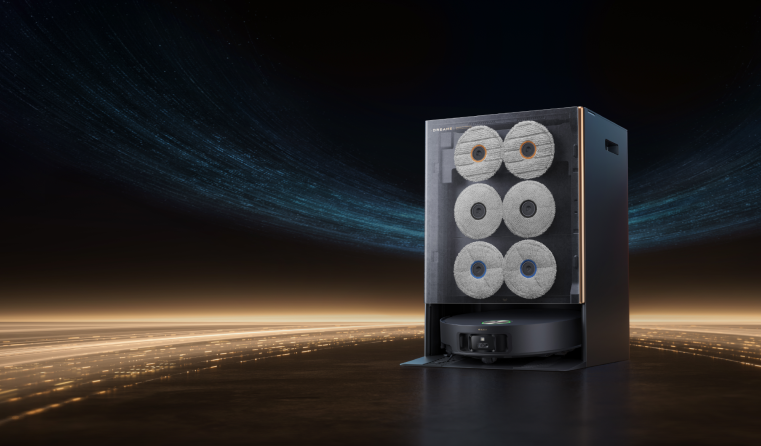
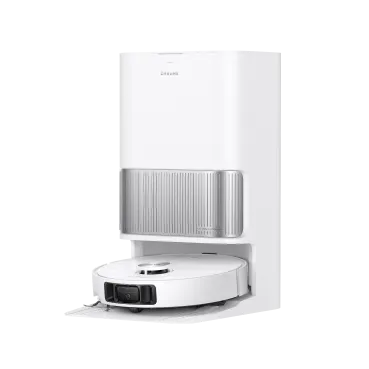
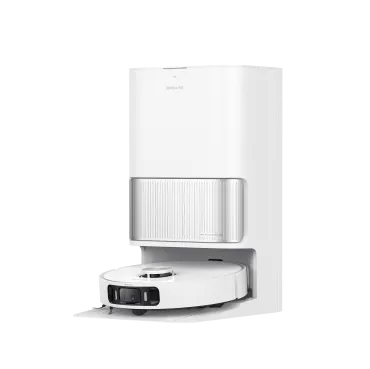
Keeping a home clean can feel like a lot to stay on top of, but there is one thing that helps immensely: automation. A robot vacuum like the Dreame X60 Max Ultra Complete handles the most repetitive job for you, mapping your home, cleaning on the schedule you set, and emptying itself afterward, so dust never gets the chance to pile up between your deeper cleans.
[product handle="x60-max-ultra-complete-robot-vacuum"]
A Realistic Take on Taking Care of Dust
You will never get rid of dust completely, but you can absolutely keep it from taking over. Work through the steps that make the most sense for your home, and keep them in your routine. The key to an (almost) dust-free home is staying consistent.
A robot vacuum takes care of the everyday maintenance for you, which is one of the biggest parts of keeping dust down. If pets are your main source of dust and dander, our guide to the best robot vacuum for pet hair breaks down the top picks by home type, from light shedders on hard floors to multi-pet homes with wall-to-wall carpet.
Browse Dreame's robot vacuums to find one that can handle the everyday dust of your home.
Frequently Asked Questions
Do air purifiers really reduce dust?
Yes, they can help with dust that is still floating in the air. A HEPA filter effectively captures fine particles before they settle, but it does not remove dust that is already on your shelves and floors. Therefore, it's best to use an air purifier in conjunction with regular vacuuming rather than relying on it as a substitute.
What pulls dust out of a house?
Your HVAC system is the primary solution, as it cycles indoor air through a filter that captures dust each time it operates. Opening windows when the outdoor air is clean can help eliminate dust particles that are circulating. Using a sealed vacuum equipped with a HEPA filter effectively lifts settled dust without releasing it back into the air.
How can I reduce dust in my house naturally?
Focus on some simple, effective practices that don't require special products. Wipe surfaces with a damp microfiber cloth. Wash your bedding weekly in hot water. Use doormats and enforce a no-shoes policy indoors. Ventilate your home on days when pollen levels are low. Follow these steps consistently to decrease dust from multiple sources, which is more effective than relying on a single product.
How often should you dust your house?
For most homes, dusting once a week is sufficient. However, if you have pets, experience heavy foot traffic, or if it's pollen season, you may want to increase that to two or three times a week. Always remember to dust before you vacuum to ensure you catch any dust that has settled.
References
Pappas, S. (2022) Is House Dust Mostly Dead Skin? Available at: https://www.livescience.com/32337-is-house-dust-mostly-dead-skin.html
University of Georgia Cooperative Extension (2025) Reduce Indoor Contaminants: Leave Your Shoes at the Door (Publication C1070). Available at: https://fieldreport.caes.uga.edu/publications/C1070/reduce-indoor-contaminants/

