











 Robot Lawn Mowers

















 Humidifiers


 Smart Door Lock


 Australia
 中国大陆
中国大陆 日本
日本


 Türkiye


 Ireland
 Portugal
 Italia
 Netherlands
 Belgium
 Greece
 Polska
 Norway
 Sweden
 Finland
 Denmark
 Hungary
 Czechia
 Slovenia
 Croatia
 Switzerland
 United
Kingdom
United
Kingdom
 Canada


 Colombia

In this article
Finding carpet beetles in your home is an unsettling experience. One day your wool rug looks fine; the next you're spotting larvae in the fibers and wondering how long they've been there.
The frustrating part is that a quick spray or a once-over with the vacuum won't remove the carpet beetle problem. These beetles survive because of their life cycle, and until you break that cycle from egg through larva, they will keep coming back.
This guide covers how to confirm what you're dealing with and which cleaning methods work. We'll also explain some cleaning habits that keep carpet beetles away for good.

How to Distinguish Carpet Beetles from Other Bugs
There are two distinguishing traits that you'll see with carpet beetles. These beetles shed skins and small dark pellets in low-traffic areas like baseboards and closet corners, or even under your furniture. Those are the clearest signs of an active carpet beetle infestation, and they come from the larvae, not the adults.
Adult carpet beetles are tiny (about 1.5 to 3 mm) and mostly harmless on their own. You'll usually spot them drawn to light on the windowsill before you notice any fabric damage. It's the adult carpet beetle that eats through your wool, silk, and stored clothing. They're slightly larger (up to 5 mm) than adult beetles. They are bristled, and usually brown or tan.
Below are a few quick checks to rule out carpet beetle lookalikes:
- Bed bugs: These bugs are flat and reddish-brown. They also bite, which carpet beetles don't.
- Ladybugs: They look round and are brightly colored. These bugs don't damage your fabric.
- Carpet moths leave silken tubes and visible webbing. Their larvae leave behind shed skins and pellets with no webbing.
If you need to confirm the species, the UC ANR Integrated Pest Management Program has detailed profiles for each.
How Carpet Beetles Get In and What Draws Them to Stay
Carpet beetles get in through open windows or screen gaps. They also hitch on cut flowers brought inside. Once in, they stay because your home has what their larvae need to feed on: natural fibers, pet hair, and undisturbed corners.
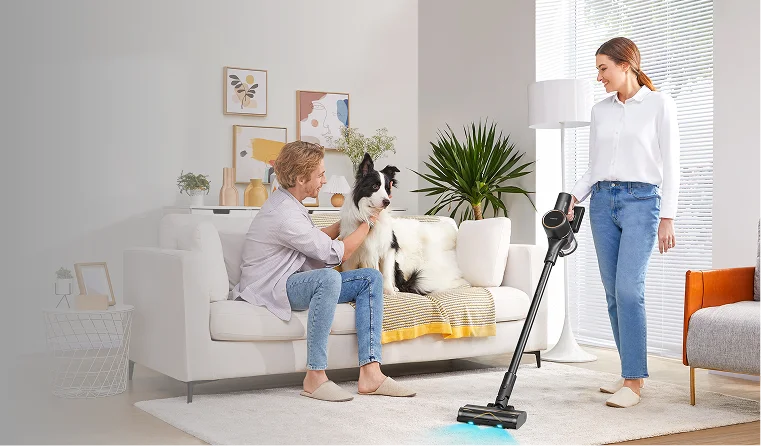
As long as you stay on top of removing pet hair from carpet, your home becomes a lot less appealing to these beetles.
The 5-Step Plan to Break the Carpet Beetle Life Cycle
Here's the full sequence before we go deeper into each step. Try to follow the order; you'll find that each one sets up the next step, and jumping ahead usually means you'll have to come back to redo it.
- Deep vacuum every room, making sure you get the edges and under furniture
- Wash all fabrics and pet beds in hot water, or steam-clean what can't go in the machine
- Treat the hidden spots you don't normally check: Carpet beetles may stay in your closet corners, attic vents, storage bins
- Apply targeted treatments where you found the most activity; natural options work well for mild cases, but you'll have to apply chemical ones for heavier infestations
- Make sure to seal entry points and make a habit of checking cut flowers and window screens going forward
The Right Way to Vacuum When You Have Carpet Beetles
Vacuuming works, but only if you're doing it with the right vacuum specifications and cleaning frequency. Here's what helps to eliminate carpet beetles from your property.
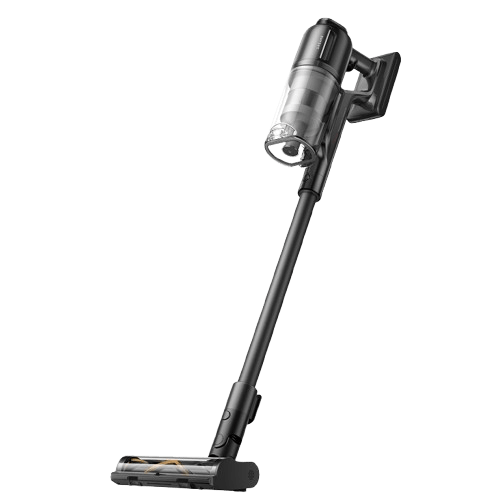
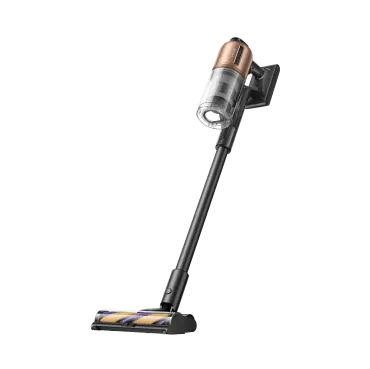
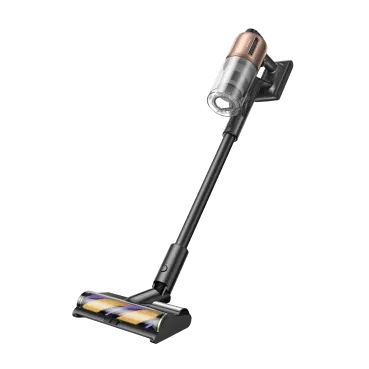
High vacuum suction pulls eggs out of the fiber base
Carpet beetle eggs and young larvae sit at the base of the carpet, not on the surface, so the vacuum's suction strength decides whether you actually remove them. A weaker vacuum clears the surface but leaves the eggs behind, which is why you can vacuum every day and still see new larvae.
Reaching that fiber base takes strong suction, roughly 15,000 Pa to 35,000 Pa on more powerful vacuums. If yours lands in that range, it can lift embedded eggs in a single pass.
A HEPA filter keeps the debris from going back into the air
Make sure that your vacuum comes with a HEPA filter. Larval skin sheds are a known asthma and skin-irritation trigger, and a vacuum without proper filtration can release those particles back into the room as you clean. A HEPA filter traps what gets captured and keeps it there.
Slow, overlapping passes cover more than a quick run
Run your vacuum at about half your normal speed and go over each area twice: once in one direction, then again at a 90-degree angle. You'll want to pay close attention to edges and under furniture, as well as where your carpet meets the wall. These spots are where carpet beetle larvae tend to settle in.
Weekly vacuuming for a month is what breaks the cycle
Carpet beetle eggs hatch in about two weeks, so vacuuming once and stopping gives the next generation time to mature. Try to vacuum at least once a week over three to four weeks to clear new hatches before they cause more damage.
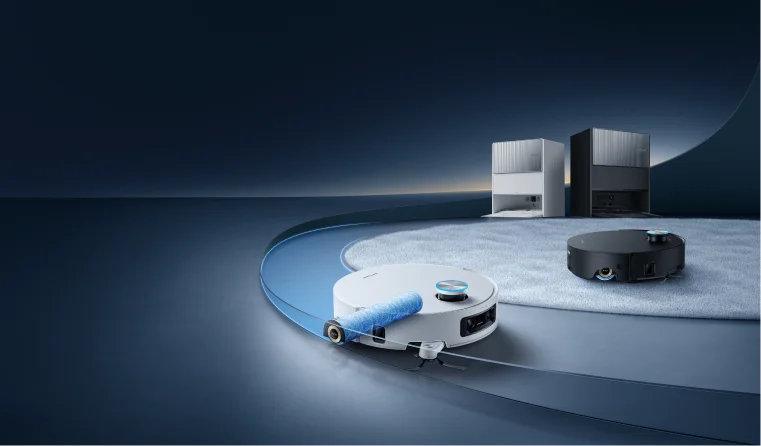
You can use a robot vacuum for daily maintenance between deep cleans to keep things from building up. Dreame's guide on how to clean carpet with a vacuum cleaner covers this in more detail.
How to Get Rid of Carpet Beetles Permanently
Heat is the only thing that kills carpet beetles at every life stage. Anything above 120°F (49°C) kills eggs, larvae, and adults on contact, which is why hot water and steam are your most reliable tools once vacuuming has cleared the surface debris.
Wash all fabrics in the hottest water they can handle
You can start by washing everything fabric-based in the affected area: bedding, pet beds, curtains, and throw blankets. Run them through the hottest wash cycle, but only as far as the material allows. As for items that can't go in the machine, such as wool rugs or upholstered furniture, steam cleaning at 200°F (93°C) or higher will kill eggs and larvae embedded deep in the fibers.
Hot-water mop your hard floors
Your hard floors need attention as well even if the infestation is centered on carpets. Carpet beetle larvae that drop off during cleaning can survive on tile or hardwood if the floor isn't treated.
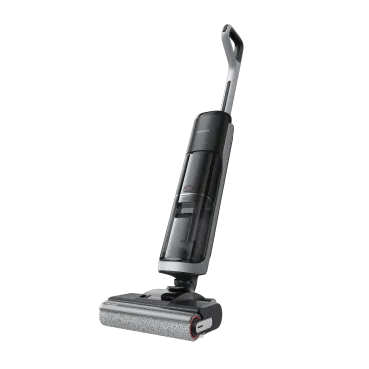
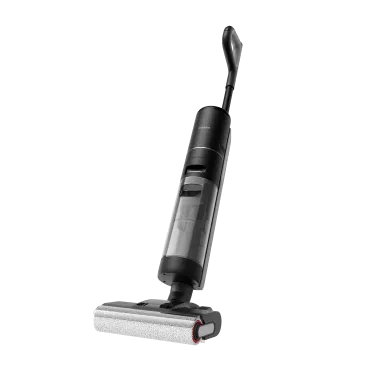
The Dreame H15 Pro Heat washes floors with 185°F (85°C) water, well above the threshold needed to end the life cycle on contact. It vacuums and mops in a single pass, so you're not pushing debris around while you clean.
[product handle="h15-pro-heat-wet-dry-vacuum" rating="4.7"]
Steam closets, corners, and storage edges
Closet floors and storage areas are where eggs tend to settle undisturbed. You can run a steam cleaner along baseboards and corners to be as thorough as possible in the cleaning process. You'll also want to pay close attention to the edges where the floor meets the wall. Most dry cleaning treatments miss the edges, so heat is a more reliable option for these areas.
Natural vs. Chemical Treatments: What Works for Your Carpet Beetle Infestation
Natural treatment options are usually enough for mild carpet beetle infestation cases. However, if an infestation has spread across multiple rooms, you'll want to step up to chemical treatments.
Your choice of treatment depends on how bad the carpet beetle infestation is. Natural options work well for mild cases; chemical treatments might be a better choice when the infestation is heavier or has spread across multiple rooms.
Natural treatments for mild carpet beetle infestations
Food-grade diatomaceous earth is the most reliable natural option you can use at home. It works by damaging the larvae's exoskeleton, which dehydrates and kills them within a few days. All you have to do is to sprinkle a thin layer along baseboards and in closet corners, and then leave it down for at least a week. You can vacuum it up afterwards.
Boric acid works in a similar way and you can dust it into cracks and behind appliances. However, you'll have to keep both treatments here away from pets and children.
If you're just looking for a repellent, you can consider peppermint oil and vinegar. They discourage adult carpet beetles from laying eggs in treated areas, but they won't clear an established infestation. You'll get more out of them as a preventive layer on top of vacuuming and heat treatment.
Chemical treatments for heavier carpet beetle infestations
Residual insecticide sprays formulated for carpet beetles are your best option when the infestation has spread or natural treatments haven't cleared the pests. Try looking for products containing pyrethroids and follow the label instructions carefully.
If you have pets or young children at home, you might want to consider calling a pest professional instead. They can apply targeted treatments in the cracks and voids where carpet beetles hide, which is something household sprays might miss.
How to Prevent Carpet Beetles From Coming Back
Good prevention comes down to a few consistent habits that cut off the two main ways carpet beetles get in and settle: entry points and food sources for their larvae.
Seal off entry points and food sources
The most common ways carpet beetles find their way in are through gaps in screens and cut flowers. They may also enter through bird nests near vents. Here's what you can do to prevent the carpet beetles from entering here:
- Store woolens and silks in sealed containers or vacuum bags during the off-season. Loose storage in cardboard boxes is an open invitation for carpet beetles to enter your property.
- Inspect cut flowers before bringing them inside, especially during spring and summer when adult carpet beetles are most active.
- Check window screens for tears and replace damaged ones.
- Clear old bird nests from attic vents and eaves every fall, since these are a common source of new arrivals.
- Cedar blocks and lavender sachets can help repel adults, but treat them as a supporting measure rather than a standalone fix.
Keep up a regular cleaning cadence
A consistent cleaning routine stops larvae from building up between deep cleans. These are the habits that make the biggest difference:
- Vacuum at least once a week during peak season. You'll want to pay close attention to closet floors and under beds, as well as anywhere your pet rests.
- Check your windowsills weekly during warm months. Adult carpet beetles tend to gather there before moving deeper into the house, so catching them early stops the next cycle before it starts.
- Running a robot vacuum daily between deep cleans keeps things from building up. You can look deeper into carpet care tips which cover a full maintenance routine for more details.
You Can Get Rid of Carpet Beetles for Good
If you've made it this far, you already know more about carpet beetles than most people do when they first spot them. The good news is that you don't need specialist equipment or a professional visit to clear them.
What you do need is consistency; the treatments in this guide work, but only when you follow through across a few weeks rather than stopping after one clean. Make sure to stay patient with the process, and don't get discouraged if you see a few larvae after your first round. That's normal. Stay the course and your home will be clear before long.
Browse the Dreame collection of robot vacuums to find a model that fits your home's flooring and weekly cleaning routine.
Frequently Asked Questions
What kills carpet beetles instantly?
Heat is your most reliable option. Steam cleaning at 200°F (93°C) or hot-water washing above 120°F (49°C) kills carpet beetles at every life stage on contact, including eggs that vacuuming won't reach.
How long does it take to get rid of carpet beetles?
You can expect to clear a typical infestation in two to six weeks, as long as you vacuum consistently. The egg cycle runs about two weeks, so aim for at least three to four weekly cleans without skipping.
Can carpet beetles bite humans?
Carpet beetles don't bite, but you might develop itchy welts from contact with the bristly larvae. Their shed skins are also a known skin and respiratory irritant, so you should still keep up with HEPA-filtered vacuuming even after the infestation clears.
How do exterminators get rid of carpet beetles?
A professional pest exterminator will identify the source, then apply residual insecticide in cracks and voids where household sprays can't reach. They'll usually recommend that you keep up vacuuming and heat treatment at home alongside their treatment.
Will vacuuming alone get rid of carpet beetles?
Vacuuming can be enough if you're consistent with technique and frequency for a mild carpet beetle infestation. As for a heavier infestation, you'll want to combine it with steam or hot-water treatment to make sure the eggs don't survive. The technique in the vacuuming section above makes the biggest difference for light infestations.

