









 Robot Lawn Mowers
















 Humidifiers


 Smart Door Lock


 Canada
 Australia
 中国大陆
中国大陆 日本
日本


 Türkiye


 Ireland
 Portugal
 Italia
 Netherlands
 Belgium
 Greece
 Polska
 Norway
 Sweden
 Finland
 Denmark
 Hungary
 Czechia
 Slovenia
 Croatia
 Switzerland
 United
Kingdom
United
Kingdom


 Colombia

In this article
You walk into the living room and smell it before you see it. Or you see it first, that wet patch in the carpet, and you already know what the next hour looks like. We've all been there. Maybe it's the new puppy who hasn't figured out the back door yet. Maybe it's your senior dog who can't hold it like she used to.
The good news is you can get dog pee smell out of carpet if you do it right. However, most people get it wrong, which is why the smell remains.

TL;DR: Get Dog Pee Smell Out of Carpet in 5 Steps
- Blot fresh urine with white paper towels. Do not rub.
- Apply an enzymatic cleaner (Nature's Miracle or similar) generously.
- Wait at least 15 minutes for the enzymes to break down the uric acid.
- Blot dry with clean towels and let the area air-dry.
- Sprinkle baking soda over the area, leave overnight, and vacuum up in the morning.
How to Get Dog Pee Smell Out of Carpet (Quick Method)
The quick method works because it tackles dog urine in the right order. Skipping a step or doing them out of sequence is the most common reason the smell comes back a week later.
Step 1: Blot, don't rub. Press white paper towels into the wet spot and apply your body weight. Stand on it if you have to. The goal is to pull liquid up and out of the carpet fibers before it soaks into the padding underneath. Rubbing does the opposite. It pushes urine deeper and spreads the stain wider.
Step 2: Apply enzymatic cleaner. This is the single most important step. Enzymatic cleaners contain bacteria that produce enzymes which break down the uric acid crystals in dog urine. Standard cleaners (vinegar, soap, ammonia-based products) mask the smell but leave the crystals intact, which is why the smell returns the next humid day. Pour the cleaner generously. Saturate the same area the urine soaked.
Step 3: Wait 15 minutes. The enzymes need time to work. Some products recommend longer dwell times for severe stains. Read the bottle. Cover the spot with a damp towel during the wait so the area stays moist.
Step 4: Blot dry. Use a fresh stack of clean white towels. Press, don't scrub.
Step 5: Baking soda overnight. Sprinkle a generous layer of baking soda over the cleaned area. Let it sit overnight to absorb residual moisture and lingering odor. Vacuum it up in the morning.
That's the basic playbook. The rest of this guide covers the situations where the basic playbook isn't enough.
Why Dog Urine Smell Comes Back Even After Cleaning
Dog urine contains uric acid, which crystallizes as the urine dries. These crystals lock the odor compounds in place and reactivate every time the area gets damp. Humid weather, mopping nearby, even normal foot traffic on a sticky summer day will trigger the smell.
Standard cleaners can dissolve the surface-level urine but cannot break down the crystals themselves. Breaking those crystals down is the entire reason enzymatic cleaners exist. The enzymes eat the crystals, leaving nothing for moisture to reactivate.
Pheromones are the second factor. Dog urine contains them, and PetMD explains they encourage your dog to urinate in the same spot again. Standard cleaners don't break down those compounds, which is why veterinarians recommend enzymatic cleaners specifically for pet accidents.
If you used an ammonia-based cleaner, you made the problem worse. To a dog's nose, ammonia smells almost exactly like another dog's urine. You're not removing the marker. You're refreshing it.
The third reason is depth. If the urine soaked through the carpet into the padding, surface cleaning will not fix the problem. The smell is coming from underneath the visible surface. We'll cover that scenario in detail below.
Vinegar masks the smell. Baking soda absorbs it. Only enzymatic cleaners actually remove the compounds responsible for it. Learning how to get dog urine smell out of carpet means using the right cleaning product, not just more product.
Step-by-Step: How to Remove Fresh Dog Urine from Carpet
For fresh accidents (within the first 30 minutes), speed is the difference between a 15-minute clean and a weekend project. Every minute the urine sits, more soaks down through the carpet fibers and into the padding. This is the full protocol on how to clean dog pee from carpet before it becomes a bigger problem.
Move fast, but don't panic
Drop everything and grab paper towels. Lots of them. White ones only. Colored towels can transfer dye into wet carpet.
Blot with full body weight
Place a thick stack of paper towels over the wet area. Stand on them. Shift your weight from one foot to the other to maximize contact. The goal is to physically pull liquid out of the carpet. A weak blot leaves most of the urine in the fibers. Replace the towels and repeat until they come up nearly dry.
Spot-vacuum heavy soaks (optional)
For a heavy soak, especially if the urine has had a few minutes to spread, a carpet extractor pulls liquid deeper than manual blotting can. These machines, the kind you can rent from a hardware store or buy for home use, spray cleaning solution into the carpet and immediately suction the dirty liquid back out, which keeps the urine from migrating further down while you work.
A wet/dry vacuum is not the tool for this, since the wet pickup is built for hard floors, not carpet. To be clear, an extractor catches the soak. It is not a urine deodorizer. Enzymatic cleaners are what break down the uric acid crystals, so follow up with one either way.
Apply enzymatic cleaner generously
Saturate the same area the urine soaked, not just the visible stain. The actual soak zone is usually about 30% wider than the visible wet patch. Pour generously enough that the cleaner covers the entire urine spot.
Cover with a damp towel for 15 minutes
The enzymes need moisture to stay active. A dry surface kills the reaction halfway through.
Blot dry, then air dry
After the dwell time, blot the area with fresh towels and let it air-dry completely. Don't walk on it until it's bone dry. Walking on damp enzymatic-treated carpet can grind cleaner residue into the fibers.
Avoid heat
Don't use a hair dryer or steam cleaner during the cleanup. Heat can set the proteins in urine and make the smell permanent. This is how you should remove dog urine from carpet without accidentally making it worse.
How to Get Old or Dried Dog Urine Out of Carpet
Fresh urine is one problem. Old, set-in urine is a different problem entirely. If you just moved into a rental and discovered old pet stains, or your dog has been hitting the same spot for months and you only now realized why the corner of the room smells, the standard quick method won't be enough.
Here's what you can do for old stains.
Step 1: Find the actual extent of the damage
Old urine doesn't always show as a visible stain. Get a UV blacklight flashlight. They're inexpensive on Amazon. Turn off the lights at night and shine the blacklight across the carpet. Dried urine fluoresces yellow-green. Most people find more spots than they realized.
Step 2: Re-wet the urine
This sounds counterintuitive but it's necessary. Old uric acid crystals need moisture to reactivate before enzymes can break them down. Pour warm (not hot) water on each spot until the area is damp. Yes, the smell will get worse temporarily. The crystals are reactivating, which means the enzymes can now reach them.
Step 3: Apply enzymatic cleaner with extended dwell time
For old stains, regular 15-minute dwell isn't enough. Saturate the spot, then cover with plastic wrap and a damp towel on top. Let it sit for 30 minutes, sometimes overnight for severe cases. The plastic wrap keeps the enzymes from drying out.
Step 4: Expect multiple treatments
One application of enzymatic cleaner will not remove months-old urine. Plan for at least two or three rounds, with the carpet drying fully between rounds. If round one doesn't get it, round two usually finishes the job.
Step 5: Document everything if you're living in a rental
If you're treating old pet stains in a rental, document everything. Photograph the original stains under blacklight and your treatment progress. At some point, the cost of professional carpet cleaning becomes lower than the risk of losing your security deposit.
Best Enzymatic Cleaners for Pet Urine
The wrong enzymatic cleaner will under-perform, especially on chronic or set-in stains. Below are the four enzymatic options worth knowing, plus a DIY recipe for when you're in an emergency with no bottle on hand.
| Cleaner | Best For | Why It Works |
| Nature's Miracle Advanced Stain & Odor Eliminator | Fresh accidents, mild-to-moderate older stains, single-pet households | The widely-recommended default across pet-owner forums. Bio-enzymatic formula breaks down uric acid crystals. Wide retail availability (PetSmart, Amazon, Target). The Advanced formula is stronger than the standard one and is the version you want for carpet. |
| Rocco & Roxie Stain & Odor Eliminator | Stains that came back after enzymatic treatment, multi-pet households, chronic problems | Higher-concentration enzymatic formula. The next step up if Nature's Miracle didn't get the smell out on the first try. Particularly strong on returning smells. The price per ounce is higher, but you use less per application. |
| Angry Orange Pet Odor Eliminator | The "I cleaned the carpet but the room still smells" phase. Ambient lingering odor after enzymatic treatment | Citrus-based deodorizer, not an enzymatic urine remover. Useful for finishing a room after enzymatic cleaning has done its work on the carpet itself. Do not use it as your primary urine remover. It won't break down uric acid crystals. |
| Anti-Icky-Poo (AIP) | Padding-saturated urine, rental move-in mystery stains, multi-pet chronic problems | Professional-strength enzymatic cleaner used by carpet cleaning companies and animal shelters. Not the first thing to try, but the thing that often works when nothing else has. |
| DIY (warm water + Dawn + 3% hydrogen peroxide + baking soda) | Acute emergencies with no enzymatic cleaner on hand | Mix 1 cup warm water + 1 tbsp dish soap + 1/4 cup 3% hydrogen peroxide. Apply, blot, then sprinkle baking soda. Test on a hidden carpet area first (peroxide can lighten some dyes). Works for surface-level fresh urine but does NOT break down uric acid crystals. The smell will likely return. Follow up with a real enzymatic cleaner within 24 hours. |
What to avoid
Ammonia-based cleaners (dogs re-mark the same spot), bleach (damages carpet and doesn't touch uric acid), vinegar alone (masks but doesn't dissolve crystals). Vinegar can work as a rinsing aid before enzymatic application, but it's not a urine remover on its own. Knowing how to remove dog urine smell from carpet means picking the right product first, not just applying more of the wrong one.
For a deeper breakdown of products and a longer comparison by stain type, our complete pet carpet cleaner guide goes into the specifics.
What If the Urine Soaked Through to the Carpet Padding?
If your smell returns within hours of a thorough cleaning, you might have padding saturation. At that point, knowing how to get pet urine smell out of carpet means treating the layer underneath, not the carpet fibers themselves.
Signs that the urine has soaked through to the padding:
- The smell returns within hours of a thorough cleaning
- A blacklight shows fluorescence below the visible carpet level
- The wet area is significantly larger than the visible stain
- The smell intensifies during humid weather even after multiple treatments
The padding cleaning method:
- Pull back the carpet at the nearest seam. Most wall-to-wall carpet is held down with tack strips at the edges of the room. With work gloves and pliers, you can carefully lift a corner section. You don't need to remove it entirely. You just need access to the padding under the affected area.
- Flood-treat the padding directly. Pour enzymatic cleaner onto the padding itself, not just the carpet backing. Use significantly more cleaner than you'd use on a surface stain.
- Weighted dwell overnight. Place a damp towel over the treated padding and weigh it down with books. Leave it overnight. The enzymes need long contact to penetrate the dense padding foam.
- Air-dry completely before reattaching. Damp padding under carpet grows mold. Use fans, open windows, run a dehumidifier. The padding needs to be fully dry before the carpet goes back down.
- Know when the padding can't be saved. Sometimes urine has been sitting in padding for months and even professional treatment can't remove the smell. In those cases, replacing the padding (and possibly the carpet) is the only fix. Padding replacement is cheaper than full carpet replacement, and you don't always need to redo the whole floor.
How to Get Cat Urine Out of Carpet
Cat urine is a different challenge from dog urine. The chemistry is more concentrated, the smell is sharper, and cleaning takes longer.
Cats have more efficient kidneys than dogs, which is why their urine is more concentrated. Cat urine has higher uric acid content and stronger odor compounds per drop. The same enzymatic cleaners work, but they need to work harder.
Longer dwell time. For cat urine, plan for 30 minutes minimum, often overnight for set-in stains. Cover with plastic wrap to keep the enzymes active.
Multiple treatment cycles. A single application of enzymatic cleaner rarely finishes cat urine. Expect to treat the same spot two or three times, with full drying between treatments.
Padding replacement is more common. With dog urine, padding can often be saved with aggressive treatment. With cat urine, especially if the cat has been re-marking the same spot for months, the padding sometimes can't be saved. Pulling back the carpet to check the padding underneath is more often the right call with cats.
Preventing Future Dog Pee Accidents on Carpets
Once the smell is gone, the goal is to keep it gone. Most pet urine carpet issues are about repeated accidents in the same spot over time. Here's how you can prevent the next accident.
Training and behavior
If you have a puppy or a recently adopted adult dog, consistent housetraining is the foundation. Take your dog out at predictable times, reward outside elimination immediately, and clean any indoor accident thoroughly with enzymatic cleaner so they don't return to the same spot. If a previously housetrained dog suddenly starts having accidents indoors, get them checked by a vet. Behavior changes often signal medical issues.
Carpet protection
Pet-safe carpet protector sprays add a thin invisible barrier that gives you more time to respond to accidents before urine soaks in. They aren't a substitute for cleanup, but they buy you the 30-minute window that matters most.
Daily cleaning frequency
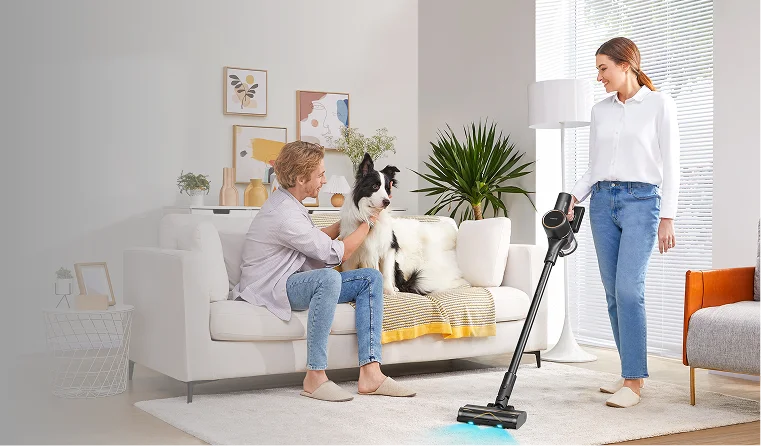
For pet households, the right cleaning schedule prevents baseline odor buildup that masks fresh accidents. A daily robot vacuum run keeps pet hair and dander from accumulating in the carpet. A weekly enzymatic spot-check on known accident-prone areas catches small problems before they escalate. A monthly full-carpet treatment with carpet cleaner keeps the overall odor profile neutral.
Best Vacuums and Cleaners for Pet Households
A pet household needs a different vacuum setup than a non-pet household. You're dealing with more hair, more dander, more frequent accidents, and more variety in what gets cleaned. Here are the picks by use case.
Best wet/dry vacuum for pet accidents
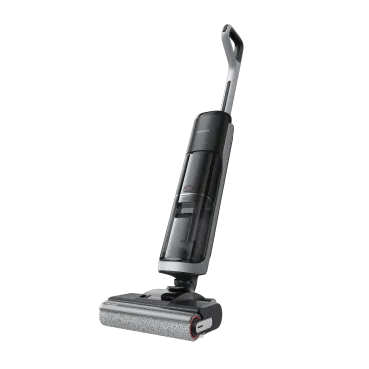
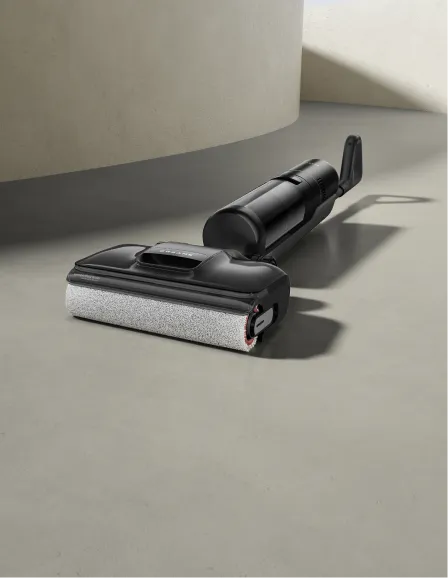
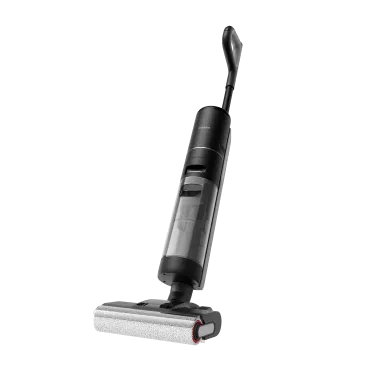
The Dreame H15 Pro Heat is the best pick for fast accident response on hard floors like tile, sealed wood, vinyl, and laminate. It dispenses controlled 185°F hot water and immediately suctions the mess and cleaning solution back, so a fresh accident on a hard surface gets cleaned up in one pass instead of spreading or sitting.
Use it as your quick-response tool the moment you catch an accident on hard flooring, then follow up with an enzymatic cleaner for the smell itself. For accidents on carpet, blotting and an enzymatic cleaner are the right method, since wet pickup on a wet/dry vacuum is built for hard floors only.
Dreame's full range of wet and dry vacuums covers different models and price points for your household needs.
[product handle="h15-pro-heat-wet-dry-vacuum" rating="4.7"]
Best robot vacuum for pet households
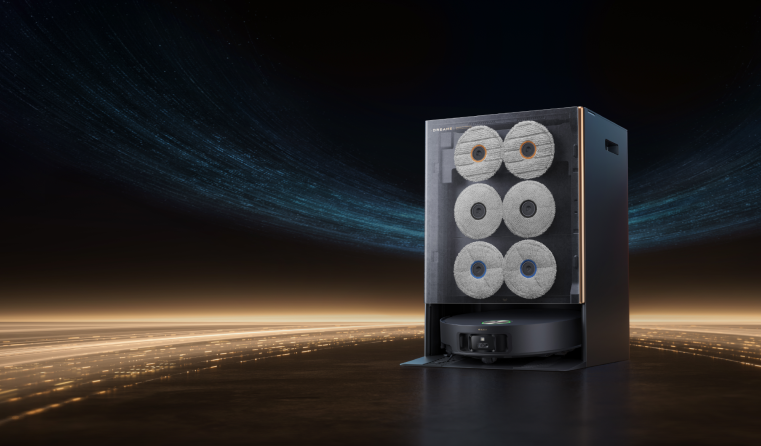
The Dreame X60 Max Ultra Complete uses Binocular Vision enhanced by proactive lighting to detect and avoid pet waste among the 280+ object types it recognizes during cleaning runs. This matters because most robot vacuums will roll straight through a fresh accident and smear it across the floor, which turns a small spot into a much bigger one. At the time of writing, the X60 Max Ultra Complete holds the top spot in Vacuum Wars' "Top 20 Best Robot Vacuums in 2026" list.
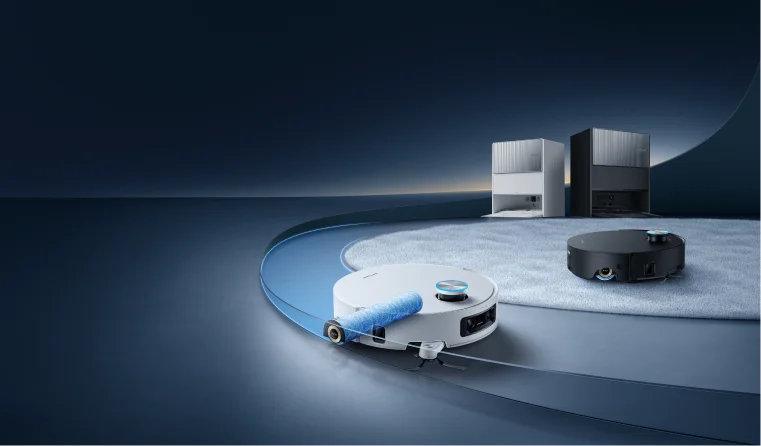
The Dreame L60 Pro Ultra is the newest L-series model and a strong fit for a pet household. It runs 35,000 Pa Vormax™ suction, the same as the X-series flagship, so it pulls embedded hair and dander out of low-pile carpet instead of skimming the surface. Its DuoBrush system handles up to 11.8in (30cm) of pet hair with zero tangling, and ProLeap robotic legs clear thresholds up to 3.47in (8.8cm), so it moves room to room without getting stuck at carpet-to-tile transitions.
The Dreame L50 Ultra is the more accessible pick if the L60 Pro Ultra is more than you need. Its HyperStream™ Detangling DuoBrush also prevents the daily tangling that turns a robot vacuum into a maintenance job, though at 19,500 Pa it has less pull on deep carpet than the L60 Pro Ultra. The dock's AceClean™ DryBoard system washes the mop pads at 167°F to reduce residual ambient odor on hard floors. Brush type and dustbin maintenance are also the two biggest factors in how long a robot vacuum lasts.
This guide on how robot vacuums clean carpets covers what to consider for pet households. You can also browse the full range of robot vacuums for pet hair and the robot vacuum for carpet collection.
Best cordless vacuum for cleaning pet hair from furniture and vehicles
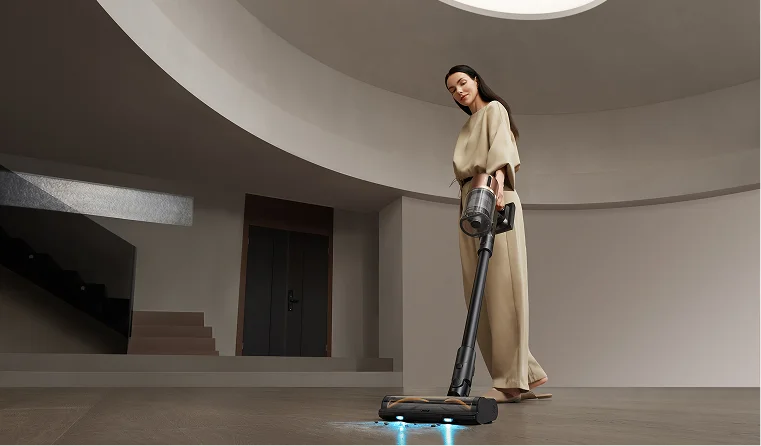
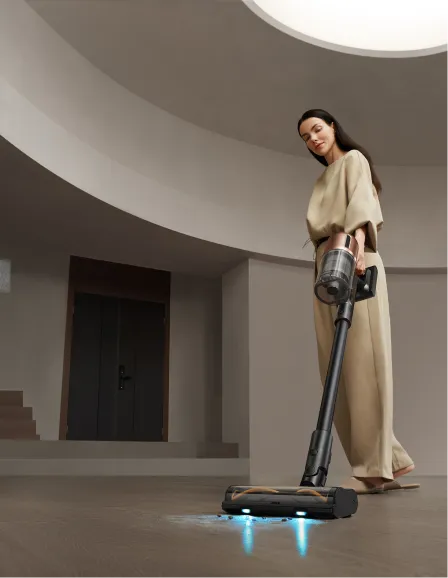
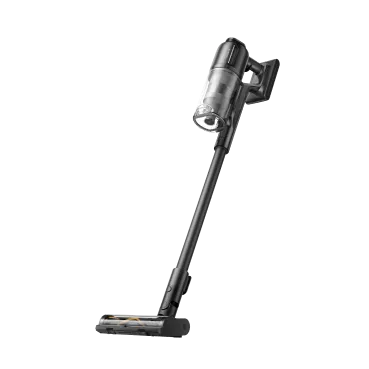
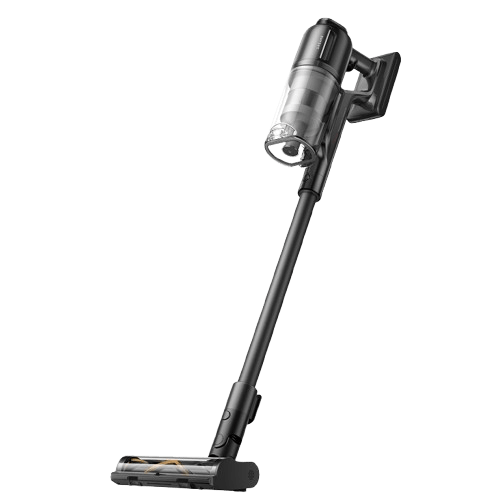
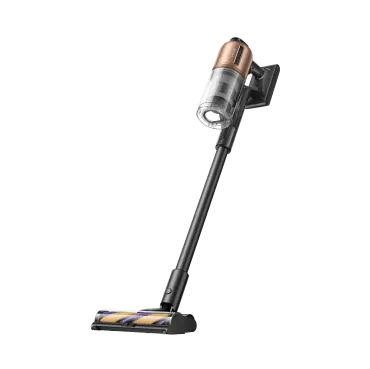
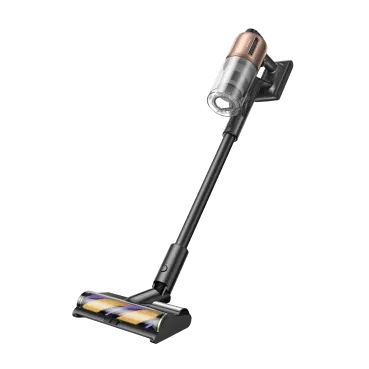
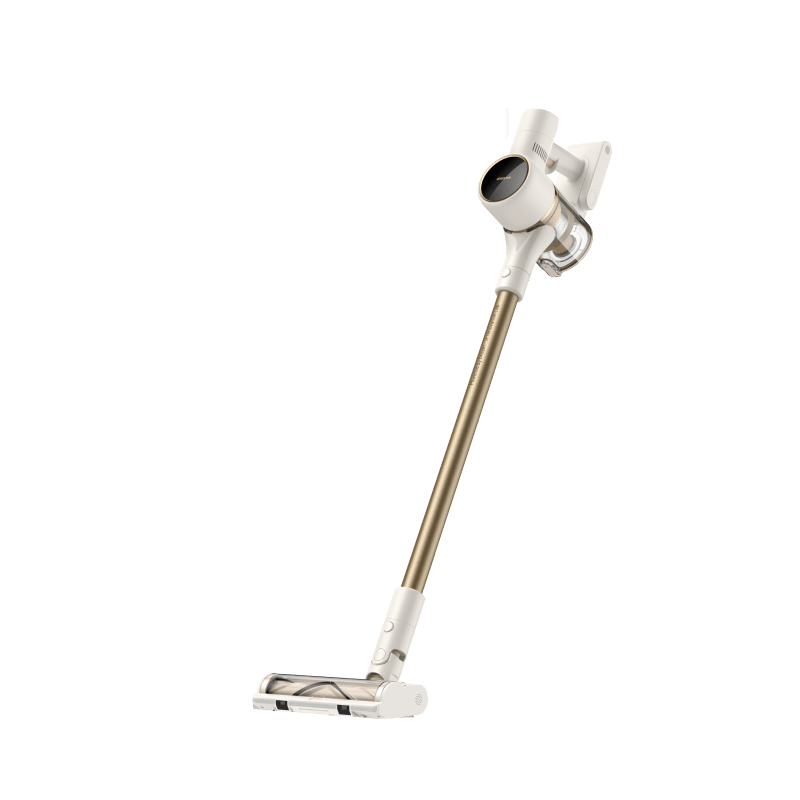
A robot vacuum and a wet/dry handle the main cleaning, while a cordless stick vacuum handles everything else. The Dreame Z30 delivers 310 AW of suction and up to 90 minutes of runtime in eco mode per charge, with a 150,000 RPM TurboMotor™ and auto-adjusting suction that ramps up when it detects more debris.
HEPA 14 filtration captures 99.99% of particles down to 0.1µm, which matters in pet households where dander and allergens build up faster. The included Pet Deshedding Tool combs out fur from furniture, stairs, and car upholstery, and the CelesTect™ celeste light on the multi-surface brush reveals dust you'd otherwise miss.
The Z20 handles the same tasks for cleaning pet hair with a bit less power. It features 250 AW of suction, a built-in pet brush head, and Blue Light Dust Detection that reveals fur and dander across carpet and hard floors, with up to 90 minutes of runtime covering up to 3,229 sq ft (300 m²) on a charge.
Check out Dreame's full range of cordless stick vacuums to find the right model.
When to Call Professional Carpet Cleaners
Sometimes DIY isn't the answer. Knowing when to call a professional is part of solving the problem.
Severe stain age
If you have discovered urine stains that have been sitting for months, like a rental move-in or a senior dog you didn't notice was having accidents, professional carpet extraction reaches depths that home equipment can't. Truck-mounted extraction units pull urine from padding without removing the carpet.
Multi-room chronic issues
If the smell is in multiple rooms and keeps coming back across all of them, you're probably dealing with an ongoing pet behavioral issue (talk to a vet) plus deep-seated urine buildup that one-room-at-a-time DIY treatment can't keep up with.
Health considerations
Urine ammonia exposure can be a real concern for households with young children, elderly residents, or anyone with respiratory conditions. If the smell is significant enough to be a daily air quality concern, professional remediation is worth the cost.
The Bottom Line on Getting Dog Pee Smell Out of Carpet
Getting dog pee smell out of carpet means breaking down the uric acid crystals, which only works with enzymatic cleaners. Blot fast, saturate the full soak area, give the enzymes time to work, and finish with baking soda. Old stains and padding-deep soaks take the same approach with longer dwell times and repeat treatments. Vinegar only masks the smell and ammonia makes it worse, so skip the shortcuts and reach for the product that actually removes it.
A wet/dry vacuum catches a fresh accident before it soaks into the padding, and a robot vacuum keeps pet hair and dander from building into the baseline odor that makes a pet home smell like one. Neither removes the smell of urine.
Browse Dreame robot vacuums for pet hair to find a model that fits your home to keep everyday pet hair and dander from adding to the problem.
Frequently Asked Questions
Does dog urine smell ever go away on its own?
No. Dog urine contains uric acid that crystallizes as it dries, and the crystals will reactivate with humidity for years if they're not broken down. The smell may seem to fade temporarily in dry weather, but it'll come back the next humid day. Enzymatic treatment is the only way to actually remove it.
What kills the smell of dog urine permanently?
Enzymatic cleaners. The enzymes eat the uric acid crystals in dog urine, which is what locks the smell in place. Standard cleaners mask the surface odor but leave the crystals intact. Look for a product labeled "enzymatic" or "bio-enzymatic" and apply it generously enough to reach the full soak area, not just the visible stain.
Can baking soda remove dog urine smell?
Partially. Baking soda absorbs surface-level odor and moisture, which is why it's a useful finishing step after enzymatic cleaning. By itself, it can't break down uric acid crystals, so it won't fix the underlying problem. Use it as a deodorizing layer on top of enzymatic treatment, not as a replacement.
Will a carpet cleaner remove dog urine smell?
A carpet extraction cleaner (the rental kind from a hardware store, or a wet/dry vacuum like the H15 Pro Heat) pulls surface-level urine and moisture out, which helps. It won't break down uric acid crystals on its own. The full protocol is: extract first, then apply enzymatic cleaner. Extraction alone gets you maybe 60% of the way.
How long does dog urine smell last on the carpet?
Untreated, dog urine smell in carpet can last for years. The uric acid crystals don't break down naturally and continue reactivating with humidity indefinitely. With proper enzymatic treatment within the first 30 minutes of an accident, the smell can be completely gone in a day. Old stains take longer, often multiple treatment cycles.
Can I use vinegar on dog urine?
Vinegar is a partial solution. It can neutralize fresh urine acids and works as a rinsing aid before enzymatic treatment, but it doesn't break down uric acid crystals on its own. Used by itself, vinegar usually means the smell returns. Used as a step before enzymatic application, it can help slightly.
What is the best enzyme cleaner for dog urine?
Nature's Miracle Advanced is the most-recommended starting point and is widely available at PetSmart and Amazon. For chronic returning smells or multi-pet households, Rocco & Roxie is a stronger option. For severe cases like padding saturation or rental move-in stains, Anti-Icky-Poo is the professional-grade option.

