














 Robot Lawn Mowers











 Humidifiers










 Smart Door Lock


 Australia
 中国大陆
中国大陆 日本
日本


 Türkiye


 Italia
 Netherlands
 Belgium
 Greece
 Polska
 Norway
 Sweden
 Finland
 Denmark
 Hungary
 Czechia
 Slovenia
 Croatia
 Switzerland
 United
Kingdom
United
Kingdom
 Canada


 Colombia

In this article
Bamboo floors are warm and durable, but they don't handle standing water well. The key to cleaning them is to use as little moisture as possible, just enough so your cloth or mop is barely moist, not dripping.
You want the bamboo to dry quickly after wiping. Follow this rule and your bamboo floors will stay smooth and bright. If you let water pool, it can seep into the planks, causing the finish to lift and the boards to warp or swell.
This guide walks you through the safe method and the common mistakes that shorten a bamboo floor's life.

What Makes Bamboo Floors Different
Bamboo may look and feel like hardwood, but it's actually a grass, which means it reacts to water in its own way. While most wood floor cleaning tips work well, moisture is the key factor to watch with bamboo floors.
Most modern bamboo comes sealed with a polyurethane finish, which tolerates a barely-damp mop. Older or oil-finished bamboo is more open and needs drier methods. Before you settle on a routine, find out which one you have.
Put a few drops of water on an out-of-the-way spot. If it beads, the seal is intact and light damp cleaning is fine. If it soaks in, treat the floor as unsealed and keep it dry. Getting this right shapes how to clean bamboo flooring for the rest of its life.
The Right Tools for Bamboo Floor Care
The safest way to clean bamboo floors is to start with a dry method, then follow up with a barely damp pass. Use a microfiber dust mop or a vacuum to pick up dust and grit that could scratch the finish. Our hardwood floor vacuuming tips work just as well for bamboo. For the damp step, use a microfiber mop that you can wring out almost completely.
When it comes to the best cleaner for bamboo floors, stick with a pH-neutral formula labeled safe for bamboo or hardwood. This type of cleaner is ideal for most homes because it removes dirt without damaging the floor's protective seal.
Here's a list of what not to use on bamboo floors:
- Stiff bristles scratch the surface.
- Oil soaps leave a film on sealed bamboo.
- Vinegar is acidic and dulls the finish over time.
- Steam mops are the quickest way to damage a bamboo floor, so keep them off it entirely.
Cleaning Routine for Bamboo Floors: Daily, Weekly, Monthly
Bamboo floors are easy to maintain with a simple schedule. Dry clean often, damp clean only when needed. Since grit is what wears down the finish, most of your regular cleaning should focus on removing dust and dirt with dry methods.
- Daily: dry-vacuum or run a microfiber dust mop to clear grit and pet hair before it scratches.
- Weekly: a barely-damp microfiber pass with a pH-neutral cleaner.
- Monthly: a slightly more thorough damp clean, with extra attention to high-traffic paths.
- Never: steam, vinegar, flood-mopping, or hot water.
This cleaning routine also explains how to mop bamboo floors without overdoing it. Always use a damp mop, never a wet one. A little moisture goes a long way.
How to Clean Bamboo Floors Safely: Step-by-Step
Cleaning bamboo floors safely involves a six-step process that starts with dry methods and uses as little water as possible. Follow these steps in order to remove grit before any moisture touches the surface.
- Clear the floor. Lift rugs and floor mats, move any light furniture you can shift easily, and pick up cords, toys, and larger bits of debris so the surface is fully clear.
- Dry-vacuum or dust-mop the whole floor to remove loose grit.
- Spot-test your cleaner in a hidden corner before using it everywhere.
- Apply the cleaner to the mop pad, not straight onto the floor.
- Mop with the grain of the bamboo, working backward toward the door.
- Dry the floor right away with a clean microfiber cloth, and do not let water sit.
So, can bamboo floors be mopped? Yes, with a damp pad and quick drying. Those are the by-hand steps. If you would rather not repeat them every time, there is a faster way to cover the same ground in one pass.
Wet/Dry Vacuums and Bamboo: The Honest Answer
You can use a wet/dry vacuum on bamboo, but the honest answer is to keep it in dry mode for everyday cleaning. Wet mode on these machines is built for sealed hard floors like tile and vinyl, and the default settings push out more water than bamboo can safely take.
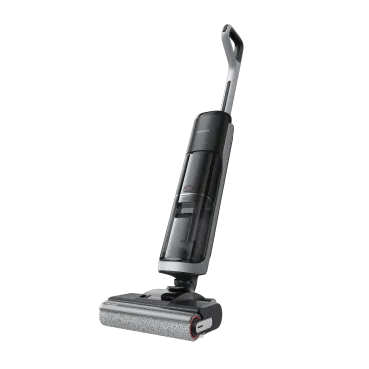
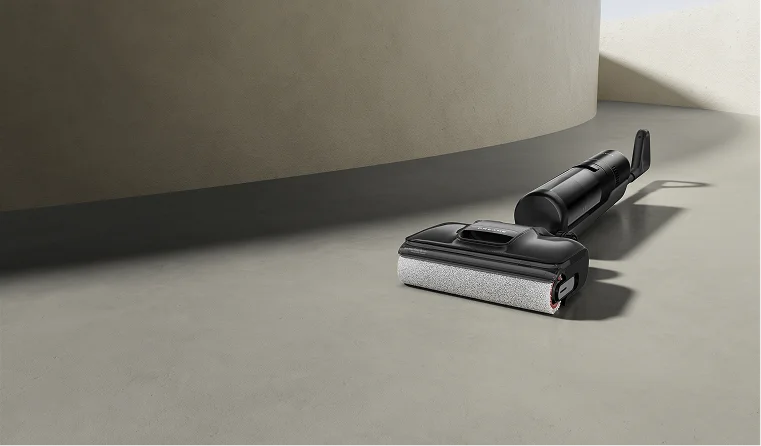
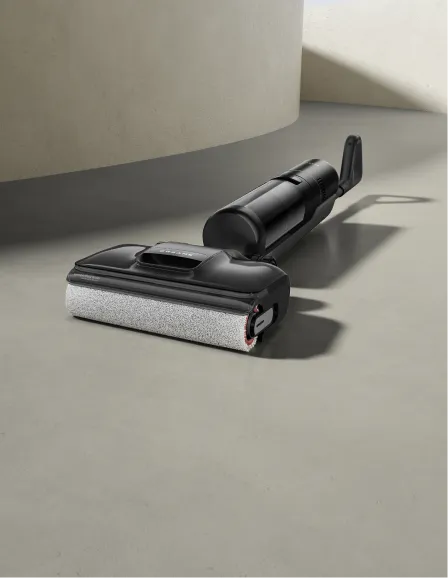
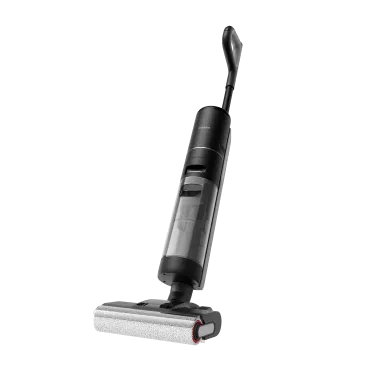
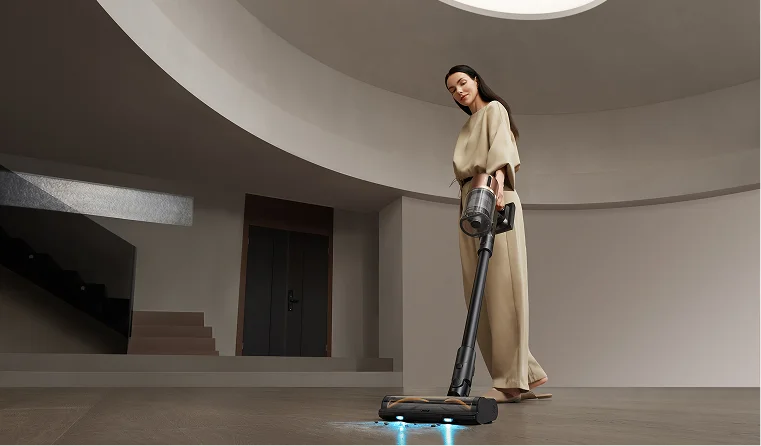
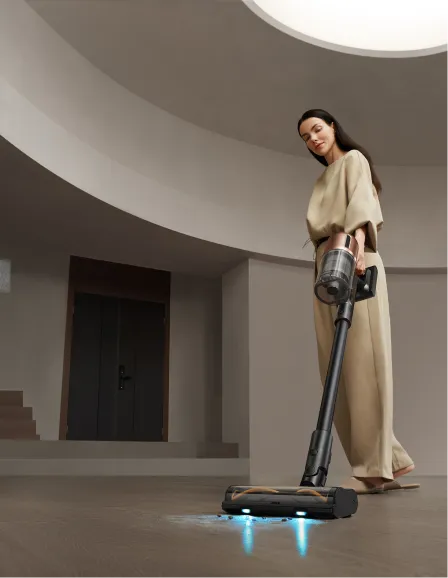
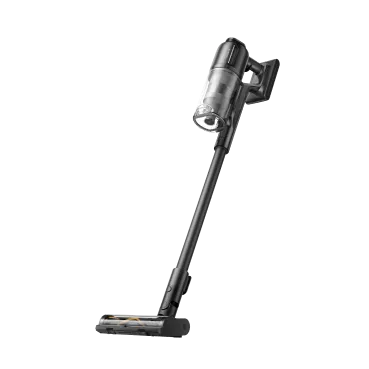
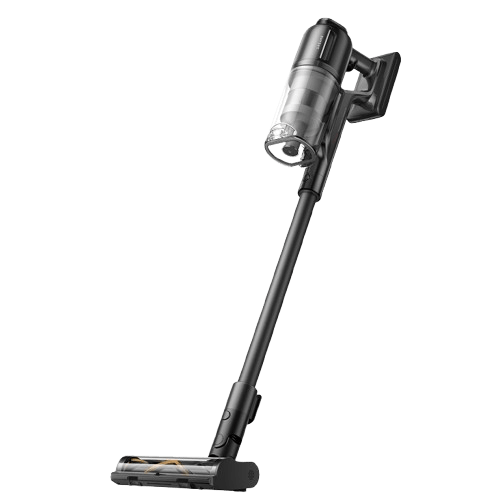
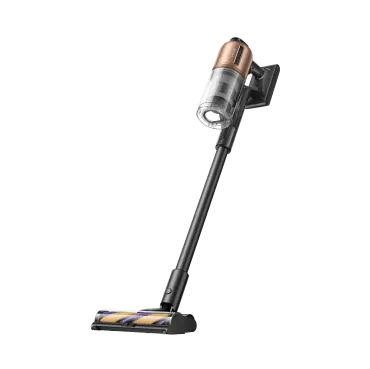
If you would rather vacuum and mop in fewer passes, a slim cordless model like the Dreame Aero Pro handles daily bamboo care in dry mode. Its 25,000 Pa suction lifts the grit that scratches the finish and TangleCut™ 2.0 lifts pet fur and long hair instantly, so your roller stays clear without clogs or residues. Its 3.88in (9.9cm) slim design slides under furniture for seamless reach.
What Damages Bamboo Floors (And What Most People Get Wrong)
Bamboo floors are damaged mostly from trapped moisture and acidic cleaners. The worst of it comes from cleaning advice that sounds safe. Three myths do the most harm.
-
Steam mops are not gentler than wet mopping
Steam forces hot moisture down into the planks, and that mix of heat and water swells the bamboo and breaks down the finish faster than a quick damp pass ever would. A wrung-out microfiber pad cleans just as well without soaking the wood.
-
Vinegar is not a safe cleaner for bamboo floors
The acid wears down the polyurethane seal over time and leaves the surface looking cloudy and dull. This is the clearest example of what not to use on bamboo floors. A pH-neutral hardwood cleaner lifts the same dirt without stripping the protective layer.
-
"Water-resistant" bamboo is not fully waterproof
Standing water still seeps into the seams and settles under the finish, no matter what the label promises. Wipe up spills the moment they happen.
There's a quieter culprit too. Everyday grit, the fine sand and dust that rides in on shoes and paws, grinds against the finish and scratches it a little more with every step. Keeping that grit off the floor matters as much as picking the right cleaner, and it's the easiest part to let slide on a busy week.
Keep Your Bamboo Floors Looking New
For homes that mix bamboo with carpet or tile, a robot vacuum clears the loose grit that wears down the finish, and it does the daily work without you thinking about it.
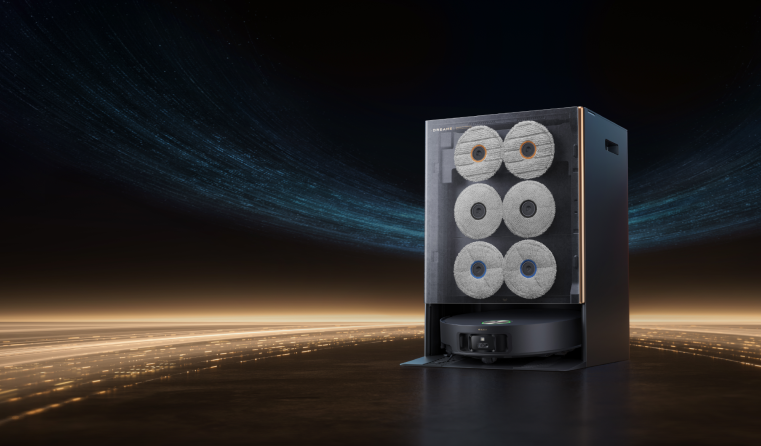
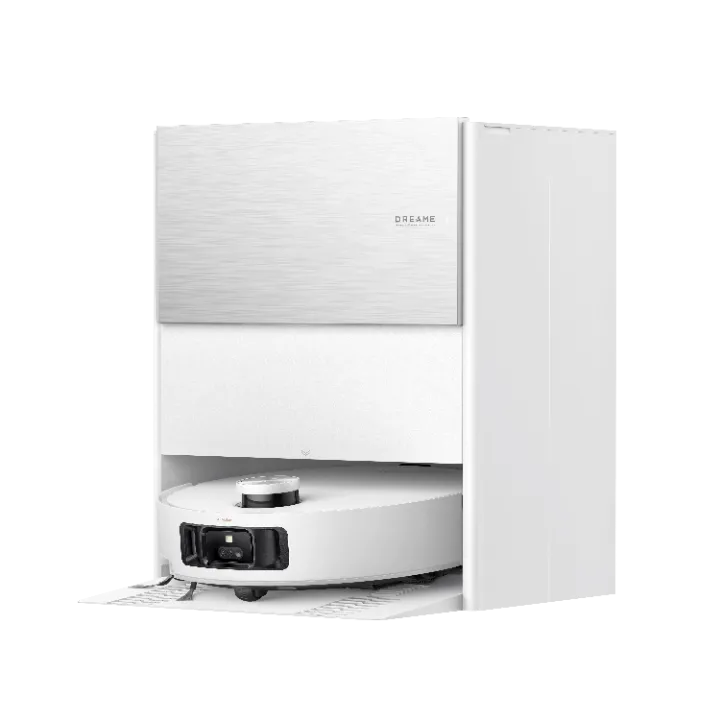
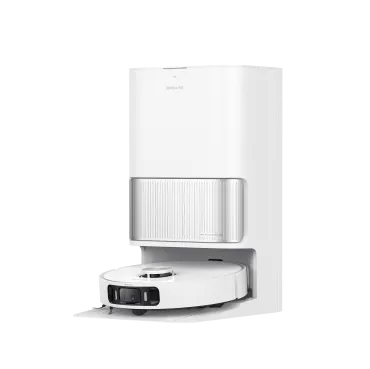
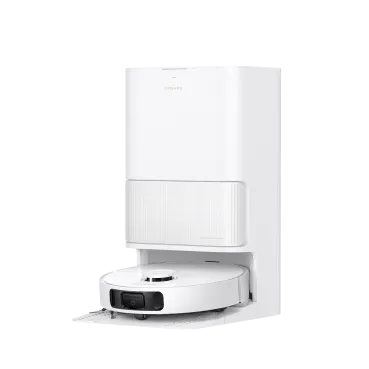
The Dreame L60 Pro Ultra fits these homes well. Its 35,000 Pa Vormax™ suction pulls grit off the surface before it can scratch, and its Extendable Mop & Side Brush reaches the edges and corners along your baseboards where dust builds up. Lean on its dry passes over bamboo and keep any damp work light.
[product handle="l60-pro-ultra-robot-vacuum" rating="4.8"]
Frequently Asked Questions
Can bamboo floors be mopped?
Yes, but only with damp methods. Sealed bamboo handles a barely-damp microfiber mop with a pH-neutral cleaner. Keep it damp, never wet, and skip steam entirely. Unsealed bamboo should stick to dry methods only.
What cleaner can you use on bamboo floors?
A pH-neutral cleaner labeled safe for bamboo or hardwood is your safest pick. Skip vinegar, which dulls the finish, and oil soaps, which can leave residue on sealed bamboo. When in doubt, plain warm water on a barely-damp microfiber mop beats the wrong cleaner.
What should you avoid using on bamboo floors?
Steam mops, vinegar, oil soaps on sealed floors, wax products, and abrasive pads all cause problems, along with any cleaner made for tile or stone. Hot water mopping is also off the table.
How do I make my bamboo floors shine again?
Dust the floor well, run a damp pass with a pH-neutral cleaner, then dry it right away with a microfiber cloth. The shine lives in the seal, so treat the seal gently and it comes back. If the floor still looks flat, it may be due for a refinishing pass, usually every 5 to 10 years.
How often should I clean bamboo floors?
Dust-mop or vacuum daily, since grit causes most of the scratching. Damp-clean weekly with a pH-neutral cleaner, and do a more thorough damp clean monthly. Wipe up spills the moment they happen, since standing water is the top cause of bamboo damage.
