How to Clean Floor Without a Mop: 7 Ways to Ditch the Bucket

How to Clean Floor Without a Mop: 7 Ways to Ditch the Bucket

Dreame Editorial Team |
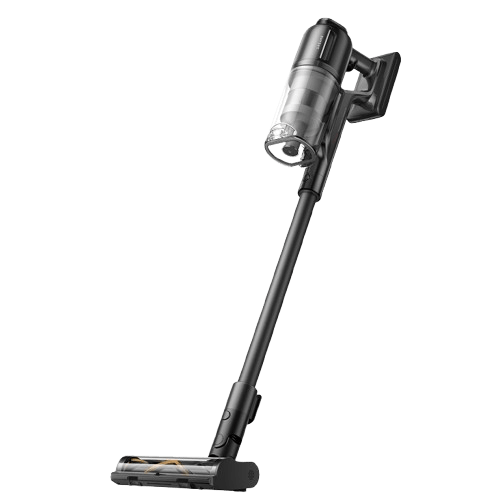
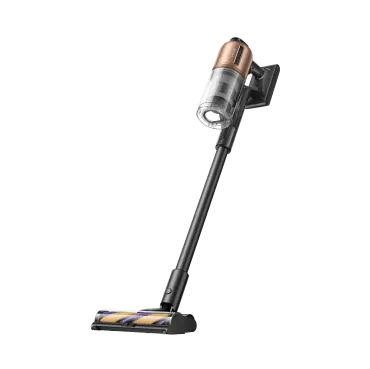
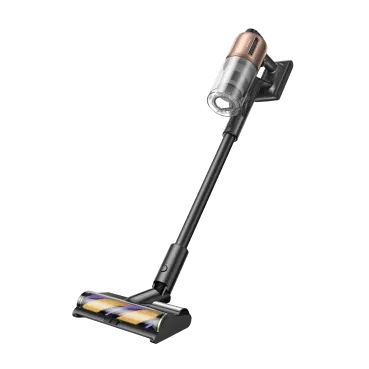
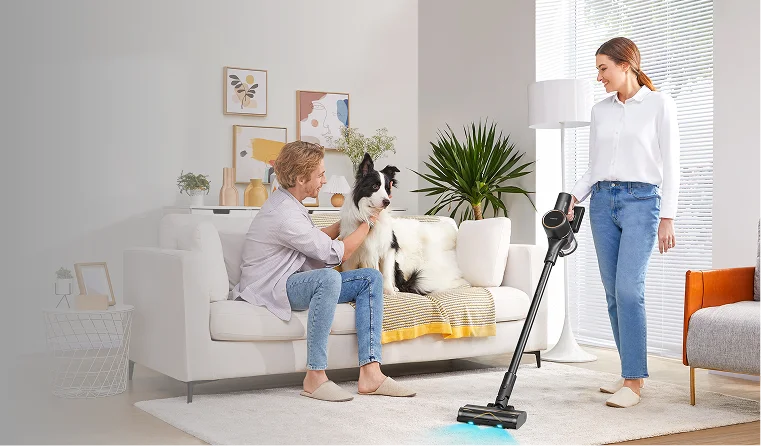
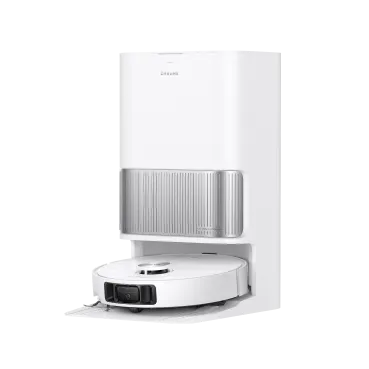
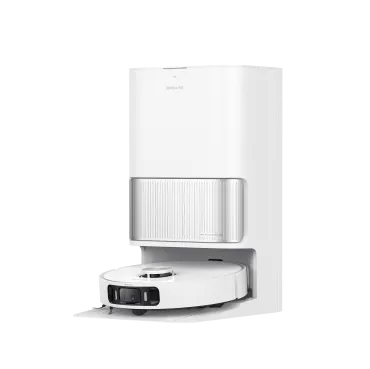
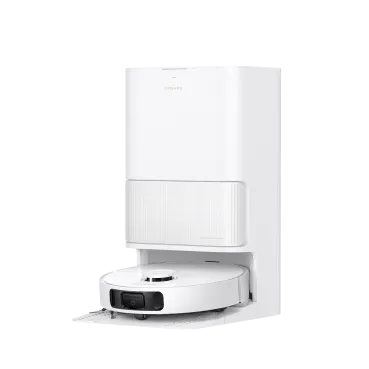
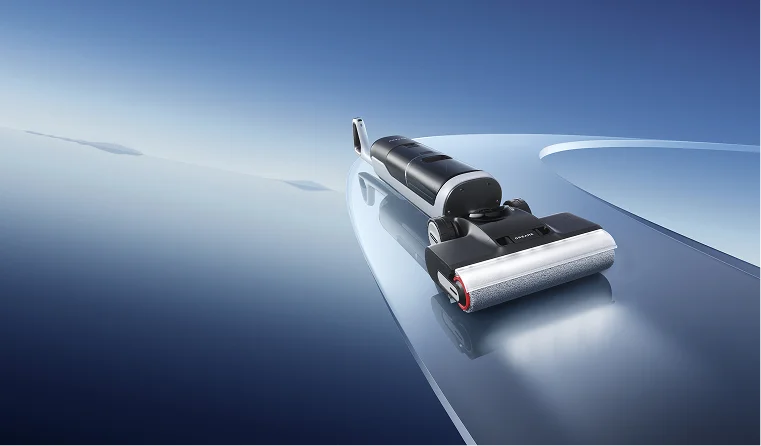
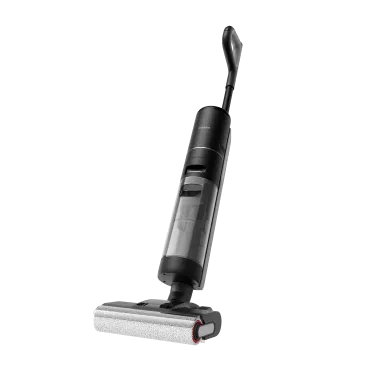
There's a particular kind of frustration that comes with mopping. You fill the bucket, wring out the mop, push gray water across the floor, and somehow end up with a surface that looks streakier than when you started. Then there's the storage problem: a damp mop head sitting in a corner, collecting bacteria between uses. And if you have a bad back, the whole ordeal becomes something you genuinely dread. Thankfully, you don't need a mop to keep your floors clean. Whether you're working around a back injury, living in a small apartment without storage space, or simply looking for a more hygienic routine, there are practical methods that get the job done just as well, or even better. This guide covers seven of them, from simple DIY techniques using things you already own, to smarter tools that take most of the effort out of the equation entirely. Manual Techniques to Clean Floors Without a Mop The methods mentioned below work well for most hard floor surfaces and require little to no special equipment. They're particularly useful for targeted cleaning, quick sessions, or situations where you simply don't have access to a mop. 1. Glide a Damp Towel with a Broom Wrap a damp microfiber towel around the head of a broom and secure it with clips or rubber bands. Lightly mist the towel with a cleaning solution, then sweep across the floor. Benefits Lets you clean while standing upright Covers large areas quickly Uses minimal water, reducing streaks Works well on tile, laminate, and vinyl This method mimics a flat mop but avoids the bucket and heavy wringing. 2. Spray and Wipe for Targeted Cleaning Fill a spray bottle with a floor-safe cleaner. Spray a small area and wipe immediately using a microfiber cloth or reusable pad. Benefits Ideal for sticky spots or spills Prevents excess moisture on sensitive floors Reduces water waste Gives better control over problem areas This approach works especially well for kitchens and entryways where dirt accumulates in patches rather than evenly. 3. Scrub on Hands and Knees for Precision  Sometimes the simplest method is still the most thorough. Using a soft brush or cloth, scrub the floor manually while inspecting problem spots closely. Benefits Deepest level of control over dirt and stains Allows close inspection of grout lines and corners Useful for neglected or heavily soiled floors It’s time-consuming and labor-intensive, but for bathrooms or high-traffic areas, it’s often the most effective manual solution. 4. Use a Squeegee for Fast Drying After spraying the floor lightly, use a floor squeegee to pull moisture toward a towel, drain, or absorbent mat. Benefits Prevents slippery residue Leaves floors streak-free Speeds up drying time Useful for tile and stone surfaces This technique is commonly used in commercial spaces because it keeps floors hygienic without oversaturating them. 5. Use Disposable Wipes for Quick Messes Pre-moistened floor wipes are a convenient solution for small spills or daily touch-ups. Benefits No setup required Hygienic, single-use option Great for pet accidents or food spills Easy to store While not ideal for large spaces, wipes are perfect for maintaining cleanliness between deeper cleans. Use Smart Technology to Clean Floors Without a Mop Manual methods work, but they still demand time and physical effort. For larger homes, mobility concerns, or consistently better hygiene, smart cleaning technology offers a more efficient solution. 6. Wash with a Wet/Dry Vacuum for Fresh Water Hygiene A wet and dry vacuum — sometimes called a wet dry vac or wet dry vacuum cleaner — solves one of the biggest hygiene problems with traditional mopping: dirty water. When you mop, bucket water gets dirtier with every pass, often spreading diluted grime across areas you’ve already cleaned. A wet dry vacuum separates the process. It removes dry debris first, then dispenses clean water from a fresh tank while suctioning dirty water into a separate compartment. The two never mix. This means the water touching your floor is always clean, which is something traditional mopping can’t guarantee. For homes with children or pets, or for anyone who values real cleanliness, that difference matters. These machines also handle dry messes and wet spills in one pass, eliminating the need to switch tools mid-clean. Benefits Uses fresh water continuously Removes liquid spills instantly Cuts cleaning time dramatically Leaves floors nearly dry The Dreame Aero Pro shows what this technology can do. It vacuums and washes simultaneously, keeps clean and dirty water separate, and uses a self-cleaning system to maintain the roller brush, addressing the hygiene limits of conventional mopping at its source. [product handle="aero-pro-wet-dry-vacuum" rating="4.5"] 7. Delegate to a Robot Vacuum for Zero Effort If your goal is minimal physical effort, a robot vacuum is the most complete solution here. Modern robot vacuums now use laser mapping to navigate accurately, detect surfaces, avoid obstacles, and return to their dock to empty dustbins, refill water, and clean mop pads automatically. For people with back pain, mobility limits, or busy schedules, this is a complete practical solution. Daily automated cleaning prevents dust and grit from building up, while controlled water use avoids damaging sensitive floors. Benefits Hands-free daily cleaning Maintains floors before grime builds up Ideal for busy households Reduces need for manual scrubbing Advanced models like the X60 Max Ultra demonstrate how automated cleaning can replace traditional mopping entirely. It includes AI obstacle avoidance, a self-cleaning base station, automatic pad lifting for carpets, and detailed home mapping with zone control through its app, making whole-home maintenance largely hands-off. [product handle="x60-max-ultra-complete-robot-vacuum" rating="4.7"] No-Mop Cleaning Tips for Specific Areas How to Clean Bathroom Floor Without Mop Bathrooms are tricky to clean: tight spaces, textured tiles, and fixtures that block access make mops impractical. In many cases, a mop simply isn’t the right tool. The hand-and-knee method offers the precision needed to scrub around the toilet base, behind doors, and into grout lines where moisture and soap build up. Use a small scrub brush with a suitable cleaner, work in sections, and dry with a towel as you go to avoid residue. The squeegee method works well for maintenance, especially if shower water regularly reaches the floor. A quick pass after bathing removes standing moisture and keeps grime from settling into grout. Benefits Reaches corners and grout more effectively than a mop Prevents moisture buildup and mildew growth Reduces the need for frequent deep scrubbing For a more detailed breakdown of bathroom floor care, the guide on how to clean bathroom floors covers surface-specific techniques in more depth. How to Clean Hardwood and Laminate Without Mop Water is the main risk for hardwood and laminate floors. Traditional mopping often leaves more moisture than these materials can tolerate, leading to swelling, warping, or finish damage over time. The safest manual method is spray-and-wipe. Lightly mist a small section, wipe immediately with a dry or barely damp microfiber cloth, and move on. Never allow liquid to pool. A robot cleaner with controlled moisture output is also well suited to these floors because it uses far less water than a traditional mop. Benefits Protects seams and finish from water damage Prevents warping and surface dullness Maintains appearance with minimal moisture exposure For more guidance on hardwood-specific care, the how to clean hardwood floors guide covers what to use, what to avoid, and how to address common issues like sticky floors. Tips for Maintaining Floors Between Deep Cleans Reducing how often you need to perform an intensive wet clean starts with limiting what reaches the floor in the first place. Stop Dirt at the Door: Place high-quality mats at every entrance and enforce a "no shoes indoors" rule. This simple step helps prevent dirt and debris from being tracked in, extending the life of your flooring finishes. Dry Sweep Daily: Vacuum frequently, especially in high-traffic areas, so abrasive grit doesn’t scratch your finishes or settle into your grout. Regular sweeping drastically reduces how often you need to deep clean and makes routine maintenance faster and easier. Tackle Spills Fast: Wipe up messes immediately. Fresh spills lift easily with a paper towel, while dried, sticky ones require serious scrubbing. Promptly addressing spills helps maintain your flooring's appearance and prevents long-term damage. Conclusion You don’t need a mop or a bucket of murky water to maintain clean, hygienic floors. Simple manual tricks like towel-broom cleaning or spray-and-wipe methods work in a pinch. For long-term convenience and hygiene, modern tools such as a wet and dry vacuum, or a robot vacuum and mop offer a more efficient solution. The best approach depends on your time, physical comfort, and cleaning standards, but every option above proves that ditching the mop is entirely possible. FAQs How to clean a dirty floor without mop? Start by vacuuming debris, then use a spray cleaner and microfiber cloth or a wet-and-dry vacuum to remove grime without spreading dirty water. How to keep floors clean without mopping? Vacuum daily, wipe spills immediately, and use automated cleaning tools to prevent dirt from accumulating. What can you use instead of a mop for floors? Microfiber cloths, towels on a broom, disposable wipes, squeegees, wet-dry vacuums, or robot cleaners all work effectively. How to clean the floor by hand? Use a microfiber cloth, warm cleaning solution, and gentle scrubbing motions. Work in small sections and dry immediately to avoid streaks.
Continue reading
What to Use to Mop Hardwood Floors: Safe Solutions & Best Tools

What to Use to Mop Hardwood Floors: Safe Solutions & Best Tools

Dreame Editorial Team |
Hardwood floors add warmth and value to a home, but they also require careful cleaning. Most people don’t realize that hardwood requires completely different care than tile or vinyl, as wood reacts quickly to moisture and harsh chemicals. Choosing what to use to mop hardwood floors safely can feel overwhelming, especially when one wrong decision can damage wood faster than years of foot traffic. When the wrong products or tools are used, the damage can show up as dullness, warping, or permanent staining. So, if you are used to traditional mopping methods, what to use to mop hardwood floors safely? The answer is not complicated, but it does require restraint. The safest approach combines the right cleaning solution with a mop that limits water exposure. This guide explains which cleaners are safe, which mops work best, and how to vacuum hardwood floors without damaging the finish. Safe Hardwood Cleaning Solutions When You Mop Choosing the right cleaning liquid is the most important step to keep your hardwood floors sparkly clean and safe from chemical or water damage. Even the best mop cannot protect wood if the solution is too harsh. pH-Neutral Commercial Cleaners pH-neutral cleaners designed for hardwood are the safest choice. These products are formulated specifically for sealed wood surfaces and are intended for regular use. They clean effectively without dulling the finish or leaving residue behind. Because they do not rely on strong acids or alkalines, they preserve the protective coating over time. This is why professional cleaners rely on them for routine maintenance. When shopping, it is important to check the label and confirm that the cleaner is approved for sealed hardwood floors. Vinegar and Water: A Common but Imperfect Option Vinegar and water are often recommended as a natural cleaning solution, as they do remove grime. However, vinegar is acidic. Repeated use can slowly dull the finish and weaken the seal on hardwood floors. If vinegar is used, it should be highly diluted and applied sparingly. It should never be part of a weekly cleaning routine. For long-term floor care, professionally formulated cleaners are a safer and more reliable option. Learn how to care for your hardwood floors naturally. Ingredients That Should Be Avoided Some cleaning products cause damage even if they appear effective at first. Hardwood floors should never be cleaned with bleach, ammonia, or oil-based soaps. These substances discolor wood, strip finishes, or leave sticky residues that attract dirt. Powdered cleaners and abrasive scrubs should also be avoided because they scratch the surface. Products that promise extra shine often create buildup rather than improving the floor’s condition. Dreame Take If you let your robot vacuum handle your hardwood mopping, using a compatible solution is key to preventing internal clogs and ensuring a streak-free shine. We recommend the Wood Floor Care Solution for a safe, clean on wood surfaces.  Choose the Right Mop for Your Hardwood Floors Different mop types control moisture differently. Since excess water is the primary threat to hardwood, your choice of mop matters as much as your cleaning solution. Below, we compare the most common types of mops you can consider.  Mop Comparison Matrix Mop Type Pros Cons Water Control Cost Best For Microfiber Flat Mop Affordable, easy to control moisture, machine-washable pads Requires manual wringing, labor-intensive Excellent (you control wetness) $15–40 Small spaces, tight budgets Spin Mop Removes more water than standard mops, bucket system contains mess Still leaves floors fairly wet, requires physical effort Moderate $30–60 Medium spaces, occasional deep cleaning Steam Mop Sanitizes without chemicals, kills bacteria Too much moisture for hardwood, heat can damage finish Poor (excessive moisture) $50–150 Tile and sealed surfaces only Vacuum Mop (Wet/Dry) Vacuums and mops simultaneously, removes dirty water instantly, leaves floors dry Higher upfront cost, requires charging Excellent (instant water recovery) $300–600 Active homes, pets, frequent cleaning Robot Vacuum & Mop Automated daily maintenance, precise water control settings, requires no physical effort Can't handle heavy messes, higher investment Excellent (controlled dampness) $400–1,500 Busy households, daily maintenance There is a distinct trade-off between effort and precision. Manual mops (flat/spin) are budget-friendly but rely entirely on human skill—one accidental soak can damage the wood. Automated tools (Vacuum Mops/Robots) require a higher initial investment but offer built-in "safety nets" through digital water control and immediate moisture suction. If you want to eliminate the risk of "user error" (over-wetting), smart technology is the superior choice for wood longevity. 3 Best Mop Materials for Hardwood Floors (And 3 to Avoid) The material of your mop matters just as much as the cleaner you use, because it’s the only thing making direct contact with your hardwood finish.  Microfiber (flat mop pads / most robot mop pads): The safest go-to for sealed hardwood. Microfiber lifts fine dust and residue without scraping, and it holds water evenly so you’re less likely to over-wet seams. Twisted microfiber / twisted fabric mop pads (common on higher-performance mop pads): Great when you want a bit more “grab” for sticky spots. The twisted loops increase surface contact and scrubbing ability, while still staying soft enough for sealed wood—just keep the pad only damp, not wet. Soft roller microfiber (wet/dry vac rollers): Ideal for active homes because the roller can scrub while suctioning dirty water back up, which helps floors dry faster and reduces streaking. What to avoid: Cotton string mops: They hold and dump water unpredictably, which increases the risk of leaving puddles and pushing grit around. Sponge mops: They can smear dirty water and leave moisture behind, especially along seams. Abrasive scrub pads / rough textures: Too aggressive for hardwood finishes and can cause hazing or micro-scratches over time. How to Mop Hardwood Floors Correctly Step-by-Step Step 1: Clear the Area Remove rugs, furniture, and any obstacles. This prevents you from mopping around items, which leaves dirty patches and creates uneven wear patterns on your floor. Step 2: Perform a Dry Pass  Sweep or dry vacuum before mopping. This step is critical and cannot be skipped. When you mop over dust and grit, the particles mix with water to create an abrasive paste. As you push the mop, this paste scratches your floor's finish. Over time, these microscopic scratches accumulate, making your floors look dull and worn. Vacuums are more effective than brooms because they actually remove debris rather than pushing it around. For optimal results, use a vacuum designed for hard floors with soft rollers that won't scratch. See this comprehensive guide on which cleans better: sweeping vs vacuuming? Step 3: Apply the Mopping Technique Mop with the grain of the wood, not against it. Wood planks have a natural directional pattern. Following this pattern hides minor streaks and prevents water from pooling in cracks between boards. Use back-and-forth motions in straight lines rather than circular patterns. Circles tend to push water into seams. Step 4: Dry Immediately Open windows or turn on fans to improve air circulation. If you notice any standing water or puddles, dry them immediately with a clean towel. Important Hardwood’s biggest enemy is standing water. No matter what tool you use, the floor should dry within 1-2 minutes of mopping. If water remains visible longer than that, your mop is too wet, and you are risking water damage. Match the Mop to Your Lifestyle: Which is Best? The best mop for hard floors depends on how the space is actually used. Homes with light foot traffic can get by with simple, low-moisture mops, while busy households with kids or pets need something that cleans more thoroughly without leaving water behind. Here are a few great options, depending on what your floors deal with on a day-to-day basis. Option 1: For Small Spaces & Strict Budgets For small homes or those on a budget, a microfiber flat mop is a great choice. It lets you control the moisture by applying it to the pad, not the floor, making cleaning safer for wood. Its lightweight design also makes it easy to use in tight spaces. Option 2: For Deep Cleaning & Active Homes (Pets/Kids) For homes with children or pets, wet and dry vacuum mops are one of the most effective cleaning tools. They work by applying clean water or cleaning solution to the floor while simultaneously suctioning up dirty water, preventing spills and messes from spreading. This helps keep hardwood floors cleaner, drier, and safer from water damage. Many models, like the Dreame H14 Pro or H15 Pro Heat, also feature adjustable water flow, powerful suction, and easy-to-use controls, making deep cleaning faster and more efficient. With these machines, you can remove pet hair, dirt, and sticky spills in a single pass, reducing the time and effort needed compared to traditional mopping methods. [product handle="h15-pro-heat-wet-dry-vacuum" rating="4.5"] Option 3: For Daily Maintenance & Convenience For daily maintenance, robot vacuum and mop systems offer unmatched convenience and consistency. They can vacuum and mop in a single pass, picking up dust, dirt, and pet hair while keeping mop pads lightly damp to protect hardwood floors. Products like the Dreame L40s Ultra or Matrix10 Ultra provide precise water control, ensuring floors are cleaned safely and efficiently with minimal effort. These systems reduce manual work, maintain a consistently clean surface, and are ideal for busy households that need reliable, everyday floor care. [product handle="matrix10-ultra-robot-vacuum" rating="4.7"] Check out the full Dreame Robot Vacuum and Mop Collection. Conclusion Hardwood floors stay in good condition when moisture is controlled and finishes are protected. Using a pH-neutral cleaner and a mop that limits water exposure is far more important than using strong products or excessive force. If your current method leaves water sitting on the floor, it is a sign that adjustments are needed. With the right tools and technique, hardwood floors can remain clean, durable, and visually appealing for years to come. Common Questions About Cleaning Wood Floors Is it better to vacuum or sweep before mopping? Vacuum. Brooms push fine dust around and miss particles that vacuums capture. Modern vacuums designed for hard floors use soft rollers that lift debris without scratching. This removes the abrasive grit that would otherwise scratch your finish when mopping. How do I remove sticky residue safely? Spot-clean with a pH-neutral hardwood cleaner on a slightly damp microfiber cloth. Rub gently with the grain. For stubborn residue, let the cleaner sit for 30 seconds before wiping. Never use scrapers or abrasive pads since they scratch the finish permanently. How often should I mop my hardwood floors? Light traffic areas: Once every 1-2 weeks High traffic areas: Once per week Daily maintenance (robot): Every day is safe with proper moisture control More frequent cleaning is only necessary if you see visible dirt. Over-mopping with even small amounts of water causes unnecessary moisture exposure. Daily dry vacuuming is safer and more effective than excessive wet mopping. Should you use a really wet mop on hardwood floors? Never. Wet mops deposit too much water, which seeps into seams and causes warping. Your mop should be damp enough to clean but dry enough that the floor dries within 1-2 minutes. If you can wring water out of your mop, it's too wet for hardwood. Is Dawn dish soap safe for wood floors? No. Dish soaps contain degreasers designed to break down cooking oil. These same chemicals attack the protective finish on hardwood floors, gradually stripping it away. Use only pH-neutral cleaners formulated specifically for sealed wood. What do professional cleaners use to mop floors? Professional services typically use commercial pH-neutral hardwood cleaners with microfiber flat mops or professional-grade wet/dry vacuum systems.
Continue reading
Best Robot Vacuum Black Friday Deals 2025: Save on Top Self-Emptying & Mop Combos

Best Robot Vacuum Black Friday Deals 2025: Save on Top Self-Emptying & M...

Editorial TeamDreame |
Let's be honest: shopping for a robot vacuum on Black Friday can feel overwhelming. You’re bombarded with plenty of specs—powerful suction, AI obstacle avoidance, precise navigation, self-washing docks—and it’s hard to know what’s actually worth your money. That’s where we come in. In this guide, you’ll find our personally vetted picks, a clear breakdown of what those technical features actually mean for your daily life, and the mistakes to avoid. We'll also help you find the perfect robot vacuum for your home this Black Friday. Mark your calendars: Black Friday is November 28, 2025, with Cyber Monday following on December 1, 2025. But the best deals often start dropping the week before! Why Buy a Robot Vacuum on Black Friday? Black Friday is the best time of year to invest in a robot vacuum. While you might see small sales throughout the year, this is when brands pull out all the stops. You can typically expect deep discounts of 30% to 70% on previous-generation models, and significant savings on the latest releases. The most crucial insider tip? The best selection of high-end, self-emptying models is available between November 21-24, 2025, before the official Black Friday rush. Waiting until the last minute often means the model you really want is sold out. Our Top 5 Robot Vacuum Recommendations For the skimmers who want the quick answers, here are our top picks for 2025: Best Overall: Dreame X50 Ultra (Save $1,100CAD) Best Value / Sweet Spot: Dreame L40s Ultra (Save $800CAD) Best for Pet Hair: Dreame L50 Ultra (Save $540CAD) Best for Hardwood Floors: Dreame Aqua10 Ultra Roller (Save $1,040CAD) Best for Mixed Floors Deep Cleaning: Matrix10 Ultra (Save $700CAD) Best Budget Pick: Dreame L10s Ultra Gen2 (Save $410CAD) To help you compare them side-by-side, here’s a breakdown of their key specs: Model Main Brush Type Mop Type Mop Lift/Edge Extension Suction Navigation Max Runtime Used/Clean Water Tank Dock Type X50 Ultra Detangling DuoBrush Dual Spinning Mops Yes 20k Pa VersaLift DToF 220 mins (6,400mAh) 4.5 L / 4.0 L (1.19 / 1.06 gal) Auto Empty, Wash, Dry L40s Ultra Detangling DuoBrush Dual Spinning Mops Yes 19k Pa LDS 200 mins (5,200mAh) 4.5 L / 4.0 L (1.19 / 1.06 gal) Auto Empty, Wash, Dry L50 Ultra Detangling DuoBrush Dual Spinning Mops √ 19.5k Pa LDS 200 mins (6,400mAh) 4.5 L / 4.0 L (1.19 / 1.06 gal) Auto Empty, Wash, Dry Aqua10 Ultra Roller Detangling DuoBrush Roller Mop √ 30k Pa VersaLift DToF 175 mins (6,400mAh) 4.0 L / 3.5 L (1.06 / 0.92 gal) Auto Empty & Wash Matrix10 Ultra Detangling DuoBrush 3 pairs of switchable mop pads Dual Spinning Mops Yes 30k Pa VersaLift DToF 260 mins (6,400mAh) 5.5 L / 4.0 L (1.45 / 1.06 gal) Auto Empty, Hot Wash & Dry L10s Ultra Gen2 Rubber Brush Dual Spinning Mops Yes 10k Pa LDS 240 mins (5,200mAh) 4.5 L / 4.0 L (1.19 / 1.06 gal) Auto Empty, Mop Self-cleaning & Drying In-Depth: Our 2025 Black Friday Robot Vacuum Picks Now, let's get into the why behind each pick. These aren't just random selections; they're models chosen for how they solve real problems in your home. Best Overall: Dreame X50 Ultra [product handle="x50-ultra-robot-vacuum" rating="4.7"] Expert Why: This is our top pick for a reason. Its revolutionary MopExtend™ feature is a game-changer for anyone with a mix of carpets and hard floors. The robot vacuum can actually sense a carpet, lift its mops, and extend them slightly beyond the body to get right up to the edges of your baseboards and into room corners. It’s the closest thing to a truly comprehensive clean, tackling dust, crumbs, and sticky messes with 20,000 Pa of suction and a dock that empties, washes, and even hot-air dries the mop pads so you don’t have to lift a finger for weeks. Best Value: Dreame L40s Ultra [product handle="l40s-ultra-robot-vacuum" rating="4.2"] Expert Why: This model is the sweet spot for most households. It delivers a powerful 19,000 Pa of suction and a reliable, fully-featured self-emptying, self-washing, and self-drying dock—the two most important features for a truly hands-off experience—at a Black Friday price that's incredibly hard to beat. You get flagship-level convenience and smart navigation without the very top-tier price, making it the smartest investment for the long haul. Best for Pet Hair: Dreame L50 Ultra [product handle="l50-ultra-robot-vacuum" rating="4.9"] Expert Why: If you have pets, this is your solution. Its unique tangle-free brush is specifically engineered to inhale fur without it wrapping around the roller, saving you the constant headache of cutting hair free. Combined with 19,500 Pa of suction, it pulls up embedded dander and hair from deep within carpets. The self-emptying bin is the final piece of the puzzle, trapping all those allergens in a sealed bag so you and your pets can breathe easier. Best for Hardwood Floors: Dreame Aqua10 Ultra Roller [product handle="aqua10-ultra-roller-robot-vacuum" rating="5"] Expert Why: If your home is mostly hard floors, your priority is a flawless mopping experience. Aqua10 Ultra Roller mops with real-time fresh water. Grease, spills, and tough stains are scrubbed away instantly, making your floors spotless. The advanced roller guard design separates wet and dry for optimal carpet protection. The dock automatically washes with up to 100°C water and dries the mop pads after every session, preventing smelly, mildewy pads. You get a pristine mop every time, ensuring your beautiful hardwood and tile floors are genuinely clean, not just damp. Best for Mixed Floors Deep Cleaning: Dreame Matrix10 Ultra [product handle="matrix10-ultra-robot-vacuum" rating="5"] Expert Why: If your home mixes hardwood, tile, and carpets, the Dreame Matrix10 Ultra is built to handle it all without cutting corners. The Multi-Mop™ Switching Dock tailors mopping to each room, while 100°C (212°F) ThermoHub™ self-cleaning keeps pads fresh so you’re never dragging yesterday’s grime across today’s floors. A three-solution compartment lets you match cleaning formulas to different surfaces, and 30,000 Pa Vormax™ suction gives you the power to pull debris from gaps and deep inside carpets. ProLeap™ tech climbs obstacles up to 8 cm (3.15 in), so raised entries and room transitions aren’t a problem, ensuring thorough cleaning results throughout your home. Best Budget Pick: L10s Ultra Gen2 [product handle="l10s-ultra-gen-2-robot-vacuum" rating="4.2"] Expert Why: If you want the core convenience of a smart, self-emptying robot vacuum but want to keep things simple, the L10s Ultra Gen2 is a fantastic choice. It forgoes the complex mopping systems of higher-end models but offers reliable LiDAR navigation and strong 10,000 Pa suction for a rock-solid price. It’s the perfect "set it and forget it" vac for tackling daily dust and crumbs on a budget, and the self-emptying base lets you enjoy those weeks of hands-off freedom. 3 Black Friday Robot Vacuum Mistakes to Avoid It’s easy to get swept up in the hype. Avoid these common pitfalls to ensure you’re thrilled with your purchase long after the confetti settles. Buying Based on Suction Alone. A 6,000 Pa vacuum with poor navigation will miss spots that a 4,000 Pa model with smart mapping won't. Think of it like a car: horsepower (suction) is useless without a good steering wheel (navigation). Always prioritize LiDAR and AI navigation over raw suction power. A smarter robot vacuum is a more effective cleaner. Skipping the Dock Features. Here’s a little secret: the vacuum itself is only about 30% of the experience. The dock is what makes it truly "hands-free." A self-emptying base means you only need to replace the dust bag every 60 days, rather than daily. A self-washing and drying dock means you never have to handle a dirty, smelly mop pad again. This is the upgrade that genuinely changes your relationship with cleaning. Ignoring Mopping. Even if you're a "hardcore vacuumer," a mopping function is a game-changer for hard floors. It tackles the fine dust and sticky spots that suction alone can't. For a truly clean floor, you need both. Modern robot vacuums like the ones we’ve featured seamlessly switch between the two, so you don’t have to choose. What to Look for When Buying a Robot Vacuum Still feeling unsure? Let's break down the key features based on what you need. For a deep dive, check out our Complete Robot Vacuum Buying Guide. Self-Emptying & Self-Washing: Is It Worth the Extra Cost? In a word: yes. This is the feature that transforms your robot from a neat gadget into a genuine life-changer. The convenience of not having to empty the bin after every clean or scrub a dirty mop pad cannot be overstated. It’s the difference between daily maintenance and true automation. We explore this in detail in our article: Are Self-Emptying Robot Vacuums Worth It? Obstacle Avoidance: AI vs. LiDAR LiDAR: The gold standard for navigation. It uses a laser to map your home, creating an efficient cleaning path and ensuring it doesn’t miss spots or get lost. It’s excellent at avoiding walls and furniture. AI Obstacle Avoidance: The next level. Using a camera and AI, the robot can identify and avoid specific objects left on the floor, such as socks, charging cables, and pet waste. For a truly "no-brainer" experience that lets you skip pre-cleaning the floor, look for models with both LiDAR and AI. Mopping: Do You Really Need It? If you have any hard-surface floors (tile, hardwood, laminate), the answer is a resounding yes. It elevates your cleanliness from "picked up" to "visibly spotless." The main types are: Roller Mop: A rotating cylindrical pad to scrub and lift messes in one pass for a streak-free finish. Dual Spinning: Two rotating mop pads that provide a more thorough, scrubbing action (our preferred method for tougher messes). Learn more about the differences here: Robot Vacuum: No-Mop vs. Combo. Suction Power (Pa): What the Numbers Really Mean Pascal (Pa) measures suction strength. But more isn't always better after a certain point. ~2k-5k Pa: Good for daily dust and crumbs on hard floors. ~6k-9k Pa: Excellent for most homes, capable of cleaning low-pile carpets effectively. 10k+ Pa: Powerful enough for deep cleaning embedded dirt in medium-pile carpets. Beyond this, the returns diminish unless you have very specific, high-pile carpet needs. Ready to Find Your Perfect Match? Navigating the world of robot vacuums doesn't have to be confusing. This Black Friday, you’re armed with the knowledge to find a deal that doesn’t just save you money but genuinely saves you time and effort for years to come. Curious about pricing or timing? Learn more about what to expect in our guides: How Much Does a Robot Vacuum Cost? and The Best Time to Buy a Robot Vacuum.
Continue reading
Robot Vacuum vs. Traditional Cleaning: The Real Energy and Water Footprint Revealed

Robot Vacuum vs. Traditional Cleaning: The Real Energy and Water Footpri...

Editorial TeamDreame |
  The promise of a robot vacuum is clear: it offers convenience and a consistently clean home. But in an era where every device has a hidden cost, a crucial question arises: what is the true resource footprint of this automation? We decided to move beyond speculation and conduct a detailed energy and water audit. Using the high-performance Dreame X50 Ultra as our case study, we compared its resource consumption against traditional cleaning methods (a 1,200W upright vacuum and a standard mop and bucket). By grounding our analysis in official Canadian utility data, we can uncover the real footprint of a modern, automated clean. Note: This analysis covers energy and water only, not manufacturing footprint or cases where robot vacuums supplement manual cleaning. Results assume consistent use patterns; your savings may vary based on provincial electricity plans and household cleaning habits. The Energy Audit: A Tale of Two Efficiencies At first glance, the comparison seems straightforward. A powerful upright vacuum has a high wattage, while a robot vacuum has a smaller motor. However, the robot vacuum's ecosystem includes a sophisticated base station that performs high-power tasks. Let's break down the real annual energy cost. Assumptions: Cleaning Schedule: 3 times per week. The Residential Electricity Cost in Canada: $0.17/kWh (Source: globalpetrolprices.com; Note: Costs vary by region and provider). Traditional Upright Vacuum (1,200W): Usage: 30 minutes per week (26 hours/year). Calculation: 1.2 kW × 26 h/year = 31.2 kWh/year. Annual Energy Cost: ~$5.3 Dreame X50 Ultra Robot Vacuum: The robot vacuum and mop’s energy use is a sum of its parts: charging, standby, and short, powerful base station functions. Charging: The 6,400mAh battery requires about 0.1 kWh to fully charge. Over a year (156 cleans), this is 15.6 kWh. Standby Power: A base station on standby consumes about 2.5W. Over a year, this is 21.9 kWh. High-Power Functions: The 492W dust emptying (30 sec/clean) and 1,160W hot water mop washing (3 min/clean) are brief. Annually, this adds about 10.4 kWh. Total Annual Consumption: 15.6 + 21.9 + 10.4 = 47.9 kWh/year. Annual Energy Cost: ~$8.14 Appliance Annual Energy Use (kWh) Annual Energy Cost Dreame X50 Ultra ~47.9 kWh ~$8.14 Traditional Upright ~31.2 kWh ~$5.3 The Finding: While the robot vacuum's complex, always-on system uses slightly more energy annually than a simple upright (based on average upright wattage from models tested by Consumer Reports), the total cost for both is remarkably low—less than a single lunch. However, the real story of efficiency becomes clear when we look at water. The Water Audit: A Decisive Victory for Automation This is where the engineering of a modern robot vacuum and mop truly shines. The difference in water consumption isn't just an improvement; it's a revolutionary leap in efficiency. Assumptions: Mopping Schedule: 1 time per week. Average Canada Water Cost: Approximately $0.0034/L (Source: calgary.ca; Rates vary by municipality). Traditional Mop & Bucket: A typical mop bucket uses about 8 L (2.1 gallons) of water per session. Calculation: 8 L (2.1 gal)/week × 52 weeks = 416 L (110 gal)/year. Annual Water Cost: ~$1.41 Dreame X50 Ultra Robot Mop: With its 4.5 L tank and intelligent water control, a full mopping session uses approximately 0.3 L. Calculation: 0.3 L (0.08 gal)/week × 52 weeks = 15.6 L (4.1 gal)/year. Annual Water Cost: ~$0.05 >96% More Water-Efficient The Finding: The Dreame X50 Ultra is over 96% more water-efficient than traditional mopping. Even where water rates are higher, the robot’s controlled dosing keeps annual usage extremely low. From Footprint to Wallet: The Total Value of Automation This resource efficiency has a direct and positive impact on your wallet, forming one part of the Total Cost of Ownership (TCO). While the initial investment in a premium robot like the Dreame X50 Ultra ($1,499.99) is higher, the long-term value becomes clear when you factor in the ultimate resource: your time. 78 Hours / Year(Manual Cleaning) 13 Hours / Year(Robot Managing) 65 Hours / Year(Net Time Saved) Manual cleaning (vacuuming and mopping) takes at least 1.5 hours per week, totaling 78 hours per year. Managing a robot—occasional maintenance and tidying—takes roughly 15 minutes per week, or 13 hours per year. That's a net saving of 65 hours every year. Conclusion: A Lighter Footprint, A Richer Life Our audit reveals a clear picture. The energy footprint of a high-performance robot vacuum system is competitively low, but its water efficiency is nothing short of revolutionary. The Dreame X50 Ultra demonstrates that you don't have to choose between a deep clean and a light environmental footprint. This remarkable efficiency, combined with the immense value of the 65+ hours it gives back to you each year, redefines the meaning of a "clean" home. It's a home that is not only physically spotless but is also run more efficiently, more sustainably, and with more time for the things that truly matter.
Continue reading
Robot Vacuum Buying Guide: What Actually Matters in 2026

Robot Vacuum Buying Guide: What Actually Matters in 2026

Dreame Editorial Team |
Shopping for a robot vacuum means scrolling past dozens of models that all look the same and list numbers you can't tell apart. This robot vacuum buying guide focuses on the numbers that actually change how clean your floors get. If you're still weighing whether a robot vacuum is worth it, start there, then come back here for which numbers matter and which ones just look good on the box. Here's the 2026 guide, built around your home first and the feature list second. New to the category? Browse the full robot vacuum collection as you read. Start With Your Home, Not the Feature List The best place to start is your floors, your pets, your home size, and whether you have stairs, in that order. Match the model to those four things and most of the feature list sorts itself out. Hard floors only? Almost any current model mops well, so you can spend less on suction and more on a clean dock. Mostly carpet? Look for strong suction and mop lifting so the pads don't drag wet across your rugs. Mixed floors, which is where most North American homes land, means you want strong suction plus automatic mop lifting that raises the pads when it moves onto carpet. Pets matter more for the brush than the suction. Home size decides the battery and dock that you need. A 250 m²+ home with multiple rooms will need a large-capacity dock and a vacuum that recharges partway through, then picks up where it left off. A one-bedroom apartment doesn't. Two-level homes are the one thing a robot vacuum still can't solve on its own, so plan for one unit per floor, or carry it up and down. Navigation Type: Smart Mapping vs Getting Stuck Robot vacuums use one of three navigation systems: Random-path models bounce around with no map and miss spots. LiDAR/LDS models spin a laser to map your home in minutes and clean in neat, straight lines instead of random loops. LiDAR-plus-AI detection models add object detection on top, so the vacuum also sees and drives around objects in its path. Visual & AI camera systems use RGB/3D cameras to recognize objects like cords, shoes, and pets. For most homes, LiDAR is the way to go. It maps fast, lets you set room-by-room cleaning and no-go zones, and runs in the dark since the laser doesn't need light. Some LiDAR systems are also liftable, which solves a common trade-off: a fixed tower does a good job mapping, but stops the robot vacuum from fitting under low furniture, while a liftable scans the room, then lowers to clean under beds and sofas. Many advanced Dreame models support these features. For instance, Dreame's VersaLift system raises the LiDAR for 360° scanning, then lowers it to clean in hard-to-reach areas, giving you both accurate mapping and low-profile cleaning. Browse robot vacuums with mapping to compare how each model handles your layout. Navigation type Relative cost Works in the dark Obstacle detection Best for Random path Lowest Yes None Small, open, single-room spaces LiDAR Mid Yes Mapping only, limited cleaning capability and object detection in low spaces Most home, multi-room layouts LiDAR + AI cameras Highest Yes Maps and steers around objects live Cluttered homes, pet households Suction Power: It's Not Just About the Numbers Here's the rough ladder so you can place any model: 3,000 to 5,000 Pa is entry. 8,000 to 15,000 Pa is mid. 15,000 to 25,000 Pa is premium. 25,000 Pa and up is flagship. You don't need to chase the highest number. If your floors are mostly hard, premium-band suction is plenty, and your money is better spent on the brush and the dock. A 25,000 Pa robot vacuum cleans almost as well day-to-day as a 35,000 Pa one. The extra suction only really shows on medium-thick carpet, where weaker models leave dirt in the fibers instead of pulling it out. If you have thick carpet or a pet that sheds a lot, that's when 35,000 Pa is worth paying for. The L40 Ultra Gen 2 already reaches 25,000 Pa, while the flagship X60 Max Ultra Complete, the L60 Pro Ultra, and the L60 Ultra all hit 35,000 Pa. Important: Don't pick a robot vacuum based on its suction power alone. A model with 25,000 Pa and a good brush cleans better than one with 35,000 Pa and a tangle-prone brush every time. The brush and airflow matter more than the suction number. Brush Design: Anti-Tangle Is Non-Negotiable for Pet Homes If you've got a pet that sheds, an anti-tangle brush is the one to get. The designs that work best pair a rubber roller with a bristled one, so hair lifts into the bin instead of winding around the roller. Dreame's HyperStream™ Detangling DuoBrush works this way, handling hair up to 30 cm long without wrapping, with a comb action that clears strands as the rollers turn. This matters because in a hair-heavy home, the brush fails before anything else does. A tangle-prone roller wraps within a week and starts smearing dirt instead of lifting it. Older single-bristle brushes tangle the fastest, so they're worth skipping in any home with shedding. If pet hair isn't an issue for you, the brush matters less. Look instead at how well it lifts everyday dust and grit from hard floors and carpet, since that's the job it will be doing most. Dual-brush systems aren't all the same. Here's what separates them: Brush type Hair handling Floor & carpet pickup Best for Two parallel short bristles Hair clumps before it reaches the bin Strong everyday pickup Lighter-shedding homes Two rubber brushes Resists wrapping, but long hair can still tangle Strong, low noise Mixed floors, some shedding Rubber brush + bristled rubber brush Lifts and clears hair into the bin without wrapping Strong on hard floors and carpet Pets and long hair It's the difference in maintenance between cutting tangled hair off the brush every week and just emptying the bin. If pet hair is your main reason for buying, start with the brush, then check suction. Browse the robot vacuums for pet hair collection to see the models built for it. Mopping: Scrubbing Pads vs Roller Mop A robot vacuum mop buying guide comes down to two questions: how the mop cleans, and whether you ever have to touch a dirty pad. The first decides whether your floors look streak-free, the second decides how hands-off it really is. Look for: Dual rotating or vibrating pads that press down (around 10-15N) to actually scrub your floors, not just wipe. If you have mostly tile floors, a dual mop pad that can tilt ±5° is a nice addition that can reach into grout lines for a better clean. Or a roller mop that continuously washes and squeezes out dirty water for a fresh pass every time On mixed floors, the pads should lift automatically over carpet so you're not dragging dirty water across your rugs. If you're still deciding whether mopping is worth it at all, see whether mopping robot vacuums are worth it. Thermal mop pads are worth weighing too. They hold heat to help lift grease and dried food, where cold water tends to just spread it around. They aren't a must, but they're part of the consideration if you cook a lot or want a deeper clean. Just as important is what happens after each clean: it's worth making sure the dock can take care of the mop so you don't have to, which is exactly where the next section comes in. The Dock: How Hands-Off You Can Actually Be How often you touch the vacuum comes down to the dock, so it's worth matching the dock to how hands-off you want to be. Docks aren't strictly ranked, some do more, some do less, but they tend to fall into a few groups. A charge-only dock just powers the unit, so you empty the bin yourself. A self-empty dock pulls the dirt into a sealed bag inside the base, so you deal with it every few weeks instead of after every run. Once mopping enters the picture, the dock has to be all-in-one base station system. To wash the mop pads, it needs a clean-water tank for the pads and a dirty-water tank to collect what it rinses off, and it has to suck that dirty water back up after each wash. That's the real jump from a vacuum-only dock to one that handles a vacuum and mop. The most hands-off version adds hot-air drying on top, so the pads dry out instead of becoming musty between runs. We recommend choosing a robot vacuum with auto-empty dustbins, automatic mop washing (ideally with hot water), and hot-air drying. Those three together are what make a dock genuinely hands-off. Obstacle Avoidance and Crossing These two features make the difference between a vacuum that finishes the job and one that gets stuck in a doorway, and they're the number one reason robot vacuums get returned. Two separate things are going on: seeing obstacles and climbing over them. Seeing and avoiding obstacles Obstacle avoidance is what keeps a robot vacuum out of trouble as it cleans, like rolling through a pet accident or wedging itself under a low couch. In homes with pets or clutter on the floor, it's the feature that saves you from coming home to a smeared mess. Look for AI object recognition that reads a wide range of items, not just a handful. At a minimum, aim for recognition of at least 50 object types to cover everyday hazards like cables and shoes, while the better systems read several hundred. For homes with lots of furniture or busy layouts, pairing LiDAR mapping with that object recognition is what gives you the most reliable clean. How high it can climb The other half is how tall a step a robot vacuum can climb, and the right number depends on what's actually on your floor. Start by looking at your own thresholds and rug edges, then match the height to them: Up to around 2 cm: fine for flat homes with low thresholds and thin rugs Around 4 cm: handles most standard doorway thresholds Around 6 cm: clears raised doorways and thicker rug edges Around 8.8 cm: gets over tall thresholds and the steps between split-level rooms One thing to check: some taller heights are managed in two steps rather than one, so whether a robot vacuum actually clears your threshold can come down to its exact shape and height. If you have a mix of transitions, measure your tallest one and pick a model that handles it with room to spare. Battery Life and Charging Speed At least 90 minutes of robot vacuum's runtime is sufficient for general homes. Charging should take no more than 5 hours. Nothing's more frustrating than coming home to discover your vacuum gave up halfway through the living room. You need enough power to finish the job, not just start it enthusiastically. The X60 Ultra and X60 Max Ultra Complete can charge their 6,400 mAh battery in just 80 minutes. Both models also feature charge protection, so you can set a cutoff limit between 80% and 100% for optimal battery health. Smart App and Features Since most robot vacuums can be controlled through a mobile app, software experience is just as important as hardware performance. Essential app features include: Easy map editing Multi-floor support Room-specific settings Alerts and error notifications Real-time monitoring Dreame robot vacuums support native voice assistants that can work offline and voice control commands via third-party assistants, including Alexa, Siri, and Google Home, seamlessly integrating with your smart home ecosystem without lifting a finger. Dreame Robot Vacuums: What You Get at Each Price Point Your budget lines up with four price ranges, and each one comes with a trade-off. The basics done well You get reliable vacuuming and app control, without hot mopping, the tallest obstacle crossing, or the most hands-off docks. The D20 Pro Plus sits here at $749.99 CAD, with 13,000 Pa suction and a self-empty dock. A good fit for smaller, mostly hard-floor homes. For more options, explore Dreame's collection of the best budget robot vacuums. The value sweet spot At this price point, you get strong suction and solid navigation, without flagship mop washing or the tallest obstacle crossing. The L40 Ultra Gen 2 lands here at $1,099.99 CAD, with 25,000 Pa suction. It's the most suction you can buy at this price. Flagship power for less You get flagship-grade suction and an all-in-one dock. The L60 Ultra fits here at $1,799.99 CAD, with 35,000 Pa and a dock that washes its pads at 100°C. This is the price point that most buyers are comfortable with. The full package You get it all: 35,000 Pa, the tallest obstacle crossing, the smartest navigation, and 100°C mop washing. The X60 Max Ultra Complete leads at $2,399.99 CAD and holds the number one overall spot in Vacuum Wars' Best Robot Vacuums in 2026. The L60 Pro Ultra adds the same ProLeap™ 8.8 cm obstacle climbing at $1,899.99 CAD. See how the two models stack up in the Dreame X60 Max Ultra Complete vs X60 Ultra vs X50 Ultra comparison. Pros and cons by price point Entry: Gain low price and the basics. Give up hot mopping and tall obstacle crossing. Mid: Gain strong suction value. Give up flagship dock features. Premium: Gain flagship suction and an all-in-one dock. Give up the tallest obstacle crossing. Flagship: Gain every capability. Give up the lowest price and a smaller dock footprint. Which Robot Vacuum Is the Best for Your Home? 1. Large Family Home 250 m²+, mixed floors, heavy foot traffic. If you have a large, busy home with constant mess across multiple floor types, prioritize maximum suction, long runtime, and big-threshold climbing. The X60 Max Ultra Complete is the best fit here thanks to its 35,000 Pa suction, 6,400mAh battery, and 8.8 cm ProLeap legs. That combination helps it keep up with daily debris while moving more easily between rooms and uneven surfaces. 2. Pet-heavy household Daily pet hair, scattered messes, and frequent obstacles on the floor. Homes with pets need more than strong suction. Fur, scattered kibble, and everyday obstacles like bowls and toys call for precise edge cleaning and reliable obstacle avoidance. The Aqua10 Ultra Roller stands out here with 30,000 Pa suction, AstroVision™ obstacle intelligence for dodging pets and floor clutter, a self-rinsing FluffRoll™ that helps lift embedded hair, and a natural-ingredient solution that helps neutralize pet odors at the source. Discover more robot vacuums for pet hair. 3. Busy professionals, mid-size home 120-180 m², more automation and less daily cleaning upkeep. If you want a premium cleaning experience and a full hot-wash dock without stepping all the way up to flagship pricing, this is the sweet spot. The L50 Ultra combines 19,500 Pa suction with a dock that washes mop pads at 75°C and includes a 4.5L clean-water tank. It's a strong fit for people who want less day-to-day maintenance and more automation. 4. Hard-floor apartment <100 m², minimal carpets, smaller spaces. In a smaller apartment, low noise and a manageable dock footprint can matter more than maximum power. The L40 Ultra Gen 2 is a practical option because it runs below 74dB, offers 25,000 Pa suction, and includes a dock that refills water and dries the mop pads. It covers the essentials well without feeling oversized for the space. 5. First-Time Robot Vacuum Buyer on a Budget Reliable core features at a more accessible price. If this is your first robot vacuum, reliability matters more than extra bells and whistles. You need reliable LiDAR mapping and auto-empty dust, nothing fancy. The D20 Pro Plus gives you dependable LiDAR mapping, 13,000 Pa suction, and auto-empty support with 5L sealed dust bags. It also clears thresholds up to 20 mm, making it a solid entry point for everyday whole-home cleaning. 6. Smart-home enthusiasts You care about Matter, on-device voice, and more connected convenience. You want a robot vacuum that fits naturally into the rest of your smart home, not one that works in isolation. The right model should go beyond cleaning performance. X60 Ultra is a strong fit here with Matter support for cross-platform compatibility, an offline voice assistant, and support for Alexa, Siri, and Google Home. Plus dual 120° AI cameras for remote home monitoring. Features like scheduled cleaning, off-peak charging, Apple Watch support, and launcher widgets make everyday control even more convenient. 7. Allergy-sensitive family Minimising dust exposure is key. Sealed, low-contact disposal makes a real difference when dust sets off allergies. The D20 Plus holds up to 150 days of debris in a 5L bag that seals itself as you lift it out, so emptying doesn't kick up a cloud. It pairs that with 13,000 Pa suction and an anti-tangle DuoBrush, making low-fuss, low-contact upkeep its real strength for allergy-sensitive homes. Summary Table of Robot Vacuums Model Suction Mop tech Dock functions Obstacle capabilities Battery Navigation X60 Max Ultra Complete 35,000 Pa Extendable Dual Rotary Mops 100 days auto-empty, 100°C self-cleaning, hot-air drying 88mm Two-Step 6,400 mAh Liftable LiDAR + AI Camera x2 + Lateral 3D Structured Light + LED Aqua10 Ultra Roller 30,000 Pa Extendable Roller Mop 100 days auto-empty, dust bag drying, 100°C self-cleaning, hot-air drying 80mm Two-step 6,400mAh AI Camera x2 + Lateral 3D Structured Light L60 Pro Ultra 35,000 Pa Extendable Dual Rotary Mops 100 days auto-empty, 100°C self-cleaning, hot-air drying 88mm Two-step 6,400 mAh Liftable LiDAR + AI 3D L40 Ultra Gen2 25,000 Pa Plate Mop, 10.5mm Mop Lifting, Mop Extend 100 days auto-empty, self-cleaning, hot-air drying 20mm 6,400 mAh LDS + Single-Line Laser D20 Pro Plus 13,000 Pa Plate Mop, 2mm Mop Lifting 150 days auto-empty 20mm 5200 mAh LDS + Single laser X60 Ultra 35,000 Pa Dual Omni-Scrub Mops, 10.5mm Mop Lifting, Mop Extend 100 days auto-empty, 40°C Hot-Water Mopping and 100°C Self-Cleaning 88mm Wheeled obstacle course 6,400mAh Liftable LiDAR + AI Camera x2 + Lateral 3D Structured Light + LED D30 Ultra 25,000 Pa 10.5mm Mop Lifting 100 days auto-empty 20mm 5,200 mAh / 230 min LDS + Single laser Matrix10 Ultra 30,000 Pa Mop Switching, Mop Removal, Mop Extending Multi-Mop™ Switching Dock, 100°C self-cleaning 80mm Two-step 6,400 mAh AI + Dual-Laser 3D Structured Light L40s Ultra 19,000 Pa Extendable Dual Rotary Mops 100 days auto-empty, 80°C self-cleaning, hot-air drying 40mm Two-step 5,200 mAh / 180-210 min LiDAR + AI Action What Buyers Wish They Knew First These are the things owners say they'd check before buying if they could do it again, and most get glossed over in the rush to compare numbers. Judge by suction alone A high Pa number paired with a tangle-prone brush still wraps with hair. The brush and dock matter more day to day. How to shop: Look for tests that show what a robot vacuum leaves behind, not just the Pa figure, and favor dual-roller or anti-tangle brushes. A 5-star vacuum with a 1-star app is a disaster in disguise If the app is buggy, scheduling fails, maps reset, and the whole point of hands-off cleaning falls apart. Check the app's reviews, not just the hardware's. How to shop: Scan the most recent reviews, not the lifetime average. A 4-star score means little if last month is full of 1-star updates. Regular brushes require constant detangling Hair wraps around a single-roller brush in days and stalls the motor, adding to your to-do list instead of reducing it when you eventually have to detangle. How to shop: Look for anti-tangle, dual-roller, or TÜV-certified hair-detangling brushes, and check teardown photos to confirm the brush splits into sections. Mopping needs more than a wipe Flat or vibrating pads just wipe, so people expecting shiny floors end up disappointed. Dual spinning pads scrub and lift higher over rugs. How to shop: If half or more of your floors are hard, pick dual-pad or rotating-pad systems with at least 5 mm lift clearance. Ignoring operation noise levels Turbo can pass 75 dB, so many owners only run it when they're out, defeating the purpose of scheduled cleaning. How to shop: Compare decibel ratings in standard mode; anything under ~65 dB is generally TV- and WFH-friendly. Make sure the robot vacuum offers adaptive suction so it ramps up only on carpets. The dock takes up real space All-in-one docks are usually bigger than the photos suggest, and most people find that out after it arrives. How to shop: Measure first. Plan for about 38 cm wide, 43 cm deep, and 56 cm tall, plus docking clearance. Mapping takes a few runs to settle The first run is rarely the best one. Be prepared for a few more before cleaning becomes fully efficient. How to shop: Expect two to three cycles to stabilize, and run the first with lights on and the floor clear. Accessories add to the cost Make sure to consider the cost of filters, brushes, mop pads, and dust bags into the price before buying. How to shop: Budget roughly $80 to $150 a year, and check how often each part needs swapping. Buying bundles upfront or restocking during seasonal robot vacuum sales keeps costs down. Choosing the Right Robot Vacuum for Your Home Start from your biggest frustration. For pet hair, the L60 Ultra and its HyperStream™ Detangling DuoBrush are the easiest fix. For mostly hard floors that need real mopping, the Matrix10 Ultra is the pick. For flagship performance that clears the tallest thresholds, the X60 Max Ultra Complete and L60 Pro Ultra sit at the top. Browse Dreame's full range of robot vacuum collection to choose the right model for your home. Common Questions When Buying Robot Vacuums How much should I spend on a robot vacuum? Most buyers land between $400 and $1,200 USD. Under $400 USD gets you reliable vacuuming and app control; $400 to $800 USD adds strong suction and solid mopping; $800 to $1,200 USD brings flagship suction and an all-in-one dock. Past $1,200 USD, you're paying for the tallest obstacle crossing and the most advanced navigation. Match the spend to your floors and how hands-off you want to be, not to the highest number you can afford. Is LiDAR worth the extra cost? For most homes, yes. LiDAR maps your home in minutes, lets you set no-go zones and room-by-room cleaning, and runs in the dark. Random-path models without it miss spots and take longer. The exception is a tiny single-room space, where the mapping advantage shrinks. Are the LiDAR lasers safe? Yes. They're Class 1 eye-safe lasers, the same kind used in a CD player, so they're harmless to people and pets. Most pets ignore the vacuum entirely, and Dreame's navigation steers around pet bowls and litter boxes as it maps. Do I really need a self-emptying dock? Only if you want truly hands-off cleaning, in which case it's the single best upgrade. A self-empty dock lets you go weeks without touching the bin, and an all-in-one dock also washes and dries the mop. If you don't mind clearing a small bin after each run, a charge-only dock saves you money. How long should a robot vacuum last? Five to seven years with regular upkeep. The battery and brushes are the usual replacement parts, and a little routine maintenance keeps it running: empty the dirty-water tank weekly, rinse the filters monthly, and swap the dock dust bag roughly every 90 days. Budget around $80 to $150 a year for accessories, and the dock's self-clean cycle helps extend the mop and filter life. Can a robot vacuum replace a regular vacuum? A robot vacuum can replace a large portion of routine cleaning. Running daily or several times a week, it keeps dust, crumbs, and pet hair under control. However, a regular vacuum is still useful for stairs, upholstery, and tight spaces where robot vacuums cannot reach. What about data privacy? For most modern robot vacuum models, map data and cleaning history are stored securely in the app and used only for navigation and scheduling. You can disable cameras, delete maps, or restrict cloud access, having full control over what data the vacuum collects and shares. Dreamehome APP supports local-only cleaning and Matter, camera streams stay on-device unless you enable remote monitoring. What's the best robot vacuum for pet hair? Look for a detangling brush first, then strong suction. The HyperStream™ Detangling DuoBrush on the L60 Ultra clears hair up to 30 cm without wrapping, which is the real fix for shedding homes. See Dreame's collection of robot vacuums for pet hair.
Continue reading
Why Is My Floor Sticky After Mopping? 5 Common Mistakes &amp; How to Fix Them

Why Is My Floor Sticky After Mopping? 5 Common Mistakes & How to Fix...

Editorial TeamDreame |
You just spent your time and energy mopping the floor, expecting a smooth, clean shine. Instead, it feels tacky and grimy under your feet. It’s confusing, especially when you followed every step you thought was right. You question yourself, why is my floor sticky after mopping with vinegar? The truth is, sticky floors aren’t caused by laziness or dirt left behind.  They happen because the cleaning process itself goes wrong in small but crucial ways. In this guide, we’ll pinpoint exactly where things go off track and show you how to clean sticky tile floors for a residue-free, professional-level clean every time. The Real Reason: Cleaner Residue on Your Floors Here’s the surprising part: it’s not the dirt you missed; it’s the invisible film left behind. Most cleaning solutions contain surfactants, ingredients that lift grease and grime. These surfactants cling to the floor if not rinsed off completely, creating a thin, sticky layer that attracts new dirt almost instantly.  Even the best cleaner can cause buildup when it’s overused or poorly rinsed. What feels like a dirty floor is often just leftover soap turning into a magnet for dust and footprints. Once you understand that, the problem becomes easy to solve: you’re not battling grime, you’re fighting residue. Pinpoint the Source of Sticky Floors / Pinpoint Your Mopping Mistake Now let’s figure out where things went wrong. These are the five most common causes of post-mop stickiness. You might recognize one or all of them in your own routine. Mistake #1: Using Too Much Cleaning Solution More soap doesn’t mean it's clean. When the cleaner concentration is too high, there isn’t enough water to rinse it away. What’s left behind dries into a slightly tacky film that grabs every speck of dust that touches it. The fix is simple: always check the dilution ratio on the bottle.  A capful in a gallon of water usually does the job. Think of cleaner as seasoning, too much ruins the recipe. If you can see suds, you’ve already gone too far. The right amount leaves the floor smooth, not slippery or sticky. Mistake #2: Using the Wrong Type of Cleaner Some products are simply wrong for the surface. Oil-based soaps or heavy all-purpose cleaners can coat hardwood and tile with residue that doesn’t rinse off easily. What you need instead is a pH-neutral cleaner designed for your specific floor type. It lifts dirt without leaving a trace once wiped away.  For sealed hardwood or laminate, choose a wood-safe, low-residue formula. For vinyl and tile, light vinegar solutions or neutral floor detergents work best. Picking the right product is half the battle in achieving a clean that actually feels clean. If you’re using a vacuum mop, don’t forget that the cleaning solution is important as well. Check out our Vacuum Cleaning Solution Guide: How to Choose, Use, and Alternatives for more info! Mistake #3: Mopping with Dirty Water Once your mop water turns cloudy, it’s not cleaning anymore; it’s spreading dirt evenly across the floor. Each dip of the mop reintroduces grime that’s already been lifted. The result is a dull, sticky finish that feels worse after every pass. Professionals solve this with a two-bucket system: one for the cleaning solution and one for rinsing out the mop.  This simple change prevents “grime redistribution.” Empty and refill your rinse water often, especially when tackling large areas. Clean water means a clean floor, not a recycled mess. Mistake #4: Skipping the Final Rinse Many people stop mopping as soon as the dirt disappears. That’s where the residue begins. The rinse step isn’t optional; it’s essential. After mopping with cleaner, go over the surface once more with clean water and a fresh mop head.  This removes leftover soap and minerals before they dry. It’s a quick extra round that makes all the difference. You’ll notice your floor feels smoother and looks clearer, without that faint film that usually returns hours later. Mistake #5: Starting with a Dirty Mop A dirty mop spreads old residue the moment it touches the floor. Dried cleaner, grease, or bacteria hiding in the fibers mix with your fresh solution and undo your work. Always start with a clean, dry mop head.  Wash microfiber pads after every use, or replace disposable ones right away. When your cleaning tool is spotless, the results finally match your effort. It’s a simple rule that professionals never skip. How to Mop for a Residue-Free Finish Now that you know the cause, here’s the solution for how to clean sticky wood floors. A clean, non-tacky floor comes down to three key habits: Use the Right Amount of the Right Cleaner: Always follow dilution instructions and choose a pH-neutral, residue-free formula suitable for your floor type. Adopt the Two-Bucket Method: Keep one bucket for your cleaning solution and another for rinsing your mop. Never dip a dirty mop into the clean mix. Finish with Fresh Water: Go over the floor once more using clean water only. It clears every trace of detergent or vinegar. For detailed techniques and floor-specific solutions, see our complete guide on How to Clean Sticky Floors. The Ultimate Fix: A Mop That Can't Make Mistakes Even with the best method, human error creeps in. That’s why new technology is built to eliminate these weak points entirely. Wondering how to clean sticky hardwood floors? Consider smarter devices!  Wet Dry Vacuums Wet-dry vacuums combine suction, scrubbing, and rinsing in one step, so the floor never sits under dirty water. Devices like the Dreame H15 Pro Heat Wet Dry Vacuum keep clean and dirty water separate, apply precise amounts of cleaning solution, and dry the floor instantly. The result is spotless, streak-free, and residue-free in a single pass. You get the cleaning power of heat without the risk of warping or damage, just spotless, smooth floors every time. Robot Vacuums and Mops If you’d rather skip mopping altogether, a robot vacuum-mop handles it on its own. The Dreame Aqua10 Ultra Roller Robot Vacuum measures out just enough solution, uses clean water for every pass, and even washes its mop pads after each run. It doesn’t forget to rinse or reuse dirty water, so the sticky floor problem just disappears. Frequently Asked Questions on Why Floors Stay Sticky Why are my floors still sticky after mopping? Most likely, there’s leftover soap or dirty water on the surface. The cleaner dried before it was fully rinsed off. What's the best way to clean sticky floors? Use warm water and a mild cleaning solution, followed by a thorough rinse to remove residue. For easier upkeep, smart cleaning tools like wet and dry vacuums or robot vacuums with mopping functions do the job automatically. Scrubbing, rinsing, and drying in one pass to leave your floors spotless without the extra effort. Why does my floor feel sticky even after using vinegar? Vinegar can help, but too much of it, or no rinse afterward, can leave a faint residue. One cup per gallon of warm water is enough. What kind of floor cleaner won't leave a sticky residue? Look for “pH-neutral” or “residue-free” on the label. You can test it by spraying a little on a mirror; if it dries clear, it’s safe for your floor.
Continue reading