










 Robot Lawn Mowers
















 Smart Door Lock


 Australia
 中国大陆
中国大陆 日本
日本


 Türkiye


 Italia
 Netherlands
 Belgium
 Greece
 Polska
 Norway
 Sweden
 Finland
 Denmark
 Hungary
 Czechia
 Slovenia
 Croatia
 Switzerland
 United
Kingdom
United
Kingdom
 Canada

 Colombia


In this article
Robot vacuums have transformed home cleaning by offering a faster, easier, and more convenient way to maintain a tidy space. With features like hands-free operation, smart mapping, and customizable schedules, these devices automate the cleaning process, saving valuable time and energy for busy households.
The global market for robotic vacuum cleaners is projected to reach USD 29.82 billion by 2030, fueled by a rising demand for smart home technology and hands-off cleaning. Despite their popularity, you should still consider whether a robot vacuum is right for your cleaning routine and the layout of your home.
The Many Advantages of Robot Vacuums
Let's pierce the veil over some of the most notable advantages robot vacuums bring to the table.
1. Hands-free cleaning
Robot vacuums are a bonus, particularly for those with a packed schedule. They save you time and effort by cleaning your floors without requiring your constant attention. Many modern models feature scheduling options and voice assistant integration with Direct Voice Call, Alexa, Google Home, or Siri. This means you can set it to clean when it's convenient for you, such as while you're at work or relaxing at home. The hands-free approach makes everyday cleaning hassle-free, leaving you with more time to enjoy your life.
2. Advanced maneuverability: glide over obstacles and reach deeper corners
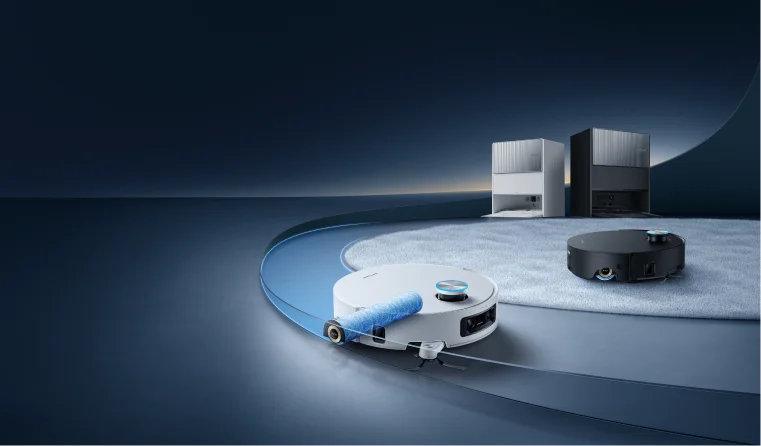
Take the Dreame X50 Ultra and its world-first retractable legs, which lift it over obstacles up to 2.36in (6cm) high, like carpet edges and door thresholds, with minimal noise. The newer X60 Max Ultra Complete pushes that further, clearing thresholds up to 3.47in (8.8cm). Both models reach the spots that collect dust, sliding under low furniture and into tight corners to clear what builds up there. Their anti-tangle DuoBrush handles hair without wrapping or clogging
Curious how the obstacle crossing capability of robot vacuums keeps improving? Read our Why Smart Robot Vacuums Still Get Stuck (And How Hardware is Fixing It) report.
3. Precise and customized cleaning with smart mapping
Modern robot vacuums come equipped with cutting-edge sensors, like LiDAR and AI-driven navigation, to scan and create a precise map of your home. Once mapped, the vacuum plans an optimized cleaning path, avoiding obstacles while covering all areas of your floor. The smart mapping allows you to set specific cleaning schedules for different rooms, ensuring that your kitchen or bathroom gets the attention it needs without wasting time on areas that don't require cleaning.
4. Low maintenance, low cost
Modern robot vacuums are built to take care of themselves. With self-emptying, self-refilling, and self-charging features, they automatically return to their dock when the battery runs low and empty their dustbins without your help. Many advanced docks can store 90-150 days of debris, cutting down on daily maintenance and saving you time. Even better, their efficient use of water and power keeps operating costs low, making them a smart, budget-friendly choice for busy homeowners who want a spotless home with minimal effort.
5. Improved air quality with consistent cleaning
Regular use of vacuum cleaners equipped with HEPA filters can significantly improve indoor air quality by reducing dust, pet hair, and allergens that accumulate in the home. A study found that HEPA-equipped vacuums do not significantly increase particulate matter (PM) emissions during operation, which prevents harmful particles from being released back into the air. This means that consistent vacuuming with these devices helps keep allergens, dust, and pet hair from circulating in the home, leading to a cleaner and healthier environment, especially for those with respiratory issues.
In addition to minimizing particulate emissions, vacuuming regularly helps prevent the buildup of dust and allergens, which can worsen indoor air quality. The study showed that vacuums without HEPA filters, such as bagged models, emitted higher levels of PM, suggesting that vacuums with HEPA filtration are far more effective at maintaining clean air. With continued use, these vacuums contribute to a healthier living space, particularly for individuals who suffer from allergies or asthma, by reducing the number of airborne particles that could trigger respiratory problems.
6. Deeper clean with bacteria removal technology
Many high-end robot vacuums are designed with bacteria removal features. These vacuums often include UV-C sterilization or antibacterial brush materials that help eliminate harmful microbes and bacteria from your floors. This added layer of protection ensures that your home is not only visibly clean but hygienic as well. This is particularly beneficial in homes with young children, elderly family members, or pets, as it helps maintain a safe and clean environment, free from germs and harmful bacteria.
7. You can name your robot vacuum
Naming is a fun part. You can name your robot vacuum as Moptimus Prime, Meryl Sweep, Steve McClean, among other quirky names, and share your unique "adventures" on Instagram and TikTok. Anyway, naming your robot vacuum not only makes it feel more personal but also allows you to share its cleaning exploits with friends and family.
What are the Potential Drawbacks of Robot Vacuums?
While robot vacuums can facilitate our lives, they do come with some drawbacks. Let's get to some potential challenges and how Dreame robot vacuums address them.
1. Higher initial cost
Robot vacuums fall within a price range of $200 to over $1,500 on the whole. Lower-end models typically cost around $200-$400, offering basic functionality that can clean efficiently but may not meet the needs of more diverse cleaning tasks. The shining features, such as impressive suction power, smarter navigation, longer battery life, etc., have pushed up the overall price, often reaching $800-$1,500+.
2. Larger homes require several cleaning cycles
Understanding how battery life affects cleaning time is crucial. For larger homes, robot vacuums may need to complete several cleaning cycles to cover the entire space. This is quite a challenge for limited battery life.
3. Some robot vacuums can be noisy
Generally quieter than traditional models, robot vacuums can still produce noticeable noise (60dB to 75dB, comparable to street noise) during operation, especially when running at higher suction power or getting over obstacles. Such noise may be particularly disruptive in quieter environments, such as bedrooms or offices.
4. First-time set-up might seem complicated
For first-time users, setting up a robot vacuum and syncing it with smart home systems can sometimes be challenging. The initial configuration might take longer than expected, especially when trying to connect the vacuum to the app or configure custom settings. Users may also need time to learn how to adjust cleaning schedules and zones properly.
5. Suction power varies
The suction power of robot vacuums can vary significantly between different models. Most budget-friendly models offer suction power around 1,000 to 2,500Pa, which is sufficient for light cleaning on hard floors. However, these vacuums often struggle to pick up dirt or debris from thicker carpets, corners, or high-pile rugs. Mid-range models usually range from 3,000Pa to 5,000Pa and provide better suction, but they still may not be effective for homes with pets or large, heavily soiled areas.
Should You Get a Robot Vacuum?
Whether a robot vacuum is right for you depends on several factors. The advantages and disadvantages of robot vacuums above apply to nearly every model, but how much each one matters comes down to your home, your pets, and your budget.
A small apartment with hardwood needs a different vacuum than a large house with carpet and two shedding dogs. If you're weighing the decision to get a robot vacuum for your home, this guide breaks down whether a robot vacuum is worth it for your household.
Choosing the Right Robot Vacuum
A robot vacuum makes sense when it fits your home and your routine, not when it has the longest feature list. Match the suction, brush type, and navigation to your floors and pets, and daily cleaning turns into something you stop thinking about.
Most Dreame models handle that mix with strong suction, self-emptying docks, and anti-tangle brushes built for pet hair. Browse the Dreame robot vacuum collection to find the model that suits your space.
Advantages and Disadvantages of Robot Vacuums FAQ
Which is better, a robot vacuum or a robot mop?
While robot vacuums are designed to pick up dirt, dust, and pet hair from floors, robot mops specialize in mopping, leaving floors sparkling clean by wiping away sticky residues, spills, and grime. If you want a vacuum for dirt and hair pick up only, a robot vacuum will do the job. If you want to maintain shiny, clean floors without manually mopping, a robot mop may be a better option. For complete home cleaning, some people opt for a robot vacuum-mop combo for the best of both worlds. Read Robot Vacuum No Mop or Combo: Which Is Best? to make your decision.
How to choose a good robot vacuum?
When selecting a robot vacuum, consider suction power, battery life, navigation, and maintenance. For pet owners, a model with anti-tangle brushes and strong suction is ideal. Capable battery (eg. 6,400mAh) suits larger homes. Look for smart features like app control and voice assistant integration, as well as self-emptying, mop washing and mopping for convenience.
How efficient is a robot vacuum for pet hair?
Robot vacuums excel at picking up pet hair. With powerful suction (20,000Pa) and anti-tangle brushes, they easily get hair from carpets and hard floors. These vacuums are designed to handle pet hair without getting clogged.
Can you integrate a robot vacuum into a smart home system?
Yes, many robot vacuums, including the Dreame's, work seamlessly with smart home systems, and support protocols like Matter. You can also try the Dreamehome app to control and monitor the vacuum with voice commands or your smartphone.
