
150+ Funny Robot Vacuum Names You'll Actually Want to Use

150+ Funny Robot Vacuum Names You'll Actually Want to Use

Dreame Editorial Team |
Your robot vacuum has a personality, so it deserves a nickname that matches. Whether you want something silly, sweet, or straight out of a movie, here is a big, browseable list of funny robot vacuum names and plenty of other styles to help you pick one the whole house will love to use. Funny Robot Vacuum Names Good robot vacuum names turn a chore into a running family joke, which is exactly why they stick. Here are 20 nicknames for robot vacuums that earn a laugh every time your vacuum rolls out: Sir Sucks-a-Lot: knighted for a lifetime of loyal crumb duty. Darth Sweeper: the dark lord of dust bunnies. Clean Kardashian: keeps the floors camera-ready at all times. Sweep Caroline: good times never felt so clean. The Notorious D.U.S.T.: biggest name in the debris game. Captain Crumbsnatcher: no fallen snack survives its patrol. Suck Norris: the floor practically cleans itself out of respect. Count Dustula: comes alive at night to feast on lint. Crumb Reaper: arrives quietly, leaves nothing behind. Lord of the Rugs: one vacuum to clean them all. Dustin Hoover: a leading role in every living-room performance. Snack Overflow: where dropped popcorn goes to disappear. Meals on Wheels: delivering clean floors, one lap at a time. Crumb Judy: here to judge your snacking habits, gently. Oops! All Crumbs: named for the exact mess it was built to handle. Dirt Reynolds: smooth, charming, and always picking up. Sweepy McSweepface: the people voted, and the floor won. Grime Minister: runs a very tight, tidy cabinet. Vac to the Future: cleans today like it is already tomorrow. Mopra Winfrey: hosts the tidiest room in the house. Pro-tip: If it makes someone laugh, they'll remember it. Pick a name your kids and guests will repeat, and it'll catch on fast. Clever & Punny Robot Vacuum Names The best sign that a pun has landed is when it gets a ton of groans, and these names are guaranteed to cause a whole lot of them. These 20 balance wit with something you'll still enjoy saying a year from now: R2Clean2: beeps with purpose, tidies with heart. The Floorbinator: it'll be back, and the floor will be spotless. Swifferella: off to the ball once the sweeping's done. Hairy Poppins: practically perfect in every dusty corner. Dusty Springfield: wishing and hoping for a lint-free rug. Carpet Diem: seize the day, and the dust along with it. Mop Gun: top of the class at close-quarters cleaning. Elon Dusk: big plans, mostly involving your baseboards. Dust Malone: a smooth operator on hardwood. Brooma Thurman: brings a little action-movie energy to chores. Dwayne "The Rug" Johnson: lays the smackdown on pet hair. Mopzart: every cleaning cycle is a small symphony. The Fresh Prince of Bare Floors: now this is a story all about clean. Napoleon Bonavac: small in size, huge in ambition. Fleetwood Vac: never breaks the chain of a good cleaning routine. Broom Raider: on a quiet quest for every lost crumb. Vlad the Inhaler: politely draining the life out of the dust. Dust Till Dawn: keeps the night shift spotless. Sweep Jobs: sleek design, spotless results. Anakin Skywiper: brings balance to a dusty floor. Cute Robot Vacuum Names Cute robot vacuum names make the machine feel like a small pet that happens to tidy up. Here are 15 soft, friendly picks that suit a family home: Momo: soft name, mighty appetite for dust. Sniffy: always nosing out the next mess. Cuddles: the friendliest floor helper you'll ever meet. Waffles: sweet, round, and always on schedule. Pickle: small, a little quirky, weirdly lovable. Noodle: wiggles into every tight corner. Dumpling: round, warm, and full of good intentions. Beep: says hello in the only language it knows. Squeak: tiny voice, big cleaning heart. Marshmallow: a soft name for a surprisingly tough worker. Tater Tot: bite-sized and always busy. Wiggles: dances around the furniture legs. Bao: round, cozy, and always hungry for crumbs. Mochi: soft, squishy, and surprisingly speedy. Peaches: sweet company on any cleaning day. Cool & Futuristic Robot Vacuum Names Cool names lean into the sleek, high-tech side of a robot vacuum, and they have a timeless ring. These 15 sound as if they belong to a machine from the near future: Orion: hunts down dust like stars across the floor. Jet: fast, sleek, gone before you notice. Nova: a quiet burst of clean, right on cue. Onyx: dark, glossy, and all business. Vega: a bright name for a bright little machine. Titan: carries a big-cleaning reputation. Zenith: always working toward peak tidiness. Cipher: moves in mysterious, methodical patterns. Comet: leaves a trail of clean, not dust. Axiom: cleaning is simply the truth it lives by. Vertex: always finds the sharpest path to clean. Halo: circles the room with a quiet glow of order. Quartz: precise, polished, and cool under pressure. Pulse: keeps a steady rhythm across every floor. Astra: reaches for spotless, room after room. Pop Culture Robot Vacuum Names Pop culture names give your vacuum instant personality, borrowing a character everyone already loves. Here are 15 that fit a hardworking little robot, and if you want to take the theme further, our robot vacuum costume ideas are a fun follow-on: Gollum: precious, isn't it, that spotless floor. WALL-E: the original lovable cleaning robot. Kratos: brings full battle intensity to crumb duty. Lil Sweep: dropping clean tracks all day. Sweeping Beauty: wakes at the tap of a button. The Mopdalorian: this is the way to a clean floor. Mr. Miyagi: wax on, dust off. Gandalf the Grey: stands between your rugs and the dust, saying "you shall not pass." Chewie: loyal, a little fuzzy, always by your side. Stitch: chaos with a soft spot for tidy rooms. Totoro: a gentle giant of the living-room floor. Bumblebee: rolls in and transforms your mess into clean. Neo: dodges furniture like it's bending the rules. Smaug: guards its dustbin like a hoard of gold. Dustin: the loyal friend your floor didn't know it needed. Pet-Inspired Robot Vacuum Names Pet-inspired nicknames for robot vacuums are a natural fit, since many households have a furry friend and most robot vacuums spend their day chasing fur. If shedding is your main battle, it's also worth knowing whether robot vacuums avoid dog poop, since the smarter ones use AI vision to spot it and steer around it instead of spreading the mess. Here are 15 names for the pet lover: Shedlock Holmes: investigates every last strand of fur. Fur Elise: cleans to a quiet, classical rhythm. Fetch: always brings back a full dustbin. Sir Waggington: greets the day with tail-wagging energy. Hairball: named for its arch-nemesis. Kibble: small, dependable, always underfoot. Paws: pads softly from room to room. Goodest Boy: praise-worthy on every single run. Tumbleweed: rolls wherever the dust leads. Captain Fluffbeard: sails the seas of pet hair. Whisker: sniffs out fur in every corner. Furmione: solves every mess like it's top of the class. Bark Twain: full of tall tales about tumbleweeds of fur. Sheddington: tidies the fluff with a posh little air. Furocious: a gentle name with a relentless take on shedding. Female Robot Vacuum Names Female robot vacuum names give the machine a warm, familiar character, and they're a fun way to honor the tidiest woman you know. Here are 15 that feel like a friendly member of the household: Dolly Carpet-on: works 9 to 5 on your floors. Mabel: steady, sweet, and never misses a corner. Doris: the tidy-aunt energy your home needs. Agnes: quietly runs a very tight ship. Winnie: cheerful company on cleaning day. Zelda: adventurous through every room. Cleo: regal about her spotless domain. Ramona: a little bold, a lot reliable. Etta: hums along while she works. Priscilla: prim, proper, and very thorough. Gigi: chic, and never leaves a speck. Pearl: quietly polishes every room. Beatrix: busy, bright, and thorough. Marlowe: keeps a cool eye on the dust. Junie: cheerful from the first lap to the last. Male Robot Vacuum Names Male robot vacuum names lean into reliable-handyman energy, the kind of name you'd give a steady worker who quietly gets the job done. Here are 15 to choose from: Gus: the dependable handyman of the house. Walter: quiet, careful, gets it done. Herb: low-key legend of the living room. Stanley: built like he means business. Otis: rises to every mess without complaint. Clarence: old-school manners, modern cleaning. Bernard: the butler your floors deserve. Ernie: cheerful about the least glamorous job. Chester: settles into a comfortable cleaning routine. Mortimer: a touch formal, a lot effective. Roy: steady hands, spotless floors. Frank: honest work, no fuss. Dale: easygoing and always on time. Marvin: a little moody, a lot dependable. Cornelius: a formal name for a tireless worker. Classic All-Rounder Names Classic names are easy to say, easy to remember, and they never go out of style. Here are 10 crowd-pleasers that suit any home: Rosie: the housekeeper name that started it all. Max: simple, friendly, easy to call out. Luna: calm and steady on the night shift. Scout: explores every room like it's a mission. Felix: happy-go-lucky around the furniture. Ollie: approachable and always game. Milo: small name, big personality. Hazel: warm, homey, and dependable. Bailey: friendly, familiar, always welcome. Charlie: the easy pick that never feels wrong. Cheeky Robot Vacuum Names Cheeky robot vacuum names are for anyone who wants a little attitude and a wink. These are the funny, slightly dirty, almost-offensive picks people go looking for, edgy enough to get a laugh but clean enough to say in front of the kids: The Sucktator: rules the floor with an iron grip, no apology needed. Big Suck Energy: struts in, acting like it owns every inch of floor. No Suck Given: zero drama, and your crumbs vanish anyway. Sucks to Be Dust: not here to make friends with your mess. Dirt Bag: talks a big game, then backs it up on every pass. Popular Robot Vacuum Names in 2026 These are the cleaning robot names turning up most often in owner threads this year. Once yours has a name, it's fun to watch it work, and our guide to vacuuming tricky spots shows how these little machines reach the corners and gaps under low furniture that most units miss: DustVader: the internet's forever favorite. RoboCop: patrolling the floors, serving the public good. Bluey: a family favorite that turns chores into playtime. C3Clean-O: protocol droid, cleaning division. Wednesday: deadpan about dust, ruthless on crumbs. Vaccy Chan: quick on its feet, spotless on every pass. Gru: quietly masterminds a spotless floor. Ken: just Kenough to keep the floors clean. Beetlejuice: say it three times and the mess is already gone. Nibbles: small, popular, and always munching crumbs. Pros & Cons of Each Naming Style Every naming style has a trade-off, so here's a quick side-by-side before you commit: Style Pro Con Funny Gets a laugh and sticks in memory Can feel dated if it leans on a passing fad Pop Culture Instant recognition and personality May puzzle guests who don't know the reference Cool Sleek and timeless Can feel a little impersonal Cute Warm and family-friendly Might feel too soft for some homes Clever Shows off your wordplay The pun can take a beat to land Classic Easy to say, never goes out of style Less unique, others may share it How to Choose the Best Name What makes a good robot vacuum name is one that's easy to say out loud and matched to the personality you've given the machine. Run any contender through these four quick checks: Make it easy to say. A name you enjoy saying gets used, whether it's snappy like Jet or a full mouthful like The Mopdalorian. Say it aloud first. If it feels awkward in your mouth, you won't actually use it. Match the mood. A playful home suits a playful name, a sleek setup suits a sleek one. Keep voice control in mind. If you'll run it through Alexa or Google Home, a shorter nickname is easier for the assistant to catch. More on that in the naming fails below. Robot Vacuum Naming Fails The names that flop are the ones that are a pain to say out loud or that set off your smart speaker by accident. Steer clear of these five: Vacky: too on-the-nose to feel like a real name. The Vacuum: naming it after what it does is the fastest way to forget it has a name at all. Mr. Noisy: you'll start believing it and notice every hum. Alexa, Echo, or "Hey Google": these are wake words, so they hijack your voice assistant every time you mention the vacuum by name. A tongue-twister: if you stumble over the name, your voice assistant will too, and hands-free control turns into a chore. Once yours has a name, a few minutes of upkeep keeps it working like new. Simple habits like emptying the dustbin and rinsing the filter protect suction over time, and our guide to robot vacuum maintenance tips walks through the easy ones in a couple of minutes. How to Rename Your Robot Vacuum Renaming your robot vacuum takes under a minute in the companion app. Open the Dreamehome app, tap your device, go into device settings, and edit the name field. It's worth doing early, since the name you set is the one you'll use for voice control through Alexa and Google Home, so keep it clear and easy to say for a smoother hands-free experience. Make Your Robot Vacuum Feel Like Home In the end, the best nickname for your robot vacuum is the one that makes you smile when it rolls by. Take your shortlist for a spin and say each option out loud until one feels right. If you don't have the machine yet, browse our robot vacuums first, then give the one that joins your home a name of its own. Frequently Asked Questions What should I name my robot vacuum? Pick a name that's easy to say aloud and matches its personality. Browse the categories above, from funny to cute to pop culture, and say your shortlist out loud to see which one feels right. What are some funny robot vacuum names? Fan favorites include Suck Norris, Captain Crumbsnatcher, Count Dustula, and Dust Malone. Each one turns cleaning day into a small joke the whole house shares. Do people actually name their robot vacuums? Yes, owner threads are full of them. A named vacuum tends to get used and talked about more, since it feels like part of the family rather than a gadget in the closet. What are some powerful robot vacuum names? Titan, Kratos, Zenith, and Axiom all carry a strong, capable ring to them. They suit a machine you want to feel like a heavy hitter on cleaning day. Can I rename my robot vacuum in the app? Yes, you can. Head to device settings in the companion app and update the name field, then keep it clear and easy to say so your voice assistant catches it. See the rename walkthrough above for the steps.
Continue reading
Best Robot Vacuum and Mop Combos of 2026

Best Robot Vacuum and Mop Combos of 2026

Dreame Editorial Team |
The best robot vacuum and mop combos are designed to clean your floors in one pass and then automatically clean and dry the mop, ensuring that yesterday's dirt doesn't get smeared across your floor during the next cleaning. Unfortunately, many models fall short in this area. Instead of mopping effectively, some robot vacuum and mop combos merely drag a damp pad across the floor, often redistributing dirt rather than removing it. This guide highlights five robot vacuum and mop combos suitable for various types of homes. Finding the right one depends on the type of flooring you have. Best overall robot vacuum and mop Dreame Pick: The Dreame X60 Max Ultra Complete vacuums and mops in one pass, and the mop is built to clean rather than smear. Its thermal mop pads mop with 40°C warm water, so they soften grease and dried spills instead of pushing them around. The dual omni-scrub pads spin at 230 RPM to loosen stubborn stains. Between runs, the dock washes those pads with 100°C hot water, which dissolves the grease they picked up, so they never go back down dirty, then dries them with hot air so they don't sit damp and turn smelly. At $2,399.99 CAD, it's a flagship buy, and the cleaning hardware is where that goes. 35,000 Pa Vormax™ suction lifts pet hair and crumbs from hard floors and carpet before the mop touches down. On rugs, the mop lifts 10.5mm to keep them dry while it vacuums. AI cameras recognize 280+ objects to steer around cords and clutter, and at 7.95cm tall, it slides under most furniture. Retractable legs climb thresholds up to 8.8cm, so it moves from room to room without stalling on door tracks. [product handle="x60-max-ultra-complete-robot-vacuum" rating="4.8" slogan="Editor's Pick"] Also consider: Roborock has a devoted following among smart-home fans. Ecovacs has been making robot vacuums and mops for years, and eufy is where many first-time buyers start. Best for mopping and hard floors Dreame Pick: The Dreame Aqua10 Ultra Roller is the pick when mopping is your priority, and it works differently from the pad-style combos. Instead of dragging a flat pad around, it cleans with a FluffRoll™ roller that counter-rotates to lift fibers and pull grime from the surface, rather than gliding over it. It continuously rinses with fresh water as it goes, so every pass leaves clean water on the floor rather than spreading the dirty water it just picked up. The dock washes the roller at 100°C and dries it with hot air, so it starts every run fresh and can go up to 100 days before you empty it. Its price of $2,299.99 CAD, places it in flagship territory, and the roller is the reason to pay for it. On rugs, AutoSeal™ closes and lifts the roller 14mm to keep them dry. 30,000 Pa Vormax™ suction handles the everyday vacuuming, and OmniSight™ 2.0 navigation steers around 240+ objects. Pricing runs $2,299.99 CAD. [product handle="aqua10-ultra-roller-robot-vacuum" rating="4.8" slogan="Best for Mopping"] Also consider: Narwal made its name on mopping-first robots, while Roborock tends to win over the research-heavy crowd. Best for carpet and mopping Dreame Pick: The Dreame Matrix10 Ultra cleans carpet and hard floors without getting your rugs wet, making it the pick for mixed-surface homes. On thick carpet, it removes the mop entirely so it can vacuum, then reattaches it for hard floors. On low-pile carpet, it lifts the mop 10.5mm to keep rugs dry while it vacuums. It's the most expensive option here at $2,699.99 CAD, but the mopping is where it shows. When it mops, the dual omni-scrub pads spin at 165 RPM and tilt ±5° to press down with 8N of force, scrubbing stuck-on messes loose instead of skating over them. The 100°C ThermoHub™ self-cleaning washes them fresh between runs. 30,000 Pa Vormax™ suction lifts debris from hard floors and carpet, and ProLeap™ legs cross obstacles up to 8cm. The full Matrix10 Ultra review goes into even deeper detail. [product handle="matrix10-ultra-robot-vacuum" rating="4.7" slogan="Best for Carpet"] Best mid-range robot vacuum and mop Dreame Pick: The Dreame L60 Pro Ultra is the sweet spot for most homes that want a capable vacuum and mop combo without the flagship price. It runs for $1,899.99 CAD, which is hundreds less than the flagship picks above while keeping the features that matter. Its thermal mop pads mop with 40°C warm water, which softens grease and dried spills a cold pad would only smear. The dual omni-scrub pads scrub rather than glide, and the 100°C ThermoHub™ self-cleaning washes them fresh between runs so they never go back down dirty. ProLeap™ Robotic Legs cross obstacles up to 8.8cm, matching the reach of flagship models. Liftable LiDAR navigation drops its profile to 8.9cm so it cleans under low furniture, and a self-emptying dock handles the dust for you. [product handle="l60-pro-ultra-robot-vacuum" rating="4.8" slogan="Best Mid-Range"] Also consider: eufy is a popular value-focused name, and Roborock makes robot vacuums across a wide range. Best budget robot vacuum and mop Dreame Pick: The Dreame D20 Pro Plus is the budget pick that still pulls double duty, vacuuming and mopping in one pass, so you don't have to buy two separate machines. At an entry price of $749.99 CAD, getting both jobs done in a single run is a real win. Its 13,000 Pa Vormax™ suction handles everyday dust and crumbs, and the mop can handle light spills. The dock holds up to 150 days of dust before it needs emptying, so it mostly looks after itself, and a HyperStream™ Detangling DuoBrush keeps hair from wrapping the roller. It won't mop like the flagship picks, but for daily upkeep without the flagship price, two jobs in one pass is hard to beat. [product handle="d20-pro-plus-robot-vacuum" rating="5.0" slogan="Best Budget"] Also consider: iRobot is a well-known name in robot vacuums, and eufy keeps things simple and wallet-friendly for a first machine. Why Most Robot Mops Disappoint Most robot mops disappoint for one reason: they press a damp pad against the floor and push it around, spreading dirty water more than they lift grime. A pad that never gets rinsed mid-clean only gets dirtier with every room, and a combo with no self-washing can leave a smelly, dirty pad behind. Plenty of models can't lift that pad off the floor either, so they drag it across your rugs, leaving them wet. A good robot mop works differently. A roller mop with continuous fresh water cleans the floor, while a static damp pad just relocates the dirt. A dock that washes the mop with hot water between runs means it starts clean every time. If you've wondered whether mopping robot vacuums are worth it, the answer comes down to mop design, not the vacuum part. That's what makes the best robot mop different: it actually cleans the floor instead of moving dirt around it. What Makes a Good Robot Vacuum and Mop Combo? Judge a good robot vacuum and mop combo by the mop first, then the vacuum. Mop type matters most: a roller or a pad that rinses with fresh water cleans better than a static pad sitting in its own dirty water. Next, look at how it manages water: clean water goes down, dirty water stays off your floor. Carpet is the last piece. The combo should lift the pad on the carpet so your rugs stay dry while it vacuums them. A self-washing dock keeps the pad fresh between runs, ideally one that rinses with hot water. Warm pads clear sticky messes; cold pads just smear them. Pads that scrub harder lift more grime than ones that just glide. Suction matters last, since a mop only works once the floor is vacuumed. For the full breakdown of navigation, docks, and everything else worth knowing about, read the complete robot vacuum buying guide. How Dreame Tests Robot Vacuums The standard industry test for a robot vacuum is dust pickup in an empty square room. Your home is not an empty room, so Dreame's testing starts where that test ends. Hair is the clearest example. Engineers run each robot vacuum against a blend of hair lengths from 3cm to 30cm, designed to clog and tangle a poorly designed roller brush. After every run, the team collects and weighs the hair from three collection points: the dust box, the roller brush, and the side brush. The result is a hair tangling rate, which shows how much hair the vacuum actually swallowed versus how much wrapped around its brushes. Cleaning efficiency alone hides that difference, and it's the difference that matters in a home with pets or long hair. Durability gets the same scrutiny. Every model passes compression and drop testing, then vibration runs that simulate real shipping. Environmental simulation chambers expose finished units to extreme heat, humidity, rain, and salt spray. Read the full methodology in How Dreame Tests Robot Vacuums. Choosing the Right Robot Vacuum and Mop Combo for Your Home The right pick really comes down to the floors you're working with. Homes with mostly hard surfaces benefit from strong mopping and a dock that self-cleans between runs, while mixed carpet and hard floors call for a model that keeps your rugs dry while it mops. If you're buying your first combo, a simpler option on a smaller budget still covers daily cleaning without trouble. What matters most is matching the machine to how your home is actually laid out, not chasing the highest numbers on the box. Browse the full robot vacuum collection to find the combo that fits your home. FAQ Do robot vacuum and mop combos actually mop well? It depends on the mop. A roller or pad that rinses with fresh water and self-washes between runs mops genuinely well, while a static damp pad mostly moves dirt around. The mop design matters more than the vacuum. Can a robot vacuum and mop do both in one run? Yes. It vacuums and mops in a single pass, and the better models lift the mop off the carpet so your rugs stay dry while it vacuums. Are robot mops worth it? Yes, if the combo self-washes its mop and lifts on carpet. If it lacks those features, it can spread dirty water around your floors instead of actually cleaning them. What's the best robot vacuum and mop for pet hair? Look for an anti-tangle brush paired with hot-water mopping for paw prints and accidents. An anti-tangle design keeps long hair from wrapping the roller, and hot water clears sticky messes a cold pad would smear. Do robot vacuum and mop combos work on carpet? Yes, they work on carpet. The better models lift the mop off the carpet so your rugs don't get wet while the vacuum cleans them. How do robot mops clean the mop pads? The dock washes the pads for you, ideally with hot water, so they don't go back down dirty. A 100°C hot wash keeps a pad far fresher than a cold rinse, or no rinse at all, which most Dreame robot vacuums and mops offer.
Continue reading
Advantages and Disadvantages of Robot Vacuums

Advantages and Disadvantages of Robot Vacuums

Dreame Editorial Team |
Robot vacuums have transformed home cleaning by offering a faster, easier, and more convenient way to maintain a tidy space. With features like hands-free operation, smart mapping, and customizable schedules, these devices automate the cleaning process, saving valuable time and energy for busy households. The global market for robotic vacuum cleaners is projected to reach USD 29.82 billion by 2030, fueled by a rising demand for smart home technology and hands-off cleaning. Despite their popularity, you should still consider whether a robot vacuum is right for your cleaning routine and the layout of your home. The Many Advantages of Robot Vacuums Let's pierce the veil over some of the most notable advantages robot vacuums bring to the table. 1. Hands-free cleaning Robot vacuums are a bonus, particularly for those with a packed schedule. They save you time and effort by cleaning your floors without requiring your constant attention. Many modern models feature scheduling options and voice assistant integration with Direct Voice Call, Alexa, Google Home, or Siri. This means you can set it to clean when it's convenient for you, such as while you're at work or relaxing at home. The hands-free approach makes everyday cleaning hassle-free, leaving you with more time to enjoy your life. 2. Advanced maneuverability: glide over obstacles and reach deeper corners Take the Dreame X50 Ultra and its world-first retractable legs, which lift it over obstacles up to 2.36in (6cm) high, like carpet edges and door thresholds, with minimal noise. The newer X60 Max Ultra Complete pushes that further, clearing thresholds up to 3.47in (8.8cm). Both models reach the spots that collect dust, sliding under low furniture and into tight corners to clear what builds up there. Their anti-tangle DuoBrush handles hair without wrapping or clogging Curious how the obstacle crossing capability of robot vacuums keeps improving? Read our Why Smart Robot Vacuums Still Get Stuck (And How Hardware is Fixing It) report. 3. Precise and customized cleaning with smart mapping Modern robot vacuums come equipped with cutting-edge sensors, like LiDAR and AI-driven navigation, to scan and create a precise map of your home. Once mapped, the vacuum plans an optimized cleaning path, avoiding obstacles while covering all areas of your floor. The smart mapping allows you to set specific cleaning schedules for different rooms, ensuring that your kitchen or bathroom gets the attention it needs without wasting time on areas that don't require cleaning. 4. Low maintenance, low cost Modern robot vacuums are built to take care of themselves. With self-emptying, self-refilling, and self-charging features, they automatically return to their dock when the battery runs low and empty their dustbins without your help. Many advanced docks can store 90-150 days of debris, cutting down on daily maintenance and saving you time. Even better, their efficient use of water and power keeps operating costs low, making them a smart, budget-friendly choice for busy homeowners who want a spotless home with minimal effort. 5. Improved air quality with consistent cleaning Regular use of vacuum cleaners equipped with HEPA filters can significantly improve indoor air quality by reducing dust, pet hair, and allergens that accumulate in the home. A study found that HEPA-equipped vacuums do not significantly increase particulate matter (PM) emissions during operation, which prevents harmful particles from being released back into the air. This means that consistent vacuuming with these devices helps keep allergens, dust, and pet hair from circulating in the home, leading to a cleaner and healthier environment, especially for those with respiratory issues. In addition to minimizing particulate emissions, vacuuming regularly helps prevent the buildup of dust and allergens, which can worsen indoor air quality. The study showed that vacuums without HEPA filters, such as bagged models, emitted higher levels of PM, suggesting that vacuums with HEPA filtration are far more effective at maintaining clean air. With continued use, these vacuums contribute to a healthier living space, particularly for individuals who suffer from allergies or asthma, by reducing the number of airborne particles that could trigger respiratory problems. 6. Deeper clean with bacteria removal technology Many high-end robot vacuums are designed with bacteria removal features. These vacuums often include UV-C sterilization or antibacterial brush materials that help eliminate harmful microbes and bacteria from your floors. This added layer of protection ensures that your home is not only visibly clean but hygienic as well. This is particularly beneficial in homes with young children, elderly family members, or pets, as it helps maintain a safe and clean environment, free from germs and harmful bacteria. 7. You can name your robot vacuum Naming is a fun part. You can name your robot vacuum as Moptimus Prime, Meryl Sweep, Steve McClean, among other quirky names, and share your unique "adventures" on Instagram and TikTok. Anyway, naming your robot vacuum not only makes it feel more personal but also allows you to share its cleaning exploits with friends and family. What are the Potential Drawbacks of Robot Vacuums? While robot vacuums can facilitate our lives, they do come with some drawbacks. Let's get to some potential challenges and how Dreame robot vacuums address them. 1. Higher initial cost Robot vacuums fall within a price range of $200 to over $1,500 on the whole. Lower-end models typically cost around $200-$400, offering basic functionality that can clean efficiently but may not meet the needs of more diverse cleaning tasks. The shining features, such as impressive suction power, smarter navigation, longer battery life, etc., have pushed up the overall price, often reaching $800-$1,500+. Dreame Take: We successfully struck a balance between price and performance, catering to a wide variety of user needs by introducing three categories: premium, advanced, and essential. 2. Larger homes require several cleaning cycles Understanding how battery life affects cleaning time is crucial. For larger homes, robot vacuums may need to complete several cleaning cycles to cover the entire space. This is quite a challenge for limited battery life. Dreame Take: Our robot vacuums come equipped with long-lasting batteries capable of cleaning large spaces on a single charge. The X60 Max Ultra Complete runs on a 6,400mAh battery and recharges fully in about 80 minutes, so even after a big job it's ready again quickly. For larger homes, that mix of capacity and fast charging keeps cleaning moving with fewer stops. 3. Some robot vacuums can be noisy Generally quieter than traditional models, robot vacuums can still produce noticeable noise (60dB to 75dB, comparable to street noise) during operation, especially when running at higher suction power or getting over obstacles. Such noise may be particularly disruptive in quieter environments, such as bedrooms or offices. Dreame Take: Dreame's robot vacuums are designed with noise-reducing technology that ensures quieter operation compared to many other models. For example, the Dreame X50 Ultra uses the integrated shock absorption system to prevent harsh collisions and maintain an impressively low noise level. 4. First-time set-up might seem complicated For first-time users, setting up a robot vacuum and syncing it with smart home systems can sometimes be challenging. The initial configuration might take longer than expected, especially when trying to connect the vacuum to the app or configure custom settings. Users may also need time to learn how to adjust cleaning schedules and zones properly. Dreame Take: Dreame robot vacuums come with a highly intuitive Dreamehome app, that simplifies the setup process and integrates with smart home systems like Alexa and Google Home. The app offers a user-friendly interface, allowing users to easily configure cleaning schedules, set no-go zones, and control cleaning modes. With regular software updates, Dreame ensures that users have a seamless experience and minimal connectivity frustrations, especially for first-time users. 5. Suction power varies The suction power of robot vacuums can vary significantly between different models. Most budget-friendly models offer suction power around 1,000 to 2,500Pa, which is sufficient for light cleaning on hard floors. However, these vacuums often struggle to pick up dirt or debris from thicker carpets, corners, or high-pile rugs. Mid-range models usually range from 3,000Pa to 5,000Pa and provide better suction, but they still may not be effective for homes with pets or large, heavily soiled areas. Dreame Take: Dreame's high-end robot vacuums use powerful suction systems that clean well across the whole home. The X60 Max Ultra Complete, for example, pairs 35,000Pa Vormax™ suction with the HyperStream™ Detangling DuoBrush, pulling debris from tight corners and narrow gaps while handling hair up to 15.75in (40cm). Strong suction and a tangle-resistant brush mean edges and the space under furniture get cleaned thoroughly. Should You Get a Robot Vacuum? Whether a robot vacuum is right for you depends on several factors. The advantages and disadvantages of robot vacuums above apply to nearly every model, but how much each one matters comes down to your home, your pets, and your budget. A small apartment with hardwood needs a different vacuum than a large house with carpet and two shedding dogs. If you're weighing the decision to get a robot vacuum for your home, this guide breaks down whether a robot vacuum is worth it for your household. Choosing the Right Robot Vacuum A robot vacuum makes sense when it fits your home and your routine, not when it has the longest feature list. Match the suction, brush type, and navigation to your floors and pets, and daily cleaning turns into something you stop thinking about. Most Dreame models handle that mix with strong suction, self-emptying docks, and anti-tangle brushes built for pet hair. Browse the Dreame robot vacuum collection to find the model that suits your space. Advantages and Disadvantages of Robot Vacuums FAQ Which is better, a robot vacuum or a robot mop? While robot vacuums are designed to pick up dirt, dust, and pet hair from floors, robot mops specialize in mopping, leaving floors sparkling clean by wiping away sticky residues, spills, and grime. If you want a vacuum for dirt and hair pick up only, a robot vacuum will do the job. If you want to maintain shiny, clean floors without manually mopping, a robot mop may be a better option. For complete home cleaning, some people opt for a robot vacuum-mop combo for the best of both worlds. Read Robot Vacuum No Mop or Combo: Which Is Best? to make your decision. How to choose a good robot vacuum? When selecting a robot vacuum, consider suction power, battery life, navigation, and maintenance. For pet owners, a model with anti-tangle brushes and strong suction is ideal. Capable battery (eg. 6,400mAh) suits larger homes. Look for smart features like app control and voice assistant integration, as well as self-emptying, mop washing and mopping for convenience. How efficient is a robot vacuum for pet hair? Robot vacuums excel at picking up pet hair. With powerful suction (20,000Pa) and anti-tangle brushes, they easily get hair from carpets and hard floors. These vacuums are designed to handle pet hair without getting clogged. Can you integrate a robot vacuum into a smart home system? Yes, many robot vacuums, including the Dreame's, work seamlessly with smart home systems, and support protocols like Matter. You can also try the Dreamehome app to control and monitor the vacuum with voice commands or your smartphone.
Continue reading
How to Clean Up After a House Party (Even When You’re Exhausted)

How to Clean Up After a House Party (Even When You’re Exhausted)

Dreame Editorial Team |
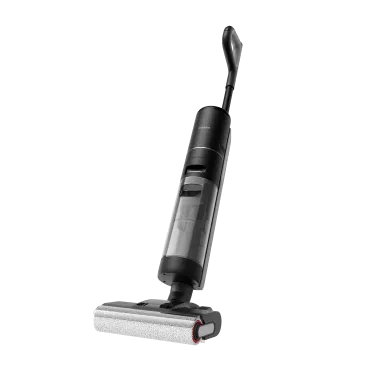
Waking up after a house party usually comes with two things: a tired body and a messy home. The air feels heavy, the floors are sticky, and you’re not even sure where to start. If this sounds familiar, this guide will show you exactly how to clean up after a house party without wasting energy. The secret is following the right order so you don’t clean the same area twice. This step-by-step system is simple, effective, and perfect for mornings when you’d rather nap than scrub. Quick View: Your Morning-After Checklist Too tired to read the details? Just follow this order to get the maximum results with minimum brain power. Open windows (immediate fresh air). Bag all trash and recycling (clear the floor). Stack dishes near the sink (clear the tables). Wipe surfaces (knock crumbs to the floor). Treat carpet stains (give solution time to work). Run the robot or wet dry vacuum (the final step). Step 1: Clear Clutter and Gather Trash Safety First: Handle Broken Glass Did a wine glass shatter last night? Before you unleash any vacuums, you need to handle this manually. Never run a robot vacuum or wet/dry vacuum over glass shards. The sharp edges can puncture the internal hoses and ruin the motor. The Cleanup Hack: Big Pieces: Pick up carefully with gloved hands. Tiny Shards: Don't just sweep (which leaves invisible splinters). Press a slice of soft bread or a halved raw potato over the area. The glass will stick to it safely. Tape It: Use duct tape to lift the final dust from the floor. All Clear? Only once the glass is 100% gone should you proceed to the next step. Clear the Obstacles  Before you spray or scrub anything, you need to clear the path. Do not try to clean "around" the mess. Open the Windows: Let the stale air out and fresh air in. It immediately makes the room feel 50% cleaner. Bag the Garbage: Grab a large heavy-duty trash bag. Walk through every room and throw away paper plates, napkins, and food scraps. Sort the Recycling: Grab a separate bag/bin for cans and bottles. Don't worry about taking the bags out to the curb yet—just get the trash off your floors and tables. If you have a massive amount of glass or plastic and aren't sure what goes where, consult a recycling guide to ensure you sort everything correctly before disposal. Step 2: Gather and Soak the Dishes Dishes are the next source of chaos. Once the trash is out, switch your focus to the kitchen and follow this workflow: Round Up Glassware: Walk through the house and collect every plate, cup, and glass from the living room, hallway, patio, and bathroom counter. Bring everything to the kitchen. Soak the Stuck-on Food: Don't wash them yet. Stack any dishes with dried-on food in the sink and fill it with hot, soapy water. Letting them soak for 20 minutes saves you scrubbing effort later. Run the Dishwasher: Load the dishwasher with glassware first and start the first cycle immediately. Starting the machine creates momentum and signals that the hardest part is already underway. Step 3: Wipe Down Sticky Surfaces Now that the clutter and dishes are handled, shift your attention to surfaces. The Golden Rule: Always clean from high to low. Sanitize coffee tables and dining tables with a microfiber cloth first. Check the sofa for crumbs or spills and brush everything onto the floor. Why? Because you are going to clean the floors last anyway, so let gravity do the work for you. If you find stubborn rings on your counters or tables, check our guide on keeping your kitchen clean daily to remove stains without damaging the finish. Step 4: Vacuum and Wash the Floors Floors always show the worst of last night’s party. Between sticky drink spills and crushed chips, this step might look intimidating, but the right tools make it simple. Vacuum Dry Debris  If you have a robot vacuum, now is the time to use it. Release it from its dock and let it handle crumbs under the sofa, snack spills, or dust trails. Clean Sticky Messes You might think this calls for a mop, but traditional mops often push dirty water around, especially when dealing with sticky alcohol residue. This is where technology can help you. Dreame Take Don't scrub if you don't have to. A wet and dry vacuum (like the Dreame H15 Pro Heat) handles liquids and solids simultaneously. It uses hot water up to 185°F (85°C) to melt away sugary drink spills instantly. Using a wet dry vacuum means you aren't dipping a mop back into a bucket of gray water. You get continuously clean water on the floor, extracting moisture immediately. This is crucial for hardwood floors, which can warp if left soaking wet. For more tips on handling difficult messes, read our specific guide on how to clean sticky floors. Step 5: Refresh the Guest Bathroom The guest bathroom is a small space, but it likely saw a lot of traffic. You don't need a deep clean right now—just a reset. Throw the used hand towel into the laundry. Wipe the sink and faucet handles to remove water spots. Empty the overflowing trash can. If you notice the bathroom needs a deeper scrub later in the week, bookmark our complete bathroom surface cleaning guide for when you have more energy. Relax, You Did It The morning-after mess is gone. Your air is fresh, surfaces are clean, and the floors are restored. Cleaning up after a house party is always easier when you follow the right sequence instead of randomly tackling tasks. Next time, simplify your prep by following our guide on how to clean your home before a party. And if you want to retire the mop and bucket forever, consider wet and dry vacuums that handle the dirty work for you. Frequently Asked Questions How to clean up a house after a party quickly?  Work in this order: trash first, dishes second, surfaces third, floors last. This prevents repeat cleaning (like wiping crumbs onto a floor you just mopped) and saves energy. What is the 3-minute rule in cleaning?  Any task that takes under three minutes (like taking out the trash or wiping a mirror) should be done immediately. This prevents small tasks from piling up into a mountain of work. How do I get sticky alcohol off the floor?  Do not rely on cold water alone. Use a floor cleaning solution or a wet dry vacuum with hot water capabilities to dissolve the sugar. More Cleaning Tips Want to master the art of deep cleaning? Learn how to clean your house like a pro. Heading out of town soon? Check our essential house cleaning tips before, during, and after your vacation.
Continue reading
How to Clean Your Home Before a Party (Without the Stress)

How to Clean Your Home Before a Party (Without the Stress)

Dreame Editorial Team |
Getting your home ready before guests arrive can feel like a mini panic every single time. You look around, see ten things that need cleaning, and suddenly the clock is moving faster than you are. Good news, though. Pre-party cleaning doesn’t have to feel like a sprint. With a smart plan and a few shortcuts, you can get your place looking great without losing your energy before the event even starts. The 80/20 Rule: What to Clean Before Guests Arrive Before you start, think strategically. Not every room deserves your attention. Most guests only move through a small part of your home, so focus your energy where it actually matters. Focus On: Entryway, guest bathroom, kitchen, main living or social area. Ignore for now: Bedrooms (just close the doors), home offices, storage rooms, laundry room. The 30-Minute Party Prep Checklist In a hurry or feeling last-minute anxiety. Here’s your quick, high-impact list. Floors: Vacuum first, then mop if time allows (or use your vacuum mop to hit both tasks at once). Entryway: Sweep the front porch, clear clutter like shoes and mail, and set up a spot for coats. Living Area: Wipe coffee tables, remove dust from visible shelves, and clear extra throw pillows to open up seating. Kitchen: Wipe counters, polish stainless steel appliances, and run the dishwasher so it is empty for the party. Guest Bathroom: Wipe the mirror and sink, empty the trash, and put out a fresh hand towel.  The Party Prep Cleaning: A Step-by-Step Guide This flow keeps things simple. Start with the tasks you can automate, then tackle the areas guests will use most. Step 1: Automate Your Floors Cleaning ("Set It & Forget It") This is the biggest stress saver. Instead of pushing a vacuum for half an hour, let a robot vacuum handle it while you do the fun or necessary parts. Dreame Take Party prep should shrink your to-do list, not expand it. We believe your tools should work for you—scrubbing the floors while you arrange the appetizers. Deploy your robot vacuum right away. A modern flagship model does more than just sweep; it vacuums and mops simultaneously, scrubbing away sticky spots so your hard floors are gleaming for guests. If your vacuum has self-emptying and auto-mop washing capabilities - even better. It handles the entire mess, including emptying its own dustbin and washing its own mop pads, so you never have to touch dirt or dirty water right before putting on your party clothes. Have pets? Make this your must-do step. Pet hair always finds its way back to rugs and corners. Vacuuming ensures your home is allergen-free and your guests don’t leave covered in fur. If you are battling constant shedding, check our guide on how to effectively remove pet hair from your home before high-traffic events.  Step 2: The 15-Minute "High-Impact Zone" Clean Now that your floors are handled, grab a basket and a microfiber cloth. Time to touch the areas guests actually notice. The Entryway is your home's first impression Move stray items into your basket: shoes, mail, and keys. Don’t organize. Just hide. Make sure you have a clean and obvious spot for coats and bags. A clear bench or a few empty hangers can do the job. The Main Living/Social Area Wipe surfaces like coffee tables and side tables. Check from a different height. A tall guest may see dust on top of shelves or picture frames that you might never spot. Remove the mountain of throw pillows so guests don’t have to juggle them while sitting down. The Kitchen Nothing kills a party vibe faster than a stack of dirty dishes. Load the dishwasher and run it immediately. For sticky cooking spills, a wet dry vacuum is a lifesaver. It handles liquids and crumbs in one easy go and keeps you from scrubbing. Move appliances like toasters or blenders into cabinets if possible. The more empty counter space you have, the cleaner the room feels. For more detailed maintenance, check our guide on cleaning kitchen surfaces effectively. Step 3: The 5-Minute Bathroom Refresh Guests always visit the bathroom, so this space needs to feel clean even if the rest of the house is chaos behind shut doors. The "Splash Zone" Check: Water spots on the mirror and faucet are the first things to catch the eye under bright bathroom lights. A quick buff with a dry microfiber cloth makes the chrome sparkle instantly without needing chemical sprays. The Courtesy Wipe: Don't just look at the toilet; wipe the seat, the rim, and importantly, the base where dust collects. It takes 30 seconds but signals to guests that the space is sanitary. The "Hotel" Touch: Empty the trash bin completely—nobody wants to see your used tissues. Then, replace the hand towel with a fresh, fluffy one. Restock Generously: The worst fear for a guest is running out of supplies. Place two extra rolls of toilet paper in plain sight (on the tank or in a visible basket), so they never have to search through your cabinets. This quick refresh handles the essentials. If you have more time later for a deep scrub, you can read our full guide on how to clean bathroom surfaces effectively. Pro-tip The Guest Comfort Kit. A small basket with helpful items shows real thoughtfulness. Include Band Aids, stain remover pen, feminine hygiene items, mints, contact lens solution, or a mini first aid kit. Step 4: Set the Mood (The Final Touches) You’ve cleaned enough. Time to set the vibe. Dim the bright lights and use lamps for a softer glow Light a candle or diffuser with something light, like citrus or fresh linen If you have flowers, even tiny ones, put some in the entry and bathroom Open Spotify or YouTube and start a playlist like "Dinner Party Jazz" or "Upbeat Lounge." Keep the volume low enough to encourage conversation but loud enough to fill the room. And take a breath. You’re ready. Should You Mop Before or After a Party? We hear this question constantly. It feels like double the work to clean floors that are about to get trampled by shoes. The answer is both, but the intent is completely different. Before the Party (Presentation): Mopping before guests arrive isn't about deep hygiene; it's about ambiance. A freshly mopped floor makes the entire house smell clean and look polished. Keep it Light: Don't soak the floors. Use a damp mop or your robot vacuum's maintenance mode. Focus on Shine: You want to remove visible dust or paw prints so the home looks welcoming when the lights are dimmed. After the Party (Recovery): This is where the real work happens. Once the last guest leaves, you aren't just cleaning dust—you are dealing with sanitation. Tackle the Sticky Spots: Spilled wine, soda, and appetizers leave residue that can damage wood or attract pests if left too long. This is the time to use hot water and a proper cleaning solution. Sanitize High-Traffic Paths: Guests track in dirt from outside. A deep mop the next morning resets your home's hygiene levels. If you wake up to a particularly messy aftermath of dried drinks and shoe marks, check our specific guide on how to clean sticky floors to safely restore your hardwood or tile without damaging the finish. Hosting Without the Hassle Pre-party cleaning shouldn’t wipe you out. With a smart plan, guest-friendly touches, and automated floor cleaning, your home can look great without the stress. If you find that floor cleaning is always your biggest pre-party headache, explore automated cleaning robot vacuum solutions. Frequently Asked Questions on Party Cleaning How to prep your house for a party? Start with floors, then declutter and clean the entry, kitchen, living room, and bathroom. Finish with lights, scent, and music. Should you clean before a party? Yes, but focus on speed and impact, not perfection. What is the 80/20 rule for house cleaning? Eighty percent of mess sits in twenty percent of your space. For party prep, focus on the areas where guests actually spend time. More From Our Home Cleaning Guides: Ready to tackle every corner of your home? Continue with our expert cleaning guides: Learn the secrets to cleaning your house like a pro for a truly spotless finish. Master the art of tidying with our step-by-step guide on how to clean your room efficiently. Discover essential house cleaning tips for before, during, and after your vacation to keep stress at bay. Keep reading how to clean a house after a party.
Continue reading
How to Dry a Floor After Mopping Fast: No More Waiting

How to Dry a Floor After Mopping Fast: No More Waiting

Dreame Editorial Team |
We have all been there. You just finished mopping the kitchen, the floor is finally gleaming, and you are ready to relax. But then you realize you are trapped. You are stuck on the couch or in the hallway, unable to cross the room because the floor is still soaking wet. Waiting for floors to dry is one of the most frustrating parts of home cleaning. It holds your household hostage, creates a "wet sock" hazard for anyone who forgets, and can even damage sensitive surfaces if the water sits too long. Beyond the annoyance, slow drying breeds bacteria and creates slip hazards for pets and kids. If you are tired of watching floors dry, this guide is for you. We will cover how long drying should actually take, five manual hacks to speed up the process, and how new heat-based technology can solve the problem instantly. How Long Does It Take for a Floor to Dry After Mopping? Under normal conditions, a freshly mopped floor should be dry to the touch within 15 to 30 minutes. If your floors are still wet after 30 minutes, it is usually a sign that something is wrong with your technique or environment. Several variables affect this timing: Humidity: High humidity keeps moisture trapped on the floor surface, preventing evaporation. Airflow: Stagnant air slows down drying significantly. Floor Type: Porous surfaces like unsealed tile or grout absorb water and dry slower, while sealed hardwood or vinyl tends to dry faster—but is also more susceptible to water damage. Pro-tip If your floor takes longer than 45 minutes to dry, you are likely using too much water. Excess moisture can seep into the seams of laminate or hardwood, causing warping or swelling over time. 5 Quick Techniques to Dry Your Floors Faster If you are mopping manually and need to get the room back in service quickly, these five techniques will cut your wait time in half. 1. Increase Airflow Evaporation relies on air movement. As soon as you finish mopping, open windows and doors to create a cross-breeze. If it is too cold outside or you don't have good ventilation, set up a box fan or switch on your ceiling fans. Moving air disrupts the boundary layer of humidity right above the floor, allowing water to evaporate much faster. 2. Use a Dry Mop or Cloth The "Two-Step" method is the most effective manual way to dry floors. After your wet pass, immediately go over the area with a clean, dry microfiber cloth. This absorbs the bulk of the moisture that evaporation leaves behind. It also helps prevent water spots and buffs the floor to a shine. 3. Floor Squeegee For waterproof surfaces like garage floors, laundry rooms, or fully tiled bathrooms, a long-handled floor squeegee is your best friend. Push the excess water toward a drain or out a door. This physically removes the water rather than waiting for air to do the work. 4. Dehumidifier In basements or during humid summer months, opening a window might actually make things worse. In these cases, a dehumidifier is essential. By actively pulling moisture out of the air, you lower the room's relative humidity, forcing the water on the floor to evaporate more quickly. 5. Work in Sections Don't mop the entire house and then wait for it to dry. Work in small 5x5 foot sections. Mop the area, then dry it immediately with your towel or dry mop before moving to the next section. This prevents water from settling into grout lines where it is hardest to remove. Why Manual Mopping Leaves Your Floors Soaking Wet for So Long Why is this such a struggle in the first place? The issue often lies with the tools we use. The Wringing Problem: Traditional mop buckets rely on manual force to wring out the mop head. Even with a good squeeze, the mop remains saturated. When you place it on the floor, you are essentially flooding the surface rather than cleaning it. Dirty Water Reuse: As you dip your mop back into the bucket, the water gets dirtier and soapier. Spreading this soapy, grey water leaves a residue or "film" on the floor. This film increases surface tension, trapping moisture and making the floor feel sticky even after it finally dries. Dreame Take Manual wringing requires serious grip strength, and often, the result is still a sopping wet mop. Why wrestle with a bucket? You deserve a simpler, more enjoyable experience. Upgrade to an automatic cleaner that handles the water control for you, leaving your floors drier and your hands clean How Smart Mopping Dries Floors Instantly While You Clean While fans and towels help, the ultimate solution is to stop flooding your floors in the first place. Modern robot vacuums use advanced physics—heat, pressure, and suction—to leave floors virtually dry as they clean. Whether you choose a vacuum and mop combo or a wet dry vacuum cleaner, automated precision ensures you never have to wait. If you are unsure which tool fits your needs, understanding the difference between a wet dry vacuum vs steam mop can help you prioritize safety and speed. Break Down Grease Without the Puddle To remove sticky grease or dried footprints manually, you usually have to soak the floor with hot water and scrub hard. This leaves significant moisture behind that takes ages to evaporate. The Dreame X60 Max Ultra Complete Robot Vacuum uses concentrated heat and mechanical friction to clean without the flood. Thermal Mop Pads: Utilizing phase change materials, these pads store heat to keep the temperature above 104°F (40°C) for over 4 minutes. This hot moisture naturally evaporates much faster than cold water. 230RPM Dual Omni-Scrub & 15N Downforce: Instead of soaking stains, the robot scrubs them away with high speed (230RPM) and heavy pressure (15N). All-Direction Adaptability: With a 12° tilt, the pads maintain perfect contact even on uneven surfaces. This ensures the robot leaves a thin, consistent film that dries in seconds, rather than pooling water in dips. Remove Dirty Water Before It Settles Traditional mops often just push dirty water around. If you don't physically remove that liquid, your floor stays wet, streaky, and sticky. The Dreame H15 Pro Heat Wet Dry Vacuum acts as a mop and vacuum in one, physically extracting the moisture instantly. Fresh Water Cleaning System: A constant flow of hot water rinses the floor, while a 480RPM brush scrubs deep. Unlike manual mopping, you are never pushing dirty water back onto your floor. TangleCut™ Scraper & Active Suction: The system actively wrings out the brush and uses powerful suction to immediately draw dirty water away from the floor. 0 Water Stains: A specialized robotic arm and rear water scraper work in tandem to leave virtually 0 water stains behind. This means the floor is dry to the touch almost as soon as you pass over it. [product handle="h15-pro-heat-wet-dry-vacuum" rating="4.6"] Conclusion You don't have to spend your evening guarding the kitchen entrance, watching the floor dry. By using proper manual techniques like cross-ventilation and working in sections, you can cut drying time significantly. However, for a truly seamless experience, consider upgrading to a system that manages the water for you. Whether it’s the X60 Max Ultra Complete or the H15 Pro Heat, smart technology ensures your floors are clean, dry, and safe—instantly. Ready to stop waiting? Upgrade to a Dreame smart vacuum and experience the power of hot-water cleaning today. FAQ About Floor Drying Do you have to dry the floor after mopping? Yes. Leaving floors wet creates a slip hazard and promotes bacteria growth. It also helps prevent water spots on tiles and warping on wood. Do you have to dry hardwood floors after mopping them? Absolutely. Wood is porous and sensitive to moisture. You should never leave standing water on hardwood. Ideally, use a damp mop (not wet) and dry it immediately. If you are unsure about the safety of your tools, check our guide on can you vacuum hardwood floors safely. What should I do to dry the floor after mopping in the winter? In winter, cold air holds less moisture, but opening windows might freeze your home. Instead, turn on your heat or HVAC system to circulate warm, dry air, and use a dehumidifier if available. What is the longest you'll leave a floor to dry? If a floor isn't dry after 30–45 minutes, you should intervene with a towel. Leaving water longer than this risks damage to the floor finish and grout. How do I prevent streaky, sticky floors? Sticky floors are usually caused by using too much cleaning solution or not rinsing dirty water off the floor. If this happens, you may need to rinse the floor with plain water. For a deeper dive, read our guide on why is my floor sticky after mopping. How to dry a wet mop? Never leave a wet mop in a bucket. Rinse it thoroughly and hang it in a well-ventilated area, or ideally outside in the sun. For a complete guide on mop maintenance, check out how to clean your mop head. A robot vacuum and mop with a self-drying dock can automate this entirely.
Continue reading