Best Robot Vacuums for Concrete Floors: What to Look For

Best Robot Vacuums for Concrete Floors: What to Look For

Lester D |
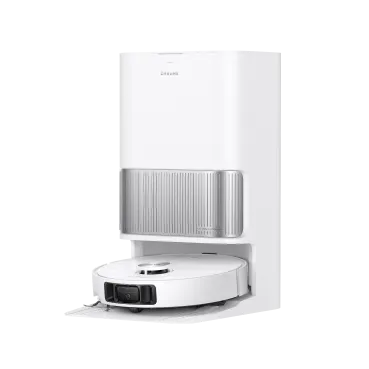
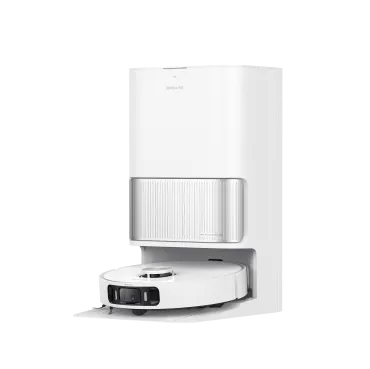
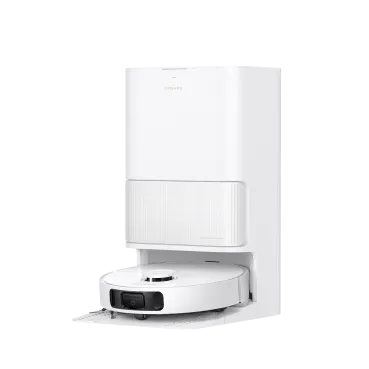
Concrete sheds a fine grey grit that gets kicked into the air the moment you walk across it, which is rough on any household and worse for anyone with allergies. The best robot vacuum for concrete floors traps dust inside its body and controls how much water it releases, since bare concrete soaks up moisture in ways wood and tile do not. Below are four picks, organized by the home they suit, from a polished open-plan living room to a bare garage bay. Best Overall for Homes with Concrete Floors Dreame pick: For a slab that never stops shedding grit, suction is what matters most, and the Dreame X60 Max Ultra Complete runs 35,000 Pa Vormax™ suction, enough to clear fine grey dust in one pass. Its All-in-One PowerDock also auto-empties for up to 100 days, so you're not emptying the bin every couple of days just to keep up. It climbs up to 8.8cm on retractable legs, so a garage lip or a poured transition won't strand it at the edge. The HyperStream™ Detangling DuoBrush 2.0 adds a retractable pressure plate that seals suction on rugs, unique to this model in the pair, so pet hair feeds into the suction instead of winding around the roller. It's the most powerful option here, so if you've just got a small sealed slab on one finish, a lighter pick further down will handle it fine. [product handle="x60-max-ultra-complete-robot-vacuum" slogan="Best Overall"] Also consider: Roborock and Ecovacs also make full-featured flagship hard-floor robot vacuums in this bracket. Best for Garages and Uneven Concrete Dreame pick: What trips up most vacuums in a garage is the lip at the door. The Dreame X60 Ultra can climb obstacles up to 8.8cm, so that lip is not an issue. It pairs that capability with 35,000 Pa Vormax™ suction, which lifts the fine grit and dust that collect on the garage floor in a single pass. It also adds 40°C hot-water mopping for sealed slabs and runs the HyperStream™ Detangling DuoBrush 2.0. [product handle="x60-ultra-robot-vacuum" slogan="Best for Garages"] Also consider: Narwal is another name that shows up for garage-specific cleaning, so it's worth a look if you want to compare a machine built for that same use case. Best for Mixed Sealed and Unsealed Concrete Dreame pick: If your home has a mix of floor types, one mop setting will always compromise somewhere. The Dreame Matrix10 Ultra gets around that with its Multi-Mop™ Switching Dock, the only one in the collection. It switches between three pads on its own: a thermal pad for living rooms, a nylon-bristled pad that scrubs grease in kitchens, and a water-absorbing sponge pad for bathroom spills, so every zone gets the pad best suited to its floor. Its 30,000 Pa Vormax™ suction handles the everyday grit, and ProLeap™ tech carries it over obstacles of up to 8cm, so thresholds between rooms are not a problem. Between passes, the ThermoHub™ dock washes the pads at 100°C, and OmniSight™ navigation reads and steers around clutter on an open floor. [product handle="matrix10-ultra-robot-vacuum" slogan="Best for Mixed Floors"] Also consider: Ecovacs is another established name in mixed-floor robot mopping, so it earns a spot on your shortlist if you're weighing a second option for a multi-surface home. Best Value Dreame pick: If you want the assurance that your concrete is getting cleaned properly without the extras you may not use, the Dreame L60 Pro Ultra is the value pick here. Its 35,000 Pa Vormax™ suction lifts fine grit in a single pass, and ProLeap™ Robotic Legs climb over obstacles of up to 8.8cm, so a threshold or a lip is not an issue. It rounds that out with 40°C hot-water mopping and a HyperStream™ Detangling DuoBrush that handles hair up to 30cm without wrapping the roller. [product handle="l60-pro-ultra-robot-vacuum" slogan="Best Value"] Also consider: Eufy is the name most shoppers already know for budget-friendly robot vacuums, so it's a sensible one to compare if you're shopping on value. What to Look For in a Robot Vacuum for Concrete Floors What you're really after when you search for the best robot vacuum for concrete floors is one you can trust to pick up grit and control how much water it dispenses. It takes five things to get that right, each about how a machine handles your actual floor rather than how it reads on paper. Here's what to weigh when choosing a robot vacuum for concrete floors. Suction strong enough for fine dust and grit Concrete is porous, so fine grey dust doesn't just sit on top; it settles into the tiny pores across the surface. Weak suction picks up what's on top and leaves the rest packed into the pores, so aim for at least 10,000 Pa to lift the embedded grit, with the strongest models reaching 35,000 Pa. Strong pull is what lifts embedded grit in a single pass instead of two. A dock that washes and dries the mop pads The fine, gritty dust from a concrete floor makes an even bigger mess when it isn't cleaned off the mop pad. Look for a robot vacuum with a dock that washes and dries the mop pads after every run, and can also be set to wash the mop after it finishes each area on your map, so the next clean starts with a fresh pad instead of dragging the last run's grit around. Obstacle and threshold crossing for uneven slabs Concrete floors are rarely flat, and a garage lip or a poured-in-place transition can stop a low-clearance machine at the edge. Look for one that clears your highest threshold, so measure that first, then match the crossing height to it. Lower transitions of around 4cm call for a model with extra gripping wheels, while taller ones up to 8.8cm need a lifting leg. Dreame builds for both scenarios with EasyLeap™ for the gripping-wheel approach and ProLeap™ for the leg, with select models running one or the other. If crossing height is a question for your layout, this guide on whether robot vacuums can go over thresholds walks through how the climbing works and how to measure your own transitions before you buy. Anti-tangle brushes for pet hair on hard floors Hair has nothing to cling to on concrete the way it does in carpet pile. It drifts and collects along edges and baseboards, then wraps a brush roll faster than it would in a rug. For a concrete-floor home with a shedding dog or cat, a detangling brush that channels hair toward suction saves the weekly scissors routine. Dock capacity for constant dust A concrete home fills a dustbin faster than a carpeted one, since the slab keeps producing fine dust between cleans. Look for an auto-empty dock with a large bag. The biggest hold around 5L and stretch up to 150 days between changes, so you go months between emptying it. Fine dust also means the filter matters, so look for a sealed, washable one, ideally HEPA-grade, that traps the dust instead of blowing it back into the room. Dreame Take: We build for homes that are never just one surface, which is most of them. That is why we put the ability to handle mixed floors across our robot vacuums, not just the flagship models, so the right fit for your home is a real choice. How Robot Vacuums Handle Different Types of Concrete The finish on your slab determines how much water it can handle, and that's the biggest factor that changes from one concrete floor to the next. Polished concrete floor cleaning looks nothing like cleaning a bare utility slab, and there are five finishes worth knowing. Here's the quick version, before the section goes into more detail. Concrete finish How much water What to watch Polished or sealed Light to moderate Streaks from too much water; a mirror-like sheen can confuse some laser navigation Unsealed or bare Vacuum only or lowest setting Porous surface absorbs water; keep it dry Stamped or textured Moderate, suction-led Flat pads miss the grit that hides in pattern recesses Epoxy-coated Moderate Glossy coating shows residue if water runs high Stained Treat as sealed The sealer is what you clean; a worn sealer changes what is safe If you're torn between a robot that mops and a separate wet-dry machine, this guide to vacuum and mop combos sorts the two out by floor type and how hands-off you want cleaning to be. Polished and sealed concrete Polished and sealed slabs can handle a damp mop fine, but they show streaks more than any other finish. Those streaks come from dirty water being pushed around, so you want a mop that rinses itself with clean water. A high-gloss floor can also confuse the laser navigation on some machines, since the shine throws off the sensor, so give yours a check if it's very reflective. A shiny sealed slab raises the same water worries as wood, and the guide to robot vacuums on hardwood floors covers how to keep water under control and the finish streak-free. Unsealed, bare, and garage concrete Most garages and basements have bare, unsealed concrete, and it's the one finish to go easy on. It's porous and pulls water straight in, so keep it on vacuum-only or the lightest damp pass. If a spot stays dark and damp a day later, that's water that soaked into the slab rather than a cleaning result, so ease off next time. On a swept, clear slab, a robot vacuum for garage floors easily keeps up with the dust and grit that gathers, and a scheduled run keeps that layer from building up in the first place. If you're thinking about running a robot vacuum in your garage, our guide on whether you can use a robot vacuum for a garage covers what to expect. Important: A robot vacuum handles the dust layer on a garage slab, not what gets dropped on one. Screws, sawdust, wood offcuts, oil, and standing water are shop-vac jobs, and hard debris can damage a brush roll. Clear the floor before a scheduled run. Stamped or textured concrete Grit settles down into the low points of the pattern, where a flat mop pad can't reach, so suction does more of the work here than mopping does. Dark stamped patterns can also trick cliff sensors into reading a drop-off, so if the vacuum keeps stopping over them, fence them off as no-go zones in the app. Epoxy-coated concrete Epoxy is sealed and non-porous, so you can mop it like tile, a normal damp pass is fine. A glossy epoxy will show residue if you use too much water, though, so keep it moderate for a clean finish. Stained concrete Stained floors are almost always sealed over the color, so treat them like any sealed slab. Just keep in mind you're really cleaning the sealer, not the stain, and once that sealer starts to wear, that's when you need to start being mindful of how much water you use. How Dreame Tests Robot Vacuums The standard industry test is dust pickup in an empty square room. Your home is not empty, so Dreame's testing starts where that ends. For hair, engineers run each robot vacuum against a blend of lengths from 3cm to 30cm, then weigh what lands in the dust box versus what wraps the brushes. That tangling rate is what matters in a home with pets or long hair, and plain cleaning scores hide it. Durability is tested just as hard, with compression, drop, and vibration runs, plus chambers that expose units to heat, humidity, rain, and salt spray. Obstacle avoidance gets its own test. Each robot vacuum faces more than 40 common household items, from furniture to toys, and Dreame scores it on its own dedicated system for how well it recognizes and avoids objects of different shapes, colors, and materials. The test runs across a mix of floor types and colors, including different carpet setups, with obstacles packed tightly in some zones to push it harder, so the results hold up in a real, cluttered home and not just a tidy lab. Read the full methodology in How Dreame Tests Robot Vacuums. Matching a Robot Vacuum to Your Concrete Floor Match the machine to the finish on your slab, and weigh moisture control over the suction number when you decide. A polished living room and a bare garage bay need different things from the same machine, and the best robot vacuum for concrete floors is simply the one tuned to yours. You can browse the full range of robot vacuums to see the options side by side. Still deciding between a couple of models? Put them head to head with the tool to compare robot vacuum models and see which one fits your floor. Frequently Asked Questions What vacuum is best for concrete floors? The best pick is whichever combines strong suction for grit with adjustable water for your finish. A polished slab and a bare utility floor want different water settings from the same machine, so match the vacuum to your finish rather than to a single model name. The four picks above map to the most common concrete setups. What is the best robot mop for polished concrete floors? A polished slab needs a mop that rinses itself with clean water rather than one that just lays down more. Streaking on polished concrete occurs when dirty water spreads and then dries, so a mop that cleans its own pad mid-run leaves the cleanest finish. What is the best mop system for concrete floors? It depends on whether the slab is sealed. Sealed and epoxy floors can take a normal damp pass, while unsealed concrete should stay dry or only slightly damp. Choose a system with adjustable water levels so one machine covers both. Can a robot vacuum handle fine concrete dust? Yes, for the everyday dust layer. A concrete home does fill a dustbin faster, so an auto-empty dock with long capacity earns its keep here. Check the filtration details on each model's product page rather than assuming them. Do robot vacuums scratch polished concrete? No, not under normal use. What scratches concrete isn't the machine, it's loose grit on the floor getting dragged across the finish. Running it on a set schedule keeps that grit from piling up, so there's less on the floor to drag around in the first place.
Continue reading
Best HEPA Vacuum Picks for Cleaner Air in 2026

Best HEPA Vacuum Picks for Cleaner Air in 2026

Chris Zhang |
HEPA filters trap the microscopic particles that set off allergies and asthma, including pet dander and dust mite debris as small as 0.3 microns. A vacuum without one can push a fine cloud of that dust back into the air as it cleans. The best HEPA vacuum captures those particles and keeps them there, sealed inside the machine instead of leaking back out through the exhaust or the bin. A high filter grade is not enough on its own, especially if the vacuum has a body that leaks air or releases dust back into the air when you're emptying it. A good HEPA vacuum cleaner pairs a sealed body with published test data behind the HEPA label. Below are three picks for 2026, each suited to a different kind of home, from a full-size cordless to a robot that cleans on its own, with a table to view them at a glance. Category Our pick Why we picked it Best HEPA cordless overall Dreame Z30 The only pick here backed by a published whole-machine filtration test report, measured at the fine-dust level. Best robot for allergen control Dreame X60 Max Ultra Complete Sends dust into a sealed dock for up to 100 days, so there is no dusty bin to empty by hand. Best HEPA Cordless Vacuum Overall Dreame Pick: The Dreame Z30 leads here with HEPA H14 filtration that captures 99.99% of particles down to 0.1 micron, verified by an independent SGS test report and coming in at $899.99 CAD. 310AW suction pulls embedded dust and pet hair up out of carpet instead of just skimming over the top, while a 90-minute runtime covers a full home on one charge. Dirt detection raises suction only where it senses a heavier mess, so the vacuum isn't using up battery on spots that don't need it. A built-in pet brush head lifts fur off upholstery and stairs, and Enhanced Blue Light Dust Detection lights up the fine dust you can't easily see. Sealing is what makes all that lab-tested filtration count. Captured dust stays locked inside the machine instead of drifting back out through the exhaust, so the dust doesn't settle back into the room. [product handle="z30-cordless-stick-vacuum" slogan="Best HEPA Cordless Vacuum Overall"] Also consider: Dyson and Samsung both make strong HEPA cordless vacuums worth a look. Best Robot Vacuum for Allergen Control Dreame Pick: The best vacuum for allergies picks up the dust, then keeps it out of the air when it empties. The Dreame X60 Max Ultra Complete seals it away, emptying its bin into the All-in-One PowerDock for up to 100 days, so you are not tipping out a dusty bin by hand between cleans. 35,000Pa of Vormax™ suction lifts embedded pet hair and crumbs from carpet in a single pass, and on carpet, a retractable pressure plate lowers to seal that suction in and pull more out of the pile. The HyperStream™ Detangling DuoBrush 2.0 feeds long hair through instead of letting it wrap the roller. The robot vacuum also auto-lifts its brush and mop over carpet, so the pile gets vacuumed without getting damp. Its dust-box filter is made of HEPA materials and captures up to 99% of dust. The sealed emptying is the real advantage here. Dust goes into the dock and stays there, so you're not breathing in a cloud of it at the bin each week. For hands-off allergy control at the top of the range, the X60 Max Ultra Complete comes in at $2,399.99 CAD. [product handle="x60-max-ultra-complete-robot-vacuum" slogan="Best Robot Vacuum for Allergen Control"] Also consider: Eufy, Roborock, and Shark all make well-known self-emptying robots, and any of them makes a fair comparison if you want to see how other premium docks handle dust. What Makes a HEPA Vacuum Actually Work A HEPA vacuum actually works through two ways: a true HEPA filter and a sealed airflow path that forces all the air through it. It's this combo that prevents fine dust from finding its way back into the room. Start with the filter. True HEPA is a set standard, so the filter has to catch 99.97% of particles at 0.3 microns, the hardest size to trap. That is about the size of pollen and pet dander, which is why the rating is even more important for allergies. What proves it is a published test behind that number, ideally from an independent lab. Sealing is the part most people miss. Air will find any gap around the filter, letting dust slip past it instead of through it. A properly sealed body forces every bit of air through the filter, which is why the best HEPA filter vacuum seals the whole airflow path, cartridge and body together. Most dust escapes when you empty the bin. Tipping a bagless bin releases a cloud of the finest particles straight back into the room you just cleaned. A sealed auto-empty dock or a bagged canister keeps that dust contained, and that matters most in a home with dust-mite or dander concerns. If dust mites are your main worry, our guide on how to get rid of dust mites covers where they settle and other ways to get rid of them outside of vacuuming. Dreame Take: Most vacuums get judged on what they pull off the floor, not the dust they blow back into the air. Dreame has its filtration tested by an independent lab and publishes the numbers, so you can always check the proof. How to Choose a HEPA Vacuum The filter grade matters, but it is only one part of the picture. Here is what else to check for the cleanest result in your home, from sealing to how to spot a real test behind the claim. Whole-machine sealing For a vacuum to truly clean the air, all of it has to pass through the filter rather than leak out around the sides. Look for wording like "sealed filtration" or "whole-machine filtration." It tells you the body is sealed around the filter, so air cannot sneak past it. Published test results A real filtration claim points to an actual test. Look for the name of the lab that ran it, such as SGS, and a report number you can look up. Both together mean the rating comes from real, independent testing you can trust. Emptying method When you empty your vacuum, that is usually the moment the most dust escapes. Tipping out a bagless bin can send the finest particles straight back into the room you just cleaned. A sealed auto-empty dock avoids that, emptying into a closed bag on its own. For severe allergies, a bagged system is one of the best options, since you seal the bag and bin it without ever touching the dust. Our guide on how to choose the right dust-busting vacuum goes deeper, covering which machine types suit which homes and the features that actually matter for keeping dust down. Suits your home A robot handles scheduled, hands-off cleaning across open floors, while a cordless is easier for stairs and the quick clean-ups in between. Pick the format that suits your rooms first, then compare filtration. How Dreame Tests Cordless Vacuums Cordless vacuum testing at Dreame centers on what the machine actually picks up, not what the motor is rated for. Suction runs in turbo mode on the two surfaces that expose weak machines. The first is carpet, with fine dust embedded deep in the fibers and hair stuck to the pile. The second is a hard floor debris track, where the cleaned path is compared directly against the mess left behind. Runtime and coverage figures come from a fixed protocol rather than best-case guesses. Each model runs in eco mode on a fully charged battery and is recorded until the battery is fully depleted. Published figures always carry those conditions, since results in your home will vary with layout and flooring. Dirt detection is tested with measurable proof. The lab runs auto mode across particle sizes, from fine coffee powder up to cereal and pet food, and watches the suction adjust on its own. The on-board cleaning report then displays particle counts by size, turning "it looks clean" into recorded data. Hair handling is tested where it fails most: bedding and sofas loaded with long hair and pet fur. Edge cleaning runs along baseboards and wall corners, the strip most stick vacuums leave behind. Blue light dust detection gets checked in both bright and dim rooms, confirming it reveals dust a clean-looking floor is hiding. All the figures here are from Dreame's in-house lab and are presented as such. How Dreame Tests Robot Vacuums The standard industry test for a robot vacuum is dust pickup in an empty square room. Your home is not an empty room, so Dreame's testing starts where that test ends. Hair is the clearest example. Engineers run each robot vacuum against a blended mix of hair lengths from 3cm to 30cm, built to clog and tangle a poorly designed roller brush. After every run, the team collects and weighs the hair from three collection points: the dust box, the roller brush, and the side brush. The result is a hair tangling rate, which shows how much hair the vacuum actually swallowed versus how much wrapped around its brushes. Cleaning efficiency alone hides that difference, and it's the difference that matters in a home with pets or long hair. Durability gets the same scrutiny. Every model passes compression and drop testing, then vibration runs that simulate real shipping. Environmental simulation chambers expose finished units to extreme heat, humidity, rain, and salt spray. Read the full methodology in How Dreame Tests Robot Vacuums. Find the Right HEPA Vacuum for Your Home Figuring out the best HEPA vacuum cleaner for you is about ensuring it's good at capturing the dust and then keeping it contained. Once that part is handled, the right pick really comes down to the type you want for your home. If you want a cordless for hands-on cleaning and quick passes, browse our cordless stick vacuums. If you would rather a robot handle the floors on its own, check out our robot vacuums. Still deciding? You can line a few up side by side with the compare vacuum models tool. Whichever you choose, a HEPA filter only keeps working if you look after it. Our guide on how to clean vacuum HEPA filters covers washing and drying it properly, and how often to do it based on how much you clean. Frequently Asked Questions Is a HEPA vacuum worth it? Yes, for anyone with allergies or pets. A HEPA vacuum only helps if the whole machine is sealed, so the fine dust it captures stays inside instead of leaking back into the room. Do robot vacuums have HEPA filters? Many do use HEPA-material filters. What helps allergies even more is a sealed auto-empty dock, which empties the bin for you so the dust never gets tipped back into the air. Bagged or bagless for allergies? Go bagged if allergies are the concern, since you seal and bin the bag without touching the dust. A sealed auto-empty dock closes most of that gap for bagless, so either works as long as the emptying stays sealed. Can a HEPA vacuum replace an air purifier? No. They do different jobs. A vacuum lifts settled dust off your floors and furniture, while an air purifier catches the particles already floating in the air.
Continue reading
Best Robot Vacuum for Carpet: Top Picks for 2026

Best Robot Vacuum for Carpet: Top Picks for 2026

Dreame Editorial Team |
The best robot vacuum for carpet solves the problem most models run into: skating over the surface of the rug instead of clearing out the dirt packed down in the pile. It uses suction strong enough to reach buried debris with built-in brushes that clear hair so you're not constantly detangling. They also keep the mop off your rugs so the carpet stays dry. Below are five top picks for 2026, each matched to a specific kind of carpet home, from thick bedroom pile to heavy pet shedding, so you can find the one that fits your floors. Best Overall Robot Vacuum for Carpet Dreame Pick: The Dreame X60 Max Ultra Complete, priced at $2,399.99 CAD, is the pick when you want the strongest carpet clean in the collection with nothing left to manage by hand. Your carpets get 35,000Pa of Vormax™ suction, the highest in the X Series, so embedded pet hair and ground-in crumbs come up on the first pass instead of the third. Suction is improved even more by a retractable pressure plate that lowers onto the pile and presses down to form a sealed pocket, so all that pull goes straight down into the fibers instead of escaping out the sides. You also do not have to worry about damp rugs. The moment it moves onto carpet, it lifts its mop up to 10.5mm and rises up off the pile, so the mop never drags across the rug. The pads lift out of the way instead of coming off, so there is nothing to detach or swap between rooms, and your hard floors and carpet get cleaned in one hands-off run. [product handle="x60-max-ultra-complete-robot-vacuum" slogan="Best Overall"] Also consider: Roborock and iRobot are the flagship names most people cross-shop here. Best Robot Vacuum for Thick & High-Pile Carpet Dreame Pick: The Dreame Aqua10 Roller AE, comes in at $1,399.99 CAD, and is a great choice for deep, plush pile you want cleaned but kept bone-dry. A robot vacuum for thick carpet has a hard job, cleaning the pile without soaking it, and this one manages it with a Carpet-Safe AutoSeal™ Roller Guard that closes over the roller before it reaches the rug and lifts it 14mm clear. It is tested on pile up to 12mm thick, so your deep rugs stay genuinely dry. While the mop stays off the fibers, 30,000Pa of suction reaches down into the pile and easily pulls up the grit. Long hair is no problem either. A HyperStream™ Detangling DuoBrush feeds strands straight through instead of letting them wind around the roller, and the dock rinses it with 100°C hot water between runs so it starts every clean fresh. For a home built around plush carpet, it is the best robot vacuum for high pile carpet in our collection. If you want to see how robot vacuums handle deep pile before you buy, our guide on how robot vacuums work on rugs covers which types they actually clean well and how to set them up so they don't wet or snag the pile. [product handle="aqua10-roller-ae-robot-vacuum" slogan="Best for Thick Carpet"] Also consider: Roborock is the premium high-pile alternative most cross-shop, and eufy is a familiar name many already know. Best Robot Vacuum for Pet Hair on Carpet Dreame Pick: If a shedding cat or dog is making your carpet look like you got another pet, the Dreame L60 Ultra PE is the robot vacuum for pet hair and carpet to check out, and at $1,499.99 CAD it gives you strong pet-hair performance without paying flagship money. Its Anti-Tangle Side and Main Brush feeds long strands straight into the bin rather than letting them wind around the roller, so you're not stopping to pull hair off the brush every few days. It pairs that with 30,000Pa of suction that lifts pet hair and litter out of the pile in one pass. Your rugs stay dry too, because the mop lifts up to 10.5mm the moment it moves onto carpet. When it mops your hard floors, the dock cleans the pad with 100°C hot water between runs, so it always works with a fresh pad instead of pushing the last mess around. Our guide to robot vacuums for pet hair walks you through 12 must-have features for any pet owner who's looking for a little more help in keeping their home clean. [product handle="l60-ultra-pe-robot-vacuum" slogan="Best for Pet Hair"] Also consider: Roborock and eufy both have pet-focused models people know well. Best Robot Vacuum for Mixed Carpet & Hard Floors Dreame Pick: The trickiest part of a home with mixed flooring is the transition between carpet and hard floor, and the Dreame X60 Ultra handles it without you needing to help. At $2,099.99 CAD, it mops your hard floors with warm water to loosen everyday grease, then the moment it rolls onto a rug, the mop lifts up to 10.5mm and increases suction to dig into the pile, so one run covers tile and carpet without dragging moisture across the rug. Delicate rugs stay protected too, thanks to tassel detection that spots fringed rugs and works around them so nothing snags. It carries the same 35,000Pa Vormax™ suction and HyperStream™ Detangling DuoBrush 2.0 as the flagship, so you get serious cleaning power for mixed floors, just without the deep-pile carpet pressure plate saved for the top-of-range model. [product handle="x60-ultra-robot-vacuum" slogan="Best for Mixed Floors"] Also consider: Roborock is the premium mixed-floor alternative, and Ecovacs is a familiar name in this space. Best Budget Robot Vacuum for Carpet Dreame Pick: The Dreame D20 Air Plus, is the most affordable model to keep your carpets clean and dry, at $349.99 CAD, as long as you don't mind lifting the mop pad by hand before a carpet run. Your floors get 20,000Pa of Vormax™ suction, enough to pull everyday dust and pet hair out of low and medium piles, and a Dual Anti-Tangle Brush keeps hair from wrapping the roller. Its Smart Carpet Cleaning Mode gives you four ways to handle carpet, and the Skip & Protect setting steers around any rug you would rather it left alone. The dock runs hands-free for up to 120 days on a 4L bag, and a charge lasts up to 150 minutes, so your floors are looked after for months at a time without needing to stretch your budget. [product handle="d20-air-plus-robot-vacuum" slogan="Best Budget"] Also consider: eufy is the popular budget alternative most compare here, and iRobot is the mainstream name most already know. How to Match a Robot Vacuum for Carpet to Your Home Deciding the best robot vacuum for carpet for your home is all about the type of carpet and how busy your household is. Here is how they line up: Strongest clean, flagship features: the X60 Max Ultra Complete sits at the top. Deep, plush pile: the Aqua10 Roller AE keeps thick rugs dry while its roller works suction into the fibers. Pet hair: the L60 Ultra PE and its anti-tangle brush are built for shedding homes. If that's your main concern, browse our robot vacuums for pet hair. Mixed tile and rugs: the X60 Ultra switches surfaces on its own, mopping hard floors and lifting the mop the moment it reaches carpet. Tight budget: the D20 Air Plus still detects carpet and ramps up suction to keep everyday pile clean. How to Choose a Robot Vacuum for Carpet Pile height is the first thing to check when choosing a robot vacuum for carpet, since it decides how much suction and mop control you need. How it handles mixed floor types matters just as much, and it is where the better models pull ahead. How much suction does your carpet need? Match the suction to your pile height. Low and mid-pile need less power; strong robot vacuum carpet suction is best on plush and high-pile, where grit sits deep in the fibers. Pro-tip: If you are weighing up two models, let suction be the tiebreaker. Aim for 30,000Pa or more the moment thick or high-pile rugs are in the mix, which is more than strong enough for thinner carpets. How does it keep the carpet dry when it mops? A carpet-safe mopping robot vacuum keeps it dry by moving the mop out of the way before it ever reaches a rug. The flagship and mid picks lift the pad clear at 10.5mm, while the thick-carpet pick seals its roller off entirely. The budget pick simply lets you pop the pad off by hand, so whichever route you take, your rugs stay dry. Do you need an anti-tangle brush? If you have shedding pets or long hair at home, an anti-tangle brush is non-negotiable. It clears hair as it spins to keeps strands from wrapping the roller, so you don't need to worry about detangling. Our complete robot vacuum buying guide covers everything from navigation to dock upkeep across the full range, if you want to go deeper. How Dreame Tests Robot Vacuums The standard industry test for a robot vacuum is dust pickup in an empty square room. Your home is not an empty room, so Dreame's testing starts where that test ends. Hair is the clearest example. Engineers run each robot vacuum against a blended mix of hair lengths from 3cm to 30cm, built to clog and tangle a poorly designed roller brush. After every run, the team collects and weighs the hair from three collection points: the dust box, the roller brush, and the side brush. The result is a hair tangling rate, which shows how much hair the vacuum actually swallowed versus how much wrapped around its brushes. Cleaning efficiency alone hides that difference, and it's the difference that matters in a home with pets or long hair. Durability gets the same scrutiny. Every model passes compression and drop testing, then vibration runs that simulate real shipping. Environmental simulation chambers expose finished units to extreme heat, humidity, rain, and salt spray. Read the full methodology in How Dreame Tests Robot Vacuums. Dreame Take: Most vacuums are graded on what they lift off the surface, but carpet is really about what is trapped in the pile and whether hair releases from the brush. That is what Dreame builds and tests for. Find the Right Robot Vacuum for Carpet Whichever carpet you have, there is a pick above that can handle it. Deep, plush pile calls for a model that keeps rugs dry while working suction down into the fibers, while a home full of pet hair leans on a strong anti-tangle brush more than raw power alone. Mixed floors need a vacuum that switches between them on its own. Browse Dreame's robot vacuums for carpet to see and compare every model in one place. Or line a few up feature by feature with the robot vacuum comparison tool before you decide. Frequently Asked Questions Do robot vacuums work well on carpet? Yes, for surface debris and pet hair, though how well depends on suction and the brush. Strong suction paired with an anti-tangle brush clears the top of the pile and everyday shedding easily. Deep, embedded grit in thick pile is the hardest test, which is why pile height should guide your pick. For a fuller picture of what to expect on everyday pile versus thick, high-pile rugs, see our guide on if a robot vacuum can clean carpets. What robot vacuum works best on thick, high-pile carpet? The one with the highest suction and a brush that presses down into the pile. The Dreame X60 Max Ultra Complete leads here, with 35,000Pa of Vormax™ suction and a retractable pressure plate that keeps that suction sealed against thick carpet. Can a robot vacuum clean carpet and mop hard floors in the same run? Yes, if the mop lifts or detaches over carpet automatically. The Dreame X60 Ultra is built for exactly this, lifting or detaching its mop the moment it moves from hard floor onto a rug, so your hard floors get mopped and your carpet stays dry. Will a robot vacuum get my carpet wet when it mops? Not if it lifts or removes the mop before crossing carpet. Every mopping pick here raises the pad off the pile (10.5mm on the flagship models) or lets you take it off, so water stays on hard floors. What's the best robot vacuum for pet hair on carpet? One with an anti-tangle brush that clears long strands instead of wrapping them. The Dreame L60 Ultra PE is our pick, pairing an anti-tangle side and main brush with 30,000Pa of Vormax™ suction to lift hair out of the pile.
Continue reading
Best Robot Vacuum With App Control (2026 Picks)

Best Robot Vacuum With App Control (2026 Picks)

Lester D |
The best robot vacuum with app control can accurately map your rooms and save the designated zones you create, ensuring that your cleaning schedule runs exactly as intended. Nowadays, almost every robot vacuum comes with its own app, so the quality of this companion app should also influence your decision. Below are five picks from Dreame, organized by the features you want from the app, ranging from a fully featured flagship model to a budget-friendly option with essential control functions. Best Overall: Dreame X60 Max Ultra Complete Dreame pick: At $2,399.99 CAD, the Dreame X60 Max Ultra Complete puts full mapping and room-by-room control on a single app screen. Your zones and schedules stay put once you draw them. 40+ offline "OK Dreame" voice commands go further: you can start a room or change suction by voice, even when your Wi-Fi is down. If you're working with embedded pet hair in low-pile carpet, 35,000 Pa Vormax™ suction lifts it the first time through. AI cameras identify 280+ types of objects and route around them. It crosses thresholds up to 8.8cm on retractable legs, reaching every room in a multi-level home. The dock also washes the mop pads in 100°C hot water between runs, so each mopping session starts fresh. When the robot vacuum reaches your carpets, the suction auto-boosts to pull more from the pile. Your cleaning history stays logged in the app, and Apple Watch plus home-screen widgets let you start a clean from your wrist or lock screen. It works with voice assistants including Alexa and Google Home too. [product handle="x60-max-ultra-complete-robot-vacuum" slogan="Editor's Pick"] Dreame Take: Unboxing a robot vacuum takes just a minute, but the app is where you configure it every day after that, so Dreame offers extensive options for zones, scheduling, and offline voice from the start. Also consider: Roborock is the name most cross-shop against here for a full-featured flagship. Ecovacs is another established premium alternative with a well-known companion app. Best Premium Value: Dreame X50 Ultra Dreame pick: The Dreame X50 Ultra runs on the same Dreame app with the same depth of control you see across the flagship collection. The app puts five cleaning modes at your fingertips, so you can tailor each run to your floor surfaces. Any missed spots different from your cleaning map get flagged through Dynamic Spot-Cleaning, and the robot vacuum circles back to clean it again after the initial run. Daily messes come up cleanly on both hard floors and carpet, with 20,000 Pa Vormax suction behind the pull. Its retractable legs glide quietly over obstacles up to 6cm, guided by 360° smart mapping that builds your floor plan as it goes. The X50 Ultra is also UL Solutions Diamond-Level certified for data security, which you'll want to know when running a camera-equipped vacuum on your home network. At $1,899.99 CAD, you're getting the full Dreame app experience for less. Apple Watch and home-screen widgets give you quick starts from your wrist or lock screen. It works with Alexa and Google Home. Our X50 Ultra smart cleaning write-up covers how the app runs day to day. [product handle="x50-ultra-robot-vacuum" slogan="Premium Value"] Also consider: Roborock is the premium alternative most cross-shop here. eufy is a popular option with solid app reviews at a more accessible price. Best Mid-Range Option: Dreame L60 Ultra PE Dreame pick: At $1,499.99 CAD, the Dreame L60 Ultra PE saves you $900 CAD over the X60 Max UC and keeps the full Dreame app experience. The same app capabilities from the picks above remain standard here, and families also get a child lock that keeps little hands from restarting or canceling a scheduled run. The L60 Ultra PE is powered by 30,000 Pa Vormax suction, which handles pet hair and daily debris across mixed flooring without doubling back. Like other robot vacuums with apps here, it works with Alexa and Google Home as well. [product handle="l60-ultra-pe-robot-vacuum" slogan="Best Mid-Range"] Also consider: iRobot is the name most households already recognize for scheduled daily cleaning. Roborock is a premium-leaning alternative with a well-regarded app. Best on a Budget: Dreame D30 Ultra Dreame pick: The Dreame D30 Ultra stores up to four home maps, so if you're cleaning across multiple floors, each one keeps its own layout and zones. You draw no-go boundaries once around a water bowl or a rug, dial suction and mop moisture room by room, and the vacuum remembers it all every run. Room-by-room selection and day-by-day scheduling are all here. 25,000 Pa Vormax™ suction picks up daily dust and pet hair, and the Tricut brush keeps long strands from wrapping the roller. Any floor corners and edges you're looking to clean get proper coverage from MopExtend™, and the carpet stays dry with 10.5mm mop lifting. The dock automatically empties for up to 100 days, so you don't have to remember to do it. At $699.99 CAD, it's the most accessible entry into the full Dreame app experience while still working with Alexa and Google Home. [product handle="d30-ultra-robot-vacuum" slogan="Best Value"] Also consider: Roborock has budget-friendly models with solid app mapping. Shark is a familiar name most already know from traditional vacuums. Best for Homes with Pets: Dreame Matrix10 Ultra Dreame pick: The Dreame Matrix10 Ultra is built around pet homes from the dock up. Its Multi-Mop™ dock swaps pads between rooms so each floor type gets a fresh mop, and a three-solution compartment includes a dedicated pet-odor formula for accident spots. The app identifies pet items like food bowls and litter boxes, then lets you choose whether you want the robot vacuum to avoid them or give these areas an extra cleaning pass. When it spots your pet, you get an in-app alert, and you can check in on them through the real-time camera or talk to them with two-way audio. It also compiles snapshots into a Pet Vlog as it works. Pet hair lifts easily from your carpet with 30,000 Pa Vormax™ suction, and ProLeap™ legs handle transitions up to 8cm so the vacuum moves room to room freely. At $2,699.99 CAD, it's the premium pet pick in the collection. It works with Alexa, Google Home, and built-in "OK Dreame" voice control. [product handle="matrix10-ultra-robot-vacuum" slogan="Best for Pets"] Also consider: eufy is the popular budget pet alternative most compare here. iRobot is the mainstream name most households already know. How to Choose a Robot Vacuum With Good App Control You can judge how good a robot vacuum app is based on what it lets you control for any scheduled runs, but mostly along these four areas below: Start with mapping and room control Your map area should still be valid even when you move a chair or lightly rearrange a room. You also want the ability to tap a single room in the app and send the vacuum there on demand, so you can clean the kitchen after dinner on its own. Look at no-go and no-mop zones A robot vacuum with good app control should let you draw these no-go areas once around a rug or a pet bowl, and keep them locked in every run. The zones should also remain even after firmware updates and map refreshes. Check whether cleaning schedules hold up well A schedule you set once should run on the days you pick, every week, quietly in the background. These smart robot vacuum apps should allow you to set schedules once and forget them afterward. Test the voice control capabilities Basic voice control starts and stops the vacuum. More useful voice control setups let you target a specific room or adjust suction by voice. On supported Dreame models, offline "OK Dreame" commands keep working when your Wi-Fi is down. Compare app features across all five picks Every model above runs on the Dreamehome app with room-by-room mapping, no-go zones, scheduled cleaning, suction control, and Alexa plus Google Home. The table below shows where the app experience goes further. X60 Max UC X50 Ultra L60 Ultra PE D30 Ultra Matrix10 Ultra Best for The all-rounder Flagship depth, less spend Mid-range balance Lowest-cost full control Pet & mixed-floor homes Price (CAD) $2,399.99 $1,899.99 $1,499.99 $699.99 $2,699.99 Vormax suction 35,000 Pa 20,000 Pa 30,000 Pa 25,000 Pa 30,000 Pa What sets it apart Thinnest body at 7.95cm for low furniture, top suction, 280+ object AI, proactive dirt light Adds under-curtain cleaning and Dynamic Spot-Cleaning revisits. The flagship Dreame app and 30,000Pa at a lower price than under the X60 Max UC. Dreame app control at the lowest price, plus MopExtend corner reach. Multi-Mop dock swaps a fresh pad per room so pet-zone mess never rides into the kitchen, plus a dedicated pet-odor solution Table 1: Comparison of five different Dreame robot vacuums with app control and their differentiators Our robot vacuum buying guide covers suction, docks, and navigation in more detail. Pro-tip: Most robot vacuum apps connect on 2.4GHz Wi-Fi only. Check that your router is broadcasting a 2.4GHz band before setup, or your wifi robot vacuum may fail to connect on a 5GHz-only network. How Dreame Tests Robot Vacuums The standard industry test for a robot vacuum is dust pickup in an empty square room. Your home is not an empty room, so Dreame's testing starts where that test ends. Hair is the clearest example. Engineers run each robot vacuum against a blended mix of hair lengths from 3cm to 30cm, built to clog and tangle a poorly designed roller brush. After every run, the team collects and weighs the hair from three collection points: the dust box, the roller brush, and the side brush. The result is a hair tangling rate, which shows how much hair the vacuum actually swallowed versus how much wrapped around its brushes. Cleaning efficiency alone hides that difference, and it's the difference that matters in a home with pets or long hair. Durability gets the same scrutiny. Every model passes compression and drop testing, then vibration runs that simulate real shipping. Environmental simulation chambers expose finished units to extreme heat, humidity, rain, and salt spray. Read the full methodology in How Dreame Tests Robot Vacuums. Match the Robot Vacuum with App Control to Your Home The right robot vacuum match for your home starts with what you need the companion app to handle every day. Compare the app walkthrough for each model above to preview the control screens and zone setup before you commit. Browse our range of robot vacuums to compare different models side by side. Robot Vacuum with App Control FAQs What can you control with a robot vacuum app? A good robot vacuum app handles everything from mapping your floors and drawing no-go zones to adjusting suction and mop-moisture levels per room. Scheduling is where it saves the most time, since a routine you set once repeats on the days you pick without you having to reopen the app. Features such as live statuses and push notifications keep you updated mid-run too. Do all robot vacuums have an app? Almost all robot vacuums today have companion apps, but their capabilities and quality may vary widely. Two robot vacuums can come with an app, but one might hold your maps and zones reliably, and the other loses them after you move the furniture. What's the difference between app and voice control? The app handles the detailed work such as mapping and zones, or suction and scheduling. Voice is the shortcut layer for when your hands are full, and you just need the vacuum to start or head back to the dock. On supported Dreame models, offline "OK Dreame" commands keep that voice layer working even when your Wi-Fi drops. Can you control a robot vacuum away from home? The app works remotely over Wi-Fi, so you can start a clean or send the vacuum back to its dock from wherever you are and check on progress mid-run. It comes in handy when a surprise guest is on the way, or you hear about a spill before you get home. Do you need Wi-Fi for a robot vacuum app? Remote and full app control both need a Wi-Fi connection, and most robot vacuums connect on 2.4GHz networks specifically. If your internet drops, supported Dreame models fall back on built-in "OK Dreame" voice commands that work offline, so you keep hands-free control even during an outage.
Continue reading
Best Robot Vacuums With Obstacle Avoidance (2026)

Best Robot Vacuums With Obstacle Avoidance (2026)

Lester D |
A lived-in home always has a little clutter on the floor, but that doesn't mean cleaning has to stop. A robot vacuum with obstacle avoidance detects a stray charger or pet mess and steers around it while keeping your floors spotless. Not all obstacle avoidance is equal, but you may not need every feature, which is why the Dreame picks below are sorted by what your home actually calls for, from everyday clutter to models that also climb over thresholds. Best Overall Obstacle Avoidance Dreame Pick: The X60 Max Ultra Complete can handle just about anything you put in front of it. Its OmniSight™ system runs dual 120° AI cameras that recognize 280+ object types, so it reads the clutter on your floor and steers around it instead of bumping into it. You also get a proactive light that helps it spot low objects in dark corners and under your furniture, where camera-only systems struggle, and VersaLift™ DToF navigation that lifts to map the room then retracts to clean below low furniture. Coming in at $2,399.99 CAD, it's the model to reach for when you want the one that handles the widest range of obstacles. [product handle="x60-max-ultra-complete-robot-vacuum" slogan="Editor's Pick"] Also consider: Roborock has a loyal following at the flagship end, and Dyson draws attention for its vision-led approach to navigation. Best for Pet Messes Dreame Pick: For pet homes, the Aqua10 Ultra Roller leads with its upgraded AstroVision™ system. Its two AI cameras build 3D detail and route around 240+ objects down to 1mm, trained with NVIDIA and reinforcement learning, so it keeps cleaning accurately even when you shift the furniture around or a bowl ends up somewhere new. That means it spots an accident and drives around it instead of smearing it across the room, while StereoEdge™ adds a second layer of 3D structured light that catches the thin, low stuff like cables and pens that cameras alone can miss. To understand in detail how avoidance systems deal with messes from pets, read our guide on robot vacuums and dog poop. Priced at $2,299.99 CAD, it's a great choice for a pet-owner household. [product handle="aqua10-ultra-roller-robot-vacuum" slogan="Best for Pet Messes"] Also consider: iRobot is the name most pet owners recognize for mess detection, while Roborock is a common premium cross-shop. Best for Cords, Socks, and Clutter Dreame Pick: The L60 Ultra is built for busy homes that have more than just the odd toy on the floor. It uses AI-enhanced 3D ToF detection tuned to 280+ object types, picking out the small, low things that stop lesser models, like a charging cable or a stray sock, and cleaning a path around them instead of dragging them along. With 35,000Pa Vormax™ pulling underneath, it still lifts embedded grit and hair from the floor while it weaves around your clutter. It's a good match for an active household at $1,799.99 CAD. [product handle="l60-ultra-robot-vacuum" slogan="Best for Clutter"] Also consider: Roborock is often shortlisted for handling busy floors, and eufy is a popular pick for shoppers watching their spend. Best for Climbing Over Obstacles Dreame Pick: Raised thresholds and door tracks are where a lot of robot vacuums fall behind. The L60 Pro Ultra crosses them, clearing obstacles up to 8.8cm on ProLeap™ robotic legs instead of getting stuck. For everyday clutter, its Advanced Obstacle Detection System identifies 280+ types of objects and steers around them, while VersaLift™ LiDAR raises for a full 360° map and lowers so it can slip under furniture as low as 8.9cm. At $1,899.99 CAD, it is built for split-level homes and raised thresholds. [product handle="l60-pro-ultra-robot-vacuum" slogan="Best for Climbing"] Also consider: Roborock comes up a lot for threshold-heavy homes, and Narwal has built a reputation at the premium end. Best Budget Pick Dreame Pick: Not everyone needs a camera-led flagship, and the D20 Pro Plus keeps things simple. Single-laser 3D structured light spots objects in its path and goes around them; its LDS sensor maps your home for a tidy route, and 13,000Pa Vormax™ suction handles daily dust and pet hair without fuss. The trade-off is the missing AI camera, so it can't tell one small object from another the way the pricier picks do. Clear cords and socks off the floor before a run, and it takes care of the rest. Landing at $749.99 CAD, it is the value pick when you want real avoidance capabilities on a smaller budget. [product handle="d20-pro-plus-robot-vacuum" slogan="Best Value"] Also consider: eufy is a familiar starting point for first-time buyers, and Ecovacs is another established budget-friendly option. How Obstacle Avoidance Works The sensors on the front of the robot vacuum do the avoiding, while the spinning LiDAR tower on top handles mapping and navigation. An AI camera positioned at the front watches the floor ahead while depth sensors work out how far away an object is. Lighting is often what sets models apart. A camera on its own can struggle under a bed or after dark, so higher-quality models add a small built-in light that helps them with spotting objects others might miss. This how robot vacuums navigate guide breaks down how each sensor type compares and how navigation works. LiDAR builds a fast, accurate map of your rooms, but sits too high to catch things that are low to the ground, like a phone cable or a balled-up sock, so it works best alongside the front sensors. To understand the mapping side, this guide to LiDAR navigation explains how the tower scans your home and how it manages in the dark. The most challenging items for a vacuum to detect are flat, low objects like charging cables and soft, irregular shapes like pet messes, which a laser-only vacuum might mistake for the floor. For those situations, you want a camera paired with depth sensing, since it's designed to accurately recognize them as objects. Pro-tip: Even the best AI vision has its limits. Before your robot vacuum does its first mapping run, it's a good idea to clear away cords and small items from the floor. This will help it learn your home's layout more effectively and make cleaning that much smoother down the line. How to Choose a Robot Vacuum for Obstacle Avoidance Start with the sensors Look at what the vacuum uses to see. A model that lists an AI camera with depth sensing will steer around low clutter far better than one that only lists laser navigation. Check how many objects it knows A vacuum that recognizes 280+ object types knows a cable from a sock and cleans around each one properly. One that only senses something is there tends to just bump into it or get stuck. Make sure it handles the dark If your rooms dim during a run, check that it has a built-in light. Without one, the camera has trouble seeing once the lights go out. Match the climbing height to your home Measure the tallest threshold or door track the vacuum has to cross, and make sure it can clear it rather than getting stranded at the edge. Obstacle avoidance is just one part of your decision. The robot vacuum buying guide covers the rest, from suction and mopping to which model fits your home, plus the common mistakes to skip. Dreame Take: A vacuum should work around your life, and that includes not needing you to tidy up before it runs. Dreame builds its avoidance around that idea, so a stray cable or a dropped toy is the vacuum's problem to solve, not yours. How Dreame Tests Robot Vacuums The standard industry test is dust pickup in an empty square room. Your home is not empty, so Dreame's testing starts where that ends. For hair, engineers run each robot vacuum against a blend of lengths from 3cm to 30cm, then weigh what lands in the dust box versus what wraps the brushes. That tangling rate is what matters in a home with pets or long hair, and plain cleaning scores hide it. Durability is tested just as hard, with compression, drop, and vibration runs, plus chambers that expose units to heat, humidity, rain, and salt spray. Obstacle avoidance gets its own test. Each robot vacuum faces more than 40 common household items, from furniture to toys, and Dreame scores it on its own dedicated system for how well it recognizes and avoids objects of different shapes, colors, and materials. The test runs across a mix of floor types and colors, including different carpet setups, with obstacles packed tightly in some zones to push it harder, so the results hold up in a real, cluttered home and not just a tidy lab. Read the full methodology in How Dreame Tests Robot Vacuums. Which One Is Right for You? The right robot vacuum model depends on your floors and your budget, so make sure you have a clear picture of both those factors first. Go with the X60 Max Ultra Complete for the most capable all-round avoidance, the Aqua10 Ultra Roller for pet homes, the L60 Ultra for clutter, the L60 Pro Ultra for high thresholds, or the D20 Pro Plus if you are starting out. Browse the full robot vacuum collection to see other models that might suit your home. Robot Vacuums with Obstacle Avoidance FAQs Which robot vacuum has the best obstacle avoidance? The X60 Max Ultra Complete is the best overall pick. On top of strong suction and mopping, its OmniSight™ system pairs dual 120° AI cameras with a 280+ object library and a built-in light for dark rooms. That mix is what puts it ahead for most homes. Will a robot vacuum avoid dog poop? Yes, the better camera-based models usually can, though none are totally perfect on soft or wet messes. The Aqua10 Ultra Roller is your safest bet here. There's a full dog-poop guide linked back in the pet-waste pick if you want even more detail. Do robot vacuums avoid cords and socks? Yes, if it uses AI vision. Those models recognize and route around low things like cords and socks, while laser-only models are less reliable with them. The L60 Ultra is built for this, tuned to spot the small stuff, so with cheaper laser-only models, tidy the floor first. Does obstacle avoidance work in the dark? Only if the vacuum has a built-in light or laser-based depth sensing. A basic camera struggles under beds and after dark. Picks with a built-in light, like the X60 Max Ultra Complete and L60 Pro Ultra, keep spotting objects in low light. Is LiDAR the same as obstacle avoidance? No. LiDAR maps the room from the top of the vacuum, while obstacle avoidance uses front sensors low to the floor. A vacuum can map a home perfectly and still run over a cord it never looked for.
Continue reading
The Most Expensive Vacuums: What You Actually Get

The Most Expensive Vacuums: What You Actually Get

Dreame Editorial Team |
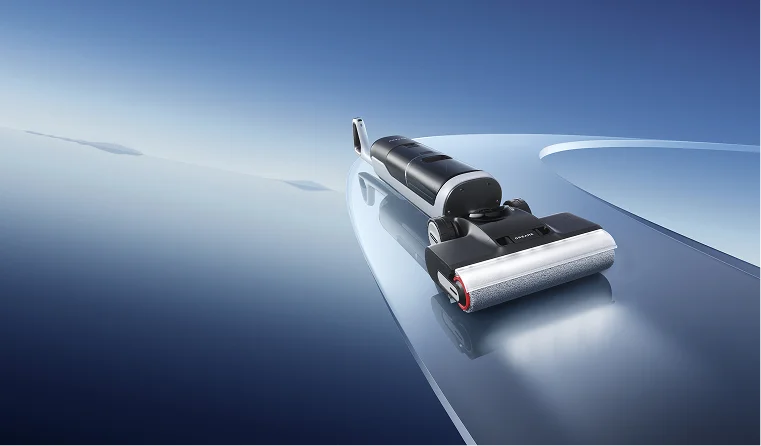
When it comes to high-end vacuums, many of them now exceed the $1,000 mark, and it's easy to see why once you dive into the engineering behind them. From advanced motor construction to smart docking capabilities, every detail is designed for optimal performance. In this guide, we'll explore what makes these premium vacuums worth the investment and break down the key factors that determine their price. This way, you can decide if the cost is justified for your cleaning needs. What's the Most Expensive Vacuum in the World? The most expensive vacuums on record are crystal-encrusted and gold-plated showpieces that cost more than a luxury car. They are commissioned by private buyers and auction houses, and their prices reflect the premium of their craftsmanship. For everyday cleaning, the most expensive vacuum you are likely to purchase will cost between $1,400 and $2,800 CAD. What Makes a Vacuum Expensive? The Four Cost Drivers When it comes to the price of an expensive vacuum cleaner, the premium that you pay goes into four main areas, which are the suction motor, the navigation hardware, the dock, and the AI software. Each of these features contributes significantly to the overall price and performance of the vacuum, reflecting the high level of technology and engineering that sets these models apart from the rest. The suction motor Premium models use brushless motors, which have no internal brushes to wear out, so the suction your machine delivers on day one is the same as it is years later. You can read more on how that build difference works in our brushed vs brushless vacuum motor guide. Navigation hardware Laser sensors and AI cameras give your robot vacuum a live, precise map of your home so it reliably covers every area of your floor, and the hardware adds to the machine's cost. Dock automation A premium dock empties its own bin for months and washes the mop pads with hot water after each cleaning. Each of those capabilities is a separate engineered system, and together, they account for the steepest part of the price. AI software Your robot vacuum's ability to recognize a pair of shoes or a charging cable and steer around it comes from years of training data and development, and that work is priced into the machine. You can read how all four of those cost drivers translate into cleaning differences in our budget vs high-end robot vacuum comparison. Dreame Take: A premium vacuum should handle the entire cleaning routine for you, including maintenance between cycles. This belief guides our commitment to investing significantly in the efficiency and functionality of the docking system. What Dreame Builds Into Its Premium Robot Vacuums Each of Dreame's premium robot vacuums puts its cost where it matters most for your home. The Matrix10 Ultra builds its cost into dock automation, and the X60 Max Ultra Complete puts its cost into the motor, brush, suction, and navigation system, all built into a compact, slim form. The Aqua10 Ultra Roller takes a different approach, keeping the mop water fresh throughout the entire cleaning. Matrix10 Ultra: dock automation that runs itself At $2,699.99 CAD, the Matrix10 Ultra is for homes where every room deserves a dedicated mop pad, freshly cleaned before it crosses the threshold. Its Multi-Mop™ Switching Dock automatically swaps mop pads between rooms, and the 212°F ThermoHub™ self-cleaning keeps those pads fresh between runs. The bin auto-empties for up to 100 days, and OmniSight™ navigation reads 240+ objects so it steers around everyday clutter while it cleans. 30,000Pa Vormax™ suction and ProLeap™ legs, clearing 3.15in round it out. [product handle="matrix10-ultra-robot-vacuum"] X60 Max Ultra Complete: motor, brush, suction, and navigation built in a slim form At $2,399.99 CAD, the X60 Max Ultra Complete is a luxury vacuum cleaner if you prioritize suction and navigation precision. Its 35,000Pa Vormax™ suction power is the highest in the X Series, and VersaLift DToF navigation lifts to map your home, then retracts so its 3.13in slim body slides under low furniture. Its cameras detect 280+ objects and steer around them automatically, and a Retractable Pressure Plate locks suction onto carpet for a deeper clean. The dock washes the mop pads at 212°F between runs to keep grime from building up. Aqua10 Ultra Roller: continuous fresh-water mopping At $2,299.99 CAD, the Aqua10 Ultra Roller keeps your mopping as fresh at the end of a clean as it was at the start. The roller continuously rinses with fresh water as it works, so your floor gets a clean pass from start to finish. The AutoSeal™ carpet guard rises 0.55in when crossing a rug to keep moisture where it belongs. 30,000Pa of suction with ProLeap™ legs that clear 3.15in means it can handle a mixed-floor home without interruption. Explore other models in our robot vacuum collection. What Premium Wet Dry Vacuums Offer Premium wet dry vacuums invest their cost in how hot the water is for the cleaning process, and how far the cleaning head can reach. These traits determine whether you can finish the job in one pass. They vacuum and mop sealed hard floors, such as tile and sealed wood, and dry-vacuum carpet surfaces just as thoroughly. A slim body backed by a self-cleaning dock Priced at $599.99 CAD, the Dreame Aero Pro lifts messes in one motion at 25,000 Pa suction, whether you're running wet or dry mode. And you get up to 60 minutes of runtime per charge to cover a full floor of hard surfaces in one go. The 3.88in slim body slides under furniture with ease. As it works, Advanced TangleCut™ 2.0 cuts and moves hair cleanly through the roller, so the brush stays clear and at full strength with every clean. The dock then washes the roller at 194°F and dries it at 203°F in about 5 minutes, taking the roller upkeep off your hands entirely. This self-cleaning system makes the case for its value for the price. Hot water mopping At $829.99 CAD, the H15 Pro Heat heats your mop water to 185°F as it cleans, melting away grease and dried-on spills. The dock then washes that roller at 212°F before your next run. GapFree™ AI DescendReach Robotic Arm extends the brush roller against your baseboards to clean around the edges just as well as the rest of your floors. The handle also lies flat at 180°, so you can keep areas under your sofas and other low furniture clean. You can clean up to 5,600+ sq ft of floor on one full charge. The hot-water heating system is the most expensive part to build in H15 Pro Heat, because it turns a quick mop into a deep clean each time. The same hot-water principle runs through every expensive vacuum cleaner: the heating and self-cleaning systems are where the price goes. You can browse other models in this range in our wet and dry vacuum collection. Pro-tip: A premium wet-dry vacuum separates clean and dirty water in separate tanks, and the dock washes your roller with hot water after every clean. You're not cleaning with increasingly muddied water on a premium model. Are Expensive Vacuums Worth It? An expensive vacuum is worth it if you want it to clean just as well in a few years as it does on day one. On average, most robot vacuums last 4–6 years. A premium model is built to perform at the same level for 6 years or more, so the upfront cost is spread across many years of reliable cleaning. The features built into expensive vacuums save you time on manual cleaning and upkeep. You don't have to worry about a stray sock on the floor slowing cleaning down, since your robot vacuum reads the room as it cleans. Your last room also gets the same clean as your first, thanks to the mop drawing fresh water through the whole way. Years into ownership, an expensive vacuum's suction is still just as strong as day one. The dock auto-empties the bin and rinses the brush on its own schedule, quietly checking those chores off before you even think about them. Dreame Take: We don't think a premium vacuum should mean paying for features you'll never use. Every investment that Dreame puts into a flagship model goes toward the time you get back and less manual cleanup. Match the Vacuum Price to How You Clean A budget vacuum model still handles everyday dust and crumbs well, but the extra cost buys everything else, such as the routine upkeep that a premium model handles on its own. If that's the kind of hands-off cleaning you're after, an expensive vacuum will quickly prove to be a valuable addition to your home. A budget model gets the job done if you're only looking for a few quick vacuum passes a week in a small space. You can read our guide on whether smart vacuums are worth the investment if you want to evaluate further. Frequently Asked Questions Are expensive vacuum cleaners worth the money? An expensive vacuum cleaner is worth the money if you clean often and want years of consistent performance. A budget model handles a weekly clean in a small space just as well, and the extra cost matters far less in that case. Why are vacuum cleaners so expensive? The price comes down to four engineering investments. The suction motor and navigation hardware add cost on their own, and the dock's self-cleaning automation and the AI software push the price further still. The dock is usually the biggest price-jump factor on that list. What is the most expensive robot vacuum? The most expensive robot vacuums on record are novelty showpieces built for private collectors, and those can run into the tens of thousands of dollars. Among robot vacuums built for everyday homes, Dreame's most expensive model is the Matrix10 Ultra, priced at $2,699.99 CAD. Do expensive vacuums last longer than cheap ones? Expensive models tend to last longer than cheaper ones because they use motors built without brushes to wear out, so they often run reliably for ten years or more. You can keep the rest of the machine running well past that point by replacing parts like brush rolls and filters. Is a $1,000 robot vacuum better than a $300 one? A $1,000 robot vacuum outperforms a $300 model in measurable ways. AI cameras read a room and steer around everyday clutter, and hot-water mop self-cleaning keeps the pad clean between rooms. Most $300 models rely on basic bump sensors and a static pad that needs to be washed by hand. The $1,000-and-up range is also where 100-day auto-empty docks become standard.
Continue reading