








 Robot Lawn Mowers















 Humidifiers


 Smart Door Lock


 Australia
 中国大陆
中国大陆 日本
日本


 Türkiye


 Ireland
 Portugal
 Italia
 Netherlands
 Belgium
 Greece
 Polska
 Norway
 Sweden
 Finland
 Denmark
 Hungary
 Czechia
 Slovenia
 Croatia
 Switzerland
 United
Kingdom
United
Kingdom
 Canada


 Colombia

In this article
HEPA filters trap the microscopic particles that set off allergies and asthma, including pet dander and dust mite debris as small as 0.3 microns. A vacuum without one can push a fine cloud of that dust back into the air as it cleans.
The best HEPA vacuum captures those particles and keeps them there, sealed inside the machine instead of leaking back out through the exhaust or the bin.
A high filter grade is not enough on its own, especially if the vacuum has a body that leaks air or releases dust back into the air when you're emptying it.
A good HEPA vacuum cleaner pairs a sealed body with published test data behind the HEPA label. Below are three picks for 2026, each suited to a different kind of home, from a full-size cordless to a robot that cleans on its own, with a table to view them at a glance.

| Category | Our pick | Why we picked it |
|---|---|---|
| Best HEPA cordless overall | Dreame Z30 | The only pick here backed by a published whole-machine filtration test report, measured at the fine-dust level. |
| Best robot for allergen control | Dreame X60 Max Ultra Complete | Sends dust into a sealed dock for up to 100 days, so there is no dusty bin to empty by hand. |
Best HEPA Cordless Vacuum Overall
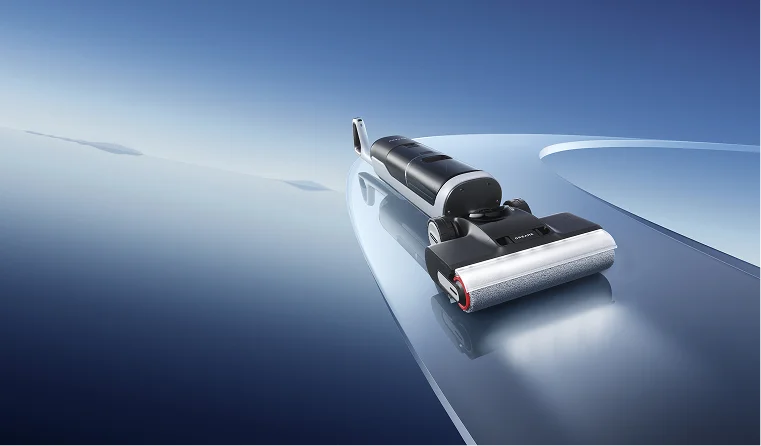
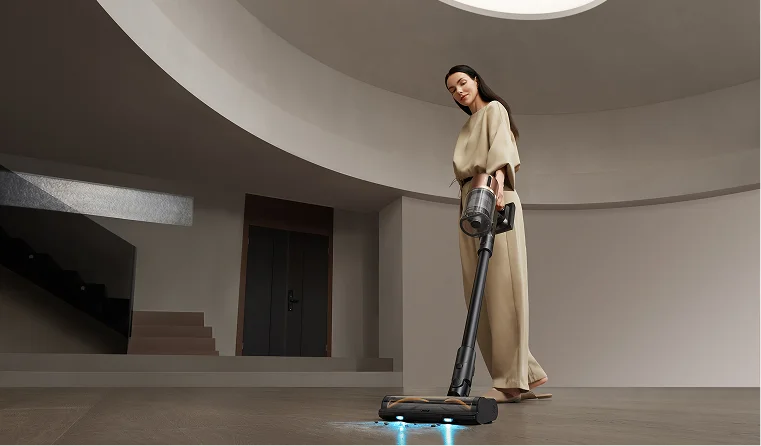
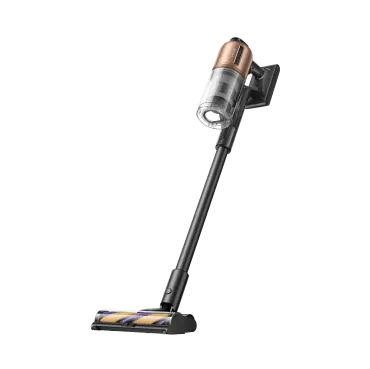
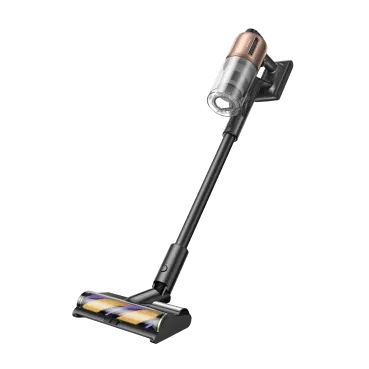
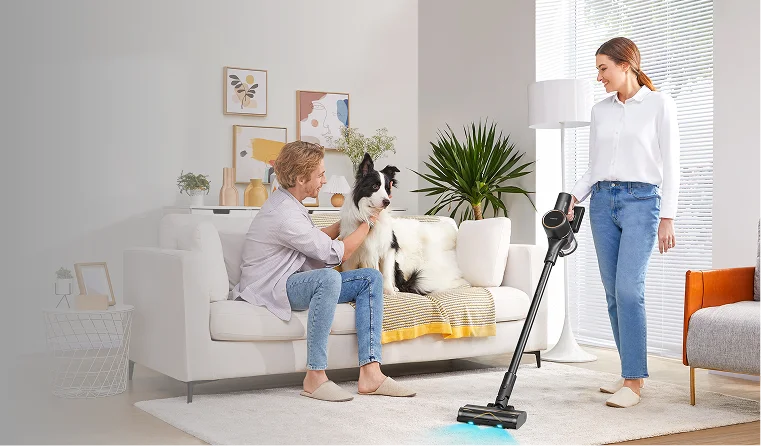
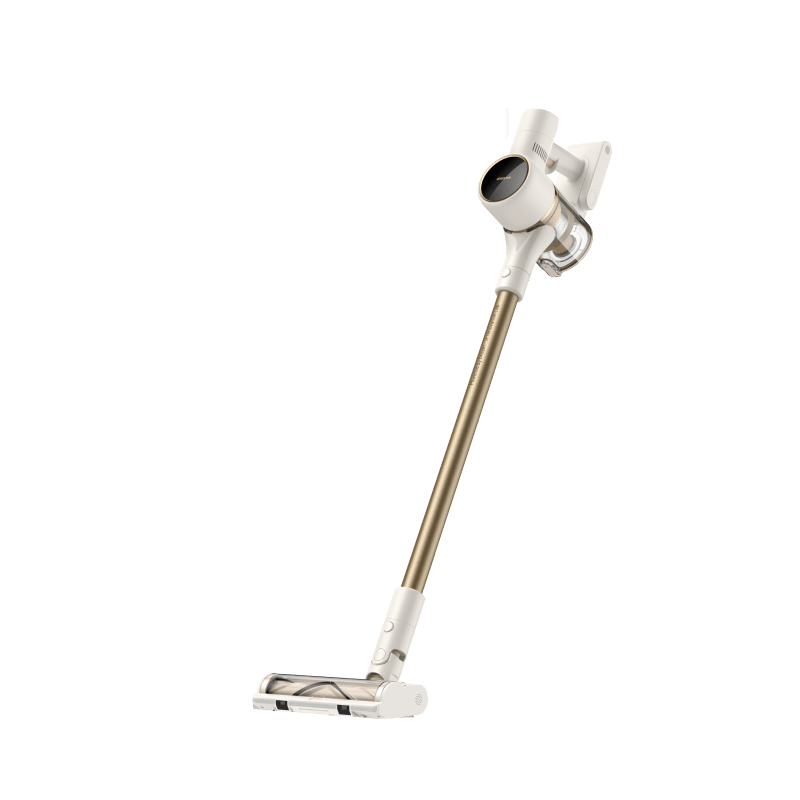
Dreame Pick: The Dreame Z30 leads here with HEPA H14 filtration that captures 99.99% of particles down to 0.1 micron, verified by an independent SGS test report and coming in at $899.99 CAD.
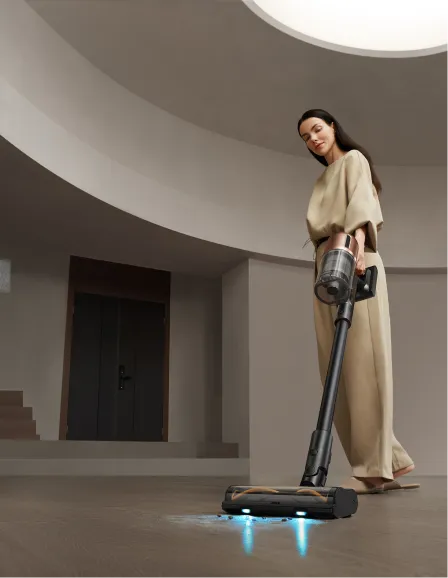
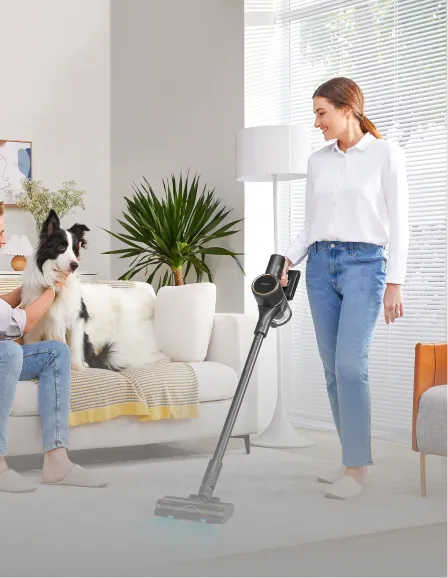
310AW suction pulls embedded dust and pet hair up out of carpet instead of just skimming over the top, while a 90-minute runtime covers a full home on one charge. Dirt detection raises suction only where it senses a heavier mess, so the vacuum isn't using up battery on spots that don't need it. A built-in pet brush head lifts fur off upholstery and stairs, and Enhanced Blue Light Dust Detection lights up the fine dust you can't easily see.
Sealing is what makes all that lab-tested filtration count. Captured dust stays locked inside the machine instead of drifting back out through the exhaust, so the dust doesn't settle back into the room.
[product handle="z30-cordless-stick-vacuum" slogan="Best HEPA Cordless Vacuum Overall"]
Also consider: Dyson and Samsung both make strong HEPA cordless vacuums worth a look.
Best Robot Vacuum for Allergen Control
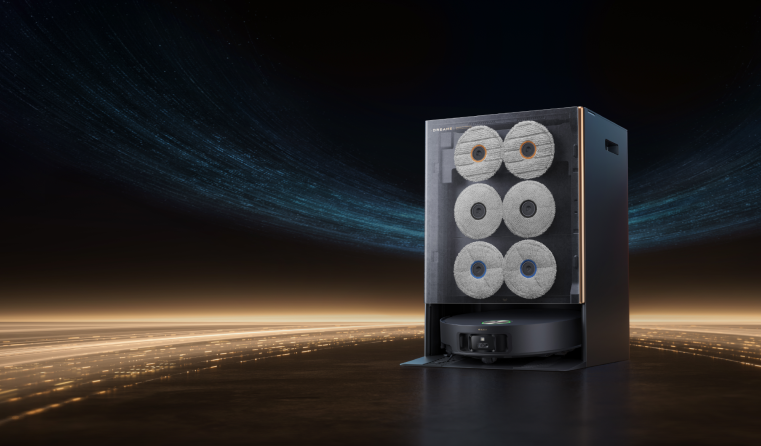
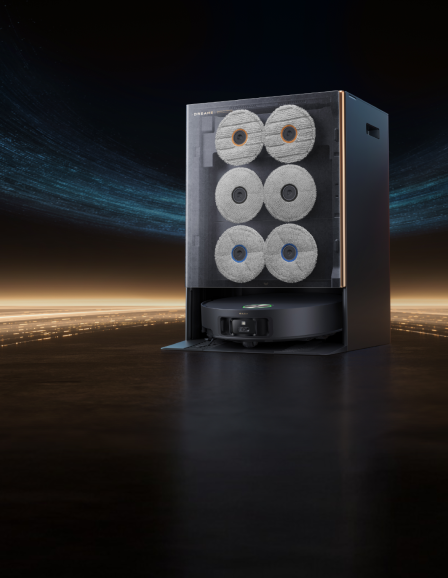
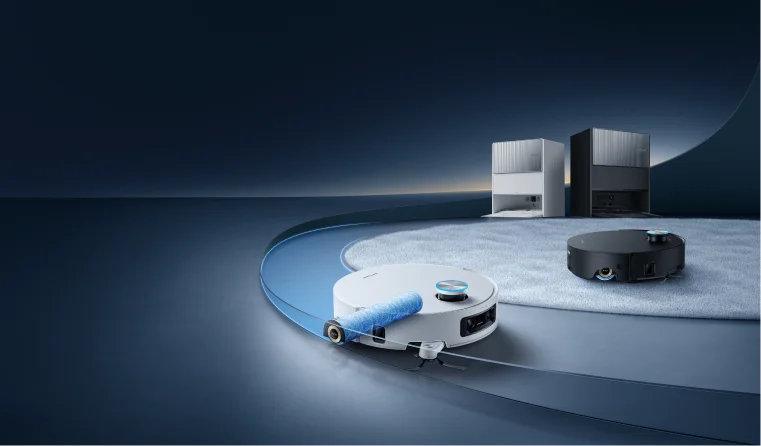
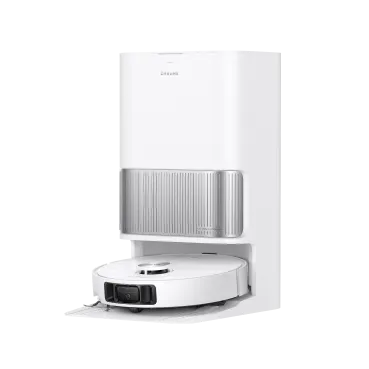
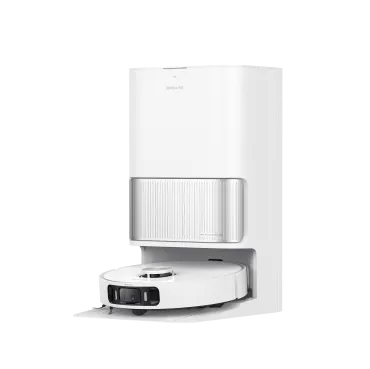
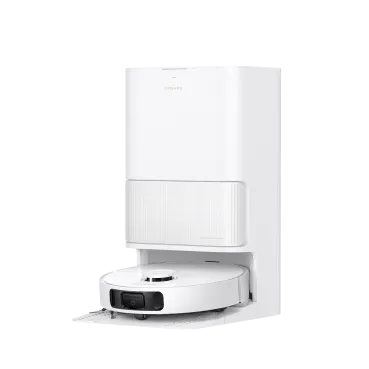
Dreame Pick: The best vacuum for allergies picks up the dust, then keeps it out of the air when it empties. The Dreame X60 Max Ultra Complete seals it away, emptying its bin into the All-in-One PowerDock for up to 100 days, so you are not tipping out a dusty bin by hand between cleans.
35,000Pa of Vormax™ suction lifts embedded pet hair and crumbs from carpet in a single pass, and on carpet, a retractable pressure plate lowers to seal that suction in and pull more out of the pile. The HyperStream™ Detangling DuoBrush 2.0 feeds long hair through instead of letting it wrap the roller. The robot vacuum also auto-lifts its brush and mop over carpet, so the pile gets vacuumed without getting damp. Its dust-box filter is made of HEPA materials and captures up to 99% of dust.
The sealed emptying is the real advantage here. Dust goes into the dock and stays there, so you're not breathing in a cloud of it at the bin each week. For hands-off allergy control at the top of the range, the X60 Max Ultra Complete comes in at $2,399.99 CAD.
[product handle="x60-max-ultra-complete-robot-vacuum" slogan="Best Robot Vacuum for Allergen Control"]
Also consider: Eufy, Roborock, and Shark all make well-known self-emptying robots, and any of them makes a fair comparison if you want to see how other premium docks handle dust.
What Makes a HEPA Vacuum Actually Work
A HEPA vacuum actually works through two ways: a true HEPA filter and a sealed airflow path that forces all the air through it. It's this combo that prevents fine dust from finding its way back into the room.
Start with the filter. True HEPA is a set standard, so the filter has to catch 99.97% of particles at 0.3 microns, the hardest size to trap. That is about the size of pollen and pet dander, which is why the rating is even more important for allergies. What proves it is a published test behind that number, ideally from an independent lab.
Sealing is the part most people miss. Air will find any gap around the filter, letting dust slip past it instead of through it. A properly sealed body forces every bit of air through the filter, which is why the best HEPA filter vacuum seals the whole airflow path, cartridge and body together.
Most dust escapes when you empty the bin. Tipping a bagless bin releases a cloud of the finest particles straight back into the room you just cleaned. A sealed auto-empty dock or a bagged canister keeps that dust contained, and that matters most in a home with dust-mite or dander concerns. If dust mites are your main worry, our guide on how to get rid of dust mites covers where they settle and other ways to get rid of them outside of vacuuming.
How to Choose a HEPA Vacuum
The filter grade matters, but it is only one part of the picture. Here is what else to check for the cleanest result in your home, from sealing to how to spot a real test behind the claim.
Whole-machine sealing
For a vacuum to truly clean the air, all of it has to pass through the filter rather than leak out around the sides. Look for wording like "sealed filtration" or "whole-machine filtration." It tells you the body is sealed around the filter, so air cannot sneak past it.
Published test results
A real filtration claim points to an actual test. Look for the name of the lab that ran it, such as SGS, and a report number you can look up. Both together mean the rating comes from real, independent testing you can trust.
Emptying method
When you empty your vacuum, that is usually the moment the most dust escapes. Tipping out a bagless bin can send the finest particles straight back into the room you just cleaned. A sealed auto-empty dock avoids that, emptying into a closed bag on its own. For severe allergies, a bagged system is one of the best options, since you seal the bag and bin it without ever touching the dust.
Our guide on how to choose the right dust-busting vacuum goes deeper, covering which machine types suit which homes and the features that actually matter for keeping dust down.
Suits your home
A robot handles scheduled, hands-off cleaning across open floors, while a cordless is easier for stairs and the quick clean-ups in between. Pick the format that suits your rooms first, then compare filtration.
How Dreame Tests Cordless Vacuums
Cordless vacuum testing at Dreame centers on what the machine actually picks up, not what the motor is rated for.
Suction runs in turbo mode on the two surfaces that expose weak machines. The first is carpet, with fine dust embedded deep in the fibers and hair stuck to the pile. The second is a hard floor debris track, where the cleaned path is compared directly against the mess left behind.
Runtime and coverage figures come from a fixed protocol rather than best-case guesses. Each model runs in eco mode on a fully charged battery and is recorded until the battery is fully depleted. Published figures always carry those conditions, since results in your home will vary with layout and flooring.
Dirt detection is tested with measurable proof. The lab runs auto mode across particle sizes, from fine coffee powder up to cereal and pet food, and watches the suction adjust on its own. The on-board cleaning report then displays particle counts by size, turning "it looks clean" into recorded data.
Hair handling is tested where it fails most: bedding and sofas loaded with long hair and pet fur. Edge cleaning runs along baseboards and wall corners, the strip most stick vacuums leave behind. Blue light dust detection gets checked in both bright and dim rooms, confirming it reveals dust a clean-looking floor is hiding.
All the figures here are from Dreame's in-house lab and are presented as such.
How Dreame Tests Robot Vacuums
The standard industry test for a robot vacuum is dust pickup in an empty square room. Your home is not an empty room, so Dreame's testing starts where that test ends.
Hair is the clearest example. Engineers run each robot vacuum against a blended mix of hair lengths from 3cm to 30cm, built to clog and tangle a poorly designed roller brush. After every run, the team collects and weighs the hair from three collection points: the dust box, the roller brush, and the side brush. The result is a hair tangling rate, which shows how much hair the vacuum actually swallowed versus how much wrapped around its brushes. Cleaning efficiency alone hides that difference, and it's the difference that matters in a home with pets or long hair.
Durability gets the same scrutiny. Every model passes compression and drop testing, then vibration runs that simulate real shipping. Environmental simulation chambers expose finished units to extreme heat, humidity, rain, and salt spray.
Read the full methodology in How Dreame Tests Robot Vacuums.
Find the Right HEPA Vacuum for Your Home
Figuring out the best HEPA vacuum cleaner for you is about ensuring it's good at capturing the dust and then keeping it contained. Once that part is handled, the right pick really comes down to the type you want for your home.
If you want a cordless for hands-on cleaning and quick passes, browse our cordless stick vacuums. If you would rather a robot handle the floors on its own, check out our robot vacuums.
Still deciding? You can line a few up side by side with the compare vacuum models tool.
Whichever you choose, a HEPA filter only keeps working if you look after it. Our guide on how to clean vacuum HEPA filters covers washing and drying it properly, and how often to do it based on how much you clean.
Frequently Asked Questions
Is a HEPA vacuum worth it?
Yes, for anyone with allergies or pets. A HEPA vacuum only helps if the whole machine is sealed, so the fine dust it captures stays inside instead of leaking back into the room.
Do robot vacuums have HEPA filters?
Many do use HEPA-material filters. What helps allergies even more is a sealed auto-empty dock, which empties the bin for you so the dust never gets tipped back into the air.
Bagged or bagless for allergies?
Go bagged if allergies are the concern, since you seal and bin the bag without touching the dust. A sealed auto-empty dock closes most of that gap for bagless, so either works as long as the emptying stays sealed.
Can a HEPA vacuum replace an air purifier?
No. They do different jobs. A vacuum lifts settled dust off your floors and furniture, while an air purifier catches the particles already floating in the air.

