Best Budget Robot Vacuums: Top Picks for 2026

Best Budget Robot Vacuums: Top Picks for 2026

Dreame Editorial Team |
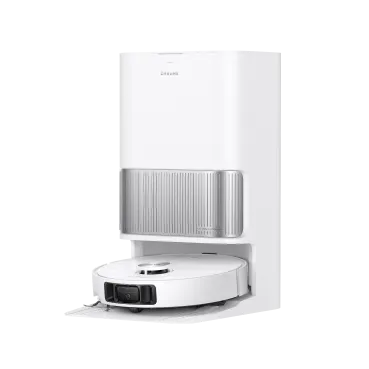
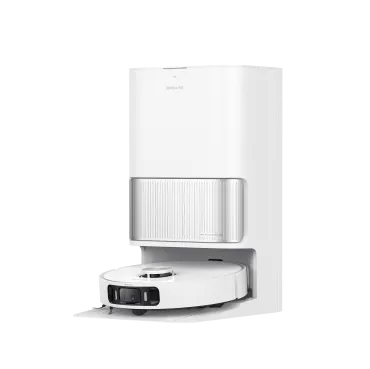
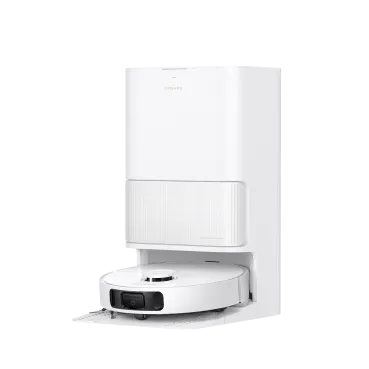
The best budget robot vacuum keeps your home clean day after day, without requiring a hefty investment. The good news is that you can now find models with features that were once exclusive to high-end vacuums, such as mapped navigation and self-emptying docks, at more accessible price points. What's important is finding the right match for your floors and daily routine. This guide lists the top affordable robot vacuum options based on your specific needs, ranging from a basic first robot vacuum to a more advanced model with a mopping feature that efficiently handles pet hair. Every model mentioned is available for purchase today. Best Budget Robot Vacuum Overall Dreame Pick: The L40 Ultra Gen 2 stands out as the ideal choice for anyone needing a single robot vacuum for their entire home. With an impressive 25,000 Pa suction power, it effectively lifts dust and pet hair from low-pile carpets. Its all-in-one dock takes care of washing the mops and emptying the bin autonomously, and even dries them using hot air, allowing you to go weeks without needing to intervene. This model features side brushes and mop extensions that reach into corners and along edges, while the mop can lift 0.41 inches (10.5 mm) to keep rugs dry when transitioning from hard floors to carpets. Offering up to 100 days of hands-free cleaning for $1,099.99 CAD, the L40 Ultra Gen 2 delivers robust, low-maintenance cleaning without the hefty price tag associated with flagship models. [product handle="l40-ultra-gen2-robot-vacuum" rating="4.7" slogan="Editor's Pick"] Also consider: Roborock, a popular choice among robot vacuum enthusiasts, or eufy, which has earned a strong reputation in the budget-friendly category. Best Robot Vacuum Under $350 Dreame Pick: The D20 Plus is an excellent entry-level option, priced at $699.99 CAD. It provides a truly hands-off robot vacuum experience. With Smart Pathfinder navigation, it maps your home and cleans room by room in organized lines, rather than randomly. For those new to robot vacuums, this means you can simply press start and walk away. Equipped with 13,000 Pa Vormax suction, it efficiently removes everyday dust and crumbs from hard floors and low-pile carpets. The HyperStream Detangling DuoBrush prevents hair from tangling around the roller, so you won't need to spend time detangling every week. It vacuums and mops in a single pass and empties itself into a dock that can hold up to 150 days of debris, allowing you to go months without needing to empty the bin.Just two years ago, a robot vacuum with this level of capability would have cost roughly double. [product handle="d20-plus-robot-vacuum" rating="4.9" slogan="Best Under $350"] Also consider: When people think of robot vacuums, iRobot is the brand that comes to mind. Tapo is another option that stands out as more budget-friendly, so it's worth taking a look at both brands to compare their features before making your decision. Best Budget Robot Vacuum and Mop Dreame Pick: The L40s Ultra CE is designed for anyone who wants their floors mopped without having to do the mopping themselves. It is Dreame's most affordable model and comes with an All-in-One PowerDock. After each cleaning cycle, the robot vacuum automatically washes and dries its mop pads and empties the dust bin for you. Daily mopping becomes almost effortless. This robot vacuum not only cleans the open areas of your home but also cleans the edges. The RoboSwing feature nudges the mop pad outward as the vacuum cleans in baseboards and corners, without neglecting any edges. Its Customized Carpet Cleaning Strategy lifts the mop when it encounters a rug, keeping it dry. With 13,000 Pa of Vormax suction power, it can easily handle everyday dust and crumbs. The 3DAdapt technology allows it to navigate around shoes and cables, enabling continuous cleaning without any assistance. Priced at $1,099.99 CAD, it makes self-cleaning mopping accessible at a budget that used to offer far less. [product handle="l40s-ultra-ce-robot-vacuum" rating="4.5" slogan="Best Budget Robot Vacuum and Mop"] Also consider: eufy has a strong following for vacuum mop combo models, and Yeedi is another budget-friendly name worth considering in this category. Best Budget Robot Vacuum for Pet Hair Dreame Pick: When it comes to tackling pet hair, the brush type can make a huge difference, often more than the suction power itself. The D30 Ultra features a unique TriCut brush that slices through hair as it spins, guiding it into the bin instead of letting it wrap around the roller. This is a common issue with many robot vacuums, especially during heavy shedding seasons. The D30 Ultra features a powerful 25,000 Pa Vormax suction that effectively lifts embedded fur from low-pile carpets. Its MopExtend feature helps it reach those tricky edges and corners where hair often hides. On top of that, it comes with an auto-empty dust bag that can hold up to 100 days' worth of debris, so you won't need to worry about emptying it every day. At a price of $699.99 CAD, the D30 Ultra offers a reliable solution for keeping pet hair in check, all while requiring minimal effort from you. [product handle="d30-ultra-robot-vacuum" rating="4.9" slogan="Best Budget for Pet Hair"] Also consider: Shark has a loyal following in the pet-cleaning space, and iRobot is one of the most recognized names in robot vacuums. Best Budget Robot Vacuum for Small Apartments Dreame Pick: In a smaller home, you only need a robot vacuum that can quietly keep up without getting in your way. The D20 Pro Plus offers exactly that. Its 13,000 Pa Vormax suction handles daily dust and crumbs, and Flex Arm vacuuming stretches out to clean the baseboards, which a robot vacuum usually drives straight past. A HyperStream Detangling DuoBrush keeps hair off the roller, while its navigation and obstacle-avoidance features steer it around furniture rather than knocking into it. The 150-day dock empties itself, so you can leave it alone for months at a time and barely give it a thought. At $749.99 CAD, it is a simple first step into hands-off cleaning. [product handle="d20-pro-plus-robot-vacuum" rating="5.0" slogan="Best for Small Apartments"] Also consider: eufy is a popular choice for smaller spaces, and iLife is one of the more wallet-friendly names you will come across if you want to compare a few options first. How We Picked These Models Four things decided these picks, starting with suction matched to your floors. As a rule, 13,000 Pa is plenty for hard floors and low-pile carpet, while thicker carpet or a heavy-shedding pet calls for 25,000 Pa. Heavy shedding is where suction does the real work, which is why our pet picks lean on stronger motors. For more on those, see the robot vacuums for pet hair collection. We also weighed how much the dock takes off your hands and how cleanly each robot vacuum gets around without wasting time. Then there is upkeep, the cost of keeping it running once brushes and bags add up, and a few small habits stretch a budget model's life, which we cover in our tips to improve robot vacuum cleaner lifespan. Jump back to any pick: Best Overall, Under $350, Vacuum and Mop, Pet Hair, or Small Apartments. What Counts as a Budget Robot Vacuum in 2026 A budget robot vacuum in 2026 runs from around $699.99 to $1,099.99 CAD, and the low end no longer means a downgrade. Mapped navigation, a self-emptying dock, and an anti-tangle brush now come standard, even on a cheap robot vacuum, so the things you notice day to day are covered. What you do not get is premium hardware, such as camera-based object recognition and multi-solution docks. That tech is worth it for the most hands-off setup, but it is not what your floors need day-to-day. If you have been weighing up the best affordable robot vacuum, the real question is simpler: Does it handle the everyday basics on your floors? Our budget robot vacuum vs high-end comparison shows where your money should go, and the full range lives in the budget robot vacuum collection. How Dreame Tests Robot Vacuums The standard industry test for a robot vacuum is dust pickup in an empty square room. Your home is not an empty room, so Dreame's testing starts where that test ends. Hair is the clearest example. Engineers run each robot vacuum against a blended mix of hair lengths from 3 cm to 30 cm, built to clog and tangle a poorly designed roller brush. After every run, the team collects and weighs the hair from three collection points: the dust box, the roller brush, and the side brush. The result is a hair tangling rate, which shows how much hair the vacuum actually swallowed versus how much wrapped around its brushes. Cleaning efficiency alone hides that difference, and it's the difference that matters in a home with pets or long hair. Durability gets the same scrutiny. Every model passes compression and drop testing, then vibration runs that simulate real shipping. Environmental simulation chambers expose finished units to extreme heat, humidity, rain, and salt spray. Read the full methodology in How Dreame Tests Robot Vacuums. The Best Budget Robot Vacuum for Your Home The right budget robot vacuum comes down to your floors and your routine. In a smaller home, the apartment pick keeps things simple. With pets, the cutting brush is what keeps hair off the roller. For hands-off mopping, the all-in-one dock does the work, and if you want the most cleaning for the least spend, the overall pick covers the widest range of homes. Browse the budget robot vacuum collection or the wider robot vacuum collection to find your fit. Budget Robot Vacuum FAQs What is the best budget robot vacuum? The L40 Ultra Gen 2 is our top budget pick. It pairs 25,000 Pa suction with a full all-in-one dock at $1,099.99 CAD, the most capability you can get at the top of the budget range. Are budget robot vacuums worth it? Yes, for daily upkeep, they are. You give up simpler obstacle handling and the multi-solution docks found on flagship models, but the core job of keeping floors clean is covered well. How much does a good robot vacuum cost? Entry budget models start at $699.99 CAD, a full mopping dock starts at around $1,099.99 CAD, and the step-up budget picks start at $1,099.99 CAD. For a full breakdown, see our robot vacuum price guide. What do you give up with a cheap robot vacuum? Mostly the premium hardware. You lose camera-based object recognition and the hot-water, multi-mop docks that flagship models use. Is a self-emptying dock worth it on a budget model? Yes, it changes daily life more than any other budget feature. With 100 to 150 days of capacity, you go months without thinking about the bin.
Continue reading
Advantages and Disadvantages of Robot Vacuums

Advantages and Disadvantages of Robot Vacuums

Dreame Editorial Team |
Robot vacuums have transformed home cleaning by offering a faster, easier, and more convenient way to maintain a tidy space. With features like hands-free operation, smart mapping, and customizable schedules, these devices automate the cleaning process, saving valuable time and energy for busy households. The global market for robotic vacuum cleaners is projected to reach USD 29.82 billion by 2030, fueled by a rising demand for smart home technology and hands-off cleaning. Despite their popularity, you should still consider whether a robot vacuum is right for your cleaning routine and the layout of your home. The Many Advantages of Robot Vacuums Let's pierce the veil over some of the most notable advantages robot vacuums bring to the table. 1. Hands-free cleaning Robot vacuums are a bonus, particularly for those with a packed schedule. They save you time and effort by cleaning your floors without requiring your constant attention. Many modern models feature scheduling options and voice assistant integration with Direct Voice Call, Alexa, Google Home, or Siri. This means you can set it to clean when it's convenient for you, such as while you're at work or relaxing at home. The hands-free approach makes everyday cleaning hassle-free, leaving you with more time to enjoy your life. 2. Advanced maneuverability: glide over obstacles and reach deeper corners Take the Dreame X50 Ultra and its world-first retractable legs, which lift it over obstacles up to 2.36in (6cm) high, like carpet edges and door thresholds, with minimal noise. The newer X60 Max Ultra Complete pushes that further, clearing thresholds up to 3.47in (8.8cm). Both models reach the spots that collect dust, sliding under low furniture and into tight corners to clear what builds up there. Their anti-tangle DuoBrush handles hair without wrapping or clogging Curious how the obstacle crossing capability of robot vacuums keeps improving? Read our Why Smart Robot Vacuums Still Get Stuck (And How Hardware is Fixing It) report. 3. Precise and customized cleaning with smart mapping Modern robot vacuums come equipped with cutting-edge sensors, like LiDAR and AI-driven navigation, to scan and create a precise map of your home. Once mapped, the vacuum plans an optimized cleaning path, avoiding obstacles while covering all areas of your floor. The smart mapping allows you to set specific cleaning schedules for different rooms, ensuring that your kitchen or bathroom gets the attention it needs without wasting time on areas that don't require cleaning. 4. Low maintenance, low cost Modern robot vacuums are built to take care of themselves. With self-emptying, self-refilling, and self-charging features, they automatically return to their dock when the battery runs low and empty their dustbins without your help. Many advanced docks can store 90-150 days of debris, cutting down on daily maintenance and saving you time. Even better, their efficient use of water and power keeps operating costs low, making them a smart, budget-friendly choice for busy homeowners who want a spotless home with minimal effort. 5. Improved air quality with consistent cleaning Regular use of vacuum cleaners equipped with HEPA filters can significantly improve indoor air quality by reducing dust, pet hair, and allergens that accumulate in the home. A study found that HEPA-equipped vacuums do not significantly increase particulate matter (PM) emissions during operation, which prevents harmful particles from being released back into the air. This means that consistent vacuuming with these devices helps keep allergens, dust, and pet hair from circulating in the home, leading to a cleaner and healthier environment, especially for those with respiratory issues. In addition to minimizing particulate emissions, vacuuming regularly helps prevent the buildup of dust and allergens, which can worsen indoor air quality. The study showed that vacuums without HEPA filters, such as bagged models, emitted higher levels of PM, suggesting that vacuums with HEPA filtration are far more effective at maintaining clean air. With continued use, these vacuums contribute to a healthier living space, particularly for individuals who suffer from allergies or asthma, by reducing the number of airborne particles that could trigger respiratory problems. 6. Deeper clean with bacteria removal technology Many high-end robot vacuums are designed with bacteria removal features. These vacuums often include UV-C sterilization or antibacterial brush materials that help eliminate harmful microbes and bacteria from your floors. This added layer of protection ensures that your home is not only visibly clean but hygienic as well. This is particularly beneficial in homes with young children, elderly family members, or pets, as it helps maintain a safe and clean environment, free from germs and harmful bacteria. 7. You can name your robot vacuum Naming is a fun part. You can name your robot vacuum as Moptimus Prime, Meryl Sweep, Steve McClean, among other quirky names, and share your unique "adventures" on Instagram and TikTok. Anyway, naming your robot vacuum not only makes it feel more personal but also allows you to share its cleaning exploits with friends and family. What are the Potential Drawbacks of Robot Vacuums? While robot vacuums can facilitate our lives, they do come with some drawbacks. Let's get to some potential challenges and how Dreame robot vacuums address them. 1. Higher initial cost Robot vacuums fall within a price range of $200 to over $1,500 on the whole. Lower-end models typically cost around $200-$400, offering basic functionality that can clean efficiently but may not meet the needs of more diverse cleaning tasks. The shining features, such as impressive suction power, smarter navigation, longer battery life, etc., have pushed up the overall price, often reaching $800-$1,500+. Dreame Take: We successfully struck a balance between price and performance, catering to a wide variety of user needs by introducing three categories: premium, advanced, and essential. 2. Larger homes require several cleaning cycles Understanding how battery life affects cleaning time is crucial. For larger homes, robot vacuums may need to complete several cleaning cycles to cover the entire space. This is quite a challenge for limited battery life. Dreame Take: Our robot vacuums come equipped with long-lasting batteries capable of cleaning large spaces on a single charge. The X60 Max Ultra Complete runs on a 6,400mAh battery and recharges fully in about 80 minutes, so even after a big job it's ready again quickly. For larger homes, that mix of capacity and fast charging keeps cleaning moving with fewer stops. 3. Some robot vacuums can be noisy Generally quieter than traditional models, robot vacuums can still produce noticeable noise (60dB to 75dB, comparable to street noise) during operation, especially when running at higher suction power or getting over obstacles. Such noise may be particularly disruptive in quieter environments, such as bedrooms or offices. Dreame Take: Dreame's robot vacuums are designed with noise-reducing technology that ensures quieter operation compared to many other models. For example, the Dreame X50 Ultra uses the integrated shock absorption system to prevent harsh collisions and maintain an impressively low noise level. 4. First-time set-up might seem complicated For first-time users, setting up a robot vacuum and syncing it with smart home systems can sometimes be challenging. The initial configuration might take longer than expected, especially when trying to connect the vacuum to the app or configure custom settings. Users may also need time to learn how to adjust cleaning schedules and zones properly. Dreame Take: Dreame robot vacuums come with a highly intuitive Dreamehome app, that simplifies the setup process and integrates with smart home systems like Alexa and Google Home. The app offers a user-friendly interface, allowing users to easily configure cleaning schedules, set no-go zones, and control cleaning modes. With regular software updates, Dreame ensures that users have a seamless experience and minimal connectivity frustrations, especially for first-time users. 5. Suction power varies The suction power of robot vacuums can vary significantly between different models. Most budget-friendly models offer suction power around 1,000 to 2,500Pa, which is sufficient for light cleaning on hard floors. However, these vacuums often struggle to pick up dirt or debris from thicker carpets, corners, or high-pile rugs. Mid-range models usually range from 3,000Pa to 5,000Pa and provide better suction, but they still may not be effective for homes with pets or large, heavily soiled areas. Dreame Take: Dreame's high-end robot vacuums use powerful suction systems that clean well across the whole home. The X60 Max Ultra Complete, for example, pairs 35,000Pa Vormax™ suction with the HyperStream™ Detangling DuoBrush, pulling debris from tight corners and narrow gaps while handling hair up to 15.75in (40cm). Strong suction and a tangle-resistant brush mean edges and the space under furniture get cleaned thoroughly. Should You Get a Robot Vacuum? Whether a robot vacuum is right for you depends on several factors. The advantages and disadvantages of robot vacuums above apply to nearly every model, but how much each one matters comes down to your home, your pets, and your budget. A small apartment with hardwood needs a different vacuum than a large house with carpet and two shedding dogs. If you're weighing the decision to get a robot vacuum for your home, this guide breaks down whether a robot vacuum is worth it for your household. Choosing the Right Robot Vacuum A robot vacuum makes sense when it fits your home and your routine, not when it has the longest feature list. Match the suction, brush type, and navigation to your floors and pets, and daily cleaning turns into something you stop thinking about. Most Dreame models handle that mix with strong suction, self-emptying docks, and anti-tangle brushes built for pet hair. Browse the Dreame robot vacuum collection to find the model that suits your space. Advantages and Disadvantages of Robot Vacuums FAQ Which is better, a robot vacuum or a robot mop? While robot vacuums are designed to pick up dirt, dust, and pet hair from floors, robot mops specialize in mopping, leaving floors sparkling clean by wiping away sticky residues, spills, and grime. If you want a vacuum for dirt and hair pick up only, a robot vacuum will do the job. If you want to maintain shiny, clean floors without manually mopping, a robot mop may be a better option. For complete home cleaning, some people opt for a robot vacuum-mop combo for the best of both worlds. Read Robot Vacuum No Mop or Combo: Which Is Best? to make your decision. How to choose a good robot vacuum? When selecting a robot vacuum, consider suction power, battery life, navigation, and maintenance. For pet owners, a model with anti-tangle brushes and strong suction is ideal. Capable battery (eg. 6,400mAh) suits larger homes. Look for smart features like app control and voice assistant integration, as well as self-emptying, mop washing and mopping for convenience. How efficient is a robot vacuum for pet hair? Robot vacuums excel at picking up pet hair. With powerful suction (20,000Pa) and anti-tangle brushes, they easily get hair from carpets and hard floors. These vacuums are designed to handle pet hair without getting clogged. Can you integrate a robot vacuum into a smart home system? Yes, many robot vacuums, including the Dreame's, work seamlessly with smart home systems, and support protocols like Matter. You can also try the Dreamehome app to control and monitor the vacuum with voice commands or your smartphone.
Continue reading
Are Robot Vacuums Worth It? Who Benefits the Most

Are Robot Vacuums Worth It? Who Benefits the Most

Dreame Editorial Team |
A robot vacuum that wraps itself in dog hair after a week, or gets stuck in a doorway, is not saving you time. So are robot vacuums worth it? For most people, yes, but the honest answer depends on your home. This guide covers what they do well and where they still fall short, as well as which households benefit the most from owning one. Is It Worth It for Your Household? Yes, robot vacuums are worth it for most households, though a few things make a bigger difference than others. A robot vacuum helps most when floors get dirty daily and you are short on time. Here's how you can decide if it's worth it based on your household: Pet owners: Yes, especially with breeds that shed every day. A daily pass with a robot vacuum keeps pet hair from settling into rugs and corners. Hard floors throughout: Yes. A model that mops as it vacuums handles both jobs in one pass. Mixed flooring (carpet and hard floor): Depends on the suction and brush design. Low-pile carpet is fine, but thick carpet requires more suction power. Small apartments and studios: Yes, though a budget model can usually cover the entire space without trouble. Large homes with several floors: Depends on your setup. A robot vacuum cleans one floor at a time, so a big multi-level home means either one unit per floor or carrying a single one up and down the stairs. Allergy-prone households: Yes, especially models with a sealed HEPA filter that traps fine dust instead of blowing it back into the air. If any of the above scenarios sound like your home, the L60 Pro Ultra is a solid robot vacuum to start with. It has 35,000 Pa suction to pull hair out of carpet and a HyperStream™ Detangling DuoBrush that handles strands up to 11.8in (30 cm) long, so shedding pets and mixed floors are both covered. It mops while it vacuums too, which takes care of hard floors in the same run. What Robot Vacuums Do Well The biggest payoff is consistency. A robot vacuum runs on a schedule every day, so crumbs and dust never pile up the way they do between weekend cleans. After the first run maps your home, it is genuinely set-and-forget. You press start once, set a schedule, and the daily floor care simply happens. For pet hair, the brush is what makes the difference. Detangling brushes are one of the bigger innovations here, designed to pull long hair straight through instead of letting it wrap around the roller, so you skip the weekly job of cutting fur off a tangled brush. Navigation has come a long way. There is a lot of technology behind it now. A robot vacuum can have laser mapping, cameras, AI object recognition, sensors of all kinds. But it all adds up to one thing: the vacuum learns the layout of your home and cleans it in an orderly way instead of bumping around at random. The robot vacuum knows where it has been, steers around clutter like cables and shoes, and you stay in control from an app, where you can set a schedule, block off no-go zones around a pet's water bowl or a high-pile rug, and send it to clean a single room on demand. Hard floors stay cleaner between deep cleans too. A daily pass picks up the gritty dust that scratches hardwood over time and settles into tile grout. If you have a shedding pet, a good place to start looking is the Dreame collection of robot vacuums for pet hair, then pick the brush and suction that match how much your dog or cat sheds. Pro-tip: Set your robot vacuum to run 30 minutes after you head out to work, so the cleaning is done by the time you're back. Key Considerations You Should Know No robot vacuum cleans every square inch Most cover around 95% of open floor, leaving tight corners and the edges behind furniture for you to touch up by hand. Thick carpet is where the differences show up Cheaper robot vacuums tend to skim over deep pile carpets and leave debris behind, while the ones built for carpet sense it, boost suction, and lift or detach the mop so it stays dry. If your home is mostly thick carpet, it is worth choosing a model made for it rather than an entry-level one. Stairs are the current limit Most robot vacuums today clean one floor at a time and cannot climb between levels, so a multi-story home needs one per floor or you can move it by yourself. Raised thresholds are another story. Models like the L60 Pro Ultra use ProLeap™ retractable legs to lift over door tracks and single steps up to 3.47in (8.8 cm), so it gets over the bumps that trip up other robot vacuums. A big liquid spill is also more than the onboard mop should handle These robot vacuums mop well for everyday dust and light messes, but a knocked-over glass is a job for a paper towel or a mop. Upfront cost is real However, you don't need to spend four figures to get started. The Dreame D30 Ultra sits at the entry end of the collection with 25,000 Pa suction and an auto-empty base, and there are other budget robot vacuum options if cost is the main consideration holding you back. The dock takes up space too, about the size of a small trash can, so it is worth having a spot in mind before you buy. Important: Most robot vacuums struggle with shag carpet over 1 inch (2.5 cm) thick and wet spills larger than a few tablespoons. Neither is a deal-breaker for most homes, but both are worth knowing before you buy. When a Robot Vacuum Is Worth It (And When It Isn't) Is a robot vacuum worth it for your home? The clearest yes goes to busy homes with mixed flooring, at least one pet, and more than 1,000 sq ft (93 m²) to keep up with. Clearly worth it If you juggle work, kids, and a shedding dog across a house with both carpet and hard floor, a robot vacuum takes the daily maintenance off your plate. The more floor you have and the more hair lands on it, the more you get out of it. A tougher call Thick carpet throughout, a small studio you can sweep in ten minutes, or a stairs-heavy layout might mean a robot vacuum isn't the right call. If you have no pets and plenty of time, a good corded vacuum may suit you just as well. If you're still torn, it's worth reading up on the advantages and disadvantages of robot vacuums before you decide. Are Robot Vacuum Mops Worth It? For hard-floor homes, yes, with one catch: water temperature decides whether the mop lifts grease or just pushes it around. A cold-water pad smears the thin layer of kitchen grease and pet residue instead of dissolving it, which is why people say robot mops only move dirt around. Hot water changes that. The Dreame Matrix10 Ultra washes its mop pads with 212°F (100°C) water and swaps between pad types on its own for different rooms, so the pad used in your kitchen is not the same one that cleaned the bathroom. On the floor, that heat is what breaks down greasy films and dried spills, so you're left with a clean surface instead of a faint sticky residue. [product handle="matrix10-ultra-robot-vacuum" rating="4.7"] A daily mop will not replace the occasional scrub on your hands and knees, but it keeps floors from getting to that point. For a closer look at which floors suit a robot mop and when hot water is worth it, see the guide to mopping robot vacuums. Is the Self-Emptying Dock Worth the Extra Cost? If you have pets, allergies, or run the robot vacuum daily, the self-emptying dock pays for itself in convenience. Instead of emptying a small onboard bin every couple of runs, the dock collects debris for weeks at a time, so you handle dust far less often. It helps most in homes with a lot of dust and hair, or where someone is sensitive to it getting kicked back into the air. At the flagship end, the Dreame X60 Max Ultra Complete empties itself for up to 100 days and washes its mop pads in 212°F (100°C) water between runs. [product handle="x60-max-ultra-complete-robot-vacuum" rating="5"] You can skip it in a small apartment or with light use, where emptying the onboard bin by hand is no real chore. This breakdown of self-emptying robot vacuums covers when it's worth it. Pro-tip: Empty the dock bag before a long trip. A full bag left sitting for weeks can hold odors, especially in a pet home. Do Robot Vacuums Pay Off Over Time? Over a couple of years, the time a robot vacuum saves you usually outweighs what it costs. Picture two hours a week pushing a corded stick vacuum around the house. Across two and a half years, that is more than 250 hours, or roughly six full work weeks handed back to you. Then there is the upkeep, which is lighter than people expect. Dreame's features cut it down further. The self-emptying dock collects debris for weeks, the mop pads wash themselves between runs, and the DuoBrush keeps hair from wrapping the roller, so the messiest job mostly disappears. What is left is simple: swap brushes, filters, and mop pads a few times a year. A model that rarely jams or leaves streaks keeps that cost low, which is where the long-run value sits. This is also why a mid-priced model often gives you more than the cheapest one. For the full picture, see the budget vs high-end robot vacuum comparison, and if you are wondering about lifespan, the guide on how long a robot vacuum lasts breaks down what to expect. Dreame Take: The features that reduce daily upkeep also help the machine last longer. A brush that does not jam and a self-washing mop put less strain on the motor over time, so a mid-priced model often outlasts a cheaper one. The extra cost usually buys more years, not just more features. How to Know If It's Right for Your Home Run through these five quick questions to decide if a robot vacuum is right for your home: Do you have pets? The more they shed, the more a daily clean helps. Do you have mixed flooring or mostly hard? Both suit a vacuum-and-mop combo. How big is your home? Over 1,000 sq ft (93 m²), it saves you more time. What is your budget? Entry models start low; flagships add hot-water mopping and stronger suction. How many levels? Each floor needs its own setup, since the robot vacuum cannot climb stairs. If you said yes to three or more, a robot vacuum is very likely worth it for you. From there, you can match the features to your home. Browse the full range of Dreame robot vacuum collection to compare models. Ready To Own a Robot Vacuum? For most homes, a robot vacuum is worth it, especially with pets, a mix of floors, and not much time to clean. It will not reach every corner or climb your stairs, but for the daily upkeep that takes up your evenings and weekends, it handles the job. If you have decided one is worth trying, the next question is what to look for. The complete robot vacuum buying guide covers the features that matter most. You can also explore the robot vacuum collection to find the model that fits your needs. Frequently Asked Questions Do robot vacuums really work? Yes, for everyday cleaning they work well. One with LiDAR mapping follows a planned route and picks up dust and pet hair on most floors. It will not deep-clean thick carpet, so let it handle the everyday cleaning, not the occasional deep clean. What are the negatives of robot vacuums? The main ones are the corners it misses, trouble on thick carpet, and not being able to climb stairs. A big liquid spill is also too much for the onboard mop. None are deal-breakers for hard-floor or mixed-floor homes, but they do affect which model to get. How long do robot vacuums last? Around four to six years with regular upkeep, and the battery is usually the first thing to wear out. Cleaning the brush, emptying the dock, and changing filters on time all add to its lifespan. The guide on how long a robot vacuum lasts covers the habits that help it last longer. Can a robot vacuum replace a regular vacuum? For daily cleaning, yes, but keep one around for the bigger jobs. It handles routine floors well, while thick carpet, stairs, and furniture still need a handheld or upright now and then. Most homes use both: the robot vacuum daily, a regular vacuum for a deep clean. Is a robot vacuum worth it if I have mostly carpet? It depends on the type. Low-pile carpet cleans up well, especially with strong suction to pull dust from the fibers. Thick or shag carpet is harder, and the mop adds little there. If your home is all thick carpet, a robot vacuum still helps day to day, just less than in a home with some hard floors.
Continue reading
Best Prime Day Robot Vacuum Deals 2026: Picks Worth Buying

Best Prime Day Robot Vacuum Deals 2026: Picks Worth Buying

Tiga You |
The best Prime Day robot vacuum deals of 2026 are already here, with Dreame discounts up to 55% off spread across most of June. During Prime Day, robot vacuums are usually among the hottest tech items on sale. Whether you're upgrading from your old model or diving into smart home cleaning for the first time, Prime Day is the perfect moment to buy. From budget-friendly picks to premium all-in-one cleaning stations, the right robot vacuum can save you time and energy while keeping your floors spotless. But before you click "Add to Cart," let's walk through everything you should know: what to look for, which models stand out, and how to get the most value from your purchase. What's Different About Prime Day Robot Vacuum Deals This Year This year Prime Day runs in two stretches, not one rushed weekend. Discounts run up to 55% off in Canada across the whole event. The Pre-Heating period (June 2–22) opens with member perks, early access, and full stock, then the Official Period (June 23–30) adds double member points and limited-time gifts. The highlight lands on June 25 at 4 PM with a LIVE event, where surprise drops and exclusive bundles go live only during the broadcast. If you're new to the calendar, here's a quick rundown of when is Prime Day 2026. Where to Buy Prime Day Robot Vacuum Deals You can shop these deals in two places: on Amazon or direct at Dreame's Main site. Both carry Prime Day pricing, but the exclusive perks live on the direct site. Amazon is the familiar one-click option if you already have a Prime account. Dreame's own store runs its Prime Day promotions for everyone, no Prime membership required, and stacks on member perks you won't find on the marketplace. We break down exactly how much that adds up further down. When to Buy: Pre-Heating vs Official Period Buy during Pre-Heating if you want the richer member perks, early access, and first dibs on stock. Shop the Official Period for the biggest activities and the LIVE event, knowing flagships sell out faster. The headline discount, up to 55% off, is the same in both stretches; what changes is the perks and the stock. During Pre-Heating (June 2–22), signing up as a member unlocks an extra 8% discount, 800 points the moment you register, and a free accessory gift on your first purchase of a designated main unit. Stock is full and flagships are easy to find. The Official Period (June 23–30) keeps the same up to 55% off and adds double member points and a premium gift for the first 1,000 orders. The trade-off is faster sell-outs on flagships. The June 25 LIVE event at 4 PM is the wildcard worth bookmarking. Dreame Take: The headline discount is the same in both stretches, so it comes down to perks versus timing. Pre-Heating buyers get richer member perks, early access, and full stock. Official Period buyers get double points, limited gifts, and the LIVE event, but face quicker sell-outs on flagships. Bookmark June 25 if you can be online. What to Look for in a Robot Vacuum on Prime Day Before grabbing a deal, consider these key factors: Consider your home's flooring and pet situation: Some vacuums are better for carpets, others for hardwood or tile. See how well they handle hair. Prioritize these features to reduce hands-on maintenance: Mopping: Wet/dry combo models handle vacuuming and mopping in one run. (Not sure mopping's worth it? See are mopping robot vacuums worth it.) Obstacle Avoidance: Look for advanced LiDAR or AI-powered object recognition. Self-Emptying: Larger bins and auto-empty docks save you hassle. Solid Battery Life & Return-to-Base: For larger homes, go with models that recharge and resume. Read The Complete Robot Vacuum Buying Guide to know what features are a must have, and what mistakes to avoid, or compare a budget vs high-end robot vacuum if you're weighing how much to spend. Pro-tip: The biggest mistake at Prime Day is buying suction first. For pet households, brush design matters more than another 5,000 Pa. Our Top Robot Vacuum Picks for Prime Day 2026 Dreame, known for combining innovation with elegant design, is offering appealing deals this Prime Day. Here's a quick look at standout picks for 2026: Best overall, and best for pet households on mixed flooring: the X60 Ultra. Its 35,000 Pa Vormax™ suction lifts embedded pet hair out of low-pile carpet, the slim 3.13in body slides under low furniture, and it climbs thresholds up to 3.47in (8.8cm). Hot-water mopping at 104°F with a 212°F self-cleaning wash keeps the pads fresh. Best mid-range all-rounder: the L60 Pro Ultra. Capable everyday cleaning and mopping without the flagship price. Best easy entry: the L60 Ultra PE. A friendly first robot vacuum for smaller homes. Best on a tighter budget: the or D30 Ultra. Every pick is part of the Prime Day robot vacuum deals, 55% off. The earlier you jump in, the more member perks you can stack. [product handle="x60-max-ultra-complete-robot-vacuum" rating="4.8"] Why Buying Direct From Dreame Beats Amazon on Prime Day Buying at Dreame stacks perks you won't find buying the same vacuum elsewhere. On top of the Prime Day discount, becoming a member adds an extra 8% off, 800 points the moment you sign up, and a free accessory gift on your first purchase of a designated main unit. During the Official Period, those perks grow: double member points on every order, plus a premium accessory gift for the first 1,000 orders. There are cross-category bundles and 20% off accessories too, so a single checkout can unlock more value than the sticker discount alone. Most shoppers default to the marketplace out of habit. The Dreame membership page lays out the full stack, and for a flagship purchase, stacking those perks adds noticeably more value than the marketplace, worth the two-minute signup. Important: The free gift goes to the first 1,000 orders. After that, it's a $20 reward, so shop early. Frequently Asked Questions About Prime Day Robot Vacuum Deals Are Prime Day robot vacuum deals actually worth it? Yes, if you've been considering a robot vacuum, Prime Day is one of the best times to buy. Robot vacuums see some of the deepest discounts of any home category, up to 55% off this year. Just make sure to compare features, suction power, and floor compatibility to get the best value. What's the difference between Pre-Heating and the Official Period? The headline discount, up to 55% off, is the same in both. Pre-Heating (June 2–22) is about perks and early access: member discounts, signup points, and full stock. The Official Period (June 23–30) adds double points, limited gifts, and the June 25 LIVE event, with more sell-out risk on flagships. Buy early for perks and selection; shop the Official Period for the activities and LIVE drops. Do I need an Amazon Prime membership to get these deals? Yes, for Amazon deals. Dreame's own deals at the official Dreame store are open to everyone, no Prime account required. Are robot vacuums really worth the hype? If you value your time, yes. With powerful suction and intelligent navigation, modern models handle 90% of routine cleaning. The Bottom Line on Prime Day Robot Vacuum Deals The best Prime Day robot vacuum deals come down to three calls: when to buy, what to prioritize, and where to check out. Shop Pre-Heating for perks, early access, and stock or the Official Period for the activities and LIVE drops, put brush design and suction ahead of the headline number, and check out at the official Dreame store to stack the member perks. Take a look at the Prime Day robot vacuum deals to find the model that fits your home.
Continue reading
Best Things to Buy During the Spring Sale (Smart Home Edition)

Best Things to Buy During the Spring Sale (Smart Home Edition)

Dreame Editorial Team |
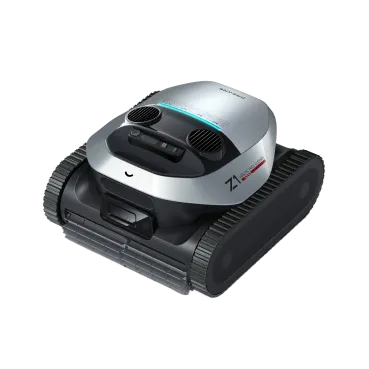
The Amazon Spring Sale has quietly become one of the best times of year to upgrade your home. While people scroll for spring break deals and seasonal essentials, smart shoppers focus on long-term value — especially in smart home tech. But here’s what most shoppers miss: many of the best smart home products are often available on brand's official websites with better bundles, longer warranties, and exclusive perks. If you’re planning a refresh, the Big Spring Sale is where premium appliances typically see meaningful discounts. Here’s a smarter list of what’s actually worth upgrading this spring, and why buying direct can make more sense. 1. Robot Vacuum (The #1 Amazon Spring Sale Vacuum Category) If there’s one category that consistently trends during the Spring Sale period, it’s robot vacuums. Spring means: Shedding season Pollen and fine dust Open windows = more debris Muddy entryways If you're upgrading one device this season, make it your floor cleaning system. Recommended: X60 Ultra Max Complete Robot Vacuum Why it’s a strong spring investment: Its 3.13in (7.95cm) ultra-low profile allows it to clean areas that are often skipped, such as under sofas, beds, and cabinets, where dust tends to accumulate unnoticed. For multi-room homes or spaces with uneven flooring, the strong climbing capability of 3.47in (8.8cm) allows it to move between rooms more easily than most vacuums. Combined with powerful suction and a high-temperature mop cleaning system, it’s designed to handle both daily debris and deeper seasonal cleaning. If you want a robot vacuum that requires minimal supervision and can confidently clean complex homes, this model is one of the most capable upgrades during the spring sale. [product handle="x60-max-ultra-complete-robot-vacuum" rating="4.5"] Instead of manually vacuuming multiple times a week, this handles both dry debris and mopping automatically. Ideal for seasonal deep cleaning. Explore the full robot vacuum deals page to compare models based on home size and floor types. 2. Wet Dry Vacuum (For True Spring Deep Cleaning) If you’re tackling baseboards, kitchens, mudrooms, or garages, a wet dry vacuum saves time compared to traditional mopping. Recommended: Aero Pro Wet Dry Vacuum This model is a great fit for households that want to simplify deep cleaning during spring. Instead of switching between a vacuum and a mop, it handles everyday debris, spills, and sticky residue in one smooth cleaning routine. Its slim design makes it practical for homes with low furniture. Kitchens, dining areas, and entryways benefit the most, since these spaces tend to collect mixed messes like crumbs, pet hair, and liquid spills. Combined with long runtime and automated roller cleaning, it’s a smart option for anyone looking to speed up floor care while keeping maintenance simple. [product handle="aero-pro-wet-dry-vacuum" rating="4.5"] Instead of vacuuming first and mopping after, this does both in one pass — cutting cleaning time in half. Browse the full Vacuum Mop Spring Sale offers for bundle pricing. 3. Robot Lawn Mower (The Smart Alternative to Walk Behind Machines) This is the most overlooked spring sale upgrade, and March is actually the best time to automate your yard. Instead of buying a traditional push mower during a spring lawn mower sale, consider upgrading to a robotic mower that can cut the grass for you, the way you want it. Recommended: A3 AWD Pro Robot Lawn Mower For medium to large yards, the wider cutting system helps finish mowing faster while maintaining a clean, even look across the lawn. Edge trimming is also improved, which means less manual touch-up around borders and pathways. With app-based scheduling and security monitoring, it’s a practical upgrade for homeowners who want hands-free lawn maintenance and more free weekends throughout the mowing season. [product handle="a3-awd-pro-robot-lawn-mower" rating="5"] 4. Robot Pool Cleaner (Buy Before Summer Price Surges) Many homeowners wait until peak summer to buy pool cleaners, which means higher prices and limited stock. Buying during spring sale season helps you get exactly the model you want at an attractive price.  Recommended: Z1 Robot Pool Cleaner It’s particularly useful at the start of swim season, when winter debris, dust, and leaves tend to accumulate. Running a robotic cleaner early helps restore clear water faster and keeps maintenance manageable as temperatures rise. If you want a simple way to keep your pool swim-ready throughout the season, upgrading during the spring sale ensures everything is ready before peak summer demand arrives. [product handle="z1-pool-cleaner" rating="4.8"] 5. Air Purifier (Allergy Season Upgrade) Air purification is one of the most cost-effective upgrades during seasonal sale events — especially for families with pets or asthma concerns. Recommended: AP10 Pet Purifier It's especially helpful during spring, when pollen, dust, and pet dander tend to increase as windows open and outdoor allergens circulate indoors. Running an air purifier consistently can help maintain cleaner air throughout living spaces. Families with allergies or sensitive respiratory systems may also benefit from keeping air circulation and filtration running throughout the day. Over time, this can make indoor environments feel noticeably fresher and more comfortable. [product handle="ap10-pet-air-purifier" rating="3.8"] 6. Smart Security Camera (For Spring Break Travelers) Spring break deals aren’t just about flights, they’re about home security while you’re away. It’s a practical spring upgrade that gives you real-time mobile alerts, motion detection, app remote access to keep an eye on your home from wherever you are.  Recommended: Dreame Navo SE Care 1 Incam Smart Security Camera Travel season means more time away from home, making smart monitoring systems increasingly valuable. With real-time monitoring through a mobile app, you can check in anytime and stay informed about activity around your property. Beyond security, many households also use smart cameras to keep an eye on pets, deliveries, or daily home activity. This makes it a versatile addition for both safety and everyday convenience. [product handle="navo-se-care-1-incam" rating="5"] Whether you’re traveling or spending more time outdoors, it adds peace of mind. Smart Home Spring Sale Upgrade Chart Category Best For Ideal Buyer Spring Advantage Robot Vacuum Whole-home cleaning Busy households Seasonal dust control Wet Dry Vacuum Hard floor deep cleaning Families & pet owners Faster spring cleaning Robot Lawn Mower Yard maintenance Homeowners with lawns Early growth control Robot Pool Cleaner Pool prep Pool owners Pre-summer readiness Air Purifier Allergy relief Allergy sufferers Pollen reduction Smart Camera Home monitoring Travelers Spring break security How to Maximize Big Spring Sale Deals Want to stretch your budget further during the Spring Sale? Start by checking our Major Spring Deals Guide for 2026, which rounds up more categories and highlights the discounts that actually matter. It’s a quick way to compare options, spot real price drops, and prioritize the deals worth grabbing first. Here are some quick steps you can take: Compare bundle offers vs standalone pricing Check official campaign pages (often better value) Prioritize high-usage categories Look for warranty + support coverage Buy before peak summer demand Buy for the Season Ahead The best things to buy during the Spring Sale aren’t impulse gadgets, they’re upgrades that reduce workload for months ahead. From robot vacuums to lawn mowers and smart security, spring is about setting your home up for smoother living. Explore our official Spring Sale page to see current promotions and bundles before inventory changes. Smart upgrades now mean less work all summer. FAQ About Spring Sale Is the Spring Sale a good time to buy smart home devices? Yes. It aligns with seasonal demand shifts (cleaning, lawn care, travel), making it one of the most strategic buying windows outside major holiday sales. What are the most popular Big Spring Sale vacuum deals? Robot vacuums and hybrid vacuum-mop systems consistently rank among top-selling categories during spring events. Should I wait for Prime Day instead? If you need seasonal use (lawn mowing, allergy control, pool prep), spring sales often make more sense than waiting until mid-summer.
Continue reading
Electric Floor Scrubbers Explained: Types, Uses, and the Best Choice for Homes

Electric Floor Scrubbers Explained: Types, Uses, and the Best Choice for...

Dreame Editorial Team |
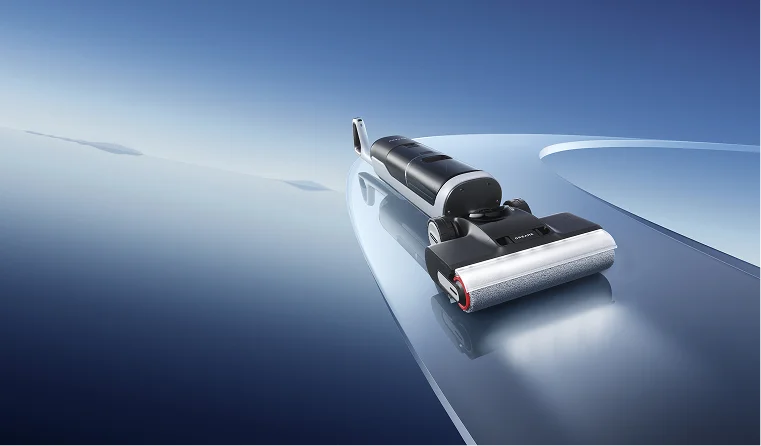
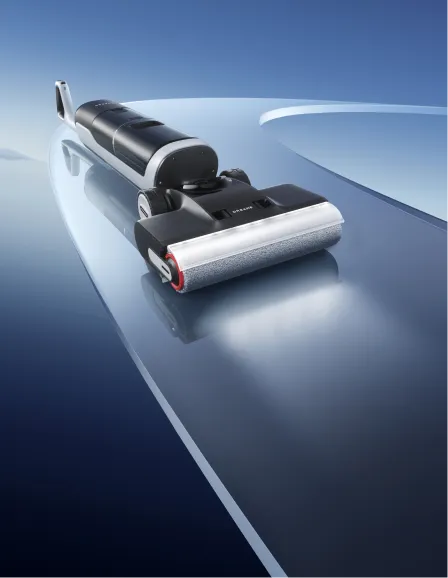
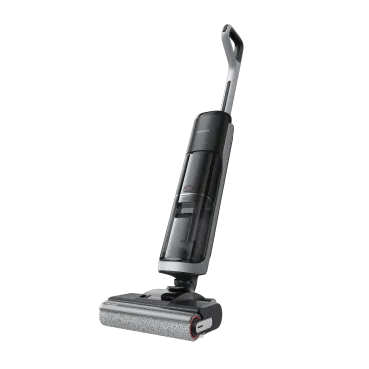
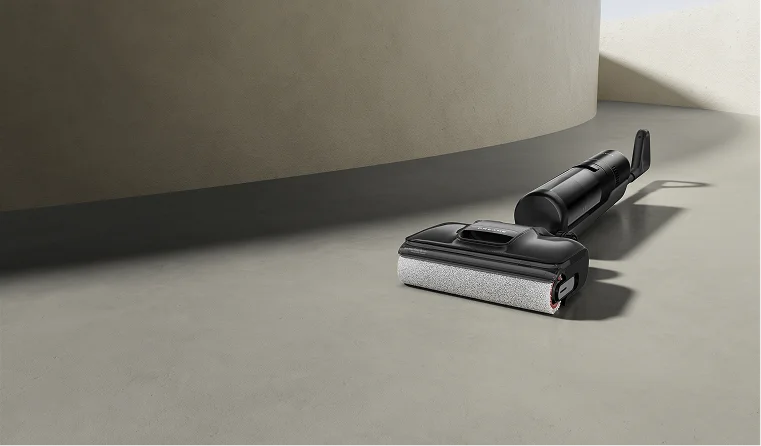
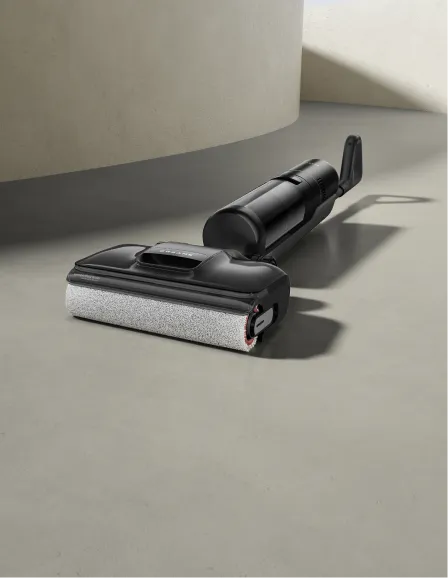
If you search for “electric floor scrubber” online, the results can be confusing. You might see a 58-lb industrial machine, a small handheld spin brush for bathrooms, and a sleek cordless cleaner designed for washing floors.wet They all claim to “scrub,” but they serve completely different purposes. In practice, when most people search for an electric floor scrubber for home use, they are actually looking for a cordless wet/dry floor washer—not an industrial scrubber or a handheld spin brush. To help you make the right investment, we’ve broken down the market into the three main categories that consistently appear in search results. By comparing extraction technology, weight, and surface capability, this guide will help you identify the machine that’s actually designed for residential cleaning. What Counts as an "Electric Floor Scrubber"? (The 3 Main Types) While "electric floor scrubber" is the broad term, the machines differ heavily in how they handle dirt and water. In our previous guide, we explained how a floor scrubber works. Now, let’s take a closer look at the different types you might have seen. Type 1: Industrial Walk-Behind Scrubbers (Commercial Use) These are heavy-duty machines designed for warehouses, gyms, and wide-open spaces. They are built to strip wax and clean thousands of square feet in a single session, often using massive rotating pads and industrial-grade suction. Weight: Heavy (often 50-60+ lbs or 22-28+ kg). Tank Capacity: Massive (starts from 1.5 Gallons or 6 Litres). Extraction: Powerful vacuum suction. Overkill for Homes. While they clean well, they are too wide (18" paths) to fit between furniture and too heavy to carry up stairs. They are built for square footage, not precision. Type 2: Electric Spin Scrubbers (Detail Cleaning) These tools consist of a motorized rotating brush mounted on a telescoping stick. They rely on mechanical friction to scrub surfaces but lack an internal vacuum system. Weight: Ultra-light (~4-5lbs or 1.5-2.5kg). Extraction: None. (This is the critical difference). Water Resistance: protected against temporary water immersion (IPX7 rating). Good for Grout, Bad for Floors. Because they lack suction, they loosen dirt but don't pick it up. You strictly use these for scrubbing shower walls, grout lines, or outdoor furniture. If you use this on a living room floor, you still have to mop up the dirty water manually. Type 3: Wet/Dry Floor Washers (Household Standard) This is the "All-in-One" solution designed specifically for residential flooring. They combine the extraction power of a walk-behind bulky scrubbers with the agility of the spin scrubbers. Unlike the other types, they dispense fresh water, scrub the floor, and vacuum the dirty water into a sealed tank in one continuous pass. You can learn more about the mechanics in our guide on what is a wet dry vacuum. Weight: Lightweight (10-12 lbs or 4.5-5.5kg). Extraction: Active vacuum suction (Active Water Separation). Heating Tech: Often included (unlike Type 1 or 2). The Best All-Rounder. This is what most homeowners actually need. It scrubs the floor and vacuums the dirty water into a sealed tank instantly. Electric Floor Scrubber Comparison Matrix When you compare the specifications side by side, the differences in utility become clear. While industrial machines offer raw power and spin scrubbers offer portability, they both lack the balance required for daily home cleaning. The wet/dry floor washer is positioned in the optimal zone—powerful enough to remove dirty water yet agile enough to maneuver around furniture. Feature Spin Scrubber Industrial Scrubber Wet/Dry Floor Washer Technology Type Rotating Brush Only Heavy Duty Scrubbing Scrubbing + Vacuuming Extraction ❌ None (manual wipe-up required) ✅ High Suction ✅ Smart Suction Avg. Weight ~3 lbs / 1.4 kg (handheld) ~60 lbs / 27 kg (heavy) ~10–12 lbs / 5 kg (agile) Heating Tech No No Yes (on premium models) Best Surface Grout, tile walls, tubs Concrete, large halls Hardwood, tile, laminate Cleanup Manual brush wash Manual tank flush Self-cleaning base 4 Key Features to Look for in an Electric Floor Scrubber for Home Whether you are looking at a heavy-duty industrial rental or a sleek home device, there are four universal specs you must evaluate. These features determine if the machine will actually save you time or just add another step to your chore list. 1. Water Recovery System (Suction) Look for a scrubber that actively vacuums dirty water back up as it cleans. This is the single most important factor for home use because it determines whether floors are left nearly dry and safe after each pass. Active Suction (Industrial & Wet/Dry): These machines vacuum up the dirty water immediately. For home use, look for high Pa (Pascal) ratings to ensure the floor is left dry and safe. Learn more about what is a good suction power for a vacuum cleaner. No Suction (Spin Scrubbers): These machines scrub well but leave a muddy puddle behind. You still need a towel or mop to finish the job. 2. Brush Agitation Speed Look for high-speed brush/roller agitation if you want real stain removal. High Speed: Look for 500+ RPM (Rotations Per Minute). This mimics the action of scrubbing a spot by hand hundreds of times a second. Low Speed: Good for gentle polishing but struggles with dried food. 3. Weight vs. Tank Capacity Look for a balance between usable tank size and maneuverability. Bigger tanks reduce refills, but they also add weight. The Sweet Spot: Look for a Dual-Tank System that separates clean and dirty water while keeping the total weight under 15lbs (7kg) for easy maneuvering. Industrial: Massive tanks (1.5+ gallons/ 5.6+ litres) mean less refilling, but the machine weighs 60lbs. You cannot carry this upstairs. Residential: Smaller tanks (~0.24 gallons / 900 ml) keep the machine light (10–12 lbs / 4.5–5.4 kg). 4. Maintenance (Self-Cleaning) Your best pick should be a self-cleaning base that washes and, ideally, dries the brush. Any tool that cleans dirt will eventually get dirty itself. Self-Cleaning: Premium household scrubbers include a base station that washes and dries the brush for you. Models like the Dreame H15 Pro Heat use 185°F (85°C) hot water to dissolve grease from the brush during self-cleaning, ensuring it doesn't harbor odors. For more tips, see how to clean your vacuum. Manual Clean: Spin scrubbers and industrial pads must be removed and washed by hand. [product handle="h15-pro-heat-wet-dry-vacuum" rating="4.5"] Why Wet/Dry Electric Scrubbers Are the Top Choice for Households After evaluating these features, the wet/dry floor washer emerges as the clear winner for residential use. It is the only category that scores high on all four metrics: it has active suction, high agitation, lightweight design, and automated maintenance. Hygiene: Unlike spin scrubbers, it physically separates sewage into a dirty water tank. Versatility: It handles spilled milk (liquid) and dropped cereal (solid) in the same motion. Floor Safety: Because it extracts water immediately, it is safe for sealed wood and laminate. See our guide on how to clean hardwood floors for safety tips. Corded vs. Cordless: Which Power Source is Better? Regardless of which machine type you choose, you will face the "Power Source" decision. While corded units historically offered more power, modern technology has shifted the advantage to cordless. Feature Corded Electric Scrubbers Cordless Electric Scrubbers Runtime Unlimited Optimized for 35–40 minutes (residential use) Agility Limited by cord length High (no cord to trip over) Safety Safety hazard (high-voltage risk near water) High (low-voltage, water-safe design) Weight 8–12 lbs / 3.6–5.4 kg(feels heavier due to cord drag) 10–14 lbs / 4.5–6.3 kg(feels lighter due to self-propulsion) Best For Commercial / industrial halls & large areas General residential cleaning Safety: Mixing buckets of water with 110V/220V power cords creates a hazard. A corded machine introduces a high-voltage tripping risk into a wet environment. Agility: You cannot unwind a 25ft (7m) cord for a quick milk spill. Cordless means "grab-and-go" convenience. Battery Reality: Modern lithium-ion batteries now offer ample runtime (35-40 minutes) for large homes, removing the need for infinite corded power. For most of homes, Cordless is the only logical choice. For a detailed breakdown, you can read our guide on choose vacuum cordless vs corded. Electric Floor Scrubber vs. Alternatives (When to Use What) While the Wet/Dry Electric Floor Scrubber is the most versatile tool for liquid spills and deep cleaning, it isn't the only option on the market. Many homeowners compare them against Steam Mops and Robot Vacuums. Here is how they stack up against a floor scrubber. 1. Electric Floor Scrubber vs. Steam Mop A steam mop uses superheated steam to sanitize floors, whereas a floor scrubber uses water flow, mechanical agitation, and suction. Read our full comparison on wet dry vacuum vs steam mop. Pros: It offers chemical-free sanitization using high heat, operates silently, and is extremely lightweight to carry. Cons: It lacks suction. It cannot pick up crumbs, hair, or liquid spills, which means if the floor isn't perfectly swept first, you are simply pushing hot mud around. The intense heat also poses a warping risk to sealed wood. Best For: Sanitizing bathroom or kitchen tiles after you have already vacuumed and spot-cleaned. 2. Electric Floor Scrubber vs. Robot Vacuum & Mop A robot automates the cleaning process, while a floor scrubber is a manual power tool you control. If you are debating features, check out our guide on robot vacuum no mop vs combo. Pros: It requires zero effort from you. It cleans daily while you are at work, maintains a consistent baseline of cleanliness, and easily reaches under low-profile furniture like beds. Cons: It cannot handle "disaster" messes. Most robots cannot suction up a glass of spilled milk or a bowl of cereal without smearing it, and they lack the heavy downward pressure needed for dried-on kitchen grease. Best For: Daily maintenance to keep dust and hair under control. The ideal setup is to use a Robot for daily sweeping and an Electric Floor Scrubber for the deep weekly wash or sudden spills. Final Verdict: Is an Electric Floor Washer Worth It? If you are still on the fence, consider the value of your time and hygiene. The "50% Rule": By combining vacuuming and mopping into one pass, an electric floor washer literally cuts your floor cleaning chore in half. The "Clean Water" Guarantee: Unlike mops (which spread dirty water) or spin scrubbers (which lack suction), only a floor washer ensures you are cleaning with fresh water every second. Stop spreading dirt with a mop or a spin brush. Remove it completely with a Cordless, Wet/Dry Electric Scrubber. FAQ on Electric Floor Scrubbers Do electric scrubbers work on tile grout? Spin scrubbers are excellent for deep cleaning grout lines physically. However, Wet/Dry Washers are better for maintaining grout because they suck the dirty water out of the crevices rather than letting it settle back in. For specific grout tips, see how to clean floor tile grout. Are electric floor scrubbers loud? Industrial models can be very loud. However, modern home Wet/Dry washers are designed for residential use. Look for brushless motors and noise reduction specs below 76dB. To understand what this sounds like, check how many decibels is a vacuum cleaner. Do I need to vacuum before using a floor scrubber? If you buy a Spin Scrubber or Electric Mop: Yes, you must sweep first. If you buy a Wet/Dry Washer (like the Dreame H Series): No. These machines vacuum debris and wash the floor simultaneously, saving you an entire step. Read more on the vacuum first mop cleaning rule. Are electric spin scrubbers worth it? Electric spin scrubbers are worth it for specific detail work, such as cleaning bathroom grout or shower tiles. However, for general floor cleaning, they are often insufficient because they lack suction and require you to wipe up the dirty water manually. How long do cordless scrubbers last? You can generally expect the battery in a high-quality cordless scrubber to last 3-4 years before needing replacement. The brushless motor itself typically lasts much longer with proper maintenance. Is an electric scrubber safe on wood? Yes, specifically Wet/Dry Floor Washers. Because they use active suction to extract the water immediately, they leave wood floors nearly dry, preventing the moisture damage risks associated with steam mops. See our guide on how to clean hardwood floors. Can I use a floor scrubber on carpets? Standard hard floor scrubbers should not be used on carpets. However, versatile models like the Dreame H15 Pro CarpetFlex have specific carpet modes and brush attachments designed to refresh rugs without soaking them. Read more in our guide on wet vacuum for carpets. Do electric floor scrubbers break easily? Durability often comes down to maintenance and drying. Machines that don't dry themselves properly can suffer from moisture corrosion or mold buildup. High-end models with Hot Air Drying (like the Dreame H Series) prevent this by ensuring the brush and internal pipes are completely dry after every use. For longevity tips, see our guide on tips to improve robot vacuum cleaner lifespan.
Continue reading