
Best Robot Vacuum for Small Apartment: Top 5 Picks

Best Robot Vacuum for Small Apartment: Top 5 Picks

Lester D |
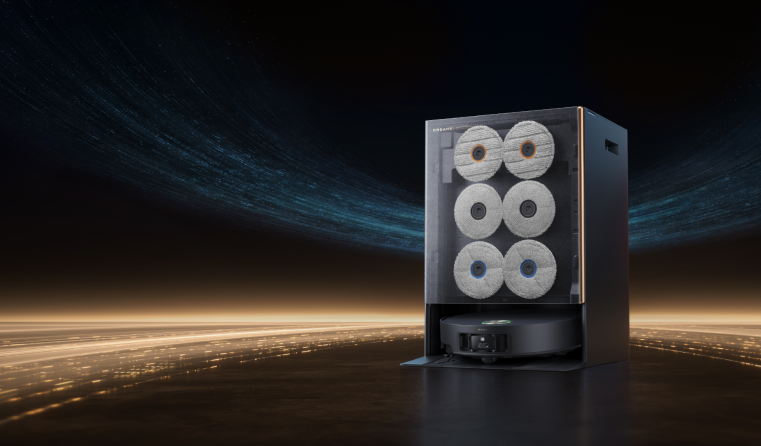
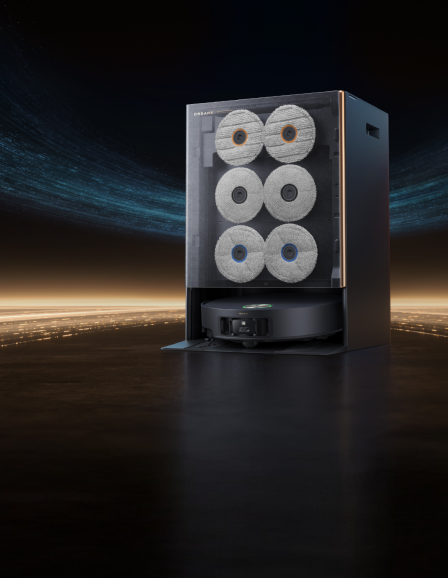
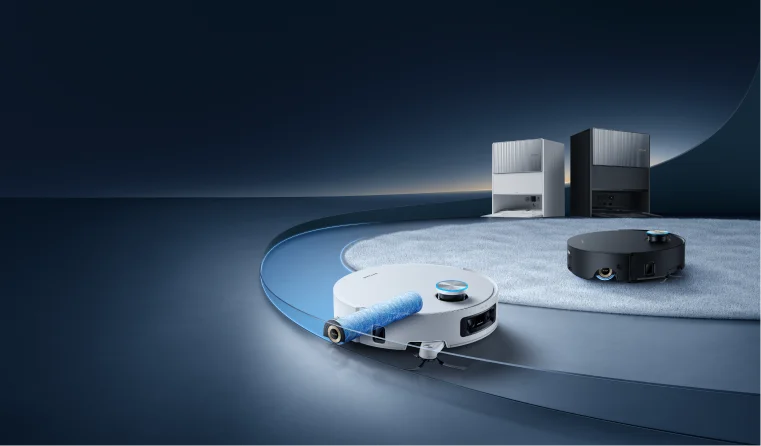
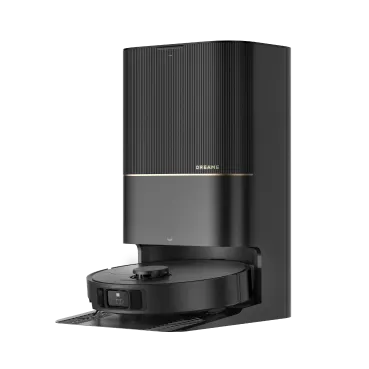
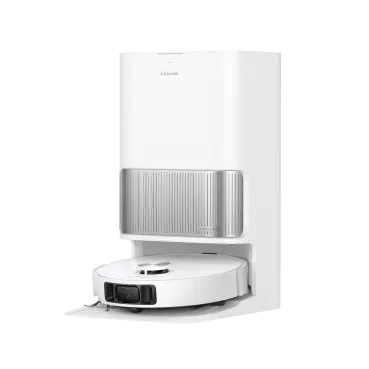
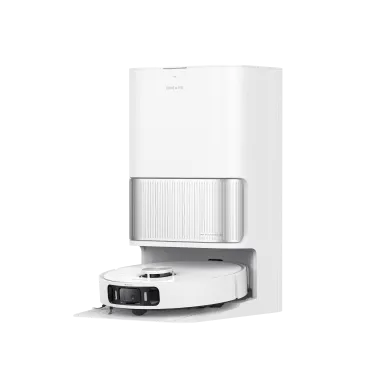
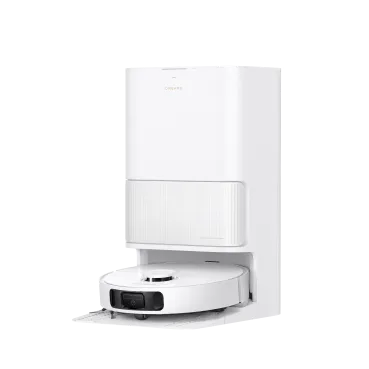
Dock placement decides the best robot vacuum for small apartment living, not square footage. A compact floor plan finishes on a fraction of a charge, so focus on dock footprint and body height. The Dreame D30 Ultra CE and Dreame X60 Ultra are the proven picks from our collection we'd recommend most to small apartment owners, with the five choices below sorted by situation. Does a Small Apartment Really Need a Robot Vacuum? Yes, a robot vacuum is worth it if you have hard floors or pets. Small apartment here means a studio or one-bedroom, roughly 42 to 70 m². It handles daily crumbs and shed hair best, and both pile up faster than you'd think in a space that size. What about a flagship? You don't need one for the power. A small floor plan finishes on a fraction of one charge, so the big battery and the top suction figures are the parts you can skip. A slim body is worth paying for if your sofa and bed sit low, since the dust under them is harder to reach, and hot water mop washing is worth it if your whole place is hard floor. Best Overall for a Small Apartment Dreame pick: The Dreame D30 Ultra CE empties its own bin and washes its own mop, so you never carry a dust cup to the kitchen bin or rinse a dirty pad in the bathroom sink. The Multifunctional PowerDock™ 2.0 handles both jobs between runs. With 100-Day Auto-Empty you empty nothing for months at a time, and the only accessory that needs your shelf space is a spare bag. you empty nothing for months at a time, and the only supply needing shelf space is a spare bag. The base station takes up 457 x 340mm of floor, so measure your wall spot before you commit. Our guide to must-have robot vacuum dock features covers what each dock type does for you, from auto-empty to hot water mop washing. 25,000 Pa Vormax™ suction handles hard floors and low-pile carpet, and the DuoScrub Mopping System uses two scrubbing pads to lift dried spills instead of leaving them half-cleaned. Carpets with deep pile need stronger suction, so check what you have on your floor before you decide. At $699.99 CAD, the mop washing is what separates this dock from one that only empties. [product handle="d30-ultra-ce-robot-vacuum" slogan="Best Overall for a Small Apartment"] Also consider: Roborock, the premium name most people cross-shop at this price, and iRobot, the most widely recognized alternative in the same range. Best for Tight Corners and Low Furniture Dreame pick: Most of the dirt in a small apartment ends up along the walls and in the corners, and the Dreame X60 Ultra is built to reach it. Dual Flex Arm Technology pushes the side brush and the mop pad outward as it passes, so it cleans along baseboards instead of curving around them. In a studio where furniture sits against every wall, that reach does more work than raw suction. The 7.95cm slim design clears low platform beds and legless sofas, and VersaLift™ DToF Navigation retracts the laser sensor so the body can slide under them. It climbs thresholds up to 8.8cm, which covers the raised door frames in older apartments. At $2,099.99 CAD, its 35,000 Pa Vormax™ suction goes beyond what a small apartment needs day to day, so you get both reach and power that come in handy if you have a pet or plan to move to a bigger place later. [product handle="x60-ultra-robot-vacuum" slogan="Best for Tight Corners and Low Furniture"] Also consider: eufy, a popular name at the slim end of the category, and SwitchBot, another compact-format alternative. Best for Complex Layouts with Pets and Kids Dreame pick: A small apartment with a dog and a toddler holds more objects per square foot than any house, and the Dreame X60 Max Ultra Complete is the pick that knows how to get around them. Dual 120° AI cameras detect 280+ object types, down to things measuring 10mm, so a charging cable or a chew toy gets routed around rather than dragged into the next room. The Dual-Solution Compartment is what puts this pick in the pet category. The dock holds a floor cleaner alongside a soybean-derived pet odor neutralizer, and Auto Solution Adding refills both on its own, so it handles accidents both effectively and safely. It is the most expensive pick here at $2,399.99 CAD, and is worth it for households with busy floors. [product handle="x60-max-ultra-complete-robot-vacuum" slogan="Best for Complex Layouts with Pets and Kids"] Also consider: Roborock, the premium alternative for obstacle avoidance, and Shark, a familiar name in the same space. Best Mid-Range Dreame pick: The Dreame L60 Ultra FE is the choice if you want the dock handling the upkeep without the flagship price. Get extended reach with Dual Flex Arm Tech pushes the brush and mop out toward your edges and corners, so you don't have to follow up with a cloth along the baseboards. The All-in-One PowerDock™ runs auto-empty for up to 100 days. 100°C ThermoHub™ Mop Self-Cleaning washes the pads at the dock, so dirty pads never go back down on your floor. The TriCut™ Brush 3.0 cuts and clears hair as it spins, saving you from detangling the roller after every run. 30,000 Pa Vormax™ suction lifts debris in a single pass, and the 5,200mAh battery is built for multi-room runs, so a one-bedroom finishes without stopping to recharge. It comes in at $1,399.99 CAD. [product handle="l60-ultra-fe-robot-vacuum" slogan="Best Mid-Range"] Also consider: Roborock, a widely available mid-range alternative, and eufy, another popular vacuum and mop option here. Best Budget Pick for the Smallest Spaces Dreame pick: The Dreame D20 Air Plus is the best robot vacuum for small spaces on a tight budget, since it's the most budget-friendly option that still includes a dock that empties the bin for you. Up to 120-Day Hands-Free Dust Collection runs into a 4L dust bag, so you go four months without touching it. Smart Pathfinder™ Tech with LiDAR maps your apartment properly rather than bouncing off furniture, which counts for more in a small floor plan than in a house. Priced at $349.99 CAD, its 20,000 Pa Vormax™ Suction easily handles hard floors and the low-pile rug by the sofa. [product handle="d20-air-plus-robot-vacuum" slogan="Best Budget Pick for the Smallest Spaces"] Also consider: eufy, a familiar budget alternative, and iRobot, a recognizable entry-level name. Important: The dock empties the bin but does not wash or dry the mop. You rinse the flat 2-in-1 pad by hand after a mopping run, which is the trade-off for the lowest price on this list. Consider this if your apartment is hard-floor end to end and you use the mop often. What to Look For in the Best Robot Vacuum for a Small Apartment The dock matters more than anything else when you're picking the best robot vacuum for apartment living, both where it fits and how much it handles for you. Navigation sets how efficiently it covers your floor, and noise sets whether you can run it while you're home. Where the dock goes A dock needs a permanent spot against a wall near an outlet, plus clear floor in front so it can line up and reverse in. Footprints vary more than you would expect, from around 293 x 201mm on a dock that only empties to 457 x 340mm on one that also washes and dries the mop. In a studio, the spot you give up is often the one square foot you were saving for something else. Pro-tip: Measure the dock spot before you buy, and include the clear space in front of it. A dock needs room to back in, so the usable gap runs wider than the base. Whether an auto-empty dock is worth it An auto-empty dock is worth it if you have pets or long hair in the house. It buys you months of not touching the bin, and the fuller docks wash and dry the mop pads too. The cost is a bigger base, so skip it if the only place it fits is your one free wall. Our range of robot vacuums for apartments filters by base station, so you can narrow to the models that come with one. Vacuum height against your lowest furniture Use a tape measure to measure the gap under your lowest furniture, usually the bed or the sofa. Any vacuum taller than that gap won't fit underneath. Small apartments also carry more doorways per square foot than houses, so a bathroom lip or a thick runner will strand a machine that cannot lift over it. How the robot vacuum navigates LiDAR is the one worth paying for, even in 37 m². Gyroscope models bounce and cover ground they already did, which wastes the short run a small floor plan needs. Cameras spot objects on the floor, so they work alongside LiDAR rather than replacing it. The comparison of robot vacuum mapping vs no mapping sets out what LiDAR unlocks, from no-go zones to room scheduling. How quiet the robot vacuum is Most models run quietest in their lowest suction mode, and quiet mode on the X60 Max Ultra Complete measures 59 dB. The dock emptying cycle is the louder moment at over 70 dB, so schedule that for when you are out. Our roundup of the quietest robot vacuums lists the noise levels by mode. How Dreame Tests Robot Vacuums The standard industry test for a robot vacuum is dust pickup in an empty square room. Your home is not an empty room, so Dreame's testing starts where that test ends. Hair is the clearest example. Engineers run each robot vacuum against a blended mix of hair lengths from 3cm to 30cm, built to clog and tangle a poorly designed roller brush. After every run, the team collects and weighs the hair from three collection points: the dust box, the roller brush, and the side brush. The result is a hair tangling rate, which shows how much hair the vacuum actually swallowed versus how much wrapped around its brushes. Cleaning efficiency alone hides that difference, and it's the difference that matters in a home with pets or long hair. Durability gets the same scrutiny. Every model passes compression and drop testing, then vibration runs that simulate real shipping. Environmental simulation chambers expose finished units to extreme heat, humidity, rain, and salt spray. Independent reviewers back the results. Vacuum Wars, which runs standardized testing across dozens of robot vacuums each year, ranked Dreame #1 in 2025. Read the full methodology in How Dreame Tests Robot Vacuums. Choosing the Best Robot Vacuum for Apartment Living Every pick above cleans a small apartment well, so what separates them is how much upkeep you hand over and how much you budget for it. Browse the full range of robot vacuums for a wider look at our models. The robot vacuum comparison tool lines models up against each other on suction, battery, and every dock feature, so you can check the ones you are torn between. Frequently Asked Questions Do robot vacuums work in small apartments? Yes, robot vacuums work well in small apartments, often better than in a large house. The whole floor plan is done in one pass, so the constraint is where the dock lives rather than whether the machine can cover the space. Which robot vacuum is best for a small house? The Dreame D30 Ultra CE is the pick for a small house, since Smart Pathfinder™ Tech routes it room by room and its Smart Carpet Cleaning Strategy is built for multi-floor homes. A small house has more rooms across the same square footage than an apartment, so mapping matters more than it does in a studio. How much space does a robot vacuum dock need? A dock needs its own space on the floor, plus a clear space in front so it can line up and reverse in. Allow more room than the base itself takes, and pick a spot near an outlet that can stay free. Do I need a self-emptying dock in a small apartment? It depends on whether you have wall space to spare. The dock takes the weekly bin job off your list, which is the whole appeal. The bigger base takes more floor space, and you keep a few spare bags on hand, so it requires more storage space in a tight floor plan. Can a robot vacuum be too loud for apartment living? No, not if you pick the mode and the timing. The loudest setting on the X60 Max Ultra Complete reaches 70 dB, while standard cleaning sits at 60 dB, around the level of normal conversation. The dock emptying is louder again but only a short burst, so set cleans to run while you're out.
Continue reading
Prime Day vs Black Friday: When to Buy a Vacuum

Prime Day vs Black Friday: When to Buy a Vacuum

Chris Zhang |
Amazon now runs Prime Day twice a year, once in June and once in early October, alongside Black Friday week in late November. Each sales window favors different product categories. This article compares Prime Day vs Black Friday deals and provides tips on when to buy if you have a vacuum in your cart. A vacuum in its second year on the market usually drops further during either Prime Day or Black Friday than a new release does, which means the age of what you are buying may matter more than the event you shop for. Prime Day vs Black Friday: What Actually Differs The biggest differences between Amazon Prime Day vs Black Friday are who can shop and how long the pricing lasts. Both events have posted similar price drops on overlapping products in recent years, so choosing an event based on rumored discounts may not be reliable. Below are the two key differences between these events. Prime Day is an Amazon-exclusive event, while Black Friday is for everyone Prime Day pricing requires an Amazon Prime membership, so without one, you either pay full price or pay for the membership on top of your purchases. Black Friday runs across Amazon, Target, Costco, Best Buy, and other major retailers or brand stores with no membership required, giving you more room to compare the same vacuum across stores before you commit. However, that doesn't mean Amazon is the only place running discounts during Prime Day. Brands may launch separate promotions on their own websites at the same time, giving shoppers another place to compare prices, bundles, gifts, or other purchase benefits. These are independent brand promotions rather than part of Amazon Prime Day itself. Prime Day lasts for two short periods, while Black Friday is an entire shopping season The mid-year Prime Day ran for four days in June 2026, and the fall event, Prime Big Deal Days, is due to run for two days in early October. Meanwhile, Black Friday pricing opens in early November and runs through Cyber Monday on November 30, spanning roughly four weeks. With just six Prime-only days spread across the year versus a month of pricing across every retailer, you have more chances to find your specific model in stock during Black Friday. What Prime Day does well and where it's limited Pros One store to watch, so tracking a single model's price is simple Short, fixed dates are easy to plan around Runs twice a year, in June and October Cons You need a Prime membership, or you pay the standard price Amazon only, so you can't compare across retailers in the same window Two days in October leave little room if your configuration sells out What Black Friday does well and where it's limited Pros Open to everyone, with no membership needed Amazon, Target, Costco, and Best Buy all run promotions at once About four weeks of pricing gives you more chances to catch your model Cons Prices are spread across many retailers, so tracking one model takes more work Popular configurations can sell out as the weeks go on The table below puts all three events side by side, with the June and October Prime events in their own columns, so you can check access and timing for each sale at a glance. Event Prime Day (June) Prime Big Deal Days (October) Black Friday Who can shop Prime members only Prime members only Everyone, every retailer When it runs June 23–26, 2026 (4 days) October 6–7, 2026 (2 days) November 27, with pricing running ~4 weeks through Cyber Monday, November 30 Where it runs Amazon only Amazon only Amazon, Target, Costco, Best Buy, and more How wide the catalog goes Millions of items, heavy on Amazon-sold brands Smaller catalog, holiday-focused Broadest selection across all retailers How Prime Day, Prime Big Deal Days, and Black Friday compare on access, timing, and catalog coverage. Amazon Runs Two Prime Days a Year Amazon runs a second Prime event every October, called Prime Big Deal Days, about seven weeks before Black Friday. The mid-year Prime Day already ran in June and covered most of the same categories, so October is the Prime window still ahead of you. The October event: Prime Big Deal Days Prime Big Deal Days is the event people mean when they search "October Prime Day." Amazon has confirmed it for October 6 to 7, 2026, giving Prime members 48 hours of pricing at the start of the holiday shopping season. Our guide on the best Prime Day robot vacuum deals compares three Dreame models for the October event and explains why total value matters more than the biggest markdown. Why the spacing to Black Friday matters About seven weeks sit between the October event and Black Friday, which is long enough for a popular configuration to sell out before November, and short enough that waiting is still a reasonable plan. Which Categories Are Cheaper on Prime Day vs Black Friday? Items with the best discounts during Prime Day events Categories sold mainly through Amazon tend to see their best pricing when Amazon runs its own sale. Amazon devices, such as Kindle, Echo, Ring, and Fire TV Small kitchen appliances, like coffee makers and air fryers Robot vacuums and other home cleaning tech Household essentials, including paper goods and cleaning supplies Beauty and grooming products Items with the largest discounts over Black Friday week Categories every major retailer stocks go lower in November, since Amazon, Target, Costco, and Best Buy all price the same products in the same week. TVs, especially larger and premium screens Laptops and tech gadgets Large appliances, such as refrigerators and washers Apparel and shoes Mattresses Holiday gift sets How to Tell a Real Discount From a Mark-Up? The easiest way to judge Prime Day deals vs Black Friday deals is to write down the standard price for any model you are considering, at least a week before either sale opens. Every discount claim you see during the sale becomes easy to verify once you have that number in front of you. Find the standard price first Every vacuum has a published retail price (MSRP) that stays the same year-round, so look it up on the manufacturer's website before any sale starts and write it down. Once you have that number, you can judge any discount on the day in a few seconds. For example, on Dreame, you might find: D20 Pro Plus — $749.99 CAD L40 Ultra Gen2 — $1,099.99 CAD The crossed-out price on a sale listing is not always what the product was selling for last week. It is often the original price from launch, which can make the discount look larger than it is. The number you wrote down yourself is a more reliable comparison. Match the full model name before you buy An "L40" and an "L40 Ultra Gen2" can be several hundred dollars apart, but a sale listing sometimes uses the shorter name for both. The suffix usually tells you the product model generation or what comes included in the box, so a missing word can mean a different dock, different features, or an older release. Always check the complete model name against the figure you wrote down before you add anything to your cart. Dreame Take: We display the retail price for each model on our website throughout the year. This allows you to easily compare prices during any sale. We believe that providing this information is one of the most helpful things a brand can do during the shopping season. Should You Buy in October or Wait for Black Friday in November? In terms of the Black Friday vs Prime Day decision, buy in October if you already know the model you want and it is in stock, and wait for Black Friday if you are still comparing brands or haven't settled on a model. Buy in October when you already have a specific product model in mind Specific colors or vacuum dock options may sell out as the holiday season progresses, so buying in October gives you the best chance of getting the exact version you want. If the price during the October event matches or sits close to the retail figure you wrote down earlier, that is a good time to buy. How long a model has been on the market matters more than which sale you pick. A model in its first season rarely moves far at either event, while the generation it replaced has more room to drop. If you want the latest generation anyway, the Dreame X60 Ultra Robot Vacuum is worth shortlisting, with a slim body that slides under most sofas and beds. Wait for Black Friday when you are still choosing You get more options to compare in one week during Black Friday than at any other time of year. Amazon, Target, Costco, and Best Buy all run promotions at the same time, so if you haven't settled on a brand or model, you can compare pricing across all four in a single window. If you're in the market for a robot vacuum, our best robot vacuums guide matches models to the household they suit best, from homes with pets and carpets to large houses and small apartments. Prime Day vs Black Friday: Either Sale Works When You Know the Standard Price You have the sales event calendar, and you can check the retail prices for anything you might want to buy ahead of time. Next, decide whether the sale prices are good enough to check out the items in your cart. You can also browse Dreame's range of vacuum cleaners, from robot vacuums to wet dry models, to find the one you want to track for the sales. Frequently Asked Questions Is Prime Day better than Black Friday? Neither event is reliably cheaper than the other, and both have posted similar discounts on overlapping products in recent years. Prime Day is members-only and runs on Amazon alone, while Black Friday runs across every major retailer. A model in its second year on the market tends to drop further at either sale than a new release does, so the product's age matters more than the date you shop. Will Amazon prices get better on Black Friday? Amazon's Black Friday prices are sometimes lower than the Prime Day prices on the same product, but the reverse has also been true in recent years. There is no consistent rule for which event undercuts the other, so the most reliable approach is to write down the retail price beforehand and compare it against whatever number you see on the day. What is the cheapest day to buy on Amazon? No single day is consistently the cheapest across all products. The two Prime events in June and October and Black Friday week in late November are the three largest discount windows, but individual models can also see price drops at other points in the year. Writing down the retail price ahead of time lets you recognize a good deal whenever it appears, regardless of the event. Why is Prime Day such a big deal? Amazon concentrates a large volume of deals into a short members-only window, which tends to push prices lower than the smaller weekly promotions you see throughout the year. The event has grown every year since it launched, and Amazon now runs it twice annually, once in June and once in October, giving shoppers two chances instead of one. Is it better to order off Amazon on Black Friday or Cyber Monday? Most retailers now run the same pricing from Black Friday through Cyber Monday, so the price gap between the two days is smaller than it used to be. Our black friday vs cyber monday comparison covers the remaining distinctions. When is October Prime Day 2026? Amazon has confirmed Prime Big Deal Days for October 6 to 7, 2026. It runs for two days and is open to Prime members only. For the full 2026 event timeline, including the summer Prime Day and October Prime Big Deal Days, see our guide: When Is Prime Day 2026?.
Continue reading
Best Robot Vacuum for Corners, Edges, and Baseboards

Best Robot Vacuum for Corners, Edges, and Baseboards

Lester D |
The best robot vacuum for corners pushes its side brush and mop past the round body, right into the strip where your wall meets the floor. We've compared models from budget picks that stop short of the baseboard to flagships that reach all the way in. We think the Dreame X60 Max Ultra Complete is the best all-rounder for corners and the Dreame Matrix10 Ultra is the best choice for baseboards. Best Overall Robot Vacuum for Corners Dreame Pick:  At $2,399.99 CAD, the Dreame X60 Max Ultra Complete extends both its side brush and mop pad past the round body using Dual Flex Arm Technology (SideReach™ and MopExtend™ RoboSwing). It sweeps and mops your corners, clearing both dry dust and the line of grime along the baseboard. Dust builds up fastest in the corners you rarely check, under the couch and behind the bed frame. At 7.95cm tall with its VersaLift DToF turret retracted, the X60 Max Ultra Complete slides under most furniture to reach those spots without you pulling anything out. On carpet, the mop lifts 10.5mm and the vacuum takes over, so your carpeted corners get vacuumed but not mopped. 35,000 Pa of Vormax™ suction pulls the dust wedged into corners rather than leaving a faint line behind. The AI-Enhanced OmniSight™ System with Dual 120° AI Cameras recognizes 280+ objects, so the vacuum steers around pet bowls and shoes instead of nudging them into the spot you just cleaned. [product handle="x60-max-ultra-complete-robot-vacuum" slogan="Best Overall for Corners"] Also consider: Roborock is the premium alternative most buyers cross-shop here, with Ecovacs offering extending hardware as well. Dyson is newer to the category but shows up consistently across this search. Dreame Take: A clean floor only feels clean when the corners match the middle of the room. We believe you shouldn't have to go over the edges by hand after every run, so we build extending arms that carry the brush and mop out to the spots a round body can't reach. Best Robot Vacuum That Cleans Baseboards and Along Walls Dreame Pick: The Dreame Matrix10 Ultra cleans right up against your baseboards with Dual Flex Arm Technology. Its side brush and mop extend up to 4.5cm when the vacuum detects corners and low-clearance areas, so the grime line you're used to seeing along your walls clears up properly. Your heaviest grime spots get a targeted rewash through OmniDirt™ Detection, which scans the floor and sends the robot vacuum back to re-clean the areas that need it. Baseboards build up grime faster than the rest of your floor, so the rewash matters most along that strip. The suction on the Matrix10 Ultra reaches 30,000 Pa Vormax™, enough to keep your floors clean each run, while the mop fully detaches on thick carpet so the robot vacuum switches to dry-only without dragging a damp pad across the carpet pile. [product handle="matrix10-ultra-robot-vacuum" slogan="Best for Cleaning Baseboards"] Also consider: Ecovacs and Shark both show up in baseboard-focused shopping results, with Ecovacs at the flagship end and Shark more recognizable to households already using their cordless vacuums. Best Robot Vacuum for Edges With Mopping Dreame Pick: Priced at $1,399.99 CAD, the Dreame Aqua10 Ultra Roller rinses its roller mop with fresh water continuously as it cleans, so your corners get mopped with clean water even at the end of a full run. The roller extends about 40mm outward past the body to reach into tight edges along walls and furniture bases. 30,000 Pa of suction moves dry debris ahead of the roller, so your hard floors get vacuumed and mopped in one pass. On carpet, AutoSeal™ closes the roller and lifts it 14mm, and the robot vacuum switches to dry vacuuming only. [product handle="aqua10-ultra-roller-robot-vacuum" slogan="Best for Mopping Corners"] Also consider: Roborock and Narwal both offer extending mopping hardware, with Narwal known for its roller-style approach and Roborock for its broader premium lineup. Best Value Robot Vacuum That Gets Corners Dreame Pick: The Dreame L40 Ultra Gen2 extends both its side brush and mop into corners and along edges, the same type of hardware the premium picks use, at just $1,099.99 CAD. With this robot vacuum, your corners are cleaned the same way, and the dock auto-empties for up to 100 days so cleaning stays hands-free even longer. The DuoScrub Mopping System runs cold water, which handles everyday dust and light spills on hard floors well, though heavier kitchen grease clears more thoroughly with a follow-up pass. The L40 Ultra Gen2 delivers 25,000 Pa suction, and the mop lifts 10.5mm on carpet to keep your rugs dry. 3DAdapt structured light handles obstacle avoidance as it works through rooms, steering the robot vacuum around furniture and shoes. [product handle="l40-ultra-gen2-robot-vacuum" slogan="Best Value for Corners"] Also consider: eufy and Shark are the most common value alternatives in this search, with eufy known for budget-friendly smart features and Shark for its wide retail availability. Best Budget Robot Vacuum for Corners Dreame Pick: The Dreame D20 Air Plus cleans your corners with 20,000 Pa of suction and a side brush tuned for edge coverage, and the auto-empty dock holds up to 120 days of debris so you're not emptying a dustbin after every run. At $349.99 CAD, the robot vacuum handles both vacuuming and mopping across your hard floors. The side brush works from the body's edge rather than extending outward, so your corner reach depends on how close the robot vacuum drives to the wall. The L40 Ultra Gen2 mentioned above offers extended reach at the next price point, which helps if the remaining dust line along your baseboards bothers you over time. [product handle="d20-air-plus-robot-vacuum" slogan="Best Budget for Cleaning Corners"] Also consider: eufy and Shark are the most common budget alternatives in this search, with both widely available at major retailers. How to Choose a Robot Vacuum for Corners A robot vacuum's side brush reach is the biggest factor when you're choosing a robot vacuum for cleaning corners, and whether the mop extends as well determines how much of the grime line it'll clear on its run. Does the side brush extend or just spin? An extending side brush pushes outward past the robot vacuum's body and reaches the strip where your wall meets the floor. A fixed brush cleans only as far as the body allows, which is why a dust line along your baseboards keeps showing up after each run. Our robot vacuum corner-cleaning guide explains how the extending mechanism works and what it changes on each pass. Does the mop extend too? Your hard-floor corners collect wet grime along with dry dust, and only an extending mop reaches close enough to clear both. The brush handles the dry debris, but the grime line along your baseboard stays put until the mop gets there too. A brush-only extension is enough if your floors are mostly dusty and you mop less often, because it still clears the dust line along your baseboards. Read our guide on how Dreame vacuums clean edges to learn more about extending hardware differences model by model. Does it fit under furniture to reach hidden corners? Most of the dust you notice builds up under furniture, where the robot vacuum needs to be slim enough to fit. A retractable navigation turret makes the body low enough to slide under your couch and behind your bed frame, so check the robot vacuum's body height in the specs if under-furniture reach matters in your home. Does the mop lift or detach on carpet? A mop that lifts or detaches on carpet lets the vacuum clean your rugs and carpeted corners without dragging a damp pad across them. Check the mop lift height in the specs, and look for full mop removal if you have thick or high-pile carpet. Pro-tip: Check the side brush before troubleshooting anything else. Hair wrapped around it shortens the brush's reach by a surprising amount, and a corner that used to come clean will start collecting dust again. How Dreame Tests Robot Vacuums The standard industry test for a robot vacuum is dust pickup in an empty square room. Your home is not an empty room, so Dreame's testing starts where that test ends. Hair is the clearest example. Engineers run each robot vacuum against a blended mix of hair lengths from 3cm to 30cm, built to clog and tangle a poorly designed roller brush. After every run, the team collects and weighs the hair from three collection points: the dust box, the roller brush, and the side brush. The result is a hair tangling rate, which shows how much hair the vacuum actually swallowed versus how much wrapped around its brushes. Cleaning efficiency alone hides that difference, and it's the difference that matters in a home with pets or long hair. Durability gets the same scrutiny. Every model passes compression and drop testing, then vibration runs that simulate real shipping. Environmental simulation chambers expose finished units to extreme heat, humidity, rain, and salt spray. Independent reviewers back the results. Vacuum Wars, which runs standardized testing across dozens of robot vacuums each year, ranked Dreame #1 in 2025. Read the full methodology in How Dreame Tests Robot Vacuums. Pick the Right Robot Vacuum for Your Corners, Edges, and Baseboards Every robot vacuum on this list above the budget pick extends its brush and mop past the body, which determines whether corners get cleaned or stay dusty. You can choose a suitable robot vacuum depending on whether you need the mop to extend too, how much grime builds up along your baseboards between cleans, and what you're comfortable spending. The options above are ordered to make that choice straightforward, so start with the one closest to how you clean and what your floors need. You can browse every model on this list in Dreame's full range of robot vacuums, with filters for price and mop type to help you narrow things down. The robot vacuum comparison tool puts suction and mop extension side by side, so you can compare your shortlist before you buy. Frequently Asked Questions Is it worth paying more for a robot vacuum that cleans corners? Yes, if you want your corners and edges cleaned properly, paying more gets you extending hardware that physically reaches past the round body, where a fixed brush falls short. The Dreame L40 Ultra Gen2 is one of the most affordable models with both an extending brush and mop, so you get corner reach without paying flagship prices. Can a robot vacuum clean baseboards? Not the baseboard itself, but a robot vacuum does clean the floor strip right against it, where dust lines and grime build up. Models with an extending brush sweep that strip, and a swinging mop wipes behind it. The baseboard itself is a vertical surface, which no robot vacuum cleans, but the floor edge where mess usually collects is well within reach of an extending model. Which robot vacuum is best for corners and edges? The Dreame X60 Max Ultra Complete is the best robot vacuum for corners and edges. Its side brush and mop pad both extend past the body, so dry debris and wet grime get handled in the same run. It also has the strongest suction on this list and a 7.95cm body that slides under furniture, which puts hidden corners within reach too. Why does my robot vacuum leave dust in corners? Your robot vacuum most likely has a fixed side brush that stops short of the corner, leaving a strip of dust the body can't reach. A worn or hair-wrapped brush makes the problem worse by shortening the reach even further. Check the brush first. If it's clean and intact, see whether furniture blocks the approach angle before the robot vacuum gets close enough. Do robot vacuums clean corners as well as a regular vacuum? Not quite, but an extending robot vacuum gets close enough that most people stop noticing the difference in daily cleaning. A crevice tool on a stick vacuum still reaches deeper into a tight 90-degree corner, so it's worth keeping one for seasonal deep cleans. An extending robot vacuum, though, can handle the day-to-day dust and grime along your baseboards.
Continue reading
Dreame H15 Pro vs H15 Pro CarpetFlex: Which Wet & Dry Vacuum Should You Buy?

Dreame H15 Pro vs H15 Pro CarpetFlex: Which Wet & Dry Vacuum Should You ...

Editorial TeamDreame |
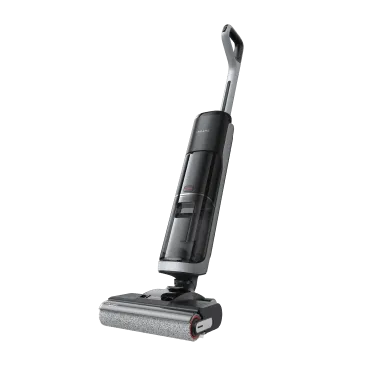
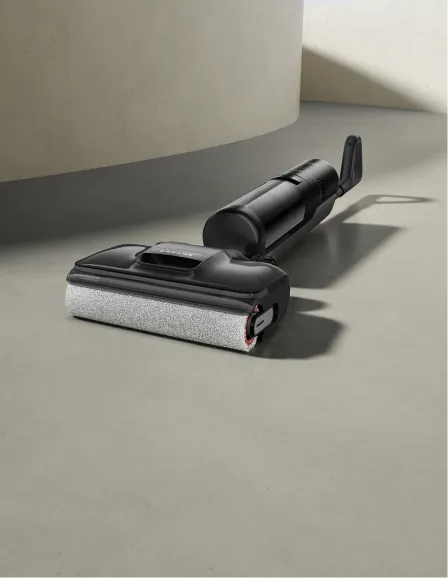
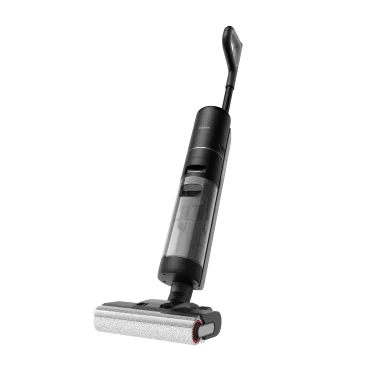
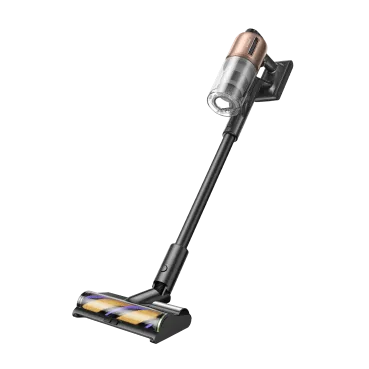
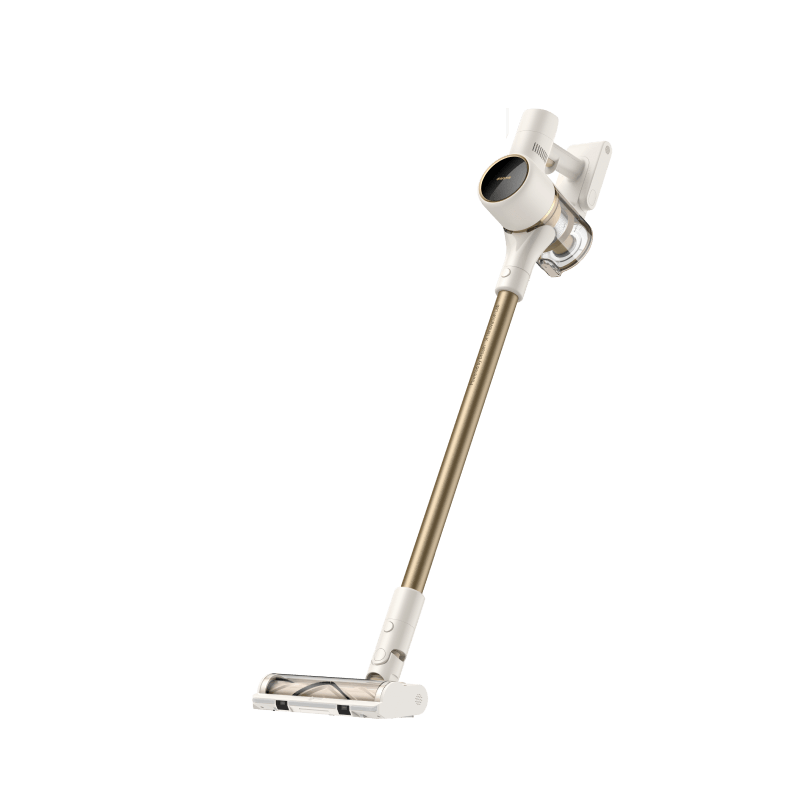
Choosing between H15 Pro (formerly H15 Pro Heat) and H15 Pro CarpetFlex comes down to your floors, your messes, and how hands-off you want cleanup to be. The H15 Pro was renamed H15 Pro in fall 2026, with its core cleaning features remaining unchanged. This quick guide frames the differences in plain English so you can pick with confidence. Quick Answer (TL;DR) Pick H15 Pro if your home is mostly hard floors and you want the fastest deep clean with real hot‑water floor washing, gap‑free edge cleaning, and the most automated self‑clean/dry routine. It’s a “showpiece” hard‑floor washer with advanced edge tech and app‑assisted under‑furniture navigation. Pick H15 Pro CarpetFlex if you live with both hard floors and rugs and want one device to handle wet hard‑floor messes and dry vacuuming on carpets (thanks to a dedicated Carpet Brush) plus MistLock dust suppression for allergy‑friendly cleanup. It’s the do‑everything choice for mixed flooring. Specs at a Glance If you only have a minute, this table shows the big levers: runtime, brush systems, edge tech, and cleaning temps. So you can match the model to your home. All performance figures are from Dreame in‑house/third‑party labs; actual results vary by home and usage. Feature H15 Pro H15 Pro CarpetFlex Floor types Hard floors focus Hard floors (wet/dry) + carpets (dry) Suction (rated) 22,000 Pa 23,000 Pa Runtime (max) Up to 72 min Up to 60 min Standout cleaning tech 85°C (185°F) hot‑water floor washing (approx. 55 °C / 131°F at floor) GapFree™ AI robotic arm for triple‑edge cleaning Dual Brush System (Hard Floor + Carpet)MistLock dust suppression Self‑cleaning ThermoTub™ 100°C (212°F) immersive brush wash; AI‑tuned cycles Up to 100°C (212°F) self‑clean (Hard Floor Brush hot‑wash / Carpet Brush cold‑wash) Drying 5 min at 90°C (194°F) super‑speed or 30 min 85°C (185°F) sealed drying; AI re‑dry Up to 90°C (194°F) full‑path hot‑air drying;~5 min quick‑dry (Hard Floor Brush) / ~20 min deep‑dry (Carpet Brush) Edge cleaning Yes Yes Under‑furniture 180° lie‑flat 180° lie‑flat Tanks 880 mL clean / 650 mL used (0.23 gal / 0.17 gal) 780 mL clean / 700 mL used (0.20 gal / 0.18 gal) Hair management TangleCut™ resilient scraper, validated tangle‑free in lab tests TangleCut™ 2.0 (15% denser comb teeth) Sensors/UI RGB dirt detection; Dreamehome app; GlideWheel™ power assist RGB dirt detection; LED + voice prompts; GlideWheel 2.0 assist Cleaning Performance Let's look at how each vacuum behaves with everyday debris, sticky spills, and those ‘why is this still here?’ spots. We focus on speed to clean, the residue left behind, and how finished your floors look after one pass. On Hard Floors (wet & dry) H15 Pro: If sticky spills and kitchen grease are your pain points, Heat is the standout. It rinses the roller with 85°C (185°F) hot water to wash floors at about 55°C (131°F), dissolving oily messes fast. Its GapFree™ AI robotic arm drops at the front to close the typical “dry strip,” enabling triple‑edge cleaning (front + both sides) and leaving nearly zero water stains in push‑pull passes under lab conditions. If you’ve ever chased wet lines along baseboards, this front‑edge tool is a real upgrade. H15 Pro CarpetFlex: CarpetFlex focuses on consistency and clean air. Its Hard Floor Brush continuously rinses at 480 RPM while suction removes dirty water immediately; MistLock lightly mists dust so it becomes damp waste instead of a cloud—handy for allergy‑sensitive homes. You don’t get Heat’s front robotic arm, so you’ll use slow parallel passes for edges, but everyday spills (juice, yogurt) and tracked‑in dirt are handled efficiently. Verdict for Hard Floors: Choose Heat for the fastest deep clean on sticky/greasy messes and the best front‑edge pickup; choose CarpetFlex if you value cleaner air during use/emptying and don’t need the robotic arm. On Carpets & Rugs (Dry Vacuuming) If rugs are part of your daily route, this section explains how both machines handle fibers, hair, and grit—and when a dedicated carpet brush truly makes a difference. H15 Pro: Optimized for hard floors. It brings strong suction (22,000 Pa) and hair‑cutting hardware, but it does not include a dedicated carpet brush. If rugs are occasional, Heat can spot‑vacuum; if rugs are routine, see CarpetFlex. H15 Pro CarpetFlex: Purpose‑built for mixed homes. You can swap to the Carpet Brush to lift grit from fibers, and the TangleCut™ 2.0 brush helps prevent wrap. With 23,000 Pa suction and a brush made for rugs, it’s the safer bet for regular carpet care. Verdict for Carpets: If you want one machine for hard floors and rugs, CarpetFlex is the clear pick. Hair & Pet Messes H15 Pro: 0 tangles across hair tests, minimizing hands‑on detangling. H15 Pro CarpetFlex: 15% denser comb teeth for better hair cutting—including dense pet fur. If you’re a multi‑pet household with rugs, the Carpet Brush + TangleCut 2.0 combo is very compelling. Edge Cleaning & Corners Edges are where most washers leave a dry strip. See how Heat’s robotic front arm compares with CarpetFlex’s careful, parallel edge passes. H15 Pro: The DescendReach robotic arm presses down on the pull‑back to wipe up residual water. In our tests, it showed near‑zero water stains compared with typical dual‑edge heads. If you care about baseboards and toe‑kicks looking bone‑dry right away, this is a meaningful difference. H15 Pro CarpetFlex: A strong standard head, but no robotic arm. Edges are best handled with controlled, parallel passes. Maneuverability & Under‑Furniture Reach A vacuum you have to wrestle with won’t get used. Here’s how they steer, lie flat under low furniture, and feel in the hand over long sessions. H15 Pro: GlideWheel™ power system does more than assist; it can lead the motion and even help the machine stand after shut‑off. Lay it flat at 180°, and, uniquely, you can drive it via the Dreamehome app to clean under low furniture (down to ~13 cm (5.1 in) body; 8.9 cm (3.5 in) head clearance). It’s a clever “hands‑off” trick for tight spaces. H15 Pro CarpetFlex: Also lies flat at 180°, and GlideWheel 2.0 keeps pushes/pulls light. There’s no app‑driving under furniture, but steering and day‑to‑day handling are much easier. Hygiene, Self‑Cleaning & Drying H15 Pro: Drying is sealed and hot, you can pick 5 min at 90°C (194°F) (quick) or ~30 min at 85°C (185°F) (default), and the system will auto re‑dry if humidity dampens the brush in standby. Heat can also electrolyze water to generate disinfectant during cleaning (lab‑validated effects on common microbes/viruses under test conditions). Drying noise is kept comfortable (lab‑rated ~63 dBA). This is the most “set‑and‑forget” maintenance package here. H15 Pro CarpetFlex: One‑button self‑clean with up to 100°C (212°F) hot‑wash (Hard Floor Brush) and full‑path hot‑air drying up to 90°C (194°F) for brush, pipes, and filter. Expect ~5 min quick‑dry for the Hard Floor Brush and ~20 min thorough dry for the Carpet Brush. Simple, fast, and quiet—keeps odors down and parts ready for the next session. Runtime, Tanks & Noise Runtime: Heat is rated up to 72 min; CarpetFlex up to 60 min (with ~3 h fast charging). In practice, heavy wet passes or Max mode reduce runtime on both models. Coverage & capacity: CarpetFlex notes up to ~300 m² (~3,229 ft²) on a charge in light/Auto use, with 780 mL / 700 mL (0.20 gal / 0.18 gal) tanks that reduce refills, while Heat features 880 mL / 650 mL (0.23 gal / 0.17 gal) water tanks Noise: Both moderate during cleaning; Heat’s sealed drying targets comfort levels during the post‑clean cycle. Which one should you buy? Choose H15 Pro if you: Have mostly hard floors and want the best finish along front edges/baseboards with near‑zero water streaks. Regularly face oil/grease and sticky messes and value hot‑water floor washing that breaks them down faster. Want the least maintenance fuss: immersive self‑wash, 5–30 min hot‑air drying, and smart re‑dry in humid climates. Love the idea of app‑assisted, lie‑flat cleaning under low furniture. Choose H15 Pro CarpetFlex if you: Live with hard floors + rugs and need one machine for wet hard‑floor cleaning and dry carpet vacuuming (dedicated Carpet Brush). Prefer cleaner air while you clean/empty—MistLock turns dust into damp waste to minimize airborne particles. Want strong overall suction and friendly upkeep with self‑clean and full‑path drying. Need clear guidance: LED + voice prompts, RGB dirt detection, and GlideWheel 2.0 for an easy push/pull feel. Read our review of the Dreame H15 Pro CarpetFlex to discover if this wet-dry vacuum is the right choice for you. FAQ Will H15 Pro work on rugs? Heat is optimized for hard floors; it doesn’t include a dedicated Carpet Brush. For regular rug cleaning, CarpetFlex is the better match. Which is better for allergies—Heat or CarpetFlex? CarpetFlex includes MistLock Dust Control, which mists fine dust so it sinks into the waste stream instead of the air—useful for allergy‑sensitive homes. Do both models self‑clean and dry the brush? Yes. Heat uses ThermoTub™ 100°C (212°F) immersive wash with 90°C/85°C (194°F/185°F) sealed drying (as quick as 5 min), plus smart re‑dry. CarpetFlex runs up to 100°C (212°F) hot‑wash (Hard Floor Brush) and up to 90°C (194°F) hot‑air full‑path drying with quick/thorough options. Edge cleaning: is the robotic arm worth it? If you notice a stubborn front gap with typical heads, Heat’s GapFree™ arm can make edges/baseboards look finished in one pass and reduce water streaks—great for kitchens and entryways. How about hair from pets or long-haired family members? Both cut hair as they clean. Heat’s TangleCut™ scraper is lab‑validated for 0 tangles; CarpetFlex’s TangleCut™ 2.0 has denser comb teeth for heavy‑shedding homes—especially effective when using the Carpet Brush on rugs. Bottom line Hard‑floor perfectionist? Go H15 Pro for hot‑water washing, robotic front‑edge cleaning, and the most automated hygiene routine. Mixed floors with rugs? Go H15 Pro CarpetFlex for the Carpet Brush, MistLock, and balanced, whole‑home versatility. How we tested We evaluate pick‑up on wet spills and dried stains, dry debris on wood/tile and rugs, edge pickup near baseboards, hair wrap on the brush, runtime by mode, and maintenance time (self‑clean + drying). We verify sensor behavior (RGB dirt detection) and note maneuverability (push/pull effort, under‑furniture reach). Specs and feature claims referenced here come from Dreame’s lab documentation.
Continue reading
Best Robot Vacuum for Offices: Buying Guide

Best Robot Vacuum for Offices: Buying Guide

Lester D |
The best robot vacuum for offices keeps your floors dust- and crumb-free every day, handling the buildup between professional cleaning visits so nobody has to. This guide covers the best-fitting robot vacuums for different office setups, from a single home office to a multi-room suite with mixed flooring. Can You Use a Robot Vacuum in an Office? You can use an everyday robot vacuum for a single-level office floor, such as a salon, a clinic, home offices, or even small business suites. However, if you're managing a larger multi-floor space or heavy foot traffic, a commercial robot vacuum with fleet management and a service contract is a better fit. A robot vacuum needs to stay charged to keep running, so its dock needs a permanent spot near a power socket where it won't be moved around. You'll also want to assign someone to handle the light upkeep, such as refilling the water tank when the app prompts it and swapping the dust bag a few times a year. These tasks take two minutes, but in a shared space, they are easy to forget if no one takes ownership. Dreame Take: We build long-interval docks and offline scheduling across our range of robot vacuums so they can run for months without anyone assigned to maintain them. Best Overall Robot Vacuum for Offices Dreame pick: The Dreame X60 Max Ultra Complete is exactly what you want when nobody in the office wants to spend much time maintaining the machine. Since the All-in-One PowerDock auto-empties into a 3.2L dust bag for up to 100 days and hot-air mop dries on its own, you can go a full quarter in a small office without anyone needing to maintain the robot vacuum. At 35,000 Pa Vormax™ suction, it picks up dust and debris from hard floors and carpet in a single pass. The HyperStream™ Detangling DuoBrush 2.0 clears hair without wrapping, and the retractable pressure plate seals suction into carpet for a deeper clean. The AI-enhanced OmniSight™ system recognizes 280+ objects with dual 120° cameras, so it routes around cables and furniture on its own. At just 7.95cm tall, it fits under most office desks. The X60 Max Ultra Complete comes with a 6,400mAh battery, which covers a full floor on one charge. Vacuum Wars ranked the X60 Max Ultra Complete #2 on its Top 20 Robot Vacuums list at the time of writing. [product handle="x60-max-ultra-complete-robot-vacuum" slogan="Editor's Pick"] Also consider: Roborock is the premium alternative most buyers cross-shop here. iRobot is the name most offices already recognize for everyday scheduled cleaning. Best for Offices with Hard Floors and Tiles Dreame pick: Dreame Matrix10 Ultra is designed for offices where the floor is mostly hard surfaces or tiles. Its Multi-Mop™ Switching Dock automatically swaps between mop pads suited to different hard floor types, so one robot vacuum handles tiles and sealed wood floors without you changing the cleaning pads yourself. If your office also has carpet zones alongside hard floors, the X60 Max Ultra Complete in the pick above covers both surfaces in a single run. At 30,000 Pa Vormax™ suction, the Matrix10 Ultra handles daily dust and debris on hard surfaces thoroughly. The HyperStream™ Detangling DuoBrush also cuts any caught hair while vacuuming, so you won't need to stop and clean the roller every few days. OmniSight™ navigation steers around desk legs and furniture, and the All-in-One Auto Maintenance Dock handles auto-emptying and hot-air drying on its own. For more in-depth information, read Dreame's guide to the best robot vacuum for mixed floors if you're managing different floor surfaces in one space. [product handle="matrix10-ultra-robot-vacuum" slogan="Best for Mixed Flooring"] Also consider: Ecovacs is an established name in both home and commercial cleaning robotics. Shark offers wide retail availability and is a familiar option for mixed-surface setups. Important: A consumer robot vacuum covers a single-floor office between professional cleaning visits. Facility-grade commercial vacuum equipment with a service contract is the better fit for larger multi-floor spaces or sites with heavy daily foot traffic. Best for Larger Floor Plans and Multi-Room Suites Dreame pick: The Dreame L60 Pro Ultra's ProLeap™ robotic legs cross raised edges between rooms up to 8.8cm, so it cleans a full multi-room office without getting stuck at doorways. For larger offices, you'll want a robot vacuum that can cover more space in one go, and the 6,400mAh battery handles a full multi-room floor on a single charge. At 35,000 Pa Vormax™ suction, you get thorough cleanup on both hard floors and carpet across every room. The extendable mop and side brush clean along edges and behind furniture, and the Liftable LiDAR retracts to fit under surfaces as low as 8.9cm. More floor area also means more to maintain, so the All-in-One Auto-Maintenance Dock auto-empties into a 3.2L dust bag and washes the mop on its own. At the time of writing, the L60 Pro Ultra ranks #5 on Vacuum Wars' Top 20 Robot Vacuums list. If you're working in a multi-level office, our guide on robot vacuums for multi-floor homes might help inform your robot vacuum choice. [product handle="l60-pro-ultra-robot-vacuum" slogan="Best for Large Offices"] Also consider: Roborock is a premium alternative with strong large-space coverage. Narwal is a mopping-focused option worth comparing for hard-floor-heavy layouts. Best Budget Pick for a Single Room or Home Office Dreame pick: The Dreame D20 Pro Plus delivers daily automated cleaning for a home office or single-room workspace while staying affordable. The dock holds a 5L dust bag, so you won't need to change it for up to about 150 days. In a smaller space, that could mean swapping it just once or twice a year. 13,000 Pa Vormax™ suction is more than enough for daily dust and debris on hard floors and low-pile carpet tile. You also get vacuuming and light mopping in one pass, with Flex Arm reaching along edges and behind furniture. The HyperStream™ Detangling DuoBrush also keeps the roller hair-free. This robot vacuum is built for lower-traffic rooms, so if your space is a busy open-plan office, one of the picks above will be a better fit. [product handle="d20-pro-plus-robot-vacuum" slogan="Best Value for Smaller Offices"] Also consider: eufy is a popular budget option with solid app reviews at an accessible price, while bObsweep is a budget alternative that appears across commercial cleaning searches. What to Look For in a Robot Vacuum for an Office A good office robot vacuum should need as little attention as possible, so it keeps cleaning whether someone's there or not with minimal maintenance. Match the battery to your floor area A larger battery lets the vacuum clean your floors on a full charge. A 6,400mAh battery covers a full small-office layout, while a smaller battery works well for a single room or home office. Choose a dock you won't need to empty often A dustbin that fills up quickly tends to get ignored in a shared workspace. Look for a dock that auto-empties into a large dust bag (up to 4L) and handles mop maintenance on its own with hot-water washing and hot-air drying. A robot vacuum dock that auto-empties into a bag and goes longer between changes means one less thing for anyone to keep track of. Look for AI obstacle avoidance Office floors tend to have cables and furniture legs at ground level, so you should look for robot vacuums with AI-powered object recognition. LiDAR navigation maps the room layout accurately, while an AI camera system identifies individual objects and steers around them. This capability helps the robot vacuum steer around objects rather than getting stuck, and a slim body lets it reach under desks and low furniture. You can read Dreame's guide on how robot vacuums navigate for a closer look at how these systems work. Check for customized zoning and cleaning modes You'll want a vacuum that provides additional value from their apps. With modern robot vacuum apps, you can set specific zones (the reception area, the pantry, under desks, and meeting rooms, for example) to clean at different times and with different cleaning modes, so high-traffic areas get more frequent attention without you manually adjusting anything. If noise during work hours is a concern, you can read Dreame's guide on the quietest robot vacuums for models designed to run quietly in shared spaces. For a broader breakdown beyond office-specific needs, Dreame's complete robot vacuum buying guide covers every major feature and what it means in practice. Pro-tip: Give the dock a permanent spot near a power socket, away from high-traffic walkways. A dock that keeps getting moved is the most common reason an office robot vacuum stops being used. How Dreame Tests Robot Vacuums The standard industry test for a robot vacuum is dust pickup in an empty square room. Your home is not an empty room, so Dreame's testing starts where that test ends. Hair is the clearest example. Engineers run each robot vacuum against a blended mix of hair lengths from 3cm to 30cm, built to clog and tangle a poorly designed roller brush. After every run, the team collects and weighs the hair from three collection points: the dust box, the roller brush, and the side brush. The result is a hair tangling rate, which shows how much hair the vacuum actually swallowed versus how much wrapped around its brushes. Cleaning efficiency alone hides that difference, and it's the difference that matters in a home with pets or long hair. Durability gets the same scrutiny. Every model passes compression and drop testing, then vibration runs that simulate real shipping. Environmental simulation chambers expose finished units to extreme heat, humidity, rain, and salt spray. Independent reviewers back the results. Vacuum Wars, which runs standardized testing across dozens of robot vacuums each year, ranked Dreame #1 in 2025. Read the full methodology in How Dreame Tests Robot Vacuums. Keep Your Office Floors Clean Without the Extra Work A robot vacuum won't replace your professional cleaning schedule, but it keeps your office floors clean between visits without anyone needing to manage it. Browse the full Dreame robot vacuums or compare robot vacuum models side by side to find the right fit for your office. FAQ Is there a commercial robot vacuum? Commercial robot vacuums are a different category from the consumer robot vacuums in this guide. They're fleet-managed and usually serviced under contract, designed for spaces measuring tens of thousands of square feet. A consumer robot vacuum is a good fit for small offices under roughly 186 m² and can handle daily cleaning between professional visits. What is the best commercial vacuum on the market? A large facility is best served by a fleet-managed commercial robot vacuum with a service contract, while a small office gets more value from a consumer robot vacuum matched to its floor size and floor type. Can you use a robot vacuum on office LVP flooring? Luxury vinyl plank is one of the most common office flooring types, and it's sealed and non-porous, so it handles both vacuuming and a damp mopping pass without any issues. If your LVP has a glossy finish, keeping the water volume moderate helps avoid visible residue. You can read Dreame's guide on the best robot vacuum for mixed floors for more on cleaning different surfaces in one space. Can a robot vacuum run in an office overnight? Running a robot vacuum overnight is one of the best ways to use it in an office, since the floor is clear and nobody is working around it. You should still push chairs in and tuck cables aside before the end of each day, so that the robot vacuum can handle the rest on its own. If you'd rather run it during work hours, you can read Dreame's guide on the quietest robot vacuums for models built to operate silently in shared spaces. How big an office can one robot vacuum cover? Most small offices and home offices fall in the 46 to 93 m² range. A robot vacuum with a battery of around 6,400mAh can cover that area comfortably on one full charge, though a heavily furnished open plan with desks and chair legs will reduce the effective coverage area. If your office spans more than one floor or is significantly larger than what a single charge covers, you may want to consider a second robot vacuum or facility-grade equipment. Do robot vacuums handle office carpet tiles? Low-pile commercial carpet tile is one of the easier surfaces for a robot vacuum because the pile is short and dense. If your office also has hard floor areas, a vacuum that lifts or detaches its mop before reaching carpet, like the X60 Max Ultra Complete, keeps both zones clean without dragging a wet pad across the tile.
Continue reading
Best Vacuum for German Shepherd Hair: Top Picks

Best Vacuum for German Shepherd Hair: Top Picks

Chris Zhang |
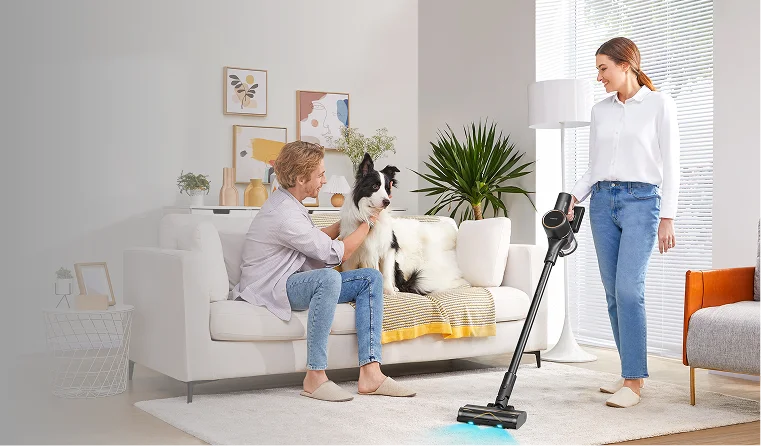
German Shepherds shed daily, and twice a year, that shedding turns into coat blow. During coat blow, the undercoat releases in clumps over several weeks instead of the usual steady daily amount. Finding the best vacuum for German Shepherd hair means choosing one that can handle both. The right model prevents tangling, has a bin that holds enough hair to get through a full room without needing to be emptied, and filters the fine undercoat instead of blowing it back into the air you breathe. Below are five picks sorted by the problem they solve, from the daily layer to the twice-yearly coat blow. Best Overall for the Daily Shed Dreame Pick: The X60 Max Ultra Complete is built for the daily shed, not just the twice-a-year blow. It leads on 35,000Pa Vormax™ suction, strong enough to pull embedded undercoat out of carpet in one pass instead of three. Its HyperStream™ Detangling DuoBrush 2.0 pairs a bristled rubber brush with a TPU rubber brush, and a retractable pressure plate lowers onto carpet to seal in suction, so long hair clears the roller instead of wrapping it, and more embedded debris comes out of the pile. Its CarpetForce Vacuuming System detects carpet on its own, and CarpetForce Boosted Clean increases suction for a deeper pass. It also spots tasseled rugs and cleans them from the snag-free side instead of risking a snag. Landing at $2,399.99 CAD, this is the flagship price in the collection. It's built for households running it daily, where hands-off coverage matters more than the lowest price tag. [product handle="x60-max-ultra-complete-robot-vacuum" slogan="Best Overall"] Also consider: Roborock is a familiar name among premium robot vacuum shoppers, and eufy is a popular pick for buyers who want fewer bells and whistles. iRobot remains one of the most recognized names in the category overall. Best for Heavy German Shepherd Shedding Dreame Pick: One of the best vacuums for heavy shedding dogs is the Z30. It pairs 310AW suction with an XXL dust cup, the removable container that collects debris as you clean, so a full room of shed hair doesn't mean stopping to empty it halfway through. Its built-in pet brush head lifts fur straight out of upholstery and stairs. Auto suction adjusts based on dirt detection, and Enhanced Blue Light Dust Detection reveals the fine undercoat you can't see. Whole-machine HEPA filtration captures 99.99% (0.1μm) of fine particles, so undercoat doesn't blow back into the room, and the 0.6L dust cup holds a full coat-blow pass. At $899.99 CAD, it's priced exactly for hands-on cleanup during heavy shedding season. Browse our cordless stick vacuums for more options that can handle heavier shedding. [product handle="z30-cordless-stick-vacuum" slogan="Best for Heavy Shedding"] Also consider: Dyson is a well-known cordless name that shows up throughout most shedding-dog research, and Shark is a familiar pet-focused alternative. Bissell is another common name in pet vacuum shopping carts. Best for Carpet and Rugs Dreame Pick: The Matrix10 Ultra is the carpet pick, because it keeps the mop off the pile and drives 30,000Pa Vormax™ suction straight onto dry carpet instead of dragging a damp pad across it. A German Shepherd's undercoat packs down into the pile rather than resting on top, and that is exactly the type of mess it's built to pull out. On short-pile carpet, the mop automatically lifts 10.5mm to stay dry while suction holds steady, and Carpet Crossing Mode gets it smoothly over doormats and rugs without stalling. The HyperStream™ Detangling DuoBrush System keeps wrapped hair off the roller between empties. SideReach™ Vacuuming extends along baseboards too, where shed hair tends to collect. Coming in at $2,699.99 CAD, it sits at the top of the carpet-focused range, built to take daily carpet cleaning off your hands. [product handle="matrix10-ultra-robot-vacuum" slogan="Best for Carpet"] Also consider: Shark is a familiar name for carpet-focused shopping, and Roborock is a premium alternative worth a look if carpet coverage is the main concern. Best for Hair Plus Muddy Paw Prints Dreame Pick: If your German Shepherd spends a lot of time outdoors, the H15 Pro Heat can handle the mud and hair that comes with it. On hard floors, 85°C hot water breaks down sticky mud, while its GapFree™ AI DescendReach robotic arm reaches the baseboard line where hair and grit collect. The brush self-cleans at 100°C, hands-free and odor-free, and 180° Lie-Flat Smart Cleaning gets the machine flat enough to clean fully under low furniture. One charge covers 520+ m², enough for most homes without a mid-clean recharge. At $829.99 CAD, it handles hard floors from mud to daily hair, though on carpet it dry-vacuums only, since the wet function is built for sealed floors, not carpet fibers. See our wet dry vacuums for models that are built for messes. [product handle="h15-pro-heat-wet-dry-vacuum" slogan="Best for Paw Prints"] Also consider: Tineco is a well-known wet/dry alternative, and Bissell is a familiar name for floor washing in general. Important: The wet function on a wet dry vacuum is for sealed hard floors only. On carpet and rugs, it dry-vacuums, since carpet holds water in the fibers and padding underneath, which leads to odors and mold. Best Budget Pick Dreame Pick: Not everyone needs a flagship-priced setup, and the R20 Pure is the budget pick that still handles everyday fur easily. Its 150AW suction lifts hair and dust off hard floors and rugs, and Enhanced Blue Light Dust Detection lights up what's easy to miss so you know when a spot needs a second pass. At $499.99 CAD, it's built for steady, everyday shedding rather than the heaviest coat-blow weeks. If your German Shepherd sheds consistently but not dramatically, this is enough power without the flagship price. [product handle="r20-pure-cordless-stick-vacuum" slogan="Best Value"] Also consider: Shark is a familiar, budget-friendly alternative, and Bissell is another common name for buyers shopping by price. Why German Shepherd Hair Is Harder on a Vacuum A German Shepherd has a double coat, and the undercoat underneath is what actually gives a vacuum trouble. The outer guard hair is long and coarse, but the undercoat beneath it is fine and packed in tight. Long hair from other breeds wraps loosely around a brush roll and pulls free easily. Fine, dense undercoat does the opposite. It packs into filters and mats around a roller instead of winding around it, which is why a vacuum built for long, loose hair can still struggle with a heavy undercoat. Daily shedding is light and steady, so a vacuum on a routine can easily keep up. Shedding season, in spring and fall, requires more vacuuming, since the undercoat releases in volume for weeks. Coat blow tends to test the limits of a vacuum, where a dust bin sized for daily use suddenly fills mid-room, and a filter not built for volume clogs partway through the clean. Once collected, fine undercoat can go airborne again the moment you empty the bin indoors, landing right back on the floor it just came off of. If long human hair is also an issue in the house, the guide to robot vacuums and long hair covers which brush and roller features actually clear it and which ones just let it wrap. What to Look For in a Vacuum for a Heavy-Shedding Dog Start with the brush Look for a brush that's built to be anti-tangle or detangling. The good ones comb or cut hair loose as they spin, so it clears into the bin instead of winding around the roller. A plain rubber roller with no real detangling design mats fast during a coat blow. Check the bin capacity A dust cup sized for daily dust runs empties itself twice as often once shedding season starts. Look for something closer to 0.6L or more, built around a full coat-blow week rather than an average day. Look at the filtration Fine undercoat breaks down into particles small enough to pass through a loose filter and straight back into the room. A true HEPA filter holds onto particles that fine, but it only works if the system around it is sealed, forcing air through the filter instead of leaking out the sides. Look for both, a HEPA rating and sealed filtration, working alongside strong suction. For more on what this breed does to a vacuum specifically, see 9 surprising things every dog owner should know about vacuums, which covers the shedding and allergen realities of owning a dog. Pick a self-emptying dock If you're going the robot vacuum route, look for one with a dock that empties the vacuum's bin into a larger dust bag on its own, ideally 3.2L or more, and can go up to 150 days before you have to empty that bag, so coat blow doesn't turn into a daily chore. Pro-tip: Empty the bin outdoors during coat blow. Fine undercoat is light enough to hang in the air, so emptying it indoors puts a good share of what you just collected right back on the floor. Shedding is just one factor in choosing a vacuum. Our guide on how to choose a pet hair vacuum covers the rest, from suction and brush design to filtration, across every vacuum type for pet hair. Do You Need More Than One Vacuum for a German Shepherd? For most German Shepherd homes, yes, and it usually means two machines splitting two different jobs: A scheduled robot vacuum handles the daily layer, running often enough that hair doesn't get the chance to build up. A cordless vacuum handles the coat blow, plus the stairs and the sofa where a shedding dog sleeps. When hair has already worked its way into the upholstery, how to get pet hair off a couch covers the tools and technique for lifting it back out. Relying on one machine for both jobs means neither gets done as well. A robot vacuum sized for daily upkeep gets overwhelmed during a full coat blow, and without one, you handle all the fur with a cordless vacuum alone, which can be overwhelming. The X60 Max Ultra Complete and Z30 make for a great pairing, one for the daily layer, one for the heavy shedding. How Dreame Tests Vacuums for Pet Hair Pet hair mats and tangles a brush in ways human hair doesn't, and Dreame tests for that difference directly instead of assuming one hair test covers both. Every roller brush, on a robot vacuum or a cordless stick, runs against a blended mix of hair lengths built to mat and tangle a poorly designed brush, with pet fur worked into that mix because it's finer and denser than human hair. After each run, engineers weigh the hair left behind, both in the dust bin and caught around the brushes, giving a hair-tangling rate rather than just a cleaning score. A vacuum that pulls hair into the bin and keeps its brush clear scores better than one that only pushes it around the floor. Our full breakdown of how Dreame tests robot vacuums walks through the tangle-rate method and the rest of the scoring in detail. For wet dry vacuums, the same hair runs wet and dry through the brush system across repeated rounds, checked for tangles after every pass, since a brush that clogs during a coat blow fails a pet household even if it handles a single mess fine. The Right Setup for Shedding Season For most homes with a German Shepherd, staying as fur-free as possible means running both a robot vacuum for daily upkeep and a cordless for the heavy German Shepherd shedding season. The picks above cover a range of household types and are designed to lighten your chore list. Browse Dreame's robot vacuums for pet hair to find the right fit for your daily routine. Frequently Asked Questions How to clean up German Shepherd hair? Vacuum daily during shedding season so loose hair never builds into drifts, and brush your dog outside so hair lands outdoors instead of on the floor. Empty the bin outdoors too, since fine undercoat is light enough to go airborne the moment it's released indoors. Which robot vacuum is best for handling German Shepherd hair? The X60 Max Ultra Complete is our top pick, with a detangling brush that clears hair instead of wrapping it, auto suction boost on carpet, and a dock that auto-empties for up to 100 days so you don't have to stop to empty the bin. Can you vacuum a German Shepherd? No. Grooming vacuums designed to brush and collect loose fur directly from a dog exist as their own product category, separate from a floor vacuum. Never run a household floor vacuum on a dog, and for hair already on the floor or furniture, use the picks above instead. How often should I vacuum with a German Shepherd? Daily during the spring and autumn coat blow, and every two to three days the rest of the year. The longer undercoat sits, the more it compacts into the carpet pile, so a short daily run pulls out more total hair than one longer weekly session. Do I need a HEPA filter for German Shepherd hair? Yes, more so than with most breeds. The undercoat breaks down into particles fine enough that a loose filter releases them straight back into the room, so a true HEPA filter is what actually holds onto them. If anyone in the house has allergies, it matters even more. Will one vacuum handle a German Shepherd, or do I need two? Usually two. A scheduled robot vacuum handles the daily layer, and a cordless vacuum handles coat blow, stairs, and furniture. One machine trying to do both jobs tends to fall short for whichever task it's not made for.
Continue reading