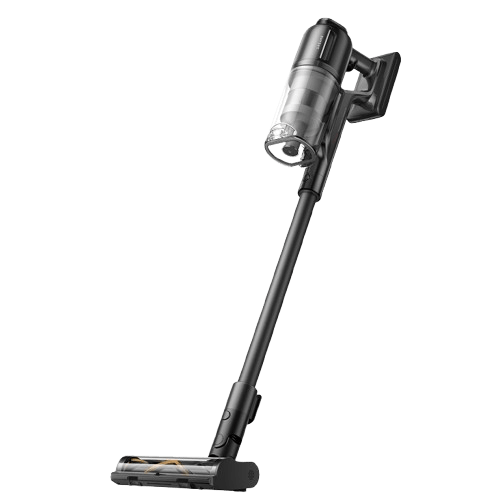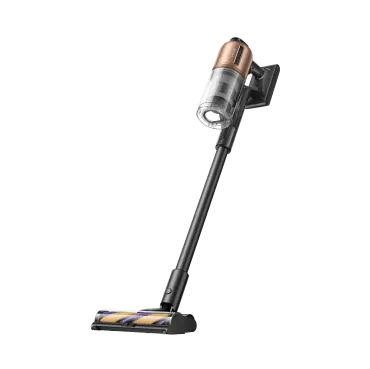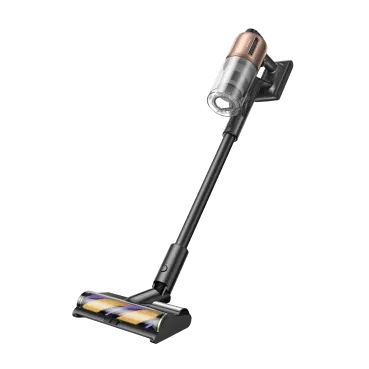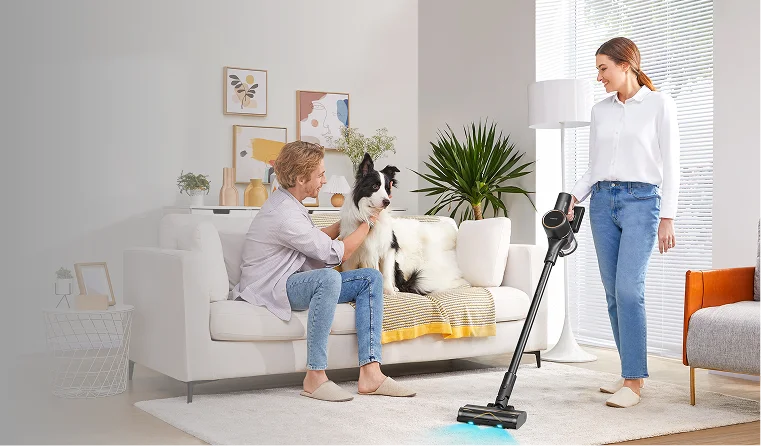

Your Essential Cleaning Supplies Checklist for a Spotless Home

Your Essential Cleaning Supplies Checklist for a Spotless Home

Editorial TeamDreame |
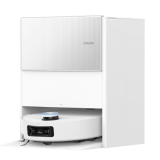
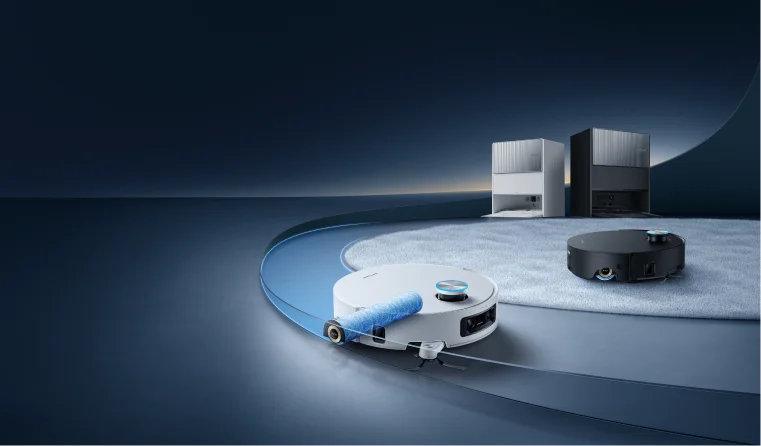
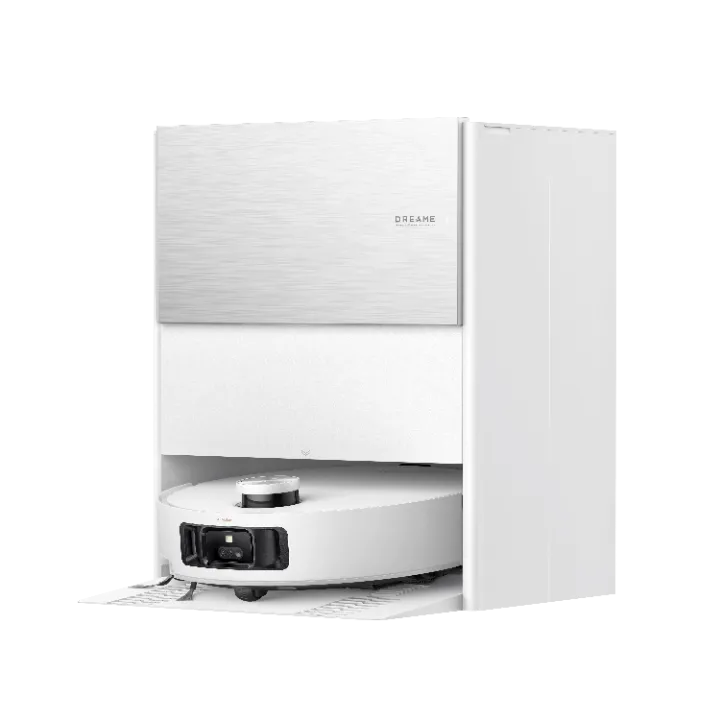
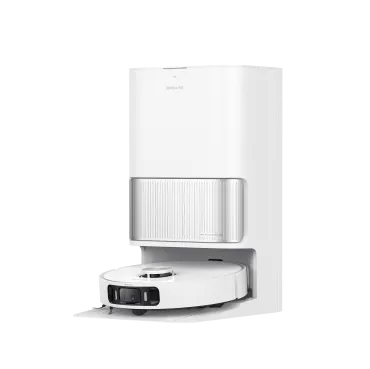
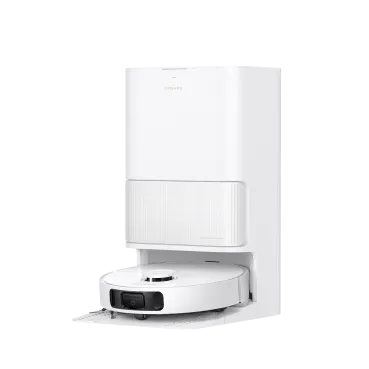
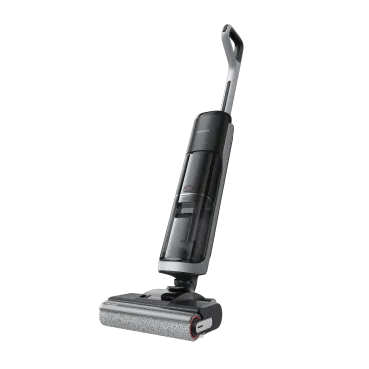
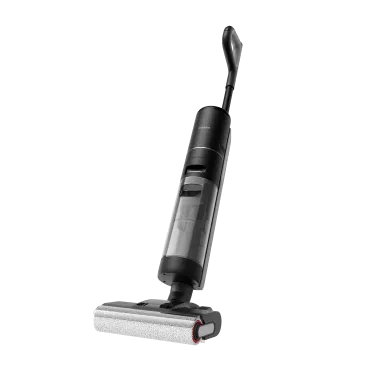
Whether you're spring cleaning, keeping up with daily cleaning, or moving home, having the right cleaning supplies makes removing stains, odours, and dust faster and easier. But the huge selection of products and brands makes it hard to know which ones to buy. To help you, we’ve compiled a checklist of cleaning products that will leave every room fresh, tidy, and clean. After reading this guide, you’ll know which must-have household cleaning products are missing from your cupboard. You’ll explore the most powerful cleaning products and the eco-friendly options, too. And as an added bonus, you’ll get tips on which cleaning products work best for each room, as well as tips for organizing and disposing of your cleaning products. Must-Have Cleaning Products for Every Home To start, make sure you’ve got the basics, as some household cleaning products should be a permanent fixture in every home. All-purpose cleaner Disinfectant spray/wipes Glass cleaner Microfibre cloths Scrub brushes Broom and dustpan Mop (spray or traditional) Vacuum cleaner Sponges and scouring pads Rubber gloves Toilet brush and bowl cleaner Garbage bags Paper towels or reusable rags Eco-Friendly and Safe Household Cleaning Products When stocking must-have household cleaning products, there is no reason they cannot be eco-friendly. Sustainable cleaning products are better for the environment, safer for children and pets (and adults too), and often just as unforgiving on dirt as synthetic chemical options. Environmentally Friendly Household Cleaning Products To find sustainable cleaning products, look for products labeled “biodegradable,” “cruelty-free,” or “made without phosphates or ammonia.” This way, you’ll ensure they’re not tested on animals and that they protect the planet, the atmosphere, and our wildlife. Some eco-friendly household cleaning product brands to consider include Seventh Generation and ECOS. Non-Toxic Household Cleaning Products Non-toxic household cleaning products may seem an obvious choice, but they are even more important if your household includes someone who likes to lick or chew surfaces (such as small children or pets). Check the ingredients in cleaning products for particularly strong chemicals, such as bleach or formaldehyde, and choose plant-based formulas where possible. DIY Cleaners Using Household Items Sometimes, an old natural trick or recipe from grandma really does work (and it can save you money, too). Some examples within cleaning include: White vinegar is a natural disinfectant and deodorizer. Baking soda can deodorize carpets, fridges, and drains. Lemon juice removes grease and leaves a fresh scent. Castile soap is a gentle cleaning agent. Room-by-Room Cleaning Supply List Each room in a house is subject to a different type of dirt. For example, a kitchen is more prone to grease, a bedroom to dust, and the bathroom to hair and hygiene product stains. Here’s a breakdown, with a cleaning supplies checklist for each room: Kitchen Degreaser spray and/or white vinegar cleaning solutions Dish soap, sponges, and dishwashing gloves Dishwasher tablets and dishwasher salt (if you have a dishwasher) Stainless steel cleaner for pots, pans, and cooking appliances Garbage disposal bags Baking soda for cleaning the fridge and microwave Disinfectant spray and cleaning cloths/paper towels Floor mop and floor cleaner A vacuum Bathroom Toilet bowl cleaner and toilet brush Bleach-free shower and bathtub cleaner Disinfectant spray or wipes Mildew remover or hydrogen peroxide spray Glass cleaner (your vinegar solution will work wonders here!) and cleaning cloths Scrubbing brush for tiles and grout Living Areas Upholstery cleaner or spray foam Wax spray or wood polish for wooden furniture Duster and wiping cloths Carpet cleaner and stain remover Robot vacuum for constant automated cleaning For the full list in an easily printable format that you can take to the store, consult the cleaning supplies checklist table further down this article. Cleaning Tools That Make a Real Difference Sometimes, even the right products won’t help us keep a clean and tidy home. Why? Because we don’t have the time. This is where cleaning tools can make a real difference to a working household. Below you’ll find the top household cleaning products to shake up your cleaning routine and slash your cleaning time in half. Robot Vacuums A robot vacuum can take care of routine cleaning for you. And the best part? It’s more accessible than ever. Robot vacuums like the Dreame X50 Ultra Robot Vacuum can map your home and run on a schedule, so your floors are cleaned when it works for you (so there’s no need to trip over your vacuum helper when carrying a much-needed glass of red wine to your white sofa). Robot vacuums are especially good for pet owners, as consistent cleaning can reduce dander and, thus, allergic reactions. [product handle="x50-ultra-robot-vacuum" rating="4.7"] Wet and Dry Vacuums Using a traditional vacuum on a moist surface can result in the harboring of bacteria within the vacuum and even cause damage to the internal components; however, a wet and dry vacuum, such as the Dreame H15 Pro Heat Wet and Dry Vacuum, can tackle all surface types safely and efficiently. It also adds flexibility: you can tackle hard floors, entryways, and even bathroom messes without switching tools. [product handle="h15-pro-heat-wet-dry-vacuum" rating="4.7"] Cordless Vacuums Cordless vacuums offer a neat and compact vacuum experience for easy cleaning around the home; however, it’s important to check that your cordless vacuum of choice has a good battery life before you purchase it. The Dreame Z30 Cordless Stick Vacuum’s compact design and sturdy battery make it a great option for daily touch-ups and for reaching those high-up places that are out of reach for a traditional vacuum. [product handle="z30-cordless-stick-vacuum" rating="4.6"] Technology in cleaning is constantly evolving with new tools designed to simplify and speed up this sometimes-mundane task. If you’re interested in learning how to choose the right automatic cleaning tools, we’ve got a guide for that, too. Cleaning Supplies Checklist To help simplify your shopping trip for cleaning products, we’ve compiled a household cleaning supplies checklist that is easily readable and printable. You could also stick it on the back of the cupboard door to encourage the other members of your household to do their bit! Item Use Area Eco Option Available All-Purpose Cleaner All rooms Yes Glass Cleaner Kitchen, Bath Yes Disinfectant Spray/Wipes High-touch areas Yes Baking Soda Kitchen, Bath Yes (DIY) White Vinegar Kitchen, All rooms Yes (DIY) Lemon Juice Kitchen, Bath Yes (DIY) Robot Vacuum Cleaner All rooms Energy-efficient Mop/Wet & Dry Vacuum Hard floors Yes Cordless Stick Vacuum All rooms Rechargeable Microfiber Cloths All rooms Yes Scrub Brushes Bath, Kitchen Yes Trash Bags All rooms Compostable options Toilet Bowl Cleaner Bathroom Yes Dish Soap Kitchen Yes Carpet/Upholstery Cleaner Living Areas Yes Cleaning Supplies Organization and Disposal Tips How to Organize Your Cleaning Closet Use separate boxes or clean bags to separate your cleaning products by room Label everything Store sprays the right way up and away from heat and moisture Where to Buy Household Cleaning Products Affordably Bulk buying is usually cheaper, so head to warehouse stores like Costco Buy your basics, such as gloves and scrubbers, at dollar stores  Retailers and online options often run strong promos on household essentials—watch for flyers and multi-buy deals. How to Dispose of Household Cleaning Products Safely Chemicals should NEVER be disposed of down drains or put in the trash Take chemical products to your local household hazardous waste depot/program Finish the product before recycling the container For additional guidance on how to safely dispose of chemical cleaning products, consult your local municipality’s hazardous waste guidelines. Where to Donate Unused Cleaning Products Community centers and local shelters often accept unopened cleaning products Ask at the local schools, places of worship, activity centers, and mutual aid groups Bonus: What NOT to Mix When Cleaning You may think that cleaning products are harmless, but remember that a lot of them are chemicals, and mixing them can cause strong (often unwanted) chemical reactions. Stay on the safe side and refrain from mixing the following ingredients: Bleach and ammonia can cause toxic chloramine gas Bleach and vinegar can cause chlorine gas Hydrogen peroxide and vinegar can cause peracetic acid, which can burn your skin Baking soda and vinegar placed together in a sealed container can cause a pressure buildup that can eventually blow up Stay safe by always reading product labels and don’t mix anything unless the instructions specifically ask you to. After reading this, you may wonder, “Are household cleaning products dangerous?” They can be misused—handle them with care and keep chemical-based products out of reach of children. Conclusion Keeping a tidy home can feel overwhelming, but with a reliable checklist of top household cleaning products, it becomes much easier. In addition, today’s market means you can choose the cleaning products that align with your values (such as eco-friendly options) or the cleaning tools that will do the work for you (such as robot vacuum cleaners), meaning more clean surfaces with less stress. Now that you’re armed with the right cleaning products for you, you’re ready to go pro. Read our blog to learn cleaning strategies, including how to clean your room efficiently, and how to take care of specialty surfaces, such as how to care for hardwood floors.

Continue reading
How to Clean Mold in House: 5 Simple Steps to a Fresher Home

How to Clean Mold in House: 5 Simple Steps to a Fresher Home

Editorial TeamDreame |
Mold is one of those sneaky problems that can go unnoticed at first, but it can quickly become serious if left untreated. Maybe it’s the musty odor in your laundry room or a suspicious smudge on the ceiling after a week of heavy humidity. Whatever the case, mold isn’t something to overlook. This guide will walk you through how to clean mold in your house safely, completely, and with the help of the best tools and techniques to prevent future growth. Whether you’re tackling mold on drywall, behind the fridge, or along tile grout lines, these five steps will help you restore your home to a fresher, healthier state. Signs of Mold in the House Before you can clean mold, you need to identify where it’s hiding. Mold typically forms in warm, damp, and low-light environments. These conditions are common in bathrooms, kitchens, laundry areas, basements, and around poorly insulated windows. Here are some warning signs: Black, green, gray, or white patches on walls or ceilings Persistent musty smells, even after cleaning Peeling or bubbling paint or wallpaper Sudden allergy symptoms or breathing issues that ease when you leave the room Pro-tip Mold often hides in places you don’t see. Behind drywall, under flooring, or inside HVAC vents are common locations. If there’s a strong odor but no visible signs, a mold detection kit or a professional inspection may be necessary. To get ahead of mold-prone messes, check out our guide on How to Clean Your Room Like a Pro in Just 1 Hour. It includes quick strategies to keep high-risk areas clean and dry. Health Risks Associated with Mold Mold is more than an eyesore. It can be a serious health hazard. According to the Centers for Disease Control and Prevention (CDC), mold exposure can cause a wide range of symptoms. People with allergies, asthma, or compromised immune systems are especially sensitive. Common reactions to mold include: Nasal congestion and sneezing Chronic coughing or wheezing Eye irritation or skin rashes Fatigue and headaches In some cases, long-term exposure to mold spores can cause more severe respiratory problems. That’s why using proper protective gear and following safe removal techniques is essential. Preparing for Mold Removal Cleaning mold safely requires planning. Mold spores can travel through the air during cleaning, so the goal is to contain them and reduce health risks. What to Wear A tight-fitting N95 or KN95 mask to avoid inhaling spores Non-porous gloves to protect your skin Goggles or safety glasses to prevent eye irritation Long sleeves, pants, and clothing you can wash immediately after use Pro-tip Place a portable air purifier with a HEPA filter in the room before and after cleaning. This helps trap airborne spores that may escape during the scrubbing process. Cleaning Products for Mold Removal Not every mold cleanup requires harsh chemicals. You can often use household staples to treat small patches of mold, especially if you catch it early. Natural Mold Cleaners White Vinegar: Spray undiluted and leave  for at least an hour before wiping. Hydrogen Peroxide (3%): Ideal for porous surfaces like drywall. Apply and leave it for 10 minutes, then scrub and wipe. Baking Soda Paste: Combine baking soda with water to form a paste. Use this on grout and tight corners where mold lingers. Important Never mix vinegar with bleach or ammonia. This creates a chemical reaction that produces toxic fumes. Chemical Cleaners For larger infestations or tougher surfaces: EPA-registered mold removers Diluted bleach (1 cup bleach per gallon of water) for non-porous materials like tile and sealed concrete Isopropyl alcohol (70%) for electronics, tools, and smaller objects Dreame Take A Dreame wet-dry vacuum is ideal for this process. It can remove moisture and debris in one go while sterilizing the brush head for sanitary reuse. Step-by-Step Mold Cleaning Process Step 1: Contain the Area Open windows to allow airflow but close interior doors to prevent spores from spreading Seal off vents, doors, and nearby furniture with plastic sheeting if cleaning a larger mold patch Step 2: Apply Your Cleaner Spray your chosen mold-killing solution onto the affected area  Let it soak for 10 to 60 minutes, depending on severity Step 3: Scrub Gently but Thoroughly Use a stiff-bristled brush or a sponge to scrub surfaces  A toothbrush works great for grout lines.  Scrub lightly on drywall to avoid damage Step 4: Rinse and Wipe Use clean water and a fresh microfiber cloth to remove the cleaner and any remaining mold  Rinse all cleaning tools thoroughly after use. Step 5: Dry the Area Completely Use a fan, dehumidifier, or a wet-dry vacuum to dry the surface. Ensure the area is fully dry to prevent mold from returning Pro Tip: The Dreame H14 Pro not only cleans and dries but also sterilizes itself on its docking base, preventing mold from building up inside the machine. Want to learn how vacuuming helps protect the health of our loved ones at home? See our blog: How to Clean Carpet with Vacuum Cleaner. Can You Clean Black Mold with a HEPA Vacuum Cleaner? The answer is yes, but only if your vacuum includes a certified HEPA filter. Black mold is especially dangerous because it releases more potent spores. A HEPA vacuum traps these tiny particles, keeping them out of your air. Best Uses for HEPA Vacuums During Mold Removal After wiping or scrubbing, use a HEPA vacuum to clean nearby carpets or upholstery Vacuum curtains, rugs, and other soft materials near the affected zone Use it periodically in mold-prone rooms to reduce the buildup of spores Pro-tip Use a HEPA air purifier alongside your vacuum to double your defense. This is especially helpful in bathrooms, basements, or closets with limited airflow. How to Clean Mold Spores in House Mold spores can float through your air and settle in other rooms. Cleaning visible mold is only half the job. Here’s how to get rid of residual spores: Vacuum nearby upholstery, carpet, and drapes with a HEPA-filtered machine Wipe all surrounding surfaces (floors, trim, walls) with soap and water Use air purifiers to clean the air while scrubbing and afterward Replace HVAC filters and have ducts cleaned if you suspect internal spread Dreame Take Smart vacuums like the Dreame Z20 feature HEPA filtration and automatic dustbin emptying. This makes daily maintenance and spore removal nearly effortless. For step-by-step tips on keeping your vacuum effective in mold-prone areas, check out How to Clean Vacuum HEPA Filters. Post-Cleaning Measures and Prevention Reinspect the Area Look for discoloration, smells, or soft spots within 48 hours. Mold can regrow quickly in humid spaces if moisture wasn’t fully removed. Tips to Prevent Future Mold Growth Use dehumidifiers and fans in bathrooms and basements Fix leaks, drips, or condensation problems as soon as they arise Keep windows clean and open them for ventilation when weather permits Vacuum floors regularly with a HEPA-equipped robot vacuum to reduce debris and moisture buildup Store clothing, paper, and electronics in dry, cool areas Pro-tip Use Dreame wet-dry or robot vacuums weekly in kitchens, laundry areas, and bathrooms to maintain cleanliness and control humidity through targeted zone cleaning. Final Thoughts Mold cleanup doesn’t have to be overwhelming. With the right tools, protective gear, and proactive steps, you can keep your home clean, dry, and mold-free. Don’t wait for mold to spread. Act quickly, use HEPA technology where needed, and stay consistent with maintenance. Let Dreame help make your cleanup process safer and more effective, so your home stays fresh, healthy, and truly yours.
Continue reading
The Pros and Cons of Upright Vacuum Cleaners: Is It Worth It in 2026?

The Pros and Cons of Upright Vacuum Cleaners: Is It Worth It in 2026?

Editorial TeamDreame |
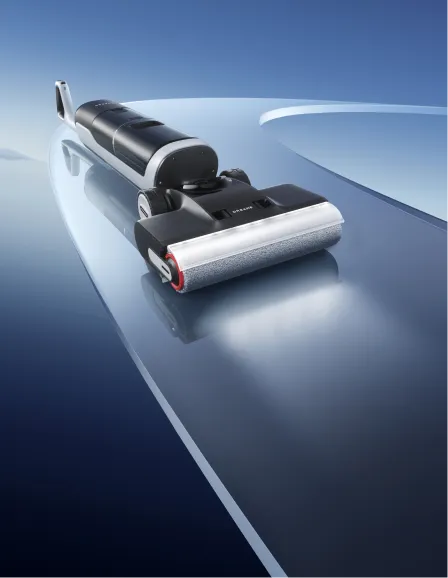
Trying to find the perfect vacuum in 2026? You're not alone. With all the choices, from robot vacuums to sticks, canisters, and uprights, it’s easy to get overwhelmed. But if you need serious cleaning power, an upright vacuum cleaner might still be your best bet in 2026. This guide breaks down the pros and cons of upright vacuums and compares them with other vacuum types. Whether you’re dealing with pet hair, thick carpets, or just want something simple and powerful, this guide will help you decide if an upright is right. What Is an Upright Vacuum Cleaner? An upright vacuum cleaner is the classic "push-and-go" vacuum with a standing design. The motor, dustbin, and cleaning head are all housed in one unit. Unlike canisters (which have a separate wand and body) or stick vacuums (which are lightweight and slim), uprights are built for deep carpet cleaning and large spaces. Key features: Built-in motor and floorhead Often corded (but cordless options are growing) Designed for strong suction, especially on carpets Large dustbin or bag capacity Some people ask whether cordless sticks or wet and dry vacuums count as uprights. Technically, cordless stick vacuums are a lighter, more manoeuvrable subtype of upright, while wet/dry vacuums are a separate category. Pros of Upright Vacuum Cleaners 1. Strong Suction Power for Deep Cleaning Uprights excel at lifting embedded dirt thanks to their motorized brush rolls and strong suction, which can reach up to 20,000 pascals (Pa) in premium models. This makes them great for carpets and pet hair. 2. Large Capacity = Less Emptying Most hold 1–2 liters of debris, meaning fewer interruptions to empty the bin or replace the bag.  3. Faster for Large Spaces Their wide cleaning path (30–38 cm / 12–15 in) covers more ground quickly, ideal for bigger homes 4. Durable & Long-Lasting Fewer moving parts than robots = less maintenance over time. 5. Integrated Design Their upright, all-in-one unit makes them easy to store and typically means no assembly is required. Cons of Upright Vacuum Cleaners 1. Heavy & Bulky Weighing 4.5–9 kg (10–20 lb), they’re harder to carry upstairs or store in closets. This makes them ill-suited for smaller apartments. 2. Limited Hard Floor Performance Without a brush roll shutoff, they can scatter debris on tile or hardwood. 3. Corded Models Restrict Movement You’ll need outlets nearby or to pay extra for cordless uprights (which have shorter runtimes). 4. Less Flexibility Due to their rigid design, they are less flexible for cleaning under furniture or in tight corners. 5. No Wet-Cleaning Features Unlike wet and dry vacuums or robot mops, they can’t mop or handle liquid spills. This means you’ll need separate cleaning tools for floors needing both vacuuming and mopping. Pro tip: If you have mostly hard floors or need versatile cleaning, consider a stick vacuum with mopping attachments or a robot vacuum-mop combo instead for all-in-one convenience. Opt for the Dreame H14 Pro Wet and Dry Vacuum with 180° lie-flat reach, enabling it to reach under furniture. Upright Vacuum vs. Other Types: Which One Suits You Best? Stick Vacuum vs. Upright Vacuum Stick vacuums are lighter and easier to maneuver, especially cordless ones. Uprights win on power and dustbin size. Use a stick if you clean daily and want quick touch-ups.Use an upright if you need deep cleaning on carpets. Canister vs. Upright Vacuum Canisters are great for versatility: cleaning stairs, drapes, and cars. Uprights are better for large floor areas and ease of use. Use a canister if you need flexible reach and plan to clean non-floor areas.Use an upright if you want fast floor cleaning without setup time. Robot Vacuum vs. Upright Vacuum Robot vacuums clean for you and are ideal for daily maintenance. Uprights clean deeper but require manual operation. Use a robot if you want low-effort, frequent upkeep.Use an upright if you need strong suction and don’t mind pushing it around. Wet and Dry Vacuum vs. Upright Vacuum Wet and dry vacuums handle spills and heavy-duty messes. Uprights are better for standard floor cleaning and daily dirt. Use a wet/dry if you have frequent liquid messes (kids, pets, or slushy entryways).Use an upright if you want a cleaner focused on household floors. Summary Comparison Table Vacuum Type Power Portability Carpet Cleaning Hard Floor Cleaning Wet Cleaning Hands-Free Upright ✅✅✅ ⚠️ ✅✅✅ ✅✅ ❌ ❌ Stick ✅ ✅✅✅ ✅ ✅✅ ❌ ❌ Canister ✅✅ ✅✅ ✅✅ ✅✅✅ ❌ ❌ Robot ⚠️ ✅✅✅ ⚠️ ✅✅ ⚠️ ✅✅✅ Wet/Dry ✅✅✅ ⚠️ ✅✅ ✅✅✅ ✅✅✅ ❌ Legend: ✅✅✅ = Excellent   ✅✅ = Good  ✅ = Basic ⚠️ = Mixed  ❌ = Not Supported  Features to Look For in an Upright Vacuum in 2026 Corded vs. Cordless Corded models offer unlimited runtime but limited range (annoying cord management). Cordless models are lighter and more convenient to move around, but may have shorter battery life (often 40–60 minutes). What is the best cordless upright vacuum? The best cordless upright vacuum in 2026 combines strong suction with long battery life (at least 45 minutes), fast recharging, and a lightweight build. Models that include auto-suction adjustment for carpet vs. hard floors stand out. Bag vs. Bagless Bagged models trap more dust and allergens and are better for allergy sufferers. Bagless models save on recurring costs (no bag replacements) and let you see what’s collected. What are the best bagged and bagless upright vacuum cleaners? The best bagged upright vacuum in 2026 should have a HEPA-sealed system and self-sealing dust bags to contain mess. A large capacity will mean fewer changes and less hassle. The best bagless upright vacuum cleaner offers easy-to-empty bins, strong cyclone suction to prevent clogs, and washable filters to cut down on maintenance costs. Weight & Noise Some uprights are over 6.8 kg (15 lb), which can be tough for seniors or multi-level homes. Noise is also a factor for early cleaners and apartment dwellers. What is the best lightweight upright vacuum cleaner? Weighing under 5.4 kg (12 lb), the best lightweight upright vacuum cleaner should still deliver powerful suction without tiring out your arms or back. What is the quietest upright vacuum cleaner? The quietest upright vacuum cleaner operates at or below 70 decibels. Look for models with brushless motors, sound-dampening insulation, and variable power modes to reduce noise on hard floors. Suction Power Strong suction is key for pet hair, thick carpets, or heavy dirt. Check for air watt ratings or suction tests on real surfaces. What upright vacuum has the strongest suction? The upright vacuum with the strongest suction will have a high air watt (AW) rating, multi-surface settings, and motorized brush rolls that dig deep into carpets. Top models also auto-adjust suction based on floor type. Recommended Upright Vacuums for 2026 Here are some top-rated picks across use cases: For Hardwood Floors: Dreame H12 Pro Wet & Dry Vacuum Cleaner: Though technically a wet/dry upright, this model is excellent for sealed hardwood. It vacuums and mops in one pass while protecting your floors with soft, non-scratch rollers. For Pet Hair: Dreame T30 Cordless Stick Vacuum: This lightweight upright delivers powerful suction with an advanced anti-tangle brush that resists pet hair wrap. It’s great for households with dogs or long-haired cats. Includes a mini motorized brush for sofas and pet beds. For Carpet: Dreame R20 Cordless Vacuum Cleaner: Designed with automatic suction boost and a smart brush that adjusts to carpet depth. It deep cleans thick rugs without getting bogged down, making it ideal for full-house floor care. Look for height adjustment and deep-cleaning power. Check this guide on “How to Choose the Right Pet Hair Vacuum for Your Home.” For Allergies: Dreame T20 Pro Cordless Vacuum: Equipped with multi-layer HEPA filtration that captures 99.9% of fine dust and allergens. It’s bagless but still allergy-friendly, with a washable filter and sealed dust chamber to trap particles. Is an Upright Vacuum Still a Good Buy in 2026? Yes, if deep cleaning power and simplicity matter to you. Upright vacuum cleaners are still some of the most reliable tools for keeping carpets spotless and large homes clean. While they may lack the bells and whistles of robots or the ultra-light feel of stick vacuums, they strike a great balance of power, cost, and performance. Dreame Take: At Dreame, we believe the best vacuum is the one that fits your lifestyle. Upright vacuums are a classic for a reason. As technology evolves, they’re becoming smarter, quieter, and more powerful, they’re still a go-to choice for whole-home cleaning in 2026 and beyond. Whether you're a first-time buyer or replacing an old favorite, we’ll help you find the right tool for the job.  
Continue reading