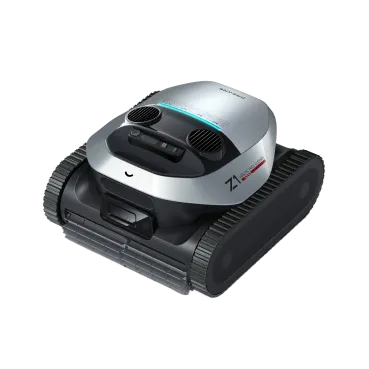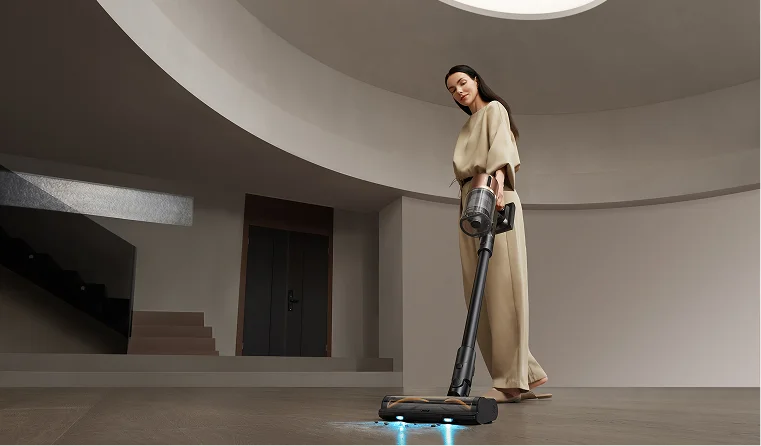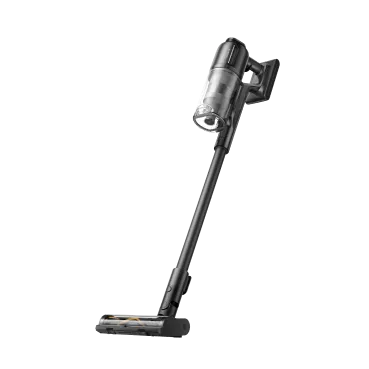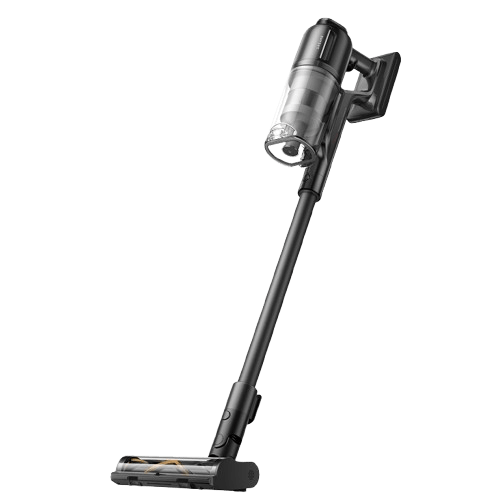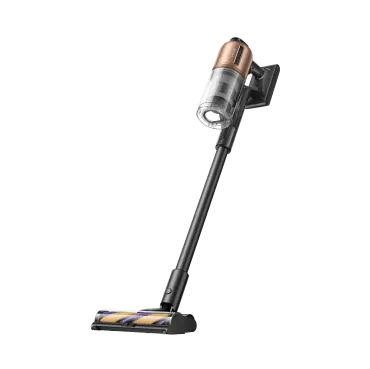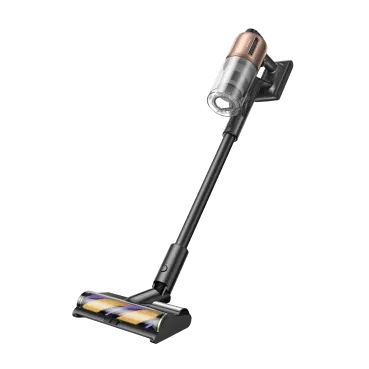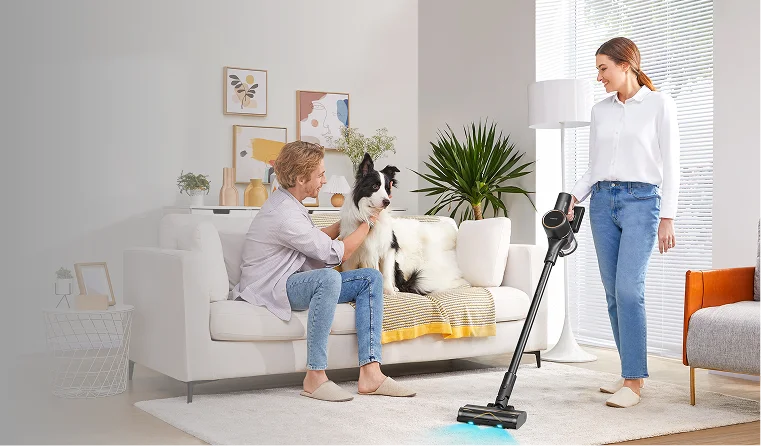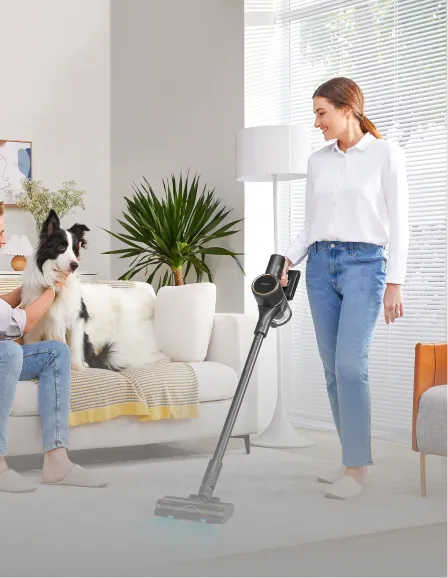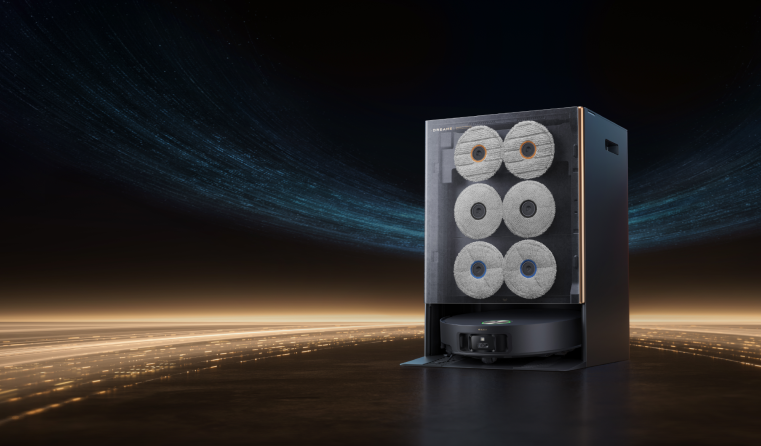
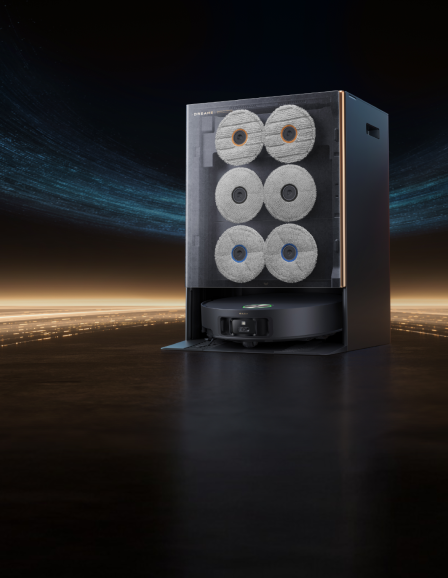
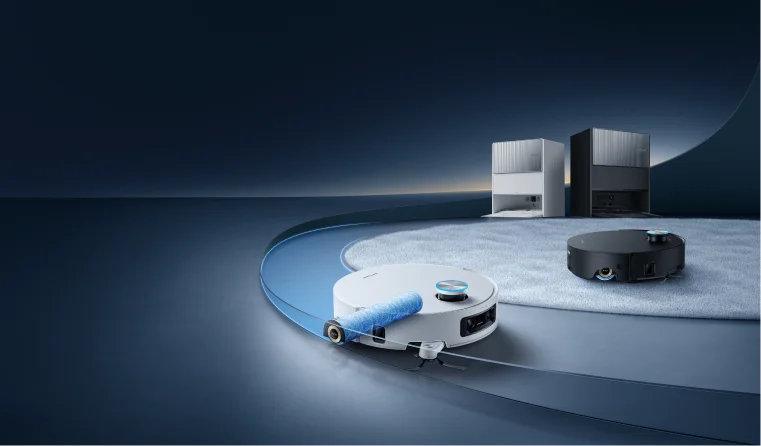
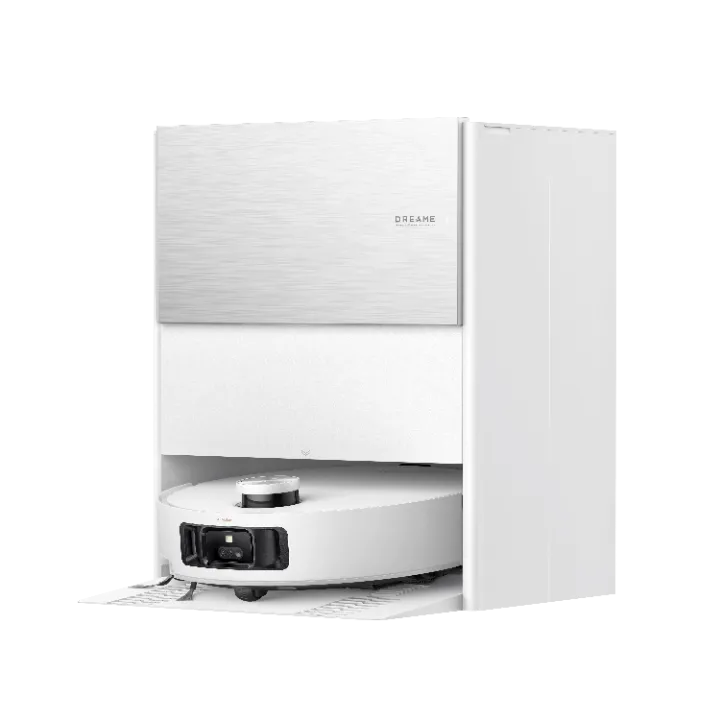
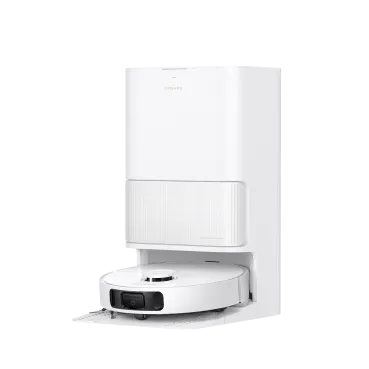
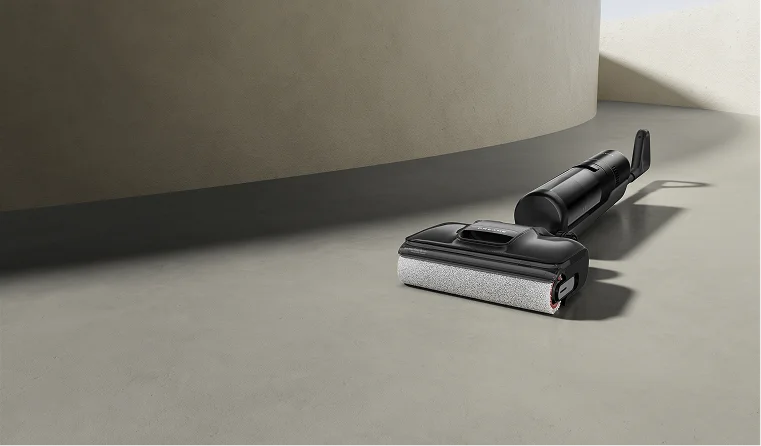
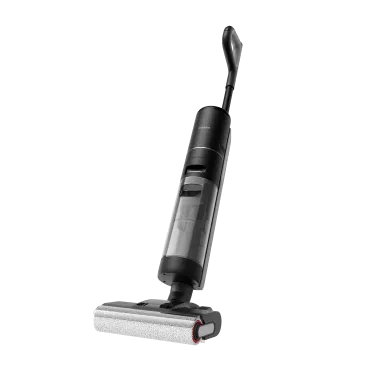
Pet hair no longer overwhelms your home thanks to advanced robot vacuums like the Dreame X50 Ultra, offering deep suction, smart navigation, and easy maintenance.
It’s an all-too-common scenario: A homeowner is standing in their basement, flashlight in hand, staring at alarming dark patches spreading across once-pristine walls. The musty odor was the first clue, but seeing fuzzy colonies of mold sends a chill down their spine despite the summer heat outside.
Now alert, they notice black mold forming in the corners of other rooms.
Determined to thoroughly understand, the owner goes online to check a tip the neighbor gave: “Does Heat Kill Mold Effectively?” they ask a search site—and find that it does. But heat alone might not be the best solution.
How Mold Reacts to Heat
Mold thrives in moisture levels above 60% relative humidity amid temperatures between 60-80°F (15-27°C). Limited ventilation and darkness aid its growth as it spreads using seed-like spores so tiny they are undetectable to the unaided human eye.
Spores might sound like a scenario from a science fiction movie, but because they are real they can be eradicated through real actions based on real science.
Though ominous to some because it can grow silently and undetected, mold is a manageable organism affected by temperature and other environmental factors.
Heat is indeed a crucial component because household mold dies at temperatures above 140°F (60°C). Eliminating spores that spread it is more difficult, requiring temperatures of 160°F (71°C) sustained for several hours. Appliances that scrub the air clean are also important to the effort.
Dry Heat vs. Moist Heat: Which Works Better?
Boiling water or steam cleaners that reach 212°F (100°C) can kill surface mold, including on walls, while portable heaters can bring the temperature inside a room high enough to have an impact, though professional assistance is advised.
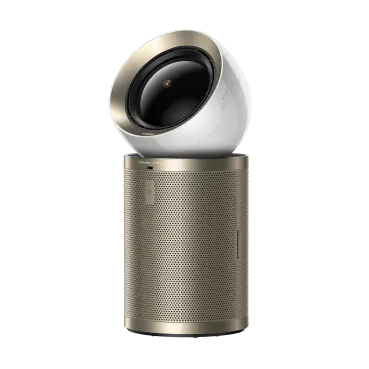
Also useful in the fight against mold are HEPA air purifiers such as the heat-enabled Dreame Airpursue PM20 Air Purifier. It dries the air while removing micro-contaminants including airborne mold spores.
Such purifiers also help lower the relative humidity to create an environment less hospitable to mold. Warmer, drier air helps keep surfaces dry, deterring condensation that helps mold take hold in the first place.
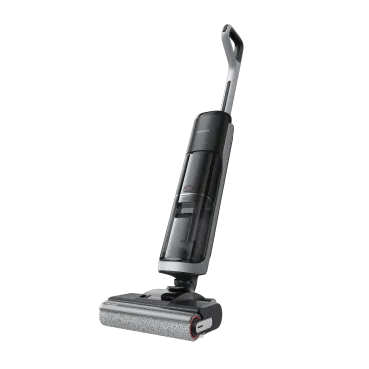
If hot water is used to kill mold, Dreame’s wet and dry vacuum cleaners are excellent for extracting moisture from carpets or floors, either before or after heat treatment. The upright, bagless models offer both dry and wet cleaning with suction power of up to 21,000Pa to remove dirt, debris and micro-organisms from multiple surfaces.
Does Heat Kill Black Mold Specifically?
Heat can kill black mold along with other types of mold. But ideally it's not the standalone solution. Heat should be used as part of a broader remediation plan that eliminates the sources of moisture that cause mold.
A holistic plan also includes manual removal, HEPA filtration and dehumidification. Dreame’s wet dry vacuum cleaners again come in handy, this time for safe removal of moldy water. The advanced technology uses hot water to weaken the organisms while the vacuum removes dead mold and water.
Most indoor heating systems can’t reach the temperatures needed to kill mold and its spores, so multiple portable units can be used to reach the required temperature. But with such high heat involved, professionals should be engaged to assist.
Dreame Take Avoid using high heat on large areas or porous materials if you are not a trained professional as it can potentially damage materials or even spread spores if not done correctly.
Hands-on techniques for mold removal vary according to the surface. For non-porous surfaces such as tile, glass or sealed wood boiling hot water and scrubbing with a brush or cloth using detergent is effective. Heavily affected porous materials such as drywall, insulation, carpet and fabric might have to be cut out and discarded.
Killing Mold in Hard-to-Reach Places: Spray Bottles and Other Tools
Spray bottles with a nozzle can get a cleaning solution into corners and crevices. A microfiber cloth or soft washcloth wrapped around a paint stirrer or toothbrush can also help you scrub tricky spots.
Effective Cleaning Solutions:
Bleach: Bleach is effective but should be used with caution due to toxic fumes. Mix one cup of bleach with one gallon of water. Apply the solution to the moldy surface using a sponge or spray bottle. Let it sit for 15-20 minutes, then scrub and rinse thoroughly.
Important NEVER mix bleach with ammonia or other cleaners, as it can create dangerous toxic fumes.
White vinegar: Spray undiluted white vinegar directly onto the mold. Let it sit for at least an hour, or even 24 hours for tough spots. Then, scrub with a brush and wipe clean with a damp cloth.
Hydrogen peroxide: A 3% solution of hydrogen peroxide is a less harsh alternative to bleach. Spray undiluted 3% hydrogen peroxide directly onto the mold. Let it sit for about 10-30 minutes.
Baking soda: Mix 1/4 teaspoon of baking soda with 2 cups of water in a spray bottle. Spray the moldy area and scrub with a brush.
Afterward: Thorough Cleaning and Drying:
After physical removal, clean the entire affected area with a damp cloth and an all-purpose cleaner to pick up any remaining mold particles.
Use fans, dehumidifiers and HEPA purifiers for complete drying.
HEPA Vacuuming:
Once the area is dry, a Dreame wet and dry vacuum can thoroughly remove leftover spores and fine dust.
The advanced appliance captures any residual airborne mold spores and fine dust that traditional vacuums might miss. Clean the canister outdoors to prevent re-releasing spores indoors.
Another solution for preventative care is robot vacuums with mops. Unlike traditional robot vacuums that only suck up dirt and dust, these have an integrated mopping system that allows them to handle both dry vacuuming and wet mopping tasks.
They also incorporate advanced navigation systems, sensors, and sometimes AI, to map out homes, avoid obstacles and plan efficient cleaning routes.
Dreame Robot Vacuum Cleaners vacuum, mop and navigate with precision to ensure floors are clean and dry. They use powerful suction and rotating brushes (main brush and side brushes) to pick up dust, dirt and other debris from the floor. The mopping action is accomplished using a tank that holds water or a cleaning solution and a microfiber pad or cloth attached to the bottom of the robot that scrubs.
With home floors dust-free, mold re-settlement is discouraged.
Why Mold Is So Hard to Eliminate
Mold is difficult to eradicate because it's a living organism that only needs moisture and some form of organic material to thrive. It grows rapidly and invisibly in hidden areas, and can cause both property damage and health problems. Effective remediation requires not just cleaning the mold, but thoroughly addressing the causes that enabled it to grow in the first place.
Understanding the science behind why mold grows empowers us to eliminate it and ensure it doesn't return.
A healthy environment provided by Dreame’s range of indoor air quality and cleaning appliances help eradicate mold, protecting your well-being, property and peace of mind.
Cleaning your house only to end up with an unpleasant smell thanks to your vacuum cleaner is so frustrating. If you’ve ever experienced this and asked yourself, “Why does my vacuum smell bad?” or, worse, “Why does my vacuum smell like it’s burning?” then you’re in the right place. Vacuum filter smells are not just unpleasant but can be an indicator of maintenance issues or damage to your vacuum cleaner.
In this article, we answer these smelly questions and guide you through how to fix them. Read on for our tips and tricks on how to make your vacuum cleaner last and how to stop smells from coming back.
Common Causes of Vacuum Smells & What They Mean
You might be surprised to know how often vacuum cleaners smell bad, and you may also be surprised to know that the smells are often similar. That’s because each smell indicates an issue, and since vacuum cleaners have minimal components, these smells are limited. Here’s a breakdown of the most common smells, their causes, the risks they indicate, and how to fix them:
1. Why Does My Vacuum Smell Burnt?
Likely causes:
Overheating motor
Belt friction
Electrical problems
Risks:
Fire
Permanent damage to the motor
Belt failure
Fix:
Immediately unplug the vacuum cleaner
Let the vacuum cool completely
Open the belt cover and check for any signs of damage, such as wear, misalignment, or friction
If the motor smells burned, take the vacuum cleaner to a technician
Pro-tip A large build-up of dust on the components can also cause a burning smell, so check and clean all accessible parts regularly.
2. Why Does My Vacuum Smell Like Burnt Rubber?
Likely causes:
Accumulated hair and dander
Moisture and pet residue mixing to create a mass
Dirty filters and bins
Risks:
Persistent odors that permeate and linger
Growth of bacteria in the filters and bins
Fix:
Clean the canister (after removal) using warm water and soap
Wash or replace all the filters
Invest in a specialty vacuum for pets
Pro-tip To naturalize odors, add some baking soda into the canister before vacuuming. You can even add some vacuum-safe essential oils to have the smell you want.
3. Why does my vacuum smell like a dog?
Likely causes:
Excessive pet hair stuck in the roller or filter
Risks:
Bacteria building up in the clogged filters
Reduced airflow and cleaning efficiency
Overheating of the vacuum due to clogging
Fix:
Change the filters
Thoroughly clean the roller regularly
For a quicker, more consistent fix, invest in a pet-friendly robot vacuum
Pro-tip If your vacuum uses a washable filter, rinse it in a mild vinegar solution every 2–4 weeks for long-term odor control.
4. Why Does My Vacuum Smell Like Feet?
Likely causes:
A buildup of dirt on the vacuum’s brush rolls and any damp components, leading to bacterial growth in the vacuum cleaner
Risks:
Health concerns due to bacterial exposure
Lingering and persistent foot smells
Fix:
Disassemble and thoroughly clean the brush roll
Clean or replace all removable components in the dust collection system
Let all the parts dry properly before reassembling
Pro-tip To avoid bacterial growth in your vacuum cleaner, try not to vacuum damp areas, such as basements or bathroom rugs.
5. Why Does My Vacuum Smell Like Rotten Eggs?
Likely causes:
Trapped food or grease from vacuuming kitchens
Trapped pest droppings or mold in the vacuum cleaner
Risks:
Health concerns due to exposure to bacteria and mold spores
Severe contamination within the vacuum cleaner
Fix:
Replace the dust bin or bag
Clean and sanitize all accessible vacuum components with a mild bleach solution or vinegar
Replace the vacuum filter
Pro-tip If the smell persists even after following all these steps, inspect your vacuum cleaner for any pests living and breeding inside. Alternatively, contact a technician.
How to Identify and Fix the Source of the Smell
Being unsure of what smell is coming from your vacuum makes it difficult to identify the issues or know how to fix them. Follow these steps to get on the right track:
1. Check the Vacuum Filter
The most common source of a bad smell in a vacuum cleaner is the filter. Check that the filter is not clogged up with hair, dirt, or moisture, since this will rot over time and release a foul odor. If this is the case, replace the filter and see if the smell disappears.
2. Inspect for Clogged Hoses and Brushes
Another common source of bad smells in a vacuum cleaner is the hoses and brushes. Debris can clog up these components, resulting in a rotten or burning smell when the air passes through them. If these are clogged, be sure to dismantle and clean them thoroughly.
3. Evaluate the Dust Bin or Bag
Dust bins and dust bags should be emptied regularly and when they are not, they can cause strong and unpleasant odors. Be sure to empty these on your vacuum cleaner or, if they are filled with bacteria, sanitize or replace them.
4. Check for Motor Issues or Motor Overheating
If the smell coming from your vacuum resembles a burnt plastic or rubber smell, this is a strong indicator of technical issues. In this case, immediately unplug your vacuum and take it to a technician.
Smell Type
Likely Cause
Problem Area
Cleaning Fix
Burning
Motor or belt overheating
Motor, Belt
Let cool, inspect, replace parts
Burnt Rubber
Slipping or worn belt
Belt
Realign or replace
Dog/Wet Pet
Pet hair, dander, dirty filters
Canister, Filter
Deep clean, deodorize, replace filters
Feet
Mildew, bacteria
Brush Roll
Disinfect, let dry
Rotten Eggs
Mold, food particles, pests
Bin, Filter
Sanitize interior, replace filters
Tips to Make Your Vacuum Smell Better
Here are some of our top tips on how to make a vacuum smell better:
Neutralize smells by adding baking soda or vacuum deodorizer inside your vacuum’s dust bin or bag.
Freshen up the after-smell by adding a few drops of your favorite essential oil onto a cotton ball and placing it by the filter.
Make a budget charcoal-infused filter by adding activated charcoal discs inside the bagged vacuum.
Ensure your vacuum is stored in a cool and dry area to avoid mold and bacteria growth.
Regularly clean or replace your vacuum filters (every 1 to 3 months, depending on the filter and vacuum type). Specialty filters, like HEPA filters, can be changed less frequently
Stop Bad Smells Before They Start
To learn how to make a vacuum smell better, you also need to know how to stop smells before they start. Here are our top tips to stop odors from developing:
Choose the right vacuum for you. For example, a pet owner should invest in a vacuum that is well-suited to pet hair and dander.
Never vacuum wet materials or areas, such as bathrooms or basements, with a regular vacuum. If this is something you need, you should purchase a wet-dry vacuum, such as the H12 Dual Wet and Dry Vacuum, that is specifically built to deal with the humidity and dampness.
If your environment means your home gets dirty quickly, consider investing in a robot vacuum cleaner. This type of vacuum will keep the dirt down regularly to avoid any buildup. In contrast, using a regular vacuum less frequently will place a lot of strain on the vacuum motor and block up the filters, which could result in damage.
If you live in a humid environment, consider investing in an air purifier to pair with your vacuum cleaner. This will reduce mold spores in the atmosphere before they can enter your vacuum cleaner.
FAQs
What should I do if my vacuum smell persists?
If thorough cleaning doesn’t eliminate the smell, replace all the filters. If, however, the smell persists after filter replacement, it’s advisable to take the vacuum to a technician, since this could indicate damage to the motor or other components.
Can I use essential oils in my vacuum?
Yes, but these should never be poured directly into the vacuum or come into contact with motor parts. Add a few drops onto a cotton ball or use a vacuum-safe scent bead and add it in the vacuum bin or close to the exhaust.
Is it normal for my vacuum to smell after use?
If you have used your vacuum for a long duration of time, a slight smell can be normal. However, any type of moldy, burning, or sour smell should ring alarm bells.
What types of odors indicate a serious problem?
The vacuum filter smells that can be indicative of a serious problem are:
Burning plastic or rubber smells
Chemical smells
Rotten egg smells
Musty smells that persist
Final Thoughts
This article on “why does my vacuum smell?” provides valuable insight into what your vacuum’s odors mean, from clogged filters to belt friction, and how to prevent and fix them. This information can make the difference between having a high-functioning vacuum or a broken one, so be sure to pay attention to vacuum smells and to carry out proper maintenance. One of the best ways to start is by buying the right vacuum in the first place, so find out more about the best vacuums for your needs at www.dreametech.com.
A clean home is achieved through continuous care and work. However, there are ways to make this process easier and faster. A good dust vacuum will suck up dirt and pet hair with ease, but without a vacuum filter, these particles will fall back out into your home or clog up your vacuum, limiting its lifespan.
This guide explores the benefits of vacuum filtration, with a focus on the vacuum filter: What it is, how it works, and do you need it. It will cover the types of vacuum filters available on the market to allow the reader to answer common questions, such as “Can I use my vacuum without a filter?” or “How do I clean a vacuum filter?” So, without further ado, let’s dive in.
What Is a Vacuum Filter?
A vacuum filter is a core component of any vacuum cleaner, from cordless stick vacuums to robot vacuums. It’s used to filter the air being sucked into the vacuum, capturing dust, pet hair, pollen, and other microscopic particles. The main purpose of a vacuum filter is to stop these particles from re-entering the atmosphere, thereby keeping the recently vacuumed area and the atmosphere clean and safe for those suffering from allergies. Another benefit of vacuum filtration is that the filter will protect the inner workings of the vacuum cleaner from being caked in dirt, which would limit its efficiency and lifespan.
Types of Vacuum Filters
Different vacuum filters serve different needs and work with different vacuum cleaners, so it’s important to understand the differences and to check which ones are compatible with which vacuum cleaner before you purchase one. Some of the most common are:
HEPA Filters (High Efficiency Particulate Air Filter)
The high efficiency particulate air filter vacuum, or HEPA filter vacuum, is known for its filter: a dense mesh that traps 99.97% particles, including dust, pollen, mold, bacteria, and any other airborne particles as small as 0.3 microns. The HEPA filter vacuum is ideal for those who are sensitive to dust, have pets at home, or suffer from allergies.
Standard Filters
Standard filters are faithful to the original filter systems used in most basic vacuum cleaners. They’re usually made from cloth, foam, or paper, and are ideal for trapping larger particles. Standard filters are efficient for cleaning and can be found in most low to mid-range vacuum cleaners; however, if the user has allergies or pets, or if they are sensitive to dust, this type of filter may not be the best choice.
Paper Filters
Paper filters are a type of standard filter found in vacuums that use bags to store the particles and dirt removed during cleaning. They are budget-friendly and easily replaceable; however, they are not designed to trap smaller particles.
Foam Filters
Foam filters are a standard and cost-effective filter type that can be washed and reused, making them a sustainable choice. Like paper filters, they are efficient at trapping larger debris but not smaller particles, making them a good choice for those looking for a more economical vacuum but not appropriate for those with higher vacuuming needs. Foam filters are often used as pre-filters in multi-stage filtration systems.
Specialty Filters
Depending on a user’s specific vacuuming needs, they can choose to purchase a specialty filter (check the filter compatibility with the vacuum cleaner first). Some of these specialty vacuum cleaners include filters for odor control, such as charcoal-infused filters, or specialty micro-particle filters (for even smaller particles than those targeted by the HEPA filter vacuum) for environments in need of high sanitation conditions, such as hospitals.
Activated Carbon Filters
Activated carbon filters are specialty vacuum filters designed for odor control. The carbon can absorb strong odors, including smoke, cooking, and pet smells, which makes them a perfect choice for users looking to refresh their home.
Filter Type
Benefits
Efficiency
Washable
Best For
HEPA Filter
Traps allergens, bacteria
Very High
No
Allergy sufferers, pet owners
Standard Filter
Affordable, easy to replace
Low
Sometimes
General cleaning
Paper Filter
Disposable, low-cost
Moderate
No
Budget-conscious users
Foam Filter
Washable, reusable
Moderate
Yes
Multi-use, frequent cleaners
Specialty Filter
Tailored for specific needs
Varies
Sometimes
Hospitals, pet-heavy homes
Activated Carbon Filter
Removes odors
Moderate
No
Homes with smoke/pet smells
How Does a Vacuum Filter Work?
A vacuum filter works in the same way as most filters do: Capturing unwanted particles while a substance passes through it. With regards to vacuum filters, the vacuum motor pulls air laden with dirt into the vacuum through the nozzle. Then, once the dirty air has come up the nozzle, it reaches a mesh or foam (this is the filter) which will capture all the particles in the air, including pollen, bacteria, hair, dust, and mold (the efficiency of the particle capture will depend on the types of vacuum filters) and only allow clean air to be released.
Importance of airflow and suction
If the vacuum is unable to supply a strong airflow, the suction capabilities will be reduced, often resulting in a clogged filter. This means lower filtration capabilities and potential damage to the vacuum cleaner since the strain can cause overheating. For this reason, it is important to regularly clean or replace vacuum filters.
Benefits of Vacuum Filtration
The key benefits of vacuum filtration include:
Improved air quality
Vacuum filtration, especially specialized small particle filters such as the HEPA filter vacuum, lead to improved air quality in closed spaces.
Enhanced cleaning efficiency
Using a clean filter vacuum allows for enhanced cleaning efficiency, since particles will be picked up and held within the vacuum cleaner.
Prolonged equipment life
Vacuum filters protect the other vacuum parts from dust and dirt particles, allowing for prolonged equipment life. This is especially true when vacuuming areas with moisture without a wet and dry vacuum or when cleaning a pet-friendly home without a pet-friendly vacuum.
Odor control
Specialty vacuum filters, such as carbon-infused filters, allow for better odor control and environment freshness.
Better health outcomes
Using a vacuum filter means having an environment with less dust and other particles that can aggravate asthma and other breathing and skin-related illnesses.
Do All Vacuum Cleaners Have Filters?
All vacuums have a filter of some kind, but as we’ve seen, some are more efficient than others. Some of the most common are:
Vacuum Type
Common Filter(s) Used
Robot Vacuums
HEPA or Foam + Mesh Combo
Cordless Stick Vacuums
Washable Foam or Paper Filters
Upright Vacuums
HEPA, Standard, or Activated Carbon
Canister Vacuums
Paper + HEPA or Carbon
Wet/Dry Vacuums
Foam Filters, Wet-safe Filtration Systems
Handheld Vacuums
Simple mesh or foam filters
How to Know What Filter Your Vacuum Has
It should be obvious which filter your vacuum uses, but to be sure, follow these steps:
Check the owner’s manual
Inspect the filter compartment
Look for labels with relevant information
Search for your vacuum model online
Can I use My Vacuum Without a Filter?
Depending on the vacuum cleaner, use without a filter may or may not be possible. Some vacuum cleaners are equipped with safety measures that block use until the filter has been replaced or installed. Other vacuums will allow use without a vacuum filter; however, this is discouraged for the following reasons:
There will be a reduction in air quality, as dust and dirt particles will not be trapped inside the vacuum.
The suction power will be reduced, meaning less efficient cleaning.
The vacuum can become damaged as there is no filter to protect the internal components.
The product's warranty would be void due to improper usage.
Important Using your vacuum without a filter can void the warranty.
How to Maintain Your Vacuum
One of the ways to maintain a vacuum is to ensure proper maintenance of the vacuum filter, something that is especially true of cleaning HEPA filters for vacuums and other highly dense mesh filters.
Tips to maintain your vacuum filter to ensure vacuum longevity and performance:
Clean washable filters monthly.
Replace disposable filters every 3 to 6 months, or sooner if necessary.
Avoid overfilling vacuum bags or bins.
Store vacuum cleaners in a clean, dry area.
Pro-tip Use cool water and mild soap to effectively clean your filter. Be sure to let it dry completely before reinstalling it.
Final Thoughts
The importance of filters is often downplayed, but without a filter, a vacuum is rendered useless; filters not only protect your vacuum from particles that could damage the motor and other internal components, but they also stop particles from falling back out onto the floor. To make sure you are buying the right filter for your vacuum cleaner or to fFind out more about the best filters for your needs, visit at ca.dreametech.com.
Dreame Take Vacuum filters are essential for any vacuum cleaner; however, a user does not always require the most specialized one available. Vacuum cleaner user should check what vacuum filters best suit their own needs before making a vacuum filter purchase.
It can be both surprising and frustrating: You’re motivated to clean your home and vacuum the floor, but when you’re ready to go, the vacuum cleaner simply won’t turn on. Or perhaps you start using it, and it shuts off suddenly.
The full range of vacuum cleaners—robot vacuums, upright vacuums, wet-dry vacuums, and central vac systems—can have power issues that can catch anyone off guard.
This scenario plays out in homes and businesses across the country every day. Vacuum cleaners, despite their seemingly simple operation, can fall victim to numerous issues that halt their performance. Understanding these common problems can save you time, money, and frustration.
Common Issues That Cause Vacuums to Stop Working
There are many reasons why vacuums won’t turn on, or a vacuum cleaner suddenly stops working:
Power connection problems
Battery issues or low charge
Clogged filters, hoses, or rollers
Overheating and auto shutoff
Full dustbins or water tanks
Faulty switches, motors, or internal wiring
App or firmware errors
The following guide will help with robot vacuums, upright vacuums, wet dry vacuums, and central vacuum systems.
How to Fix a Vacuum Cleaner That Won't Turn On
Situation 1: The vacuum's screen is off and the machine is not moving:
Ensure the handle is properly installed by unplugging and reinserting it until you hear a "click".
If the vacuum's power is low, fully charge it before use.
Situation 2: The screen is on, but the vacuum is not running:
Check whether the vacuum is upright. Some uprights have a self-stop function, meaning they only operate when tilted.
Listen for any voice prompts or error codes, such as “the roller brush is not installed or is entangled" or "the dirty water tank is not installed or is full of water".
If a cordless stick is fully charged but cannot turn on:
Ensure the vacuum cleaner is unplugged, as it cannot be turned on while charging. Try starting it again after unplugging.
Avoid starting and stopping the vacuum repeatedly within a short period.
Check if the metal tube, dust inlet of the brush, filter, or any other parts are blocked. If so, please clean them.
If you have recently washed any parts, ensure they are completely dry before using the vacuum cleaner.
Restart the vacuum cleaner and then switch between different suction levels to see if the problem is resolved.
Robot Vacuum Won’t Turn On or Stay Off
Autonomous robot vacuums are a marvel of the modern household, but even they can face challenges. Here are some aspects affecting robot vacuums:
1. Robot Vacuum Shuts Down Shortly After Starting
Check the sleep mode: press and hold the power button to wake it.
Check the battery status: Place the robot back on the charging dock or base station. Use the app to check if the battery is low.
Fully charge the robot: Allow the robot to charge completely before reuse. Observe if it operates normally after cleaning for a period.
2. Why Does a Robot Vacuum Turn Off After Leaving the Station?
Manually place the robot back on the charging dock/base station. Check if it powers on after docking and if the app displays the battery level correctly.
Relocate the robot to a different area and press the Power/Clean button to check for a response.
3. Why Won't My Robot Vacuum Turn On?
1. If the power indicator is ON:
Press and hold the "Power/Clean button" to restart the robot.
If restarting doesn't work, reset the robot: Open the upper cover, press and hold the reset button for 3 seconds with a tool until you hear the voice prompt "Restore factory settings" .
2. If the power indicator is OFF:
Verify if the robot is turned off due to a low battery.
Ensure the charging dock/base station is connected to power and both ends of the power cord are correctly plugged in.
Clean the charging contacts of both the charging dock/base station and the robot to ensure a solid connection.
Troubleshooting a Central System
Troubleshooting a central vacuum system often begins with identifying the symptom. Is there no suction, weak suction, or is the unit not turning on?
Check the circuit breaker. If it trips repeatedly, there might be a short in the wiring or the motor.
Inspect the low-voltage wires at the inlet valves and the power unit for breaks or loose connections. A short in these wires can prevent the system from activating.
No suction?
Check clogs in the hose or attachments.
Check each valve one by one—if one has no suction, the blockage is likely nearby.
Use a flexible snake or push a tennis ball through the pipe with the system on.
Check for air leaks at joints or damaged inlet valves—listen for hissing sounds.
Motor running but poor suction? The filter may be clogged, or the motor may be malfunctioning.
Maintenance Tips for Preventing Future Issues
Some ongoing maintenance is a good idea to keep your vacuum running smoothly:
Clean filters and brushes regularly
Empty dustbins and water tanks before they get full
Store the vacuum properly
Replace worn parts on schedule
Avoid overloading the motor with large debris
When to Seek Professional Repair Service
If you’ve gone through the checklist and your vacuum still won’t start, it might be time to seek expert repair, especially if you notice:
Signs of motor burnout
Zero response after troubleshooting
Broken circuit board or wiring
Warranty reminders and repair cost thresholds
When replacing, repairing makes more sense
Vacuum Troubleshooting Checklist
Is it plugged in?
Test the outlet
Inspect the power cord
Check the circuit breaker
Check the battery in cordless units
Clear any blockages (hose, brush roll, filters)
Empty dustbin or water tank
Watch for overheating signs
Test the on/off switch
Check for motor or belt damage
Still Stuck? Contact Dreame Support
If you've tried these steps and your Dreame vacuum still isn't working, contact our customer support or a professional repair service.
Email (Canada/US): support.na@dreame.tech
Bed bugs are more common than many people think—and they don’t care how clean your home is. Whether you’ve noticed itchy bites, strange rust-colored spots on your sheets, or tiny bugs hiding in your mattress seams, you may be facing an infestation.
The good news? You don’t have to jump straight to toxic chemicals or costly professional treatments. Two of the safest, most effective ways to fight bed bugs are vacuuming and steaming. In this guide, we will describe how each method works, when you should use them, and tips for getting results that last a long time.
How to Know If You Have Bed Bugs
Bed bugs are small, flat insects that feed on human blood. They hide during the day and come out at night to bite, often leaving clusters of red, itchy marks behind.
Signs of Bed Bug Activity Include:
Small red bites in a line or cluster, especially on arms, legs, or neck
Tiny blood stains or dark fecal spots on bedding or furniture
Shedded skins or live bugs around mattress seams, headboards, or baseboards
A musty, sweet odour in the case of severe infestations
To inspect your space, use a flashlight and look along mattress seams, behind headboards, inside baseboard cracks, and around wall outlets or picture frames.
Important: Bed bugs are elusive. Even if you don’t see them right away, their signs often appear before the insects themselves.
Are Bed Bugs and Dust Mites the Same?
People often think bed bugs are dust mites, but they’re very different.
Dust mites are minute creatures that require a microscope to be seen, and they live by eating dead skin cells. They don’t bite and aren’t visible to the naked eye, but these critters can cause allergy symptoms like itchy eyes, sneezing, or a runny nose.
Bed bugs, on the other hand, are visible and bite humans. If you’re dealing with allergic reactions but no visible bites, the culprit may be dust mites instead. You can learn more in our guide on how to deal with dust mites.
Can Vacuuming Get Rid of Bed Bugs?
Yes. Vacuuming is one of the fastest, easiest ways to reduce a bed bug population. It’s especially useful in the early stages of an infestation or when preparing for deeper treatment.
Vacuuming removes live bugs, debris, and eggs from surfaces—but it does not kill them. That’s why it should always be paired with additional treatments like steaming or laundering.
Pro tip: Vacuuming is an excellent first step, but follow it with steam or heat treatments to fully eliminate hidden pests.
How to Vacuum Bed Bugs
For best results, follow this step-by-step process.
Use a high-powered vacuum with strong suction and a sealed HEPA filter.
Attach a narrow crevice tool or brush to help dislodge bugs from tight spaces.
Target critical areas like mattress seams, box springs, carpet edges, and behind baseboards or outlets. Learn more with these strategies for vacuuming other tight or hidden areas.
Move slowly and carefully to avoid scattering bugs.
Dispose of vacuum contents immediately by sealing them in a plastic bag and taking them outside.
Wash reusable containers or nozzles in hot, soapy water.
Vacuuming should be done regularly until the infestation is completely gone. If you’re using a bagged vacuum, replace the bag after every session. For bagless models, clean the dustbin thoroughly after each use.
Explore Dreame’s full collection of cordless stick vacuums.
What Kind of Vacuum Works Best?
When selecting a vacuum cleaner to get rid of bed bugs, look for models with multi-layer filtration, strong suction, and tight seals. Lightweight cordless models are convenient for furniture and tight areas, while upright vacuums are better for carpets and large surfaces. Some people find portable “bug vacuum” tools useful for spot treatments, but they shouldn’t be relied on alone.
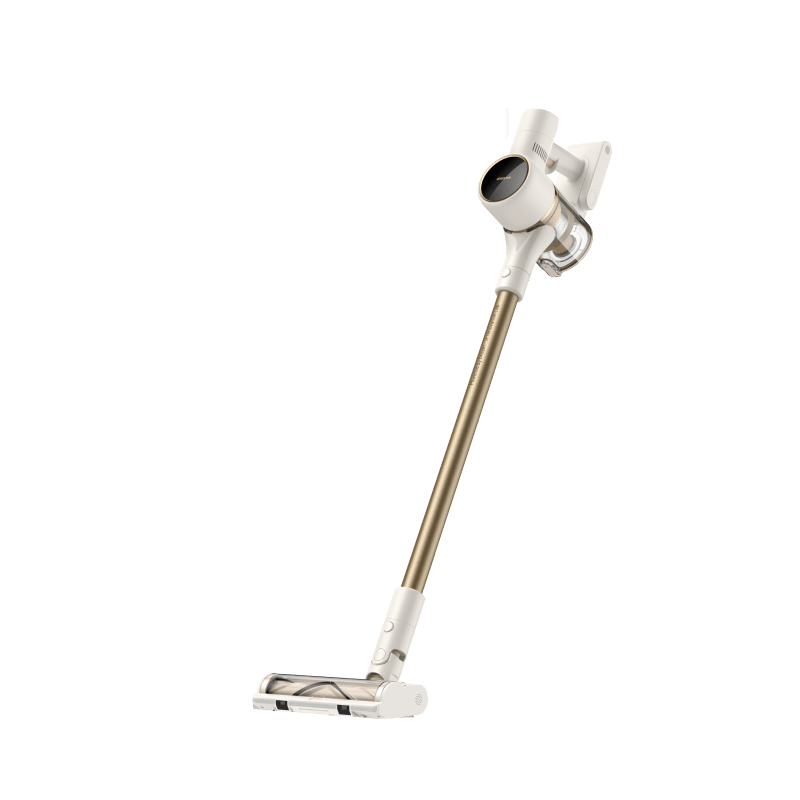
We recommend a model like the Dreame Z30 Cordless Vacuum Cleaner, which offers high suction power, multi-surface tools, and a HEPA-level filtration system—ideal for targeting hidden pests.
Will Vacuuming Kill Bed Bugs?
No. Vacuuming doesn’t kill bed bugs or their eggs. It only removes them from surfaces. Some bugs may survive inside the vacuum unless the contents are sealed and disposed of correctly.
Important: Never assume vacuuming alone is enough. Always combine it with additional treatments to avoid recurrence.
Can Steam Kill Bed Bugs?
Yes. High-heat steam is lethal to both adult bed bugs and their eggs on contact. That makes steaming one of the most powerful chemical-free methods for treating infestations.
Dreame Take: Steaming is one of the most effective eco-friendly treatments, especially when combined with HEPA-level vacuuming. It targets what vacuums can’t reach—eggs in deep crevices and fabric folds.
How to Use Steam to Kill Bed Bugs
Steam works by delivering intense heat deep into cracks, fabrics, and crevices—areas where bed bugs love to hide.
Here’s how to use it safely and effectively:
Choose a dry vapor steamer that reaches at least 93°C (200°F).
Use nozzle attachments to control steam flow and access tight spaces.
Move slowly—about 2.5 cm (1 in) per second—to allow heat to penetrate.
Focus on key areas like mattress seams, couch cushions, curtain folds, and baseboards.
Avoid steaming electronics, outlets, or sensitive surfaces.
Pro tip: Use a towel or cloth-covered nozzle to disperse steam evenly and increase fabric penetration.
Will Steam Kill Bed Bug Eggs?
Yes—if applied directly and at the right temperature. Steam must reach at least 49°C (120°F) to kill eggs. Most commercial-grade bed bug steamers exceed this threshold.
For best results, follow up with vacuuming to remove any dislodged or dead bugs after the surface dries.
Vacuum vs. Steam for Bed Bugs: Which Is Better?
Here’s a quick and simple side-by-side comparison table to help you decide:
Feature
Vacuuming
Steaming
Removes live bugs
Yes
Yes
Kills bugs on contact
No
Yes
Kills eggs
No
Yes
Works in tight crevices
Yes (with attachments)
Yes (with nozzles)
Safe for daily use
Yes
No
Chemical-free
Yes
Yes
Pros
Vacuuming is fast, non-invasive, and ideal for daily use.
Steaming penetrates deep and kills bugs and eggs in one pass.
Cons
Vacuuming doesn’t kill pests or eggs.
Steaming takes time and should be used cautiously around electronics.
Dreame Take: Use both methods for the best results. Vacuuming removes visible bugs fast, while steam kills hidden eggs and survivors. Together, they form a highly effective, chemical-free strategy.
If you opt for a new vacuum or steamer, don’t let your old vacuum gather dust—give it a second life and help someone create a cleaner, healthier home by following this easy donation guide.
What to Do After Treating for Bed Bugs
After steaming or vacuuming, ongoing maintenance is key to preventing a rebound.
Wash all clothes, bedding, and linens in hot water and dry on high heat.
Encase your mattress and box spring in certified bed bug-proof covers.
Continue vacuuming sleeping areas at least once a week.
Install bed bug interceptors under the bed and sofa legs.
Reduce clutter to eliminate hiding spots.
Inspect seams, furniture, and floors regularly for new signs.
After getting rid of bed bugs, it’s important to keep a clean house.
Pro tip: Ongoing vigilance for the next 30 days is often the difference between success and relapse.
How to Prevent Bed Bugs Long-Term
Prevention is easier—and cheaper—than treatment. Stay ahead with these proactive tips:
Inspect all secondhand items before bringing them indoors.
Use luggage racks in hotels and avoid placing bags on beds or carpets.
Vacuum and steam your suitcase after traveling.
Seal cracks in baseboards, floorboards, and walls.
Use mattress encasements year-round, especially in apartments or dorms.
Educate roommates or household members about early warning signs.
Important: If you live in shared housing, coordinate prevention efforts with neighbours or building management to prevent re-infestation.
FAQ
Can bed bugs go away on their own?
No. Left untreated, infestations grow larger. Active intervention is necessary.
Are bed bugs hard to kill with your fingers?
Yes. They are small, flat, and excellent at hiding. Manual squishing isn’t a solution.
Are bed bug eggs sticky?
Yes. They have a glue-like surface that allows them to stick to wood, fabric, and crevices.
Can bed bugs live in vacuum-sealed bags?
Not for long. Bed bugs need oxygen and will die in airtight conditions, but only if the seal remains intact.
Can a clothes steamer kill bed bugs?
Most clothes steamers do not maintain the required consistent heat. A dedicated bed bug steamer is more effective.
A clean home isn’t just tidy—it’s a sanctuary for your mind, especially when you’ve finally kicked bed bugs to the curb; feel the relief and reclaim your peace with this uplifting guide from Dreame on the mental health benefits of cleaning.
Final Note
Bed bugs are tough—but not impossible to beat. With a strategy that combines regular vacuuming, targeted steaming, and consistent follow-up, you can get rid of them safely and efficiently. Whether you’re managing a light infestation or preventing a recurrence, the key is consistency and the right tools.