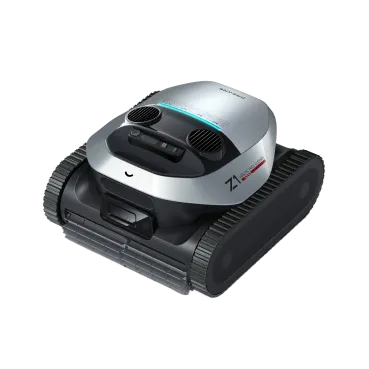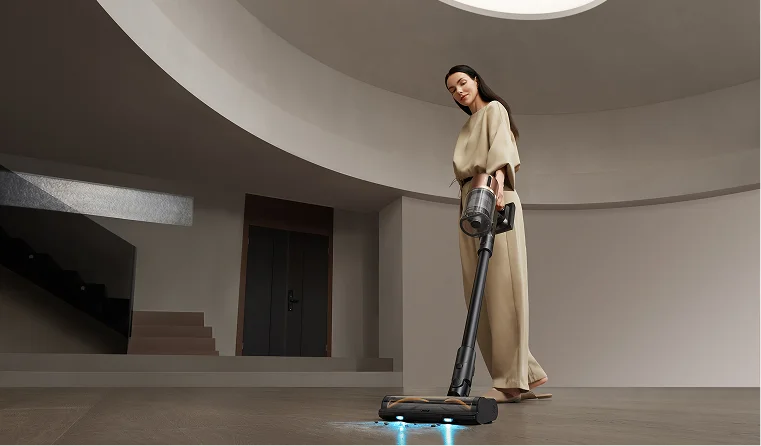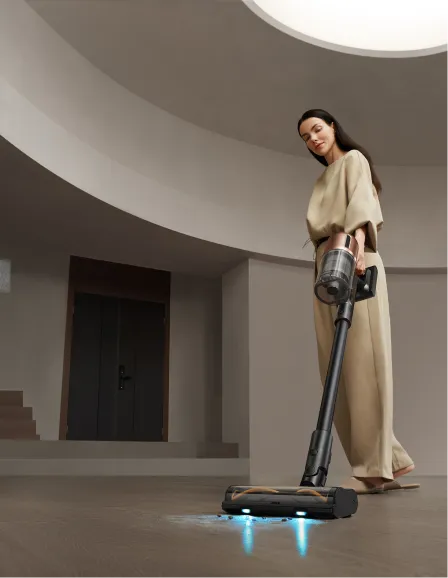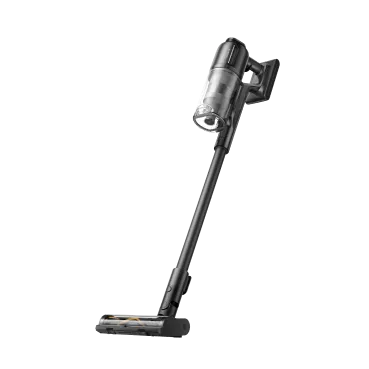
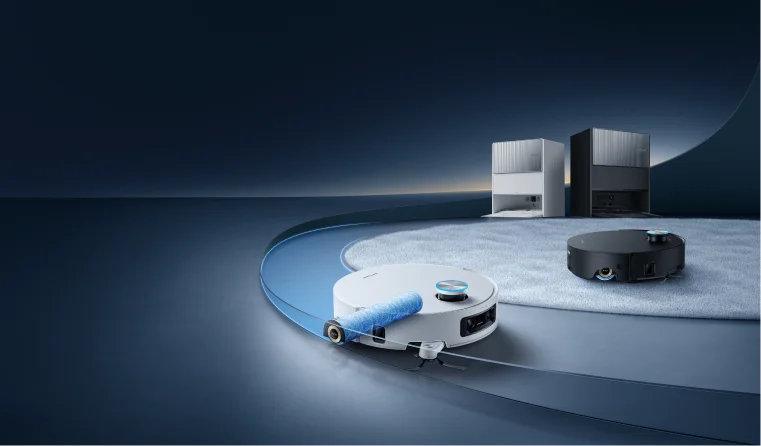
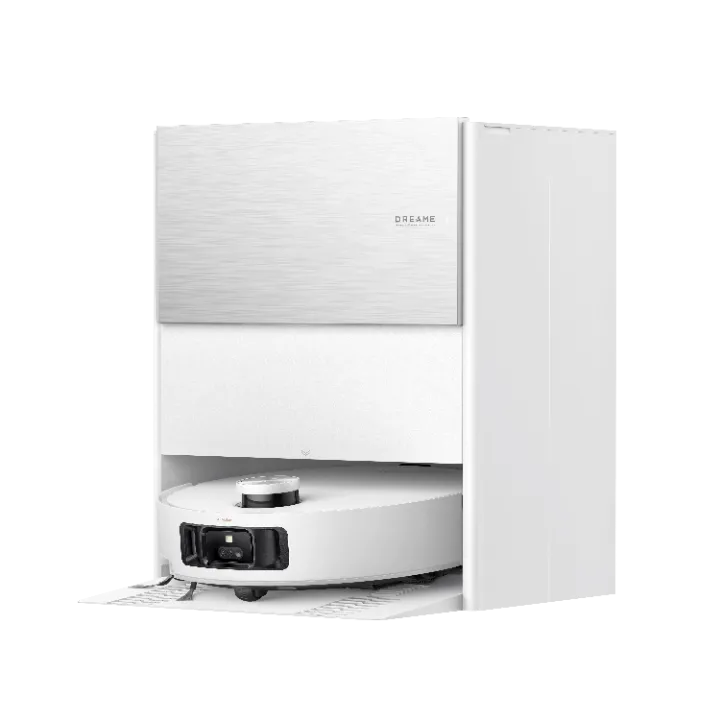
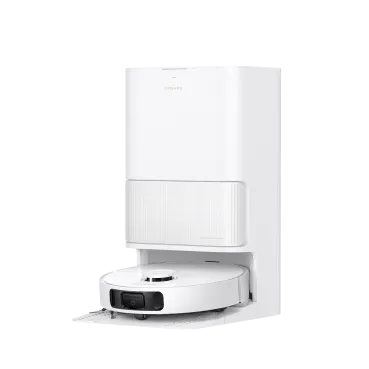

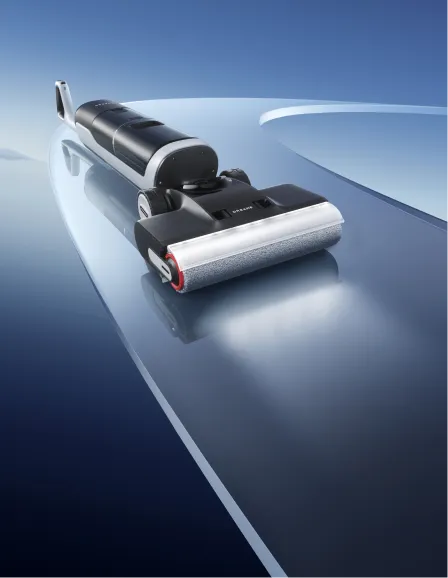
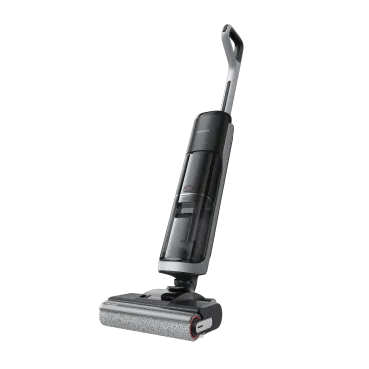
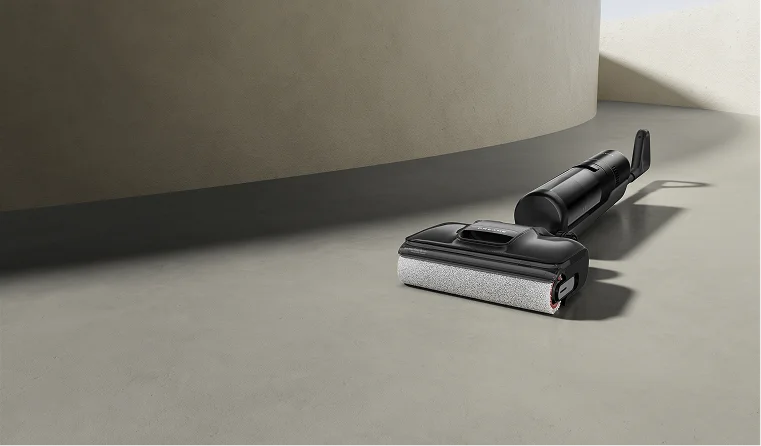
Long before today's vacuums could dodge furniture and empty themselves, they were loud, clunky beasts dragged through parlors and powered by cranks. Their evolution mirrors our shifting lifestyles, and it all started over 160 years ago.
Who and When Invented the Vacuum Cleaner?
The first vacuum cleaner was invented in 1860 by Daniel Hess of Iowa. His device used rotating brushes and bellows to generate suction—an idea that still powers vacuums today.
A major leap came in 1901, when Hubert Cecil Booth built a giant electric vacuum that used suction, not blowing. His machine was so large that it sat in horse-drawn wagons outside homes. People hosted "vacuum parties" to watch it work through hoses run into windows.
The first truly home-friendly model came in 1907, thanks to James Murray Spangler, a janitor in Ohio. Using a fan motor, soapbox, and pillowcase, he made the first portable electric vacuum. He sold his idea to William Hoover, founder of a company that turned "hoovering" into a household verb. [1]
These early inventions laid the groundwork for everything that came next. Here's how the design kept improving decade by decade.
A Timeline of Vacuum Cleaner Innovation
1860–1900: Muscle-Powered Beginnings
The first vacuums needed real effort to use. After Daniel Hess's invention in 1860, Ives McGaffey built the "Whirlwind" in 1868, which you had to crank by hand while pushing it across the floor. In 1876, Melville Bissell added rollers and brushes to make cleaning a bit easier, but it was still a workout.
1901–1930: The Power of Electricity
The arrival of electric motors changed everything. Hoover's Model O launched in 1908 for $60 (about $2,100 today), making vacuuming faster and easier. In 1919, Hoover added the famous beater bar. And in 1921, Electrolux created a flat-lying model that could be under beds and couches, an early step toward user-friendly design.
1950–1990: Smarter, Cleaner, Safer
Vacuum features have seen a significant upgrade in this era. In the 1950s, disposable dust bags replaced reusable ones, making clean-up much easier. In the 1970s, HEPA filters arrived, helping trap dust and allergens. And in 1993, James Dyson introduced the first bagless vacuum with cyclonic suction—no more clogging, no more power loss.
2000–Today: Smarter, Smaller, Hands-Free
The first robot vacuums entered the scene in 2002, letting people clean without lifting a finger. Meanwhile, cordless stick vacuums got lighter and more powerful, and wet/dry models became go-to choices for people who want to clean both dust and spills in one go. [1]
2023–2025: Dreame's High-Tech Leap
As robot vacuums became more common, users began to notice their limits. Many models struggled with corners, low furniture, tangled hair, and small floor barriers like sliding door tracks.
But in a few years, Dreame Technology has redefined what robotic vacuums can do:
→2023: The L20 Ultra added Robotic Flex Arm™, finally letting robots reach into corners and along walls.
→2024: The X40 Ultra improved with Dual Flex Arms, cleaning even closer to the edges.
→2025: The X50 Ultra introduced multiple groundbreaking features:
ProLeap™ System to climb over door tracks up to 22 mm (0.87 in)
VersaLift Navigation™ to clean under low furniture without missing spots
HyperStream™ Detangling DuoBrush™ to stop hair from getting wrapped
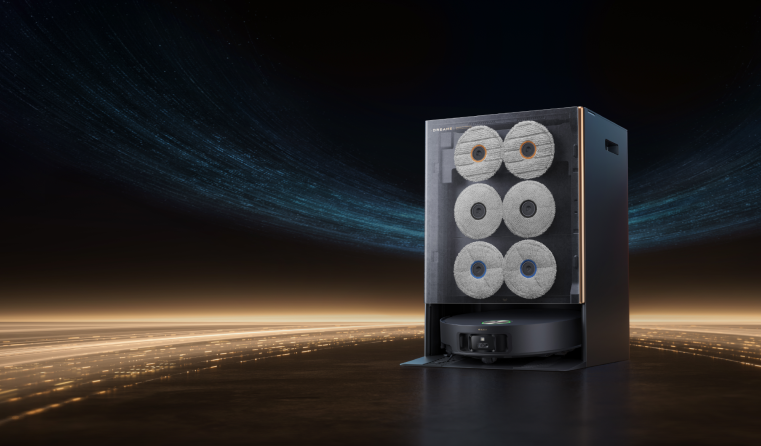
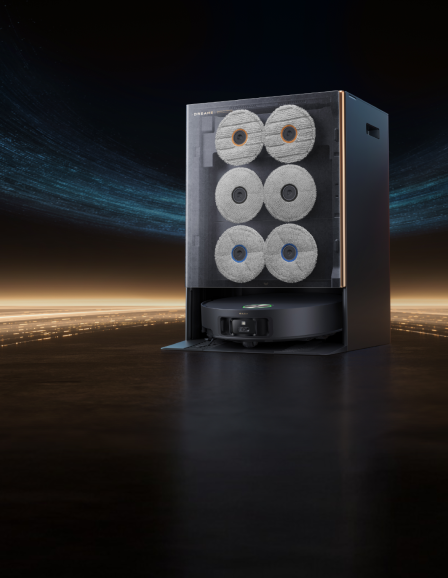
And at CES 2025, Dreame revealed its biggest leap yet: the Bionic Multi-Joint Robotic Arm™, built to move more like a human hand for superior reach.
With 785+ patents and products in over 21 million homes worldwide, Dreame is pushing the boundaries of vacuum tech for a smarter, more efficient future. [3]
Global Market Trends: What's Driving Growth?
Vacuum cleaners are changing fast around the world. The Asia Pacific region leads the global demand (about one-third of all vacuums), followed by North America. Canister vacuums remain the most popular choice due to their versatility in cleaning different floor types. But robot vacuums are growing quickly, especially as more people start using smart home devices.
Most vacuums still have cords, but cordless ones are catching up fast thanks to the long-lasting batteries. And instead of going to a store, more people buy vacuums online. It's easier to read reviews, compare features, and get the best deal delivered right to your door. [2]
What's New Through 2025?
Today's vacuums go far beyond simple suction:
Wi-Fi & voice control via Alexa or Google Assistant
Self-emptying models reduce manual maintenance
AI optimization learns cleaning habits and adapts routes
Eco-conscious designs lead in Europe, with some models using up to 49% recycled plastics
The future of vacuum is all about automation, efficiency, and sustainability—themes driving all home appliances forward.
How Did the Vacuum Cleaner Change Society?
The vacuum cleaner did more than clean floors:
Time-saving tech helped reduce household labor
Post-COVID-19 hygiene habits fueled demand for smarter cleaning
Online shopping transformed how people choose and buy appliances
Environmental awareness now influences how vacuums are built and marketed
This humble appliance now reflects wider trends in technology, health, and lifestyle.
Conclusion
From Daniel Hess's 1860 design to Dreame's Bionic Robotic Arm™ in 2025, vacuum cleaners have come a long way. What once required effort and noise now runs silently, learns on its own, and fits neatly into our daily lives.
As the global vacuum market heads toward $13.33 billion by 2030, the future looks smart, sustainable, and even more automated. Cleaning, once a chore, is now an intelligent part of modern living. [2]
FAQs
Q1: What types of vacuums are most popular today?
Canister vacuums remain the most common globally. Robotic vacuums are rapidly gaining popularity, while cordless stick and wet/dry vacuums appeal for their portability and multi-function use.
Q2: Why do people in the UK call vacuums 'Hoovers'?
"Hoover" became a generic term after William Hoover's early dominance in the vacuum industry. In the UK, people still say "hoover" the way many people in North America say "Google", as a verb based on a brand.
Q3: How did people clean before vacuums?
Before vacuums, people swept with brooms and took carpets outside to beat the dust out. It was time-consuming, messy, and exhausting, especially in urban areas.
Q4: Were there vacuums in the 1920s?
Yes, but they were luxury goods. Models like Hoover's with disposable bags and beater bars were available, though most families didn't own one until prices dropped after WWII.
Q5: What's the biggest innovation in 2025?
Dreame's Bionic Multi-Joint Robotic Arm™, shown at CES 2025, is a major step forward. It mimics human flexibility, allowing robotic vacuums to clean tight spaces like never before.
References
[1] Vacuum cleaner - Wikipedia
[2] Household Vacuum Cleaners Market Size, Share & Trends Analysis Report
[3] A Dream Unveiled in 2017 - Dreame
Spilled coffee again? And dragging out the heavy vacuum feels like more work than the mess itself? That's why portable vacuum cleaners have become increasingly popular nowadays.
A portable vacuum cleaner is changing the game—lightweight, compact, and easy to grab when you need it. Whether it's spilled cereal, pet hair, or car crumbs, this mini vacuum handles it fast without the bulk.
In 2024, the market was worth around $5.12 billion, and experts say it could reach nearly $9 billion by 2033. In simple terms, more and more people are turning to compact, grab-and-go vacuums to keep their homes clean without the bulk and hassle of traditional ones.
You don't need a massive machine for most cleaning tasks. And this guide will walk you through the world of small and mini vacuums.
3 Benefits of Mini Vacuums
1. They're Ridiculously Easy to Use
With much lighter weight than larger models weighing more than 10 lbs, you can use them for 15 minutes without breaking a sweat.
So that you'll actually USE them, instead of leaving them to gather dust for the inconvenience. They live on your counter, in your car, or tucked in a drawer. There's no assembly trouble, no cord hunting; you just pick them up and use them.
2. They Get Into Places Where Your Big Vacuum Can't
Ever tried vacuuming your car with a full-size vacuum? It's basically impossible. But handheld vacuum cleaners excel exactly where traditional vacuums fail miserably.
Your workspace becomes actually clean—between keyboard keys, around monitors, inside those mysterious desk drawer corners.
Your car interior finally gets the attention it deserves: cup holders, seat cracks, that black hole between the seat and console where everything disappears. The best mini vacuum for cars combines portability with specialized attachments designed specifically for automotive interiors.
3. They "Pay" for Themselves
Here's something many people don't know: mini vacuums can actually save you money.
Think about those cans of compressed air you buy to clean your keyboard. They usually cost $5 to $8 each and run out fast.
But a mini vacuum can:
Save on repeat costs — no need to keep buying compressed air cans
Lower long-term spending — one purchase works for years
Combine two tools — a vacuum and a blower in one device
In the long term, it saves you time and money.
How to Select the Right Mini Vacuum
Loving mini vacuums is easy. Choosing the right one? That's where it gets messy. Let's match features to a real-life mess.
Surface Analysis: Matching Power to Purpose
For Hard Floors and Smooth Surfaces
If you're cleaning tile, hardwood, or kitchen counters, you don't need super strong suction. A small vacuum with medium power (12–18 air watts) and a wide nozzle will clean well without using too much energy.
For Carpets and Fabrics
Carpets and couches hold onto dust more tightly. You'll need a vacuum with a spinning brush head that can lift dirt from deep inside the fibers. Look for one with 15–25 air watts of power and brush speeds of 3,000 RPM or more for the best cleaning.
For Electronics and Delicate Items
Cleaning computers, keyboards, or other sensitive devices? Go for a mini vacuum with adjustable suction and a blowing mode. These are gentle but still get the job done. Some even come with anti-static features to protect electronics from damage while removing dust.
Debris Classification: Engineering Solutions for Real Problems
For Pet Hair
Pet hair wraps around cheap brushes and clogs up the filter fast. A good vacuum for pet owners uses anti-tangle brushes that mix silicone and bristles to grab fur without getting stuck.
For Allergies
If your nose gets stuffy or your eyes get itchy at home, your vacuum might be part of the problem. Look for models with true HEPA filters, such as Dreame Z30 Cordless Stick Vacuum. This can trap almost all the tiny stuff floating in the air—dust mites, pet dander, even smoke.
For Mixed Messes
One day it's cereal on the floor, the next it's sand from someone's shoes. If you're cleaning up random messes all the time, go with a vacuum that has changeable nozzles and medium suction power. These flexible tools handle crumbs, dust, and grit without switching machines.
How You Clean: Match the Vacuum to Your Routine
Clean Daily?
If you like quick daily cleanups, go for a lightweight vacuum that charges fast. USB-C charging is handy and easy to use. A trigger-style button helps save battery since it only runs when you press it.
Clean Weekly?
If you do longer cleanups on weekends, you'll need a vacuum with a strong battery that lasts at least 25–40 minutes. A battery level display is useful so you know how much power you have left. A bigger dustbin helps too—you won't need to stop and empty it often.
Use for Travel or Car?
For the car or road trips, choose a small vacuum that's easy to pack. It should come with special nozzles for car seats and tight spaces. A carrying case and universal charging options will make it easier to use anywhere.
Use at Home?
Select a vacuum with strong suction, at least 20 minutes of battery life, and a mid-sized dustbin. A floor brush helps tackle everyday messes like dust, crumbs, and spills.
If you have pets, look for a motorized brush with an anti-tangle design and a washable filter. These features help remove fur from sofas, rugs, and pet beds without clogging the system.
Use at a Desk?
Look for a quiet vacuum that won't interrupt meetings or focus time. It should be small enough to store in a drawer and light enough for one-handed use. A soft nozzle helps clean keyboards, monitors, and bookshelves gently and safely.
How Much is a Mini Vacuum Cleaner?
Prices vary, but most mini vacuums fit comfortably into a small appliance budget. You'll find solid options whether you're spending $30 or $150, depending on features and performance.
Price Range
Typical Offerings
Under $30
Basic cordless minis (e.g., unbranded or small brands)
$30–60
Quality handhelds from known brands
$60–120
Feature-rich models with extra tools
$120+
Premium units with motorized brushes and HEPA filters
Types of Mini Vacuums
Before you buy, it helps to know what kind of mini vacuum suits your needs. Here are the three most common types and what they do best:
Portable / Handheld Vacuum Cleaners
These are small, easy-to-carry vacuums perfect for quick cleanups. You can use them on furniture, stairs, cars, or countertops. Many models are cordless and lightweight, which makes them great for daily use.
If you're not sure where to start, a handheld vacuum guide can help you pick the right one for your needs.
Mini Robot Vacuum Cleaners
These smart vacuums clean your floors on their own. Just set a schedule, and they'll sweep up dust and crumbs while you relax. Most are best for hard floors and low-pile carpets. Some even return to their dock to charge when the battery runs low.
Mini Wet and Dry Vacuum Cleaners
These vacuums can handle both dry messes and liquid spills. They're great for kitchens, bathrooms, or places with kids and pets. A good mini wet and dry vacuum can pick up crumbs, pet hair, and even small spills in one go.
5 Key Features to Consider for Mini Vacuums
And when choosing a small vacuum, it's not just about size, budget, and types. Paying attention to a few key features can help you find the one that truly fits your cleaning needs.
Suction Power
Look for a vacuum that balances strength and efficiency. Most small vacuums offer between 12 to 25 air watts, which is strong enough for daily use. Wet and dry vacuums may have slightly higher power to handle liquids and heavier messes.
Dustbin Capacity
A larger dustbin means fewer trips to empty it. For daily home cleaning, 200ml to 500ml is ideal. Smaller models made for desks or cars usually hold less but are easier to carry.
Filter Type
If you have allergies or pets, a HEPA filter is a must. It traps tiny dust and pet dander. Some vacuums also use multi-stage filters, and the best ones come with washable filters to save money and reduce waste.
Battery Life vs. Corded Options
Most mini vacuums today use lithium-ion batteries. They charge faster and last longer than older types. Battery-powered models usually run for 20–40 minutes per charge. Some offer removable batteries, which means you can swap them out for extended use. If you prefer no battery worries, corded options still exist but are less flexible.
Attachments
The right tools make a big difference.
Pets: Motorized brushes.
Office: Anti-static dusting brushes.
Car: Flexible hoses and narrow nozzles.
Home: Wide floor heads.
Comparison Table: Which Type is Right for You?
Feature
Small Handheld Vacuums
Small Robot Vacuums
Small Wet and Dry Vacuums
Suction Power
Medium (12–25 AW)
Low to medium
Medium to strong
Battery Life
15–40 minutes
60–120 minutes (auto-run)
20–35 minutes
Price Range
$30 – $150
$100 – $300+
$60 – $180
Best For
Cars, stairs, and small messes
Floor sweeping, daily dusting
Kitchens, bathrooms, and pet areas
Practical Uses for Mini Vacuums
If you already own a portable vacuum, see how far you can stretch its uses.
Everyday Cleaning Tasks
Mini vacuums are perfect for quick jobs you don't want to save for later. It can handle:
Toast crumbs on the counter
Pet hair on the sofa
Dust hiding in window tracks
Tight corners in your car
The keyboard is full of dust and crumbs
Unconventional Uses
And here are more creative ways other than regular uses:
Shoo away summer bugs: Use blow mode to gently push mosquitoes or flies off your desk, food, or baby gear.
Dry up wet spots fast: A short burst of air can dry kitchen counters, bathroom floors, or damp sneakers.
Cool off your face: Point the air at your face during skincare or makeup for a quick refresh.
Clean up candles and diffusers: Vacuum away old wax flakes or dried flower bits without spilling a thing.
Tidy up wrinkled clothes: Use warm air to smooth shirt collars or sleeves before a meeting.
Dust your indoor plants: Gently blow or vacuum the leaves to help them stay healthy and shiny.
Clear hair from bathroom corners: Those tricky strands near the tub or toilet? Gone in seconds—no bending needed.
Of course, there are even more creative uses to be discovered as you use it yourself.
Easy Maintenance Tips for Mini Vacuums
Regular care keeps your vacuum running like new and saves you from early repairs.
1. Clean the Filter
Wash every 3–5 uses
Let it dry fully before reuse
Replace disposable filters every 2–3 months
2. Empty the Dustbin
After each use
Rinse and dry to prevent odors
3. Charge the Battery Right
Recharge at 20–30%
Store at 40–60% if not using for a while
Don't overcharge
4. Check Performance
Weak suction?
Clean the filter
Check for blockages
Final Take
Mini vacuums aren't just for light messes—they're for life on the go. Whether it's a dusty keyboard, a spilled snack, or a furry couch, a good mini vacuum keeps your space clean without the hassle.
Choose one that fits your habits, your home, and your time. The right mini vacuum helps you clean more, stress less, and stay ahead of everyday messes.
Still sneezing even after you vacuum? This guide is for you.
You don't need to work harder- just smarter, with the right tools. Here's how to clean your home for better air and fewer allergy symptoms.
What Are the Most Common Allergens at Home?
You may not see them, but allergens are always around. Tiny things in your home can cause a lot of trouble. Some come from outside, while others are generated inside your house.
Dust mites: Small bugs that live in beds, pillows, and carpets—they love warm, damp environments.
Pet dander: Tiny skin flakes from your dogs or cats that float in the air and stick to furniture and clothes.
Pollen: Even if you don't have plants inside, pollen comes in through doors, windows, or on your clothes.
Mold spores: Mold grows in wet areas like bathrooms, basements, and kitchens. Spores travel through the air and can affect your breathing.
Cockroach droppings: Break into tiny parts and float in the air. They often show up in older buildings or city homes.
How Allergens Affect Your Body?
When you breathe in allergens, your immune system reacts. Allergens can cause:
Sneezing
Runny or stuffy nose
Itchy eyes
Coughing
Tiredness or poor sleep
For people with asthma, allergens can also cause serious breathing problems. That's why it's important to keep your home as clean as possible.
Can a Vacuum Help With Allergies?
Not all vacuums are the same. Some trap allergens, while others may actually make things worse.
The Right Vacuum Traps Allergens
A good vacuum pulls allergens out of carpets, sofas, and floors. But more than that, it keeps those tiny particles inside the machine. This helps stop allergens from going back into the air.
A strong vacuum with a sealed system and good filters can:
Remove dust mites from rugs
Catch pet hair before it spreads
Pull mold spores from corners
Stop dander from floating around
The Wrong Vacuum Blows Allergens Back Out
Many cheap vacuums push out dirty air through weak filters. Some even leak dust from cracks or the dustbin. That means you might clean the floor, but still breathe in the stuff you're trying to get rid of.
Bagged vs. Bagless
Bagged vacuums:
Keep the dust sealed until you throw the bag away
They are better for people with strong allergies
It costs more over time because you need to buy new bags
Bagless vacuums:
Use a dust cup that you empty and wash
They are cheaper to maintain
May let dust escape when you dump the bin
If you choose bagless, look for models with one-press dirt release and sealed dust cups, like the Dreame Z30 or Z20.
Sealed System vs. Open Airflow
A sealed system keeps all the air inside the vacuum. Dust and allergens go in, pass through the filters, and clean air comes out. No leaks. This is very helpful for people with allergies or asthma.
An open airflow system leaks air before it gets filtered, reducing suction and letting allergens escape. If you have allergies, a sealed system is essential.
Here is a simple comparison:
Feature
Sealed System
Open Airflow System
Air Path
Fully enclosed
Air can leak from gaps or weak seals
Filtration Efficiency
High
Lower
Allergy Protection
Strong
Weak
Indoor Air Quality
Improves
Can get worse
Ideal For
Allergy and asthma sufferers
General cleaning with no allergy concerns
Common in
High-quality vacuums (e.g., HEPA-certified models)
Budget or older models
For better air and better health, a sealed vacuum system is a smart choice.
Things to Look for in a Good Vacuum for Allergies
Not every vacuum can fight allergens. Some are strong but still miss tiny particles. Others may clean carpets well but spread dust back into the air. If you want real allergy relief, here are the key features to check before buying.
High Suction Power
Look for models with at least 5,500 Pa (120AW) pressure that can pull allergens from deep inside carpets, fabric, and mattress seams. The Dreame Z30 Cordless Stick Vacuum delivers 14,000 Pa (310AW) of suction power, one of the strongest in its class.
Sealed System
Always choose a vacuum with a sealed system. This keeps dirty air inside and pushes only filtered air out. It helps stop allergens from leaking back into your home. Cheap vacuums often skip this step, even if they have strong suction.
HEPA or Advanced Filters
Look for filtration that captures at least 99.9% of particles as small as 0.3 microns (μm). The Z30 uses whole-machine HEPA filtration with 99.99% efficiency, helping remove dust, bacteria, and airborne triggers from your space.
Anti-Tangle Brush Design
Pet hair and long human hair can clog brushes quickly. Choose vacuums with anti-tangle technology, especially if you have pets. This reduces the risk of allergens getting stuck and being released later.
Multi-Surface Brushes with Light
A good allergy vacuum works on all floors, like tile, carpet, hardwood, and uses light to show hidden dust. The CelesTect™ Light Technology in the Z30 reveals dust along walls, under beds, and in corners.
Easy-to-Clean Dust Cup and Tools
If you touch dust during cleaning, you're breathing it in too. Look for:
One-press dirt release
Removable dust cup
Washable filters and brushes
The Z30 has all of these features to simplify cleanup without spreading allergens.
Runtime and Battery
For cordless stick vacuums, runtime matters. To clean a space of 3,230 ft² (300m² ), the Z30 offers up to 90 minutes of use in eco mode, powered by an 8-cell, 3,200mAh battery.
Do HEPA Filters Actually Work?
Yes, a true HEPA filter can trap 99.97% of particles as small as 0.3 microns (μm), including pollen, pet dander, and dust mites. Without this level of filtration, tiny allergens can pass through the vacuum and return to the air.
Some vacuums, like the Dreame Z30, go even further. It uses whole-machine HEPA filtration with 99.99% efficiency at 0.1μm, offering extra protection for sensitive users. If you're serious about clean air, a real HEPA filter is one of the most important features to look for.
Our Top Picks of Allergy Vacuum Cleaners in 2025
Many vacuums claim to fight allergens, but only a few really do the job well. Below are four top choices for different needs. Each one offers strong performance and features designed to reduce allergy triggers in your home.
Recommended for Pet Allergies: Dreame Z30 Cordless Stick Vacuum
Price: $399.99
The Dreame Z30 Cordless Stick Vacuum combines 14,000 Pa (310AW) robust suction and whole-machine HEPA filtration (99.99% at 0.1μm) to remove pet dander and hair from floors and furniture. The CelesTect™ Technology reveals hidden dust, while the pet deshedding tool removes floating fur at the source. Its anti-tangle design keeps hair from clogging the brush. The Z30 runs up to 90 minutes and uses a removable 0.16-gallon dust cup.
Recommended Cordless with HEPA: Dreame Z20 Cordless Stick Vacuum
Price: $299.99
The Dreame Z20 Cordless Stick Vacuum offers 12,000 Pa (250AW) suction power and whole-machine HEPA filtration at 99.99% efficiency for particles ≥0.3μm. It features CelesTect™ Light Technology, a clean-to-edge roller brush, and a sealed system that helps reduce dust leaks. With a maximum runtime of 90 minutes and 8 x 2,850mAh battery, the Z20 supports long sessions on both hard floors and carpets.
Budget Option: Dreame R10 Pure Cordless Stick Vacuum
Price: $149.99
The Dreame R10 Pure Cordless Stick Vacuum provides 5,500 Pa (120AW) suction power, 60 minutes runtime, and 99.9% filtration efficiency. It is lightweight at 3.64 lbs (1.65 kg) and uses a lighted multi-surface brush to clean dark corners and under furniture. With washable components and quiet operation, it's ideal for smaller homes or first-time buyers.
Recommended for Carpeted Homes: Dreame X50 Ultra Robot Vacuum
Price: $1,399.99
The Dreame X50 Ultra Robot Vacuum features 20,000Pa Vormax Suction, a sealed system, and dual rotating brushes with detangling technology. It includes hot water mop cleaning at 176℉ (80°C), auto dust emptying, and smart mapping for precise room coverage. Designed for deep carpet cleaning, the robot lifts mop pads to protect rugs and detects different surfaces automatically. It runs up to 220 minutes on a full charge and supports homes up to 2,208 ft² (205m²).
Best for
Model
Suction Power
Filtration Efficiency
Key Features
Runtime
Other Specs
Pet Allergies
Dreame Z30 Cordless
14,000 Pa (310AW)
99.99% at 0.1μm (HEPA)
Anti-tangle brush, CelesTect™ dust detection, pet deshedding tool
Up to 90 min
Removable 0.16-gallon dust cup
Efficient HEPA Filtration
Dreame Z20 Cordless
12,000 Pa (250AW)
99.99% for ≥0.3μm (HEPA)
Sealed system, CelesTect™ Light, clean-to-edge roller brush
Up to 90 min
8 x 2,850mAh battery
Budget Option
Dreame R10 Pure
5,500 Pa (120AW)
99.9%
Lighted multi-surface brush, washable components, quiet operation
60 min
3.64 lbs (1.65 kg) weight
Carpeted Homes
Dreame X50 Ultra
20,000Pa
Sealed system
Hot water mop (80°C), auto dust emptying, dual tangle-free brushes, smart mapping
Up to 220 min
Covers 2,208 ft² (205m²)
Vacuuming Techniques for Allergy Relief
Having a strong vacuum helps, but using it the right way makes a bigger difference. A few small changes in your cleaning routine can reduce allergens around your home.
Vacuum Often. Dust and allergens build up every day, even if your floor looks clean. Try to vacuum high-use areas 2 to 3 times a week. Clean bedrooms, sofas, and rugs regularly, not just during allergy season.
Move Slowly for Better Results. Vacuuming too fast leaves behind dust. Slow down, and pass over each area more than once. This helps the vacuum pull out allergens hidden in carpet fibers and fabric.
Use the Right Attachments. Use floor brushes for large areas and smaller tools for tight spaces. A soft brush works well for shelves and furniture. Crevice tools help clean along walls and corners where dust collects.
Start High, Finish Low. Begin by dusting high places like shelves or ceiling fans. After that, vacuum the floor. This stops falling dust from undoing your work.
Empty the Vacuum the Right Way. Always empty the dustbin or bag outside your home. Do not dump dust into indoor trash cans. This helps stop allergens from going back into the air. If your vacuum parts are washable, clean them often with water and let them dry fully before using them again.
Bonus: Tips for Allergy-Free Homes
Vacuuming is only one part of allergy control. To feel better at home, you need a full plan. These extra steps help reduce triggers in the air and on surfaces.
How to Maintain Your Vacuum
A clean vacuum works better. If it's dirty, it can spread allergens instead of removing them. Follow these simple steps:
Check the filter every month. If it looks gray or dusty, clean or replace it.
Empty the dustbin before it gets full. A full bin reduces airflow and cleaning power.
Wash brushes and rollers. Hair and dust can block them. Use water and mild soap if the parts are washable.
Wipe the vacuum body. Dust can stick to the outside, too. A damp cloth works well.
A well-maintained vacuum keeps your air and floors cleaner.
How to Create a Cleaner Indoor Environment
Dust and allergens hide in many places. These tips help reduce them in your home:
Wash bedding weekly in hot water, at least 140°F (60°C)
Use pillow and mattress covers to block dust mites
Keep humidity between 40% and 50% to slow mold growth
Declutter surfaces, for less clutter means less dust
Remove shoes at the door to avoid tracking pollen inside
Clean curtains and rugs often, or replace them with washable ones
Vacuum upholstered furniture, not just floors
Air purifiers and humidifiers can also help. Use a purifier with a HEPA filter in bedrooms or living areas. A humidifier can balance dry air, but it must be cleaned often to avoid mold.
Clean Smart, Breathe Easy
Allergens don't leave on their own. They hide in your floors, fabrics, and even the air. But with smart vacuums with HEPA filtration and sealed systems, plus consistent cleaning habits, you can enjoy premium air quality in your home.
Looking for the right vacuum to reduce allergens at home? Explore Dreame's allergy-ready lineup and breathe easier every day.
Moving into a new home is both exciting and overwhelming. There's so much to do, and it's easy to forget small details along the way. But don't worry. This guide will take you step by step through what needs to be done before, during, and after the move.
Preparation Before Moving
Getting everything ready before your big move can save you time, energy, and unnecessary stress. There are multiple tasks to manage weeks before the moving day.
Two Weeks Before the Move
At this point, you should be focused on securing logistics and taking care of time-sensitive tasks.
Arrange Your Moving Method
A full-service moving company is a great choice if you prefer convenience. The company takes care of everything, including packing and transporting your belongings, but this comes at a higher cost.
Renting a truck is the most budget-friendly option. However, it requires physical labor, as you will be responsible for loading and unloading. Make sure to book the truck well in advance to avoid availability issues.
A moving container offers a balance between convenience and flexibility. You pack and load your items, and the company handles the transportation, making it easier than a DIY truck rental.
Labor-only movers can help if you have your own truck but need assistance with the heavy lifting. They will take care of packing, loading, and unloading, while you handle the transportation.
Sort and Purge
Go room by room and assess your belongings. Create piles to keep, donate, or sell. Items you haven't used in the past six months should probably be discarded or donated.
If you have furniture or other valuable items, list them for sale. Websites like Craigslist, Facebook Marketplace, or Poshmark are great for this.
Consider donating items you no longer need to local charities. Many will pick up large furniture or bulk items for free.
For items that can't be donated or sold, arrange for a junk removal service or drop them off at a recycling center.
Transfer Utilities
Call utility providers to arrange the transfer of services (electricity, gas, water, internet, trash, etc.) to your new address. Some services may require a deposit or advanced notice, so give them at least two weeks' notice.
Ensure the garbage collection service at your new home starts on the day you move in. If you're moving to a new city, check the schedule for trash and recycling days.
Check for HOA fees. If your new home is part of a homeowners' association, confirm your move-in date with them and arrange payment for any fees.
Notify Change of Address
Forward your mail to your new address. This can also be done in person at the post office. It can take up to a week for this change to be processed, so do it early.
Update your address with your bank, credit card companies, insurance, and any subscription services you have.
One Week Before the Move
By now, it's time to get into the final stages of preparation. You'll start to pack most of your things and confirm the details of your move.
Confirm the Moving Details
Double-check with the moving company or truck rental service to confirm time, place, and services. Reconfirm the number of movers or helpers and any specific instructions for the day of the move.
If there are specific items that require extra care (fragile items, large furniture, etc.), make sure to discuss them ahead of time.
Begin Packing Non-Essentials
Pack room by room. Start with items you won't need immediately, like books, extra clothing, or decorative items. Label each box by room so you can unpack more easily later.
If you have seasonal clothing or decorations, pack those early. You won't need them in the last week.
Use bubble wrap, newspapers, or towels to protect breakable items. Keep electronics and fragile glassware in separate boxes labeled "fragile" for easier handling.
Prepare a Moving Essentials Bag
Pack a bag with the essentials you will need during the first few days in your new home, including toiletries, medications, chargers, cleaning supplies, and a set of clothes.
Keep important papers, like your lease agreement, insurance info, and moving-related receipts, in a safe place.
One Day Before the Move
At this point, everything should be nearly packed, and you're almost ready to go. Now, it's time to take care of the final tasks that will make your move easier.
Disassemble Furniture
If you have furniture that needs to be disassembled, such as beds, bookshelves, or desks, do this the day before the move. Keep all screws, bolts, and assembly instructions in clearly labeled bags.
Use blankets, bubble wrap, or specialized packing materials to protect large furniture from scratches or damage during the move.
Clean the Old House
Do a final sweep of your old home to leave it in good condition for the next residents. This includes wiping down surfaces, vacuuming carpets, and cleaning the bathroom and kitchen.
Make sure all appliances (refrigerator, stove, microwave, etc.) are clean and unplugged.
Pack the Last-Minute Items
Essentials you'll need in the morning. These include kitchen items you may still need (like a coffee maker, mugs, etc.), toiletries, and any remaining clothing.
Stock up on snacks and drinks for your moving day. You'll appreciate having something quick and easy on hand.
Post-Move To-Dos
Once the moving truck has left, the real work begins: settling into your new home and making it your own. After all the packing and unpacking chaos, it's time to focus on making your space functional, comfortable, and truly feel like home.
Essential Items for a Comfortable New Home
At the very least, you'll need a bed for resting, seating for lounging or entertaining, and a table for dining or working.
Keep some basic cleaning products on hand for quick touch-ups as you unpack. You'll need things like multi-surface cleaner, disinfectant wipes, and paper towels.
Set up trash and recycling bins in each room to help keep things tidy while you go through the unpacking process.
Kitchen Essentials
Basic pots, pans, a frying pan, and cooking utensils like spatulas and tongs are essential for preparing meals.
A knife set, forks, spoons, and serving utensils will cover all your dining needs.
Make sure you have enough plates, bowls, glasses, and mugs to accommodate your everyday meals.
If you're a coffee or tea person, having this essential ready will make your mornings much easier.
Dish soap, sponges, and dish towels are a must to help keep everything clean as you cook and eat.
Bathroom Must-Haves
Toilet paper might seem obvious, but it's easy to forget. Make sure you have enough toilet paper for the first few days.
Keep a set of bath towels, hand towels, and washcloths on hand. Having extras is always a good idea.
If you haven't installed one yet, make sure you have a shower curtain to keep water from splashing out of the tub.
Don't forget essentials like shampoo, conditioner, soap, toothpaste, and toothbrushes.
Living Room Comforts
A sofa, some chairs, and side tables will help create a comfortable living area. A coffee table can add both function and style.
Ensure you have a TV, remote controls, and any other media players or devices you need for entertainment.
A vacuum cleaner or robot vacuum will help you tackle dust and debris, especially in high-traffic areas like the living room.
Bedroom Necessities
Sheets, pillows, blankets, and comforters are essential to make your bed as comfortable as possible.
A dresser or wardrobe will help keep clothes, shoes, and accessories organized. Closet organizers like hangers and storage bins are useful, too.
A bedside lamp or soft lighting creates a relaxing atmosphere for winding down.
If you're sensitive to dust or allergens, consider getting an air purifier to improve the air quality and promote better sleep.
Outdoor Items
Keeping your lawn neat and tidy is much easier with a lawn mower, especially during the growing season.
If you like gardening, make sure you have basic tools like a rake, shovel, or spade to keep your outdoor space looking good.
A table and chairs will help you enjoy your patio or deck. Add cushions and throws for extra comfort.
Cleaning Your New House
Before and after the move, cleaning is essential to get rid of dust, debris, and any lingering odors from previous residents or renovations. Here's your new house cleaning checklist:
Pre-Move Cleaning Tasks (Before Your Stuff Arrives)
Vacuum carpets thoroughly. A HEPA vacuum helps remove dust, pet hair, and allergens embedded in carpets and crevices. This is especially important if the previous occupants had pets.
Mop or wet-clean floors. For deep-cleaning tiled or hardwood floors, a wet-dry vacuum like the Dreame H14 is ideal. It uses 140°F (60°C) hot water and powerful suction to tackle sticky messes and renovation dust in one go.
Improve indoor air quality. If your home was recently painted or renovated, use an air purifier to remove paint fumes, construction dust, and volatile organic compounds (VOCs). Clean air is just as important as clean surfaces for your family.
Post-Move Cleaning Tasks (After You've Settled In)
Once you've unpacked the essentials, it's time to shift to regular maintenance and habit-building.
Set up a daily floor-cleaning routine. A robot vacuum like the Dreame X50 Ultra can handle everyday messes effortlessly. With 20,000Pa of suction power and an advanced navigation system, it tackles dirt on hard floors, carpets, and in tight corners, giving you one less thing to worry about while settling in.
Freshen up soft furnishings and high-traffic areas. Wash or steam clean curtains, rugs, and couch covers to remove dust from storage or transit. Keep your bathrooms and kitchens spotless with frequent wiping and mopping.
Helpful Resources
Once you've taken care of the basics, you can continue to keep everything organized and manageable with a few tools.
Recommended Apps for Home Organization
In the digital age, there are plenty of apps designed for home organization, moving logistics, and interior design. Read on to find a curated list of apps that can simplify your moving journey:
Home Design & Layout Apps
Roomstyler allows you to create 3D room designs by uploading your room dimensions and experimenting with furniture arrangements. It offers over 120,000 items from popular brands, enabling you to visualize your space before making any physical changes. This tool is especially helpful for those looking to plan their interior layout efficiently.
Autodesk Homestyler is a user-friendly application that lets you design and visualize your interiors in 3D. With over a million 3D models from brands like IKEA and Ashley, you can experiment with different design styles and layouts. Its AI tools assist in room scanning and design suggestions, making it ideal for both beginners and professionals.
Magicplan utilizes augmented reality (AR) and LiDAR technologies to create accurate floor plans by scanning your rooms. It's particularly useful for documenting existing layouts and planning renovations. The app also allows you to add photos, notes, and measurements to your plans, aiding in detailed project planning.
Task Management Apps
Todoist is a powerful to-do list app that helps you organize and prioritize tasks efficiently. It offers features like project creation, sub-tasks, labels, filters, and reminders, allowing you to manage both personal and professional tasks seamlessly. The AI assistant in the Pro version can help automate task management, enhancing productivity.
Microsoft To Do is a simple and intelligent task management app that integrates with Microsoft 365. It offers features like "My Day" for daily planning, task prioritization, and list sharing, making it easy to stay organized and collaborate with others.
Asana is a comprehensive work management tool that allows you to track project and task progress, share files, comments, and notes, and keep track of deadlines. It's designed for both individuals and teams, offering customizable views like lists, boards, and timelines to suit different workflows.
Moving & Inventory Apps
Sortly is an intuitive inventory management app that enables you to visually track all your items and their details, such as quantity, location, and condition. It supports barcode scanning, offline access, and customizable folders, making it ideal for organizing your belongings during a move.
Moving Organizer Lite helps you keep track of your boxes and their contents, including pictures and descriptions. It allows for quick searches, helping you locate and unpack items efficiently. This app is particularly useful for managing the chaos of moving and ensuring nothing is misplaced.
Tips from Experienced Homeowners
Learning from others can help make your move smoother and avoid common mistakes:
Don't try to unpack everything at once. Focus on the essentials, like the kitchen and bathroom, so you can settle in comfortably. Once those are done, tackle the rest of the house.
Don't stress about furniture layout. You can always rearrange later. Start with the basics and adjust as you get a feel for the space.
Set up a "welcome station" when you arrive. Stock it with snacks, drinks, and supplies you'll need right away to make unpacking more comfortable.
Label your boxes clearly with room names and contents. This will save you time and frustration when unpacking.
Pack an essentials bag for moving day. Include toiletries, a change of clothes, medications, snacks, and important documents so you don't have to search for them later.
Ask for help if you need it. Whether it's friends, family, or professionals, an extra pair of hands can make a big difference.
Bonus: New House Inspection Checklist
Category
Details
Inspect All Appliances
Test appliances like the fridge, oven, dishwasher, and washing machine. Ensure everything works properly.
Check Water Pressure
Turn on faucets and showers to check for adequate water pressure. Look for any leaks or slow drainage.
Security Systems
Test smoke and carbon monoxide detectors, check locks, alarms, and cameras. Ensure everything is functional.
Pest Control
Check for signs of pests (insects, rodents) and inspect entry points like gaps in windows and doors.
Foundation and Structure
Look for cracks in walls, uneven floors, or doors/windows that don't open properly. Check the foundation for issues.
Electrical System
Test outlets, switches, and light fixtures to make sure they work. Inspect the circuit breaker and wiring.
Windows and Insulation
Check window seals for drafts and inspect attic or basement insulation for any issues with energy efficiency.
Exterior and Landscaping
Inspect the roof, gutters, and downspouts for damage. Make sure landscaping slopes away from the foundation.
Whether you're spring cleaning, keeping up with daily cleaning, or moving home, having the right cleaning supplies makes removing stains, odours, and dust faster and easier. But the huge selection of products and brands makes it hard to know which ones to buy. To help you, we’ve compiled a checklist of cleaning products that will leave every room fresh, tidy, and clean.
After reading this guide, you’ll know which must-have household cleaning products are missing from your cupboard. You’ll explore the most powerful cleaning products and the eco-friendly options, too. And as an added bonus, you’ll get tips on which cleaning products work best for each room, as well as tips for organizing and disposing of your cleaning products.
Must-Have Cleaning Products for Every Home
To start, make sure you’ve got the basics, as some household cleaning products should be a permanent fixture in every home.
All-purpose cleaner
Disinfectant spray/wipes
Glass cleaner
Microfibre cloths
Scrub brushes
Broom and dustpan
Mop (spray or traditional)
Vacuum cleaner
Sponges and scouring pads
Rubber gloves
Toilet brush and bowl cleaner
Garbage bags
Paper towels or reusable rags
Eco-Friendly and Safe Household Cleaning Products
When stocking must-have household cleaning products, there is no reason they cannot be eco-friendly. Sustainable cleaning products are better for the environment, safer for children and pets (and adults too), and often just as unforgiving on dirt as synthetic chemical options.
Environmentally Friendly Household Cleaning Products
To find sustainable cleaning products, look for products labeled “biodegradable,” “cruelty-free,” or “made without phosphates or ammonia.” This way, you’ll ensure they’re not tested on animals and that they protect the planet, the atmosphere, and our wildlife. Some eco-friendly household cleaning product brands to consider include Seventh Generation and ECOS.
Non-Toxic Household Cleaning Products
Non-toxic household cleaning products may seem an obvious choice, but they are even more important if your household includes someone who likes to lick or chew surfaces (such as small children or pets). Check the ingredients in cleaning products for particularly strong chemicals, such as bleach or formaldehyde, and choose plant-based formulas where possible.
DIY Cleaners Using Household Items
Sometimes, an old natural trick or recipe from grandma really does work (and it can save you money, too). Some examples within cleaning include:
White vinegar is a natural disinfectant and deodorizer.
Baking soda can deodorize carpets, fridges, and drains.
Lemon juice removes grease and leaves a fresh scent.
Castile soap is a gentle cleaning agent.
Room-by-Room Cleaning Supply List
Each room in a house is subject to a different type of dirt. For example, a kitchen is more prone to grease, a bedroom to dust, and the bathroom to hair and hygiene product stains. Here’s a breakdown, with a cleaning supplies checklist for each room:
Kitchen
Degreaser spray and/or white vinegar cleaning solutions
Dish soap, sponges, and dishwashing gloves
Dishwasher tablets and dishwasher salt (if you have a dishwasher)
Stainless steel cleaner for pots, pans, and cooking appliances
Garbage disposal bags
Baking soda for cleaning the fridge and microwave
Disinfectant spray and cleaning cloths/paper towels
Floor mop and floor cleaner
A vacuum
Bathroom
Toilet bowl cleaner and toilet brush
Bleach-free shower and bathtub cleaner
Disinfectant spray or wipes
Mildew remover or hydrogen peroxide spray
Glass cleaner (your vinegar solution will work wonders here!) and cleaning cloths
Scrubbing brush for tiles and grout
Living Areas
Upholstery cleaner or spray foam
Wax spray or wood polish for wooden furniture
Duster and wiping cloths
Carpet cleaner and stain remover
Robot vacuum for constant automated cleaning
For the full list in an easily printable format that you can take to the store, consult the cleaning supplies checklist table further down this article.
Cleaning Tools That Make a Real Difference
Sometimes, even the right products won’t help us keep a clean and tidy home. Why? Because we don’t have the time. This is where cleaning tools can make a real difference to a working household. Below you’ll find the top household cleaning products to shake up your cleaning routine and slash your cleaning time in half.
Robot Vacuums
A robot vacuum can take care of routine cleaning for you. And the best part? It’s more accessible than ever. Robot vacuums like the Dreame X50 Ultra Robot Vacuum can map your home and run on a schedule, so your floors are cleaned when it works for you (so there’s no need to trip over your vacuum helper when carrying a much-needed glass of red wine to your white sofa). Robot vacuums are especially good for pet owners, as consistent cleaning can reduce dander and, thus, allergic reactions.
[product handle="x50-ultra-robot-vacuum" rating="4.7"]
Wet and Dry Vacuums
Using a traditional vacuum on a moist surface can result in the harboring of bacteria within the vacuum and even cause damage to the internal components; however, a wet and dry vacuum, such as the Dreame H15 Pro Heat Wet and Dry Vacuum, can tackle all surface types safely and efficiently. It also adds flexibility: you can tackle hard floors, entryways, and even bathroom messes without switching tools.
[product handle="h15-pro-heat-wet-dry-vacuum" rating="4.7"]
Cordless Vacuums
Cordless vacuums offer a neat and compact vacuum experience for easy cleaning around the home; however, it’s important to check that your cordless vacuum of choice has a good battery life before you purchase it. The Dreame Z30 Cordless Stick Vacuum’s compact design and sturdy battery make it a great option for daily touch-ups and for reaching those high-up places that are out of reach for a traditional vacuum.
[product handle="z30-cordless-stick-vacuum" rating="4.6"]
Technology in cleaning is constantly evolving with new tools designed to simplify and speed up this sometimes-mundane task. If you’re interested in learning how to choose the right automatic cleaning tools, we’ve got a guide for that, too.
Cleaning Supplies Checklist
To help simplify your shopping trip for cleaning products, we’ve compiled a household cleaning supplies checklist that is easily readable and printable. You could also stick it on the back of the cupboard door to encourage the other members of your household to do their bit!
Item
Use Area
Eco Option Available
All-Purpose Cleaner
All rooms
Yes
Glass Cleaner
Kitchen, Bath
Yes
Disinfectant Spray/Wipes
High-touch areas
Yes
Baking Soda
Kitchen, Bath
Yes (DIY)
White Vinegar
Kitchen, All rooms
Yes (DIY)
Lemon Juice
Kitchen, Bath
Yes (DIY)
Robot Vacuum Cleaner
All rooms
Energy-efficient
Mop/Wet & Dry Vacuum
Hard floors
Yes
Cordless Stick Vacuum
All rooms
Rechargeable
Microfiber Cloths
All rooms
Yes
Scrub Brushes
Bath, Kitchen
Yes
Trash Bags
All rooms
Compostable options
Toilet Bowl Cleaner
Bathroom
Yes
Dish Soap
Kitchen
Yes
Carpet/Upholstery Cleaner
Living Areas
Yes
Cleaning Supplies Organization and Disposal Tips
How to Organize Your Cleaning Closet
Use separate boxes or clean bags to separate your cleaning products by room
Label everything
Store sprays the right way up and away from heat and moisture
Where to Buy Household Cleaning Products Affordably
Bulk buying is usually cheaper, so head to warehouse stores like Costco
Buy your basics, such as gloves and scrubbers, at dollar stores
Retailers and online options often run strong promos on household essentials—watch for flyers and multi-buy deals.
How to Dispose of Household Cleaning Products Safely
Chemicals should NEVER be disposed of down drains or put in the trash
Take chemical products to your local household hazardous waste depot/program
Finish the product before recycling the container
For additional guidance on how to safely dispose of chemical cleaning products, consult your local municipality’s hazardous waste guidelines.
Where to Donate Unused Cleaning Products
Community centers and local shelters often accept unopened cleaning products
Ask at the local schools, places of worship, activity centers, and mutual aid groups
Bonus: What NOT to Mix When Cleaning
You may think that cleaning products are harmless, but remember that a lot of them are chemicals, and mixing them can cause strong (often unwanted) chemical reactions. Stay on the safe side and refrain from mixing the following ingredients:
Bleach and ammonia can cause toxic chloramine gas
Bleach and vinegar can cause chlorine gas
Hydrogen peroxide and vinegar can cause peracetic acid, which can burn your skin
Baking soda and vinegar placed together in a sealed container can cause a pressure buildup that can eventually blow up
Stay safe by always reading product labels and don’t mix anything unless the instructions specifically ask you to. After reading this, you may wonder, “Are household cleaning products dangerous?” They can be misused—handle them with care and keep chemical-based products out of reach of children.
Conclusion
Keeping a tidy home can feel overwhelming, but with a reliable checklist of top household cleaning products, it becomes much easier. In addition, today’s market means you can choose the cleaning products that align with your values (such as eco-friendly options) or the cleaning tools that will do the work for you (such as robot vacuum cleaners), meaning more clean surfaces with less stress.
Now that you’re armed with the right cleaning products for you, you’re ready to go pro. Read our blog to learn cleaning strategies, including how to clean your room efficiently, and how to take care of specialty surfaces, such as how to care for hardwood floors.
Mold is one of those sneaky problems that can go unnoticed at first, but it can quickly become serious if left untreated. Maybe it’s the musty odor in your laundry room or a suspicious smudge on the ceiling after a week of heavy humidity. Whatever the case, mold isn’t something to overlook.
This guide will walk you through how to clean mold in your house safely, completely, and with the help of the best tools and techniques to prevent future growth. Whether you’re tackling mold on drywall, behind the fridge, or along tile grout lines, these five steps will help you restore your home to a fresher, healthier state.
Signs of Mold in the House
Before you can clean mold, you need to identify where it’s hiding. Mold typically forms in warm, damp, and low-light environments. These conditions are common in bathrooms, kitchens, laundry areas, basements, and around poorly insulated windows.
Here are some warning signs:
Black, green, gray, or white patches on walls or ceilings
Persistent musty smells, even after cleaning
Peeling or bubbling paint or wallpaper
Sudden allergy symptoms or breathing issues that ease when you leave the room
Pro-tip Mold often hides in places you don’t see. Behind drywall, under flooring, or inside HVAC vents are common locations. If there’s a strong odor but no visible signs, a mold detection kit or a professional inspection may be necessary.
To get ahead of mold-prone messes, check out our guide on How to Clean Your Room Like a Pro in Just 1 Hour. It includes quick strategies to keep high-risk areas clean and dry.
Health Risks Associated with Mold
Mold is more than an eyesore. It can be a serious health hazard. According to the Centers for Disease Control and Prevention (CDC), mold exposure can cause a wide range of symptoms. People with allergies, asthma, or compromised immune systems are especially sensitive.
Common reactions to mold include:
Nasal congestion and sneezing
Chronic coughing or wheezing
Eye irritation or skin rashes
Fatigue and headaches
In some cases, long-term exposure to mold spores can cause more severe respiratory problems. That’s why using proper protective gear and following safe removal techniques is essential.
Preparing for Mold Removal
Cleaning mold safely requires planning. Mold spores can travel through the air during cleaning, so the goal is to contain them and reduce health risks.
What to Wear
A tight-fitting N95 or KN95 mask to avoid inhaling spores
Non-porous gloves to protect your skin
Goggles or safety glasses to prevent eye irritation
Long sleeves, pants, and clothing you can wash immediately after use
Pro-tip Place a portable air purifier with a HEPA filter in the room before and after cleaning. This helps trap airborne spores that may escape during the scrubbing process.
Cleaning Products for Mold Removal
Not every mold cleanup requires harsh chemicals. You can often use household staples to treat small patches of mold, especially if you catch it early.
Natural Mold Cleaners
White Vinegar: Spray undiluted and leave for at least an hour before wiping.
Hydrogen Peroxide (3%): Ideal for porous surfaces like drywall. Apply and leave it for 10 minutes, then scrub and wipe.
Baking Soda Paste: Combine baking soda with water to form a paste. Use this on grout and tight corners where mold lingers.
Important Never mix vinegar with bleach or ammonia. This creates a chemical reaction that produces toxic fumes.
Chemical Cleaners
For larger infestations or tougher surfaces:
EPA-registered mold removers
Diluted bleach (1 cup bleach per gallon of water) for non-porous materials like tile and sealed concrete
Isopropyl alcohol (70%) for electronics, tools, and smaller objects
Dreame Take A Dreame wet-dry vacuum is ideal for this process. It can remove moisture and debris in one go while sterilizing the brush head for sanitary reuse.
Step-by-Step Mold Cleaning Process
Step 1: Contain the Area
Open windows to allow airflow but close interior doors to prevent spores from spreading
Seal off vents, doors, and nearby furniture with plastic sheeting if cleaning a larger mold patch
Step 2: Apply Your Cleaner
Spray your chosen mold-killing solution onto the affected area
Let it soak for 10 to 60 minutes, depending on severity
Step 3: Scrub Gently but Thoroughly
Use a stiff-bristled brush or a sponge to scrub surfaces
A toothbrush works great for grout lines.
Scrub lightly on drywall to avoid damage
Step 4: Rinse and Wipe
Use clean water and a fresh microfiber cloth to remove the cleaner and any remaining mold
Rinse all cleaning tools thoroughly after use.
Step 5: Dry the Area Completely
Use a fan, dehumidifier, or a wet-dry vacuum to dry the surface.
Ensure the area is fully dry to prevent mold from returning
Pro Tip: The Dreame H14 Pro not only cleans and dries but also sterilizes itself on its docking base, preventing mold from building up inside the machine.
Want to learn how vacuuming helps protect the health of our loved ones at home? See our blog: How to Clean Carpet with Vacuum Cleaner.
Can You Clean Black Mold with a HEPA Vacuum Cleaner?
The answer is yes, but only if your vacuum includes a certified HEPA filter. Black mold is especially dangerous because it releases more potent spores. A HEPA vacuum traps these tiny particles, keeping them out of your air.
Best Uses for HEPA Vacuums During Mold Removal
After wiping or scrubbing, use a HEPA vacuum to clean nearby carpets or upholstery
Vacuum curtains, rugs, and other soft materials near the affected zone
Use it periodically in mold-prone rooms to reduce the buildup of spores
Pro-tip Use a HEPA air purifier alongside your vacuum to double your defense. This is especially helpful in bathrooms, basements, or closets with limited airflow.
How to Clean Mold Spores in House
Mold spores can float through your air and settle in other rooms. Cleaning visible mold is only half the job. Here’s how to get rid of residual spores:
Vacuum nearby upholstery, carpet, and drapes with a HEPA-filtered machine
Wipe all surrounding surfaces (floors, trim, walls) with soap and water
Use air purifiers to clean the air while scrubbing and afterward
Replace HVAC filters and have ducts cleaned if you suspect internal spread
Dreame Take Smart vacuums like the Dreame Z20 feature HEPA filtration and automatic dustbin emptying. This makes daily maintenance and spore removal nearly effortless.
For step-by-step tips on keeping your vacuum effective in mold-prone areas, check out How to Clean Vacuum HEPA Filters.
Post-Cleaning Measures and Prevention
Reinspect the Area
Look for discoloration, smells, or soft spots within 48 hours. Mold can regrow quickly in humid spaces if moisture wasn’t fully removed.
Tips to Prevent Future Mold Growth
Use dehumidifiers and fans in bathrooms and basements
Fix leaks, drips, or condensation problems as soon as they arise
Keep windows clean and open them for ventilation when weather permits
Vacuum floors regularly with a HEPA-equipped robot vacuum to reduce debris and moisture buildup
Store clothing, paper, and electronics in dry, cool areas
Pro-tip Use Dreame wet-dry or robot vacuums weekly in kitchens, laundry areas, and bathrooms to maintain cleanliness and control humidity through targeted zone cleaning.
Final Thoughts
Mold cleanup doesn’t have to be overwhelming. With the right tools, protective gear, and proactive steps, you can keep your home clean, dry, and mold-free. Don’t wait for mold to spread. Act quickly, use HEPA technology where needed, and stay consistent with maintenance.
Let Dreame help make your cleanup process safer and more effective, so your home stays fresh, healthy, and truly yours.