Cleaning a cooking oil spill on your kitchen floor can be tricky. Water and oil don't mix, so water-based cleaners won't do the job alone.
But no worries—there are some hacks that make it easy and quick to clean oil spilled on your kitchen floor.
Types of Cooking Oil Spills You Might Face
When oil hits the floor, speed matters most—but knowing what you’re dealing with can make cleanup easier. In a typical kitchen, that spill might be olive, vegetable, sunflower, coconut, peanut, or sesame oil. You might also be looking at melted butter or rendered animal fat. These behave differently: animal fats and butter are high in saturated fat, so they solidify as they cool and cling stubbornly to surfaces.
Plant-based oils stay liquid at room temperature, so they’re generally easier to blot and lift. The real challenge comes from oils exposed to high heat—like deep-fryer oil—which becomes thinner and seeps into the floor more quickly, making stains harder to remove. No matter the type, though, acting fast is the single most important step for preventing long-lasting damage.
First Response: What to Do Right Away
Contain the spill before it spreads:
Immediately use absorbents such as paper towels, corn starch or kitty litter to cover the spill and soak up as much of the oil as possible before it spreads or soaks into the floor.
Allow the absorbent to sit for 10 to 15 minutes.
Use a dustpan and broom or scraper to scoop up the saturated material.
After removing the absorbent material, apply a fine layer of baking soda or flour to the remaining oily patch to draw out any lingering oil.
Deep clean to remove residue once the oil has been absorbed. It's crucial to clean the area completely to remove any remaining substances that could make the floor a slippery hazard:
Degreasers: A simple and effective degreaser can be made with a mixture of dish soap and hot water. You can use a scrub sponge to break down oil molecules.
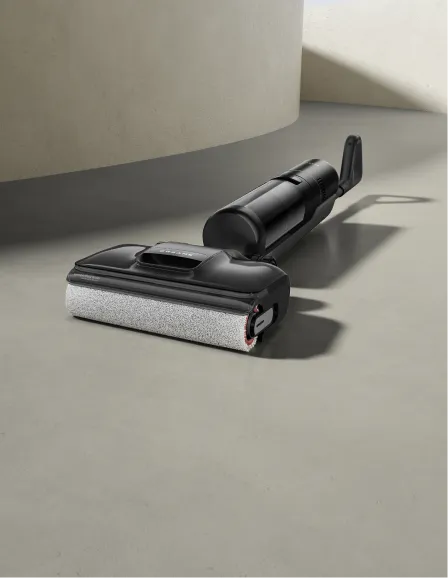
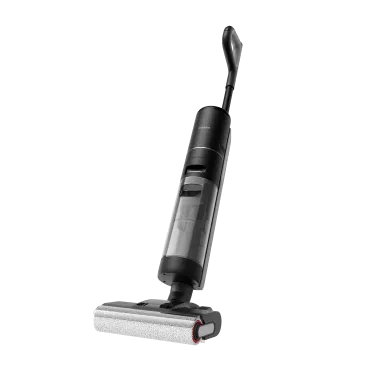
Follow up with advanced help such as the Dreame H15 Pro Wet and Dry Vacuum to lift remaining oil and sanitize with high heat.
Important Do not use water on a large, hot oil spill. This can cause the oil to splatter and create a burn hazard. If you have an oil-soaked cloth or rag, wash it separately to avoid contaminating other clothes.
Why a Wet and Dry Vacuum is a Breakthrough
Cleaning a cooking oil spill on the floor can be challenging, a wet dry vacuum provides a breakthrough. Unlike some appliances that might simply smear the oil around, each model in the Dreame Wet Dry Vacuum Collection uses powerful suction to lift liquid directly off a surface and then gives it a hot wash.
It's a game-changer because it removes the slick, hazardous oil in one pass, leaving you with a clean, non-slip surface with less scrubbing and paper towel waste.
The most effective response needs to consider not just the type of oil spilled, but also the surface it has been spilled on.
Surface-Specific Advice for Spilled Oil
Wood Floor
Blot up the excess oil, then use a wood-safe cleaner or a baking soda and water paste. Gently scrub along the wood grain.
Laminate
Dab the oil with a soft cloth to prevent spreading. A mild solution of dish soap and warm water is effective for a final wipe-down.
Concrete
Cover the spill with an absorbent material like cat litter. After sweeping it up, use a strong degreaser or detergent with water and scrub with a stiff brush.
Kitchen Tiles
Absorb as much oil as possible with paper towels. Use a solution of warm water and dish soap to easily cut through and clean the remaining grease.
Want to see more floor cleaning hacks? Go check our bolgs:
How to clean hardwood floors
How to clean wood floors
How to Clean and Mop Tile Floors
How to Clean Laminate Floors
How to Clean Marble Floors
How to Clean Grout on Tile Floor
How to Clean Linoleum Floors
Choosing Floor Cleaning Solution
Cleaning Options to Reach For
When you're faced with a greasy cooking oil spill on your kitchen floor, dish soap is a go-to for a reason: it is formulated to break down fats and oils, making it easier to rinse them away. It's gentle on most floor types and readily available, so it's a great first line of defense.
Degreasers are heavy-duty cleaners specifically formulated to tackle tough grease and grime. They're more powerful than dish soap and can make quick work of a large spill, but it's wise to check if they're safe for your specific flooring material to avoid any damage.
Vinegar is a popular DIY natural cleaner. Excellent for cutting through mineral deposits and disinfecting, it doesn't have the same fat-breaking power as dish soap or a degreaser. While a fantastic all-purpose cleaner for many things around the house, it's not the best choice for tackling a cooking oil spill. For that, you'll want to stick to a good dish soap or a dedicated degreaser.
The best backup to finish the job is some high tech help such as the Dreame H14 Wet Dry Vacuum that can clear and sanitize the floor in a few quick passes.
Smart Kitchen Habits to Reduce Spill Risk
Keeping cooking oil spills from happening in the first place is all about building some smart kitchen habits. One of the easiest things you can do is to never leave a pan of hot oil unattended. A moment of distraction is all it takes for the oil to overheat and start smoking, increasing the risk of a splash or a fire. Another simple tip is to use a deep pan or pot when you're frying to contain any splatters. And when it's time to dispose of used oil, let it cool completely before carefully pouring it into a sealable container instead of down the drain—which is a whole other mess to avoid. Small changes can make a big difference in keeping your kitchen floor clean and safe.
Pro-tip: Create an Emergency Spill Kit An emergency kit should include a few essentials: a bag of baking soda, cornstarch to soak up the oil; paper towels for initial blotting; degreasing dish soap for breaking down the oil and non-slip rubber gloves. Store everything in a labeled container in an cabinet so you can act quickly.
FAQ
Q: Can oil spills be cleaned fully?
Yes, a cooking oil spill can be fully cleaned from a kitchen floor with the right approach and a little patience. The key is to first absorb as much of the oil as possible with an absorbent material before using a degreaser or dish soap to tackle the remaining residue.
Q: Which cleaner works fastest?
Using an advanced appliance such as the Dreame H14 Pro Wet and Dry Vacuum is a fast and efficient way to clean up cooking oil spilled on the kitchen floor. It can suck up both the liquid oil and any absorbent material you've used in pre-treatment.
Q: Can I use a robot vacuum and mop?
They are no substitute for the hands-on actions described above, but some robot vacuum models can handle fresh spills that are not too greasy.
Shining and Safe
A cooking oil spill might feel like a sudden disaster, but with quick action, the right materials, and the proper tools, your floor can be restored to its clean, safe, and slip-free state in no time.
Dreame’s range of advanced cleaning appliances makes the process easier, delivering powerful, targeted performance to handle even stubborn messes. With the right partner in cleaning, you can keep your home looking beautiful—and safe—day after day.me.
Timber floors are timeless. They’re stylish, durable, and warm underfoot, but they can also lose their charm fast if not cared for properly. From sticky spots and muddy paw prints to dull patches and water damage, we’ve all experienced the pain of cleaning timber the wrong way.
In this guide, you'll learn how to clean timber floors step-by-step, discover the best supplies for each type, and uncover the cleaning mistakes that can do more harm than good. Let’s bring back that beautiful timber glow.
Why Timber Deserves Special Care
Timber floors are often the centerpiece of a home. They’re durable, allergy-friendly, and can last for decades when maintained properly. But unlike tile or vinyl, timber is naturally porous. That means it reacts to moisture, heat, and even cleaning chemicals.
Common risks with timber flooring include:
Warping or buckling from excess water
Surface scratches from debris or harsh bristles
Cloudy residue from the wrong cleaners
Long-term damage from oil spills or glue
In short? Treat it right, and timber will return the favor.
What Kind of Timber Floor Do You Have?
Before you start cleaning, it’s important to know your floor type. Different timber finishes have different needs.
Solid Hardwood: Natural timber planks with long-term durability. Typically sealed with polyurethane.
Engineered Timber: Plywood base topped with real timber. More water-resistant, but still sensitive to excess moisture.
Floating Timber Floors: Installed without nails or glue. Usually click-lock planks with a timber veneer.
We’ll explain how to clean each of these in detail later on.
What’s Best to Clean Timber Floors With?
The good news: You don’t need dozens of fancy tools. A few essentials and a solid routine are all it takes to keep timber gleaming.
1. Mop for Timber Floors
Can you mop timber floors? Yes—if you do it right.
Choose a flat microfiber mop that you can wring nearly dry. Avoid string mops that hold excess water. Always mop in the direction of the wood grain.
Dreame Take Try the Dreame L50 Ultra robot mop for hands-free cleaning. Its smart pathing technology ensures every inch of your timber floor gets cleaned while avoiding over-wetting. Perfect for daily upkeep without lifting a finger.
2. pH-Neutral Timber Floor Cleaner
Skip harsh cleaners or vinegar. Instead, use a pH-neutral cleaner designed for timber surfaces. These remove dirt without eating into the finish.
3. Vacuum for Timber Floors
Vacuuming is often better than sweeping. A quality vacuum, like the Dreame X40 Ultra Robot Vacuum, removes fine dust and grit that causes scratches.
Why it’s ideal for timber floors:
Soft roller brushes gently lift dirt without damaging the finish
Adjustable suction adapts to floor type to avoid wear
Anti-tangle design reduces clogging from pet hair or long debris
It vacuums and mops intelligently, saving you time and effort.
How to Clean Timber Floors: Step-by-Step Guide
Ready to get started? Here’s the best way to clean timber floors:
Step 1: Vacuum Thoroughly
Use a soft-brush vacuum head to lift dust, dirt, and crumbs. Be sure to reach under furniture and along baseboards.
Pro-tip Set robot vacuums like the Dreame L50 Ultra to clean while you’re out. With quiet operation and precise room mapping, it cleans thoroughly without disrupting your routine, making it ideal for busy households or pet owners.
Step 2: Mix Cleaner with Warm Water
Fill a bucket with warm (not hot) water and add a small amount of pH-neutral cleaner. Follow the dilution instructions.
Step 3: Mop Gently Along the Grain
Dip and wring your mop until barely damp. Mop in the direction of the grain to avoid streaks. Rinse and wring often.
Step 4: Spot Clean Stains Carefully
For sticky spots or stains, dampen a cloth with a diluted cleaner. Gently blot (don’t scrub), and always test in a corner first.
Step 5: Dry Immediately
Never leave timber damp. Dry it immediately with a microfiber cloth or dry mop.
Tips for Efficient Cleaning
A few smart tweaks make timber floor cleaning faster and help preserve that fresh, clean look. Here are some useful tips:
Clean up spills right away, especially liquids like oil, coffee, or wine.
Always vacuum before mopping to prevent debris scratching the surface.
Open windows or turn on fans after mopping to speed up drying.
Keep humidity levels at 40–60% to prevent gaps.
Use felt pads under chairs to reduce scratching during movement.
Adopt a shoes-off policy to reduce dirt and scratches.
Set a robot vacuum to clean multiple times per week for maintenance.
Pro-tip For deep cleaning, the Dreame H14 Pro Wet and Dry Vacuum tackles spills without overwetting. It combines powerful suction and controlled water flow to safely lift sticky messes or grime—perfect for preserving your timber floor's finish.
Cleaning by Floor Type
Each type of timber flooring needs slight adjustments during cleaning.
Floating Timber Floors
Avoid soaking the joints, as moisture can seep into the seams and warp the planks.
Use a nearly dry mop and vacuum with soft rollers.
A robot vacuum like the Dreame L50 Ultra is ideal thanks to its no-mop zones. It detects flooring type and avoids moisture-sensitive areas, so you get safe, daily cleaning without risking water damage.
Engineered Timber Floors
These are slightly more water-resistant but still sensitive to heat and chemicals.
Stick with microfiber mops and pH-neutral cleaners. Avoid vinegar, as it dulls the finish.
Use a wet and dry vacuum like the Dreame H14 Pro for deeper maintenance without damage. Its precise water control and reach remove hidden messes safely and efficiently.
Solid Hardwood
This type requires the most care. Water and steam can easily cause damage.
Vacuum daily with a soft-brush head, and mop with minimal moisture.
Refinish every 5–10 years, and use cleaners labeled for hardwood.
For deeper advice, check our full guide: How to Clean Hardwood Floors.
Common Mistakes to Avoid
Even with the right tools, small mistakes can still dull or damage timber floors. Here’s a table of common pitfalls and how to avoid them:
Mistake
Quick Fix
❌ Using too much water
✅ Wring mops until barely damp and dry floors immediately
❌ Skipping the vacuum step
✅ Vacuum first to remove debris that can scratch
❌ Using harsh chemicals or vinegar
✅ Stick to pH-neutral timber floor cleaners
❌ Leaving wet spots to air-dry
✅ Wipe with a microfiber cloth right after mopping
❌ Scrubbing stains aggressively
✅ Blot gently with a damp cloth and test first
❌ Using steam cleaners on timber
✅ Avoid steam entirely to prevent warping
Important Never steam clean timber floors, as moisture and heat can penetrate and damage the wood fibers.
How to Maintain Your Timber Floor
A clean timber floor is great, but long-term maintenance is even better. Here’s how to keep yours shining year-round:
Vacuum regularly with a robot vacuum like the Dreame L50 Ultra.
Avoid high heels or dragging furniture across the floor.
Add furniture pads and rugs in high-traffic areas.
Keep humidity between 40 and 60% to prevent shrinking or warping.
Use doormats at entrances to reduce tracked-in grit.
Dreame Take Want the best all-in-one tool? The Dreame H14 Wet and Dry Vacuum handles wet and dry messes on timber and sealed floors. Ideal for multi-surface homes, it handles sticky spills and daily dust without tool switching or extended dry time.
FAQs
Q: Can you mop timber floors?
A: Yes, but use a microfiber mop that’s barely damp, and dry the surface immediately.
Q: Can you steam clean timber floors?
A: No. Steam can warp or damage timber. Stick to pH-neutral solutions and minimal moisture.
Q: Can a robot vacuum and mop clean timber floors well?
A: Yes, especially if you use one with mop-exclusion zones like the Dreame L50 Ultra or Dreame X40 Ultra. They’re smart enough to vacuum without over-wetting your timber.
Q: What is the best way to clean timber floors?
A: Vacuum regularly, mop with a damp microfiber cloth, dry quickly, and avoid harsh chemicals or excess water. Check our full guide above for a step-by-step routine.
Conclusion
Timber floors can last a lifetime, but only if you treat them with care. With the right vacuum, gentle cleaners, and proper technique, you’ll enjoy a cleaner, brighter, and longer-lasting finish.
Dreame’s robot and wet and dry vacuums take the effort out of floor care, making it easier to protect your timber every day with smarter, safer cleaning.
Explore more of our expert guides for cleaning other floor types:
How to Choose a Robot Vacuum for Hardwood Floor
How to Clean Laminate Floors (and Fake Wood Floors) Without Damage
Choose smarter cleaning. Choose Dreame.
Dreame L40s Ultra is the latest flagship robot vacuum and mop combo from Dreame, offering top-tier cleaning performance and nearly hands-free maintenance. With a whopping 19,000Pa suction, advanced dual brushes, and an all-in-one self-cleaning base, it promises to tackle the trickiest messes, wet and dry, hidden in hard floor gaps or rugs. On top of the 100% detangling performance, it reaches tight corners using flexible mops and a side brush and clears obstacles up to 1.57in high.
In this in-depth review, we’ll examine how the L40s Ultra performs in real homes, its smart navigation and app features, upkeep costs, and whether its premium price is justified for first-time buyers and seasoned smart home enthusiasts alike.
Spoiler: if you’ve been dreaming of a powerful, self-cleaning robot vacuum that actually leaves floors spotless, this might be the one.
Hald Floors and Carpets Cleaning
Mixed floor cleaning is where the Dreame L40s Ultra truly shines. It’s equipped with Dreame’s 6th-gen TurboForce motor delivering up to 19,000Pa of suction – far above most models on the market– yet engineered to operate quietly even at high power. In our tests, this powerful suction translated to outstanding pickup on all surfaces.
On hard floors, the L40s Ultra collected nearly 100% of dust and debris in a single pass, leaving nothing behind even in tile grout lines. Its suction is strong enough to lift heavier particles like cereal and cat litter, and it automatically avoids scattering debris by modulating airflow.
Carpet cleaning is equally impressive. On short-pile carpets, the L40s Ultra’s HyperStream™ Detangling DuoBrush system (one bristled roll + one rubber roll) digs deep to extract dirt and debris without tangling. Our tests showed 0 tangles with hair up to 12 in (30 cm). On long-pile carpets, switching to “Intensive Carpet Cleaning” mode slows the robot for a double pass, delivering thorough debris removal. In our tests, a medium-pile carpet came out visibly refreshed, with 99.99% of embedded hair removed.
Edge and corner cleaning is another area where Dreame’s design shows its smarts. The L40s Ultra features Dual Flex Arm Technology, which basically lets it extend its side brush and mop pads outward to reach into corners and along wall edges that many round robots miss. The side brush sweeps debris out of corners effectively as the robot approaches edges head-on. Simultaneously, the two round mop pads can swing slightly beyond the chassis, so even wet scrubbing reaches baseboard edges. The result is minimal debris line left along walls – in our tests, the L40s Ultra picked up over 95% of dust in edges, a noticeable improvement over standard models with fixed brushes.
Brushes & Mopping System
Dreame includes all the necessary tools on the L40s Ultra for multi-surface cleaning. The main brush assembly is a dual roller (HyperStream DuoBrush) that actively prevents hair wrap. One roller has soft bristles ideal for hard floor crevices, and the other is a TPU rubber brush that excels on carpet – together they cover all floor types with low noise. For dry vacuuming, the side brush sweeps dirt into the suction path.
When mopping, the L40s Ultra uses two spinning mop pads that press down on the floor to scrub away dried stains. These mop pads automatically lift 0.41 in (10.5 mm) off the ground on carpets so your rugs stay dry.
If you’re tackling a wet spill on hard floor, you can remove or disable the pads and let the vacuum’s brush do its work – the robot will lift its side brush out of the way to keep it dry and free of gunk. This separated wet/dry approach (vacuum-only vs. mop-only mode) is a thoughtful touch that protects the machine and your floors.
We compiled a quick overview of how the L40s Ultra performed across different scenarios:
Surface
Mode
Brush/Mop Used
Result (Pickup/Cleanliness)
Hard floors
Standard suction
DuoBrush + side brush
~100% of dust and crumbs removed → no scattering. Sparkling finish with mopping.
Short-pile carpet
Auto Boost + Mop Lift
DuoBrush (bristles + rubber), mop lifted
Deep clean, dirt and pet hair fully extracted. No dampness on carpet thanks to 0.41 in mop lift.
Long-pile carpet
Intensive Carpet Mode
DuoBrush (mop removed)
Excellent debris pickup. Recommended to detach mops to ensure thorough vacuuming.
Edges & corners
Edge mode
SideReach™ extending side brush, mop extend
Nearly all debris in corners captured. Minimal residue along baseboards.
Wet spill on tile
Mop-only mode
Twin spinning mops (167°F hot water)
Sticky dried spill completely scrubbed off. No brush contamination (side brush lifted).
Bath rugs / entrance mats
Vacuum-only or bypass
DuoBrush
Option to vacuum and remove debris, or skip cleaning to cover more areas quickly. Prevents overwetting and extends mat life.
Yoga / play mats
No-mop / vacuum-only mode
DuoBrush
Avoids overwetting to prevent odor/mildew. Maintains mat hygiene without moisture damage.
Navigation & Smart Mapping
L40s Ultra quickly maps your home using laser mapping (it can save up to 4 floor maps), and it adeptly identifies and navigates around common obstacles like furniture legs, toys, and cords in real time. Navigation is handled by Dreame’s Pathfinder™ LiDAR system, paired with a 3DAdapt™ obstacle avoidance sensor.
This model forgoes an RGB camera in favor of a single-laser 3D structured light sensor on the front. This sensor projects infrared light to “see” objects in 3D. In our experience, it works remarkably well: the robot slows down and bypasses shoes, pet bowls, and even stray socks on the floor. You won’t get pet waste recognition without a camera, but the upside is that the L40s Ultra can clean in complete darkness (great for overnight runs) using lasers and IR alone.
The accuracy of mapping is excellent: the generated floor plan in the app was precise, allowing us to set reliable no-go zones and room dividers. After the first mapping run, it never mistakenly bumped into marked no-go areas.
Threshold Climbing
A standout feature is Dreame’s new EasyLeap™ system for obstacle climbing. This robot has 4-wheel drive: two main drive wheels plus two front “auxiliary wheels” shaped like little claws. Working together, these allow the L40s Ultra to climb thresholds up to 1.57 in (40 mm) high – far higher than most robo vacs manage.
It handled transitions like thick rug edges and even sliding door tracks without getting stuck. We watched it go over a 0.6in (15mm) tall door saddle effortlessly. If you have raised room dividers or older home layouts, this is a big plus.
Maintenance & The Self-Cleaning Dock
One of the L40s Ultra’s biggest advantages is its all-in-one “8-in-1” Smart Multifunctional PowerDock™, which handles almost all the dirty work:
Automatic dust emptying: After each run, the dock vacuums debris from the robot into a 0.85 gal (3.2 L) bag, good for up to ~100 days. Suction is strong enough to pull fine dust from the filter, and the new dustbin captures 90% more dust per pass than prior models. Emptying is quick (~10s) though loud, and afterwards you simply toss the sealed bag when full.
Water refilling & solution mixing: The dock houses two water tanks (1.19 gal clean, 1.06 gal dirty). The dock can refill the robot’s water tank on the fly, so the L40s Ultra mops large areas without stopping for you to manually add water. It also automatically adds floor cleaning solution in measured doses. The solution helps sanitize floors and break down grime.
Mop self-washing with Hot Air: After mopping, the L40s Ultra scrubs its pads on a textured AceClean™ DryBoard with 167°F (75°C) water, then pumps waste into the dirty tank, achieving a 99% stain removal rate. An automatic hot-air cycle dries the pads within hours, preventing mildew or odors.
Self-maintenance features: Dreame tries to minimize user upkeep. The dock periodically flushes its own pipes and has a scale inhibitor to reduce hard water buildup (useful if you have mineral-rich water). It also supports an optional water line hookup: you can connect the base to your home’s water supply and drain, so it will auto-refill clean water and auto-drain the dirty water without you ever touching the tanks. This kit is sold separately, though, and most people will be fine just refilling the tank every few days.
Are There Any Long-term Costs? Main consumables are the 0.85-gal dust bag, mop pads, and HEPA filter. Bags last about 3 months (3–4 per year) and are inexpensive. Mop pads are washable and can last over a year with heavy use. The HEPA filter can be rinsed but should be replaced annually. Upkeep is modest compared to traditional vac+mop setups, with weekly tasks limited to topping up clean water, adding solution, and emptying the dirty tank.
App Experience & Customization
The Dreamehome app (available for iOS/Android) is your command center for the L40s Ultra. Setting up the robot via the app was straightforward – you scan a QR code on the unit and it connects to Wi-Fi in seconds. In the app, you can view a live map of your home, split it into individual rooms, and rename those rooms however you like. The level of control and customization is excellent:
You can set cleaning schedules (e.g. vacuum the living room and kitchen every morning at 9 AM, mop the foyer every other day in the evening, etc.).
The app allows room-specific settings. You can set the L40s Ultra mop the kitchen with high water flow and two-pass scrubbing, while vacuuming the carpeted bedrooms with extra suction but no mopping.
No-Go zones. If you have areas you want it to avoid (like pet feeding areas or a cluttered play corner), drawing these on the map is easy and very precise thanks to the accurate mapping. The robot respected these zones perfectly, which is reassuring.
Customized cleaning modes. Through the app, you can choose from Quiet, Standard, Strong, and Turbo suction levels, and four mopping modes (from gentle to deep scrub with hot water). There’s even a setting for Intensive Carpet Cleaning (the robot will slow down and do a double vacuum on carpets) and Suction Boost toggle for carpets.
Notifications and alerts: The app will alert you when the dust bag is full or water is low, etc. You also get notified if the robot gets stuck (which, in our case, never happened during testing). The L40s Ultra even uses voice alerts; it speaks in a friendly voice when it starts cleaning, returns to dock, or if it encounters an issue.
Integration with smart assistants is supported too; it's compatible with Amazon Alexa, and Google Assistant. The app’s interface is clean and intuitive, a plus for first-time robot owners. Each feature has little info tooltips explaining what it does, which helps in understanding things like “Mop drying time” or “Edge clean” options.
Noise Levels – Quiet or Not?
In Quiet mode, we measured the sound at roughly a gentle 55 dB – about the level of a normal conversation in the next room. In this mode, it’s unobtrusive and could run at night if needed (especially since its obstacle avoidance doesn’t need lights).
Standard mode bumps it up to around the low 60s dB, still quite tolerable – you’ll know a vacuum is running, but you can watch TV or talk over it.
In Turbo (Max) for deep cleaning, we noted about 70–72 dB right at the vacuum, which is loud but not surprising given the power (a typical upright vacuum is 75+ dB). The robot uses Max power only when necessary (like on carpets or very dirty spots) and for short durations.
One nice touch: The dual-brush system runs quietly, avoiding the high-pitched whine common on hard floors.
The dock’s dust-emptying is loud (~80 dB) but lasts under 15 seconds, while mop washing/drying are much quieter. You can schedule self-cleaning for when you’re out.
In summary, the L40s Ultra is apartment-friendly in terms of noise.
Battery Life
On a full charge, the L40s Ultra can clean for up to 220 minutes (over 3.5 hours) in quiet vacuum mode. That means it could vacuum and mop an entire large house (up to ~3,000+ sq ft) on one charge, especially since it returns to base to reload water as needed. Even in a balanced “Standard” mode, expect around 2 to 2.5 hours of runtime, which covers ~1,800 sq ft main level with battery to spare. If you live in a smaller space like an apartment, battery life is a non-issue.
For mixed cleaning (vacuuming and mopping with higher suction bursts on carpet), you get around 140–160 minutes per charge, which is still excellent. And if the battery does run low mid-job, the Dreame L40s Ultra will perform “Recharge and Resume”: it drives back to the dock, charges up to an adequate level, then continues cleaning right where it left off.
Charging is 30% faster than previous-gen Dreame models. From empty to full takes roughly 4 hours. Energy efficiency is worth touching on: despite its large battery, the L40s Ultra uses only a few kWh per month—even with daily cleaning and hot drying—adding just $1–$2 to your electric bill. That’s minimal for a device replacing both a vacuum and a mop.
Price & Value
The Dreame L40s Ultra comes in at a premium price of $1,399.99 MSRP. There’s no sugar-coating that this is a significant investment – it’s in the upper echelon of robot vacuum pricing, on par with other flagship “vacuum and mop with auto-clean dock” models on the market. The question is, do the features and performance justify the cost?
[product handle="l40s-ultra-robot-vacuum" rating="4.5"]
For tech enthusiasts or those with large homes, the value is definitely there. You are essentially getting several appliances in one: a top-of-the-line vacuum, a floor mopping robot, an automated vacuum dirt bin, a mop washer, and even a part-time air dryer (with the mop drying functionality). If you tried to assemble a similar setup piecemeal, you’d either spend more or end up with a lot more hassle. The L40s Ultra truly takes over the daily floor cleaning routine. There’s a convenience factor here that, once you experience it, is hard to give up.
For pet owners and allergy sufferers, the L40s Ultra’s value is even higher. The high suction and tangle-free dual brushes mean it picks up pet hair and dander exceptionally well, and the auto-empty base seals the dust in a bag so it doesn’t puff back into your air. The hot water mop washing also ensures any bacteria from pet messes on the floor are cleaned off the pads hygienically. If you have multiple shedding pets or messy toddlers, this robot can be a game-changer for keeping up with the constant dirt.
If you live in a small space or on a tight budget, Dreame offers several models in the L40 lineup that forego some of the luxury features like the mop washing or the extreme suction.
The L40s Ultra is priced competitively for a flagship 2-in-1, often undercutting rivals with less suction or no hot water mopping. Solid build quality, a 3-year US warranty, and all-in-one performance make it a strong long-term value.
Value verdict: For those who will utilize its full capabilities, the Dreame L40s Ultra is worth every penny. It’s an investment in a cleaner home and free time gained.
Final Verdict
The Dreame L40s Ultra is a dream come true for clean floors. It delivers an exceptional blend of raw cleaning power, intelligent features, and true autonomy. After living with it, it’s hard to imagine going back to vacuuming and mopping manually – or even to a simpler robot that still needs frequent intervention. This unit genuinely takes care of itself and keeps your home tidier on a daily basis than most people could manage on their own. It’s particularly well-suited for:
Large homes: The huge battery life, fast mapping, and ability to empty and refill itself mean it can handle big cleaning areas, multi-level layouts, and long cleaning sessions with ease.
Pet owners: If you have dogs or cats, the L40s Ultra will make your life easier. It handles pet hair without tangling, cleans up tracked litter or kibble, and even mops away paw prints and the occasional accident.
Busy families & professionals: Anyone with a hectic schedule will love the “set it and forget it” nature of this robot.
Tech aficionados: If you appreciate smart home tech, this robot will satisfy your cravings with its high-end specs and integration options. It’s on the cutting edge.
Dreame set out to build an ultimate robot vacuum and mop, and they pretty much nailed it.
Pros & Cons
To wrap up, here’s a quick summary of the L40s Ultra’s strengths and areas for improvement:
Pros
Exceptional cleaning power
Over 3 months hands-free maintenance
Smart mapping and multi-floor memory
Great for carpets and pets
3-year warranty
Cons
Premium price
Larger dock size
No onboard camera
A slight learning curve
At the end of the day, the Dreame L40s Ultra fulfills the promise of a nearly fully autonomous floor cleaning robot. It vacuums, it mops, it cleans its own mop, empties its own dustbin, and navigates adeptly around your home. For those who demand the best and want to delegate the drudgery of cleaning, the L40s Ultra is a fantastic choice. We highly recommend it for its target users – it may very well be the robot vacuum and mop that sets the bar for 2025.
Ready to upgrade your cleaning routine? You can learn more or purchase the Dreame L40s Ultra on the official product page – your future spotless floors will thank you!
FAQ: Dreame L40s Ultra Robot Vacuum and Mop
Q: Is the Dreame L40s Ultra worth it?
A: Yes, if you want hands-free cleaning. It vacuums, mops, empties dust, and washes its mop automatically. For small homes or lower budgets, cheaper Dreame models are fine, but the L40s Ultra’s powerful suction, auto-emptying, mop washing, and premium build justify the cost.
Q: How well does the L40s Ultra handle pet hair and messes?
A: Excellent. Dual brush rolls remove hair without tangling (lab tests: 100% removal, no clogs). Strong suction handles cat litter or kibble, hot-water mopping tackles accidents, and the dock seals hair/dander in a dust bag for allergy relief.
Q: Does it work well on carpets and rugs?
A: Yes. Ultrasonic sensors detect carpets and boost suction to 19 kPa. Mop pads lift 10.5 mm to avoid wetting, and it cleans low- to medium-pile rugs effectively. For high-pile rugs, remove mop pads or set “vacuum only” zones.
Q: What maintenance is needed?
A: Refill clean water and empty dirty water weekly. Replace dust bag every ~3 months, clean filters and mop pads when prompted, and wipe sensors/check brushes monthly. Hair rarely tangles, but Dreame includes a cleaning tool for threads.
Q: Does the Dreame L40s Ultra integrate with smart home systems?
A: Yes, it supports third-party voice control and smart integrations. It's compatible with Alexa, Google Assistant, and Siri Shortcuts for voice control. The Dreamehome app provides full control and cleaning notifications.Overall, it plays nicely with a connected home but doesn’t require it – you can always control it via the app or the button on the unit itself if you’re not into voice commands.
Cleaning your house can feel like a never-ending task, especially when life is busy. Between work, family, pets, and everything else, it’s easy to fall behind or feel overwhelmed. But you don’t need to scrub for hours to get results. With the right approach and smarter tools, you can clean efficiently and thoroughly without sacrificing your weekend.
Let’s dive into expert-backed strategies to make cleaning faster, easier, and more satisfying.
Essential Cleaning Tools to Use
Before you start your routine, gather the tools that will make your cleaning faster and more effective. Professionals know that the right gear isn’t just about power, it’s also having everything you need within reach, from quick dust-ups to deep cleaning sessions.
Your go-to toolkit should include:
Manual Tools
Microfiber cloths (great for dusting, wiping, and streak-free finishes)
Extendable duster (for ceiling fans, vents, and tall furniture)
Scrub brush and old toothbrush (for grout, sinks, and tight corners)
Toilet brush
Rubber gloves (to protect your hands from chemicals and grime)
Garbage bags and a donation box (decluttering is half the battle)
Baking soda and vinegar (natural, multi-purpose cleaning staples)
Glass cleaner and multi-surface spray
For those who prefer a more natural approach, these DIY homemade floor cleaner recipes offer safe, effective alternatives to store-bought solutions.
Electric & Specialty Tools
Cordless vacuum (for everyday debris and floor care)
Wet dry vacuum or mop (for handling both wet and dry messes)
HEPA air purifier (to keep indoor air fresh and reduce allergens)
Pro Tip: Keep your most-used supplies in a portable caddy or bin so you can move from room to room without stopping to hunt things down.
Room-by-Room House Cleaning Checklist
Cleaning your entire home doesn’t have to feel overwhelming. Think of your house in zones. When you break tasks down room by room, it’s easier to stay on track and build a routine.
Living Room
Dust high and low surfaces. Pay attention to ceiling fans, shelves, and baseboards. Wipe down electronics with a microfiber cloth. Finish by vacuuming the floor and under the furniture.
Bedroom
Start by stripping the bed and tossing linens into the laundry. Dust nightstands, headboards, and dressers. Don’t forget to clean behind the furniture, then vacuum or mop the floor.
Kitchen
Clear and wipe down countertops. Clean the sink with disinfectant and degrease stove areas. Finish by mopping or vacuuming the floor. Take out the trash and disinfect the bin.
The Dreame L50 Ultra vacuums and mops in one go, navigating tight spaces and corners for a fully automated clean. It’s perfect for daily upkeep in high-traffic areas.
Bathroom
Disinfect the toilet, sink, and shower or tub. Use a scrub brush on grout lines and corners. Clean mirrors with a streak-free solution. Finally, sanitize handles and light switches.
Entryways and Hallways
Wipe down doors and light switches. Shake out rugs and sweep or vacuum floors.
When you take a systematic approach to each space, you’ll get better results and avoid the temptation to skip steps. Most importantly, finish one room before moving to the next.
Create Your Cleaning Plan
The difference between a rushed job and a professional-level clean often comes down to having a solid plan. Here’s how to structure your workflow like a pro.
Use this simplified visual checklist as a guide:
Room
Tasks
Focus Areas
Entryway
Remove shoes, sweep, sanitize handles
Doormat, handles, visible scuffs
Living Room
Dust, clean surfaces, vacuum/mop
Couch cushions, under furniture
Kitchen
Degrease, wipe, disinfect, clean floors
Countertops, sink, appliances
Bathroom
Disinfect, scrub, polish surfaces
Toilet base, faucet, shower grout
Bedroom
Dust, vacuum, change linens
Under bed, windowsills, lamps
Air Quality
Replace filters, vacuum vents
Bedroom and living room zones
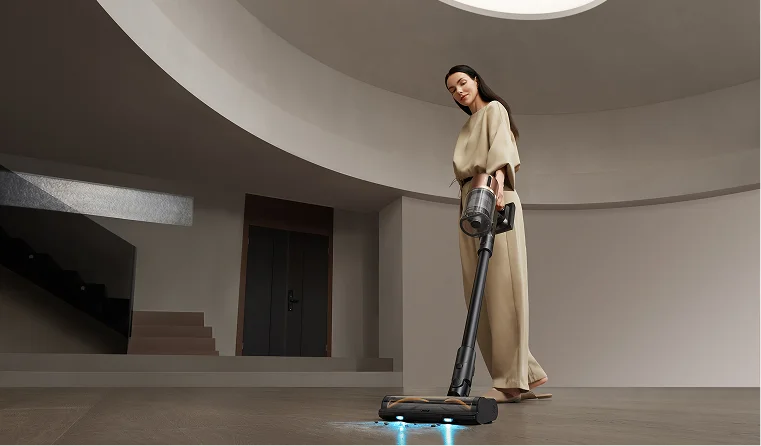
The Dreame Z20 features powerful suction and an illuminated soft-roller brush that lifts dust and debris right up to baseboards for a truly edge-to-edge clean.For extra help maintaining clean air, especially in homes with pets or allergies, a high-efficiency purifier like the Dreame Air Purifier PM2.0 quietly filters out fine dust, dander, and airborne bacteria so your space not only looks clean, but feels healthier too.
How to Clean Your House Fast and Efficiently
Sometimes you don’t have hours to spare. Whether guests are on the way or life just feels chaotic, speed cleaning can be a lifesaver.
Here’s how to clean fast without cutting corners:
Declutter First
Spend five minutes picking up items from the floor and surfaces. Put dirty dishes in the sink or dishwasher, and toss out any obvious trash.
Set a Timer
Give yourself a strict deadline for each task. For example, 10 minutes for the bathroom and 15 for the kitchen. Race the clock to stay focused.
Start with What’s Visible
Wipe counters, fluff pillows, and clean anything guests will immediately notice. If you can squeeze it in, run the vacuum or mop in high-traffic areas only.
Use Multitasking Products
Choose cleaning sprays that work on multiple surfaces and tools that clean as they go. Wet dry vacuums like the Dreame H15 ProHeat vacuum and mop in one pass while breaking down tough stains with heated water, cutting your cleaning time in half.
Work in Sections
Instead of jumping between rooms, focus on one small zone at a time. A clean corner is better than half-cleaned chaos.
Deep Cleaning Essentials
Deep cleaning goes beyond everyday maintenance. It targets buildup in places you rarely look, such as behind the fridge, under the couch, and inside appliances.
The key difference between regular and deep cleaning is attention to detail. You’re not just wiping visible dirt; you’re tackling grime, bacteria, and allergens where they tend to hide.
Here are a few examples of what deep cleaning includes:
Washing baseboards and walls
Cleaning inside the oven and refrigerator
Descaling faucets and showerheads
Shampooing rugs and upholstery
Scrubbing tile grout and resealing if needed
Schedule a deep cleaning session every month or quarter, depending on how fast your home gets messy.
How to Keep Your House Clean
Once your home is clean, the next challenge is keeping it that way. A maintenance routine helps prevent messes from piling up and makes deep cleaning easier down the line.
Here’s a simple task list to keep your home in shape:
Daily🗹 Make the bed🗹 Wipe kitchen counters🗹 Wash dishes or load dishwasher🗹 Do a 10-minute tidy before bed
Weekly🗹 Vacuum and mop floors🗹 Change bed linens🗹 Sanitize high-touch surfaces🗹 Take out all trash and recycling
For easy weekly upkeep, the Dreame Z30 delivers robust 310 AW suction, edge cleaning, smart dirt detection, and pet-friendly tools,making routine maintenance faster and more effective
Monthly🗹 Clean air vents🗹 Wipe baseboards🗹 Wash windows🗹 Organize closets and drawers
Common House Cleaning Mistakes to Avoid
Even with the best intentions, cleaning mistakes can make your home look messier or even damage your surfaces. Small habits, like using the wrong products or skipping key areas, can quietly undo all your hard work.
If you want a complete breakdown of how to clean your floors without the risk of damaging them with harsh chemicals or the wrong vacuum brush, check out this detailed floor cleaning guide from Dreame.
Here is a list of what to look out for during cleaning:
Using Too Much Product
More isn’t always better. Excess cleaner can leave streaks or residue that attracts dust.
Cleaning Surfaces in the Wrong Order
Always clean high to low. Otherwise, dust will fall on already-clean areas.
Experts at Homes & Gardens agree with the method, recommending that you start with high surfaces like ceiling fans and end with floors to prevent allergens from resettling and to reduce cleaning time overall.
Skipping the Floors
Floors collect the most dirt. Even a quick pass with a vacuum makes a big difference.
Ignoring Soft Surfaces
Curtains, cushions, and rugs trap odors and dust. Clean them at least monthly.
Reusing Dirty Rags
Bacteria can spread quickly through used cloths. Always switch to a clean one between rooms.
FAQ
1. What’s the fastest way to clean a house?
Work top to bottom, remember one room at a time. Dust, wipe, then vacuum. Use a robot vacuum to save time.
2. How often should I clean my house?
We recommend doing light cleaning weekly, deep cleaning monthly. More often if you have pets or allergies.
3. How to clean a house with pets?
Vacuum daily with a pet-friendly model. Use lint rollers, wash pet beds weekly, and clean up messes fast.
4. What’s the best order to clean a house?
Start high (fans, shelves), then furniture and floors. Don’t forget to clean dry before wet.
Conclusion
Cleaning your house like a pro isn’t about perfection. It’s about consistency, using the right tools, and building smart systems that work for your lifestyle. By following this guide, you’ll spend less time scrubbing and more time actually enjoying your space.
Ready to take your home care to the next level? Browse our full Dreame Wet Dry Vacuum Collection to find the perfect match for your cleaning needs, or check out our new home moving checklist and room-by-room cleaning routine to start building your own pro-level cleaning flow today.
Living in a small apartment, condo, or compact space comes with its own set of challenges, especially when it comes to cleaning. Storage is limited, time is short, and dragging out bulky tools for every mess just isn’t practical. That’s where robot vacuums come into play. But are they truly helpful, or just another gadget taking up space?
The good news is that a well-chosen robot vacuum doesn’t just fit into your space—it can completely transform your small space cleaning routine. With the right features, it becomes a quiet, low-maintenance assistant that keeps your home tidy without adding clutter or hassle.
Here’s how to choose a robot vacuum that works with your space, simplifies your routine, and helps you stay effortlessly clean even in the tightest layouts.
What Is Considered a Small Robot Vacuum?
When people think of a “small robot vacuum,” they often picture a physically tiny device. But size isn’t everything. What really matters is how well the vacuum navigates compact spaces and fits into your living environment.
Robot vacuums have come a long way from their bulky predecessors. Traditional upright and stick vacuums required manual effort and storage space, while early robot models were basic and often got stuck under furniture. Today’s designs are far more intelligent, with better sensors, slimmer profiles, and smarter software that can adapt to tight layouts with ease.
In smaller homes or apartments, the best vacuums aren’t necessarily mini—they’re efficient. Look for a model that:
Navigates precisely around tight furniture layouts
Uses advanced sensors to avoid getting stuck
Features a slim or low-profile charging dock for discreet storage
Cleans under beds, tables, and along baseboards without losing suction power
Pro tip: It’s not about how small the vacuum is. It’s about how smart and space-aware it is.
Are Robot Vacuums Actually Good for Small Apartments?
Absolutely. Here’s why robot vacuums thrive in small environments:
Optimised for corners and baseboards: Many models clean wall edges better than manual sweeping.
Takes up less room than upright vacuums: No bulky closet storage required.
Runs while you're out: Schedule cleanings via app.
Keeps up with daily shedding and crumbs: Especially helpful for pet owners.
Cleans under furniture: No need to move your couch every week.
Benefit: In compact homes, a robot vacuum replaces multiple tools like brooms, mops, and handheld vacs, all with one intelligent device.
Discover how a compact, intelligent vacuum can make a big difference in tight spaces with this guide on the advantages of robot vacuums for small apartments.
Key Features to Look For in a Robot Vacuum for Small Spaces
If you live in a small apartment or a compact home, your robot vacuum needs to be smart, flexible, and efficient. Size alone doesn’t cut it. It’s all about how well the vacuum navigates, stores itself, and integrates into your lifestyle.
Smart Navigation
Small spaces mean more obstacles. Tight corners, chair legs, and clustered furniture can trip up a basic vacuum. Look for a model with:
LiDAR mapping
AI obstacle recognition
Real-time adaptability
These features help avoid bumps, missed spots, and frustrating rescues.
Compact Docking and Storage
In a smaller home, you don’t want your vacuum’s charging station taking up half the hallway. Slim, discrete docks are a must. Ideally, the docking station should:
Tuck under entryway tables or behind furniture
Fit into spaces less than 38 cm (15 in) wide
Operate quietly so it doesn’t disrupt your routine
Want to learn more details? Check Where to Store Your VC in Your Apartment to find a perfect place for your robot vacuum.
App-Controlled Convenience
An app-controlled vacuum gives you flexibility without lifting a finger. The best apps let you:
Set custom cleaning zones, like just the kitchen or the space around a litter box
Schedule cleanings while you’re away or asleep
Adjust suction power based on the surface, from rugs to hardwood
This kind of control helps you maximize coverage without wasting battery or time.
Low Profile Design
Space-saving isn’t just about docking; it’s also about how well your vacuum can get under things. Low-profile models can slide under:
Beds and sofas
Radiators
Bookshelves
Cabinets with low clearance
They reach areas that collect the most dust, even in places you rarely notice.
Once you’ve narrowed down the features, look for models that check every box. The Dreame X40 Master and Dreame L50 Ultra offer sleek designs, advanced navigation, low-profile cleaning, and slim docking stations that won’t clutter your space. Engineered to glide around chair legs and under furniture with ease, they’re powerful solutions for tight layouts and modern small-space living.
Learn how self-cleaning features can reduce manual maintenance in this detailed look at whether self-emptying robot vacuums are worth it.
Where Should You Place the Dock in a Small Room?
Dock placement is crucial in tight homes. Here's where to position it:
Against the entryway wall (preferably next to a shoe rack)
Under a raised bedframe
Beside kitchen cabinets
At the foot of a bookshelf
Make sure it’s accessible with at least 45 cm (18 in) of clearance in front. The Dreame docks self-empty and auto-dry, making life a whole lot simpler for you.
Our Robot Vacuum Picks for Small Spaces
Model
Navigation Features
Dock Size
Key Benefits
Best For
X40 Master
AI + LiDAR mapping, smart zones
Slim auto-empty
Deep clean, adapts in real-time
Pet owners, tight layouts
L50 Ultra
LiDAR + obstacle avoidance
Compact footprint
Quiet, efficient, app-controlled
Studio apartments
L20 Ultra
AI navigation, Pet mode
Large dock
High suction, mop washing
Busy households
L10s Ultra
Smart cleaning with 3D sensors
Standard dock
Reliable and budget-friendly
Entry-level small homes
🛒 See the full Dreame Robot Vacuum Collection for current discounts (up to 40%).
To see how newer models are pushing boundaries in navigation and cleaning precision, take a look at the latest features of the Dreame L40 Series Robot Vacuum.
Small Space, Big Results: Real Use Cases
Many Dreame users in urban areas, especially in studio apartments and tiny homes, report significant time savings after switching to a robot vacuum. From picking up cat litter granules to avoiding startling pets, these vacuums fill a unique cleaning gap.
“When a nearby obstacle is detected, it slows down and redirects. It even avoids Emmy when she doesn’t want to move out of its way. 🐕.” – Valerie, Dreame customer
In addition, robot vacuums may promote health benefits for certain individuals as well. In fact, a clinical study found that people with dust allergies slept better, had fewer nasal and eye symptoms, and felt healthier overall when switching to a more efficient vacuuming system.
While the study focused on central vacuums, today’s high-performance robot vacuums, with sealed filtration and hands-free cleaning, offer many of the same benefits in a compact, low-maintenance form that fits small-space living.
Common Mistakes to Avoid When Using a Robot Vacuum in a Small Home
Even with the smartest tech, a few missteps can reduce performance. Avoid these:
Blocking the dock: Always leave space for the vacuum to return home.
Clutter overload: Too many wires or toys can confuse sensors.
No schedule: Letting debris build up between cleans makes it harder on the vacuum.
Skipping updates: App updates often improve performance and obstacle avoidance.
Pro tip: Spend 5 minutes “robot-proofing” your space once a week by clearing cords, lifting loose rugs, and moving small obstacles. This helps your robot vacuum navigate more efficiently and reduces the risk of missing spots.
FAQ: Robot Vacuums in Small Homes
Can robot vacuums go up small steps?
Most can handle low thresholds under 2 cm (0.8 in), but not stairs. But Dreame robot vacuums, specifically the X50 Ultra, can navigate over small steps and thresholds using their ProLeap System. This system utilizes a motorized arm to lift the vacuum over obstacles up to 6cm (2.4 in) high.
Are robot vacuums too noisy for small rooms?
Dreame models average under 65 dB, which is quieter than many dishwashers.
Do robot vacuums fit in galley kitchens?
Yes, especially if you choose compact models with smart navigation.
Will the vacuum bump into everything?
Only if it lacks AI and sensors. Dreame vacuums detect and avoid clutter using AI and 3D detection.
Final Thought
In small homes, every inch matters. Choosing the right robot vacuum is about more than just dimensions; it’s about smart design, real-time adaptability, and how well it fits into your daily life.
Models like the X40 Master and L50 Ultra offer the perfect blend of performance and efficiency, while saving time and effort.
The result? Clean floors. Clear space. Smarter living.
The right vacuum brush isn’t just a nice-to-have. It can mean the difference between a quick tidy-up and a deep, satisfying clean. Whether you're tackling dog hair on the couch, sticky kitchen floors, or dusty baseboards, the right vacuum brush attachment can transform your cleaning routine.
If you’re using a high-performance system like a Dreame vacuum, the right brush lets you unlock its full potential. From soft brushes for hardwood floors to pet deshedding attachments and motorized rollers, this guide will walk you through the different types of vacuum brushes, how to choose them, and how to get the best results in your home.
Why the Right Vacuum Brush Matters
Vacuum brushes are the unsung heroes of your vacuum cleaner. The wrong one can leave hair behind, scratch floors, or get clogged mid-clean. But the right one? It makes your vacuum smarter, faster, and more efficient.
Here’s what a great vacuum brush can do:
Boosts suction power (especially on carpets)
Removes stubborn dirt, debris, and pet hair
Protects delicate flooring from scratches
Reduces allergens trapped in furniture and floors
Cuts down cleaning time and effort
Types of Vacuum Brushes (and What They’re Made For)
Not all brush heads are created equal. Knowing the difference can save you time, effort, and even your flooring. If you've ever wondered about the differences between wet and dry vacuuming, and which method is better for deep cleaning, our guide on multi-surface cleaning breaks down what works best and why brush type matters.
Every vacuum brush serves a purpose. Here's a breakdown of the most common brush types and how they stack up:
Roller Brush (a.k.a. Brush Roll)
Best for: Carpets and rugsMaterial: Nylon bristles on a rotating cylinderLifespan: 6–12 months (with regular use)Compatible With: Upright, stick, and robot vacuums
These rotate to agitate carpet fibers and lift embedded dirt. Great for general use, but not ideal for hardwood.
Tangle-Free Brush Roll
Best for: Pet hair, long human hairMaterial: Rubber or smooth compositeLifespan: 6–18 monthsCompatible With: Stick and robot vacuums
These minimize hair wrapping around the roller, which makes them a must-have for pet owners. See how the Dreame X50 Ultra robot vacuum handles this effortlessly with self-cleaning brushes.
Dusting Brush Attachment
Best for: Delicate surfaces (shelves, lamps, blinds)Material: Soft synthetic bristlesLifespan: 1+ yearsCompatible With: Stick, cordless, and upright vacuums
Gently lifts dust without scratching—especially helpful for allergy-prone households.
Motorized Brush (a.k.a. Power Brush)
Best for: Thick carpet, ground-in crumbsMaterial: High-speed bristle rollLifespan: 1–2 yearsCompatible With: Upright and cordless vacuums
Digs deep into carpets and upholstery, but avoid using it on hardwood floors.
Pet Deshedding Brushes / Dog Brush Vacuum Attachment
Best for: Removing fur from floor, carpet, and furnitureMaterial: Rubber tips or grooming bladesLifespan: Varies based on usageCompatible With: Handheld, upright, stick, and pet-friendly robot vacuums
Look for pet vacuum brush tools compatible with your vacuum’s suction settings. For more, explore our guide on How to Choose the Right Pet Hair Vacuum for Your Home.
Soft Brush for Hard Floors
Best for: Tile, sealed wood, linoleumMaterial: Microfiber or soft rubber edgeLifespan: 6+ monthsCompatible With: Wet/dry, stick, and robot vacuums
Won’t scratch floors and glides smoothly over hard surfaces.
Pro tip: When cleaning painted baseboards or polished hardwood, a soft brush attachment can make all the difference.
Wet Roller Brush
Best for: Wet messes, sticky spillsMaterial: Absorbent microfiber with a sealed motor housingLifespan: 3–6 months, and longer for self-cleaning modelsCompatible With: Wet & dry vacuums like Dreame H14 Pro
Sterilizes, vacuums, and dries all in one go. Ideal for busy kitchens and homes with kids.
Choosing the Right Vacuum Brush: Room-by-Room
Every room in your home comes with its own surfaces and cleaning challenges. Your kitchen may have durable tile or linoleum that needs strong scrubbing power. The bedroom could be soft and carpeted, requiring a brush that digs deep without tangling. In the living room, hardwood floors call for a gentler touch to avoid scratches.
Choosing the right vacuum brush ensures that each surface gets the care it deserves.
Living Room
This high-traffic area often combines hardwood floors with fabric furniture and decorative surfaces:
Couch & Chairs: Upholstery brush or specialized brush for pet hair
Floors (hardwood): Soft brush or tangle-free roller to reduce scratching
Blinds & Décor: Gentle dusting brush for delicate surfaces
Dreame Take: The Dreame H14 Pro doesn’t just clean—it scrubs and sanitizes with a 520 RPM dual-edge roller brush, drying itself at 60°C (140°F) and sterilizing between uses. It’s a hygiene system and deep cleaner in one.
Bedroom
Bedrooms usually feature soft textures and fabric-heavy spaces:
Rugs: Motorized or roller brush to lift dirt from fibers
Mattress & Pillows: Upholstery brush for deep cleaning
Extra Fur: Pet deshedding brush if your pet sleeps with you
Kitchen
Kitchens are all about messes—from food spills to tracked-in grime:
Spills: Wet roller brush with drying function
Tile/Linoleum: Soft brush that traps dust without scratching
Under Cabinets: Slim crevice tool or mini handheld brush for tight corners
Pro tip: Run a Dreame robot vacuum with brush auto-detection mode so it adjusts seamlessly from rug to hardwood. For deeper cleaning in problem areas, especially if you're dealing with unwanted pests, check out How to Get Rid of Bed Bugs: Vacuuming or Steaming?.
What to Look for When Buying a New Vacuum Brush
Not sure which brush is right for you? Ask these questions:
Is it compatible with my vacuum model?
Is it designed for carpet, tile, wood, or multi-surface?
Does it offer anti-tangle or self-cleaning features?
Is it Dreame-certified or third-party?
Will it damage soft flooring?
Where to buy: Shop official Dreame accessories for guaranteed fit and quality. Avoid generic alternatives for high-powered vacuums.
Can Vacuum Brushes Damage Floors?
Yes, if used incorrectly. Avoid using stiff or power brushes on softwood, unsealed tile, or vinyl. Instead, opt for soft brushes with rubber edges.
How Often Should You Clean Vacuum Brush Rolls?
Clean every 2–4 weeks, depending on pets and usage. Models like the Dreame H14 Pro automatically sterilize and dry their brushes after every use.
Quick Comparison Table
Cleaning Task
Recommended Brush
Best For
Compatible With
Carpet
Motorized or Roller Brush
Deep debris, thick pile rugs
Upright, Stick, Cordless
Hardwood Floors
Soft Brush or Rubber Edge Brush
Preventing scratches, light dust pickup
Stick, Robot, Wet & Dry Vacuums
Pet Hair
Tangle-Free Roller / Pet Tool
Removing fur from furniture & floors
Cordless, Robot, Upright
Upholstery & Furniture
Upholstery or Soft Brush
Gentle cleaning on cushions, curtains
Cordless, Handheld
Wet Spills
Wet Roller Brush with Dry Function
Sticky messes, kitchen spills
H14 Pro, Wet/Dry Vacuums
Shelves & Baseboards
Dusting Brush Attachment
Blinds, vents, ledges
Cordless, Upright
Pet Grooming
Pet Deshedding / Dog Brush Vacuum
Loose fur removal directly from pet
Pet vacuums, Handheld
Tight Corners & Edges
Crevice Tool or Slim Roller
Along walls, under appliances
Stick, Robot, Cordless
Mattress & Bedding
Upholstery or Anti-Allergen Brush
Dust mite reduction, refresh fabrics
Cordless, Upright
Tile or Linoleum Floors
Microfiber Brush Head
Grout-safe, smooth rolling
Stick, Wet/Dry
Expert Insight: Why Brush Design Matters
According to a study by the Carpet and Rug Institute, vacuum cleaner effectiveness is closely tied to brush design and rotation speed. Brushes that fail to make sufficient contact with the floor surface can leave up to 30% of embedded debris behind, particularly on high-pile carpets or uneven tile surfaces. That means if your brush isn’t up to the task, you’re likely cleaning the same spots over and over with disappointing results.
Choosing a brush with a sealed motor housing, hygienic drying, or anti-tangle release helps reduce wear on your vacuum and delivers better results on the first pass. Brush design plays a critical role in allergy-sensitive households, affecting both cleanliness and quality of life.
Final Word
It’s easy to underestimate the power of the right vacuum brush. But when chosen carefully, it can protect your floors, improve suction, reduce allergens, and cut cleaning time in half.
Whether you're tackling everyday messes or your weekly cleaning routine, explore Dreame’s brush attachments to get the most from your vacuum.
Let Dreame take care of the dirt—so you can focus on what matters most.










 Robot Lawn Mowers










 Humidifiers










 Smart Door Lock


 Australia
 中国大陆
中国大陆 日本
日本


 Türkiye


 Italia
 Netherlands
 Belgium
 Greece
 Polska
 Norway
 Sweden
 Finland
 Denmark
 Hungary
 Czechia
 Slovenia
 Croatia
 Switzerland
 United
Kingdom
United
Kingdom
 Canada


 Colombia


