

How to Clean Bathroom Surfaces Like a Pro in 10 Steps

How to Clean Bathroom Surfaces Like a Pro in 10 Steps

Editorial TeamDreame |
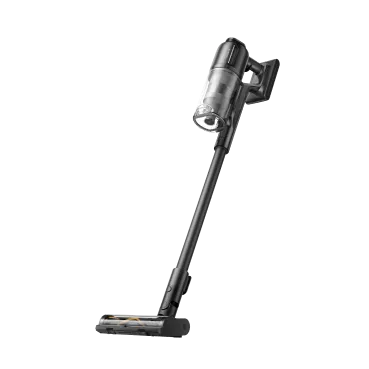
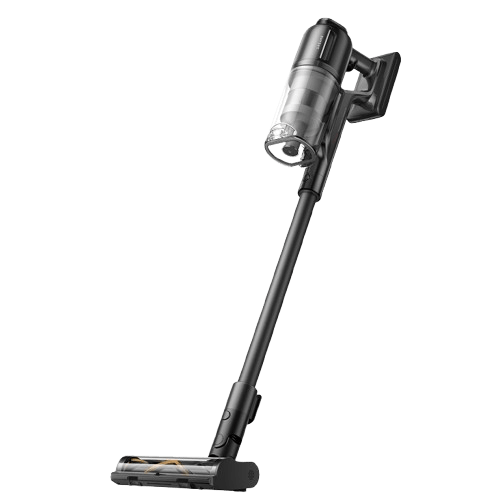
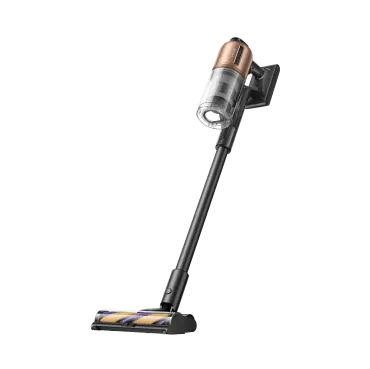
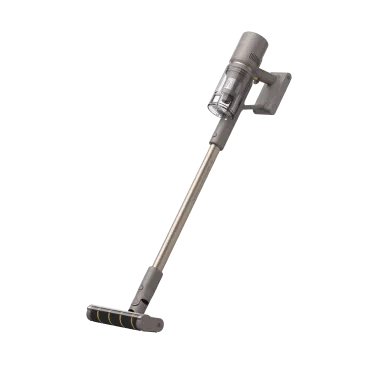
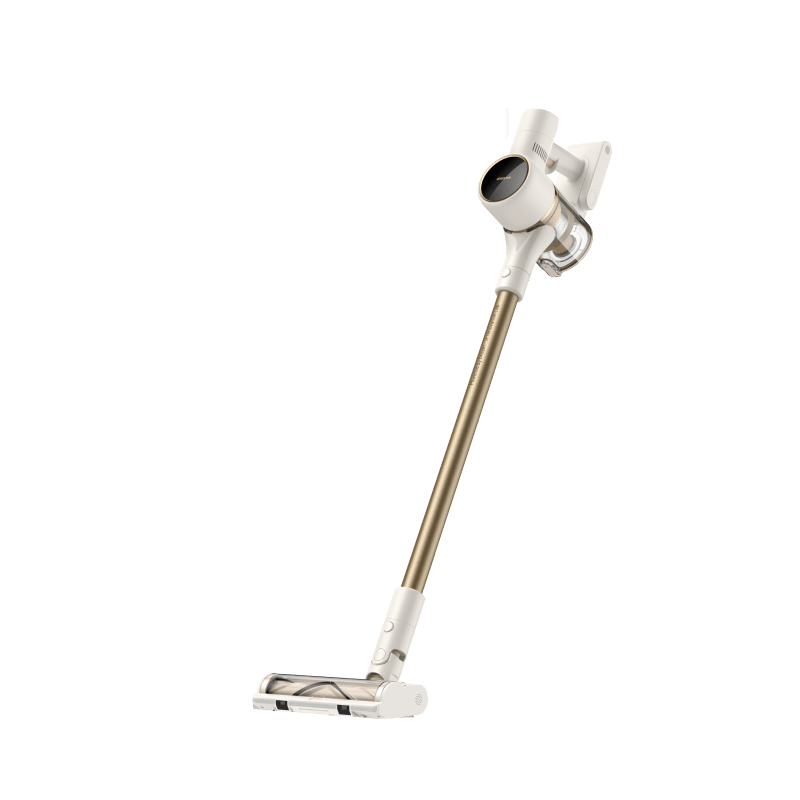
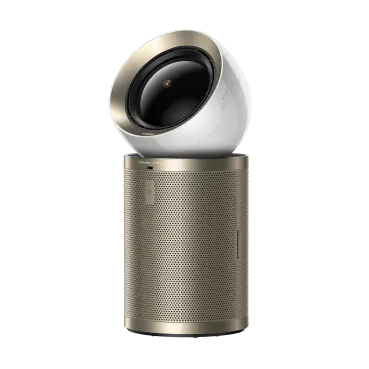
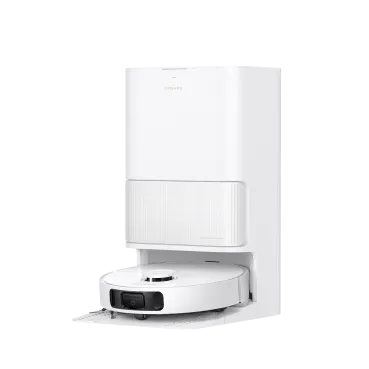
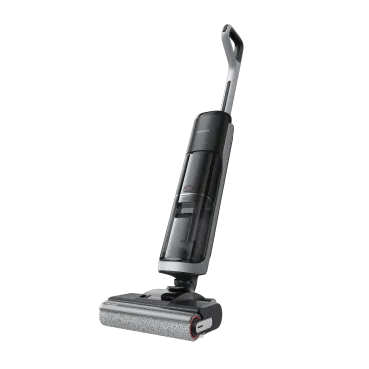
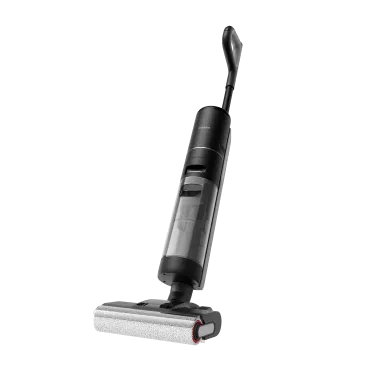
A clean bathroom helps people feel more relaxed at home. It also supports good health. Water spots, soap scum, and bacteria can build up quickly on surfaces. Over time, this can lead to stains, bad smells, and even mold. Keeping your bathroom clean does not have to be overwhelming. With the right plan, anyone can do it in small, simple steps. This article introduces a 10-step guide to cleaning all bathroom surfaces the right way. Each step focuses on one task at a time, so no area is missed. You will also learn about tools that save time and energy, such as wet and dry vacuums, robot mops, and smart cleaning tips. Supplies for Effective Bathroom Cleaning Before starting, it helps to gather everything in one place. This saves time and keeps you focused. You won't need to stop and search for anything once the cleaning begins. Cleaning Tools Microfiber cloths: These grab dust and wipe surfaces without leaving streaks. Toilet brush: Used to scrub inside the toilet bowl. Scrub brush: Useful for sinks, tubs, tiles, and grout. Squeegee: Helps with mirror and glass door cleaning. Vacuum: A handheld or wet and dry vacuum removes dust and dirt from tight areas. Bucket and mop: Used for floors that need water-based cleaning. Gloves: Protect your hands from chemicals and dirty water. Cleaning Solutions All-purpose cleaner: Works on sinks, countertops, and many other surfaces. Glass cleaner: Leaves mirrors and windows clear. Toilet cleaner: Designed for deep bowl cleaning and stain removal. Tile and grout cleaner: Breaks down tough buildup on floors and walls. White vinegar and baking soda: Great for soap scum and drains. Disinfectant spray or wipes: Use only on high-touch areas like flush handles, faucets, and doorknobs. Step-by-Step Guide to Clean Bathroom Surfaces Now that everything is ready, it's time to move through the bathroom step-by-step. 1. Declutter Your Bathroom Cleaning becomes easier when surfaces are clear. Start by removing all loose items. These include bottles, razors, tissue boxes, towels, and rugs. Move them to another room or hallway. This gives you full access to every area that needs attention. Look through baskets, containers, and drawers. Throw away expired products, broken tools, or anything you no longer use. If you have items that are rarely used, put them into a cabinet or storage bin. 2. Dust and Vacuum from Top to Bottom Begin with the highest spots in the room. Dust light fixtures, shelves, the top edges of mirrors, and the tops of door frames. Use a microfiber cloth or a long-handle duster. Work from the top down, so dust falls to areas that haven't been cleaned yet. Move to the middle areas next: windowsills, towel racks, and countertop edges. Wipe with a dry cloth to collect hair, lint, and loose dirt. Finish with the lower sections, including baseboards and floor edges. A vacuum is helpful here. Use one with a narrow attachment to reach along corners and tight spots. Wet and dry vacuum cleaners can save time during this step. They pick up fine dust, dry hair, and small crumbs from floors, tile edges, and around the toilet base without scattering debris. Take the Dreame H14 Pro Wet and Dry Vacuum as an example. It features 18,000Pa suction and a resilient scraper that lifts embedded hair and dry particles. The dual-edge brush cleans along baseboards, and the 180° lie-flat body fits under cabinets and low furniture. This design helps reach areas where dust often hides and collects. 3. Clean Shower Doors (or Bathtub) For glass doors, spray a glass cleaner across the entire surface. Let it sit for a minute. Use a squeegee or microfiber cloth to wipe it down. Clean both sides of the door, not just the one you see most often. Don't forget the edges and metal frame. If your shower door has water spots or soap buildup, use a mix of white vinegar and warm water. Spray the mix, wait 5–10 minutes, then scrub gently with a sponge. Rinse well with clean water. For bathtubs, apply an all-purpose or bathroom cleaner along the tub walls and bottom. Focus on areas with discoloration or rings. Use a soft scrub brush to go over the surface in small circles. Rinse using warm water. A detachable showerhead or a pitcher works well to rinse fully. Check around the tub edges and the caulking line. Use a toothbrush or a small scrub brush to clean corners and gaps. 4. Clean the Bathroom Sink and Drain Bathroom sinks collect toothpaste, soap, and water marks every day. Start by removing any items from around the sink, such as soap dishes, cups, and bottles. Spray the entire sink, faucet, and surrounding countertop with an all-purpose cleaner. Let the cleaner sit for a few minutes. Then scrub using a soft sponge or brush. Wipe dry with a microfiber cloth for a shiny finish. Focus on the faucet base and around the drain. These areas often collect grime and water deposits. Use a small brush or toothbrush to scrub around these parts. For a clogged or smelly drain, pour half a cup of baking soda down the drain. Then pour in half a cup of white vinegar. You will hear fizzing. After 10 minutes, flush the drain with hot water, about 140°F (60°C) works best. Wipe any remaining water around the sink edges. Place clean, dry items back on the counter, but only if you need them every day. 5. Remove Soap Scum Soap scum often looks like a white or gray layer. It builds up on tubs, shower walls, and doors. It feels sticky and dulls the surface. To remove it, spray a mix of equal parts white vinegar and warm water onto the surface. Let it sit for 10–15 minutes. Use a sponge with a rough side or a soft scrub pad to clean gently in circles. If the scum is thick or stubborn, sprinkle a small amount of baking soda directly on the sponge before scrubbing. The mix of vinegar and baking soda helps lift the buildup. Do not use steel wool or hard brushes. These can scratch tile or glass. After scrubbing, rinse the area with clean water and dry with a microfiber cloth or towel. 6. Address Bathroom Tiles and Grout Tiles can look clean from far away, but dirt, mold, and grime often settle in the spaces between them. How to Clean Bathroom Grout Grout is a thin, light-colored line between tiles. It absorbs dirt, moisture, and bacteria. Over time, it can turn gray, yellow, or even black. To clean grout, spray it with a tile or grout cleaner. If you prefer a natural method, mix baking soda and water into a paste and apply it directly to the grout. Let it sit for 10 minutes. Use a stiff-bristle brush or an old toothbrush to scrub along the lines. Move back and forth gently but firmly. Then rinse with warm water. Dry the area with a cloth. If stains remain, repeat the process once more. For very old or dark stains, use a grout-specific cleaning solution. How to Clean Bathroom Tile Tile surfaces are easier to clean than grout. Spray them with an all-purpose bathroom cleaner. Let the solution sit for 3–5 minutes. Use a sponge mop or a soft scrub brush to clean the tile surface. Focus on high-traffic zones like the area behind the sink or inside the shower. The Dreame H15 Pro Heat Wet and Dry Vacuum uses 185°F (85°C) hot water to dissolve stuck-on grime and soap scum. Its resilient scraper lifts greasy debris, while the gap-free cleaning arm reaches near baseboards and wall edges. A liquid separation system keeps dirty water from re-circulating, and after use, the roller dries automatically with 194°F (90°C) hot air to stay clean and odor-free for next time. Once the tiles and grout are clean, the room feels brighter and fresher. 7. Sanitize the Toilet and Surrounding Area The toilet is one of the most-used areas in any bathroom. It also collects bacteria quickly, so this part needs both cleaning and sanitizing. Start by flushing once. Then apply toilet cleaner to the inside of the bowl. Aim under the rim and along the waterline. Let the cleaner sit for 5–10 minutes. While waiting, spray an all-purpose cleaner or disinfectant on the outside of the toilet. Wipe down the handle, tank, lid, seat, and base using a cloth or disinfecting wipe. Use a separate cloth for the toilet so germs don't spread to other parts of the bathroom. Next, scrub inside the bowl with a toilet brush. Focus on the area under the rim and at the bottom. Once done, flush again. Check the floor around the toilet base. Spray cleaner and wipe this area too. Hair, dust, and drips often collect here. Keep a small brush for tight areas behind the toilet if needed. Use gloves during this step. Once finished, wash or replace all cleaning tools used for the toilet. 8. Wipe Down Mirrors and Fixtures Bathroom mirrors collect water spots, toothpaste spray, and fingerprints. Use a lint-free cloth or microfiber towel to get a clear result. Spray glass cleaner lightly across the mirror. Let it sit for a few seconds, then wipe in a zigzag motion. Avoid using too much cleaner, as it can drip and cause streaks. Flip the cloth to the dry side to buff and finish. Next, clean all metal fixtures, such as faucets, handles, and shower hardware. These often show water stains and fingerprints. Spray an all-purpose cleaner or a mix of vinegar and water onto a soft cloth. Wipe each surface, including behind handles and around joints. Use a small brush for tight spots. Polish each piece until it reflects light clearly. Doing this keeps your bathroom looking fresh and helps prevent buildup over time. With mirrors and fixtures shining, the upper half of your bathroom is now complete. Next, it's time to look up and deal with the fan and hidden dust near the ceiling. 9. Clean the Bathroom Fan Bathroom fans pull out moist air, but they also pull in dust. Over time, dust builds up on the cover and inside the vent. If left too long, the fan becomes noisy and less effective. Turn off the fan before starting. Remove the vent cover if possible. Wash the cover in warm, soapy water and dry it with a towel. To clean the fan itself, use a handheld vacuum with a nozzle attachment. This helps you reach dust tucked inside the housing. A soft brush attachment also works well around edges and tight corners. The Dreame Z30 Cordless Stick Vacuum can be used for this job. It has a strong 310AW suction power and a motor speed of 150,000 RPM, which helps collect fine dust quickly. The lightweight body makes it easy to lift overhead. You can also use the nozzle tool to clean around the ceiling, baseboards, and other tight spots. Once the fan is dust-free, reinstall the cover. A clean fan keeps air moving well and reduces moisture buildup. 10. Clean Bathroom Floors and Mats Bathroom floors get wet, dusty, and grimy. Hair collects near corners, and water leaves streaks near the toilet and sink. Different tools help handle each of these problems. How to Clean a Bathroom Floor with a Wet and Dry Vacuum You can start by removing any baskets, bins, or obstacles on the floor. If the floor is dusty or has loose debris, use a vacuum first. Then use a wet and dry vacuum to clean the surface more deeply. These machines lift dirt and also scrub away sticky marks or dried spills. The Dreame H14 Pro Wet and Dry Vacuum is built for this task. It delivers 18,000Pa suction, a 520 RPM rotating brush, and a resilient scraper that targets stubborn grime. It cleans with 140°F (60°C) hot water to remove stains and grease. Dual-edge brush design allows cleaning along walls and furniture legs. After cleaning, it runs a 5-minute sealed hot air drying cycle, keeping the brush hygienic and ready for the next session. The method works well on tile, vinyl, and sealed wood floors. How to Clean a Bathroom Floor with a Robot Vacuum and Mop Robot vacuums are useful for keeping floors clean every day. Some models can sweep dry dust and also mop wet areas. Use a robot vacuum with mopping functions to clean after your main session or during the week between deep cleans. This is especially helpful in tight bathrooms where bending and scrubbing are hard. The Dreame X50 Ultra Robot Vacuum is a powerful option. It comes with 20,000Pa suction and smart pathing for efficient cleaning. The robot can easily sweep dust and debris while mopping with hot water to leave floors streak-free. Set it to clean after showers or during busy mornings to keep floors tidy without effort. How to Clean Bathroom Mats Mats often trap hair, dust, and water. Shake them outside to remove loose debris. Check the label to see if your mat is washable. Most fabric mats can go in the washing machine using cold or warm water. Add a small amount of detergent, and avoid using high heat when drying. For non-washable mats, use a vacuum or a handheld vacuum to remove debris. Spray with fabric-safe cleaner if needed, then air dry completely before placing it back. A clean floor improves the feel of the whole bathroom. How to Keep the Bathroom Clean A bathroom stays clean longer when small habits are added to the daily routine. You don't need to clean the whole room every day. Instead, focus on high-use spots and build good habits over time. Tips for Maintaining a Bathroom Cleaning Routine Wipe the sink and countertop each night. This prevents watermarks and keeps the area clean for the next day. Sweep or vacuum the floor in the morning or after showers. Hair and dust collect fast, especially in corners. Put items back in place after each use. This includes soap, brushes, and hair products. A tidy surface is easier to clean. Keep a cleaning spray and cloth in the bathroom. Quick access helps remove small spills or toothpaste marks right away. Use a robot vacuum to handle daily dust and hair. Models like the Dreame X50 Ultra move across the floor automatically and can be set to run once a day or several times a week. This helps keep the bathroom fresh without extra effort. How Often to Clean Your Bathroom? Some areas need attention every day. Others only need weekly or monthly care. Daily Wipe down sinks and counters. Put away items. Run the fan after hot showers. Shake out floor mats. Weekly Clean the toilet. Wipe mirrors and glass. Mop or vacuum the floor. Wash towels and replace mats. Monthly Deep clean tiles and grout. Wash shower curtains. Clean behind the toilet. Vacuum the fan and vents. Robot vacuum cleaners are helpful throughout the week. They can be scheduled to run while you're out or busy. This keeps floors free of dust and hair without adding extra tasks. How to Remove Bathroom Odors? Bathroom smells often come from the toilet, drain, or damp surfaces. To reduce these smells, open a window or use a fan after each shower. Keep the door slightly open to let air move through the room. Clean drains with baking soda and vinegar once a month. This helps break down the buildup that can cause bad smells. An air purifier adds another layer of freshness. It removes airborne particles and odors from the room. Choose one with a HEPA filter and quiet mode for bathroom use. You can also add a small bowl of baking soda or activated charcoal near the toilet. These help absorb smells without using strong scents or sprays. A Cleaner Bathroom Starts with Smarter Habits (and Smarter Tools) A clean bathroom supports your health and brings a sense of calm. Following a clear 10-step process helps cover every surface without stress. Daily habits like wiping the sink and using a robot vacuum can reduce buildup between deep cleans. Smart tools such as the Dreame H14 Pro/H15 Pro Wet and Dry Vacuum, the Dreame Z30 Cordless Stick Vacuum, the Dreame X50 Ultra Robot Vacuum and a compact air purifier help simplify the job. With the right approach and support, keeping a fresh and hygienic bathroom becomes much easier to manage.
Continue reading
Transform Your Space: How to Deep Clean Your House—and Actually Enjoy the Results

Transform Your Space: How to Deep Clean Your House—and Actually Enjoy th...

Editorial TeamDreame |
Deep cleaning your home is more than just a seasonal task—it's a methodical process that gets into places your regular routine might miss. If you're wondering how to deep clean your house effectively, don’t worry—it’s simpler than it sounds. While the term may seem daunting, deep house cleaning is really just a series of manageable steps. It's not only about creating sparkling surfaces, but also about building a peaceful and healthy home environment that genuinely boosts your mood and well-being. While the schedule for optimal deep cleaning varies according to each household and room, there are some general guidelines for tackling the task. How Often Do You Need to Deep Clean Your House? How often you really need to deep clean your house depends on a few things. Here's a quick list to help you figure it out: Generally, aim for every 3–6 months, a good timeframe to keep things really fresh by tackling those hidden grime spots. Got pets or little ones? You might want to increase that to every 2–3 months. More activity usually means more messes. Dealing with allergies? If someone in your home has allergies or respiratory issues, more frequent deep cleans can really help reduce dust, pet dander, and other triggers. Think about high-traffic areas. Of course, your kitchen and bathrooms need a deeper scrub more often. Some people do a mini-deep clean in those zones monthly. Seasonal spruce-ups are great. A good spring and fall deep clean that gets you ready for changing weather is like giving your house a fresh start. Ultimately, it's about what’s right for your home and lifestyle. And a little planning makes bigger cleaning tasks seem easier if you gather the right tools and organize the mission. Prepare Essential Deep Cleaning Tools First Before you begin scrubbing, you've got to get your arsenal together. Gather some microfiber cloths, a good set of scrub brushes for different surfaces, and some spray cleaning solutions you trust. And don't forget a dustpan, brush, and bucket. Getting these basics on hand will save you countless trips back and forth. Once you've got your general tools, it's time to think about more specialized items that will tackle those really tough spots. The Dreame H15 Pro Heat Wet Dry Vacuum is a game-changer for sanitizing and breaking down grime without harsh chemicals. The Dreame Z30 Cordless Stick Vacuum has the power, handiness, and attachments to deep clean all those nooks and crannies that like to harbor dirt. Other go-to helpers include a good squeegee for streak-free windows and mirrors and a long-handled duster for those high, forgotten spots. Preparation is important, and so is the approach. Taken in smaller steps, a clear process makes the effort less daunting. Here’s a general sequence of actions: The Process Is the Solution Preparation is important, and so is the approach. Taken in smaller steps, a clear process makes the effort less daunting. Here’s a general sequence of actions: Remove clutter: To begin deep cleaning your home, first declutter each area by removing any misplaced items, trash, or unneeded possessions. This initial purge creates clear surfaces and open spaces essential for effective cleaning. Clean surfaces: After decluttering, use appropriate cleaners, whether all-purpose or specialized for wood, stone, or other materials. Wipe down shelves, furniture, and light fixtures thoroughly, removing all dust, grime, and sticky residues. Finish by polishing or drying surfaces to prevent streaks and ensure a sparkling finish. Vacuum or mop floors: Floors should be the last area cleaned as you get rid of both existing dirt and the messes left from cleaning above. The Dreame range of wet and dry and cordless stick vacuums are invaluable in dealing with the floors, no matter the surface material. Pro-tip For the best cleaning results, work from the top down, allow cleaning products to sit and penetrate surfaces before scrubbing, and use appropriate attachments to effectively reach and clean corners. Of course different rooms serve different purposes, so each has its own cleaning needs. Here are a few guidelines for those high-traffic areas: Room-by-Room Deep Cleaning Guide In the Kitchen When you're deep cleaning your kitchen, you'll want to pay special attention to the microwave, refrigerator, and oven. These tend to gather grime faster than you'd think. Microwave: Aim to deep clean weekly. Those food splatters are germ havens if not addressed. Refrigerator: Give your fridge a good deep clean monthly. Take everything out and wipe down the shelves and drawers with an antibacterial cleaner. Oven: You should deep clean your oven when you start smelling old food or grease when it heats up. Don't forget other spots like the dishwasher, stovetop, and sink—they need some deep cleaning too. Sprucing Up the Living Room How often you deep clean your living room depends on various factors. The frequency can range from weekly to every six months. Carpets: Deep clean your carpets once or twice a year. If you've got pets or little ones running around, you probably need to do it more often. Deep cleaning carpets can be a big job, but there are awesome deep-cleaning vacuums out there now, like the Dreame T20 Cordless Stick Vacuum, that make deep cleaning your sofa, carpets, and floors a breeze. Windows and drapes: Deep clean every three to six months. Window glass and frames are straightforward tasks with some readily available cleaning spray, but a professional might be the way to go for removing and cleaning drapes. Skirting boards: Give your skirting boards a deep clean quarterly. A quick vacuum and wipe will help get rid of all that dust and those pesky dust mites that love to gather there. Deep Cleaning the Bathroom Your bathroom is a hot spot for germs, so deep cleaning it is important. You can also check how to clean bathroom in 30 mins if you have limited time. Bathtubs and showers: Deep clean weekly because they're sites where fungus and bacteria grow, which can lead to skin infections. Be sure to use antibacterial cleaners and really get into every nook and cranny. Toilets: Clean your toilet daily and give it a good deep clean every week. Just like tubs and showers, use antibacterial agents. Bleach is effective for overall cleansing and stains. A good toilet cleaner also helps with mineral deposits. Bathmats: Clean weekly because they're another favorite spot for fungus and bacteria. After a sanitizing wash, let them dry outside in direct sunlight. Showerheads: Deep clean your showerhead once a year to remove mineral buildup and keep your shower running smoothly. Refreshing the Bedroom Your bedroom needs occasional deep cleaning too. After all, it's where you sleep. Pillows: Deep clean your pillows quarterly. They can collect a lot of dead skin, sweat, oil, dust mites and other allergens.   Mattresses, duvets, and blankets: These should be deep cleaned twice a year. Mattresses can harbor everything pillows do, or even bedbugs. Duvets and blankets also collect dust and allergens. Common Mistakes to Avoid A big mistake people often make is trying to do everything at once, leading to burnout and a less thorough job. Instead, break it down into smaller, manageable chunks. Focus on one room or even one area within a room at a time. Another thing to watch out for is neglecting to clean your cleaning tools. Using dirty sponges, mops, or rags just spreads grime around and defeats the purpose of deep cleaning. Taking your time and being methodical will make a huge difference! Deep Cleaning Tools to Invest In For large spaces or homes with pets, a high-suction wet and dry vacuum like the Dreame H15 Pro Heat saves time, effort, and stress. And to make the job even less demanding, routine cleaning beforehand with the L50 Ultra Robot Vacuum lightens the load. The Dreame Z20 and Z30 cordless stick vacuums are unmatched in getting into hard-to-reach places to eradicate hidden dust and pet hair with the help of specialized attachments.  👉 Extra info: Check out our guides to house cleaning: Your Essential Cleaning Supplies Checklist for a Spotless Home Home Deep Cleaning vs Regular Cleaning: What's the Differences? How to Keep Your House Clean Before, During & After Vacation: Essential Tips     It’s Worth It The effort is worth it—that deep clean brings renewal to your living space and state of mind. And the Dreame range of appliances is there to help you maintain that shine and serenity. Make your first move: Print our Ultimate Cleaning Guide!
Continue reading
Should You Be Vacuuming or Sweeping? Here’s What You Need to Know

Should You Be Vacuuming or Sweeping? Here’s What You Need to Know

Editorial TeamDreame |
Sweeping has been around for centuries. Vacuuming is newer, smarter, and more powerful. But which one should you use to clean your floors, improve air quality, and save time? That answer is no longer so simple. Today's cleaning tools go beyond basic brooms and standard vacuums. There are robot sweepers, stick vacuums, and wet-dry machines that can mop, scrub, and suction. These modern tools blur the line between sweeping and vacuuming. So, how do you know what's best for your home? The Pros and Cons of Each Method Brooms and vacuums are both common tools in the home. They serve the same goal: getting floors clean. But they do it in very different ways. What works well in one situation might not in another. That's why it helps to weigh the strengths and drawbacks of each method. Benefits of Sweeping No electricity needed: You can sweep anywhere, even in cabins, garages, or patios where there's no power. Lightweight and silent: Brooms are easy to carry, simple to store, and don't disturb sleeping babies or pets. Great for quick cleanups: Dropped a glass? Spilled dry cereal? A broom and dustpan will handle it fast. Low cost: A good broom costs very little and lasts a long time. Drawbacks of Sweeping Fine dust stays behind: Sweeping often stirs dust into the air instead of removing it, especially in dry indoor areas. No filtration: Allergens, pet dander, and pollen can linger or float around during sweeping. Physically demanding: Repetitive bending and twisting can cause back or wrist pain. Less effective on soft surfaces: Brooms don't work well on rugs or textured floors. Benefits of Vacuuming Strong suction: Vacuums can pull up deep dirt, fine dust, and pet hair from rugs, tiles, or hardwood. Air improvement: Many vacuums include HEPA filters that trap allergens and tiny particles. Multi-surface tools: With the right attachment, you can clean sofas, stairs, curtains, and even car seats. Less physical effort: No bending or sweeping motions—just glide and go. Drawbacks of Vacuuming Needs power: You can't use a vacuum where there's no electricity or during power cuts. Noisy operation: Most vacuums generate 65–80 decibels of noise, similar to a shower or blender. Higher cost: Stick vacuums, robot models, or wet-dry types are more expensive than a broom. Maintenance needed: Filters, dust bins, and brush rolls all need regular cleaning or replacement. Still, some vacuums are designed to make these problems easier to live with. For example, the Dreame Z20 Cordless Stick Vacuum offers up to 90 minutes of runtime and includes washable components, so you don't have to buy new filters often. It's also lighter than many other vacuums, with smart suction control that adjusts automatically. If you're worried about constant upkeep, it takes care of most of it for you. And if noise or storage space is a concern, the Dreame H14 Wet and Dry Vacuum runs efficiently without sounding overwhelming. It even features auto dirt separation and self-cleaning with hot air drying, so you spend less time dealing with the mess after each clean. What Is the Difference Between a Sweeper and a Vacuum? A sweeper usually uses brushes to push debris into a container. Some models are manual. Others are powered and use rotating brushes. You'll often find electric sweepers in restaurants, stores, or places that need quick, quiet floor cleaning. They're good for light dirt, crumbs, or hair on hard floors. A vacuum, on the other hand, pulls dirt in with suction. It captures dust, pollen, and small particles, not just what's easy to see. You'll find several types of vacuums with different features: Robot Vacuums (RV): Smart, automated, and hands-free. Cordless Vacuums (CV): Lightweight and portable, easy to use. Wet-Dry Vacuums (WD): Tackle both wet spills and dry messes in one go. While sweepers work well for fast cleanups on hard floors, vacuums go deeper. They're better for homes with pets, carpets, or people who have allergies. Robot Sweeper and Vacuum: The Next Generation of Cleaning Is Already Here Let's face it: most people don't enjoy daily cleaning. That's where robot sweepers and vacuums step in. These compact machines do the job while you relax, work, or sleep. Robot sweepers usually use rotating side brushes to pull debris into a dustbin. They're great for basic maintenance between deeper cleans. Most models are quiet and gentle, making them good for small homes with mainly hard floors. Robot vacuums go a step further—with strong suction, smart mapping, and scheduled cleaning. Some even return to their dock to charge and resume where they left off. And with wet-dry models, you can also mop, sometimes even with hot water. Take the Dreame X40 Master Robot Vacuum as an example. It features 12,000Pa Suction Power: Effectively lifts dust, hair, debris, and even pet fur from hard floors and low-pile carpets. Dual Rotary Mops: Provides deep cleaning with customizable mop settings, from dry to wet, ensuring a clean floor every time. MopExtend™ RoboSwing Technology: Expands the mop for better edge and corner cleaning, reaching under furniture and tight spaces. Smart Dirt Detection: Adjusts cleaning power based on detected floor grime for a more thorough clean. Pet-Safe Zone Creation: Let's set no-go zones to protect your pets or avoid specific areas. 3D Mapping: Maps multi-level homes with Smart Pathfinder™ Technology and visualizes the route via the app. If you want daily cleaning with very little effort, a robot vacuum might be a smart upgrade. Choose the Right Tool for Your Floors: Every Surface Has Its Match Whether you have plush carpets or glossy tiles, the right tool makes a big difference in both effort and results. Carpeted Floors Carpets trap dust, crumbs, and pet hair deep in the fibers. Sweeping isn't very helpful here. The bristles stay on the surface and often push debris around instead of removing it. A vacuum is much better for carpets. Choose one with strong suction and a rotating brush roll. Cordless vacuums are good for light messes. For deep cleaning, a wet-dry or high-suction stick vacuum works better. The Dreame Z20 Cordless Stick Vacuum offers 250AW suction, a HEPA filtration system, and up to 90 minutes of runtime, perfect for whole-home vacuuming, even on carpet. Its anti-tangle roller helps lift pet hair without getting clogged. Hard Floors (Wood, Laminate, Vinyl) Sweeping does okay on smooth floors. It picks up dry debris like cereal or dust bunnies. But it often leaves fine dust behind, especially along baseboards. Vacuums give a deeper clean. You'll want one with a soft roller brush to avoid scratching. Models with edge detection or LED lights also help spot hidden messes. The Dreame H14 Wet and Dry Vacuum is a good option here. It has 18,000Pa suction, dual-edge brushes, and a 60°C (140°F) hot water mopping system. It even self-cleans and dries the brush in just 5 minutes. Tile or Stone Floors Grout lines collect dirt and water easily. Sweeping might move debris over the surface, but it won't reach into tiny gaps. A wet-dry vacuum is a better choice. These use rollers, suction, and water to clean deep into grooves. The Dreame H14 includes a resilient scraper and a dual-rotation self-cleaning brush that spins at 520RPM, helping remove stuck-on grime from tile and stone. Expert Tips: Sweeping and Vacuuming Effectively Good tools are helpful. But knowing how to use them well makes cleaning faster, easier, and more complete. Whether you sweep or vacuum, the right habits can boost your results. 1. Sweep with a Plan Start in one corner and move in small, even strokes. Push dust and debris toward the center, not the edges. Use a dustpan with a rubber edge to catch fine particles. Try sweeping daily in high-traffic areas like kitchens or entryways. On wood floors, use a soft-bristle broom to avoid scratches. 2. Vacuum in Rows, Not Circles Move slowly to let the suction pull up dirt. Overlap each pass by a few inches to avoid missed spots. Begin with low-power mode on rugs, then increase suction if needed. For corners and edges, use a crevice tool or side-brush attachment. Don't forget to vacuum under furniture if your model can reach. 3. Use Smart Modes Models like the Dreame H14 Wet and Dry Vacuum adjust suction power based on what's on the floor. It even shows color-coded lights: red for heavy dirt, orange for medium, and green for light. 4. Maintain Your Equipment Empty the dustbins after each use. Don't let them get overfilled. Wash filters and dust cups weekly if they're reusable. Replace HEPA filters every 3–6 months, depending on use. Clean hair from rollers, especially if you have pets. 5. Don't Rely on One Tool Alone Even the best vacuum might miss large debris, and even a good broom won't catch fine dust. Use both tools where they work best: Sweep first in garages or outdoor areas, then vacuum corners or mats. Vacuum weekly in bedrooms or living rooms with carpets. Use robot models for daily dust control while you focus on deeper tasks once a week. 7 FAQs about Floor Cleaning Q1. Should I sweep or vacuum first? A: If your floor has large debris, like broken glass, dry leaves, or cereal, sweep first. After that, vacuum to remove fine dust and dirt. For normal cleaning, vacuuming alone is usually enough. Q2. Can I vacuum without sweeping? A: Yes. Most modern vacuums can handle both small and large messes. But for heavy debris like sand, it's safer to sweep first to protect the vacuum's motor and filter. Q3. Sweeping or vacuuming: Which is better for pet hair A: Vacuuming is better. Pet hair sticks to rugs, furniture, and cracks. Vacuums with anti-tangle brushes or dedicated pet tools remove fur more easily. Q4. Can sweeping remove allergens? A: Not very good. Sweeping stirs them up. Vacuums with HEPA filters trap allergens like pollen and dander, which helps reduce allergy symptoms indoors. Q5. Is it okay to vacuum wet floors? A: Only use a wet-dry vacuum on wet messes. Standard vacuums can get damaged if they pull in water. The Dreame H14 is made for both wet and dry cleaning and even separates liquids from solids for easier disposal. Q6. Can I use a vacuum on hardwood floors? A: Yes, but choose one with a soft roller or adjustable suction. Wet-dry vacuums with mopping functions are ideal for deep cleaning without scratches. Q7. How often should I clean my floors? A: For busy homes or households with pets, aim to vacuum 2–3 times a week. Sweep or spot-clean daily in kitchens or entryways. Use a robot vacuum for daily dust pickup if you prefer hands-off cleaning.  


Continue reading
How to Get Pet Hair Off Couch (and Keep It Off for Good)

How to Get Pet Hair Off Couch (and Keep It Off for Good)

Editorial TeamDreame |
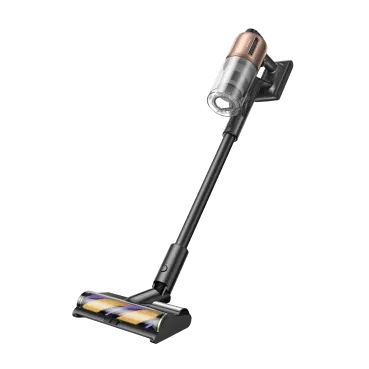
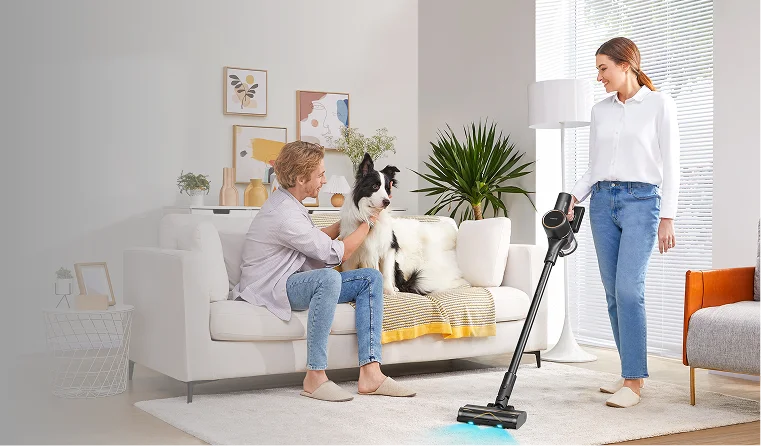
Pet owners know the struggle: you just cleaned the couch, and somehow it’s already blanketed in fur again. Whether it’s from your shedding golden retriever, cat hair, or even a short-haired pup, pet hair has a way of making itself at home in your furniture. But with the right techniques and the right tools, you can get pet hair off your couch and keep it from coming back. No lint roller marathon required. Here’s how to tackle the mess and reclaim your couch with ease. Why Is Pet Hair So Hard to Remove From Couches? Pet hair sticks to upholstery like Velcro. Certain fabrics like microfiber, velvet, or woven linen trap fur in their fibers, making it nearly impossible to clean with a basic vacuum. Worse, the hair often carries dander and allergens that contribute to respiratory problems, odor, and skin irritation. Static cling doesn’t help either. It draws the hair in and holds it  tight. Benefit: Knowing why fur sticks helps you treat it at the source, with targeted tools that remove hair without damaging the fabric. Pro-tip Frequent light cleaning is more effective than occasional deep scrubs. Don’t wait for it to build up. Tools You’ll Need to Clean Pet Hair Off the Couch Before diving into the steps, gather the right tools to save time and boost effectiveness: Handheld or Cordless Stick Vacuum with built-in pet brush head – removes stubborn fur with powerful suction and tangle-free design Rubber gloves (slightly damp) – lift embedded hair with friction Lint roller for pet hair – quick fix for decorative pillows and throws Fabric-safe anti-static spray – reduces cling Pumice stone (for tougher fabrics only, be sure to use gently!) Microfiber cloths – catch the final layer of hair Removable couch covers – washable, breathable protection layer Want more tool-specific advice? Check out our Vacuum Brush Complete Guide to match the right attachment to your fabric. How to Get Pet Hair Off Couch: Step-by-Step Step 1 – Loosen Hair with a Rubber Glove Slip on a slightly damp rubber glove and rub in circular motions. Hair will cling to the glove, making it easy to lift and toss. Step 2 – Vacuum with a Pet Brush Attachment Use a Dreame vacuum with a pet brush head or upholstery nozzle. Focus on seams, creases, and under cushions. The Dreame Z30 Cordless Stick Vacuum is great for tight spaces. Step 3 – Wash Covers When Possible If your cushion covers are removable, wash them in cold water with vinegar to neutralize dander and static. If you’re worried that your pets may have brought unwanted pests into your bedding, learn how to spot and treat the issue in How to Get Rid of Bed Bugs.  Step 4 – Finish with an Anti-Static Spray Lightly spritz with a DIY vinegar-water solution or use a store-bought fabric refresher to reduce static buildup.  Bonus tip: For safe, budget-friendly alternatives to chemical cleaners, explore these DIY homemade floor cleaner recipes. Benefit: This combo removes loose fur, deep hair, and fur cling in under 15 minutes. Dreame Take An effective pet hair routine blends vacuuming, brushing, and prevention. Common Mistakes When Removing Pet Hair from Couches Avoid these common errors that can make pet hair harder to clean or damage your furniture: Using a standard vacuum without a pet brush – Regular vacuums may scatter hair instead of removing it. Skipping the surface prep – Leaving blankets, throws, and pillows in place can trap fur and prevent deep cleaning. Over-wetting fabric couches – Using too much water can push hair deeper into fibers or cause mildew. Ignoring fabric type – Delicate fabrics like velvet or suede can be ruined by abrasive tools like pumice stones. Relying only on lint rollers – They work for touch-ups but aren’t effective for embedded hair. Waiting too long between cleanings – Hair builds up quickly, making each session harder and less effective. Pro-tip Regular upkeep is easier and more effective than waiting for fur to pile up. Choosing the Right Couch Fabric Not all materials are pet-friendly, especially if you live with a shed-happy pet. Here’s a quick breakdown of common couch materials and how they hold up in fur-heavy homes: Fabric Pet-Friendliness Why It Works Drawback Recommended Tools Leather / Faux Leather Excellent Smooth surface resists pet hair, dander, and claws; easy to wipe clean Can scratch easily; may feel cold or slick to pets Damp microfiber cloth, handheld vacuum, anti-static spray Microfiber / Suede Very Good Tight weave repels hair and dust; durable and stain-resistant Shows watermarks; suede can trap fine hair if not cleaned frequently Rubber gloves, lint roller, fabric-safe anti-static spray Polyester / Cotton Blend Good Washable and tightly-woven fabric makes maintenance easy Lower-quality blends can pill, retain odor, or wear down over time Lint roller, handheld vacuum, removable couch cover Linen Poor Breathable and natural, suitable for slipcover use Prone to trapping fur and dust; wrinkles and stains easily Removable slipcovers, vacuum with upholstery tool, microfiber cloth Velvet / Chenille Very Poor Plush and luxurious in appearance Attracts and holds onto pet hair, dust, and dander; hard to maintain Pumice stone (gentle use), pet hair vacuum, lint roller Pet Hair Prevention Tips That Actually Work Getting hair off your couch is one thing. But keeping it off takes a smart strategy. These tips can help minimize buildup and keep your furniture looking its best: Use washable throws: Cover your furniture with pet blankets or throws you can toss in the laundry weekly. Shake out pillows and throws weekly: Do this outdoors to prevent fur from resettling in your home. Brush pets regularly: Groom them outside or over a Dreame robot vacuum to trap fur instantly. Invest in an air purifier: The Dreame AirPursue PM2.0 captures dander and airborne allergens, improving indoor air quality. Train pets: Create designated spaces for them with their own beds or favorite spots to discourage couch lounging. Benefit: Preventing fur buildup is far easier than removing it later—and better for your air quality too.  Important According to the Asthma and Allergy Foundation of America, pet dander is among the top household allergens. Regular cleaning significantly improves respiratory health. Real User Feedback and Cleaning Hacks Dreame vacuums regularly rank high in expert reviews from outlets like Consumer Reports and Homes & Gardens, praised for their pet-focused design, easy maintenance, and effective allergen removal.  FAQs Q: Can I use a wet vacuum on a fabric couch? A: Yes. Just use low moisture settings on sealed fabric. The Dreame H12 Pro is designed for this. Q: What fabric is best for pet owners? A: Leather, faux leather, or tight-weave performance fabric resists fur better than plush or textured materials. Q: How often should I clean the couch? A: For heavy shedders, aim for 2 to 3 times per week. Daily use of a robot vacuum helps reduce buildup. Q: Will vacuuming damage my couch? A: No, as long as you use the correct upholstery attachment and avoid sharp edges. The Best Dreame Vacuums for Pet Owners Dreame Z30 Cordless Stick Vacuum• Built-in pet brush head• Smart power control• Excellent for daily couch cleanups Dreame H12 Pro Wet & Dry• Heated rollers for sticky messes• 18,000Pa suction power• Self-cleaning and drying brush Dreame L20 Ultra Robot Vacuum• Hair-cutting rollers to prevent tangles• Smart mapping for targeted zones• Auto-empty dock and mop washing Use Case Tip: Pair the Dreame L20 for daily fur patrol and the H12 Pro for deeper weekly refreshes. Explore the full collection on the Dreame Cordless Stick Vacuum Series page. Bonus: Remove Pet Hair From Upholstery and Floors Vacuum Cleaners Designed for Pet Hair Not all vacuums are created equal. For real pet hair removal, you’ll want one with: Anti-tangle rollers Strong suction power HEPA filters for allergen control Try this: The Dreame H12 Pro Wet & Dry Vacuum features a heated roller that lifts sticky pet hair, dried messes, and even saliva-soaked strands—all while drying and self-cleaning. Benefit: Strong, targeted cleaning for heavy-duty fur buildup, without scratching your couch. Robot Vacuums That Handle Pet Hair Automatically If your pet sheds constantly, a robot vacuum can help maintain your space between deep cleans. The Dreame L20 Ultra uses: Hair-cutting rollers to avoid tangles Smart mapping for targeted couch-area cleanups Auto-empty bins and mop washing for hands-free maintenance Benefit: Set it and forget it. Perfect for busy homes with pets and kids. Manual Tools That Still Work (and When to Use Them) Handheld tools like rubber gloves, pet hair sponges, or lint brushes still have their place. They’re ideal for spot cleaning or quick touch-ups when you don’t want to pull out the vacuum. Rubber gloves (slightly damp) can lift embedded hair Upholstery brushes loosen fur in fabric seams Lint rollers are great for decorative pillows and throws Want to match the right vacuum brush to every surface? Use our Vacuum Brush Complete Guide. Final Thought Sharing your home with pets doesn’t mean sacrificing clean furniture. With the right mix of habits and tools, from Dreame robot vacuums to heated wet-dry cleaners, you can keep your couch fur-free and fresh with minimal effort. It’s not about perfection. It’s about peace of mind, cleaner air, and getting your cozy seat back. Fur gone. Couch saved. Peace restored. Read our series for pet owners How to Keep Your House Clean With Pets Around Robot Vacuums and Pets: What You Need to Know Robot Vacuums for Pet Hair in 2025 Get Rid of Pet Hair: 5 Easy Ways for Dog and Cat Owners How to Get Pet Hair Out of a Car 5 Ways To Remove Pet Hair And Smells From Carpet How to Choose a Vacuum for Cat Hair and Litter 9 Surprising Things Every Dog Owner Should Know About Vacuums  
Continue reading
Robot Vacuum Reviews: What Users Love (and What They Wish They Knew First)

Robot Vacuum Reviews: What Users Love (and What They Wish They Knew First)

Editorial TeamDreame |
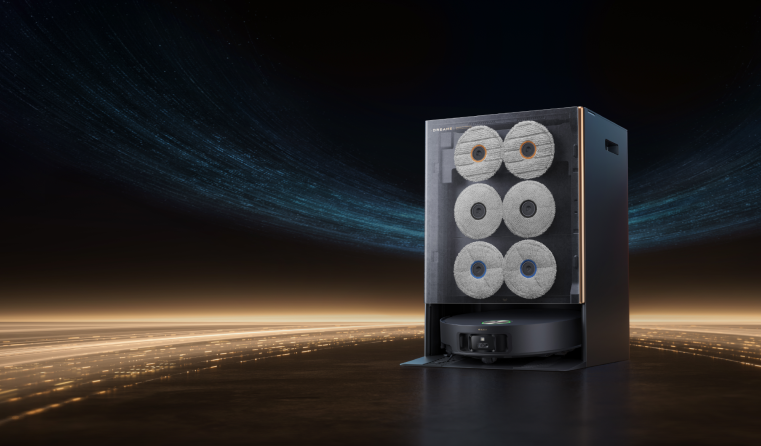
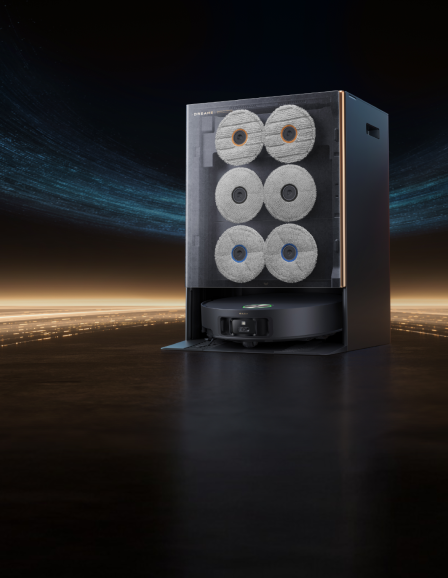
Thinking about getting a robot vacuum? Real user reviews reveal a common truth: while these devices can make daily cleaning easier, they're not perfect - and they don't work the same in real homes as they do in lab tests. Why would people love a life with a robot vacuum? What people wish they knew before they buy a robot vacuum? And where can I get useful information before I decide? This guide breaks down what real users love - and don't - about robot vacuums in daily use. Whether you're researching Dreame or other top brands, here's what to expect before you buy. What Users Love About Their Robot Vacuums Advantage 1: "I Don't Have to Think About Cleaning Anymore" Most people don't buy robot vacuums for fancy features - they want real automation. In fact, 73% of users on Reddit and Amazon said hands-free scheduling was their top reason for buying one. Newer models with self-emptying bases make life easier: They can hold dust for 30 to 60 days. [1] Some are bagless, so you don't need to keep buying bags. You can adjust how often they empty based on your home. Smart control has also improved. Today's robots can understand voice commands like "Avoid the rug near the balcony," thanks to built-in AI. They also work smoothly with Apple Home, Google Assistant, and Alexa - just say "Clean the kitchen after dinner," and the vacuum gets to work. Advantage 2: "It Just Glides Over Everything" Smart navigation works. Navigation failures used to be the biggest complaint about robot vacuums. Modern systems have dramatically addressed this pain point with measurable improvements. Key Navigation Advances: Reduction in "stuck vacuum" incidents since 2024 (LiDAR + AI systems). Advanced threshold climbing capability with mechanical lifting systems. Single-run mapping accuracy that users consistently praise. One user in Reddit communities of robot vacuum says: "It memorized my basement layout after a single run." With better mapping, the robot can clean on its own without getting stuck all the time. You don't have to watch it - just let it run while you sleep or go out. Advantage 3: "My Hardwood Floors Have Never Looked Better" Users' tests confirm that modern robot vacuums clean hard floors well. They can move smoothly and pick up dirt across many floor types. A buyer of Dreame L10s Ultra said: Our floors have never looked so good...I have the robot vacuum three times a week at the 2X setting and a vacuum and mop on Saturdays. Our floors have never looked better. The area rugs look new, and the hardwood/vinyl appear pristine. And there's also a review about Dreame's X50 Ultra, which highlights that robot vacuums have excellent hard floor cleaning results: Modern robots easily collect "a majority of the large, small, and powder debris on its first pass" on hard floors. Dreame X50 Ultra delivers "the most thorough mopping I've experienced so far" with an extending side brush and mop pads for superior edge cleaning. Edge cleaning has significantly improved with extending brushes providing "the most rigorous edge clean I've personally experienced". Advantage 4: "No More Pet Hair Tumbleweeds" Pet hair management represents one of the most significant technological leaps in robot vacuum design. A Youtube review says: Hair tangles are usually a problem, especially with rollers that include bristles, but I'm pleased to report that both the side brush and dual roller system managed to avoid any hair wrapping around them...if you're a pet owner... the dual rollers and larger internal dust bin with its hair compression feature make it a perfect robot for handling pet hair. Anti-Tangle Technology Performance: Significant reduction in hair wrap-around through advanced brush designs. Dual-brush systems that channel hair to prevent tangles. Open funnel designs that direct hair straight to the dustbin. Testing keeps showing that rubber rollers are better at handling pet hair. They collect more and are easier to clean, which helps pet owners spend less time on maintenance. Advantage 5: "It Takes Care of Itself" Real users are amazed by how hands-free modern robot vacuums have become. As one reviewer noted about the Dreame X40 Ultra: "Dreame says you can be hands-free for up to 75 days," and "it auto empties the dust into the bag, dirty water goes into the dirty water tank, and of course you have the clean water and detergent that it will take as needed." What the Dock Can Do: Empty the dustbin automatically. Refill the water tank from a built-in reservoir. Wash and dry the mop pads. Clean the base station itself. Auto-dispense cleaning solution when needed. With features like auto-emptying, self-cleaning dock, and automatic mop detachment/reattachment, these advanced docking stations handle most maintenance tasks automatically, making robot vacuum ownership more hands-free than ever before. Advantage 6: "One Robot, Two Jobs Done Perfectly" Robot vacuums that can vacuum and mop are getting great reviews. Tests and user feedback show they work well, thanks to smart features that adjust to different floor types. Why Combo Robots Work Well: Fast-spinning mop pads help scrub the floor better. They can tell when they're on carpet and lift the mop automatically. They clean for longer without needing help from you. These robots are especially loved by people with both hard floors and carpets. They can vacuum and mop in one run, switching modes on their own. What Users Wish They Knew Before They Buy Robot Vacuums While these advanced features have made robot vacuums more helpful than ever, users also point out a few things they wish they had known earlier. A robot vacuum does not seem to fix all. And some limitations only show up after weeks of use. Downside 1: "Still Gotta Vacuum the Rugs" Even though ads make big claims, simpler robot vacuum models still have trouble with carpets—especially thick ones. The Reality Check: Medium carpets are hard for most robots to clean well. Pet hair stuck deep in the carpet is tough to remove. Thick rugs can block the vacuum from moving at all. Many users find they still have to use a regular vacuum once a week, even if the robot runs every day. As one reviewer put it, "It's like using a broom on shag carpeting." Robot vacuums are better for light daily cleaning, not for deep carpet work. Downside 2: "Hidden Maintenance Costs Add Up" The price of the robot vacuum isn't the full story. Many users are surprised by how much they spend later on things like filters, brushes, and dust bags. Typical Maintenance Costs: Filters: $10–30 every 3 to 6 months. Brushes: $15–40 every 3 to 4 months. Dust bags: $20 for a pack of three (for self-emptying models). Battery: $50–100 after 2 to 3 years. A full replacement kit with filters and brushes costs around $62, and you'll likely need two kits per year. Some filters cost $35 for three, and the app often reminds you to replace them, even if they still seem okay. Over time, these costs add up more than many people expect. Plus, since many owners still use a regular vacuum for deeper cleaning, the robot doesn't fully replace manual work. Instead of saving energy, it often means running two machines - and using more electricity. Downside 4: "You Still Have to Take Care of It" Even though ads say you can "set it and forget it," many users still spend time every week taking care of their robot vacuum. In fact, many of the users report weekly cleaning tasks. Weekly Chores Often Include: Pulling out hair from brushes and wheels. Wiping dust off sensors. Removing small objects that get stuck. Cleaning the charging points. If you have pets, the dust bag in the auto-empty dock can fill up fast - some people replace it every two weeks. Even top models with self-cleaning systems still need regular care to keep working well. And that's not all. Even advanced models might miss some spots while cleaning, especially in busy, lived-in spaces with furniture, clutter, or rugs. Robots can mistake dark floor tiles for "cliffs" and skip entire sections. They might leave dirt in corners, around furniture legs, or next to rugs. Even the best ones sometimes leave a little lint or a piece of leaf right where you can see it. Downside 5: "Balancing Price with What You Really Need" While high-end robot vacuums ($1,299–$1,599) often come with impressive features, the actual improvement in cleaning performance compared to mid-range models isn't always dramatic. In fact, many $300–$600 models offer a great mix of power, smart navigation, and mopping capabilities, enough for most households. What You Might Notice: Entry-level (<$500): Affordable but may miss key features like strong suction or effective mopping. Great for light use or small spaces. Mid-range ($300–$600): Often the sweet spot: solid suction, multi-surface support, and smart features at a reasonable price. Premium ($800+): Ideal if you want a top-tier experience, but unless you use every feature regularly, the value can feel underwhelming. If you're eyeing a premium model, make sure it fits your cleaning habits and space, not just your wishlist. So, How Do You Choose the Best Robot Vacuum? It depends on your home, your floors, and what matters most to you. But in general, look for a vacuum that offers: Strong cleaning performance on hard floors and low-pile carpets. Smart mapping and obstacle avoidance for less babysitting. Mop-lifting technology, if you have mixed flooring. A self-emptying base to reduce daily chores. Quiet operation, especially if you work from home. Clear support for maintenance and part replacements. Where to Find Honest, Detailed Robot Vacuum Reviews: Reddit communities like r/robotvacuums (real user feedback, photos, tips). YouTube reviewers such as The Smart Home Hookup and Vacuum Wars (real-world testing and side-by-side comparisons). Amazon and Best Buy reviews, sorted by "Most Helpful". Lab-tested results from Consumer Reports or Wirecutter. And search more for a detailed robot vacuum buying guide and discussion about their pros and cons. Final Take - Know the Gaps Before You Buy Robot vacuum reviews show what daily life with a robot cleaner really looks like. If your home has smooth floors, light clutter, and you're looking to free up time, robot vacuums can deliver a major quality-of-life upgrade. But real users agree: they're not fully set-and-forget. Carpets still need help, maintenance adds up, and price doesn't always guarantee performance. For the best experience, look beyond the spec sheet. Focus on how well the robot fits your space, your routines, and your expectations. A model that excels in your home type beats a higher-end device that doesn't. 5 FAQs: What People Ask Before Buying a Robot Vacuum Q1. Will a robot vacuum replace my upright vacuum? A: Not entirely. On hard floors, it might. But for thick carpets or deep cleaning, most users still rely on a traditional vacuum once a week. Q2. Do I need Wi-Fi for a robot vacuum to work? A: Most models can run without Wi-Fi using manual start, but Wi-Fi enables app control, scheduling, and firmware updates - features many users find valuable. Q3. Can I use a robot vacuum in a home with stairs? A: Yes, but you'll need to carry it between floors unless it comes with multi-floor mapping. Most use drop sensors to avoid falling down stairs. Q4. How often do robot vacuums need maintenance? A: Weekly light maintenance is common - emptying the bin, cleaning sensors, and checking for clogs. Mop modules and side brushes may need deeper cleaning monthly. Q5. Are budget models under $500 worth considering? A: They can be, especially for small apartments with hard floors. Just know that lower-end models may lack mopping, strong suction, or advanced obstacle detection.
Continue reading
How to Clean Bathroom and Shower Floors in 30 Minutes

How to Clean Bathroom and Shower Floors in 30 Minutes

Editorial TeamDreame |
Keeping your bathroom floor clean isn't just about appearances; it’s about safety, hygiene, and comfort. Between slippery soap scum, hair buildup, mold in grout lines, and stubborn water stains, bathroom floors face some of the toughest messes in your home. The good news? You don’t need hours to make it spotless. In this guide, you’ll learn how to clean your bathroom floor, whether it’s tile, wood, marble, or vinyl, in just 30 minutes using the right method for each surface. We’ll also walk you through what tools to use, including time-saving smart solutions like Dreame’s wet and dry vacuums and robot vacuums. What to Use to Clean Bathroom Floor The tools and products you use can make or break your results—and your back! Before you start, gather your supplies based on your floor type. These are some must-haves that will help you clean more effectively and faster: Pick Floor-Specific Cleaning Solutions Tile or Ceramic: Mild detergent or tile-safe cleaner Marble or Stone: pH-neutral cleaner (avoid vinegar or bleach) Wood or Laminate: Damp mop with wood floor cleaner Vinyl or Linoleum: All-purpose or vinyl-specific cleaner Essential Tools Wet-Dry Vacuum: Try the Dreame H14 Pro, which effortlessly vacuums, mops, and dries in one pass Mop: Microfiber for wood, sponge for tile, or a steam mop for grime Scrub Brush: For grout lines and shower floor buildup Gloves and Bucket: For safety and rinsing Pro-tip For daily maintenance, a robot vacuum like the Dreame X50 Ultra can keep floors hair-free between deep cleans. Check out this guide on picking the best vacuum for your cleaning needs. Step-by-Step Guide: How to Clean Bathroom and Shower Floors Cleaning your bathroom floor can be quick and thorough if you follow a smart process. Here's a simple workflow to get every type of mess handled: How to Mop Bathroom Floors Properly Clear the Space: Begin by clearing the floor of bath mats, trash cans, and personal items. Vacuum or Sweep: Get rid of dust, hair, and debris. Use a wet and dry vacuum for an all-in-one clean that saves time. Prepare Your Mop and Cleaner: Fill a bucket with warm water and add a cleaner suitable for your floor. Start from the Far Corner: Start at the farthest corner and work toward the door so you don’t step on freshly cleaned areas. Spot Clean Stains: Pause for soap scum or grime with a brush and cleaner. Rinse (If Needed): Some cleaners need rinsing to prevent residue. Make sure you check the label. How to Clean Hair off the Bathroom Floor Bathroom hair is surprisingly stubborn. It clings to corners, baseboards, and tile seams. Using a regular broom isn’t always enough, as it tends to push hair around. Here’s how to handle hair: Use a vacuum with strong suction, like the Dreame H14 Pro Wet and Dry Vacuum, to pick up long strands in corners and under sinks. For persistent clumps, wrap masking tape around your gloved hand and press it into tricky spots to pick up what’s left. Empty your vacuum regularly to maintain suction power. What Is the Best Way to a Clean Bathroom Floor? The truth is, there’s no one-size-fits-all method. The best way to clean your bathroom floor depends on the material. Each type of surface has its own sensitivities and cleaning quirks. Here’s a quick comparison: Floor Type Best Cleaning Method What to Avoid Tile Mop with mild tile cleaner; scrub grout with brush Bleach on colored grout Wood Damp microfiber mop with wood floor cleaner Excess water, steam mops Marble pH-neutral stone cleaner and soft cloth Acidic or abrasive cleaners Vinyl/Laminate Light all-purpose cleaner and sponge mop Harsh scrubbing or hot water How to Clean Wooden Bathroom Floors Wooden bathroom floors look beautiful but require extra care. Here’s how to keep your wooden bathroom floor in top shape: Vacuum with a soft-brush head to avoid scratches. Use a slightly damp microfiber mop. Stick to wood-safe cleaners, avoiding bleach or vinegar. Wipe dry immediately to prevent moisture damage. Dreame Take If you’re pressed for time, the Dreame H14 Pro Wet and Dry Vacuum can help with precision moisture control to clean without oversaturation. How to Clean Marble Floors in Bathrooms Marble is one of the most delicate materials commonly used in bathrooms. It’s porous and stains easily. Here’s how to clean marble floors in your bathroom: Use a pH-neutral stone cleaner. Specifically look for a cleaner labeled safe for stone or marble. Avoid harsh or acidic products like vinegar or bleach, which can etch the surface. Polish gently with a soft cloth or mop, cleaning the area without soaking it. Use a microfiber cloth to buff dry, especially in high-gloss areas. Spot treat mold in grout with baking soda and water paste (not bleach!). Let it sit for a few minutes, then gently scrub and rinse. How to Clean Tile Bathroom Floors Tile is durable and one of the easiest surfaces to maintain, but it can still trap grime. Try this easy procedure: Start by vacuuming up or sweeping loose debris. Mop the surface with warm water and a tile-specific cleaner. Use a soft-bristled brush (or an old toothbrush) to scrub grout lines if they look discolored. Rinse and dry thoroughly to prevent slippery residue. This prevents any remaining cleaner from leaving a sticky or slippery residue. Pro-tip Learn how to tackle tough grime with our deep-cleaning guide: “How to Clean Tile Grout Like a Pro Tips to Keep Your Bathroom and Shower Clean The best way to reduce cleaning time is to prevent dirt from building up in the first place. A few consistent habits can keep your bathroom floor cleaner for longer and reduce the need for deep scrubbing. Here's a simple routine to follow: Daily Dry the floor after showers to prevent mold and water stains. A quick wipe with a towel or squeegee works. Pick up loose hair before it sticks or clogs the drain. A robot vacuum like the Dreame X50 Ultra can help by scheduling regular cleanups, which is especially handy if your bathroom has dry debris like hair or dust that accumulates daily. Ventilate the space by turning on a fan or cracking open a window to cut down on moisture buildup. Weekly Vacuum and mop the floor. Go for a wet and dry vacuum like the Dreame G10 Pro that can pick up debris while removing grime, saving you time and effort. Spot-clean grout lines and corners where grime builds up. Use a robot vacuum like the Dreame L50 Ultra for scheduled upkeep between deep cleans. Monthly Deep clean grout with a soft brush and floor-safe cleaner. Wash or shake out bath mats to remove trapped dirt and moisture. Clean under movable items like bins or cabinets to catch hidden debris. Stick to this routine, and your bathroom will stay fresher with far less effort. FAQs Q: How do I mop a bathroom floor? A: Use a suitable cleaner for your floor type, mop in sections toward the door, and avoid soaking the surface, especially for wood and laminate. Q: How to clean bathroom floor stains? A: Spot-treat with a tile-safe cleaning solution combined with baking soda, or use a pH-neutral cleaner on marble. For persistent stains, scrub gently with a soft brush. Q: Can I vacuum bathroom floors? A: Absolutely, especially with Dreame’s wet and dry vacuums, which handle both dry debris and wet spills. Q: How to clean a really dirty bathroom floor? A: Start with a deep vacuum. Then use a strong but floor-safe cleaner, hot water, and a stiff scrub brush, especially in corners and grout. Repeat mopping if needed. Final Thoughts Cleaning your bathroom floor doesn’t have to be a dreaded chore. With the right tools and routine, you can get it done in just 30 minutes. Knowing your floor type and how to treat it properly is the key to long-lasting cleanliness. Want to make it even easier? Explore Dreame’s floor-cleaning lineup. From powerful wet and dry vacuums to automated robot vacuums that do the dirty work for you, leaving your bathroom fresh, safe, and sparkling clean! Master the Art of Floor Care How to clean hardwood floors How to clean wood floors How to Clean and Mop Tile Floors How to Clean Laminate Floors How to Clean Grout on Tile Floor How to Clean Linoleum Floors Choosing Floor Cleaning Solution
Continue reading