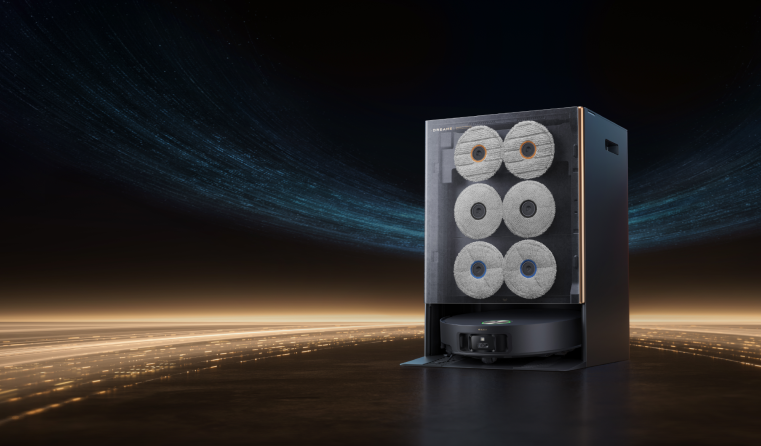
It’s extremely rare, but every now and then, you might notice your robot vacuum suddenly misreading, warping, or even completely breaking its carefully mapped layout of your home. Why does this happen, and what can you do?
Source: smarthomeassistent.de
Common Causes and Fixes for Robot Vacuum Map Issues
Here’s a breakdown of the most common reasons your carefully created mapping might go haywire, plus the solutions that can help reset things.
1. The Charging Dock Was Placed Incorrectly
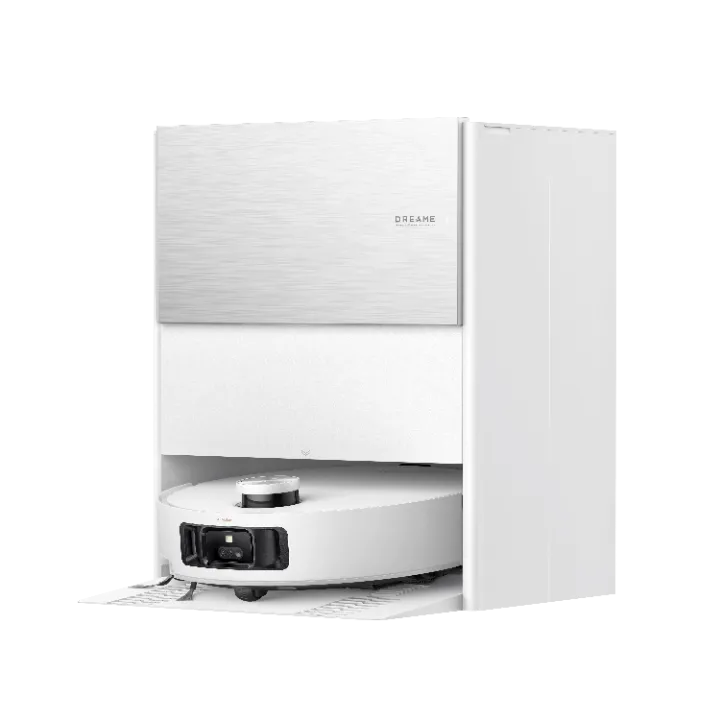
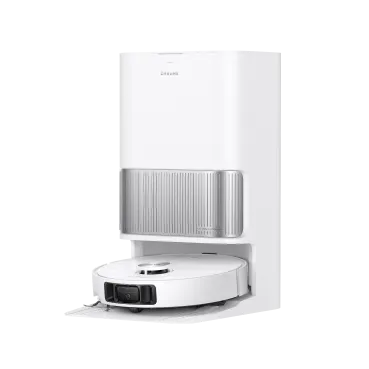
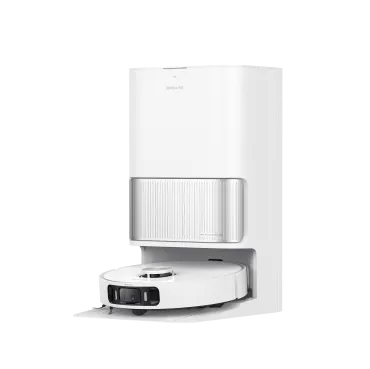
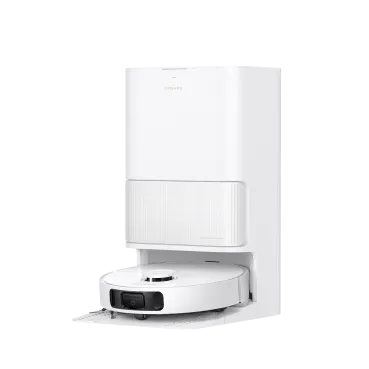
What’s happening: One of the most overlooked causes is improper dock placement. If the dock is squeezed into a narrow niche or sits at an angle, the robot may misinterpret surrounding objects and walls from the very beginning, which can lead to a slanted or distorted map. Placing the dock in the middle of a room or against a slanted wall can also create issues.
What to do: Always position the dock flush against a straight wall, with at least 20 inches (50 cm) of clearance on either side and 40 inches (1 m) in front. The robot vacuum needs some room to dock and undock reliably.
2. The Sensors Are Dirty
What’s happening: Over time, fine dust can settle into the robot’s sensors, affecting navigation. A confused vacuum cleaner tech can easily throw off your map.
What to do: Clean your robot vacuum regularly, especially in homes with pets or heavy dust. Wipe down all sensors and clear away any buildup. In high-traffic homes, you may need to clean every 3-5 days.
3. The Robot Vacuum Got Stuck During Cleaning
What’s happening: If the vacuum gets trapped on thick rugs, under curtains, or on thresholds, it may struggle to free itself. In the process, it could distort the map or shift its internal location tracking.
What to do: Observe the cleaning process, especially during the first few runs. Use ramps for high thresholds, trim low-hanging fabrics, or consider raising your sofa with taller legs if it constantly snags the vacuum.
4. It’s Confused by Floor-to-Ceiling Mirrors or Windows
What’s happening: Floor-length mirrors and large reflective windows can confuse the robot’s LiDAR system. The laser thinks there's another room beyond the glass and maps it as such.
What to do: Apply a frosted film or decorative vinyl to the bottom part of the mirror or window to block the beam. These films are available in subtle, stylish designs and help prevent mapping errors.
5. Shiny or Chrome Surfaces Are Deflecting the Laser
What’s happening: Shiny objects like chrome laundry baskets or reflective furniture legs can bounce the robot’s laser signal, preventing it from recognizing the space accurately.
What to do: Temporarily remove reflective items during the mapping process, or cover furniture legs with matte tape if needed.
6. The Robot Was Lifted Mid-Clean
What’s happening: Lifting the robot while it’s actively cleaning can interrupt its route and confuse its internal navigation, causing a warped or overlapping map.
What to do: Never lift your robotic vacuum during cleaning. If you need to move it, pause or power it off first to avoid scrambling the map.
Final Tips
If your robot vacuum's map still seems off, try deleting the current map and letting it remap your home from scratch. Always make sure your home is robot-friendly: clear of clutter, reflective surfaces, and random obstacles. If you have any questions about Dreame robot vacuum cleaners or their mapping features, please reach out to our support team.
Have you ever thought about the air you breathe at home or at work? Tiny particles float around that you cannot see. These include dust, pollen, smoke, and even viruses. To get cleaner air, you need a special tool. HEPA filter.
What Is a HEPA Filter?
A HEPA filter is an air filter that captures very small particles. It stands for High-Efficiency Particulate Air filter. It can trap at least 99.97% of dust, pollen, mold, bacteria, and any airborne particles with a size of 0.3 microns (µm).
HEPA filters are made from a mat of fibers arranged randomly. These fibers can be made from glass or synthetic material, like polyester. The filter has many layers that form a maze for the air to pass through.
Unlike a simple filter that only catches big dust particles, a HEPA filter is tested for its ability to catch the smallest and hardest-to-capture particles. It is tested using the most penetrating particle size (MPPS), usually around 0.3 microns. These tiny particles are tricky to catch, so a HEPA filter needs to be very good to pass the test.
Types of HEPA Filters
When looking for a HEPA filter, it is easy to get confused by the types. Each one has different levels of filtration. Knowing these types helps you choose the right one for your needs.
Type of Filter
Filtration Level
Description
True HEPA Filter
99.97% of particles ≥ 0.3 microns
Certified to meet HEPA standards. Used in medical and cleanroom settings.
HEPA-Type Filter
Typically 85%–95% (does not meet HEPA standard)
Looks like a HEPA filter, but does not meet full standards. Traps fewer particles.
ULPA Filter
99.999% of particles
Stands for Ultra-Low Penetration Air filter. Even better than True HEPA. Used in labs and sensitive environments.
HEPA Filter Alternatives
Varies
Includes filters like electrostatic, ionic, and carbon filters. Some target gases and odors instead of particles.
How Does a HEPA Filter Work?
A HEPA filter cleans air differently from most filters. Instead of a simple screen, it uses a mat of fibers to catch particles in several ways. These methods are: interception, impaction, and diffusion.
First, for larger particles, like dust and pollen, the fibers act like a trap. As air passes through, these particles hit the fibers directly and stay there. Scientists call this method impaction.
Next, medium-sized particles move along with the air. As they pass near the fibers, they can get caught. This is called interception. It works because these particles cannot avoid the fibers and get stuck.
For the smallest particles, something different happens. Tiny particles like viruses and smoke move in random paths as they pass through the filter. This random movement is caused by air molecules bumping into them. This process is called diffusion. Because these particles change direction so often, they have a high chance of hitting the fibers and staying there.
Other filters, like carbon filters or ionic filters, work differently. Carbon filters trap gases and smells instead of particles. Ionic filters charge particles so they stick to surfaces instead of floating in the air. These filters are good for some uses, but do not replace HEPA filters for particle capture.
What Do HEPA Filters Filter?
HEPA filters are designed to catch a wide range of tiny things floating in the air. These include:
Dust from homes, workplaces, and outdoors.
Pollen from flowers and trees causes allergies.
Pet hair and dander that animals leave behind.
Smoke particles from cigarettes, cooking, and fires.
Mold spores can grow in damp places.
Bacteria and viruses that are too small to see but can spread sickness.
PM2.5 particles which are tiny bits of pollution smaller than 2.5 microns.
Each can harm health or make the air uncomfortable to breathe. HEPA filters can catch most of these particles, cleaning the air effectively.
HEPA Filter Efficiency and Standards
To make sense of filter performance, different countries use different rating systems. The most widely recognized HEPA Filter standards come from Europe (EN 1822), international bodies (ISO 29463), and the United States (MIL-STD and IEST standards).
1. European Standard: EN 1822
EN 1822 classifies filters based on how much they capture at MPPS. It defines three major groups:
Filter Class
Type
Minimum Efficiency at MPPS
E10–E12
EPA
85% to 99.5%
H13–H14
HEPA
99.95% to 99.995%
U15–U17
ULPA
99.9995% and above
This standard is widely used across Europe for cleanrooms, medical devices, and industrial environments.
2. International Standard: ISO 29463
ISO 29463 was introduced to harmonize global filter classifications. It builds on EN 1822 and introduces more detailed filter classes:
ISO Class Range
Group
Equivalent Efficiency
ISO 15 E–ISO 30 E
EPA
Similar to E11–E12
ISO 35 H–ISO 45 H
HEPA
Similar to H13–H14
ISO 50 U–ISO 75 U
ULPA
Similar to U15–U17
Like EN 1822, ISO 29463 tests filters using MPPS. However, it allows more flexible test methods and defines stricter leak detection protocols for high-performance filters.
3. U.S. Standards: MIL-STD and IEST
In the U.S., HEPA filter testing follows different standards, originally developed for military and industrial use:
MIL-STD-282 (1956): This military standard defines HEPA as a filter that removes at least 99.97% of 0.3 micron particles using DOP aerosol testing.
IEST-RP-CC001 & CC007: These are industry standards used to test HEPA and ULPA filters in cleanroom and pharmaceutical settings.
In the U.S., filters are generally labeled simply as "HEPA" if they meet the 99.97% at 0.3μm requirement. However, this single-point efficiency test is less precise than the MPPS-based classifications used in EN and ISO systems.
Comparison
Region
Standard
Test Basis
Minimum HEPA Efficiency
Europe
EN 1822
MPPS
99.95% (H13)
International
ISO 29463
MPPS
99.95% (ISO 35 H)
United States
MIL-STD-282 / IEST
0.3 μm (fixed)
99.97%
Factors Affecting HEPA Filter Efficiency
Several factors can change how well a HEPA filter works:
Airflow speed: If air moves too fast, the filter may not catch everything.
Filter quality: High-quality filters made with good materials perform better.
Sealing: If the filter is not sealed well in the machine, unfiltered air may leak past it.
Use over time: Dust buildup on the filter can lower its efficiency, so regular maintenance is important.
Where is the HEPA Filter Used?
HEPA filters are used in different types of devices that clean the air. Each device helps remove particles and improve air quality in its own way.
Device Type
Purpose
Air Purifiers
Clean air by removing particles such as dust, pollen, and allergens
Vacuums
Trap fine particles like dust and pet dander, preventing them from returning to the air
HVAC Systems
Filter air moving through heating, ventilation, and air conditioning systems
Medical Equipment
Clean air in devices such as ventilators and biosafety cabinets
Laboratory Equipment
Maintain clean air for experiments in devices like clean benches and fume hoods
Automotive Air Systems
Filter cabin air in cars and trucks to reduce outside pollution
Dreame Take
If you are in the market for the devices as mentioned above, never overlook HEPA filtration, a big role in your health. For instance, the Dreame Z20 Cordless Stick Vacuum uses a whole-machine HEPA filtration system with 99.99% efficiency for particles ≥0.3µm, including bacteria and viruses. It also has 250AW suction power and CelesTect Light Technology to reveal hidden dust.
HEPA Filter Replacement and Maintenance
HEPA filters need proper care to keep working well. Over time, they can fill with dust and lose efficiency. Here's how to keep them in good shape.
How Often to Replace HEPA Filters
Most HEPA filters last between 6 and 12 months, but this depends on how often they are used and the type of device. Check the manufacturer's instructions for the best replacement schedule.
Signs You Need a Replacement
Weak airflow from your device
A noticeable smell of dust or musty air
More visible dust or particles in the air
An indicator light (if the device has one) signaling it's time
How to Properly Replace a HEPA Filter
Turn off the device and unplug it.
Open the filter compartment.
Take out the old filter carefully.
Put in the new filter, matching the arrows or guides.
Close the compartment and turn the device back on.
How to Clean a HEPA Filter
Some HEPA filters in vacuums are washable, but many are not. Washing the wrong type may damage the fibers that trap particles.
For washable HEPA filters:
Take the vacuum outside.
Open the vacuum and remove the filter.
Wash the filter in water with mild detergent.
Rinse it until it is completely clean.
Leave the filter to air-dry fully. A damp filter cannot trap particles properly.
For non-washable HEPA filters:
Take the vacuum outside or to a well-ventilated space.
Open the vacuum and remove the filter.
Use a soft brush to gently remove dust and debris from the filter surface.
Look carefully to make sure it is clean. Avoid cleaning the inside part as it is usually clean.
If you're unsure how to clean your vacuum's filter or whether it's even safe to wash, read our HEPA filter cleaning instructions.
Why Choose a HEPA Filter
A HEPA filter provides clean, particle-free air in many settings. Its structure traps particles as small as bacteria and allergens, improving air quality for better health. Whether used in vacuums, air purifiers, or other devices, it is an effective tool for maintaining cleaner spaces.
With regular replacement and maintenance, a HEPA filter remains a reliable choice for air filtration. Its ability to catch small particles without releasing harmful byproducts makes it a safer, smarter option for anyone who wants cleaner air.
When you walk into a room with beautiful wood floors, it instantly feels warm and inviting. But if you’ve ever noticed a dull finish, scratches, or a sticky spot underfoot, you know that keeping wood floors clean isn’t always simple. Whether you have a busy household with kids and pets or just want your space to feel fresh and polished, knowing how to care for your wood floors makes a difference.
Know Your Wood Floor Type
It is very important to know what type of wood floor you have. Because each type needs a different way to clean. Using the wrong method might damage the floor. Let’s look at the most common types of wood floors and how they are different.
Hardwood Floors
Hardwood floors are made from real wood. There are two main kinds:
Solid hardwood: Made from one solid piece of wood, like oak or maple. It can last many years, but does not like too much water. Clean with a soft, dry mop or a slightly damp cloth. Never soak it.
Engineered hardwood: Looks the same as solid hardwood on top but has layers of wood underneath. It handles moisture better and is more stable. Clean it like solid hardwood, but with a little more tolerance for damp mopping.
If you want more information about hardwood floors, you can visit our hardwood floors cleaning guide.
Bamboo Floors
These floors are made from bamboo, which is a type of grass. They look like wood and are used like wood floors, but they are not exactly the same. Bamboo floors are strong and resist water better than many woods. Still, use gentle cleaning methods. Clean with a soft mop and a mild cleaner. Avoid too much water or harsh chemicals.
Parquet Floors
Parquet floors are made from small pieces of wood arranged in patterns. These floors are beautiful but need care. Dirt can hide in the little spaces, so gentle cleaning is best. Use a soft brush or microfiber mop to clean between the patterns. Avoid soaking the floor, as water can seep into the seams.
Essential Cleaning Supplies You May Need
Keeping wooden floors clean is easier with the right tools and cleaners. Using the wrong supplies can damage the floor or leave it dirty.
For daily and deep cleaning, you should consider having:
A soft broom or microfiber dust mop to pick up dust and dirt
A microfiber mop for wet cleaning
A bucket and clean water
A vacuum with a soft brush attachment for dry cleaning
A spray bottle for spot cleaning
Wet and dry vacuum or robot vacuum for deep and smart cleaning
These tools will help you remove dust, dirt, and grime without harming the floor.
Should You Use Homemade Wood Floor Cleaner Solution?
Some people use homemade solutions like water mixed with vinegar or dish soap. However, this can be risky. Vinegar is acidic and can damage the floor finish. Strong soaps can leave a sticky film. It is better to use commercial cleaners that are pH balanced and safe for wood floors.
What is the best way to clean wooden floors?
Coming home, you might notice footprints, pet hair, or dust from the day’s activities. Wooden floors look beautiful, but they need a little extra care to keep them shining. Whether you’re cleaning by hand or using smart devices, there’s a method that fits your lifestyle.
Manual
Manual cleaning is a simple and reliable way to keep wood floors looking good. It works for both daily and deep cleaning.
Tools you'll need:
Soft broom or microfiber dust mop
A bucket with clean water
Mild wood floor cleaner
Microfiber mop
Steps:
Sweep or dust the floor to remove dirt and debris.
Fill a bucket with warm water and add a small amount of wood floor cleaner.
Dip the mop in the solution, then wring it out well.
Mop the floor gently, following the grain of the wood. Avoid using too much water.
Dry the floor with a soft cloth or let it air dry completely before walking on it.
Tech-Savvy
For a faster and more powerful clean, you can use a wet and dry vacuum. It combines vacuuming and mopping with smart features. Let's take the Dreame H14 Wet and Dry Vacuum as an example.
Steps:
Prepare the vacuum by filling the clean water tank and adding the cleaning solution if needed.
Start the H14 - it vacuums and mops at the same time, using separate tanks for clean and dirty water.
The vacuum uses 140°F (60°C) hot water to clean stubborn grime and sticky messes from the floor.
Its dual-edge brush reaches corners and baseboards, leaving no dirt behind.
The self-cleaning brush spins during use, keeping the brush clean and ready.
After cleaning, empty the used water tank and the dustbin. Return the vacuum to its station.
The vacuum will use hot air to dry the brush in about 5 minutes. Your wooden floors are clean!
Automated
If you want a hands-free experience, you should definitely consider trusting a robot vacuum to clean your wooden floor. It vacuums, mops, and even takes care of itself with smart technology. Let's take the Dreame X50 Ultra Robot Vacuum for this demonstration.
Steps:
Make sure the clean water tank and solution tank are filled. Turn on the X50 Ultra (assuming it's already set up and the robot vacuum has mapped your home for cleaning). You can use the Dreamehome App or even voice commands to check and start the cleaner.
The robot starts cleaning, it heats mop water to 176°F (80°C) to tackle grease and stains.
Vormax suction and HyperStream DuoBrush remove deep dirt and long hair.
Mop pads lift automatically when the robot moves over carpets, protecting your floor from wet messes.
Once cleaning is finished, the self-cleaning station washes and dries the mop pads.
The robot empties dust and dirt into a 0.85-gallon (3.2L) base station bag, which can last up to 100 days before needing a change.
After cleaning, check and empty the station’s dust bag and refill the clean water if needed.
Create Your Cleaning Routine
A well-planned cleaning routine helps keep wood floors clean, shiny, and in good condition. Dividing tasks into daily, weekly, monthly, and seasonal steps makes it easier to manage. Here’s how to organize your routine:
Daily Cleaning
You can sweep or dust mop your floors either in the morning or evening, whichever fits your day better. It usually takes just a few minutes and helps keep dust and crumbs away.
Use a soft broom or microfiber mop to pick up dirt and dust.
Wipe up any spills with a dry cloth or paper towel immediately.
Avoid using too much water to prevent damage.
Use a robotic vacuum if available to clean common areas daily.
Weekly Deep Cleaning
Choose a time during the week that works for you.
Vacuum the floor with a soft brush attachment or a suitable cleaning device to remove built-up dirt.
Lightly mop with a damp mop and wood floor cleaner, moving along the wood grain.
Dry the floor with a soft cloth or let it air dry.
Clean corners and along baseboards with a soft brush or the edge of your cleaning tool.
Use a deep clean mode if your cleaning device supports it.
Monthly Care
Take a little time each month to check for wear and keep the floors looking their best.
Inspect the floor for scratches or dull spots.
Lightly polish areas that need a refresh.
Clean entryway mats.
Move furniture slightly to avoid uneven wear.
Check your cleaning devices for updates and maintenance.
Seasonal Maintenance
Every three months, plan for deeper maintenance to protect your wood floors through different seasons.
Look for scratches, cracks, or wear, and polish the floors if needed.
Change the doormats at the entrances each season to trap dirt and debris.
In spring, focus on removing pollen and dust.
In summer, check for moisture-related damage.
In fall, remove leaves and dirt tracked inside.
In winter, prevent mud and salt buildup.
Things to Avoid That Damage Your Wooden Floor
Some cleaning habits and products can harm wood floors. Knowing what to avoid helps keep them safe and beautiful for years.
Avoid Excess Water
Never use a soaking wet mop. Excess water can seep into the floor and cause it to swell or warp.
Wipe up spills right away to stop moisture from getting into the wood.
Use a damp mop with minimal water, or better, a spray mop.
Wet and dry vacuums like Dreame H14 can control water usage, so you don't have to worry.
Robot vacuums like Dreame X50 Ultra automatically adjust water flow during mopping, preventing over-wetting.
Steer Clear of Harsh Chemicals
Avoid cleaners with strong chemicals like ammonia, bleach, or vinegar. These can strip the floor’s finish and cause discoloration.
Use a cleaner that is pH-neutral and designed for wood floors.
Do not use furniture sprays or oil-based cleaners, as they leave residue and can make floors slippery.
Prevent Scratches and Damage
Do not drag heavy furniture across the floor. Use felt pads under furniture legs.
Keep pet nails trimmed to avoid scratches.
Avoid walking on the floor with high heels or shoes with sharp edges.
Place mats or rugs in high-traffic areas to reduce wear.
Use the Dreame X50 Ultra’s auto-lifting mop pads and obstacle detection features to avoid damaging sensitive spots while cleaning.
Choosing the Right Way to Clean Your Wood Floors
Wood floors need the right tools and products to stay clean and last long. Using the wrong supplies can cause damage. Check out the list below to find out what works best.
Use a soft broom, microfiber mop, or a vacuum with a soft brush attachment for regular cleaning.
A pH-neutral cleaner made for wood floors is safe and effective. Avoid harsh chemicals like vinegar, ammonia, or bleach.
Avoid homemade cleaning solutions, for they can harm the floor’s finish and leave residue.
For tough messes and stains, a damp mop with a gentle wood floor cleaner works well. Make sure the mop is not too wet.
For fast and powerful cleaning, or deep cleaning, wet and dry vacuums like Dreame H14 work exceptionally well.
For hands-free daily cleaning, robot vacuums like Dreame X50 are the best option.
FAQs About Keeping Your Wood Floors Pristine
Q1: Why is daily dusting important for wood floors?
Daily dusting removes dirt, pet hair, and grit that can scratch the surface. This stops tiny particles from cutting into the wood’s finish and helps keep the floor looking smooth and clean.
Q2: Should I wait to clean up spills on wood floors?
No. Spills should be wiped up immediately. Water and other liquids can seep into the wood and cause stains, swelling, or cracks. A quick wipe with a dry cloth prevents long-term damage.
Q3: How often should I deep clean my wood floors?
Once a week is a good rule. It helps remove built-up dirt, sticky spots, and fine dust that daily sweeping may miss. Regular deep cleaning also keeps the wood’s finish in good condition.
Q4: Can vinegar or dish soap be used to clean wood floors?
Vinegar is too acidic and can dull or strip the finish. Dish soap can leave a sticky layer that attracts more dirt. It’s best to use a cleaner that’s made for wood floors and is pH-balanced.
Q5: What is the problem with using steam cleaners on wood floors?
Steam forces hot moisture into the wood, which can cause swelling, warping, or cracking. Even floors with a sealant are at risk because steam can find its way through small gaps or cracks.
Master the Art of Floor Care
How to clean hardwood floors
How to Clean and Mop Tile Floors
How to Clean Laminate Floors
How to Clean Marble Floors
How to Clean Grout on Tile Floor
How to Clean Linoleum Floors
Choosing Floor Cleaning Solution
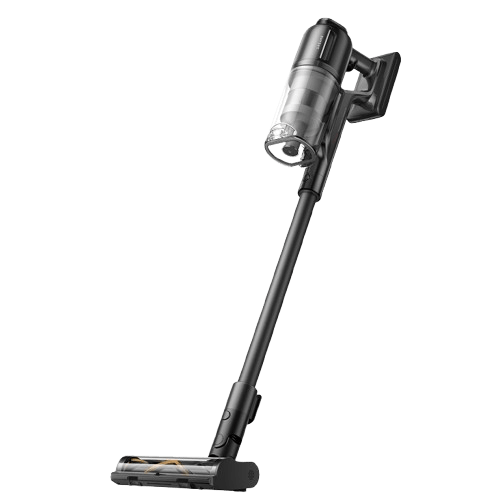
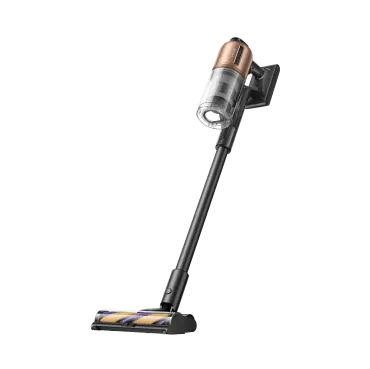
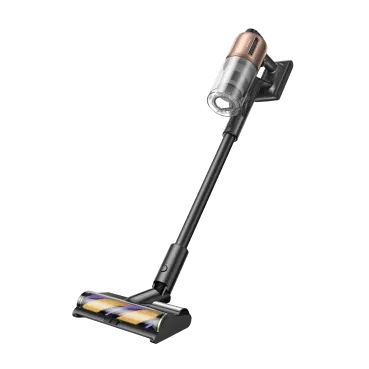
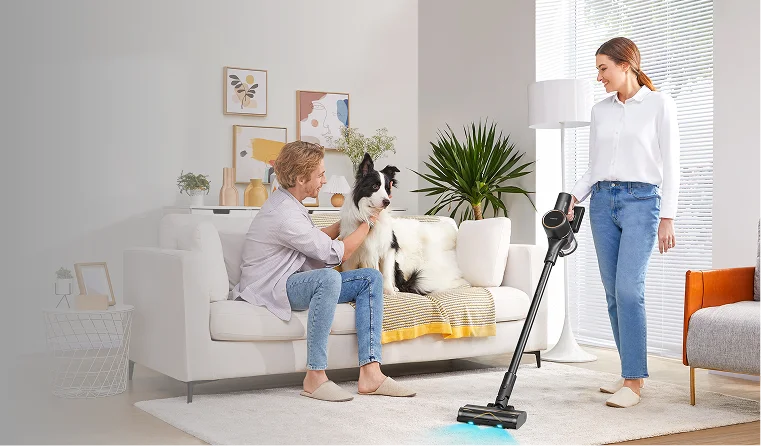
Finding a high-quality cordless vacuum that won't break the bank can feel like searching for a needle in a haystack. According to numerous verified Amazon reviews, the Dreame R10 Pure stands out as an exceptional choice among budget-friendly cordless vacuums. Here's what real users have to say about why they love it.
Powerful Suction for Every Mess
One verified reviewer noted, "Even on its lowest level, the suction picked up the carpet every time I hovered in one place without moving," clearly impressed by its cleaning strength. Another user emphasized, "The motor creates a lot of suction power, handling pet hair and daily dirt with ease."
Reliable Long Battery Life
Another satisfied customer shared, "Battery life is excellent… it says 60 minutes and I got about 59 minutes out of it," highlighting its reliable performance during thorough cleaning sessions. Users also appreciated the quick charging feature, noting it takes just a couple of hours to fully recharge.
Lightweight and Easy to Maneuver
A reviewer enthusiastically commented, "Overall, I am really impressed with this product! It is very easy to use because of its light weight, assembles and disassembles in seconds... HIGHLY recommend!" Another customer noted its ease of handling, mentioning it smoothly transitions from hardwood floors to rugs.
Perfect for Pet Owners and Busy Families
A busy household with pets remarked, "We have three indoor cats and kids at home. The R10 Pure effectively picks up fur, cat litter, and even spilled pet food effortlessly." Another pet owner mentioned, "With two dogs at home, it's amazing how well this vacuum handles pet hair without clogging."
Convenient and Thoughtful Design
Reviewers praised thoughtful features like the "clear dust cup so you can see when it's time to empty," and highlighted the easy, one-press dust dump feature. Another user appreciated the vacuum's versatile attachments, explaining, "Attachments are sturdy, easy to switch, and perfect for reaching tight spaces and corners."
Ready to See Why Everyone’s Talking?
Don’t just take our word for it—check out more real-life reviews and grab your own Dreame R10 Pure with an exclusive 25-30% OFF offer (available until April 20th).
👉 Buy on Amazon or Buy from Dreame Official Store and experience why reviewers are loving it!
Spring cleaning season is here, and with it brings the familiar dilemma of choosing the right cleaning tools. Whether you’re tackling a small apartment or a spacious home, efficiency and ease of use matter—so how does one find a vacuum cleaner that truly simplifies our cleaning routine without breaking the bank?
We’ve done the research, and one cordless vacuum stands out this spring: the Dreame R10 Pure. Priced attractively at just $199.99, this lightweight, powerful vacuum cleaner has quickly gained popularity to become a top choice among savvy home cleaning enthusiasts.
Why is the R10 Pure highly recommended this season?
Powerful Suction for Deep Cleaning
With ultra-strong 120AW suction power, Dreame R10 Pure ensures thorough cleaning of carpets, hardwood floors, tiles, and more. Pet hair, dirt, dust, and stubborn debris vanish effortlessly, leaving your home fresh and spotless—exactly what you need after a long winter indoors.
Extended Battery Life for Maximum Runtime
No one likes stopping repeatedly to recharge mid-cleaning. With up to 60 minutes of runtime, R10 Pure's advanced battery technology enables cleaning your entire home in one go, making spring home cleaning swift and hassle-free.
Designed for Style and Efficiency
Gone are the days of bulky, unattractive cleaning appliances. Developed by Dreame’s own Aesthetics Center, the R10 Pure features sleek lines, elegant finishes, and an ergonomic, lightweight build (just 3.6 lbs!), perfect for effortless cleans—even in tight corners or hard-to-reach areas beneath furniture. Plus, its built-in LED lights brighten dark spaces, ensuring no dirt is left behind.
Why R10 Pure?
This spring, Dreame is celebrating by offering an exclusive 25-30% off limited-time promotion from now to April 20th. Don’t miss the opportunity to transform your cleaning routine at a remarkably affordable price.
Ready to Upgrade Your Cleaning Game?
Take advantage of the exclusive deal now and get the R10 Pure delivered directly to your door:
Shop on Amazon
Buy from Dreame Official Store
Act fast—spring cleaning never looked this good!