How to Clean Linoleum Floors Like a Pro: Tips and Tricks

How to Clean Linoleum Floors Like a Pro: Tips and Tricks

Editorial TeamDreame |
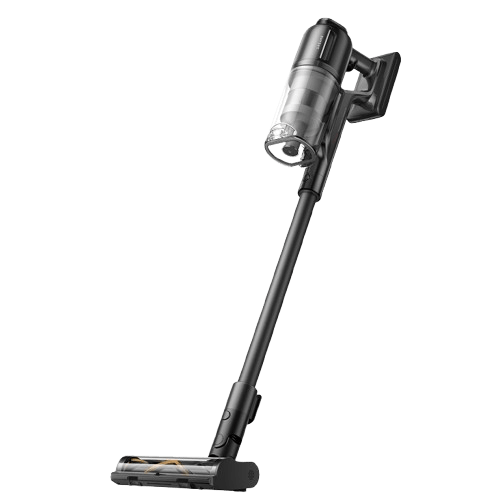
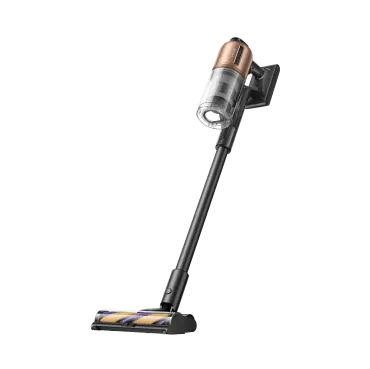
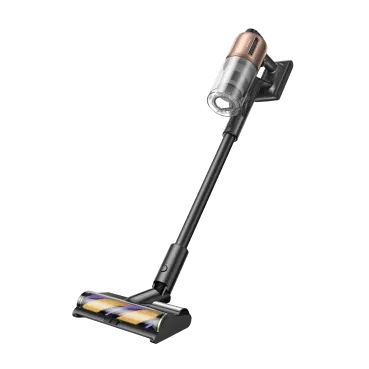
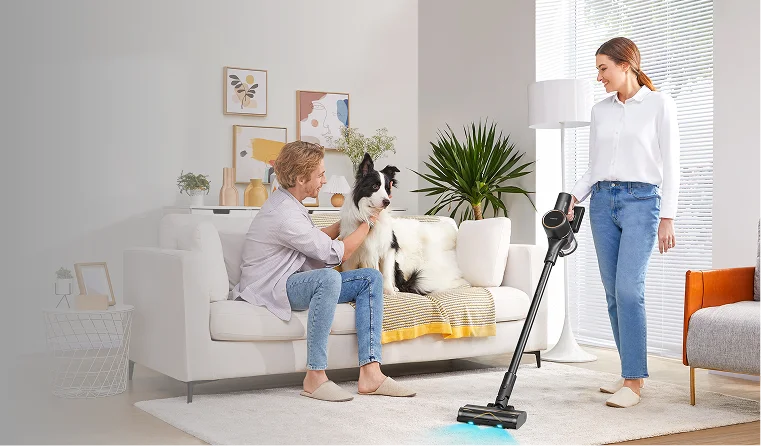
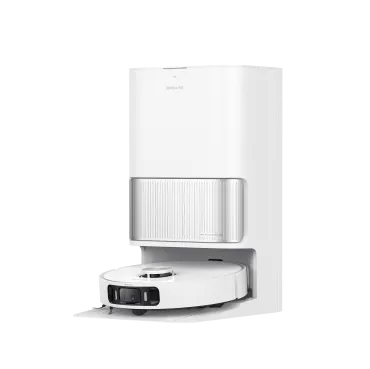
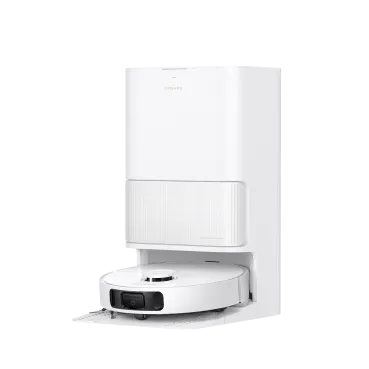
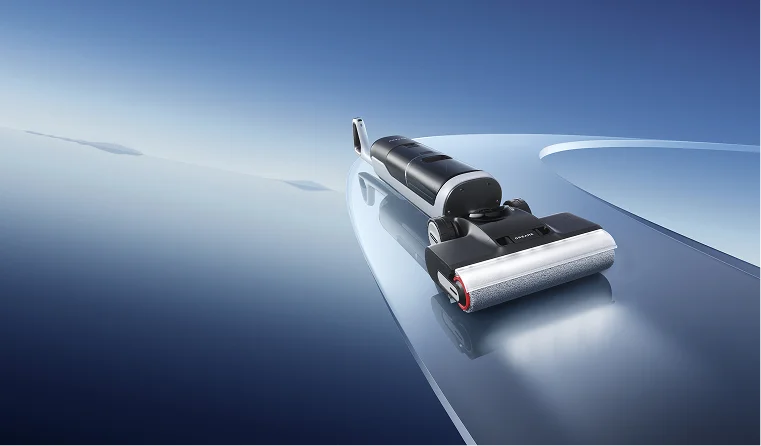
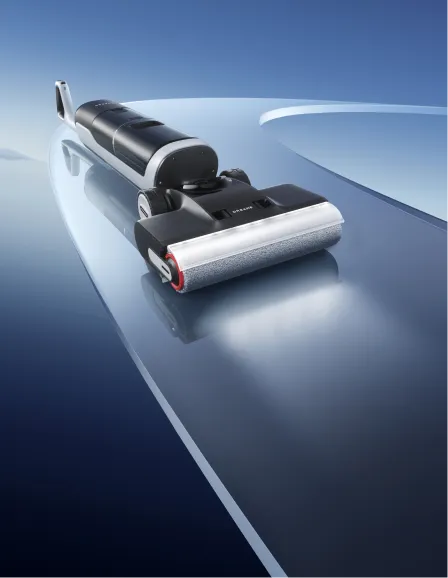
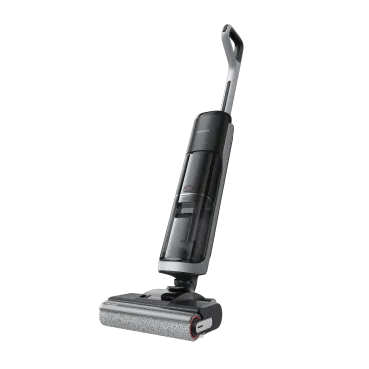
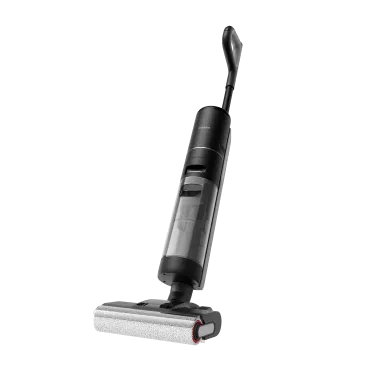
Linoleum flooring is making a comeback, and for good reason. It’s budget-friendly, eco-friendly, and surprisingly durable. But how do you keep it looking clean and fresh? That takes the right approach. Learning how to clean linoleum floors the right way can protect their finish, extend their lifespan, and help them shine like they were just installed. In this guide, we’ll walk you through the tools, tricks, and routines that make it easy to keep your floors spotless, even if you’re dealing with stubborn stains or ground-in dirt. What Is Linoleum Flooring? Linoleum is a natural floor covering made from renewable materials like linseed oil, cork dust, and wood flour. Unlike vinyl, which is synthetic, linoleum is biodegradable and hypoallergenic. It comes in a range of styles, from muted neutrals to bold patterns, and is commonly found in kitchens, bathrooms, and hallways. There are two common types: Sheet linoleum: Seamless and moisture-resistant Tile linoleum: Easier to install and replace Because of its porous, organic makeup, linoleum needs gentle care. Using the wrong cleaner or too much water can warp or damage the surface over time. That’s why choosing the right method and the right tools matters. What to Clean Linoleum Floors With Before diving into cleaning methods, let’s talk tools. Different cleaning tasks call for different tools. Here's a quick breakdown: Cleaning Task Best Tools Dreame Recommendation Daily dust/hair removal Soft broom, microfiber mop, robot vacuum Dreame L10s Ultra: Hands-free robot vacuum and mop combo with precision mapping and automatic dirt disposal. Perfect for daily maintenance. Weekly mopping Damp microfiber mop, gentle floor cleaner Dreame H14 Pro: Lightweight wet and dry vacuum that scrubs, vacuums, and dries in one go, without leaving streaks. Deep cleaning Soft-bristle scrub brush, mild pH-neutral floor cleaner, baking soda for spot treatment Dreame H14 Pro: Its powerful suction and intelligent water control make it ideal for tackling built-up grime or greasy residue. How to Deep Clean Linoleum Floors Over time, linoleum can trap ground-in dirt, develop yellow stains, or collect greasy buildup. Here’s how to deep clean linoleum floors effectively: Step 1: Clear the Area Remove rugs and furniture so you have a clean workspace. Step 2: Vacuum or Sweep Thoroughly Start by clearing away loose dirt, dust, and crumbs. If you're short on time, set your robot vacuum, like the Dreame L20 Ultra, to do the work while you focus on other tasks. If you need a quick and efficient cleanup, consider a wet and dry vacuum or a cordless stick model. These options offer precise spot cleaning and strong suction where it matters most. Step 3: Apply a Cleaning Solution Mix warm water with a bit of mild dish soap. Avoid vinegar, especially on older linoleum. Mop the floor lightly, avoiding puddles. The surface should stay just damp and not wet. Pro-tip The Dreame H14 Pro intelligently adjusts water usage and suction power based on the floor’s dirt level, so you get a deep clean without overwetting. This is perfect for moisture-sensitive linoleum floors. Step 4: Scrub Problem Spots For yellowing or grease buildup, apply a baking soda paste and scrub gently with a soft brush. Or use a wet and dry vacuum cleaner with strong suction and a rotating brush to lift stubborn grime. Step 5: Rinse and Dry Use a dry microfiber cloth or a wet and dry vacuum to prevent water damage. Make sure no dirty water is left behind. Regular Cleaning Routine (Easy Way to Clean Linoleum Floors) The best way to keep linoleum looking fresh? Follow this simple routine: Daily: Sweep or use a robot vacuum like the Dreame L10s Ultra to remove dust, crumbs, and pet hair. The vacuum’s built-in camera avoids cords, furniture, and rugs, so you don’t have to babysit it. Weekly: Lightly mop with a gentle cleaner or use the H14 Pro, which automatically senses dirt and adjusts suction and water flow to match. It’s perfect for fast refreshes that don’t soak your floors. Monthly: Deep clean with wet dry vacuum or supplement with the Dreame Z30 Cordless Stick Vacuum for edge-to-edge dust pickup before mopping. Its high suction power and precision cleaning attachments are ideal for getting into corners and around furniture. Dreame Take Consistency is key. Combining robot vacuuming with occasional manual mopping keeps linoleum looking spotless without wearing yourself out. How to Clean Stains and Sticky Linoleum Floors Life happens—grease spills, scuff marks, sticky juice spots, and even mold can show up. Here’s how to handle them: Grease Sprinkle baking soda over the greasy area, then mop with warm soapy water. Or let the H14 Pro take care of it. Its edge-cleaning design gets right up against cabinets and baseboards, gently lifting grease with automatic suction adjustments. Mold Use a linoleum-safe antimicrobial cleaner or a diluted 3% hydrogen peroxide solution to treat mold stains. Spray, let sit for 10 minutes, then gently scrub and wipe clean. Follow up with the H12 Dual in Auto Mode. Its robust brush head and suction power pick up spores and rinse residue clean. Scuff Marks Gently rub marks with a melamine sponge. For embedded dust, grab the Dreame Z30 Cordless Stick Vacuum. Its powerful suction and smart adaptive mode make quick work of dirt in corners or around furniture legs. Sticky Spots Spray with a linoleum-safe floor cleaner and let soak for 5–10 minutes. Then use the a wet and dry vacuum to scrub and vacuum simultaneously. If you use Dreame models like H14 Pro, their intelligent mess detection adjusts power precisely, and the dual water tanks keep dirty and clean water separate. For more information on tackling difficult areas, check out the article on “Tricky Spots for Vacuuming.” Dreame Take From sticky spots to tough stains, the H14 Pro combines strong suction, rotating brushes, and drying in one smooth pass, leaving your linoleum clean, dry, and residue-free. What Is the Best Way to Clean Linoleum Floors? The best way to clean linoleum floors combines the right tools and techniques. Here’s a quick summary of what works best: Use a robot vacuum daily to reduce dust buildup (L10s Ultra or L20 Ultra). Mop lightly with a gentle cleaner. Tackle stains with non-abrasive tools. Avoid bleach, harsh scrubbers, or soaking the floor. Important The Dreame wet and dry vacuum feature dual water tanks, so you’re never pushing dirty water around. Maintenance Tips for Longevity Place doormats at entrances to reduce dirt. Use furniture pads to avoid scratching the surface. Clean spills immediately to prevent staining. Avoid direct sunlight to prevent fading (use curtains or blinds). Reseal older linoleum every 1–2 years for extra protection. What to Avoid When Cleaning Linoleum Floors 🚫 Harsh chemicals like bleach or ammonia because they strip the finish. 🚫 Too much water, especially on old or unsealed linoleum; it seeps into seams and warps floors. 🚫 Steam mops: the heat can loosen adhesives over time. 🚫 Abrasive scrubbing tools (steel wool and stiff brushes) because they can scratch or strip the finish. Dreame Take Stick with smart tools like Dreame’s wet and dry vacuums, which use just the right amount of moisture and adjust based on floor condition. This helps prevent water damage while keeping floors spotless. FAQs Q: Can I use vinegar to clean linoleum? A: Avoid it. Vinegar’s acidity can dull the finish over time. Q: What’s the best mop for linoleum floors? A: A microfiber mop, spray mop, or wet and dry vacuum is ideal. Learn more on “How Wet and Dry Vacuums Transform Multi-Surface Cleaning at Home.” Q: How do I restore shine to old linoleum? A: Buff with a floor polish designed for linoleum. Q: Can robot vacuums handle linoleum transitions? A: Yes! Even the beginner models like Dreame’s D9 Max Gen 2 climb 0.8in (20mm) thresholds with ease. Q: What should I do if my linoleum starts curling? A: Dry the area thoroughly (try the wet and dry vacuum in Dry Mode), press small curls flat with adhesive, and consult a pro for major warping. Final Thoughts Learning how to clean linoleum floors isn’t rocket science, but doing it right makes all the difference. With a little daily care and the right cleaning tools, your floors can stay spotless and stunning year-round. Stick to gentle cleaners, avoid excess water, and consider smart tools like Dreame’s robot vacuums and mops for effortless maintenance. Your floors deserve it, and so do you! Master the Art of Floor Care How to clean hardwood floors How to clean wood floors How to Clean and Mop Tile Floors How to Clean Laminate Floors How to Clean Marble Floors How to Clean Grout on Tile Floor Choosing Floor Cleaning Solution
Continue reading
Mattress Vacuum vs. Traditional Vacuum: How to Clean Your Mattresses Better

Mattress Vacuum vs. Traditional Vacuum: How to Clean Your Mattresses Better

Editorial TeamDreame |
Sheets look fresh, but deep down, mattresses can hide dust mites, allergens, bacteria, and things you can't see. Cleaning your mattress the right way can make a big difference in how you sleep and how you feel. Let's look at what really works. What is a Mattress Vacuum and How Does it Work? A mattress vacuum is a cleaning tool designed to remove fine dust, dust mites, pet allergens, and other particles that settle deep inside a mattress. Unlike regular vacuums, it is built for soft surfaces and can gently lift debris from fabric without damaging the material. Many use strong suction combined with a flat head to press into the mattress and pull out what lies below the surface. Some models go further by adding UV light to help reduce germs or heated air to dry out moisture. Others use vibration to shake loose hidden dirt or include filters that trap tiny particles as small as 0.3 microns. Mattress vacuums are usually small, lightweight, and shaped for easy handling, so they're well-suited for cleaning beds, pillows, and other upholstered areas that collect allergens. Benefits of Regular Mattress Vacuuming Your mattress could be one of the dustiest places in your home. A study by medical researchers from Taiwan and New Zealand found that vacuuming your mattress daily can dramatically reduce this hidden buildup. Here's what the science says: Dust mite allergens reduced by 85.1% The study measured two key allergens, Der p 1 and Der f 1, commonly produced by house dust mites. After 8 weeks of daily vacuuming, their total amount dropped by 85.1%. These allergens are strongly linked to asthma, sneezing, and nighttime coughing, especially for sensitive individuals. Endotoxin levels lowered by 71.0% Endotoxins come from bacteria and can irritate your lungs even if you're not allergic. In the study, the total amount of endotoxin in mattress dust decreased by 71.0%, helping reduce exposure to harmful microbial fragments that may worsen respiratory symptoms. Mold dust (β-Glucan) decreased by 75.7% Mold fragments like β-glucan are often trapped in bedding and linked to breathing issues. The researchers found that daily vacuuming reduced total β-glucan levels in mattress dust by 75.7%, a major win for anyone with mold sensitivity or who lives in humid areas. Total dust weight removed: 77.7% Vacuuming didn't just reduce the bad stuff; it significantly lowered the actual amount of dust in the mattress. After 8 weeks, the total dust weight collected dropped by 77.7%. Less dust means fewer allergens, fewer irritants, and a cleaner sleeping environment overall. Easy, affordable, and highly effective Instead of relying only on expensive mattress covers, this study shows that just 2 minutes of daily vacuuming with a standard household vacuum cleaner can deliver meaningful health benefits without major cost or effort. Pet allergens are likely reduced as well Although the study didn't measure cat and dog allergens, previous research (cited by the authors) shows that regular mattress vacuuming also lowers levels of Fel d 1 (from cats) and Can f 1 (from dogs). Given the sharp reduction in total dust, it's likely these allergens will drop as well. One related study found that allergen levels returned to pre-cleaning levels just 6 weeks after stopping daily vacuuming. That means long-term benefits require long-term habits, but the payoff is a healthier, cleaner bed. How Mattress Vacuums Compare to Traditional Vacuums While mattress vacuums are specially designed to tackle deep allergens, dust mites, and bacteria, many traditional vacuums can still offer effective cleaning. Cleaning Power and Effectiveness Traditional Vacuums: Provide strong suction, typically ranging from 10,000 Pa to 18,000 Pa, which is enough for cleaning the mattress surface and picking up dust, hair, and dirt. Some premium models can exceed 20,000 Pa suction power, more efficient for deeper cleaning and better at lifting debris from deep inside the mattress fabric. Many high-end models feature smart suction adjustment based on the level of dirt, optimizing cleaning efficiency. They are capable of picking up dust, allergens, pet hair, and debris across various surfaces, including mattresses. Mattress Vacuums: Designed with features like UV-C light and vibration technology, mattress vacuums help to kill bacteria and remove deep-seated allergens that traditional vacuums may miss. Specializing in targeting dust mites and allergens that can accumulate in mattress layers, making them a great choice for those with allergies or respiratory concerns. Specialized Features and Attachments Traditional Vacuums: Include motorized brushes that help lift and remove dirt, dust, and hair from mattress surfaces. Equipped with HEPA filters, these vacuums capture very fine dust particles and allergens, improving air quality and reducing exposure to allergens. Some models are designed with advanced brush mechanisms that effectively clean along edges and corners, providing a more thorough clean of the mattress surface. Mattress Vacuums: Mattress vacuums are typically equipped with motorized fabric brushes, vibrating pads, and UV-C sterilizers, providing a deeper clean on fabric surfaces. While high-end traditional vacuums can clean the mattress surface, mattress vacuums are designed to clean seams and deep layers more effectively with specialized attachments and tools. Ease of Use and Handling Traditional Vacuums: These vacuums are generally lightweight, weighing between 3 lbs to 8 lbs, making them easy to handle and maneuver across mattress surfaces. Cordless models offer greater flexibility, allowing you to move freely and clean the entire mattress without restrictions. Some models are low-profile, enabling them to clean under beds and furniture where dust and allergens often accumulate. Mattress Vacuums: Mattress vacuums are compact and designed for one-handed use, making them easy to carry and store. They often feature a slim design that fits perfectly on soft surfaces like mattresses, allowing for precise cleaning without overcomplicating the task. At-a-Glance Comparison of Mattress Vacuums vs. Traditional Vacuums Feature Mattress Vacuums Traditional Vacuums Cleaning Power Designed for deep cleaning of allergens, dust mites, and bacteria using UV-C light and vibration technology Strong suction (10,000 Pa to 18,000 Pa), some premium models exceed 20,000 Pa for deeper cleaning Specialized Features UV-C light, vibration technology, motorized fabric brushes, HEPA filters, sterilizers Motorized brushes, HEPA filters, basic upholstery tools Deep Cleaning Targets dust mites, allergens, and bacteria deep inside the mattress fabric Effective at cleaning the surface of the mattress, but may miss deep allergens Ease of Use Compact, lightweight, and easy to use with one hand Lightweight (3-8 lbs), cordless models for greater flexibility, low-profile designs for cleaning under beds Attachments Motorized fabric brushes, vibrating pads, and UV-C sterilizers Basic upholstery tools, advanced brush mechanisms for edges and corners Suitability for Mattress Designed specifically for mattress cleaning with special tools Can clean mattress surfaces, but is less effective on deep layers and seams Can a Cordless Stick Vacuum Clean a Mattress Well? Yes - for surface-level cleaning. But it cannot clean deeply or remove allergens effectively. These vacuums are designed mainly for floors and large open areas. When used on a mattress, they can remove pet hair, loose dust, and crumbs from the top layer. If you attach an upholstery tool, you may improve pickup. They're lightweight, easy to handle, and useful for quick cleanups. However, a cordless stick vacuum usually cannot reach the deeper layers of a mattress where dust mites, mite waste, fungal particles, and bacteria often settle. It lacks features like UV sterilization and vibrating brushes that are found in many mattress-specific vacuums. Without these, the allergens stay trapped in the fabric. The suction may also be weaker compared to devices made for soft surfaces. In short, the cordless stick vacuum, like the Dreame Z30, is effective for mattress surface cleaning, handling dust, hair, and light debris with its 14000 Pa (310AW) suction and multi-surface brush. However, it may struggle with deep cleaning and allergen removal in the fabric. For thorough cleaning, especially for deep allergens and bacteria, a mattress vacuum with specialized features, such as UV-C light or vibration technology, would be more effective. Choosing the Right Vacuum Cleaner for Your Mattress To choose the right vacuum for your mattress, prioritize features that target allergens and moisture. Here's what to consider: Strong suction power. Look for vacuums with suction between 13,000 and 16,000 Pa. This range is strong enough to pull dust, skin flakes, and mites from deep inside the fabric. HEPA filter system. A true HEPA filter can trap over 99.9% of fine dust and allergens as small as 0.3 microns. This helps stop particles from going back into the air. UV-C light feature. Some vacuums shine UV-C light on the mattress to help kill bacteria and mites. This is helpful for people with allergies or skin sensitivity. High-frequency vibration. A vacuum with a vibrating base shakes the mattress surface. This helps lift dirt and mite waste that sticks to fabric. Heat function for drying. Warm air around 130 to 140°F (54 to 60°C) can reduce moisture and lower the chance of mold or bacteria growing after cleaning. Lightweight body. Choose a vacuum that weighs less than 4 pounds if possible. Lighter models are easier to lift and move across a bed. Easy to clean parts. A vacuum with washable filters and a quick-release dust bin saves time and keeps your tool in good condition. Long battery life. A strong battery lets you finish cleaning in one go. Try to find one that supports at least 10 to 15 minutes of run time per mattress. Are Mattress Vacuums Worth It? Yes, for most households, a mattress vacuum is worth it. It offers better results than general vacuum tools when it comes to cleaning beds. Regular vacuuming with the right tool helps reduce allergy risks. One study showed that daily mattress vacuuming reduced total dust mite allergens by 85.1% over 8 weeks. Unlike general vacuums, mattress vacuums focus on surfaces that collect skin flakes, moisture, and mites. They come with features designed just for mattresses, like UV light, vibration, and strong filters. For people with asthma, allergies, or sensitive skin, this can improve sleep and reduce irritation. Families with pets, small children, or humid bedrooms may also find it useful to have a vacuum meant for soft surfaces. Final Takeaway: Clean Deeper, Sleep Better A clean mattress goes beyond appearances - it's about health. In short, if clean air and a healthier sleep space matter to you, a mattress vacuum is a good investment.
Continue reading
Vacuum Cleaning Solution: How to Choose, Use, and Alternatives

Vacuum Cleaning Solution: How to Choose, Use, and Alternatives

Editorial TeamDreame |
A vacuum cleaner can suck up dirt. But sometimes, it cannot clean everything alone. Sticky messes, old stains, and smelly spots stay behind. That is where a cleaning solution helps. It breaks down grease and stains, leaving floors looking and smelling fresher, all with less effort. You do not need a solution for every job. But when floors are extra dirty or dull, pairing your vacuum with the right solution gives better results in less time. 3 Types of Cleaning Solutions for Vacuums Some people think all cleaning liquids are the same. They are not. Vacuums use different cleaning systems, and each one works best with a specific type of solution. Choosing the right type means your machine can clean better, and your floors stay safe. 1. Robot Vacuum Cleaning Solutions Robot vacuums can mop as they move. Some models use water only. Others let you add a cleaning solution. These solutions must be low-foam and gentle. Strong cleaners may damage the robot's system or leave sticky residue. Dreame Robot Vacuums Multi-surface Cleaning Solution is designed for robot vacuums. It works effectively on various floor types, including wood, tile, marble, and stone, while also helping to remove stains and eliminate odors. This solution is perfect for daily cleaning, leaving your floors fresh without harming your vacuum. It efficiently cleans while minimizing the risk of residue or buildup, making it safe for both your floors and your robot vacuum system. 2. Wet Dry Vacuum Cleaning Solutions Wet dry vacuums spray water, scrub the floor, and suck up the dirty water. These machines often use specially formulated cleaning solutions designed to work with both the wet and dry functions. A good solution should: Clean well, but not foam too much. Mix easily with water. When choosing a solution, look for one that's safe and effective across multiple surfaces like tile, wood, and hard floors. For example, Dreame Multi-surface Cleaning Solution is one such product. After using it, you can enjoy a mild, sweet scent, and your pets do not need to worry. 16.9 fl oz (500ml) bottle takes a little storage space. The formula stays strong and is gentle on floors, but helps you remove deep stains without damaging the machine. Note: Always check whether your vacuum model has a separate solution tank or if the cleaner needs to be mixed into the water tank. 3. Floor and Carpet Cleaning Solutions You can safely use floor cleaning solutions with many vacuums, but it's important to choose one that's compatible with your vacuum's surface type. For carpets, use a carpet-safe cleaner to avoid damaging fibers. Using the wrong solution can cause discoloration or leave sticky residue on both carpets and hard floors.  Always check your vacuum's manual for recommended solutions and dilution instructions. If your vacuum has a spray function or uses pre-treated pads, these cleaning solutions can usually be added directly. Just be sure to follow the guidelines and avoid using harsh chemicals that may damage your vacuum or flooring. Always check if the cleaner is meant for floors, carpets, or both. Use only the amount listed on the label. When unsure, contact the vacuum brand's support team. How to Use Vacuum Cleaning Solutions Effectively But even a great product needs the right steps. Using it the wrong way may cause sticky floors, weird smells, or a broken vacuum. Here's how to get the best results without trouble. Know What Your Vacuum Can Do: Before using any cleaner, open the manual or check the label near the tank. Some vacuums are water-only. Others allow cleaning liquids. Using the wrong kind may cause leaks or stop the vacuum from working. Use Only the Recommended Amount: A little goes a long way. Using too much can leave your floor sticky or streaky. Most bottles give clear instructions. For example, 1 fl oz (about 30ml) is often enough for a full tank. Always follow the label and avoid over-pouring. Empty and Rinse the Tank After Use: Once you finish cleaning, pour out the dirty water. Rinse the tank with clean water. This helps avoid bad smells or bacterial growth. If your vacuum has two tanks, rinse both. Don't Mix with Bleach, Vinegar, or Other Cleaners: Bleach or vinegar may create harmful gas or damage the inside of the vacuum. Only use one type of cleaner at a time, preferably one made for your device. Use Distilled Water in Hard-Water Areas: Tap water with too many minerals can leave white spots on floors or clog the machine. If you live in a hard-water area, use distilled water. It keeps both your floors and vacuum in better shape. Frequently Asked Questions About Vacuum Cleaning Solution Cleaning with a vacuum solution can be simple until you wonder where to put it or what happens if you mix brands. These common questions come up often, and you may find them helpful. Can I Put Cleaning Solution in My Robot Vacuum? Some robot vacuums allow for cleaning liquid in the water tank. Others do not. If your model has no clear mention of solution use, do not add it. Strong cleaners may clog the spray nozzle or leave sticky layers on the floor. Can I Put Cleaning Solution in a Wet-Dry Vacuum? Yes, if your vacuum supports it. Wet-dry vacuums are designed to handle water and clean fluids together. But always follow the tank design. For Dreame wet-dry vacuums: Without a detergent tank: Mix one cup of cleaning solution into the clean water tank. With a detergent tank (like Dreame H14 Pro): Simply fill the solution tank with Dreame Multi-surface Cleaning Solution for H14 / H14 Pro. The vacuum will automatically distribute the solution based on how dirty the floor is. What Kind of Floors Can Vacuum Cleaning Solutions Be Used On? Most solutions are safe for sealed hard floors like tile, vinyl, laminate, and hardwood. Some are also gentle enough for delicate surfaces like engineered wood. Dreame solutions cover a wider range of floors, including wood, tile, marble, stone, and more. They are designed to clean effectively while being gentle on both delicate and robust floor types. How Often Should I Use Cleaning Solution With My Vacuum? The frequency of using cleaning solutions depends on your vacuum type and floor conditions. For homes with high traffic, such as those with kids or pets, wet-dry vacuums or upright vacuums may require cleaning solution once a week or every two weeks. However, robot vacuums with mopping functions may need it more often, such as every few days, depending on how frequently they run. In homes with less foot traffic, you can use cleaning solutions less frequently. Be cautious not to overuse the solution on sensitive floors like hardwood or laminate, as this can lead to buildup or damage. Can Vacuum Cleaning Solutions Remove Odors? Yes, many can. Some formulas help break down organic stains that cause smells, such as food spills or pet messes. But for strong odors from mold or mildew, deep cleaning or extra treatment may be needed. Using a fresh-smelling but safe solution helps improve the overall scent of your home. Should I Dilute Concentrated Cleaning Solutions? If the label says "concentrated," then yes. You must mix it with water before use. The right ratio is often 1:10 (solution to water). Never pour a full-strength formula into the tank unless the instructions say so. Too much concentration may cause residue or blockages. What Should I Do If My Vacuum Foams Too Much During Cleaning? Turn off the machine and empty both tanks. Rinse them with clean water to clear out leftover solution. Then, run the vacuum with plain water to flush out any foam stuck inside. Next time, reduce the amount of solution or switch to a low-foam formula to avoid the same issue. Is It Safe to Mix Cleaning Solutions? No. Mixing two different cleaners can lead to chemical reactions and cause too many bubbles or sticky floors. In some cases, it could damage the inside parts of your vacuum. Stick to one solution. If you switch to a new brand or formula, rinse the tank well before use. Common Mistakes to Avoid You cleaned the floor, but it feels sticky. Or worse, your vacuum stopped working. Many of these problems come from simple mistakes people don't realize. Here's how to clean smarter and avoid costly errors. Using Too Much Solution: More is not better. Using an extra solution often leaves a thin film on your floor. Over time, this makes the surface dull and slippery. Stick to the amount on the label. One small cup is usually enough for a full tank. Adding Dish Soap: Dish soap creates foam. Foam builds up inside the machine and blocks the airflow. Some vacuums can even shut down or leak. Never put dish soap into a vacuum, even if it looks like an easy fix. Ignoring Tank Rinsing: After every cleaning, the dirty water tank holds bacteria, dust, and hair. Leaving it there overnight creates a smell and shortens the machine's life. Always rinse both tanks and let them air dry after each use. Using Essential Oils: Some people like adding oils to make the room smell nice. But oils can clog the system or leave oily stains on the floor. Even a few drops may change how the vacuum sprays water or picks up dirt. Avoid adding any oil-based liquids. Pouring Solution in the Wrong Tank: Robot vacuums usually do not have a cleaning solution tank. If you pour liquid cleaner into the clean water tank of a robot not meant for it, the mop may leave streaks or stop spraying. Always check if your robot vacuum supports cleaning liquids first. Dreame Cleaning Solutions Alternatives Sometimes the original solution is out of stock. Or maybe you are looking for a gentler option. While there are a few alternatives, not all of them are safe. Your vacuum is built to work with a certain formula. Using the wrong one can cause damage or poor cleaning results. Dreame always recommends using our own solution. That is because the formula matches the system inside each vacuum. It creates the right amount of foam, spreads evenly, and protects the inside parts. If you still want to try something else, contact the customer support team before trying something new. Natural or eco-friendly cleaners sound nice. But not all of them are safe for a high-speed motor or a smart sensor. If your vacuum supports third-party solutions, it may say so in the manual. Conclusion A good vacuum cleaner does the hard work. But the right cleaning solution helps it do the job faster, deeper, and with less effort from you. Whether you clean daily or just once a week, picking the right liquid, using it correctly, and avoiding small mistakes makes a big difference. Stick to trusted solutions like Dreame's, follow the simple steps, and your floors will stay clean, fresh, and worry-free. Master the Art of Floor Care How to Clean Hardwood Floors How to Clean Wood Floors How to Clean and Mop Tile Floors How to Clean Laminate Floors How to Clean Marble Floors How to Clean Grout on Tile Floor How to Clean Linoleum Floors
Continue reading
How to Clean Your Room Like a Pro in Just 1 Hour

How to Clean Your Room Like a Pro in Just 1 Hour

Editorial TeamDreame |
A clean room isn’t just about aesthetics—it can provide mental clarity, help you focus, and even improve your sleep. But who wants to spend half the day scrubbing and sorting? The good news: with a smart plan (and some help from tools like robot vacuums, you can clean your bedroom from top to bottom in just one hour. Whether you’re expecting guests or need a refresh after a long week, this step-by-step guide breaks down exactly how to clean your room efficiently and keep it that way. What Does a “Clean Room” Really Mean? A clean room goes beyond making the bed or hiding clutter. It means: Clear surfaces (no dishes, wrappers, or mystery piles) Fresh sheets and fabric Dust-free floors and furniture Fresh air and no musty smells This kind of space helps you sleep better, breathe easier, and feel more at ease. In fact, a National Sleep Foundation study found that people with tidy bedrooms were 19% more likely to enjoy restful sleep. Step-by-Step Room Cleaning Routine: How to Clean Your Room in 60 Minutes Cleaning doesn’t need to feel like a chore. Follow this 7-step plan, and you’ll have a clean, organized room in just one hour: Step 1: Gather Your Supplies (5 Minutes) Having everything on hand before you start saves time and frustration. You’ll need: Microfiber cloths or dusters All-purpose cleaner Glass cleaner Trash bag Laundry basket Vacuum (cordless stick or robot vacuum like the Dreame L20 Ultra) Optional (but helpful): Storage baskets for organizing Scent diffuser or room spray Air purifier Pro-tip Start your robot vacuum in your room before you begin Step 2. That way, the vacuum handles the floors while you tidy surfaces. With Dreame vacuums, you can choose specific areas for cleaning within a mapped area.  Step 2: Declutter Surfaces (10 Minutes) Clear off anything that doesn’t belong—old mail, dirty mugs, or tangled cords. Toss trash. Put dishes in the kitchen. Drop random items in a “sort later” basket. Try the 1-minute rule: If it takes less than 60 seconds to put away, just do it! Step 3: Organize and Put Away Items (10 Minutes) Time to reset your space: Hang up clothes Fold and store clean laundry  Group like items, i.e., books, beauty products, and gadgets Organize tech and chargers in a designated drawer Tuck seasonal or unused items into storage bins If your drawers are overflowing, set aside a section for deeper organizing later. Dreame TakeOrganized rooms are easier to keep clean. Consider storage solutions that make tidying effortless, like under-bed storage, drawer dividers, or open bins. Step 4: Dust and Wipe Surfaces (10 Minutes) Start high—ceiling fans, high shelves, and headboards—then work your way down to dressers, desks, and nightstands. Use a damp cloth and all-purpose cleaner to wipe sticky spots. Don’t forget often-missed areas like fan blades and behind lamps. For electronics, use a lightly damp cloth or screen-safe spray. Step 5: Clean Windows and Mirrors (5 Minutes) Use a glass cleaner (or a vinegar-water mix) and a lint-free cloth to clean mirrors and windows. Spray the cleaner directly onto the glass and wipe with the cloth or newspaper for a streak-free shine. This instantly brightens your room and makes everything feel fresher. Step 6: Vacuum the Floor (10–20 Minutes) You’ve handled the surfaces; now let’s deal with the dust and debris below. This is where Dreame vacuums shine. Depending on your preference, choose manual or automated vacuuming. Option 1: Manual Vacuuming Use a cordless vacuum like the Dreame Z30 or H14 for cleaning: Under the bed Around furniture legs Edges and baseboards Go for vacuum models with powerful suction and edge-detection features. Option 2: Robot Vacuuming Use the Dreame app to select “Clean Room” mode. The vacuum maps the space, avoids cords and socks, and finishes while you wrap up other tasks. How long will it take? Most bedrooms are cleaned in 20–45 minutes, depending on size and layout. Have pets? Dreame models like the L20 Ultra come with self-cleaning, hair-cutting brushes that prevent tangles and clogs. Check out this buying guide on Robot Vacuums for Pet Hair in 2025 to help you pick the best one. Step 7: Refresh Your Bed (5 Minutes) Smooth the sheets, fluff your pillows, and refold any blankets. If needed, change your linen and spritz a little room spray or open the windows. These simple steps can give your room an instant upgrade. How to Clean Your Room Fast (in 15 Minutes) Sometimes you need to clean quickly. Maybe there’s someone stopping by, or you just need to reset after a busy week. Here’s a quick guide: Toss dirty laundry in the basket Clear off surfaces into a bin Run your Dreame robot vacuum Wipe visible surfaces with a cleaning wipe Straighten your bed and open a window It won’t be a deep clean, but it will instantly refresh your space. Room Cleaning Checklist Use this printable checklist for weekly cleanups: Task Tools Needed Done? Declutter surfaces Trash bag, catch-all bin ☐ Organize belongings Storage bins, hangers ☐ Dust furniture Microfiber cloth ☐ Wipe down surfaces All-purpose cleaner ☐ Clean windows/mirrors Glass cleaner, lint-free cloth ☐ Vacuum floors Robot or cordless vacuum ☐ Make bed Clean sheets, pillows ☐ Freshen air Open window, diffuser ☐ Get Your Room Cleaning Checklist Tips to Keep Your Room Clean Keeping your room clean isn’t a one-time job. Try these habits to maintain a clean bedroom consistently: Daily: Run your Dreame robot vacuum while you're out Make your bed in the morning Put things back in place after use Weekly: Dust furniture and wipe surfaces Change your sheets Vacuum corners and under furniture Monthly: Clean baseboards Wash curtains or wipe blinds Switch out seasonal clothes Important Regular vacuuming improves air quality. Dreame vacuums trap allergens and pet dander before they spread. Make Cleaning Smarter, Not Harder At Dreame, we build vacuums that don’t just clean—they give you time back. Our robot vacuums offer: Powerful suction Zoned cleaning Tangle-free brushes App control and smart mapping If you’re cleaning a single room or your entire home, Dreame devices adapt to your lifestyle. Our vacuums are designed to help you tackle pet hair and hectic mornings, ensuring a clean space with minimal effort. FAQs Q: How long does it take to clean a bedroom manually? A: Around 30–60 minutes, depending on how cluttered it is and the room size. Q: Can a robot vacuum clean just one room? A: Yes. Dreame robot vacuums allow you to map specific rooms and activate targeted cleaning zones. Check out this robot vacuum buying guide for more insight. Q: Why use a robot vacuum instead of  a manual one? A: Robot vacuums save time, reduce effort, and can clean while you do other tasks. Many Dreame models automatically empty their dustbins and cut tangled hair. Q: What Dreame vacuum is best for bedrooms? A: The Dreame L20 Ultra robot vacuum is perfect for low-maintenance daily cleaning. It’s powerful, quiet, and smart, and it works great for pet owners and allergy-sensitive users. Final Note With the right strategy and the right tools, cleaning your room doesn’t have to feel like a chore. In just one hour, you can transform both your space and your mindset. Stick to the checklist. Build small habits. And let Dreame’s smart vacuums make your cleaning routine easier, faster, and more consistent.
Continue reading
Are Wet and Dry Vacuum Cleaners Worth It? Key Advantages and Disadvantages

Are Wet and Dry Vacuum Cleaners Worth It? Key Advantages and Disadvantages

Editorial TeamDreame |
Vacuum cleaners have come a long way. Today, many people are switching to wet and dry vacuum cleaners for faster and deeper cleaning. These machines can handle both dust and spills, which sounds pretty useful. But are they really better than a regular mop and vacuum combo? Let's look into it and find out. What Are Wet and Dry Vacuum Cleaners? A wet and dry vacuum cleaner can suck up both solid dirt and liquid messes. It works like a regular vacuum for dust, crumbs, and pet hair. But it also handles wet spills, like juice on the floor or water from a leaking pipe. These vacuums use separate tanks. One store cleans water for washing the floor. The other collects dirty water and solid waste. Some also have filters to keep dust from blowing back into the air. 5 Types of Wet and Dry Vacuums There are several kinds of wet and dry vacuum cleaners. Each one fits different homes and cleaning needs: Vacuum Type Description Canister Vacuums Barrel-shaped units with a separate hose and nozzle. High power and large tanks. Ideal for home or shop use. Upright / Stick Vacuums Vertical design with the motor and suction head combined. Often lightweight and easy to store. Handheld Vacuums Small, portable models for spot cleaning. Great for cars, upholstery, or stairs. Backpack Vacuums Worn on the back for commercial or large-area cleaning. Offers mobility and strong suction. Central Vacuums Built into the walls of a home. Uses hidden piping and a central motor. Quiet and powerful. 6 Advantages of Wet and Dry Vacuums If you've ever spilled soup on the kitchen floor right after vacuuming the hallway, you know how annoying it is to switch between tools. That's why wet and dry vacuums are gaining popularity. They do both jobs at once: vacuuming and mopping without extra steps. Here are six reasons people are making the switch: One Tool for Every Kind of Mess. Whether it's pet hair, cookie crumbs, muddy footprints, or spilled juice, one machine can clean it all. You don't need to grab a mop after vacuuming or stop to wipe up liquids with paper towels. Fastest Way to Clean the Floor. These vacuums scrub and collect dirt at the same time. You no longer need to carry a bucket, wring out a mop, or wait for wet floors to dry. Cleaning becomes faster, especially in busy kitchens or entryways. Smart Cleaning with Dirt Detection. Some wet and dry vacuums can detect dirtiness on the floor and automatically adjust cleaning power. Lights may even show the level of dirt, so you can tell where the mess is without guessing. Cleans Corners and Edges Better. Corners and along baseboards are often the hardest places to reach. Unlike traditional mops that miss these areas, newer vacuums are designed to reach tight spots more effectively and provide better edge coverage. Easy to Move Around. Many modern designs are lightweight and glide smoothly. Some models can even lie flat to clean under beds or sofas. This makes them easier to use for people of all ages. Helpful for People with Allergies. Dust, fur, and dirty water are all sealed in separate tanks. Some vacuums also automatically wash and dry the brush, which helps keep floors cleaner and reduces the chance of indoor smells or allergens. What People Really Think: Positive Wet Dry Vacuum Reviews Many people are switching to smarter vacuums that combine mopping and suction. Let's take a look at what real users are saying. For example, here are the reviews on one of Dreame wet dry vacuums (H14), known for being compact, powerful, and easy to use at home: "I was shocked at how dirty the water was the first time I used the Dreame. The battery lasts long enough to easily clean a 2500–3000 sq ft house." — Scotttheman, Verified Purchase "Saves me so much time! My floors are so clean, I even bought one for my mom." — EdOrtz, Verified Purchase "Overall, cleans messily great. I love it, as I have children and they make many wet messes. Suction is powerful. Easy to move and clean around furniture." — Melissa C., Verified Purchase These reviews show a common theme: users enjoy how easy it is to clean large areas, especially when dealing with kids, pets, or everyday dust. Many mention the strong suction, long battery life, and how it cuts their cleaning time in half. 4 Disadvantages of Wet and Dry Vacuums Wet and dry vacuums do a lot, but they aren't perfect. It's good to know what to expect before you bring one home. 1. Some Models Are Bulky and Heavy Wet and dry vacuums are often bigger than standard vacuums. Some are harder to lift or carry, especially when the water tank is full. This might be a problem in homes with stairs or limited storage space. Dreame's Solution: The Dreame H14 weighs only 5.1 kg (11.2 lb), and its 180° lie-flat body fits under furniture as low as 14 cm (5.5 in). It also uses an omnidirectional wheel to glide smoothly without scratching floors. For users who want more control and balance, the H15 Pro adds GlideWheel™ support that makes pushing and pulling easier, even during long sessions. [product handle="h14-wet-and-dry-vacuum" rating="4.7"] 2. Noise Levels Can Be Noticeable Though quieter than older machines, wet and dry vacuums can still be loud when working at high suction. This is most common in smaller rooms or late at night. Dreame's Solution: The H15 Pro Heat operates at just 63 dBA, about the sound of a normal conversation. It also offers Quiet Mode, which runs up to 72 minutes. This setting is suitable for light messes in the early morning or when others are resting. [product handle="h15-pro-heat-wet-dry-vacuum" rating="4.7"] 3. You'll Need to Clean the Machine After Use After every session, the tanks must be emptied. Hair and dirt may also get stuck inside the brush. Without regular maintenance, odors or bacteria can build up. Dreame's Solution: The H15 Pro Heat includes a 100°C (212°F) ThermoTub™ Immersive Brush Wash that simulates hand-washing. It uses AI to adjust water flow based on the brush's dirtiness. It also features dual-rotation self-cleaning and AI-drying at 90°C (194°F), reducing the risk of mold or odors. 4. Battery Life Has Limits Cordless models rely on battery power. Some users may find the runtime too short for large homes or for deep cleaning. Dreame's Solution: The H15 Pro Heat runs for 72 minutes in Quiet Mode, covering up to 520 m² (5,600 sq. ft.). Even in Hot Water Mode, it cleans up to 150 m² (1,615 sq. ft.) in 20 minutes, plenty for kitchens or bathrooms. Its 6×5000mAh battery supports fast cleaning without needing frequent recharges. How to Use a Wet and Dry Vacuum Effectively Using a wet and dry vacuum is much easier than it sounds. If you've never used one before, don't worry. You won't need to study a manual for hours or watch endless tutorials. With just a few steps, you'll be ready to clean like a pro. Let's take the Dreame H15 Pro Heat as an example. Add Clean Water. Open the clean water tank and fill it. The Dreame H15 Pro Heat has an 800 mL (27 fl oz) tank. You can add water up to 85°C (185°F) for floor cleaning using the ThermoRinse™ system. Pick a Cleaning Mode. Choose from Smart, Suction, Hot Water, or Custom. For example, Hot Water mode works well on greasy kitchen floors. Smart mode adjusts based on the amount of dirt. Start with Easy Areas. Begin cleaning in cleaner spots first. This helps reduce the risk of spreading mess to other parts of your floor. Let the H15 Pro Do the Work. Push gently and move at a steady pace. The 22,000 Pa suction and 480 RPM brush speed lift dirt and pull liquid fast. The RGB dirt sensor shows red, orange, or green based on how dirty the area is. Empty the Used Water Tank. When you're done, remove and empty the 650 mL (22 fl oz) used-water tank, or 400 mL (13.5 fl oz) in lie-flat mode. The vacuum also separates solids and liquids using its built-in filter container. Start Self-Cleaning. Press the button to begin ThermoTub™ immersive brush washing at 100°C (212°F). It simulates hand-washing to scrub off dirt and prevent blockages. Use AI Drying. Choose between quick 5-minute drying at 90°C (194°F) or quiet 30-minute drying at 85°C (185°F), depending on how wet the brush is. [product handle="h15-pro-heat-wet-dry-vacuum" rating="4.7"] Tips for Optimal Performance Always clean the dirty water tank after each use to avoid odors. Use warm water if your vacuum supports it, as it loosens dirt faster. Don't rush. Let the machine move at its own pace for better results. If your vacuum has lights or sensors, check them to spot where the floor needs extra care. Keep the machine stored upright in a dry place to protect the motor and brush. Our Top Picks of Wet and Dry Vacuums Wet and dry vacuums come in many types, but only a few deliver top results across both wet and dry cleaning. Here, you can find our top recommendations based on cleaning power, features, and ease of use. Overall Pick: Dreame H15 Pro Heat Wet and Dry Vacuum The Dreame H15 Pro Heat is one of the most advanced wet and dry vacuums available. It uses real 85°C (185°F) hot water with ThermoRinse™ to remove sticky dirt and oil. For deep brush cleaning, it includes a 100°C (212°F) ThermoTub™ with full brush soaking. The AI Drying system uses 90°C (194°F) hot air to automatically dry the brush. It's built for precision with GapFree™ AI DescendReach, which reduces the front cleaning gap to 0 mm. The triple-edge brush also makes it ideal for cleaning along baseboards and corners. With 22,000 Pa suction, a runtime of up to 72 minutes, and smart RGB dirt detection, it's a great fit for large homes that need strong cleaning with less effort. Recommended for Small Apartments: Dreame H14 Wet and Dry Vacuum The Dreame H14 is compact and powerful. Its 180° lie-flat design fits under beds, sofas, and cabinets as low as 14 cm (5.5 in). The omnidirectional wheel ensures smooth movement, and the resilient scraper effectively lifts hair, dirt, and liquid messes in one pass. It uses 60°C (140°F) hot water for mopping and includes 5-minute hot air brush drying. With 18,000 Pa suction, 520 RPM brush rotation, and dual-edge cleaning, it delivers strong results without taking up much space. Runtime is up to 35 minutes, enough for most apartments or single-floor homes. Recommended for Pet Owners: Dreame H14 Pro Wet and Dry Vacuum Pet fur and muddy paw prints can be hard to clean, but the H14 Pro handles both well. Its brush with a resilient scraper captures fur while separating it from dirty water. The brush also cleans itself using dual rotation self-cleaning and dries with sealed hot air to stop odors. At 5.7 kg (12.5 lb), it's light enough to move around and can lie flat for under-table cleaning. The clean water tank holds 880 mL (29.7 fl oz), so you won't need to refill often. Are Wet and Dry Vacuum Cleaners Worth It? Yes, especially if you want to save time and deal with all kinds of messes in one go. What Wet and Dry Vacuum Cleaners can bring to your daily routine is like: Less switching between tools Faster floor cleaning Great for busy homes with pets or kids Real hot water removes sticky dirt Brush cleans itself after use Takes up less space than separate tools Good for people with allergies Easy for anyone to use Admittedly, the price is higher than that of a regular vacuum. But when you add up the saved time, fewer tools, and better hygiene, the cost becomes easier to justify.
Continue reading
What Is a Central Vacuum System: Better Than Upright and Robot Vacuums?

What Is a Central Vacuum System: Better Than Upright and Robot Vacuums?

Editorial TeamDreame |
Vacuuming is something we all do, but not every vacuum is the same. Some people roll a heavy upright across the floor. Others let a robot do the work. And some use a system built into the walls: quiet, powerful, and hidden. That's a central vacuum. But is it better than the ones you can buy off the shelf? What Is a Central Vacuum System and How Does It Work? A central vacuum is built into the home. The main motor stays far from the living room. Usually, it sits in the garage, basement, or another quiet place. The dirt it collects also stays there, far from your family's breathing space. This system cleans the whole house using: Power Unit. This is the heart of the system. It pulls dirt through pipes. The unit is large and powerful. Pipes. These go inside the walls, floors, or ceiling. They connect each room to the motor. Low Voltage Wiring. This small wire follows the pipes. It sends the signal to turn the motor on. Wall Inlets. These are installed in each area you want to clean. They are about the size of a light switch. Hose and Attachments. You plug the hose into the wall inlet. The system turns on, and suction begins. You can choose different hoses. Some are regular and stored in a closet. Others slide back into the wall after use (called Hide-A-Hose). No motor is in your hands. Only a hose and cleaning head. Some homes add special floor-level inlets. You sweep dust toward them with a broom. A quick tap, and the dust vanishes into the system. That's the idea behind central vacuums: strong cleaning power, low noise, and no need to drag a full vacuum around. How Much Does a Central Vacuum Cost? A central vacuum costs more than most portable vacuums. But it can also last much longer. A full system usually costs between $1,000 and $3,000. This price covers the power unit, pipes, inlets, hose, and basic tools. It does not include extras like a retractable hose or a dustpan built into the wall. You can hire a professional to install it. That adds about $500 to $1,000 to the cost. A pro knows where to place pipes and inlets. They drill fewer holes and finish the job faster. Or you might install the system by yourself. A do-it-yourself kit often starts at $1,000 or less. You will need tools and a plan. You must cut wall openings and run pipes through the attic or basement. Central vacuums cost less to maintain over time. Most homes need to empty the dust container only once every three months. Filters may need changing once or twice a year. Motors can last ten years or more with normal use. Over time, the system becomes part of the home. It adds value if you decide to sell. A clean, built-in system is something many home buyers look for. What Are the Advantages and Disadvantages of a Centralized Vacuum System? A central vacuum does more than just clean. It changes how you clean. But like any system, it has both good and bad sides. Advantages Strong Suction. Central vacuum systems typically feature motors that provide over 22,000 Pa (600 air watts, measured under typical airflow conditions of around 50–60 CFM, where air watt values roughly correspond to the suction pressure in pascals) of suction power, significantly more powerful than most portable units (which generally offer 7,000–11,000 Pa). Less Noise. The motor is far from the living area. You only hear the air moving through the hose. Cleaner Air. The system moves dust out of the room and into a sealed container. Nothing blows back into the air you breathe. No Heavy Machine to Push. You only carry a hose. There are no wheels, no cords, and no heavy body to roll over carpets. Fewer Emptying Times. Most homes only empty the canister every two or three months. That means less mess and less time spent dealing with it. Long Life. Central vacuums last longer than most upright or robot models. Some run for over ten years without major repairs. Adds Home Value. Many buyers see built-in systems as a bonus. Some are willing to pay more for homes that include them. Easy Use in Large Homes. You can clean one floor, then go to the next without dragging a full unit. Just carry the hose from inlet to inlet. Disadvantages High Starting Cost. The system costs more than most vacuums. Even a basic setup is above $1,000. Needs Installation. The system must be built into the walls. That means time, planning, and sometimes holes in the drywall. Not Mobile. You cannot take it with you when you move. Once installed, it stays in the home. Risk of Blocked Pipes. If large items go in by mistake, the pipes can clog. Clearing them may take tools or a service visit. Less Useful in Small Apartments. If you live in a small unit, a central vacuum may be too much. A smaller upright or robot vacuum may do the job just fine. Repairs Can Be Hard. If the system breaks inside the wall, fixing it may not be simple. You may need to open part of the wall. A central vacuum is quiet, powerful, and clean. But it costs more, and it fits best in larger homes or new builds. Central Vacuum System vs. Upright vs. Robot Vacuums A central vacuum system offers strong power and long-term value. But it's not the only choice. Upright and robot vacuums are getting smarter and faster every year. They now offer features like AI mapping, auto-mop washing, and real-time dirt detection, which a central system can't do. So, how do these options compare? Below is a full look at what each type does best, where they fall short, and what kind of home each one fits. Performance Comparison Central Vacuum (CV): Very strong suction. Most systems offer over 22,000 Pa. Suction holds steady across long pipe runs. Upright Vacuum (UV): Moderate suction. Most models range from 5,000 to 11,000 Pa. Performance can drop as the dust bin fills. Robot Vacuum (RV): Lower suction overall, normally falling behind CV and UV systems. But some high-end models, such as Dreame X50 Ultra, can reach 20,000 Pa. Performance by Surface Type Carpets: CV handles thick carpets well. UV also performs well, especially with powered brush heads. RV is better on low to medium pile. Some units may struggle with long fibers or high-pile rugs. Hard Floors: All three types do a good job here. RVs are particularly effective along edges. Some even use special mop extensions to clean into corners. Corners and Edges: CV tools can clean right up against baseboards. High-end RVs use side brushes or extending arms to sweep out debris near walls. Mop Capabilities: Central vacuum systems do not support any mopping functions. They are built for dry suction only. Upright vacuums sometimes support wet-dry cleaning, but users must fill and empty water tanks manually. Robot vacuums are the most advanced in mopping. Some high-end models clean with heated water, detect dirty zones, re-mop stained areas, and dry mop pads with hot air after use. How Dirt Is Collected and Stored Central Vacuum: Debris moves through wall tubing into a remote canister. You usually empty it every two to three months. Upright Vacuum: Dust goes into a small cup or bag. It usually needs emptying every couple of uses. Robot Vacuum: The dust bin is inside the robot body. Some models connect to auto-empty stations with bags that hold dirt for up to 3 months. Smart Features Central Vacuum: Very few. May include a filter indicator or a bag-full light. Upright Vacuum: Some models include auto-adjusting heads, dust sensors, dirt detection, and automatic suction adjustment. Robot Vacuum: Most advanced. Top models offer AI cleaning paths, obstacle avoidance, multi-floor mapping, APP control, and nighttime cleaning with LED lights. Convenience (Daily Clean-up vs. Deep Clean) Daily Clean-up: Robot vacuums are the easiest to run every day. Some can clean over 300 square meters (3229 square feet) per charge. Deep Clean: While central vacuums offer powerful suction and wide-area coverage, they can be less convenient for tight corners, stairs, or detailed cleaning tasks, where cordless or robotic models often excel due to their maneuverability and compact design. Some high-end robotic vacuums now reach up to 20,000 Pa in suction power. With smart path planning and mop re-cleaning features, they can rival central vacuums in specific high-difficulty cleaning tasks, especially on hard floors and in tight spots Allergy Reduction Potential Central Vacuum: Excellent. Dust is pulled completely out of living spaces and stored far away. Nothing blows back into the room. Upright Vacuum: Good. HEPA filters help, but opening the dust bin can release particles back into the air. Robot Vacuum: Good, especially in sealed systems with auto-disposal. Reduces hand contact with dust. Cost Comparison (Over 10 Years) Type Initial Cost Lifespan Consumables Total Cost Central Vacuum $1,500–$4,000 (with installation) 10–20 years Low ~$4,000 Upright Vacuum $300–$600 5–8 years Medium ~$700–$1,200 Robot Vacuum $700–$1,200 5–7 years Medium–High ~$1,600–$2,700 Maintenance and Longevity Central Vacuum: Lasts the longest. The motor rarely breaks. It just needs a filter change and canister emptying every few months. Upright Vacuum: Brushes and filters wear down. May clog or break. Often replaced within 7 years. Robot Vacuum: Potentially shorter lifespan. Needs updates, brush care, and battery checks. High-end models include self-cleaning and drying systems to reduce daily upkeep. A quick look at how central vs. upright vs. robot vacuums differ: Feature Central Vacuum Upright Vacuum Robot Vacuum Suction Power Very High (over 22,000 Pa) Lower (7,000–11,000 Pa) Moderate (up to ~20,000 Pa) Surface Range All surfaces All surfaces Best on hard floors, short carpets Smart Features Very Few Some manual aids Most Advanced Mopping Not supported Includes warm water cleaning and auto brush wash. Supports heated mop wash, hot air drying, and smart re-mopping. Edge/Corner Reach Manual tools reach corners Manual, less flexible Up to 99% with side brushes Daily Use Less convenient Some effort required Easiest and most automatic Deep Clean Power Strongest Good with powered heads Fair to Good (depends on model) Dust Storage Remote canister (large) Small onboard bin/bag Small bin or auto-empty station Allergy Performance Excellent (dust removed fully) Moderate Good (if a sealed system is used) Total Cost (10 Years) ~$4,000 ~$700–$1,200 ~$1,600–$2,700 Lifespan 10–20 years 5–8 years 5–7 years What Are Modern Alternatives to Centralized Vacuuming? Central vacuum systems are strong and last for years. But smart cleaning tech is moving ahead fast. Many homes now use robot vacuums with advanced base stations that do much more than just charge. The Dreame X40 Master is one of the most advanced models today. It doesn't just clean floors; it takes care of itself. Its base station can be installed discreetly inside a cabinet or recessed into your wall, blending effortlessly into your home aesthetic. With direct connections to a water supply pipe and floor drain, it enables fully automated mop washing and self-emptying, meaning no refilling, no dumping, no mess. It's smarter, sleeker, and more hygienic than a central vacuum system, without the bulky tubing or renovation hassle. Compared to a central vacuum, the X40 Master does both vacuuming and mopping. And it doesn't need any wall piping, big motor units, or manual dumping. It takes care of daily and deep cleaning on its own. You won't need to lift a finger, not even to refill the tank. That's a level of ease and smart control that traditional systems can't match. Are Central Vacuums Worth It? Central vacuum systems cover more ground than most other options. One wall inlet can serve up to 600 square feet. A whole-home system can reach every floor, hallway, and corner without moving a heavy unit. The suction stays steady, even across long pipe runs. For large homes, that's a major strength. But power and coverage are not everything. Central vacuums don't adapt. They follow where you go but never lead. They can't sense dirt levels, adjust suction, or avoid toys on the floor. There's no real-time mapping, no app control, no voice commands. You still need to plug in a long hose and clean each space yourself. They also handle only dry messes. No mopping. No pad washing. No stain re-cleaning. For sticky floors, wet spills, or bathroom tiles, you'll need other tools. Robot vacuums, especially advanced ones with auto mop cleaning and heated drying, now manage tasks that central systems can't reach. If you live in a big house and want raw cleaning power and long-term value, central vacuums are a solid choice. But if your needs include smart scheduling, auto-mopping, or flexible cleaning while you work or sleep, a robot vacuum may be a better fit. Which Vacuum System Is Right for Your Home? Central vacuums provide excellent cleaning performance, low maintenance, and a quieter experience, especially for larger homes. But they come with a higher initial cost and installation work. Robot and upright vacuums offer convenience and lower costs for smaller spaces. Whether a central vacuum is right for you depends on your home size and personal preferences.
Continue reading