

How to Get Pet Hair Off Couch (and Keep It Off for Good)

How to Get Pet Hair Off Couch (and Keep It Off for Good)

Editorial TeamDreame |
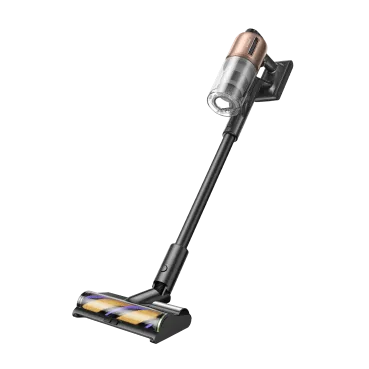
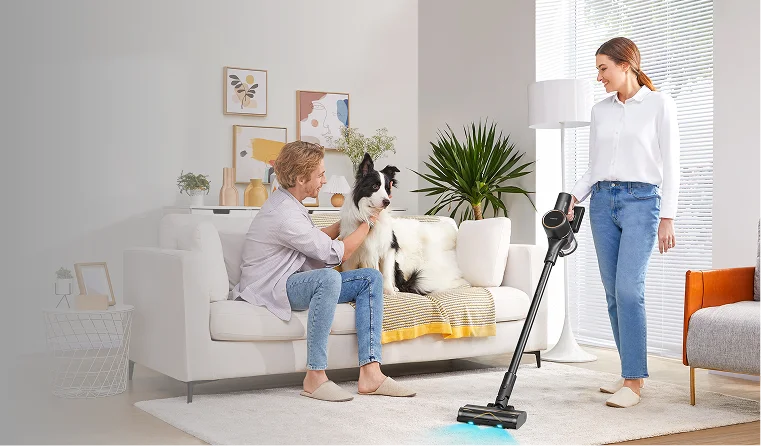
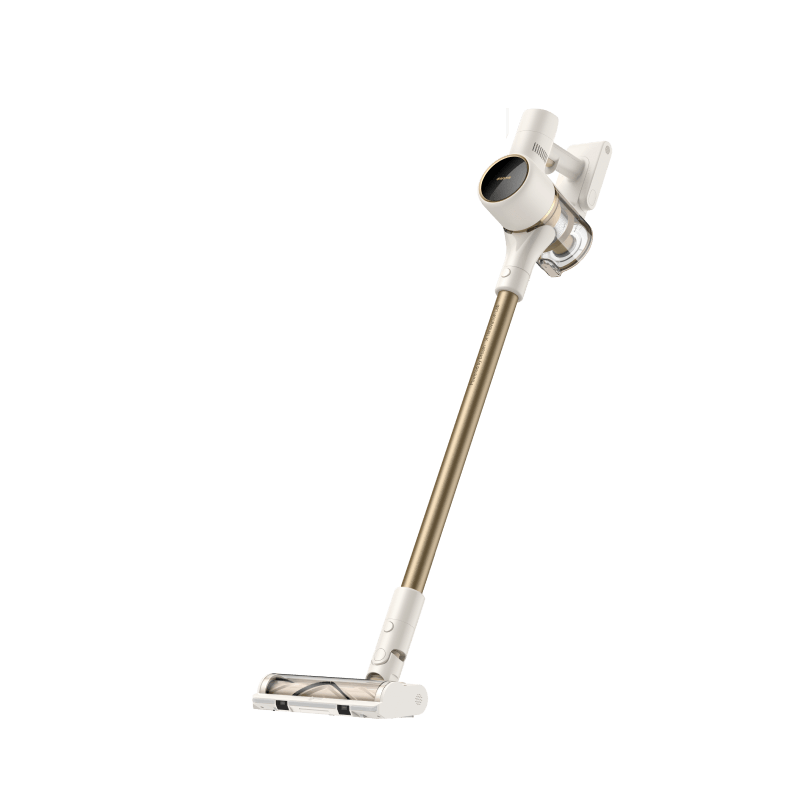
Pet owners know the struggle: you just cleaned the couch, and somehow it’s already blanketed in fur again. Whether it’s from your shedding golden retriever, cat hair, or even a short-haired pup, pet hair has a way of making itself at home in your furniture. But with the right techniques and the right tools, you can get pet hair off your couch and keep it from coming back. No lint roller marathon required. Here’s how to tackle the mess and reclaim your couch with ease. Why Is Pet Hair So Hard to Remove From Couches? Pet hair sticks to upholstery like Velcro. Certain fabrics like microfiber, velvet, or woven linen trap fur in their fibers, making it nearly impossible to clean with a basic vacuum. Worse, the hair often carries dander and allergens that contribute to respiratory problems, odor, and skin irritation. Static cling doesn’t help either. It draws the hair in and holds it  tight. Benefit: Knowing why fur sticks helps you treat it at the source, with targeted tools that remove hair without damaging the fabric. Pro-tip Frequent light cleaning is more effective than occasional deep scrubs. Don’t wait for it to build up. Tools You’ll Need to Clean Pet Hair Off the Couch Before diving into the steps, gather the right tools to save time and boost effectiveness: Handheld or Cordless Stick Vacuum with built-in pet brush head – removes stubborn fur with powerful suction and tangle-free design Rubber gloves (slightly damp) – lift embedded hair with friction Lint roller for pet hair – quick fix for decorative pillows and throws Fabric-safe anti-static spray – reduces cling Pumice stone (for tougher fabrics only, be sure to use gently!) Microfiber cloths – catch the final layer of hair Removable couch covers – washable, breathable protection layer Want more tool-specific advice? Check out our Vacuum Brush Complete Guide to match the right attachment to your fabric. How to Get Pet Hair Off Couch: Step-by-Step Step 1 – Loosen Hair with a Rubber Glove Slip on a slightly damp rubber glove and rub in circular motions. Hair will cling to the glove, making it easy to lift and toss. Step 2 – Vacuum with a Pet Brush Attachment Use a Dreame vacuum with a pet brush head or upholstery nozzle. Focus on seams, creases, and under cushions. The Dreame Z30 Cordless Stick Vacuum is great for tight spaces. Step 3 – Wash Covers When Possible If your cushion covers are removable, wash them in cold water with vinegar to neutralize dander and static. If you’re worried that your pets may have brought unwanted pests into your bedding, learn how to spot and treat the issue in How to Get Rid of Bed Bugs.  Step 4 – Finish with an Anti-Static Spray Lightly spritz with a DIY vinegar-water solution or use a store-bought fabric refresher to reduce static buildup.  Bonus tip: For safe, budget-friendly alternatives to chemical cleaners, explore these DIY homemade floor cleaner recipes. Benefit: This combo removes loose fur, deep hair, and fur cling in under 15 minutes. Dreame Take An effective pet hair routine blends vacuuming, brushing, and prevention. Common Mistakes When Removing Pet Hair from Couches Avoid these common errors that can make pet hair harder to clean or damage your furniture: Using a standard vacuum without a pet brush – Regular vacuums may scatter hair instead of removing it. Skipping the surface prep – Leaving blankets, throws, and pillows in place can trap fur and prevent deep cleaning. Over-wetting fabric couches – Using too much water can push hair deeper into fibers or cause mildew. Ignoring fabric type – Delicate fabrics like velvet or suede can be ruined by abrasive tools like pumice stones. Relying only on lint rollers – They work for touch-ups but aren’t effective for embedded hair. Waiting too long between cleanings – Hair builds up quickly, making each session harder and less effective. Pro-tip Regular upkeep is easier and more effective than waiting for fur to pile up. Choosing the Right Couch Fabric Not all materials are pet-friendly, especially if you live with a shed-happy pet. Here’s a quick breakdown of common couch materials and how they hold up in fur-heavy homes: Fabric Pet-Friendliness Why It Works Drawback Recommended Tools Leather / Faux Leather Excellent Smooth surface resists pet hair, dander, and claws; easy to wipe clean Can scratch easily; may feel cold or slick to pets Damp microfiber cloth, handheld vacuum, anti-static spray Microfiber / Suede Very Good Tight weave repels hair and dust; durable and stain-resistant Shows watermarks; suede can trap fine hair if not cleaned frequently Rubber gloves, lint roller, fabric-safe anti-static spray Polyester / Cotton Blend Good Washable and tightly-woven fabric makes maintenance easy Lower-quality blends can pill, retain odor, or wear down over time Lint roller, handheld vacuum, removable couch cover Linen Poor Breathable and natural, suitable for slipcover use Prone to trapping fur and dust; wrinkles and stains easily Removable slipcovers, vacuum with upholstery tool, microfiber cloth Velvet / Chenille Very Poor Plush and luxurious in appearance Attracts and holds onto pet hair, dust, and dander; hard to maintain Pumice stone (gentle use), pet hair vacuum, lint roller Pet Hair Prevention Tips That Actually Work Getting hair off your couch is one thing. But keeping it off takes a smart strategy. These tips can help minimize buildup and keep your furniture looking its best: Use washable throws: Cover your furniture with pet blankets or throws you can toss in the laundry weekly. Shake out pillows and throws weekly: Do this outdoors to prevent fur from resettling in your home. Brush pets regularly: Groom them outside or over a Dreame robot vacuum to trap fur instantly. Invest in an air purifier: The Dreame AirPursue PM2.0 captures dander and airborne allergens, improving indoor air quality. Train pets: Create designated spaces for them with their own beds or favorite spots to discourage couch lounging. Benefit: Preventing fur buildup is far easier than removing it later—and better for your air quality too.  Important According to the Asthma and Allergy Foundation of America, pet dander is among the top household allergens. Regular cleaning significantly improves respiratory health. Real User Feedback and Cleaning Hacks Dreame vacuums regularly rank high in expert reviews from outlets like Consumer Reports and Homes & Gardens, praised for their pet-focused design, easy maintenance, and effective allergen removal.  FAQs Q: Can I use a wet vacuum on a fabric couch? A: Yes. Just use low moisture settings on sealed fabric. The Dreame H12 Pro is designed for this. Q: What fabric is best for pet owners? A: Leather, faux leather, or tight-weave performance fabric resists fur better than plush or textured materials. Q: How often should I clean the couch? A: For heavy shedders, aim for 2 to 3 times per week. Daily use of a robot vacuum helps reduce buildup. Q: Will vacuuming damage my couch? A: No, as long as you use the correct upholstery attachment and avoid sharp edges. The Best Dreame Vacuums for Pet Owners Dreame Z30 Cordless Stick Vacuum• Built-in pet brush head• Smart power control• Excellent for daily couch cleanups Dreame H12 Pro Wet & Dry• Heated rollers for sticky messes• 18,000Pa suction power• Self-cleaning and drying brush Dreame L20 Ultra Robot Vacuum• Hair-cutting rollers to prevent tangles• Smart mapping for targeted zones• Auto-empty dock and mop washing Use Case Tip: Pair the Dreame L20 for daily fur patrol and the H12 Pro for deeper weekly refreshes. Explore the full collection on the Dreame Cordless Stick Vacuum Series page. Bonus: Remove Pet Hair From Upholstery and Floors Vacuum Cleaners Designed for Pet Hair Not all vacuums are created equal. For real pet hair removal, you’ll want one with: Anti-tangle rollers Strong suction power HEPA filters for allergen control Try this: The Dreame H12 Pro Wet & Dry Vacuum features a heated roller that lifts sticky pet hair, dried messes, and even saliva-soaked strands—all while drying and self-cleaning. Benefit: Strong, targeted cleaning for heavy-duty fur buildup, without scratching your couch. Robot Vacuums That Handle Pet Hair Automatically If your pet sheds constantly, a robot vacuum can help maintain your space between deep cleans. The Dreame L20 Ultra uses: Hair-cutting rollers to avoid tangles Smart mapping for targeted couch-area cleanups Auto-empty bins and mop washing for hands-free maintenance Benefit: Set it and forget it. Perfect for busy homes with pets and kids. Manual Tools That Still Work (and When to Use Them) Handheld tools like rubber gloves, pet hair sponges, or lint brushes still have their place. They’re ideal for spot cleaning or quick touch-ups when you don’t want to pull out the vacuum. Rubber gloves (slightly damp) can lift embedded hair Upholstery brushes loosen fur in fabric seams Lint rollers are great for decorative pillows and throws Want to match the right vacuum brush to every surface? Use our Vacuum Brush Complete Guide. Final Thought Sharing your home with pets doesn’t mean sacrificing clean furniture. With the right mix of habits and tools, from Dreame robot vacuums to heated wet-dry cleaners, you can keep your couch fur-free and fresh with minimal effort. It’s not about perfection. It’s about peace of mind, cleaner air, and getting your cozy seat back. Fur gone. Couch saved. Peace restored. Read our series for pet owners How to Keep Your House Clean With Pets Around Robot Vacuums and Pets: What You Need to Know Robot Vacuums for Pet Hair in 2025 Get Rid of Pet Hair: 5 Easy Ways for Dog and Cat Owners How to Get Pet Hair Out of a Car 5 Ways To Remove Pet Hair And Smells From Carpet How to Choose a Vacuum for Cat Hair and Litter 9 Surprising Things Every Dog Owner Should Know About Vacuums  
Continue reading
Robot Vacuum Reviews: What Users Love (and What They Wish They Knew First)

Robot Vacuum Reviews: What Users Love (and What They Wish They Knew First)

Editorial TeamDreame |
Thinking about getting a robot vacuum? Real user reviews reveal a common truth: while these devices can make daily cleaning easier, they're not perfect - and they don't work the same in real homes as they do in lab tests. Why would people love a life with a robot vacuum? What people wish they knew before they buy a robot vacuum? And where can I get useful information before I decide? This guide breaks down what real users love - and don't - about robot vacuums in daily use. Whether you're researching Dreame or other top brands, here's what to expect before you buy. What Users Love About Their Robot Vacuums Advantage 1: "I Don't Have to Think About Cleaning Anymore" Most people don't buy robot vacuums for fancy features - they want real automation. In fact, 73% of users on Reddit and Amazon said hands-free scheduling was their top reason for buying one. Newer models with self-emptying bases make life easier: They can hold dust for 30 to 60 days. [1] Some are bagless, so you don't need to keep buying bags. You can adjust how often they empty based on your home. Smart control has also improved. Today's robots can understand voice commands like "Avoid the rug near the balcony," thanks to built-in AI. They also work smoothly with Apple Home, Google Assistant, and Alexa - just say "Clean the kitchen after dinner," and the vacuum gets to work. Advantage 2: "It Just Glides Over Everything" Smart navigation works. Navigation failures used to be the biggest complaint about robot vacuums. Modern systems have dramatically addressed this pain point with measurable improvements. Key Navigation Advances: Reduction in "stuck vacuum" incidents since 2024 (LiDAR + AI systems). Advanced threshold climbing capability with mechanical lifting systems. Single-run mapping accuracy that users consistently praise. One user in Reddit communities of robot vacuum says: "It memorized my basement layout after a single run." With better mapping, the robot can clean on its own without getting stuck all the time. You don't have to watch it - just let it run while you sleep or go out. Advantage 3: "My Hardwood Floors Have Never Looked Better" Users' tests confirm that modern robot vacuums clean hard floors well. They can move smoothly and pick up dirt across many floor types. A buyer of Dreame L10s Ultra said: Our floors have never looked so good...I have the robot vacuum three times a week at the 2X setting and a vacuum and mop on Saturdays. Our floors have never looked better. The area rugs look new, and the hardwood/vinyl appear pristine. And there's also a review about Dreame's X50 Ultra, which highlights that robot vacuums have excellent hard floor cleaning results: Modern robots easily collect "a majority of the large, small, and powder debris on its first pass" on hard floors. Dreame X50 Ultra delivers "the most thorough mopping I've experienced so far" with an extending side brush and mop pads for superior edge cleaning. Edge cleaning has significantly improved with extending brushes providing "the most rigorous edge clean I've personally experienced". Advantage 4: "No More Pet Hair Tumbleweeds" Pet hair management represents one of the most significant technological leaps in robot vacuum design. A Youtube review says: Hair tangles are usually a problem, especially with rollers that include bristles, but I'm pleased to report that both the side brush and dual roller system managed to avoid any hair wrapping around them...if you're a pet owner... the dual rollers and larger internal dust bin with its hair compression feature make it a perfect robot for handling pet hair. Anti-Tangle Technology Performance: Significant reduction in hair wrap-around through advanced brush designs. Dual-brush systems that channel hair to prevent tangles. Open funnel designs that direct hair straight to the dustbin. Testing keeps showing that rubber rollers are better at handling pet hair. They collect more and are easier to clean, which helps pet owners spend less time on maintenance. Advantage 5: "It Takes Care of Itself" Real users are amazed by how hands-free modern robot vacuums have become. As one reviewer noted about the Dreame X40 Ultra: "Dreame says you can be hands-free for up to 75 days," and "it auto empties the dust into the bag, dirty water goes into the dirty water tank, and of course you have the clean water and detergent that it will take as needed." What the Dock Can Do: Empty the dustbin automatically. Refill the water tank from a built-in reservoir. Wash and dry the mop pads. Clean the base station itself. Auto-dispense cleaning solution when needed. With features like auto-emptying, self-cleaning dock, and automatic mop detachment/reattachment, these advanced docking stations handle most maintenance tasks automatically, making robot vacuum ownership more hands-free than ever before. Advantage 6: "One Robot, Two Jobs Done Perfectly" Robot vacuums that can vacuum and mop are getting great reviews. Tests and user feedback show they work well, thanks to smart features that adjust to different floor types. Why Combo Robots Work Well: Fast-spinning mop pads help scrub the floor better. They can tell when they're on carpet and lift the mop automatically. They clean for longer without needing help from you. These robots are especially loved by people with both hard floors and carpets. They can vacuum and mop in one run, switching modes on their own. What Users Wish They Knew Before They Buy Robot Vacuums While these advanced features have made robot vacuums more helpful than ever, users also point out a few things they wish they had known earlier. A robot vacuum does not seem to fix all. And some limitations only show up after weeks of use. Downside 1: "Still Gotta Vacuum the Rugs" Even though ads make big claims, simpler robot vacuum models still have trouble with carpets—especially thick ones. The Reality Check: Medium carpets are hard for most robots to clean well. Pet hair stuck deep in the carpet is tough to remove. Thick rugs can block the vacuum from moving at all. Many users find they still have to use a regular vacuum once a week, even if the robot runs every day. As one reviewer put it, "It's like using a broom on shag carpeting." Robot vacuums are better for light daily cleaning, not for deep carpet work. Downside 2: "Hidden Maintenance Costs Add Up" The price of the robot vacuum isn't the full story. Many users are surprised by how much they spend later on things like filters, brushes, and dust bags. Typical Maintenance Costs: Filters: $10–30 every 3 to 6 months. Brushes: $15–40 every 3 to 4 months. Dust bags: $20 for a pack of three (for self-emptying models). Battery: $50–100 after 2 to 3 years. A full replacement kit with filters and brushes costs around $62, and you'll likely need two kits per year. Some filters cost $35 for three, and the app often reminds you to replace them, even if they still seem okay. Over time, these costs add up more than many people expect. Plus, since many owners still use a regular vacuum for deeper cleaning, the robot doesn't fully replace manual work. Instead of saving energy, it often means running two machines - and using more electricity. Downside 4: "You Still Have to Take Care of It" Even though ads say you can "set it and forget it," many users still spend time every week taking care of their robot vacuum. In fact, many of the users report weekly cleaning tasks. Weekly Chores Often Include: Pulling out hair from brushes and wheels. Wiping dust off sensors. Removing small objects that get stuck. Cleaning the charging points. If you have pets, the dust bag in the auto-empty dock can fill up fast - some people replace it every two weeks. Even top models with self-cleaning systems still need regular care to keep working well. And that's not all. Even advanced models might miss some spots while cleaning, especially in busy, lived-in spaces with furniture, clutter, or rugs. Robots can mistake dark floor tiles for "cliffs" and skip entire sections. They might leave dirt in corners, around furniture legs, or next to rugs. Even the best ones sometimes leave a little lint or a piece of leaf right where you can see it. Downside 5: "Balancing Price with What You Really Need" While high-end robot vacuums ($1,299–$1,599) often come with impressive features, the actual improvement in cleaning performance compared to mid-range models isn't always dramatic. In fact, many $300–$600 models offer a great mix of power, smart navigation, and mopping capabilities, enough for most households. What You Might Notice: Entry-level (<$500): Affordable but may miss key features like strong suction or effective mopping. Great for light use or small spaces. Mid-range ($300–$600): Often the sweet spot: solid suction, multi-surface support, and smart features at a reasonable price. Premium ($800+): Ideal if you want a top-tier experience, but unless you use every feature regularly, the value can feel underwhelming. If you're eyeing a premium model, make sure it fits your cleaning habits and space, not just your wishlist. So, How Do You Choose the Best Robot Vacuum? It depends on your home, your floors, and what matters most to you. But in general, look for a vacuum that offers: Strong cleaning performance on hard floors and low-pile carpets. Smart mapping and obstacle avoidance for less babysitting. Mop-lifting technology, if you have mixed flooring. A self-emptying base to reduce daily chores. Quiet operation, especially if you work from home. Clear support for maintenance and part replacements. Where to Find Honest, Detailed Robot Vacuum Reviews: Reddit communities like r/robotvacuums (real user feedback, photos, tips). YouTube reviewers such as The Smart Home Hookup and Vacuum Wars (real-world testing and side-by-side comparisons). Amazon and Best Buy reviews, sorted by "Most Helpful". Lab-tested results from Consumer Reports or Wirecutter. And search more for a detailed robot vacuum buying guide and discussion about their pros and cons. Final Take - Know the Gaps Before You Buy Robot vacuum reviews show what daily life with a robot cleaner really looks like. If your home has smooth floors, light clutter, and you're looking to free up time, robot vacuums can deliver a major quality-of-life upgrade. But real users agree: they're not fully set-and-forget. Carpets still need help, maintenance adds up, and price doesn't always guarantee performance. For the best experience, look beyond the spec sheet. Focus on how well the robot fits your space, your routines, and your expectations. A model that excels in your home type beats a higher-end device that doesn't. 5 FAQs: What People Ask Before Buying a Robot Vacuum Q1. Will a robot vacuum replace my upright vacuum? A: Not entirely. On hard floors, it might. But for thick carpets or deep cleaning, most users still rely on a traditional vacuum once a week. Q2. Do I need Wi-Fi for a robot vacuum to work? A: Most models can run without Wi-Fi using manual start, but Wi-Fi enables app control, scheduling, and firmware updates - features many users find valuable. Q3. Can I use a robot vacuum in a home with stairs? A: Yes, but you'll need to carry it between floors unless it comes with multi-floor mapping. Most use drop sensors to avoid falling down stairs. Q4. How often do robot vacuums need maintenance? A: Weekly light maintenance is common - emptying the bin, cleaning sensors, and checking for clogs. Mop modules and side brushes may need deeper cleaning monthly. Q5. Are budget models under $500 worth considering? A: They can be, especially for small apartments with hard floors. Just know that lower-end models may lack mopping, strong suction, or advanced obstacle detection.
Continue reading

What Is a Wet Dry Vacuum? (And Why Every Home Needs One)

Editorial TeamDreame |
Let’s face it: traditional vacuums can’t handle everything. A coffee spill, muddy paw prints, and kitchen grease are a pain to clean up by hand. That’s where the wet dry vacuum steps in. Once you use one, you’ll never go back. First introduced to many homes around 2016, these floor washing vacuums were designed to solve a common problem: switching between mopping and vacuuming. Instead of dragging out a bucket and mop after vacuuming crumbs and dirt, homeowners wanted a single tool that could handle both wet and dry messes in one pass. The result was a major leap in cleaning efficiency. What Is a Wet Dry Vacuum Cleaner and How Does It Work? A wet dry vacuum is a versatile floor-care device that pick up solids and liquids at the same time, scrubbing floors while sucking up dirty or greasy water. Unlike reusing dirty mop water, it uses a dual-tank system so clean water and solution never mix with dirty water. That separation boosts hygiene and cleaning performance with every pass. So you’re left with a clean, nearly dry surface in just minutes. It is clear: whether you're tackling sticky kid messes, mopping up spilled soup, or deep-cleaning sealed hardwood, this kind of vacuum cleaner is the smart upgrade every home needs. How It Works (Quick Anatomy) Dual tanks: Wet dry vacuums have two separate tanks. One tank holds clean water (and cleaning solution), and the second collects the dirty water. Spray + scrub + extract: As the unit operates, it sprays the floor, scrubs with a roller or brush, and then vacuums up everything into the dirty tank. That way, no grit or grime gets transferred back onto your floors. Brushes designed for deep clean: With edge brushes and flexible heads, this vacuum tackles corners and baseboards with ease. Some models like H15 Pro Heat feature a heated roller brush that effectively dissolves dried-on stains like pet messes or dried spills. Filtration: HEPA or foam filters that protect the motor from moisture and fine dust, making them more durable and reliable over time. Self-cleaning and drying: On many models you'll fing features like auto-cleaning cycles (rinse rollers) and hot-air drying (reduce odor and mold risk). Dreame Take: Among wet dry vacuums, the H15 Pro Heat stands out thanks to its combination of hot water cleaning, edge-to-edge efficiency, and long-term maintenance free technology. How Do You Use a Wet Dry Vacuum? Although a wet dry vacuum might sound complicated, they are actually quite user-friendly. Simply fill the clean water tank, switch to the appropriate cleaning mode, and go. Here’s a breakdown of the different modes and accessories used to clean different types of messes and surfaces: What Is a Wet Dry Vacuum Used For? Task Mode Tool/Accessory Spilled liquids Wet Roller brush or squeegee attachment Dry crumbs or dust Dry Multi-surface or soft roller brush Pet accidents or muddy paws Wet + dry Heated roller with suction Greasy stove splatters Wet Hot water mop mode Bathroom corners & tile Wet FlexEdge brush on H12 Pro Choose the Right Surface Safe Surfaces: Tile, sealed hardwood, laminate, vinylAvoid: unsealed wood, untreated stone, carpet (unless wet/dry vac includes carpet mode) 7 Features That Matter in Wet Dry Vacuums As you compare wet dry vacuum models, run them by this buyer's checklist: Consistent pickup of liquid and fine debris without leaving streaks. Look for reviews on Youtube or Reddit. Check roller/brush design and materials. Go for a soft, wide roller for sealed hard floors, and edge-reach for baseboards and corners. Estimate tank capacity and access. Models with easy-to-remove tanks and wide openings for quick rinsing will make your experience much more enjoyable. Try the vacuum for low push resistance, swivel steering, and a slim head that fits under toe-kicks. Make sure it has self-clean + self-dry. Automatic brush-path rinse and heated drying to minimize odors. Dust-containment during emptying. Look for designs that reduce airborne dust when you dump the tank (useful for allergy-sensitive homes). Nice to have: Clear display/voice cues for mode, tank status, and maintenance reminders. Read Choosing a Wet and Dry Vacuum? Things You Need to Know for a deep dive in features and specs. Why Wet Dry Vacuums Are Worth It 1. Save time Since they combine vacuuming and mopping, there’s no need to switch tools mid-clean. Skip the bucket, skip the mop, and your floors are still done in half the time. 2. More hygienic By always cleaning with fresh water and suckingg dirty water away, these units prevent mold and bacteria buildup. Cleaner floors mean fewer allergens. That means great news for kids, seniors, or anyone with respiratory concerns. 3. Strong, heated cleaning power Heated rollers help break down grime and leave floors near-dry. Models like the H15 Pro Heat use hot water combined with powerful brushes to break down stubborn grime, grease, and pet messes. 4. Edge-to-edge complete coverage Equipped with flexible rollers and corner brushes, these vacuums eliminate the need for hand cleaning around edges and behind furniture. 5. Pet and kid-friendly cleaning They tackle everything from spilled juice and cookie crumbs to muddy paw prints, and it’s perfect for active households. As consumer research shows, hot mop–vacuum combos significantly simplify clean-up routines in busy homes. 6. Safe for Multiple Surfaces From sealed hardwood and laminate to tile and vinyl, these vacuums adjust suction and moisture levels automatically, protecting all flooring types without manual switching. Note: make sure your wet/dry vac has carpet mode if you plan on vacuuming carpet (not all of them do). For more on advantages and disadvantages, check our Are Wet and Dry Vacuum Cleaners Worth It? 7. Lower waste, lower cost There’s no need for paper towels or disposable mop heads with a wet and dry vacuum. Not only are you helping the environment by reducing waste, you’re also saving money by not constantly having to buy other products. 8. Quick drying, reduced slip risks Finally, you can stop waiting 15 minutes to step back in the room you just mopped. With a wet/dry vac, surfaces dry fast, reducing the chance of slips. This is a major safety boost in kitchens or bathrooms. Pro-tip For best results, pair your wet dry vacuum with a robot vacuum and mop to collect loose debris and pet hair. This combination handles both dry mess and wet spills automatically. Real User Feedback & Expert Insights Consumer Reports highlights combo vacuum/mops as essential tools for modern family homes, offering simultaneous cleaning and sanitizing in a single pass. Homes & Gardens describes wet/dry vacs as "the Swiss Army knives of floor-care" that easily outmatch standard mops for speed and flexibility. In Reddit homeowner forums, users often say a wet dry vac is like a "parachute.” Even though it’s rarely needed, it’s invaluable to have when you do. Top-tier wet dry vacuum models are ranked highly by Architectural Digest and Business Insider for superior suction, usability, and user-friendly features, making them a favorite among cleaning professionals. Our Top Wet Dry Vacuum Picks Best for deep cleaning: Sticky spills, greasy kitchens, homes that need a true scrub-and-extract clean. Why it stands out: 18,000 Pa suction, heated roller helps break down stubborn grime, while self-clean + hot-air drying keeps the system fresh after each session. Good to know: Edge-to-edge pickup reduces hand-wiping along baseboards—great for weekly deep cleans on sealed hard floors. [product handle="h15-pro-heat-wet-dry-vacuum" rating="4.7"] Best for small places: Apartments, tight kitchens, bathrooms, and under-cabinet toe-kicks. Why it stands out: A slim head and bendable neck (FlexReach) make it easy to maneuver around furniture and into corners. Good to know: Efficient water control and strong edge access give you quick, spotless results without moving half the room. [product handle="h12-pro-flexreach-wet-and-dry-vacuum" rating="4.7"] Budget-Friendly, best for: First wet dry vacuum, everyday cleanups, lighter-duty households. Why it stands out: Compact, affordable, and simple to use with up to 50 minutes of runtime. Covers crumbs, spills, and routine shine without extras you don’t need. Good to know: A solid step up from traditional mops, with easy tank handling and low maintenance. [product handle="g10-combo-wet-dry-vacuum" rating="4.6"] FAQs 1.Can I vacuum hot liquids? No, only cool or lukewarm liquids are safe to prevent internal damage to the appliance. 2.Will wet dry vacuum work on hardwood floors? Yes! It’s designed for sealed hardwood, using soft rollers and modulated moisture. 3.Is wet dry vacuum safe for laminate floors? Yes, just choose the low-moisture setting to avoid warping laminate floors. 4.Does wet dry vacuum mop and vacuum simultaneously? Yes! Wet dry vacs combine vacuuming and wet scrubbing into one action. You can also use your vacuum on dry settings to pick up loose dirt. 5.Can I use wet dry vacuum outdoors or in a garage? Yes, these vacuums are tough enough for patio spills, mud, and car interiors. Should You Get a Wet Dry Vacuum? Wet dry vacuums aren’t just luxury, it’s a smart investment. Combining vacuuming and mopping in one, with added benefits like heated cleaning, improved hygiene, fast drying, and eco-friendliness, these devices make day-to-day cleaning faster, safer, and more efficient. Experts agree that wet dry vacuums rank among the best floor-care tools available for modern homes. Pair one with a robot vacuum, and you’ve built an unbeatable, automated cleaning system. Want cleaning to be easier and smarter? Check outDreame collection of full vacuum lineup and find your perfect match. More About Wet Dry Vacuums: How to Use a Wet Dry Vacuum for Water Spills How to Use a Wet and Dry Vacuum for Carpets Wet Dry Vacuum vs. Steam Mop: Which Is Right for You?
Continue reading
How to Clean a Floor: Mistakes You Didn’t Know You Were Making

How to Clean a Floor: Mistakes You Didn’t Know You Were Making

Editorial TeamDreame |
Many people think cleaning their  floor just means running a mop over it, but that’s a fast track to damage, dullness, and grime buildup. Floors may look clean, but if you’re not cleaning the right way, you’re likely missing bacteria, grit, and residue that can degrade your flooring over time. This guide will walk you through how to clean floors properly, highlighting mistakes you might not even realize you’re making. Whether you have hardwood, tile, or vinyl, we’ll help you get it clean with smarter tools, easier techniques, and fewer headaches. What a Clean Floor Really Means Sure, a clean floor looks good, but real cleanliness goes deeper. A truly clean floor: Is free of fine dust, allergens, and bacteria Feels smooth underfoot, not sticky or gritty Has no lingering chemical smell Doesn’t get damaged over time due to harsh products or oversaturation If you’re aiming for just a “quick wipe,” you’re probably leaving buildup behind. And that can eventually lead to staining, dullness, or even warped floors - especially for wood and laminate. 3 Common Mistakes in Floor Cleaning 1. Ignoring Floor Type Every floor has its own requirements . What works great for tile might actually ruin hardwood. For instance: Using a steam mop on laminate or excess water on hardwood can lead to warping, bubbling, or discoloration. Stone and marble floors can also be damaged by acidic or abrasive products. To avoid costly repairs, always check manufacturer guidelines, and before buying any cleaning product or tool, check whether it’s compatible with your floor type. Dreame Take A smart wet and dry vacuum like theDreame H12 Dual adapts to multiple floor types, taking the guesswork out of your routine. 2. Using The Incorrect Cleaning Product Generic “floor cleaners” often do more harm than good, especially if they contain bleach or acidic chemicals. Many off-the-shelf products contain harsh chemicals that strip protective finishes, leave sticky residues, or attract more dirt over time. Instead, opt for floor-specific cleaners or homemade floor cleaner options like: A few drops of dish soap in warm water (for vinyl or tile) Castile soap and water (for sealed hardwood) pH-neutral stone cleaner (for marble) A rough scrub brush on laminate or a soaking-wet mop on hardwood can spell disaster. You could  try Dreame’s wet and dry vacuum options, like the Dreame H12 Dual, which adapts to multiple surfaces; and no harsh chemicals are needed. 3. Skipping Regular Maintenance Cleaning only when dirt is visible is like brushing your teeth only when you have a cavity. Dirt acts like sandpaper, wearing down floors over time. Regular cleaning not only keeps your home feeling fresh but also protects your floors from wear and tear. Create a floor cleaning schedule based on usage: Area Frequency High-traffic (entryways, kitchens) Daily spot clean, weekly deep clean Bedrooms & low-use areas Weekly clean Pet zones or kids' play areas Every 2–3 days Dreame Take Make a floor cleaning schedule that works for your home and stick to it. Set reminders, or better yet, let a robot vacuum like the Dreame L10s Ultra handle it for you with automated daily cleaning routines  especially for high-traffic areas. How to Clean Floors: Material-Specific Tips Different floor materials require different tools and techniques. Here's how to clean a floor based on what it's made of without causing damage or creating extra work. Hardwood Floors Hardwood is beautiful but sensitive. To avoid warping or scratches, you’ll need to clean gently and dry quickly. Sweep or vacuum daily with a soft brush attachment. Use a bare-floor-friendly vacuum like the Dreame R20 Cordless Stick Vacuum for edge-to-edge dust removal. Mop weekly with a damp (not wet!) microfiber mop and a wood-safe cleaner. Dry immediately to prevent water damage. Pro-tip Avoid steam mops, because they can damage wood sealants. For more details, check out our full guide on “How to Clean Hardwood Floors.” Laminate Floors Laminate looks like wood but doesn’t handle water the same way. Keep it dry and avoid excess moisture. Vacuum or sweep 2–3 times per week. Avoid steam or wet mops, as laminate is not waterproof. Use a laminate-safe cleaning spray. Wipe dry after mopping. Learn more by reading our “How to Clean Laminate Floors” guide.  Tile Floors Durable and water-resistant, tile is one of the easiest floors to clean. Still, unsealed grout can trap grime if neglected. Sweep daily to avoid gritty buildup. Mop with warm water and mild detergent. For grout: use baking soda and water paste and a soft brush to clean tough stains. Rinse thoroughly and dry because soap residue attracts dirt. Consider using the Dreame H12 Dual Wet and Dry Vacuum. It vacuums, mops, and self-cleans with hot air in one go, making it perfect for tackling tile and grout without extra effort. Vinyl/LVP Floors Vinyl is tough and forgiving, but it still needs regular care to keep its finish looking fresh. Vacuum or dry mop regularly. Use warm water with a few drops of mild dish soap (go for vinegar-free cleaners to preserve the top layer). Avoid abrasives or wax-based products, as they create a dull film. Rinse well and dry after cleaning. Marble/Stone Floors Natural stone needs special care. Harsh chemicals or abrasives can etch or dull the surface, so keep cleaning gentle and pH-balanced. Sweep with a soft brush or microfiber. Use pH-neutral stone cleaner only. Never use vinegar, lemon, or bleach. Dry polish with a microfiber cloth. What’s the Best Way to Clean Floors? Here's a quick overview of floor types and the best cleaning methods for them: Floor Type Best Tool Best Cleaner Key Tip Hardwood Soft brush vacuum Wood-safe liquid Dry quickly after mopping Laminate Microfiber mop Laminate spray No steam or wet mops Tile Wet/dry vacuum Mild soap + water Scrub grout monthly Vinyl Robot vacuum Soap + water solution Rinse well Concrete Mop + vacuum Neutral pH solution Reseal yearly Marble Soft cloth Stone-safe spray No acid or bleach Tips for Deep Cleaning Floors Always vacuum or sweep first; never mop over dust. Mop in sections, rinsing frequently. Use flooring-specific solutions; avoid one-size-fits-all. Dry immediately after mopping wood or laminate. Don’t forget the edges and under furniture! Dreame Take For a powerful deep clean, theDreame H14 Wet and Dry Vacuum combines strong suction, hot water mop washing, and edge-to-edge reach—perfect for floors that need extra care. Floor Cleaning Hacks You Should Know Set your robot vacuum to auto-clean during work hours. Use doormats at all entries to reduce tracked-in dirt. Create a DIY cleaner by mixing warm water with a few drops of essential oil and dish soap. Add tennis balls to mop buckets to absorb residue. Create a floor cleaning schedule, stick it to your fridge, and follow it! FAQs Q: Can I make a homemade floor cleaner? A: Yes. Mix warm water with a few drops of dish soap. Avoid vinegar or lemon juice. Q: How often should I clean my floors? A: High-traffic areas: sweep daily, mop weekly. Low-traffic: once a week for both is enough. Q: Can I use steam mops on all floor types? A: No. Avoid steam on hardwood and laminate, as it can damage them. Q: How often should I deep-clean floors? A: Every 3–6 months, depending on traffic levels. Q: What’s the best vacuum for all floor types? A: A cordless or wet/dry vacuum like the Dreame H12 Dual works effectively on multiple surfaces. Q: Are robot vacuums good for daily cleaning? A: Yes. Models like the Dreame L10s Ultra can automatically handle daily vacuuming and mopping chores Final Thoughts Getting a clean floor isn’t about working harder; it’s about working smarter. By using the right tools, cleaners, and techniques for your floor type, you can extend the life of your floors and keep your home looking (and feeling) fresh. Remember to: ✅ Invest in a smart floor care routine✅ Use tools like Dreame’s cordless stick or wet and dry vacuums✅ Avoid cleaning shortcuts that could damage your flooring  later Because a clean floor isn’t just about looks, it’s about comfort, health, and peace of mind. Master the Art of Floor Care How to clean hardwood floors How to clean wood floors How to Clean and Mop Tile Floors How to Clean Laminate Floors How to Clean Grout on Tile Floor How to Clean Linoleum Floors Choosing Floor Cleaning Solution  
Continue reading
How to Perform Antibacterial Cleaning with Dreame Robot Vacuums

How to Perform Antibacterial Cleaning with Dreame Robot Vacuums

Editorial TeamDreame |
While innumerable pathogens harbor the environment, you can effortlessly clear them with the help of an antibacterial floor cleaner. Disinfectants take your cleaning exercise to the next level since they eliminate all micro-organisms that cause diseases. Consequently, they help stop the spread of contagious ailments that would otherwise wreak havoc if they spread. You have to find detergents and cleaning solutions that kill both bacteria and viruses for you to have a successful disinfecting exercise. If you are looking for a full-proof method of disinfecting floors, herein is the best way to disinfect floors using the Dreame robot vacuums and easy to find house cleaning products. The Difference Between Cleaning and Disinfecting Most people assume that there is no difference between cleaning surfaces and disinfecting. There is a thin line between them that makes it difficult for most folks to differentiate. So, what exactly is the difference between the two procedures? Cleaning Cleaning is the act of removing dirt from a surface to keep the environment looking clean and neat. People clean surfaces frequently using soap and water, and it is a prerequisite to disinfecting the floor with antibacterial cleaning products. This process is relatively fast since you aim to remove soil, debris, and stains from the floor. You can scrub or mop the surface depending on the amount of dirt you are cleaning. Disinfecting Unlike cleaning, disinfectant requires you to use chemicals such as bleach to clean the surface. These chemicals remove germs, bacteria, and viruses that spread diseases. In this process, you have to allow the disinfectant to set on the surface for a specified period before wiping it off. This dwelling time allows the disinfectant to kill the pathogens. Tips for Disinfecting Floors Disinfectants differ from cleaning detergents in chemical composition, making them harsh. Therefore, you need to use pro tips when handling antibacterial cleaning products to avoid damaging your floor and skin. Here are some of the pro tips you can incorporate into your disinfecting routine to achieve stellar results. Always cover up using protective gear while preparing and using a disinfectant. Ensure that your floor is free of soil and general dirt before applying antibacterial cleaning products. Additionally, allow the floor to dry before proceeding to the next step. For the best results, use an antibacterial floor cleaner that the Environmental Protection Agency recommends for your floor type. Keep the disinfectant on the floor for the specified time so that it removes the pathogens you want to eliminate. Read the instructions provided on the packaging. These will help you learn how to handle the solution and how and where to store it after disinfecting the surfaces. Seal the containers well and store them away from children. And once you deplete your solution, discard the container appropriately. Use a spray applicator, antibacterial cleaning cloth, or auto-scrubbers to apply the solution on the floor. Now that you know what to do before and while cleaning, we can learn how to disinfect the floor using the Dreame robot vacuum. The Right Way to Use Antibacterial Floor Cleaner with Dreame Robot Vacuum When you want to disinfect the floor with Dreame robot vacuum, you have to incorporate a disinfectant that will help achieve top-notch hygiene standards. Antibacterial floor cleaners are a bit harsh, especially acidic ones, thanks to the chemical formula manufacturers use in their production. Thus, you have to find a friendly way to use them not to damage your cleaning robot. You are not recommended to add anything other than water into the vacuum tank. The Dreame robot vacuum manufacturer designed the tank to accommodate a neutral solution like water. The acidic antibacterial cleaners will erode the tank from inside, eventually creating holes that will leak water into the mortar. Once water gets to the machine, it is game over for you. The water will ruin your robot vacuum, creating the need to get a new one. And if you think using detergents and soap in the tank is equally fine, you are in for a rude shock. Considering that the pipes have a design that accommodates only water, adding other cleaning agents into the tank will cause the pipes to clog. Consequently, the clogged pores will reduce the machine’s shelf life significantly. Instead of adding solutions into the tank, you can soak the antibacterial cleaning cloth in the disinfectant, then attach it to the robot cleaner and disinfect the house. As the mop spreads the disinfectant, the bot dispenses water to cover the 200m² surface area. You can do the same with cleaning solutions when you want to clean the floors. Remember to dilute the solution to avoid ruining your Dreame robot vacuum. You can also apply the solution to the floor using a spray bottle and let it sit for some minutes before you command your robot to clean the surface. Wrap Up The best way to disinfect floors is, to begin with cleaning the surface. Remove all the dirt and ensure that the floor is spotlessly clean. Allow the floor to dry before you begin disinfecting it using the floor type’s right cleaner. A majority of the disinfectants come as concentrated solutions, so read the instructions to learn how to dilute them before using them on your floor. And while you are at it, remember to protect your hands and face from the harsh chemicals using protective kits. Allow the antibacterial cleaning agent to dwell on the floor for some time so that it can kill the disease-causing pathogens. Failure to do so will result in wasted efforts, and you will have wasted resources too.
Continue reading
What Latest Breakthrough Technologies Dreame L10 Pro Brings

What Latest Breakthrough Technologies Dreame L10 Pro Brings

Editorial TeamDreame |
Dreame, a growing innovative company specializing in developing intelligent home cleaning appliances, plans to launch its brand-new AI-powered smart vacuum cleaner, the Dreame L10 Pro robot vacuum. The smart tech vacuum cleaner features double-laser LiDAR sensors, a LiDAR navigation system, 3D obstacle avoidance technology, and a SLAM algorithm. This intelligent vacuum cleaner is the latest advancement in autonomous home cleaning appliances meant to make home cleaning much more manageable than previously imagined. What makes Dreame stand out among other companies developing home-cleaning appliances, and why are people interested in their new Dreame L10 Pro robot vacuum? Dreame: Winner of the AWE 2021 award Dreame won the AWE 2021 award, an exhibition featuring a wide range of interactive activities that introduced new products, technology, and innovation to global audiences. The exhibitions introduced various products like the Dreame L10 Pro robot vacuum. The smart tech vacuum is designed to detect and avoid obstacles while simultaneously rebuilding its 3D environment in real-time. The advanced mapping system that incorporates LiDAR, SLAM technique, and 3D obstacle avoidance tech is meant to make the autonomous intelligent vacuum cleaner more efficient. The Dreame bot has a powerful 4000Pa ultra-powerful suction that can easily clean out dirt and debris. Let’s dive in and explore more on what makes Dreame better than other vacuum cleaners in the industry. Common Problems of Robot Vacuums While the robot vacuum industry is developing rapidly with more innovations being made every day, one thing that remains a significant problem for most robot vacuum cleaning manufacturers is obstacle navigation. The majority of robots available in the market are easily blocked by objects around the house like socks and slippers. This makes the robots somewhat inefficient since they require human assistance to remove the obstacle and keep the cleaning process going. This comes as a challenge, and Dreame chose to tackle the challenge head-on. Dreame dove right in and implemented innovations that one could only see in autonomous vehicles. These innovations were meant to tackle obstacles whether the Dreame L10 Pro robot vacuum is in the dark or faced with different obstacles every day. Dreame implemented live mapping and obstacle detection. This means that the bot can map your home, vacuum, and detect obstacles in real-time, placing the autonomous bot way ahead of Dreame’s competitors. LiDAR Navigation System Brings Dreame L10 Pro to the Next Level LiDAR navigation system LiDAR is an acronym for light detection and ranging. Some self-driving vehicles implemented the technology to help them navigate their real-time environments. There are several advantages to using LiDAR, such as accurate obstacle and depth perception, among others. Dreame implemented LiDAR technology into their smart vacuum cleaners, making them more efficient than ordinary vacuum cleaners in the industry. This technology allows the Dreame Bot L10 Pro to vacuum more efficiently by detecting and avoiding obstacles. 3D obstacle avoidance technology The Dreame L10 Pro robot vacuum is also equipped with an IR (infrared) sensor that helps in obstacle avoidance. 3D obstacle avoidance is different from LiDAR in that, instead of light detection, the sensors emit infrared radiation that bounces off of objects in the room. Infrared light is invisible to the naked eye, and since the intelligent vacuum cleaner emits it, it doesn’t depend on natural or incandescent light. The sensors on Dreame’s smart tech vacuum detect the emitted light and analyze them to help the bot detect the distance of the object and how to navigate it. What makes this type of mapping better than LiDAR is that it allows the robot vacuum cleaner to ‘see’ in the dark. SLAM technique SLAM is an acronym for Simultaneous Localization and Mapping. Just like humans, robots need maps to help them find their way. Bots can’t rely on GPS, especially if they are indoors. SLAM technique was implemented in-home cleaning bots as an easy way for robots to find their way around your home. The technology involves the process of determining a sensor’s position and orientation relating to its surroundings. Doing this helps the Dreame bot, in this case, to map a visual 3D representation of its surroundings. The technology is used to generate maps, and it was integrated with the Dreame L10 Pro robot vacuum to help with autonomous vacuuming. Once the robot has mapped out your home, it gets a better idea of where each room is and the room’s dimensions. This increases the smart vacuum cleaner efficiency. Conclusion With Dreame’s projected growth, the chances are that more innovations are about to come our way. The level of innovation and dedication that Dreame puts in their products, especially in the Dreame L10 Pro robot vacuum, is what makes their products one of a kind. Purchasing this product is a definite plus. If you’ve ever come home and found your autonomous robot vacuum stuck in front of an obstacle unable to complete your cleaning, then you can safely put those experiences behind you. Knowing the amount of innovation implemented and the technology invested in creating the Dreame L10 Pro robot vacuum, you can rest assured that Dreame’s intelligent vacuum cleaner is the most efficient bot for the job.
Continue reading