














 Robot Lawn Mowers



















 Humidifiers


 Smart Door Lock


 Australia
 中国大陆
中国大陆 日本
日本


 Türkiye


 Ireland
 Portugal
 Italia
 Netherlands
 Belgium
 Greece
 Polska
 Norway
 Sweden
 Finland
 Denmark
 Hungary
 Czechia
 Slovenia
 Croatia
 Switzerland
 United
Kingdom
United
Kingdom
 Canada


 Colombia

In this article
Cats that don't shed at all don't exist, but some breeds shed so little you barely notice the stray hairs they leave throughout your home. Every cat drops hair and dander, and that includes the hairless breeds as well.
Below you'll find 12 low-shedding cat breeds and a simple cleaning routine to keep your home hair-free once you get a pet cat.

Are There Really Cats That Don't Shed?
While non-shedding cats don't exist, hairless cat breeds like the Sphynx and curly-coated breeds like the Cornish Rex come pretty close to that category.
The Sphynx has almost no coat to shed in the first place. A Cornish Rex, meanwhile, has short wavy hair that stays attached to the cat longer than a standard short-haired cat's coat does, so any cat hair that comes loose rarely lands on your sofa.
Neither is maintenance-free, though. Non-shedding cats like the Sphynx and Peterbald need a weekly bath or wipe-down to manage the skin oils that would normally coat guard hairs, and low-shedding breeds still need a weekly brush to lift the small amount of hair they do shed.
12 Cat Breeds That Don't Shed (Much)
The 12 breeds below fall into those two coat camps, either fully hairless or tightly-coated enough that stray hairs stay on the cat rather than on your sofa. Here is what you can expect from each.
1. Sphynx
Hairless. The Sphynx is hairless apart from a fine peach fuzz, so almost no loose hair reaches your furniture. They still build up skin oils and dander, which is why weekly baths are necessary to keep them and your home clean. Sphynxes are affectionate and people-oriented, and might feel closer to a small dog than most cats.
2. Cornish Rex
Curly-coated. A Cornish Rex carries only the wavy down layer of a cat's coat, with no guard hairs on top. Any hair that does come loose is fine and easy to lift off furniture. You can expect these bright, curious cats to treat every high surface as a lookout post.
3. Devon Rex
Curly-coated. Devon Rex cats have a short, wavy coat with very sparse guard hairs, so they shed less than a standard short-haired cat and feel almost suede-like to the touch. They're pocket-sized and playful, the kind of cat that follows you from room to room.
4. Peterbald
Hairless. Peterbalds range from fully bald to a fine peach-fuzz coat, and every variant sheds very little because there's barely any hair to lose. The near-bald ones need weekly baths to manage skin oils, just like the Sphynx. This is a warm, chatty breed that bonds tightly with the people it lives with.
5. Russian Blue
Dense-coated shorthair. The Russian Blue has a dense, silvery-blue coat with a plush undercoat that keeps loose hairs trapped so they don't drift onto your furniture. It's a quiet breed, usually reserved around strangers and warmly affectionate with family.
6. Bengal
Short-coated shorthair. Bengals wear a short, pelted coat that lies flat against the skin and sheds lightly year-round, without the heavy seasonal blowouts of a longhaired breed. They're high-energy cats with sharp intelligence, so daily stimulation from you keeps them content.
7. Siberian
Long-coated (seasonal shedder). The Siberian is the exception on this list, carrying a long coat that sheds heavily during seasonal changes but stays low-shedding the rest of the year. Some Siberian lines also produce lower Fel d 1 levels, which is why the breed appears in guides for allergy-friendly cats. Siberians are steady, patient cats that fit well in family homes.
8. Siamese
Short-coated shorthair. Siamese cats keep a short, close-lying coat with no undercoat, which means very little seasonal shedding to deal with. They're sharp-minded and extremely social, and will hold long conversations with you if you let them.
9. Bombay
Short-coated shorthair. The Bombay stands out with a sleek, satin-black coat that sits tight to the skin and sheds so little that a weekly wipe with a damp cloth handles the maintenance. Bombays are confident and sociable; almost dog-like in how closely they follow you around.
10. Abyssinian
Short-coated shorthair. An Abyssinian's short ticked coat carries agouti banding on each hair, giving the breed its warm, wild-looking finish. There's no undercoat to blow out seasonally, so shedding stays low year-round. Active and curious, an Abyssinian will treat your home like one long investigation.
11. Burmese
Short-coated shorthair. Burmese cats carry a short, glossy coat that lies close to the skin and rarely needs more than a weekly brush to stay clean. They're warm and companionable, and you might notice them following you around the house without needing to be called.
12. Oriental Shorthair
Short-coated shorthair. Oriental Shorthairs have a fine, short coat pressed close to the skin and almost no undercoat, so shedding stays minimal even during seasonal changes. Loud and extroverted, these cats will demand your attention whether you're free or not.
Why Low-Shedding Cats Aren't the Same as Hypoallergenic Cats
A low-shedding coat lessens the amount of hair you have to clean from your couch, but it may not completely remove your allergic reaction to cats. That's because cat allergies stem from a protein called Fel d 1 that cats produce in their saliva and skin, and every cat carries it, including hairless breeds. When your cat grooms itself, that protein dries on the coat or skin and rides tiny dander flakes into the air you breathe.
Fel d 1 output varies more than most people expect, which is why the same person can react badly to one cat and feel fine with another:
- One cat to the next: Individual cats within the same breed produce different amounts of Fel d 1, so two Sphynx kittens from the same litter can trigger very different reactions.
- Some Siberian lines: Certain Siberian bloodlines produce lower levels of the protein, which is why the breed shows up in allergy-friendly guides. Lower levels still don't mean there aren't any.
- Intact vs. neutered: Intact male cats tend to produce the most Fel d 1, and neutered males and females produce noticeably less.
When allergies factor into your choice of cats, try meeting the cat you're considering before you commit. Spending an hour in the same room with that cat gives you a read on how your body responds. A breed labeled as one of the hypoallergenic cats doesn't override how your own immune system reacts to that particular animal.
Reducing dust mites lowers overall allergen exposure, which can make living with a low-shedding cat more comfortable, even for a family member who reacts to cats.
Living With a Low-Shedding Cat: How to Keep a Hair-Free Home
Weekly brushing and a robot vacuum built for pet hair keep loose cat hair off your floors and furniture. Even the lightest shedders drop some, but grooming lifts most of it before it lands, and a self-emptying vacuum picks up what does.
Grooming your cat
How often you groom and what you use to groom depend on your cat's coat type.
- Shorthaired low-shedding breeds need a weekly brush to lift loose hair before it ends up on your sofa or clothes. A rubber grooming glove works well and doubles as bonding time.
- Dense-coated breeds like the Russian Blue benefit from a metal comb that reaches the plush undercoat, where hair tends to collect.
- Seasonal shedders like the Siberian need two brushes a week during spring and fall coat turnover, when heavy shedding kicks in.
- Hairless and rex breeds don't need brushing at all. A warm-water bath or a pass with a damp microfiber cloth every week or two keeps their skin comfortable and stops oil from transferring onto your bedding and armchairs.
Keeping your home clean
Bedding, furniture, and floors are where shed cat hair collects, in that order of concentration.
- Cat bedding traps more shed hair than anywhere else in your home. A warm-cycle wash once a week takes care of it.
- Couches and chairs hold what settles from your cat when it rests on them. Keep a lint roller around for last-minute touch-ups when guests are on their way.
- Floors are where the rest of the hair ends up, and that's the part you can hand off to a machine.
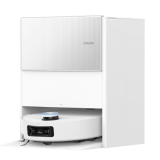
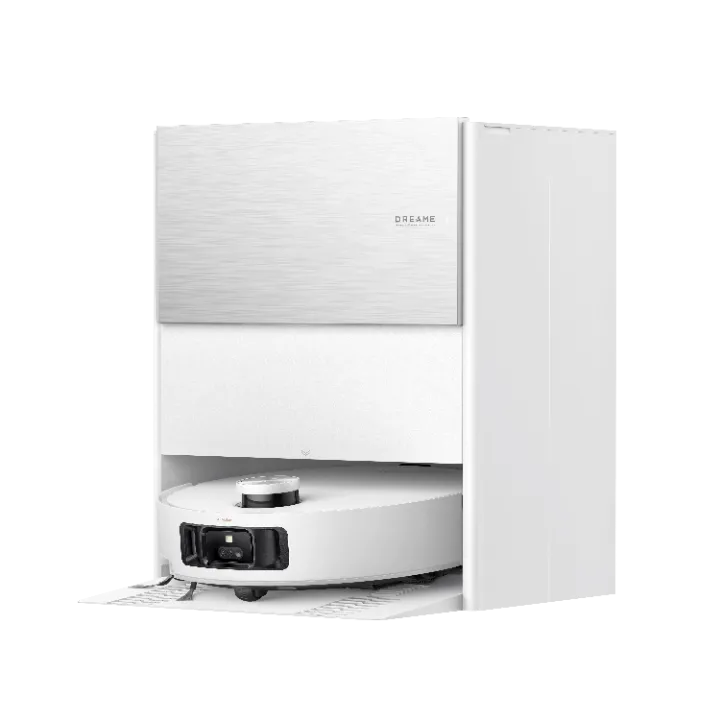
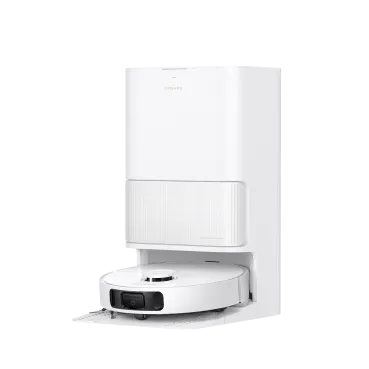
A robot vacuum for pet hair, such as the X60 Ultra, runs through your cat's usual rooms on its own and takes care of the dustbin at the dock for months at a time, so you're not dealing with a full canister every few days. Its anti-tangle main brush keeps long cat hair from wrapping around the roller, and a mopping pass on hard floors picks up dust and dander in the same run.
Carpet and area rugs get the same treatment, which reduces the need to remove pet hair from carpet by hand between deeper cleans.
[product handle="x60-ultra-robot-vacuum"]
Ready to Bring Home a Low-Shedding Cat?
The 12 breeds above should help narrow your choices, and the rest is yours to make in person. Take your time with the cat you're leaning toward before committing, and set up your floor routine so the first week feels smooth from the start. Dreame's collection of robot vacuums has models designed for pet households if you want a head start.
Frequently Asked Questions
Are there any cats that don't shed at all?
A completely non-shedding cat doesn't exist, though hairless breeds like the Sphynx come close enough that you'll rarely see stray hair at home. Even hairless cats shed skin cells and dander, and still need a weekly wipe-down or bath to keep their skin clean.
Which cat breed sheds the least?
Sphynxes drop almost no visible hair, since their fine peach-fuzz coat gives loose strands nowhere to come from. Cornish Rex and Russian Blue cats come close among furred breeds, thanks to a wavy down layer or plush undercoat that keeps hair on the cat.
Are low-shedding cats hypoallergenic?
Shedding and allergies are actually separate concerns. Cat allergies come from a protein called Fel d 1 that every cat produces in its saliva and skin, so a low-shedding cat can still trigger reactions if you're sensitive to that protein.
Do hairless cats like the Sphynx cause allergies?
Hairless cats can absolutely trigger cat allergies, since the reaction comes from the Fel d 1 protein in their saliva and skin, not from fur. Less hair around the home does mean fewer surfaces for that protein to settle on, which sometimes eases the reaction for mildly sensitive people.
How do I keep my home clean with a shedding cat?
A weekly brush for the cat, plus a self-emptying robot vacuum built for pet hair, takes most of the shedding off your plate. Washing the bedding on a warm cycle once a week handles the surface where hair collects the most, and the vacuum's anti-tangle brushing keeps it running without you needing to clean the roller brush.

