What Floor Cleaner Is Safe for Cats? A Guide to Pet-Friendly Home Cleaning

What Floor Cleaner Is Safe for Cats? A Guide to Pet-Friendly Home Cleaning

Dreame Editorial Team |
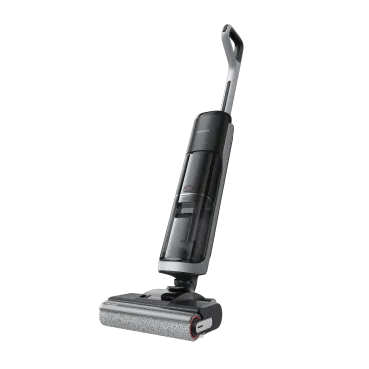
For us, a floor is just something to walk on. But for our pets, it’s a playground, a nap spot, and—all too often—a dining table. Whether it’s a dog eating a treat off the tiles or a cat grooming its paws after a walk, our pets are constantly ingesting whatever we use to clean. So, what makes a floor cleaner truly pet-safe? To be safe for both dogs and cats, a cleaner must be pH-neutral, free from ammonia and phenols, and leave zero residue. While many products claim to be "Pet Friendly," they often rely on ingredients that are tolerable for dogs but toxic to cats, or leave behind a chemical film that irritates sensitive paws. This guide clears the confusion. We will break down the specific ingredients to ban (like bleach and essential oils), explain why "Dog Safe" isn't always "Cat Safe," and how eliminating residue is the key to a healthy home for every four-legged member of your family. 5 Toxic Ingredients to Ban from Your Pet-Friendly Home Let's start with the ingredients you absolutely need to eliminate from your cleaning cabinet. These aren't obscure chemicals only found in industrial settings; they're common in everyday household products, sitting under millions of sinks right now. Ammonia: The Respiratory Irritant Ammonia is common in heavy-duty floor cleaners and glass cleaners. It creates sharp fumes that can irritate your pet’s lungs, eyes, and nasal passages. Your cat or dog experiences the world closer to the ground where fumes concentrate. Even after drying, residue remains on the floor, transferring to paws and getting ingested during grooming. For cats, whose sense of smell is far more sensitive than ours, ammonia vapors can cause coughing or wheezing, eye irritation, paw and skin burns with repeated exposure. Even diluted ammonia can linger in the air and on surfaces long after mopping. Bleach: A Danger to Paws and Noses While bleach is effective at killing bacteria, direct contact can cause chemical burns on sensitive paw pads and noses. Even diluted bleach leaves an irritating residue. Here's the bigger concern: even when completely dry, the lingering scent severely irritates your pet's powerful sense of smell. Dogs have up to 300 million olfactory receptors compared to our 6 million. Cats are also attracted to bleach-like smells, which increases the risk of exposure.  What seems like a faint chlorine smell to us can be overwhelming to them, causing respiratory distress and avoidance behavior. Phenols: The Silent Killer for Cats Phenols are common in pine-scented cleaners like Pine-Sol. What smells pleasantly clean to you could be deadly to your cat. Cats lack a liver enzyme pathway called glucuronidation, essential for breaking down phenolic compounds. While a dog might process these chemicals, a cat's liver cannot. Phenols accumulate in their system, causing liver damage, neurological problems, and potentially death. If you have cats, eliminate all pine-scented cleaners immediately. Phthalates: The Hidden Risk in "Fragrances" You won't see "phthalates" listed on labels. Instead, you'll see "fragrance" or "parfum." Manufacturers aren't required to disclose fragrance ingredients, and that's where phthalates hide. These endocrine disruptors interfere with hormone systems. In pets, exposure is linked to reproductive issues, developmental problems, and increased cancer risk. Formaldehyde: The Long-Term Threat Used as a preservative in cheaper cleaners, formaldehyde is a known carcinogen. Chronic exposure from regular cleaning can lead to respiratory problems, allergic reactions, and long-term health issues, including cancer. The challenge with formaldehyde is that it can also be released from other chemicals as they break down, so even if it's not listed directly, it might still be present.   Important The "Fragrance" Trap: If a cleaning product label simply says "fragrance" or "parfum" without specifying the source, assume it contains problematic chemicals. This is how manufacturers hide phthalates and other harmful compounds.   Choose products labeled "fragrance-free" (not "unscented," which can contain masking fragrances) or those scented with named, pet-safe ingredients. Why "Dog Safe" Isn't Always "Cat Safe" This is where many well-meaning pet owners get tripped up. A cleaner labeled “dog safe” sounds reassuring, so it’s natural to assume it’s fine for cats too, but biologically, that assumption doesn’t hold up. Why Cats Are More Sensitive: The Metabolism Gap Cats and dogs process chemicals differently at a fundamental biological level. Cats lack the glucuronidation pathway in their liver, which is one of the primary ways mammals break down and eliminate foreign compounds. This means chemicals that a dog's liver can process might accumulate in a cat's system, leading to toxicity. It does not mean that cats are delicate creatures. Their bodies literally don't have the tools to handle certain substances that dogs manage fine. The Essential Oils Are not Cat-Friendly The "natural" cleaning movement has led many to use essential oils. For cats, this is often dangerous.Essential oils like tea tree, peppermint, eucalyptus, and citrus are toxic to cats due to the missing liver pathway. Even oils safe for humans and dogs can cause liver damage, neurological issues, and respiratory distress in cats.Some argue that highly diluted oils are fine, but why risk it? When it comes to your cat's health, "probably safe" isn't good enough. Follow The "Lowest Common Denominator" Rule If you have multiple pets, here's your golden rule: if it's not safe for the most sensitive animal in your house, don't use it. Period. This means if you have both dogs and cats, you clean based on what's safe for cats. Yes, this might limit your options, but it eliminates the risk of cross-contamination or accidentally using the wrong product in the wrong room. Vinegar vs. Enzymes: Which Solution Actually Works? Many owners turn to DIY solutions to avoid chemicals, but they aren't always effective. Here is a quick breakdown of how common cleaning methods stack up for pet homes. Feature Vinegar (DIY) Traditional Bleach/Ammonia Enzymatic / pH-Neutral Cleaner Safety for Cats ✅ Safe (Non-Toxic) ❌ Dangerous (Toxic Fumes) ✅ Best (Non-Toxic) Odor Removal ❌ Ineffective (Masks only) ⚠️ Masks with chemical scent ✅ Eliminates (Breaks down urine) Floor Compatibility ⚠️ Risks Stone/Hardwood ⚠️ Harsh on finishes ✅ Safe for all sealed floors Residue Risk Low High (Chemical Burns) Low (Especially with vacuuming) The Truth About Vinegar for Pet Odors Vinegar is non-toxic to pets, making it technically safe. However, safe doesn't mean effective. Vinegar is highly acidic, which damages certain floors over time, particularly natural stone, marble, and some hardwoods. More importantly, vinegar fails to eliminate pet urine odors. Pet urine contains uric acid crystals that bond to surfaces. Vinegar might neutralize ammonia smell temporarily but doesn't break down those crystals. The strong vinegar smell can even encourage pets to re-mark the area. Why Enzymatic Cleaners Are Superior Enzymatic cleaners work at a molecular level. They contain specific enzymes that break down the uric acid crystals, proteins, and bacteria that cause pet odors. The enzymes digest these organic compounds, eliminating them rather than masking them. This is why enzymatic cleaners are the gold standard for pet accidents. Most quality enzymatic cleaners are formulated to be pet-safe since they're designed for homes with animals. Learn how to gain the full benefits of your vacuum cleaning solution. Stop the Lick: How to Eliminate Chemical Residue Completely For pet owners, the real danger doesn’t always come from the cleaning itself; it comes after the floors look dry and “clean.” Why residue puts pets at risk Even the safest cleaning solution poses a risk when left on floors as dried residue. Your pets walk on floors constantly, lie on them for hours, and groom themselves multiple times daily, thereby ingesting whatever chemicals are on their fur and feet. Even "non-toxic" cleaners can be problematic when used regularly, especially with concentrated dried residue. One lick might not hurt, but dozens daily for weeks or months add up. The "Mop vs. Vacuum" Reality Traditional mopping spreads dirty water around and leaves it to dry. When mopping, you are essentially diluting dirt and redistributing it. When water evaporates, dissolved particles—dirt, chemicals, bacteria—are left as a film your pets interact with. Wet/dry vacuums work differently. They lay down a cleaning solution and immediately vacuum it back up with all dissolved dirt and chemicals. Dirty water goes into a sealed tank, not onto your floor as residue. Turn your home into a safe haven for your pets. Check out cleaning tips for a pet-friendly home here. The Dreame Advantage: Smart Suction & Fresh Water Dreame's wet and dry vacuums, like the H15 Pro Heat, use a two-tank system keeping clean and dirty water separate. The machine dispenses fresh cleaning solution, scrubs with rotating brushes, then immediately suctions dirty water into a separate waste tank. The H15 Pro Heat even uses heated water for more effective cleaning. The result is an astounding 90% removal of cleaning solution and dissolved dirt, and dirty water is not left to dry. Floors are clean and safe for paws almost immediately.   Dreame Take We believe the safest chemical is the one that doesn't stay on your floor. Our dirty water recovery technology ensures what goes down comes right back up, keeping paws chemical-free and safe to lick anytime.   For robot vacuum and mop systems, using the right cleaning solution is just as important as the hardware itself. Dreame offers specifically formulated cleaning solutions designed for automated mopping, where incorrect concentration or harsh ingredients can easily cause residue buildup over time. The Matrix10 Ultra and Aqua10 Ultra work with Dreame's pet odor solution, designed for automated systems while remaining pet-safe. [product handle="matrix10-ultra-robot-vacuum" rating="4.8"] 4 Steps to a Perfectly Pet-Safe Mopping Routine  When you clean with pets in mind, each step reduces how much dirt, dander, and chemical residue your cat or dog is ultimately exposed to. For a deeper look at how automation helps manage pet hair and residue, see our guide on robot vacuum systems for pet homes. Step 1: Vacuum First to Remove Dander Always dry vacuum before wet cleaning. Pet fur and dander removed dry prevents muddy clumps and spreading allergens. Use a HEPA filter if possible, especially with allergies in your household. Step 2: Dilute, Dilute, Dilute Over-concentrated solutions leave more residue and increase toxicity risk. Always follow the manufacturer's dilution instructions exactly; don't eyeball it. Dreame's wet/dry vacuums, like the H15 Pro Heat with automatic solution dispensing, ensure consistent, safe dilution every time. Step 3: The "Ventilation" Rule Open windows while the floors are wet and drying. This speeds drying and vents volatile organic compounds (VOCs), protecting sensitive pet noses. Good ventilation prevents humid, chemical smells from lingering. Step 4: Rinse (Or Vacuum Dry) With traditional mops, do a second pass with clean water only to remove remaining solution residue. With wet/dry vacuums, the suction system handles this step automatically. The Perfect Pair: Combine Safe Solutions with Smart Cleaning Most discussions about pet-safe cleaning miss this: it's not just about what chemical you use. It should focus on the entire cleaning system. You can have the safest solution in the world, but leaving it to dry on floors creates risk. Conversely, a traditional cleaner used with a wet/dry vacuum that removes 90% of it significantly reduces exposure. The ideal approach combines both: a truly pet-safe solution paired with a system that removes it effectively. This is why wet/dry vacuum technology matters for pet owners. It creates a genuinely safe environment for pets to thrive in. When you pair Dreame's pet-safe cleaning solutions with their advanced suction technology, you get a system designed for life with pets. You're actually removing dirt, dander, and odors while minimizing pet exposure to cleaning agents. This is the future of pet-friendly cleaning: eliminating the problem entirely through smarter technology rather than just finding the perfect chemical formula. Frequently Asked Questions What floor cleaner can I use around cats? The safest choice is a fragrance-free, pH-neutral, pet-safe cleaner. Avoid phenols, ammonia, bleach, phthalates, and pine scents. Enzymatic cleaners work best for pet messes, and wet/dry vacuums reduce risk further by removing residue instead of leaving it behind. What mopping solution is pet safe? Look for solutions that are: (1) specifically labeled pet-safe, (2) free from harsh chemicals like ammonia and bleach, (3) fragrance-free or scented only with pet-safe ingredients, and (4) pH-neutral to avoid skin irritation. Dreame's multi-surface cleaning solutions are formulated with pet safety in mind. What is a pH-neutral floor cleaner? A pH-neutral cleaner has a pH level around 7, neither acidic nor alkaline. This makes it gentle on floors and safe for pet paws. Neutral pH cleaners won't cause chemical burns or skin irritation, and they're safe for most floor types, including hardwood, tile, and laminate. Can I use just water in my vacuum? For routine maintenance, water works if you're vacuuming frequently without heavy soiling or odors. However, water alone won't break down oils, sticky residues, or eliminate bacteria. For pet homes, use a mild, pet-safe solution diluted properly for better results and odor control. How long should I keep my cat off the floor after mopping? With traditional mopping, keep pets off until completely dry, which is typically 30 minutes to an hour. The floor should feel dry, not damp or tacky. With wet/dry vacuum systems that remove most of the solution, floors are safe within 5-10 minutes as they're nearly dry immediately. Why are regular floor cleaners dangerous for pets? Many regular cleaners contain ammonia, bleach, phenols, and synthetic fragrances that leave toxic residue behind. Pets pick this up on their paws and ingest it while grooming, leading to irritation and long-term health issues. What do vets use to clean their floors? Veterinary clinics use hospital-grade disinfectants that dry completely before animal contact, or products safe once dry. Many veterinarians recommend enzymatic cleaners for home use because they break down organic matter and odors while being pet-safe. Final Thoughts: Your Pet's Health Is Worth the Extra Effort Choosing the right floor cleaner protects the family members who live closest to those surfaces. Your pets spend their entire lives walking, lying, and licking those floors. They deserve products that won't compromise their health. Pet-safe cleaning doesn't have to be complicated. Avoid the toxic ingredients we've covered, choose pH-neutral and enzymatic options when possible, and consider cleaning technology that removes residue rather than redistributing it. Your floors can be genuinely clean AND genuinely safe. You just need to know what to look for and clean smarter. A truly clean home is one where every family member—two-legged and four-legged alike—can live safely and comfortably.
Continue reading
Fur, Floors, and Feelings: A Smarter Cleaning System for Pet Homes

Fur, Floors, and Feelings: A Smarter Cleaning System for Pet Homes

Dreame Editorial Team |
Pets make a home feel alive. But the mess they create can make you feel like you’re always falling behind. At Dreame, we believe you shouldn't have to choose between a happy pet and a clean home. This guide is about building a system that protects your time, your air, and your peace of mind. 1. The Joy and the Mess (Why it keeps coming back) Every pet owner knows the "morning scan." You walk out before coffee and spot it: a tumbleweed of fur drifting across the hardwood, litter grit near the box, or paw-tracked dust you swear wasn’t there last night. You’re not failing. You’re just living in a house where the mess is continuous. Pet ownership is now the norm—roughly 66% of U.S. households have at least one pet [1]. And many aren't just "one pet" homes anymore. Multi-cat and large-dog households are trending upward, which means more shedding, more tracking, and more "why is this everywhere?" moments [2]. Here’s the real mismatch: The Reality: Pets shed, track, and tumble crumbs 24/7. The Habit: Most humans clean in episodes (weekends, guest visits, panic bursts). That’s why frequency beats raw power in a pet home. A system that shows up daily will always outperform a "strong" tool you only have time to use once a week. 2. The Invisible Layer: Why Dander and Odor Feel Stressful A lot of owners treat pet hair like a visual problem—until allergies flare up or anxiety kicks in. Dander is the hidden workload. Pet dander comes from tiny shed skin cells and can trigger allergy symptoms [3]. What makes it stressful is that allergen-carrying particles are small enough (often 2-10 microns [4]) to hang in the air and settle deep into soft surfaces, not just sit on top where you can see them [5]. Then there’s the emotional side: The "Guest Panic" (Do my rugs smell? Is the couch covered in hair?) The low-level worry that your home isn’t "clean enough," even when you’re trying hard. Pet-home cleaning isn’t cosmetic. It’s environment control—for comfort, health, and confidence. 3. A Week in a Pet Home (Time Audit): Why You Can’t "Out-Work" a Shedding Dog If it feels like you’re always cleaning, it’s because pet mess creates repeat chores, not one-time chores. You can't "out-work" a shedding cycle manually. Here is a realistic "Manual Loop" vs. an "Automated System." Task (Weekly) The Manual Loop(Your Time) With a Robot Vacuum System(Your Time) Quick Fur Sweep 10–15 min × 7 days 0 min (automated) Litter / Food Pickup 5–10 min × 7 days 0 min (automated) Full Vacuum Pass 30–45 min × 2 times 0 min (automated) Mopping (Mud / Paws) 15–25 min × 3 times 0 min (automated) Maintenance Cleaning brushes / bins 10–25 min (weekly check) Total Weekly Time ~3–6+ hours ~10–25 minutes Manual tools charge you time for every mess. A robot vacuum system trades hours of labor for minutes of management. In a pet home, that trade is essential because daily cleaning is the only way to stay ahead. 4. Emotions on the Floor: Why Mess Turns into Guilt A messy floor doesn’t just look bad—it can feel like you’ve lost control of your space. Research has linked "stressful" home environments with negative mood patterns [6]. "Pet owner guilt" is a real experience; when we see fur piling up, we often feel like we aren't taking good enough care of our pets or our home [7]. That’s why our goal isn’t perfection. It’s reliability: Walking into a home that feels "reset." Turning off the part of your brain that constantly scans for grit and smell. Feeling comfortable inviting people inside. A pet-home system is a mental load reducer. 5. What Pet Owners Actually Want Most pet owners don’t want "a stronger vacuum." They want five specific outcomes that manual tools struggle to deliver: Consistent hair pickup (without constant "brush surgery"). Edge control (where fur drifts collect). Odor control (removing the smell, not just moving debris). Pet-safe navigation (avoiding bowls, toys, and accidents). Minimal maintenance (less daily cleaning of the cleaner). 6. Inside a Pet-Ready System: Our Solutions This is where "robot vacuum" becomes the right category—because it enables a loop you can actually sustain. At Dreame, we engineer our best robot vacuums for pet hair as complete systems designed to close this gap.[12] Anti-Tangle by Design Reliability beats peak performance if you have to spend 20 minutes cutting hair off a roller. Everyday Maintenance: We use a Detangling DuoBrush on many models, designed to channel hair into the bin to reduce wrapping during daily runs [8]. The "Zero-Scissors" Solution: For households with long hair (human or pet), we offer the TriCut Brush (compatible with select models). It uses a built-in safe blade to automatically trim wrapped hair as it cleans, removing the need for manual maintenance. Odor Control (The Hygiene Loop) We built a full hygiene loop into our stations: Better Chemistry: We offer a specialized Pet Odor Solution intended to neutralize organic smells at the source, rather than just masking them [9]. Self-Cleaning: Our stations wash mops with fresh water and dry them with hot air. This prevents the "wet mop smell" and ensures we aren't cleaning today's floor with yesterday's mess. Sealed Disposal: Our auto-empty stations trap dust and dander in a sealed bag for weeks, keeping allergens contained [10]. Navigation That Respects the Pet Non-camera sensors can avoid walls, but they can't reliably tell the difference between a toy, a tail, and a water bowl. AI Recognition: We use AI-powered RGB cameras to identify pets and common obstacles. Accident Avoidance: Our system is trained to identify and navigate around "pet accidents," saving you from the catastrophic mess that blind robots create. Reach Where Fur Hides Pet hair migrates under beds, along baseboards, and into corners. We emphasize ultra-slim designs to slip under furniture and MopExtend™ technology to physically reach out and clean edges where fur drifts gather. 7. Real Pet Homes (Three Scenes, Three Needs) Scenario A: The Multi-Cat Apartment The problem isn’t just litter—it’s tracking, especially around cat trees, bowls, and tight pathways. A system helps when it can run often, clean edges, and avoid pet items without constant babysitting. (Camera-based recognition helps here.) Scenario B: The Suburban Dog Home This is where frequency becomes everything: daily passes keep hair from building into rugs, while mopping workflows handle paw prints without turning into a second job. Scenario C: The Allergy-Sensitive Home When dander is a trigger, the goal is reducing allergen load in the environment. Allergy authorities commonly recommend steps like frequent vacuuming (often with HEPA-grade approaches) and broader indoor allergen control [11]. A robot vacuum system helps mainly by making consistency realistic. 8. A Smarter Routine for Pet Homes A pet-home routine shouldn’t be complicated. The system should do the repeating work. A Sustainable Loop: Daily: Run the robot once (or every other day) to stay ahead of shedding. Weekly: A quick 5-minute check—wipe sensors and check the brush. Occasionally: Replace the dust bag and refill the water. The point isn’t just cleaner floors. It’s fewer guilt spirals, fewer guest-panic cleanups, and a home that supports the joy your pets bring. References: https://www.iii.org/fact-statistic/facts-statistics-pet-ownership-and-insurance https://www.petworldwide.net/content-1/news/2025/06/24/appa-releases-dog-and-cat-report-2025.html https://www.lung.org/clean-air/indoor-air/indoor-air-pollutants/pet-dander https://pubmed.ncbi.nlm.nih.gov/1744363/ https://pmc.ncbi.nlm.nih.gov/articles/PMC5763515/ https://pubmed.ncbi.nlm.nih.gov/19934011/ https://pmc.ncbi.nlm.nih.gov/articles/PMC9264879/ https://ca.dreametech.com/products/anti-tangle-roller-brush https://ca.dreametech.com/products/dreame-robot-vacuums-pet-odor-solution-1l https://ca.dreametech.com/pages/robot-vacuum-for-pet-hair https://aafa.org/allergies/types-of-allergies/pet-dog-cat-allergies/ https://vacuumwars.com/best-robot-vacuum-for-pet-hair/
Continue reading
Can Robot Vacuums Really Avoid Dog Poop?

Can Robot Vacuums Really Avoid Dog Poop?

Editorial TeamDreame |
Do you have a fluffy, cute pet at home that makes you feel annoyed? Although they are very lovely, the poop they leave behind is really a big headache for many people when it comes to cleaning. Unlike other types of trash, its shape is unpredictable, and sometimes it's wet... This creates cleaning difficulties for many families, and sometimes, an unsuitable robot vacuum can even make the situation worse. With technology getting better, can robot vacuum cleaners solve the dog poop problem these days? The answer is yes. With a good obstacle avoidance system, they can clean up dog poop instead of smearing it across your floors. Why Traditional Robot Vacuums Fail the "Poop Test"? If you've ever owned a basic robot vacuum, you know sometimes they can be clumsy. They bump into furniture, get tangled in cables, and, most disastrously, they can't really tell what's regular trash and what's dog poop. Here's why these older models are a gamble in a pet owner's home. They Navigate by "Feeling" Their Way Around Basic robot vacuums use "bump and turn" to get around. Think of a robot gently bumping its way through your home: it goes straight until it hits something, like a wall or chair leg, then turns and keeps going. Some models have simple infrared sensors that work like weak flashlights to spot big things. Unlike a smart navigation robot vacuum that plans its route, these basic models work blindly. This works okay with common hard obstacles like furniture or larger trash. But pet messes? Their shapes are irregular, and sometimes, they can be soft and wet, or much too low for the regular sensor to detect. So once the cleaner hits the poop, trouble starts... and triggers what pet owners online call a "poopocalypse." Their Brushes Are Designed to Sweep... and Smear That's when things get really bad. Once those wheels and brushes get dirty, the robot keeps cleaning like nothing happened. The spinning brushes that usually sweep up dust and crumbs don't know they hit something messy. The brushes grab the soft, wet waste and spread it in circles across your floor. Each spin makes it worse: they throw pieces everywhere and push the mess deep into your carpet or across your hard floors. The robot keeps moving, leaving a trail of smeared waste as the dirty brushes and wheels carry the mess from room to room. One small accident becomes streaks and smears all over your house. The robot turns into a mess-spreader until you catch it and turn it off. They Can't See What's Right in Front of Them The root cause of all these problems is simple: pet waste is hard to spot. It's usually small, soft, and sits flat on the ground, perfect for slipping past detection. Wet accidents are even worse since there's nothing solid to detect. This gets worse in certain situations: Dark rooms - Sensors don't work well in low light, so robots bump into more things Thick carpets - Carpet texture hides pet accidents from sensors, making detection even harder Messy areas - Around toys and cords, robots think everything is normal stuff to go around, including accidents Once the robot hits the mess, the disaster spreads quickly throughout your home. How Smart Robot Cleaners Avoid Pet Waste? The latest robot vacuums have evolved from simple cleaning gadgets into truly intelligent home assistants. They avoid pet waste not with one single trick, but by combining several layers of advanced technology that allow them to perceive, understand, and navigate the world in a way that older models never could. The Dreame X50 Ultra is a prime example of this technology in action. AI Recognition (Seeing "what" it is) The first major upgrade is equipping robot vacuums with a reliable method for identifying objects. A front RGB camera continuously scans the path ahead, while onboard AI models classify what it sees: cables, socks, pet bowls, shoes, and pet waste. Instead of guessing by shape alone, it uses a trained library of everyday items to choose the right response (avoid, slow down, reroute). Modern systems recognize well over a hundred object types, including pet messes, so the robot vacuum can clean smartly rather than blindly. For example, the Dreame X50 Ultra's AI can identify up to 200 different types of objects, including dog poop. It's a true AI robot vacuum that can clean smartly. Depth Sensing & Low-Light Vision (Knowing "where" it is) Cameras need help in dim rooms—under beds, at night, or on rainy days. That's why advanced bots pair vision with active depth sensing: Structured light or dual-line laser projects a "visual" pattern or laser lines onto the floor. The distortion reveals an object's shape and distance (great for small hazards like wires and socks). An LED fill light automatically turns on in low light so the camera can still see clearly. Together, these enable the robot to perceive obstacles with high accuracy even in poor ambient light. Example: The X50 Ultra uses 3D structured light to detect and map smaller items like wiring and socks. This system is further enhanced with built-in LED lights that automatically turn on in dim environments, like on rainy days or during late-night cleanings. This gives the robot vacuum a superpower: it can "see" and avoid obstacles with incredible accuracy, even in complete darkness. Smart Navigation (Building the map and choosing the path) Obstacle recognition works best when it rides on top of a robust map. High-end robots use LiDAR (often direct Time-of-Flight, dToF, inside the LiDAR unit) to create a precise 2D floor map of your home. That map handles rooms, zones, and efficient row-by-row cleaning; the front vision/depth stack adds a local 3D understanding of objects in the robot's path. Think of it as a simple but powerful loop: See: The camera + depth sensors detect something ahead. Think: AI classifies it (e.g., pet waste) and notes its position relative to the map. Avoid: The navigation system plots a clean detour with a safe buffer, then resumes the route without you stepping in. The result is fewer tangles, fewer smears, and far fewer "come rescue me" moments. Exactly what you want in a home with pets. Buyer's Guide: What to Look For in a "Poop-Proof" Robot Vacuum Ready to invest in a pet-friendly robot vacuum that you can actually trust? Focus on these non-negotiables so the bot avoids accidents, doesn't smear them, and still keeps up with hair and daily dirt. 1. AI Obstacle Recognition (The Most Important Feature) Don't settle for vague "obstacle avoidance." Look for models that explicitly state AI object recognition and pet waste avoidance. That means a front RGB camera, depth sensing (e.g., dual-line laser/structured light), and LED lighting for dark rooms. This combo lets the robot vacuum identify cords, socks, bowls, and pet messes, and steer a safe path around them. Why it matters: Fewer rescues and, crucially, no contact with accidents—even in low light. Some examples: Dreame X50 Ultra (RGB AI vision + Dual-Line Laser + LED) Dreame L40s Ultra (RGB AI vision + Single-Line Laser + LED) Budget pick: Dreame D20 Pro Plus. It offers LDS navigation and Single-Line Laser sensing. Great value, but it doesn't include AI. Choose accordingly if this is a must. 2. Mop Safety Logic Many of the best robot vacuums are now combo vac-and-mop units. This raises a new fear: what if it tries to mop the mess? Rest assured, the same AI object recognition technology applies here. When the robot identifies pet waste, its programming overrides all cleaning functions in that area. It will intelligently navigate around the mess, ensuring its mopping pads never come close to making contact. A "poop-proof" robot also needs the right mop management so it never drags a wet pad through trouble. Look for: Mop lift for short-pile rugs (and pad removal options for long-pile). No-mop zones and no-go zones you can draw on the map. Automatic skip/ detour logic when pet waste is recognized (mopping and brushing are suppressed near the hazard). Why it matters: Even perfect avoidance is pointless if a damp pad swipes too close. Some examples: X50 Ultra and L40s Ultra pair AI avoidance with hot-wash and dry docks, so the mop pads start clean and dry after each cycle. D20 Plus supports no-go/no-mop zoning and auto-empty; mop care is manual. 3. Strong Pickup & No Tangled Hair A robot vacuum that avoids poop but leaves fur-tumbleweeds everywhere isn't a complete solution. According to the Asthma and Allergy Foundation of America, pet dander is a major source of indoor allergens. A robot vacuum for pets with robust suction is essential for lifting stubborn hair, dander, and dirt from deep within carpets and hard-to-reach crevices, ensuring a not just visibly clean, but healthier home. Look for: High airflow/suction, above 10,000 Pa Tangle-resistant main brush (dual-roller or anti-wrap design). A sealed auto-empty bag so you're not breathing the bin. Why it matters: You get fewer clogs if the rollers are kept clean. Sealed bags plus hot washing and drying mean less odor and less need for handling. Some examples: X50 Ultra: full-service dock, premium hair and dust pickup. L40s Ultra: hot wash/dry + auto-empty for everyday convenience. D20 Plus: auto-empty for dust control at a friendlier price. 4. Navigation You Can Trust Reliable poop avoidance rides on a reliable map. Look for: LDS mapping for accurate rooms/zones and efficient paths. Per-room suction/water settings, schedule by zone, and easy no-go/no-mop editing. Low-light support (LED fill) so vision works at night. Why it matters: You control where the robot goes and where it absolutely doesn't. Some examples: All three vacuums like X50 Ultra, L40s Ultra, and D20 Plus offer LDS mapping and robust app control. 5. Self-Emptying System For the most hands-off experience, choose a model with a self-empty dock. It automatically vacuums the robot's bin into a sealed bag, so you're not dumping dust and dander after every run. Why it matters for pet homes: Weeks of cleaning without touching an allergen-filled bin. Some examples: X50 Ultra and L40s Ultra pair auto-empty with pad wash/dry; D20 Plus offers auto-empty at a lower price point. Quick Matching Guide What you need Model Features Highest confidence, lowest touch Dreame X50 Ultra AI vision + full-service dock Great balance of brains and budget Dreame L40s Ultra AI + hot wash/dry + auto-empty Value pick with strong mapping and auto-empty Dreame D20 Plus Pet-friendly basics: verify if pet-waste AI is essential for you Final Check: Read Pet-Specific Reviews Before you buy, do your homework. Don't just look at the overall star rating. Use the search function in the reviews section on retail sites and look for keywords like "dog," "cat," "pet accident," or "poop." This will filter the results to show you exactly what you need to know from people in your situation. No robot vacuum is 100% accident-proof. AI is excellent, not infallible. Do a quick floor check on the cleaning days. First-week setup pays off: Add no-go/no-mop lines around litter areas, pet beds, and food bowls; schedule runs when pets are less active. Keep "eyes" clean: Wipe the front camera window, depth sensors, and LiDAR with a dry microfiber so the robot can "see" accurately. Feature Benefit for Pet Owners AI Vision & Recognition Avoids pet accidents (like poop) for mess-free cleaning. Powerful Suction Lifts stubborn pet hair and dander from all floors. Smart Mopping Keeps wet mops away from messes to prevent smearing. Self-Emptying Provides weeks of hands-free, hygienic cleaning. Precise Mapping Cleans every corner efficiently without getting lost. Achieving Peace of Mind in a Pet-Friendly Smart Home So, can robot vacuums avoid dog poop? The answer is a resounding yes, but only for the advanced pet-friendly robot vacuum equipped with the right AI and sensor technology. Gone are the days of gambling with your floors. With the right device, you gain the confidence to schedule cleanings while you're away, the benefit of a healthier home with fewer allergens, and most importantly, more quality time to spend with your furry family members. It's about removing a major source of stress and reclaiming your time and energy. Ready to say goodbye to the fear of the poopocalypse for good? Explore Dreame's lineup of AI-powered robot vacuums and discover a smarter way to clean.
Continue reading
Can Robot Vacuum Clean Carpets?

Can Robot Vacuum Clean Carpets?

Dreame Editorial Team |
Technology has made life easier in so many ways. Remember the times when one had to use a mop and bucket to clean every house’s corner? Today, this is not the case, at least not for many households. Vacuum cleaning started with heavy and expensive machines; the technology is getting smaller, more flexible, and more efficient. Ultimately, vacuum cleaning does not have to be exhausting. Gone are the days when one had to push a large vacuum cleaner around the carpet to make it clean. While traditional vacuum cleaners were limited in some spaces, this is now not the case. Do Robot Vacuums Work on Carpet? Yes, robot vacuums can clean carpets, but performance depends on the carpet type and the robot’s specs. They handle short- and medium-pile carpets well. However, very dark carpets or shag carpets may trigger cliff sensors, mistaking them for drop-offs and disrupting cleaning. Pros and Cons of Robot Vacuums on Carpet Overall, robot vacuum cleaners are faster and less involved. Since they are automated, many of them use smartphone applications, so one does not need to be in the room when they are working. You simply set the hours you need the carpet cleaner to operate and leave it to perform its duty as you go to work or grocery shopping. What are the other advantages and shortcomings?  Pros Hands-free cleaning Can be scheduled via app Fits under furniture Cons May struggle with thick pile or dark colors Entry-level models are not suitable for deep cleaning Hair can tangle in brushes How to Deep Clean Carpets with a Robot Vacuum? Here is a step-by-step guide on how to clean a disgusting carpet with the robot vacuum. Choose the right vacuum cleaner for the carpet. Do a bit of manual cleaning before using a robot vacuum cleaner. Move in all directions to get all specks of dust out. Bring in the robot vacuum cleaner. Do a trial run when someone is in the room to monitor the effectiveness of the machine. Ensure that the lights are on for the vacuum’s sensors to work efficiently. Take time to allow the brush and rug to suck up all dust bits. Never let the bags fill up completely to keep them efficient. For water-soluble stains, you can first soak a cloth in club soda to thoroughly dry the carpet. When using cleaning chemicals, warm water is more effective than cold water. Vacuum thoroughly before using a carpet shampooer or a carpet cleaner- this removes surface dirt and grime. Empty the vacuum's bin, so it does not drag old dirt on the carpet instead of cleaning it. Create a throw zone to have effective cleaning cycles. There should be no obstacles along the way, so users should toss any physical items behind the throw zone before leaving the house. All boundaries should also remain marked accordingly, to keep the vacuum cleaner from going to unneeded areas. Important: If your carpet is black or any dark color, the cliff sensor will not recognize it. It will therefore be much harder for a robot vacuum cleaner to work on such carpets if it even gets to work at all. Additionally, if you have shag carpets, you may need to consider a better alternative. The long hair on such rugs triggers cliff sensors like a drop would. Since one cannot disable cliff sensors at the moment, currently found in most homes, a robot vacuum cleaner will not be as effective. A robot cleaner is efficient for any other type of carpet and gives users the flexibility they yearn for when looking for the best way to keep their environment clean. Thanks to its size, it reaches every corner of the house, giving it an exclusive finish. It can also detect obstacles, so users do not need to direct every move. 5 Features to Look For in a Robot Vacuum for Carpet You need to consider a few factors when buying a robot vacuum cleaner, as they come in different shapes and brands. However, no one wants to buy a low-quality product only because it was cheaper. From shapes to the operating mode, always make sure you are looking at what you need to accomplish before purchasing: Strong suction (2,000 Pa+) Carpet boost or auto-adjust suction Anti-tangle brush design Infrared sensors and obstacle avoidance Long battery life (90+ minutes per charge) Popular Choices: Dreame X40 Ultra & Dreame L20 Ultra While there are many vacuum cleaners one could use with the carpet cleaning tips above, the Dreame X40 Ultra and the Dreame L20 Ultra are some of the most recommended options. These are among the highest-quality products on the market today. These cleaners work, as illustrated: Note: Mop raising may vary from model to model) Test run Take any Dreame vacuum cleaner for a test run. Depending on the general layout of your home, this machine will sense all around due to its map memory and sensors that adapt to complex environments. It also has a remarkably mapped memory to master every angle, making its performance easier and faster. Obstacle Crossing Dreame robotic cleaners function as an obstacle-crossing robot. Obstacles can be bad news for any robot vacuum. Items like screws and plastic bags could damage internal components and scratch the flooring. Dreame X40 Ultra, for example, has infrared sensors that detect obstacles. The dynamic mapping system with a fifty times/ second path calculation presents upgraded learning and exploration. Therefore, in the case of blocks, there is no need to worry.  App Operation The robot vacuum operates via an app with a single press. Never has carpet cleaning been this fun and easy. It is easy to work with compatible devices. Anti-bacterial function Bacteria are a significant burden to the immune systems of both humans and pets. Most Dreame robot vacuums have antibacterial microfiber mop control. Therefore, it eliminates 99.9 per cent of bacteria, leaving the room disinfected.  Carpet Climbing Function Few robots can climb woven rugs. The upgraded learning and exploration function enables Dreame devices to treat carpet edges as a stepping stone. They can easily move from a medium pile to the hardwood floor. Design The device is small and very portable. It has an ultrathin design of 8cm, which makes navigation easy and steady. It is also admirable to the eye and light on the hands. Strong Suction The stronger the suction, the more dust and dirt a vacuum cleaner collects. Dreame X40 Ultra, for example, has a super-powerful suction of 12,000 Pa. These robots do not lose their suction often and rarely clog. Dreame technology protects people’s health by ensuring all particles and allergens are dealt with. Superior Advantages With Dreame models, there’s more in one package. With a dynamic mapping management system and up to 220 minutes of runtime (for some models), cleaning your carpet or the entire house will be stress-free. The powerful suction and ultra-thin design ensure that cleaning remains flexible, easy, and fast. To Wrap It Up Efficiency should always be the number one factor when looking for an ideal robot cleaner. This will ensure that the user has an easy time keeping their environment clean. In short, efficiency gives value to investment. Are you looking for the best robot vacuum cleaner for your space? Contact us today for further guidelines.
Continue reading
Get Rid of Pet Hair: 5 Easy Ways for Dog and Cat Owners

Get Rid of Pet Hair: 5 Easy Ways for Dog and Cat Owners

Editorial TeamDreame |
We all love our pets, but it's safe to say we don't love their hair shedding everywhere in our homes. Whether it’s long golden retriever strands or fine cat fluff, shedding can quickly become overwhelming. It clings to couches, carpets, clothes, and for allergy sufferers, it’s more than annoying; it’s uncomfortable. The good news? With the right mix of tools, habits, and smart cleaning tech, staying on top of pet hair is totally doable. Here’s a useful guide to getting rid of pet hair and reclaiming a clean, healthy, and fur-free home. Why Timely Removal of Pet Hair Matters Pet hair buildup can cause: Make your home feel dusty and dirty Damage vacuum filters over time Trigger allergies and asthma Studies show 6 in 10 households in the United States have furry pets, and some 10–20% of the global population suffers from dog- and cat-hair-related allergies, so discomfort can be very real. It isn’t just the hair itself—it is also the dander from dogs and cats. For the sake of home and health, pet owners can remove dog and cat hair through a range of efforts. Routine cleaning is a good baseline to start from. How Often Should You Vacuum with Pets? It depends on: The number and type of pets Shedding seasons (typically spring and fall) Whether you have allergy or asthma sufferers at home Heavy shedders like German Shepherds or Golden Retrievers may require daily cleaning during peak shedding seasons. Cats can pose a different challenge than dogs because of their hair characteristics and unique habits, but you can learn “How to Choose a Vacuum for Cat Hair and Litter" to make cleaning easier. Daily Maintenance Strategies To effectively prevent excessive dog and cat shedding, regular brushing is a good start, catching it before it lands all over the furniture and carpet. And don't forget adhesive lint rollers—they're super handy for quick touch-ups to remove dog and cat hair from clothes and upholstery. Deshedding routines for dogs and cats typically involve regular brushing with specialized tools to remove the loose undercoat and reduce the amount of hair shed around the home. Consistent deshedding not only keeps your house cleaner but also promotes a healthier coat and skin for your dog or cat by preventing matting and improving air circulation. Pet Hair Removal Tools & Products Specialized deshedding tools for dogs include: Rakes that reach deep into the undercoat and remove loose hair without damaging the topcoat. Slicker brushes and grooming gloves can help with surface tangles and gentle fur removal. High-velocity dryers are often used by professionals after bathing to blow out loose undercoat hair. The process can also include a bath using specialized deshedding shampoo and conditioner. Bath frequency depends on the breed and shedding patterns, with heavily shedding dogs often needing one every 4–6 weeks. Cats, too, benefit from reduced amounts of undercoat hair, leading to less shedding around your home, fewer hairballs, and a healthier, more comfortable coat. Special cat grooming tools reach into the undercoat to pull out loose, dead hair that's just waiting to fall onto your furniture, while grooming gloves gather loose fur as you simply pet your cat. Dreame Take Look for a vacuum that actually lifts embedded pet hair, like the Dreame H14 Pro Wet and Dry Vacuum. It has powerful suction, edge-to-edge cleaning, and built-in intelligence for smarter, easier, and more thorough cleaning. Woolen pet dryer balls are another element in the arsenal. Designed to circulate in a clothes dryer alongside laundry, they assist in gathering stray pet hair from clothing. Pet hair removal brooms, often made with rubber or electrostatic bristles, also help by gathering stubborn fur from various surfaces, including carpets and hard floors. Unlike traditional brooms, they attract and collect hair rather than scatter it. High-Tech Help for Pet Hair Control Manual tools help, but smart tech keeps fur under control 24/7. Here’s some tech to consider: Cordless vacuums like the Dreame Z30 make it easy to clean furniture, stairs, and corners and keep them fur-free. The Dreame X50 Ultra Robot Vacuum vacuums and mops on schedule, even when you're not home. Learn more about picking the right robot vacuum using this guide: “Robot Vacuums and Pets: What You Need to Know.” An air purifier like the AirPursue PM10 captures airborne pet dander and hair, so you breathe easier. How to Get Rid of Pet Hair in Specific Areas In addition to general cleaning, there are actions you can take to remove dog and cat hair from specific home areas and personal items: Carpet Pet hair, dander, and odor in your carpet are common as long as pets stay indoors, but there are effective methods of eliminating them. You'll want to use a combination of methods, starting with a good pet-specific vacuum cleaner along with tools like rubber gloves, squeegees, or even a damp cloth to lift those stubborn embedded hairs. For more info, check out this guide on “5 Ways To Remove Pet Hair And Smells From Carpet.” Furniture Another challenge is keeping furniture clear from dog and cat hair, but there are solutions for that too. Try using a damp rubber glove, an adhesive lint roller, or simply vacuuming with an upholstery attachment. Couches The couch is often a favorite spot for dogs and cats, too. Some of the simple methods mentioned earlier help by gripping and gathering the hair into easy-to-remove clumps. Laundry and Washing Machine Not surprisingly, the washing machine ends up with a lot of pet hair. You can pre-treat items with a lint roller or by shaking them out and using a pet hair remover ball or a cup of white vinegar in the wash cycle. Clothes We love to interact with our cats and dogs, but that often means hair left on our clothing. A lint roller is your best friend for quick touch-ups; for stubborn hair, put on a damp rubber glove and run your hand over the fabric. Inside the Car Our motor vehicle is also often a repository for our pets’ hair as we bring them with us on errands, trips, or to the vet. A car-specific vacuum with good attachments can hit all those nooks and crannies. ⭐Extra read: How to Keep Dog Hair Out of Your Pool: 8 Expert Tips for a Clean Swim. What’s the Best Way to Get Rid of Pet Hair? There’s no one-size-fits-all answer, but a combo of the right tools and routines is key. Quick hacks: Keep lint rollers by the door and couch. Groom pets before guests arrive. Use air purifiers in bedrooms and living areas. Let a robot vacuum run daily when you're out. Pro-tip Explore more pet-related cleaning tips by reading “Things Every Dog Owner Should Know About Vacuums Final Thoughts: Let the Fur Stay with Pets, Not the Couch Pets fill our lives with immense joy, but dog and cat hair can test our patience. For people with allergies, it can stretch far beyond just annoyance. But it doesn't have to be a big battle. With the right tools, like Dreame’s high-powered vacuums, smart robots, and sleek air purifiers, you’ll spend less time cleaning and more time enjoying your pets. Read our series for pet owners How to Keep Your House Clean With Pets Around Robot Vacuums and Pets: What You Need to Know Robot Vacuums for Pet Hair in 2025 Get Rid of Pet Hair: 5 Easy Ways for Dog and Cat Owners How to Get Pet Hair Out of a Car 5 Ways To Remove Pet Hair And Smells From Carpet How to Choose a Vacuum for Cat Hair and Litter 9 Surprising Things Every Dog Owner Should Know About Vacuums
Continue reading