Pet hair no longer overwhelms your home thanks to advanced robot vacuums like the Dreame X50 Ultra, offering deep suction, smart navigation, and easy maintenance.
German Shepherds shed daily, and twice a year, that shedding turns into coat blow. During coat blow, the undercoat releases in clumps over several weeks instead of the usual steady daily amount.
Finding the best vacuum for German Shepherd hair means choosing one that can handle both. The right model prevents tangling, has a bin that holds enough hair to get through a full room without needing to be emptied, and filters the fine undercoat instead of blowing it back into the air you breathe.
Below are five picks sorted by the problem they solve, from the daily layer to the twice-yearly coat blow.
Best Overall for the Daily Shed
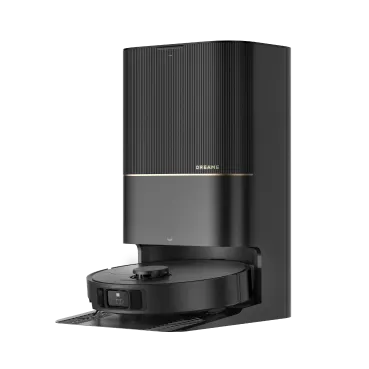
Dreame Pick: The X60 Max Ultra Complete is built for the daily shed, not just the twice-a-year blow. It leads on 35,000Pa Vormax™ suction, strong enough to pull embedded undercoat out of carpet in one pass instead of three. Its HyperStream™ Detangling DuoBrush 2.0 pairs a bristled rubber brush with a TPU rubber brush, and a retractable pressure plate lowers onto carpet to seal in suction, so long hair clears the roller instead of wrapping it, and more embedded debris comes out of the pile.
Its CarpetForce Vacuuming System detects carpet on its own, and CarpetForce Boosted Clean increases suction for a deeper pass. It also spots tasseled rugs and cleans them from the snag-free side instead of risking a snag. Landing at $2,399.99 CAD, this is the flagship price in the collection. It's built for households running it daily, where hands-off coverage matters more than the lowest price tag.
[product handle="x60-max-ultra-complete-robot-vacuum" slogan="Best Overall"]
Also consider: Roborock is a familiar name among premium robot vacuum shoppers, and eufy is a popular pick for buyers who want fewer bells and whistles. iRobot remains one of the most recognized names in the category overall.
Best for Heavy German Shepherd Shedding
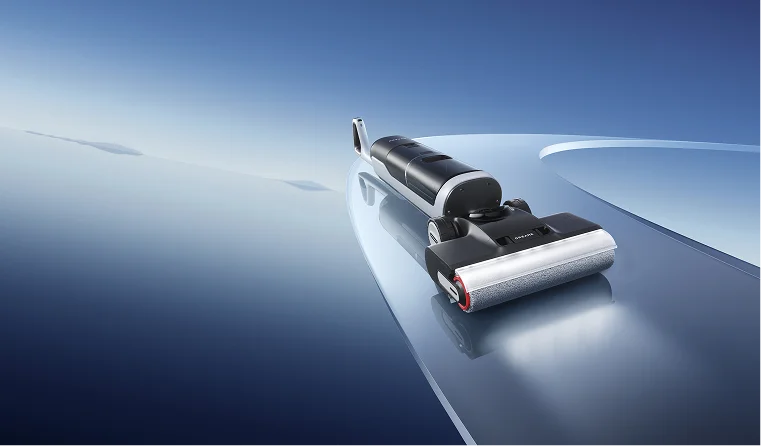
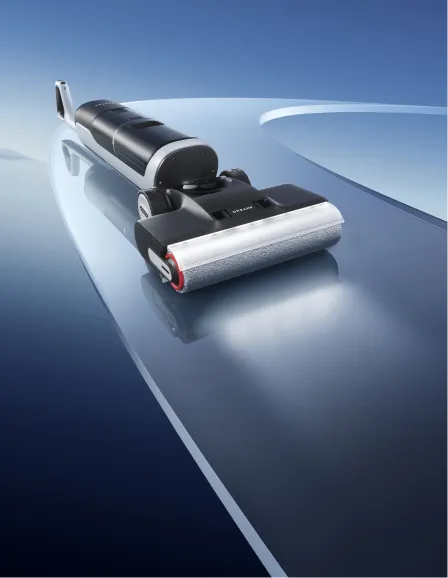
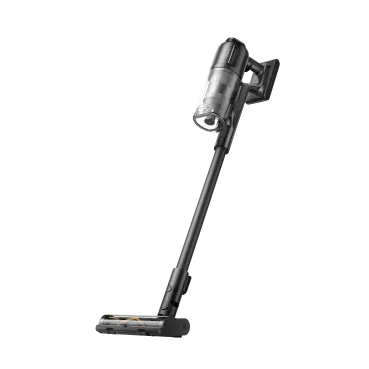
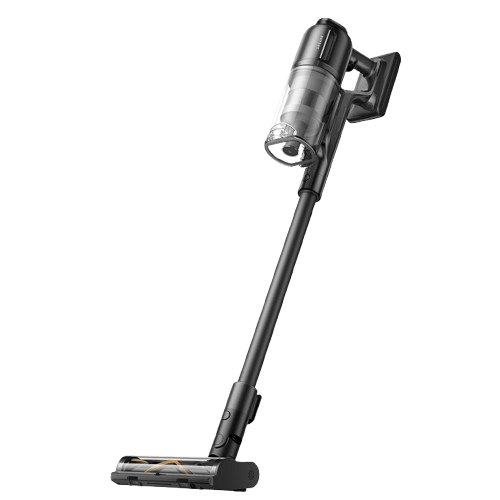
Dreame Pick: One of the best vacuums for heavy shedding dogs is the Z30. It pairs 310AW suction with an XXL dust cup, the removable container that collects debris as you clean, so a full room of shed hair doesn't mean stopping to empty it halfway through. Its built-in pet brush head lifts fur straight out of upholstery and stairs.
Auto suction adjusts based on dirt detection, and Enhanced Blue Light Dust Detection reveals the fine undercoat you can't see. Whole-machine HEPA filtration captures 99.99% (0.1μm) of fine particles, so undercoat doesn't blow back into the room, and the 0.6L dust cup holds a full coat-blow pass. At $899.99 CAD, it's priced exactly for hands-on cleanup during heavy shedding season. Browse our cordless stick vacuums for more options that can handle heavier shedding.
[product handle="z30-cordless-stick-vacuum" slogan="Best for Heavy Shedding"]
Also consider: Dyson is a well-known cordless name that shows up throughout most shedding-dog research, and Shark is a familiar pet-focused alternative. Bissell is another common name in pet vacuum shopping carts.
Best for Carpet and Rugs
Dreame Pick: The Matrix10 Ultra is the carpet pick, because it keeps the mop off the pile and drives 30,000Pa Vormax™ suction straight onto dry carpet instead of dragging a damp pad across it. A German Shepherd's undercoat packs down into the pile rather than resting on top, and that is exactly the type of mess it's built to pull out.
On short-pile carpet, the mop automatically lifts 10.5mm to stay dry while suction holds steady, and Carpet Crossing Mode gets it smoothly over doormats and rugs without stalling. The HyperStream™ Detangling DuoBrush System keeps wrapped hair off the roller between empties. SideReach™ Vacuuming extends along baseboards too, where shed hair tends to collect. Coming in at $2,699.99 CAD, it sits at the top of the carpet-focused range, built to take daily carpet cleaning off your hands.
[product handle="matrix10-ultra-robot-vacuum" slogan="Best for Carpet"]
Also consider: Shark is a familiar name for carpet-focused shopping, and Roborock is a premium alternative worth a look if carpet coverage is the main concern.
Best for Hair Plus Muddy Paw Prints
Dreame Pick: If your German Shepherd spends a lot of time outdoors, the H15 Pro Heat can handle the mud and hair that comes with it. On hard floors, 85°C hot water breaks down sticky mud, while its GapFree™ AI DescendReach robotic arm reaches the baseboard line where hair and grit collect.
The brush self-cleans at 100°C, hands-free and odor-free, and 180° Lie-Flat Smart Cleaning gets the machine flat enough to clean fully under low furniture. One charge covers 520+ m², enough for most homes without a mid-clean recharge. At $829.99 CAD, it handles hard floors from mud to daily hair, though on carpet it dry-vacuums only, since the wet function is built for sealed floors, not carpet fibers. See our wet dry vacuums for models that are built for messes.
[product handle="h15-pro-heat-wet-dry-vacuum" slogan="Best for Paw Prints"]
Also consider: Tineco is a well-known wet/dry alternative, and Bissell is a familiar name for floor washing in general.
Important: The wet function on a wet dry vacuum is for sealed hard floors only. On carpet and rugs, it dry-vacuums, since carpet holds water in the fibers and padding underneath, which leads to odors and mold.
Best Budget Pick
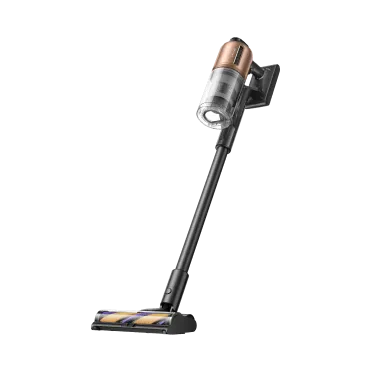
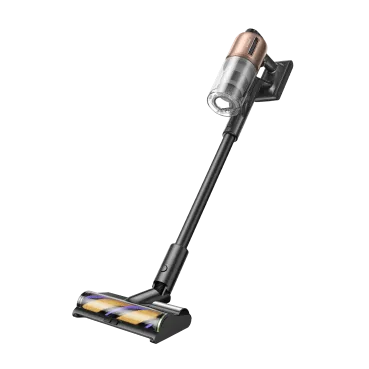
Dreame Pick: Not everyone needs a flagship-priced setup, and the R20 Pure is the budget pick that still handles everyday fur easily. Its 150AW suction lifts hair and dust off hard floors and rugs, and Enhanced Blue Light Dust Detection lights up what's easy to miss so you know when a spot needs a second pass.
At $499.99 CAD, it's built for steady, everyday shedding rather than the heaviest coat-blow weeks. If your German Shepherd sheds consistently but not dramatically, this is enough power without the flagship price.
[product handle="r20-pure-cordless-stick-vacuum" slogan="Best Value"]
Also consider: Shark is a familiar, budget-friendly alternative, and Bissell is another common name for buyers shopping by price.
Why German Shepherd Hair Is Harder on a Vacuum
A German Shepherd has a double coat, and the undercoat underneath is what actually gives a vacuum trouble. The outer guard hair is long and coarse, but the undercoat beneath it is fine and packed in tight.
Long hair from other breeds wraps loosely around a brush roll and pulls free easily. Fine, dense undercoat does the opposite. It packs into filters and mats around a roller instead of winding around it, which is why a vacuum built for long, loose hair can still struggle with a heavy undercoat.
Daily shedding is light and steady, so a vacuum on a routine can easily keep up. Shedding season, in spring and fall, requires more vacuuming, since the undercoat releases in volume for weeks.
Coat blow tends to test the limits of a vacuum, where a dust bin sized for daily use suddenly fills mid-room, and a filter not built for volume clogs partway through the clean. Once collected, fine undercoat can go airborne again the moment you empty the bin indoors, landing right back on the floor it just came off of.
If long human hair is also an issue in the house, the guide to robot vacuums and long hair covers which brush and roller features actually clear it and which ones just let it wrap.
What to Look For in a Vacuum for a Heavy-Shedding Dog
Start with the brush
Look for a brush that's built to be anti-tangle or detangling. The good ones comb or cut hair loose as they spin, so it clears into the bin instead of winding around the roller. A plain rubber roller with no real detangling design mats fast during a coat blow.
Check the bin capacity
A dust cup sized for daily dust runs empties itself twice as often once shedding season starts. Look for something closer to 0.6L or more, built around a full coat-blow week rather than an average day.
Look at the filtration
Fine undercoat breaks down into particles small enough to pass through a loose filter and straight back into the room. A true HEPA filter holds onto particles that fine, but it only works if the system around it is sealed, forcing air through the filter instead of leaking out the sides. Look for both, a HEPA rating and sealed filtration, working alongside strong suction.
For more on what this breed does to a vacuum specifically, see 9 surprising things every dog owner should know about vacuums, which covers the shedding and allergen realities of owning a dog.
Pick a self-emptying dock
If you're going the robot vacuum route, look for one with a dock that empties the vacuum's bin into a larger dust bag on its own, ideally 3.2L or more, and can go up to 150 days before you have to empty that bag, so coat blow doesn't turn into a daily chore.
Pro-tip: Empty the bin outdoors during coat blow. Fine undercoat is light enough to hang in the air, so emptying it indoors puts a good share of what you just collected right back on the floor.
Shedding is just one factor in choosing a vacuum. Our guide on how to choose a pet hair vacuum covers the rest, from suction and brush design to filtration, across every vacuum type for pet hair.
Do You Need More Than One Vacuum for a German Shepherd?
For most German Shepherd homes, yes, and it usually means two machines splitting two different jobs:
A scheduled robot vacuum handles the daily layer, running often enough that hair doesn't get the chance to build up.
A cordless vacuum handles the coat blow, plus the stairs and the sofa where a shedding dog sleeps. When hair has already worked its way into the upholstery, how to get pet hair off a couch covers the tools and technique for lifting it back out.
Relying on one machine for both jobs means neither gets done as well. A robot vacuum sized for daily upkeep gets overwhelmed during a full coat blow, and without one, you handle all the fur with a cordless vacuum alone, which can be overwhelming.
The X60 Max Ultra Complete and Z30 make for a great pairing, one for the daily layer, one for the heavy shedding.
How Dreame Tests Vacuums for Pet Hair
Pet hair mats and tangles a brush in ways human hair doesn't, and Dreame tests for that difference directly instead of assuming one hair test covers both.
Every roller brush, on a robot vacuum or a cordless stick, runs against a blended mix of hair lengths built to mat and tangle a poorly designed brush, with pet fur worked into that mix because it's finer and denser than human hair.
After each run, engineers weigh the hair left behind, both in the dust bin and caught around the brushes, giving a hair-tangling rate rather than just a cleaning score. A vacuum that pulls hair into the bin and keeps its brush clear scores better than one that only pushes it around the floor. Our full breakdown of how Dreame tests robot vacuums walks through the tangle-rate method and the rest of the scoring in detail.
For wet dry vacuums, the same hair runs wet and dry through the brush system across repeated rounds, checked for tangles after every pass, since a brush that clogs during a coat blow fails a pet household even if it handles a single mess fine.
The Right Setup for Shedding Season
For most homes with a German Shepherd, staying as fur-free as possible means running both a robot vacuum for daily upkeep and a cordless for the heavy German Shepherd shedding season. The picks above cover a range of household types and are designed to lighten your chore list.
Browse Dreame's robot vacuums for pet hair to find the right fit for your daily routine.
Frequently Asked Questions
How to clean up German Shepherd hair?
Vacuum daily during shedding season so loose hair never builds into drifts, and brush your dog outside so hair lands outdoors instead of on the floor. Empty the bin outdoors too, since fine undercoat is light enough to go airborne the moment it's released indoors.
Which robot vacuum is best for handling German Shepherd hair?
The X60 Max Ultra Complete is our top pick, with a detangling brush that clears hair instead of wrapping it, auto suction boost on carpet, and a dock that auto-empties for up to 100 days so you don't have to stop to empty the bin.
Can you vacuum a German Shepherd?
No. Grooming vacuums designed to brush and collect loose fur directly from a dog exist as their own product category, separate from a floor vacuum. Never run a household floor vacuum on a dog, and for hair already on the floor or furniture, use the picks above instead.
How often should I vacuum with a German Shepherd?
Daily during the spring and autumn coat blow, and every two to three days the rest of the year. The longer undercoat sits, the more it compacts into the carpet pile, so a short daily run pulls out more total hair than one longer weekly session.
Do I need a HEPA filter for German Shepherd hair?
Yes, more so than with most breeds. The undercoat breaks down into particles fine enough that a loose filter releases them straight back into the room, so a true HEPA filter is what actually holds onto them. If anyone in the house has allergies, it matters even more.
Will one vacuum handle a German Shepherd, or do I need two?
Usually two. A scheduled robot vacuum handles the daily layer, and a cordless vacuum handles coat blow, stairs, and furniture. One machine trying to do both jobs tends to fall short for whichever task it's not made for.
Dog hair on a hardwood floor doesn't settle in one spot. It sits loose on the surface and drifts, gathering into clumps under the sofa and along the baseboards, and a weak vacuum just pushes it around before it picks any of it up. That's why the best vacuum for dog hair on hardwood floors has to actually lift the hair, not just move it around.
The right machine pulls that hair in without scattering it and reaches the edges where it piles up. It also cleans the paw prints and tracked-in grime a dry pass leaves behind. Here are five picks, sorted by different household situations.
Best Overall for Dog Hair on Hardwood
Dreame Pick: The X60 Ultra robot vacuum is a solid, all-rounder choice for handling dog hair on hardwood floors. Its 7.95cm body glides under the sofa where hair collects, and Dual Flex Arm Technology extends the side brush and mop to the baseboard line, so even hard-to-reach areas are all covered.
The HyperStream™ Detangling DuoBrush 2.0 pairs two brushes that comb the hair loose and feed it straight into the suction path, so it lands in the dust box instead of wrapping around the roller. Backed by 35,000Pa Vormax™ suction, that combination lifts a drifting clump in one pass, and the mop follows at 40°C to wipe up the dirty paw prints left behind.
[product handle="x60-ultra-robot-vacuum" slogan="Best Overall"]
Also consider: Roborock is a well-known flagship alternative, and iRobot is a familiar name in shopping searches.
Best Cordless for Daily Hair Pickup
Dreame Pick: A robot vacuum handles the open floor, and the Z30 is the perfect companion for everywhere it can't reach, from the stairs to the sofa cushions. Its built-in pet brush head lifts fur off upholstery, and Enhanced Blue Light Dust Detection shows you the fine hair and dust that's easy to miss on a hardwood floor, especially if your pet's fur is a similar color to your wood.
310AW of suction pulls a hair clump up in one pull, and the XXL dust cup means fewer stops mid-clean, especially paired with its 90-minute runtime. To compare it with other capable models, browse the full range of cordless stick vacuums built for quick daily pickups.
[product handle="z30-cordless-stick-vacuum" slogan="Best for Daily Hair Pickup"]
Also consider: Dyson and Shark are familiar cordless names for pet hair, and Tineco is another cordless alternative.
Best for Hair and Paw Prints
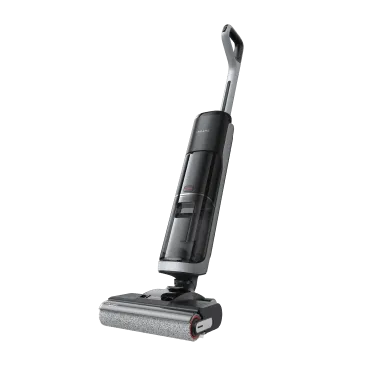
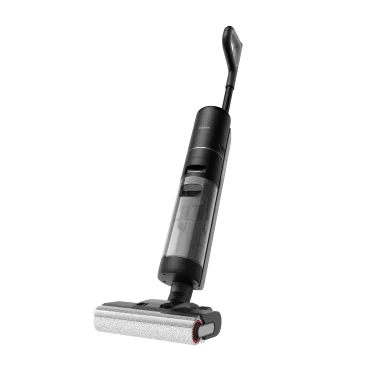
Dreame Pick: In a home with pets, hair isn't the only thing you need to clean up, and the Aero Pro is built for the dirt and the dander that comes with a furry friend. It works as a vacuum and mop in one, lifting loose hair and dander while the roller washes the hard floor right behind it. Between runs, the dock self-cleans the roller with 90°C hot water, so every pass starts fresh.
Its Advanced TangleCut™ 2.0 brush scrapes the hair off the roller as it spins, so it never winds into a rope of dog hair. The 9.86cm ultra-slim body lies flat at 180° to reach under low furniture, and 25,000 Pa of suction handles the wet and dry mess at once, with up to 60 minutes of runtime per charge. For more hard-floor options, browse the full range of wet and dry vacuums.
[product handle="aero-pro-wet-dry-vacuum" slogan="Best for Hair and Paw Prints"]
Also consider: Tineco is a known wet dry alternative, and Bissell is a familiar name in floor washers.
Important: The wet function on the Aero Pro is for sealed hard floors only. On a rug or carpet, it dry-vacuums, because the roller can't pull moisture back out of the fibers and padding, which leaves the fibers soaked.
Best for Hardwood with Rugs and Runners
Dreame Pick: Rugs and runners trip up most robot vacuums in a hardwood home, and the Matrix10 Ultra is the pick built to clear dog hair off both surfaces. When it reaches a rug, the mop lifts 10.5mm clear of the pile, so rather than dragging a wet pad over your runner, it dry-vacuums the hair off the rug.
On hardwood floors, 30,000Pa Vormax™ suction and the HyperStream™ Detangling DuoBrush System lift hair off the bristles and into the suction inlet so it doesn't knot around the roller, while SideReach™ Vacuuming and MopExtend™ RoboSwing reach the hair along baseboards and corners.
On the mopping side, the Multi-Mop™ Switching Dock swaps mop pads for different floors, with a thermal pad for scrubbing dried-on messes, a nylon-bristle pad for kitchen grease, and a sponge pad for wet spills. If you're still undecided, our guide to the best robot vacuum for mixed floors breaks down what matters when hardwood meets carpet, from adaptive suction to mop-lifting.
[product handle="matrix10-ultra-robot-vacuum" slogan="Best for Hardwood with Rugs"]
Also consider: Shark is a familiar mixed-floor alternative, and Roborock is a premium option in the same category.
Best Budget Robot Vacuum for Daily Hair Pickup
Dreame Pick: Not every home needs a camera-led flagship, and the D20 Pro Plus keeps things simple. HyperStream™ Detangling DuoBrush handles the daily layer of hair on hardwood without tangling, and SideReach™ Vacuuming extends the side brush into the right-angle corners and narrow gaps a round body would otherwise skip, so hair doesn't get left at the edges. 13,000Pa Vormax™ suction handles daily dust and pet hair without fuss.
The trade-off is a simpler navigation system rather than an AI camera, so you'll need to clear cords and small toys off the floor first. Its 150-day hands-off dust collection means you rarely think about emptying it. With a price of just $749.99 CAD, it's a budget-friendly choice for hard-floor homes.
[product handle="d20-pro-plus-robot-vacuum" slogan="Best Budget for Daily Hair Pickup"]
Also consider: eufy is a popular budget alternative, and iRobot is a well-known entry-level name.
What to Look For in a Vacuum for Dog Hair on Hardwood Floors
What matters most in a vacuum for dog hair on hardwood isn't the most powerful suction but how well it handles hair that drifts and piles on a hard floor. Here are five important considerations when picking the right vacuum for dog hair on hardwood floors.
Airflow that lifts hair instead of scattering it
On a robot or wet dry vacuum, look for suction between 13,000Pa and 35,000Pa, enough to lift a drifting hair clump on hardwood in one pass. A cordless stick measures suction in air watts instead, so look for at least 150AW. Anything below it just chases the fur around.
A brush that resists tangles and protects the finish
On hardwood, look for a soft-roller or anti-tangle brush that feeds hair into the suction without winding around the roller or scratching the finish, so you empty the bin instead of cutting hair off by hand every week.
Edge and under-furniture reach
Hair on hardwood gathers along baseboards and under low furniture, and a robot vacuum reaches those spots with an extending arm and a slim body. A wet/dry that lies flat at 180° slides beneath the sofa, while a cordless uses a crevice tool where a full head won't fit.
Whether you also need mopping
Vacuuming clears the hair, not the tracked-in grit and paw prints that dull a hardwood floor over time, and a machine that mops in the same pass saves a second lap with a bucket. Some mop with heated water too, around 40°C on a robot vacuum or up to 85°C on a hot-water wet dry model, which loosens dried-on paw prints a cold pad only smears.
Bin or dock capacity sized to shedding
A shedding dog fills a small dust cup fast, so a cordless with a cup around 0.8L means fewer mid-clean stops, while a robot vacuum's self-emptying dock can hold up to 150 days of dirt before you touch it.
Pro-tip: On hardwood, run the vacuum in one direction along the boards rather than back and forth. Hair sits in the seams between planks, and a single directional pass lifts it instead of pushing it along the groove.
For matching a machine to your mess beyond hardwood, our guide on how to choose a pet hair vacuum helps you pick the type that fits your home, from couch hair to wet paw prints.
Why Dog Hair Behaves Differently on Hardwood
On hardwood, there's nothing for dog hair to grab onto, so static and the smallest air current keep it moving. A footstep or the AC kicking on is enough to send a clump drifting to the far side of the room.
All that movement is what makes the hair hard to pin down, settling into the seams between planks and clinging through static to baseboards a floor pass never reaches. The hair isn't the full picture either. Paw prints and fine grit leave a dull film on the finish, and only a damp wash lifts it.
Dreame Take: The hair that's hardest to clean is usually tucked along the edges and wound around the brush, where most vacuums miss. Dreame designs seamless reach and tangle resistance as basics rather than flagship perks, building them across its range so a home with pets gets real cleaning.
Technique matters as much as the machine here, which is why our guide on whether you can vacuum hardwood floors covers the soft-roller heads and clean wheels that keep grit from scratching the finish.
How Dreame Tests Vacuums for Pet Hair
Pet hair mats and tangles a brush in ways human hair doesn't, and Dreame tests for that difference directly instead of assuming one hair test covers both.
Every roller brush, on a robot vacuum or a cordless stick, runs against a blended mix of hair lengths built to mat and tangle a poorly designed brush, with pet fur worked into that mix because it's finer and denser than human hair.
After each run, engineers weigh the hair left behind, both in the dust bin and caught around the brushes, giving a hair-tangling rate rather than just a cleaning score. A vacuum that pulls hair into the bin and keeps its brush clear scores better than one that only pushes it around the floor. Our full breakdown of how Dreame tests robot vacuums walks through the tangle-rate method and the rest of the scoring in detail.
For wet dry vacuums, the same hair runs wet and dry through the brush system across repeated rounds, checked for tangles after every pass, since a brush that clogs during a coat blow fails a pet household even if it handles a single mess fine.
Choosing the Best Vacuum for Hardwood Floors and Pet Hair
As this guide has laid out, clearing dog hair on hardwood starts with strong suction and an anti-tangle brush, and every pick above has both. From there, the choice is about what other features you want, so browse all our robot vacuums to see every series in one place.
Reach matters just as much, since fur drifts to the edges and under furniture, so look for an extending arm or a slim body that gets into those spots. If pet hair is your main concern, shop our robot vacuums for pet hair to narrow down the models built for it.
And if you're still torn between two, compare our robot vacuum models side by side before you buy.
Frequently Asked Questions
What is the best way to clean dog hair off hardwood floors?
The best way is to use a vacuum that traps fine dust, fitted with an anti-tangle brush, and run it often enough that hair never piles up. Follow with a damp pass for the paw prints, since a dry mop just moves hair around instead of lifting it.
What is the best vacuum cleaner for removing dog hair?
It's the one that keeps hair off the brush roll and holds enough that you don't have to empty the bin mid-clean. The picks above cover it at every budget.
Do pet hair vacuums really work?
Yes, as long as it has the right brush and filtration. A vacuum built for pet hair uses an anti-tangle brush to keep hair off the roller and stronger filtration to hold the fine dust rather than blow it back into the room.
Will a vacuum scratch my hardwood floors?
No, not under normal use. The real risk is grit already on the floor getting dragged around, so vacuuming more often actually helps, not less. Our guide on whether robot vacuums are safe for wood floors covers moisture and scratch risks, plus the features that guard against them.
Do I need a mop as well as a vacuum for dog hair on hardwood?
Not for the hair alone, no. For the paw prints and grime left behind, yes, and a machine that vacuums and mops in one pass saves the second lap with a bucket.
How often should I vacuum hardwood floors with a shedding dog?
Every day or two during shedding season, and twice a week otherwise. Hair on hardwood clumps and travels, so a short daily run beats one long weekly clean, which a scheduled robot vacuum handles on its own.
The best robot vacuum for carpet solves the problem most models run into: skating over the surface of the rug instead of clearing out the dirt packed down in the pile. It uses suction strong enough to reach buried debris with built-in brushes that clear hair so you're not constantly detangling. They also keep the mop off your rugs so the carpet stays dry.
Below are five top picks for 2026, each matched to a specific kind of carpet home, from thick bedroom pile to heavy pet shedding, so you can find the one that fits your floors.
Best Overall Robot Vacuum for Carpet
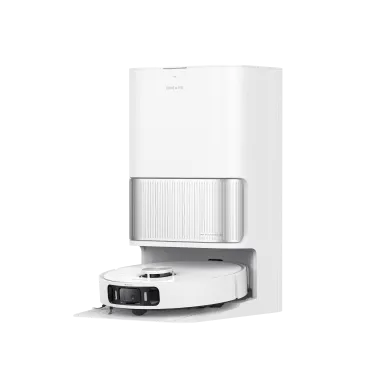
Dreame Pick: The Dreame X60 Max Ultra Complete, priced at $2,399.99 CAD, is the pick when you want the strongest carpet clean in the collection with nothing left to manage by hand. Your carpets get 35,000Pa of Vormax™ suction, the highest in the X Series, so embedded pet hair and ground-in crumbs come up on the first pass instead of the third. Suction is improved even more by a retractable pressure plate that lowers onto the pile and presses down to form a sealed pocket, so all that pull goes straight down into the fibers instead of escaping out the sides.
You also do not have to worry about damp rugs. The moment it moves onto carpet, it lifts its mop up to 10.5mm and rises up off the pile, so the mop never drags across the rug. The pads lift out of the way instead of coming off, so there is nothing to detach or swap between rooms, and your hard floors and carpet get cleaned in one hands-off run.
[product handle="x60-max-ultra-complete-robot-vacuum" slogan="Best Overall"]
Also consider: Roborock and iRobot are the flagship names most people cross-shop here.
Best Robot Vacuum for Thick & High-Pile Carpet
Dreame Pick: The Dreame Aqua10 Roller AE, comes in at $1,399.99 CAD, and is a great choice for deep, plush pile you want cleaned but kept bone-dry. A robot vacuum for thick carpet has a hard job, cleaning the pile without soaking it, and this one manages it with a Carpet-Safe AutoSeal™ Roller Guard that closes over the roller before it reaches the rug and lifts it 14mm clear. It is tested on pile up to 12mm thick, so your deep rugs stay genuinely dry.
While the mop stays off the fibers, 30,000Pa of suction reaches down into the pile and easily pulls up the grit. Long hair is no problem either. A HyperStream™ Detangling DuoBrush feeds strands straight through instead of letting them wind around the roller, and the dock rinses it with 100°C hot water between runs so it starts every clean fresh. For a home built around plush carpet, it is the best robot vacuum for high pile carpet in our collection.
If you want to see how robot vacuums handle deep pile before you buy, our guide on how robot vacuums work on rugs covers which types they actually clean well and how to set them up so they don't wet or snag the pile.
[product handle="aqua10-roller-ae-robot-vacuum" slogan="Best for Thick Carpet"]
Also consider: Roborock is the premium high-pile alternative most cross-shop, and eufy is a familiar name many already know.
Best Robot Vacuum for Pet Hair on Carpet
Dreame Pick: If a shedding cat or dog is making your carpet look like you got another pet, the Dreame L60 Ultra PE is the robot vacuum for pet hair and carpet to check out, and at $1,499.99 CAD it gives you strong pet-hair performance without paying flagship money. Its Anti-Tangle Side and Main Brush feeds long strands straight into the bin rather than letting them wind around the roller, so you're not stopping to pull hair off the brush every few days. It pairs that with 30,000Pa of suction that lifts pet hair and litter out of the pile in one pass.
Your rugs stay dry too, because the mop lifts up to 10.5mm the moment it moves onto carpet. When it mops your hard floors, the dock cleans the pad with 100°C hot water between runs, so it always works with a fresh pad instead of pushing the last mess around.
Our guide to robot vacuums for pet hair walks you through 12 must-have features for any pet owner who's looking for a little more help in keeping their home clean.
[product handle="l60-ultra-pe-robot-vacuum" slogan="Best for Pet Hair"]
Also consider: Roborock and eufy both have pet-focused models people know well.
Best Robot Vacuum for Mixed Carpet & Hard Floors
Dreame Pick: The trickiest part of a home with mixed flooring is the transition between carpet and hard floor, and the Dreame X60 Ultra handles it without you needing to help. At $2,099.99 CAD, it mops your hard floors with warm water to loosen everyday grease, then the moment it rolls onto a rug, the mop lifts up to 10.5mm and increases suction to dig into the pile, so one run covers tile and carpet without dragging moisture across the rug.
Delicate rugs stay protected too, thanks to tassel detection that spots fringed rugs and works around them so nothing snags. It carries the same 35,000Pa Vormax™ suction and HyperStream™ Detangling DuoBrush 2.0 as the flagship, so you get serious cleaning power for mixed floors, just without the deep-pile carpet pressure plate saved for the top-of-range model.
[product handle="x60-ultra-robot-vacuum" slogan="Best for Mixed Floors"]
Also consider: Roborock is the premium mixed-floor alternative, and Ecovacs is a familiar name in this space.
Best Budget Robot Vacuum for Carpet
Dreame Pick: The Dreame D20 Air Plus, is the most affordable model to keep your carpets clean and dry, at $349.99 CAD, as long as you don't mind lifting the mop pad by hand before a carpet run. Your floors get 20,000Pa of Vormax™ suction, enough to pull everyday dust and pet hair out of low and medium piles, and a Dual Anti-Tangle Brush keeps hair from wrapping the roller.
Its Smart Carpet Cleaning Mode gives you four ways to handle carpet, and the Skip & Protect setting steers around any rug you would rather it left alone. The dock runs hands-free for up to 120 days on a 4L bag, and a charge lasts up to 150 minutes, so your floors are looked after for months at a time without needing to stretch your budget.
[product handle="d20-air-plus-robot-vacuum" slogan="Best Budget"]
Also consider: eufy is the popular budget alternative most compare here, and iRobot is the mainstream name most already know.
How to Match a Robot Vacuum for Carpet to Your Home
Deciding the best robot vacuum for carpet for your home is all about the type of carpet and how busy your household is. Here is how they line up:
Strongest clean, flagship features: the X60 Max Ultra Complete sits at the top.
Deep, plush pile: the Aqua10 Roller AE keeps thick rugs dry while its roller works suction into the fibers.
Pet hair: the L60 Ultra PE and its anti-tangle brush are built for shedding homes. If that's your main concern, browse our robot vacuums for pet hair.
Mixed tile and rugs: the X60 Ultra switches surfaces on its own, mopping hard floors and lifting the mop the moment it reaches carpet.
Tight budget: the D20 Air Plus still detects carpet and ramps up suction to keep everyday pile clean.
How to Choose a Robot Vacuum for Carpet
Pile height is the first thing to check when choosing a robot vacuum for carpet, since it decides how much suction and mop control you need. How it handles mixed floor types matters just as much, and it is where the better models pull ahead.
How much suction does your carpet need?
Match the suction to your pile height. Low and mid-pile need less power; strong robot vacuum carpet suction is best on plush and high-pile, where grit sits deep in the fibers.
Pro-tip: If you are weighing up two models, let suction be the tiebreaker. Aim for 30,000Pa or more the moment thick or high-pile rugs are in the mix, which is more than strong enough for thinner carpets.
How does it keep the carpet dry when it mops?
A carpet-safe mopping robot vacuum keeps it dry by moving the mop out of the way before it ever reaches a rug. The flagship and mid picks lift the pad clear at 10.5mm, while the thick-carpet pick seals its roller off entirely. The budget pick simply lets you pop the pad off by hand, so whichever route you take, your rugs stay dry.
Do you need an anti-tangle brush?
If you have shedding pets or long hair at home, an anti-tangle brush is non-negotiable. It clears hair as it spins to keeps strands from wrapping the roller, so you don't need to worry about detangling.
Our complete robot vacuum buying guide covers everything from navigation to dock upkeep across the full range, if you want to go deeper.
How Dreame Tests Robot Vacuums
The standard industry test for a robot vacuum is dust pickup in an empty square room. Your home is not an empty room, so Dreame's testing starts where that test ends.
Hair is the clearest example. Engineers run each robot vacuum against a blended mix of hair lengths from 3cm to 30cm, built to clog and tangle a poorly designed roller brush. After every run, the team collects and weighs the hair from three collection points: the dust box, the roller brush, and the side brush. The result is a hair tangling rate, which shows how much hair the vacuum actually swallowed versus how much wrapped around its brushes. Cleaning efficiency alone hides that difference, and it's the difference that matters in a home with pets or long hair.
Durability gets the same scrutiny. Every model passes compression and drop testing, then vibration runs that simulate real shipping. Environmental simulation chambers expose finished units to extreme heat, humidity, rain, and salt spray.
Read the full methodology in How Dreame Tests Robot Vacuums.
Dreame Take: Most vacuums are graded on what they lift off the surface, but carpet is really about what is trapped in the pile and whether hair releases from the brush. That is what Dreame builds and tests for.
Find the Right Robot Vacuum for Carpet
Whichever carpet you have, there is a pick above that can handle it. Deep, plush pile calls for a model that keeps rugs dry while working suction down into the fibers, while a home full of pet hair leans on a strong anti-tangle brush more than raw power alone. Mixed floors need a vacuum that switches between them on its own.
Browse Dreame's robot vacuums for carpet to see and compare every model in one place.
Or line a few up feature by feature with the robot vacuum comparison tool before you decide.
Frequently Asked Questions
Do robot vacuums work well on carpet?
Yes, for surface debris and pet hair, though how well depends on suction and the brush. Strong suction paired with an anti-tangle brush clears the top of the pile and everyday shedding easily. Deep, embedded grit in thick pile is the hardest test, which is why pile height should guide your pick.
For a fuller picture of what to expect on everyday pile versus thick, high-pile rugs, see our guide on if a robot vacuum can clean carpets.
What robot vacuum works best on thick, high-pile carpet?
The one with the highest suction and a brush that presses down into the pile. The Dreame X60 Max Ultra Complete leads here, with 35,000Pa of Vormax™ suction and a retractable pressure plate that keeps that suction sealed against thick carpet.
Can a robot vacuum clean carpet and mop hard floors in the same run?
Yes, if the mop lifts or detaches over carpet automatically. The Dreame X60 Ultra is built for exactly this, lifting or detaching its mop the moment it moves from hard floor onto a rug, so your hard floors get mopped and your carpet stays dry.
Will a robot vacuum get my carpet wet when it mops?
Not if it lifts or removes the mop before crossing carpet. Every mopping pick here raises the pad off the pile (10.5mm on the flagship models) or lets you take it off, so water stays on hard floors.
What's the best robot vacuum for pet hair on carpet?
One with an anti-tangle brush that clears long strands instead of wrapping them. The Dreame L60 Ultra PE is our pick, pairing an anti-tangle side and main brush with 30,000Pa of Vormax™ suction to lift hair out of the pile.
Cats that don't shed at all don't exist, but some breeds shed so little you barely notice the stray hairs they leave throughout your home. Every cat drops hair and dander, and that includes the hairless breeds as well.
Below you'll find 12 low-shedding cat breeds and a simple cleaning routine to keep your home hair-free once you get a pet cat.
Are There Really Cats That Don't Shed?
While non-shedding cats don't exist, hairless cat breeds like the Sphynx and curly-coated breeds like the Cornish Rex come pretty close to that category.
The Sphynx has almost no coat to shed in the first place. A Cornish Rex, meanwhile, has short wavy hair that stays attached to the cat longer than a standard short-haired cat's coat does, so any cat hair that comes loose rarely lands on your sofa.
Neither is maintenance-free, though. Non-shedding cats like the Sphynx and Peterbald need a weekly bath or wipe-down to manage the skin oils that would normally coat guard hairs, and low-shedding breeds still need a weekly brush to lift the small amount of hair they do shed.
12 Cat Breeds That Don't Shed (Much)
The 12 breeds below fall into those two coat camps, either fully hairless or tightly-coated enough that stray hairs stay on the cat rather than on your sofa. Here is what you can expect from each.
1. Sphynx
Hairless. The Sphynx is hairless apart from a fine peach fuzz, so almost no loose hair reaches your furniture. They still build up skin oils and dander, which is why weekly baths are necessary to keep them and your home clean. Sphynxes are affectionate and people-oriented, and might feel closer to a small dog than most cats.
2. Cornish Rex
Curly-coated. A Cornish Rex carries only the wavy down layer of a cat's coat, with no guard hairs on top. Any hair that does come loose is fine and easy to lift off furniture. You can expect these bright, curious cats to treat every high surface as a lookout post.
3. Devon Rex
Curly-coated. Devon Rex cats have a short, wavy coat with very sparse guard hairs, so they shed less than a standard short-haired cat and feel almost suede-like to the touch. They're pocket-sized and playful, the kind of cat that follows you from room to room.
4. Peterbald
Hairless. Peterbalds range from fully bald to a fine peach-fuzz coat, and every variant sheds very little because there's barely any hair to lose. The near-bald ones need weekly baths to manage skin oils, just like the Sphynx. This is a warm, chatty breed that bonds tightly with the people it lives with.
5. Russian Blue
Dense-coated shorthair. The Russian Blue has a dense, silvery-blue coat with a plush undercoat that keeps loose hairs trapped so they don't drift onto your furniture. It's a quiet breed, usually reserved around strangers and warmly affectionate with family.
6. Bengal
Short-coated shorthair. Bengals wear a short, pelted coat that lies flat against the skin and sheds lightly year-round, without the heavy seasonal blowouts of a longhaired breed. They're high-energy cats with sharp intelligence, so daily stimulation from you keeps them content.
7. Siberian
Long-coated (seasonal shedder). The Siberian is the exception on this list, carrying a long coat that sheds heavily during seasonal changes but stays low-shedding the rest of the year. Some Siberian lines also produce lower Fel d 1 levels, which is why the breed appears in guides for allergy-friendly cats. Siberians are steady, patient cats that fit well in family homes.
8. Siamese
Short-coated shorthair. Siamese cats keep a short, close-lying coat with no undercoat, which means very little seasonal shedding to deal with. They're sharp-minded and extremely social, and will hold long conversations with you if you let them.
9. Bombay
Short-coated shorthair. The Bombay stands out with a sleek, satin-black coat that sits tight to the skin and sheds so little that a weekly wipe with a damp cloth handles the maintenance. Bombays are confident and sociable; almost dog-like in how closely they follow you around.
10. Abyssinian
Short-coated shorthair. An Abyssinian's short ticked coat carries agouti banding on each hair, giving the breed its warm, wild-looking finish. There's no undercoat to blow out seasonally, so shedding stays low year-round. Active and curious, an Abyssinian will treat your home like one long investigation.
11. Burmese
Short-coated shorthair. Burmese cats carry a short, glossy coat that lies close to the skin and rarely needs more than a weekly brush to stay clean. They're warm and companionable, and you might notice them following you around the house without needing to be called.
12. Oriental Shorthair
Short-coated shorthair. Oriental Shorthairs have a fine, short coat pressed close to the skin and almost no undercoat, so shedding stays minimal even during seasonal changes. Loud and extroverted, these cats will demand your attention whether you're free or not.
Pro-tip: A damp microfiber cloth works better than a dry wipe for a mid-week touch-up on your Sphynx or Peterbald. Warm water lifts the skin oil, and the microfiber holds it instead of pushing it around.
Why Low-Shedding Cats Aren't the Same as Hypoallergenic Cats
A low-shedding coat lessens the amount of hair you have to clean from your couch, but it may not completely remove your allergic reaction to cats. That's because cat allergies stem from a protein called Fel d 1 that cats produce in their saliva and skin, and every cat carries it, including hairless breeds. When your cat grooms itself, that protein dries on the coat or skin and rides tiny dander flakes into the air you breathe.
Fel d 1 output varies more than most people expect, which is why the same person can react badly to one cat and feel fine with another:
One cat to the next: Individual cats within the same breed produce different amounts of Fel d 1, so two Sphynx kittens from the same litter can trigger very different reactions.
Some Siberian lines: Certain Siberian bloodlines produce lower levels of the protein, which is why the breed shows up in allergy-friendly guides. Lower levels still don't mean there aren't any.
Intact vs. neutered: Intact male cats tend to produce the most Fel d 1, and neutered males and females produce noticeably less.
When allergies factor into your choice of cats, try meeting the cat you're considering before you commit. Spending an hour in the same room with that cat gives you a read on how your body responds. A breed labeled as one of the hypoallergenic cats doesn't override how your own immune system reacts to that particular animal.
Reducing dust mites lowers overall allergen exposure, which can make living with a low-shedding cat more comfortable, even for a family member who reacts to cats.
Living With a Low-Shedding Cat: How to Keep a Hair-Free Home
Weekly brushing and a robot vacuum built for pet hair keep loose cat hair off your floors and furniture. Even the lightest shedders drop some, but grooming lifts most of it before it lands, and a self-emptying vacuum picks up what does.
Grooming your cat
How often you groom and what you use to groom depend on your cat's coat type.
Shorthaired low-shedding breeds need a weekly brush to lift loose hair before it ends up on your sofa or clothes. A rubber grooming glove works well and doubles as bonding time.
Dense-coated breeds like the Russian Blue benefit from a metal comb that reaches the plush undercoat, where hair tends to collect.
Seasonal shedders like the Siberian need two brushes a week during spring and fall coat turnover, when heavy shedding kicks in.
Hairless and rex breeds don't need brushing at all. A warm-water bath or a pass with a damp microfiber cloth every week or two keeps their skin comfortable and stops oil from transferring onto your bedding and armchairs.
Keeping your home clean
Bedding, furniture, and floors are where shed cat hair collects, in that order of concentration.
Cat bedding traps more shed hair than anywhere else in your home. A warm-cycle wash once a week takes care of it.
Couches and chairs hold what settles from your cat when it rests on them. Keep a lint roller around for last-minute touch-ups when guests are on their way.
Floors are where the rest of the hair ends up, and that's the part you can hand off to a machine.
A robot vacuum for pet hair, such as the X60 Ultra, runs through your cat's usual rooms on its own and takes care of the dustbin at the dock for months at a time, so you're not dealing with a full canister every few days. Its anti-tangle main brush keeps long cat hair from wrapping around the roller, and a mopping pass on hard floors picks up dust and dander in the same run.
Carpet and area rugs get the same treatment, which reduces the need to remove pet hair from carpet by hand between deeper cleans.
Dreame Take: Living with a cat and keeping a hair-free home shouldn't feel like a trade-off. We design our pet-friendly robot vacuums so the cleanup happens quietly in the background, leaving your time with your cat actually free for the cat.
[product handle="x60-ultra-robot-vacuum"]
Ready to Bring Home a Low-Shedding Cat?
The 12 breeds above should help narrow your choices, and the rest is yours to make in person. Take your time with the cat you're leaning toward before committing, and set up your floor routine so the first week feels smooth from the start. Dreame's collection of robot vacuums has models designed for pet households if you want a head start.
Frequently Asked Questions
Are there any cats that don't shed at all?
A completely non-shedding cat doesn't exist, though hairless breeds like the Sphynx come close enough that you'll rarely see stray hair at home. Even hairless cats shed skin cells and dander, and still need a weekly wipe-down or bath to keep their skin clean.
Which cat breed sheds the least?
Sphynxes drop almost no visible hair, since their fine peach-fuzz coat gives loose strands nowhere to come from. Cornish Rex and Russian Blue cats come close among furred breeds, thanks to a wavy down layer or plush undercoat that keeps hair on the cat.
Are low-shedding cats hypoallergenic?
Shedding and allergies are actually separate concerns. Cat allergies come from a protein called Fel d 1 that every cat produces in its saliva and skin, so a low-shedding cat can still trigger reactions if you're sensitive to that protein.
Do hairless cats like the Sphynx cause allergies?
Hairless cats can absolutely trigger cat allergies, since the reaction comes from the Fel d 1 protein in their saliva and skin, not from fur. Less hair around the home does mean fewer surfaces for that protein to settle on, which sometimes eases the reaction for mildly sensitive people.
How do I keep my home clean with a shedding cat?
A weekly brush for the cat, plus a self-emptying robot vacuum built for pet hair, takes most of the shedding off your plate. Washing the bedding on a warm cycle once a week handles the surface where hair collects the most, and the vacuum's anti-tangle brushing keeps it running without you needing to clean the roller brush.
Dogs that don't shed don't fully exist. Every dog drops dander and skin cells, and most have a seasonal coat blow (when double-coated dogs swap their winter and summer coats), even the breeds marketed as hypoallergenic.
What you actually get with a low-shed breed is less visible hair on your couch and your floors. The dander load is still there. The 30 breeds in this guide are the most low-maintenance for cleaner homes, and each entry includes what cleaning actually looks like for each breed.
The Truth About Low-Shed Dogs
All dogs shed something. Skin cells and dander come off every coat type, even the ones marketed as hypoallergenic. The American Kennel Club is clear that no breed is truly allergen-free.
Low-shed actually means less visible hair on your floors and furniture. A dog with a curly or wiry coat holds loose hair in the coat until grooming pulls it out, rather than dropping it around the house the way a heavy shedder does.
A low-shed breed might reduce how much you need to clean, but pairing it with the right routine makes the real difference. This guide on building a smarter cleaning system for pet homes makes maintaining your home a little easier, so you can focus on making memories instead of messes.
Important: Hypoallergenic doesn't mean allergen-free. Allergy severity varies by person, not just by breed, so if anyone in your household is sensitive, spend time with the specific dog before bringing one home.
Small Dogs That Don't Shed
If you're searching for small dogs that don't shed, these ten breeds are the closest thing to it. They combine compact size with coats that trap hair instead of releasing it, which means less on your floors, not zero. Read each entry's cleaning reality note carefully, because coat type matters more than size when it comes to actual maintenance.
1. Bichon Frise
The Bichon is cheerful and perfect for indoor company. Its curly white coat traps loose hair against the body rather than dropping it. However, trapped hair mats if grooming slips, and a matted Bichon will shed a lot when finally brushed out.
Tip: Plan to vacuum weekly even when the dog avoids bedrooms. After a grooming backlog, expect a temporary spike in floor hair.
2. Miniature Poodle
Bright and athletic, the Mini Poodle is one of the most allergy-friendly small breeds. The curly single coat sheds minimally but grows continuously, so it needs trimming every 4-6 weeks.
Tip: Try not to skip a grooming cycle since on a regular schedule, floor hair is close to zero.
3. Maltese
The Maltese has a single coat of fine, silky hair that rarely sheds. The trade-off is daily brushing. Without it, the coat tangles within days, and matted Maltese hair pulls out in clumps.
Tip: Owners who keep up with brushing see almost no hair on floors. Let the routine slip and a single brushing session deposits what looks like a month's worth of shedding.
4. Shih Tzu
Shih Tzus have a flowing double coat that, despite the length, sheds far less than most double-coated breeds. Hair tends to fall back into the coat rather than onto the floor. Most owners clip it short for easier upkeep.
Tip: Short-clipped Shih Tzus leave very little floor hair. Full-coat owners find single strands rather than clumps, manageable with grooming every 6-8 weeks.
5. Yorkshire Terrier
The Yorkie's coat is silky and hair-like, closer to human hair than typical dog fur. Shedding is minimal but constant, the way human hair sheds.
Tip: You'll find single strands on dark clothing and light floors rather than visible clumps. Owners who keep the coat long need daily brushing to prevent strands from becoming tangles that shed all at once.
6. Havanese
The Havanese has a long silky double coat that sheds inside the coat rather than onto your floors. Loose hairs collect until brushing releases them.
Tip: Consistent weekly brushing keeps visible shed close to zero. Skip a week and the brushing session itself deposits more hair than usual, most of it in the brush rather than on the floor.
7. Coton de Tulear
The Coton has a cotton-soft coat that releases very little hair. Loose hair stays trapped until brushing or bathing removes it. The coat mats easily without weekly grooming.
Tip: A well-maintained Coton is one of the lowest-shedding small breeds you can bring home. Matted coats release hair in clumps, so the grooming routine is what keeps your floors clean.
8. Affenpinscher
The Affenpinscher has a wiry coat that sheds minimally and rarely needs more than weekly brushing. They're confident, with a distinct personality that suits owners who want a small dog with attitude.
Tip: When hair does drop, individual strands are coarser and more visible on light flooring than the fine hair of a Maltese. Vacuum bi-weekly to stay ahead.
9. Brussels Griffon
Brussels Griffons come in rough and smooth coat varieties. The rough-coated version sheds very little and needs hand-stripping a few times a year. The smooth-coated version sheds modestly, more like a typical short-haired breed.
Tip: Choose the rough variety if low-shed floors are the priority. Rough-coated Griffons leave almost nothing between grooming sessions; smooth-coated ones shed noticeably more.
10. Miniature Schnauzer
The Mini Schnauzer's double coat is wiry outside and soft underneath. The wiry topcoat barely sheds; the undercoat releases slowly and gets caught before it falls.
Tip: Brushed twice a week, most owners see less floor hair than they did with a previous short-haired breed. The wiry topcoat does most of the work by catching loose undercoat before it reaches your floors.
Important: Schedule professional grooming every 4-6 weeks for curly-coated breeds and brush weekly between visits. A matted coat releases far more hair when you finally work through it than a well-maintained one ever would.
Medium Dogs That Don't Shed
Medium dogs that don't shed is a popular search for a reason, and this size works for most family homes. These breeds fall in the 20-50 pound range and bring more presence than small breeds without leaving hair across every surface the way a large dog does. Several are water dogs by origin, which is part of why their coats handle hair so differently from typical sporting breeds.
1. Standard Schnauzer
The Standard Schnauzer has the same wiry double coat as the other Schnauzer sizes. Shedding is minimal on a regular hand-strip or clip schedule. They're alert and need daily exercise.
Tip: A clipped coat releases slightly more hair than a stripped one, but still less than most short-haired breeds. Skip grooming and the undercoat builds before shedding gradually.
2. Portuguese Water Dog
Bred to work alongside fishermen, the Portuguese Water Dog has a curly or wavy single coat that sheds little and grows continuously. They need a clip every 6-8 weeks and substantial daily activity.
Tip: Low-shed, but not no-shed. Grooming lapses produce noticeable floor hair quickly. On a consistent trim schedule, you'll find close to none.
3. Soft Coated Wheaten Terrier
The Wheaten's silky single coat is soft and wavy with no undercoat. It sheds very little but mats easily without daily brushing. They have an enthusiastic habit of jumping to greet you, which transfers hair if grooming is overdue.
Tip: A well-groomed Wheaten leaves almost nothing on hard floors. Fall behind on brushing and you'll find more hair on clothing than on the floor.
4. Bedlington Terrier
Bedlingtons have a lamb-like appearance from their curly, non-shedding single coat. They need clipping every 6-8 weeks and are faster and more energetic than their soft look suggests.
Tip: Virtually no loose hair on floors or furniture on a regular grooming schedule. Neglected coats mat and develop odor, and the correction session deposits what looks like weeks of shedding all at once.
5. Lagotto Romagnolo
The Lagotto is an Italian water retriever and one of the lowest-shedding medium breeds. Its wooly curls release almost no hair when properly groomed every 6-8 weeks.
Tip: Among the lowest floor-hair breeds at this size on a regular grooming schedule. Neglected coats felt up and trap dander, which sounds convenient but creates a hygiene problem of its own.
6. Tibetan Terrier
The Tibetan Terrier is a companion breed with a long double coat that sheds inside the coat rather than onto floors. Heavy weekly brushing is non-negotiable.
Tip: Most owners use a short clip, which keeps the floor hair close to zero. Miss a week on a full coat and the correction session releases more hair at once than most breeds shed in a month.
7. Basenji
Basenjis have a short coat, shed very lightly, and groom themselves like a cat. The breed is known for being barkless, with a unique vocal yodel instead.
Tip: Shedding follows a regular pattern but in much smaller quantities than typical short-haired breeds. You'll notice a fine film of hair on dark furniture rather than visible clumps on the floor.
8. Welsh Terrier
The Welsh Terrier looks like a smaller Airedale and shares the same wiry, low-shed coat. Hand-stripping a few times a year keeps shedding at a minimum. They're spirited and need real daily exercise.
Tip: A clipped coat releases slightly more hair than a stripped one. The wiry texture makes individual strands coarser and more visible on light flooring, worth knowing before choosing white tile.
9. Lhasa Apso
The Lhasa Apso has a long, heavy double coat that sheds inside the coat rather than onto your floor. Without daily brushing it mats heavily. Many owners keep them in a short clip.
Tip: Short-clipped Lhasas leave almost nothing on the floor. Full-coat owners see very little on a daily brushing routine, but correction sessions deposit significant hair all at once.
10. Xoloitzcuintli
The Xolo is one of the world's oldest breeds and comes in hairless and coated varieties. The hairless version sheds no hair. The coated version has a short, flat coat that sheds lightly.
Tip: Hairless Xolos don't shed, but their skin oils still transfer to bedding and furniture, which need regular washing. Coated Xolos shed lightly and uniformly, manageable with weekly vacuuming.
Large Dogs That Don't Shed
Large dogs that don't shed are harder to find, and your options are narrower here. The breeds below all weigh 50 pounds or more and have coats that trap or contain hair. At this size, dander load is proportionally higher regardless of coat type.
1. Standard Poodle
The Standard Poodle has a curly single coat that grows continuously and traps loose hair until brushing. They're highly intelligent and trainable. Most owners keep them in a working clip every 4-6 weeks.
Tip: On a regular grooming schedule, floor hair is minimal. Miss a clipping and the coat mats, then releases hair all at once when you work it out.
2. Giant Schnauzer
The Giant Schnauzer is the largest of the three Schnauzer sizes, with the same wiry double coat and low-shed profile. They need a confident handler and lots of exercise.
Tip: Their size means even minor grooming lapses produce visible hair. Hand-stripping or clipping every 6-8 weeks keeps floor hair low.
3. Afghan Hound
Afghans have a long, silky single coat that sheds far less than it appears to. It releases very little hair but tangles within hours without daily brushing.
Tip: A fully groomed Afghan leaves almost no hair on your floors, but skip the brushing and you'll find it everywhere. The commitment is grooming time, not vacuuming time, and the two are directly proportional.
4. Barbet
The Barbet is a French water dog with a curly single coat that sheds very little and needs a clip every 6-8 weeks. Sociable and active, they bond closely with their household.
Tip: One of the cleanest large breeds for floor hair. The single curly coat traps loose hair and there's no seasonal shed to deal with, so you won't see much on the floor even if grooming slips.
5. Puli
The Hungarian Puli has a corded coat that traps nearly all loose hair and dander. Pulis are energetic herding dogs that need active daily engagement.
Tip: Floor hair is close to zero once cords fully form, typically by age 2-3. During the transition from puppy coat, expect some loose hair. Maintenance shifts between vacuuming and cord separation to prevent mat buildup and odor.
6. Spanish Water Dog
The Spanish Water Dog has a single coat that develops natural cords if left to grow. It sheds very little and was bred for water work and herding. They're high-energy and need daily exercise.
Tip: Once the coat is established, shedding is minimal and grooming requirements are low. As long as the coat doesn't become matted, loose hair tends to stay close to the floor rather than spreading throughout the home.
7. Irish Water Spaniel
The Irish Water Spaniel has a curly single coat that traps loose hair until brushed out. They have a distinctive smooth rat tail that sets them apart from other spaniels.
Tip: One of the lowest-shedding sporting breeds on a regular grooming schedule. The coat needs clipping every 6-8 weeks. Let the schedule slip, and it begins to mat and release hair.
8. Bouvier des Flandres
The Bouvier is a powerful Belgian herding dog with a wiry outer coat and soft undercoat that shed very little when groomed regularly. They have strong protective instincts and need confident handling.
Tip: Their size means even minimal grooming lapses produce visible hair. On schedule, floor hair stays low. Dander output is proportional to body size, so filtration matters in Bouvier households.
9. Black Russian Terrier
The Black Russian Terrier is one of the largest breeds in this guide, often topping 100 pounds. The wiry double coat sheds minimally with proper grooming every 6-8 weeks.
Tip: Floor hair stays low on a grooming schedule, but dander output is high simply due to body size. Filtration matters more here than it does for smaller low-shed breeds.
10. Airedale Terrier
The Airedale is the largest terrier and has a classic wiry double coat. Hand-stripping or clipping every few months keeps shedding minimal. They're energetic, so exercise is essential.
Tip: A clipped Airedale releases slightly more hair than a stripped one. The wiry texture makes strands coarser and easier to spot before they spread, so you catch them early. Vacuum weekly on a clipped coat.
What Low-Shed Means for Your Cleaning Routine
Now that you have the breed list, here is what low-shed actually means for the floors in your home.
Dander, not hair, is the main allergen
Most dog allergies are triggered by dander and proteins in saliva and urine, not visible hair. All dogs produce these, including hairless breeds. A low-shed breed reduces what you see on the couch and the floor, but not the allergen load in the air or carpet fiber.
Even low-shed breeds have shedding seasons
Most double-coated breeds in this guide shed their undercoat twice a year, usually in spring and fall. During those weeks, your cleaning frequency needs to ramp up. A "low-shed" Bichon during a coat blow will shed like a moderate-shedding short-haired breed.
Less cleaning, but how much less depends on your dog and your floors
Most people find they vacuum noticeably less often with a low-shed breed, though how much less depends on the dog and your floor type. Fine particles still settle into carpet fiber and gather in places vacuum heads can't reach.
For households that picked a low-shed breed and still want their floors and air to feel clean year-round, the Dreame L60 Pro Ultra is built for exactly this. Its HyperStreamâ„¢ Detangling DuoBrush handles up to 11.8in (30cm) of hair without tangling, useful for when your low-shed dog sheds its undercoat. 35,000 Pa of suction pulls embedded dander out of carpet fiber, where allergens actually settle. High-efficiency filtration captures airborne dander that low-shed homes still produce.
Browse the Dreame robot vacuums for pet hair collection to see the full range of options designed for shedding households. For a deeper look, this guide to robot vacuum features for pet homes breaks down what actually matters for shedding dogs.
[product handle="l60-pro-ultra-robot-vacuum" rating="4.8"]
Dreame Take: Choosing a low-shed breed doesn't eliminate cleaning, but it does reduce it. Less time tidying means more time with the dog you love.
Choosing the Right Low-Shed Breed for Your Home
Choosing a low-shed breed doesn't replace cleaning, but it does change what cleaning looks like in your home. Every breed on this list comes with an honest note on what cleaning actually looks like, so you can choose the right fit for your home and lifestyle.
With the right cleaning tool, such as a robot vacuum, you'll spend less time cleaning and more time with your furry friend. Our guide on how to choose a pet hair vacuum covers what to prioritize.
Browse the Dreame robot vacuum collection to find a model that fits your home.
Frequently Asked Questions
Are any dogs truly hypoallergenic?
No dog is truly hypoallergenic. Some breeds produce less dander or shed less, which reduces allergen exposure. Allergy severity varies by individual, not just by breed. If allergies are a serious concern, spend time with a dog of that specific breed before committing.
Are short-haired dogs always low-shed?
No. Many short-haired breeds shed more than long-haired low-shed breeds. Beagles and Pugs drop their coats constantly despite having short hair. Coat texture as well as single-coat vs double-coat structure matter more than length.
Do hairless dogs need less cleaning?
Less floor vacuuming, yes. But hairless dogs still produce dander and skin oils, so surface cleaning around bedding stays about the same. They also need regular skincare like sunscreen and moisturizer, and the oils that come from that can transfer to furniture and upholstery over time.
What's the lowest-shedding small breed?
The Bichon Frise and Miniature Poodle are the lowest-shedding small breeds, with the Maltese close behind. All three breeds still require regular grooming. A neglected coat will eventually release a lot of hair when it's worked through, which can undo the low-shed advantage during one grooming session. Consistent grooming helps.
Will a robot vacuum still help with a low-shed dog?
Yes. Low-shed dogs still produce dander and skin oils, and most have a seasonal undercoat blow. Daily robot vacuum runs maintain the floor between deep cleans, and the filtration captures airborne dander that low-shed households still generate.























 Robot Lawn Mowers




 Smart Door Lock


 Canada
 Australia
 中国大陆
 日本


 Türkiye



 Ireland
 Portugal
 Italia
 Netherlands
 Belgium
 Greece
 Polska
 Norway
 Sweden
 Finland
 Denmark
 Hungary
 Czechia
 Slovenia
 Croatia
 Switzerland
 United
Kingdom


 Colombia


