
Black Friday Deals Are Here —

Shop Early & Save More

Free Shipping on Every Order

Flexible Payment Plans Available

How to Choose a Vacuum for Cat Hair and Litter Without Losing Your Mind

How to Choose a Vacuum for Cat Hair and Litter Without Losing Your Mind

Editorial TeamDreame |
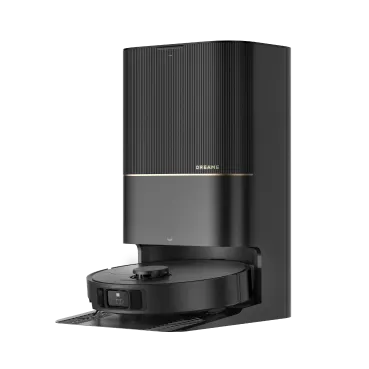
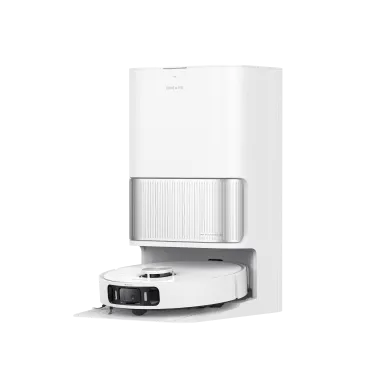
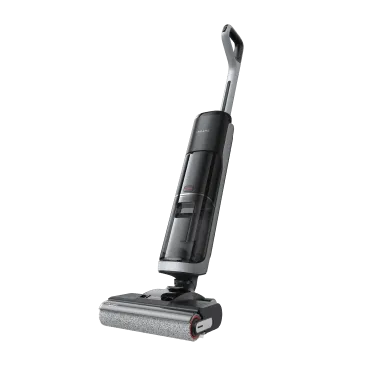
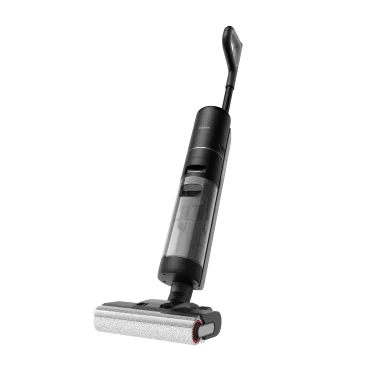
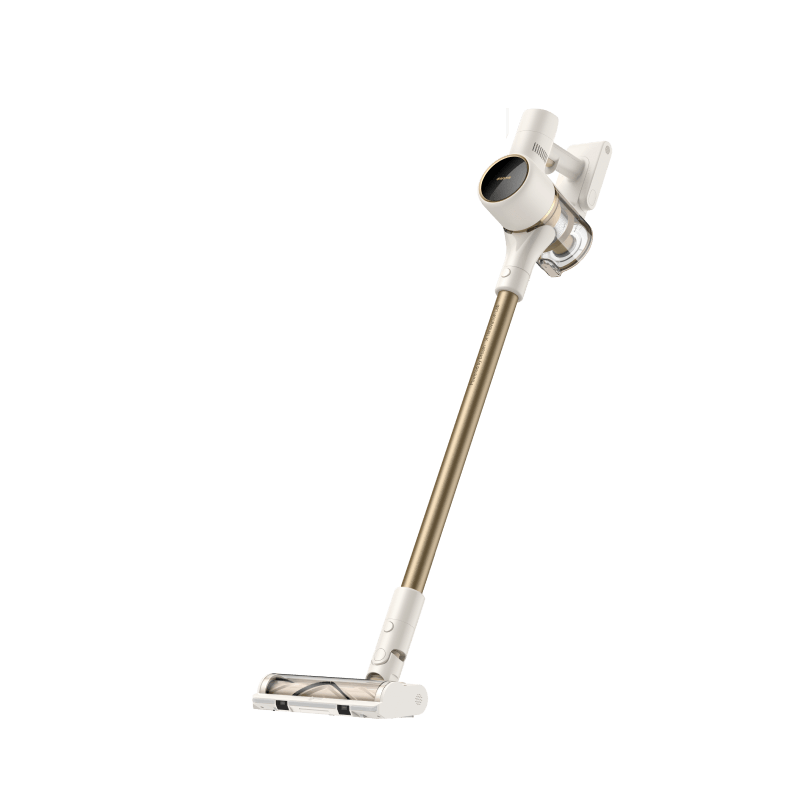
Living with a cat is wonderful until your home starts to feel like a sandbox wrapped in fur. Cat hair hides in corners. Litter sticks to everything. And even after cleaning, it somehow reappears like magic. If you've ever sighed while dragging out a vacuum that just can't keep up, move on to the tips below, each of which can help you clean faster, smarter, and without wrecking your vacuum (or your sanity). 1. Not All Vacuums Handle Cat Litter the Same Way Some vacuums work well with dust. Others fall apart when they meet cat litter. Gritty particles like clay or silica can scratch the inside of a vacuum. They can also block small tubes or jam the brush roller. So yes, cat litter can be bad for vacuums, especially if the machine isn't designed for it. What to Look for in a Vacuum for Cat Litter If you're choosing a vacuum for cat litter, pick one that: Has strong suction and wide airflow paths Uses hard, debris-resistant brush rollers Comes with a high-capacity dustbin The Dreame Z30 Cordless Stick Vacuum is one strong example. With 310AW of suction power and smart dust detection, it handles hard debris like litter without clogging. Its removable dust cup and one-press dirt dumping also help reduce contact with fine particles. Avoid These Mistakes Don't vacuum up the entire litter box. Skip any clumps or wet spots, for those should go straight into the trash. If you have a wet and dry vacuum cleaner, you can use it to clean small messes. But after cleaning, empty the containers right away. And don't use it to clean a large amount of wet cat litter. Soft brush rollers may wear down fast or collect sharp litter. Use rollers meant for multi-surface or edge cleaning. Maintenance Tip: Always empty the dustbin after picking up litter. Wash filters often. This keeps the airflow strong and reduces bad smells. 2. Cat Hair Needs a Different Suction Game Cat hair is light, floaty, and stubborn. It wraps around furniture legs. It clings to soft blankets. It floats under the sofa just out of reach. And once it enters a brush roll, it often tangles like thread. That's why a good vacuum for cat hair needs more than just decent airflow. What to Look for in a Vacuum for Cat Hair To clean cat hair well, choose a vacuum with: Strong suction (over 150AW or 10,000 Pa is a good starting point) Anti-tangle design A high-efficiency filter system like HEPA For example, the Dreame Z30 delivers 310AW suction power. It is also enhanced with an anti-tangle design for hair and fur removal efficiency. Its HEPA filter captures particles as small as 0.1 microns, quite useful if your cat sheds dander or you're sensitive to allergens. Pro-tip Vacuum heads with multi-surface capability clean both hard floors and rugs better. Look for switchable brush modes to avoid scattering hair or missing embedded clumps in carpets. 3. Robot Vacuums Can Be a Game-Changer If you're tired of daily sweeping, a robot vacuum might be your best helper. Some clean while you sleep. Others patrol while you're at work. But not all models work well with cat litter or fur. Many cheaper bots just push messes around. So, how do you choose the best robot vacuum for cat litter? Look for These Must-Haves Strong suction power (over 5,000Pa is ideal for hard litter) Edge cleaning tools to pick up mess along walls or under cabinets Auto-empty bins so you don't have to handle hair or debris every day Mop-lift or mop-extend features to avoid carpets when mopping Our Favourite for Homes with Pets The Dreame X50 Ultra robot vacuum and mop is a high-level option for homes with pets. It offers 20,000Pa suction, which easily picks up cat litter, food crumbs, and fur. Its MopExtend™ RoboSwing system lets it reach deep into corners. A self-cleaning hot water mop (176°F / 80°C) and HyperStream™ Detangling DuoBrush help with both loose hair and sticky litter dust. The X50 Ultra also comes with an auto-empty station, that holds up to 100 days of dust, and includes multi-spectrum dirt detection, so it adapts its cleaning speed based on the mess level. [product handle="x50-ultra-robot-vacuum" rating="4.7"] Want quiet cleanup while you're asleep? The X50 Ultra's built-in LED and obstacle detection help it avoid cables, toys, and pet bowls even in dim rooms. 4. Are Robot Vacuums Safe for Cats? Most cats don't love sudden noise or movement. A robot that bumps into them or makes loud grinding sounds might cause stress, especially in kittens or older cats. So the short answer is: yes, robot vacuums are safe for cats, but only if you pick the right kind. What Helps Reduce Stress Low noise levels: Quiet vacuums are less scary for pets. Obstacle detection: Helps the robot avoid bumping into cats, bowls, or beds. LED lighting: Good visibility means fewer surprises in dark corners. The Dreame X50 Ultra checks all of these boxes. Its sensors recognize up to 200 types of obstacles. The built-in LED gives it night vision-like precision. This helps it move gently around pets without loud thumps or wrong turns. It also allows you to create pet-safe zones in the app. You can block off spots like food stations, litter boxes, or favorite nap areas. That way, your cat can stay calm and your floors can still stay clean. 5. Are Handheld Vacuums Better for Litter Control on the Go? Some messes need a fast response. Litter gets kicked out of the box. Hair clings to the stairs. Your cat decides the couch is a great place to shed. For moments like these, a handheld vacuum for cat litter can be the quickest fix. But not all handhelds are equal. Some barely suck up loose fluff. Others lose power fast. What to Look for in a Good Handheld Suction over 10,000Pa Strong battery life (at least 20 minutes of solid runtime) Narrow nozzle or crevice tool to get between cushions and in corners Most of today's best handhelds are part of cordless stick vacuum systems. Models like the Dreame Z30 and R20 give you flexible attachments, including a crevice tool for edge cleanup and a mini-brush for pet fur. They come with a long battery life of up to 90 minutes in eco mode and have no cords to limit your reach. The Z30 also includes a removable dust cup and soft roller brush that can get as close as 0.3in (7mm) to the wall. That means fewer missed spots near litter mats and baseboards. Pro Tip: Use the crevice tool for hardwood floor cracks and around litter box edges. Hair and granules love to hide there. Top Vacuum Cleaner Picks for Pet Owners Finding a good vacuum for cat litter or fur depends on your lifestyle, home layout, and cat habits. Some people need a full-time robot. Others want a stick vacuum they can grab fast. There's no single perfect pick, but there is a right fit for every mess. Here's a clear breakdown to help you match your needs to the right Dreame model: Need Best Dreame Model Why It Works Heavy litter and daily fur Dreame X50 Ultra Robot Vacuum 20,000Pa suction, MopExtend™, auto-empty base, smart pet-safe zones Hair on couches and floors Dreame Z30 Cordless Stick Vacuum 310AW suction, HEPA filter, Clean-to-Edge brush, light-assisted dust tracking All-around cleaning on a budget Dreame R20 Cordless Stick Vacuum 190AW suction, mini motorized brush for dander, LED dust detection Wet spills, tracked litter mess Dreame H14 Wet and Dry Vacuum 18,000Pa suction, hot water cleaning, dual-edge brush, comb-toothed resilient scraper Choose Based on What You Clean Most Litter everywhere? Go for high suction and a design that keeps hard particles from clogging. Fur on fabric? Choose models with smart brushes and HEPA filters. Robot helper? Make sure it handles both mess and pets without trouble. Need to clean up wet messes, too? The wet and dry vacuum covers both wet and dry spills. Choose Smart, Clean Better Living with cats means living in a mess. But that mess doesn't have to take over your day or damage your vacuum. Once you understand the different types of mess (fine litter, clingy fur, wet spots), it's easier to pick the right tool for the job. Robot vacuums like the Dreame X50 Ultra handle daily fur and scattered litter while you sleep or work. Cordless stick vacuums like the Z30 or R20 help you clean deeper when fur settles into rugs or climbs onto your couch. And if your cat tracks wet litter or food, the H14 Wet and Dry Vacuum takes care of it fast, with hot water power and strong suction. FAQs about Vacuums for Cat Owners Q1. Can I vacuum my cat? No, you should not vacuum your cat directly. Most cats hate the sound and feel of a vacuum. It can cause stress or panic. If your goal is to reduce shedding, use a grooming tool or a soft pet brush instead. Q2. Can I vacuum my cat for fleas? You can vacuum areas where your cat sleeps, plays, or eats to help reduce fleas. Use a strong vacuum with HEPA filtration to trap eggs and larvae. But do not try to vacuum the cat itself. Instead, talk to a vet about flea treatment options. Q3. What's better: corded or cordless for cat owners? Cordless models give more flexibility, especially around litter boxes and under furniture. Corded vacuums may offer longer runtime, but modern cordless ones like the Dreame Z30 and R20 already provide up to 90 minutes, enough for most homes. Q4. Should I avoid vacuuming cat litter? You can vacuum litter, but never pick up clumps or wet spots. These clog filters and create odors. Stick to dry, scattered litter, and always empty the dustbin afterward. Q5. How often should I clean my vacuum filter if I have cats? At least once a week, or more, if your cat sheds heavily. A dirty filter reduces suction and spreads odors. Models like the Dreame Z30 have washable parts that make this process easier.
Continue reading
9 Surprising Things Every Dog Owner Should Know About Vacuums

9 Surprising Things Every Dog Owner Should Know About Vacuums

Editorial TeamDreame |
Living with a dog is fun, but cleaning up after them is a full-time job without pay. Many dog owners know the struggle of pet hair everywhere. But fur isn’t the only challenge; there’s also dander, allergens, and the noise and movement of vacuums that can upset even the calmest pets. From choosing the right vacuum to creating a dog-friendly cleaning routine, vacuums can do more than just pick up hair. They can help keep the whole home cleaner and make life easier for both you and your dog. 1. Yes, There Are Vacuums Made for Dog Hair When you have a dog, loose fur is just part of life. It ends up on floors, carpets, and even furniture. Some days, it feels like no matter how much you clean, the fur keeps coming back. However, the good news is that there are vacuums designed to handle it. So, what is a good vacuum for dog hair? Well, such vacuums are often designed with pet owners in mind. These models usually combine strong suction power, brush systems made to pick up hair, and advanced filtration to trap allergens. Some models even feature tangle-free brushes that prevent pet hair from wrapping around the rollers. High-quality filters, like HEPA systems, can capture tiny particles, including pet dander and allergens, helping to keep the air cleaner. 2. Robot Vacuums Can Handle Dog Hair, But Choose Wisely Dog hair has a way of finding its way into every corner of the house. Some robot vacuums can easily keep up with it, but others may struggle to keep floors clear. It really depends on the model and the features it offers. Strong suction power and an effective detangling brush are two features that matter most when it comes to tackling pet hair. These elements help lift fur from deep in carpets and prevent long strands from clogging the brush. Among a sea of robot vacuums on the market, the Dreame X50 Ultra Robot Vacuum is a wise choice. It features 20,000Pa Vormax suction and a HyperStream™ Detangling DuoBrush that lifts long pet hair without tangling. This makes it perfect for homes with high-shedding breeds. Plus, it's a 100-day auto dust emptying system that helps manage hair build-up, saving you time and effort. 3. Robot Vacuums Can Avoid Dog Poop Do robot vacuums avoid dog poop? Cheaper models often do not, and they might drag the mess around your home. However, advanced models with AI vision systems and smart sensors can recognize and avoid solid obstacles, including pet waste. Currently, robotic vacuum cleaners can recognize and steer clear of hundreds of objects. Take the Dreame X50 Ultra as an example: it can identify up to 200 different types of objects, including pet waste. Plus, its Smart Dirt Detection 2.0 can tell the difference between solids, liquids, and mixed messes. It can adjust cleaning depth, meaning it avoids accidents and still delivers a deep clean. 4. You Can Vacuum Your Dog - With the Right Tool Dog hair gets everywhere, but grooming tools can help reduce the mess. Some vacuums have special attachments designed for grooming dogs safely. These tools gently remove loose fur and reduce allergens, collecting hair before it spreads around the house. For example, look at the Pet Deshedding Tool that the Dreame Z30 Cordless Stick Vacuum comes with. It is designed to handle floating fur and comb through the coat, simplifying the grooming process. This not only reduces loose hair but also keeps dander and allergens under control, making your home cleaner and your dog happier. 5. Vacuum Fleas Off a Dog? Technically Yes, But… Vacuuming can remove some fleas from a dog’s coat, but it’s not a substitute for proper flea treatments. A vacuum might pick up adult fleas, but it won’t catch eggs or larvae. Also, vacuuming your dog’s coat may not be comfortable or safe unless done carefully. Fleas tend to hide deep in the fur or bedding. Flea control requires a mix of steps, including using flea combs, proper cleaning, and veterinarian-recommended treatments. Regularly cleaning your dog’s bedding, carpets, and home surfaces also helps reduce flea infestations. 6. Why Do Dogs Hate Vacuums (And What You Can Do About It) Dogs may be scared of vacuums for several reasons. The noise, vibrations, and unpredictable movement can be overwhelming. Vacuums can sound loud to us, but dogs hear even more. Humans hear between 20 and 20,000 Hz, while dogs hear up to 45,000 Hz. What seems like a steady hum to us may feel sharp and uncomfortable to them. Loudness also plays a part. Vacuums can reach up to 80 dB, which can be disturbing for dogs, especially those with past bad experiences with loud noises like fireworks or thunder. The way a vacuum suddenly appears and moves unpredictably adds to stress. This can trigger fear, barking, hiding, or even aggression. To help your dog stay calm, try these simple things: Start with the vacuum turned off and let your dog sniff and explore it. Offer a treat and speak calmly when your dog approaches the vacuum, and let them connect the vacuum with something positive. Gradually introduce the vacuum sound at a distance. Keep sessions short and positive, slowly increasing time as your dog adjusts. Try cleaning when your dog is in another room to reduce stress. Choose a quieter vacuum model or set no-go zones for robot vacuums if needed. Dreame take: If your dog jumps at every loud sound, a quieter vacuum can make life easier for both of you. For instance, the Dreame X50 Ultra Robot Vacuum can do a great job in noise reduction. Its shock absorption in the ProLeap™ System helps reduce noise levels, which is thus less stressful for pets. This allows for more comfortable cleaning sessions while still delivering strong performance. 7. How Often Should You Vacuum with a Dog? More Than You Think Dogs shed hair, track dirt inside, and bring in allergens. To keep your home clean, you should vacuum at least a few times a week. In busy homes or with multiple pets, daily vacuuming might be needed. Below, take a quick look at how often you should vacuum: Home Type Vacuuming Frequency Small home, 1 dog, low shedding 2–3 times per week Small home, 1 dog, high shedding 4–5 times per week Large home, multiple dogs, low shedding 4 times per week Large home, multiple dogs, high shedding Daily A busy home with kids and dogs Daily Robot vacuums can help by running on a set schedule, saving you time and effort. They can clean daily, even when you are away. Keeping up with vacuuming helps remove fur, dust, and dander, making your home fresher and healthier for both you and your dog. 8. Air Quality Matters When living with a dog, keeping the air clean is as important as cleaning floors. Dog hair and dander can make the air dusty and full of allergens. A good vacuum with a strong filtration system helps trap these particles before they spread. HEPA filtration systems set the gold standard for allergen control, capturing microscopic particles like dust, dander, and bacteria with 99.99% efficiency, down to 0.1 microns in size. This makes them indispensable for maintaining air quality, particularly in homes with shedding pets. Many vacuums, including Dreame Z30 Cordless Stick Vacuum, exemplify this technology, using its advanced HEPA system to trap dust, dander, and even bacteria, leaving the air fresher. For dog owners managing allergies or asthma, such targeted filtration transforms routine vacuuming into a proactive health measure. 9. Different Vacuums Cause Different Dogs' Behaviour Not all vacuums affect dogs the same way. The type of vacuum you use can change how your dog reacts. Some dogs are scared of loud noises, while others get confused by the movement of a robot vacuum. Let’s look at how different vacuums may affect your dog’s behavior: Vacuum Type Noise Level Movement Pattern Typical Dog Reaction Notes Traditional Upright/Canister Loud (70–80 dB, high-pitched) Human-controlled, somewhat unpredictable Fear, anxiety, barking, hiding, and aggression The most common cause of fear and stress Robotic Vacuums Moderate, motor noise Autonomous, unpredictable Avoidance, wariness, herding/chasing attempts Confuses dogs due to autonomous movement Stick Vacuums (Cordless) Moderate (60–70 dB) Human-controlled, flexible Cautious, some barking or retreating Quieter than traditional types, often tolerated better Wet and Dry Vacuums Moderate to loud (65–75 dB) Human-controlled, limited movement Mild anxiety, curiosity Water movement noise may startle sensitive dogs Handheld Vacuums Low to moderate (55–65 dB) Human-controlled, focused Mild curiosity, possible approach for sniffing Less intimidating due to size and noise Central Vacuum Systems Low (main unit far from the cleaning area) Human-controlled, stable Minimal reaction, possible mild curiosity Quieter due to a distant motor, less disturbing Different dogs react differently: Generally, traditional upright vacuums are more likely to scare dogs because of the loud noise and unpredictable movements. Robotic vacuums, while quieter, can confuse dogs due to their paths and behavior. Cordless stick vacuums often strike a balance, being quieter and less intrusive, though some dogs might still be cautious. Wet and dry vacuums may surprise dogs with water noises. Handheld vacuums usually cause less fear due to their small size and lower noise. Central vacuum systems may be the least stressful since the main unit is far from the room. Eight Quick Tips for a Cleaner, Fur-Free Home Keeping a home clean with a dog is easier when you use the right methods. Try to apply some tips to keep your space free of fur and dirt: Use a vacuum with high suction and a pet hair brush to remove fur from carpets and upholstery. Run a robot vacuum daily, especially in high-traffic areas, to pick up hair and dirt before it spreads. Brush your dog regularly to reduce shedding. Doing this outside helps keep fur out of your home. Wash dog bedding often to prevent the buildup of fur and dander. Use a vacuum with a HEPA filter to trap allergens and keep the air clean. Vacuum high-shedding areas like couches, rugs, and pet play zones more frequently. Consider using a wet and dry vacuum for messes that include mud or spills. Teach your dog to relax near vacuums to reduce stress during cleaning time. These steps, simple as they might seem, can help keep your home fresh, healthy, and welcoming for both you and your dog. Final Thoughts: Keeping Your Home Clean and Your Dog Comfortable Dog owners know how much hair, dirt, and dander can collect in a home. The right vacuum and cleaning habits can make all the difference. You can keep your home fresh and fur-free while helping your dog feel more comfortable around vacuums. Explore Dreame’s vacuum lineup to find a model that fits your cleaning needs and makes life with your dog a little cleaner and a lot happier. FAQs About Vacuums and Your Dog Q1: Can vacuuming really reduce allergens in a home with dogs? Yes, regular vacuuming can reduce allergens like pet dander, dust, and pollen. Using a vacuum with sealed filtration and HEPA-level filters captures fine particles that would otherwise spread through the air. This makes a noticeable difference in indoor air quality, especially for allergy-sensitive family members. Q2: Should I vacuum before or after brushing my dog? It’s best to brush your dog first. Brushing loosens and removes dead hair and dander. Vacuuming after brushing will pick up the hair and debris that brushing leaves behind. This approach helps reduce the amount of hair that spreads around the house. Q3: How can I train my dog to stay calm around vacuums? Start by turning the vacuum off and letting your dog sniff it. Use treats and calm praise to build a positive association. Gradually introduce the sound at a distance, increasing the exposure as your dog becomes more comfortable. Avoid forcing the interaction, and keep sessions short and stress-free. Q4: Why do some dogs chase robot vacuums while others hide from them? A dog’s reaction depends on personality and past experiences. Some dogs find the slow, unpredictable movement of robot vacuums intriguing and try to “herd” them, while others find the same movement unsettling and prefer to hide. Observing your dog’s behavior can help you adjust cleaning times to avoid stress. Q5: Can vacuuming help reduce pet odors? Yes, frequent vacuuming removes hair, dirt, and dander, which are sources of pet odors. Focusing on high-traffic areas, furniture, and dog bedding will help keep your home smelling fresh. However, deep cleaning carpets and fabrics periodically is also important for long-term odor control.
Continue reading