Dogs That Don't Shed: 30 Low-Maintenance Breeds for Cleaner Homes

Dogs That Don't Shed: 30 Low-Maintenance Breeds for Cleaner Homes

Dreame Editorial Team |
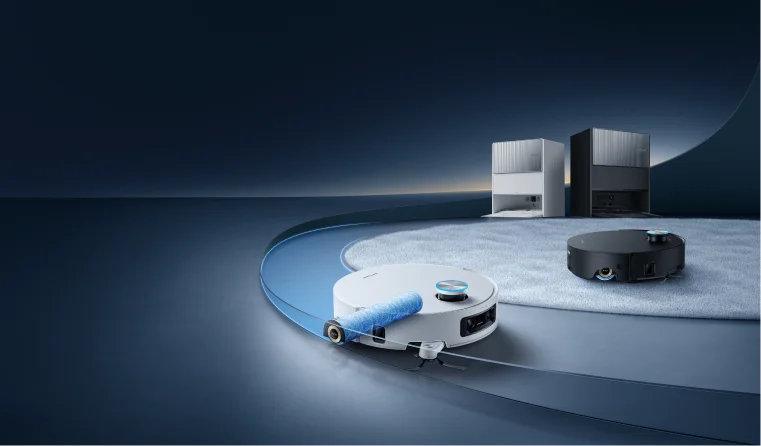
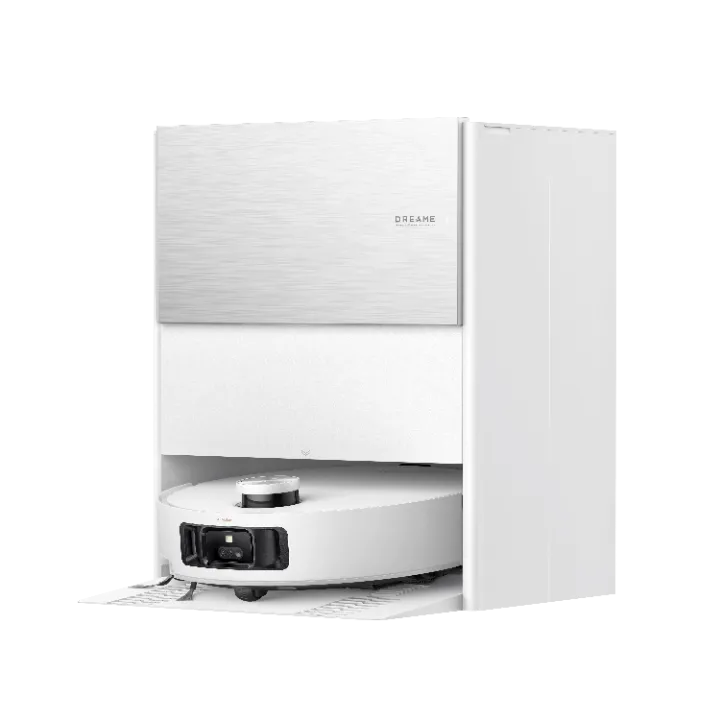
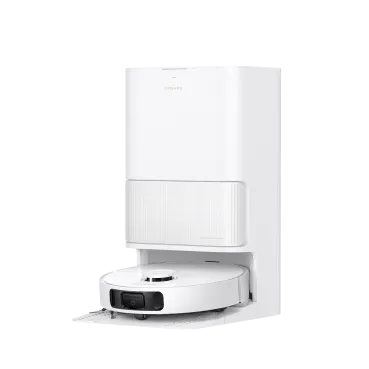
Dogs that don't shed don't fully exist. Every dog drops dander and skin cells, and most have a seasonal coat blow (when double-coated dogs swap their winter and summer coats), even the breeds marketed as hypoallergenic. What you actually get with a low-shed breed is less visible hair on your couch and your floors. The dander load is still there. The 30 breeds in this guide are the most low-maintenance for cleaner homes, and each entry includes what cleaning actually looks like for each breed. The Truth About Low-Shed Dogs All dogs shed something. Skin cells and dander come off every coat type, even the ones marketed as hypoallergenic. The American Kennel Club is clear that no breed is truly allergen-free. Low-shed actually means less visible hair on your floors and furniture. A dog with a curly or wiry coat holds loose hair in the coat until grooming pulls it out, rather than dropping it around the house the way a heavy shedder does. A low-shed breed might reduce how much you need to clean, but pairing it with the right routine makes the real difference. This guide on building a smarter cleaning system for pet homes makes maintaining your home a little easier, so you can focus on making memories instead of messes. Important: Hypoallergenic doesn't mean allergen-free. Allergy severity varies by person, not just by breed, so if anyone in your household is sensitive, spend time with the specific dog before bringing one home. Small Dogs That Don't Shed If you're searching for small dogs that don't shed, these ten breeds are the closest thing to it. They combine compact size with coats that trap hair instead of releasing it, which means less on your floors, not zero. Read each entry's cleaning reality note carefully, because coat type matters more than size when it comes to actual maintenance. 1. Bichon Frise The Bichon is cheerful and perfect for indoor company. Its curly white coat traps loose hair against the body rather than dropping it. However, trapped hair mats if grooming slips, and a matted Bichon will shed a lot when finally brushed out. Tip: Plan to vacuum weekly even when the dog avoids bedrooms. After a grooming backlog, expect a temporary spike in floor hair. 2. Miniature Poodle Bright and athletic, the Mini Poodle is one of the most allergy-friendly small breeds. The curly single coat sheds minimally but grows continuously, so it needs trimming every 4-6 weeks. Tip: Try not to skip a grooming cycle since on a regular schedule, floor hair is close to zero. 3. Maltese The Maltese has a single coat of fine, silky hair that rarely sheds. The trade-off is daily brushing. Without it, the coat tangles within days, and matted Maltese hair pulls out in clumps. Tip: Owners who keep up with brushing see almost no hair on floors. Let the routine slip and a single brushing session deposits what looks like a month's worth of shedding. 4. Shih Tzu Shih Tzus have a flowing double coat that, despite the length, sheds far less than most double-coated breeds. Hair tends to fall back into the coat rather than onto the floor. Most owners clip it short for easier upkeep. Tip: Short-clipped Shih Tzus leave very little floor hair. Full-coat owners find single strands rather than clumps, manageable with grooming every 6-8 weeks. 5. Yorkshire Terrier The Yorkie's coat is silky and hair-like, closer to human hair than typical dog fur. Shedding is minimal but constant, the way human hair sheds. Tip: You'll find single strands on dark clothing and light floors rather than visible clumps. Owners who keep the coat long need daily brushing to prevent strands from becoming tangles that shed all at once. 6. Havanese The Havanese has a long silky double coat that sheds inside the coat rather than onto your floors. Loose hairs collect until brushing releases them. Tip: Consistent weekly brushing keeps visible shed close to zero. Skip a week and the brushing session itself deposits more hair than usual, most of it in the brush rather than on the floor. 7. Coton de Tulear The Coton has a cotton-soft coat that releases very little hair. Loose hair stays trapped until brushing or bathing removes it. The coat mats easily without weekly grooming. Tip: A well-maintained Coton is one of the lowest-shedding small breeds you can bring home. Matted coats release hair in clumps, so the grooming routine is what keeps your floors clean. 8. Affenpinscher The Affenpinscher has a wiry coat that sheds minimally and rarely needs more than weekly brushing. They're confident, with a distinct personality that suits owners who want a small dog with attitude. Tip: When hair does drop, individual strands are coarser and more visible on light flooring than the fine hair of a Maltese. Vacuum bi-weekly to stay ahead. 9. Brussels Griffon Brussels Griffons come in rough and smooth coat varieties. The rough-coated version sheds very little and needs hand-stripping a few times a year. The smooth-coated version sheds modestly, more like a typical short-haired breed. Tip: Choose the rough variety if low-shed floors are the priority. Rough-coated Griffons leave almost nothing between grooming sessions; smooth-coated ones shed noticeably more. 10. Miniature Schnauzer The Mini Schnauzer's double coat is wiry outside and soft underneath. The wiry topcoat barely sheds; the undercoat releases slowly and gets caught before it falls. Tip: Brushed twice a week, most owners see less floor hair than they did with a previous short-haired breed. The wiry topcoat does most of the work by catching loose undercoat before it reaches your floors. Important: Schedule professional grooming every 4-6 weeks for curly-coated breeds and brush weekly between visits. A matted coat releases far more hair when you finally work through it than a well-maintained one ever would. Medium Dogs That Don't Shed Medium dogs that don't shed is a popular search for a reason, and this size works for most family homes. These breeds fall in the 20-50 pound range and bring more presence than small breeds without leaving hair across every surface the way a large dog does. Several are water dogs by origin, which is part of why their coats handle hair so differently from typical sporting breeds. 1. Standard Schnauzer The Standard Schnauzer has the same wiry double coat as the other Schnauzer sizes. Shedding is minimal on a regular hand-strip or clip schedule. They're alert and need daily exercise. Tip: A clipped coat releases slightly more hair than a stripped one, but still less than most short-haired breeds. Skip grooming and the undercoat builds before shedding gradually. 2. Portuguese Water Dog Bred to work alongside fishermen, the Portuguese Water Dog has a curly or wavy single coat that sheds little and grows continuously. They need a clip every 6-8 weeks and substantial daily activity. Tip: Low-shed, but not no-shed. Grooming lapses produce noticeable floor hair quickly. On a consistent trim schedule, you'll find close to none. 3. Soft Coated Wheaten Terrier The Wheaten's silky single coat is soft and wavy with no undercoat. It sheds very little but mats easily without daily brushing. They have an enthusiastic habit of jumping to greet you, which transfers hair if grooming is overdue. Tip: A well-groomed Wheaten leaves almost nothing on hard floors. Fall behind on brushing and you'll find more hair on clothing than on the floor. 4. Bedlington Terrier Bedlingtons have a lamb-like appearance from their curly, non-shedding single coat. They need clipping every 6-8 weeks and are faster and more energetic than their soft look suggests. Tip: Virtually no loose hair on floors or furniture on a regular grooming schedule. Neglected coats mat and develop odor, and the correction session deposits what looks like weeks of shedding all at once. 5. Lagotto Romagnolo The Lagotto is an Italian water retriever and one of the lowest-shedding medium breeds. Its wooly curls release almost no hair when properly groomed every 6-8 weeks. Tip: Among the lowest floor-hair breeds at this size on a regular grooming schedule. Neglected coats felt up and trap dander, which sounds convenient but creates a hygiene problem of its own. 6. Tibetan Terrier The Tibetan Terrier is a companion breed with a long double coat that sheds inside the coat rather than onto floors. Heavy weekly brushing is non-negotiable. Tip: Most owners use a short clip, which keeps the floor hair close to zero. Miss a week on a full coat and the correction session releases more hair at once than most breeds shed in a month. 7. Basenji Basenjis have a short coat, shed very lightly, and groom themselves like a cat. The breed is known for being barkless, with a unique vocal yodel instead. Tip: Shedding follows a regular pattern but in much smaller quantities than typical short-haired breeds. You'll notice a fine film of hair on dark furniture rather than visible clumps on the floor. 8. Welsh Terrier The Welsh Terrier looks like a smaller Airedale and shares the same wiry, low-shed coat. Hand-stripping a few times a year keeps shedding at a minimum. They're spirited and need real daily exercise. Tip: A clipped coat releases slightly more hair than a stripped one. The wiry texture makes individual strands coarser and more visible on light flooring, worth knowing before choosing white tile. 9. Lhasa Apso The Lhasa Apso has a long, heavy double coat that sheds inside the coat rather than onto your floor. Without daily brushing it mats heavily. Many owners keep them in a short clip. Tip: Short-clipped Lhasas leave almost nothing on the floor. Full-coat owners see very little on a daily brushing routine, but correction sessions deposit significant hair all at once. 10. Xoloitzcuintli The Xolo is one of the world's oldest breeds and comes in hairless and coated varieties. The hairless version sheds no hair. The coated version has a short, flat coat that sheds lightly. Tip: Hairless Xolos don't shed, but their skin oils still transfer to bedding and furniture, which need regular washing. Coated Xolos shed lightly and uniformly, manageable with weekly vacuuming. Large Dogs That Don't Shed Large dogs that don't shed are harder to find, and your options are narrower here. The breeds below all weigh 50 pounds or more and have coats that trap or contain hair. At this size, dander load is proportionally higher regardless of coat type. 1. Standard Poodle The Standard Poodle has a curly single coat that grows continuously and traps loose hair until brushing. They're highly intelligent and trainable. Most owners keep them in a working clip every 4-6 weeks. Tip: On a regular grooming schedule, floor hair is minimal. Miss a clipping and the coat mats, then releases hair all at once when you work it out. 2. Giant Schnauzer The Giant Schnauzer is the largest of the three Schnauzer sizes, with the same wiry double coat and low-shed profile. They need a confident handler and lots of exercise. Tip: Their size means even minor grooming lapses produce visible hair. Hand-stripping or clipping every 6-8 weeks keeps floor hair low. 3. Afghan Hound Afghans have a long, silky single coat that sheds far less than it appears to. It releases very little hair but tangles within hours without daily brushing. Tip: A fully groomed Afghan leaves almost no hair on your floors, but skip the brushing and you'll find it everywhere. The commitment is grooming time, not vacuuming time, and the two are directly proportional. 4. Barbet The Barbet is a French water dog with a curly single coat that sheds very little and needs a clip every 6-8 weeks. Sociable and active, they bond closely with their household. Tip: One of the cleanest large breeds for floor hair. The single curly coat traps loose hair and there's no seasonal shed to deal with, so you won't see much on the floor even if grooming slips. 5. Puli The Hungarian Puli has a corded coat that traps nearly all loose hair and dander. Pulis are energetic herding dogs that need active daily engagement. Tip: Floor hair is close to zero once cords fully form, typically by age 2-3. During the transition from puppy coat, expect some loose hair. Maintenance shifts between vacuuming and cord separation to prevent mat buildup and odor. 6. Spanish Water Dog The Spanish Water Dog has a single coat that develops natural cords if left to grow. It sheds very little and was bred for water work and herding. They're high-energy and need daily exercise. Tip: Once the coat is established, shedding is minimal and grooming requirements are low. As long as the coat doesn't become matted, loose hair tends to stay close to the floor rather than spreading throughout the home. 7. Irish Water Spaniel The Irish Water Spaniel has a curly single coat that traps loose hair until brushed out. They have a distinctive smooth rat tail that sets them apart from other spaniels. Tip: One of the lowest-shedding sporting breeds on a regular grooming schedule. The coat needs clipping every 6-8 weeks. Let the schedule slip, and it begins to mat and release hair. 8. Bouvier des Flandres The Bouvier is a powerful Belgian herding dog with a wiry outer coat and soft undercoat that shed very little when groomed regularly. They have strong protective instincts and need confident handling. Tip: Their size means even minimal grooming lapses produce visible hair. On schedule, floor hair stays low. Dander output is proportional to body size, so filtration matters in Bouvier households. 9. Black Russian Terrier The Black Russian Terrier is one of the largest breeds in this guide, often topping 100 pounds. The wiry double coat sheds minimally with proper grooming every 6-8 weeks. Tip: Floor hair stays low on a grooming schedule, but dander output is high simply due to body size. Filtration matters more here than it does for smaller low-shed breeds. 10. Airedale Terrier The Airedale is the largest terrier and has a classic wiry double coat. Hand-stripping or clipping every few months keeps shedding minimal. They're energetic, so exercise is essential. Tip: A clipped Airedale releases slightly more hair than a stripped one. The wiry texture makes strands coarser and easier to spot before they spread, so you catch them early. Vacuum weekly on a clipped coat. What Low-Shed Means for Your Cleaning Routine Now that you have the breed list, here is what low-shed actually means for the floors in your home. Dander, not hair, is the main allergen Most dog allergies are triggered by dander and proteins in saliva and urine, not visible hair. All dogs produce these, including hairless breeds. A low-shed breed reduces what you see on the couch and the floor, but not the allergen load in the air or carpet fiber. Even low-shed breeds have shedding seasons Most double-coated breeds in this guide shed their undercoat twice a year, usually in spring and fall. During those weeks, your cleaning frequency needs to ramp up. A "low-shed" Bichon during a coat blow will shed like a moderate-shedding short-haired breed. Less cleaning, but how much less depends on your dog and your floors Most people find they vacuum noticeably less often with a low-shed breed, though how much less depends on the dog and your floor type. Fine particles still settle into carpet fiber and gather in places vacuum heads can't reach. For households that picked a low-shed breed and still want their floors and air to feel clean year-round, the Dreame L60 Pro Ultra is built for exactly this. Its HyperStreamâ„¢ Detangling DuoBrush handles up to 11.8in (30cm) of hair without tangling, useful for when your low-shed dog sheds its undercoat. 35,000 Pa of suction pulls embedded dander out of carpet fiber, where allergens actually settle. High-efficiency filtration captures airborne dander that low-shed homes still produce. Browse the Dreame robot vacuums for pet hair collection to see the full range of options designed for shedding households. For a deeper look, this guide to robot vacuum features for pet homes breaks down what actually matters for shedding dogs. [product handle="l60-pro-ultra-robot-vacuum" rating="4.8"] Dreame Take: Choosing a low-shed breed doesn't eliminate cleaning, but it does reduce it. Less time tidying means more time with the dog you love. Choosing the Right Low-Shed Breed for Your Home Choosing a low-shed breed doesn't replace cleaning, but it does change what cleaning looks like in your home. Every breed on this list comes with an honest note on what cleaning actually looks like, so you can choose the right fit for your home and lifestyle. With the right cleaning tool, such as a robot vacuum, you'll spend less time cleaning and more time with your furry friend. Our guide on how to choose a pet hair vacuum covers what to prioritize. Browse the Dreame robot vacuum collection to find a model that fits your home. Frequently Asked Questions Are any dogs truly hypoallergenic? No dog is truly hypoallergenic. Some breeds produce less dander or shed less, which reduces allergen exposure. Allergy severity varies by individual, not just by breed. If allergies are a serious concern, spend time with a dog of that specific breed before committing. Are short-haired dogs always low-shed? No. Many short-haired breeds shed more than long-haired low-shed breeds. Beagles and Pugs drop their coats constantly despite having short hair. Coat texture as well as single-coat vs double-coat structure matter more than length. Do hairless dogs need less cleaning? Less floor vacuuming, yes. But hairless dogs still produce dander and skin oils, so surface cleaning around bedding stays about the same. They also need regular skincare like sunscreen and moisturizer, and the oils that come from that can transfer to furniture and upholstery over time. What's the lowest-shedding small breed? The Bichon Frise and Miniature Poodle are the lowest-shedding small breeds, with the Maltese close behind. All three breeds still require regular grooming. A neglected coat will eventually release a lot of hair when it's worked through, which can undo the low-shed advantage during one grooming session. Consistent grooming helps. Will a robot vacuum still help with a low-shed dog? Yes. Low-shed dogs still produce dander and skin oils, and most have a seasonal undercoat blow. Daily robot vacuum runs maintain the floor between deep cleans, and the filtration captures airborne dander that low-shed households still generate.
Continue reading
Do Robot Vacuums Work on Carpets? Honest Performance by Carpet Type

Do Robot Vacuums Work on Carpets? Honest Performance by Carpet Type

Dreame Editorial Team |
Gone are the days of pushing a heavy upright vacuum back and forth across the carpet. Early robot vacuums struggled on carpet too: weak suction left crumbs buried in the pile, brush rolls tangled with pet hair within a week, and thicker carpet often left them stuck mid-clean. This is no longer the case. Today's robot vacuums clean carpets well, though performance comes down to the carpet type and the model you pick. This guide breaks down what to expect on each carpet type, covers the features that make a difference, and tells you where a robot vacuum still falls short. By the end you'll know if one fits your floors, or if you need a separate vacuum in the closet for carpeted rooms. Do Robot Vacuums Actually Work on Carpets? Yes, they handle low and medium pile carpets (under 0.5in / 13mm) well, picking up daily debris, pet hair, and surface dust without trouble. On thick or shaggy carpets, the suction has to work harder. Some models manage with a carpet boost mode and 15,000+ Pa of suction. Dark-colored carpets can trigger cliff sensors, which disrupts cleaning. A robot vacuum is faster and more hands-off than getting the upright out yourself. How well it works depends on your carpet type: Thin carpet (under 0.25in / 6mm) is the easiest. Berber, commercial-grade, and many builder-grade carpets fall here. Robot vacuums glide over the surface, suction reaches the fibers, and the brush roll does its job without snagging. Almost any robot vacuum at 5,000+ Pa handles thin carpet well. Medium-thickness carpet (0.25 to 0.5in / 6 to 13mm) is the most common in homes, including loop and cut-pile styles. You want at least 10,000 Pa of suction and an automatic carpet boost that ramps power up when the robot vacuum detects carpet. Anti-tangle brush design is another must-have feature, especially if you have pets. Thick or high-pile carpet (over 0.5in / 13mm) includes plush, shag, and frieze carpets. Wheels can sink, suction drops as fibers crowd the brush, and the robot vacuum may turn around. Look for 15,000 Pa or higher, raised wheel clearance, and a rubber-fin brush design. Dark-colored carpets can confuse cliff sensors on most robot vacuums. Near-black carpet absorbs the infrared light the sensors use to gauge distance, so the robot vacuum reads it as a stair and stops. Check user reviews for very dark colors before you buy as sensor sensitivity varies a lot by model. Robot Vacuums on Rugs Rugs slide when a robot vacuum bumps the edge, fringe can wrap around the brush, and the mop can soak through the fabric if it isn't lifted in time. Here's what you need to know about how a robot vacuum handles each type of rug. Area rugs, runners, and throw rugs: Larger area rugs (over 4×6ft) usually stay in place under most robot vacuums, especially with a rug pad underneath. Runners in hallways get dragged out of position because the robot vacuum crosses at speed. Throw rugs under 3×5ft usually need to be moved or weighted down before each run. Persian and Oriental rugs: Long fringe can wrap around the brush. Anti-tangle brushes help but aren't a complete fix. If the fringe is long, fold it under, tape it down, or set the rug as a no-go zone in the app. Lightweight rugs slide when the robot vacuum bumps the edge: A non-slip pad keeps lightweight rugs from sliding when the robot bumps the edge. Mopping on rugs: Auto mop lift keeps rugs dry. Flagship Dreame models with auto mop lift raise the mop pads when carpet is detected, and the Dreame Aqua10 Ultra Roller adds AutoSeal™ carpet protection on top of that. Combined with app-set no-mop zones, you have two layers of dry-rug protection. This guide on "Are Mopping Robot Vacuums Worth It" can help you decide whether you want a robot vacuum that mops at all. Performance on High-Pile and Thick Carpets Thick and high-pile carpet (over 0.5in / 13mm) is the hardest test for any robot vacuum. Its wheels can sink into the pile, the suction has to fight harder to pull debris out of dense fibers, and bristle brushes can drag long fibers backward instead of lifting them. On deep shag, some robot vacuums register the height as a cliff and refuse to drive forward at all. Look for these features if you want a robot vacuum that can handle thick or high-pile carpet. Automatic carpet boost ramps suction up the moment the robot vacuum detects carpet. High peak suction. For high-pile capability, look for 15,000 Pa or higher. Dreame's flagship models reach 35,000 Pa, putting them among the highest-suction robot vacuums on the market. Raised wheel clearance lets the robot vacuum move across pile without bogging down. Anti-tangle rubber-fin brushes snag less on long fibers than traditional bristle rolls. CarpetForce™ Vacuuming System on the Dreame X60 Max Ultra Complete uses a retractable pressure plate and semi-sealed chamber to deliver 2.4× more cleaning power on carpet. Even the best robot vacuum for thick carpet doesn't replace a deep clean. For embedded grime on a high-pile rug or heavily soiled carpet, you'll want a professional carpet cleaning service or a rented carpet shampooer. Where Robot Vacuums Still Struggle on Carpet Even top-rated robot vacuums have their limits on carpet. Sometimes, cliff sensors can misread certain textures, or the vacuum's shape and design can't match the deep-cleaning power of a traditional upright. These aren't deal-breakers, but it's helpful to know what to expect so you can choose the right model for your needs. Deep-pile shag can trigger cliff sensors When the pile is deep enough, downward-facing sensors mistake the height drop for a stair. The robot vacuum stops, backs up, and refuses to clean that area. Very dark carpets can confuse the same sensors Near-black carpet absorbs the infrared light cliff sensors use to gauge distance. Some models handle this better than others, but check reviews if your carpet is very dark. Edges and corners stay imperfect Round and D-shaped robots can't reach into a 90-degree corner. Side brushes help, but a quick pass with a stick vacuum once or twice a month picks up what the robot misses. Important: A robot vacuum keeps carpet from getting visibly dirty. It doesn't lift embedded dust, allergens, or pet dander the way a deep clean does. Plan to deep-clean carpets at least once or twice a year regardless of how often your robot vacuum runs. Smart Features on Robot Vacuums That Changed Carpet Cleaning Five smart features are doing the heavy lifting. Auto carpet boost ramps suction up the moment the robot vacuum lands on carpet. CarpetForce™ and AutoSeal™ solve specific carpet and rug problems. Auto mop lift keeps the mop pads off your fibers. AI carpet detection remembers where the carpet is from one run to the next. Here's how each of these features cleans your carpet better. Auto carpet boost. The vacuum detects when it transitions from hard floor to carpet, then ramps suction up automatically. No app toggle, no manual override. This single feature did more for daily carpet performance than any single suction-number increase. CarpetForce™ Vacuuming System. Exclusive to the Dreame X60 Max Ultra Complete. It combines a retractable pressure plate with a semi-sealed chamber for 2.4× more cleaning power on carpet. The pressure plate pushes down to create a tighter seal so suction doesn't bleed off through the gap between robot and floor. AutoSeal™ carpet protection. On the Dreame Aqua10 Ultra Roller, this feature stops the continuous-spray roller mop from dispensing water when carpet is detected. It's useful if you have a vacuum-mop combo and a lot of rugs. Pro-tip: For rugs under 0.5in (13mm) thickness, set them as no-mop zones in the Dreamehome app. The robot vacuum will still vacuum the rug but skip mopping it. AutoSeal™ already prevents most mop-on-rug accidents on its own, but adding a no-mop zone in the app gives you a second layer of protection in case the carpet sensor misses something. Auto mop lift. Dreame Flagship L Series and X Series models can automatically raise mop pads when carpet is detected, so they don't soak into the fibers. Combined with no-mop zones, this feature makes a vacuum-mop combo actually work in a mixed-flooring home. AI carpet detection via LiDAR mapping. LiDAR is the laser-based scanner on top of the robot vacuum that builds a map of your home on the first run. A LiDAR robot vacuum remembers where carpet is, not just reacts to it in real time. The robot vacuum then behaves consistently across runs. For households with mostly carpet or a lot of rugs, the Dreame L60 Pro Ultra is the model we'd recommend. It runs 35,000 Pa of suction, clears thresholds up to 3.47in (8.8cm), washes its mop pads with 212°F (100°C) hot water between rooms, and identifies 270 types of objects with AI to avoid pet bowls, cords, and toys on the floor. At the time of writing, the L60 Pro Ultra ranks second in the Vacuum Wars 2026 Top 20 Robot Vacuums list, just behind Dreame's own flagship, the X60 Max Ultra Complete. [product handle="l60-pro-ultra-robot-vacuum" rating="5"]   Can Robot Vacuums Go Over Carpet in Mixed-Flooring Homes? Yes, and you don't have to do anything to make it work. Most models handle every step on their own. Picture a home with hardwood in the living room, tile in the kitchen, and carpet in the bedrooms. A robot vacuum runs through all areas in one cleaning cycle, with two or three threshold transitions along the way. It knows what surface it's on. LiDAR mapping plus a downward-facing carpet sensor read the floor type in real time. Suction and brush speed adjust automatically, and if the robot vacuum is mopping, the pads either keep going (hard floor) or lift up (carpet). The mop pads lift before they hit the carpet. On flagship Dreame models, auto mop lift kicks in fast enough that the carpet edge stays dry. No wet patch where hardwood meets carpet, no soaked rug corner. Thresholds and rug edges stop being obstacles. The Dreame X60 Ultra and L60 Pro Ultra both clear up to 3.47in (8.8cm). For comparison, standard interior door thresholds in most homes sit under 1in (25mm), so a flagship Dreame robot vacuum has plenty of room to spare. Auto floor detection, auto mop lift, and threshold-crossing capability are what separate a robot vacuum that runs the whole house in one cycle from one that gets stuck at the bedroom door. If your home has hardwood, tile, and carpet in different rooms, these features are non-negotiable. The Dreame L60 Pro Ultra and X60 Max Ultra Complete have all three features built in. For mixed-flooring homes specifically, either model is the right starting point. [product handle="x60-max-ultra-complete-robot-vacuum" rating="4.6"] Can a Robot Vacuum Replace Your Carpet Cleaner? The robot vacuum should complement your carpet cleaner rather than replace it. A carpet cleaner (the upright machine that sprays hot water and cleaning solution into the carpet, then pulls the dirty water back out) does the deep cleaning. This process lifts embedded dirt, pet stains, and allergens out of the deep fibers. A robot vacuum can't do that. It's a dry vacuum (or a dry vacuum plus a surface mop), and it only works on the surface for: Daily debris and pet hair pickup Surface dust before it embeds Edge and corner vacuuming on a regular schedule Dreame Take: We design our robot vacuums to handle daily carpet maintenance as thoroughly as possible, so the floors stay clean between deep cleans without you thinking about it. We don't pitch them as carpet-cleaner replacements, though. For stain extraction, allergen-deep cleaning, and pet-accident treatment, a dedicated carpet cleaner or a professional service is still the right solution. Best Robot Vacuums for Carpet (See Our Picks) Choosing the best robot vacuum for your home depends on the type of carpet and your household's needs. Here's a quick guide to help you match your situation with the right Dreame model: Mostly carpet and pets that shed daily? The Dreame L60 Pro Ultra is a versatile choice, with 35,000 Pa of suction for thick carpet, an anti-tangle DuoBrush for long pet hair, and the ability to clear thresholds up to 3.47in (8.8cm). Dealing with thick or high-pile carpet? The Dreame X60 Max Ultra Complete features the CarpetForce™ system, boosting cleaning power by 2.4× on dense carpet compared to suction alone. Have lots of area rugs and runners? The Dreame Aqua10 Ultra Roller is the only model in the Dreame collection with AutoSeal™ carpet protection, keeping your rugs dry by preventing the roller mop from wetting them. Need to tackle multiple floor types in different rooms? The Dreame Matrix10 Ultra features a multi-mop switching dock that automatically swaps between pads, so kitchen mop water never ends up on the bedroom floor. Check out our guide to choosing a carpet vacuum. You'll find an honest look at the trade-offs based on the carpet surface type. For broader advice, our complete robot vacuum buying guide covers what features to prioritize and how to avoid common buyer mistakes. Choosing the Right Robot Vacuum for Your Carpets Robot vacuums do work on carpets, but how well they perform depends on both the vacuum model and the type of carpet you have. Most newer models can easily clean low and medium-pile carpets. For area rugs, look for features like auto mop lift and no-mop zones to keep them dry. High-pile and shag carpets require strong suction (15,000 Pa or more), accurate sensor calibration, and realistic expectations about what a robot vacuum can and can't deep-clean. For most carpeted homes, the Dreame L60 Pro Ultra is a great starting point. Its 35,000 Pa suction power is designed for thick carpets, and it can cross over rug edges and doorways thanks to its 3.47-inch (8.8 cm) threshold clearance. The 212°F hot water mop wash keeps pads fresh between rooms. If you want top-tier carpet cleaning, the Dreame X60 Max Ultra Complete takes things further with its advanced CarpetForce™ system. Browse Dreame's full range of robot vacuums for carpet to find the model that fits your floors and budget. FAQs Is a robot vacuum good on carpet? For low and medium pile carpet, yes. Modern robot vacuums with 5,000+ Pa of suction handle daily debris, pet hair, and surface dust without issue. For high pile or shag carpet, you need higher suction (15,000+ Pa) and realistic expectations. A robot vacuum maintains a carpet between deep cleans; it doesn't replace a deep extractor. Do robot vacuums work on thick carpet? Better than they used to, but it's still the toughest test. Look for at least 15,000 Pa of suction, automatic carpet boost, and a rubber-fin brush design that doesn't drag long fibers. Even with those features, a robot on thick carpet is a maintenance tool, not a deep-clean replacement. Will a robot vacuum mop wet my carpet or rug? Flagship Dreame models lift their mop pads automatically when they detect carpet, and the Aqua10 Ultra Roller has AutoSeal™ carpet protection on top of that. For extra safety, set no-mop zones in the app around any rug or carpeted area you want kept dry. How often should I run a robot vacuum on carpet? Daily is ideal in pet households and homes with kids. Every other day is fine in lower-traffic homes. Running daily means less debris embeds in the carpet over time, which makes deep cleans easier. Can robot vacuums replace a regular vacuum on carpet? Not if you want to deep clean embedded dirt and allergens out of carpet fibers. Most carpeted homes still benefit from a professional carpet cleaning or a rented shampooer, even with a daily robot vacuum run.
Continue reading
How to Get Pet Hair Out of Furniture: Essential Tools That Actually Work

How to Get Pet Hair Out of Furniture: Essential Tools That Actually Work

Editorial TeamDreame |
Owning pets is pure joy, until you sit down and realize your couch looks like a fur coat. If you’ve ever struggled to figure out how to get pet hair out of furniture, you know how frustrating it can be. No matter how often you vacuum or brush, it seems like dog and cat hair finds its way back onto your couch, chairs, and cushions almost instantly. Pet hair doesn’t just ruin the look of your home: it clings to upholstery, embeds deep into fabric, and resists even the most determined cleaning efforts. Learning how to properly remove pet hair from furniture is more than a matter of aesthetics. Built-up fur traps allergens, creates unpleasant odors, and can even damage your fabric over time. In this guide, we’ll walk you through effective strategies and tools that work fast without the constant battle against fur. How to Get Pet Hair Out of Furniture: Step-by-Step Guide You don’t need a full remodel to reclaim your furniture. Here’s a simple, effective process to banish pet hair (dog, cat, or otherwise). Step 1: Remove Covers and Shake Them Outdoors Start by unzipping any removable cushion covers or throws. Take them outside and give them a vigorous shake. This removes loose fur and makes the next steps easier. Step 2: Vacuum Pet Hair from Sofas, Chairs, and More Whether it’s your couch, armchair, or the dog’s favorite bean bag—start with a thorough vacuuming session. Use an upholstery attachment and go over every cushion, seam, and crevice to lift as much loose hair as possible. This sets the stage for more targeted cleaning later. Dog hair is often thicker and coarser, embedding deep into fabrics. If your dog has claimed the couch as their throne, you’ll need powerful suction to pull that hair out. The Dreame Z30 or Z20 cordless vacuums are designed with pet owners in mind—featuring brush tools that dig into fibers without damaging the fabric. Cat hair is lighter and tends to cling via static. It can float into tight corners or cover surfaces in a fine layer. To remove it, lightly mist the area with water or anti-static spray, then use a soft brush attachment to lift the fur without spreading it further. Step 3: Use Brushes or Rubber Gloves to Target Stubborn Fur For hair that refuses to budge, put on rubber gloves and run your hands over the surface. The static created pulls hair into clumps. Alternatively, use a pet hair brush for furniture designed to grab stubborn fur from hard-to-reach areas. Step 4: Spray, Lint Roll, and Wipe Fabric softener diluted with water in a spray bottle helps reduce static and release fur from upholstery. Follow with a lint roller or a dry-cleaning sponge for delicate materials. Final Touch: Wipe with Microfiber & Re-cover A damp microfiber cloth picks up any remaining hair and static. Once clean, re-cover your furniture and consider placing pet-friendly throws for easier future cleaning. Pro-Grade Pet Hair Removal Tools That Save Time Time is precious—and the right tools can make pet hair cleanup a breeze. Recommended Vacuums for Pet Hair Not all vacuums are created equal. The Dreame Z30 and Z20 cordless vacuums combine powerful suction with pet-specific attachments that tackle even embedded fur. These two models stand out because of many qualities: High-efficiency suction that pulls up pet fur without damaging upholstery. Specialized attachments for furniture, stairs, and even car seats. Cordless design for maximum maneuverability. Comparison Table: Choose the Best to Remove Pet Hair from Furniture Tool Effectiveness Best For Ease of Use Reusable Cordless Vacuum ★★★★★ All surfaces, deep fur ★★★★★ √ Pet Hair Brush ★★★★☆ Embedded fur on fabric ★★★★☆ √ Rubber Gloves ★★★☆☆ Spot cleaning, budget fix ★★★★☆ √ Lint Roller ★★☆☆☆ Surface hair only ★★★★★ × Dry-Cleaning Sponge ★★★★☆ Delicate materials ★★★☆☆ √ Dreame Take The Dreame Z30 and Z20 cordless vacuums‘ pet brush heads grab cat and dog hair without tangling, while smart suction adapts to fabrics like couches, beds, and car seats—all in a cordless design that slips easily around furniture. Keep Pet Hair at Bay: Maintenance Habits That Work Removing pet hair once is helpful, but preventing buildup is even better. Here’s how: Vacuum weekly using pet-specific tools like cordless vacuums to prevent deep-set fur. Use washable throws on pet-favorite spots like the couch arm or backrest. Brush your pet regularly to reduce shedding indoors. Use anti-static sprays or dryer sheets on furniture to minimize cling. Train pets to stay off certain furniture pieces if possible. FAQ: What is the best pet hair remover for furniture? The best pet hair remover depends on your needs. For deep cleaning, cordless vacuums like the Dreame Z30 or Z20 outperform brushes and rollers. For quick touch-ups, lint rollers and microfiber cloths are handy. Can I vacuum leather furniture? Yes, but use a soft brush attachment and low suction. Always test on a small spot first to avoid scratching or discoloration. How often should I clean pet hair from furniture? Ideally, vacuum furniture once a week if your pet sheds moderately. For heavy shedders, 2–3 times a week keeps fur and allergens in check. How does dog hair behave on furniture? Dog hair tends to burrow into fabric and is harder to remove without high-suction tools. Longer hairs can wrap around fibers, especially on woven materials. How does cat hair behave on furniture? Cat hair floats and clings via static. It often coats surfaces lightly and can be easier to wipe away with microfiber or rubber gloves. Conclusion: Enjoy a Fur-Free Home with Less Effort Getting pet hair out of furniture doesn’t have to be a constant battle. With the right strategy, tools, and habits, you can reclaim your space—without banning your furry friends from the couch. Cordless vacuums like the Dreame Z30/Z20 combine power and precision, making them one of the most effective solutions for ongoing pet hair removal. Pair that with simple daily practices and your furniture can stay clean, fresh, and fur-free—no matter how much your pets shed. Read our series for pet owners How to Keep Your House Clean With Pets Around Robot Vacuums and Pets: What You Need to Know Robot Vacuums for Pet Hair in 2025 Get Rid of Pet Hair: 5 Easy Ways for Dog and Cat Owners How to Get Pet Hair Out of a Car 5 Ways To Remove Pet Hair And Smells From Carpet How to Choose a Vacuum for Cat Hair and Litter 9 Surprising Things Every Dog Owner Should Know About Vacuums
Continue reading
Get Rid of Pet Hair: 5 Easy Ways for Dog and Cat Owners

Get Rid of Pet Hair: 5 Easy Ways for Dog and Cat Owners

Editorial TeamDreame |
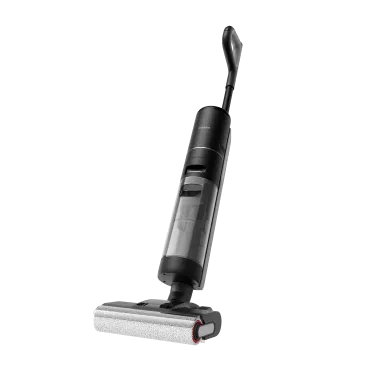
We all love our pets, but it's safe to say we don't love their hair shedding everywhere in our homes. Whether it’s long golden retriever strands or fine cat fluff, shedding can quickly become overwhelming. It clings to couches, carpets, clothes, and for allergy sufferers, it’s more than annoying; it’s uncomfortable. The good news? With the right mix of tools, habits, and smart cleaning tech, staying on top of pet hair is totally doable. Here’s a useful guide to getting rid of pet hair and reclaiming a clean, healthy, and fur-free home. Why Timely Removal of Pet Hair Matters Pet hair buildup can cause: Make your home feel dusty and dirty Damage vacuum filters over time Trigger allergies and asthma Studies show 6 in 10 households in the United States have furry pets, and some 10–20% of the global population suffers from dog- and cat-hair-related allergies, so discomfort can be very real. It isn’t just the hair itself—it is also the dander from dogs and cats. For the sake of home and health, pet owners can remove dog and cat hair through a range of efforts. Routine cleaning is a good baseline to start from. How Often Should You Vacuum with Pets? It depends on: The number and type of pets Shedding seasons (typically spring and fall) Whether you have allergy or asthma sufferers at home Heavy shedders like German Shepherds or Golden Retrievers may require daily cleaning during peak shedding seasons. Cats can pose a different challenge than dogs because of their hair characteristics and unique habits, but you can learn “How to Choose a Vacuum for Cat Hair and Litter" to make cleaning easier. Daily Maintenance Strategies To effectively prevent excessive dog and cat shedding, regular brushing is a good start, catching it before it lands all over the furniture and carpet. And don't forget adhesive lint rollers—they're super handy for quick touch-ups to remove dog and cat hair from clothes and upholstery. Deshedding routines for dogs and cats typically involve regular brushing with specialized tools to remove the loose undercoat and reduce the amount of hair shed around the home. Consistent deshedding not only keeps your house cleaner but also promotes a healthier coat and skin for your dog or cat by preventing matting and improving air circulation. Pet Hair Removal Tools & Products Specialized deshedding tools for dogs include: Rakes that reach deep into the undercoat and remove loose hair without damaging the topcoat. Slicker brushes and grooming gloves can help with surface tangles and gentle fur removal. High-velocity dryers are often used by professionals after bathing to blow out loose undercoat hair. The process can also include a bath using specialized deshedding shampoo and conditioner. Bath frequency depends on the breed and shedding patterns, with heavily shedding dogs often needing one every 4–6 weeks. Cats, too, benefit from reduced amounts of undercoat hair, leading to less shedding around your home, fewer hairballs, and a healthier, more comfortable coat. Special cat grooming tools reach into the undercoat to pull out loose, dead hair that's just waiting to fall onto your furniture, while grooming gloves gather loose fur as you simply pet your cat. Dreame Take Look for a vacuum that actually lifts embedded pet hair, like the Dreame H14 Pro Wet and Dry Vacuum. It has powerful suction, edge-to-edge cleaning, and built-in intelligence for smarter, easier, and more thorough cleaning. Woolen pet dryer balls are another element in the arsenal. Designed to circulate in a clothes dryer alongside laundry, they assist in gathering stray pet hair from clothing. Pet hair removal brooms, often made with rubber or electrostatic bristles, also help by gathering stubborn fur from various surfaces, including carpets and hard floors. Unlike traditional brooms, they attract and collect hair rather than scatter it. High-Tech Help for Pet Hair Control Manual tools help, but smart tech keeps fur under control 24/7. Here’s some tech to consider: Cordless vacuums like the Dreame Z30 make it easy to clean furniture, stairs, and corners and keep them fur-free. The Dreame X50 Ultra Robot Vacuum vacuums and mops on schedule, even when you're not home. Learn more about picking the right robot vacuum using this guide: “Robot Vacuums and Pets: What You Need to Know.” An air purifier like the AirPursue PM10 captures airborne pet dander and hair, so you breathe easier. How to Get Rid of Pet Hair in Specific Areas In addition to general cleaning, there are actions you can take to remove dog and cat hair from specific home areas and personal items: Carpet Pet hair, dander, and odor in your carpet are common as long as pets stay indoors, but there are effective methods of eliminating them. You'll want to use a combination of methods, starting with a good pet-specific vacuum cleaner along with tools like rubber gloves, squeegees, or even a damp cloth to lift those stubborn embedded hairs. For more info, check out this guide on “5 Ways To Remove Pet Hair And Smells From Carpet.” Furniture Another challenge is keeping furniture clear from dog and cat hair, but there are solutions for that too. Try using a damp rubber glove, an adhesive lint roller, or simply vacuuming with an upholstery attachment. Couches The couch is often a favorite spot for dogs and cats, too. Some of the simple methods mentioned earlier help by gripping and gathering the hair into easy-to-remove clumps. Laundry and Washing Machine Not surprisingly, the washing machine ends up with a lot of pet hair. You can pre-treat items with a lint roller or by shaking them out and using a pet hair remover ball or a cup of white vinegar in the wash cycle. Clothes We love to interact with our cats and dogs, but that often means hair left on our clothing. A lint roller is your best friend for quick touch-ups; for stubborn hair, put on a damp rubber glove and run your hand over the fabric. Inside the Car Our motor vehicle is also often a repository for our pets’ hair as we bring them with us on errands, trips, or to the vet. A car-specific vacuum with good attachments can hit all those nooks and crannies. ⭐Extra read: How to Keep Dog Hair Out of Your Pool: 8 Expert Tips for a Clean Swim. What’s the Best Way to Get Rid of Pet Hair? There’s no one-size-fits-all answer, but a combo of the right tools and routines is key. Quick hacks: Keep lint rollers by the door and couch. Groom pets before guests arrive. Use air purifiers in bedrooms and living areas. Let a robot vacuum run daily when you're out. Pro-tip Explore more pet-related cleaning tips by reading “Things Every Dog Owner Should Know About Vacuums Final Thoughts: Let the Fur Stay with Pets, Not the Couch Pets fill our lives with immense joy, but dog and cat hair can test our patience. For people with allergies, it can stretch far beyond just annoyance. But it doesn't have to be a big battle. With the right tools, like Dreame’s high-powered vacuums, smart robots, and sleek air purifiers, you’ll spend less time cleaning and more time enjoying your pets. Read our series for pet owners How to Keep Your House Clean With Pets Around Robot Vacuums and Pets: What You Need to Know Robot Vacuums for Pet Hair in 2025 Get Rid of Pet Hair: 5 Easy Ways for Dog and Cat Owners How to Get Pet Hair Out of a Car 5 Ways To Remove Pet Hair And Smells From Carpet How to Choose a Vacuum for Cat Hair and Litter 9 Surprising Things Every Dog Owner Should Know About Vacuums
Continue reading
How to Get Pet Hair Out of a Car: Best Tools, Tips & Step-by-Step Methods

How to Get Pet Hair Out of a Car: Best Tools, Tips & Step-by-Step Methods

Editorial TeamDreame |
If you drive with a dog or cat regularly, you’ve probably battled stubborn fur clinging to every inch of your car’s interior. Pet hair doesn’t just sit on the surface; it weaves itself deep into carpets, wraps around seatbelts, and somehow finds its way into every corner. Knowing how to get pet hair out of your car properly is the only way to keep your ride clean, allergen-free, and ready for passengers—human or otherwise. This guide breaks down the best tools, techniques, and Dreame-approved vacuum picks that make removing pet hair easier, faster, and more thoroughly than ever. Why Is Pet Hair So Hard to Remove From Cars? Pet hair sticks due to static cling and friction. Most car interiors, especially cloth upholstery and carpet, create the perfect storm of texture and static electricity. That means a quick brush or standard vacuum often isn’t enough. Once embedded, the strands latch onto every fiber like Velcro. Add moisture, heat, and repeated shedding, and you’ve got a mess that requires more than just elbow grease. Understanding this challenge helps explain why some cleaning methods fail and why investing in the right tools makes all the difference. Essential Tools to Get Pet Hair Out of Your Car Before diving into technique, make sure you’re equipped with the right gear. The tools below offer various benefits, depending on the surface and severity of pet hair buildup. You don’t need every gadget on the market, but having a few of these in your cleaning kit will save time and frustration.  1. A Vacuum Designed for Pet Hair Standard vacuums often don’t cut it for car hair cleanup. You’ll want something with strong suction, flexible attachments, and a design that works in tight spaces. The Dreame Z30 Cordless Stick Vacuum is a powerhouse for this. It combines ultra-strong 310 AW suction with an advanced tangle-free brush that handles thick pet hair without clogging. Plus, it’s cordless, so it’s easy to maneuver through seats and footwells. For a more compact but equally effective option, the Dreame Z20 Cordless Stick Vacuum works wonders. Its smart dust-detection sensors and ergonomic design make it perfect for cars and homes alike. Pro-tip Use the mini motorized brush head included with Dreame’s Z30 or Z20 vacuums to remove pet hair from car seats and carpets more effectively. It agitates the fibers and lifts stubborn fur without damaging upholstery. 2. Lint Rollers & Sticky Brushes They’re great for fast pickups on headrests and fabric seats, especially when you’re on the go. Keep a roller in your glove compartment for quick refreshes. Press, roll, and peel away hair in seconds. While these tools won’t tackle embedded hair, they’re perfect for touch-ups or lighter shedders. 3. Rubber Gloves or Squeegees Wearing a slightly damp rubber glove and dragging your hand across seats and carpets can pull up surprising amounts of hair. The friction helps clump the hair together for easier removal. Squeegees work similarly and are especially handy on floor mats or seat cushions. 4. Specialty Detail Tools For hard-to-reach areas or ultra-clingy fur, detailers swear by pumice stones, pet hair brushes, or mini grooming rakes. These tools can lift embedded strands from fabric with shocking precision. Think of these as the fine-tuning tools in your car-cleaning arsenal, as they can make the difference between “mostly clean” and “fur-free.” Pet Hair Removal Tools at a Glance Here’s a quick breakdown to help you match tools to your pet hair challenges: Tool Type Best For Pros Quick Tip Dreame Z30 Vacuum Carpet, seats, all-in-one Powerful, cordless, pet-focused Use max mode on carpets Lint Roller Surface-level cleanup Portable and easy Keep in your glove box Rubber Gloves Seat surfaces, corners Cheap and effective Slightly damp for best results Pet Hair Detail Brush Upholstery creases, tight spots Gets embedded hair Use short strokes against grain Step-by-Step: How to Get Pet Hair Out of Your Car Ready to start cleaning? Follow the steps in this section to address the trickiest pet-hair zones in your car one by one. Let’s walk through the key areas. Car Upholstery (Cloth or Leather) Pre-treat by spraying fabric with water or a light upholstery cleaner to reduce static. Use a lint roller or rubber glove to gather loose fur. Vacuum the surface using your Dreame Z30 or Z20 with the crevice or brush attachment. For cloth seats, drag a pumice stone gently across the fabric to lift embedded hair. For leather seats, use a damp microfiber cloth followed by vacuuming. Avoid harsh brushing to prevent scratches. Important Be mindful of stitching and seams, as hair tends to build up there and may need targeted attention. Car Seats The type of seat material matters. Adjust your method depending on whether you're working with cloth or leather. Fabric seats: Use a squeegee or glove first, then vacuum in multiple directions to lift the pile and extract deeper hair. Leather seats: Avoid static buildup by wiping with a dryer sheet first, then use your vacuum. Car Carpets Begin by beating out loose debris using your hands or a brush. Use the Dreame Z30 with full suction to extract pet hair from a carpet pile. For corners or floor mats, go over the area twice—vertically and horizontally—for better lift. Need more help with floor cleaning? Check out our “Carpet Cleaner Solutions for Pets” for more deep-cleaning tips. How to Choose the Best Car Vacuum for Pet Hair Choosing the right vacuum doesn’t just make the job easier; it ensures that stubborn pet hair actually comes out on the first pass. Here’s what to look for: Strong suction power (at least 150 AW+) to remove embedded hair Mini motorized brush head that won’t tangle easily Cordless flexibility for easy movement inside the car Both the Dreame Z30 and Z20 check these boxes. In particular, the Z30 offers auto-adjusting suction and a smart LCD screen for better control, while the Z20 provides up to 90 minutes of runtime, which is enough for multiple cleanups with a single charge.  For more on vacuum features, don’t miss the guide on “How to Choose the Right Pet Hair Vacuum.” Advanced Tricks for Stubborn Hair Some fur just doesn’t want to let go. If you’ve followed every step and still see hair clinging on, try these bonus tricks that detailers and pet owners swear by: Use a squeegee on larger fabric surfaces to collect hair into clumps before vacuuming. Wrap tape around your hand (sticky side out) and press into edges, corners, and vents to pick up elusive hairs. Steam clean cloth surfaces to loosen embedded hair. Follow up with a vacuum after the fabric dries slightly. How to Keep Your Car Hair-Free for Longer Prevention makes cleanup faster and easier. Regular brushing and grooming of your pet can dramatically reduce shedding. Also, try lining your backseat or cargo area with washable blankets or seat covers. After a ride, just shake out the cover instead of vacuuming the whole car. Smart prevention cuts down on cleaning time. It’s a great idea to build a basic pet-hair cleaning kit, including a Dreame cordless vacuum, a lint roller, a rubber glove, and a detailing brush. Store it in your trunk so it’s always within reach after a park visit or vet trip. Dreame Take Vacuums like the Dreame Z30 Cordless Stick Vacuum come with car-friendly attachments. The compact design fits right in your car cleaning kit, so you’re always ready to tackle messes on the go. No more forgotten fur in hard-to-reach spots. Final Thoughts Cleaning pet hair from your car doesn’t have to be a frustrating battle. With the right tools, like a Dreame Z30 or Z20 cordless vacuum, and a few clever tricks, you can keep your interior fur-free and fresh. Whether you’re tackling deep carpet cleanup or brushing off your leather seats, this guide helps you work smarter, not harder. By combining smart tools with a proactive approach, you’ll spend less time cleaning and more time enjoying the ride with your pet! Want more tips on home and auto cleaning for pet owners? Visit the Dreame Blog for expert guides like “How to Keep Your House Clean With Pets Around” and “Robot Vacuums for Pet Hair in 2025.” Read our series for pet owners How to Keep Your House Clean With Pets Around Robot Vacuums and Pets: What You Need to Know Robot Vacuums for Pet Hair in 2025 Get Rid of Pet Hair: 5 Easy Ways for Dog and Cat Owners How to Get Pet Hair Out of a Car 5 Ways To Remove Pet Hair And Smells From Carpet How to Choose a Vacuum for Cat Hair and Litter 9 Surprising Things Every Dog Owner Should Know About Vacuums
Continue reading