










 Robot Lawn Mowers

















 Humidifiers


 Smart Door Lock


 Australia
 中国大陆
中国大陆 日本
日本


 Türkiye


 Ireland
 Portugal
 Italia
 Netherlands
 Belgium
 Greece
 Polska
 Norway
 Sweden
 Finland
 Denmark
 Hungary
 Czechia
 Slovenia
 Croatia
 Switzerland
 United
Kingdom
United
Kingdom
 Canada


 Colombia

In this article
Finding a wet patch on the floor is frustrating, especially when the litter box is clean and only a few feet away. If your cat is peeing on the floor, you have two jobs.
Clean the spot completely so the smell does not draw your cat back, then work out why it started so it stops. This guide covers both, beginning with the cleanup you can do right now. One detail most advice skips: cat urine leaves behind crystals that ordinary cleaning never dissolves, which is why the smell keeps returning days later.

How to Get Cat Pee Out of Carpet
To get cat pee out of carpet, start by blotting up every bit of liquid as quickly as possible, then treat the spot with an enzyme cleaner. The reason that order matters comes down to what cat urine leaves behind.
As it dries, it forms uric acid crystals, which cold water cannot dissolve. A rinse clears the visible mess but leaves the crystals sitting deep in the base layer under the carpet. When humidity rises, they reactivate, and the smell comes back. This is why a spot you already cleaned still smells a week later.
Here is the method that actually reaches the crystals:
- Blot up all the liquid fast. Press weighted paper towels down and lift them away, rather than rubbing, which only drives urine deeper into the fibers.
- Apply an enzyme cleaner. This is the only household product that breaks down the compounds in cat urine, including crystals. Regular floor cleaners cannot.
- Leave it to soak for the full time on the label, usually 10 to 15 minutes. Cutting this short is the single most common reason the smell survives.
- Blot again with a clean cloth, then rinse with cold water and blot once more.
- Lay fresh paper towels over the spot and place a weight on them for a few hours to draw moisture up from the carpet as it dries.
For a dried, older stain, dampen it with warm water first so the crystals soften and become easier to reach, then apply the enzyme cleaner. If you want a fuller walkthrough of product types, this guide to pet carpet cleaner solutions goes deeper.
How to Clean Cat Pee Off Hard Floors
Hard floors have no soft layers to soak up urine, but the seams and grout lines collect it, and so does the gap where the floor meets the baseboard. The cleanup follows the same steps as for carpet: blot, treat with an enzyme cleaner, then wipe. The difference is the last step: on hard floors, you finish with a hot-water pass, and the heat clears the residue a cold mop leaves in the grooves.
Wipe up the puddle right away. Apply an enzyme cleaner to the spot and to any nearby seams or grout, leave it for the full label time, then wipe it clean. A hot water mop pass at the end lifts the residue that cold mopping leaves behind in the grooves.
A pet-safe formula matters here, and our roundup of floor cleaners safe for cats is a good place to start.
On wood, move fast, since cat urine soaks into unsealed or worn boards within minutes. For waxed or oiled hardwood, test your cleaner on a hidden patch before treating the stain.
Why Is Your Cat Peeing Outside the Litter Box?
A cat that pees outside the box is almost always reacting to something, and the cause usually falls into one of five areas. Finding which one fits is the first step toward stopping it, so it is worth working through these before you blame your cat.
Litter box problems
The box may be dirty, in a busy spot, filled with litter your cat dislikes, or there may simply be too few boxes for your home. This is why most cats avoid the box.
A medical issue
Urinary infections, kidney disease, diabetes, and arthritis can all push a cat to go elsewhere. A sudden change in bathroom habits deserves a vet's attention.
Stress
A new pet or a change at home, such as a move or constant background noise, can unsettle a cat enough to disrupt its routine.
Surface preference
Some cats decide they prefer soft carpet or cool tile over whatever is in the box.
Marking
Spraying small amounts is territorial and most often seen in unneutered cats.
If you have wondered why your cat is peeing on the floor when nothing obvious has changed, the answer is often a combination of the first two.
How to Stop Your Cat from Peeing on the Floor Again
Stopping repeat accidents means removing the reasons your cat picked that spot in the first place. Four changes do most of the work, and knowing how to stop a cat from peeing on the floor usually starts with the box, not the cleanup.
Fix the litter box first
Give your cat one more box than the number of cats in your home, leave at least one uncovered, use an unscented litter, and clean it twice a day while you retrain. A quieter location away from food bowls helps too.
Remove the odor completely
Cats return to spots they can still smell, so incomplete cleanup is the leading cause of repeat visits. The carpet and hard-floor methods above are as much about prevention as they are about cleanup. Regular passes to remove pet hair and smells from carpet keep problem rooms from retaining scent.
Make the spot less inviting
Double-sided tape or a piece of foil over the area discourages most cats, and a closed door during retraining removes the option entirely.
Keep problem zones clean every day
Lingering scent is what pulls a cat back, so a daily floor pass in the rooms your cat targets makes a real difference. A vacuum for cat hair and litter set to run on a schedule handles this without you needing to think about it.
Recommended Tools for Cat Pee Cleanup
A few cleaning supplies handle almost every cat accident, and most of them are probably already in your cupboard. An enzyme cleaner is the one thing not to skip, since it is the only product that breaks the odor down for good. Keep paper towels or a few old cloths on hand for blotting, and a UV blacklight helps you find dried spots you would otherwise miss.
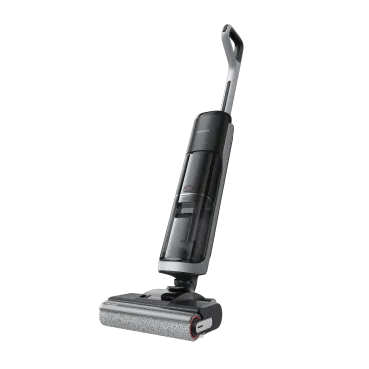
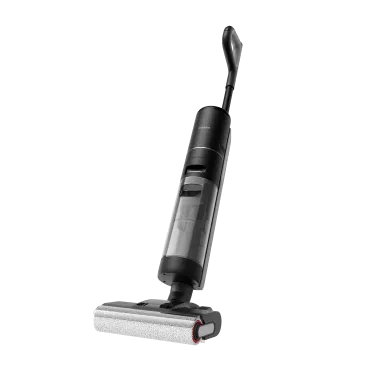
For hard floors, consider a wet/dry vacuum that uses hot water to clean more thoroughly than a regular mop. The Dreame H15 Pro Heat delivers 85°C hot water, which speeds up enzyme breakdown and lifts residue a cold mop leaves sitting in the seams. On sealed floors like tile and hardwood, the heat finishes what an enzyme cleaner starts. Keep in mind it dry-vacuums carpet only, so the hot water step is for hard surfaces, never for pulling liquid out of a rug.
[product handle="h15-pro-heat-wet-dry-vacuum" rating="4.7"]
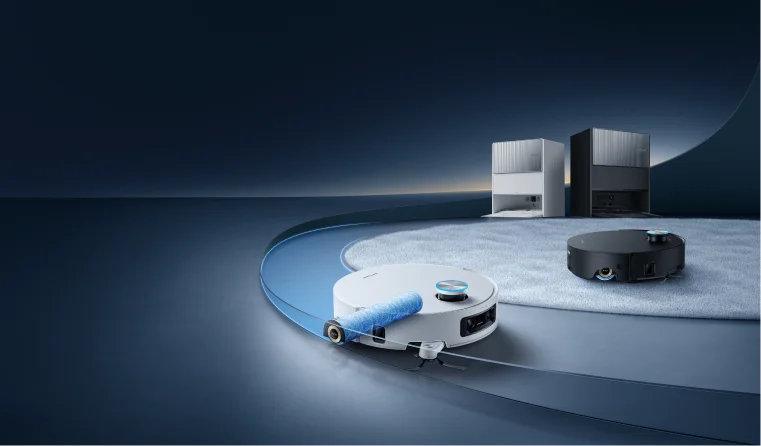
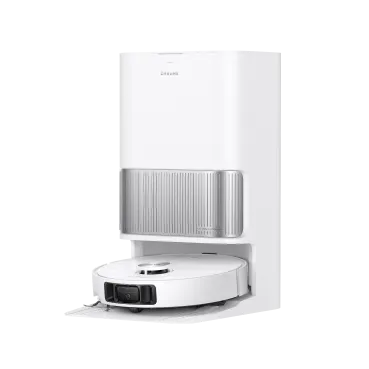
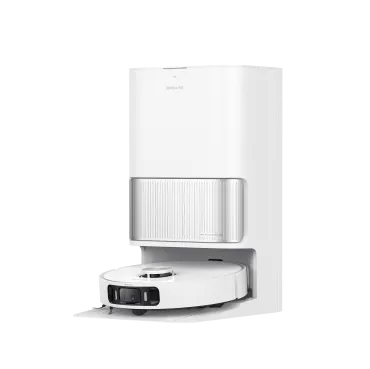
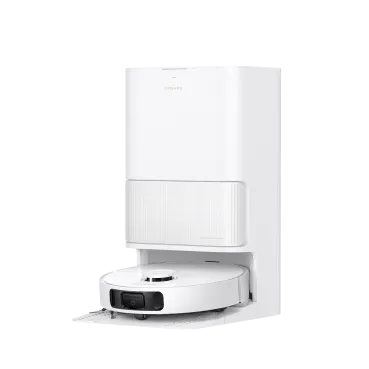
For keeping problem zones clean between accidents, a robot vacuum on a daily schedule does the quiet work. The Dreame L60 Pro Ultra is a strong fit for the spots your cat tends to target, clearing the smell that would otherwise draw it back.
Cleaning Up Cat Pee for Good
Cleaning up cat pee and stopping it from happening again comes down to the same thing: reaching the uric acid crystals that ordinary cleaning leaves behind. Treat the carpet with an enzyme cleaner, and finish the hard floors with a hot-water pass.
A litter box your cat is glad to use prevents most repeat messes, and staying on top of the problem zones day to day keeps the scent from ever building back up.
When you are ready to take the daily upkeep off your plate, the Dreame robot vacuum and mop collection is a good place to start.
Frequently Asked Questions
Why does cat pee smell come back after I clean it?
The smell returns because cold water cannot dissolve the uric acid crystals in cat urine. They settle into the base layer under the carpet or into floor seams, where they stay, then start releasing odor again as the area dries out and humidity rises. An enzyme cleaner breaks those crystals down, and pairing it with extraction or a hot-water mop reaches them rather than just cleaning the surface.
Does vinegar remove the smell of cat urine from carpet?
Vinegar helps for a day, but does not fix the problem. It covers some of the ammonia smell for a short-term improvement, but doesn't break down the uric acid crystals behind the returning odor, and it leaves its own scent that fades within a day or two. Use an enzyme cleaner for a lasting result. Vinegar is better than doing nothing in the moment, so if you reach for it, follow up with an enzyme cleaner soon after.
How do you get old or dried cat urine out of carpet?
Rehydrate the stain with warm water first, then use an enzyme cleaner. Once the urine dries, the crystals go inactive and need moisture before the cleaner can work on them. Dampen the spot, wait about five minutes, apply the cleaner, leave it for the full label time, then blot it up as usual. Older repeat stains may need several passes, and a UV blacklight will reveal dried spots you cannot see.
Is it safe to use enzymatic cleaners around cats?
Yes, once the area is dry. Most enzyme cleaners are non-toxic and break down into harmless by-products. Keep your cat off the spot while it is wet and let it dry fully before letting them back. Skip heavily fragranced formulas, which can irritate cats, and look for pet-safe labeling.
Can cat urine permanently damage hardwood floors?
Yes, if it is left untreated. Cat urine is acidic and soaks into unsealed or worn wood within minutes, staining the boards and breaking down the finish. On sealed wood, acting fast usually prevents lasting damage, as long as you blot the spot and treat it with an enzyme cleaner. A hot-water pass at the end clears what remains in the grain. On unsealed or waxed wood, it soaks in faster, and repeated accidents in the same spot may eventually require refinishing or board replacement.

