










 Robot Lawn Mowers


















 Humidifiers


 Smart Door Lock


 Australia
 中国大陆
中国大陆 日本
日本


 Türkiye


 Ireland
 Portugal
 Italia
 Netherlands
 Belgium
 Greece
 Polska
 Norway
 Sweden
 Finland
 Denmark
 Hungary
 Czechia
 Slovenia
 Croatia
 Switzerland
 United
Kingdom
United
Kingdom
 Canada


 Colombia

In this article
A hoover is a vacuum cleaner. The word is British English for any vacuum, borrowed from a brand name that became so dominant in the UK market that it replaced the category term entirely. Americans call the same appliance a vacuum.
Below, we discuss how Hoover came to be an everyday household word and what led to this linguistic change.

Hoover Is a Brand Name That Became a Word
Hoover is originally a brand name for a vacuum cleaner. The Hoover Company was founded in 1908 in North Canton, Ohio, and grew into one of the most dominant vacuum cleaner manufacturers of the twentieth century.
Its grip on the market, especially in the UK, was so extensive that "hoover" transitioned from just a brand name to a common term for any vacuum cleaner, regardless of manufacturer. Today, "hoover" in lowercase appears in major English dictionaries as both a noun (a vacuum cleaner) and a verb ("to hoover," meaning to vacuum).
The Hoover Company still exists and sells vacuums, though it is no longer the market leader it once was. The word outlasted the company's dominance. For the full origin story, read the history of vacuum cleaners.
Why the UK Says Hoover and the US Says Vacuum
British English uses "hoover" because one brand dominated the market there; American English uses "vacuum" because no single brand did that the way Hoover did in the UK.
Hoover held the majority of UK vacuum sales for decades after its 1919 launch. If you were a British consumer during that period, one brand name covered virtually every vacuum you ever encountered, so the name became the word for the whole category.
In the US, multiple brands competed for the top spot in the vacuum category from the 1920s onward. American consumers were exposed to several names at once, so "vacuum cleaner," as a plain description of what the machine did, became the word that stuck. No single brand ever grew dominant enough to push it aside.
Britain went the other way. Hoover took such a large share of the UK market that its name slipped into everyday speech, standing in for the appliance itself and for the act of using it. If you hear "can you hoover the rug?" in the UK, it means the same thing as "can you vacuum the rug?" in the US.
Why Some Brand Names Become Words (and Most Don't)
Brand names become common words when one company dominates a category so completely that its name fills the vocabulary gap before a neutral term can. Linguists call this a genericized trademark, or a proprietary eponym, and you'll recognize a few from everyday American English: Kleenex for facial tissue, Band-Aid for an adhesive bandage, Jacuzzi for a whirlpool bath, and Google, now a verb for any internet search.
A proprietary eponym happens when two conditions are met. The brand needs to be first or near-first in the category, and it needs to hold enough market share that no other generic term can gain traction while it dominates. Hoover met both conditions, particularly in the UK.
There is also a legal consequence companies face when their brands become everyday terms. Genericized trademarks can lose their protected trademark status, which is why some companies actively resist their brand names becoming everyday terms.
The Vacuum Cleaner in 2026: Far Beyond What Hoover Built
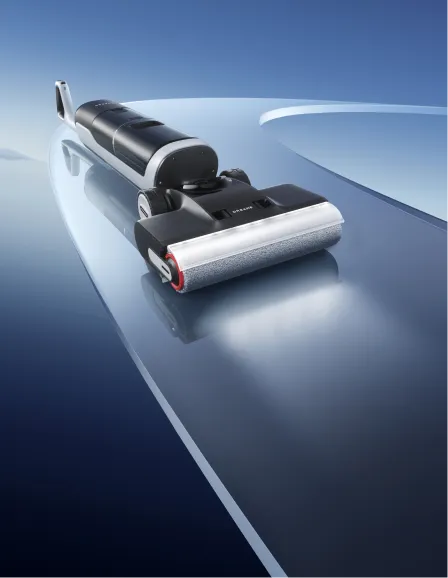
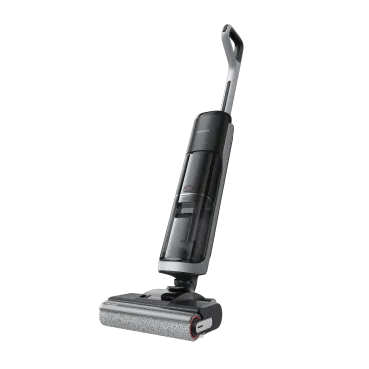
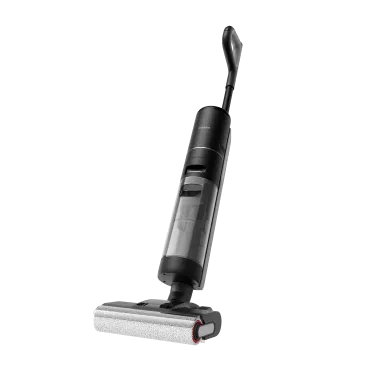
The original hoover was a bagged upright with a rotating brush and a cloth dust bag. The category today covers robot vacuums that navigate using LiDAR and AI cameras, self-emptying docking stations, wet dry vacuums that vacuum and mop in a single pass, and hot-water sanitization. None of these existed when "hoover" entered the British dictionary, and the word has stayed while the technology moved on entirely.
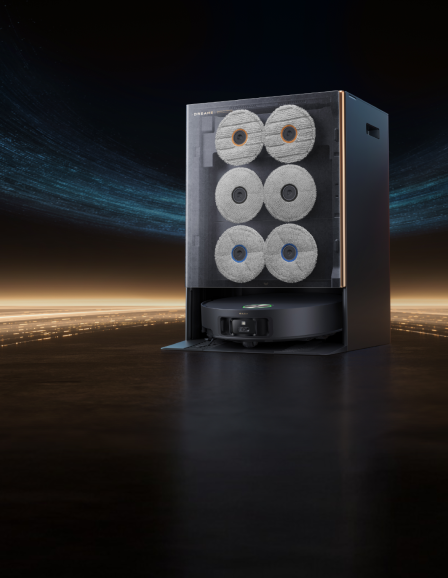
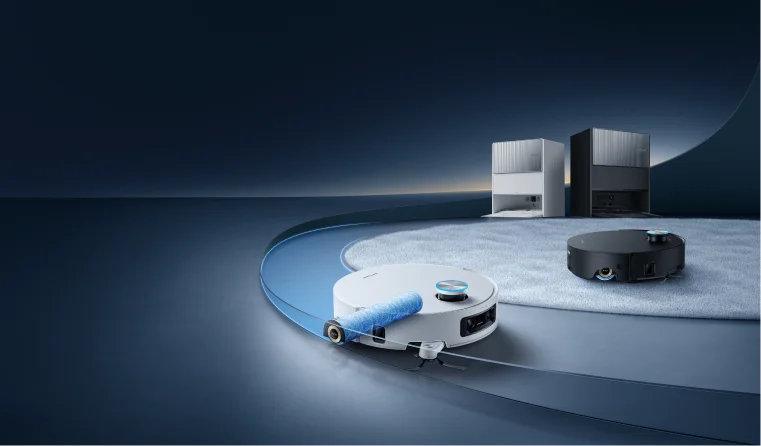
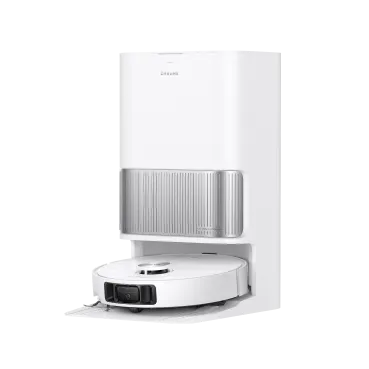
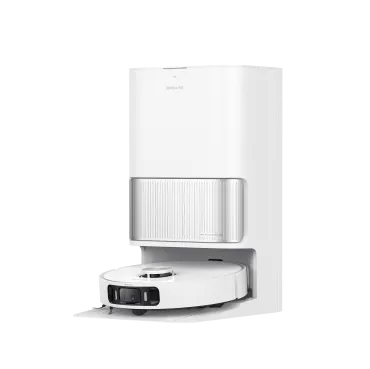
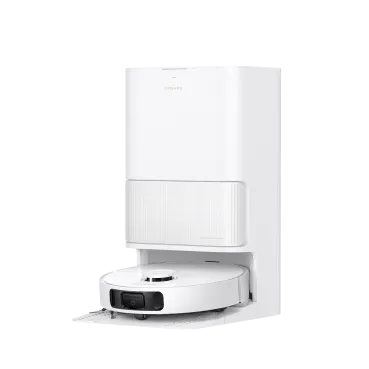
Dreame's robot vacuum collection represents what the category has become today, a long way from the upright that built the word.
If you're not sure which type of vacuum suits your home, the vacuum cleaner buying guide is a good starting point. You can also read Dreame's breakdown of types of vacuum cleaners in the market today for a fuller picture.
Frequently Asked Questions
Is Hoover still a brand or just a word?
Hoover is both an active brand and a common word. "Hoover," capitalized, refers to the company and its product line; "hoover," lowercase, appears in British English dictionaries as a common noun and verb for any vacuum cleaner. The brand has changed ownership several times and is no longer the dominant force it once was, but the Hoover Company still manufactures vacuums today.
What are other examples of brand names that became common words?
Hoover is not unique in this. Kleenex, Jacuzzi, Band-Aid, Velcro, and Google have all followed the same path, where the brand name entered everyday language as the word for the whole category. Linguists call these proprietary eponyms or genericized trademarks, and they tend to appear in categories where one brand got there early enough that the generic term never had a chance to take hold.
Do British people say "vacuum" or "hoover"?
British people use both, though "hoover" is more common in everyday speech. "I need to do the hoovering" and "can you hoover in here?" are natural British phrasings. "Vacuum" also appears in British English, particularly in formal writing, and younger generations exposed to American media tend to use it more than their parents. The distinction is as generational as it is geographical.
When did hoover enter the dictionary?
"Hoover" as a lowercase word began appearing in British English during the 1920s and 1930s, as the Hoover Company's UK market dominance grew. Major British dictionaries recorded it through the mid-to-late 20th century. The Oxford English Dictionary lists "hoover" as both a noun and a verb with primarily British English usage. The precise date of first inclusion varies by dictionary.
What is the difference between a Hoover and a vacuum cleaner?
There is no practical difference. "Hoover" is an informal British English word; "vacuum cleaner" is the technical term used everywhere else. The appliance itself is the same whether you're talking about a robot vacuum, a cordless stick model, or a traditional upright.

