









 Robot Lawn Mowers

















 Humidifiers


 Smart Door Lock


 Canada
 Australia
 中国大陆
中国大陆 日本
日本


 Türkiye


 Ireland
 Portugal
 Italia
 Netherlands
 Belgium
 Greece
 Polska
 Norway
 Sweden
 Finland
 Denmark
 Hungary
 Czechia
 Slovenia
 Croatia
 Switzerland
 United
Kingdom
United
Kingdom


 Colombia

In this article
A vacuum brush stops spinning when something blocks the roller, and most of the time, you can fix it in minutes with just your hands. No tools or repair shop needed. Here are 8 fixes to work through, starting with the most common.

What Makes a Vacuum Brush Stop Spinning
From tangled hair to overheating, these are the five most common reasons a vacuum brush stops spinning, ranked by how often they usually happen.
Tangled hair and thread
The usual culprit. Hair and thread wind around the roller until it can't turn, packing tightly at the end caps where the brush meets the housing.
A clog in the airflow path
When the bin, hose, or inlet blocks up, the brush loses the airflow it needs to keep turning.
The wrong cleaning mode
If the roller looks clean but still won't move, check the mode. Many vacuums shut the brush off on purpose for hard floors.
A brush that's come loose from the head
Sometimes the roller itself is fine, but it's no longer properly connected to the head. If it's just out of line, line it back up until it clicks into place. If the connector is broken, you'll need to replace the brush or the connecting part in the head if that's what failed, before it spins again.
A worn belt or overheated motor
Less common, but a stretched belt lets the motor spin without turning the roller, and an overheated motor trips a safety switch that shuts the brush down, often right after a jam. A dead motor is rarest and the last thing to suspect.
8 Fixes When a Vacuum Brush Won't Spin
If your vacuum brush isn't spinning, here are some quick, easy fixes to try in order. Remember to unplug the vacuum or remove the battery before doing any maintenance.
1. Clear tangled hair
Remove the brush roll and cut away any hair or thread wrapped around the bristles.
2. Check the cleaning mode
Ensure the vacuum is set to the correct mode. Many vacuums will stop the brush on hard floors to protect the surface. Switch to carpet or auto mode to see if it starts spinning.
3. Empty the bin and clear clogs
A full bin or blocked hose can restrict airflow. Empty the bin and check for clogs in the hose. Don't forget to clean the HEPA filter, as a clogged filter can also affect performance. Check the label first to determine whether the filter is washable. Most HEPA filters are made of fibers, and using water might damage them, which are responsible for trapping tiny particles.
4. Reset the brush motor or thermal cutoff
A thermal cutoff is a safety switch that shuts the motor down when it overheats, often right after a jam. If that's what happened, let the vacuum rest for 30 minutes, then switch it back on.
5. Inspect the drive belt
Look for a belt that's stretched or cracked. A slipping belt means the motor runs, but the roller doesn't turn, while a snapped belt stops movement entirely.
6. Test the roller by hand
After clearing the debris, hold the roller and try turning it manually. If it's stiff or won't move, there might be debris jammed in the bearings. Clear any blockages you find.
7. Reassemble the brush back in and close the cover
Make sure the brush is correctly seated and that the cover is securely closed. Improper assembly can prevent the roller from functioning.
8. Power cycle or factory reset
If none of the other fixes work, try turning the vacuum off and back on. For smart vacuums, a factory reset can often resolve software-related issues that prevent the brush from spinning.
What to Check on Cordless and Robot Vacuums
On a cordless vacuum, check the battery first. The brush motor often cuts out before the suction does as the charge drops, so dock it and try again at full power. Next, check the metal contacts where the brush head clips onto the vacuum. These carry the signal that drives the roller, so dust or a loose fit can cut it out. If the head has a brushroll lock cap, confirm it's unlocked.
For a robot vacuum, start with the app settings. The roller may stop when it detects a surface where it shouldn't brush, so check that carpet and hard-floor detection are set right. Remove any debris caught in the brush guard, then run a quick app reset.
If pet hair is a constant issue, this guide to cordless vacuums for pet owners covers what to look for.
When to Replace the Brush or Belt
Replace the brush roll when the bristles are worn to stubs, and replace the belt once it's cracked or stretched. If both are fresh and the brush still won't turn, the motor is the cause. Frayed bristles can't dig into the carpet pile, and a loose belt can't drive the roller even when the motor runs.
The belt is the more likely of the two to fail. Swap it when you see cracks or a stretched loop that no longer grips. A fresh belt can be replaced in minutes. If a new belt and a clean roll still leave the brush dead, the motor is the problem. Weigh the repair cost against the cost of a new vacuum.
How to Stop Your Vacuum Brush from Tangling Again
Hair wrap is the number one reason brushes stop spinning, so the lasting fix is a brush that clears hair into the bin instead of catching it on the roller.
A standard bristle roller grabs every strand and winds it tight around the roller. You end up cutting hair off it every week, especially in homes with pets or long hair. An anti-tangle brush design fixes that by guiding hair off the roller as it cleans, so it ends up in the bin rather than getting tangled.
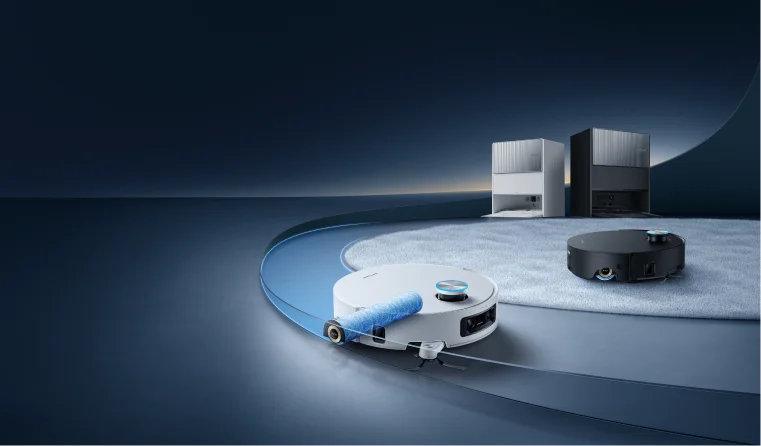
Several Dreame robot vacuums use the HyperStream™ Detangling DuoBrush 2.0, including the Dreame X60 Ultra. It pairs a bristled rubber brush with a TPU rubber brush, so long pet and human hair slides off the roller instead of winding around it.
For a closer look at how the brush handles hair, read this guide on how Dreame's HyperStream™ DuoBrush keeps vacuums clean.
[product handle="x60-ultra-robot-vacuum"]
Keep the Vacuum Brush Spinning
Most brushes stop for reasons you can usually sort out yourself, whether it's a clog, a belt, or a setting you didn't know was on. Hair is the one that comes back again and again, so keeping on top of it is what stops you from having to fix the brush all the time.
When you want a vacuum that handles hair on its own, browse Dreame's robot vacuums for tangle-free cleaning.
Frequently Asked Questions
Why is my vacuum brush not spinning?
If your vacuum brush isn't spinning, the most common causes are tangled hair or a clog, so start by checking and clearing them. Less frequently, a worn belt or a thermal cutoff due to overheating may be the cause. The possible reasons listed above are arranged from the most likely to the least likely.
How do you fix a vacuum brush that doesn't spin?
Start by clearing the hair, then check the belt and reset the motor. If it still won't turn, take the roller out and put it back in. Working through the simplest fixes first solves most cases before you reach for a replacement part, and the eight steps higher up walk through the full order.
Are vacuum brushes supposed to spin?
Yes, on carpet and in most cleaning modes. Some vacuums intentionally stop the roll in hard-floor mode to protect the surface, so check your mode before assuming the brush is broken.
How do you know if your vacuum motor is burnt out?
A burnt-out motor smells of burning when you switch it on and stays silent instead of humming. If it won't turn after you've cleared every clog and ruled out the belt, the motor is the likely cause.
Why is my cordless vacuum brush not spinning?
If your cordless vacuum brush is not spinning, there are a few common issues to check. First, ensure that the battery is fully charged. If the battery is okay, inspect the contacts on the brush head for any dust or debris. Also, check the brush roll lock cap and remove any blockage in the end caps. Perform a quick reset, then remove the brush head and securely click it back into place.

