























 Robot Lawn Mowers


 Smart Door Lock


 Canada
 Australia
 中国大陆
 日本


 Türkiye



 Ireland
 Portugal
 Italia
 Netherlands
 Belgium
 Greece
 Polska
 Norway
 Sweden
 Finland
 Denmark
 Hungary
 Czechia
 Slovenia
 Croatia
 Switzerland
 United
Kingdom


 Colombia

In this article
Pet accidents on hardwood need more care than on tile or vinyl, especially through a Canadian winter. Wood is a natural, porous material, so it reacts to both liquids and cleaning products. The right approach depends on how long the urine has been there and how far it has traveled. Getting it right from the start keeps the odor from lingering and saves you a costly repair.
Below, we cover how to get urine smell out of hardwood floors at home and how to tell when the boards need expert help.

Why Urine Smell Lingers in Hardwood Floors
The smell lingers because dog and cat urine both contain uric acid, which dries into crystals that collect in the gaps between boards and anywhere the finish has worn thin from daily foot traffic.³ Moisture on a humid day reactivates the crystals, so a spot can seem clean for a week and then smell again.³
Most household cleaners and scented sprays only remove the parts of urine that dissolve in water and leave the crystals behind.⁴ According to Humane World for Animals, pets often return to the same spot when they can still smell their scent there.¹ Urine on the surface comes out with the five steps below, while urine that has soaked into the wood or run down the seams needs a flooring professional.
If you're wondering how to get dog or cat pee smell out of hardwood floors, the steps are the same for both.
With cats, consider ruling out a possible problem with their litter box. Our guide on how to stop a cat from peeing on the floor explains why cats start going outside the litter box and how to prevent accidents from happening again.
What You'll Need to Get Urine Smell Out of Hardwood Floors
You only need a handful of supplies to get started:
- Paper towels
- An enzyme cleaner for hardwood floors
- A UV flashlight, also known as a black light
- Painter's tape
- A pH-neutral wood floor cleaner
- A soft microfiber cloth
- Gloves
- A wet dry vacuum or a well-wrung microfiber mop
When you shop for an enzyme cleaner, check that it's marked safe for sealed wood. Finishes vary from floor to floor, so test it in a hidden corner first, such as inside a closet, to make sure it doesn't leave a mark.
Not sure your floor is sealed? Put a few drops of water on a hidden spot and watch for a minute. If the water beads up, the finish is intact, and you can follow the steps below. If it soaks in and darkens the wood, the floor is unsealed, or the finish has worn through, so ask a flooring professional before you put any cleaner on it.
For everyday care, learn how to clean hardwood floors based on your floor type and finish, and avoid mistakes like scrubbing with abrasive pads that leave scratches.
5 Steps to Get Urine Smell Out of Hardwood Floors
To get the smell out for good, Step 3 matters most, as the enzyme cleaner is what breaks down the uric acid crystals that cause it.
Step 1: Soak up fresh urine
If the accident just happened, start here. Lay paper towels over the puddle and let them absorb it, then lift them straight off and repeat until the floor is dry. A wet dry vacuum can also pick it up in one pass. Don't wipe, as that spreads urine into the gaps between boards.⁴ Mark the spot with painter's tape. You'll treat it with enzyme cleaner in Step 3.
If urine also got onto your rug, this guide on how to get dog pee smell out of carpet walks you through the carpet cleanup, including what to do when it reaches the padding.
Step 2: Find older spots with a UV flashlight
If you've already cleaned but still smell urine, start here and look for older, dried spots. After dark, with the curtains drawn, move the UV flashlight slowly over the floor, close to the boards. Dried urine glows a dull yellow-green.
Just like in Step 1, mark each patch with painter's tape, including corners behind doors, under chairs, along baseboards and at the edges of nearby rugs. One missed spot can keep the odor coming back, so treat every taped patch in Step 3.
Step 3: Treat each spot with enzyme cleaner
Soaking up urine only removes what's on the surface. What's left behind dries into uric acid crystals that keep smelling until enzymes break them down.³ Spray enough enzyme cleaner to cover each taped spot, without letting it pool.
Leave it on as long as the label says, since the enzymes need time to work.
Step 4: Wipe the area and dry it
Wipe the spot with a microfiber cloth dampened with pH-neutral wood floor cleaner and wrung out well. Then go over it straight away with a dry cloth so no moisture stays in the seams.
Step 5: Check again the next day
Leave the area overnight, then sniff the spot and run the UV flashlight over it again. The enzyme cleaner's own scent can hide leftover urine smell until it fades. If a spot still glows or smells, repeat Steps 3 and 4.
If the smell remains after two or three rounds, the urine has likely reached the wood. The section below on when cleaning doesn't remove the smell explains what to do next.
What Not to Use for Urine Stains on Hardwood
Avoid anything with a strong scent, as well as anything that lightens or dampens the wood. Many household remedies for getting urine stains out of hardwood floors can mark the wood or encourage your pet to return to the spot.
- Vinegar and ammonia. Their strong smell may encourage your pet to mark the spot again.¹ That includes the vinegar and dish soap mixes often shared online.
- Bleach. It can leave an uneven, pale patch that's often more noticeable than the stain. Never mix it with vinegar or ammonia, as the combination releases toxic fumes.
- Hydrogen peroxide. It can fade the color of a sealed floor and wear away the protective coating. The hydrogen peroxide and dish soap mix many guides recommend belongs on bare wood during refinishing, which a flooring professional handles.
- Baking soda. It absorbs some surface odor, but it doesn't break down the urine.
- Rinsing with lots of water. Moisture left in the seams can swell the boards and lift the edges.
When Cleaning Hardwood Doesn't Remove the Smell
If you've gone through the five steps but can still smell urine, it has soaked through the finish into the wood or run down the seams between boards, where no surface cleaner can reach. This usually happens when an accident went unnoticed for days or a pet kept using the same spot.
Look for boards that have turned dark gray or black, as the acid in urine reacts with the varnish and discolors the wood.¹ Boards that lift at the edges are another sign.
At this stage, the repair is a job for a flooring professional, who can match the color and sheen to the rest of your floor with one of these fixes:
- Sanding and refinishing. A sander takes the stained area back to bare wood. For dark marks, brushing on hydrogen peroxide a few times can help lighten the stain.² A new topcoat then goes on to protect the wood. This is how professionals get urine stains out of hardwood floors that cleaning can't reach.
- Replacing the boards. When stains won't sand out, or urine has run down the seams, the professional lifts and replaces the affected boards. If urine has soaked through to the subfloor, they seal it with an odor-blocking primer or sealer before the new boards go down, so the smell doesn't come back through the new floor.
Engineered hardwood needs a slightly different approach. Its real-wood top layer is thin and can only be sanded a limited number of times, so swapping boards may be more practical.
How to Stop Urine Smell From Coming Back
Urine smell tends to come back at the same few spots, so prevention means making those spots easier to clean and less likely to be used again.
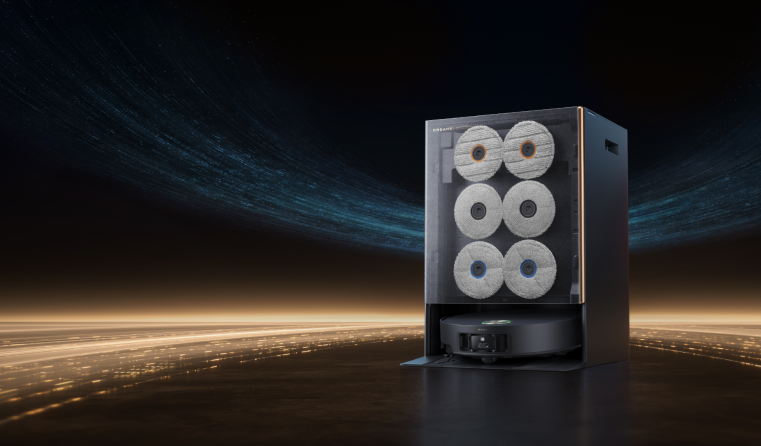
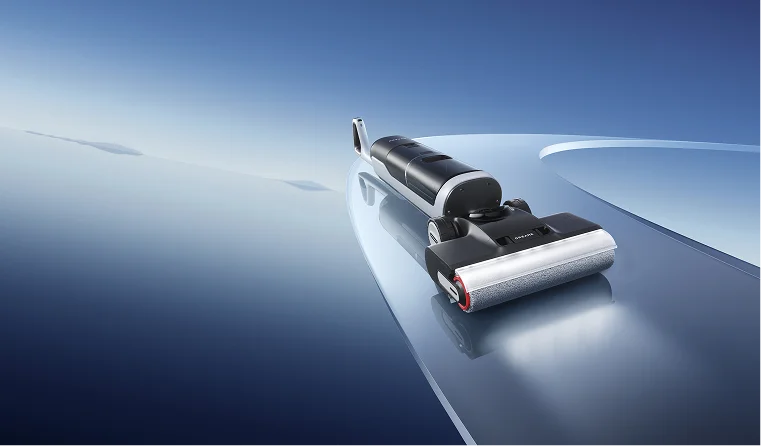
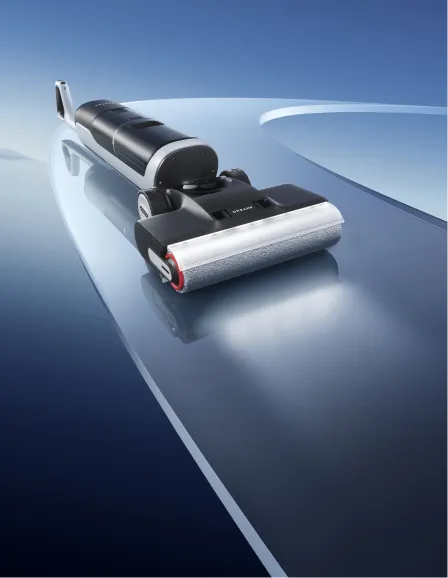
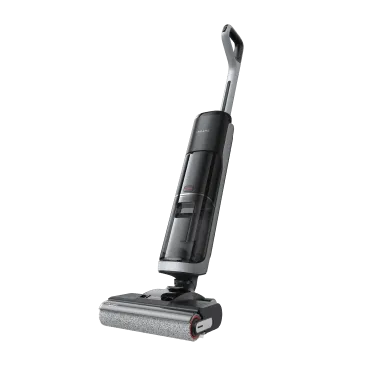
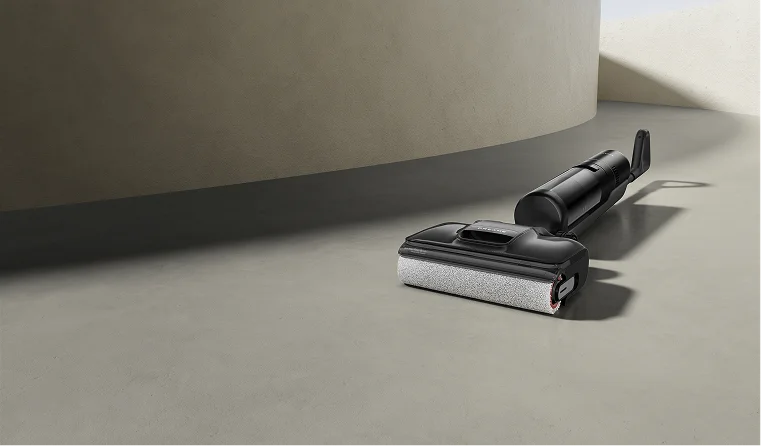
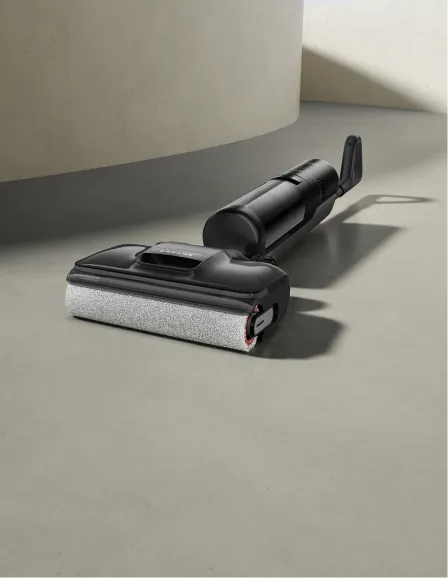
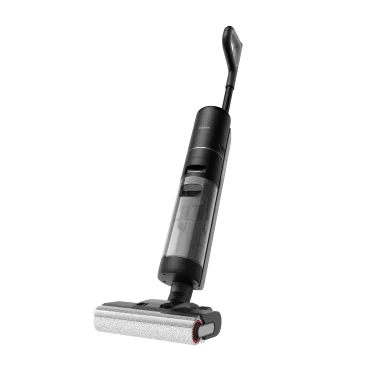
- Clean the spots your pet uses with an odor-trapping foam. The Dreame Aero Ultra Steam has a FoamWash™ mode that sprays a mousse-like foam with bio-enzymes that break down odor-causing compounds, including pet urine odors, on sealed hard floors. It then washes the spot and picks up the dirty water. Use the foam mode on these spots, not steam, and fill it with Dreame's foaming floor cleaning solution.
- Keep the finish intact. Urine only reaches the wood where the finish has worn through, so ask a flooring professional to recoat high-traffic areas once the finish looks dull or scratched.
- Protect the spots pets use most. A waterproof mat under the litter box and by the door your dog uses catches accidents before they reach the boards.
- Check with your vet if accidents start suddenly. A change in a house-trained pet's habits can point to a health issue, so book a visit before the accidents become routine.⁵ ⁶
[product handle="aero-ultra-steam-wet-dry-vacuum" rating="5"]
Why Urine Smell Is Harder to Remove in Canadian Winters
The smell of urine is harder to remove from hardwood during a Canadian winter. Months of dry, heated indoor air make the floorboards shrink slightly, which opens narrow gaps between them.⁷ ⁸ Urine that runs into those gaps sits below the surface you clean, so the smell stays after the floor looks clean.
In winter, soak up accidents straight away, before urine has time to run into the gaps. If your UV flashlight shows urine glowing along the seams and the smell comes back after the five steps, it has gone below the surface, which is a job for a flooring professional. The boards usually close up again in spring, once the air has more moisture.⁷ Until then, a humidifier set to the humidity range in your flooring maker's care guide helps keep the gaps small.⁷ ⁸
Keeping Hardwood Floors Fresh in a Home With Pets
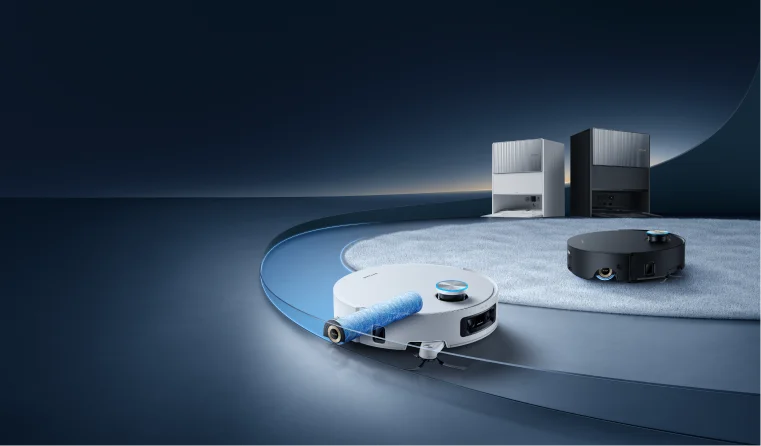
Hardwood stays in better shape when cleaning is part of your daily routine, and that habit is easier to maintain when it doesn't involve extra work. A wet dry vacuum that washes and dries its own roller after each run removes a chore. Since the roller dries after every run, it never sits damp in the dock, which helps keep bad smells away.
If your dog leaves dried mud by the back door or a sticky ring around the food bowl, browse our wet dry vacuums for pets to find one with hot water for sticky messes and an anti-tangle brush for pet hair.
References
1. Humane World for Animals (2026) Get Urine Smell and Pet Stains Out of Carpet. Available at: https://www.humaneworld.org/en/resources/how-remove-pet-stains-and-odors
2. Wood Floor Business (2017) Options for Fixing the Dreaded Pet Stains on Wood Floors. Available at: https://www.woodfloorbusiness.com/finishing/techniques/article/15132233/options-for-fixing-the-dreaded-pet-stains-on-wood-floors
3. Ask Extension, OSU Extension (2026) How to eliminate cat odor that has permeated items. Available at: https://ask.extension.org/kb/faq.php?id=927814
4. Edmonton Humane Society (n.d.) Cat Behaviour Guide: How to Clean Cat Urine. Available at: https://edmontonhumanesociety.com/wp-content/uploads/2024/12/2024-cleaning-cat-urine-EHS-Resources.pdf
5. Toronto Humane Society (n.d.) House Soiling. Available at: https://www.torontohumanesociety.com/wp-content/uploads/2023/11/House-Soiling-Info-Sheet.pdf
6. Cornell Feline Health Center (2015) Feline Behavior Problems: House Soiling. Available at: https://www.vet.cornell.edu/departments-centers-and-institutes/cornell-feline-health-center/health-information/feline-health-topics/feline-behavior-problems-house-soiling
7. National Wood Flooring Association (2022) Avoiding Winter Weather Woes. Available at: https://woodfloors.org/avoiding-winter-weather-woes/
8. Preverco (n.d.) Technical Bulletin: Winter and Hardwood Floors: Understand, Prevent, Preserve. Available at: https://preverco.com/wp-content/uploads/2025/12/Technical-Bulletin-Winter-and-hardwood-floors.pdf

