
How to Get Rid of Bed Bugs: Vacuuming or Steaming?

How to Get Rid of Bed Bugs: Vacuuming or Steaming?

Editorial TeamDreame |
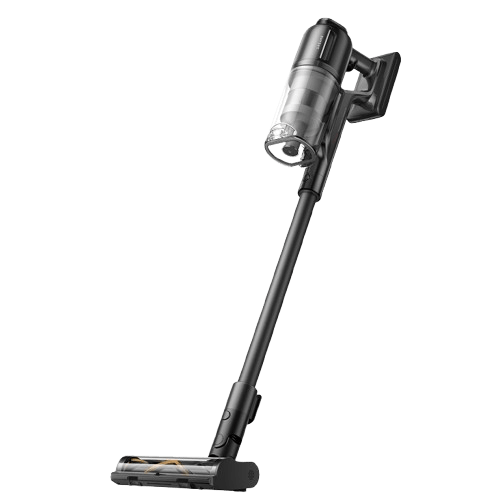
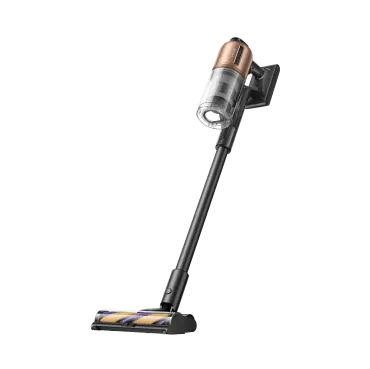
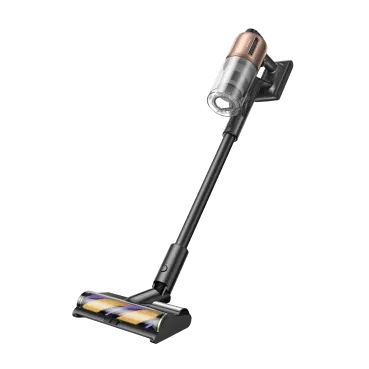
Bed bugs are more common than many people think—and they don’t care how clean your home is. Whether you’ve noticed itchy bites, strange rust-colored spots on your sheets, or tiny bugs hiding in your mattress seams, you may be facing an infestation. The good news? You don’t have to jump straight to toxic chemicals or costly professional treatments. Two of the safest, most effective ways to fight bed bugs are vacuuming and steaming. In this guide, we will describe how each method works, when you should use them, and tips for getting results that last a long time. How to Know If You Have Bed Bugs Bed bugs are small, flat insects that feed on human blood. They hide during the day and come out at night to bite, often leaving clusters of red, itchy marks behind. Signs of Bed Bug Activity Include: Small red bites in a line or cluster, especially on arms, legs, or neck Tiny blood stains or dark fecal spots on bedding or furniture Shedded skins or live bugs around mattress seams, headboards, or baseboards A musty, sweet odour in the case of severe infestations To inspect your space, use a flashlight and look along mattress seams, behind headboards, inside baseboard cracks, and around wall outlets or picture frames. Important: Bed bugs are elusive. Even if you don’t see them right away, their signs often appear before the insects themselves. Are Bed Bugs and Dust Mites the Same? People often think bed bugs are dust mites, but they’re very different. Dust mites are minute creatures that require a microscope to be seen, and they live by eating dead skin cells. They don’t bite and aren’t visible to the naked eye, but these critters can cause allergy symptoms like itchy eyes, sneezing, or a runny nose. Bed bugs, on the other hand, are visible and bite humans. If you’re dealing with allergic reactions but no visible bites, the culprit may be dust mites instead. You can learn more in our guide on how to deal with dust mites.  Can Vacuuming Get Rid of Bed Bugs? Yes. Vacuuming is one of the fastest, easiest ways to reduce a bed bug population. It’s especially useful in the early stages of an infestation or when preparing for deeper treatment. Vacuuming removes live bugs, debris, and eggs from surfaces—but it does not kill them. That’s why it should always be paired with additional treatments like steaming or laundering. Pro tip: Vacuuming is an excellent first step, but follow it with steam or heat treatments to fully eliminate hidden pests. How to Vacuum Bed Bugs For best results, follow this step-by-step process. Use a high-powered vacuum with strong suction and a sealed HEPA filter. Attach a narrow crevice tool or brush to help dislodge bugs from tight spaces. Target critical areas like mattress seams, box springs, carpet edges, and behind baseboards or outlets. Learn more with these strategies for vacuuming other tight or hidden areas. Move slowly and carefully to avoid scattering bugs. Dispose of vacuum contents immediately by sealing them in a plastic bag and taking them outside. Wash reusable containers or nozzles in hot, soapy water. Vacuuming should be done regularly until the infestation is completely gone. If you’re using a bagged vacuum, replace the bag after every session. For bagless models, clean the dustbin thoroughly after each use.  Explore Dreame’s full collection of cordless stick vacuums. What Kind of Vacuum Works Best? When selecting a vacuum cleaner to get rid of bed bugs, look for models with multi-layer filtration, strong suction, and tight seals. Lightweight cordless models are convenient for furniture and tight areas, while upright vacuums are better for carpets and large surfaces. Some people find portable “bug vacuum” tools useful for spot treatments, but they shouldn’t be relied on alone.  We recommend a model like the Dreame Z30 Cordless Vacuum Cleaner, which offers high suction power, multi-surface tools, and a HEPA-level filtration system—ideal for targeting hidden pests. Will Vacuuming Kill Bed Bugs? No. Vacuuming doesn’t kill bed bugs or their eggs. It only removes them from surfaces. Some bugs may survive inside the vacuum unless the contents are sealed and disposed of correctly. Important: Never assume vacuuming alone is enough. Always combine it with additional treatments to avoid recurrence. Can Steam Kill Bed Bugs? Yes. High-heat steam is lethal to both adult bed bugs and their eggs on contact. That makes steaming one of the most powerful chemical-free methods for treating infestations. Dreame Take: Steaming is one of the most effective eco-friendly treatments, especially when combined with HEPA-level vacuuming. It targets what vacuums can’t reach—eggs in deep crevices and fabric folds. How to Use Steam to Kill Bed Bugs Steam works by delivering intense heat deep into cracks, fabrics, and crevices—areas where bed bugs love to hide. Here’s how to use it safely and effectively: Choose a dry vapor steamer that reaches at least 93°C (200°F). Use nozzle attachments to control steam flow and access tight spaces. Move slowly—about 2.5 cm (1 in) per second—to allow heat to penetrate. Focus on key areas like mattress seams, couch cushions, curtain folds, and baseboards. Avoid steaming electronics, outlets, or sensitive surfaces. Pro tip: Use a towel or cloth-covered nozzle to disperse steam evenly and increase fabric penetration. Will Steam Kill Bed Bug Eggs? Yes—if applied directly and at the right temperature. Steam must reach at least 49°C (120°F) to kill eggs. Most commercial-grade bed bug steamers exceed this threshold. For best results, follow up with vacuuming to remove any dislodged or dead bugs after the surface dries. Vacuum vs. Steam for Bed Bugs: Which Is Better? Here’s a quick and simple side-by-side comparison table to help you decide: Feature Vacuuming Steaming Removes live bugs Yes Yes Kills bugs on contact No Yes Kills eggs No Yes Works in tight crevices Yes (with attachments) Yes (with nozzles) Safe for daily use Yes No Chemical-free Yes Yes Pros Vacuuming is fast, non-invasive, and ideal for daily use. Steaming penetrates deep and kills bugs and eggs in one pass. Cons Vacuuming doesn’t kill pests or eggs. Steaming takes time and should be used cautiously around electronics. Dreame Take: Use both methods for the best results. Vacuuming removes visible bugs fast, while steam kills hidden eggs and survivors. Together, they form a highly effective, chemical-free strategy. If you opt for a new vacuum or steamer, don’t let your old vacuum gather dust—give it a second life and help someone create a cleaner, healthier home by following this easy donation guide. What to Do After Treating for Bed Bugs After steaming or vacuuming, ongoing maintenance is key to preventing a rebound. Wash all clothes, bedding, and linens in hot water and dry on high heat. Encase your mattress and box spring in certified bed bug-proof covers. Continue vacuuming sleeping areas at least once a week. Install bed bug interceptors under the bed and sofa legs. Reduce clutter to eliminate hiding spots. Inspect seams, furniture, and floors regularly for new signs. After getting rid of bed bugs, it’s important to keep a clean house.  Pro tip: Ongoing vigilance for the next 30 days is often the difference between success and relapse. How to Prevent Bed Bugs Long-Term Prevention is easier—and cheaper—than treatment. Stay ahead with these proactive tips: Inspect all secondhand items before bringing them indoors. Use luggage racks in hotels and avoid placing bags on beds or carpets. Vacuum and steam your suitcase after traveling. Seal cracks in baseboards, floorboards, and walls. Use mattress encasements year-round, especially in apartments or dorms. Educate roommates or household members about early warning signs. Important: If you live in shared housing, coordinate prevention efforts with neighbours or building management to prevent re-infestation. FAQ Can bed bugs go away on their own? No. Left untreated, infestations grow larger. Active intervention is necessary. Are bed bugs hard to kill with your fingers? Yes. They are small, flat, and excellent at hiding. Manual squishing isn’t a solution. Are bed bug eggs sticky? Yes. They have a glue-like surface that allows them to stick to wood, fabric, and crevices. Can bed bugs live in vacuum-sealed bags? Not for long. Bed bugs need oxygen and will die in airtight conditions, but only if the seal remains intact. Can a clothes steamer kill bed bugs? Most clothes steamers do not maintain the required consistent heat. A dedicated bed bug steamer is more effective. A clean home isn’t just tidy—it’s a sanctuary for your mind, especially when you’ve finally kicked bed bugs to the curb; feel the relief and reclaim your peace with this uplifting guide from Dreame on the mental health benefits of cleaning. Final Note Bed bugs are tough—but not impossible to beat. With a strategy that combines regular vacuuming, targeted steaming, and consistent follow-up, you can get rid of them safely and efficiently. Whether you’re managing a light infestation or preventing a recurrence, the key is consistency and the right tools.
Continue reading
How to Clean Linoleum Floors Like a Pro: Tips and Tricks

How to Clean Linoleum Floors Like a Pro: Tips and Tricks

Editorial TeamDreame |
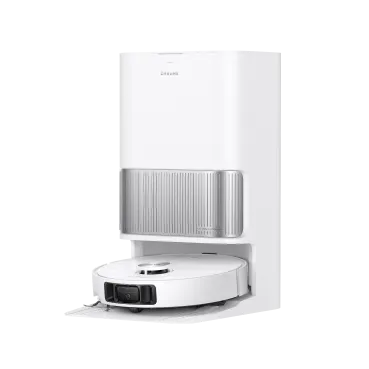
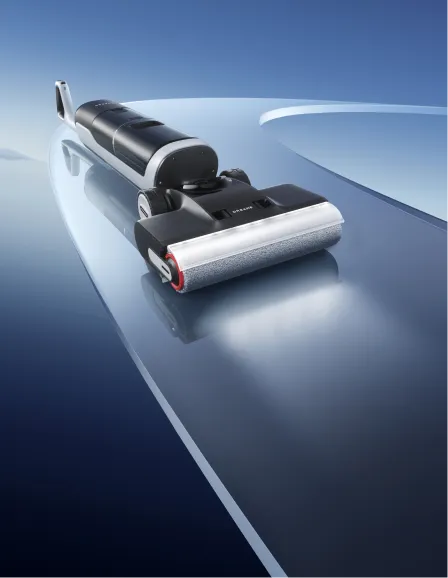
Linoleum flooring is making a comeback, and for good reason. It’s budget-friendly, eco-friendly, and surprisingly durable. But how do you keep it looking clean and fresh? That takes the right approach. Learning how to clean linoleum floors the right way can protect their finish, extend their lifespan, and help them shine like they were just installed. In this guide, we’ll walk you through the tools, tricks, and routines that make it easy to keep your floors spotless, even if you’re dealing with stubborn stains or ground-in dirt. What Is Linoleum Flooring? Linoleum is a natural floor covering made from renewable materials like linseed oil, cork dust, and wood flour. Unlike vinyl, which is synthetic, linoleum is biodegradable and hypoallergenic. It comes in a range of styles, from muted neutrals to bold patterns, and is commonly found in kitchens, bathrooms, and hallways. There are two common types: Sheet linoleum: Seamless and moisture-resistant Tile linoleum: Easier to install and replace Because of its porous, organic makeup, linoleum needs gentle care. Using the wrong cleaner or too much water can warp or damage the surface over time. That’s why choosing the right method and the right tools matters. What to Clean Linoleum Floors With Before diving into cleaning methods, let’s talk tools. Different cleaning tasks call for different tools. Here's a quick breakdown: Cleaning Task Best Tools Dreame Recommendation Daily dust/hair removal Soft broom, microfiber mop, robot vacuum Dreame L10s Ultra: Hands-free robot vacuum and mop combo with precision mapping and automatic dirt disposal. Perfect for daily maintenance. Weekly mopping Damp microfiber mop, gentle floor cleaner Dreame H14 Pro: Lightweight wet and dry vacuum that scrubs, vacuums, and dries in one go, without leaving streaks. Deep cleaning Soft-bristle scrub brush, mild pH-neutral floor cleaner, baking soda for spot treatment Dreame H14 Pro: Its powerful suction and intelligent water control make it ideal for tackling built-up grime or greasy residue. How to Deep Clean Linoleum Floors Over time, linoleum can trap ground-in dirt, develop yellow stains, or collect greasy buildup. Here’s how to deep clean linoleum floors effectively: Step 1: Clear the Area Remove rugs and furniture so you have a clean workspace. Step 2: Vacuum or Sweep Thoroughly Start by clearing away loose dirt, dust, and crumbs. If you're short on time, set your robot vacuum, like the Dreame L20 Ultra, to do the work while you focus on other tasks. If you need a quick and efficient cleanup, consider a wet and dry vacuum or a cordless stick model. These options offer precise spot cleaning and strong suction where it matters most. Step 3: Apply a Cleaning Solution Mix warm water with a bit of mild dish soap. Avoid vinegar, especially on older linoleum. Mop the floor lightly, avoiding puddles. The surface should stay just damp and not wet. Pro-tip The Dreame H14 Pro intelligently adjusts water usage and suction power based on the floor’s dirt level, so you get a deep clean without overwetting. This is perfect for moisture-sensitive linoleum floors. Step 4: Scrub Problem Spots For yellowing or grease buildup, apply a baking soda paste and scrub gently with a soft brush. Or use a wet and dry vacuum cleaner with strong suction and a rotating brush to lift stubborn grime. Step 5: Rinse and Dry Use a dry microfiber cloth or a wet and dry vacuum to prevent water damage. Make sure no dirty water is left behind. Regular Cleaning Routine (Easy Way to Clean Linoleum Floors) The best way to keep linoleum looking fresh? Follow this simple routine: Daily: Sweep or use a robot vacuum like the Dreame L10s Ultra to remove dust, crumbs, and pet hair. The vacuum’s built-in camera avoids cords, furniture, and rugs, so you don’t have to babysit it. Weekly: Lightly mop with a gentle cleaner or use the H14 Pro, which automatically senses dirt and adjusts suction and water flow to match. It’s perfect for fast refreshes that don’t soak your floors. Monthly: Deep clean with wet dry vacuum or supplement with the Dreame Z30 Cordless Stick Vacuum for edge-to-edge dust pickup before mopping. Its high suction power and precision cleaning attachments are ideal for getting into corners and around furniture. Dreame Take Consistency is key. Combining robot vacuuming with occasional manual mopping keeps linoleum looking spotless without wearing yourself out. How to Clean Stains and Sticky Linoleum Floors Life happens—grease spills, scuff marks, sticky juice spots, and even mold can show up. Here’s how to handle them: Grease Sprinkle baking soda over the greasy area, then mop with warm soapy water. Or let the H14 Pro take care of it. Its edge-cleaning design gets right up against cabinets and baseboards, gently lifting grease with automatic suction adjustments. Mold Use a linoleum-safe antimicrobial cleaner or a diluted 3% hydrogen peroxide solution to treat mold stains. Spray, let sit for 10 minutes, then gently scrub and wipe clean. Follow up with the H12 Dual in Auto Mode. Its robust brush head and suction power pick up spores and rinse residue clean. Scuff Marks Gently rub marks with a melamine sponge. For embedded dust, grab the Dreame Z30 Cordless Stick Vacuum. Its powerful suction and smart adaptive mode make quick work of dirt in corners or around furniture legs. Sticky Spots Spray with a linoleum-safe floor cleaner and let soak for 5–10 minutes. Then use the a wet and dry vacuum to scrub and vacuum simultaneously. If you use Dreame models like H14 Pro, their intelligent mess detection adjusts power precisely, and the dual water tanks keep dirty and clean water separate. For more information on tackling difficult areas, check out the article on “Tricky Spots for Vacuuming.” Dreame Take From sticky spots to tough stains, the H14 Pro combines strong suction, rotating brushes, and drying in one smooth pass, leaving your linoleum clean, dry, and residue-free. What Is the Best Way to Clean Linoleum Floors? The best way to clean linoleum floors combines the right tools and techniques. Here’s a quick summary of what works best: Use a robot vacuum daily to reduce dust buildup (L10s Ultra or L20 Ultra). Mop lightly with a gentle cleaner. Tackle stains with non-abrasive tools. Avoid bleach, harsh scrubbers, or soaking the floor. Important The Dreame wet and dry vacuum feature dual water tanks, so you’re never pushing dirty water around. Maintenance Tips for Longevity Place doormats at entrances to reduce dirt. Use furniture pads to avoid scratching the surface. Clean spills immediately to prevent staining. Avoid direct sunlight to prevent fading (use curtains or blinds). Reseal older linoleum every 1–2 years for extra protection. What to Avoid When Cleaning Linoleum Floors 🚫 Harsh chemicals like bleach or ammonia because they strip the finish. 🚫 Too much water, especially on old or unsealed linoleum; it seeps into seams and warps floors. 🚫 Steam mops: the heat can loosen adhesives over time. 🚫 Abrasive scrubbing tools (steel wool and stiff brushes) because they can scratch or strip the finish. Dreame Take Stick with smart tools like Dreame’s wet and dry vacuums, which use just the right amount of moisture and adjust based on floor condition. This helps prevent water damage while keeping floors spotless. FAQs Q: Can I use vinegar to clean linoleum? A: Avoid it. Vinegar’s acidity can dull the finish over time. Q: What’s the best mop for linoleum floors? A: A microfiber mop, spray mop, or wet and dry vacuum is ideal. Learn more on “How Wet and Dry Vacuums Transform Multi-Surface Cleaning at Home.” Q: How do I restore shine to old linoleum? A: Buff with a floor polish designed for linoleum. Q: Can robot vacuums handle linoleum transitions? A: Yes! Even the beginner models like Dreame’s D9 Max Gen 2 climb 0.8in (20mm) thresholds with ease. Q: What should I do if my linoleum starts curling? A: Dry the area thoroughly (try the wet and dry vacuum in Dry Mode), press small curls flat with adhesive, and consult a pro for major warping. Final Thoughts Learning how to clean linoleum floors isn’t rocket science, but doing it right makes all the difference. With a little daily care and the right cleaning tools, your floors can stay spotless and stunning year-round. Stick to gentle cleaners, avoid excess water, and consider smart tools like Dreame’s robot vacuums and mops for effortless maintenance. Your floors deserve it, and so do you! Master the Art of Floor Care How to clean hardwood floors How to clean wood floors How to Clean and Mop Tile Floors How to Clean Laminate Floors How to Clean Marble Floors How to Clean Grout on Tile Floor Choosing Floor Cleaning Solution
Continue reading
Mattress Vacuum vs. Traditional Vacuum: How to Clean Your Mattresses Better

Mattress Vacuum vs. Traditional Vacuum: How to Clean Your Mattresses Better

Editorial TeamDreame |
Sheets look fresh, but deep down, mattresses can hide dust mites, allergens, bacteria, and things you can't see. Cleaning your mattress the right way can make a big difference in how you sleep and how you feel. Let's look at what really works. What is a Mattress Vacuum and How Does it Work? A mattress vacuum is a cleaning tool designed to remove fine dust, dust mites, pet allergens, and other particles that settle deep inside a mattress. Unlike regular vacuums, it is built for soft surfaces and can gently lift debris from fabric without damaging the material. Many use strong suction combined with a flat head to press into the mattress and pull out what lies below the surface. Some models go further by adding UV light to help reduce germs or heated air to dry out moisture. Others use vibration to shake loose hidden dirt or include filters that trap tiny particles as small as 0.3 microns. Mattress vacuums are usually small, lightweight, and shaped for easy handling, so they're well-suited for cleaning beds, pillows, and other upholstered areas that collect allergens. Benefits of Regular Mattress Vacuuming Your mattress could be one of the dustiest places in your home. A study by medical researchers from Taiwan and New Zealand found that vacuuming your mattress daily can dramatically reduce this hidden buildup. Here's what the science says: Dust mite allergens reduced by 85.1% The study measured two key allergens, Der p 1 and Der f 1, commonly produced by house dust mites. After 8 weeks of daily vacuuming, their total amount dropped by 85.1%. These allergens are strongly linked to asthma, sneezing, and nighttime coughing, especially for sensitive individuals. Endotoxin levels lowered by 71.0% Endotoxins come from bacteria and can irritate your lungs even if you're not allergic. In the study, the total amount of endotoxin in mattress dust decreased by 71.0%, helping reduce exposure to harmful microbial fragments that may worsen respiratory symptoms. Mold dust (β-Glucan) decreased by 75.7% Mold fragments like β-glucan are often trapped in bedding and linked to breathing issues. The researchers found that daily vacuuming reduced total β-glucan levels in mattress dust by 75.7%, a major win for anyone with mold sensitivity or who lives in humid areas. Total dust weight removed: 77.7% Vacuuming didn't just reduce the bad stuff; it significantly lowered the actual amount of dust in the mattress. After 8 weeks, the total dust weight collected dropped by 77.7%. Less dust means fewer allergens, fewer irritants, and a cleaner sleeping environment overall. Easy, affordable, and highly effective Instead of relying only on expensive mattress covers, this study shows that just 2 minutes of daily vacuuming with a standard household vacuum cleaner can deliver meaningful health benefits without major cost or effort. Pet allergens are likely reduced as well Although the study didn't measure cat and dog allergens, previous research (cited by the authors) shows that regular mattress vacuuming also lowers levels of Fel d 1 (from cats) and Can f 1 (from dogs). Given the sharp reduction in total dust, it's likely these allergens will drop as well. One related study found that allergen levels returned to pre-cleaning levels just 6 weeks after stopping daily vacuuming. That means long-term benefits require long-term habits, but the payoff is a healthier, cleaner bed. How Mattress Vacuums Compare to Traditional Vacuums While mattress vacuums are specially designed to tackle deep allergens, dust mites, and bacteria, many traditional vacuums can still offer effective cleaning. Cleaning Power and Effectiveness Traditional Vacuums: Provide strong suction, typically ranging from 10,000 Pa to 18,000 Pa, which is enough for cleaning the mattress surface and picking up dust, hair, and dirt. Some premium models can exceed 20,000 Pa suction power, more efficient for deeper cleaning and better at lifting debris from deep inside the mattress fabric. Many high-end models feature smart suction adjustment based on the level of dirt, optimizing cleaning efficiency. They are capable of picking up dust, allergens, pet hair, and debris across various surfaces, including mattresses. Mattress Vacuums: Designed with features like UV-C light and vibration technology, mattress vacuums help to kill bacteria and remove deep-seated allergens that traditional vacuums may miss. Specializing in targeting dust mites and allergens that can accumulate in mattress layers, making them a great choice for those with allergies or respiratory concerns. Specialized Features and Attachments Traditional Vacuums: Include motorized brushes that help lift and remove dirt, dust, and hair from mattress surfaces. Equipped with HEPA filters, these vacuums capture very fine dust particles and allergens, improving air quality and reducing exposure to allergens. Some models are designed with advanced brush mechanisms that effectively clean along edges and corners, providing a more thorough clean of the mattress surface. Mattress Vacuums: Mattress vacuums are typically equipped with motorized fabric brushes, vibrating pads, and UV-C sterilizers, providing a deeper clean on fabric surfaces. While high-end traditional vacuums can clean the mattress surface, mattress vacuums are designed to clean seams and deep layers more effectively with specialized attachments and tools. Ease of Use and Handling Traditional Vacuums: These vacuums are generally lightweight, weighing between 3 lbs to 8 lbs, making them easy to handle and maneuver across mattress surfaces. Cordless models offer greater flexibility, allowing you to move freely and clean the entire mattress without restrictions. Some models are low-profile, enabling them to clean under beds and furniture where dust and allergens often accumulate. Mattress Vacuums: Mattress vacuums are compact and designed for one-handed use, making them easy to carry and store. They often feature a slim design that fits perfectly on soft surfaces like mattresses, allowing for precise cleaning without overcomplicating the task. At-a-Glance Comparison of Mattress Vacuums vs. Traditional Vacuums Feature Mattress Vacuums Traditional Vacuums Cleaning Power Designed for deep cleaning of allergens, dust mites, and bacteria using UV-C light and vibration technology Strong suction (10,000 Pa to 18,000 Pa), some premium models exceed 20,000 Pa for deeper cleaning Specialized Features UV-C light, vibration technology, motorized fabric brushes, HEPA filters, sterilizers Motorized brushes, HEPA filters, basic upholstery tools Deep Cleaning Targets dust mites, allergens, and bacteria deep inside the mattress fabric Effective at cleaning the surface of the mattress, but may miss deep allergens Ease of Use Compact, lightweight, and easy to use with one hand Lightweight (3-8 lbs), cordless models for greater flexibility, low-profile designs for cleaning under beds Attachments Motorized fabric brushes, vibrating pads, and UV-C sterilizers Basic upholstery tools, advanced brush mechanisms for edges and corners Suitability for Mattress Designed specifically for mattress cleaning with special tools Can clean mattress surfaces, but is less effective on deep layers and seams Can a Cordless Stick Vacuum Clean a Mattress Well? Yes - for surface-level cleaning. But it cannot clean deeply or remove allergens effectively. These vacuums are designed mainly for floors and large open areas. When used on a mattress, they can remove pet hair, loose dust, and crumbs from the top layer. If you attach an upholstery tool, you may improve pickup. They're lightweight, easy to handle, and useful for quick cleanups. However, a cordless stick vacuum usually cannot reach the deeper layers of a mattress where dust mites, mite waste, fungal particles, and bacteria often settle. It lacks features like UV sterilization and vibrating brushes that are found in many mattress-specific vacuums. Without these, the allergens stay trapped in the fabric. The suction may also be weaker compared to devices made for soft surfaces. In short, the cordless stick vacuum, like the Dreame Z30, is effective for mattress surface cleaning, handling dust, hair, and light debris with its 14000 Pa (310AW) suction and multi-surface brush. However, it may struggle with deep cleaning and allergen removal in the fabric. For thorough cleaning, especially for deep allergens and bacteria, a mattress vacuum with specialized features, such as UV-C light or vibration technology, would be more effective. Choosing the Right Vacuum Cleaner for Your Mattress To choose the right vacuum for your mattress, prioritize features that target allergens and moisture. Here's what to consider: Strong suction power. Look for vacuums with suction between 13,000 and 16,000 Pa. This range is strong enough to pull dust, skin flakes, and mites from deep inside the fabric. HEPA filter system. A true HEPA filter can trap over 99.9% of fine dust and allergens as small as 0.3 microns. This helps stop particles from going back into the air. UV-C light feature. Some vacuums shine UV-C light on the mattress to help kill bacteria and mites. This is helpful for people with allergies or skin sensitivity. High-frequency vibration. A vacuum with a vibrating base shakes the mattress surface. This helps lift dirt and mite waste that sticks to fabric. Heat function for drying. Warm air around 130 to 140°F (54 to 60°C) can reduce moisture and lower the chance of mold or bacteria growing after cleaning. Lightweight body. Choose a vacuum that weighs less than 4 pounds if possible. Lighter models are easier to lift and move across a bed. Easy to clean parts. A vacuum with washable filters and a quick-release dust bin saves time and keeps your tool in good condition. Long battery life. A strong battery lets you finish cleaning in one go. Try to find one that supports at least 10 to 15 minutes of run time per mattress. Are Mattress Vacuums Worth It? Yes, for most households, a mattress vacuum is worth it. It offers better results than general vacuum tools when it comes to cleaning beds. Regular vacuuming with the right tool helps reduce allergy risks. One study showed that daily mattress vacuuming reduced total dust mite allergens by 85.1% over 8 weeks. Unlike general vacuums, mattress vacuums focus on surfaces that collect skin flakes, moisture, and mites. They come with features designed just for mattresses, like UV light, vibration, and strong filters. For people with asthma, allergies, or sensitive skin, this can improve sleep and reduce irritation. Families with pets, small children, or humid bedrooms may also find it useful to have a vacuum meant for soft surfaces. Final Takeaway: Clean Deeper, Sleep Better A clean mattress goes beyond appearances - it's about health. In short, if clean air and a healthier sleep space matter to you, a mattress vacuum is a good investment.
Continue reading
Why Your Robot Vacuum's Map Moved, Warped, or Broke - And What You Can Do About It

Why Your Robot Vacuum's Map Moved, Warped, or Broke - And What You Can D...

Editorial TeamDreame |
It’s extremely rare, but every now and then, you might notice your robot vacuum suddenly misreading, warping, or even completely breaking its carefully mapped layout of your home. Why does this happen, and what can you do? Source: smarthomeassistent.de Common Causes and Fixes for Robot Vacuum Map Issues Here’s a breakdown of the most common reasons your carefully created mapping might go haywire, plus the solutions that can help reset things. 1. The Charging Dock Was Placed Incorrectly What’s happening: One of the most overlooked causes is improper dock placement. If the dock is squeezed into a narrow niche or sits at an angle, the robot may misinterpret surrounding objects and walls from the very beginning, which can lead to a slanted or distorted map. Placing the dock in the middle of a room or against a slanted wall can also create issues. What to do: Always position the dock flush against a straight wall, with at least 20 inches (50 cm) of clearance on either side and 40 inches (1 m) in front. The robot vacuum needs some room to dock and undock reliably. 2. The Sensors Are Dirty What’s happening: Over time, fine dust can settle into the robot’s sensors, affecting navigation. A confused vacuum cleaner tech can easily throw off your map. What to do: Clean your robot vacuum regularly, especially in homes with pets or heavy dust. Wipe down all sensors and clear away any buildup. In high-traffic homes, you may need to clean every 3-5 days. 3. The Robot Vacuum Got Stuck During Cleaning What’s happening: If the vacuum gets trapped on thick rugs, under curtains, or on thresholds, it may struggle to free itself. In the process, it could distort the map or shift its internal location tracking. What to do: Observe the cleaning process, especially during the first few runs. Use ramps for high thresholds, trim low-hanging fabrics, or consider raising your sofa with taller legs if it constantly snags the vacuum. 4. It’s Confused by Floor-to-Ceiling Mirrors or Windows What’s happening: Floor-length mirrors and large reflective windows can confuse the robot’s LiDAR system. The laser thinks there's another room beyond the glass and maps it as such. What to do: Apply a frosted film or decorative vinyl to the bottom part of the mirror or window to block the beam. These films are available in subtle, stylish designs and help prevent mapping errors. 5. Shiny or Chrome Surfaces Are Deflecting the Laser What’s happening: Shiny objects like chrome laundry baskets or reflective furniture legs can bounce the robot’s laser signal, preventing it from recognizing the space accurately. What to do: Temporarily remove reflective items during the mapping process, or cover furniture legs with matte tape if needed. 6. The Robot Was Lifted Mid-Clean What’s happening: Lifting the robot while it’s actively cleaning can interrupt its route and confuse its internal navigation, causing a warped or overlapping map. What to do: Never lift your robotic vacuum during cleaning. If you need to move it, pause or power it off first to avoid scrambling the map. Final Tips If your robot vacuum's map still seems off, try deleting the current map and letting it remap your home from scratch. Always make sure your home is robot-friendly: clear of clutter, reflective surfaces, and random obstacles. If you have any questions about Dreame robot vacuum cleaners or their mapping features, please reach out to our support team. 
Continue reading
Dust Vacuum Guide: Choose the Right Dust-Busting Machine for Your Home

Dust Vacuum Guide: Choose the Right Dust-Busting Machine for Your Home

Editorial TeamDreame |
Dust is relentless; it gets everywhere, from the top of the kitchen extractor fan down to the crevices of your salon chairs. Dust is the enemy of a clean house, but also the enemy of good health and those with dust allergies. These tiny particles refuse to be swept up or even wiped up, so how can you make sure you really target and cleanse every dust-laden surface? This guide breaks down the types of dust-busting machines available on the market today and details what you should look out for in order to choose the right one for your lifestyle, home, and budget. Let’s dive into the dust! Why Dust Control Matters Before starting the dust-busting journey, let’s first figure out why removing it is important. Three key reasons to remove dust from your living spaces are: Health benefits: Dust is made up of a variety of materials, including skin particles from both humans and animals, pollen, and mold spores (dust can also carry living dust mites!), and all these components can trigger or aggravate allergies and asthma. Removing dust from your home will allow you to maintain a healthier environment for yourself, your family, and your visitors. Cleaner living space: Nobody likes a dirty home, and nobody likes visiting a dirty home either. Choosing the right dusting machine will make keeping a clean house simple and quick, turning a tedious household chore into a doddle. Prolonged life for household appliances: This is a benefit to dusting that many people miss. Dust particles clog up air filters and extractor fans, and get into many other household appliances too, meaning you’ll need to replace them sooner if you don’t dust well. What Is a Dust Vacuum? Dusters have come a long way since being feathers on a stick. Today’s dusting devices come with a range of functions and powers, and one such option is the dust vacuum - a vacuum cleaner with the right attachments for sucking up dust anywhere. Merriam Webster defines a vacuum cleaner as a household appliance for cleaning floors, carpets, and upholstery but this electrically powered cleaning device can be used for even more surfaces when paired with the right accessories. Is There a Vacuum You Can Dust Surfaces with? Traditional vacuums are large and free-standing and are a great option for removing dust, especially from floors and carpets. However, modern vacuums, such as handheld vacuums and stick vacuums also come in smaller sizes and with attachments to enable dusting in crevices, hard-to-get-to surfaces, and on surface tops. The best vacuum option for dusting surfaces is the multi-surface or “Dusting-Mode” vacuum, which offers settings for many surface types, including curtains, shelves, and sideboards. Dust Busting Machines vs. Vacuum Cleaners Dust-busting machines are not better than vacuums but are instead compliments to them. For example, vacuuming an area can rid the surfaces of dust, but only an air purifier will remove the dust from the air to create a truly dust-free environment. So, let’s look at both: Types of Dust-Busting Machines Air Purifiers These autonomous machines can remove some of the dust before it settles, tackling airborne allergens and particles. Additionally, it can create wonders for those suffering from allergies. Steam Cleaners A similar shape to upright vacuums, steam cleaners are excellent for killing dust mites, removing stubborn grime, and sanitizing floors and upholstery with hot steam. Dry Dust Mops and Rechargeable Electric Dusters These more economical choices can be effective dust-busters for daily maintenance or light cleaning. Type Best For Filter Type Portability Surface Compatibility Dust Capacity Power Source Key Features Air Purifier Airborne dust, allergens, pet dander True HEPA, Carbon, UV High (stationary, but lightweight) Air only Removes a small amount from air only Plug-in Reduces airborne dust; improves indoor air quality Steam Cleaner Sanitizing surfaces, sticky or stuck-on dirt No filter (uses heat & water) Medium Tile, hardwood, sealed floors, fabric Small water tank Plug-in Kills bacteria with heat, not for dry dust Dry Dust Mop / Electric Duster Light surface dust, daily maintenance None or microfiber pad Very high Wood, tile, laminate Small (if any) Manual or rechargeable battery Quiet, lightweight, reusable pads, no suction Types of Vacuum Cleaners Good for Dusting Handheld Vacuums Handheld vacuums are lightweight and portable, making them ideal for targeting smaller or high-up areas. They are ideal for vacuuming car interiors, furniture, or awkward areas in the home. Fine Dust Vacuums Fine dust vacuums are effective for targeting areas with a high concentration of fine dust particles, such as construction dust, drywall dust, sawdust, dust mites, or pollen and other allergens. However, they often have a short battery life and can be expensive. Industrial Dust Vacuums Industrial dust vacuums are built for work and are used in construction sites and large industrial and commercial zones that require continuous and heavy vacuuming. They are robust and have powerful suction, with wet and dry suction options. Multi-surface or “Dusting-Mode” Vacuums Dusting-mode vacuums are great for surface tops, curtains, shelves, and carpets. They offer a range of settings to adjust the suction and power for each surface type. Type Best For Filter Type Portability Surface Compatibility Dust Capacity Power Source Key Features Fine Dust Vacuum Fine particles (e.g., drywall, allergens) HEPA or multi-stage Medium (varies by size) Hard floors, carpets, workshops Medium to large Corded Captures microscopic dust; ideal for allergies or renovations Industrial Vacuum Construction, hazardous, or large-volume dust HEPA / OSHA / ULPA Low (bulky) All surfaces (indoors/outdoors) Very large Corded (sometimes battery-assist) Durable, powerful suction, designed for heavy-duty work Handheld Vacuum Cars, upholstery, spot cleaning Washable/basic Very high Furniture, stairs, vehicles Small Battery Compact, great for tight spaces and quick jobs Multi-surface / Dusting-mode Vacuum Mixed floor types, shelves, delicate surfaces HEPA or soft filter + attachments Medium to high Wood, tile, carpet, upholstery Medium Corded or cordless Adjustable suction, soft dusting brushes, floor-mode switches   Three Benefits of Dusting with a Vacuum Health benefits: Dust is made up of a variety of materials, including skin particles from both humans and animals, pollen, and mold spores (dust can also carry living dust mites!), and all these dust components can trigger or aggravate allergies and asthma. Removing dust from your home will allow you to maintain a healthier environment for yourself, your family, and your visitors. Cleaner living space: Nobody likes a dirty home, and nobody likes visiting a dirty home either. Choosing the right dusting machine will make keeping a clean house simple and quick, turning a tedious household chore into a doddle. Prolonged life for household appliances: This is a benefit to dusting that many people miss. Dust particles clog up air filters and extractor fans, and get into many other household appliances too, meaning you’ll need to replace them sooner if you don’t dust well. Can You Dust with Robot Vacuums? Now that you know the benefits of dusting, you should know that it can be done without much input from you — robot vacuums can dust automatically. Robot Vacuums Best for: Automated scheduling and autonomous vacuuming for daily dust management. Pros: Programmable, hands-free dust removal that is ideal for daily maintenance, pet dander, and hair. In addition, it works when you’re not at home. Cons: Can miss spots, and is not the best fit for surfaces other than floors.  Matching the Machine to Your Home As we’ve seen, matching the right dust-busting machine to your home depends on a variety of factors, including surface area type, size, and flooring. To make it simpler, here is a quick guide based on different homes:  1. Small Apartments A stick vacuum plus a compact air purifier will target the air and your surfaces without taking up that much-needed space. These are also perfect for quick and easy daily use. 2. Large Homes With a larger area comes a need for increased battery life, better versatility, and suction power for deep cleaning. For larger homes, choose an upright or canister vacuum combined with a whole-home air purifier. 3. Homes with Pets Pets mean hair and more skin cells, as well as the occasional bug or beast they bring in with them. To kill allergens and ensure a healthy and clean home, you’ll need a high-suction vacuum with pet hair attachments, plus a HEPA air purifier. 4. For People with Allergens To better protect those who suffer from dust allergies or animal allergies in cases where there are pets in the home, choose the options with the deepest cleaning abilities. This means choosing a high-suction vacuum, HEPA air purifier, and a steam cleaner. 5. For Busy Professionals It’s common these days to not have the time to clean, so if you need a dust-busting machine that will take care of this chore for you in an effective way, choose a robot vacuum cleaner plus an air purifier equipped with auto sensors. Features that Matter Before closing the topic of which duster, vacuum, or air purifier you need, let’s recap some of the key features to consider when narrowing down your choice for the best vacuum cleaner for you. Multi-Surface Cleaning Functionality An important option for both vacuums and steam cleaners when considering dust control at home is adjustable settings for different surface types, such as tiles, wooden floors, stone floors, and carpets. Suction Power Consider your suction needs to choose appropriate dust removal tools; for example, you’ll need more suction for surfaces such as carpets or upholstery. You can check suction power by checking the air watts (AW) or wattage, with a higher number usually indicating higher power (and energy usage). Noise Level Some vacuums can be incredibly noisy, so consider your household, especially children and pets, before choosing. Look for decibel ratings below 70 dB for a comfortable volume. Smart Connectivity In today’s technological world, you can choose a vacuum, steam cleaner, or air purifier for dust that connects to WIFI or mobile apps for scheduling and control, or that responds to voice commands. You just need to choose what works for you. Bagged vs. Bagless Vacuums come with bagged, where all the dust is sucked into a bag ready for disposal, or bagless options, where the dust is sucked straight into the vacuum and then emptied. Bagged options are considered allergy-friendly vacuums since the dust is contained, but they are also less eco-friendly and less economical, as they require the frequent purchase of replacement bags. Bagless options mean there is a higher chance of putting dust particles in the air when you empty the vacuum cleaner, but they are economical and eco-friendly, and work just as well. HEPA Filtration For air purifiers, you really can’t go wrong with HEPA filters. They capture microscopic particles and are non-negotiable for those who suffer from allergens or have pets. Eco Responsibility Consider energy-efficient and rechargeable vacuums that offer bagless vacuuming or reusable filters to protect the planet. If buying a steam cleaner, be sure to select one that does not use chemicals. Our Top Picks for Dusting and Vacuuming All-reach choices: Dreame Z30 Cordless Stick Vacuum, with auto adjustment functionality based on dirt detection. Dreame Z20 Cordless Stick Vacuum, with powerful 250AW suction. Dreame R10 Pure Cordless Stick Vacuum, lightweight and with 99.9% filtration efficiency. Dreame H14 Wet Dry Vacuum, with a liquid separation motor to safely vacuum up any spill. Robot Vacuum picks: Dreame X50 Ultra Robot Vacuum, with the world's first robotic retractable legs on a robot vacuum, allowing it to silently glide over obstacles. Dreame L40 Ultra Robot Vacuum, offering hot water mop washing and warm air drying for spotless value and effortless reach. Dreame D10 Plus Gen 2 Robot Vacuum for 90-day dust collection with one bag. Maintenance Tips for Longevity Now that you’ve selected your dust-busting machine, look after it! Here are some of the top vacuum maintenance tips to remember: Empty dust bags regularly Clean or replace filters regularly Check for clogging in hoses and brushes Store properly in a dry place away from moisture and heat Recharge batteries fully if you’ve chosen a cordless model Final Thoughts You deserve a dust-busting machine that matches your home and lifestyle, whether that be a vacuum with high suction power, an air purifier with the best dust filters, a robot vacuum that does the job for you, or a steam cleaner that sanitizes all surface types. So, now that you’re armed with all the right information, choose the right dust-busting machine for you.
Continue reading