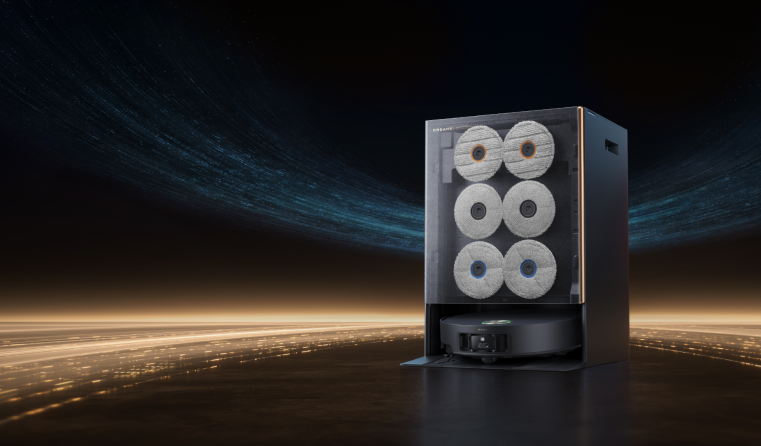
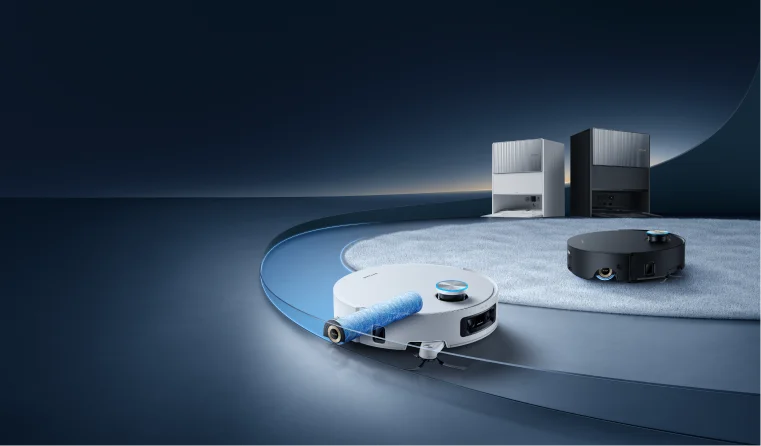
Dreame H15 Pro vs H15 Pro CarpetFlex: Which Wet & Dry Vacuum Should You Buy?

Dreame H15 Pro vs H15 Pro CarpetFlex: Which Wet & Dry Vacuum Should You ...

Editorial TeamDreame |
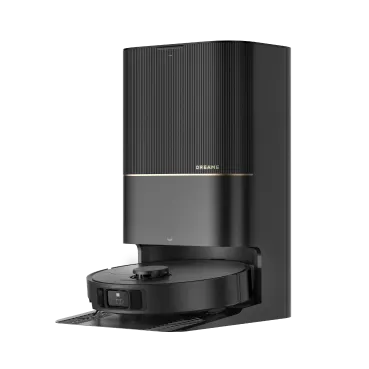
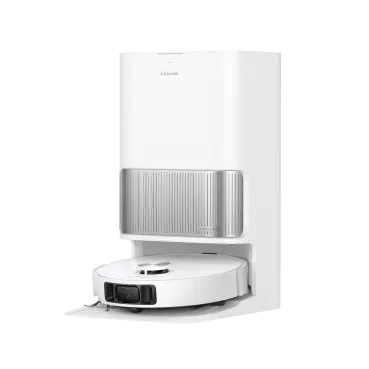
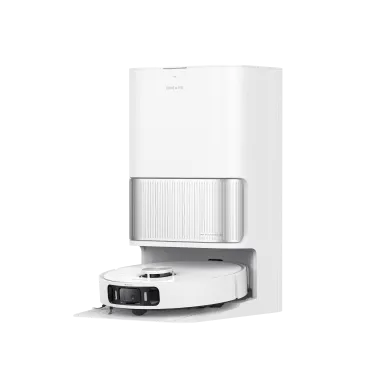
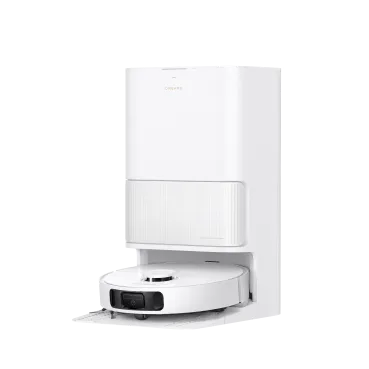
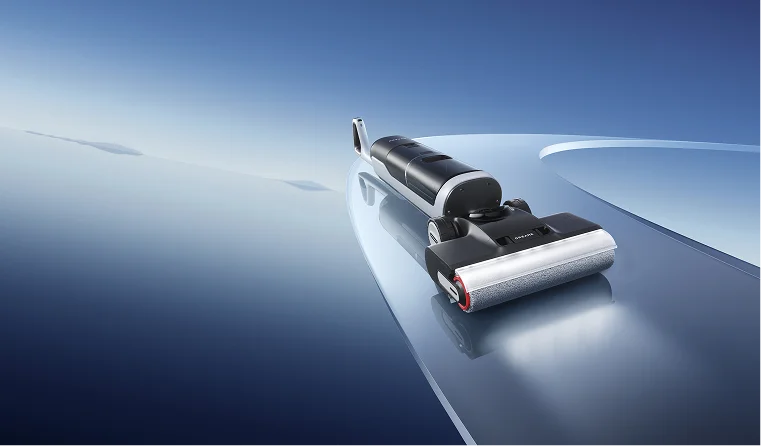
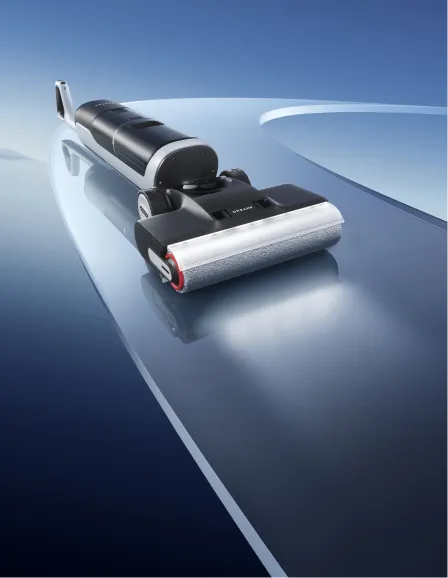
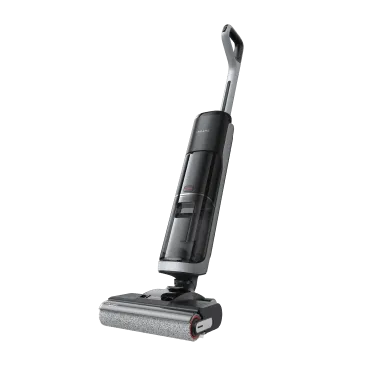
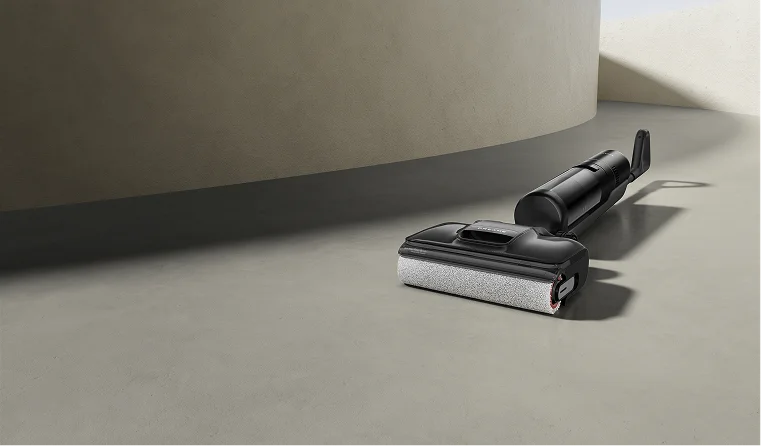
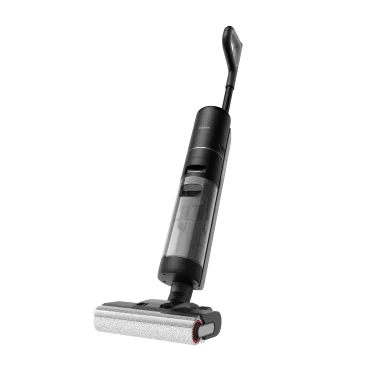
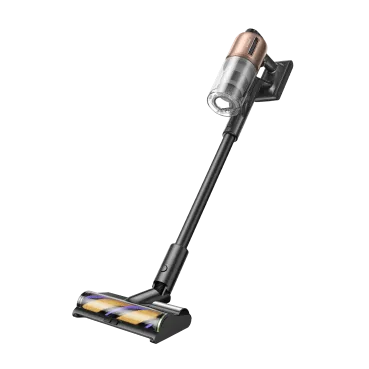
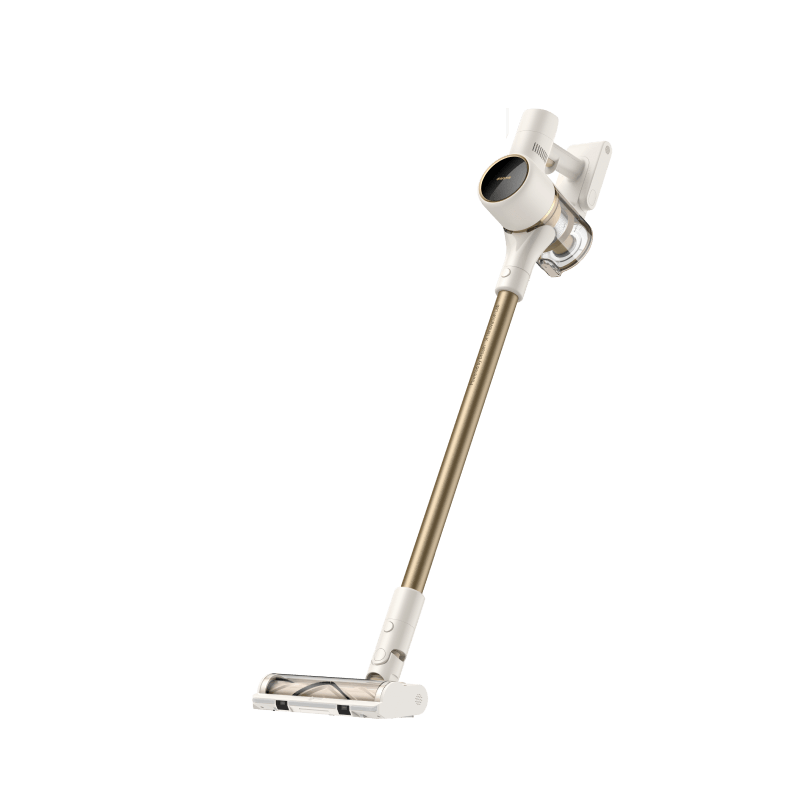
Choosing between H15 Pro (formerly H15 Pro Heat) and H15 Pro CarpetFlex comes down to your floors, your messes, and how hands-off you want cleanup to be. The H15 Pro was renamed H15 Pro in fall 2026, with its core cleaning features remaining unchanged. This quick guide frames the differences in plain English so you can pick with confidence. Quick Answer (TL;DR) Pick H15 Pro if your home is mostly hard floors and you want the fastest deep clean with real hot‑water floor washing, gap‑free edge cleaning, and the most automated self‑clean/dry routine. It’s a “showpiece” hard‑floor washer with advanced edge tech and app‑assisted under‑furniture navigation. Pick H15 Pro CarpetFlex if you live with both hard floors and rugs and want one device to handle wet hard‑floor messes and dry vacuuming on carpets (thanks to a dedicated Carpet Brush) plus MistLock dust suppression for allergy‑friendly cleanup. It’s the do‑everything choice for mixed flooring. Specs at a Glance If you only have a minute, this table shows the big levers: runtime, brush systems, edge tech, and cleaning temps. So you can match the model to your home. All performance figures are from Dreame in‑house/third‑party labs; actual results vary by home and usage. Feature H15 Pro H15 Pro CarpetFlex Floor types Hard floors focus Hard floors (wet/dry) + carpets (dry) Suction (rated) 22,000 Pa 23,000 Pa Runtime (max) Up to 72 min Up to 60 min Standout cleaning tech 85°C (185°F) hot‑water floor washing (approx. 55 °C / 131°F at floor) GapFree™ AI robotic arm for triple‑edge cleaning Dual Brush System (Hard Floor + Carpet)MistLock dust suppression Self‑cleaning ThermoTub™ 100°C (212°F) immersive brush wash; AI‑tuned cycles Up to 100°C (212°F) self‑clean (Hard Floor Brush hot‑wash / Carpet Brush cold‑wash) Drying 5 min at 90°C (194°F) super‑speed or 30 min 85°C (185°F) sealed drying; AI re‑dry Up to 90°C (194°F) full‑path hot‑air drying;~5 min quick‑dry (Hard Floor Brush) / ~20 min deep‑dry (Carpet Brush) Edge cleaning Yes Yes Under‑furniture 180° lie‑flat 180° lie‑flat Tanks 880 mL clean / 650 mL used (0.23 gal / 0.17 gal) 780 mL clean / 700 mL used (0.20 gal / 0.18 gal) Hair management TangleCut™ resilient scraper, validated tangle‑free in lab tests TangleCut™ 2.0 (15% denser comb teeth) Sensors/UI RGB dirt detection; Dreamehome app; GlideWheel™ power assist RGB dirt detection; LED + voice prompts; GlideWheel 2.0 assist Cleaning Performance Let's look at how each vacuum behaves with everyday debris, sticky spills, and those ‘why is this still here?’ spots. We focus on speed to clean, the residue left behind, and how finished your floors look after one pass. On Hard Floors (wet & dry) H15 Pro: If sticky spills and kitchen grease are your pain points, Heat is the standout. It rinses the roller with 85°C (185°F) hot water to wash floors at about 55°C (131°F), dissolving oily messes fast. Its GapFree™ AI robotic arm drops at the front to close the typical “dry strip,” enabling triple‑edge cleaning (front + both sides) and leaving nearly zero water stains in push‑pull passes under lab conditions. If you’ve ever chased wet lines along baseboards, this front‑edge tool is a real upgrade. H15 Pro CarpetFlex: CarpetFlex focuses on consistency and clean air. Its Hard Floor Brush continuously rinses at 480 RPM while suction removes dirty water immediately; MistLock lightly mists dust so it becomes damp waste instead of a cloud—handy for allergy‑sensitive homes. You don’t get Heat’s front robotic arm, so you’ll use slow parallel passes for edges, but everyday spills (juice, yogurt) and tracked‑in dirt are handled efficiently. Verdict for Hard Floors: Choose Heat for the fastest deep clean on sticky/greasy messes and the best front‑edge pickup; choose CarpetFlex if you value cleaner air during use/emptying and don’t need the robotic arm. On Carpets & Rugs (Dry Vacuuming) If rugs are part of your daily route, this section explains how both machines handle fibers, hair, and grit—and when a dedicated carpet brush truly makes a difference. H15 Pro: Optimized for hard floors. It brings strong suction (22,000 Pa) and hair‑cutting hardware, but it does not include a dedicated carpet brush. If rugs are occasional, Heat can spot‑vacuum; if rugs are routine, see CarpetFlex. H15 Pro CarpetFlex: Purpose‑built for mixed homes. You can swap to the Carpet Brush to lift grit from fibers, and the TangleCut™ 2.0 brush helps prevent wrap. With 23,000 Pa suction and a brush made for rugs, it’s the safer bet for regular carpet care. Verdict for Carpets: If you want one machine for hard floors and rugs, CarpetFlex is the clear pick. Hair & Pet Messes H15 Pro: 0 tangles across hair tests, minimizing hands‑on detangling. H15 Pro CarpetFlex: 15% denser comb teeth for better hair cutting—including dense pet fur. If you’re a multi‑pet household with rugs, the Carpet Brush + TangleCut 2.0 combo is very compelling. Edge Cleaning & Corners Edges are where most washers leave a dry strip. See how Heat’s robotic front arm compares with CarpetFlex’s careful, parallel edge passes. H15 Pro: The DescendReach robotic arm presses down on the pull‑back to wipe up residual water. In our tests, it showed near‑zero water stains compared with typical dual‑edge heads. If you care about baseboards and toe‑kicks looking bone‑dry right away, this is a meaningful difference. H15 Pro CarpetFlex: A strong standard head, but no robotic arm. Edges are best handled with controlled, parallel passes. Maneuverability & Under‑Furniture Reach A vacuum you have to wrestle with won’t get used. Here’s how they steer, lie flat under low furniture, and feel in the hand over long sessions. H15 Pro: GlideWheel™ power system does more than assist; it can lead the motion and even help the machine stand after shut‑off. Lay it flat at 180°, and, uniquely, you can drive it via the Dreamehome app to clean under low furniture (down to ~13 cm (5.1 in) body; 8.9 cm (3.5 in) head clearance). It’s a clever “hands‑off” trick for tight spaces. H15 Pro CarpetFlex: Also lies flat at 180°, and GlideWheel 2.0 keeps pushes/pulls light. There’s no app‑driving under furniture, but steering and day‑to‑day handling are much easier. Hygiene, Self‑Cleaning & Drying H15 Pro: Drying is sealed and hot, you can pick 5 min at 90°C (194°F) (quick) or ~30 min at 85°C (185°F) (default), and the system will auto re‑dry if humidity dampens the brush in standby. Heat can also electrolyze water to generate disinfectant during cleaning (lab‑validated effects on common microbes/viruses under test conditions). Drying noise is kept comfortable (lab‑rated ~63 dBA). This is the most “set‑and‑forget” maintenance package here. H15 Pro CarpetFlex: One‑button self‑clean with up to 100°C (212°F) hot‑wash (Hard Floor Brush) and full‑path hot‑air drying up to 90°C (194°F) for brush, pipes, and filter. Expect ~5 min quick‑dry for the Hard Floor Brush and ~20 min thorough dry for the Carpet Brush. Simple, fast, and quiet—keeps odors down and parts ready for the next session. Runtime, Tanks & Noise Runtime: Heat is rated up to 72 min; CarpetFlex up to 60 min (with ~3 h fast charging). In practice, heavy wet passes or Max mode reduce runtime on both models. Coverage & capacity: CarpetFlex notes up to ~300 m² (~3,229 ft²) on a charge in light/Auto use, with 780 mL / 700 mL (0.20 gal / 0.18 gal) tanks that reduce refills, while Heat features 880 mL / 650 mL (0.23 gal / 0.17 gal) water tanks Noise: Both moderate during cleaning; Heat’s sealed drying targets comfort levels during the post‑clean cycle. Which one should you buy? Choose H15 Pro if you: Have mostly hard floors and want the best finish along front edges/baseboards with near‑zero water streaks. Regularly face oil/grease and sticky messes and value hot‑water floor washing that breaks them down faster. Want the least maintenance fuss: immersive self‑wash, 5–30 min hot‑air drying, and smart re‑dry in humid climates. Love the idea of app‑assisted, lie‑flat cleaning under low furniture. Choose H15 Pro CarpetFlex if you: Live with hard floors + rugs and need one machine for wet hard‑floor cleaning and dry carpet vacuuming (dedicated Carpet Brush). Prefer cleaner air while you clean/empty—MistLock turns dust into damp waste to minimize airborne particles. Want strong overall suction and friendly upkeep with self‑clean and full‑path drying. Need clear guidance: LED + voice prompts, RGB dirt detection, and GlideWheel 2.0 for an easy push/pull feel. Read our review of the Dreame H15 Pro CarpetFlex to discover if this wet-dry vacuum is the right choice for you. FAQ Will H15 Pro work on rugs? Heat is optimized for hard floors; it doesn’t include a dedicated Carpet Brush. For regular rug cleaning, CarpetFlex is the better match. Which is better for allergies—Heat or CarpetFlex? CarpetFlex includes MistLock Dust Control, which mists fine dust so it sinks into the waste stream instead of the air—useful for allergy‑sensitive homes. Do both models self‑clean and dry the brush? Yes. Heat uses ThermoTub™ 100°C (212°F) immersive wash with 90°C/85°C (194°F/185°F) sealed drying (as quick as 5 min), plus smart re‑dry. CarpetFlex runs up to 100°C (212°F) hot‑wash (Hard Floor Brush) and up to 90°C (194°F) hot‑air full‑path drying with quick/thorough options. Edge cleaning: is the robotic arm worth it? If you notice a stubborn front gap with typical heads, Heat’s GapFree™ arm can make edges/baseboards look finished in one pass and reduce water streaks—great for kitchens and entryways. How about hair from pets or long-haired family members? Both cut hair as they clean. Heat’s TangleCut™ scraper is lab‑validated for 0 tangles; CarpetFlex’s TangleCut™ 2.0 has denser comb teeth for heavy‑shedding homes—especially effective when using the Carpet Brush on rugs. Bottom line Hard‑floor perfectionist? Go H15 Pro for hot‑water washing, robotic front‑edge cleaning, and the most automated hygiene routine. Mixed floors with rugs? Go H15 Pro CarpetFlex for the Carpet Brush, MistLock, and balanced, whole‑home versatility. How we tested We evaluate pick‑up on wet spills and dried stains, dry debris on wood/tile and rugs, edge pickup near baseboards, hair wrap on the brush, runtime by mode, and maintenance time (self‑clean + drying). We verify sensor behavior (RGB dirt detection) and note maneuverability (push/pull effort, under‑furniture reach). Specs and feature claims referenced here come from Dreame’s lab documentation.
Continue reading
Best HEPA Vacuum Picks for Cleaner Air in 2026

Best HEPA Vacuum Picks for Cleaner Air in 2026

Chris Zhang |
HEPA filters trap the microscopic particles that set off allergies and asthma, including pet dander and dust mite debris as small as 0.3 microns. A vacuum without one can push a fine cloud of that dust back into the air as it cleans. The best HEPA vacuum captures those particles and keeps them there, sealed inside the machine instead of leaking back out through the exhaust or the bin. A high filter grade is not enough on its own, especially if the vacuum has a body that leaks air or releases dust back into the air when you're emptying it. A good HEPA vacuum cleaner pairs a sealed body with published test data behind the HEPA label. Below are three picks for 2026, each suited to a different kind of home, from a full-size cordless to a robot that cleans on its own, with a table to view them at a glance. Category Our pick Why we picked it Best HEPA cordless overall Dreame Z30 The only pick here backed by a published whole-machine filtration test report, measured at the fine-dust level. Best robot for allergen control Dreame X60 Max Ultra Complete Sends dust into a sealed dock for up to 100 days, so there is no dusty bin to empty by hand. Best HEPA Cordless Vacuum Overall Dreame Pick: The Dreame Z30 leads here with HEPA H14 filtration that captures 99.99% of particles down to 0.1 micron, verified by an independent SGS test report and coming in at $899.99 CAD. 310AW suction pulls embedded dust and pet hair up out of carpet instead of just skimming over the top, while a 90-minute runtime covers a full home on one charge. Dirt detection raises suction only where it senses a heavier mess, so the vacuum isn't using up battery on spots that don't need it. A built-in pet brush head lifts fur off upholstery and stairs, and Enhanced Blue Light Dust Detection lights up the fine dust you can't easily see. Sealing is what makes all that lab-tested filtration count. Captured dust stays locked inside the machine instead of drifting back out through the exhaust, so the dust doesn't settle back into the room. [product handle="z30-cordless-stick-vacuum" slogan="Best HEPA Cordless Vacuum Overall"] Also consider: Dyson and Samsung both make strong HEPA cordless vacuums worth a look. Best Robot Vacuum for Allergen Control Dreame Pick: The best vacuum for allergies picks up the dust, then keeps it out of the air when it empties. The Dreame X60 Max Ultra Complete seals it away, emptying its bin into the All-in-One PowerDock for up to 100 days, so you are not tipping out a dusty bin by hand between cleans. 35,000Pa of Vormax™ suction lifts embedded pet hair and crumbs from carpet in a single pass, and on carpet, a retractable pressure plate lowers to seal that suction in and pull more out of the pile. The HyperStream™ Detangling DuoBrush 2.0 feeds long hair through instead of letting it wrap the roller. The robot vacuum also auto-lifts its brush and mop over carpet, so the pile gets vacuumed without getting damp. Its dust-box filter is made of HEPA materials and captures up to 99% of dust. The sealed emptying is the real advantage here. Dust goes into the dock and stays there, so you're not breathing in a cloud of it at the bin each week. For hands-off allergy control at the top of the range, the X60 Max Ultra Complete comes in at $2,399.99 CAD. [product handle="x60-max-ultra-complete-robot-vacuum" slogan="Best Robot Vacuum for Allergen Control"] Also consider: Eufy, Roborock, and Shark all make well-known self-emptying robots, and any of them makes a fair comparison if you want to see how other premium docks handle dust. What Makes a HEPA Vacuum Actually Work A HEPA vacuum actually works through two ways: a true HEPA filter and a sealed airflow path that forces all the air through it. It's this combo that prevents fine dust from finding its way back into the room. Start with the filter. True HEPA is a set standard, so the filter has to catch 99.97% of particles at 0.3 microns, the hardest size to trap. That is about the size of pollen and pet dander, which is why the rating is even more important for allergies. What proves it is a published test behind that number, ideally from an independent lab. Sealing is the part most people miss. Air will find any gap around the filter, letting dust slip past it instead of through it. A properly sealed body forces every bit of air through the filter, which is why the best HEPA filter vacuum seals the whole airflow path, cartridge and body together. Most dust escapes when you empty the bin. Tipping a bagless bin releases a cloud of the finest particles straight back into the room you just cleaned. A sealed auto-empty dock or a bagged canister keeps that dust contained, and that matters most in a home with dust-mite or dander concerns. If dust mites are your main worry, our guide on how to get rid of dust mites covers where they settle and other ways to get rid of them outside of vacuuming. Dreame Take: Most vacuums get judged on what they pull off the floor, not the dust they blow back into the air. Dreame has its filtration tested by an independent lab and publishes the numbers, so you can always check the proof. How to Choose a HEPA Vacuum The filter grade matters, but it is only one part of the picture. Here is what else to check for the cleanest result in your home, from sealing to how to spot a real test behind the claim. Whole-machine sealing For a vacuum to truly clean the air, all of it has to pass through the filter rather than leak out around the sides. Look for wording like "sealed filtration" or "whole-machine filtration." It tells you the body is sealed around the filter, so air cannot sneak past it. Published test results A real filtration claim points to an actual test. Look for the name of the lab that ran it, such as SGS, and a report number you can look up. Both together mean the rating comes from real, independent testing you can trust. Emptying method When you empty your vacuum, that is usually the moment the most dust escapes. Tipping out a bagless bin can send the finest particles straight back into the room you just cleaned. A sealed auto-empty dock avoids that, emptying into a closed bag on its own. For severe allergies, a bagged system is one of the best options, since you seal the bag and bin it without ever touching the dust. Our guide on how to choose the right dust-busting vacuum goes deeper, covering which machine types suit which homes and the features that actually matter for keeping dust down. Suits your home A robot handles scheduled, hands-off cleaning across open floors, while a cordless is easier for stairs and the quick clean-ups in between. Pick the format that suits your rooms first, then compare filtration. How Dreame Tests Cordless Vacuums Cordless vacuum testing at Dreame centers on what the machine actually picks up, not what the motor is rated for. Suction runs in turbo mode on the two surfaces that expose weak machines. The first is carpet, with fine dust embedded deep in the fibers and hair stuck to the pile. The second is a hard floor debris track, where the cleaned path is compared directly against the mess left behind. Runtime and coverage figures come from a fixed protocol rather than best-case guesses. Each model runs in eco mode on a fully charged battery and is recorded until the battery is fully depleted. Published figures always carry those conditions, since results in your home will vary with layout and flooring. Dirt detection is tested with measurable proof. The lab runs auto mode across particle sizes, from fine coffee powder up to cereal and pet food, and watches the suction adjust on its own. The on-board cleaning report then displays particle counts by size, turning "it looks clean" into recorded data. Hair handling is tested where it fails most: bedding and sofas loaded with long hair and pet fur. Edge cleaning runs along baseboards and wall corners, the strip most stick vacuums leave behind. Blue light dust detection gets checked in both bright and dim rooms, confirming it reveals dust a clean-looking floor is hiding. All the figures here are from Dreame's in-house lab and are presented as such. How Dreame Tests Robot Vacuums The standard industry test for a robot vacuum is dust pickup in an empty square room. Your home is not an empty room, so Dreame's testing starts where that test ends. Hair is the clearest example. Engineers run each robot vacuum against a blended mix of hair lengths from 3cm to 30cm, built to clog and tangle a poorly designed roller brush. After every run, the team collects and weighs the hair from three collection points: the dust box, the roller brush, and the side brush. The result is a hair tangling rate, which shows how much hair the vacuum actually swallowed versus how much wrapped around its brushes. Cleaning efficiency alone hides that difference, and it's the difference that matters in a home with pets or long hair. Durability gets the same scrutiny. Every model passes compression and drop testing, then vibration runs that simulate real shipping. Environmental simulation chambers expose finished units to extreme heat, humidity, rain, and salt spray. Read the full methodology in How Dreame Tests Robot Vacuums. Find the Right HEPA Vacuum for Your Home Figuring out the best HEPA vacuum cleaner for you is about ensuring it's good at capturing the dust and then keeping it contained. Once that part is handled, the right pick really comes down to the type you want for your home. If you want a cordless for hands-on cleaning and quick passes, browse our cordless stick vacuums. If you would rather a robot handle the floors on its own, check out our robot vacuums. Still deciding? You can line a few up side by side with the compare vacuum models tool. Whichever you choose, a HEPA filter only keeps working if you look after it. Our guide on how to clean vacuum HEPA filters covers washing and drying it properly, and how often to do it based on how much you clean. Frequently Asked Questions Is a HEPA vacuum worth it? Yes, for anyone with allergies or pets. A HEPA vacuum only helps if the whole machine is sealed, so the fine dust it captures stays inside instead of leaking back into the room. Do robot vacuums have HEPA filters? Many do use HEPA-material filters. What helps allergies even more is a sealed auto-empty dock, which empties the bin for you so the dust never gets tipped back into the air. Bagged or bagless for allergies? Go bagged if allergies are the concern, since you seal and bin the bag without touching the dust. A sealed auto-empty dock closes most of that gap for bagless, so either works as long as the emptying stays sealed. Can a HEPA vacuum replace an air purifier? No. They do different jobs. A vacuum lifts settled dust off your floors and furniture, while an air purifier catches the particles already floating in the air.
Continue reading
Robot Vacuum Suction Power Chart: How Pa Ratings Compare

Robot Vacuum Suction Power Chart: How Pa Ratings Compare

Dreame Editorial Team |
If you're comparing robot vacuums, you've probably considered their suction power, or how much lifting force the vacuum has. But what does a 13,000 Pa or 35,000 Pa suction power actually mean in practice? Below, you'll find a suction power comparison chart of Dreame's robot vacuums, what those Pa ratings look like in real life, how much suction you actually need, and other important features to consider besides how many Pa. What Does Pa Mean on a Robot Vacuum? Pa, short for Pascals, measures the suction pressure a robot vacuum creates. It measures the vacuum's lifting power. Higher Pa usually means stronger suction, which helps lift dust, dirt, and pet hair embedded in your carpets. On hard floors, though, you don't always need the highest number. Everyday dust comes up much more easily, so even lower Pa ratings can do the job well. The right suction rating depends on the type of floors you have. If you'd like to know more about suction power and what a good rating is across different types of vacuums, check out this guide on good suction power for a vacuum cleaner. Important: Pa measures suction pressure, not airflow. It's the easiest way to compare robot vacuums side by side, though it's not the only rating that counts. Robot Vacuum Suction Power Chart (Pa by Model) Below is a chart comparing the suction power of Dreame robot vacuums, ranked from highest to lowest. [product handle="x60-ultra-robot-vacuum"] Model Suction Best for X60 Ultra 35,000 Pa Deep carpet and heavy pet hair; whole-home cleaning L60 Pro Ultra 35,000 Pa Flagship-level suction at a lower spend Matrix10 Ultra 30,000 Pa Carpet-heavy homes L40 Ultra Gen 2 25,000 Pa Mixed floors and everyday pet hair L50 Ultra 19,500 Pa Hard floors and low-pile carpet D20 Pro Plus 13,000 Pa Hard floors and light daily dust The next section walks through which Pa range makes sense for different floor types. The best choice for you is the Pa that fits your home, not the one with the biggest Pa. Dreame Take: Dreame offers suction power from 13,000Pa to 35,000Pa because every home needs different levels of cleaning performance. The X60 Ultra sits at the top with 35,000Pa, but that doesn't automatically make it the best fit for your home. In some cases, a lower Pa rating is enough. How Much Suction Power Do You Actually Need? The suction power you need depends on your floors. For example, hard floors don't need as much suction power as carpeted floors. Look for the Pa that suits your floors. Here's a guide to help you out: Your floors Suction to look for Hard floors, light daily dust 13,000–19,500 Pa Mixed floors with low-pile carpet 20,000–25,000 Pa Pet hair and medium-pile carpet 30,000 Pa Thick or deep carpet 35,000 Pa For homes with pets, consider pairing a high Pa with an anti-tangle brush. Strong suction helps lift hair, while the brush helps keep it from wrapping around the roller. If you're tired of daily battles with sweeping and vacuuming, see our guide to robot vacuums for pet hair for must-have features. Pro-tip: Higher suction is especially important in homes with carpets and shedding pets. To compare models feature by feature, our robot vacuum comparison tool is a good place to start. Other Features That Matter Besides Suction Power When Choosing a Robot Vacuum When matching a robot vacuum to your floor type, don't focus just on the Pa rating. To get the full picture of its performance, also consider airflow, how well the vacuum seals against carpets, brush agitation, downforce, and pick-up rate. Airflow refers to how well the vacuum gets dust and debris through the hose, wand, and into the bin. A good seal keeps suction concentrated on the floor and prevents it from escaping around the edges. Brush agitation and downforce measure how well the vacuum can free dirt and hair embedded in carpets. Together with suction, they determine the robot vacuum's pick-up rate, or how much dirt it actually removes from the floor in one pass. That's why Dreame looks beyond Pa alone. All these elements get engineered together, from the brush and seal through to the airflow and motor, so real pickup holds up beyond what the Pa figure alone would suggest. Pro-tip: Suction naturally drops as the dustbin fills and the filter clogs. You need to empty the bin and clean the filter regularly to get your vacuum to perform closer to its rated suction. If your robot vacuum doesn't clean as well as it used to, check out this guide on why the vacuum loses suction for solutions to the most common issues and a quick diagnostic test that will instantly tell you which half of the vacuum has the problem. Choose the Suction Power Fits Your Cleaning Needs The best suction rating is the one that matches your floors, not the biggest figure on a chart. Hard floors don't need as much suction, while homes with carpets and pets can benefit from a little more. Browse Dreame robot vacuums and start with the model that fits your home. If you're still weighing all your options, our robot vacuum buying guide covers the other features worth knowing about. FAQs What is a good suction power for a robot vacuum? It depends on the type of flooring you have. For hard floors and light pet hair, 13,000Pa to 19,500Pa is usually plenty. If your home has carpets or you have pets that shed a lot, 30,000Pa or higher may work better. Is a higher Pa always better? No. Besides suction (Pa), brush design, airflow, and how well the vacuum seals against the floor also affect how much dirt a robot vacuum picks up in one pass. Higher suction also tends to be noisier and drains battery faster. Choose a model that matches your floor and unique needs. How much suction do I need for pet hair? Choose a higher Pa rating and pair it with an anti-tangle brush. Strong suction helps lift hair, while the brush helps keep pet hair from wrapping around the roller. Which robot vacuum has the highest suction? The X60 Ultra and X60 Max Ultra Complete both offer 35,000Pa Vormax™ Suction that lifts dust, crumbs, pet hair, and more, making them the highest-suction models in Dreame's full range of robot vacuums. How is the robot vacuum suction measured? In Pascal (Pa). This refers to the pressure the motor generates.
Continue reading
Steam Mop vs Spin Mop: Which Wins in 2026?

Steam Mop vs Spin Mop: Which Wins in 2026?

Dreame Editorial Team |
The choice between a steam mop and a spin mop depends on the type of flooring in your home. A steam mop is effective on sealed tile but can cause damage to vinyl plank flooring. A spin mop is safe to use on all hard surfaces, but it recirculates the same water, which can lead to dirty cleaning water. Below, we break down how each mop performs on different floor types, along with a solution that works for the whole home. Steam Mop: Where It Works and Where It Doesn't A steam mop works best on sealed ceramic tile and grout, where heat alone lifts grime without a cleaning solution or a bucket. It beats a regular mop, as kitchen tile and bathroom floors come up clean using only water turned to steam at roughly 200°F to 250°F. Other floor types, such as luxury vinyl plank, laminate, and unsealed stone, react differently to steam cleaning. The limit comes from the design. A basic steam mop releases continuous, uncontrolled steam with no way to draw the moisture back up. On luxury vinyl plank, the heat softens the surface and forces the seams apart. On engineered wood, it reaches the glue line. On unsealed or waxed wood, it penetrates past the finish into the grain. Laminate swells when water seeps into the joints. See our guide on which floors should not be steam-mopped for tips on how to first test your floors to decide if it's safe. If you're curious why traditional steam fails on wood and which tech you should use instead, check out our guide to steam cleaning hardwood floors. Pro-tip: In a home with different types of flooring, a steam mop may work well in one room but not in another. Instead of using a second mop, look for a single machine designed to clean safely on all surfaces, like tile, vinyl, and sealed wood. You won't need to swap tools every time you move into a new room. Spin Mop: Where It Works and Where It Falls Short A spin mop is safe for all types of hard floors. It doesn't use heat, which eliminates the risk associated with steam mops that can damage heat-sensitive surfaces. Spin mops are also affordable and easy to store. Their self-wringing heads prevent you from having to handle dirty water. However, there is a downside. With just one bucket, by the third or fourth pass, the mop begins to spread used water back onto the floor that it has already cleaned. It can also leave visible moisture behind, which may cause streaks on sealed hard floors as the water dries. Dreame Take: Dreame wet dry vacuums are designed to leave your floors cleaner without making them wetter. Each model features separate tanks for clean and dirty water, ensuring that no reused water is reintroduced onto the floor as the dirty water remains contained in its tank. Steam Mop vs Spin Mop by Floor Type Steam works well on sealed tile, while the spin mop is the safer option for heat-sensitive floors. Here's a quick breakdown by floor type: Floor type Steam mop Spin mop Best pick Sealed ceramic tile and grout Excellent, no chemicals Works, less lifting power Steam mop Luxury vinyl plank (LVP) Not safe, warps and lifts seams Safe, low moisture Spin mop Hardwood and engineered wood Not safe, works past the finish Safe, minimal moisture Spin mop Laminate Not safe, swells at the seams Safe, light damp only Spin mop Vinyl sheet Not safe under heat Safe Spin mop Mixed floors Surface-limited Safe, but recirculates water Neither alone One tool limits you to tile, the other to mopping with dirty water. Here's a detailed steam mop vs regular mop comparison, and a look at the alternative (the vacuum mop) that might replace them both. The Limitations of Steam and Spin Mops When it comes to cleaning mixed hard floors, steam mops and spin mops each have their downsides. A regular steam mop sanitizes well, but it has no suction, so dry debris like crumbs and pet hair gets pushed around or stuck to the pad rather than picked up. And the heat may limit its use on certain floor types. While a spin mop can handle more surfaces, it keeps dipping into the same bucket, so you're spreading gray water by the time you reach the last room, and the floor tends to take a while to dry. This is where a wet dry vacuum really shines. It vacuums the dry debris that a mop might miss while also washing the floor in one go, so you don't have to spend time sweeping first. With separate tanks for clean and dirty water, you can start each cleaning session fresh instead of using dirty water. The best part? Some models also have a suction feature that picks up water as you clean, leaving your floors nearly dry in about a minute. This is a big difference from traditional mops, which can leave your floors damp for a while. If you have a mix of hard floor types in your home, a wet dry vacuum is a game-changer. It combines dry pickup, clean-water washing, and quick drying, giving you spotless floors without the fuss of juggling multiple tools or waiting around for them to dry. A Solution for Whole-Home Cleaning Steam mops and spin mops each ask you to accept a trade-off: sanitizing power that can't pick up dry debris, or go-anywhere convenience that leaves floors wet and recycles dirty water. Neither one comfortably covers a home where tile runs into vinyl and sealed wood. Dreame offers a solution for whole-home cleaning with the Dreame Aero Pro Steam. It keeps the chemical-free heat cleaning that makes steam worth using, pairing controlled 392°F steam with suction that pulls water and loosened grime off the floor in a single pass. Your floors dry in about a minute instead of staying wet under your feet. And because the machine draws from fresh water and captures the dirty water separately, every pass hits the floor with clean water, not the sink-gray runoff a spin mop recycles. [product handle="aero-pro-steam-wet-dry-vacuum"] The bigger difference is where you can use it. A regular steam mop is safe on bathroom tile but off-limits on the vinyl or sealed wood right next door, so a mixed-floor home turns it into a one-room tool. The Aero Pro Steam is certified safe for engineered wood in Steam Mode, and Dreame's own testing on laminate and vinyl showed no observed damage. It's designed to rapidly draw out residual heat and moisture, so your floors stay clean without worry. New to steam on wood floors? Run a quick patch test on an out-of-the-way spot first. It takes thirty seconds and settles any doubt before you clean the whole room. Want to see how the Aero Pro Steam stacks up against the rest of the range? Compare Dreame's full wet dry vacuum collection to find the right cleaner for your floors. Frequently Asked Questions Can you use a steam mop on LVP flooring? No. Consumer steam mops release continuous steam at roughly 200°F to 250°F, hot enough to soften the PVC in luxury vinyl plank and cause seams to lift. Many LVP warranties also exclude steam cleaning. Use a damp mop with warm water instead, or a wet dry vacuum that puts down less water and pulls it back up as it goes. Is a spin mop worth buying in 2026? Yes, if you have a single hard floor type and no pets. It's inexpensive and stores easily. The caveat is dirty water. Thorough cleaning needs several water changes, which most people skip. Add pets or mixed flooring, and the limits start to show. Does a steam mop clean floors better than a spin mop? Yes, on sealed ceramic tile. Steam lifts more dried mess than a spin mop and uses no chemicals. The catch is that this applies only to floors rated safe for steam. On vinyl plank and wood, the heat risk outweighs the benefit, and the spin mop is the safer choice by default. What is better than a steam mop for cleaning floors? For a mixed-floor home, use a wet dry vacuum with dual water tanks. On sealed tile alone, a steam mop is still hard to beat. Fresh water goes down, and dirty water comes back up in one pass, on any sealed hard floor. It also lifts dry debris in the same pass, so you skip sweeping first. A steam wet dry vacuum adds heat cleaning without chemicals. Can you use a steam mop on hardwood floors? Generally no. Steam can work past the finish and into the grain, which may cause swelling and lifting. On engineered hardwood, it can also reach the adhesive layer underneath. Use a lightly damp microfiber mop, or a wet dry vacuum that uses less water and pulls it back up.
Continue reading
Most Powerful Vacuum Cleaners in 2026

Most Powerful Vacuum Cleaners in 2026

Dreame Editorial Team |
A powerful vacuum cleaner delivers suction that actually reaches the dirt. A high strength rating (measured in Pa) does nothing on its own if the airflow and brush can't use it. A high strength rating (measured in Pa) does nothing on its own if the airflow and brush can't use it. Get that right, and a vacuum lifts pet hair out of the carpet instead of dragging it around. Get it wrong, and the vacuum still leaves grit behind. Here are the most powerful vacuums for 2026, sorted by the task each one does best. Most Powerful Robot Vacuum Dreame Pick: The Dreame X60 Max Ultra Complete is the strongest pick in the robot vacuum collection, with 35,000 Pa Vormax™ suction that lifts embedded pet hair out of mid-pile carpet rather than leaving it stuck in the fibers. It recognizes over 280 object types, steering around cords and pet bowls instead of bumping into them, and can climb thresholds up to 8.8 cm. It washes its own mop pads between runs using 100°C hot water. At just 7.95 cm tall, it fits under low furniture where taller robot vacuums can't reach. If you want one machine to handle your entire home with minimal effort, this is the highest suction robot vacuum in the collection. [product handle="x60-max-ultra-complete-robot-vacuum" rating="4.8" slogan="Most Powerful Robot Vacuum"] Also consider: Roborock has a strong following among robot vacuum enthusiasts, eufy is a popular pick among first-time buyers, and Ecovacs often appears in premium roundups. Most Powerful for Carpet and Pet Hair Dreame Pick: The Dreame L60 Pro Ultra brings the same 35,000 Pa Vormax™ suction to carpets, where it pulls hair and crumbs out of the pile rather than dragging them along the surface. The DuoBrush system effectively cleans hair up to 30 cm long, preventing it from wrapping around and jamming the brushes. When you enable Smart Carpet Cleaning in the app, suction automatically increases when a rug is detected. ProLeap™ legs help the vacuum cross obstacles up to 8.8 cm, so it can handle transitions between rooms and varying floor levels. For deep-pile carpets and high-traffic areas where pets shed most, this is the model to choose. [product handle="l60-pro-ultra-robot-vacuum" rating="4.8" slogan="Most Powerful for Carpet and Pet Hair"] Also consider: Shark is a name many carpet owners already trust, Dyson carries a premium reputation, and Roborock offers a wide range of carpet-capable models. Most Powerful Wet/Dry Vacuum Dreame Pick: On sealed hard floors, the most powerful solution is a cordless wet/dry that can vacuum and mop in one pass. The Dreame Aero Pro stands out in this category, offering 25,000 Pa of suction power in an ultra-slim 9.86 cm body. TangleCut 2.0 scrapes hair off the roller as it spins, so spills and sticky residue clear without the brush jamming, even when dried pet tracks are mixed in. It runs up to 60 minutes on a charge, cleans its own roller with 90°C hot water, then dries it in five minutes with 95°C flash drying so it never goes back damp. For a slim but powerful cordless vacuum for sealed hard floors like tile and vinyl, this is the pick. On carpet, it dry-vacuums only, since pulling water from the carpet requires a dedicated carpet cleaner. Compare our full range of wet dry vacuums to find the right model. [product handle="aero-pro-wet-dry-vacuum" rating="4.9" slogan="Most Powerful Wet Dry Vacuum"] Also consider: Tineco is well known in the cordless wet/dry space, Bissell is a long-standing name in floor care, and Dyson brings its premium reputation to the category. Most Powerful for Dedicated Hard Floor Cleaning Dreame Pick: The Dreame Matrix10 Ultra is built for mopping and backed by 30,000 Pa Vormax™ suction. Its Multi-Mop™ Switching Dock changes the pad to match the room, so a nylon scrubbing pad tackles kitchen grease, a water-absorbing sponge pad handles damp bathroom floors, and a thermal pad is for living areas and wood. A Three-Solution Compartment keeps separate cleaning solutions ready, including a dedicated wood-floor care solution for sealed wood, so each surface gets the right treatment rather than one damp pad for everything. Dual Omni-Scrub mopping presses the pad down at 8N and scrubs at 165 RPM for even contact on wood and tile, and the 100°C ThermoHub™ washes the pads between runs so they start fresh every time. [product handle="matrix10-ultra-robot-vacuum" rating="4.7" slogan="Most Powerful for Hard Floors"] Also consider: Roborock offers a wide range of mopping-capable models, and Ecovacs is a familiar name in robot mopping. What Makes a Vacuum Powerful The Pa rating measures the suction the motor generates, but actual cleaning power depends on more than just that number. The air path and brush design must deliver that suction directly to the floor. If there are leaks or the brush isn't suited to your floor type, much of the suction is lost before it reaches the dirt. That's why a vacuum with a high Pa rating can sometimes perform worse than a lower-rated model in actual use. When it comes to raw suction, the Dreame X60 Max Ultra Complete leads the category with 35,000 Pa, far above the 10,000 to 22,000 Pa range of most premium robot vacuums. For a complete understanding of suction power, check out our guide on what's considered good suction for a vacuum cleaner, and another on why vacuums lose suction over time. How to Choose the Right Powerful Vacuum for Your Home Choose suction power based on your floors, not just the highest number. Hard floors are best cleaned with a controlled wet/dry vacuum that can mop as it vacuums, while thick carpets need a high-suction robot vacuum with a brush designed to detangle hair. If you have pets, prioritize strong suction and anti-tangle brushes to handle fur, which is the main cause of jams. For larger homes, look for longer runtime and the ability to cross thresholds. Deciding between a hands-off robot vacuum and a powerful cordless model depends on whether you prefer automated or on-demand cleaning. For more details, check out our robot vacuum buying guide for a full overview, and see our comparison of budget vs. high-end robot vacuums to help you decide how much extra suction power is worth. How Dreame Tests Robot Vacuums The standard industry test for a robot vacuum is dust pickup in an empty square room. Your home is not an empty room, so Dreame's testing starts where that test ends. Hair is the clearest example. Engineers run each robot vacuum against a blend of hair lengths from 3 cm to 30 cm, designed to clog and tangle a poorly designed roller brush. After every run, the team collects and weighs the hair from three collection points: the dust box, the roller brush, and the side brush. The result is a hair tangling rate, which shows how much hair the vacuum actually swallowed versus how much wrapped around its brushes. Cleaning efficiency alone hides that difference, and it's the difference that matters in a home with pets or long hair. Durability gets the same scrutiny. Every model passes compression and drop testing, then vibration runs that simulate real shipping. Environmental simulation chambers expose finished units to extreme heat, humidity, rain, and salt spray. Read the full methodology in How Dreame Tests Robot Vacuums. How Dreame Tests Wet Dry Vacuums A wet-dry vacuum gets judged on two jobs at once: how well it cleans your floor, and how well it cleans itself. Dreame's lab tests both. Floor cleaning starts with engineered messes. Lab technicians work butter, olive oil, and ketchup into hard flooring, then measure how much lift they get in a single pass. A robotic-arm streak test follows, pushing and pulling the machine across the floor and measuring the water residue left behind after each round. Hair handling gets the harshest treatment. Repeated rounds of wet and dry hair are fed through the brush system, and the brush is inspected for tangles after each round. Self-cleaning is tested as its own discipline. The lab coats the roller in sauce and pet hair, runs the one-press self-clean cycle, then tears down the brush head to inspect the interior. Thermocouples confirm the drying temperature, and sound meters confirm the dryer stays quiet enough to run at night. One important limitation shapes our testing: on carpet, these machines are designed for dry vacuuming only. Extracting liquid from carpet requires a different type of machine, and Dreame's recommendations are based on this distinction. The Most Powerful Vacuum Is the One That Fits Your Floors Households with hard floors get the best results from a cordless wet/dry vacuum. For homes with carpet or pets, look for high suction and a detangling brush. If you want a hands-off, whole-home solution, opt for the most powerful robot vacuum on the market. Focus on the cleaning task that matters most in your space, then choose the model designed to handle it. Ready to compare? Browse the robot vacuum collection for hands-off whole-home cleaning, or the wet-dry vacuum collection if your floors are mostly hard surfaces. Most Powerful Vacuum Cleaner FAQs What is the most powerful vacuum cleaner? In terms of suction power, the Dreame X60 Max Ultra Complete leads the category at 35,000 Pa, well above the 10,000 to 22,000 Pa range of most premium models. How many Pa is powerful for a vacuum? Most premium robot vacuums offer between 10,000 and 22,000 Pa of suction. Anything above that is considered strong, with 35,000 Pa at the top end of the range. Keep in mind, Pa isn't the only factor to consider. Is a higher Pa always better? No. Airflow, a sealed air path, and brush design matter as much as the suction power. A lower-Pa vacuum with better airflow and the right brush can outperform a higher-suction vacuum that lacks both. What is the most powerful robot vacuum? The X60 Max Ultra Complete offers 35,000 Pa of suction power. This extra strength makes a noticeable difference on mid-pile carpet, pulling embedded pet hair out of the fibers instead of just cleaning the surface. Are cordless vacuums powerful enough for a whole home? For many homes, yes. For deep carpet and heavy pet hair, suction and brush design matter more than cordless versus corded. On hard floors, a cordless wet/dry often cleans better than raw suction alone, which is why the most powerful cordless vacuum for hard floors is a wet/dry model.
Continue reading
Best Vacuums for Dorm Rooms: Compact Picks for Students

Best Vacuums for Dorm Rooms: Compact Picks for Students

Dreame Editorial Team |
The best vacuums for dorm rooms should clean 150 to 200 square feet quickly and fit easily in a closet or behind a door when not in use. You don't need the most powerful model, but it's worth avoiding the cheapest ones that won't last the year. The right choice depends on your room size and cleaning habits. Below, you'll find Dreame's top picks from our cordless stick, robot, and wet/dry vacuums, along with key factors to consider when shopping for your dorm room. What to Look for in a Vacuum for Your Dorm Room Six factors matter most when choosing a vacuum for your dorm: light weight, compact storage, low noise for shared walls, easy emptying, a small charging footprint, and the right tool for your floor type. In a small room, weight and storage make the biggest difference. You'll be carrying the vacuum out, cleaning for five minutes, and putting it back, so a lightweight model with easy storage is more important than extra power. Noise and floor type decide the rest. Shared walls and quiet hours call for a quieter, low-power mode. The type of flooring in your room, carpet or hard floor, will help you choose between a cordless stick, robot, or wet/dry vacuum. Vacuums in dorms usually get used once or twice a week for just five to ten minutes. Choose the style that fits your routine, not just the one with the highest specs. The right tool for your space is always better than simply picking the most powerful option. Most dorms have hard floors, so be sure to check out these tips for vacuuming hardwood safely before you move in Important: Check your hall's appliance and dock rules before you buy. Some buildings limit corded wattage, and a few restrict robot charging docks. Cordless sticks and battery robots usually clear the wattage rule, but dock placement is worth confirming for a robot vacuum. Cordless Stick Vacuums: A Staple for Dorm Rooms A cordless stick vacuum is a popular choice for dorm rooms because it's lightweight, easy to grab, and stores neatly in a closet or on a wall. For most students cleaning a single room once or twice a week, this style is a great place to start. Dreame offers options for three different budgets. Budget pick: R10 Pure At $149.99 CAD, the Dreame R10 Pure is the entry point. It runs 120 AW of suction with a 60-minute maximum runtime and an anti-tangle design that keeps long hair off the roller. A 99.9% filtration efficiency rating keeps fine dust from blowing back into a small room, and the lightweight body makes the carry-clean-store routine quick. Mid pick: R20 Pure At $499.99 CAD, the Dreame R20 Pure adds runtime and reach. It steps up to 150 AW of suction and a 90-minute runtime, with a Visual LED Screen for battery and mode and Enhanced Blue Light Dust Detection that shows fine dust on dark vinyl. Its versatile tools reach desk crumbs, futon cushions, and the inside of your car. Top pick: Z30 The Dreame Z30, priced at $899.99 CAD, is the buy-once pick. It offers 310 AW of powerful suction, up to 90 minutes of runtime, and an extra-large dustbin. With features like a built-in pet brush head and automatic suction adjustment based on dirt detection, it's designed to handle any mess. This is a vacuum you can rely on throughout college and into your first apartment. Dreame Take: Dorm rooms average 150 to 200 square feet. The R10 Pure's 60-minute maximum runtime covers that footprint many times before a charge. Until you move into a larger space, you don't need to spend extra on more suction or longer runtime than this. [product handle="r10-pure-cordless-stick-vacuum" rating="4.5"] Robot Vacuums: Hands-Free Cleaning for Your Dorm A robot vacuum keeps your floors clean automatically, a huge plus during a busy semester. While it costs a bit more upfront than a cordless stick vacuum, you can set it on a schedule and enjoy a tidy room between classes. Dreame's collection of robot vacuums includes two models well suited for dorm rooms. If you're deciding between a robot and a cordless stick, check out our comparison of robot vacuums vs. traditional vacuums for a detailed breakdown. Before buying, make sure your dorm allows charging docks, since a robot vacuum needs a small, permanent spot for its base. Value pick: D20 Pro Plus The Dreame D20 Pro Plus, priced at $749.99 CAD, is the value entry into robots. It brings 13,000 Pa Vormax suction, works as a 2-in-1 vacuum and mop, and handles 150 days of hands-off dust collection so you empty it rarely. Its HyperStream Detangling DuoBrush fights hair wrap, and navigation and obstacle avoidance keeps it from getting stuck on cables and laundry. Step-up pick: L40 Ultra Gen2 At $1,099.99 CAD The Dreame L40 Ultra Gen2 is the step-up for true hands-free cleaning. It runs 25,000 Pa of suction with up to 100 days of hands-free cleaning, and its all-in-one dock washes, empties, and hot-air dries on its own. An extendable side brush and mop reach corners and edges, and a 5,200 mAh battery covers a full clean. Pro-tip: A robot vacuum like the D20 Pro Plus runs on a schedule and tucks away on its dock. Set it once and the floor stays clean between classes, which is the whole point when your week is full. Wet/Dry Vacuums: For Hard Floors and Spills A wet/dry vacuum is the pick if your dorm is hard-floored and you cook or spill, since it vacuums and mops in a single pass. It is the most capable on sticky messes and wet spills, and the least fussy about what it picks up. Dreame's wet and dry vacuum collection leads with one slim model that fits dorm life. The Dreame Aero Pro keeps a 9.9cm ultra-slim design that stores easily in a small room. It brings 25 kPa powerful suction, up to 60-minute runtime, and Advanced TangleCut 2.0 to fight hair wrap. After cleaning, 90°C hot self-cleaning rinses the roller and 95°C flash drying in 5 minutes leaves it ready for next time. One trade-off: a wet/dry model has water tanks to fill and empty, and a little more upkeep than a grab-and-go stick. If your room is mostly carpet, a stick or robot vacuum is the easier fit. For hard floors and the occasional spill, the one-pass clean is worth the extra step. A quick look at common floor cleaning mistakes also helps you avoid the streaks and dust-spreading that make a small room feel dirtier than it is. Tips for Storing Your Dorm Vacuum and Avoiding Roommate Complaints A few simple habits will keep your vacuum from getting in your roommate's way. Where you store it and when you use it make the biggest difference, and setting a shared cleaning schedule takes care of the rest. Where to store a dorm vacuum A behind-the-door wall mount or closet hook keeps a stick off the floor, and most dorms allow temporary, no-drill mounts. Confirm whether your model includes a mount in the box on the product page before you count on it. A robot vacuum tucks under the bed or desk on its dock. Under-bed bins work for handheld combos. Quiet hours and noise Most residence halls run a 10 p.m. to 8 a.m. noise rule, and a full-power vacuum carries through shared walls. A lower-power or eco mode drops the noise closer to conversation level, so save full suction for afternoons. Roommate etiquette One vacuum between two people beats two crammed into one closet, so offer to split the cost and share a dorm vacuum. Give your roommate a quick heads-up before you run it, and settle on times that dodge study sessions and sleep. Which Type Is Right for Your Dorm? The right type comes down to your floor and your habits. A cordless stick suits most students: light, easy to store, and ready in seconds for a quick pass. A robot vacuum is the pick if you want hands-free cleaning on a schedule and do not mind a small dock spot. A wet/dry vacuum earns its place in a hard-floored room where spills happen, since it vacuums and mops in one pass. Want grab-and-go simplicity for a single room? Start with a cordless stick vacuum. Prefer to set a schedule and forget it? Browse the robot vacuums. And if your floors are all hard surfaces with the odd spill, a wet and dry vacuum covers both jobs in one pass. Frequently Asked Questions Do I really need a vacuum in a dorm room? Yes, especially if your room has carpet or even a single rug. Dust and hair build up fast in a small, closed space, and most halls do not lend one on demand. Even an entry-level cordless stick saves you from sharing one with the whole floor. Stick, robot, or wet/dry: which is best for a dorm? It depends on your floor and your habits. A cordless stick suits most students, since it is light and easy to store. A robot vacuum is great if you want hands-free cleaning on a schedule. A wet/dry model is best for hard floors and spills, since it vacuums and mops in one pass. Is a robot vacuum worth it in a dorm? Yes, if you want the floor handled with no effort. A robot vacuum cleans on a schedule, and models like the D20 Pro Plus start at $749.99 CAD. It is a bit more upfront than a stick, but it pays off across four years and your first apartment. Check your hall's policy on charging docks before you buy. How much should I spend on a dorm vacuum? Match the spend to how long you want it after college. A Dreame cordless stick vacuum starts at $149.99 CAD and a robot vacuum starts at $749.99 CAD for hands-free cleaning. Pick the one that fits your room and budget. What's the quietest vacuum for a dorm? Look for a model with an eco or low-power mode, which runs noticeably quieter than full power. Running the quiet mode for everyday passes and saving full suction for the occasional deep clean keeps you on the right side of quiet hours. Most models list their noise level on the product page if you want to compare. Where do I store a vacuum in a tiny dorm room? Behind the door or inside the closet for a stick, with under-bed bins for handheld combos. A robot vacuum tucks under the bed or desk on its dock. Keep it off valuable floor space. Confirm whether your model includes a wall mount in the box on the product page before you count on it.
Continue reading