








 Robot Lawn Mowers


















 Humidifiers


 Smart Door Lock


 Australia
 中国大陆
中国大陆 日本
日本


 Türkiye


 Ireland
 Portugal
 Italia
 Netherlands
 Belgium
 Greece
 Polska
 Norway
 Sweden
 Finland
 Denmark
 Hungary
 Czechia
 Slovenia
 Croatia
 Switzerland
 United
Kingdom
United
Kingdom
 Canada


 Colombia

In this article
The choice between a steam mop and a spin mop depends on the type of flooring in your home. A steam mop is effective on sealed tile but can cause damage to vinyl plank flooring. A spin mop is safe to use on all hard surfaces, but it recirculates the same water, which can lead to dirty cleaning water.
Below, we break down how each mop performs on different floor types, along with a solution that works for the whole home.

Steam Mop: Where It Works and Where It Doesn't
A steam mop works best on sealed ceramic tile and grout, where heat alone lifts grime without a cleaning solution or a bucket. It beats a regular mop, as kitchen tile and bathroom floors come up clean using only water turned to steam at roughly 200°F to 250°F.
Other floor types, such as luxury vinyl plank, laminate, and unsealed stone, react differently to steam cleaning. The limit comes from the design. A basic steam mop releases continuous, uncontrolled steam with no way to draw the moisture back up.
On luxury vinyl plank, the heat softens the surface and forces the seams apart. On engineered wood, it reaches the glue line. On unsealed or waxed wood, it penetrates past the finish into the grain. Laminate swells when water seeps into the joints.
See our guide on which floors should not be steam-mopped for tips on how to first test your floors to decide if it's safe.
If you're curious why traditional steam fails on wood and which tech you should use instead, check out our guide to steam cleaning hardwood floors.
Spin Mop: Where It Works and Where It Falls Short
A spin mop is safe for all types of hard floors. It doesn't use heat, which eliminates the risk associated with steam mops that can damage heat-sensitive surfaces. Spin mops are also affordable and easy to store. Their self-wringing heads prevent you from having to handle dirty water.
However, there is a downside. With just one bucket, by the third or fourth pass, the mop begins to spread used water back onto the floor that it has already cleaned. It can also leave visible moisture behind, which may cause streaks on sealed hard floors as the water dries.
Steam Mop vs Spin Mop by Floor Type
Steam works well on sealed tile, while the spin mop is the safer option for heat-sensitive floors. Here's a quick breakdown by floor type:
| Floor type | Steam mop | Spin mop | Best pick |
|---|---|---|---|
| Sealed ceramic tile and grout | Excellent, no chemicals | Works, less lifting power | Steam mop |
| Luxury vinyl plank (LVP) | Not safe, warps and lifts seams | Safe, low moisture | Spin mop |
| Hardwood and engineered wood | Not safe, works past the finish | Safe, minimal moisture | Spin mop |
| Laminate | Not safe, swells at the seams | Safe, light damp only | Spin mop |
| Vinyl sheet | Not safe under heat | Safe | Spin mop |
| Mixed floors | Surface-limited | Safe, but recirculates water | Neither alone |
One tool limits you to tile, the other to mopping with dirty water. Here's a detailed steam mop vs regular mop comparison, and a look at the alternative (the vacuum mop) that might replace them both.
The Limitations of Steam and Spin Mops
When it comes to cleaning mixed hard floors, steam mops and spin mops each have their downsides. A regular steam mop sanitizes well, but it has no suction, so dry debris like crumbs and pet hair gets pushed around or stuck to the pad rather than picked up. And the heat may limit its use on certain floor types.
While a spin mop can handle more surfaces, it keeps dipping into the same bucket, so you're spreading gray water by the time you reach the last room, and the floor tends to take a while to dry.
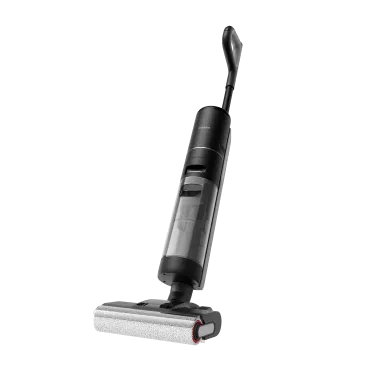
This is where a wet dry vacuum really shines. It vacuums the dry debris that a mop might miss while also washing the floor in one go, so you don't have to spend time sweeping first. With separate tanks for clean and dirty water, you can start each cleaning session fresh instead of using dirty water.
The best part? Some models also have a suction feature that picks up water as you clean, leaving your floors nearly dry in about a minute. This is a big difference from traditional mops, which can leave your floors damp for a while.
If you have a mix of hard floor types in your home, a wet dry vacuum is a game-changer. It combines dry pickup, clean-water washing, and quick drying, giving you spotless floors without the fuss of juggling multiple tools or waiting around for them to dry.
A Solution for Whole-Home Cleaning
Steam mops and spin mops each ask you to accept a trade-off: sanitizing power that can't pick up dry debris, or go-anywhere convenience that leaves floors wet and recycles dirty water. Neither one comfortably covers a home where tile runs into vinyl and sealed wood.
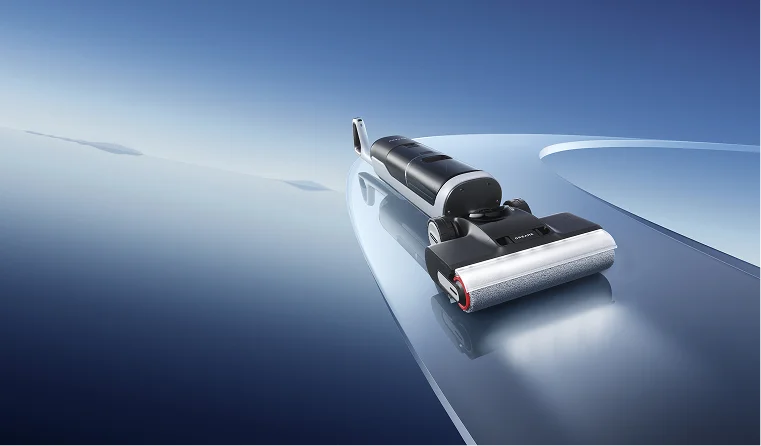
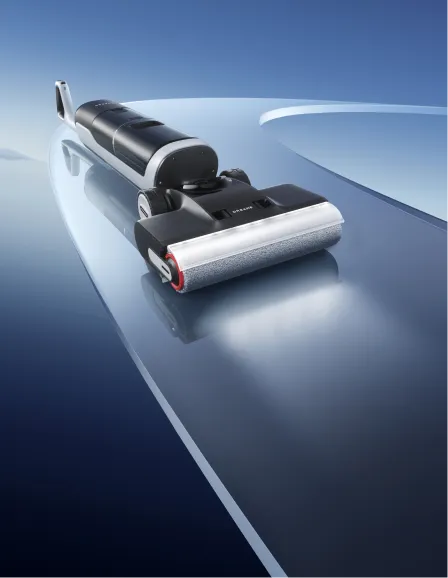
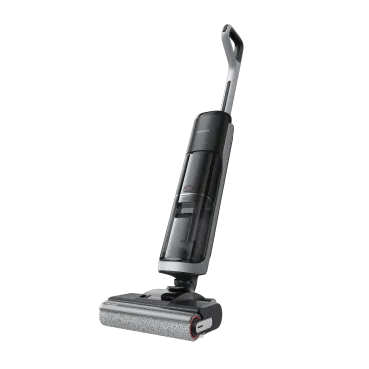
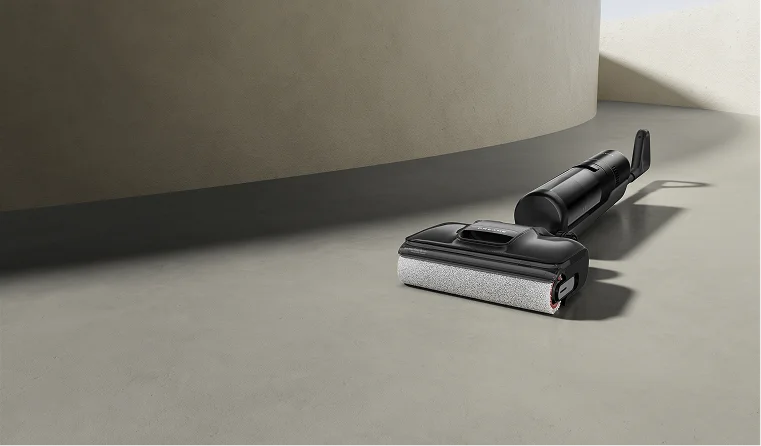
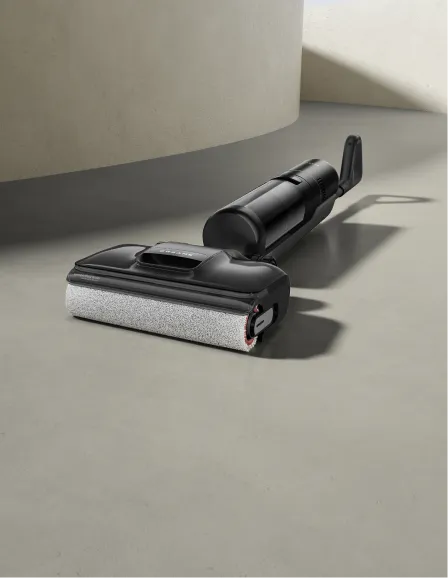
Dreame offers a solution for whole-home cleaning with the Dreame Aero Pro Steam. It keeps the chemical-free heat cleaning that makes steam worth using, pairing controlled 392°F steam with suction that pulls water and loosened grime off the floor in a single pass. Your floors dry in about a minute instead of staying wet under your feet. And because the machine draws from fresh water and captures the dirty water separately, every pass hits the floor with clean water, not the sink-gray runoff a spin mop recycles.
[product handle="aero-pro-steam-wet-dry-vacuum"]
The bigger difference is where you can use it. A regular steam mop is safe on bathroom tile but off-limits on the vinyl or sealed wood right next door, so a mixed-floor home turns it into a one-room tool. The Aero Pro Steam is certified safe for engineered wood in Steam Mode, and Dreame's own testing on laminate and vinyl showed no observed damage. It's designed to rapidly draw out residual heat and moisture, so your floors stay clean without worry.
New to steam on wood floors? Run a quick patch test on an out-of-the-way spot first. It takes thirty seconds and settles any doubt before you clean the whole room.
Want to see how the Aero Pro Steam stacks up against the rest of the range? Compare Dreame's full wet dry vacuum collection to find the right cleaner for your floors.
Frequently Asked Questions
Can you use a steam mop on LVP flooring?
No. Consumer steam mops release continuous steam at roughly 200°F to 250°F, hot enough to soften the PVC in luxury vinyl plank and cause seams to lift. Many LVP warranties also exclude steam cleaning. Use a damp mop with warm water instead, or a wet dry vacuum that puts down less water and pulls it back up as it goes.
Is a spin mop worth buying in 2026?
Yes, if you have a single hard floor type and no pets. It's inexpensive and stores easily. The caveat is dirty water. Thorough cleaning needs several water changes, which most people skip. Add pets or mixed flooring, and the limits start to show.
Does a steam mop clean floors better than a spin mop?
Yes, on sealed ceramic tile. Steam lifts more dried mess than a spin mop and uses no chemicals. The catch is that this applies only to floors rated safe for steam. On vinyl plank and wood, the heat risk outweighs the benefit, and the spin mop is the safer choice by default.
What is better than a steam mop for cleaning floors?
For a mixed-floor home, use a wet dry vacuum with dual water tanks. On sealed tile alone, a steam mop is still hard to beat. Fresh water goes down, and dirty water comes back up in one pass, on any sealed hard floor. It also lifts dry debris in the same pass, so you skip sweeping first. A steam wet dry vacuum adds heat cleaning without chemicals.
Can you use a steam mop on hardwood floors?
Generally no. Steam can work past the finish and into the grain, which may cause swelling and lifting. On engineered hardwood, it can also reach the adhesive layer underneath. Use a lightly damp microfiber mop, or a wet dry vacuum that uses less water and pulls it back up.

