Robot Vacuum Roller Mop vs. Mop Pad: Which One’s Right for Your Home?

Robot Vacuum Roller Mop vs. Mop Pad: Which One’s Right for Your Home?

Dreame Editorial Team |
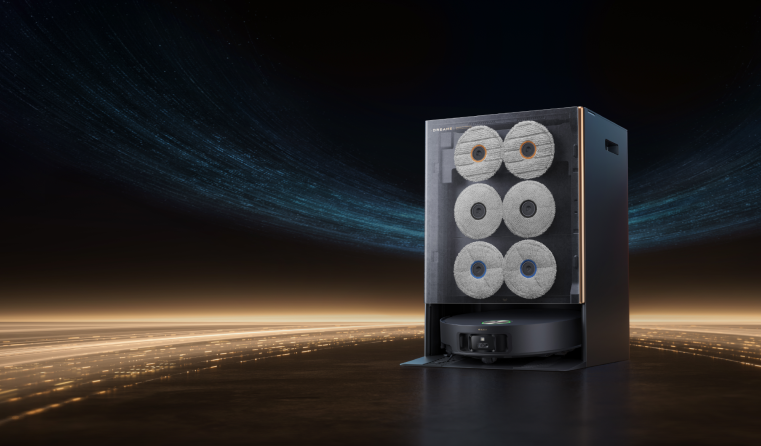
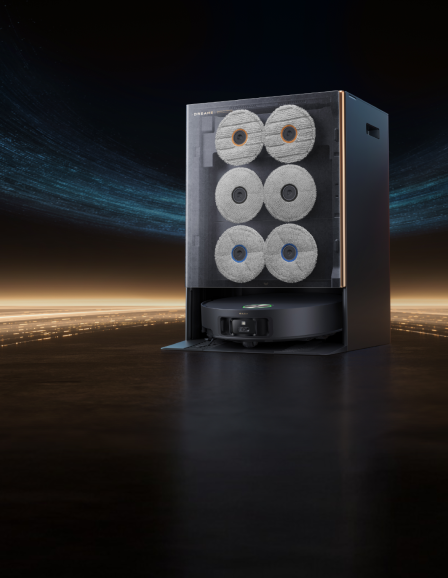
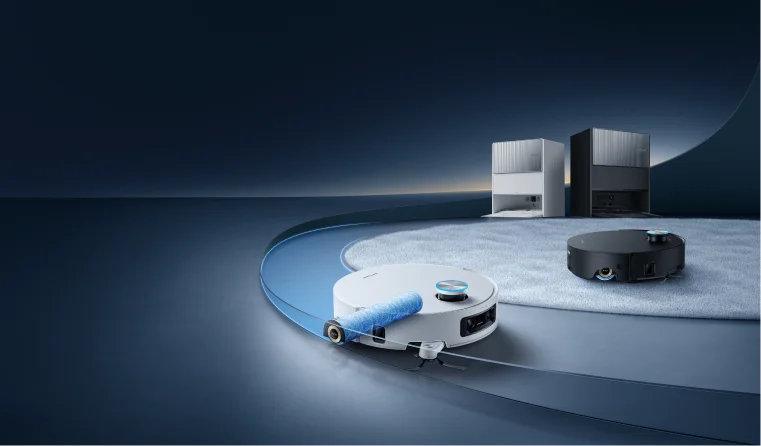
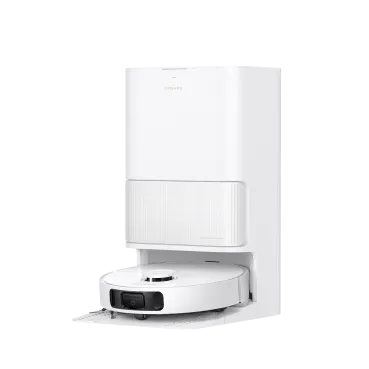
Getting a robot vacuum that also mops can feel like a game-changer until you realize there are two very different systems out there: roller mops and mop pads. Both promise sparkling floors, but they work in unique ways. Choosing the wrong one could leave you with streaks on tile, damp carpets, or extra upkeep you weren’t expecting. In this guide, we’ll break down exactly how each system works, their strengths and trade-offs, and which Dreame models use them best. By the end, you’ll know whether a roller mop or a mop pad robot vacuum is the smarter fit for your home, lifestyle, and floors.   Roller Mop or Mop Pad? The Basics Before diving deep, let’s clear up what these terms mean. Roller Mop Robot Vacuum: Uses a continuous roller that spins against the floor. It sprays fresh water, scrubs, squeezes out dirty water, and refreshes as it goes. Think of it as a mini floor-washing machine. Advanced models like the Dreame Aqua10 Ultra Roller use AquaRoll™ mopping—a fresh-water system that sprays, scrubs, squeezes out dirty water, and refreshes the roller in real time, preventing you from mopping with dirty water. Mop Pad Robot Vacuum: Uses flat pads that wipe the floor. Depending on the model, these pads either vibrate for scrubbing or spin to add pressure. Models like the Dreame X50 Ultra feature dual rotary mops with MopExtend™ RoboSwing Technology to reach tight edges with focused scrubbing power. Many modern pad systems also include smart features like auto-lift to keep carpets dry and edge-extending technology for better coverage. Both can handle everyday dust and spills. But the differences show up when you look at deep stains, edges, maintenance, and carpets. How Each Mop System Works (Mechanics 101) Understanding the mechanics behind each system helps explain their performance differences. Robot Vacuum with Roller Mop A roller mop robot vacuum operates like a mini car wash for your floors. The process is continuous and self-cleaning: Spray: Fresh water mists onto the roller right before it touches the floor. Scrub: The roller spins at high speed (e.g., 100 RPM on the Dreame Aqua10 Ultra Roller), applying significant pressure (9-11 N) to agitate and loosen stuck-on grime. Squeeze: A built-in scraper squeegees dirty water out of the roller into a dedicated waste tank. Refresh: The system immediately soaks the roller with fresh, clean water for the next pass. This closed-loop system ensures you're never just pushing dirty water around.   Dreame Take We built the Aqua10 Ultra Roller to answer one simple question: why settle for cleaning with dirty water? The world’s first AquaRoll™ mopping system uses a continuous cycle of fresh water. Every inch of your floor is cleaned with pure water, not residue from the last swipe, so you can trust that what feels clean, truly is.   Robot Vacuum Mop Pad Types Pad systems use a different approach, with two common subtypes: Vibrating Plate Single Pad: A single, wide pad vibrates at high frequency. This offers broad coverage and is excellent for daily dust and light spills, but it provides less aggressive scrubbing power. Dual Spinning Pads: Two circular pads rotate rapidly, often in opposite directions. This creates higher local pressure, making them better at tackling scuffs and dried-on spots. How Well Do They Clean? A Performance Showdown The real test is on your floors. Here’s how the two systems compare in common scenarios. Cleaning Scenario Robot Vacuum with Roller Mop Robot Vacuum with Mop Pads Stuck-On, Greasy Messes Excel. The combination of high-pressure scrubbing, continuous fresh water, and hot-water wash cycles makes rollers unmatched for tackling kitchen grease, dried syrup, or tracked-in mud. Good. Dual spinning pads can handle many messes but may require multiple passes or more manual pre-soaking for the toughest, dried-on stains. Edge & Corner Reach Varies. The cylindrical shape can leave a small, uncleaned gap against the walls. However, many models, like the Aqua10 Ultra Roller, feature Detangling SideReach™ & MopExtend™ Tech for getting exceptionally close (~0.2in (5mm)) to edges. Excellent (with the right features). Models with advanced software can twist and extend pads into corners. The Dreame X50 Ultra's MopExtend™ RoboSwing Technology allows it to clean up to 1.6in (4cm) into edges and nooks. Water Control & Floor Safety Precise. Advanced systems control water spray precisely, and features like Dreame’s AutoSeal™ Roller Guard automatically close over carpets to prevent any moisture transfer. Generally Safe. Pads are typically damp, not wet. Automatic mop lifting (e.g., ~0.4in (10.5mm on the X50 Ultra) instantly raises the pads when a carpet is detected, ensuring absolute dryness. Hard Floor Daily Maintenance Superior. The roller system is designed for a deeper, wash-like clean every time, effectively replacing your traditional mopping routine. Excellent. Perfect for daily dusting, light spills, and maintaining already-clean floors with quiet efficiency. Carpet & Rug Safety Excellent. Features like Dreame’s automatic AutoSeal™ Roller Guard and roller lifting ensure carpets stay completely dry and protected. Excellent. Automatic mop lifting is a standard and highly reliable feature on most premium pad-based models.   Which Is Easier to Maintain? Long-term upkeep is a crucial factor in your decision. Roller Mop Systems Daily Effort: Low. The dock's hot-wash and hot-air drying cycle does the heavy lifting, sanitizing the roller and preventing mildew and odors automatically. You rarely need to touch the roller itself. Long-Term Care: The roller is a durable component but may need replacement after extensive use. Dock filters and water lines require occasional rinsing to prevent mineral buildup, especially if you use the optional auto-drain water hookup kit. Mop Pad Systems Daily Effort: Moderate. Reusable mop pads need to be rinsed after runs or swapped out for a fresh one. However, docks with 176°F (80°C) hot water washing and drying (like on the Dreame X50 Ultra) keep them fresher longer. Long-Term Care: Very simple. Pads are machine-washable and typically need replacing every 3–6 months. The overall system has fewer mechanical parts involved in the mopping process. Docking & Self-Cleaning: The Command Center The dock is the brain of the operation, and both systems offer impressive automation. Roller Docks (e.g., Aqua10 Ultra Roller): These are comprehensive cleaning stations. They often feature 212°F (100°C) ThermoHub™ Mop Self-Cleaning for a deep, sanitary scrub; 158°F (70°C) hot air drying; and advanced options like auto-refill, auto-drain, and even dual-solution dosing (e.g., a dedicated pet odor solution). Pad Docks (e.g., Matrix10 Ultra): Modern pad docks are highly capable. They include hot water washing, hot air drying, auto water refilling, and sometimes even several types of mops being changed automatically based on the type of floor to clean. Features like Dreame’s AceClean™ DryBoard ensure the washboard itself stays clean and dry after every cycle. Which One Should You Choose? Your Decision Guide Stop thinking in terms of features and start thinking in terms of your lifestyle. Here’s how to choose. Choose a Robot Vacuum with Roller Mop If: Your floors deal with regular, tough messes from kids, pets, or cooking. You want to replace your traditional mopping fully. You prefer maximum automation and the lowest daily manual effort. Your Priority: Deep cleaning power over everything else. Our Recommendation: The Dreame Aqua10 Ultra Roller is the pinnacle of this technology, designed for whole-home adaptive cleaning. Read our review of Aqua10 Ultra Roller to find out pros and cons of this model.  Choose a Robot Vacuum with Mop Pads If: You need excellent daily maintenance for dust, light spills, and footprints. Quiet operation and lower consumable costs are important to you. Your home has many complex edges, corners, and low-profile furniture to clean under. Your Priority: Versatility, precision, and value. Our Recommendation: The Dreame X50 Ultra offers incredible intelligence and cleaning prowess with its dual spinning pads and industry-leading obstacle avoidance. For more on the value of mopping robots, check out our blog: Are Mopping Robot Vacuums Worth It? FAQs Is a robot vacuum with a roller mop better than pads? It depends. Roller mops are best for grease and heavy messes, while mop pads are great for daily light cleaning. Should a robot vacuum have a big roller (main brush)? Yes, a larger roller helps with suction and debris pickup, but for mopping, the cleaning mechanism matters more. Are reusable mop pads worth it? Yes, reusable pads save money in the long run, especially if you don’t mind rinsing or machine washing them. Which is easier to maintain? Roller mops automate more cleaning but need dock care. Pads are cheaper but require more hands-on washing. Can either type keep carpets safe automatically? Yes, roller systems use carpet guards, while mop pads rely on mop-lift tech.
Continue reading
What Is a Good Vacuum Cleaner for Hardwood Floors?

What Is a Good Vacuum Cleaner for Hardwood Floors?

Dreame Editorial Team |
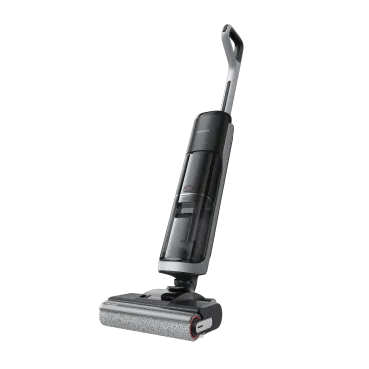
Hardwood floors look beautiful, but they are also unforgiving. Anyone who lives with them knows the three constant worries: tiny scratches from abrasive debris, dust that settles deep into plank seams, and the ever-present risk of water marks if moisture sits too long. These challenges haven’t changed, but thankfully, the technology we use to care for wood floors has. In 2026, finding a good vacuum cleaner for hardwood floors matters more than ever. It's not just about power; knowing how to choose a robot vacuum for hardwood floor protection is key. Modern machines come with stronger suction, controlled mopping systems, and AI sensors that recognize delicate surfaces. With the right features, your vacuum can clean efficiently without harming your hardwood’s finish or structure. The 5 Must-Have Vacuum Features for Hardwood Floors in 2026 To safely clean hardwood floors without scratches, dents, or water damage, a vacuum must meet these five non-negotiable requirements. 1. Soft Roller Brushes Soft roller brushes are essential if you want to clean hardwood without leaving visible marks or long-term surface damage. Soft, fluffy or velvet rollers lift fine dust while gliding smoothly over the floor, protecting polyurethane and oil finishes—especially matte coatings that show every scratch. Standard stiff-bristle brushes are not suitable for hardwood. They drag grit across the surface and can create micro-scratches that dull the finish over time, even when used gently. 2. Scratch-Free Rubber Wheels Rubberized, cushioned wheels prevent track marks and friction damage on hardwood floors. They roll smoothly across the surface and reduce pressure points, making them especially important for softer woods like pine. Standard rugged plastic wheels create unnecessary risk. Over time, they can leave visible tracks, fine lines, or compression marks—damage that accumulates slowly and is difficult to reverse. 3. Floating Brush Housing A floating brush assembly adjusts itself to maintain contact with the floor without applying downward pressure. This protects softer species and prevents denting along plank edges. Hardwood floors are rarely perfectly level, so fixed brush housings can dig in or miss spots entirely. 4. Precision Water Control If you’re shopping for a vacuum mop for hardwood, water control isn’t a nice-to-have, it’s the safety feature. Look for models with a pump-driven, metered water system that keeps the pad consistently damp, not wet, so you can clean without risking swelling or warping. By contrast, gravity-fed mop systems tend to drip unevenly and can oversaturate certain spots. That inconsistency is risky on wood, where even small moisture imbalances can lead to warping over time.   Important Unsealed or waxed hardwood absorbs water quickly. Always test in an inconspicuous corner before using a wet and dry vacuum on unsealed flooring to ensure the moisture levels are safe.   5. Suction Power ≥ 6,000Pa Strong suction is critical for actually removing dirt from hardwood floors—not just moving it around. A suction rating of at least 6,000Pa pulls dust, grit, and fine debris out of the narrow gaps between planks, where particles would otherwise remain trapped.   Nice-to-Have Features That Make Hardwood Vacuuming Easier  Now that you’ve got the non-negotiables covered, these nice-to-have features are what make hardwood cleaning feel genuinely easy. They’re not required for safe cleaning, but they reduce daily friction, prevent missed debris, and keep your floors preserved, looking better with less effort. Auto Surface Detection & Mop Lift  Some robot vacuums and wet-dry mop vacuums can detect transitions from tile to hardwood or carpet and automatically lift the mop pad, typically 10–20 mm (0.4–0.8 in). This prevents unnecessary moisture from touching the wood and eliminates cross-contamination. Hot-Water Mop Washing at the Dock High-temperature pad cleaning at the base station—typically 140–194°F (60–90°C)—sanitizes the mop using heat. The mop dries faster, resists odor, and kills bacteria without you needing to add extra moisture to your floors during the cleaning cycle. Dirt-Detection for Grooved Planks Many modern vacuums use acoustic or optical sensors to detect dirt density. When passing over deep grooves or hand-scraped planks, the vacuum boosts suction automatically, targeting the spots where dust hides most. Wood-Grain Following Mode & Edge-Stretch Arms Some devices adjust their movement pattern to run parallel to the grain, helping the brush head sweep debris along natural grooves. Extendable side brushes help reach baseboard edges where lint gathers. AI Object Recognition AI-based object recognition allows a robot vacuum to identify cables, socks, toys, or pet waste before contact. Avoiding these objects helps prevent scratches, smearing, and debris from being dragged across hardwood surfaces, reducing unnecessary wear over time.   Dreame Take We view AI as a way not just to improve cleaning, but to gently protect your floors. By steering clear of hard objects that could harm the finish, our vacuums ensure your investment stays pristine.   Comparison Table Feature Upright Vacuum Cordless Stick Wet Dry Vacuum (Floor Scrubber) Robot Vacuum & Mop Canister Vacuum Robot Vacuum (Vac-only) Soft Roller Brushes Select models support hardwood heads ✓Quite common ✓roller-based washing heads ✓ (rubber/soft rollers) △ (hard-floor heads) ✓ Scratch-Free Rubber Wheels Select models ✓ ✓ ✓ ✓ ✓ Floating Brush Housing Select models △ ✓ ✓ △ ✓ Precision Water Control ✕ ✕ ✓ ✓ ✕ ✕ Suction Power (range) ~15,000–25,000 PaHigh, corded ~12,000–28,000 PaMid–high ~8,000–22,000 PaBalanced for wash + extract ~2,000–30,000 Pa ~18,000–30,000 PaHigh, corded ~2,000–12,000 Pa Auto Surface Detection & Mop Lift ✕ ✕ ✕ ✓ ✕ ✕ Hot-Water Mop Washing at the Dock ✕ ✕ ✓Select models ✓Select models ✕ ✕ Dirt Detection (optical/AI) ✕ Sensor-based Liquid/soil sensing ✓ ✕ ✓ Wood-Grain Following Mode Manual Manual Manual Auto Manual Auto Edge-Stretch Arms ✕ ✕ ✓Select models ✓Select models ✕ ✓Select models AI Object Recognition ✕ ✕ ✕ ✓ ✕ ✓ Our Best Vacuums for Hardwood Floors in 2025 Choosing the right vacuum cleaner depends on your home layout, wood floor sensitivity, and daily cleaning habits. Whether you need a powerful robot vacuum and mop or a handheld device, here is how to match the right tool to your home. Best Value for Everyday Spills: Dreame H12 Pro If you want something budget-friendly and easy to use, the H12 Pro Wet-Dry Vacuum is the best choice. It provides steady suction and controlled damp cleaning, making it ideal for small homes with sealed hardwood. [product handle="l50-ultra-robot-vacuum" rating="4.8"] Best for Pet Owners: L50 Ultra Robot Vacuum If you have pets that shed daily, the L50 Ultra is a reliable hands-off solution. Its soft brush and strong suction lift hair without scratching, and the AI object avoidance prevents dragging toys or bowls across the floor. [product handle="l50-ultra-robot-vacuum" rating="4.8"] Best for Moisture-Sensitive Floors: H15 Pro Heat For solid hardwood that is sensitive to water, the H15 Pro Heat Wet-Dry Vacuum offers precise water control and fast heat-assisted drying. This protects the planks from swelling or warping. [product handle="h15-pro-heat-wet-dry-vacuum" rating="4.6"] Best for Mixed Flooring: H15 Pro CarpetFlex If your home features both wood and carpet, the H15 Pro CarpetFlex seamlessly switches between the two surfaces without requiring tool changes. [product handle="h15-pro-carpetflex-wet-dry-vacuum" rating="5"] Ultimate Daily Care: Matrix10 Ultra For completely hands-off care, the Matrix10 Ultra automatically vacuums, lifts its mop when needed, and navigates hardwood safely. [product handle="matrix10-ultra-robot-vacuum" rating="5"] Everyday Hardwood Floor Care Tips Hardwood floors stay beautiful only when both the vacuum and the floor are maintained properly. Knowing how to clean hardwood floors correctly prevents long-term damage. Clean the main brush weekly. Dirt caught in bristles or wheels acts like sandpaper. Removing debris prevents micro-scratches and keeps the vacuum gliding smoothly. Control the water. Use the lowest water setting for mopping—or disable mopping entirely. Even sealed hardwood should never be exposed to excessive water. A slightly damp mop is safe; a wet one is not. Ventilate the dock. Keep the charging dock in a ventilated spot. Base stations can trap humidity while pads are drying. Good airflow prevents moisture from accumulating under your flooring over time. For more maintenance advice, check our clean wood floors tips. Use pH-balanced floor solutions. Acidic substances like vinegar can weaken a floor’s finish. Their low pH can slowly erode the protective coating, reducing shine and potentially dulling the surface over time.   Pro-tip Stick to specialized solutions, like the Dreame Wood Floor Care Solution, which are pH-balanced to clean without etching or dulling the top layer.   Conclusion Taking care of hardwood floors is a balancing act: you want powerful cleaning without risking scratches or water damage. With the right vacuum—one that uses soft brushes, gentle wheels, controlled water output, and smart AI—you don’t have to compromise. In 2026, your vacuum should protect your floors as it cleans them. When the technology works with your wood instead of against it, you can enjoy spotless floors without the constant fear of damaging your investment. Ready to upgrade your floor care routine? Explore our full collection of robot vacuums for hardwood floors and protect your investment today.   FAQ Will a robot vacuum definitely scratch my hardwood floors? Not if you choose the right model. A modern robot vacuum is safe for hardwood floors if it uses rubber wheels and soft brushes designed for wood. However, scratches can occur if hard debris (like a small rock) gets stuck in a wheel, so checking your vacuum's wheels weekly is essential. Is it better to vacuum or sweep hardwood floors? Vacuuming is generally superior. Sweeping often pushes fine dust into the air or down into the cracks between planks. A vacuum with strong suction lifts this dust out completely, preventing build-up in the seams. What should you not use on hardwood floors? Avoid steam cleaners, which force moisture deep into the wood, causing warping. Also, stay away from stiff-bristled brooms, vinegar (which is acidic and dulls the finish), ammonia, and bleach. Is dish soap ok for wood floors? We do not recommend it. Dish soap often leaves a sticky residue or film that actually attracts more dirt and makes the floor look dull. It is safer to use a dedicated, pH-neutral wood floor cleaner. How often should you mop hardwood floors? For most homes, a damp mop once a week is sufficient. If you have a robot vacuum with precise water control, you can run it more frequently (e.g., every few days) because it uses very little moisture that dries almost instantly. Why are my floors still dirty even after mopping? This usually happens for two reasons: using dirty water (redistributing dirt) or using too much detergent (leaving a sticky residue). Systems like the Dreame L50 Ultra or Matrix10 Ultra solve this by washing the mop pads with fresh, hot water at the station, ensuring you never clean with a dirty mop.
Continue reading
Shop Vac vs. Vacuum: The Complete Guide to Choosing the Right Cleaner

Shop Vac vs. Vacuum: The Complete Guide to Choosing the Right Cleaner

Editorial TeamDreame |
There are two kinds of messes in life: the daily kind, like cleaning pet hair off the living room carpet, and the heavy-duty kind, like tackling sawdust in the garage after a weekend DIY project. These two scenarios highlight the core conflict in home cleaning: daily finesse versus raw, utilitarian power. Most modern homeowners realize that an all-in-one solution doesn’t truly exist. Instead, effectiveness comes from having the right tool for the job. But which job belongs to the traditional vacuum cleaner and which belongs to the rugged shop vac? This comprehensive guide breaks down the fundamental differences between these two cleaning titans, helping you decide which tool (or combination of tools) is the perfect strategic fit for your home and lifestyle. What Is a Vacuum Cleaner Used For? The term vacuum cleaner is a broad category of tools engineered specifically for comfortable, everyday home cleaning. These domestic devices, including:  Cordless stick vacuums Uprights Wet dry vacuums Robot Vacuums Canister models They are designed to maintain a hygienic and dust-free indoor environment. For most routine cleanup, such as removing fine dust, pet hair, crumbs, and allergens from dry floors and furniture, a high-performance cordless stick vacuum is the perfect tool. These devices prioritize user comfort, quiet operation, and strong filtration to keep your home air clean. However, when the mess involves sticky spots, liquid spills, or muddy footprints on hard floors, the solution shifts to a specialized vacuum: the modern Wet Dry Vacuum (WD). The wet dry vacuum is a powerful type of home vacuum designed to wash, scrub, and simultaneously vacuum up the dirty water, handling tough wet and dry messes that a regular dry vacuum cannot touch. This positions the WD as the advanced deep-cleaning solution for hard floors within the home environment. Vacuum Cleaner Priorities: Engineered for user comfort, quiet operation, convenient storage, and superior air quality. What to Look For in a Regular Vacuum: Suction Power (Pascals - Pa): This is the direct measure of the suction force at the cleaner head. For home cleaning, a high Pa is crucial, often 7,000 Pa or more, to remove embedded dirt and dust from carpet fibers and deep crevices. HEPA Filtration: While many vacuums use basic filters, HEPA is the gold standard you should look for. A true HEPA filter captures 99.97% of particles as small as 0.3 microns, purifying the air as you clean. It’s a necessity for allergy and pet owners. What Is a Shop Vac Used For? A shop vac (or traditional wet/dry utility vacuum) is a heavy-duty, all-purpose machine. Its role is strictly remediation and cleanup in less-controlled, messy environments like workshops, garages, basements, or renovation sites. It is built for raw power and maximum volume. Unlike a home vacuum, the shop vac is rugged and utilitarian, designed to handle debris that would instantly ruin a delicate household machine, things like construction debris, drywall dust, large water spills, or wet sawdust. Shop Vac Priorities: Engineered for raw power, massive capacity, rugged durability, and the versatility to handle large volumes of both solid debris and liquids. What to Look For in a Shop Vac: CFM (Cubic Feet per Minute): This metric measures the sheer volume of air the vacuum moves, which is critical for quickly collecting large amounts of light debris like sawdust or leaves. Water Lift: This measures the power required to lift a column of water. It is the direct indicator of the shop vac’s power to lift heavy debris and large volumes of liquid. Peak Horsepower (HP): While often advertised, HP is the motor's potential power output under ideal conditions, signifying its overall potential ruggedness. Shop Vac vs. Vacuum: A Technical Breakdown When you see these machines side-by-side, their differences are obvious. The key to choosing correctly lies in understanding their technical priorities. One prioritizes deep cleaning and air purity; the other prioritizes volume and sheer power. Suction & Power: Different Jobs, Different Metrics These metrics are not directly comparable. A high-CFM shop vac is fantastic for collecting drywall dust volume, but a high-Pa home vacuum is superior for removing embedded pet dander from your couch. Home Vacuums: For embedded dirt removal, suction power (Pa) and an efficient motor design are the gold standard. A high Pa rating (often 7,000 Pa or higher for deep cleaning) ensures the dirt is pulled out from deep within carpet fibers. Shop Vac: CFM and Water Lift are the critical metrics for workshop performance. Look for ratings around 75 - 150+ CFM (volume) and 50 - 80+ inches of water lift (heavy lifting power). They are designed for volume and heavy lifting, not necessarily deep carpet cleaning or allergen removal.   Pro-tip If you’re thinking of replacing your household vacuum with a shop vac, pause. For day-to-day cleaning, a wet/dry vacuum is usually more practical. You get adequate Pa suction and brush agitation for carpets, HEPA options for allergens, and wet pickup for spills.   Filtration Systems: Air Purity vs. Motor Protection Home Vacuums: The primary goal is improving indoor air quality. Multi-stage filtration, the HEPA standard, and sealed systems are critical for protecting allergy sufferers and preventing cleaned dust from being exhausted back into the air. Shop Vac: The goal here is mainly motor protection and debris capture. They use interchangeable filter systems: paper cartridge filters for dry debris and foam sleeves for wet pickup. They typically do not offer true HEPA-level air purification for fine indoor dust. Design & Attachments: Finesse vs. Function Home Vacuums: These feature precision tools designed for navigating furniture and cleaning various surfaces: lightweight crevice tools, soft-bristle brushes, and powered, articulating floor heads. Shop Vac: These have utilitarian tools built for heavy-duty jobs: wide-diameter hoses (necessary for large debris), large floor nozzles, squeegees, and the highly versatile Blower Port function for clearing garages or paths. Comparison at a Glance: Which Vacuum Wins for Your Task? Feature Dry Vacuum(Stick/Upright) Modern Wet Dry Vacuum(Home Use) Shop Vac(Utility/Industrial) Primary Use Daily indoor dry cleaning Deep home cleaning, spills, sticky messes Workshops, garages, renovations Debris Type Dust, hair, crumbs, fine allergens Wet spills, sticky food, pet messes, dry dirt Sawdust, liquids, glass, construction debris Key Power Metric Suction Power (Pa) Suction Power (Pa) & Scrubbing Force CFM & Water Lift Filtration Focus Air purification (HEPA) Air purification (Sealed System) Motor protection Capacity Small (0.12 - 0.26 Gallons / Approx. 0.47 - 1 Liter) Dual Tanks (Approx. 0.13 - 0.26 Gallons / 0.5 - 1 Liter each) Large (5 - 20+ Gallons / Approx. 19 - 75+ Liters) Maneuverability Lightweight, ergonomic Ergonomic, self-propelled Utilitarian, on caster wheels Noise Level Quieter (Designed for indoor use) Moderate (Quieter than a shop vac) Loud (Utility grade) Signature Feature Cordless design, lightweight Wet & dry simultaneously, self-cleaning High capacity, blower port   Dreame Take The rise of the modern Wet Dry Vacuum is changing this conversation. It's the perfect solution that resolves the core conflict by combining the “best of both worlds”: the lightweight, user-friendly design of a regular vacuum with the power to handle tough wet and dry messes like a shop vac. It is the smarter, home-focused solution.   Can a Modern Wet Dry Vacuum Replace a Shop Vac? After seeing the capabilities of both tools, the question remains: Can a smart home appliance really replace a heavy-duty shop tool? The answer lies in your primary cleaning environment. Advanced models like the wet and dry vacuums were engineered to do far more than pick up dry dirt. Instead of just suctioning, they actively wash your floors by spraying clean water, scrubbing with a high-speed brush, and instantly suctioning the dirty liquid into a separate tank. This all-in-one 'vacuum and mop' function is what truly sets them apart, offering powerful indoor versatility with a focus on innovative technology and home-friendly design. They offer an incredible amount of power and versatility for indoor messes. [product handle="h15-pro-heat-wet-dry-vacuum" rating="4"] Benefits of Using a WD Vacuum for Home “Shop Vac” Messes: Convenience in One: With just one machine, you can vacuum, mop, and wash floors, so you don't need a lot of different tools for all the tough indoor messes, even small spills. Smart Technology: Features like dirt detection, automatic suction adjustment, and one-click self-cleaning cycles make heavy-duty cleaning easy, unlike having to clean a shop vac by hand. User-Friendly Design: Their designs are lighter, quieter, and easier to move around, making them perfect for deep cleaning inside the house, getting around furniture, and storing neatly in a closet. If your “tough messes” are primarily sticky kitchen spills, wet footprints, or pet accidents, a modern WD is the superior tool. However, if you are consistently dealing with large volumes of fine drywall dust or 20+ gallons of flood water, a dedicated, high-capacity shop vac is still non-negotiable.   Dreame Take We believe powerful performance shouldn’t come at the cost of convenience. Our goal is to engineer smart cleaning tools that can tackle the toughest messes while integrating seamlessly into your daily life. For 99% of home spills and messes, a Wet Dry Vacuum is all you need.   Which Vacuum Suits Your Lifestyle? Cleaning should be dictated by your needs, not your tools. Here are our persona-based recommendations: For the Urban Apartment Dweller If you live in a compact city apartment, space is your primary concern. You need a device that is easy to store, lightweight, and capable of efficiently handling daily dry dust and hair on mixed flooring while offering strong allergen filtration. For this lifestyle, a high-performance cordless stick vacuum is the perfect choice. It offers maximum versatility and the smallest possible footprint for routine dry maintenance. For the Suburban Family Home The suburban family home is the epicenter of dynamic messes: spilled milk from breakfast, muddy pet paw prints, and sticky kitchen grime. This environment demands a single cleaning hub, rather than shuffling between a mop and a dry vacuum. This is precisely why the modern, powerful wet/dry vacuum was created. It can deep-clean a spilled kitchen floor, quickly tackle muddy entryways, and is the powerful, smart solution for the dynamic, high-traffic family home. For the Passionate DIYer & Woodworker If your passion involves sawdust, drywall dust, and large volumes of construction debris, your cleaning requirements go beyond standard domestic messes. You need a machine built for high-capacity suction and raw power to handle large volumes of fine particles and heavy debris in an unregulated environment like a garage or workshop. For the dedicated DIY enthusiast or woodworker, a traditional Shop Vac remains non-negotiable. Its large capacity tank and utility functions (like the blower port) provide the highest level of ruggedness and utility required for the job. Common Questions Answered (FAQ) Can I use a shop vac to clean my living room carpet? While possible for emergencies, it's not ideal. They lack the specialized brush rolls to deep clean carpet fibers, and their simple filtration isn't designed to capture fine household dust and allergens safely. How do I safely clean up liquids with a shop vac? Always ensure you have removed the paper filter and installed the foam sleeve designed specifically for wet pickup. This is critical to avoid damaging the motor and voiding the warranty. Can I use my home vacuum for renovation dust (like drywall dust)? Absolutely not. Fine dust like this will instantly clog the HEPA filters and can permanently damage the motor of a regular home vacuum. A shop vac with a high-efficiency filter bag is essential for this task. Is a "two-vacuum" household really necessary? It depends on your lifestyle. For homeowners with garages, pets, or DIY hobbies, pairing a versatile cordless vacuum for daily tasks with a powerful shop vac for bigger, outside messes offers the most comprehensive and efficient cleaning strategy. Conclusion Ultimately, the choice between shop vac vs vacuum is a choice between a home cleaner and a utility tool. One prioritizes air purity and convenient finesse; the other prioritizes raw power and sheer volume. For a home that faces a wide range of everyday messes and spills, a smart wet dry vacuum like those from Dreame can handle most tough cleaning jobs with intelligence and ease. For those with dedicated workshops or frequent, heavy-duty projects, a combination of a specialized home vacuum and a large-capacity shop vac remains the ultimate cleaning duo. Ready to upgrade your cleaning toolkit? Explore Dreame’s range of smart cleaning solutions and discover a more effortless path to a spotless home.
Continue reading
Dreame L50 Ultra Review – 2026

Dreame L50 Ultra Review – 2026

Editorial TeamDreame |
If you’ve ever watched a robot vacuum stop at a door track, wobble on a lip, or smear a damp pad across a rug, the Dreame L50 Ultra feels like a new class. It pairs powerful suction with a tangle-resistant HyperStream™ Detangling DuoBrush, an all-in-1 PowerDock™ that hot-washes mops, and a wild party trick: ProLeap™ retractable legs that let the bot step onto real-world thresholds with single and two-step vertical steps. Add deep corner reach, TripleUp Tech (mop/main/side brush lifting), and AI + 3D structured-light avoidance with pet-centric modes, and you’re looking at a flag-plant for premium robot design Who it’s for: Busy homes that want true hands-off vacuuming and mopping across mixed floors, steps/thresholds, and pet zones. Why it stands out: Class-leading step-over ability, 19,500 Pa suction, DuoBrush hair handling, 75°C (167°F) mop wash, and smart obstacle & pet care, all orchestrated in the Dreamehome app and voice support. Cleaning Performance The L50 Ultra couples very high airflow with a dual-roller system that keeps contact with the floor, channels debris efficiently, and resists hair wraps. It then leverages OmniDirt™ 2.0 to adapt its pattern (including large-particle boost for cat litter/pet food). Feature L50 Ultra Dust Box Capacity 395mL / 0.10 gal  Water Tank Capacity 80mL / 0.02 gal Maximum Suction Up to 19,500 Pa Dirt Detection √ AI Dirt Recognition √ Results on different surfaces On hard floors, it excels in one-pass pickup; on rugs, mop lift and carpet intensification reduce re-runs. Edge and corner finish is visibly improved by SideReach™ and MopExtend™. Hard floors (tile/wood/laminate): This robot vacuum lifts dust from grout and gaps while minimizing scatter; MopExtend™ twists the mop up to 4 cm (1.57 in) under toe-kicks to pull haze from along kickboards. Side brush can extend and lift ~ 10 mm (0.39 in) to avoid contaminating just-mopped sections. Carpet & rugs: Whenever L50 Ultra detects a carpet, it boosts suction; you can also set Intensive Carpet Cleaning for a slower, double-pass clean. The mop lifts ~ 10.5 mm (0.41 in) for short-pile; for long-pile, you can remove the mops (exclusive to Dreame within its line) or avoid via map. Edge/corner cleaning: The latest technologies like SideReach™ and MopExtend™’s RoboSwing easily handle messes along the edges and irregular corners. L50 Ultra twists and delves deeper into corners and nooks as far as 4 cm (1.6 in), further cleaning hidden debris under your low-profile couch. It’s noticeably better around baseboards, legs, and under built-ins than fixed-width pads. Surface Cleaning Mode Brush/Attachment Result Hard floors Auto / Standard DuoBrush + SideReach™ One-pass pickup; better grout/edge finish Short-pile carpet Auto + Carpet Boost DuoBrush (TPU + bristled) Strong dirt lift Mixed debris (litter/food) Large-Particles Boost 2.0 DuoBrush Large particles fully removed and floor looks clear, without scatter left behind Edges & corners MopExtend™ RoboSwing Extendable pad + side brush Pad reaches deep into recesses Brushes & attachments If you’ve ever had to cut long hair out of rollers weekly, the main HyperStream™ Detangling DuoBrush eliminates that chore almost entirely. The optimized air duct flings hair into airflow and resists wrap across the full roller—validated for 100% hair detangling (lab/TÜV SÜD). Low noise design avoids the harsh chatter typical of dual-rubber setups. L50 Ultra comes with some additional brushes and filters for more thorough cleaning and a gentler surface treatment. Feature L50 Ultra Main Brush Type HyperStream™ Detangling DuoBrush Brush Lifting √ Liftable Side Brush √ Extendable Side Brush √ Anti-Tangle Side Brush √ Mop Lifting √ Mop Extend √ Mop Removal √ What's New: Advanced Obstacle Crossing L50 Ultra doesn’t just avoid stuff, it’s one of the few robo vacs (and the first one in the L series) that lets you choose how it crosses obstacles so it fits your home, not the other way around. There are two crossing styles: ProLeap™ (Simultaneous Crossing): Both clearance legs step at the same time for a confident, fast climb. You get maximum stability and speed over common transitions. Best for: doorway thresholds and single steps. Capability: up to 42 mm (1.65 in) single vertical steps; up to 60 mm (2.36 in) double-layer thresholds (18 mm + 42 mm / 0.71 in + 1.65 in). Hurdle-style (Sequential Crossing): Legs step one after the other for a gentler, more precise pass. This reduces rocking and improves grip on uneven, thin, or delicate obstacles. Best for: sliding door tracks and narrow rails where careful footing matters Pro tip: If your home mixes thick thresholds and track rails, start with ProLeap™ for whole-home cleans, then switch to Hurdle-style for rooms with sliding doors. Navigation & Mapping The L50 Ultra layers AI with 3D structured-light depth sensing to recognize and avoid common hazards (cables, socks, bowls, toys, modeled pet waste). In dim spaces, the system uses on-board illumination to see better. Multi-obstacle “No-Go” and No-Mop zoning is standard. Feature L50 Ultra Navigation LDS Obstacle Avoidance AI + 3D Structured Light Smart Recognition RGB Obstacle Crossing Height 2.36in / 6cm (Two Steps) 1.65in / 4cm (Single Step) Pro tip: Try Curtain Zones in the app if you’ve got kids who nap—set a no-go around their playpen or crib area so the bot avoids disturbing them. Pet-Finding Mode & Remote Monitoring You can now use a Pet-Finding Mode while you’re at work to check in. Lots of owners report it doubles as an impromptu pet cam, saving them from buying a separate one. Just press a button in the Dreamehome app and your robot will search, snap a photo when it finds them, and send it straight to you—no manual driving required. With real-time video calls and two-way voice chat, you can stay connected, comfort, or even playfully “talk” with your pet while you’re away. Dynamic Spot-Cleaning for People & Pets This robot vacuum smartly recognizes pets and people, steering clear to keep them safe. If it misses an area, it automatically marks it in the map, then returns to finish the job, so you get more complete coverage with zero extra effort. Dreame Take: Cat parents will notice fewer stray kibbles left behind. OmniDirt™’s large-particle boost really does grab the food bits that other vacuums just push around. Maintenance & Docking Look at the PowerDock™ as the hygiene hub: Auto-empty: 3.2 L (0.85 gal) dust bag for up to 3 months between swaps. Mop self-cleaning: 75°C (167°F) hot-water wash with four heat levels; hot-air drying helps prevent mildew/odor. Washboard Auto Cleaning:  Mop funk won't be an issue. The hot wash + AceClean™ DryBoard combo means no sour smell even after a weekend trip, unlike other bots where you come home to a swampy dock. 20 spray nozzles flush the washboard; the integrated design leaves minimal residue and is easy to wipe. Mop pad stain removal up to 99.9%. Auto-refills: The dock carries 4.5 L / 4.0 L (1.19 gal / 1.06 gal) of clean and used-water tanks for longer runs. Add the Water Hookup Kit to enable automatic refilling and draining. The dock also auto-refills a cleaning solution and uses a built-in scale inhibitor to curb limescale, so you get consistent cleaning with less maintenance. Feature L50 Ultra Clean/Used Water Tank Capacity 4.5 L / 4.0 L (1.19 gal / 1.06 gal) AI Dirt Recognition √ Mop Hot Air Drying √ Mop Hot Water Washing √   75°C (167℉) Washboard Auto Cleaning √   AceClean™ DryBoard Auto Water Refilling √ Automatic Solution Adding √ Why this matters: The dock’s heat, airflow, and board design directly attack mop funk, while liftable brushes reduce cross-contamination (e.g., no dragging a wet side brush onto dry floors). Noise Levels In practice, L50 Ultra sits around conversational levels, and auto-empty remains the only brief loud event. This model reduces noise through improved suction, motor, drive wheel, dust collection, mop washing, and drying processes. Battery Life & Efficiency Expect over 3 and a half hours on a single charge. Exact runtime depends on your floor mix, suction mode, and how often it stops to wash/dry pads. A 6,400 mAh pack (larger than the common 5,200 mAh class) fuels long mixed-mode runs with ~30% faster charging than prior Dreame robots without fast charge. Combined with dirt-aware routing and recharge-and-resume, the L50 Ultra is designed to finish large floor plans without babysitting. Price & Value The L50 Ultra has an MSRP of $1,599.99. By the end of 2025, you can often find a good deal that helps you save up to 30% of the original price. If you’ve owned a mid-tier robot vacuum before, you know the “hidden costs” are manual mop rinsing and frequent rescues. The L50 Ultra removes both, saving not just time but also the frustration that makes many people stop using their robots altogether. You’re paying for three things most robots don’t fully solve together: Real-world mobility (steps/thresholds/track crossings via ProLeap™). Pad hygiene (hot wash + hot-air dry + self-cleaning board). Low-touch ownership (anti-tangle brush, bigger battery, automated refills/draining capability). If your home has sliding-door tracks, split-level transitions, deep toe-kicks, or pet zones with litter/food, these advantages convert into fewer rescues, fewer re-runs, and fewer manual mop chores—that’s the true value. Is Dreame L50 Ultra Worth It? The L50 Ultra feels engineered for USA realities: door tracks, toe-kicks, mixed rugs, pet bowls, and busy weeks. ProLeap™ conquers steps/thresholds that stop conventional robots. DuoBrush and 19,500 Pa suction deliver visible “first-pass” wins and virtually end hair-roller surgery. AceClean™ DryBoard with 75°C (167°F) wash and hot-air dry keeps the dock fresh. And the app’s carpet and pet logic removes daily friction. If you want a robot that actually mops well, stays fresh, avoids messes, and goes places most bots can’t, the L50 Ultra is an easy recommendation. Pros Easily gets over thresholds and bumps. Effectively reaches and cleans corners. Automated dock. Intelligent obstacle avoidance. Cons Dock takes up space. Settings need tweaking for the best performance. Brief noise spike when self-emptying 
Continue reading