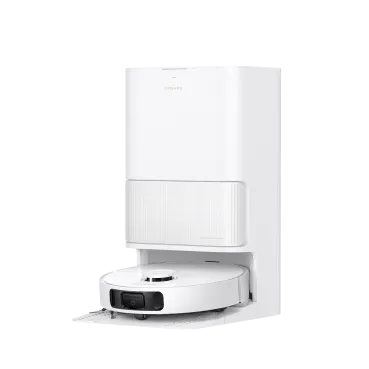
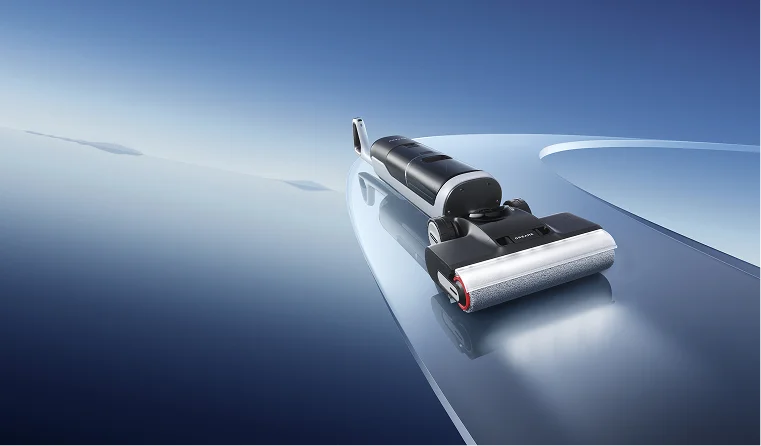
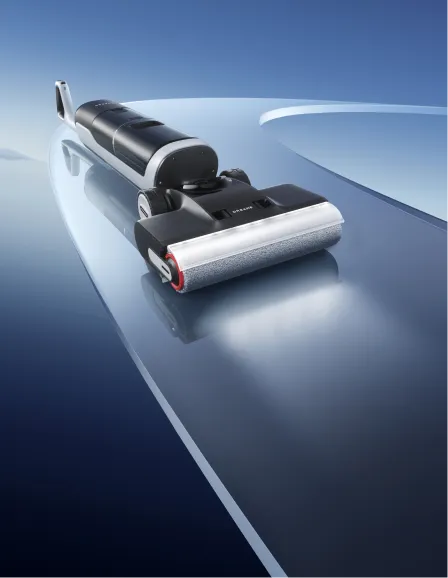
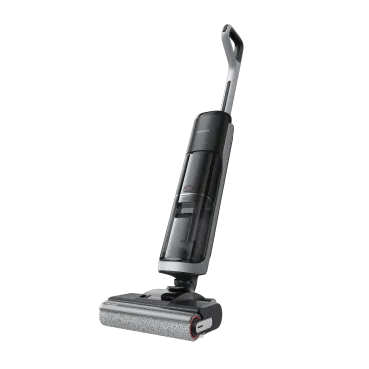
Best Prime Day Wet Dry Vacuum Deals 2026

Best Prime Day Wet Dry Vacuum Deals 2026

Dreame Editorial Team |
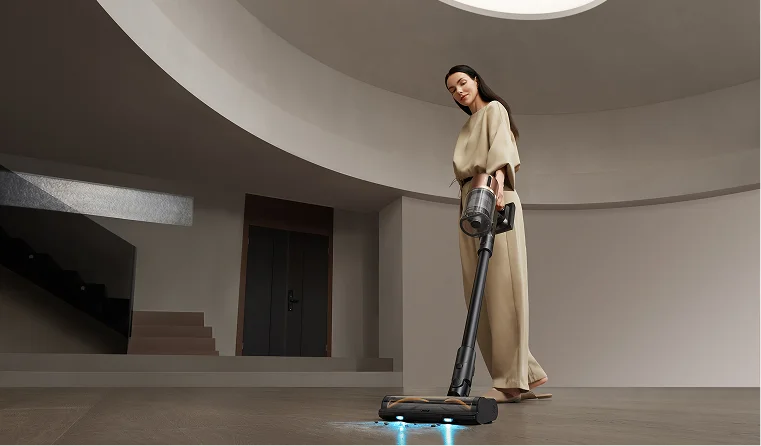
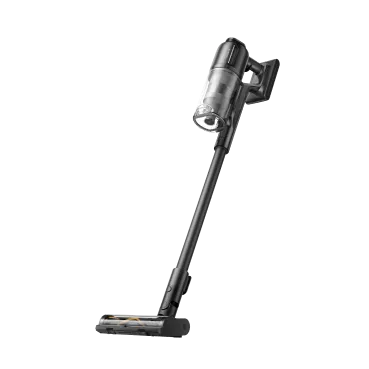
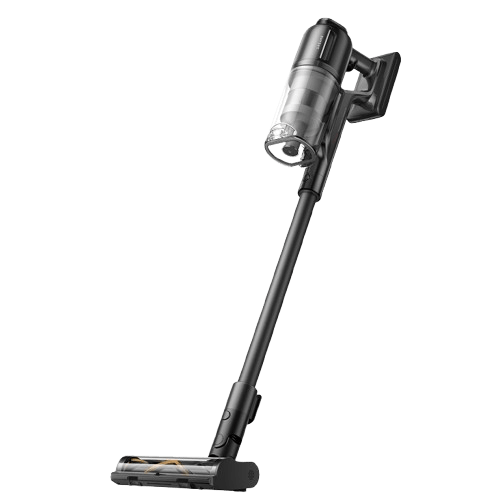
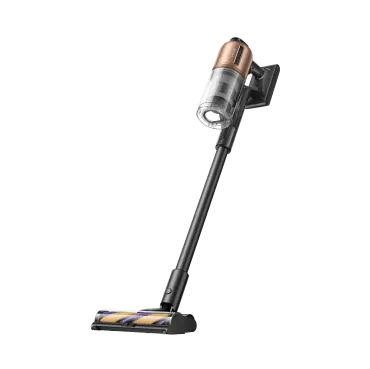
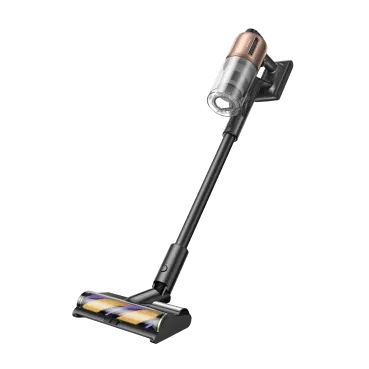
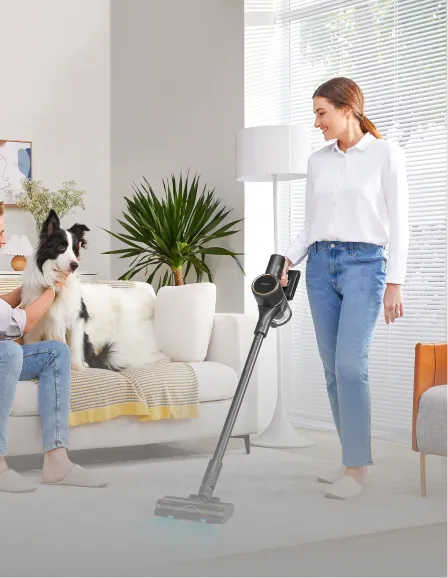
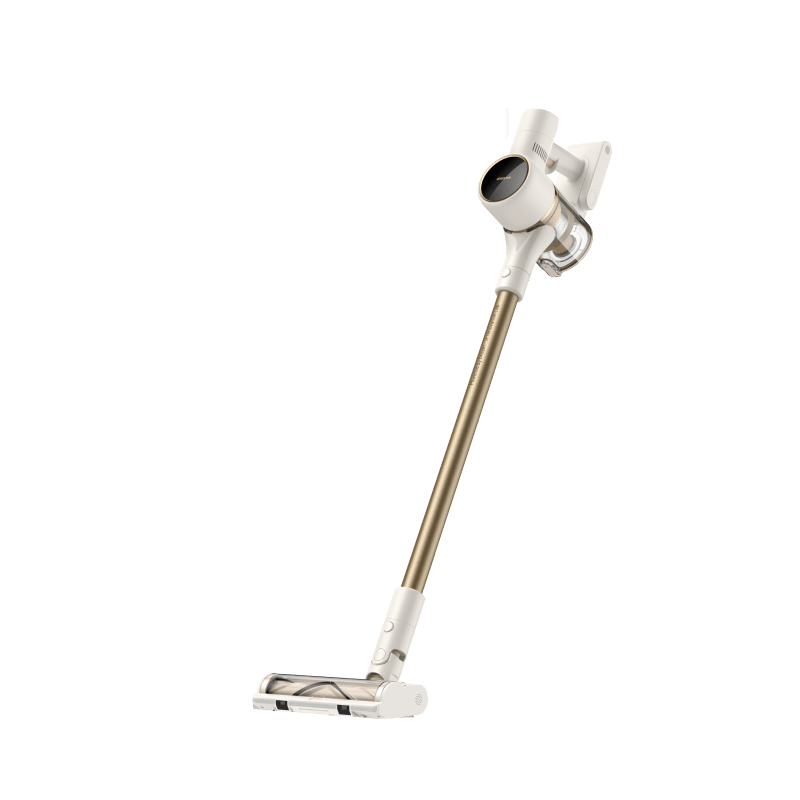
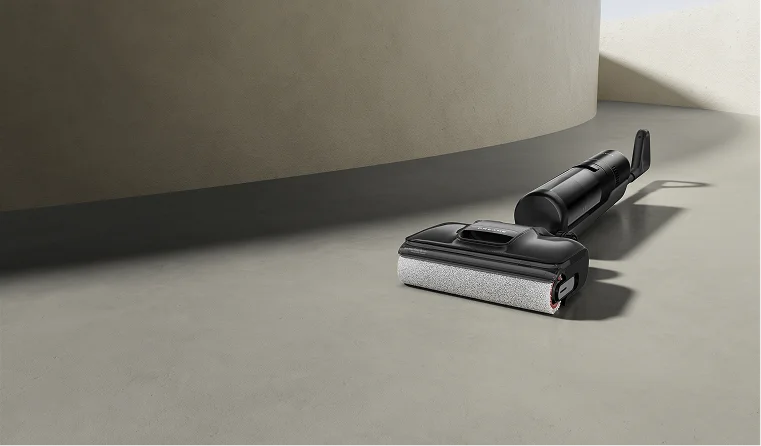
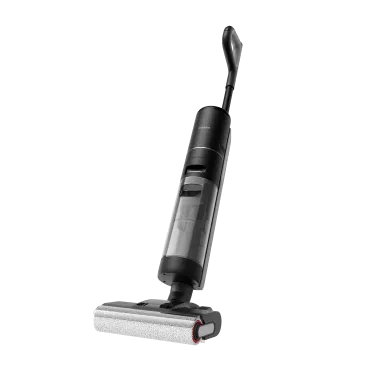
The best Prime Day vacuum deals hiding in plain sight are the wet dry vacuums. This is a category that doesn't often go on deep sale, so up to 35% off during Prime Day is a genuine window, and far fewer shoppers are competing for stock. If you have hard floors and you're tired of vacuuming and then mopping, this is the year to grab one. Here's which models are worth it, when to buy, and how to get the most for your money. Why Wet Dry Vacuums Are the Most Overlooked Prime Day Deal Wet dry vacuums fly under the radar at Prime Day, and that's exactly why they're worth a look: fewer shoppers means less competition for limited stock and more room to land the model you want. A wet dry vacuum vacuums and washes your hard floors in one pass, so it replaces two chores at once. During Dreame's event, the Prime Day wet dry vacuum deals run up to 35% off. What a Wet Dry Vacuum Actually Does A wet dry vacuum vacuums up dry debris and washes your floors with water at the same time, in a single pass. Think of it as a vacuum and a mop fused into one upright machine, with a clean-water tank and a separate dirty-water tank so you're never pushing grimy water around. When you're done, most models run a self-cleaning cycle that rinses the roller for you, so there's no hand-washing a mop head. It's built for hard floors: tile, vinyl, LVP, sealed hardwood, and laminate. For a fuller rundown, here's what a wet dry vacuum does start to finish. Our Top Wet Dry Vacuum Picks for Prime Day 2026 Here's the shortlist worth your Prime Day budget. Aero Pro, the best all-rounder. If you want one vacuum that handles almost everything, start here. It pulls 25,000 Pa of suction and runs the strongest anti-tangle system in the group, TangleCut™ 2.0, which cuts hair as the roller spins so it doesn't wrap into a mess after a week with a shedding dog. Its slim 3.88in body lies nearly flat to reach under beds and sofas, runs up to 60 minutes, and rinses its own roller with a 194°F (90°C) hot-water self-clean. No app, no hot-water floor washing, just strong everyday cleaning. [product handle="aero-pro-wet-dry-vacuum" rating="5"] H15 Pro Heat, the best for deep cleaning. This is the one for sticky kitchen messes and homes that want sanitized floors. It cleans with 185°F (85°C) heat that melts sticky messes in seconds, then self-cleans its own roller at 212°F (100°C) so it stays hands-free and odor-free between uses. Also it earned a CES 2026 Innovation Award. [product handle="h15-pro-heat-wet-dry-vacuum" rating="4.7"] Aero, the best value entry. Want the core wet dry experience without the extras? The Aero brings the same 25,000 Pa suction and TangleCut™ 2.0 anti-tangle as the Aero Pro in a simpler package - with about 35 minutes of runtime. For a smaller home or a first wet dry vacuum, it's the great option. H14 Pro, the best mid-range with self-clean. A 180° lie-flat body, app control, and a 60°C (140°F) hot-water brush wash. Its heat goes to the brush, not the floor, so it washes with cool water: a daily workhorse rather than a hot-water deep cleaner. When to Buy: Pre-Launch vs Main Sale Dreame's wet dry deals step up in two phases. From June 2 to June 22, the pre-heating window runs up to 26% off, with early access and member perks. From June 23 to June 30, the official Prime Day sale jumps up to 35% off, with the LIVE event on June 25 at 4 PM dropping surprise bundles during the broadcast. The 35% main-sale price is the better headline number. The catch is stock: the most popular models can sell out once the main sale goes live, so a slightly smaller pre-launch discount on a vacuum you can actually buy beats a deeper discount on one that's gone. Pro-tip: If you've got your eye on a limited-stock model, grab it in the pre-heating window. A 35% discount means nothing if it's sold out by the time the main sale starts. What to Look for in a Wet Dry Vacuum at Prime Day Pricing Five things separate a wet dry vacuum worth buying: suction, hot versus cold water, anti-tangle brush design, lie-flat reach, and self-cleaning. Here's how to weigh them against the discount. Suction decides how well it lifts stuck-on debris in one pass, and more matters if you cook a lot or have pets. Hot-water washing dissolves grease and sticky spills that cold water spreads around, so it's worth paying up if your kitchen sees real action. An anti-tangle roller saves you from cutting hair off the brush every week, which matters most in pet homes. A 180° lie-flat body reaches under furniture that traditional stick vacuums can't. And a self-cleaning dock means you're not hand-rinsing a dirty roller after every use. Deciding between cleaning tools? Here's wet dry vacuum vs steam mop if you're weighing the two, and you can browse the full wet dry vacuum collection to compare models side by side. What You Get Buying Your Wet Dry Vacuum Direct From Dreame Buying direct at Dreame site sets you up for the long haul, not just the checkout. Buying from Dreame means easy access to genuine parts, accessory bundles, and 20% off accessories during the event. You also get full warranty coverage and product registration handled in one place, plus member perks like points and an extra member discount the marketplace doesn't stack. A deals roundup can point you to a price, but it can't hand you the parts, warranty, and bundles you'll want six months in. See the Dreame membership perks and the Prime Day wet dry vacuum deals to set yourself up properly. Dreame Take: Buying direct keeps your warranty, genuine parts, and accessory bundles in one place, which is what saves you money once the vacuum is part of your weekly routine. Frequently Asked Questions Are wet dry vacuums worth buying on Prime Day? Yes, if you have hard floors. Wet dry vacuums rarely go on deep sale, so up to 35% off during Dreame's main sale is a real window, and fewer people shop the category, which means less competition for stock. The one caveat: this only pays off on hard floors. If your home is mostly carpet, your money is better spent elsewhere. When do the best Prime Day vacuum deals start? Dreame's deals open June 2 with a pre-heating window that runs up to 26% off through June 22. The official Prime Day sale runs June 23 to June 30 at up to 35% off, with a LIVE event on June 25 at 4 PM that drops surprise bundles during the broadcast. If your model tends to sell out, grab it early. The bigger main-sale discount won't help if it's out of stock. What is the best wet dry vacuum for Prime Day 2026? For most homes, the Aero Pro is the best all-rounder: strong 25,000 Pa suction, the best anti-tangle in the group, and simple operation. If you want hot-water deep cleaning for a busy kitchen or sanitized floors, the H15 Pro Heat is the better fit. Both go on sale during the event. Do I need a wet dry vacuum if I already have a robot vacuum? They solve different problems, so many homes use both. A robot vacuum keeps up with daily dust and pet hair on its own. A wet dry vacuum is what you reach for when there's a real spill, a sticky mess, or you want a proper floor wash. If you're shopping both categories, here are the Prime Day robot vacuum deals too. The Bottom Line on Prime Day Wet Dry Vacuum Deals The best Prime Day wet dry vacuum deals come down to three things: it's an overlooked category with real discounts, the model should match your floors, and buying direct sets you up for the long haul. If you want one vacuum that does almost everything, the Aero Pro is the pick. If you want hot-water deep cleaning, reach for the H15 Pro Heat. Browse the Prime Day wet dry vacuum deals to find the model that fits your floors.
Continue reading
Best Prime Day Robot Lawn Mower Deals 2026

Best Prime Day Robot Lawn Mower Deals 2026

Dreame Editorial Team |
Shopping for a Prime Day robot lawn mower deal in 2026? Here is when to act. Amazon Prime Day runs June 23 to 26. Dreame's own deals start earlier and run longer: early-access savings open June 5 and run through June 22, then the main sale runs June 23 to 26, with a LIVE event on June 25 at 4 PM. This guide covers the dates, the savings by phase, and the models worth grabbing before the window closes. If you are still weighing the timing, our guide on the best time to buy a lawn mower has the full picture. Ready to shop? You can see everything live on the Prime Day robot lawn mower deals page. How Much Can You Save on a Robot Lawn Mower This Prime Day? Expect to save a few hundred dollars at minimum, and more on premium models. Across the robot mower category, Prime Day discounts usually land around 10% to 30% off, depending on the original price. Entry-level and mid-range mowers often see $200 to $600 off. Higher-end models, the ones with wire-free setup and LiDAR navigation, tend to see savings closer to $700 to $900. The biggest dollar-off deals show up on premium models. Smaller-yard models save you less in total, but they can be the stronger value if you are watching the budget. The next section breaks down where the Dreame deals land, model by model. For full list prices outside the sale, see our robot lawn mower price guide. The Best Prime Day Robot Lawn Mower Deals 2026 (Our Picks) Not sure which mower to pick? Start with the size of your yard. Smaller yard. The A3 AWD 2000 covers up to about half an acre, which fits most suburban lots. Most yards. The A3 AWD Pro 3500 is the one to get. It covers just under an acre, needs no wires, and comes with a free garage. You will save up to $700 during the early deals and up to $900 once the main sale starts. [product handle="a3-awd-pro-robot-lawn-mower" rating="5"] Pro-tip: For most Canadian yards, grab the A3 AWD Pro 3500. Enough coverage for a typical lot, no wires to bury, and a free garage in the bundle. How to Pick the Right Mower Before You Buy If you want the exact numbers, here is how the coverage maps out. A3 AWD 2000: up to 2,000 m² (0.50 acres). A3 AWD Pro 3500: up to 3,500 m² (0.87 acres). Coverage is the first thing to match, but a few specs decide the fit. All of these climb slopes up to 80% (38.7°), and recognize 300+ types of obstacles, so they hold up on hilly, fenced, or busy yards. They are also wire-free robot lawn mowers, with no boundary wire to bury and no antenna to mount. Browse the full collection of robot lawn mowers to compare them side by side. Pro-tip: Pick a size that covers your whole yard. A mower that is big enough finishes in one go. One that is too small keeps falling behind. Where to Buy: Why Going Direct Stacks More Value The headline discount is only part of the savings. Buy direct from the official store like Dreame, and the member perks stack on top of the sale price. Sign up as a member and you get an 8% discount and 800 points right away. The first orders during the event come with a free accessory gift. After the first 1,000, you still get a $20 reward. And every order earns double points. Frequently Asked Questions When does the Prime Day robot lawn mower sale start in 2026? Dreame's early-access deals start June 5 and run through June 22. The official sale runs June 23 to 26, with a LIVE event on June 25 at 4 PM. Amazon Prime Day itself is June 23 to 26, so the two windows overlap but are not the same. How much can you save on a robot lawn mower during Prime Day? In Canada, up to $700 then up to $900 off. Member perks add more on top. Are Prime Day robot lawn mower deals worth it, or should you wait? Worth it. Prime Day is the strongest early-season window, with deep savings while a full mowing season is still ahead. Waiting for a later sale usually means a mower you cannot put to work until next year. Do I need an Amazon Prime membership to get these deals? No. Dreame's deals run on dreametech.com during the same window, where the member perks apply. Amazon Prime Day is the broader event which does require prime, but the direct-site deal does not require Prime. The Bottom Line on Prime Day Robot Mower Deals The deals run June 5 to 26, with the deepest cuts in the official window from June 23. For most yards, the A3 AWD Pro 3500 is the pick, and buying direct direct from the official Dreame store stacks the most value. Ready to shop? See the live Prime Day robot lawn mower deals and grab the size that fits your yard.
Continue reading
Best Time to Buy a Robot Lawn Mower

Best Time to Buy a Robot Lawn Mower

Dreame Editorial Team |
The best time to buy a lawn mower is early spring, before the grass takes off, or during one of the big sale events that land through the year. Buy too late and your first few weekends go to catching up on an overgrown yard. Buy at the right moment and you save money and skip the backlog. For a robot mower, that timing matters even more. The earlier it is in your yard, the more it does for you. Here is how the calendar works, and why the window that opens this June is the one worth watching. Why the Best Time to Buy a Robot Mower Is Before the Season A robot mower is not a buy-it-when-you-need-it tool. It earns its keep by running all season, a little at a time, so the grass never gets ahead of you. That only works if it is already in your yard when growth picks up in spring. If you are still deciding whether a robot lawn mower is worth it, buying at the right time is a big part of the answer. Set one up early and it maps your lawn once, then keeps it trimmed on a schedule while you get on with your weekend. Wait until midsummer and you start the season behind, dealing with the tall, uneven grass a robot mower is built to prevent. The first cut on an overgrown lawn is the hardest one, and it is the one you can skip entirely by buying early. The way a robot mower works rewards early timing. Instead of one long cut a week, it trims a little at a time across the week, so the lawn stays at an even height and the clippings are small enough to feed the grass rather than clump on top. Start that rhythm in spring and your lawn never has a rough patch to recover from. There is a setup advantage too. A wire-free robot lawn mower maps your yard on its first run, with no boundary wires to bury and no signal beacons to plant around the property. It is ready to work the day it arrives. The Robot Lawn Mower Deal Calendar Mower prices follow the mowing season. Here is how the year breaks down, and where the real value sits. Early Spring (March to May): New Models and the Season Opener New models land in spring and last year's get marked down, so this is a good window if you want current tech at a lower price. The late-May long weekend around Victoria Day is the unofficial kickoff of lawn season and one of the first real sale events of the year. Buy now and you get a full season of mowing out of the deal. Early Summer (June): Prime Day Prime Day is the standout early-season window. It lands while you still have months of growing season ahead, which is when a robot mower gives you the most back. Late Summer to Fall (August to October): End-of-Season Clearance This is where the headline discounts get deepest, as retailers clear stock before winter. The catch is timing. A mower bought in September sits unused until spring, so you are paying for a tool you cannot run for months. Year-End (November to December): Black Friday and Holiday Sales Another round of broad discounts, good if you want a mower ready for next spring. Selection thins out the longer you wait. Pro-tip: The deepest discount is not always the best deal. An early-season buy costs a little more but gives you a full season of hands-off mowing. A year-end buy saves a bit more but parks the mower until spring. Why Prime Day 2026 Is the Window Worth Catching Prime Day 2026 is the strongest buying window of the year for a robot lawn mower, and the savings start before the official dates. Dreame's early deals run June 5 to 22, with up to $700 off in Canada. The official Prime Day sale runs June 23 to 26, with more discounts to come. There is also a LIVE event on June 25 at 4 PM, with extra time-limited perks for anyone tuning in. For a fuller picture of what these mowers cost outside the sale, see our robot lawn mower price guide. The savings stack if you are a member. Registering gets you an added discount, bonus points toward future orders, and a gift with your first qualifying purchase, all on top of the headline deal. It is worth setting up before you check out. You can see the full breakdown on the Prime Day robot lawn mower deals page, and our best Prime Day robot lawn mower deals roundup walks through the offers model by model. Which Robot Mower to Buy by Yard Size Pick the model that matches your yard - the right size mower finishes in one pass and idles the rest of the day. One that is too small never quite catches up. If you want a full walkthrough before deciding, our robot lawn mower buying guide covers it. The Dreame A3 AWD Pro Series scales to how much grass you have: A3 AWD 2000 handles yards up to 2,000 m² (0.50 acres), a fit for smaller suburban lots. A3 AWD Pro 3500 covers up to 3,500 m² (0.87 acres). It is the one we would start with for a typical suburban yard. All of them set up without wires and keep a steady, even cut once they have mapped your lawn. The one thing to get right is matching the coverage to your yard. Pick the size that fits the space you have, and the mower takes care of the rest on its own, all season long. [product handle="a3-awd-pro-robot-lawn-mower" rating="5"] Frequently Asked Questions When is the cheapest time of year to buy a lawn mower? Early spring and end-of-season clearance tend to be cheapest, with the big summer sale events sitting in between. For a robot mower, early spring is the better value, since you get a full season of use out of it rather than parking it until next year. Is it better to buy a lawn mower in spring or fall? Spring, if you actually want to use it this season. Fall clearance can be cheaper, but the trade-off is a mower that sits in the garage for months before it does any work. Should I buy a robot mower before or after the mowing season begins? Before. A wire-free robot maps your yard once and keeps it trimmed from day one, so buying early means you skip the overgrown catch-up mow. There is no install lead time either, since there are no boundary wires to bury. The Bottom Line: The Best Time to Buy a Lawn Mower The best value comes from buying early in the season, and that is truer for a robot mower than for anything you push yourself. Get one in place before the grass takes off and it keeps your lawn handled all season, with no weekends lost to catching up. Prime Day 2026 is the cleanest window to do it this year. Have a look at the Prime Day robot lawn mower deals and see which size fits your yard.
Continue reading
Robot Lawn Mower Price Guide: What You'll Pay in 2026

Robot Lawn Mower Price Guide: What You'll Pay in 2026

Jordan zhuang |
In 2026, a robot lawn mower can cost you anywhere from $1,100 CAD to over $6,800 CAD. At the low end you're getting a basic mower with a perimeter wire and limited smart features. At the top end you're getting LiDAR navigation, all-wheel drive, and enough range to handle multiple acres without setup headaches. The real question is whether it costs less than the lawn service you're already paying for. This guide breaks down what your money buys at each price point, and when it's worth spending more for a premium model. How Much Does a Robot Lawn Mower Cost in 2026? Robot lawn mowers in 2026 cost between $700 to $7,000+ CAD. What separates a budget robot mower from a premium model comes down to how it navigates and how much lawn it can handle. Here's what your money gets you at each price point. Budget: $700 to $1,400 CAD Entry-level mowers. Coverage is usually under 800m² (0.2 acres), wire-based or basic GPS navigation, single-blade cutting, and limited obstacle detection. A reasonable fit for small, flat lawns where you don't mind installing a perimeter wire. Mid-tier: $1,400 to $2,700 CAD This is where wire-free navigation shows up. Coverage typically lands between 1,000m² and 2,000m² (0.25 to 0.5 acres), with better obstacle handling and tighter edge cutting than budget models. If you've got a typical suburban lawn, this is your range. Premium: $2,700 to $7,000+ CAD LiDAR navigation, all-wheel drive, broader obstacle recognition, and dual-blade cutting. Coverage ranges from 2,000m² up to 8,000m²+ (0.5 acres up to several acres). These premium robot lawn mowers are perfect for larger lots, sloped terrain, or yards crowded with trees, fences, and garden beds. The Dreame A3 AWD Robot Lawn Mower Our robot mowers are priced from the mid-range up. The A3 AWD 1000, A3 AWD 2000, and A3 AWD Pro 3500 are available in both the US and Canada. The A3 AWD Pro 2500 and A3 AWD Pro 5000 are US-only. Model Lawn coverage Best for Price (CAD) A3 AWD 100 1,000m² / 0.25 acres Small suburban lawns, simple layout $2,299.99 A3 AWD 2000 2,000m² / 0.50 acres Mid-size suburban lawns $3,299.99 A3 AWD Pro 3500 3,500m² / 0.87 acres Large suburban lots with slopes up to 80% $3,699.99 Table 1: A comparison of Dreame's full range of robot lawn mowers by price and coverage. The standard A3 AWD series covers smaller suburban lawns. The A3 AWD 1000 handles 1,000m² (0.25 acres) at $2,299.99 CAD. The A3 AWD 2000 doubles that to 2,000m² (0.50 acres) for $3,299.99 CAD. A step above, the A3 AWD Pro models cover larger lawns. The A3 AWD Pro 3500 handles 3,500m² (0.87 acres) at $3,699.99 CAD, making it the highest-capacity Dreame robot lawn mower available north of the border. Pro-tip: The A3 AWD Pro models are mechanically identical. The main differences are lawn coverage capacity. If your lawn is under 2,000m² (0.50 acres), the A3 AWD line offers excellent value. 5 Features That Drive the Prices of Robot Mowers The gap between a budget robot mower and a premium one comes down to a handful of features that change how the machine works in your yard. Better navigation, stronger drive systems, smarter obstacle detection, and more precise cutting all cost more to build. They also make the difference between a mower that handles your lawn properly and one that gets stuck on the same patch every week. Here's what to look for. 1. Navigation system Of all five features, this one drives the price the most. Wire-based mowers, where you bury a perimeter wire around your lawn, cost the least. RTK-based mowers, which use a GPS antenna mounted on your roof or in your yard, add complexity and cost. LiDAR-based mowers, which map your yard with onboard 3D sensors and skip both wires and antennas, are the most expensive. You're paying for setup-free navigation that doesn't lose signal under tree cover or fail when the wire breaks. Dreame's robot lawn mowers use 360° 3D LiDAR and OmniSense™ 3.0 Technology with up to 230ft (70m) detection range, which is why the system requires no buried wires or roof-mounted antennas. 2. Drive system Most basic mowers use two-wheel drive. All-wheel drive (4WD) adds cost, but it changes what the mower can handle. The A3 AWD Pro, for example, climbs slopes up to 80% (38.7°) with full 4-wheel drive. On a yard with even one steep section, it's the difference between full coverage and a mower stranded halfway up a hill. 3. Obstacle detection Budget models use bump sensors. Mid-tier models add basic camera-based obstacle avoidance. Moving up the line, premium models recognize specific obstacle types, such as toys, hoses, pet bowls, planters, and are able to route around them. The A3 AWD Pro recognizes 300+ obstacle types using Binocular AI Vision combined with 360° 3D LiDAR. 4. Edge cutting Most robot mowers leave a 10 to 15cm (4 to 6in) gap along fences and garden beds, which means you still need a string trimmer. EdgeMaster™ 2.0 on the A3 AWD Pro trims within 3cm (1.2in) of boundaries, roughly the width of a thumb. 5. Cutting system Most mowers rely on a single-blade setup. Upgrading to dual-blade disc systems (like the A3 AWD Pro's 15.8in / 40cm cutting width) delivers a cleaner cut and handles taller, denser grass better. They also tend to last longer between blade replacements. Robot Lawn Mower Price by Lawn Size The size of your lawn is the fastest way to narrow down which robot mower makes sense for you. The bigger your lawn, the more coverage, navigation power, and drive system you need, and the more you'll pay. Under 0.25 acres (urban and small suburban) If your lawn is under 1,000m² (0.25 acres), you don't need a big premium model. But if you've got garden beds, trees, or fences to work around, wire-free navigation is still worth paying for. Expect to spend $1,100 to $2,000 CAD for a capable wire-free model at this size. The Dreame A3 AWD at $2,299.99 CAD covers up to 1,000m² (0.25 acres) and brings LiDAR navigation to the entry price point. No buried wires, no GPS antenna setup, and slope and obstacle handling you'd usually have to pay more to get. 0.25 to 1 acre (typical suburban) Most robotic mowers are built for lawns this size. If your lawn falls between 1,000m² and 2,000m² (0.25 to 0.5 acres), you're in the most common range, with larger detached lots stretching toward an acre. Pricing here runs from $2,000 to $5,400 CAD depending on navigation type and how well the mower handles slopes. The Dreame A3 AWD Pro at $3,699.99 CAD covers up to 3,500m² (0.87 acres). It comes with full LiDAR navigation, all-wheel drive that handles slopes up to 80% (38.7°), EdgeMaster™ 2.0 edge cutting, and 300+ obstacle recognition. That's more than enough for the typical 0.2 to 0.3-acre suburban lawn, with room to spare. Over 1 acre (large suburban and rural) For lawns over an acre (4,000m²+), the field narrows. Most residential mowers max out around 1.5 to 2 acres (6,000m² to 8,000m²) of coverage. Pricing starts at around ($4,800 CAD and climbs past $6,800 CAD for the largest-capacity models. The upfront cost is higher, but the cost per acre cut works out lower than buying a smaller mower that can't keep up with your yard. Is a Robot Lawn Mower Worth the Price? For most lawns over 1,000m² (0.25 acres), yes. The answer is straightforward once you stop comparing mowers to each other and start comparing owning a robot mower to what you're already spending on professional lawn services. What you're paying for lawn service Across most of North America, lawn service runs $55 to $90 CAD per cut. A typical mowing season is 25 to 30 cuts. This puts most lawns over 1,000m² (0.25 acres) somewhere in this range: 25 cuts × $55 CAD = $1,400 CAD per year 30 cuts × $90 CAD = $2,700 CAD) per year If you've got a lawn over 1,000m² (0.25 acres) and you're paying for service, you're likely spending $1,400 to $2,700 CAD every year. What you're paying for a robot mower A mid-range robot mower at $2,500 CAD, spread over a 5-year lifespan, costs you $500 CAD per year. Maintenance costs such as replacement blades and electricity can add another $70 to $140 CAD per year. This puts your all-in annual cost at $570 to $640 CAD. Breaking even If you're currently paying $1,650 CAD a year for lawn service on a lawn over 1,000m² (0.25 acres), owning a robot mower usually costs about half. The mower pays for itself in 12 to 18 months. However, this can change if your service costs are already low. If you're only paying $550 CAD a year, maybe for a small urban lot under 600m² (0.15 acres), a $2,500 CAD mower takes 4 to 5 years to break even. It's still a worthwhile investment if you plan to stay in your home long-term, but the payoff is slower compared to a bigger lawn. Pro-tip: You can run the numbers quickly by dividing your annual lawn service bill by the price of the robot mower. If the number is bigger than roughly 1/3, you will break even in under three years. For most lawns over 1,000m² (0.25 acres), it pays off in less than 18 months. When It's Worth Paying More for a Robot Lawn Mower A premium robot mower earns its price tag in three places: navigation that doesn't depend on wires or external antennas, a drive system that handles real terrain, and edge-to-edge precision. The Dreame A3 AWD Pro 3500 at $3,699.99 CAD is a good example. For 3,500m² (0.87 acres) of coverage, here's what you get: Onboard 360° 3D LiDAR with Binocular AI Vision, up to 230ft (70m) detection range. No RTK antenna, no buried wire, no setup beyond the first map run. That saves 2 to 3 hours of installation compared to wire-based systems. Full-time 4-wheel drive rated for slopes up to 80% (38.7°). Most robot mowers max out around 35 to 45%. If your yard has any real slope, this is the difference between full coverage and a mower that skips the hill. EdgeMaster™ 2.0 edge cutting within 3cm (≤ 1.2in) of fences and borders. The biggest frustration with old-school robot mowers is the uncut fringe left along fences and walls. Combined with its AI navigation, the A3 AWD Pro minimizes the need for manual string trimming. Enjoy a professional, finished look across your entire property, right up to the very edge. [product handle="a3-awd-pro-robot-lawn-mower" rating="5"] Features like LiDAR navigation and all-wheel drive, which used to be limited to the most expensive models, are becoming the standard for mowers expected to handle real terrain. Dreame Take: LiDAR navigation and all-wheel drive are the two features that most affect how a robot mower performs in the long term. Both are worth prioritizing if your lawn has any complexity. Choosing the Right Robot Mower for Your Yard The right robot mower for you comes down to two questions: how big is your lawn, and what are you already paying for lawn service? If you've got a lawn over 1,000m² (0.25 acres) and you're paying $1,400 CAD or more a year for service, almost any decent robot mower pays for itself in under two years. The bigger your yard, the steeper your slopes, and the tighter your edges need to be, the more it makes sense to step up in price range. If a robot mower's been on your shortlist, the Dreame A3 AWD Pro is a good place to start. It directly addresses the most common pain points of existing mowers, like complicated setup, unstable signals, poor navigation on tricky terrain, limited climbing ability, and sloppy edge work. Explore Dreame's full range of robot lawn mowers and let your lawn take care of itself. Frequently Asked Questions Are robotic lawn mowers worth the price? For most lawns over 1,000m² (0.25 acres) currently paying for professional lawn service, yes. The mower pays for itself in 12 to 18 months, and a well-maintained one keeps going for 7 to 10 years after that. Why are some robot mowers under $1,000 and others over $5,000? The price difference is primarily driven by navigation and drive systems, with budget models relying on wire-based navigation and standard 2WD, while premium robot mowers use RTK or LiDAR systems and powerful 4WD. These models cost more as they come with advanced cutting features, such as dual-blade systems and precision edge-trimming technology. What is the lifespan of a robotic lawn mower? A well-maintained mower can last 7 to 10 years, with replaceable batteries and blades extending its life further. The Dreame A3 AWD Pro comes with a 3-year warranty, which gives you a buffer on the most expensive parts of the machine while you're still in the early years of ownership. What are the hidden costs of owning a robot mower? Replacement blades will cost you $30 to $55 CAD per year, electricity adds a few dollars to your power bill each month, and the battery will need replacing every 3 to 5 years at a cost of $210 to $550 CAD, depending on the model. Even with all three factored in, your annual cost still comes out well below what you'd pay for lawn service for the same yard. Do wire-free robot mowers cost more than wired ones? While wire-free mowers have a higher upfront price, wired models come with hidden costs in both time and money. Installing a perimeter wire yourself takes roughly 2 to 3 hours of labor, or you can expect to pay up to $815.54 CAD for a professional installation service.
Continue reading
Electric vs Gas Lawn Mower: Which Is Right for Your Yard?

Electric vs Gas Lawn Mower: Which Is Right for Your Yard?

Jordan zhuang |
Thinking about whether to go electric or stick with gas for your lawn mower? For most suburban yards (flat lawns under 2,000m² / 0.5 acres), an electric mower is the better option. It's less expensive to operate, kinder to the environment, noticeably quieter, and easier to maintain. Most electric mowers can also cover suburban lots in one charge. That said, gas mowers still make sense if you've got tough terrain or a bigger lawn (over 2,000m² / 0.5 acres). In this comparison, we'll break down where each type shines, so you can pick the mower that fits your yard and routine. Electric vs Gas Lawn Mower: Where Electric Lawn Mower Wins Here's where electric lawn mowers are better than gas lawn mowers: they have quieter operations, zero local emissions, minimal maintenance, fast startup, and lower running costs. Quieter operations: A corded or battery electric mower runs at around 75dB. Gas mowers run at around 90 dB. Think of 75dB as the noise a vacuum cleaner or washing machine makes. At 90dB, the noise can sound like a motorcycle engine. Ear protection for prolonged exposure is needed. Zero local emissions: Electric mowers don't produce fumes and exhaust smell, unlike gas mowers. This is important if you're mowing in an enclosed backyard, near open windows, or around kids and pets. Minimal maintenance: Electric mowers don't require oil changes or spark plug replacement. Charge it, mow your lawn, put it away. Fast startup: If you've spent ten minutes coaxing a gas mower to life, an electric mower's instant startup makes a big difference. Just press a button and start mowing. Lower running costs: An electric mower runs on electricity that typically costs a fraction of a tank of gas. Meanwhile, a gas mower requires you to spend on fuel and regular maintenance, like oil, spark plugs, and air filter replacements. Electric vs Gas Lawn Mower: Where Gas Lawn Mower Wins Despite heavy maintenance and noise, gas mowers are still better than electric mowers in four areas. They give you sustained power for tall, wet, or thick grass, unlimited runtime, a better fit for lawns over 2,000m² (0.5 acres), and they operate in power outages. Sustained power for tall, wet, or thick grass: Prolonged rain can cause your unmowed lawn to develop thick, tall, wet overgrowth and matted patches of grass. Overgrown grass creates more resistance on a mower's blade, especially when wet. Gas mowers are better than electric mowers at maintaining cutting power in these conditions. Unlimited runtime: Because you can refill its fuel in just 30 seconds, gas mowers let you mow for hours. If it stops midway, an electric mower may need 30 minutes or more to recharge. Lawns over 2,000m² (0.5 acres): Gas mowers' 30-second refill time is good for mowing large lawns. An electric mower's single battery charge covers a small-to-medium yard, not half an acre or more. Runs in power outages: In prolonged power outages, a gas mower can help you maintain your yard and avoid overgrowth. Important: If you're still considering an electric mower over a gas mower for a lawn over 2,000m² (0.5 acres), find out the mower's real-world runtime before buying. A 40-minute battery can struggle in large lawns. The Cost Breakdown: Upfront vs Long-Term A lawn mower will likely stay in your shed for 7 to 10 years, so the upfront price is only part of what you'll actually pay. Once you consider fuel and maintenance, an electric mower usually comes out lower than a gas mower over five years, even though it costs more to buy. Upfront costs: Electric mowers usually cost more to buy than gas push mowers, mostly because of the battery. However, the gap has been shrinking as batteries get cheaper. Running costs: Charging an electric mower over one mowing season typically costs around $14–$27 CAD in electricity. Fueling a gas mower over the same season runs about $41–$82 CAD. Maintenance: Cordless electric mowers need a battery replacement every 3 to 5 years and very little else in between. Gas mowers need recurring upkeep year after year. Engine maintenance like oil and spark plug changes is one cost, and annual winterization (end-of-season fuel and oil prep before storage) is another. Pro-tip: Check whether your local utility offers a rebate on electric yard equipment. Many do, especially in regions phasing out gas-powered lawn equipment. A rebate can offset a meaningful share of the upfront price gap. Other Factors: Noise, Emissions, and Weather Before you buy, consider these other factors that often get overlooked: what your municipality allows, what your province or state regulates, and how the mower handles wet grass. Local noise rules: Many cities and towns restrict gas-powered yard equipment in the early morning, late evening, and on weekends. If you mow before work or on a Sunday afternoon, an electric mower lets you mow whenever it suits you. Emissions regulations: Some regions have started phasing out new sales of gas-powered lawn mowers, with more expected to follow. If you're buying a mower you'll use for the next 7 to 10 years, electric may be the safer long-term bet. Wet grass handling: Most electric mowers can handle damp grass, but manufacturers tend to advise against it. Wet grass can strain the motor and tear blades instead of cutting them cleanly. If your lawn needs cutting and you can't wait for it to dry, raise the cutting height and slow your pace. A Third Option: Skip Both With a Robot Lawn Mower Why pick between gas and electric when you can skip mowing altogether? A robot mower does the job for you. It runs on its own and charges itself. You may pay more upfront than either alternative, but it frees up your weekends. The Dreame A3 AWD 1000 retails at $2,299.99 CAD, and covers up to 1,000m² (0.25 acres) on a single charge. When the battery runs low, it returns to its dock to recharge before picking up where it left off. Setup is straightforward, and once it's done, the mower runs on its own schedule. A weekly mow takes 30 to 60 minutes on an average suburban lawn. Over the 7-to-10-year lifespan of a typical mower, that's 200 to 400 hours of your weekends. A robot mower gives you those hours back. Your lawn ends up healthier too, since frequent short cuts are better for grass than weekly long ones. The A3 AWD 1000 is the entry point into Dreame's A3 AWD lineup. This Dreame A3 AWD Pro review walks you through the higher-end model in the same series, which gives a good sense of how setup and daily use work across the range. [product handle="a3-awd-pro-robot-lawn-mower" rating="5"] Important: Most capable robot lawn mowers can start to struggle once lawns push past 6,000m² (1.48 acres) or slopes exceed 80% (38.7°), and gas is still the better fit there. For everything below that range, though, today's robot mowers handle the job well, including yards with slopes, edges, and obstacle-heavy layouts that would have stopped earlier models. Choosing the Right Mower for Your Yard The right mower depends on your yard and how much time you want to spend on it. Gas still earns its place on large lawns or rough terrain, but for a flat suburban yard, electric is the simpler and cheaper choice. And if mowing isn't how you want to spend your weekends, a robot mower takes the job off your hands. If a robot mower fits your yard, Dreame's collection of robot lawn mowers is a fantastic starting point. The A3 AWD series covers a range of yard sizes, from small backyards up to lawns approaching an acre. Frequently Asked Questions Which is better, gas or electric lawn mower? For most suburban lawns under 2,000m² (0.5 acres), an electric lawn mower is the better choice today. It's quieter, cheaper to run, and needs far less upkeep. A gas mower is still the right pick for larger lawns, rough terrain, or yards with thick or wet grass where electric mowers can lose power. What are the drawbacks of electric lawn mowers? The main drawback is runtime. Cordless models usually run for 30 to 60 minutes on a full charge, which is fine for a small yard but tight for anything approaching half an acre. If the battery runs out mid-mow, you'll need to wait for it to recharge before finishing. Electric mowers usually cost more upfront than gas models, though batteries are becoming cheaper. Lower-end models with smaller motors can also bog down in tall or wet grass. And while corded electric mowers solve the runtime problem, the cord itself is awkward to manage around trees, beds, and obstacles. Is it okay to cut wet grass with an electric lawn mower? Yes, modern electric mowers are built to cut wet grass safely. The bigger issue is performance. Wet grass clogs the underside of the mower, dulls the cut, and tears blades of grass instead of slicing them cleanly. Most manufacturers advise against it for that reason. If you do mow in wet conditions, raise the cutting height and slow your pace to give the mower more time to cut through each pass. How much does it cost to run an electric mower vs gas? Electric mowers cost less to run than gas mowers in every region. Electricity for an electric mower runs about $14–$27 CAD per season for an average suburban lawn, while gas runs $41–$82 CAD. Gas prices fluctuate, while electricity rates are more stable, which makes electric running costs easier to predict. What if I don't want to mow at all? You can hire a lawn service or get a robot mower. A professional lawn service makes sense if your lawn is over 4,000m² (1 acre) or has slopes past 80% (38.7°) that a robot mower can't handle. You pay per visit with no upfront cost, but the bill repeats every season. Robot lawn mowers make sense if your lawn fits within a model's coverage range. Once it's set up, it mows on its own schedule and charges itself. You don't need to be home. A robot mower has a higher upfront cost but pays for itself within a few seasons if you'd otherwise pay for weekly cuts.
Continue reading
Best Robot Mowers for Large Lawns (2026 Buyer's Guide)

Best Robot Mowers for Large Lawns (2026 Buyer's Guide)
Jordan zhuang |
Big yards have their set of unique challenges when it comes to selecting the right robot lawn mower. Most robot mower guides treat anything over half an acre as one category, which can be frustrating when your 1.2-acre lot has hills, mature oaks, and three separate mowing zones. You'll have to factor in how much ground your mower can cover each day, how it deals with trees, and the limitations of a model around slopes and different terrain. Our guide picks the best large lawn robot lawn mowers by acreage and explains some of the trade-offs that you will have to consider for each model. You'll also learn useful tips to help you pick the right mower for the size of your lawn. How Big of a Lawn Can a Robot Mower Handle? When it comes to residential robot mowers, a large lawn falls between 2,000 and 8,000m² (0.5 to 2 acres). The ideal range for a robot mower is a yard between 2,000 and 5,000m² (about half an acre to 1.25 acres). Here's when mowing can turn into a weekend-long activity and where a robot mower will save you time and money compared to hiring a professional lawn service crew. If your yard is larger than that, you might want to consider commercial models instead. Large lawns often come with more trees and longer edges to navigate. This is important to keep in mind, because even if a mower is rated for a certain acreage, obstacles like trees and slopes can quickly reduce that coverage. Pro-tip: Not sure what's the size of your yard? Measure it in Google Maps' area tool. It makes every comparison in this guide useful. What to Look For in a Robot Mower for Large Lawns When shopping for a large lawn, you want a strong daily coverage rating so the mower finishes on schedule. You need navigation that holds up around trees and garden beds and real 4WD for slopes, not just rear-wheel drive that stalls on hills. And you need reliable recovery between charge cycles because big lawns take more than one battery to finish. Here's a closer look at each factor. Daily coverage rating, not just maximum area rating For a large lawn, daily coverage matters more than maximum area. Max area tells you how big a yard the mower can theoretically handle across multiple sessions. Daily coverage tells you how much it actually finishes in a day, after considering battery runtime and recharge breaks. To find it, check the spec sheet for "daily coverage" or "daily mowing capacity." Some models list it across multiple modes so you can match the setting to your lawn. The Dreame A3 AWD Pro, for example, gives you three: Standard: 2,500m² (0.62 acres) per day Efficient: 3,500m² (0.87 acres) per day Rush: 5,000m² (1.24 acres) per day Pick a mower with daily coverage in Standard or Efficient mode that meets or exceeds your lawn size, with some buffer built in for delays and missed days. If your yard is 2,000m² (0.50 acres), you need daily coverage of at least that figure, ideally a bit more. Important: A mower that needs two days to finish your lawn falls behind every time it rains, since most robot mowers pause in wet conditions to protect the blades and avoid tearing up soft turf. If a manufacturer only publishes a max-area rating and no daily coverage figure, it usually means the max number assumes continuous runtime, which no mower actually achieves once you consider recharge cycles. Navigation that holds up under trees and garden beds Look for a large lawn robot mower with these three features: RTK-free navigation, a 360° LiDAR sensor, and dual AI cameras. This combination lets a mower handle multiple zones, narrow passages, and obstacles like trees and flowerbeds without getting stuck or losing its place. RTK-free means the mower doesn't need a satellite antenna to know where it is. 360° LiDAR scans the full perimeter in real time, so the mower builds and updates its own map as it goes. Dual AI cameras spot obstacles the LiDAR alone might miss, like garden hoses, kids' toys, or a sleeping pet. The Dreame A3 AWD Pro uses all three. Its OmniSense™ 3.0 Technology combines 360° 3D LiDAR with binocular AI vision and skips RTK entirely, which is why it works under tree canopy and around dense garden beds where satellite-based mowers struggle. Important: RTK-based mowers use satellites to map your lawn. This means it can lose signal under tree canopy for minutes at a time, leaving the same strip of lawn uncut session after session. It's a common frustration of existing mowers for large lawns. Real AWD/4WD slope handling Large lawns often have hills and small raised mounds that help guide water flow. For a robot mower to go over them without slipping or stalling, you'll need a mower with all wheels moving it forward instead of just the back wheels or front wheels (all-wheel-drive support). Recovery between charge cycles Large lawns need multiple charge cycles to finish a single mow. A 4,000m² (1-acre) yard can take 6 to 8 hours of total mowing time, but most robot mowers run for 2 to 3 hours on a single charge before returning to dock for a recharge. The mower will leave and come back to the lawn several times in one session. Look for a mower that remembers exactly where it left off and resumes from that spot, not from the start of the zone. Without that, you end up with overlapping passes in some areas and missed strips in others. The term to look for is "intelligent continuous cutting" or "resume-from-pause." Best Robot Mowers for Large Lawns by Acreage Here are our honest large lawn robot mower picks based on lawn size from the Dreame lineup. We also share what each model can realistically handle. Model Mapped capacity Battery coverage A3 AWD Pro 2500 2,500m² (0.62 acre) 5Ah A3 AWD Pro 3500 3,500m² (0.87 acre) 7.5Ah A3 AWD Pro 5000 5,000m² (1.20 acres) 10Ah Best robot mower for 0.5 to 0.75 acre The A3 AWD Pro 2500 is a good fit for suburban lawns in the 2,000 to 3,000m² (0.5 to 0.75 acre) range. You get the coverage you need without paying for capacity you won't use. Mapping a 1,000m² (0.25 acre) lawn takes about 15 minutes, since there are no buried boundary wires or RTK antennas to install The full 4WD system climbs slopes up to 80% (38.7°), so hilly sections and raised mounds don't slow it down. EdgeMaster™ 2.0 trims within 3cm (≤ 1.2in) of fences and garden borders, which cuts down the manual trimming you'd otherwise do with a string trimmer. The A3 AWD Pro 2500 retails for $3,099.99 USD and is currently sold in the US only. Best robot mower for around 1 acre If your lawn is close to 4,000m² (1 acre), the A3 AWD Pro 3500 is the right fit. It's rated for up to 3,500m² (0.87 acre) of mapped coverage and finishes a full lawn at that size in well under a day in Rush mode, or about a day and a half in Standard mode. It holds even when the layout is broken up by garden beds and trees. Navigation runs on 3D LiDAR with a detection range of up to 70m (230ft), so the mower reads the yard from sensors on its body instead of relying on a GPS base station that can lose signal under a tree canopy. Binocular AI vision recognizes 300+ object types, so kids' toys, hoses, garden tools, and pet bowls get routed around rather than run over. The A3 AWD Pro 3500 retails for $3,199.99 USD ($3,699.99 CAD). Best robot mower for 1 to 1.25 acres If your lawn is over an acre, the A3 AWD Pro 5000 is your best bet. It's rated for up to 5,000m² (1.20 acres) and finishes a full lawn in well under a day in Rush mode. It also comes with 3 years of free 4G service, so it stays connected on sprawling lawns where Wi-Fi doesn't reach the back fence. The sweet spot is up to 1.20 acres. Beyond that, plan for a multi-zone schedule or a second mower. No single residential robot mower handles 6,000–8,000m² (1.5 to 2-acre) lawns in one cycle. The A3 AWD Pro 5000 retails for $3,499.99 USD and is currently sold in the US only. Canadian buyers should look at the A3 AWD Pro 3500 instead, which is the largest capacity model available in Canada. [product handle="a3-awd-pro-robot-lawn-mower" rating="4.6"] Pro-tip: Buy 1.3–1.5x your actual acreage. A 4,000m² (1-acre) yard with mature trees and complex landscaping loses 20–30% of its rated coverage to obstacle navigation. Sizing up means your lawn gets finished on time, even after a few rainy days force the mower to pause. When a Single Robot Mower Isn't Enough If your property is 6,000–8,000m² (1.5 to 2 acres) or more, a single residential robot mower is reaching its limit. Here is how we recommend handling larger estates: Multi-zone strategy with one mower If your lawn is split into clear sections, try doing separate mowing schedules for different sections of your lawn. Something like the A3 AWD Pro 3500 can do the trick, as long as no single zone exceeds its rated capacity. Two mowers For true 8,000m² (2-acre) properties or layouts where multi-zoning isn't workable, use two mowers. Having two A3 AWD Pro 3500 working on different halves of your lawn can finish the job faster and more consistently than one unit switching between zones. Dreame Take: For most suburban large lawns (2,000–5,000m² / 0.5–1.25 acres), a single well-matched robot mower is the right tool. Above 6,000m² (1.5 acres), we'd rather help you plan a multi-zone or multi-unit approach than recommend a mower that won't deliver. How to Calculate Which Robot Mower You Need Take your actual lawn size and multiply it by 1.3 to account for trees, garden beds, and other obstacles. This gives you the coverage rating you'll want to look for. Here's the step-by-step. Measure your actual mowable lawn area, not the total property size Pull up your property on Google Maps or any yard measurement tool. Subtract the house area, driveway, patios, garden beds, and any non-lawn surfaces. A 4,000m² (1-acre) property often has only 2,800m² (0.7 acres) of actual lawn. Multiply that number by 1.3 This accounts for obstacles like trees, slopes, and edges that eat into rated coverage in most lawns. Match the result to the mower's rated coverage Don't size down to save money. Under-sizing leaves the same patches uncut every session, which is what robot mowers are supposed to prevent. Once you've matched a mower to your lawn, pick a daily mode based on how fast you want it finished. The A3 AWD Pro 3500 covers about 2,500m² (~0.62 acres) per day in Standard mode, 3,500m² (~0.87 acres) in Efficient mode, and up to 5,000m² (~1.24 acres) in Rush mode. Find the Right Mower for Your Lawn When choosing a robot mower for a large yard, focus on how much grass you actually mow, the terrain you have, and how fast you want the job done. Measure only the part of your yard you want to mow, then add about 30% to cover trees and garden beds. Once you have your adjusted lawn size, match it to each mower's rated coverage. If you have 2,000 to 3,000m² (0.5 to 0.75 acres), the A3 AWD Pro 2500 is an ideal option. For around 3,500m² (1 acre), look at the A3 AWD Pro 3500. If your yard is closer to 5,000m² (1.25 acres), the A3 AWD Pro 5000 is designed for larger spaces. Consider using a multi-zone schedule or even a second mower if you have more than 6,000m² (1.5 acres). Check out the Dreame A3 AWD Pro Series to find the model that's just right for your yard. Frequently Asked Questions Can a single robot mower handle a 2-acre lawn? Currently there isn't a single residential large lawn robot mower capable of covering a full 8,000m² (2 acres) cleanly. For a yard that size, we recommend splitting the lawn into zones or running two mowers to ensure the grass stays at a consistent height. How long does it take to cut 1 acre? It depends on the mowing mode. The A3 AWD Pro 3500 can finish an acre in less than a day in Rush mode. In Standard mode, it'll take about a day and a half. What are the downsides of robot mowers on large lawns? The upfront cost is higher than a push mower, though a professional lawn service adds up fast over a season. You'll also hit a coverage ceiling around 5,000m² (1.20 acres), so anything past that needs a multi-zone setup or a second mower. For most large-lawn owners, the time that you save outweighs the trade-offs. Do I need a perimeter wire for a large lawn? No. Wire-free models like the A3 AWD Pro 3500 skip the trenching that older systems require, which can run 300+m (1,000+ feet) on a typical large lawn. The onboard 3D LiDAR maps your yard from sensors on the mower itself, so there's no GPS signal to lose under tree canopy.
Continue reading