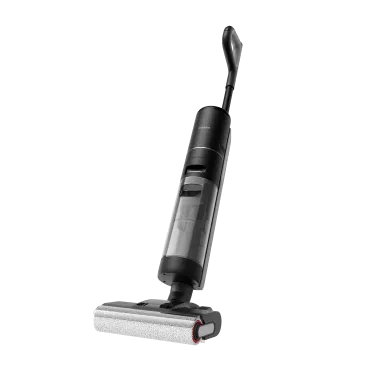
Vacuum and Mop Combo—What to Know Before You Buy

Vacuum and Mop Combo—What to Know Before You Buy

Dreame Editorial Team |
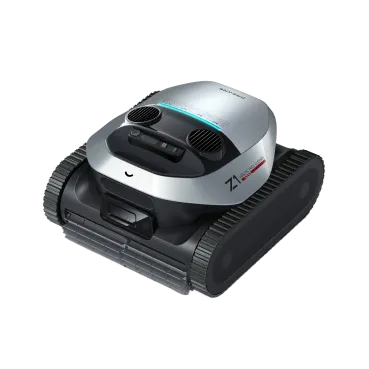
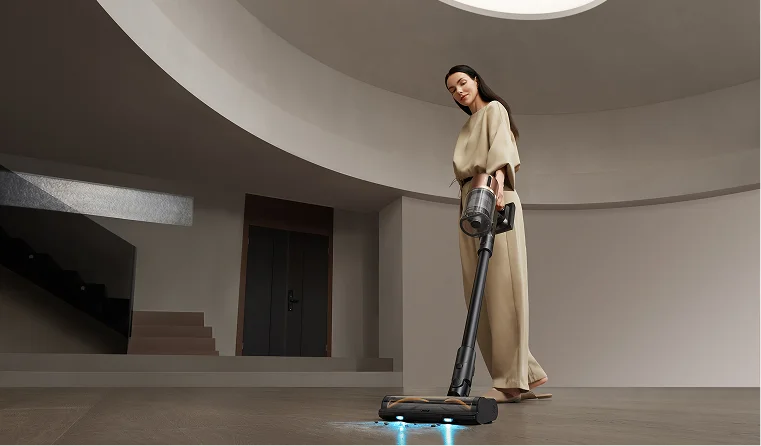
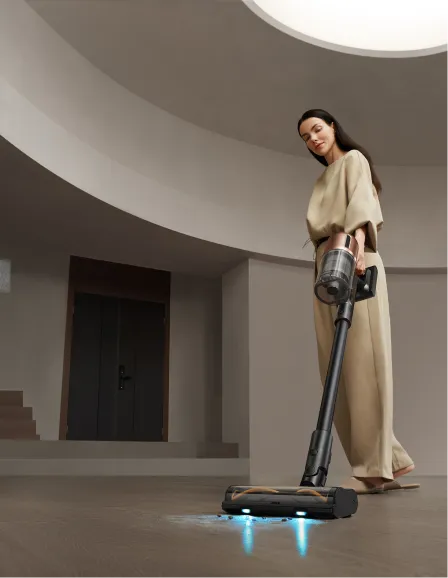
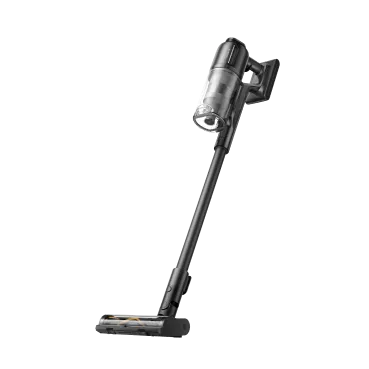
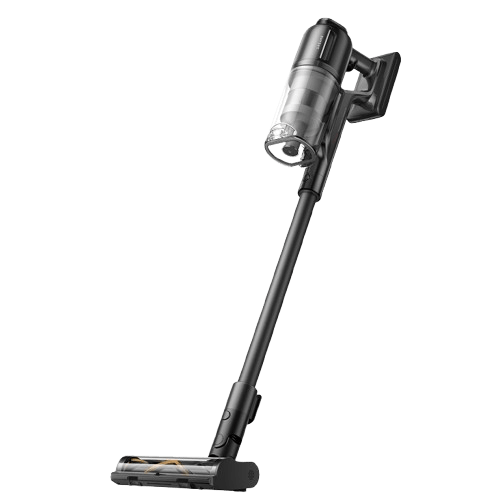
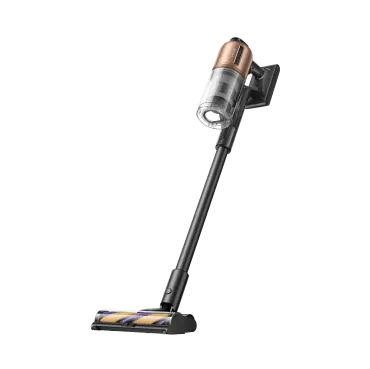
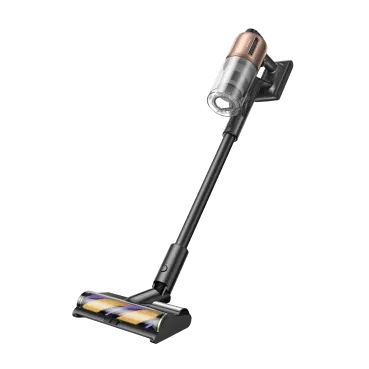
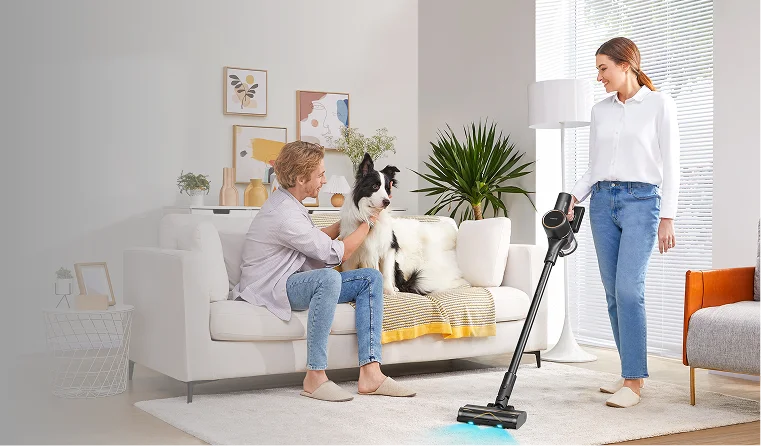
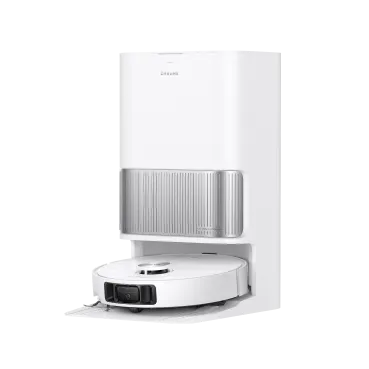
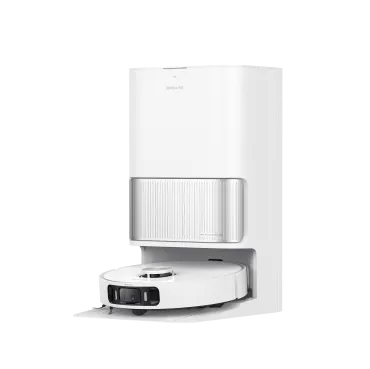
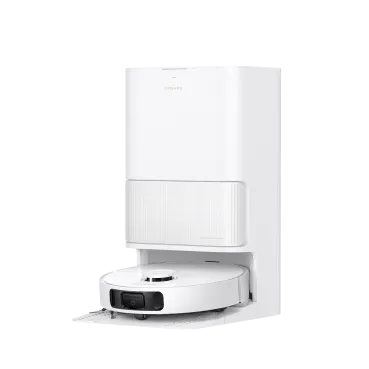
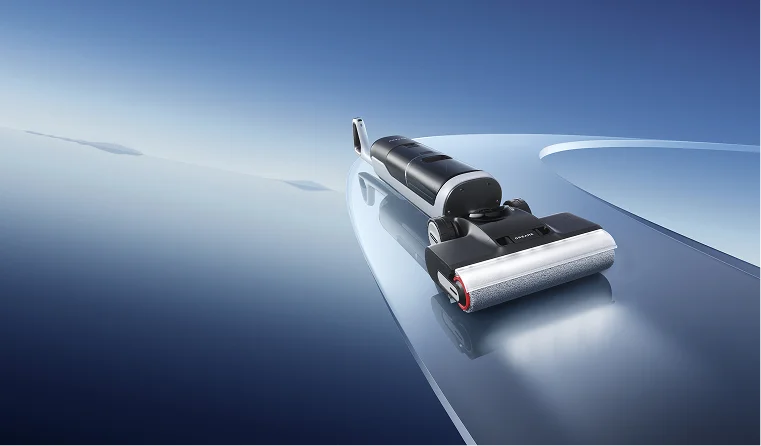
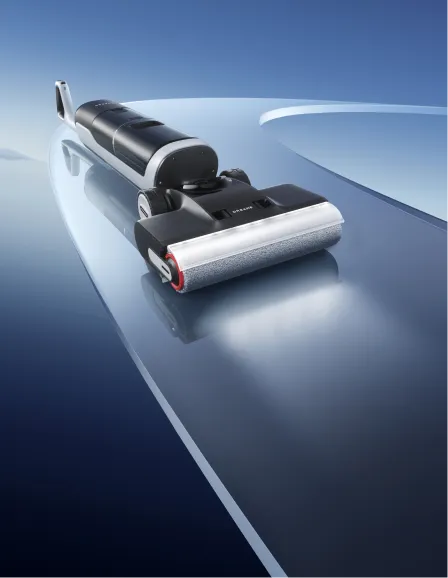
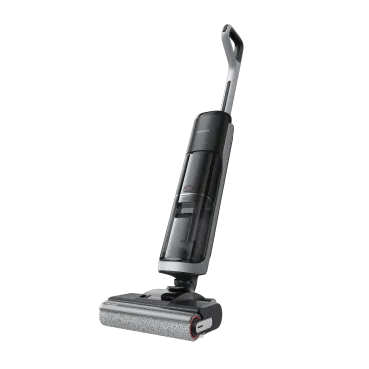
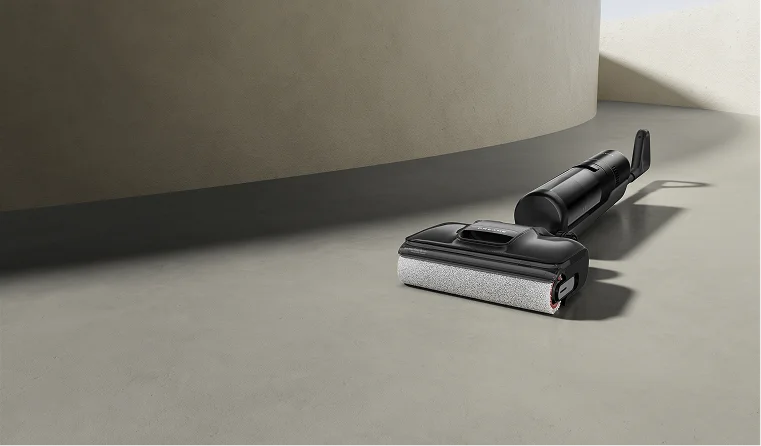
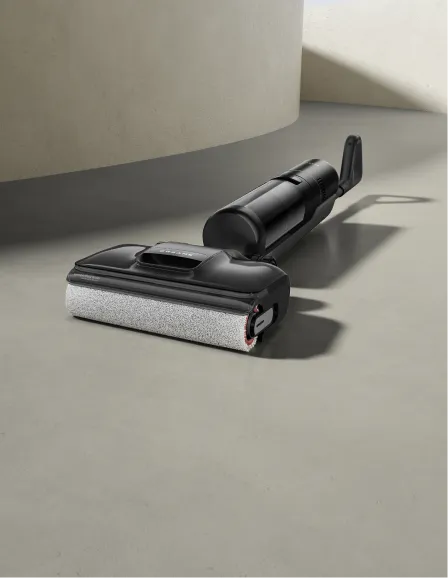
A vacuum and mop combo can clean dust, spills, and sticky messes with just a single pass. But should you pick a robot vacuum and mop combo or a wet-dry vacuum stick? This guide compares types, features, maintenance, and real-world trade-offs so you can buy with confidence. What is a Vacuum and Mop Combo? The vacuum and mop combo combines vacuuming and mopping in a single device. It first vacuums up dry debris such as dirt, dust, and pet hair and then uses a built-in mopping feature to clean the surface with water or a cleaning solution. The two-in-one design provides efficient cleaning that saves time and effort by eliminating the need for two separate devices. Robot vacuum and mop combo: An autonomous device that navigates and cleans floors using sensors and mapping technology, vacuuming and mopping according to a pre-set schedule or a voice command. Designed for hands-free operation, they are ideal for maintaining clean floors with minimal effort. Cordless wet-dry vacuum: A cordless wet-dry vacuum is a vacuum and mop combined in one device, usually a stick-style apparatus that is manually operated. It is designed to handle both wet messes and dry debris simultaneously. These models offer greater control and are well-suited for tackling specific spills or for more intensive, targeted cleaning tasks. Do Vacuum and Mop Combos Really Work? Short answer: Yes—for everyday maintenance. Reviews and professional tests of vacuum and mop combos show they are useful, time-saving household appliances and a marvel of the modern home: Effective and convenient: Praised for their two-in-one design that saves space and effort, vacuum and mop combos are a powerful solution for daily floor maintenance. Advanced features: Many new models offer self-cleaning and self-drying features for the mop head, which help prevent mold, mildew, and odors. Smart technology: Modern vacuum and mop robots use mapping and navigation technology to clean systematically. They often also have tangle-free brush rolls and a recharge-and-resume function to ensure the entire area is cleaned. Whether a robot or handheld vacuum and mop combo—or both—suits your needs depends on your habits, preferences, and home. What Actually Makes the Best Vacuum and Mop Combo? What is “best” is what suits you best. Factors include your home and family size, the types of floors you have, and your general preferences. Check out the features to decide the best fit for you. Robot Vacuum and Mop (Hands-free): Mop-lift feature for carpets so rugs stay dry Edge/corner reach (extendable or pressure-adjusting pads) Advanced navigation with obstacle mapping and no-mop zones Auto-wash/auto-dry dock and water flow control for hygienic upkeep Wet Dry Vacuum (Manual Control): Large clean/dirty water tanks with debris separation  Edge cleaning along baseboards Self-cleaning and auto-drying for odor control Solid runtime; removable battery on some models Shared features to look for (both types): adjustable suction strength, tangle-free hair management, and quiet operation. Always Check Floor Compatibility The right combo vacuum and mop is largely determined by the floor surfaces you’re maintaining in your home. Sealed hardwood, tile, vinyl, and laminate: Both robot and wet dry vacuums are appropriate for these surfaces as long as the correct water level is used to avoid over-wetting wood and glued vinyl planks. Carpets and rugs: A robot vacuum should be able to either lift its mop or completely avoid these surfaces during wet cleaning cycles. Some wet-dry vacuums, like the H15 Pro CarpetFlex, have a dedicated carpet brush for dry vacuuming. Pro tip: Some models are better on carpet than others, so verify individual model specs. Sticks can often be used with approved cleaners, while most robots use water only—check the manual. Which Vacuum and Mop Combo to Buy? Quick Fit Guide Floor type Best device Benefits Hardwood & tile Robot vacuum Autonomous and thorough Carpets & rugs Cordless wet and dry vacuum Better agitation and control for fibers Mixed Robot vacuum with mop-lift and carpet detection Routine daily cleaning throughout the home Your schedule, preferences, and lifestyle are also factors in what type of vacuum suits you best. For hard floors only and busy schedules: robot combo. For frequent spills, kitchen cleanup, and households with kids or pets: cordless wet-dry vacuum. Battery anxiety or long sessions: consider a corded wet-dry vacuum. Our Combo Picks Robot Vacuum and Mop Combo  The Dreame L40s Ultra adapts to different floor types for truly hands-free cleaning. Its powerful suction and unique extending brush ensure every corner and edge is cleaned, while smart features enable it to navigate around obstacles and take care of itself at its base—offering peace of mind that your floors are being maintained with minimal time and effort on your part. Cordless Wet-Dry Vacuum  With the Dreame H15 Pro Heat, you can have sparkling clean hard floors without the backbreaking work. It vacuums and mops at the same time, using heated water to effectively lift and dissolve stubborn grime. It gets into every nook and cranny thanks to an AI-powered arm that ensures perfect edge-to-edge cleaning. Its self-cleaning function uses hot water to sanitize and dry the roller, so you never have to deal with a messy mop head. Robot vs. Cordless Wet-Dry vs. Traditional No longer limited by electrical cords that can snarl and require time to move around a room, robot vacuums and wet-dry cordless vacuums have become staples in modern households by meeting consumer desires for convenience, efficiency, and advanced technology. Robot vacuums, with their autonomous navigation and smart features, are ideal for daily, hands-free maintenance, while wet-dry cordless vacuums excel at providing a quick and versatile solution for deep cleaning, tackling both wet spills and dry debris simultaneously with powerful suction and mopping capabilities. FAQ Can a robot vacuum and mop replace manual mopping? Not fully. While a robot vacuum with a mopping function is excellent for daily maintenance and light cleaning, it cannot entirely replace a thorough manual mopping. Stubborn, dried-on stains still require manual mopping or the use of a wet-dry stick vacuum. Are combos safe for sealed hardwood & vinyl floors? Yes—when used with the appropriate settings and cleaning solutions, it is generally safe for sealed hardwood and vinyl floors. The key is to avoid excessive water and to use a product specifically designed for these floor types to prevent damage to the finish. Do robot vacuums mop carpets by mistake? No, robot vacuums do not make that mistake because they are equipped with ultrasonic and pressure sensors that detect changes in floor surfaces, allowing them to automatically avoid carpets. Corded vs. cordless wet-dry—what’s better? Corded models offer unlimited runtime for deep cleaning large areas, while cordless vacuums provide unmatched freedom and convenience for quick cleanups and spot-cleaning without the hassle of a power cord. What is the most advanced robot vacuum and mop combo? The Dreame X50 Ultra stands out for its innovative features that include: World's first robotic retractable legs glide over obstacles up to 6 cm (2.36 in) with minimal noise VersaLift lowers height to 8.9 cm (3.5 in) for smooth navigation with 360° smart mapping DuoBrush tackles hair up to 30 cm (11.8 in), preventing tangles and boosting suction 20,000 Pa Vormax suction lifts dirt quietly with an advanced fluid-dynamic design Extended brushes and mop reach deeper into corners and under furniture Five modes customize cleaning by removing mops, avoiding carpets, or boosting suction UL Solutions Diamond-Level Certified for top-tier cybersecurity, keeping your home and data safe and fully protected What is Dreame’s top-selling vacuum and mop stick combo? H14 Pro Wet and Dry Vacuum is a top-of-the-line appliance with features that include: 180° Lie-flat for under-furniture cleaning Smart ratio cleaning solution, one fill, one month of clean Algorithm-based traction, redefines gliding Smart app control for a tailored clean Unmasks the unseen with a lighted brush head 60°C (140°F) dual hot air drying & 60°C (140°F) hot water brush wash What is the Best Vacuum and Mop Combo for You? Choose based on your floors, time, and habits: Want set-and-forget daily cleaning? Pick a robot combo. Need control for spills and sticky messes? Go cordless wet/dry. Mixed floors and busy life? Blend both for a complete system. Continue to browse our complete lineup to find the model that best meets your needs—and enjoy cleaner floors with less effort.  
Continue reading
Vacuum Overheating: What to Do & How to Avoid

Vacuum Overheating: What to Do & How to Avoid

Editorial TeamDreame |
Picture this: you’re halfway through vacuuming the living room after your kids’ playtime. Toys are scattered, crumbs trail across the carpet, and just when you need the vacuum most, it suddenly shuts down. The culprit? Vacuum overheating. It’s one of the most frustrating cleaning problems: chores unfinished, machines at risk, and your day thrown off balance. Overheating doesn’t just stop your cleaning mid-task. It can shorten the life of your vacuum, damage critical parts, or even become a safety hazard. For busy parents, pet owners, or anyone relying on their vacuum to keep things tidy, it’s more than a minor annoyance. In this blog, we’ll break down the reasons behind overheating a vacuum cleaner, what to do if it happens, the risks of ignoring it, and practical steps to prevent it. What Makes Your Vacuum Overheat Let’s delve deeper into the actual reasons behind vacuum overheating. Following is the list of the main culprits behind your vacuum heating up. Blocked Airflow Pathways The #1 cause of an overheating vacuum cleaner is restricted airflow. When filters or hoses are clogged with dust, pet hair, or even small toys, the motor has to push harder. Less airflow means less cooling, and heat builds quickly. Think of a pet owner vacuuming after a shedding dog. Hair collects in the tube, airflow slows, the motor overheats, and suddenly the vacuum shuts down mid-clean.   Dreame Take At Dreame, we wanted to rethink the way vacuums handle one of the most common household challenges: hair. With HyperStream™ Detangling DuoBrush, long strands, up to 11.8 in (30 cm) are lifted and guided without tangling. That means fewer clogs, smoother suction, and less chance of overheating—even in pet-heavy homes.   Full Dust Bag or Bin When the dust bag or bin is full, airflow is blocked just like a clogged pipe. The motor strains, temperatures rise, and efficiency drops. Bagless vacuums can make this worse since debris compacts more tightly. The fix is simple: empty the bin when it’s about two-thirds full, not just when it’s overflowing. Motor and Electrical Issues Sometimes, the motor itself is the problem. Motors rely on internal fans for cooling, but worn parts, poor lubrication, or dust infiltration cause friction and overheating. Imagine vacuuming a dusty garage with an older machine. The motor runs at max power, struggles under load, then overheats. In some cases, electrical faults like short circuits add to the problem. Overuse Without Breaks  Even the best vacuums can’t run forever. Using them continuously on high power doesn’t give the motor time to cool. A safe limit is 30-60 minutes of use before a break. Poor Environment & Ventilation Hot, stuffy rooms or pressing the vacuum against a wall can reduce airflow into the system. Less airflow = less cooling. Always give your vacuum breathing space. Battery Overheating in Cordless Vacuums  Cordless vacuums face unique issues: batteries heat up during long runs or from poor charging habits. Picture a homeowner in a warm climate cleaning their entire apartment without pausing. The battery overheats, shuts down, and the job takes twice as long. Robot vacuums like the Dreame X50 Ultra reduce this risk with AI-driven mapping and adaptive suction modes. X50 Ultra optimizes power use, covers up to 220 minutes per charge, and adjusts cleaning automatically. The result? Less strain, cooler operation, and longer battery life. What to Do If Your Vacuum Overheats? If your vacuum overheats, follow these steps: Turn it off and unplug immediately to avoid electrical risks. Let it cool 30-60 minutes in a ventilated area. Inspect hoses and intakes for blockages. Empty the dust bin or replace the bag. Clean or replace filters. Test briefly after cooling. If it overheats again, consult a professional. Real-life example: You’re cleaning up after dinner, and the vacuum shuts off. Instead of forcing it back on, let it rest and check for clogs. Ignoring it could turn a quick fix into a costly motor replacement. Risks of Ignoring Vacuum Overheating Overheating rarely comes out of nowhere. Early warnings include weak suction, a hot or noisy housing, automatic shutdowns, or a sharp, burning smell. Treat these as signals to pause, cool the unit, and look for blockages or full bins/filters. Ignoring those signs accelerates wear. Heat stresses motor windings, warps housings, and degrades belts and electronics—costs that can rival a replacement. There’s also a safety angle. Excess heat can scorch wiring or dusty buildup and, in uncommon but serious cases, cause smoke or fire. If the vacuum overheats again after you’ve cleaned it, discontinue use and have it serviced. Risk Short-Term Long-Term Weak suction Interrupted cleaning Motor burnout Hot casing Discomfort Melted components Burning smell Shutdown Fire hazard How to Avoid Vacuum Overheating Overheating can shorten your vacuum’s lifespan and interrupt your cleaning routine. Follow these proactive tips to keep it running smoothly: Stay ahead on maintenance. Empty the bin/bag when it’s about two-thirds full, clean or replace filters monthly, and check hoses/brush rolls for hair or debris (weekly if you have pets). Manage session length. Vacuum in 15–20-minute passes; after 30–60 minutes of continuous use, give the machine a short cool-down. Match suction to the surface instead of running max all the time. Protect airflow. Keep intakes and vents clear, avoid pressing the body tight against walls or furniture, and work in a reasonably ventilated, not overly hot, room. Charge and store smart (cordless). Let the battery cool before charging, avoid heat exposure, and store it in a cool, dry place. Pick features that prevent heat. Self-emptying docks, anti-tangle brush rolls, and adaptive suction reduce clogs and strain so you finish with fewer interruptions. Yes, a few minutes of upkeep plus smarter sessions keep motors cooler, extend component life, and help you finish the job without mid-clean shutdowns. If overheating persists after maintenance, book a service check. Conclusion Vacuum overheating is more than just a mid-task annoyance. It signals blocked airflow, overuse, or worn parts that can shorten your machine’s life and even cause safety risks. The good news? With regular care, smarter cleaning, and advanced technology, you can keep your vacuum running cool and strong. The Dreame X50 Ultra stands out here: with intelligent navigation, self-maintenance, and powerful suction, it helps homeowners avoid overheating problems altogether. Explore Dreame’s X50 Ultra for a smoother, safer, and more effortless cleaning experience. FAQs about Vacuum Overheating Q: Can vacuum overheating cause a fire? A: Yes, overheated wiring or dust can ignite in rare cases. Q: Why does my vacuum overheat so quickly? A: Most often from clogged filters, blocked hoses, or overfilled bins. Q: Is it safe to use a vacuum that's overheated before? A: Yes, after cooling and checking for blockages, but repeated issues need servicing. Q: How often should I clean my vacuum filters to prevent overheating? A: At least once a month, more often if you have pets. Q: What if my cordless vacuum battery overheats? A: Pause, let it cool, avoid overcharging, and seek help if it persists. Q: Does the type of flooring affect the overheating of a vacuum? A: Yes, thicker carpets require stronger suction, which can heat the motor faster. Q: Can a vacuum leak cause overheating? A: Yes, leaks reduce efficiency, making the motor strain harder. Q: Can a vacuum shut off from overheating? A: Absolutely. Shutdown is a built-in safety feature.
Continue reading
What Is a Beater Bar on a Vacuum and How Does It Work?

What Is a Beater Bar on a Vacuum and How Does It Work?

Editorial TeamDreame |
When you hear vacuum beater bar, you tend to think about any brush roll vacuum. That makes a mark, but historically, a beater bar is a distinct tool with a more pronounced tapping action. Let’s explore what the original beater bar was, why it became obsolete, and how modern brush technology achieves the same deep-cleaning results more effectively.” What Is a Beater Bar? A beater bar is a key component of many vacuums. It is located at the end of the vacuum head to dislodge the dirt, dust, and debris from the carpets.  The term "beater bar" is often used less precisely today. Many consumers now refer to any brush roll on a vacuum cleaner as a beater bar. Traditionally, however, these are different components. The original beater bar was a rigid bar with bristles designed to "beat" dirt out of carpets. Modern brush rolls often feature spiraled bristles that work differently. This shift in terminology reflects the evolution of vacuum technology, with the term now encompassing any rotating brush. Brief History of a Beater Bar Let’s revisit the annals of how it was a revolutionary invention in vacuum cleaner technology. The beater bar was introduced by Hoover in 1926 as a metal bar attached to a rotating brush roll in the floor vacuum’s nozzle. It was marketed as “Positive Agitation” due to its mechanical beating action that differed from suction-only machines of that era.  The beater bar on a vacuum is lined with bristles (usually made of nylon) to shake up the carpet fibers. Its rapid back-and-forth action assists the vacuum’s sucking action to lift the deep-seated dirt. Note that a metal beater bar is not used anymore except for a few vacuums that still feature it on their brush roller. New versions feature softer bristles and are gentler on the surface you are cleaning. How Does a Beater Bar Work?  More than sweeping, a beater bar vibrates while sucking to pick up more dirt from the carpet fibers. This rhythmic agitation action, combined with suction, helps in efficient deep cleaning. The basic physics behind its working involves agitation and suction. Agitation: Historically, the metal bar was attached to the brush roller to provide agitation. In modern vacuums, the metal bar is replaced with gentle brush rollers. The vibration shakes up the carpet fibers. This disrupts the bond between the dirt and fibers, resulting in breaking up the embedded soil.  Suction: Once the bond breaks due to the spinning action above, the vacuum suction easily pulls out the dirt.  While effective, the rough bristles of metal beaters beating fast and penetrating deep into the pile can wear the fragile carpet. When to Vacuum with a Beater Bar Since suction alone is not enough to lift the dirt buildup from a carpet, a beater bar assists in the deep cleaning. You might need to vacuum with a beater bar in the following scenarios. High-Pile Carpet in Family Room Want to preserve the plush rug underfoot on the well-trodden path? Vacuuming with the spinning beater bar ensures thorough agitation to reach deep into the carpet. The motion exposes the hidden dirt or pet hair and prevents it from settling permanently.  High-Traffic Hallway Carpet The hallway usually bears daily foot traffic, resulting in more dirt accumulating in the carpet fibers. A beating action combined with suction can preserve the hallway’s carpet texture. Cleanliness is also maintained over time as the embedded soil is continuously dislodged. Pet-Friendly Areas Frustrated by the pet hair tangled in the rugs or bed areas? The agitation of the beater bar increases the fiber mobility, helping in extracting the pet hair. It is highly useful during the seasonal shedding. Unlike historical metal beater bars, the roller brushes made of rubber or nylon bristles, which are gentler, are a more feasible option. When to Avoid Using a Beater Bar One major drawback of a beater bar is the risk of damaging the fine carpet fibers or scratching the fragile floors. Let’s find out when to switch them off to avoid fuzzing.  Hardwood or Smooth Hard Floors Vacuuming a polished hardwood floor in your living room? Turn the beater off as it can scratch or dull the finish. It is worth noting that you should choose vacuums with switch-on/off beater bar options.  Delicate Rugs The stiff brush bristles can fray the weave structure and delicate fibers of your carpets. It is advisable to use suction-only vacuums if you have antique or delicate rugs in your drawing rooms.  Low-Pile Synthetic Rugs Even a resilient-looking rug can be sensitive to the abrasive agitation, requiring you to disable the beater bar on the synthetic rugs.  In short, avoiding beater bars in these cases will preserve the floor from scratches and keep the carpet textures intact. Go for vacuums with a brush roll to ensure long-term durability in mixed-floor spaces. Read What Type of Vacuum Cleaner Is Best for Carpets? to help your carpets last longer and ensure proper care in 2025. Modern Brush Tech: A Beater Bar Upgrade What started as a carpet sweeper, a beater bar in upright vacuums, has evolved into modern robotic cleaners. We have come a long way. Beater Bar vs Brush Roll The modern brush rolls with gentle bristles are more versatile than the years-old beater bars. Here is a quick comparison table to acknowledge the benefits of modern brush rolls.  Beater Bars Brush Rolls Feature rough metallic bristles Soft bristles made of nylon or rubber Aggressive beating action by physically shaking the carpet fibers Gentle beating as the rolls rotate with the bristles to penetrate the fibers Not equipped with an adjustable suction mechanism Designed with adjustable suction and self-cleaning mechanisms Too harsh for hardwood floors or delicate rugs Gentler on carpets and mixed floors Might spread the trash around Does not push the debris around Might scratch the floor  Protect against scratches The modern cleaning technology has upgraded beyond metal beaters. For example, Dreame products incorporate advanced technology for effective deep cleaning without damaging the carpet or floor.  Dreame X50 Ultra's HyperStream™ Detangling DuoBrush is safe to use on both carpets and hardwood floors. The brush roller features soft nylon and TPU rubber bristles that dig deep into the carpet to lift dirt, hair, and debris. Additionally, the newly developed Hair-Cutting Roller Brush prevents hair tangling by allowing hair of all lengths to be channeled across the other side.  Besides minimizing hair tangling, the robot vacuum thoroughly cleans the room without noise. It automatically adjusts its modes according to the flooring or type of staining. Conclusion  The traditional metal beater bar that once dominated early vacuums is largely obsolete today. What many now call a ‘beater bar’ usually refers to modern brush rolls with soft bristles, which deliver the same deep-cleaning benefits without harming delicate flooring. Dreame's floor-friendly vacuuming products have deep cleaning effects with reduced noise. Now you know what a beater bar is on a vacuum. And, how to select the best vacuum for thick or plush carpets and fragile ones. You can visit the Dreame website to read more about the responsible maintenance of vacuum performance.
Continue reading
How Vacuum Cleaners Work: From Classic Types to Vacuuming Innovations

How Vacuum Cleaners Work: From Classic Types to Vacuuming Innovations

Editorial TeamDreame |
Before the buzz of the electric motor, cleaning a carpet was a huge chore that involved dragging it outside and literally beating the dust out of it. The journey from that back-breaking task to a self-driving robot that silently cleans while you sleep is a story of amazing progress. The first "vacuum", the 1868 "Whirlwind", was a hand-powered machine that required the user to turn a crank while pushing it. It wasn't until the early 1900s, with giant machines like Hubert Cecil Booth's horse-drawn, gas-powered "Puffing Billy," that suction cleaning really started to catch on. Today's vacuum is an amazing piece of engineering, but it still runs on the same basic science that powered those early inventions. This guide will take you deep inside the machine, showing you not just how a vacuum works, but the smart design that gives it power, intelligence, and the ability to make your home healthier. How Does a Vacuum Cleaner Work? A vacuum cleaner doesn't really "suck" dirt in the way you might think. Instead, it cleverly uses air pressure, turning the air in your room into a powerful cleaning tool. The process is just like sipping a drink through a straw: 1. The Engine Starts An electric motor inside the vacuum spins a fan at a very high speed, often over 30,000 revolutions per minute (RPM). The purpose of this high speed is to move a large volume of air in a very short amount of time. 2. Air is Pushed Out The spinning fan takes the air that is currently inside the vacuum and forces it out through an exhaust port. Before the air is pushed back into the room, it passes through filters to clean it. 3. A Low-Pressure Area is Created Because air is constantly being moved from the inside of the vacuum to the outside, the amount of air inside the machine is reduced. This reduction of air creates an area of low pressure inside the vacuum cleaner. 4. Nature Rushes In Air always moves from areas of higher pressure to areas of lower pressure. The normal air in your room is now at a higher pressure than the air inside the vacuum. As a result, the room's air flows very quickly into the vacuum through the cleaning head to equalize that pressure. This rapid, inward flow of air is called suction. The force of this suction is strong enough to lift dust, hair, and other debris from your floor and carry it into the vacuum dustbin. What Are the Key Components of a Vacuum Cleaner? Every vacuum is a system of parts working together. While the basic idea is simple, the design of each part is a story of smart choices and new technology. The Motor: The Heart of the Operation The motor is the engine, turning electricity into the mechanical force of suction. Modern vacuums mainly use two types: Universal Motors: The long-time workhorse of corded vacuums. These motors are powerful but can be noisy and have carbon brushes that wear out over time. Brushless DC (BLDC) Motors: This is the key technology that makes cordless vacuums possible. By using electronics and magnets instead of physical brushes, these motors are much more efficient, quieter, and last longer, which is essential for getting the most power and runtime from a battery. A very important, often forgotten, part of motor design is cooling. A high-speed motor creates a lot of heat. In a "flow-thru" system (common in canisters), the air is filtered before it gets to the motor, so that clean air can be used to cool it. In a "bypass" system, which is needed for wet/dry vacs, a separate fan pulls in clean outside air to cool the motor, completely avoiding the dirty or wet air to prevent serious damage. The Brush Roll: Stirring Up Dirt Suction by itself is often not enough to get dirt that's stuck deep in carpet fibers. That's the job of the brush roll, a spinning cylinder with stiff bristles that turns at up to 6,500 RPM. It powerfully stirs up the carpet, knocking trapped dirt loose and lifting it into the airflow. This action is so important that a vacuum without a brush roll is mostly useless on carpets. But traditional brush rolls often tangle hairs, which can reduce cleaning efficiency. Modern innovations like the DuoBrush technology have been developed to solve this common problem, offering better performance and easier maintenance. The Dust Collector: Bagged vs. Bagless and the Cyclone Revolution Once dirt is picked up, it needs a place to go. This is where one of the biggest changes in vacuum technology happened: the switch from bags to cyclone technology. Bagged Vacuums: The classic method uses a special bag as the main filter. It's cleaner to throw away, but it means you have to keep buying bags, and the vacuum's performance gets worse as the bag fills up. Bagless Vacuums: These use cyclone technology. The incoming air is forced to spin in a whirlpool, like a tornado in a container. The spinning force throws the heavier dust and dirt outside, where it hits the wall and falls into the collection bin, while the cleaner air keeps going. Advanced multi-cyclonic systems use a second, smaller set of cyclones to spin the air even faster, removing the tiniest dust particles and keeping filters from getting clogged. The Filtration System: From Dust Bags to HEPA A vacuum's final, and maybe most important, job is to make sure the air it blows out is clean. This is the job of the vacuum filter. The best version of this technology is the HEPA filter vacuum. A true HEPA (High-Efficiency Particulate Air) filter is proven to trap 99.97% of particles as small as 0.3 microns. It doesn't work like a simple strainer. Instead, it uses a thick layer of tiny fibers to trap particles in three ways: Impaction: Large particles crash right into the fibers. Interception: Medium-sized particles follow the air but get snagged on the edge of a fiber. Diffusion: The tiniest particles move randomly and end up bumping into a fiber. However, a HEPA filter only works well if the vacuum has a sealed system. This means every crack and opening is sealed to stop dirty air from escaping before it goes through the filter, a key feature for anyone with allergies. How Do Different Types of Vacuum Cleaners Work? Upright Vacuums: Uprights work by putting the motor directly over the brush roll, creating a short airflow path that maximizes suction power right at the carpet surface. Canister Vacuums: Canisters take a different approach by separating the motor into a wheeled body connected by a hose. This design lets the lightweight wand deliver focused suction without the motor's weight. Wet / Dry Vacuums: But how does a wet-dry vacuum cleaner work safely? A wet-dry vacuum cleaner uses bypass cooling to keep the motor separate from incoming air. An internal float automatically blocks the motor opening when liquids are detected. Corded vs Cordless Vacuums: When it comes to corded and cordless vacuum power, the difference lies in delivery. Cordless models use brushless motors and batteries to match corded suction, but deliver it in bursts rather than continuous power. Robot Vacuums: The robot vacuum works by combining traditional suction with smart mapping using LiDAR or cameras. Meanwhile, modern robot vacuum and mop combos add water systems and scrubbing pads to clean beyond just vacuuming. What Does the Future Hold for Vacuum Cleaners? Vacuum technology is moving quickly toward a future where vacuums are smarter and more independent. The lines are blurring as robot vacuums include smart mopping, self-cleaning stations, and even air purifying features. AI will go beyond just navigation to offer personalized cleaning, learning the busy spots in your home, and changing schedules on its own. And with a bigger focus on being eco-friendly, we expect to see more machines made from recycled materials, and with designs that have parts that are easy to fix or replace. The simple machine that saved us from beating rugs is turning into a smart partner in keeping our homes clean and healthy. FAQs About Vacuum Technology Q1: Does a vacuum cleaner ventilate air? Not exactly. A vacuum cleaner doesn't "ventilate" air in the way a fan or HVAC system does. Instead, it creates airflow. Inside, a motor-driven fan pulls air through the intake (where dirt is collected) and pushes it out through an exhaust port. This movement lowers the pressure inside the vacuum, causing higher-pressure air from the environment to rush in and creating the suction that picks up debris. Q2: What makes a vacuum cleaner more powerful? Three main things determine a vacuum's power: the motor's strength, the airflow (measured in CFM, or cubic feet per minute), and a sealed system design. A sealed system stops air from leaking out, making sure that all of the suction power is focused at the cleaning head where it's needed most. Q3: How effective is vacuuming? Regular vacuuming is very good at removing surface dirt, crumbs, and, most importantly, allergens. Using a vacuum with a high-efficiency filter can greatly reduce airborne dust and pet dander, making things better for people with allergies and asthma. Q4: How do HEPA filters work in a vacuum cleaner? A HEPA filter works like a very fine net. It's made of a thick layer of tiny glass fibers. As air is forced through it, particles are trapped in three ways: large particles crash directly into the fibers, medium particles get snagged as they flow past, and the tiniest particles move randomly and end up bumping into the fibers.
Continue reading
Dreame L50 Ultra Review – 2026

Dreame L50 Ultra Review – 2026

Editorial TeamDreame |
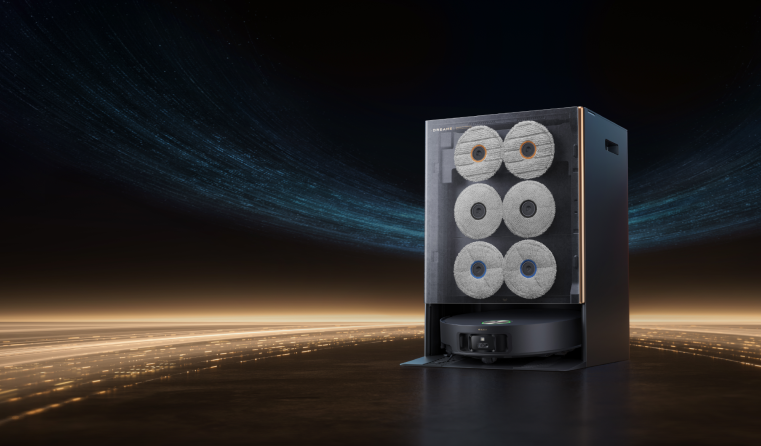
If you’ve ever watched a robot vacuum stop at a door track, wobble on a lip, or smear a damp pad across a rug, the Dreame L50 Ultra feels like a new class. It pairs powerful suction with a tangle-resistant HyperStream™ Detangling DuoBrush, an all-in-1 PowerDock™ that hot-washes mops, and a wild party trick: ProLeap™ retractable legs that let the bot step onto real-world thresholds with single and two-step vertical steps. Add deep corner reach, TripleUp Tech (mop/main/side brush lifting), and AI + 3D structured-light avoidance with pet-centric modes, and you’re looking at a flag-plant for premium robot design Who it’s for: Busy homes that want true hands-off vacuuming and mopping across mixed floors, steps/thresholds, and pet zones. Why it stands out: Class-leading step-over ability, 19,500 Pa suction, DuoBrush hair handling, 75°C (167°F) mop wash, and smart obstacle & pet care, all orchestrated in the Dreamehome app and voice support. Cleaning Performance The L50 Ultra couples very high airflow with a dual-roller system that keeps contact with the floor, channels debris efficiently, and resists hair wraps. It then leverages OmniDirt™ 2.0 to adapt its pattern (including large-particle boost for cat litter/pet food). Feature L50 Ultra Dust Box Capacity 395mL / 0.10 gal  Water Tank Capacity 80mL / 0.02 gal Maximum Suction Up to 19,500 Pa Dirt Detection √ AI Dirt Recognition √ Results on different surfaces On hard floors, it excels in one-pass pickup; on rugs, mop lift and carpet intensification reduce re-runs. Edge and corner finish is visibly improved by SideReach™ and MopExtend™. Hard floors (tile/wood/laminate): This robot vacuum lifts dust from grout and gaps while minimizing scatter; MopExtend™ twists the mop up to 4 cm (1.57 in) under toe-kicks to pull haze from along kickboards. Side brush can extend and lift ~ 10 mm (0.39 in) to avoid contaminating just-mopped sections. Carpet & rugs: Whenever L50 Ultra detects a carpet, it boosts suction; you can also set Intensive Carpet Cleaning for a slower, double-pass clean. The mop lifts ~ 10.5 mm (0.41 in) for short-pile; for long-pile, you can remove the mops (exclusive to Dreame within its line) or avoid via map. Edge/corner cleaning: The latest technologies like SideReach™ and MopExtend™’s RoboSwing easily handle messes along the edges and irregular corners. L50 Ultra twists and delves deeper into corners and nooks as far as 4 cm (1.6 in), further cleaning hidden debris under your low-profile couch. It’s noticeably better around baseboards, legs, and under built-ins than fixed-width pads. Surface Cleaning Mode Brush/Attachment Result Hard floors Auto / Standard DuoBrush + SideReach™ One-pass pickup; better grout/edge finish Short-pile carpet Auto + Carpet Boost DuoBrush (TPU + bristled) Strong dirt lift Mixed debris (litter/food) Large-Particles Boost 2.0 DuoBrush Large particles fully removed and floor looks clear, without scatter left behind Edges & corners MopExtend™ RoboSwing Extendable pad + side brush Pad reaches deep into recesses Brushes & attachments If you’ve ever had to cut long hair out of rollers weekly, the main HyperStream™ Detangling DuoBrush eliminates that chore almost entirely. The optimized air duct flings hair into airflow and resists wrap across the full roller—validated for 100% hair detangling (lab/TÜV SÜD). Low noise design avoids the harsh chatter typical of dual-rubber setups. L50 Ultra comes with some additional brushes and filters for more thorough cleaning and a gentler surface treatment. Feature L50 Ultra Main Brush Type HyperStream™ Detangling DuoBrush Brush Lifting √ Liftable Side Brush √ Extendable Side Brush √ Anti-Tangle Side Brush √ Mop Lifting √ Mop Extend √ Mop Removal √ What's New: Advanced Obstacle Crossing L50 Ultra doesn’t just avoid stuff, it’s one of the few robo vacs (and the first one in the L series) that lets you choose how it crosses obstacles so it fits your home, not the other way around. There are two crossing styles: ProLeap™ (Simultaneous Crossing): Both clearance legs step at the same time for a confident, fast climb. You get maximum stability and speed over common transitions. Best for: doorway thresholds and single steps. Capability: up to 42 mm (1.65 in) single vertical steps; up to 60 mm (2.36 in) double-layer thresholds (18 mm + 42 mm / 0.71 in + 1.65 in). Hurdle-style (Sequential Crossing): Legs step one after the other for a gentler, more precise pass. This reduces rocking and improves grip on uneven, thin, or delicate obstacles. Best for: sliding door tracks and narrow rails where careful footing matters Pro tip: If your home mixes thick thresholds and track rails, start with ProLeap™ for whole-home cleans, then switch to Hurdle-style for rooms with sliding doors. Navigation & Mapping The L50 Ultra layers AI with 3D structured-light depth sensing to recognize and avoid common hazards (cables, socks, bowls, toys, modeled pet waste). In dim spaces, the system uses on-board illumination to see better. Multi-obstacle “No-Go” and No-Mop zoning is standard. Feature L50 Ultra Navigation LDS Obstacle Avoidance AI + 3D Structured Light Smart Recognition RGB Obstacle Crossing Height 2.36in / 6cm (Two Steps) 1.65in / 4cm (Single Step) Pro tip: Try Curtain Zones in the app if you’ve got kids who nap—set a no-go around their playpen or crib area so the bot avoids disturbing them. Pet-Finding Mode & Remote Monitoring You can now use a Pet-Finding Mode while you’re at work to check in. Lots of owners report it doubles as an impromptu pet cam, saving them from buying a separate one. Just press a button in the Dreamehome app and your robot will search, snap a photo when it finds them, and send it straight to you—no manual driving required. With real-time video calls and two-way voice chat, you can stay connected, comfort, or even playfully “talk” with your pet while you’re away. Dynamic Spot-Cleaning for People & Pets This robot vacuum smartly recognizes pets and people, steering clear to keep them safe. If it misses an area, it automatically marks it in the map, then returns to finish the job, so you get more complete coverage with zero extra effort. Dreame Take: Cat parents will notice fewer stray kibbles left behind. OmniDirt™’s large-particle boost really does grab the food bits that other vacuums just push around. Maintenance & Docking Look at the PowerDock™ as the hygiene hub: Auto-empty: 3.2 L (0.85 gal) dust bag for up to 3 months between swaps. Mop self-cleaning: 75°C (167°F) hot-water wash with four heat levels; hot-air drying helps prevent mildew/odor. Washboard Auto Cleaning:  Mop funk won't be an issue. The hot wash + AceClean™ DryBoard combo means no sour smell even after a weekend trip, unlike other bots where you come home to a swampy dock. 20 spray nozzles flush the washboard; the integrated design leaves minimal residue and is easy to wipe. Mop pad stain removal up to 99.9%. Auto-refills: The dock carries 4.5 L / 4.0 L (1.19 gal / 1.06 gal) of clean and used-water tanks for longer runs. Add the Water Hookup Kit to enable automatic refilling and draining. The dock also auto-refills a cleaning solution and uses a built-in scale inhibitor to curb limescale, so you get consistent cleaning with less maintenance. Feature L50 Ultra Clean/Used Water Tank Capacity 4.5 L / 4.0 L (1.19 gal / 1.06 gal) AI Dirt Recognition √ Mop Hot Air Drying √ Mop Hot Water Washing √   75°C (167℉) Washboard Auto Cleaning √   AceClean™ DryBoard Auto Water Refilling √ Automatic Solution Adding √ Why this matters: The dock’s heat, airflow, and board design directly attack mop funk, while liftable brushes reduce cross-contamination (e.g., no dragging a wet side brush onto dry floors). Noise Levels In practice, L50 Ultra sits around conversational levels, and auto-empty remains the only brief loud event. This model reduces noise through improved suction, motor, drive wheel, dust collection, mop washing, and drying processes. Battery Life & Efficiency Expect over 3 and a half hours on a single charge. Exact runtime depends on your floor mix, suction mode, and how often it stops to wash/dry pads. A 6,400 mAh pack (larger than the common 5,200 mAh class) fuels long mixed-mode runs with ~30% faster charging than prior Dreame robots without fast charge. Combined with dirt-aware routing and recharge-and-resume, the L50 Ultra is designed to finish large floor plans without babysitting. Price & Value The L50 Ultra has an MSRP of $1,599.99. By the end of 2025, you can often find a good deal that helps you save up to 30% of the original price. If you’ve owned a mid-tier robot vacuum before, you know the “hidden costs” are manual mop rinsing and frequent rescues. The L50 Ultra removes both, saving not just time but also the frustration that makes many people stop using their robots altogether. You’re paying for three things most robots don’t fully solve together: Real-world mobility (steps/thresholds/track crossings via ProLeap™). Pad hygiene (hot wash + hot-air dry + self-cleaning board). Low-touch ownership (anti-tangle brush, bigger battery, automated refills/draining capability). If your home has sliding-door tracks, split-level transitions, deep toe-kicks, or pet zones with litter/food, these advantages convert into fewer rescues, fewer re-runs, and fewer manual mop chores—that’s the true value. Is Dreame L50 Ultra Worth It? The L50 Ultra feels engineered for USA realities: door tracks, toe-kicks, mixed rugs, pet bowls, and busy weeks. ProLeap™ conquers steps/thresholds that stop conventional robots. DuoBrush and 19,500 Pa suction deliver visible “first-pass” wins and virtually end hair-roller surgery. AceClean™ DryBoard with 75°C (167°F) wash and hot-air dry keeps the dock fresh. And the app’s carpet and pet logic removes daily friction. If you want a robot that actually mops well, stays fresh, avoids messes, and goes places most bots can’t, the L50 Ultra is an easy recommendation. Pros Easily gets over thresholds and bumps. Effectively reaches and cleans corners. Automated dock. Intelligent obstacle avoidance. Cons Dock takes up space. Settings need tweaking for the best performance. Brief noise spike when self-emptying 
Continue reading
Dreame L40 Ultra vs L50 Ultra — Which One Fits Your Home Best?

Dreame L40 Ultra vs L50 Ultra — Which One Fits Your Home Best?

Editorial TeamDreame |
If you’re torn between L50 Ultra and L40 Ultra, the good news is you can’t go wrong. Both deliver true hands-off vacuuming and mopping with hot-wash docks, extendable and liftable brushes/mops, and smart obstacle avoidance. The key differences are mobility, raw pickup, hygiene automation, and long-term ease of ownership. Put simply, L50 Ultra is built to handle more real-world hurdles (steps, tracks, deep corners) with less attention needed from your side, while L40 Ultra packs most of the same convenience at a friendlier price and footprint. In a Nutshell: Choose L50 Ultra if you want fewer rescues and fewer re-runs: it climbs bigger obstacles, scrubs mops with hot water, detangles hair automatically with a dual-roller brush, and reaches deeper into corners. You’ll intervene less and get more consistent results on mixed floors. Choose L40 Ultra if your home is mostly level and you want a smaller dock that still hot-washes mops, lifts brushes/mops to avoid wet-dry cross-contamination, and supports advanced AI cleaning at a lower cost. Cleaning Performance Suction power and brush design make a big difference in how well a robot vacuum picks up hair, dust, and debris, especially on carpets and along edges. Let's break down how the L50 Ultra and L40 Ultra compare in real cleaning conditions, including pet hair pickup, corner coverage, and brush maintenance. Hair handling & deep pickup L50 Ultra cleans more in one pass and takes far less time cutting hair from rollers.  Up to 19,500 Pa suction plus HyperStream™ Detangling DuoBrush (two counter-rotating rollers) that fling hair into airflow for 100% detangling[1]. The dual materials (bristled rubber + TPU) maintain contact on hard floors and agitate carpets from two angles. L40 Ultra features 11,000 Pa suction and an anti-tangle TriCut brush. It’s effective and lower-maintenance than bristled designs, but you might still clear wraps occasionally, especially with heavy shedders. Dreame Take: Households with pets or a lot of carpet will feel the difference with L50 Ultra's fewer re-runs and less brush maintenance. Edges, corners, and under-cabinet finish Both: SideReach™ side brush extends/lifts and MopExtend pushes the mop into recesses, delivering better edge and corner cleaning results than flat pads. L50 Ultra advantage: The extendable side brush can also lift 10.5 mm (0.41 in) to avoid re-wetting cleaned zones; combined with stronger suction, it leaves cleaner baseboards in a single pass. Carpet cleaning You can expect the robot vacuums to avoid wet rug mishaps with the right setup. However, the L50 Ultra pulls ahead in deep cleaning thanks to its stronger suction and dual brushes—it removes more grit from thicker rugs, keeping carpets fresher than manual cleans. Nobody wants soggy rugs, and with TripleUp Tech lifting mops up to 10.5 mm (0.41 in), short-pile carpets remain dry. For long-pile, you can remove the mop pads entirely and activate Carpet Boost or Intensive Carpet Mode (a slower double-pass vacuum). No-mop zones and per-room cleaning settings add extra protection. Feature L50 Ultra L40 Ultra Maximum Suction (Pa) 19,500 Pa 11,000 Pa Main Brush Type HyperStream™ Detangling DuoBrush Rubber Brush (with In-Box TriCut Brush for Euro-A) Main Brush Lift ✓ Auto Lifting Anti-Tangle Side Brush ✓ ✓ Side Brush Lift ✓ ✓ Side Brush Extend ✓ ✓ Mopping Type Dual Rotary Mops Dual Rotary Mops Mop Extend MopExtend™ 3.0 / MopExtend™ RoboSwing ✓ Mop Lift 10.5 mm (0.41 in) 10.5 mm (0.41 in) Mop Removal ✓ ✓ Dock maintenance A clean floor shouldn't mean a smelly dock. Both docks keep mop pads clean, but L50’s higher heat, better tray cleaning, and longer hands-free runtime mean fewer odors and less dock upkeep over time. L50 Ultra PowerDock™: Features 75°C (167°F) hot water cleaning with four heat settings, fast hot-air drying, and an AceClean™ DryBoard with 20 spray nozzles that rinse the tray automatically—no scrubbing needed. Large clean/dirty tanks (4.5 L / 4.0 L; 1.19 gal / 1.06 gal), optional water hookup, auto solution mixing, and up to 100 days auto-empty (3.2L / 0.85 gal dust bag). L40 Ultra Base: Delivers 65°C (149°F) mop washing, hot-air drying, and a self-cleaning washboard using dual scrapers. Also supports auto solution mixing, refill, and water hookup. The dust bag lasts for up to 75 days. Feature L50 Ultra L40 Ultra Station Clean/Used Water Tank Capacity ≥4.5 L / 4.0 L (1.2 gal / 1.06 gal) 4.5 L / 4.0 L (1.2 gal / 1.06 gal) Dust Bag Capacity 3.2L / 0.85 gal 3.2L / 0.85 gal Self-Cleaning WashBoard AceClean DryBoard™ Self-Cleaning Washboard 2.0 Hot Water Mop-Washing 75°C (167°F), 60°C (140°F), 45°C (113°F), Room Temp — 4-Level Smart Control ✓ 65°C (149°F) Hot Air Drying  × ✓ Obstacle avoidance Both models share LDS navigation; however, L50’s pet & debris advancements help busy, pet-heavy homes feel cleaner with less micromanagement. L50 Ultra: Single-Line Laser+RGB AI+LED avoidance with expanded recognition of up to 180 objects, plus pet-centric modes. It’s much better at not spreading cat litter or pet food and circling back to small misses. L40 Ultra: Dual-Line Laser+RGB AI+LED avoidance that identifies up to 100 object types; built-in LED helps in dim rooms. Great day-to-day tolerance; fewer tangles with cords/toys. Mobility & “no-rescue” cleaning The fewer times you rescue a robot from a door track or step, the more “invisible” your cleaning becomes. L50 Ultra: Innovative ProLeap™ retractable-leg system lets it step over real thresholds and single vertical steps up to 4.2 cm (1.65 in), and two-step stacks up to 6.0 cm (2.36 in). You can even choose synchronized and hurdle-style crossing for tricky sliding-door rails. Result: fewer stuck moments at patio sliders, sunken entries, or split-level transitions. L40 Ultra: Standard obstacle crossing up to 2.2 cm (0.87 in), which works fine for most door lips and rugs, but it may avoid or detour around taller tracks. Feature L50 Ultra L40 Ultra Navigation LDS LDS Obstacle Avoidance Dual-Line Laser+RGB AI+LED Single-Line Laser+RGB AI+LED Climbing Height ProLeap™ SystemSingle Threshold: 4.2 cm (1.65 in)Multi-Level Threshold: 6.0 cm (2.36 in)   2.2 cm (0.87 in) If your home has door tracks, step-downs, or thicker transitions, L50 Ultra dramatically reduces “help me” moments. On flat layouts, L40 Ultra is plenty. Noise, battery & charging Both support efficient daily cleaning, but L50 Ultra offers less disruption and more autonomy in larger spaces. L50 Ultra has longer runs, faster turnarounds, and quieter cycles for larger floor plans. Its 6,400 mAh battery charges 30% faster than models without fast charging. The noise is damped from fan to gearbox and carries “TÜV Low Noise Cleaning”. L40 Ultra is equipped with a 5,200 mAh battery and fast charging, delivering more than enough runtime for most medium-sized homes. Smart Features As you set it once, and let it run your way, L40 gives you precision control, while L50 gives you powerful automation. Shared smarts: multi-floor mapping, room and zone cleaning, No-Go/No-Mop zones, adjustable suction and water levels per room, Large Particles Boost. L50 Ultra: Adds smart spot cleaning to identify dry, wet, and mixed messes, Pet Zone Customization. Ideal for families, pet owners, or larger homes, L50 optimizes itself quietly and revisits spots as needed. L40 Ultra: Features built-in “OK, Dreame” voice control. Great for hands-on users and apartment dwellers. Feature L50 Ultra L40 Ultra Video ✓ ✓ Voice Control × ✓ AI Recognition & Type Count ✓,180 100 Dirt Detection (Single Spectral / Multi-spectral)Mop Rewashing and Floor Remopping for Heavy Dirt Multi-Spectral Multi-Spectral Pet Feces Recognition Rate 99% ✓ X Pet Zone Cleaning ✓ X AI Stain Recognition ✓ ✓ Carpet Cleaning ✓ ✓ Large Particles Boost ✓ ✓ CleanGenius™ ✓ ✓ Smart Spot Cleaning ✓ X Should you buy L50 or L40 Ultra? Pick L50 Ultra if you have… Sliding-door tracks, step-downs, or thresholds. Pets/long hair and want near-zero brush detangling and stronger pickup. Bigger spaces needing longer runs and quicker top-ups. [product handle="l50-ultra-robot-vacuum" rating="4.9"] Pick L40 Ultra if you have… Mostly level floors. A tighter budget or smaller footprint, but still want hot-wash, auto-dry, auto-empty, mop extension, and solid AI avoidance. You enjoy hands-on control. [product handle="l40ultra-robot-vacuum" rating="4.5"] Considering the broader L40s series? Read Dreame L40 Ultra vs L40s Ultra vs L40s Ultra AE vs L40s Ultra CE: Which Is Best for You? Final take Both models deliver the “set it and forget it” experience that premium robot owners expect. If your home throws real obstacles at vacuums—door tracks, step-downs, heavier debris, pet hair—the L50 Ultra earns a subtle but meaningful edge: more places reached, fewer rescues, fresher-smelling dock, and less roller surgery over time. If your layout is simple and you want a smaller-footprint powerhouse with hot-wash mopping, L40 Ultra remains a superb choice that covers 90% of the magic for less. If budget allows and you want the lowest-touch ownership, go L50 Ultra. If you’re optimizing for value on flatter floors, go L40 Ultra—and still enjoy hot-washed pads, AI avoidance, and thoughtful edge/corner cleaning.
Continue reading