













 Robot Lawn Mowers






























 Humidifiers


 Smart Door Lock


 Australia
 中国大陆
中国大陆 日本
日本


 Türkiye


 Ireland
 Portugal
 Italia
 Netherlands
 Belgium
 Greece
 Polska
 Norway
 Sweden
 Finland
 Denmark
 Hungary
 Czechia
 Slovenia
 Croatia
 Switzerland
 United
Kingdom
United
Kingdom
 Canada


 Colombia

In this article
To clean stone floors safely, reach for a pH-neutral cleaner with a soft microfiber mop or cloth, and keep acids like vinegar and lemon off the surface. This approach handles everyday dirt without leaving the dull etch marks that harsher products cause on stone such as slate or travertine.
Below, we cover the safe method step by step, what to use and avoid, daily care versus deep cleaning, how the approach shifts by stone type, and the easiest tool for everyday upkeep.

How to Clean Stone Floors Without Damaging Them
To clean stone floors without damaging them, clear the loose grit first, then go over the floor with a well-wrung mop and a pH-neutral cleaner, and dry the surface afterward so it does not streak. Grit is the real issue here. Sand and fine debris act like sandpaper when you walk on them, scratching the polished stone.
-
Start dry
Sweep with a soft broom or run a dry-vacuum pass to lift sand and dust off the surface. This is what avoids the scratching mentioned above, so it is worth doing before any water touches the floor.
-
Mix a pH-neutral stone cleaner with warm water
Wet a soft microfiber mop and wring it out well, so it is damp rather than dripping. Stone holds water in its pores, so less liquid is always safer.
-
Work in small sections so no area sits wet for long
Wipe as you go. Standing water is what leaves the mineral spots and streaks people blame on the cleaner.
-
Dry the floor with a clean microfiber cloth
If your room has windows, keep them open until the floor is dry. A quick buff on a polished stone brings back the shine.
Pro-tip: To spot a pH-neutral cleaner, look for "safe for natural stone" or "pH neutral" on the bottle. Skip general cleaners, degreasers, and vinegar or citrus formulas, which can dull or etch polished stone.
The same care applies to other hard surfaces as well. So, if your home has a mix of materials, the steps for cleaning and mopping tile floors will also work well for those surfaces.
What to Use to Clean Stone Floors and What to Avoid
Use a pH-neutral stone cleaner, or a few drops of mild dish soap in warm water, applied with a soft microfiber mop or cloth. This lifts everyday dirt without touching the sealant or the stone underneath, and it works as the safe default across stone types.
Avoid anything acidic. Acid reacts with calcium-based stone, leaving a permanent dull mark. Vinegar and lemon are the usual acids to avoid, even the 'natural' ones people trust for other floors. General-purpose and bleach cleaners are too harsh for stone as well.
The right tools matter as much as the cleaner.
- Keep to soft microfiber and gentle motion, since abrasive pads and stiff scrub brushes scratch the finish.
- A steam mop should be used with caution, since the heat can dull unsealed or polished stone.
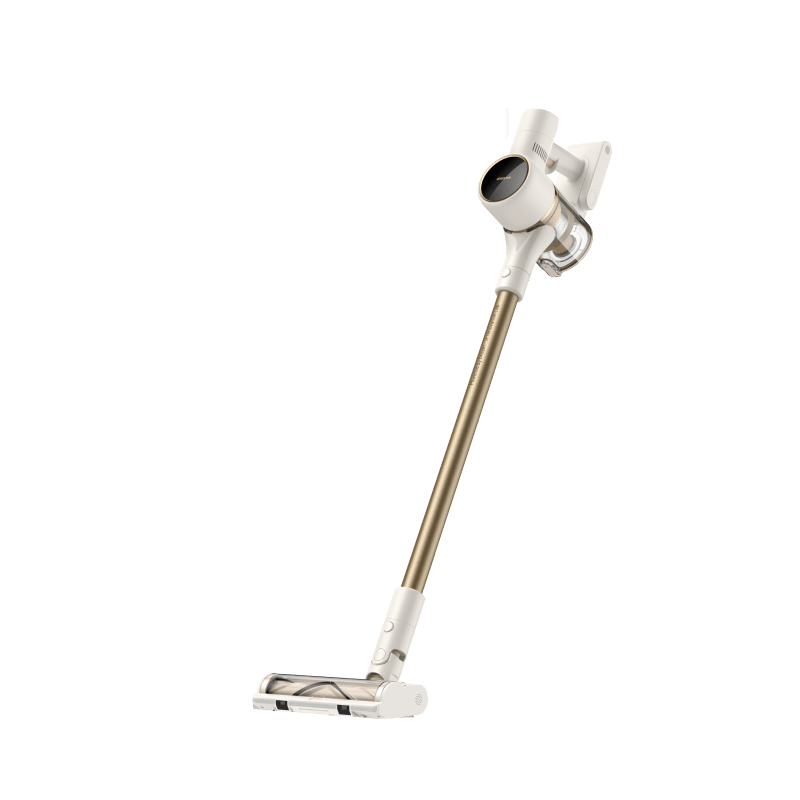
- A cordless wet/dry vacuum lifts loose grit and damp-cleans sealed, level stone in one pass, which is why it suits these types of floors.
Daily Care vs. Deep Cleaning Your Stone Floors
The best way to clean stone floors is a light routine most days and a deeper clean now and then. A quick dry pass a few times a week keeps grit off the surface, and a damp clean about once a week handles the rest. Deep cleaning and resealing come around only every so often, depending on traffic.
How much water your floor can take depends on whether it is sealed. Sealed stone handles a damp mop without trouble, while unsealed or worn stone soaks up liquid and stains faster, so it needs a lighter touch and less water.
A simple test helps. Drop a little water on the stone, and if it beads, the seal is holding; if it darkens and sinks in, it is time to reseal.
Keep water to a minimum either way. Stone and standing moisture are a poor match, and quick drying prevents the spotting that shows up on darker surfaces.
If your rooms run across several materials, the multi-surface cleaning guide covers how to move between them without switching tools.
Cleaning by Stone Type: Natural, Artificial, Tile, and Seamless
Natural stone splits into two families. Calcareous stone (marble, travertine, limestone) etches on contact with acid, while siliceous stone (granite, slate, quartzite) is harder and more acid-resistant, though still porous. A pH-neutral cleaner is the safe choice for every one of them.
Knowing how to clean natural stone floors also means reading the surface, not just the stone. A sealed, flat tile floor with even grout gaps is a different job from a rough, wide-gap patio-style surface, and that difference decides which tools fit.
Marble needs the most care of the calcareous stones. The required routine changes depending on its finish, and it stains quickly from spills like coffee or wine. If marble is your floor, the guide to how to clean marble floors covers finish-by-finish care and how to lift those stains before they set.
The table below shows how to clean stone tile floors and seamless surfaces, and notes where a wet/dry vacuum fits, since it is the one powered tool that damp-cleans stone safely, though only on sealed, level surfaces.
| Stone type | Surface | Recommended cleaning approach | Is a wet/dry vacuum safe to use? |
|---|---|---|---|
| Marble, travertine, limestone (natural, calcareous) | Tile or seamless | pH-neutral stone cleaner only; damp mop or microfiber, never acid. Dry to avoid spots. | Yes, if sealed and level (gaps 1/8 inch to 1/4 inch) or seamless |
| Granite, slate, quartzite (natural, siliceous) | Tile or seamless | pH-neutral cleaner or mild dish soap; more acid-tolerant but still seal and avoid harsh cleaners. | Yes, if sealed and level or seamless |
| Engineered / artificial stone (quartz, agglomerate tile) | Tile | pH-neutral cleaner; avoid abrasives; follow the maker's care notes. | Yes, on level tile |
| Any natural stone, unsealed or worn | Tile or seamless | Seal first; damp-clean sparingly with pH-neutral cleaner and keep water minimal. | Check sealing first; avoid if unsealed |
| Rough, textured, or wide-gap stone | Uneven / wide grout | Soft brush plus pH-neutral cleaner by hand for texture and gaps. | No, wide gaps and uneven surface |
The Easiest Way to Keep Stone Floors Clean
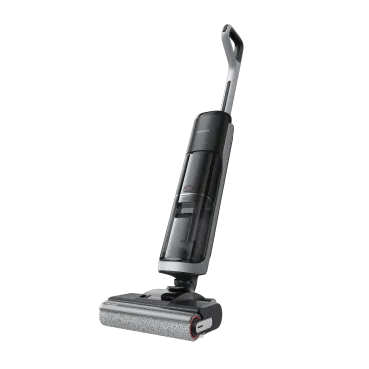
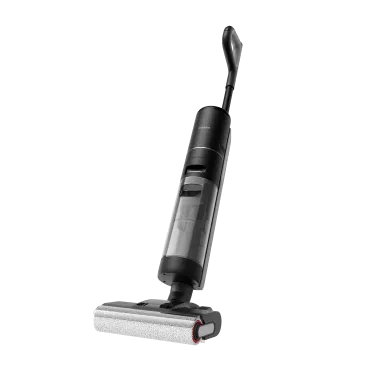
For daily upkeep on sealed, level stone, a cordless wet/dry vacuum handles the whole job in one pass. On a sealed tile or seamless stone floor with normal grout gaps, it lifts loose grit that would otherwise scratch the surface, then washes the floor with fresh water. It also rinses its own roller afterward, and that step matters most on stone, since leftover residue is what shows up as streaks.
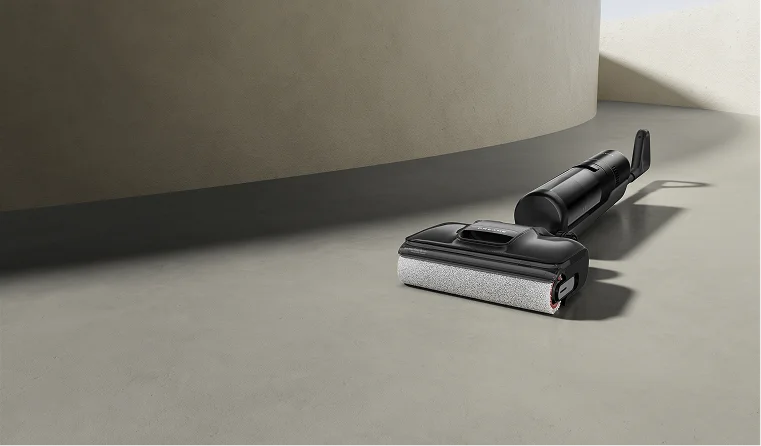
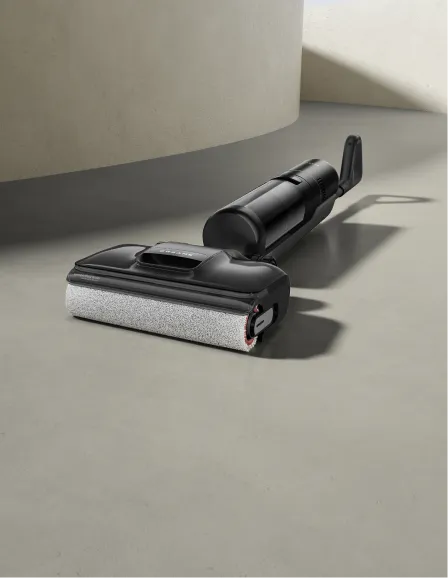
The Aero Pro fits this daily job well. Its slim body lies flat to reach under furniture, and the anti-tangle roller keeps hair and fur from wrapping. The self-cleaning dock then washes the roller so it starts fresh for the next pass. It is easy to store and easy to grab for a quick pass whenever you need it.
[product handle="aero-pro-wet-dry-vacuum" slogan="Editor's Pick"]
Cleaner Stone Floors With Less Effort
Clean stone floors come down to a gentle cleaner and a light hand with water, matched to the stone you have. Keep acids away and clear the grit before you mop, and the surface stays sealed and free of streaks for years. For sealed, level stone, a cordless wet/dry vacuum turns the daily pass into a quick habit.
Browse Dreame's wet and dry vacuum collection to find the model that suits your floors.
Frequently Asked Questions
What is the best thing to clean stone floors with?
A pH-neutral stone cleaner, or mild dish soap in warm water, applied with a soft microfiber mop or cloth. That keeps the finish and sealant intact while lifting everyday dirt. Save abrasive pads and strong cleaners for surfaces that can take them.
Can you use vinegar on stone floors?
No. Vinegar is acidic, and acid etches natural stone, leaving dull spots that do not buff out. Reach for a pH-neutral cleaner instead, even on sealed stone, since a worn patch in the surface can let the acid reach the stone.
Can you steam clean stone floors?
Sometimes, on sealed stone, but treat it with caution. Steam can etch or dull unsealed and polished natural stone. On travertine, the natural holes in the stone are filled during finishing, and steam can loosen that filler. Check the sealing and the stone type before you try it, and when in doubt, stick to a pH-neutral damp clean.
How often should you clean stone floors?
Dry-clean the grit a few times a week, damp-clean about once a week, and deep clean and reseal periodically based on traffic. High-use rooms like kitchens and entryways need the most frequent passes. Staying on top of resealing keeps the rest of the cleaning easy.
Is a wet/dry vacuum safe on natural stone floors?
Yes, on sealed, level stone or stone tile with normal grout gaps. Skip wide-gap or uneven surfaces where the head cannot sit flat, and seal any unsealed stone before you introduce water. Kept to those surfaces, it is a simple way to handle daily upkeep.

