











 Robot Lawn Mowers




















 Humidifiers


 Smart Door Lock


 Australia
 中国大陆
中国大陆 日本
日本


 Türkiye


 Ireland
 Portugal
 Italia
 Netherlands
 Belgium
 Greece
 Polska
 Norway
 Sweden
 Finland
 Denmark
 Hungary
 Czechia
 Slovenia
 Croatia
 Switzerland
 United
Kingdom
United
Kingdom
 Canada


 Colombia

In this article
Engineered hardwood does not clean like solid wood. Knowing how to clean engineered hardwood comes down to protecting the thin top veneer: keep grit and moisture under control, and the floor holds its finish; get either wrong, and the damage is permanent. Here is the method that keeps engineered hardwood floors looking new.

What Makes Engineered Hardwood Different (and Why It Changes How You Clean)
Engineered hardwood is a thin layer of real wood, usually 1 to 6mm thick, bonded to a plywood or high-density fiberboard (HDF) core. That top layer is the veneer, and it changes everything about how these floors are cleaned.
Two facts matter most. First, once the veneer wears through, it cannot be sanded or refinished the way solid wood can, so every cleaning choice you make is permanent. Second, the glue line that holds the veneer to the core reacts badly to moisture. Steam or standing water can seep in and cause the veneer to swell or peel away from the core. The damage extends to the board's structure, well below the surface.
If you have cared for solid wood before, some habits carry over, but not all of them. Two Dreame guides cover solid-wood care: how to clean hardwood floors for the full method, and how to clean hardwood floors naturally for non-toxic, DIY solutions. Engineered hardwood needs different treatment, explained below.
How to Clean Hardwood Floors Yourself? Daily and Weekly Routine
Knowing how to clean engineered hardwood floors comes down to lifting dry debris regularly and lightly damp mopping once a week. Grit and sand are the real problems for a veneer. When everyone is walking across the floor, all that dirt acts like fine sandpaper, leaving micro-scratches that dull a finish over time.
Here is a step-by-step routine for how you can clean hardwood yourself.
-
Clear the loose grit first
Clear dust and grit from busy areas every day or two, before foot traffic grinds it into the finish. This matters more on engineered hardwood than on solid wood, since the thin veneer can't be sanded smooth again once grit has scratched it.
Pay closest attention to entryways and the paths you walk most, where outdoor grit lands first. A dry microfiber pad or a robot vacuum both work, depending on how hands-off you want to be, and either is the first move before any damp mop.
-
Damp mop once a week
Wring a microfiber mop until it feels almost dry, or use a wet/dry vacuum that controls how much water reaches the floor. A microfiber mop holds far less water than a cotton or string mop, so it cleans without leaving the floor wet. Aim for a barely-damp surface, never a wet one, since standing water is what makes the wood swell.
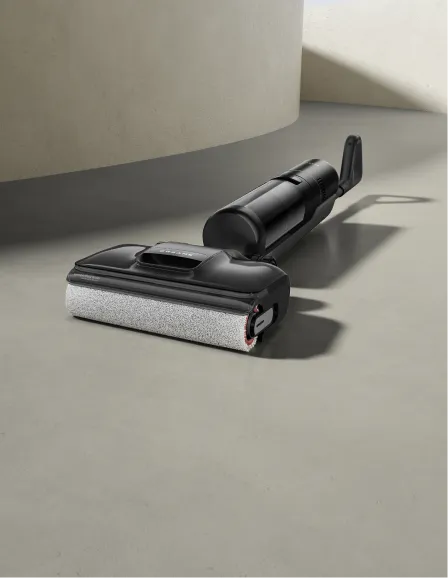
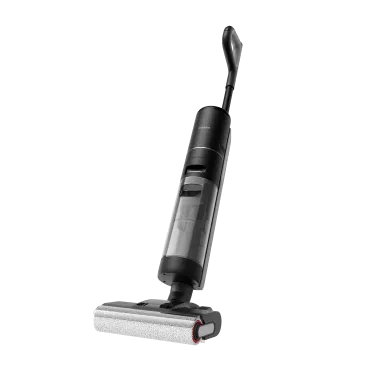
If you're going the vacuum route, find a vacuum mop model that rinses its roller with clean water and pulls the dirty water into a separate tank that leaves close to no moisture behind, which is exactly what an engineered floor needs.
-
Work with the grain
Move the mop along the direction of the boards, not across them. Going with the grain follows the wood's natural texture, so it lifts dirt evenly and leaves no streaks behind. It also prevents water from being pushed into the seams between planks, where moisture causes the most trouble on an engineered floor. Work in small sections so the area dries before you move to the next.
-
Dry the floor right after
Wipe up any leftover moisture within two to three minutes. Engineered hardwood reacts faster than solid wood here: water that lingers in the seams works down to the glue holding the veneer, and that swelling can't be sanded out later.
A dry microfiber cloth or the vacuum's own drying pass finishes the job. The sooner the floor dries, the safer your veneer.
How to Deep Clean Engineered Hardwood Without Damaging It
For built-up grime or a sticky spot near the kitchen, clean just that area rather than wetting the whole floor. Put a little pH-neutral hardwood cleaner on the cloth or mop pad, not on the floor. Work with the grain using gentle pressure, then wipe behind it with a clean, lightly damp cloth and dry the spot completely within 2 to 3 minutes.
Before using any new product, spot-test it in a hidden area, such as inside a closet, and wait 24 hours to check for dulling or discoloration.
For most homes, a deep clean every 1 to 3 months is plenty; more often for busy kitchen zones. If you want help choosing safe products, see the guide on what to use to mop hardwood floors.
One last check: confirm your finish type before any wax or oil, and never wax a polyurethane-finished floor.
Best Tools for Cleaning Engineered Hardwood
A few basics cover most of the care for engineered hardwood, and you likely already have them:
- A soft microfiber mop or flat pad for the weekly damp pass.
- A pH-neutral hardwood cleaner that won't wear the finish.
- A soft-bristle broom or dry dust mop for quick daily pickup.
- A robot vacuum for hands-free everyday cleaning.
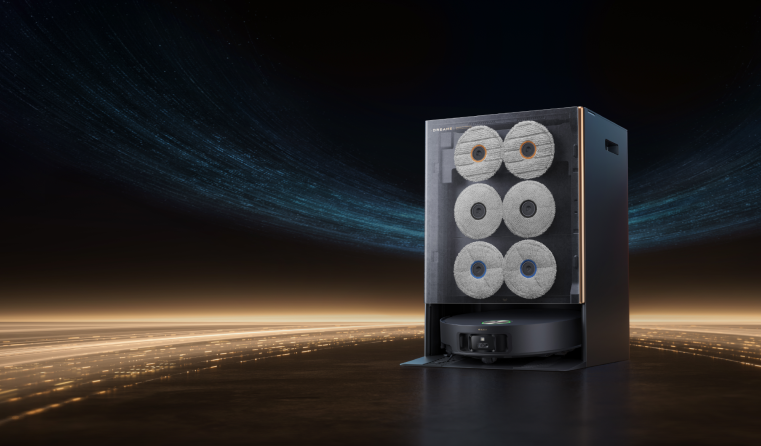
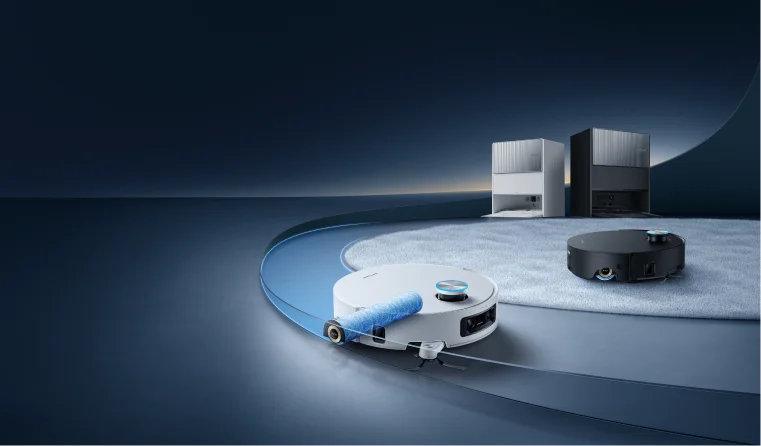
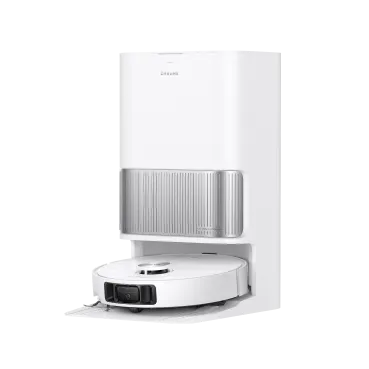
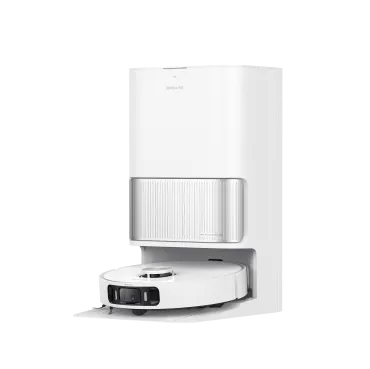
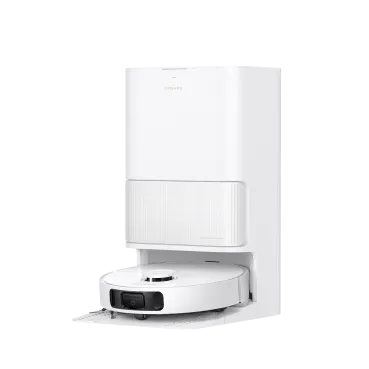
The Dreame X60 Ultra robot vacuum and mop is an ideal choice for a thorough cleaning with minimal effort. It helps maintain the floor's finish and prevent scratches over time. The slim design allows it to reach under furniture and other tight spots where dirt often accumulates, leaving no standing water near the boards.
[product handle="x60-ultra-robot-vacuum" rating="4.9"]
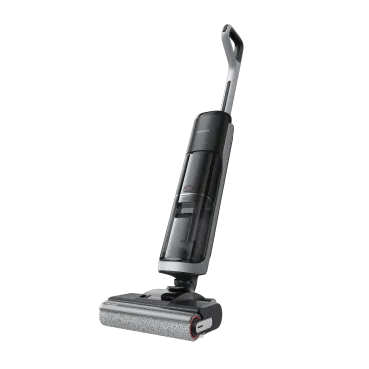
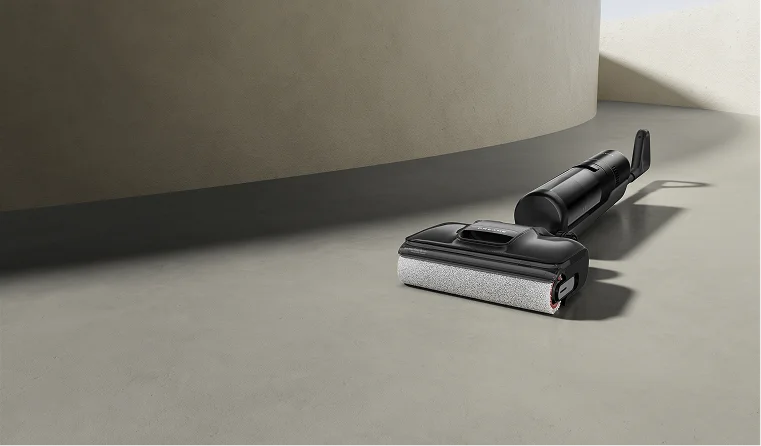
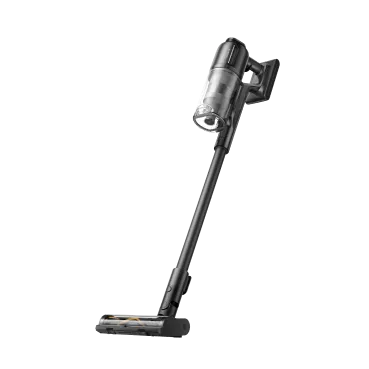
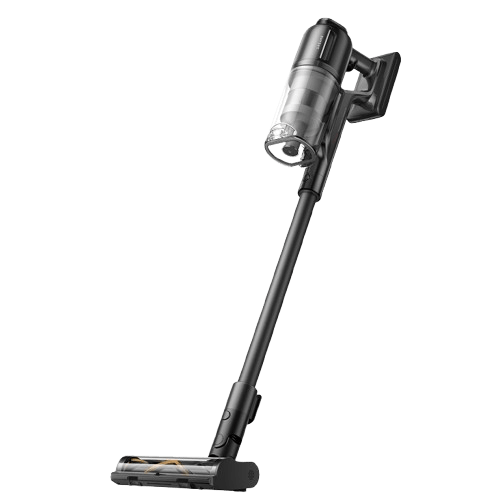
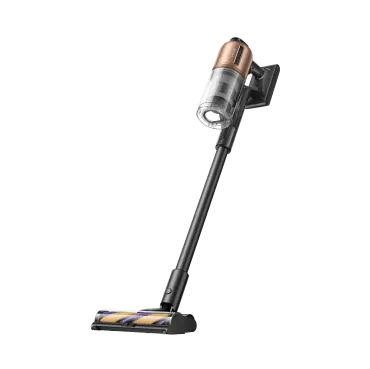
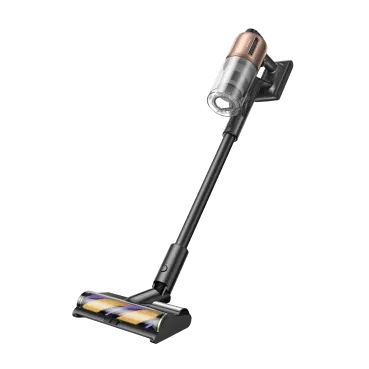
For the weekly damp step, a wet/dry vacuum goes further than a bucket and mop, laying down just enough clean water and pulling the dirty water straight back up so that almost nothing sits on the surface. The Dreame Aero Pro works this way, with fresh-water mopping and fast drying that suit a glue-bonded veneer. Keep the damp step to sealed hard floors.
What Not to Use on Engineered Hardwood
Steam mops, vinegar, soaking-wet mops, and abrasive cleaners damage engineered wood floors faster than anything else. Each of these wears or swells the thin veneer in a way you cannot sand back, as explained in the sections below.
Steam mops
Steam slips through tiny gaps in the finish and reaches the glue line under the veneer. Repeated use can cause the veneer to buckle or peel. If you are unsure whether your floor can handle it, these two guides walk you through it: is steam cleaning safe for hardwood floors, and what floors should not be steam mopped.
Vinegar and acidic cleaners
Vinegar is recommended as a natural floor cleaner, but its acidity slowly eats away at the protective finish. On solid wood, you could sand and refinish to fix this. On a thin veneer, there is no spare wood to sand back, so the dulling becomes permanent.
Excess water and soaking mops
A soaking mop leaves water standing at the seams between planks. From there, it works into the core and the glue line, causing the boards to swell and warp.
Abrasive cleaners and steel wool
Scouring powders and steel wool cut fine scratches into the finish. Those scratches open small paths for moisture to reach the wood, and on a thin veneer, that finish is the only real barrier it has.
Caring for Engineered Hardwood the Right Way
Protecting engineered hardwood comes down to two habits: clearing grit before it scratches and keeping moisture levels low so it never reaches the glue line beneath the veneer. Lift dry debris often, and damp mop only once a week.
Keep steam and vinegar off the floor, and dry up any moisture fast. Get that right, and the veneer holds its finish for years, even though it can never be sanded back like solid wood.
Explore Dreame's collection of wet and dry vacuums to find a model with the controlled moisture engineered hardwood needs.
Frequently Asked Questions
Can you use a steam mop on engineered hardwood floors?
No. Steam seeps through tiny gaps in the finish and reaches the glue that bonds the veneer to the core. Repeated steam swells or peels the veneer, and that is structural damage you cannot repair without replacing boards. It is the most damaging thing you can do to an engineered floor.
The exception is a steam vacuum like the Dreame Aero Pro Steam, which draws the heat and moisture back up as it steams, so almost none of it reaches the veneer. This is what keeps engineered hardwood safe, and it is lab-tested for it.
What is the best cleaner for engineered hardwood floors?
A pH-neutral hardwood floor cleaner is applied to the mop pad rather than poured on the floor. Avoid vinegar, which is acidic and strips the finish, as well as residue-leaving oil soaps. Whenever possible, check your floor maker's list of approved cleaners in the warranty, since some finishes have specific requirements.
Is a robot vacuum safe to use on engineered hardwood floors?
Yes, with the right setup. Run it in hard-floor mode and use a soft rubber brush or a brush roll that lifts away from the surface. The only real risk is a stiff brush running at full speed and scratching the finish over time. Models with a soft dual-roller or auto-lift design, such as the Dreame X60 Ultra, are a safe choice for daily engineered hardwood care.
How often should you clean engineered hardwood floors?
Remove dry debris daily or every other day in busy areas, since that is what stops grit from scratching the veneer. Damp mop about once a week for most homes. Deep-clean every 1 to 3 months as needed. Expect to clean more often if you have pets or a busy entryway.
Can engineered hardwood floors be refinished?
It depends on the veneer thickness. A thicker 4-6mm veneer can usually be sanded once, sometimes twice. A thin 1 to 3mm veneer, which covers most mass-market engineered hardwood, usually cannot be sanded without cutting into the core. Check your floor's spec sheet. This is exactly why careful cleaning matters more on engineered hardwood than on solid wood.

