









 Robot Lawn Mowers

















 Humidifiers


 Smart Door Lock


 Australia
 中国大陆
中国大陆 日本
日本


 Türkiye


 Ireland
 Portugal
 Italia
 Netherlands
 Belgium
 Greece
 Polska
 Norway
 Sweden
 Finland
 Denmark
 Hungary
 Czechia
 Slovenia
 Croatia
 Switzerland
 United
Kingdom
United
Kingdom
 Canada


 Colombia

In this article
Steam is one of the few ways to clear fleas without a single chemical, though how well it works depends on exactly where you use it. Hard floors and carpet don't behave the same way under a steamer. This guide walks through what that looks like surface by surface, so you can build a plan that actually clears an infestation instead of just knocking it back for a week.

Does Steam Kill Fleas at Every Life Stage?
However, steam-cleaning only kills fleas that are sitting out in the open or exposed to the heat directly, but not if they're tucked somewhere the steam can't reach.
Does Steam Kill Flea Eggs and Larvae on Contact?
Flea eggs and larvae die upon contact with steam at the same rate as adult fleas. In fact, research by FleaScience indicates that they cannot survive at temperatures above 38°C.
Even if the temperature is slightly reduced to around 35°C, the eggs may still hatch, but the larvae do not fully develop into adults.
Steam cleaners operate at temperatures significantly higher than this, which effectively eliminates both fleas and their eggs on any surface that the steam reaches
Why steam alone doesn't kill flea eggs and larvae in carpets
Flea eggs are smooth enough to roll off your pet and settle deep into carpet fibers, while their larvae can also crawl to the base of the carpet pile from there and spin cocoons that bind tight to the fibers.
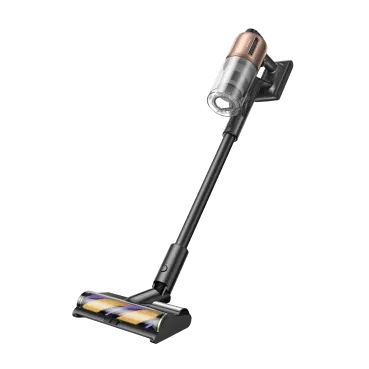
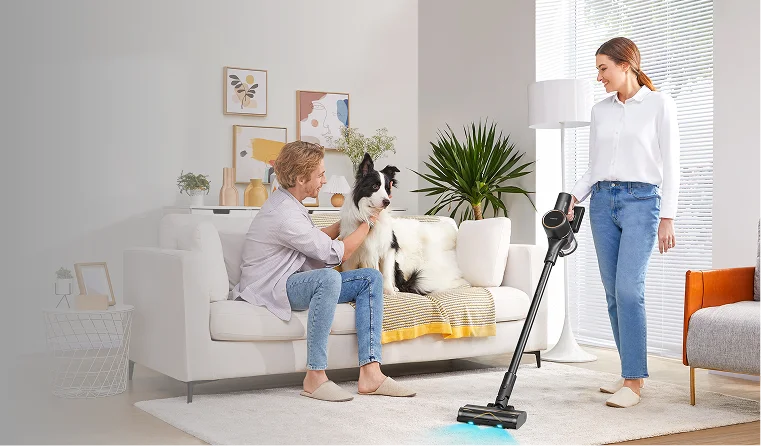
This is usually just a quarter-inch or so below where a surface pass of steam ever reaches, so you'll need a vacuum with enough suction power to pull the larvae from your carpet fibers.
Where Fleas Hide
Fleas often gather where your pet sleeps, and most of them aren't on your pet itself. While adult fleas ride on their host, they make up only a small part of the flea population in your home.
Most of the population consists of eggs, larvae, and cocoons, which are spread through your floors and any fabric your pet touches. This is why cleaning the floors is essential for eliminating an infestation. Treating just your pet won't do the job.
Female fleas lay their eggs on your pet, but the smooth eggs roll off as your pet moves around. Within a day or two, they settle onto the floor. The larvae that hatch prefer dark places and move away from light, burrowing into carpets and gaps in the floorboards, which makes them hard to reach.
The larvae feed on the dark specks left by adult fleas, which look like tiny black pepper grains on light flooring or bedding. These specks are a clear indicator of where the fleas are breeding.
Focus your cleaning efforts on the following areas rather than distributing your cleaning supplies randomly throughout your home:
- Pet bedding and the couch cushions your pet uses: These areas often have the highest concentration of eggs, as they are where your pet lies still for the longest periods. Pet bedding belongs in the washing machine on a hot cycle.
- Carpet pile and the padding underneath: Larvae tend to crawl down the fibers to the base, which is typically about a quarter-inch below the surface.
- The seam where the carpet meets the baseboard: This area is dark, undisturbed, and often overlooked by both vacuums and mops.
- Cracks between floorboards and along grout lines: These narrow spaces can shelter larvae and are shallow enough for steam cleaning to reach.
- Under low beds and sofas: These spots lack light and foot traffic, and they contain food debris that larvae feed on.
The cocoon stage is what makes fleas difficult to eliminate in a single session. Flea cocoons attach to carpet fibers and can remain dormant for weeks, waiting for a host to draw near.
Any fleas still in their cocoons when you finish cleaning will survive, which is why it's necessary to revisit the same rooms over the following weeks instead of relying on just one deep clean.
How Long Does It Take for Steam to Kill Fleas?
Steam kills a flea within a few seconds of contact, so your job is making sure the steam actually reaches every inch of the surface as you go. Each section only needs one thorough pass, so you don't need to go back over it once it's had those few seconds of direct heat.
If you move too quickly, you might skip past sections before the steam has time to work, and any flea hiding there survives no matter how hot your steamer runs.
Which Surfaces Steam Can Clean
Steam effectively kills all stages of fleas as soon as it touches them. The only important factor is whether the heat can reach the surface properly.
- Grout lines and floor cracks should be flat and exposed to prevent anything from burrowing away from the heat. Work slowly along the line instead of across it, as just a few seconds of contact is all it takes to be effective.
- Baseboards and furniture edges are narrow, but steam still makes direct contact. When carpet meets a baseboard, steam the board and vacuum the carpet side of the seam.
- Thresholds and transition strips trap flea dirt and eggs between rooms, and both your vacuum and mop often overlook them.
- The space under beds and sofas can harbor fleas and debris that feeds them, so it's important to clean it if your vacuum can reach.
Carpet and soft furnishings are an exception, as the important stages in flea development occur below the surface, beyond the reach of heat from a surface clean.
How to Get Rid of Fleas in Carpet
Vacuuming is the best way to get rid of fleas in your carpet. The carpet padding absorbs heat, so it can't effectively reach the cocoons that are stuck to the base of the carpet pile. Here's where having the right technique is more important than just having a powerful vacuum.
Vacuum daily while the infestation is active:
- Slow, overlapping passes. The machine has to lift eggs out of the pile, not skim across the top. Speed is what leaves them behind.
- Twice over your pet's favorite spots, once in each direction, so the brush works the fibers from both sides.
- Daily, not weekly. The vibration of a machine passing overhead prompts cocooned fleas to emerge early, so each session flushes out a batch that yesterday's pass couldn't reach.
- Empty the bin outside every time. Everything you just collected is still alive in there.
If you're dealing with a serious carpet infestation, consider investing in a carpet extractor. It pushes heat and water into the padding, which regular vacuums and steamers can't do, making it a powerful option for tackling a stubborn infestation.
Best Tools for Thorough Cleaning on Hard Floors
[product handle="aero-pro-steam-wet-dry-vacuum"]
How to Get Rid of Fleas Step-by-Step
It takes about six steps to clear an infestation for good across your home, from carpet to laundry to your pet itself, since no one step handles the whole cycle alone.
1. Vacuum carpet and upholstery first
2. Steam hard floors, baseboards, grout, and crevices
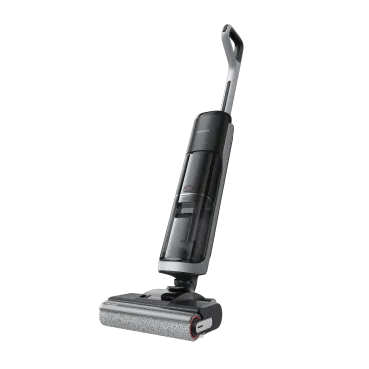
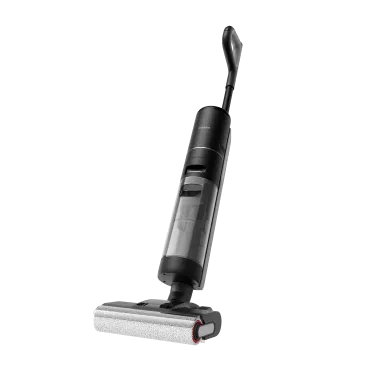
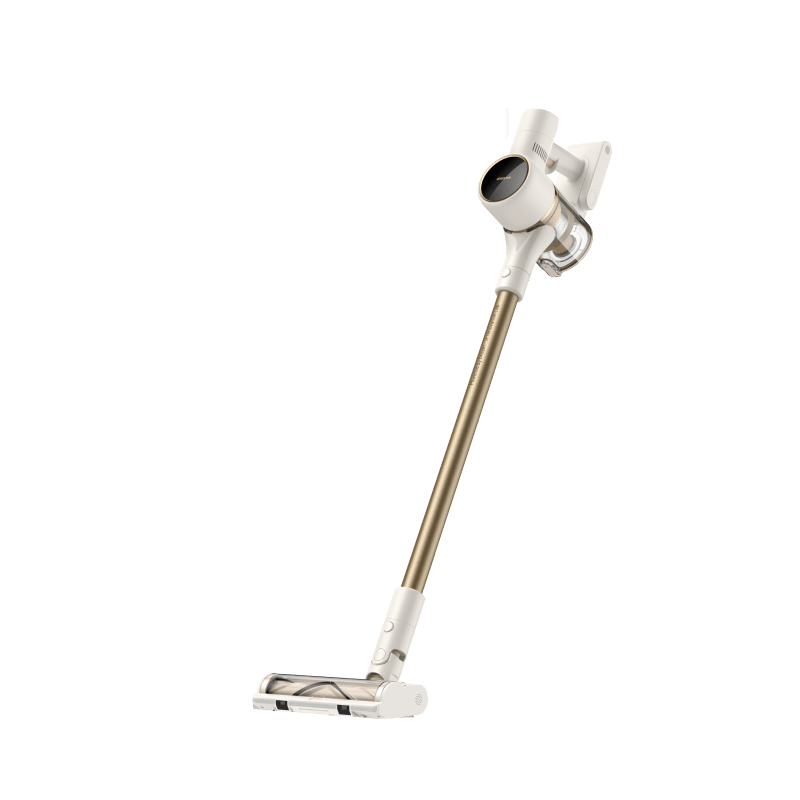
Wet-dry vacuums such as the Aero Pro Steam can vacuum and steam hard floors, grout, and baseboards at the same time. Work in small, overlapping sections so you catch fleas hiding in every crack along the way.
3. Follow up with a carpet-rated steamer
You'll get more out of a carpet-rated steamer by running it after vacuuming so it forces heat into fibers and padding a hard-floor machine can't reach.
4. Wash all bedding on hot wash, and then dry on high heat
Pet beds, blankets, and even their covers need a hot wash and high-heat dry every few days. You'll need the same heat you're using to clear fleas everywhere else in your home, so avoid cold rinsing these.
5. Treat your pet with a vet-approved flea product
You'll need to treat your pet directly with a vet-approved flea product, which reaches fleas living on them. If you skip this step, a fresh batch of eggs lands right back into everything you just cleaned.
6. Repeat over the next two to three weeks
This two-to-three-week window is important because flea eggs hatch on a rolling schedule, so repeating the routine every few days catches each new wave you'd otherwise miss.
Make Steam Part of Your Flea-Clearing Plan
Steam-cleaning is a great addition to your flea-clearing plan because it's quick and chemical-free everywhere it can make contact. Pair it with regular carpet vacuuming and direct treatment on your pet, and you've covered every surface fleas use.
If you're ready to add steam to your own cleaning routine, take a look at our range of steam vacuums to find the model that fits your floors.
Frequently Asked Questions
Does steam kill fleas on carpet?
Steam kills any flea it touches on the carpet surface, but eggs and larvae buried deeper in the padding stay out of reach. You'll get better results by vacuuming the carpet first, then following up with a carpet-rated steamer built to push heat down into the fibers.
Does steam kill flea eggs?
Yes, steam kills flea eggs the instant it touches them, since eggs can't survive continuous heat above about 38°C and steam is far hotter than that. An egg tucked somewhere the steam can't reach, though, stays unaffected no matter how hot your machine runs.
How long does it take for steam to kill fleas?
Can you use a steam mop on pets?
You should never point a steamer or steam mop directly at your pet because the steam is hot enough to burn their skin. A vet-approved flea treatment is the safe way to treat your pet directly instead.
Does steam cleaning get rid of fleas for good?
Steam alone won't clear an infestation for good, since it only reaches the surfaces it can directly touch. You'll want to pair it with regular vacuuming, hot bedding washes, vet-approved treatment for your pet, and a few repeat rounds over the next two to three weeks as new eggs hatch.
Is steam or vacuuming better for fleas?
Steam and vacuuming handle two different jobs, so you'll want both rather than picking one. Vacuuming pulls fleas out of carpet depth, while steam kills them on contact across hard floors, baseboards, and grout.

