Do robot vacuums work well on hard floors?
Yes, robot vacuums generally perform very well on hard floors such as hardwood, tile, linoleum, and laminate. These smooth surfaces make it easier for robot vacuums to maintain strong suction and collect fine dust, pet hair, and debris. Models with rubberized or anti-tangle brushes are especially effective since they avoid scattering dirt and help trap even fine particles.
What is the best robot vacuum for hard floors?
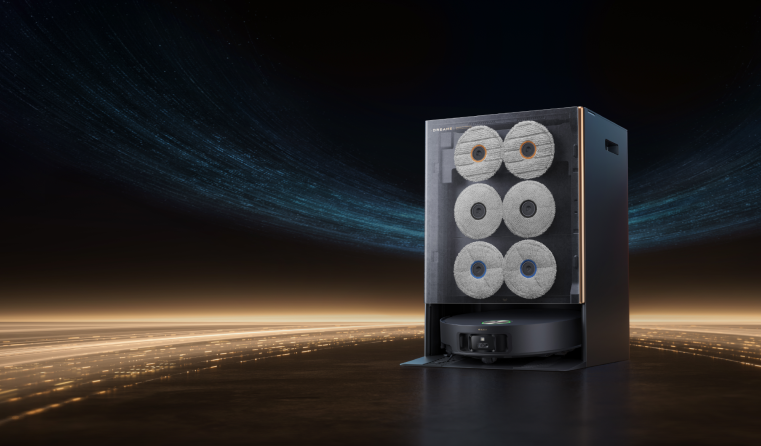
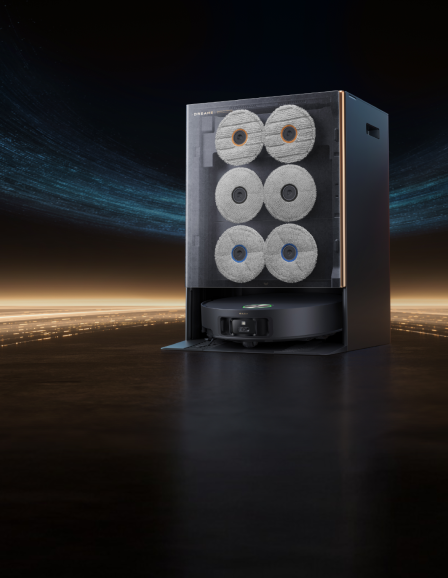
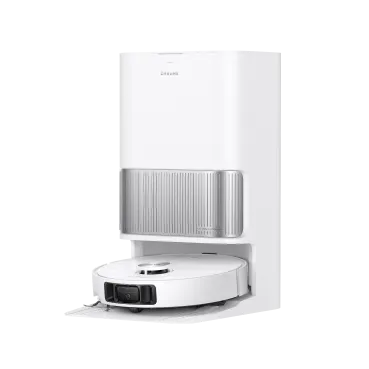
The best robot vacuum for hard floors mops as well as it vacuums, and has a dock that washes the mop for you. The
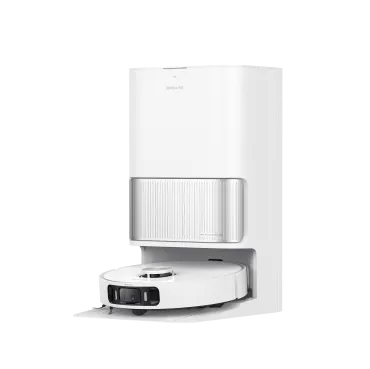
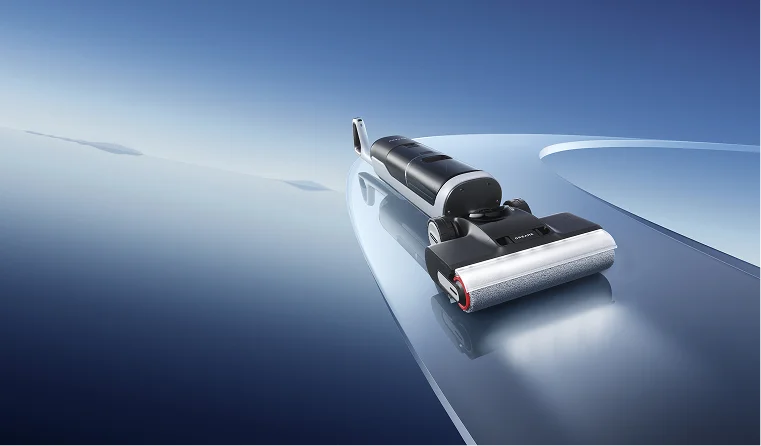
Dreame L60 Pro Ultra is our top pick for heated mopping. For mostly tile floors, the Aqua10 Ultra Roller mops with fresh water the whole way. On a tighter budget, the
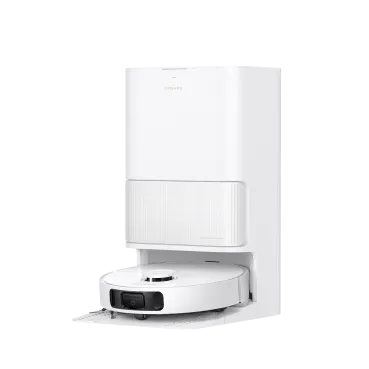
L40 Ultra Gen2 still empties itself and washes its own mop.
Is it better to buy a robot vacuum or robot vacuum and mop for hard floors?
A robot vacuum and mop is the better choice for hard floors. Vacuuming picks up dust and crumbs, but only mopping lifts the sticky spots and footprints that show on wood and tile. Our
robot vacuums for tile floors go deeper into grout lines and uneven tile, where good mop contact makes the biggest difference.
Can robot vacuums clean both hard floors and carpets?
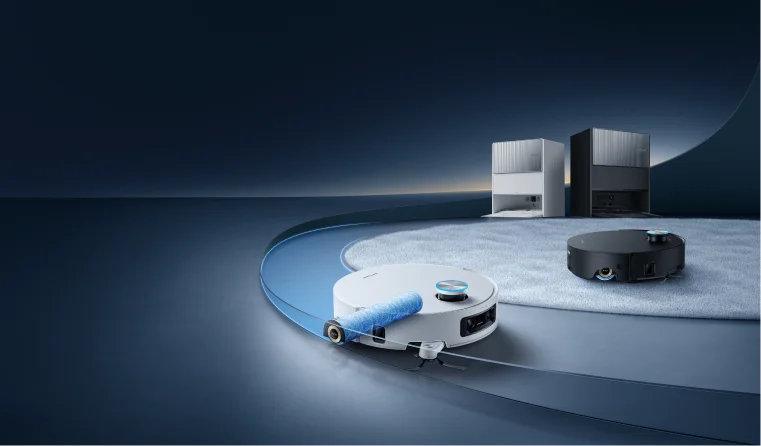
Yes. Most Dreame models spot carpet and lift the mop before they reach it, so your rugs stay dry while the vacuum boosts suction. For a home with both, the
X60 Max Ultra Complete is our pick. It lifts its mop 10.5mm and pairs that with 35,000 Pa suction for the carpet. Check out Dreame's
robot vacuums for carpet that are designed to keep mixed-floor homes clean.
Do robot vacuums remove dust from hard floors effectively?
Yes, and they don't need the highest suction to do it. Dust sits on top of hard floors, so a well-designed brush and a damp mop matter more than raw power. The brush collects dust and hair without flicking it into corners, and the mop lifts the fine layer a dry pass leaves behind.
Which robot vacuum is best for mopping hard floors?
The L60 Pro Ultra is our pick for mopping hard floors. Its thermal mop pads stay at 40°C to loosen kitchen grease that cold water only spreads. The dock then washes them at 100°C between runs, so you get a clean mop on your floor every time.
Do robot vacuums leave streaks on hard floors?
They can, but only when the mop is dirty or too wet. A dock that washes the mop between runs stops dirt from being wiped back on, and a lower water setting stops puddles from drying into streaks. The
L60 Ultra FE has 32-level moisture adjustment, so you can use less water on wood than on tile.
Are robot vacuums safe for hardwood floors?
Yes, on sealed hardwood. It's a fair concern, but most Dreame docks dry the mop with hot air after each run. You can also turn the water down so the mop stays damp rather than wet. Browse our range of
robot vacuums for hardwood floors to find models picked for wood.








 Robot Lawn Mowers
















 Humidifiers


 Smart Door Lock


 Australia
 中国大陆
中国大陆 日本
日本


 Türkiye


 Ireland
 Portugal
 Italia
 Netherlands
 Belgium
 Greece
 Polska
 Norway
 Sweden
 Finland
 Denmark
 Hungary
 Czechia
 Slovenia
 Croatia
 Switzerland
 United
Kingdom
United
Kingdom
 Canada


 Colombia


