

Dogs That Don't Shed: 30 Low-Maintenance Breeds for Cleaner Homes

Dogs That Don't Shed: 30 Low-Maintenance Breeds for Cleaner Homes

Dreame Editorial Team |
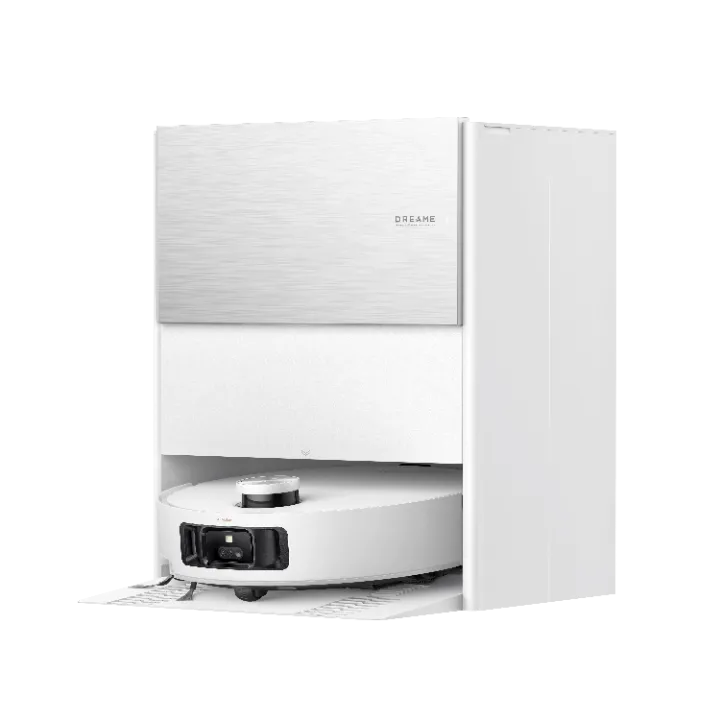
Dogs that don't shed don't fully exist. Every dog drops dander and skin cells, and most have a seasonal coat blow (when double-coated dogs swap their winter and summer coats), even the breeds marketed as hypoallergenic. What you actually get with a low-shed breed is less visible hair on your couch and your floors. The dander load is still there. The 30 breeds in this guide are the most low-maintenance for cleaner homes, and each entry includes what cleaning actually looks like for each breed. The Truth About Low-Shed Dogs All dogs shed something. Skin cells and dander come off every coat type, even the ones marketed as hypoallergenic. The American Kennel Club is clear that no breed is truly allergen-free. Low-shed actually means less visible hair on your floors and furniture. A dog with a curly or wiry coat holds loose hair in the coat until grooming pulls it out, rather than dropping it around the house the way a heavy shedder does. A low-shed breed might reduce how much you need to clean, but pairing it with the right routine makes the real difference. This guide on building a smarter cleaning system for pet homes makes maintaining your home a little easier, so you can focus on making memories instead of messes. Important: Hypoallergenic doesn't mean allergen-free. Allergy severity varies by person, not just by breed, so if anyone in your household is sensitive, spend time with the specific dog before bringing one home. Small Dogs That Don't Shed If you're searching for small dogs that don't shed, these ten breeds are the closest thing to it. They combine compact size with coats that trap hair instead of releasing it, which means less on your floors, not zero. Read each entry's cleaning reality note carefully, because coat type matters more than size when it comes to actual maintenance. 1. Bichon Frise The Bichon is cheerful and perfect for indoor company. Its curly white coat traps loose hair against the body rather than dropping it. However, trapped hair mats if grooming slips, and a matted Bichon will shed a lot when finally brushed out. Tip: Plan to vacuum weekly even when the dog avoids bedrooms. After a grooming backlog, expect a temporary spike in floor hair. 2. Miniature Poodle Bright and athletic, the Mini Poodle is one of the most allergy-friendly small breeds. The curly single coat sheds minimally but grows continuously, so it needs trimming every 4-6 weeks. Tip: Try not to skip a grooming cycle since on a regular schedule, floor hair is close to zero. 3. Maltese The Maltese has a single coat of fine, silky hair that rarely sheds. The trade-off is daily brushing. Without it, the coat tangles within days, and matted Maltese hair pulls out in clumps. Tip: Owners who keep up with brushing see almost no hair on floors. Let the routine slip and a single brushing session deposits what looks like a month's worth of shedding. 4. Shih Tzu Shih Tzus have a flowing double coat that, despite the length, sheds far less than most double-coated breeds. Hair tends to fall back into the coat rather than onto the floor. Most owners clip it short for easier upkeep. Tip: Short-clipped Shih Tzus leave very little floor hair. Full-coat owners find single strands rather than clumps, manageable with grooming every 6-8 weeks. 5. Yorkshire Terrier The Yorkie's coat is silky and hair-like, closer to human hair than typical dog fur. Shedding is minimal but constant, the way human hair sheds. Tip: You'll find single strands on dark clothing and light floors rather than visible clumps. Owners who keep the coat long need daily brushing to prevent strands from becoming tangles that shed all at once. 6. Havanese The Havanese has a long silky double coat that sheds inside the coat rather than onto your floors. Loose hairs collect until brushing releases them. Tip: Consistent weekly brushing keeps visible shed close to zero. Skip a week and the brushing session itself deposits more hair than usual, most of it in the brush rather than on the floor. 7. Coton de Tulear The Coton has a cotton-soft coat that releases very little hair. Loose hair stays trapped until brushing or bathing removes it. The coat mats easily without weekly grooming. Tip: A well-maintained Coton is one of the lowest-shedding small breeds you can bring home. Matted coats release hair in clumps, so the grooming routine is what keeps your floors clean. 8. Affenpinscher The Affenpinscher has a wiry coat that sheds minimally and rarely needs more than weekly brushing. They're confident, with a distinct personality that suits owners who want a small dog with attitude. Tip: When hair does drop, individual strands are coarser and more visible on light flooring than the fine hair of a Maltese. Vacuum bi-weekly to stay ahead. 9. Brussels Griffon Brussels Griffons come in rough and smooth coat varieties. The rough-coated version sheds very little and needs hand-stripping a few times a year. The smooth-coated version sheds modestly, more like a typical short-haired breed. Tip: Choose the rough variety if low-shed floors are the priority. Rough-coated Griffons leave almost nothing between grooming sessions; smooth-coated ones shed noticeably more. 10. Miniature Schnauzer The Mini Schnauzer's double coat is wiry outside and soft underneath. The wiry topcoat barely sheds; the undercoat releases slowly and gets caught before it falls. Tip: Brushed twice a week, most owners see less floor hair than they did with a previous short-haired breed. The wiry topcoat does most of the work by catching loose undercoat before it reaches your floors. Important: Schedule professional grooming every 4-6 weeks for curly-coated breeds and brush weekly between visits. A matted coat releases far more hair when you finally work through it than a well-maintained one ever would. Medium Dogs That Don't Shed Medium dogs that don't shed is a popular search for a reason, and this size works for most family homes. These breeds fall in the 20-50 pound range and bring more presence than small breeds without leaving hair across every surface the way a large dog does. Several are water dogs by origin, which is part of why their coats handle hair so differently from typical sporting breeds. 1. Standard Schnauzer The Standard Schnauzer has the same wiry double coat as the other Schnauzer sizes. Shedding is minimal on a regular hand-strip or clip schedule. They're alert and need daily exercise. Tip: A clipped coat releases slightly more hair than a stripped one, but still less than most short-haired breeds. Skip grooming and the undercoat builds before shedding gradually. 2. Portuguese Water Dog Bred to work alongside fishermen, the Portuguese Water Dog has a curly or wavy single coat that sheds little and grows continuously. They need a clip every 6-8 weeks and substantial daily activity. Tip: Low-shed, but not no-shed. Grooming lapses produce noticeable floor hair quickly. On a consistent trim schedule, you'll find close to none. 3. Soft Coated Wheaten Terrier The Wheaten's silky single coat is soft and wavy with no undercoat. It sheds very little but mats easily without daily brushing. They have an enthusiastic habit of jumping to greet you, which transfers hair if grooming is overdue. Tip: A well-groomed Wheaten leaves almost nothing on hard floors. Fall behind on brushing and you'll find more hair on clothing than on the floor. 4. Bedlington Terrier Bedlingtons have a lamb-like appearance from their curly, non-shedding single coat. They need clipping every 6-8 weeks and are faster and more energetic than their soft look suggests. Tip: Virtually no loose hair on floors or furniture on a regular grooming schedule. Neglected coats mat and develop odor, and the correction session deposits what looks like weeks of shedding all at once. 5. Lagotto Romagnolo The Lagotto is an Italian water retriever and one of the lowest-shedding medium breeds. Its wooly curls release almost no hair when properly groomed every 6-8 weeks. Tip: Among the lowest floor-hair breeds at this size on a regular grooming schedule. Neglected coats felt up and trap dander, which sounds convenient but creates a hygiene problem of its own. 6. Tibetan Terrier The Tibetan Terrier is a companion breed with a long double coat that sheds inside the coat rather than onto floors. Heavy weekly brushing is non-negotiable. Tip: Most owners use a short clip, which keeps the floor hair close to zero. Miss a week on a full coat and the correction session releases more hair at once than most breeds shed in a month. 7. Basenji Basenjis have a short coat, shed very lightly, and groom themselves like a cat. The breed is known for being barkless, with a unique vocal yodel instead. Tip: Shedding follows a regular pattern but in much smaller quantities than typical short-haired breeds. You'll notice a fine film of hair on dark furniture rather than visible clumps on the floor. 8. Welsh Terrier The Welsh Terrier looks like a smaller Airedale and shares the same wiry, low-shed coat. Hand-stripping a few times a year keeps shedding at a minimum. They're spirited and need real daily exercise. Tip: A clipped coat releases slightly more hair than a stripped one. The wiry texture makes individual strands coarser and more visible on light flooring, worth knowing before choosing white tile. 9. Lhasa Apso The Lhasa Apso has a long, heavy double coat that sheds inside the coat rather than onto your floor. Without daily brushing it mats heavily. Many owners keep them in a short clip. Tip: Short-clipped Lhasas leave almost nothing on the floor. Full-coat owners see very little on a daily brushing routine, but correction sessions deposit significant hair all at once. 10. Xoloitzcuintli The Xolo is one of the world's oldest breeds and comes in hairless and coated varieties. The hairless version sheds no hair. The coated version has a short, flat coat that sheds lightly. Tip: Hairless Xolos don't shed, but their skin oils still transfer to bedding and furniture, which need regular washing. Coated Xolos shed lightly and uniformly, manageable with weekly vacuuming. Large Dogs That Don't Shed Large dogs that don't shed are harder to find, and your options are narrower here. The breeds below all weigh 50 pounds or more and have coats that trap or contain hair. At this size, dander load is proportionally higher regardless of coat type. 1. Standard Poodle The Standard Poodle has a curly single coat that grows continuously and traps loose hair until brushing. They're highly intelligent and trainable. Most owners keep them in a working clip every 4-6 weeks. Tip: On a regular grooming schedule, floor hair is minimal. Miss a clipping and the coat mats, then releases hair all at once when you work it out. 2. Giant Schnauzer The Giant Schnauzer is the largest of the three Schnauzer sizes, with the same wiry double coat and low-shed profile. They need a confident handler and lots of exercise. Tip: Their size means even minor grooming lapses produce visible hair. Hand-stripping or clipping every 6-8 weeks keeps floor hair low. 3. Afghan Hound Afghans have a long, silky single coat that sheds far less than it appears to. It releases very little hair but tangles within hours without daily brushing. Tip: A fully groomed Afghan leaves almost no hair on your floors, but skip the brushing and you'll find it everywhere. The commitment is grooming time, not vacuuming time, and the two are directly proportional. 4. Barbet The Barbet is a French water dog with a curly single coat that sheds very little and needs a clip every 6-8 weeks. Sociable and active, they bond closely with their household. Tip: One of the cleanest large breeds for floor hair. The single curly coat traps loose hair and there's no seasonal shed to deal with, so you won't see much on the floor even if grooming slips. 5. Puli The Hungarian Puli has a corded coat that traps nearly all loose hair and dander. Pulis are energetic herding dogs that need active daily engagement. Tip: Floor hair is close to zero once cords fully form, typically by age 2-3. During the transition from puppy coat, expect some loose hair. Maintenance shifts between vacuuming and cord separation to prevent mat buildup and odor. 6. Spanish Water Dog The Spanish Water Dog has a single coat that develops natural cords if left to grow. It sheds very little and was bred for water work and herding. They're high-energy and need daily exercise. Tip: Once the coat is established, shedding is minimal and grooming requirements are low. As long as the coat doesn't become matted, loose hair tends to stay close to the floor rather than spreading throughout the home. 7. Irish Water Spaniel The Irish Water Spaniel has a curly single coat that traps loose hair until brushed out. They have a distinctive smooth rat tail that sets them apart from other spaniels. Tip: One of the lowest-shedding sporting breeds on a regular grooming schedule. The coat needs clipping every 6-8 weeks. Let the schedule slip, and it begins to mat and release hair. 8. Bouvier des Flandres The Bouvier is a powerful Belgian herding dog with a wiry outer coat and soft undercoat that shed very little when groomed regularly. They have strong protective instincts and need confident handling. Tip: Their size means even minimal grooming lapses produce visible hair. On schedule, floor hair stays low. Dander output is proportional to body size, so filtration matters in Bouvier households. 9. Black Russian Terrier The Black Russian Terrier is one of the largest breeds in this guide, often topping 100 pounds. The wiry double coat sheds minimally with proper grooming every 6-8 weeks. Tip: Floor hair stays low on a grooming schedule, but dander output is high simply due to body size. Filtration matters more here than it does for smaller low-shed breeds. 10. Airedale Terrier The Airedale is the largest terrier and has a classic wiry double coat. Hand-stripping or clipping every few months keeps shedding minimal. They're energetic, so exercise is essential. Tip: A clipped Airedale releases slightly more hair than a stripped one. The wiry texture makes strands coarser and easier to spot before they spread, so you catch them early. Vacuum weekly on a clipped coat. What Low-Shed Means for Your Cleaning Routine Now that you have the breed list, here is what low-shed actually means for the floors in your home. Dander, not hair, is the main allergen Most dog allergies are triggered by dander and proteins in saliva and urine, not visible hair. All dogs produce these, including hairless breeds. A low-shed breed reduces what you see on the couch and the floor, but not the allergen load in the air or carpet fiber. Even low-shed breeds have shedding seasons Most double-coated breeds in this guide shed their undercoat twice a year, usually in spring and fall. During those weeks, your cleaning frequency needs to ramp up. A "low-shed" Bichon during a coat blow will shed like a moderate-shedding short-haired breed. Less cleaning, but how much less depends on your dog and your floors Most people find they vacuum noticeably less often with a low-shed breed, though how much less depends on the dog and your floor type. Fine particles still settle into carpet fiber and gather in places vacuum heads can't reach. For households that picked a low-shed breed and still want their floors and air to feel clean year-round, the Dreame L60 Pro Ultra is built for exactly this. Its HyperStreamâ„¢ Detangling DuoBrush handles up to 11.8in (30cm) of hair without tangling, useful for when your low-shed dog sheds its undercoat. 35,000 Pa of suction pulls embedded dander out of carpet fiber, where allergens actually settle. High-efficiency filtration captures airborne dander that low-shed homes still produce. Browse the Dreame robot vacuums for pet hair collection to see the full range of options designed for shedding households. For a deeper look, this guide to robot vacuum features for pet homes breaks down what actually matters for shedding dogs. [product handle="l60-pro-ultra-robot-vacuum" rating="4.8"] Dreame Take: Choosing a low-shed breed doesn't eliminate cleaning, but it does reduce it. Less time tidying means more time with the dog you love. Choosing the Right Low-Shed Breed for Your Home Choosing a low-shed breed doesn't replace cleaning, but it does change what cleaning looks like in your home. Every breed on this list comes with an honest note on what cleaning actually looks like, so you can choose the right fit for your home and lifestyle. With the right cleaning tool, such as a robot vacuum, you'll spend less time cleaning and more time with your furry friend. Our guide on how to choose a pet hair vacuum covers what to prioritize. Browse the Dreame robot vacuum collection to find a model that fits your home. Frequently Asked Questions Are any dogs truly hypoallergenic? No dog is truly hypoallergenic. Some breeds produce less dander or shed less, which reduces allergen exposure. Allergy severity varies by individual, not just by breed. If allergies are a serious concern, spend time with a dog of that specific breed before committing. Are short-haired dogs always low-shed? No. Many short-haired breeds shed more than long-haired low-shed breeds. Beagles and Pugs drop their coats constantly despite having short hair. Coat texture as well as single-coat vs double-coat structure matter more than length. Do hairless dogs need less cleaning? Less floor vacuuming, yes. But hairless dogs still produce dander and skin oils, so surface cleaning around bedding stays about the same. They also need regular skincare like sunscreen and moisturizer, and the oils that come from that can transfer to furniture and upholstery over time. What's the lowest-shedding small breed? The Bichon Frise and Miniature Poodle are the lowest-shedding small breeds, with the Maltese close behind. All three breeds still require regular grooming. A neglected coat will eventually release a lot of hair when it's worked through, which can undo the low-shed advantage during one grooming session. Consistent grooming helps. Will a robot vacuum still help with a low-shed dog? Yes. Low-shed dogs still produce dander and skin oils, and most have a seasonal undercoat blow. Daily robot vacuum runs maintain the floor between deep cleans, and the filtration captures airborne dander that low-shed households still generate.
Continue reading
How to Clean Baseboards (Without Bending Over): Easy Methods

How to Clean Baseboards (Without Bending Over): Easy Methods

Dreame Editorial Team |
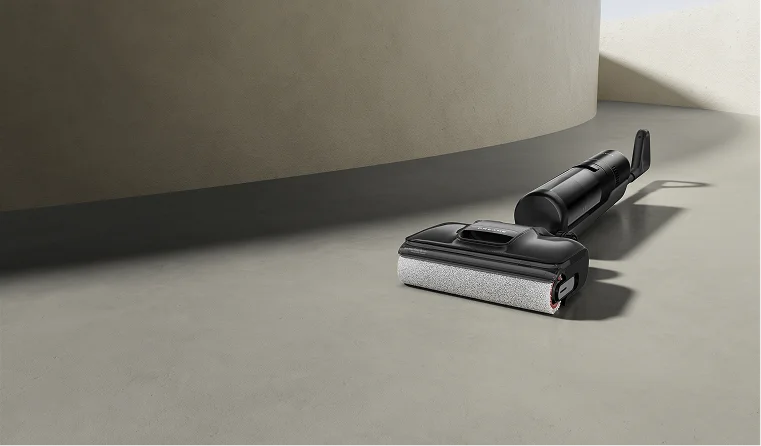
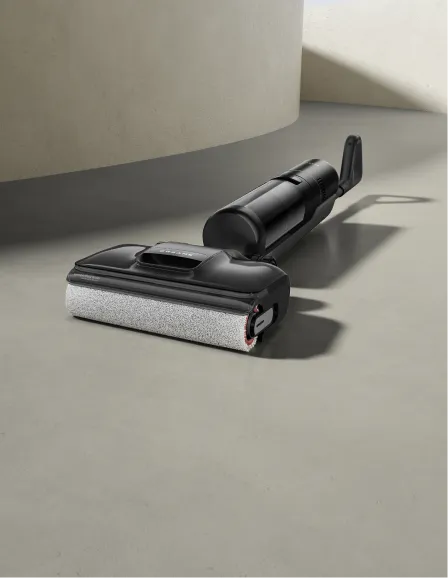
Cleaning baseboards usually means a bucket of soapy water and an hour on your hands and knees, moving room to room. If your back or knees have had enough of that, there's an easier way, especially with a slim cordless vacuum that reaches the wall-floor edge while you stay standing. This guide covers how to clean baseboards without all the bending, plus what tools work best and how often to do it. How Often Should You Clean Baseboards How often you should clean your baseboards comes down to a simple routine: dust weekly and damp-wipe monthly. A proper deep clean once or twice a year takes care of the rest. Weekly dusting is key. Dust collects quickly along the seam where the wall meets the floor. If left unchecked, it mixes with moisture and forms a sticky film that's tough to remove. A quick pass with a vacuum brush attachment or microfiber duster each week prevents dust from settling in. Monthly damp-wiping takes care of scuffs and marks that dusting alone can't remove. For most homes, this routine is all you need. If you have pets, kids, or hardwood floors near a busy entryway, consider damp-wiping every two weeks. Pet hair and outdoor debris can accumulate along baseboard edges faster than regular household dust. What You Need to Clean Baseboards Most of the frustration with cleaning baseboards comes from using a wet cloth on dusty surfaces, which just smears the dust into a paste. Here's a list of what you need to clean baseboards more efficiently: A vacuum with a soft brush attachment or a slim cordless vacuum for the weekly dust pass. A microfiber cloth for damp-wiping (microfiber traps dust instead of pushing it around). A long-handle mop or extendable duster for attaching your microfiber cloth. A small bucket of warm water with a drop of dish soap for the monthly wipe-down A dryer sheet to run along clean baseboards for an anti-static finish. A magic eraser for scuff marks (to be used sparingly). Avoid using vinegar on painted baseboards, especially those with glossy or low-VOC finishes. It can dull the sheen over time. Instead, stick to dish soap and warm water, which clean effectively without risking damage to the paint. For homes with carpet running up to the baseboard, this guide on how to choose and use a wet and dry vacuum cleaner for carpets covers how to handle both. Pro-tip: If your vacuum has a soft brush attachment, use it. Stiff bristles can scratch painted finishes over time, especially on satin or gloss trim. A soft brush gently lifts dust without leaving marks. How to Clean Baseboards Without Bending Over (The Easy Method) The fastest way to clean baseboards without bending over is with a slim cordless wet and dry vacuum that lays flat along the wall. No kneeling, no buckets. The full job takes about 15-20 minutes for an average home. Here's the step-by-step: Clear the baseboard area: Push out any chairs, dog beds, or rugs that block the wall-floor seam. Drop the vacuum to its lay-flat position: A slim vacuum that drops to 180° reaches under furniture you can't move, like sofas, bed frames, and dressers. Work room-by-room along the wall edge: Move at a normal walking pace. The vacuum's edge brush catches dust at the wall-floor seam as you go. Spot-treat scuffs as you go: Use a damp microfiber pad on a long-handle mop for the wipe stage; no kneeling needed. Finish with a dryer sheet pass: Optional, but a quick wipe with a dryer sheet leaves an anti-static layer that delays the next round of dust. This is where a slim cordless wet and dry vacuum is worth having in your home. The Dreame Aero Pro lays completely flat at 180° to glide along baseboards under sofas and bed frames, and its edge-to-edge brush reaches the wall-floor seam where dust collects. At 3.88in (9.9 cm) tall and lightweight, it's the kind of cleaning device that doesn't require you to bend over while cleaning. The 25,000 Pa suction pulls dust out of the corner where the baseboard meets the floor, not just off the surface. TangleCut™ 2.0 keeps long pet hair from wrapping the brush, which matters if you have a shedding dog and you've been avoiding cleaning your baseboards because of how much hair is hiding down there. This method works for bad backs, post-surgery recovery, and any time kneeling isn't an option. The lay-flat reach also gets the head under furniture, so the hidden stretch of baseboard behind sofas and beds gets cleaned in the same pass. [product handle="aero-pro-wet-dry-vacuum" rating="4.9"] The Traditional Hands-and-Knees Method If you don't have a slim cordless vacuum or you prefer a hands-on deep clean once a year, the traditional hands-and-knees method still works. Here's the cleaning order that gets the best result. Start with a dry pass: Use a vacuum brush attachment or a microfiber duster to lift all the loose dust off the baseboard. Skipping this step may turn the next one into a smear job. Wipe with warm soapy water: Use a few drops of dish soap in a bucket and a microfiber cloth. Wring the cloth between sections so you're not pushing dirty water around. Work the top, face, and bottom edge of the baseboard one room at a time. Tackle scuffs separately: A magic eraser handles black shoe marks and dog leash drag marks. Use it on the marks themselves, not as a general wipe. Dry-buff with a clean microfiber: Water spots can show up if you let the soap dry, especially on white or glossy baseboards. A quick dry pass prevents this. Optional dryer sheet finish: Run a sheet along the dry baseboard to leave an anti-static layer that prevents dust from building up. This method is more thorough but harder on the body. For a once-a-year deep clean, it's worth the effort. For weekly maintenance, the no-bending cleaning method with a slim cordless vacuum can deliver the same result in a fraction of the time. Cleaning White and Painted Baseboards White and painted baseboards need a lighter touch than other surfaces. Cleaning them is easy, but keeping the paint intact is where most people get it wrong. For routine cleaning, dish soap and warm water are the safest bet. Avoid vinegar, ammonia-based cleaners, and bleach on painted baseboards. All three can break down paint finishes over time, especially on glossy or semi-gloss trim. If your white baseboards have yellowed, it's almost always from sun exposure or smoke, not dirt. Cleaning won't fix it. A fresh coat of paint is the only real answer. To clean baseboards without damaging the paint, remember this rule: blot, don't soak. The cloth should be damp, not wet. Excess water along the wall-floor seam can seep behind the baseboard and cause the paint to lift at the edges. Using a lightly dampened cloth and a gentle touch will help keep the paint intact. Important: Magic erasers are mildly abrasive. They work for scuff marks but can dull glossy paint with repeated use. Use them only on the marks themselves, not as a general-purpose wipe. Test in a hidden spot first if you've never used one on your baseboards. How to Keep Baseboards Cleaner for Longer Clean baseboards collect dust within days, but two habits stretch that out for weeks: a daily robot vacuum run that clears dust before it reaches the wall, and a dryer-sheet wipe that leaves an anti-static layer. Run a robot vacuum daily on hard floors. It catches loose debris before it settles into the wall edge, which is where most baseboard dust comes from. This one habit does more to keep baseboards clean than any product will. Use the dryer sheet trick. After each baseboard cleaning, run a dryer sheet along the surface. The anti-static layer slows how fast dust builds back up, usually by a week or two. It doesn't replace cleaning, but it buys you more time between cleans. Door mats help too. Most baseboard grime comes from outdoors, like dirt off shoes, mud off paws, and grit off bags set by the door. A coarse outside mat plus a soft inside mat catches most of it before it ever reaches a baseboard. Cleaning baseboards in carpet-heavy homes require a different approach. Carpet traps dust before it moves to baseboards, but pet hair builds up at the carpet-baseboard seam in a different way. The blog, 7 Carpet Cleaning Tips, covers how to clear that seam buildup. For tile or LVP, dust builds up faster at the edge of the wall. Our how to clean and mop tile floors guide explains easy techniques to keep your floors and baseboards cleaner together. Dreame Take: The reason baseboards get dusty is that hard floors throw dust into the air, which settles at the edge of the wall. A robot vacuum running daily reduces dust accumulation. If you've been cleaning baseboards every two weeks and they still look dirty, the answer is more floor cleaning. The Future of Hands-Free Cleaning: Robot Vacuums with Arms Cleaning baseboards without bending over gets easy once you combine the right tool with a daily habit. A slim wet and dry vacuum that lays flat clears the dust along the baseboard in minutes, and a robot vacuum running daily cleans the dust before it even reaches the baseboard. Do both and your baseboards stay clean without the kneeling or the sore back. Robot vacuums are already closing in on the baseboard itself. Some newer models feature robotic arms that dust along walls and trim, reaching surfaces a flat-bodied robot vacuum can't. This robot vacuum arm guide covers how that technology is developing and what it means for the way homes will get cleaned in the next few years. Browse the Dreame wet and dry vacuum collection to find the model that handles your floors and your baseboards in one pass. Frequently Asked Questions What's the easiest way to clean baseboards? A slim cordless or wet and dry vacuum with an extension and edge attachment. No kneeling, no buckets, full reach in minutes. For deep cleans, follow up with a damp microfiber cloth. Should I dust or wipe baseboards first? Dust first, always. Wiping dusty baseboards smears the dust into a paste that's harder to remove than the original layer. Vacuum or dust first, then damp-wipe if needed. Does the dryer sheet trick really work? Yes, but for prevention more than cleaning. After baseboards are clean, wiping with a dryer sheet leaves an anti-static layer that delays the next dust accumulation by about 1-2 weeks. Can vinegar damage painted baseboards? Yes, on poorly sealed paint or stained wood. Vinegar's acidity can dull or strip finishes over time. Test in a hidden spot first. Dish soap and warm water are the safer choices for most painted baseboards. How often do most people actually clean baseboards? Most households only clean baseboards during seasonal deep cleans. You can dust them weekly or do a monthly damp-wipe. This routine works fine if a robot vacuum is running daily, since consistent floor cleaning prevents dust from accumulating.
Continue reading
When Is Prime Day 2026? Dates and Deals Explained

When Is Prime Day 2026? Dates and Deals Explained

Dreame Editorial Team |
The countdown is on. Amazon has confirmed Prime Day 2026, and the deals land June 23 to 26. If you have waited all year to save big, the wait is almost over. Here is when Prime Day 2026 starts, what you can get, and how to be first in line when prices drop. When Is Prime Day 2026? Mark your calendar: Prime Day 2026 runs June 23 to June 26. That is four full days of deals on Amazon. This year it lands earlier than usual. Prime Day normally falls in July, but in 2026 it moved up to June. Amazon has officially announced the dates, so they are locked in. Heads up: Amazon's Prime Day ends June 26, but Dreame's own deals run through June 30. That is a few extra days to save. How Long Is Prime Day 2026? Four days. It starts Tuesday, June 23, and runs through Friday, June 26. Amazon stretched the sale from two days to four, so you get more time to grab what you want. What Can You Get on Prime Day? Almost everything goes on sale. Expect deals across tech, home, kitchen, beauty, and more. Some of the year's lowest prices show up during these four days. New deals drop the whole time, not just on day one, so it pays to check back. Even better, some early deals start before June 23, so you don't always have to wait. Do You Need a Prime Membership? For Amazon's deals, yes. Prime Day is for Amazon Prime members. A membership runs $9.99 CAD a month or $99 CAD a year, and new users can start a free 30-day trial to shop the sale. Good news: Dreame's deals are open to everyone. No Prime needed. How Can You Get Ready? A few minutes of prep now means you save more later. Before June 23: Make a list of what you want. Set a budget. Add those items to your cart or wishlist. Turn on deal alerts so you catch the price drops. Popular items sell out fast, so a ready cart lets you check out in seconds. Pro-tip: Build your wishlist before June 23. When a deal goes live, you can buy right away instead of searching while stock runs low. When Do Dreame's Prime Day Deals Start? Sooner than Amazon's. Dreame's early deals begin June 2 and run through June 22. The main event runs June 23 to June 30, so you get a few extra days to save. There is also a live event on June 25 at 4 PM with limited-time offers. Shopping for your floors? Prime Day is one of the best times all year to buy. Start with the Prime Day 2026 hub, then check the Prime Day robot vacuum deals and Prime Day wet dry vacuum deals. Want to see what is worth buying? Our best prime day robot vacuum deals and best prime day wet dry vacuum deals guides break it down. Joining Dreame membership gets you an extra discount and bonus points. Dreame Take: You don't have to wait until June 23. Dreame's early deals start June 2, so you can save weeks before the main event. The Bottom Line Prime Day 2026 runs June 23 to 26 on Amazon, and Dreame's deals run from June 2 through June 30. Make your list and set a budget, and you'll be ready when prices drop. Ready to shop? Visit the Prime Day 2026 hub to see what is on sale.
Continue reading
Best Prime Day Wet Dry Vacuum Deals 2026

Best Prime Day Wet Dry Vacuum Deals 2026

Dreame Editorial Team |
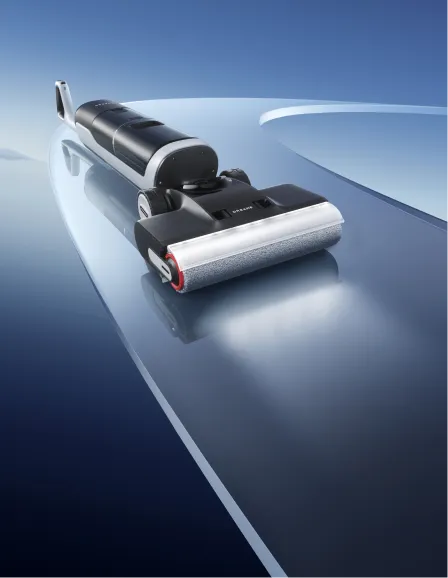
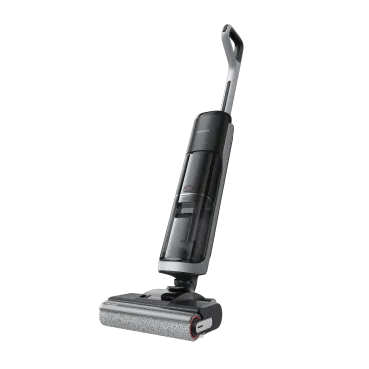
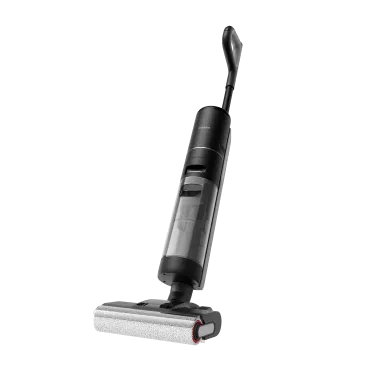
The best Prime Day vacuum deals hiding in plain sight are the wet dry vacuums. This is a category that doesn't often go on deep sale, so up to 35% off during Prime Day is a genuine window, and far fewer shoppers are competing for stock. If you have hard floors and you're tired of vacuuming and then mopping, this is the year to grab one. Here's which models are worth it, when to buy, and how to get the most for your money. Why Wet Dry Vacuums Are the Most Overlooked Prime Day Deal Wet dry vacuums fly under the radar at Prime Day, and that's exactly why they're worth a look: fewer shoppers means less competition for limited stock and more room to land the model you want. A wet dry vacuum vacuums and washes your hard floors in one pass, so it replaces two chores at once. During Dreame's event, the Prime Day wet dry vacuum deals run up to 35% off. What a Wet Dry Vacuum Actually Does A wet dry vacuum vacuums up dry debris and washes your floors with water at the same time, in a single pass. Think of it as a vacuum and a mop fused into one upright machine, with a clean-water tank and a separate dirty-water tank so you're never pushing grimy water around. When you're done, most models run a self-cleaning cycle that rinses the roller for you, so there's no hand-washing a mop head. It's built for hard floors: tile, vinyl, LVP, sealed hardwood, and laminate. For a fuller rundown, here's what a wet dry vacuum does start to finish. Our Top Wet Dry Vacuum Picks for Prime Day 2026 Here's the shortlist worth your Prime Day budget. Aero Pro, the best all-rounder. If you want one vacuum that handles almost everything, start here. It pulls 25,000 Pa of suction and runs the strongest anti-tangle system in the group, TangleCut™ 2.0, which cuts hair as the roller spins so it doesn't wrap into a mess after a week with a shedding dog. Its slim 3.88in body lies nearly flat to reach under beds and sofas, runs up to 60 minutes, and rinses its own roller with a 194°F (90°C) hot-water self-clean. No app, no hot-water floor washing, just strong everyday cleaning. [product handle="aero-pro-wet-dry-vacuum" rating="5"] H15 Pro Heat, the best for deep cleaning. This is the one for sticky kitchen messes and homes that want sanitized floors. It cleans with 185°F (85°C) heat that melts sticky messes in seconds, then self-cleans its own roller at 212°F (100°C) so it stays hands-free and odor-free between uses. Also it earned a CES 2026 Innovation Award. [product handle="h15-pro-heat-wet-dry-vacuum" rating="4.7"] Aero, the best value entry. Want the core wet dry experience without the extras? The Aero brings the same 25,000 Pa suction and TangleCut™ 2.0 anti-tangle as the Aero Pro in a simpler package - with about 35 minutes of runtime. For a smaller home or a first wet dry vacuum, it's the great option. H14 Pro, the best mid-range with self-clean. A 180° lie-flat body, app control, and a 60°C (140°F) hot-water brush wash. Its heat goes to the brush, not the floor, so it washes with cool water: a daily workhorse rather than a hot-water deep cleaner. When to Buy: Pre-Launch vs Main Sale Dreame's wet dry deals step up in two phases. From June 2 to June 22, the pre-heating window runs up to 26% off, with early access and member perks. From June 23 to June 30, the official Prime Day sale jumps up to 35% off, with the LIVE event on June 25 at 4 PM dropping surprise bundles during the broadcast. The 35% main-sale price is the better headline number. The catch is stock: the most popular models can sell out once the main sale goes live, so a slightly smaller pre-launch discount on a vacuum you can actually buy beats a deeper discount on one that's gone. Pro-tip: If you've got your eye on a limited-stock model, grab it in the pre-heating window. A 35% discount means nothing if it's sold out by the time the main sale starts. What to Look for in a Wet Dry Vacuum at Prime Day Pricing Five things separate a wet dry vacuum worth buying: suction, hot versus cold water, anti-tangle brush design, lie-flat reach, and self-cleaning. Here's how to weigh them against the discount. Suction decides how well it lifts stuck-on debris in one pass, and more matters if you cook a lot or have pets. Hot-water washing dissolves grease and sticky spills that cold water spreads around, so it's worth paying up if your kitchen sees real action. An anti-tangle roller saves you from cutting hair off the brush every week, which matters most in pet homes. A 180° lie-flat body reaches under furniture that traditional stick vacuums can't. And a self-cleaning dock means you're not hand-rinsing a dirty roller after every use. Deciding between cleaning tools? Here's wet dry vacuum vs steam mop if you're weighing the two, and you can browse the full wet dry vacuum collection to compare models side by side. What You Get Buying Your Wet Dry Vacuum Direct From Dreame Buying direct at Dreame site sets you up for the long haul, not just the checkout. Buying from Dreame means easy access to genuine parts, accessory bundles, and 20% off accessories during the event. You also get full warranty coverage and product registration handled in one place, plus member perks like points and an extra member discount the marketplace doesn't stack. A deals roundup can point you to a price, but it can't hand you the parts, warranty, and bundles you'll want six months in. See the Dreame membership perks and the Prime Day wet dry vacuum deals to set yourself up properly. Dreame Take: Buying direct keeps your warranty, genuine parts, and accessory bundles in one place, which is what saves you money once the vacuum is part of your weekly routine. Frequently Asked Questions Are wet dry vacuums worth buying on Prime Day? Yes, if you have hard floors. Wet dry vacuums rarely go on deep sale, so up to 35% off during Dreame's main sale is a real window, and fewer people shop the category, which means less competition for stock. The one caveat: this only pays off on hard floors. If your home is mostly carpet, your money is better spent elsewhere. When do the best Prime Day vacuum deals start? Dreame's deals open June 2 with a pre-heating window that runs up to 26% off through June 22. The official Prime Day sale runs June 23 to June 30 at up to 35% off, with a LIVE event on June 25 at 4 PM that drops surprise bundles during the broadcast. If your model tends to sell out, grab it early. The bigger main-sale discount won't help if it's out of stock. What is the best wet dry vacuum for Prime Day 2026? For most homes, the Aero Pro is the best all-rounder: strong 25,000 Pa suction, the best anti-tangle in the group, and simple operation. If you want hot-water deep cleaning for a busy kitchen or sanitized floors, the H15 Pro Heat is the better fit. Both go on sale during the event. Do I need a wet dry vacuum if I already have a robot vacuum? They solve different problems, so many homes use both. A robot vacuum keeps up with daily dust and pet hair on its own. A wet dry vacuum is what you reach for when there's a real spill, a sticky mess, or you want a proper floor wash. If you're shopping both categories, here are the Prime Day robot vacuum deals too. The Bottom Line on Prime Day Wet Dry Vacuum Deals The best Prime Day wet dry vacuum deals come down to three things: it's an overlooked category with real discounts, the model should match your floors, and buying direct sets you up for the long haul. If you want one vacuum that does almost everything, the Aero Pro is the pick. If you want hot-water deep cleaning, reach for the H15 Pro Heat. Browse the Prime Day wet dry vacuum deals to find the model that fits your floors.
Continue reading
Best Prime Day Robot Lawn Mower Deals 2026

Best Prime Day Robot Lawn Mower Deals 2026

Dreame Editorial Team |
Shopping for a Prime Day robot lawn mower deal in 2026? Here is when to act. Amazon Prime Day runs June 23 to 26. Dreame's own deals start earlier and run longer: early-access savings open June 5 and run through June 22, then the main sale runs June 23 to 26, with a LIVE event on June 25 at 4 PM. This guide covers the dates, the savings by phase, and the models worth grabbing before the window closes. If you are still weighing the timing, our guide on the best time to buy a lawn mower has the full picture. Ready to shop? You can see everything live on the Prime Day robot lawn mower deals page. How Much Can You Save on a Robot Lawn Mower This Prime Day? Expect to save a few hundred dollars at minimum, and more on premium models. Across the robot mower category, Prime Day discounts usually land around 10% to 30% off, depending on the original price. Entry-level and mid-range mowers often see $200 to $600 off. Higher-end models, the ones with wire-free setup and LiDAR navigation, tend to see savings closer to $700 to $900. The biggest dollar-off deals show up on premium models. Smaller-yard models save you less in total, but they can be the stronger value if you are watching the budget. The next section breaks down where the Dreame deals land, model by model. For full list prices outside the sale, see our robot lawn mower price guide. The Best Prime Day Robot Lawn Mower Deals 2026 (Our Picks) Not sure which mower to pick? Start with the size of your yard. Smaller yard. The A3 AWD 2000 covers up to about half an acre, which fits most suburban lots. Most yards. The A3 AWD Pro 3500 is the one to get. It covers just under an acre, needs no wires, and comes with a free garage. You will save up to $700 during the early deals and up to $900 once the main sale starts. [product handle="a3-awd-pro-robot-lawn-mower" rating="5"] Pro-tip: For most Canadian yards, grab the A3 AWD Pro 3500. Enough coverage for a typical lot, no wires to bury, and a free garage in the bundle. How to Pick the Right Mower Before You Buy If you want the exact numbers, here is how the coverage maps out. A3 AWD 2000: up to 2,000 m² (0.50 acres). A3 AWD Pro 3500: up to 3,500 m² (0.87 acres). Coverage is the first thing to match, but a few specs decide the fit. All of these climb slopes up to 80% (38.7°), and recognize 300+ types of obstacles, so they hold up on hilly, fenced, or busy yards. They are also wire-free robot lawn mowers, with no boundary wire to bury and no antenna to mount. Browse the full collection of robot lawn mowers to compare them side by side. Pro-tip: Pick a size that covers your whole yard. A mower that is big enough finishes in one go. One that is too small keeps falling behind. Where to Buy: Why Going Direct Stacks More Value The headline discount is only part of the savings. Buy direct from the official store like Dreame, and the member perks stack on top of the sale price. Sign up as a member and you get an 8% discount and 800 points right away. The first orders during the event come with a free accessory gift. After the first 1,000, you still get a $20 reward. And every order earns double points. Frequently Asked Questions When does the Prime Day robot lawn mower sale start in 2026? Dreame's early-access deals start June 5 and run through June 22. The official sale runs June 23 to 26, with a LIVE event on June 25 at 4 PM. Amazon Prime Day itself is June 23 to 26, so the two windows overlap but are not the same. How much can you save on a robot lawn mower during Prime Day? In Canada, up to $700 then up to $900 off. Member perks add more on top. Are Prime Day robot lawn mower deals worth it, or should you wait? Worth it. Prime Day is the strongest early-season window, with deep savings while a full mowing season is still ahead. Waiting for a later sale usually means a mower you cannot put to work until next year. Do I need an Amazon Prime membership to get these deals? No. Dreame's deals run on dreametech.com during the same window, where the member perks apply. Amazon Prime Day is the broader event which does require prime, but the direct-site deal does not require Prime. The Bottom Line on Prime Day Robot Mower Deals The deals run June 5 to 26, with the deepest cuts in the official window from June 23. For most yards, the A3 AWD Pro 3500 is the pick, and buying direct direct from the official Dreame store stacks the most value. Ready to shop? See the live Prime Day robot lawn mower deals and grab the size that fits your yard.


Continue reading
Best Time to Buy a Robot Lawn Mower

Best Time to Buy a Robot Lawn Mower

Dreame Editorial Team |
The best time to buy a lawn mower is early spring, before the grass takes off, or during one of the big sale events that land through the year. Buy too late and your first few weekends go to catching up on an overgrown yard. Buy at the right moment and you save money and skip the backlog. For a robot mower, that timing matters even more. The earlier it is in your yard, the more it does for you. Here is how the calendar works, and why the window that opens this June is the one worth watching. Why the Best Time to Buy a Robot Mower Is Before the Season A robot mower is not a buy-it-when-you-need-it tool. It earns its keep by running all season, a little at a time, so the grass never gets ahead of you. That only works if it is already in your yard when growth picks up in spring. If you are still deciding whether a robot lawn mower is worth it, buying at the right time is a big part of the answer. Set one up early and it maps your lawn once, then keeps it trimmed on a schedule while you get on with your weekend. Wait until midsummer and you start the season behind, dealing with the tall, uneven grass a robot mower is built to prevent. The first cut on an overgrown lawn is the hardest one, and it is the one you can skip entirely by buying early. The way a robot mower works rewards early timing. Instead of one long cut a week, it trims a little at a time across the week, so the lawn stays at an even height and the clippings are small enough to feed the grass rather than clump on top. Start that rhythm in spring and your lawn never has a rough patch to recover from. There is a setup advantage too. A wire-free robot lawn mower maps your yard on its first run, with no boundary wires to bury and no signal beacons to plant around the property. It is ready to work the day it arrives. The Robot Lawn Mower Deal Calendar Mower prices follow the mowing season. Here is how the year breaks down, and where the real value sits. Early Spring (March to May): New Models and the Season Opener New models land in spring and last year's get marked down, so this is a good window if you want current tech at a lower price. The late-May long weekend around Victoria Day is the unofficial kickoff of lawn season and one of the first real sale events of the year. Buy now and you get a full season of mowing out of the deal. Early Summer (June): Prime Day Prime Day is the standout early-season window. It lands while you still have months of growing season ahead, which is when a robot mower gives you the most back. Late Summer to Fall (August to October): End-of-Season Clearance This is where the headline discounts get deepest, as retailers clear stock before winter. The catch is timing. A mower bought in September sits unused until spring, so you are paying for a tool you cannot run for months. Year-End (November to December): Black Friday and Holiday Sales Another round of broad discounts, good if you want a mower ready for next spring. Selection thins out the longer you wait. Pro-tip: The deepest discount is not always the best deal. An early-season buy costs a little more but gives you a full season of hands-off mowing. A year-end buy saves a bit more but parks the mower until spring. Why Prime Day 2026 Is the Window Worth Catching Prime Day 2026 is the strongest buying window of the year for a robot lawn mower, and the savings start before the official dates. Dreame's early deals run June 5 to 22, with up to $700 off in Canada. The official Prime Day sale runs June 23 to 26, with more discounts to come. There is also a LIVE event on June 25 at 4 PM, with extra time-limited perks for anyone tuning in. For a fuller picture of what these mowers cost outside the sale, see our robot lawn mower price guide. The savings stack if you are a member. Registering gets you an added discount, bonus points toward future orders, and a gift with your first qualifying purchase, all on top of the headline deal. It is worth setting up before you check out. You can see the full breakdown on the Prime Day robot lawn mower deals page, and our best Prime Day robot lawn mower deals roundup walks through the offers model by model. Which Robot Mower to Buy by Yard Size Pick the model that matches your yard - the right size mower finishes in one pass and idles the rest of the day. One that is too small never quite catches up. If you want a full walkthrough before deciding, our robot lawn mower buying guide covers it. The Dreame A3 AWD Pro Series scales to how much grass you have: A3 AWD 2000 handles yards up to 2,000 m² (0.50 acres), a fit for smaller suburban lots. A3 AWD Pro 3500 covers up to 3,500 m² (0.87 acres). It is the one we would start with for a typical suburban yard. All of them set up without wires and keep a steady, even cut once they have mapped your lawn. The one thing to get right is matching the coverage to your yard. Pick the size that fits the space you have, and the mower takes care of the rest on its own, all season long. [product handle="a3-awd-pro-robot-lawn-mower" rating="5"] Frequently Asked Questions When is the cheapest time of year to buy a lawn mower? Early spring and end-of-season clearance tend to be cheapest, with the big summer sale events sitting in between. For a robot mower, early spring is the better value, since you get a full season of use out of it rather than parking it until next year. Is it better to buy a lawn mower in spring or fall? Spring, if you actually want to use it this season. Fall clearance can be cheaper, but the trade-off is a mower that sits in the garage for months before it does any work. Should I buy a robot mower before or after the mowing season begins? Before. A wire-free robot maps your yard once and keeps it trimmed from day one, so buying early means you skip the overgrown catch-up mow. There is no install lead time either, since there are no boundary wires to bury. The Bottom Line: The Best Time to Buy a Lawn Mower The best value comes from buying early in the season, and that is truer for a robot mower than for anything you push yourself. Get one in place before the grass takes off and it keeps your lawn handled all season, with no weekends lost to catching up. Prime Day 2026 is the cleanest window to do it this year. Have a look at the Prime Day robot lawn mower deals and see which size fits your yard.
Continue reading