How to Get Rid of Allergies at Home

How to Get Rid of Allergies at Home

Editorial TeamDreame |
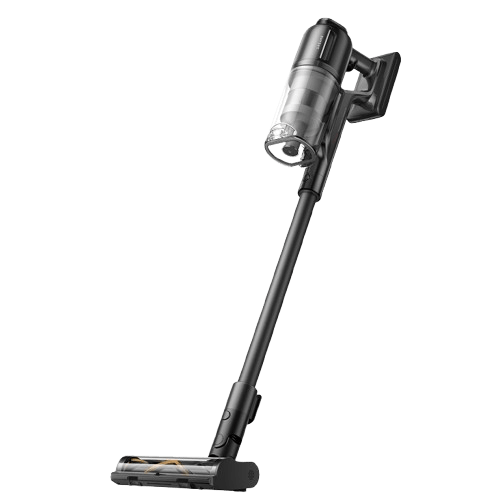
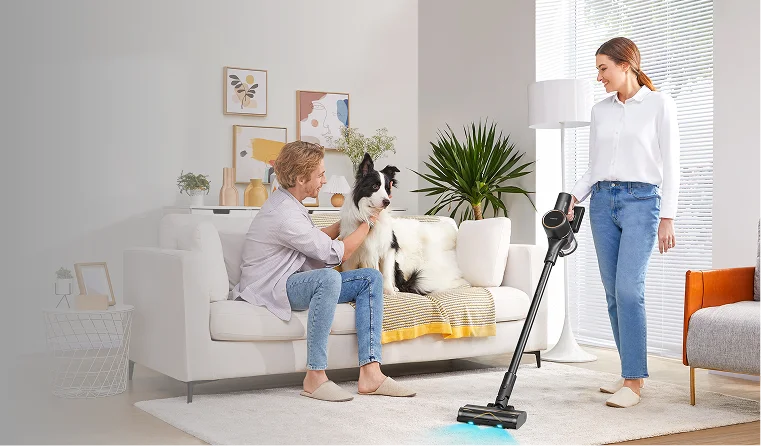
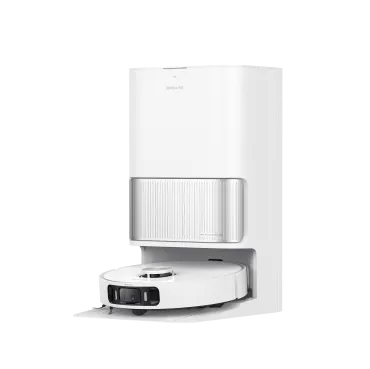
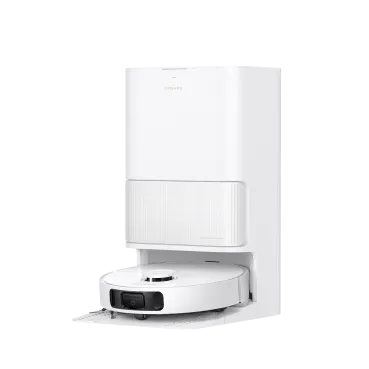
You should feel safe and secure in your home. Seasonal allergies often steal this security away from you making you sneeze and itch all day and night without relief. The good news is that you can learn how to reduce allergens in your home by cleaning and using products that help alleviate them from the air. What Causes Allergies? The bad news is that allergens found in your home aren’t usually seasonal allergies. They’re in your home throughout the year. These are some of the most common allergens lurking in your home. Pollen - Many people are surprised to hear that pollen can accumulate inside your house. You bring it in on your clothes and hair. Your furry friends will also easily bring it in when they run outside. Dust mites – Dust mites are most commonly found in bedrooms. These mites are so tiny so they cannot be seen with the human eye. They love humid environments in places like carpeting and bedding. Insects – Cockroach allergens sound like a thing out of a horror movie for most people. These allergens spread more than dust mites because cockroaches are very fast and mobile. Their waste is usually hidden in cracks and crevices. It’s not easy to access all of their hiding spaces. Mold – Mold spores easily spread through the air in your home. When you inhale this mold, the spores cause allergy symptoms. You’ll usually find mold in damp corners in your home. Pet allergens – Your pet’s favorite spaces like their bed or eating area will often hold many types of allergens. Your pet may also bring in allergens from outside. You may feel symptomatic sitting next to your pet due to their fur, pet dander, and even their saliva. How to Get Rid of Allergens in Your Home Vacuum to Reduce Allergens Vacuuming is key to getting rid of dirt and allergens. Carpeting and furniture tend to accumulate more dust in your home. The Dreame D9 is the best robot vacuum for allergies. It has 3,000 Pa suction power to get up the smallest particles, so they don’t fly through the air into your lungs. The Dreame D9 can also switch to an anti-bacterial mopping capability. You should vacuum a few times a week to ensure you’re getting up dust and dander throughout your home. Wash Bedding Though they cannot be seen with the naked eye, dust mites thrive in your bedding. They live on throw rugs, bedding, and pillows. It’s critical that you reduce allergens in your bedroom by washing your bedding in hot water at least once a week. Dry them at a high temperature to kill the dust mites. Prevent Mold and Mildew Molds and mildew spores float triggering many people’s allergy issues. You can minimize these allergens by replacing wallpaper with tile or painting your walls with paint that is resistant to mold. You can run your exhaust fan after taking a shower and dry the shower with a towel. It’s important to scrub off the mold from your bathroom surfaces and watch for mold growth on your shower curtains. Prevent Pollen It’s tough to prevent pollen from entering your home. You should keep doors and windows closed as much as possible. Pollen is emitted from plants in the morning between 5 AM and 10 AM. Try to stay inside when the pollen count is at its peak. Change your clothes and take a shower once you come in from being outside. Allergy cleaning doesn’t always get rid of the tiny bits of pollen, but it can help prevent a build-up in your home. Control Pests Eliminate insects in your home by using baits and traps or boric acid. Don’t use chemical pesticides that may bother your allergy symptoms. Always store food in air-tight containers and dispose of garbage. Air Purifiers The level of humidity in your home will help with allergen particles. Pet dander will fly around easily if the air is too dry. If you have too much moisture, mold and mildew will grow easily. Use a humidifier or a dehumidifier to regulate the air depending on your environment. During hot months, it is best to run your air conditioner helping to reduce the humidity in the air. How to Minimize Allergies and Treatment at Home HEPA Filters High-efficiency particulate air (HEPA) filters are a great thing to have in your home to trap any airborne irritant. These HEPA filters get rid of allergens like pet dander flying through your air. You can also get portable filters to help clean the air in smaller spaces. Saline spray Saline nasal sprays deliver saline to your body evenly and gently. The saline spray helps keep your nose clean and free of lurking allergens. They help with allergies and other sinus issues. Raw Honey Eat local honey produces by bees in your area. These bees are the same ones in your area that transfer pollen into honey. If you eat a bit of this honey each day, your body will build up a natural response to the effects. There isn’t much scientific research to back up this idea, but many people swear it helps their allergies. Conclusion These tips for allergy sufferers will help you get through the toughest allergy seasons. You shouldn’t be miserable fighting allergens in your home. By following these tips, you’ll be on your way to breathing easily in your house.
Continue reading
Home Deep Cleaning vs Regular Cleaning: What's the Differences?

Home Deep Cleaning vs Regular Cleaning: What's the Differences?

Editorial TeamDreame |
Most people who clean their homes do regular cleaning. Professional cleaning companies do regular and deep cleaning. While you’ll have to pay extra for deep cleaning, there’s unmatched value for money. To understand why you should overlook DIY (Do-It-Yourself) home cleaning over professional cleaning, it’s important to define the two terms. What’s the Difference Between Deep Cleaning and Regular Cleaning Your Home Regular Cleaning As the name suggests, regular home cleaning involves typical home cleaning tasks done to maintain typical cleanliness. While it’s possible to hire a cleaning company to do regular cleaning, it costs less than deep cleaning. You can even clean your room in one hour. Regular cleaning usually involves cleaning tasks such as sweeping floors, cleaning and mopping floors, vacuuming carpets, wiping the dust from surfaces, appliances, and fixtures, cleaning and disinfecting the bathroom, cleaning kitchen appliances, cooking pots and floors as well as cleaning doors, window frames, dusting vents, emptying the trash can, and removing cobwebs. Deep Cleaning Deep cleaning goes further than regular cleaning. The main difference is in the level of detail. Deep cleaning is more extensive. It includes all regular cleaning tasks as well as cleaning neglected and/or hard-to-reach areas of your home. Anything that can be cleaned is attended to. It also focuses on improving the living quality and overall sanitation of your home. Other notable differences include price. Deep cleaning is obviously more costly. It also takes longer. If you are thinking about doing it yourself, we have created a complete cleaning supplies checklist to help you. How Often Do You Need to Deep Clean Your Home As mentioned above, deep cleaning involves cleaning every cleanable place or thing in your home. While it’s not possible to clean everything, there are things you must deep clean often than others. You should deep clean your microwave, shower, toilet, bathmats, bathtubs, and carpets every week. Your refrigerator can be deep cleaned monthly, while your pillows and skirting boards should be cleaned every three months. Windows and drapes should be cleaned thoroughly after 3-6 months. Your mattress, blankets, and duvets can be deep cleaned at least twice a year. Showerheads can wait for a year, while your oven should be deep cleaned when it starts emitting an unpleasant odor. This can even be weekly depending on the frequency, spills, etc. Deep Cleaning House Checklist: How to Deep Clean a House If you are looking for specifics i.e., the different places to clean in your kitchen, bedroom, etc., how to clean those places, the number of times you should clean, among other important information, here’s what you should know. Kitchen Deep Cleaning When deep cleaning your kitchen, you should focus on the microwave, refrigerator, and oven, as these are the appliances that aren’t cleaned properly during regular cleaning. As mentioned above, deep clean your microwave weekly to get rid of food splatters that act as breeding grounds for germs. Your refrigerator should be deep cleaned monthly to eliminate food spills and other sources of germs like rotting vegetables, which can also cause serious bacterial contamination. The process of deep cleaning a refrigerator includes but isn’t limited to removing everything and wiping down all compartments using an antibacterial wash. The oven should be deep cleaned as often as possible, more so when you start to smell previously cooked food. When cleaning your oven regularly, use a damp cloth and soapy water to get rid of good spills and splashes. Other areas and appliances that should be deep cleaned in the kitchen include dishwashers, stovetops, and sinks. Living Room Deep Cleaning Your living room should be deep cleaned weekly to half-yearly, depending on what is being cleaned. Carpets cleaning should be done weekly and deep cleaned once or twice a year. However, deep cleaning can be done often if you have pets or young children that play a lot but still need a carpet that is clean throughout. Deep cleaning is also dictated by factors such as stains and dust levels in your area. Deep cleaning carpets can be a daunting task when handled traditionally. Currently, there are deep cleaning vacuums in the market today, such as the Dreame cordless vacuum sticks for deep cleaning your sofa, carpet, and floors. Windows and drapes can be deep cleaned once every 3-6 months. While you can wipe the woodwork, you’ll need a professional to help you deep clean other elements/parts i.e., to remove grime from your drapes and windows. Skirting boards should be deep cleaned quarterly. Vacuuming and wiping over skirting will remove the layer of dust and pathogens (dust mites/allergens) that accumulate over time on skirting boards. Bathroom Deep Cleaning Bathtubs and showers should be deep cleaned weekly. Deep cleaning is crucial since bathtubs and showers are perfect breeding grounds for fungus and bacteria known to cause skin infections. Cleaning should be as thorough as possible by using antibacterial agents. Toilets should be cleaned regularly on a daily basis, and deep cleaned every week. Like bathtubs and showers, cleaning should be done using antibacterial agents. It’s also crucial to use bleach to keep your toilet free of ugly stains. A toilet cleaner will come in handy when removing mineral deposits. Bathmats should also be cleaned weekly since they are also breeding grounds for fungus and bacteria. Use sanitizing wash or other similar detergents to get rid of harmful bugs that thrive in bathmats. After washing, dry the mat outdoors in direct sunlight to dry. Bathroom shower heads should be deep cleaned once every year to remove minerals that build up over time and restore normal function. Deep cleaning also gets rid of dust and dirt that accumulates over time. Bedroom Deep Cleaning Bedroom pillows should be deep cleaned quarterly, while mattresses, duvets, and blankets should be deep cleaned twice a year. Pillows harbor dead skin, sweat, oil, dust mites, and other allergens. Mattresses also harbor everything found in pillows and more i.e., bed bugs. Mattresses are also prone to become smelly. Duvets and blankets also accumulate dust and allergens. All the bedroom items should be deep cleaned by professional cleaners. You can do regular cleaning; however, deep cleaning should be left to professionals for obvious reasons. While it looks costly, it’s important to consider the health implications of disregarding deep cleaning requirements. It’s also important to choose reputable professional deep cleaners. It may be possible to deep clean some elements/places in your home with the help of state-of-the-art appliances.  Discover More in Our Cleaning Series: How to Keep Your House Clean Before, During & After Vacation How to Clean Your House Like a Pro 10 Tips For Cleaning Your Home This Fall
Continue reading
How Often Should You Replace HEPA Filter on Your Vacuum

How Often Should You Replace HEPA Filter on Your Vacuum

Editorial TeamDreame |
There are several suggestions online about how often and when you should replace your HEPA filter. When it comes to HEPA filter replacement frequency, you need to know what works for you. There are signs which you should replace HEPA filter in a vacuum, but if you are keen, you should not have to do it for a long time. You may be curious about how long HEPA filters last. Find out below if a HEPA replacement is due and how to maintain it in the meantime. How Often Should You Change Your Vacuum Cleaner HEPA Filter Commercial Vacuums HEPA filters in commercial vacuum cleaners should be reviewed twice a week for any challenges. This is because commercial HEPA filters are used continuously daily in a business. Commercial settings that use a vacuum system should replace their filter twice yearly to ensure continued performance. Residential Vacuums HEPA filters in residential settings tend to last longer than in commercial. This is because there is unlikely to be much dust accumulated in a single year. Residential filters are designed to be changed at least once in three years for maximum filtration. Signs That You Must Replace the HEPA Filter While there are no stipulated rules for knowing when to change HEPA filters, there are signs that one should watch out for that will point to the need to have a filter replaced. These signs include: A Moldy Odor This is a sign that there is a massive problem with your HEPA filter. Most people tend to notice an odor when running their vacuum cleaner. In such instances, replace your HEPA filter as soon as possible since it is the major plausible cause of the odor. Heavy Soiling A heavily-soiled filter is an obvious reason that the entire filter should be replaced as soon as possible. Soiled HEPA filters do not provide adequate protection against hazardous airborne contaminants. Abnormal Functioning If you notice that your air conditioning or heating functions take a long time to turn on, then you might need to replace the filter. Usually, you will hear a “whirring” sound once you power it up. However, if it takes a while for the actual air or heat to come through, it could mean that the system is clogged and dirty, limiting fresh air from coming into your home. Also, watch out if the vacuum cleaner is not sucking up much air as it used to. Check if the vacuum cleaner is making louder noises than usual. This could mean that the HEPA filters need to be replaced as soon as possible. Allergy Flare-ups Allergy flare-ups among people in the household are also signs that you ought to consider a HEPA filter replacement. People with allergies tend to be allergic or sensitive to poor air quality and can appreciate the air filter being replaced promptly. Therefore, if you notice people sneezing and sniffing around you more often, it is a good idea to have your HEPA filter replaced. Time Since Last Replacement Consider replacing your filters if it has been over a year and you don’t recall ever replacing your vacuum filters. How to Clean HEPA Air Filters Before embarking on your first maintenance and cleaning project, ensure you check the owner’s manual to see if the filter is not replaceable. What makes a HEPA filter replaceable is its ability to retain the same efficiency once cleaned.You may vacuum or rinse a regular HEPA, but it might not perform properly in the end. Here are a few cleaning tips: Check the guide to see if the filter is permanent, replaceable, or washable Prepare a disposable bag. This large disposable bag will help you transport the filter outside a room to prevent releasing dirt and debris into the atmosphere Wear protective gear Open the air filter compartment usually located at the back of the unit Gently remove the filter and put it in a bag. Handle with care to avoid accidental damage Transport it to a water source or sink if it is washable. Rinse it under cold water. Leave it dry before returning it to prevent mold growth If it is a permanent filter, vacuum gently to ensure the fibers are not pulled out Return the filter into the compartment and run it to trap any unwanted substances that escaped Maintenance Tips for HEPA Filters Set a reminder to change the filters at intervals, keeping note of the day it was installed. Once you know when to change the HEPA filter, you can also schedule regular inspection and maintenance. Wear rubber gloves and a breathing mask before opening the vacuum to replace the filter. Ensure the vacuum is unplugged from the power source. Open the filter canister, remove the filter, and observe it under bright light. Check to see if the filter is washable or not. The best course of action would be to replace the filter with a new one entirely. Filters don’t cost as much, and the result is improved air quality in your home. How Often Should A Filter Be Cleaned and Maintained? Note that maintenance depends on the vacuum brand and model you are using. The frequency of maintenance and replacement depends on how and when you use the vacuum. If you use a Dreame T20, try to clean the HEPA filter every four to six month. When it comes to replacement, the filter can last you long before you may have to replace it again, as long as you schedule regular inspection and maintenance. Bottom Line The HEPA filter replacement frequency also depends on whether it is a commercial or residential setting. If you are using it in a commercial space, you may have to change it more frequently due to the heavy usage. However, in a residential setting, the filter should last two to three years before replacing. The frequency varies among different people and generally depends on how you use and your regular cleaning and maintenance schedule.
Continue reading
Dreame T20 New Features

Dreame T20 New Features

Editorial TeamDreame |
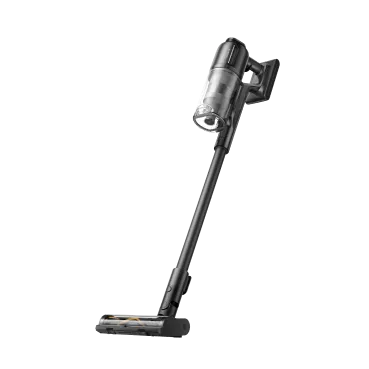
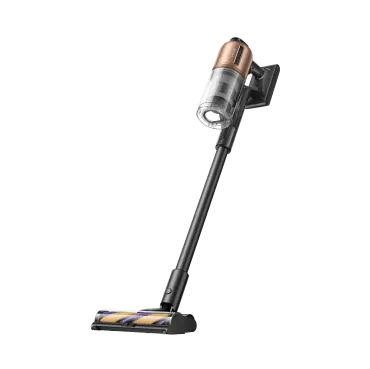
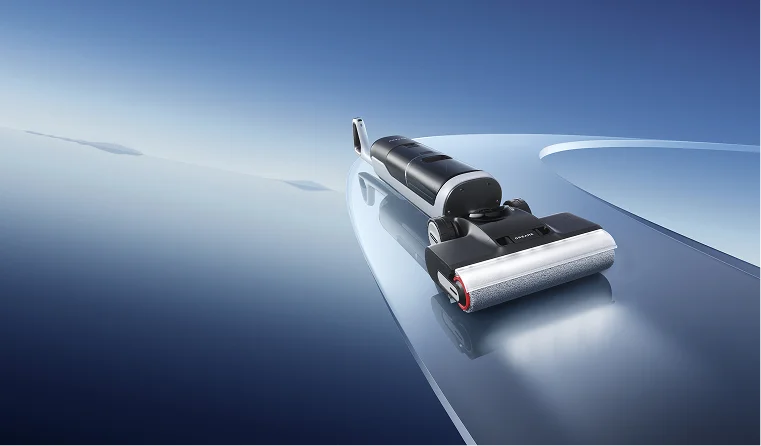
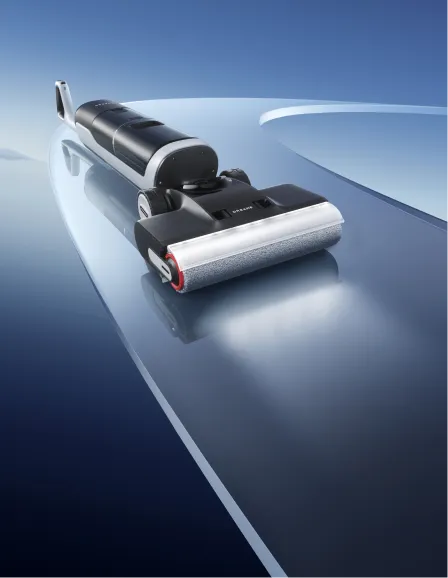
The Dream V11 cordless vacuum totally changed the market with its sleek, practical design, incredible suction power, and easy to use compact size, which made deep cleaning interior floors, car interiors, bedding, and more a cinch. However, Dreame recently released the new T20 cordless vacuum, which boasts all the exciting features of the V11 but with more optimized features for a more heightened cleaning experience, including a wider diameter design with soft fleece on both ends and a V-shaped comb for effectively restraining and removing both long and short hairs to prevent tangling. 150AW Powerful Suction The Dreame T20 features the same amazing suction power that Dreame cordless vacuums are known for, which enables users to deep clean a variety of challenging surfaces, including shag carpeting, drawers, curtains, and more. Like the Dreame V11, the T20 also has up to 150AW suction power, which is strong enough to pick up dry beans, dog food pellets, and even small screws. The patent-pending, aviation level engineered motor also delivers 125,000 rotations per minute for some of the fastest, stable, suction power in the industry and all in a 3.68-pound frame, which makes it easy to use for just about anyone. Cone Cyclone The T20 also stuck with the 12 clone cyclone filtration system, which filters out 99.97% of dust as well as 0.3 sized microns with its removable HEPA filter that can be also be removed and cleaned to help prevent clogging of the filter, for better efficiency, as well as to prevent dust from being pumped back into the room, which can diminish the air quality. It also helps extends the life of the filter by more than 60%. Smart Scanning & Self Adjusting This new and improved feature added to the T20 enables the device to automatically detect the floor type and then adjust the suction level to fit the ground surface, which prevents you from having to stop and start the vacuum between rooms or floors, as well as also helps preserve battery life. 70 Mins Ultra-long Battery Time The V11 features a longer run time; however, the T20 more than makes up for it with its second battery that enables up to 140 minutes of run time when used in conjunction with the first battery. Or the user can simply use each battery one at a time for up to 70 minutes of run time, depending on the selected mode, while the other remains fully charged as a backup. The T20 also includes a 2 in 1 wall mounted charging dock with a dual charger to both batteries at once, so you are never without a fully charged battery. All-In-One Simplified Operation If users thought the V11 could do it all with the Eco Mode for light dusting, the Med Mode for cleaning plush carpeting, and the Turbo Mode for cleaning curtains, car seats, and more, then they will absolutely love the T20’s 4th mode addition, the 30 - 57W Auto Mode, which enables users to do it all automatically with just the touch of a button. It also includes various accessories, like the V11, to further optimize the power and cleaning time for your device, including a mite attachment for removing dust mites, a 2 in 1 brush for cleaning your keyboard, and more, an extension hose for reaching hard to reach places, and a newly included crevice nozzle for getting into narrow spaces for all-in-one simplified operation. HD Full Color Screen The Dreame T20 also makes it easy to access the all-in-one functions via a high-definition LED screen that displays the device’s working status in real-time, the remaining working time, suction modes, system error alert, and filter replacement reminder, so the user is always aware of what’s going on with the vacuum. It also features an electronic lock button that enables finger-free continuous use of the unit as you maneuver about, as opposed to having to stop and start the vacuum each time you enter a new room. However, for quick cleanups, simply switch to the non-continuous mode, which only powers the motor as long as your finger is on the power button. 8-Stage Noise Reduction The T20 also still includes superior noise production, so you can vacuum your home any time of the day or night without disturbing anyone. For a true all-in-one vacuum that is also lightweight and easy to use, users can’t go wrong with the Dreame T20 and most retailers also offer a 2-year warranty for added protection.
Continue reading
Dreame T10 New Features

Dreame T10 New Features

Editorial TeamDreame |
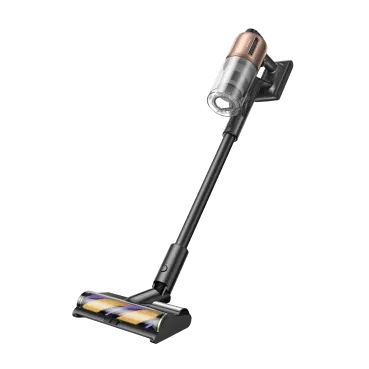
Dreame’s new cordless vacuum cleaner is here and it introduces a ton of features for strong suction power and sustainable high performance. No matter how thorough we are about dirt, dust, and other debris, they always find their way into our homes or offices. Indeed, sometimes it feels like a clean indoor is a utopian dream. What is more annoying is that dust always comes back, no matter how many times you get rid of it. Things get even worse when you have pets around, and they leave their hair and other unwanted elements all over the carpet and upholstery. Most households rely on vacuum cleaners to remove dust, dirt, and debris. But while buying a vacuum cleaner doesn’t require genius, a poor decision can leave you suffering for years. Dreame Tech sets you up for life. Meets the Dreame T10, a battery-powered, handheld vacuum cleaner. It’s a sleek-looking, lightweight vacuum cleaner that packs many features, making it a joy to use. Features of the Dreame T10 Swappable Lithium Battery The Dreame T10 uses a 2500mAh battery and features 3 suction power modes for all your cleaning needs. The Turbo model is for giving your carpets and rugs a blitz. The maximum runtime at this power level is 8mins. The standard mode is for your cushions or car seats, and the runtime is 28 minutes. The Eco mode has the highest runtime at 60 minutes, meaning you can clean up to 1291 square feet. The battery charges under 3.5 hours, and in all modes, you can double the working time using a swappable battery. There’s a large, replaceable capacity reserve battery you can buy to increase your cleaning space. Also, get a large charging base so you can charge both batteries at once. Hands-free Dust Removal The Dreame T10 features a self-emptying base with a 0.6L dust cup which reduces the number of times you have to dispose of dust. This feature, combined with an anti-tangle brush, eliminates the need of having to use your hands to remove dust from the home. Five Brushes with an Anti-Tangle Brush Roll Design This is where the machine gets versatile. It features a brush roll for just about any floor type. These include a 2-in-1 brush, a mite removal brush, a crevice brush, and so on. You can use the vacuum cleaner on floors of any type, upholstery, car seat covers, walls, and ceilings. And what is more, the V-shape roller brush allows hair to untangle easily. Any pet or long hair that wraps around the brush roller peels off easily due to the anti-tangle brush roll. Continuous and Instant Working Mode with an Auto-Lock Feature You can switch between instant and continuous working mode with the push of a finger, courtesy of an electronic Auto-Lock system. Select the model that suits your cleaning needs. The continuous working mode is for long cleaning sessions; you don’t have to press and hold down a button; lock the machine and proceed. That way, your fingers won’t get exhausted. On the other hand, the instant working mode is for separate cleaning chores. Simply hold the lock during cleaning and release it anytime you want to stop. Self-cleaning Technology There’s a built-in 12-cone self-cleaning cyclone system that makes use of powerful centrifugal forces to separate air and dust so filtration goes on smoothly and suction remains unobstructed. Consistent Suction The Dreame T10 brings a multi-patented high-speed SPACE 3.0 Motor, generating a max 120AW suction power and a 20,000 PA suction force to dislodge debris and suck dust from even the inner recesses of your carpet fiber in mere minutes. Consistent motor performance dissipates heat via special venting channels, keeping the machine from overheating and breaking down faster. Lightweight As already mentioned, the Dreame T10 is a joy to use, you can hold it with one hand because it weighs only 3.64lbs and the center of gravity is at the back of the ergonomic handle. The extension rod can be removed to use the machine with a mini-motorized brush for sucking dust and debris off sofas, car seats, or computer keyboards! Multilayered Filtration HEPA filtration system blocks dust particles as small as 0.3 nanometers. The high-density sponge HEPA filters fine dust. A cyclone filtration flings off large dust, and a high-density metal mesh captures larger dust particles. The multilayered filtration ensures the complete removal of allergens and other harmful elements, leaving your house safe even for those with respiratory illnesses. It removes mite dust 99.9 % of the time. Eight-layer Noise Reduction What also makes the Dreame T10 a joy to use is how quiet it operates, thanks to 8-layer noise reduction. You no longer have to hear a horrendous sound to know your machine is working; trust Dreame T10’s suction force, versatile brush roll, and air-filtration system to get the job done; and the noise-reduction layer to keep it quiet. That said, how does the Dreame T10 compare with the Dreame T20? Dreame T10 vs. Dreame T20 The Dreame T20 is another handheld, wireless vacuum cleaner. It boasts quality workmanship,150AW powerful suction, 70mins runtime, HD full screen, smart scanning, and can adjust its suction power based on floor situation. But it lacks features such as an Auto-Lock, Five Brushes, and Hands-Free Dust Removal that make the Dreame T10 special in its own right. Both vacuum cleaners feature a powerful suction force and 8 level noise reduction for quiet operations. They also use batteries that charge under 3.5 hours. Ultimately, when it comes to choosing between the two models, it depends on what cleaning experience you want. For hands-free hair removal, the Dreame T10 has got your back. For smart sensing technology, the T20 is your machine, but you may have to use your hands quite a bit. Conclusion We spend a lot of time indoors now and given that more and more people are affected by asthma, and it’s important that we keep our indoors clean. Vacuum cleaners are a number one buy now. But not all vacuum cleaners are the same; you want versatile brush roll, powerful suction, multilayered filtration, and self-cleaning technology, among other convenient features. Check out the Dreame T10 model reviewed above for easy, powerful, and thorough cleaning experiences.
Continue reading
Easy Household Chores That Teenagers Can Do

Easy Household Chores That Teenagers Can Do

Editorial TeamDreame |
The best thing a parent can do is to start early on household chores for teenagers. Doing so will teach your children about self-reliance, responsibility, and respect. The problem is, you might have no chore ideas for teens. It’s hard to come up with them – and, sometimes, even harder to get a teenage kid to do them! Fortunately, we have the perfect teenage chore list for you to try. These tasks aren’t hard to do and, in due time, your children will add them to their daily routine with no hassle. Chores That Teens Can Do Take out the trash Taking out the trash is a movie cliché at this point – but there’s a reason for that. Making your teenage children do this will make them understand how important it is to pick up after themselves. Not only that, but this chore will teach them that there are things in life that must be done on time. If they fail to take out the trash before the pick-up truck comes through, they failed their task. So, they will have to do a chore – and pay attention to the daily schedule. It’s the perfect character-building task for beginners! Sweep and vacuum Like taking out the trash, sweeping and vacuuming are some of the most important chores your teenage child can do. This chore is all about taking care of the house. If your teenage kid invites friends over or leaves a mess after eating, it’s only right that they clean up. The best part is, they don’t have to grab a broom because it’s not the 1800s anymore. They can use a Dreame vacuum, like Dreame T10 to make the chore more fun and interesting – but they must make sure everything is nice and clean in the end. Do the laundry This final option is by far the most advanced and complicated of them all. It might not seem like much to an adult – but a teenage kid has little to no idea about doing the laundry. While it is recommended that you tell your children to do the laundry eventually, you need to understand that it will take some time for them to understand how to properly do this chore. So, if you’re interested in trying this option, keep in mind you’ll have to teach your children how to do that. Take care of the pets A pet could be your teenage child’s best friend – but it’s also a huge responsibility. Taking care of a pet teaches important lessons. It also teaches how important it is to be responsible when someone else depends on you. If, for example, you have a dog in the house, your son or daughter should walk the dog, feed the dog, groom the dog, and play with the dog. These are all essential parts in taking care of a pet – and an important household chore for your teenage kid to do. The great part about this is that doing something like this doesn’t feel like a chore – because hanging out with the pet is always fun! How Can You Motivate Teenagers to Do Their Chores? Set consequences if they do not do their chores These days, teenagers have too many things going on for them. Social media alone takes hours away from their daily routine. While that’s not a good thing, you can use it to your advantage. For example, if your children fail to do their part in the teenager chore list, you can restrict their internet access, reduce their video game time, or simply add more chores in the future for them to do. The idea here is not to threaten your children with punishment – but to make them understand that, in real life, not doing what you’re supposed to do has consequences. Do chores along with them Even though you’re trying to delegate household tasks and teach your kids about responsibility, sometimes it’s better to do a team effort to show that you care. This article is about chores for teens, but that’s not enough reason for adults not to give a helping hand! When you do chores side by side with your children, you’re teaching them the right way to do things – and why they should do it. And, sure, this isn’t the most entertaining thing an adult can do with his or her time, but it’ll teach the young ones in the family a valuable lesson. Reward them for doing chores Teenagers should face consequences for their actions, both good and bad. Sure, you should take away your teenage child’s cellphone if they don’t take out the trash – but you should also reward him if he does his household chores. You already know what to do if your child fails to do his part. You should also promise to do something good in return if they do all the chores. A weekly allowance is a great reward for a job well done. If an allowance isn’t possible or necessary, you could come up with something else, like buying a new video game or cellphone in a couple of months, if every chore is done before that time. Conclusion At the end of the day, implementing the right chores list for teenagers could be the difference between raising healthy, educated adults and people who don’t know how to pick up after themselves. Taking out the trash or vacuuming might not seem like much, but they are character-building tasks that will teach your children valuable lessons. And, while your kids learn, you’re learning as well! Trying to make your teenage children do chores isn’t easy – but it’s worth the effort. If you’re coming up short and your teenage kids aren’t listening, try to implement the reward system we talked about. That’ll definitely help!
Continue reading