
How to Eliminate Dust from Home: A  Simple Step-by-Step Guide

How to Eliminate Dust from Home: A Simple Step-by-Step Guide

Editorial TeamDreame |
While dust might seem harmless, even just a little fuzz on the bookshelf or a fine layer on the TV, can quietly wreak havoc on your home and health. One moment your space is sparkling, and the next, it's covered in fine particles. Surprisingly, dust can be a mix of dead skin cells, dirt, pollen, pet dander, and even tiny insect parts. Yuck! And for allergy sufferers, dust isn't just a nuisance. It's a trigger. Here’s everything you need to know about how to eliminate dust from your home effectively, and why doing so might be one of the best things you do for your health, peace of mind, and indoor air quality. With the right strategies and smart tools like Dreame vacuums and air purifiers, you can reduce dust at its source and keep it from coming back. Best Dusting Techniques That Actually Work Dust hides in plain sight, clinging to blinds, baseboards, and ceiling fans. But it also floats invisibly through the air, settling the moment you stop paying attention. That’s why having a reliable technique matters. Use a dry microfiber cloth first to lift loose particles, then follow up with a slightly damp one to grab the finer dust that clings to surfaces. Always start from the highest points, like ceiling fans, shelves, and curtain rods, so that dislodged dust falls to areas you haven’t cleaned yet. For blinds, wrap a cloth around a butter knife to clean between slats. Don’t overlook doorframes, vents, or the tops of picture frames. When it comes to baseboards, try using an old dryer sheet. It not only collects dust but also leaves behind an anti-static layer that helps repel future buildup. For tight corners and crevices, use the crevice tool on your vacuum or an extendable duster to reach what your cloth can’t. If you’re having trouble with more than dirt, like critters in your bed, read Dreame’s recommendation on how to Get Rid of Bed Bugs.  Benefit: Dusting properly helps reduce allergens on surfaces you touch every day and keeps your home feeling truly fresh and tidy. Pro Tip: Dust ceiling fan blades with an old pillowcase. You can open the pillowcase to clean and trap the dust inside to prevent it from falling on your bed or floors. Use the Right Tools to Eliminate Dust Effectively  Gone are the days of spending hours dusting by hand every weekend. Traditional tools like feather dusters often just push particles around instead of removing them. And while standard vacuums can help, many miss the finer details, like allergens, pet dander, and dust hiding in tight corners. Modern cleaning tools, like stick and robot vacuums, are designed to tackle these problems head-on. Here's what to look for: Advanced brush design: Brushes that maintain full contact with the floor can reach into cracks and lift embedded debris, not just surface-level dust. Powerful suction with dust bag + auto-empty: Strong suction combined with a dust bag and auto-empty feature ensures you're capturing and removing fine particles—not just redistributing them. Quiet performance: Low-noise motors allow you to run your vacuum daily, even while you’re working or relaxing at home. Other smart tools worth adding to your cleaning setup: Extendable microfiber dusters for reaching ceiling fans and upper corners Vacuum attachments for furniture, stairs, baseboards, and tight edges And if you’re wondering which vacuum to use, check out how to Choose the Right Dust-Busting Machine for Your Home for expert tips on selecting the best model for each cleaning task. Owning a Dreame’s X50 Ultra Robot Vacuum is a next level cleaning game-changer. Benefit: The right tools save you time, effort, and frustration. More importantly, they help you eliminate dust at the root so you can breathe easier. How to Eliminate Dust in the Air Dust isn’t just collecting on your shelves—it’s floating in the air you breathe. If you’re only cleaning flat surfaces, you’re tackling just half the problem. Airborne particles like pollen, pet dander, and microscopic dust can linger for hours before settling, triggering allergies and worsening air quality in your home. One of the most effective ways to combat airborne dust is by using a high-efficiency air purifier. Look for models with a true HEPA filter, which can trap 99.97% of particles as small as 0.3 microns. These filters capture not only dust, but also allergens, bacteria, and even some viruses. Other helpful strategies to reduce dust in the air: Clean or replace HVAC filters every 1–3 months Use houseplants such as spider plants or snake plants to trap fine particles naturally Ventilate your space by opening windows only when the outdoor air quality is good Cleaner air has real benefits. You’ll likely sleep better, experience fewer allergy flare-ups, and notice a significant drop in surface dust—especially in rooms filled with fabric, like bedrooms or nurseries. For whole-room protection, consider the Dreame AirPursue PM2.0. It features: True HEPA-grade filtration with 99.97% efficiency Dual-way air outlets that circulate fresh air quickly A powerful 400 m³/h clean air delivery rate that makes it ideal for larger spaces like living rooms and bedrooms Benefits: Clean air promotes better sleep, fewer problems with allergies, and a noticeable drop in everyday dust, especially in fabric-heavy spaces like bedrooms or living rooms. Important: According to Consumer Reports, sealing off places where dust enters and settles is one of the top recommended strategies for healthier indoor air. How to Eliminate Dust from Every Room in the House Dust doesn’t discriminate. In fact, it settles everywhere. When cleaning, each room comes with its own set of special challenges. Here’s how to tackle each space like an expert: Living Room Dust behind the TV, under the couch, and behind the curtains Vacuum daily to catch dirt and debris tracked in from shoes or pets Pro-tip: The robot vacuum’s "set it and forget it" operation keeps dust from ever becoming a problem and frees up your time for literally anything else. Kitchen Clean the tops of cabinets and behind fridge coils Wipe surfaces like the microwave top, range hoods, and any other kitchen ledges or trim Bedroom Vacuum under the bed weekly Use pillow protectors and mattress covers to reduce trapped allergens Run an air purifier nightly while you sleep You can also follow this step-by-step guide on How to Clean Your Room like a Pro for even deeper dust management, especially in sleep spaces where air quality matters most. Bathroom Dust the vent fan cover and the top of the cabinets Wipe light fixtures and behind the toilet tank Total Benefit: Cleaning every room keeps dust from piling up in forgotten corners and cuts down on what circulates through the air. Dreame Take: A clean home isn’t about perfection. It’s about consistency and using the right tools that do more so you can do less. The Simple Trick to Eliminate Dust in Your House Want to know the one trick that actually works? Automate it. Set a robot vacuum to run daily, especially under furniture, around baseboards, and in high-traffic areas. To get that extra hygienic fresh feeling, pair it with the Dreame H14 Pro Wet & Dry Vacuum for weekly deep cleaning: Its durable cleaning  brush combs through rugs and couches, removing liquid messes and tangled hair It fits easily under beds and sofas, reaching dust you didn’t know existed It keeps surfaces visibly cleaner and fabric feeling and smelling fresher To find the best vacuum for your home setup, explore the full Dreame collection of vacuums and accessories for performance options suited for pet hair, large spaces, or automated cleaning. More Tips to Keep Your Home Dust-Free Wash bedding, throw pillows, and curtains weekly Declutter—less stuff means fewer surfaces to collect dust Change your filters regularly (robot vac, purifier, HVAC) Use doormats and leave shoes at the door to reduce tracked-in dirt and debris Benefit: A simple change in habits can lead to a home that feels lighter, fresher, and more breathable. Who doesn’t want that? FAQs Q: Does a robot vacuum help with dust? A: Yes! Dreame robot vacuums trap dust before it becomes airborne, keeping surfaces cleaner, especially under furniture and in tight corners. Q: What is a good air purifier for eliminating dust? A: The Dreame AirPursue PM2.0 captures 99.97% of particles, including dust, allergens, and even airborne bacteria. It’s especially helpful in bedrooms and homes with pets.  Q: How often should I dust to keep it under control? A: Once a week is ideal. But with tools like Dreame vacuums and purifiers running daily, you’ll need to do less manual dusting. Q: Can dust make me sick? A: Absolutely. Dust can carry mites, bacteria, and allergens that trigger asthma, sneezing, skin irritation, and fatigue. Dust-Free Isn’t Perfect, But It’s Possible Let’s be honest, completely eliminating dust from your home isn’t realistic. But keeping it under control? That’s absolutely doable. With smart, reliable tools from Dreame, such as robot vacuums and air purifiers, you don’t have to stress about dust anymore . You can breathe easier, sleep better, and enjoy a consistently clean home with minimal effort. Dust less. Live life more.
Continue reading
How to Get Pet Hair Out of a Car: Best Tools, Tips & Step-by-Step Methods

How to Get Pet Hair Out of a Car: Best Tools, Tips & Step-by-Step Methods

Editorial TeamDreame |
If you drive with a dog or cat regularly, you’ve probably battled stubborn fur clinging to every inch of your car’s interior. Pet hair doesn’t just sit on the surface; it weaves itself deep into carpets, wraps around seatbelts, and somehow finds its way into every corner. Knowing how to get pet hair out of your car properly is the only way to keep your ride clean, allergen-free, and ready for passengers—human or otherwise. This guide breaks down the best tools, techniques, and Dreame-approved vacuum picks that make removing pet hair easier, faster, and more thoroughly than ever. Why Is Pet Hair So Hard to Remove From Cars? Pet hair sticks due to static cling and friction. Most car interiors, especially cloth upholstery and carpet, create the perfect storm of texture and static electricity. That means a quick brush or standard vacuum often isn’t enough. Once embedded, the strands latch onto every fiber like Velcro. Add moisture, heat, and repeated shedding, and you’ve got a mess that requires more than just elbow grease. Understanding this challenge helps explain why some cleaning methods fail and why investing in the right tools makes all the difference. Essential Tools to Get Pet Hair Out of Your Car Before diving into technique, make sure you’re equipped with the right gear. The tools below offer various benefits, depending on the surface and severity of pet hair buildup. You don’t need every gadget on the market, but having a few of these in your cleaning kit will save time and frustration.  1. A Vacuum Designed for Pet Hair Standard vacuums often don’t cut it for car hair cleanup. You’ll want something with strong suction, flexible attachments, and a design that works in tight spaces. The Dreame Z30 Cordless Stick Vacuum is a powerhouse for this. It combines ultra-strong 310 AW suction with an advanced tangle-free brush that handles thick pet hair without clogging. Plus, it’s cordless, so it’s easy to maneuver through seats and footwells. For a more compact but equally effective option, the Dreame Z20 Cordless Stick Vacuum works wonders. Its smart dust-detection sensors and ergonomic design make it perfect for cars and homes alike. Pro-tip Use the mini motorized brush head included with Dreame’s Z30 or Z20 vacuums to remove pet hair from car seats and carpets more effectively. It agitates the fibers and lifts stubborn fur without damaging upholstery. 2. Lint Rollers & Sticky Brushes They’re great for fast pickups on headrests and fabric seats, especially when you’re on the go. Keep a roller in your glove compartment for quick refreshes. Press, roll, and peel away hair in seconds. While these tools won’t tackle embedded hair, they’re perfect for touch-ups or lighter shedders. 3. Rubber Gloves or Squeegees Wearing a slightly damp rubber glove and dragging your hand across seats and carpets can pull up surprising amounts of hair. The friction helps clump the hair together for easier removal. Squeegees work similarly and are especially handy on floor mats or seat cushions. 4. Specialty Detail Tools For hard-to-reach areas or ultra-clingy fur, detailers swear by pumice stones, pet hair brushes, or mini grooming rakes. These tools can lift embedded strands from fabric with shocking precision. Think of these as the fine-tuning tools in your car-cleaning arsenal, as they can make the difference between “mostly clean” and “fur-free.” Pet Hair Removal Tools at a Glance Here’s a quick breakdown to help you match tools to your pet hair challenges: Tool Type Best For Pros Quick Tip Dreame Z30 Vacuum Carpet, seats, all-in-one Powerful, cordless, pet-focused Use max mode on carpets Lint Roller Surface-level cleanup Portable and easy Keep in your glove box Rubber Gloves Seat surfaces, corners Cheap and effective Slightly damp for best results Pet Hair Detail Brush Upholstery creases, tight spots Gets embedded hair Use short strokes against grain Step-by-Step: How to Get Pet Hair Out of Your Car Ready to start cleaning? Follow the steps in this section to address the trickiest pet-hair zones in your car one by one. Let’s walk through the key areas. Car Upholstery (Cloth or Leather) Pre-treat by spraying fabric with water or a light upholstery cleaner to reduce static. Use a lint roller or rubber glove to gather loose fur. Vacuum the surface using your Dreame Z30 or Z20 with the crevice or brush attachment. For cloth seats, drag a pumice stone gently across the fabric to lift embedded hair. For leather seats, use a damp microfiber cloth followed by vacuuming. Avoid harsh brushing to prevent scratches. Important Be mindful of stitching and seams, as hair tends to build up there and may need targeted attention. Car Seats The type of seat material matters. Adjust your method depending on whether you're working with cloth or leather. Fabric seats: Use a squeegee or glove first, then vacuum in multiple directions to lift the pile and extract deeper hair. Leather seats: Avoid static buildup by wiping with a dryer sheet first, then use your vacuum. Car Carpets Begin by beating out loose debris using your hands or a brush. Use the Dreame Z30 with full suction to extract pet hair from a carpet pile. For corners or floor mats, go over the area twice—vertically and horizontally—for better lift. Need more help with floor cleaning? Check out our “Carpet Cleaner Solutions for Pets” for more deep-cleaning tips. How to Choose the Best Car Vacuum for Pet Hair Choosing the right vacuum doesn’t just make the job easier; it ensures that stubborn pet hair actually comes out on the first pass. Here’s what to look for: Strong suction power (at least 150 AW+) to remove embedded hair Mini motorized brush head that won’t tangle easily Cordless flexibility for easy movement inside the car Both the Dreame Z30 and Z20 check these boxes. In particular, the Z30 offers auto-adjusting suction and a smart LCD screen for better control, while the Z20 provides up to 90 minutes of runtime, which is enough for multiple cleanups with a single charge.  For more on vacuum features, don’t miss the guide on “How to Choose the Right Pet Hair Vacuum.” Advanced Tricks for Stubborn Hair Some fur just doesn’t want to let go. If you’ve followed every step and still see hair clinging on, try these bonus tricks that detailers and pet owners swear by: Use a squeegee on larger fabric surfaces to collect hair into clumps before vacuuming. Wrap tape around your hand (sticky side out) and press into edges, corners, and vents to pick up elusive hairs. Steam clean cloth surfaces to loosen embedded hair. Follow up with a vacuum after the fabric dries slightly. How to Keep Your Car Hair-Free for Longer Prevention makes cleanup faster and easier. Regular brushing and grooming of your pet can dramatically reduce shedding. Also, try lining your backseat or cargo area with washable blankets or seat covers. After a ride, just shake out the cover instead of vacuuming the whole car. Smart prevention cuts down on cleaning time. It’s a great idea to build a basic pet-hair cleaning kit, including a Dreame cordless vacuum, a lint roller, a rubber glove, and a detailing brush. Store it in your trunk so it’s always within reach after a park visit or vet trip. Dreame Take Vacuums like the Dreame Z30 Cordless Stick Vacuum come with car-friendly attachments. The compact design fits right in your car cleaning kit, so you’re always ready to tackle messes on the go. No more forgotten fur in hard-to-reach spots. Final Thoughts Cleaning pet hair from your car doesn’t have to be a frustrating battle. With the right tools, like a Dreame Z30 or Z20 cordless vacuum, and a few clever tricks, you can keep your interior fur-free and fresh. Whether you’re tackling deep carpet cleanup or brushing off your leather seats, this guide helps you work smarter, not harder. By combining smart tools with a proactive approach, you’ll spend less time cleaning and more time enjoying the ride with your pet! Want more tips on home and auto cleaning for pet owners? Visit the Dreame Blog for expert guides like “How to Keep Your House Clean With Pets Around” and “Robot Vacuums for Pet Hair in 2025.” Read our series for pet owners How to Keep Your House Clean With Pets Around Robot Vacuums and Pets: What You Need to Know Robot Vacuums for Pet Hair in 2025 Get Rid of Pet Hair: 5 Easy Ways for Dog and Cat Owners How to Get Pet Hair Out of a Car 5 Ways To Remove Pet Hair And Smells From Carpet How to Choose a Vacuum for Cat Hair and Litter 9 Surprising Things Every Dog Owner Should Know About Vacuums
Continue reading
Should You Be Vacuuming or Sweeping? Here’s What You Need to Know

Should You Be Vacuuming or Sweeping? Here’s What You Need to Know

Editorial TeamDreame |
Sweeping has been around for centuries. Vacuuming is newer, smarter, and more powerful. But which one should you use to clean your floors, improve air quality, and save time? That answer is no longer so simple. Today's cleaning tools go beyond basic brooms and standard vacuums. There are robot sweepers, stick vacuums, and wet-dry machines that can mop, scrub, and suction. These modern tools blur the line between sweeping and vacuuming. So, how do you know what's best for your home? The Pros and Cons of Each Method Brooms and vacuums are both common tools in the home. They serve the same goal: getting floors clean. But they do it in very different ways. What works well in one situation might not in another. That's why it helps to weigh the strengths and drawbacks of each method. Benefits of Sweeping No electricity needed: You can sweep anywhere, even in cabins, garages, or patios where there's no power. Lightweight and silent: Brooms are easy to carry, simple to store, and don't disturb sleeping babies or pets. Great for quick cleanups: Dropped a glass? Spilled dry cereal? A broom and dustpan will handle it fast. Low cost: A good broom costs very little and lasts a long time. Drawbacks of Sweeping Fine dust stays behind: Sweeping often stirs dust into the air instead of removing it, especially in dry indoor areas. No filtration: Allergens, pet dander, and pollen can linger or float around during sweeping. Physically demanding: Repetitive bending and twisting can cause back or wrist pain. Less effective on soft surfaces: Brooms don't work well on rugs or textured floors. Benefits of Vacuuming Strong suction: Vacuums can pull up deep dirt, fine dust, and pet hair from rugs, tiles, or hardwood. Air improvement: Many vacuums include HEPA filters that trap allergens and tiny particles. Multi-surface tools: With the right attachment, you can clean sofas, stairs, curtains, and even car seats. Less physical effort: No bending or sweeping motions—just glide and go. Drawbacks of Vacuuming Needs power: You can't use a vacuum where there's no electricity or during power cuts. Noisy operation: Most vacuums generate 65–80 decibels of noise, similar to a shower or blender. Higher cost: Stick vacuums, robot models, or wet-dry types are more expensive than a broom. Maintenance needed: Filters, dust bins, and brush rolls all need regular cleaning or replacement. Still, some vacuums are designed to make these problems easier to live with. For example, the Dreame Z20 Cordless Stick Vacuum offers up to 90 minutes of runtime and includes washable components, so you don't have to buy new filters often. It's also lighter than many other vacuums, with smart suction control that adjusts automatically. If you're worried about constant upkeep, it takes care of most of it for you. And if noise or storage space is a concern, the Dreame H14 Wet and Dry Vacuum runs efficiently without sounding overwhelming. It even features auto dirt separation and self-cleaning with hot air drying, so you spend less time dealing with the mess after each clean. What Is the Difference Between a Sweeper and a Vacuum? A sweeper usually uses brushes to push debris into a container. Some models are manual. Others are powered and use rotating brushes. You'll often find electric sweepers in restaurants, stores, or places that need quick, quiet floor cleaning. They're good for light dirt, crumbs, or hair on hard floors. A vacuum, on the other hand, pulls dirt in with suction. It captures dust, pollen, and small particles, not just what's easy to see. You'll find several types of vacuums with different features: Robot Vacuums (RV): Smart, automated, and hands-free. Cordless Vacuums (CV): Lightweight and portable, easy to use. Wet-Dry Vacuums (WD): Tackle both wet spills and dry messes in one go. While sweepers work well for fast cleanups on hard floors, vacuums go deeper. They're better for homes with pets, carpets, or people who have allergies. Robot Sweeper and Vacuum: The Next Generation of Cleaning Is Already Here Let's face it: most people don't enjoy daily cleaning. That's where robot sweepers and vacuums step in. These compact machines do the job while you relax, work, or sleep. Robot sweepers usually use rotating side brushes to pull debris into a dustbin. They're great for basic maintenance between deeper cleans. Most models are quiet and gentle, making them good for small homes with mainly hard floors. Robot vacuums go a step further—with strong suction, smart mapping, and scheduled cleaning. Some even return to their dock to charge and resume where they left off. And with wet-dry models, you can also mop, sometimes even with hot water. Take the Dreame X40 Master Robot Vacuum as an example. It features 12,000Pa Suction Power: Effectively lifts dust, hair, debris, and even pet fur from hard floors and low-pile carpets. Dual Rotary Mops: Provides deep cleaning with customizable mop settings, from dry to wet, ensuring a clean floor every time. MopExtend™ RoboSwing Technology: Expands the mop for better edge and corner cleaning, reaching under furniture and tight spaces. Smart Dirt Detection: Adjusts cleaning power based on detected floor grime for a more thorough clean. Pet-Safe Zone Creation: Let's set no-go zones to protect your pets or avoid specific areas. 3D Mapping: Maps multi-level homes with Smart Pathfinder™ Technology and visualizes the route via the app. If you want daily cleaning with very little effort, a robot vacuum might be a smart upgrade. Choose the Right Tool for Your Floors: Every Surface Has Its Match Whether you have plush carpets or glossy tiles, the right tool makes a big difference in both effort and results. Carpeted Floors Carpets trap dust, crumbs, and pet hair deep in the fibers. Sweeping isn't very helpful here. The bristles stay on the surface and often push debris around instead of removing it. A vacuum is much better for carpets. Choose one with strong suction and a rotating brush roll. Cordless vacuums are good for light messes. For deep cleaning, a wet-dry or high-suction stick vacuum works better. The Dreame Z20 Cordless Stick Vacuum offers 250AW suction, a HEPA filtration system, and up to 90 minutes of runtime, perfect for whole-home vacuuming, even on carpet. Its anti-tangle roller helps lift pet hair without getting clogged. Hard Floors (Wood, Laminate, Vinyl) Sweeping does okay on smooth floors. It picks up dry debris like cereal or dust bunnies. But it often leaves fine dust behind, especially along baseboards. Vacuums give a deeper clean. You'll want one with a soft roller brush to avoid scratching. Models with edge detection or LED lights also help spot hidden messes. The Dreame H14 Wet and Dry Vacuum is a good option here. It has 18,000Pa suction, dual-edge brushes, and a 60°C (140°F) hot water mopping system. It even self-cleans and dries the brush in just 5 minutes. Tile or Stone Floors Grout lines collect dirt and water easily. Sweeping might move debris over the surface, but it won't reach into tiny gaps. A wet-dry vacuum is a better choice. These use rollers, suction, and water to clean deep into grooves. The Dreame H14 includes a resilient scraper and a dual-rotation self-cleaning brush that spins at 520RPM, helping remove stuck-on grime from tile and stone. Expert Tips: Sweeping and Vacuuming Effectively Good tools are helpful. But knowing how to use them well makes cleaning faster, easier, and more complete. Whether you sweep or vacuum, the right habits can boost your results. 1. Sweep with a Plan Start in one corner and move in small, even strokes. Push dust and debris toward the center, not the edges. Use a dustpan with a rubber edge to catch fine particles. Try sweeping daily in high-traffic areas like kitchens or entryways. On wood floors, use a soft-bristle broom to avoid scratches. 2. Vacuum in Rows, Not Circles Move slowly to let the suction pull up dirt. Overlap each pass by a few inches to avoid missed spots. Begin with low-power mode on rugs, then increase suction if needed. For corners and edges, use a crevice tool or side-brush attachment. Don't forget to vacuum under furniture if your model can reach. 3. Use Smart Modes Models like the Dreame H14 Wet and Dry Vacuum adjust suction power based on what's on the floor. It even shows color-coded lights: red for heavy dirt, orange for medium, and green for light. 4. Maintain Your Equipment Empty the dustbins after each use. Don't let them get overfilled. Wash filters and dust cups weekly if they're reusable. Replace HEPA filters every 3–6 months, depending on use. Clean hair from rollers, especially if you have pets. 5. Don't Rely on One Tool Alone Even the best vacuum might miss large debris, and even a good broom won't catch fine dust. Use both tools where they work best: Sweep first in garages or outdoor areas, then vacuum corners or mats. Vacuum weekly in bedrooms or living rooms with carpets. Use robot models for daily dust control while you focus on deeper tasks once a week. 7 FAQs about Floor Cleaning Q1. Should I sweep or vacuum first? A: If your floor has large debris, like broken glass, dry leaves, or cereal, sweep first. After that, vacuum to remove fine dust and dirt. For normal cleaning, vacuuming alone is usually enough. Q2. Can I vacuum without sweeping? A: Yes. Most modern vacuums can handle both small and large messes. But for heavy debris like sand, it's safer to sweep first to protect the vacuum's motor and filter. Q3. Sweeping or vacuuming: Which is better for pet hair A: Vacuuming is better. Pet hair sticks to rugs, furniture, and cracks. Vacuums with anti-tangle brushes or dedicated pet tools remove fur more easily. Q4. Can sweeping remove allergens? A: Not very good. Sweeping stirs them up. Vacuums with HEPA filters trap allergens like pollen and dander, which helps reduce allergy symptoms indoors. Q5. Is it okay to vacuum wet floors? A: Only use a wet-dry vacuum on wet messes. Standard vacuums can get damaged if they pull in water. The Dreame H14 is made for both wet and dry cleaning and even separates liquids from solids for easier disposal. Q6. Can I use a vacuum on hardwood floors? A: Yes, but choose one with a soft roller or adjustable suction. Wet-dry vacuums with mopping functions are ideal for deep cleaning without scratches. Q7. How often should I clean my floors? A: For busy homes or households with pets, aim to vacuum 2–3 times a week. Sweep or spot-clean daily in kitchens or entryways. Use a robot vacuum for daily dust pickup if you prefer hands-off cleaning.  
Continue reading
5 Innovative Home Robots That Will Transform Your Daily Routine

5 Innovative Home Robots That Will Transform Your Daily Routine

Editorial TeamDreame |
A typical evening routine of working people might be like this: You unlock the door, and there is no expression from a full day's work. And when you drop the bag, just immediately see: floors need vacuuming, the lawn looks shaggy, and you wonder if you remembered to lock the back door. But what if someone, or something, has already taken care of everything before you arrive home? Welcome to the world of home robots. They are practical, affordable, and designed to help out busy families like yours. And a lot of people already have smart gadgets running in their homes. The Rise of Home Robots Home robots have come a long way from simple beginnings. The idea started during the Industrial Revolution in the 1700s-1800s, but the first real home robots appeared in the 1980s - simple machines that could play music, respond to commands, and help with basic tasks. The big breakthrough came in 1997 when the first robot vacuum cleaner was invented that could clean floors all by itself without any human help. By 2009, these robots got much smarter - they were given special laser sensors that work like "eyes," allowing them to create maps of your home and move around furniture without getting stuck. Today, home robots do much more than just vacuuming. They can mow lawns, clean pools and windows, help in the kitchen, and even keep you company. With millions of these helpful robots now in homes worldwide, they've transformed from simple gadgets into smart assistants that make everyday life easier and more convenient. Remember when phones used to be confusing? Now your grandma video chats with ease. And Home robots are at the same sweet spot: high-end technology simplified to be used by anyone. And now devices can work together, learn your habits, and free up your time for what actually matters. The global market is growing 9.55% yearly because families are discovering that these devices genuinely work and make life better. 5 Innovative Home Robots to Know in 2025 #1 Robotic Vacuum Cleaner You're rushing out the door for work, coffee in hand, when you notice the living room carpet is covered in last night's popcorn. In the old days, you'd either be late for work or come home to the same mess. But with a robotic vacuum cleaner, you simply say, "Hey Google, clean the living room" as you grab your keys. When you return eight hours later, the room is spotless. Here's what makes this magic possible: Smart mapping: The robot learns your home layout once, then remembers it forever. Obstacle detection: It can identify and avoid over 100 objects, from your kid's toys to your pet's food bowl. Surface switching: Automatically adjusts from hardwood to carpet without missing a beat. Self-maintenance: Many models empty their own dustbin and even wash their mop pads. #2 Robotic Lawn Mower It's Saturday morning, your neighbors are outside pushing mowers in the heat, and you're inside enjoying coffee because your lawn is already perfectly trimmed. Every week. Without you lifting a finger. What makes robotic lawn mowers different: No setup hassle: Takes 15 minutes to set up, and no buried wires or complex installation. Weather smart: Adjusts cutting schedule based on how fast your grass grows. Quiet operation: Your neighbors might not even notice it's working. Security features: GPS tracking means no one's walking off with your investment. #3 AI Assistant for Home You're at work and get a package notification. You worry about porch pirates or wonder if your elderly parents remembered to take their medication. An AI assistant robot can handle both. What these smart companions do: Mobile security: Patrols your home and sends real-time alerts to your phone. Video communication: Lets you "visit" any room in your house remotely. Package protection: Safely stores deliveries until you return. Elder care: Provides gentle reminders and companionship for aging family members. #4 Robotic Window Cleaner Cleaning windows used to be dangerous and tiring (especially when you live on a higher floor). But with robotic window cleaners, you can clean windows inside and out, without the need for a ladder. These robots stick to the glass and use special cleaning pads to remove dirt and grime. Why You'll Love It: Cleans both inside and outside windows. No ladders are required, making them safer. Removes smudges and dirt without streaking. Easy remote control operation. #5 Smart Refrigerator Assistant A smart fridge assistant, which is often integrated into refrigerators, helps manage your kitchen inventory with technologies like AI and voice assistants. So forget about guessing what's in the back of the fridge or when things will expire. These assistants track your food, help create shopping lists, and even suggest recipes based on what you have. Plus, some even connect to grocery delivery services to order what you're running low on. Why You'll Love It: Tracks food and expiration dates automatically. Suggests recipes based on what you have. Makes grocery shopping a breeze. Syncs with other smart devices in your home. How Do Home Robots Work (And Why You Don't Need a PhD to Use Them) Let me simplify this: Think of robots as very smart pets. They use cameras as eyes, sensors as ears, and Wi-Fi as their way to "talk" to your phone. The AI brain processes what it senses and decides what to do next, just like you would, but faster and more consistently. The beautiful part: You don't need to understand how they work to use them. Just like you don't need to understand cellular towers to make a phone call. Smart home integration made simple: These robots talk to your Alexa, Google Assistant, or Apple devices. So you can say "Good morning" and trigger your vacuum to start, your security robot to switch to day mode, and your lawn mower to adjust its schedule, all with one voice command. Benefits of Household Robots in Daily Cleaning Now that you understand what's available, let's talk about what this means for your actual life. Time—Your Most Precious Resource: The average family spends 5 hours a week on cleaning tasks. Robots can handle 80% of this automatically. That's 4 hours back in your week. Every week. What would you do with an extra 200 hours a year? Consistency You Can Count On: Robots don't get tired on Friday night or sleep in on Saturday morning. Your home maintenance happens reliably, creating a foundation of cleanliness that makes everything else easier. Health Benefits You'll Actually Notice: Regular automated cleaning reduces allergens, dust, and pet dander. Families report fewer allergy symptoms and better sleep quality, especially important if anyone in your home has asthma or sensitivities. Are Home Robots Worth It? Let's talk numbers that matter to your family budget: The global smart home market is booming, growing at 23.1% yearly and projected to reach $633.20 billion by 2032. Why? Because families are discovering the math works: these devices deliver real savings through energy efficiency, convenience, and security that actually pay for themselves over time. The real cost calculation: Your time value: If you value your time at $20/hour, and robots save you 4 hours weekly, that's $4,160 worth of time back each year. Floor protection: Regular automated cleaning can extend the life of many flooring types like carpets, hardwood, tile, and laminate by 2-3 years, saving thousands in replacement costs. Energy efficiency: Modern robots use less electricity than traditional appliances while doing more work. Decreasing prices: As technology improves, prices continue to drop while capabilities increase. But here's the real question: Can you put a price on coming home to a consistently clean, secure, well-maintained home while having more time for your family? Where to Buy Advanced Home Robots Start with research: Read reviews from real families, not just tech experts. Look for stories that sound like your life, similar home size, family situation, and needs. Best buying options: Manufacturer websites: Get the latest models with full warranty protection on manufacturer websites like Dreame's. Major electronics retailers: Go to retailers like Best Buy, Target, and Walmart, and see and test robots in person before buying. Online marketplaces: Search on Amazon, eBay, Walmart.com, and Target.com, which are great for comparing prices and reading hundreds of real user reviews. A growing trend: More families are buying robots online because the reviews and return policies give them confidence. The online market is expanding rapidly as people become more comfortable with digital purchases for major home appliances. Before You Buy: Smart Considerations Match the robot to your life, not the other way around. Access your home: Layout: Consider your home's complexity: do you have multiple levels, tight spaces between furniture, or rooms with many obstacles? Choose robots with appropriate navigation technology for your specific layout challenges. Floor types: Identify all your flooring materials (hardwood, carpet, tile, rugs) and their pile heights. Some robots perform better on certain surfaces, so match the robot's capabilities to your dominant floor types. Wi-Fi coverage: Test your internet signal strength in all areas where the robot will work. Weak signals can affect mapping and app control functionality. Consider your family: Children and pets: How noisy is too noisy for your household? Do you have heavy-shedding pets that need extra suction power? Privacy preferences: Are you comfortable with cameras mapping your home, or do you prefer laser-only navigation? Maintenance reality: Will you remember to empty bins weekly and replace filters monthly? Conclusion: Which Robot Suits Your Lifestyle? We've covered a lot of ground together, and now you're probably wondering: "Where do I start?" Here's my advice based on real families I've seen transform their daily routines: If you're constantly behind on cleaning: Start with a robotic vacuum. The daily time savings and consistent results will show you immediately how robots can change your life. If you have a large yard: A robotic lawn mower gives you back entire weekends while keeping your outdoor space looking perfect. If security concerns keep you awake: An AI assistant or security robot provides peace of mind that's hard to put a price on. If you're caring for aging parents: AI assistants can provide companionship and monitoring that helps everyone feel more secure. The technology is ready. The prices are reasonable. The benefits are real. The only question left is: are you ready to transform your daily routine?
Continue reading
How to Get Pet Hair Off Couch (and Keep It Off for Good)

How to Get Pet Hair Off Couch (and Keep It Off for Good)

Editorial TeamDreame |
Pet owners know the struggle: you just cleaned the couch, and somehow it’s already blanketed in fur again. Whether it’s from your shedding golden retriever, cat hair, or even a short-haired pup, pet hair has a way of making itself at home in your furniture. But with the right techniques and the right tools, you can get pet hair off your couch and keep it from coming back. No lint roller marathon required. Here’s how to tackle the mess and reclaim your couch with ease. Why Is Pet Hair So Hard to Remove From Couches? Pet hair sticks to upholstery like Velcro. Certain fabrics like microfiber, velvet, or woven linen trap fur in their fibers, making it nearly impossible to clean with a basic vacuum. Worse, the hair often carries dander and allergens that contribute to respiratory problems, odor, and skin irritation. Static cling doesn’t help either. It draws the hair in and holds it  tight. Benefit: Knowing why fur sticks helps you treat it at the source, with targeted tools that remove hair without damaging the fabric. Pro-tip Frequent light cleaning is more effective than occasional deep scrubs. Don’t wait for it to build up. Tools You’ll Need to Clean Pet Hair Off the Couch Before diving into the steps, gather the right tools to save time and boost effectiveness: Handheld or Cordless Stick Vacuum with built-in pet brush head – removes stubborn fur with powerful suction and tangle-free design Rubber gloves (slightly damp) – lift embedded hair with friction Lint roller for pet hair – quick fix for decorative pillows and throws Fabric-safe anti-static spray – reduces cling Pumice stone (for tougher fabrics only, be sure to use gently!) Microfiber cloths – catch the final layer of hair Removable couch covers – washable, breathable protection layer Want more tool-specific advice? Check out our Vacuum Brush Complete Guide to match the right attachment to your fabric. How to Get Pet Hair Off Couch: Step-by-Step Step 1 – Loosen Hair with a Rubber Glove Slip on a slightly damp rubber glove and rub in circular motions. Hair will cling to the glove, making it easy to lift and toss. Step 2 – Vacuum with a Pet Brush Attachment Use a Dreame vacuum with a pet brush head or upholstery nozzle. Focus on seams, creases, and under cushions. The Dreame Z30 Cordless Stick Vacuum is great for tight spaces. Step 3 – Wash Covers When Possible If your cushion covers are removable, wash them in cold water with vinegar to neutralize dander and static. If you’re worried that your pets may have brought unwanted pests into your bedding, learn how to spot and treat the issue in How to Get Rid of Bed Bugs.  Step 4 – Finish with an Anti-Static Spray Lightly spritz with a DIY vinegar-water solution or use a store-bought fabric refresher to reduce static buildup.  Bonus tip: For safe, budget-friendly alternatives to chemical cleaners, explore these DIY homemade floor cleaner recipes. Benefit: This combo removes loose fur, deep hair, and fur cling in under 15 minutes. Dreame Take An effective pet hair routine blends vacuuming, brushing, and prevention. Common Mistakes When Removing Pet Hair from Couches Avoid these common errors that can make pet hair harder to clean or damage your furniture: Using a standard vacuum without a pet brush – Regular vacuums may scatter hair instead of removing it. Skipping the surface prep – Leaving blankets, throws, and pillows in place can trap fur and prevent deep cleaning. Over-wetting fabric couches – Using too much water can push hair deeper into fibers or cause mildew. Ignoring fabric type – Delicate fabrics like velvet or suede can be ruined by abrasive tools like pumice stones. Relying only on lint rollers – They work for touch-ups but aren’t effective for embedded hair. Waiting too long between cleanings – Hair builds up quickly, making each session harder and less effective. Pro-tip Regular upkeep is easier and more effective than waiting for fur to pile up. Choosing the Right Couch Fabric Not all materials are pet-friendly, especially if you live with a shed-happy pet. Here’s a quick breakdown of common couch materials and how they hold up in fur-heavy homes: Fabric Pet-Friendliness Why It Works Drawback Recommended Tools Leather / Faux Leather Excellent Smooth surface resists pet hair, dander, and claws; easy to wipe clean Can scratch easily; may feel cold or slick to pets Damp microfiber cloth, handheld vacuum, anti-static spray Microfiber / Suede Very Good Tight weave repels hair and dust; durable and stain-resistant Shows watermarks; suede can trap fine hair if not cleaned frequently Rubber gloves, lint roller, fabric-safe anti-static spray Polyester / Cotton Blend Good Washable and tightly-woven fabric makes maintenance easy Lower-quality blends can pill, retain odor, or wear down over time Lint roller, handheld vacuum, removable couch cover Linen Poor Breathable and natural, suitable for slipcover use Prone to trapping fur and dust; wrinkles and stains easily Removable slipcovers, vacuum with upholstery tool, microfiber cloth Velvet / Chenille Very Poor Plush and luxurious in appearance Attracts and holds onto pet hair, dust, and dander; hard to maintain Pumice stone (gentle use), pet hair vacuum, lint roller Pet Hair Prevention Tips That Actually Work Getting hair off your couch is one thing. But keeping it off takes a smart strategy. These tips can help minimize buildup and keep your furniture looking its best: Use washable throws: Cover your furniture with pet blankets or throws you can toss in the laundry weekly. Shake out pillows and throws weekly: Do this outdoors to prevent fur from resettling in your home. Brush pets regularly: Groom them outside or over a Dreame robot vacuum to trap fur instantly. Invest in an air purifier: The Dreame AirPursue PM2.0 captures dander and airborne allergens, improving indoor air quality. Train pets: Create designated spaces for them with their own beds or favorite spots to discourage couch lounging. Benefit: Preventing fur buildup is far easier than removing it later—and better for your air quality too.  Important According to the Asthma and Allergy Foundation of America, pet dander is among the top household allergens. Regular cleaning significantly improves respiratory health. Real User Feedback and Cleaning Hacks Dreame vacuums regularly rank high in expert reviews from outlets like Consumer Reports and Homes & Gardens, praised for their pet-focused design, easy maintenance, and effective allergen removal.  FAQs Q: Can I use a wet vacuum on a fabric couch? A: Yes. Just use low moisture settings on sealed fabric. The Dreame H12 Pro is designed for this. Q: What fabric is best for pet owners? A: Leather, faux leather, or tight-weave performance fabric resists fur better than plush or textured materials. Q: How often should I clean the couch? A: For heavy shedders, aim for 2 to 3 times per week. Daily use of a robot vacuum helps reduce buildup. Q: Will vacuuming damage my couch? A: No, as long as you use the correct upholstery attachment and avoid sharp edges. The Best Dreame Vacuums for Pet Owners Dreame Z30 Cordless Stick Vacuum• Built-in pet brush head• Smart power control• Excellent for daily couch cleanups Dreame H12 Pro Wet & Dry• Heated rollers for sticky messes• 18,000Pa suction power• Self-cleaning and drying brush Dreame L20 Ultra Robot Vacuum• Hair-cutting rollers to prevent tangles• Smart mapping for targeted zones• Auto-empty dock and mop washing Use Case Tip: Pair the Dreame L20 for daily fur patrol and the H12 Pro for deeper weekly refreshes. Explore the full collection on the Dreame Cordless Stick Vacuum Series page. Bonus: Remove Pet Hair From Upholstery and Floors Vacuum Cleaners Designed for Pet Hair Not all vacuums are created equal. For real pet hair removal, you’ll want one with: Anti-tangle rollers Strong suction power HEPA filters for allergen control Try this: The Dreame H12 Pro Wet & Dry Vacuum features a heated roller that lifts sticky pet hair, dried messes, and even saliva-soaked strands—all while drying and self-cleaning. Benefit: Strong, targeted cleaning for heavy-duty fur buildup, without scratching your couch. Robot Vacuums That Handle Pet Hair Automatically If your pet sheds constantly, a robot vacuum can help maintain your space between deep cleans. The Dreame L20 Ultra uses: Hair-cutting rollers to avoid tangles Smart mapping for targeted couch-area cleanups Auto-empty bins and mop washing for hands-free maintenance Benefit: Set it and forget it. Perfect for busy homes with pets and kids. Manual Tools That Still Work (and When to Use Them) Handheld tools like rubber gloves, pet hair sponges, or lint brushes still have their place. They’re ideal for spot cleaning or quick touch-ups when you don’t want to pull out the vacuum. Rubber gloves (slightly damp) can lift embedded hair Upholstery brushes loosen fur in fabric seams Lint rollers are great for decorative pillows and throws Want to match the right vacuum brush to every surface? Use our Vacuum Brush Complete Guide. Final Thought Sharing your home with pets doesn’t mean sacrificing clean furniture. With the right mix of habits and tools, from Dreame robot vacuums to heated wet-dry cleaners, you can keep your couch fur-free and fresh with minimal effort. It’s not about perfection. It’s about peace of mind, cleaner air, and getting your cozy seat back. Fur gone. Couch saved. Peace restored. Read our series for pet owners How to Keep Your House Clean With Pets Around Robot Vacuums and Pets: What You Need to Know Robot Vacuums for Pet Hair in 2025 Get Rid of Pet Hair: 5 Easy Ways for Dog and Cat Owners How to Get Pet Hair Out of a Car 5 Ways To Remove Pet Hair And Smells From Carpet How to Choose a Vacuum for Cat Hair and Litter 9 Surprising Things Every Dog Owner Should Know About Vacuums  
Continue reading
Robot Vacuum Reviews: What Users Love (and What They Wish They Knew First)

Robot Vacuum Reviews: What Users Love (and What They Wish They Knew First)

Editorial TeamDreame |
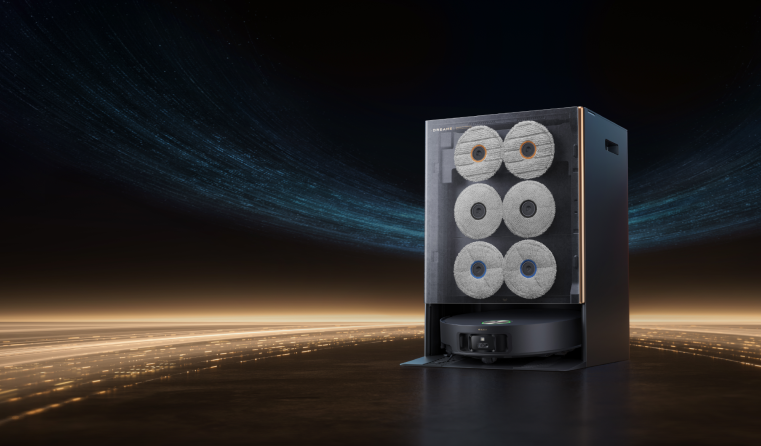
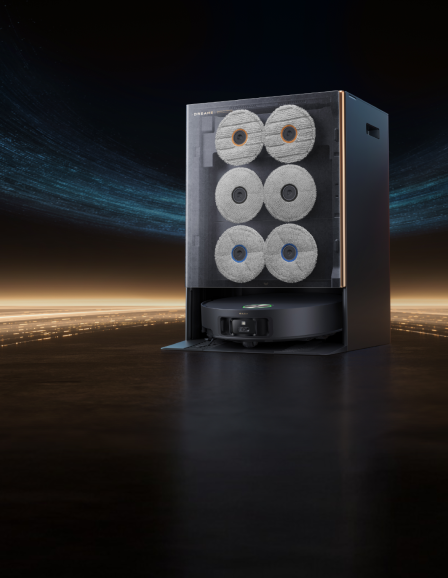
Thinking about getting a robot vacuum? Real user reviews reveal a common truth: while these devices can make daily cleaning easier, they're not perfect - and they don't work the same in real homes as they do in lab tests. Why would people love a life with a robot vacuum? What people wish they knew before they buy a robot vacuum? And where can I get useful information before I decide? This guide breaks down what real users love - and don't - about robot vacuums in daily use. Whether you're researching Dreame or other top brands, here's what to expect before you buy. What Users Love About Their Robot Vacuums Advantage 1: "I Don't Have to Think About Cleaning Anymore" Most people don't buy robot vacuums for fancy features - they want real automation. In fact, 73% of users on Reddit and Amazon said hands-free scheduling was their top reason for buying one. Newer models with self-emptying bases make life easier: They can hold dust for 30 to 60 days. [1] Some are bagless, so you don't need to keep buying bags. You can adjust how often they empty based on your home. Smart control has also improved. Today's robots can understand voice commands like "Avoid the rug near the balcony," thanks to built-in AI. They also work smoothly with Apple Home, Google Assistant, and Alexa - just say "Clean the kitchen after dinner," and the vacuum gets to work. Advantage 2: "It Just Glides Over Everything" Smart navigation works. Navigation failures used to be the biggest complaint about robot vacuums. Modern systems have dramatically addressed this pain point with measurable improvements. Key Navigation Advances: Reduction in "stuck vacuum" incidents since 2024 (LiDAR + AI systems). Advanced threshold climbing capability with mechanical lifting systems. Single-run mapping accuracy that users consistently praise. One user in Reddit communities of robot vacuum says: "It memorized my basement layout after a single run." With better mapping, the robot can clean on its own without getting stuck all the time. You don't have to watch it - just let it run while you sleep or go out. Advantage 3: "My Hardwood Floors Have Never Looked Better" Users' tests confirm that modern robot vacuums clean hard floors well. They can move smoothly and pick up dirt across many floor types. A buyer of Dreame L10s Ultra said: Our floors have never looked so good...I have the robot vacuum three times a week at the 2X setting and a vacuum and mop on Saturdays. Our floors have never looked better. The area rugs look new, and the hardwood/vinyl appear pristine. And there's also a review about Dreame's X50 Ultra, which highlights that robot vacuums have excellent hard floor cleaning results: Modern robots easily collect "a majority of the large, small, and powder debris on its first pass" on hard floors. Dreame X50 Ultra delivers "the most thorough mopping I've experienced so far" with an extending side brush and mop pads for superior edge cleaning. Edge cleaning has significantly improved with extending brushes providing "the most rigorous edge clean I've personally experienced". Advantage 4: "No More Pet Hair Tumbleweeds" Pet hair management represents one of the most significant technological leaps in robot vacuum design. A Youtube review says: Hair tangles are usually a problem, especially with rollers that include bristles, but I'm pleased to report that both the side brush and dual roller system managed to avoid any hair wrapping around them...if you're a pet owner... the dual rollers and larger internal dust bin with its hair compression feature make it a perfect robot for handling pet hair. Anti-Tangle Technology Performance: Significant reduction in hair wrap-around through advanced brush designs. Dual-brush systems that channel hair to prevent tangles. Open funnel designs that direct hair straight to the dustbin. Testing keeps showing that rubber rollers are better at handling pet hair. They collect more and are easier to clean, which helps pet owners spend less time on maintenance. Advantage 5: "It Takes Care of Itself" Real users are amazed by how hands-free modern robot vacuums have become. As one reviewer noted about the Dreame X40 Ultra: "Dreame says you can be hands-free for up to 75 days," and "it auto empties the dust into the bag, dirty water goes into the dirty water tank, and of course you have the clean water and detergent that it will take as needed." What the Dock Can Do: Empty the dustbin automatically. Refill the water tank from a built-in reservoir. Wash and dry the mop pads. Clean the base station itself. Auto-dispense cleaning solution when needed. With features like auto-emptying, self-cleaning dock, and automatic mop detachment/reattachment, these advanced docking stations handle most maintenance tasks automatically, making robot vacuum ownership more hands-free than ever before. Advantage 6: "One Robot, Two Jobs Done Perfectly" Robot vacuums that can vacuum and mop are getting great reviews. Tests and user feedback show they work well, thanks to smart features that adjust to different floor types. Why Combo Robots Work Well: Fast-spinning mop pads help scrub the floor better. They can tell when they're on carpet and lift the mop automatically. They clean for longer without needing help from you. These robots are especially loved by people with both hard floors and carpets. They can vacuum and mop in one run, switching modes on their own. What Users Wish They Knew Before They Buy Robot Vacuums While these advanced features have made robot vacuums more helpful than ever, users also point out a few things they wish they had known earlier. A robot vacuum does not seem to fix all. And some limitations only show up after weeks of use. Downside 1: "Still Gotta Vacuum the Rugs" Even though ads make big claims, simpler robot vacuum models still have trouble with carpets—especially thick ones. The Reality Check: Medium carpets are hard for most robots to clean well. Pet hair stuck deep in the carpet is tough to remove. Thick rugs can block the vacuum from moving at all. Many users find they still have to use a regular vacuum once a week, even if the robot runs every day. As one reviewer put it, "It's like using a broom on shag carpeting." Robot vacuums are better for light daily cleaning, not for deep carpet work. Downside 2: "Hidden Maintenance Costs Add Up" The price of the robot vacuum isn't the full story. Many users are surprised by how much they spend later on things like filters, brushes, and dust bags. Typical Maintenance Costs: Filters: $10–30 every 3 to 6 months. Brushes: $15–40 every 3 to 4 months. Dust bags: $20 for a pack of three (for self-emptying models). Battery: $50–100 after 2 to 3 years. A full replacement kit with filters and brushes costs around $62, and you'll likely need two kits per year. Some filters cost $35 for three, and the app often reminds you to replace them, even if they still seem okay. Over time, these costs add up more than many people expect. Plus, since many owners still use a regular vacuum for deeper cleaning, the robot doesn't fully replace manual work. Instead of saving energy, it often means running two machines - and using more electricity. Downside 4: "You Still Have to Take Care of It" Even though ads say you can "set it and forget it," many users still spend time every week taking care of their robot vacuum. In fact, many of the users report weekly cleaning tasks. Weekly Chores Often Include: Pulling out hair from brushes and wheels. Wiping dust off sensors. Removing small objects that get stuck. Cleaning the charging points. If you have pets, the dust bag in the auto-empty dock can fill up fast - some people replace it every two weeks. Even top models with self-cleaning systems still need regular care to keep working well. And that's not all. Even advanced models might miss some spots while cleaning, especially in busy, lived-in spaces with furniture, clutter, or rugs. Robots can mistake dark floor tiles for "cliffs" and skip entire sections. They might leave dirt in corners, around furniture legs, or next to rugs. Even the best ones sometimes leave a little lint or a piece of leaf right where you can see it. Downside 5: "Balancing Price with What You Really Need" While high-end robot vacuums ($1,299–$1,599) often come with impressive features, the actual improvement in cleaning performance compared to mid-range models isn't always dramatic. In fact, many $300–$600 models offer a great mix of power, smart navigation, and mopping capabilities, enough for most households. What You Might Notice: Entry-level (<$500): Affordable but may miss key features like strong suction or effective mopping. Great for light use or small spaces. Mid-range ($300–$600): Often the sweet spot: solid suction, multi-surface support, and smart features at a reasonable price. Premium ($800+): Ideal if you want a top-tier experience, but unless you use every feature regularly, the value can feel underwhelming. If you're eyeing a premium model, make sure it fits your cleaning habits and space, not just your wishlist. So, How Do You Choose the Best Robot Vacuum? It depends on your home, your floors, and what matters most to you. But in general, look for a vacuum that offers: Strong cleaning performance on hard floors and low-pile carpets. Smart mapping and obstacle avoidance for less babysitting. Mop-lifting technology, if you have mixed flooring. A self-emptying base to reduce daily chores. Quiet operation, especially if you work from home. Clear support for maintenance and part replacements. Where to Find Honest, Detailed Robot Vacuum Reviews: Reddit communities like r/robotvacuums (real user feedback, photos, tips). YouTube reviewers such as The Smart Home Hookup and Vacuum Wars (real-world testing and side-by-side comparisons). Amazon and Best Buy reviews, sorted by "Most Helpful". Lab-tested results from Consumer Reports or Wirecutter. And search more for a detailed robot vacuum buying guide and discussion about their pros and cons. Final Take - Know the Gaps Before You Buy Robot vacuum reviews show what daily life with a robot cleaner really looks like. If your home has smooth floors, light clutter, and you're looking to free up time, robot vacuums can deliver a major quality-of-life upgrade. But real users agree: they're not fully set-and-forget. Carpets still need help, maintenance adds up, and price doesn't always guarantee performance. For the best experience, look beyond the spec sheet. Focus on how well the robot fits your space, your routines, and your expectations. A model that excels in your home type beats a higher-end device that doesn't. 5 FAQs: What People Ask Before Buying a Robot Vacuum Q1. Will a robot vacuum replace my upright vacuum? A: Not entirely. On hard floors, it might. But for thick carpets or deep cleaning, most users still rely on a traditional vacuum once a week. Q2. Do I need Wi-Fi for a robot vacuum to work? A: Most models can run without Wi-Fi using manual start, but Wi-Fi enables app control, scheduling, and firmware updates - features many users find valuable. Q3. Can I use a robot vacuum in a home with stairs? A: Yes, but you'll need to carry it between floors unless it comes with multi-floor mapping. Most use drop sensors to avoid falling down stairs. Q4. How often do robot vacuums need maintenance? A: Weekly light maintenance is common - emptying the bin, cleaning sensors, and checking for clogs. Mop modules and side brushes may need deeper cleaning monthly. Q5. Are budget models under $500 worth considering? A: They can be, especially for small apartments with hard floors. Just know that lower-end models may lack mopping, strong suction, or advanced obstacle detection.
Continue reading