










 Robot Lawn Mowers















 Smart Door Lock


 Australia
 中国大陆
中国大陆 日本
日本


 Türkiye


 Italia
 Netherlands
 Belgium
 Greece
 Polska
 Norway
 Sweden
 Finland
 Denmark
 Hungary
 Czechia
 Slovenia
 Croatia
 Switzerland
 United
Kingdom
United
Kingdom
 Canada

 Colombia


In this article
Whether you’re deep-cleaning carpets or trying to remove stubborn pet hair from upholstery, suction power is one of the most important features to consider in a vacuum cleaner. But what exactly is vacuum suction power, and how do you know if a vacuum is powerful enough for your cleaning needs?
In this guide, we’ll break down how suction power works, how it’s measured, what’s considered “good” for different vacuum types, and how to choose the right option for your floors and lifestyle.

Why Suction Power Matters in a Vacuum
Suction power determines how effectively your vacuum picks up debris from surfaces. Higher suction power means more ability to lift dirt, especially from deeper within carpet fibers, cracks in tiles, or textured upholstery.
It’s not the only factor (filters, brush rolls, and airflow design matter too), but it’s a key indicator of cleaning performance.
Suction Power vs. Airflow—What’s the Difference?
These terms are often confused.
- Suction power is the force that pulls air into the vacuum.
- Airflow, measured in CFM (cubic feet per minute), is how much air moves through the system.
Think of suction as the strength and airflow as the volume. Both are essential for optimal cleaning.
Learn more about must-have vacuum features in our guide: “Choose the Right Dust-Busting Vacuum.”

How Is Vacuum Suction Power Measured?
Vacuum manufacturers use several technical units to quantify suction power. Understanding these can help you compare models more confidently.
1. Watts (W)
Watts are often used on corded vacuums to describe motor power. While not a direct measure of suction, it offers a rough idea of performance.
Most household vacuums range between 500W and 1,500W. A high-watt motor doesn’t always mean better performance, as efficiency matters more.
2. Air Watts (AW)
This is a more accurate measure of suction for cordless vacuums. It tells you how efficiently a vacuum turns electric power into suction, combining airflow and vacuum pressure. Here’s what to look for:
- 160–180 AW: Powerful for cordless stick vacuums; ideal for quick cleanups.
- Over 200 AW: Excellent for deep cleaning and heavy-duty carpets.
- Under 100 AW: Better suited for light cleaning or hard floors.
3. Pascals (Pa)
Pascals measure static pressure. This is commonly used for robot vacuums and wet and dry models, measuring the pressure difference the vacuum can generate.
- 2,000–3,000 Pa: Standard for basic robot vacuums
- 4,000–6,000 Pa: Good for pet hair and mixed flooring
- 7,000+ Pa: Excellent for carpets and deep cleaning

4. Water Lift (Inches or mm)
Also known as sealed suction, this metric is common for wet and dry vacuums. It measures how high the vacuum can lift water in a tube, indicating how well it handles liquids or dense debris.
Higher numbers (e.g., 100+ inches) indicate strong suction for thick carpets.

What Is a Good Suction Power for Each Type of Vacuum?
Suction needs vary by vacuum type. Here’s a breakdown of what to look for across common categories:
Upright Vacuums
Typically the most powerful, upright vacuums work well for homes with a lot of carpeting.
- Good suction: 180–300 AW (approx. 18,000–27,000 Pa)
- Ideal use: High-pile carpet, area rugs, and pet-heavy homes
Considering an upright model? Don’t miss our breakdown: "The Pros and Cons of Upright Vacuum Cleaners."
Canister Vacuums
More flexible with higher airflow, canisters are great for multi-surface homes.
- Good suction: 200–400 AW (approx. 20,000–36,000 Pa)
- Ideal use: Stairs, hardwood, tile, and mixed floors
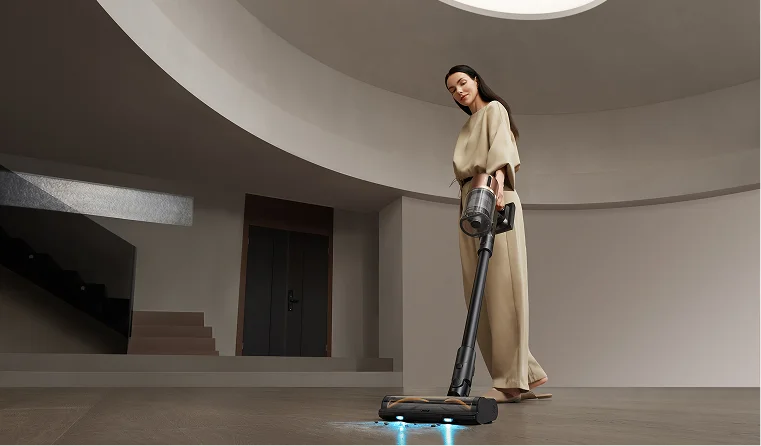
Cordless Stick Vacuums
Lightweight and portable, but suction depends heavily on the motor and battery.
- Good suction: 150–210 AW (approx. 20,000–30,000 Pa)
- Ideal use: Everyday messes, light to moderate dirt, hard floors, and light carpets

Handheld Vacuums
Compact and convenient for spot-cleaning.
- Good suction: 30–50 AW (approx. 3,000–6,000 Pa)
- Ideal use: Car interiors, upholstery, and quick cleanups
Considering an upright model? Don’t miss our breakdown: "How to Choose a Handheld Vcuum"
Robot Vacuums
These self-driving helpers have improved drastically. They use Pascal ratings to indicate suction strength.
- Good suction: 3,000–5,000 Pa
- High suction: 6,000–8,000 Pa
- Ideal use: Automated daily cleaning and mixed floor types
Wet and Dry Vacuums
Best for liquid spills, garage messes, or whole-floor care.
- Good suction: 100+ AW or 80+ inch water lift (approx. 20,000+ Pa)
- Ideal use: Kitchen spills, garage messes, and tile cleaning

Vacuum Suction Power Chart
Below is a quick-reference vacuum suction power chart to help you understand what’s ideal by type and environment.
|
Vacuum Type |
Suction Power Range |
Ideal For |
|---|---|---|
|
Upright |
180–300 AW / 18,000–27,000 Pa |
High-pile carpet and pet hair |
|
Canister |
200–400 AW / 20,000–36,000 Pa |
Mixed flooring and large homes |
|
Cordless Stick |
150–310 AW / 20,000–30,000 Pa |
Daily cleaning and hard floors |
|
Handheld |
30–50 AW / 3,000–6,000 Pa |
Car interiors and furniture |
|
Robot |
3,000–8,000+ Pa |
Autonomous cleaning, light debris |
|
Wet and Dry |
100+ AW / 20,000+ Pa or 80+ in WL |
Liquid spills, tile, garages, deep dirt, and whole-home cleaning |
Real-World Performance: Vacuum Cleaner Models Compared
Specs are one thing, but how do Dreame vacuums perform in real homes?
|
Model |
Category |
Suction Power |
Run Time |
Standout Feature |
Best For |
|---|---|---|---|---|---|
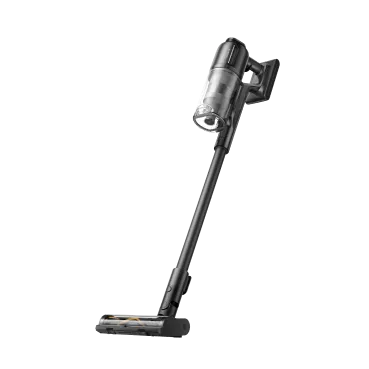
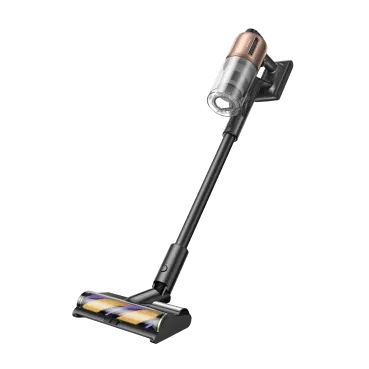
|
Cordless Stick Vacuum |
310 AW |
Up to 90 mins* |
Intelligent suction adjustment with LED display |
Deep carpet and pet messes |
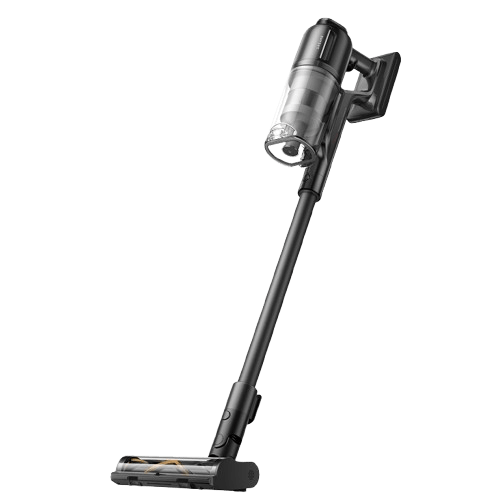
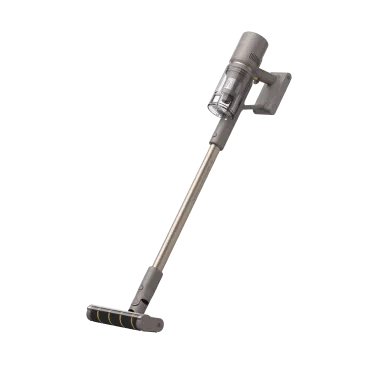
|
|
Cordless Stick Vacuum |
120 AW |
Up to 60 mins* |
Lightweight design for daily spot cleaning |
Quick cleanups, hardwood floors, compact spaces |
|
|
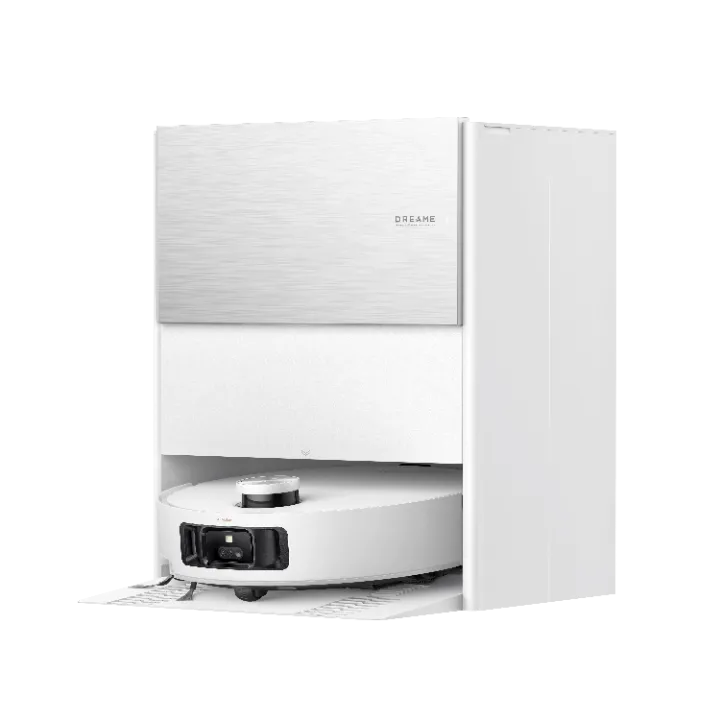
Robot Vacuum |
19,500 Pa |
Up to 200 mins* |
Auto-empty base, smart mopping, and 3D navigation |
Whole-home hands-free cleaning |
|
|
Robot Vacuum |
20,000 Pa |
Up to 220 mins* |
Powerful 20,000 Pa suction and AI obstacle avoidance |
Deep cleaning for carpets and hard floors |
|
|
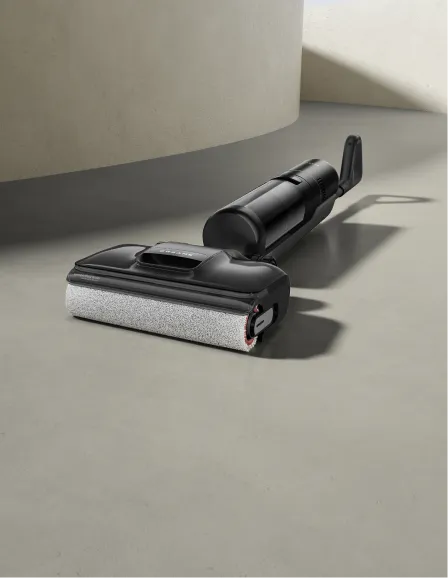
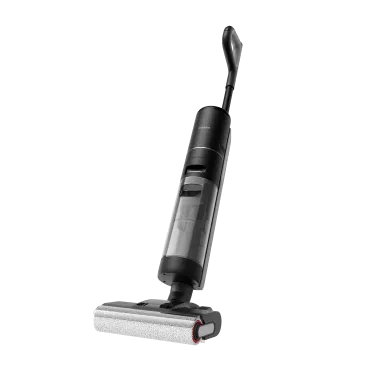
Wet & Dry Vacuum |
16,000 Pa |
Up to 35 mins* |
Self-cleaning brush and edge-to-edge mopping |
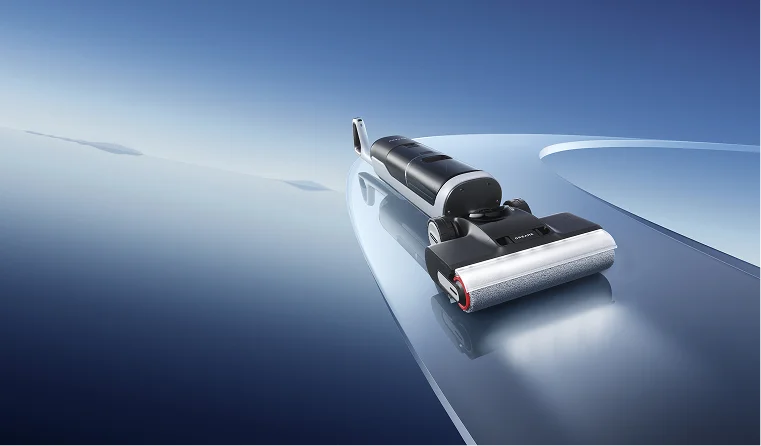
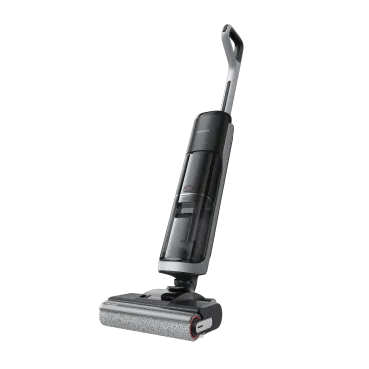
Multi-surface vacuuming and mopping |
Recommended Suction Power by Surface Type
Different surfaces need different levels of suction. Here's a helpful breakdown:
|
Surface Type |
Recommended Suction Power |
|---|---|
|
Hardwood Floors |
100–150 AW / 3,000–5,000 Pa |
|
Low-Pile Carpet |
150–200 AW / 5,000–6,000 Pa |
|
High-Pile Carpet |
200+ AW / 7,000+ Pa |
|
Tile Flooring |
100–150 AW |
|
Upholstery/Furniture |
50–100 AW |
|
Pet Hair Removal |
180–210 AW / 6,000+ Pa |
FAQs: Common Questions About Suction Power
Q: What is a good suction power for a vacuum cleaner in air watts?
A: For cordless models: 160–210 AW. For uprights or canisters: 180–300 AW.
Q: What is a good suction power for a vacuum cleaner in Pascals?
A: 3,000–5,000 Pa is decent; 7,000+ Pa is excellent for deep cleaning.
Q: How do I know if my vacuum has strong suction?
A: If it lifts debris in one pass, holds strong on upholstery, or lifts a rug slightly during cleaning, it’s got strong suction.
Q: Does suction power degrade over time?
A: Yes. Clogged filters, worn motors, and full dustbins reduce performance. Clean filters and empty the bin regularly.
Q: Is high suction bad for hardwood floors?
A: Not necessarily. But too much suction with the wrong brush head can scatter debris or damage finishes. Use adjustable power settings.
Q: Is low suction always bad?
A: Not at all. Low suction is ideal for delicate surfaces like curtains or lightweight rugs.
Still unsure what’s best for your floor type? Check out: “Are Robot Floor Cleaners Worth It in 2025?”
Final Thoughts: Choose the Suction Power That Matches Your Lifestyle
There’s no one-size-fits-all number for vacuum suction power. The “right” choice depends on your home’s size, floor types, and cleaning habits.
- Live with pets or capets? Go for 200+ AW or 7,000+ Pa.
- Mainly hardwood and tile? 150 AW or 4,000–5,000 Pa will do.
- Want tech-savvy convenience? Check out Dreame’s robot vacuum collection.
If you’re ready to power up your cleaning game, browse Dreame’s full range of vacuum cleaners to find the perfect match for your home.m
